The summer solstice happened at 4:24 am on Sunday morning, and our friends at EarthSky explain that in addition to heralding the longest days of the year, the longest sunsets of the year happen around the summer & winter solstices:
That is, it takes more seconds for the body of the sun to sink below your western horizon around the solstices, and fewer seconds around the equinoxes. It’s true whether you live in Earth’s Northern or Southern Hemisphere … At more northerly temperate latitudes, the sunset duration is greater; and at latitudes closer to the equator, the sunset duration is less. Near the Arctic Circle (65 degrees north latitude), the duration of a solstice sunset lasts about 15 minutes. At the equator (0 degrees latitude), the solstice sun takes a little over 2 minutes and 15 seconds to set. Regardless of latitude, however, the duration of sunset is always longest at or near the solstices.
As it turns out, the sunset and sunrise are a tad longer on the December solstice than they are on the June solstice. That’s because the sun is closer to Earth in December than it is in June. Therefore, the sun’s disk looms a bit larger in our sky in December, and so it takes slightly longer to set.
Read more in EarthSky & for sure subscribe to their newsletter for all kinds of understanding about what’s up there
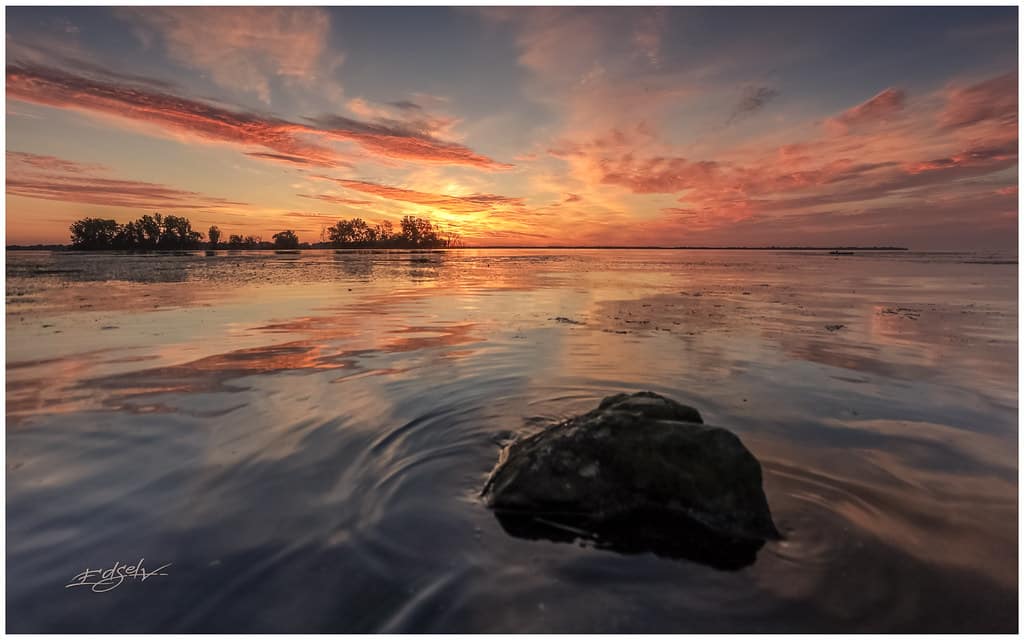
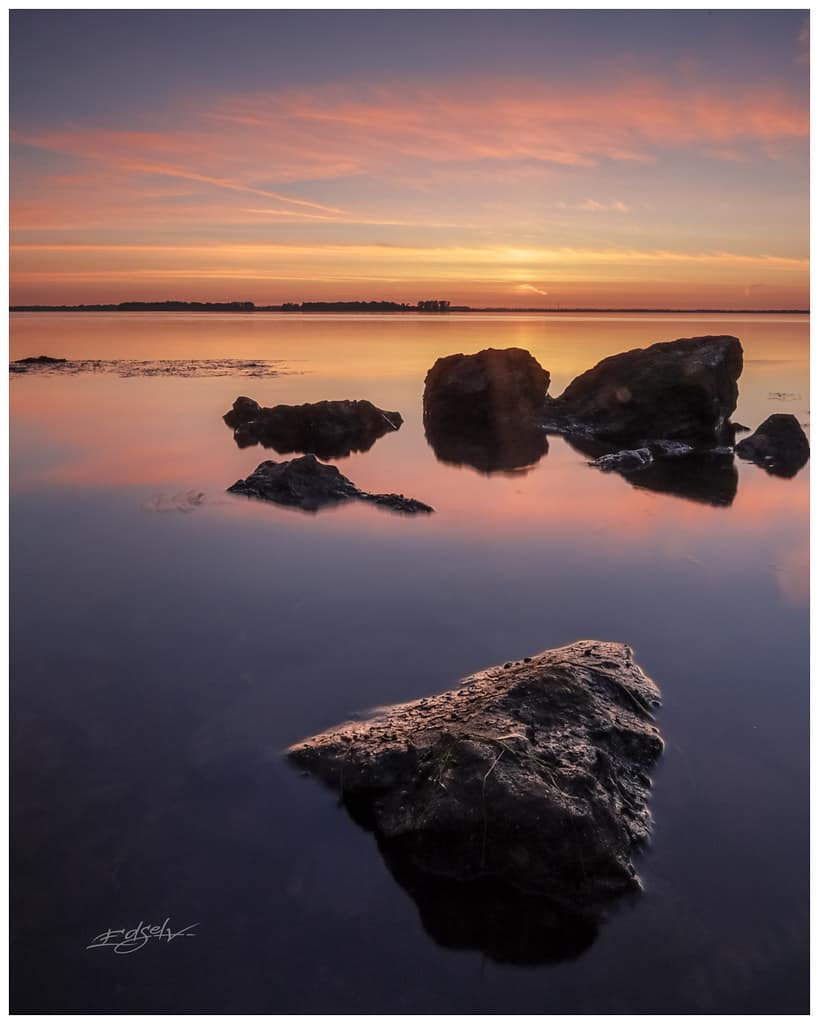
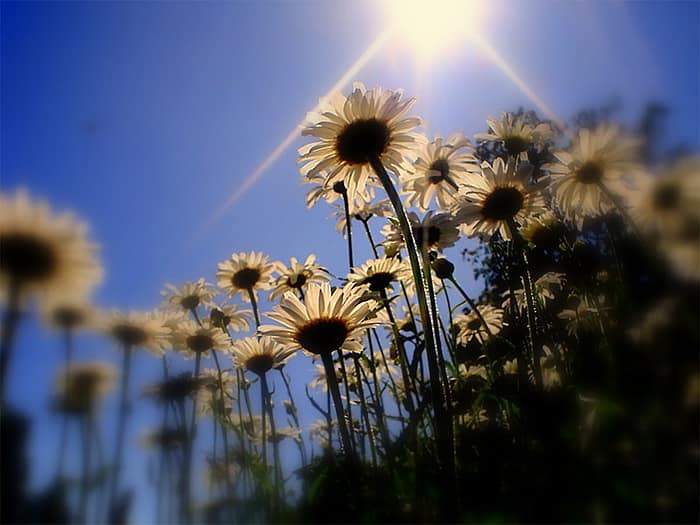
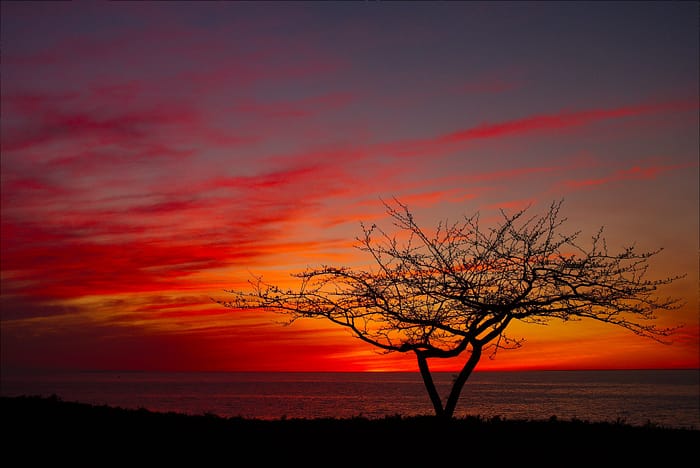
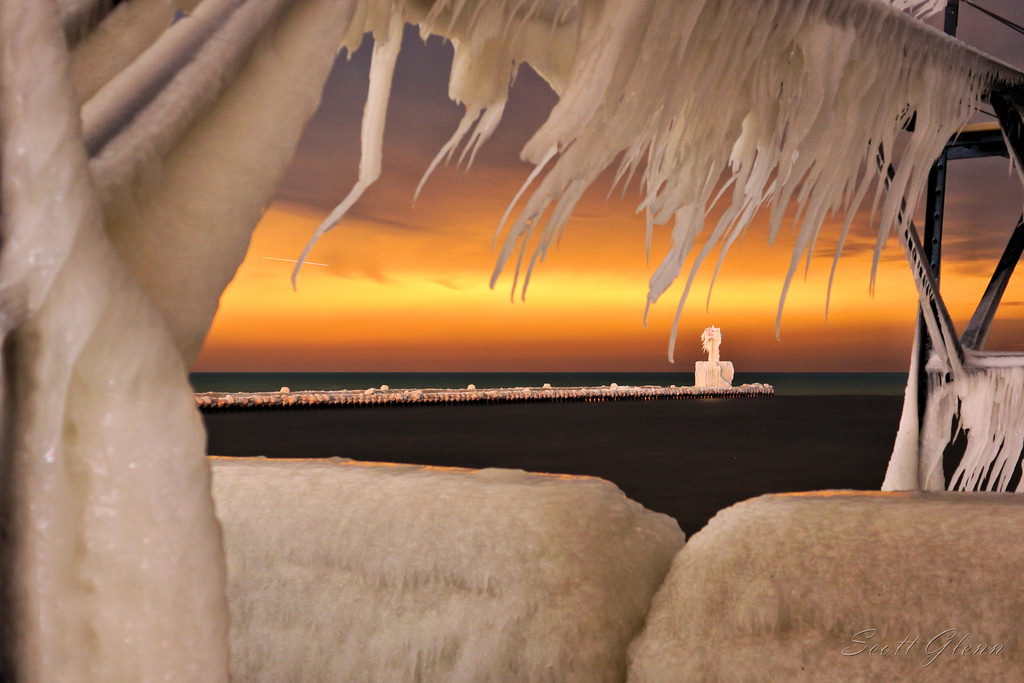
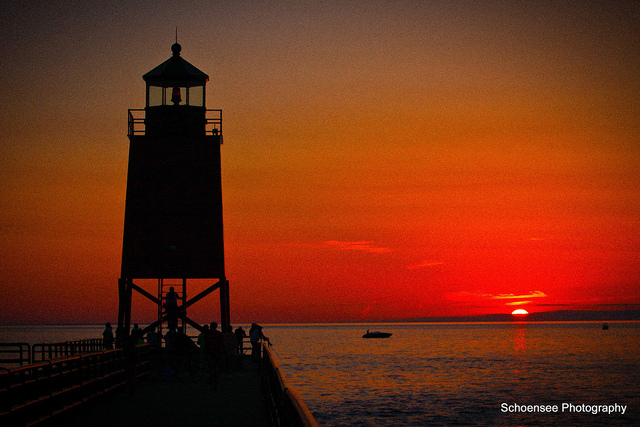
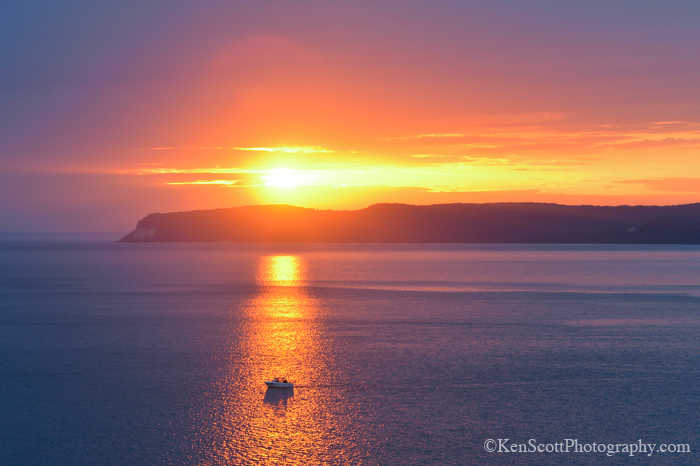
I originally shared Etzel’s tasty sunrise photo back on June 22, 2020 a few days after he shared it. Here’s a couple more great shots, but for sure check them all out in his Chasing SunRise/Set gallery on Flickr.




 It was near the summer solstice of 240 BC that Eratosthenes, curator of the famed Library of Alexandria and renowned mathematician and geographer, performed his famous experiment in Egypt to calculate the diameter of the Earth. The bottom of a deep well in the city of Syene, Egypt (near the present day Aswan Dam and very near the Tropic of Cancer) was known to be illuminated by the sun directly at mid-day on the longest day of the year (the solstice). But on the same day, a vertical pole in Alexandria, some 800 km to the north, cast a distinct shadow. By measuring the shadow and applying the geometry of a sphere, Eratosthenes calculated the Earth’s diameter with remarkable accuracy. Sadly, the concept of a spherical Earth was lost from common thought for over a thousand years until Christopher Columbus and others proved the fact by sailing west to go east. The background reference image of Egypt and the Nile River is provided by the NASA MODIS instrument.