Last Friday, my Absolute Michigan photo group on Flickr crossed a major milestone when Mark Smith added the 300,000th photo to the group! I created the group 20 years ago to support my Absolute Michigan supersite which was regrettably demolished by the Pure Michigan campaign. Regrets aside, the group remains an incredible place for seeing images from every corner of the Great Lakes State taken by nearly 4000 members (3,930 to be exact). From Alanson to Midland to Zeeland you can find photos of parks, parties, & people enjoying everything Michigan has to offer.
A reader commented that they had seen lightning & heard the rumble of thunder yesterday, an observation shared by numerous folks around the state. Although a lot of the online articles are hyping up thunder snow as a dangerous or abnormal phenomenon, it’s not.
The NOAA National Severe Storms Laboratory’s Severe Weather 101 explains that although thunderstorms are less common in the winter, sometimes lightning does occur within a snowstorms and is called thundersnow. Thundersnow can be found where there is relatively strong instability and abundant moisture above the surface, such as above a warm front. Thundersnow is sometimes observed downstream of the Great Salt Lake and the Great Lakes during lake-effect snowstorms too.
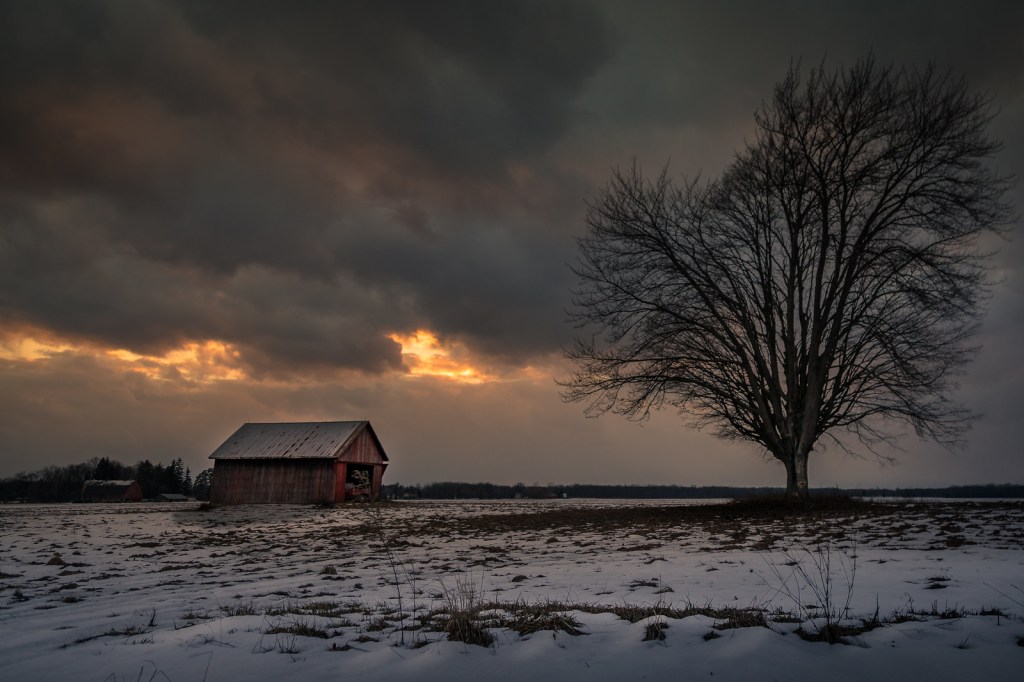
Christian took this back in February if 2017. See more in his barns – graneros gallery on Flickr.
CBS Detroit reports that there will be 17 Olympians from Michigan on Team USA out of the nearly 230 athletes we’re sending to Milan-Cortina, Italy. Athletes range from old timers like 5-time Olympian & gold medalist Nick Baumgartner or dual gold medal winning freestyle skier Kaila Kuhn to Detroit Red Wings captain Dylan Larkin to first time hopefuls. Best of luck to all these Team USA athletes!
Evan Bates, 36, Ann Arbor, Ice Dancing
Nick Baumgartner, 44, Iron River
Christina Carreira, 25, St. Clair, Ice Dancing
Madison Chock, 33, Redondo Beach, California, Ice Dancing
Kyle Connor, 29, Shelby Township, Ice Hockey
Connor Hellebuyck, 32, Commerce Township, Ice Hockey
Jack Hughes, 24, Canton, Ice Hockey
Quinn Hughes, 26, Canton, Ice Hockey
Megan Keller, 29, Farmington Hills, Ice Hockey
Vadym Kolesnik, 24, Novi, Ice Dancing
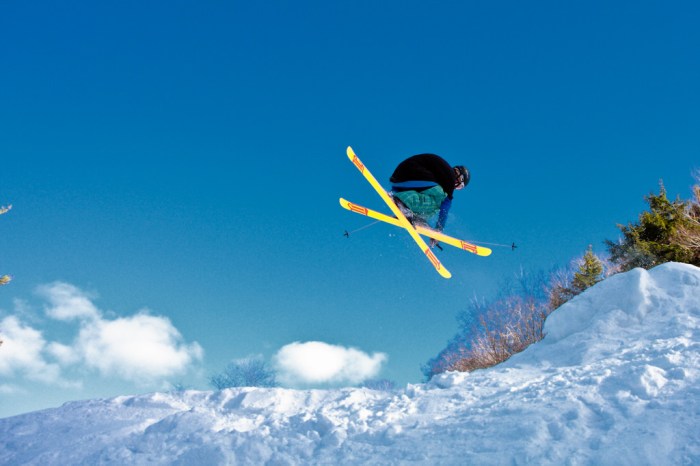
Kaila Kuhn, 22, Boyne City, Freestyle Skiing
Dylan Larkin, 29, Waterford Township, Ice Hockey
Kirsten Simms, 21, Plymouth, Ice Hockey
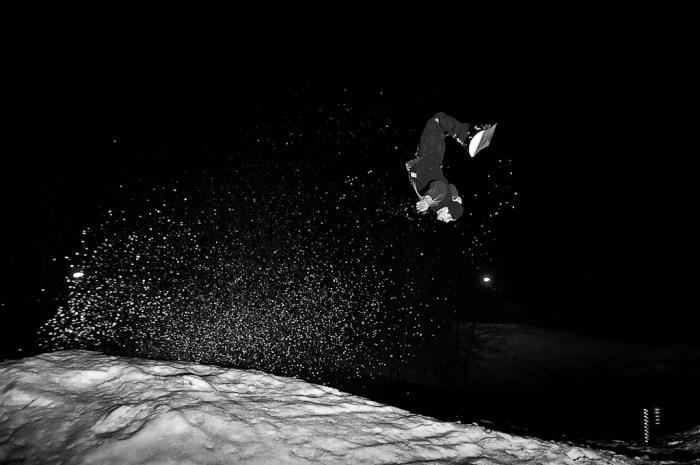
Jake Vedder, 27, Pickney, Snowboarding
Winter Vinecki, 27, Gaylord, Freestyle Skiing
Zach Werenski, 28, Grosse Pointe Woods, Ice Hockey
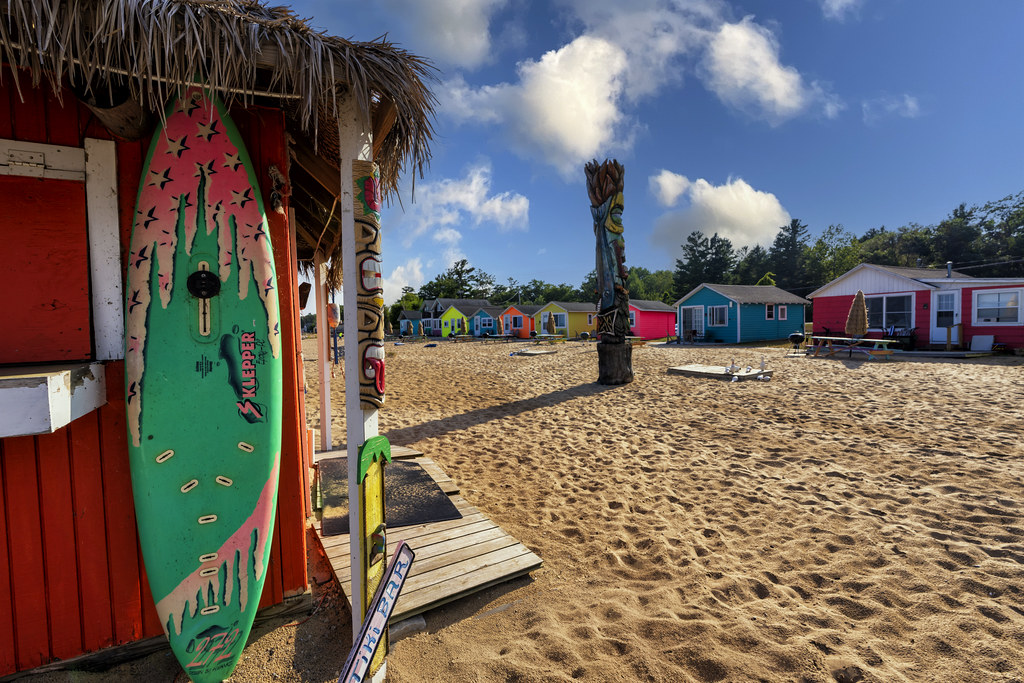
Here are two pics from Charles of the joyfully painted Mai Tiki Resort on Lake Huron in Oscoda demonstrating that you can find a little spot of summer in Michigan even on the coldest day. See his latest on Flickr & stay warm!
“The most extensive and very nearly the most severe blizzard in Michigan history raged throughout Thursday January 26, 1978 and into part of Friday January 27. About 20 people died as a direct or indirect result of the storm, most due to heart attacks or traffic accidents. At least one person died of exposure in a stranded automobile. Many were hospitalized for exposure, mostly from homes that lost power and heat. About 100,000 cars were abandoned on Michigan highways, most of them in the southeast part of the state.” -National Weather Service Ann Arbor Meteorologist in Charge, C.R. Snider on January 30th, 1978
48 years ago one of the most powerful blizzards in Michigan history brought the state to a standstill. In her feature on historical Michigan snow days in the now defunct Seeking Michigan, Jessica Miller of the Archives of Michigan related:
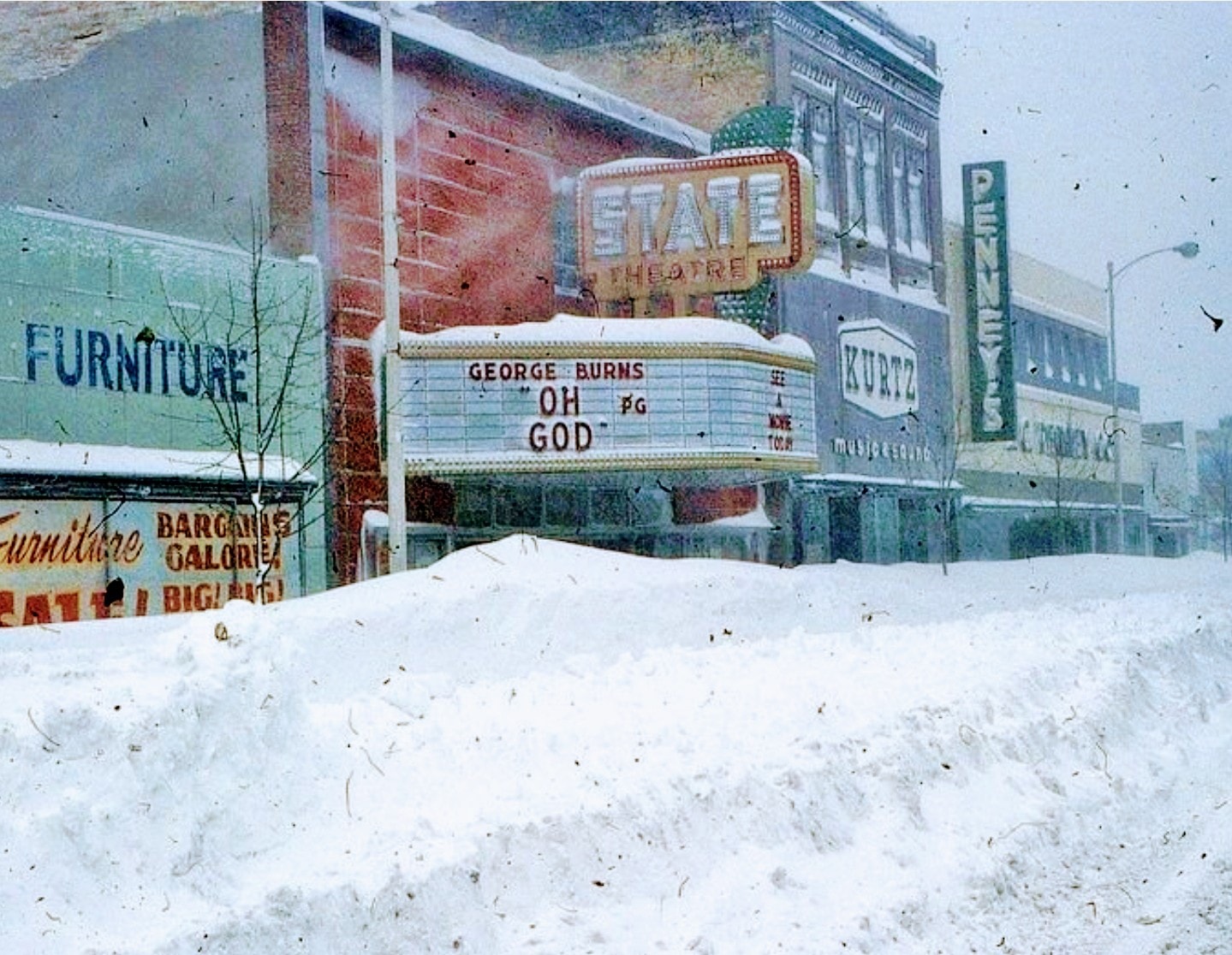
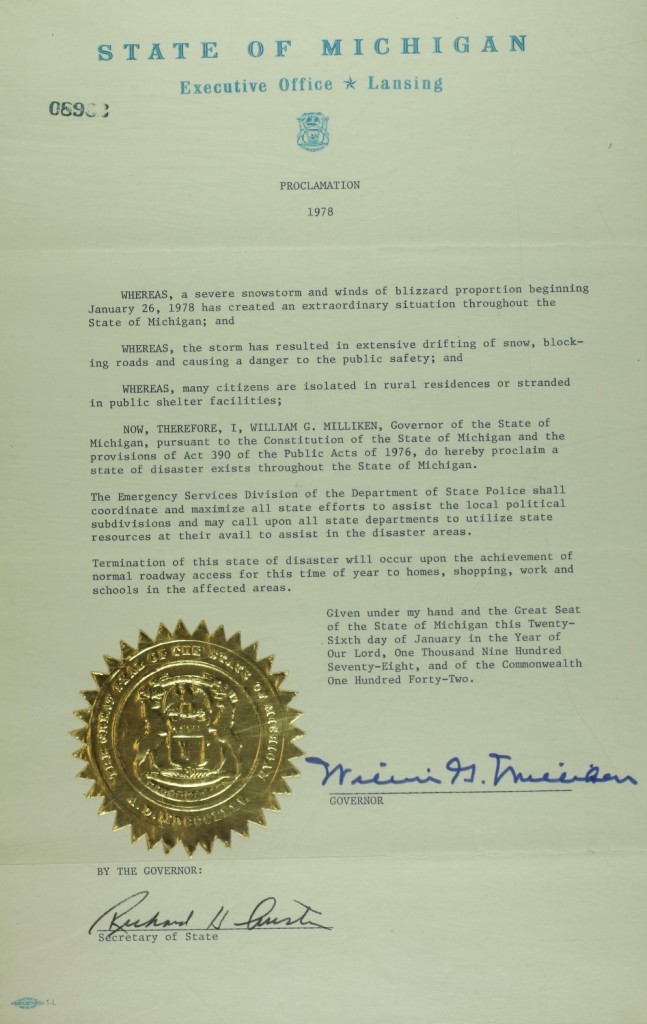
On January 26-27, 1978, snowstorms with fifty-to-seventy-mile per hour winds pummeled much of Michigan. Snowfall totals ranged from eighteen inches in Lansing to an incredible fifty-one inches in Traverse City. More than 100,000 cars were abandoned on roads and highways, and travel was impossible for days. Governor William G. Milliken declared a state of emergency on January 26 (See the image below.) and activated the National Guard to assist with the cleanup. The governor also requested financial assistance from the federal government and estimated damage totals to be more than $25 million, not including lost productivity from workers who were unable to get to their jobs.
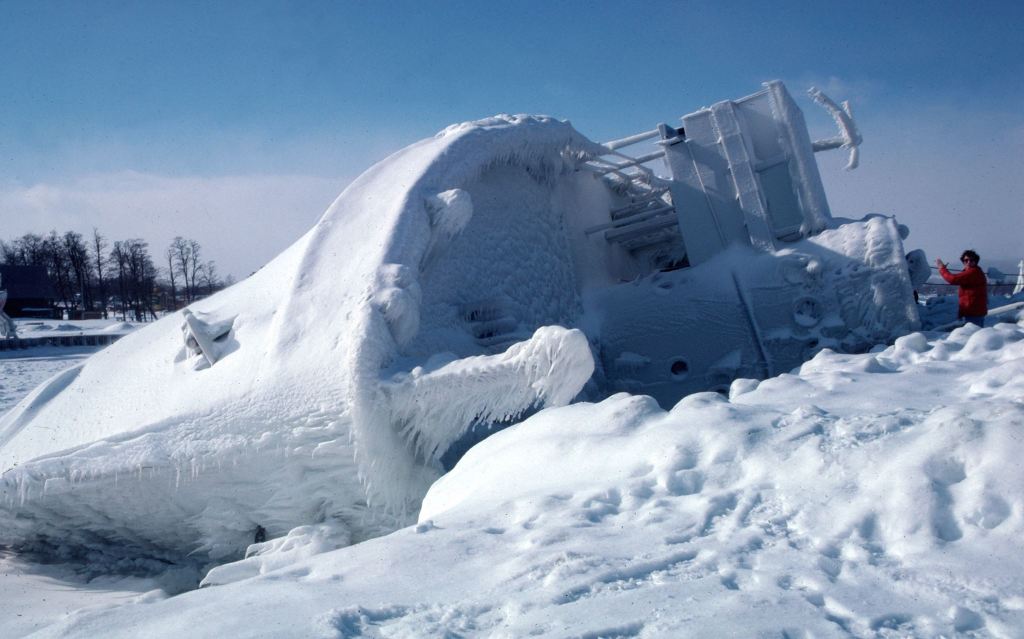
Regarding the photo, John wrote: Marty Lagina stands on the frozen pier at the Great Lakes Maritime Academy on January 29, 1978, viewing the capsized training vessel Allegheny, which capsized from ice buildup during the Blizzard of ’78. This image was on assignment for TIME magazine, who had seen my b&w image on the UPI wire and wanted a color image. Marty and I were lucky – the sky cleared and the wind stopped for about 20 minutes, then the storm began again. I wondered at the time who TIME knew to make that happen…
Not gonna lie, I’m not feeling good about the “plan” for Venezuela. Also, while I actually have a degree in the geopolitics of the Caribbean basin, I don’t plan to argue the logic of starting a conflict with a Chinese ally because of “drugs” but then switching to “oil & regime change” before the fires are even out. Is Maduro a good guy? Unquestionably not. Is invading a nation of 30 million people for vague & shifting reasons a good idea? Also no.
SHIVERING Birds have much higher metabolic rates and burn more energy to stay warm than we do. Black-capped chickadees weigh less than half an ounce and can maintain a body temperature of 100 degrees Fahrenheit – even when the air is 0 degrees! They do this by having great insulation, being very active and remembering where they store their food. A steady supply of food is essential, because chickadees eat more than 35 percent of their weight every day! Compared to many other birds, chickadees have a large hippocampus – the part of the brain that’s responsible for spatial memory. In the fall, this part of their brain gets even bigger.
FLUFFING FEATHERS All cold-climate birds pack on body weight in the late summer and fall in anticipation of the long, cold winter, but feathers also play an important role. All birds stay warm by trapping pockets of air around their bodies. The secret to maintaining these layers of air lies in having clean, dry and flexible feathers. The cleaning process, generally known as preening, depends on the species of bird. While all birds produce a special oil from a gland near the base of their tails, some cold-tolerant birds use this oil to weatherproof their feathers. Other birds like egrets, herons and mourning doves grow special feathers that disintegrate into a powder that they use to waterproof their feathers. Regardless of what weatherproofing method they use, preening helps birds keep a water resistant top layer and a toasty warm inner layer.
ROOSTING & CUDDLING Similar to people who may cuddle for warmth, small birds like tree swallows crowd together in shrubs, vines and evergreen trees to share body heat. They can also slow down their metabolic rate to conserve energy. Cavity nesters like nuthatches, titmice and downy woodpeckers use tree cavities and nest boxes to stay warm. Cavities and boxes provide protection from the weather and help birds hide from predators. Larger birds like American crows and ring-billed gulls are also known to flock together for warmth.
Read on for ways you can help including providing high energy foods like suet, peanuts and black oil sunflower seeds & a heated water bath.
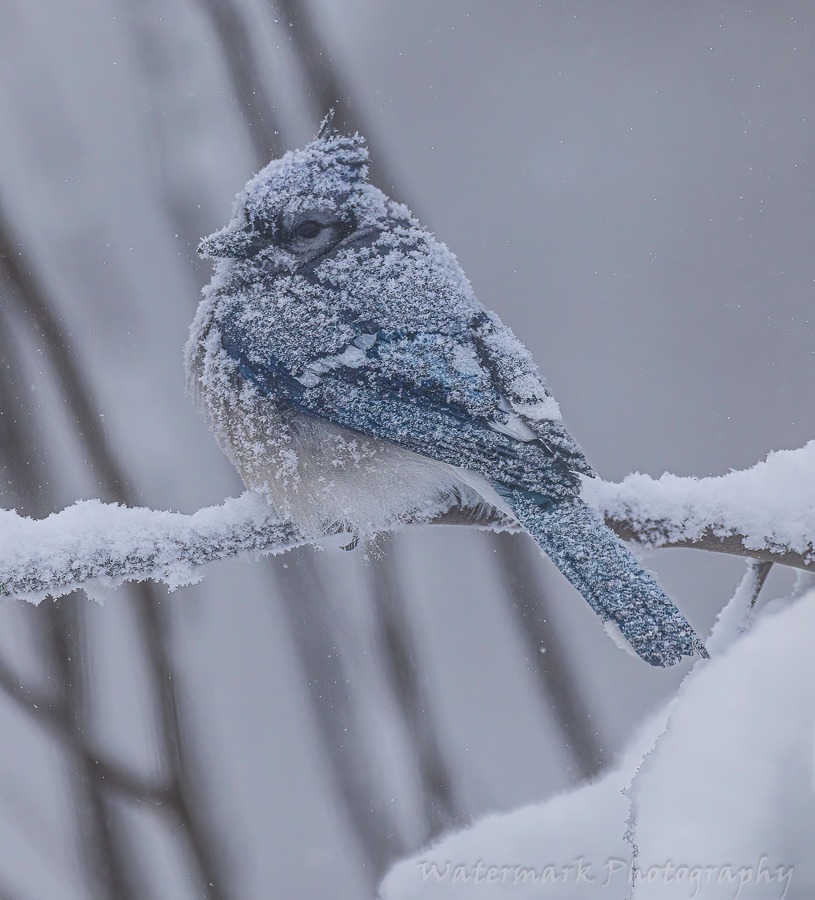
Jeff of Watermark Photography shared this photo of a snow-covered blue jay earlier this week. See more on his Facebook & see more (and purchase photos) in the Birds & Wildlife gallery on his website.
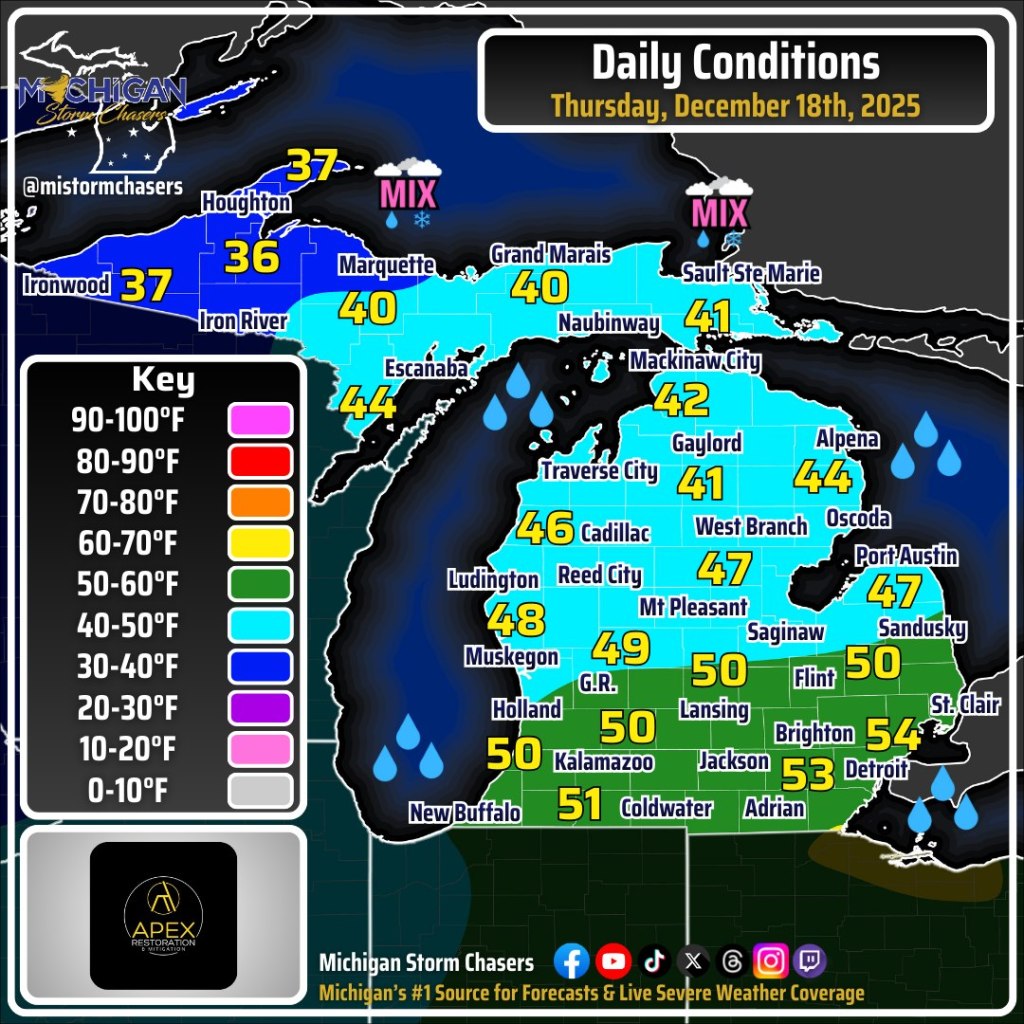
The folks at Michigan Storm Chasers share a detailed statewide Michigan weather forecast every morning that you should definitely incorporate into your daily feed. On Facebook they share that although we will see temps above freezing for most of the state, even topping 50 degrees in southern Michigan, temps will drop later in the day, potentially precipitously in what is known as a “flash freeze”. A flash freeze happens when rain has fallen, completely stopped, and then shortly afterward air temperatures drop from the 40s or 50s down into the 20s or colder. Ryan explains is all in their excellent video.
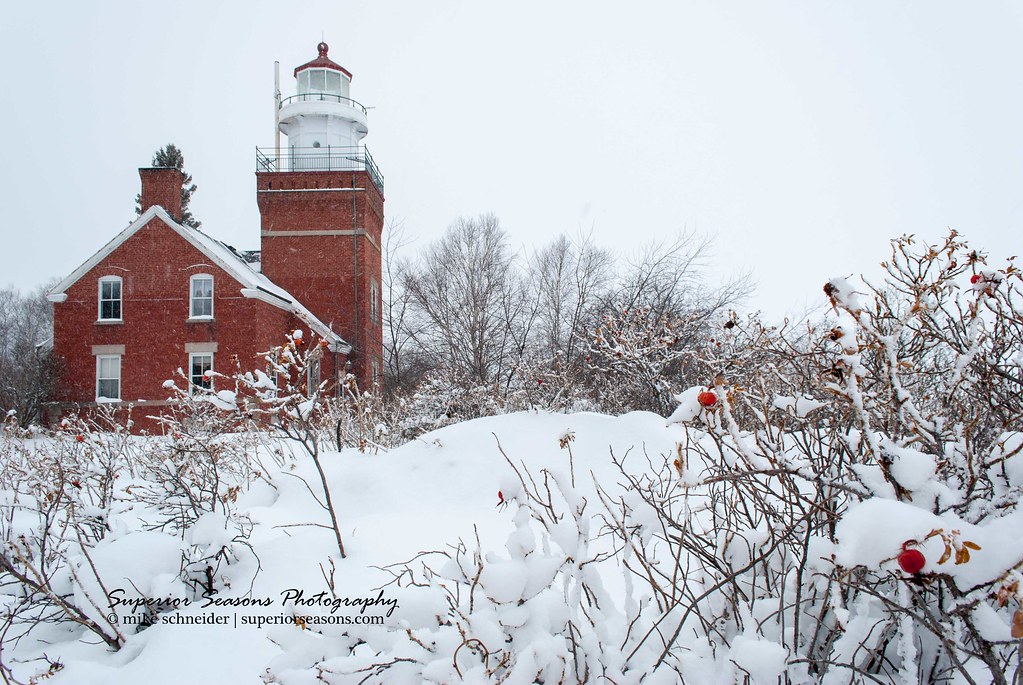
Michael shared this photo 13 years & one day ago on December 17, 2012, remarking that it was strange to see rain in December in the UP. Here are a couple more he shared to our Absolute Michigan group on Flickr, and you can see more in his The UP Eh! gallery.
I realize that I should add that although you can book tickets to ride the North Pole Express from Owosso, they sell out very early so I will try and shout this out earlier next year!!
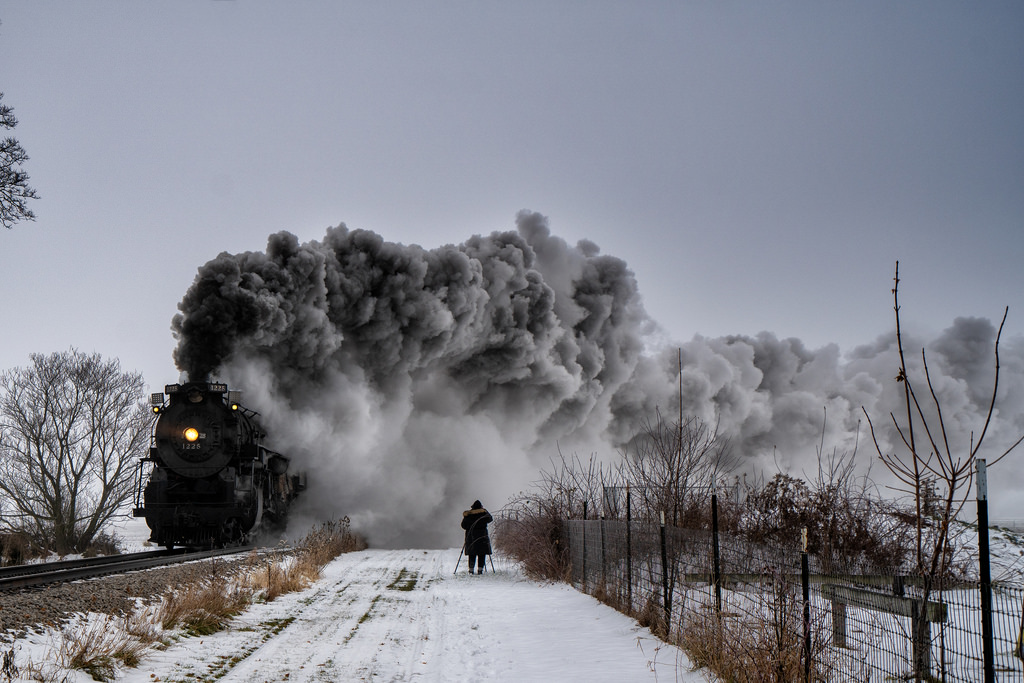
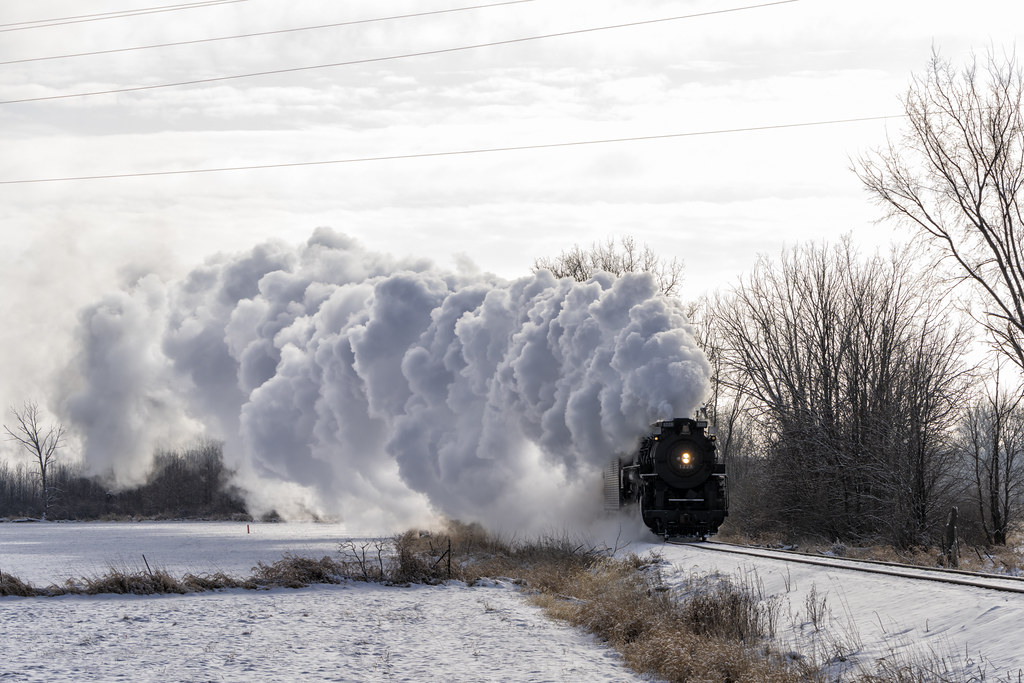
The steam locomotive Pere Marquette 1225 was first used by the Pere Marquette Railway to transport products between Detroit, Toledo, Flint, Saginaw, Grand Rapids and Chicago for a decade before being retired in 1951 when the Railway merged with Chesapeake and Ohio Railway who favored diesel locomotives. It was then given to a reluctant Michigan State University where it sat for 25 years. Spartan Newsroom explains how Pere Marquette 1225 returned to service & became the inspiration for beloved children’s book The Polar Express:
The Pere Marquette 1225 sat untouched on MSU’s campus just south of Spartan Stadium until 1969, when a group of students took interest in the steam locomotive. Randy Paqueete, a Michigan State alum and then-member of the MSU Railroad Club, suggested that the group try to restore the engine instead of it just being on display.
The club’s first goal was to get the steam locomotive up and running to transport students to and from football games. “These students had some crazy ideas. We’re going to go to away football games. We’re going to go to Florida. We’re going to go to Aspen. We’re going to run charters,” Struck said. In 1975, after five years of work, the students were successful in firing up the boiler long enough to sound the whistle. This victory did not come easy, as they needed to put 245 pounds of steam pressure into a 400-ton boiler, which the university was nervous about.
“Ultimately, we got permission,” Paqueet recalled. “We jumped through a lot of hoops but we got licensed. We had to do it on a Sunday when there weren’t very many people on campus.”
The students started the fire for the boiler at 4 a.m., and by 8 a.m., the steam engine had enough pressure to sound the whistle. For the first time in two decades, the whistle of the Pere Marquette 1225 was heard, proving the restoration process on the locomotive to be a success.
The legacy of the Pere Marquette 1225 is not limited to MSU’s campus. Author Chris Van Allsburg, who wrote “The Polar Express” children’s book the animated movie was based on, was inspired by this same steam engine during his childhood. Growing up in Grand Rapids, Allsburg frequently visited MSU on the weekends for football games and would see the locomotive on display. When writing the book he remembered the steam engine he played on as a child, and the model number 1225, which also coincidentally represented Christmas Day. During production of the film, animators were given blueprints of the Pere Marquette 1225, allowing them to accurately recreate the train. They also made frequent visits to Owosso, Michigan, where the locomotive was eventually relocated, to record its authentic sound to use in the movie.
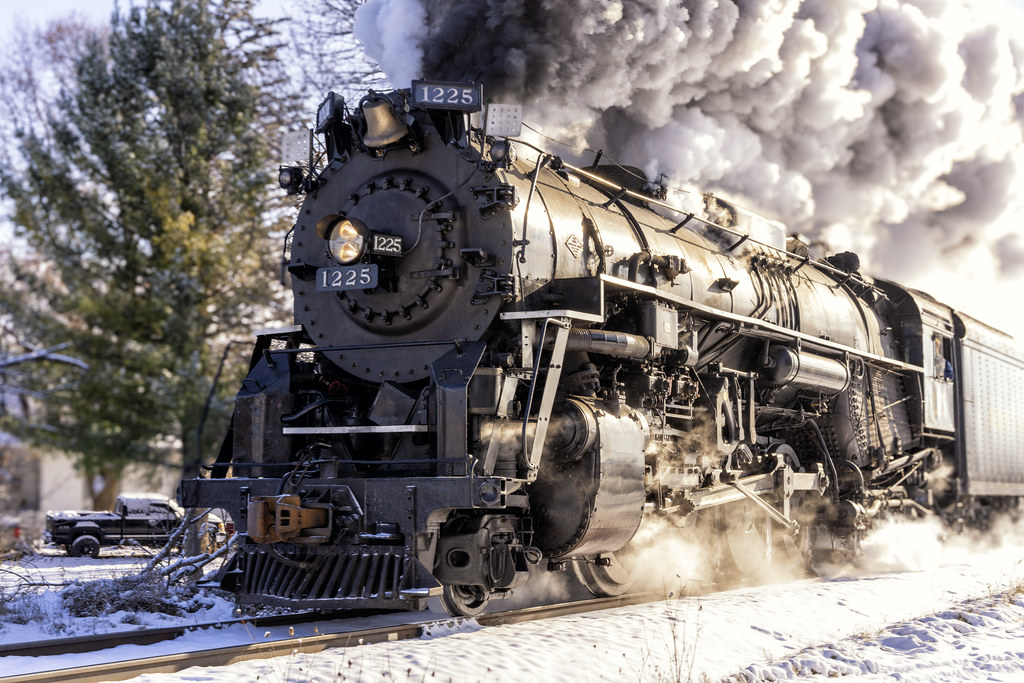
Here’s a few more shots by Charles of Pere Marquette 1225 from this year along with one of a photographer getting the shot that I shared back in 2018. For sure head over to Flickr to check out more in his Steam Engine, Railroad Photos gallery.








 Michigan in Pictures