Seagulls probably live longer than you think

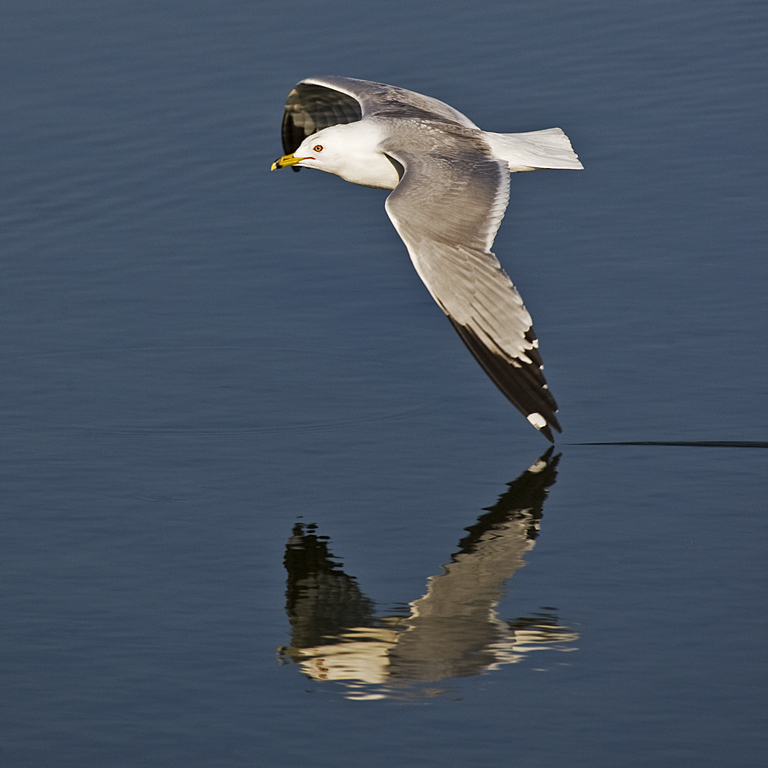
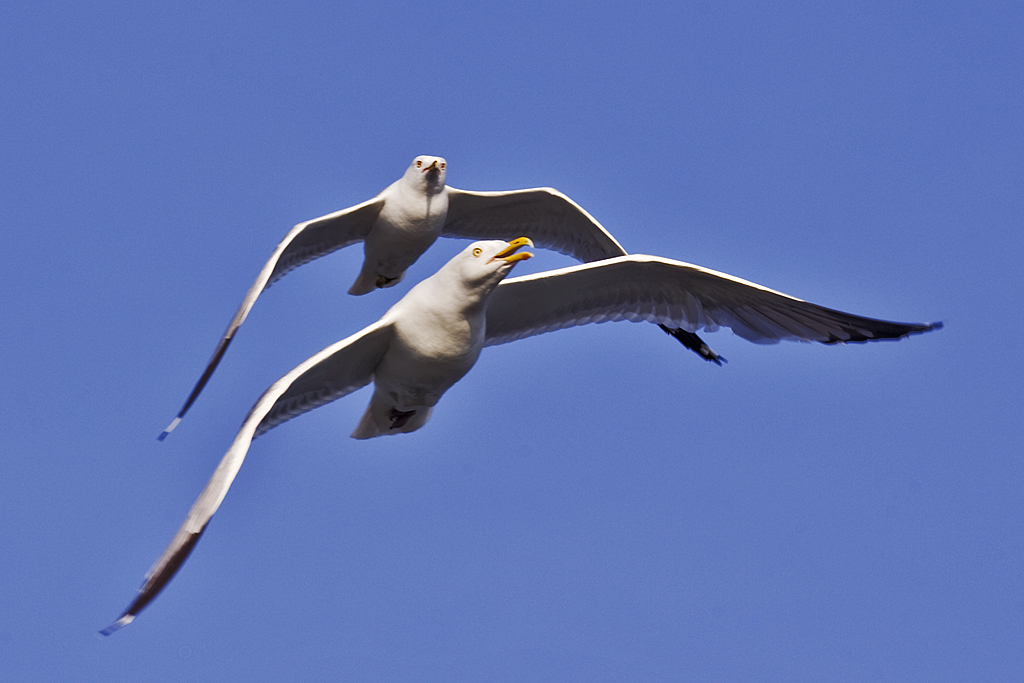
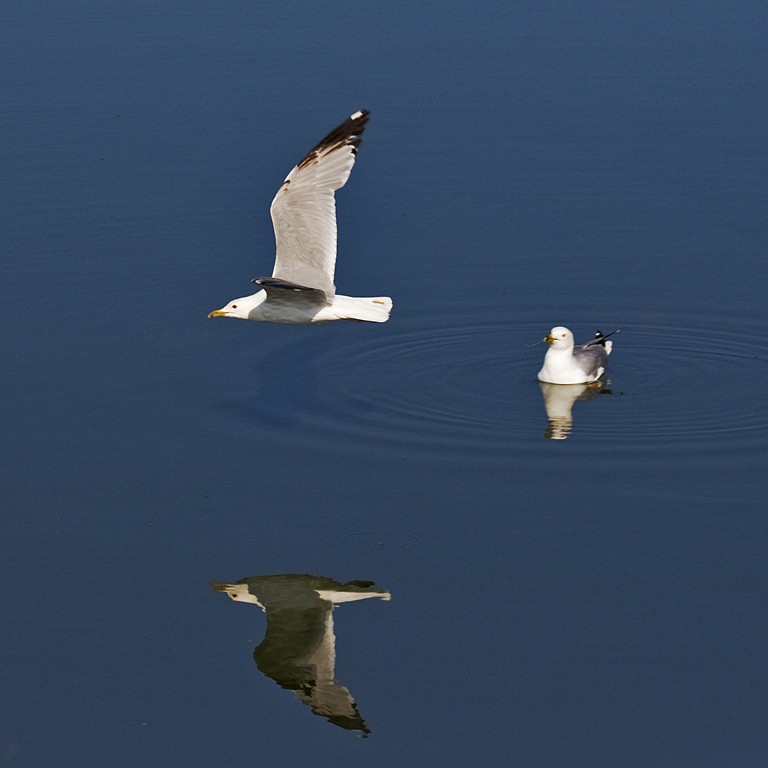
Herring and Ring-billed Gulls by John Dykstra

Herring and Ring-billed Gulls by John Dykstra

Recently, I was more than a little shaken to that seagulls can live for DECADES! All About Birds shares that the oldest recorded American Herring Gull was at least 29 years, 3 months old when it was seen in the wild in Michigan in 2015 and identified by its band, and they have reportedly lived as many as FIFTY YEARS in captivity. Also, while they prefer drinking freshwater, they can drink seawater thanks to special glands located over the eyes allow them to excrete the salt when they must.

The Ring-billed gull is somewhat smaller & distinguished from the Herring gull by yellow legs (instead of pinkish) and of course the black ring around the bill. Many and possibly most Ring-billed Gulls return to breed at the colony where they hatched year after year, often nesting within a few meters of last year’s nest site. The oldest recorded Ring-billed Gull was at least 27 1/2 years old, so probably be nicer to them on the beach because they will be back there for years! ;)

John took these photos mostly near Manistee. See more in his Michigan gallery on Flickr!

PS: Even though the first photo was taken way back in 2010, there’s a fair chance that one or both of these birds is still flying today!! 😳

Support Michigan in Pictures with Patreon

Animals with Cool Jobs: Maple the Beekeeping Dog

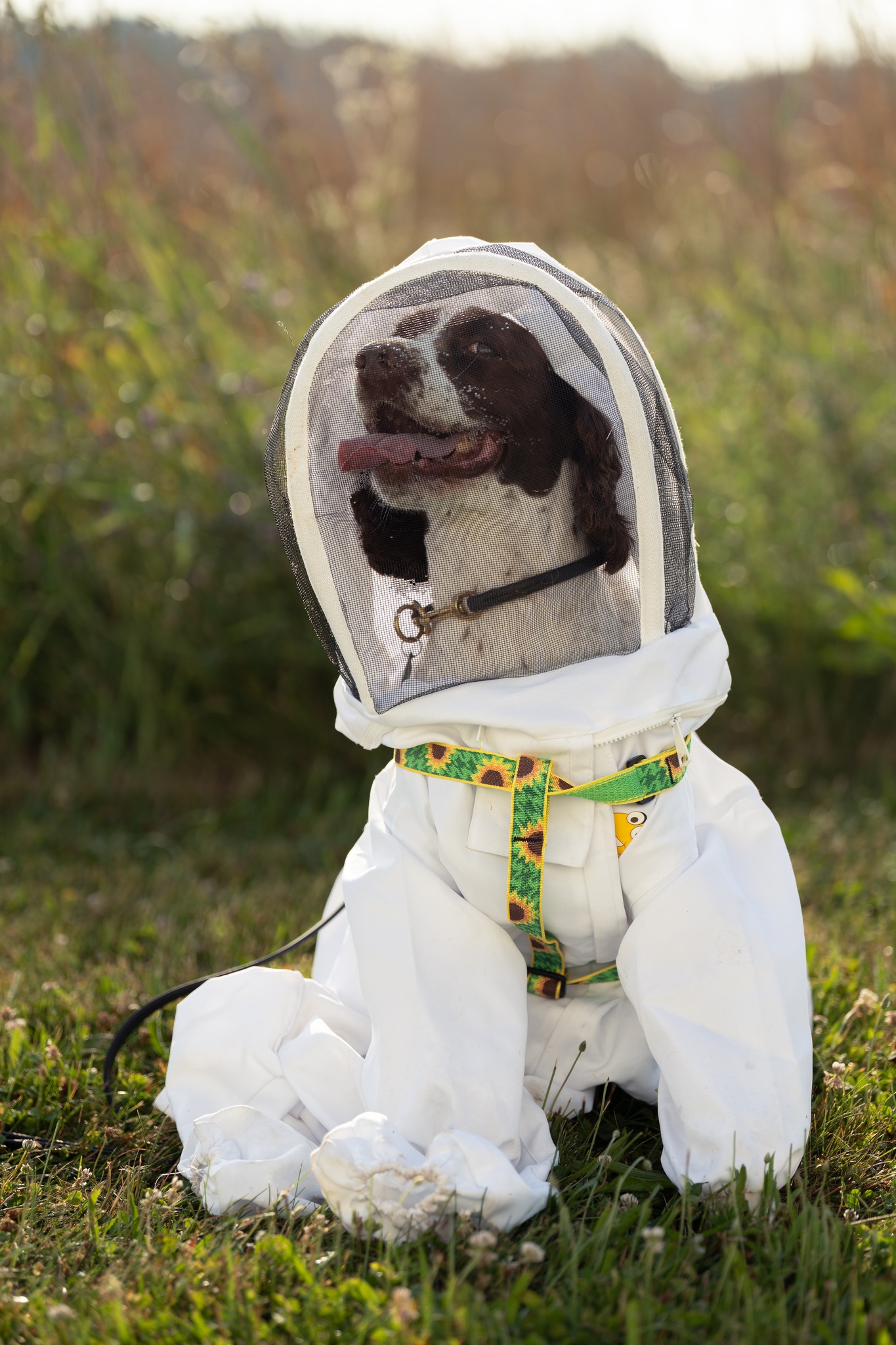
Maple the Beekeeping Dog by MSU Pollinator Center

I’m starting a new series about Michigan animals with cool jobs today! 😆

MSU shared this pic of English Springer Spaniel Maple posing for the press at the MSU Pollinator Performance Center saying:

Maple is part of the team at MSU’s Pollinator Performance Center doing critical pollinator research and education. A retired police K-9, she uses her super sense of smell to detect bacteria in bee colonies to help prevent disease from spreading. Currently, beekeepers must manually inspect colonies for disease, but dogs like Maple can identify disease much faster, which could make a big impact on the industry. This project is one of many occurring at the Pollinator Performance Center. Operating since 2021, the center allows MSU to be at the forefront of honeybee and other pollinator research.

You can learn more about Maple & the MSU Pollinator program from MSU Today.

Support Michigan in Pictures with Patreon

Michigan’s smoky summer is not in your imagination

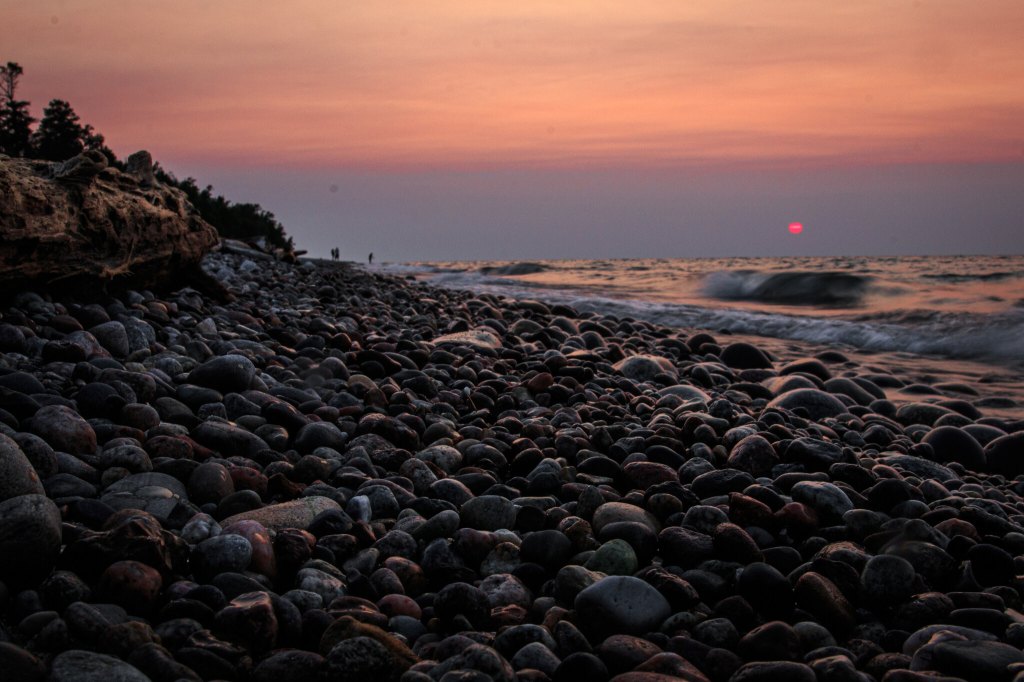
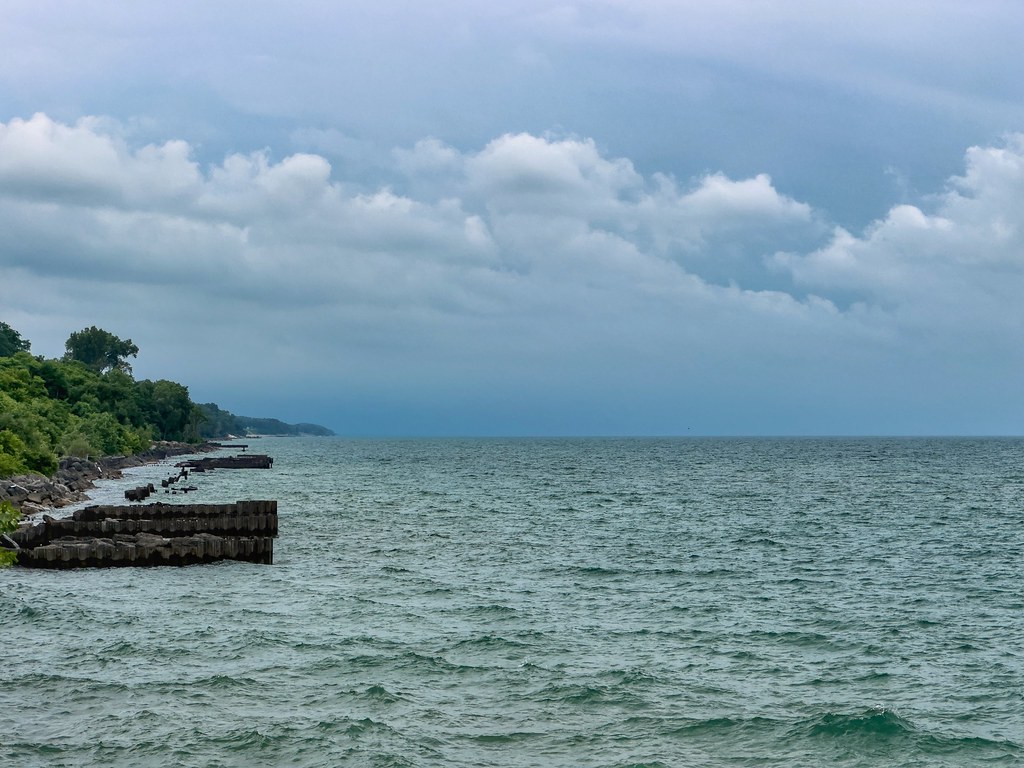
Lakeside by Mark Ellefson

Lakeside by Mark Ellefson

If you’ve been thinking that this summer is smokier than most, you are not wrong according to WKAR Public Media and Michigan State University’s Knight Center for Environmental Journalism:

So far, smoke-induced air quality advisories have been issued for more than 20 days. Last year, there were none due to wildfires.

Atmospheric conditions and wind direction bring smoke from Canada into Michigan. High-and low-pressure systems are common ways smoke is transported, said Rebecca Hansen, a meteorologist at the National Weather Service Grand Rapids office. Most recently, all those cloudless skies—due to a high-pressure system—helped blow the smoke right into the state, she said. ‘”Due to the light winds moving around, that’s helping the smoke stay over the area too … Canada has been experiencing warmer and drier conditions, and that definitely increases the wildfire risk,” Hansen said.

Mark took this in the UP a few days ago. See more on his Flickr.

Support Michigan in Pictures with Patreon

Climate Change devouring Great Lakes beaches

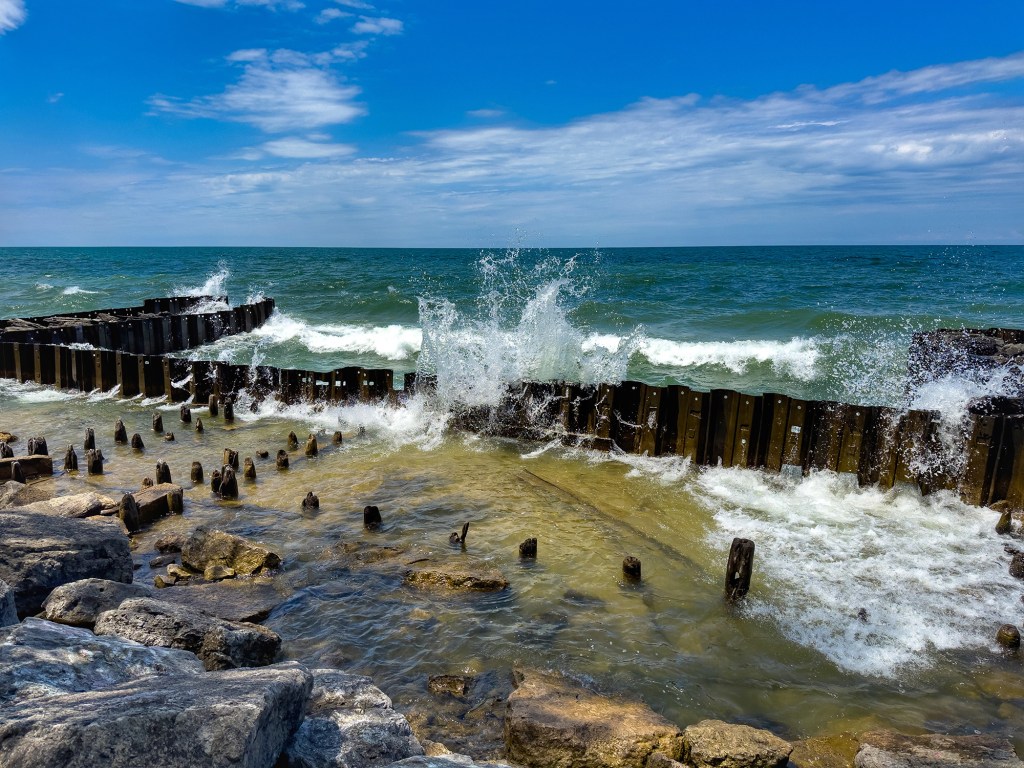
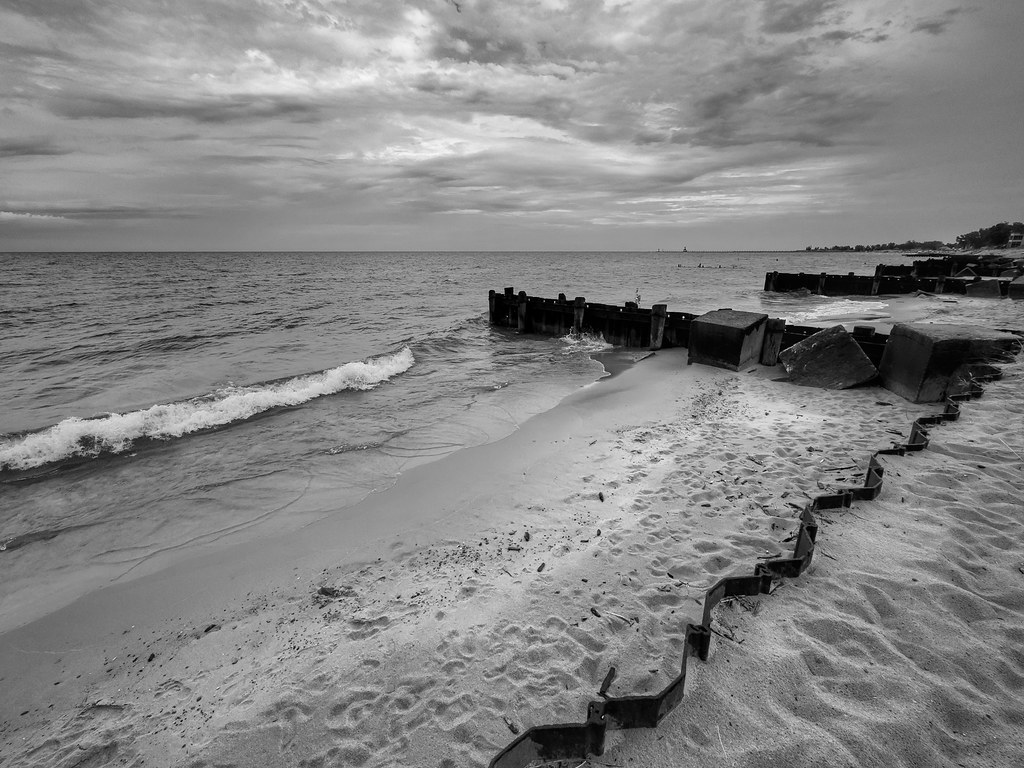
Breakwall by Mark Swanson

Breakwall by Mark Swanson

Michigan Sea Grant shares a recent Science Line story about how extreme changes in water levels, fierce storms, decreasing ice coverage, and infrastructure that interferes with the natural coastal cycle are washing away beaches & baffling local officials charged with protecting Great Lakes beaches:

…“When we get 15 foot waves on Lake Michigan, I’m thinking, ‘Oh, my God. How much damage are they doing?’” says David Bunte, the supervisor for Chikaming Township, near the southern tip of Lake Michigan.

Water levels fluctuate naturally in the Great Lakes but intensifying climate change accelerates those changes. What used to be normal on a 20 year cycle is now happening in five or 10 years, says Mike Shriberg, an environmental policy researcher at the University of Michigan.

“We’re seeing record highs and then record lows much closer together,” says Shriberg, whose work focuses on Great Lakes water policy. “The Great Lakes has already experienced more water level change in the last decade than the saltwater coasts are expected to experience in the next 100 years.”

Ice normally acts as a buffer for the shoreline, absorbing the blows of powerful waves in winter storms, but as temperatures warm, diminished ice coverage in the Great Lakes is speeding up coastal erosion.

Read on for much more. If you’re not yet aware of Michigan Sea Grant , I encourage you to learn more about this cooperative program of the University of Michigan, Michigan State University, and the National Oceanic and Atmospheric Administration that funds research, education, and outreach projects designed to foster science-based decisions about the use and conservation of Great Lakes resources.

Mark took this photo at the beach in St. Joseph. Here’s a few more of Mark’s recent shots from the St Joseph’s Lake Michigan shoreline – note the crazy high water! See the latest in his 2025 gallery on Flickr!

Support Michigan in Pictures with Patreon

That big moon is all in your head

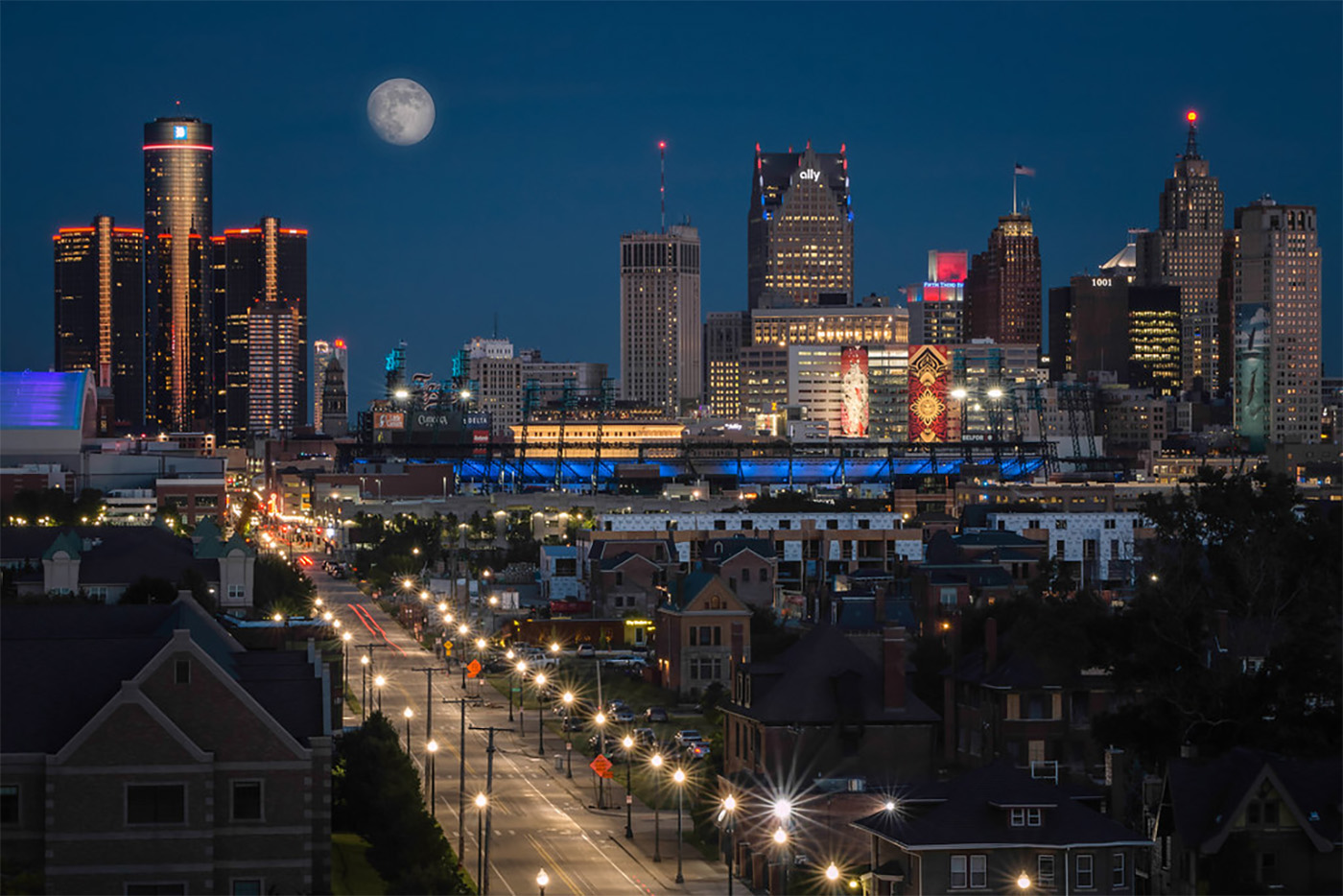
moon over Detroit by kare hav

Moon over Detroit by kare hav

The Farmer’s Almanac says that the July Full moon is known as the Buck Moon because that’s when the antlers of male deer are in full-growth mode. It’s officially full today (July 10) at 4:37pm EST, and if you watch it rise you’ll see it appear bigger due to the “Moon Illusion,” a phenomenon that occurs when the moon is close to the horizon.

Go out on the night of the full moon and find a good spot to watch it rise. It can be breathtaking, eliciting an awestruck “Wow!” from any skywatcher. When we observe the Moon near the horizon, it often looks HUGE – whether it’s peeking over the shoulder of a distant mountain, rising out of the sea, hovering behind a cityscape, or looming over a thicket of trees.

But here’s the thing: it’s all in your head. Really. The Moon’s seeming bigness is an actual illusion, rather than an effect of our atmosphere or some other physics.

…Photographers can simulate the Moon illusion by taking pictures of the Moon low on the horizon using a long lens, with buildings, mountains, or trees in the frame. So, remember when you see dazzling photos that feature a giant Moon above the landscape: those images are created by zooming in on distant objects near the ground. In other words, the Moon looks bigger in those photos because it’s a zoomed-in view.

kare hav took this photo of the July full moon rising over the Renaissance Center in Detroit back in 2018. The low blue lights on the right are Comerica Park, and the new Hudson Building would be right about where the moon is! See more in their Detroit gallery on Flickr.

Support Michigan in Pictures with Patreon

Rainbow wow: Anti-crepuscular rays & rainbow!

Rainbowwow by Jamie A. MacDonald

Rainbowwow by Jamie A. MacDonald

June is Pride Month, which means that a lot of people are getting mad about rainbows right now. As a wholehearted supporter of the right for people to love, marry & be who they choose to be, that seems really silly but I guess that’s where we are.

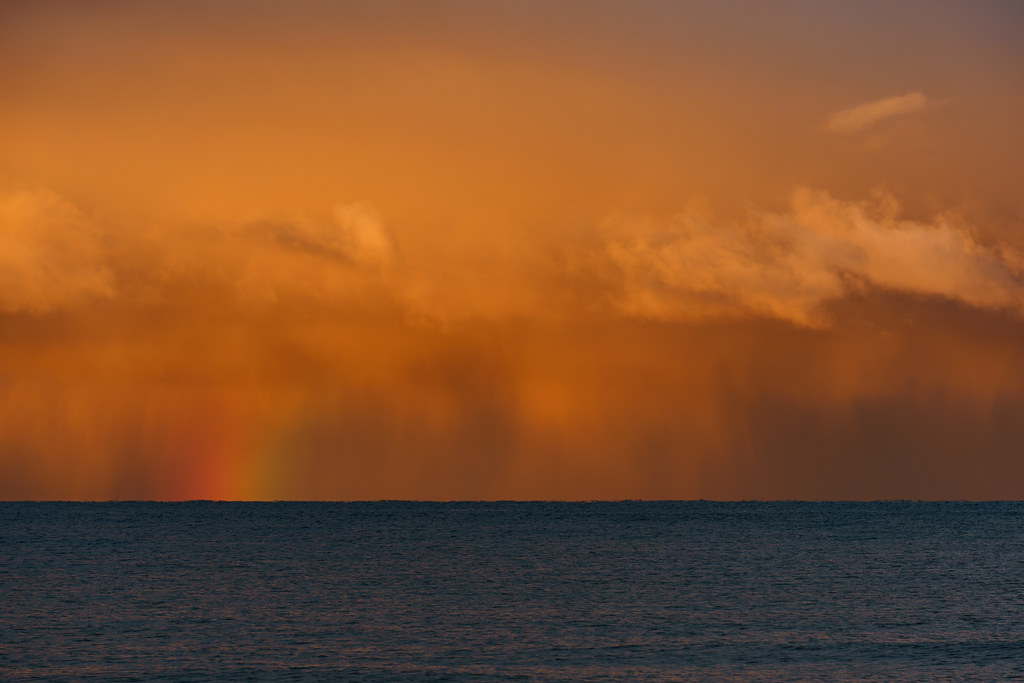
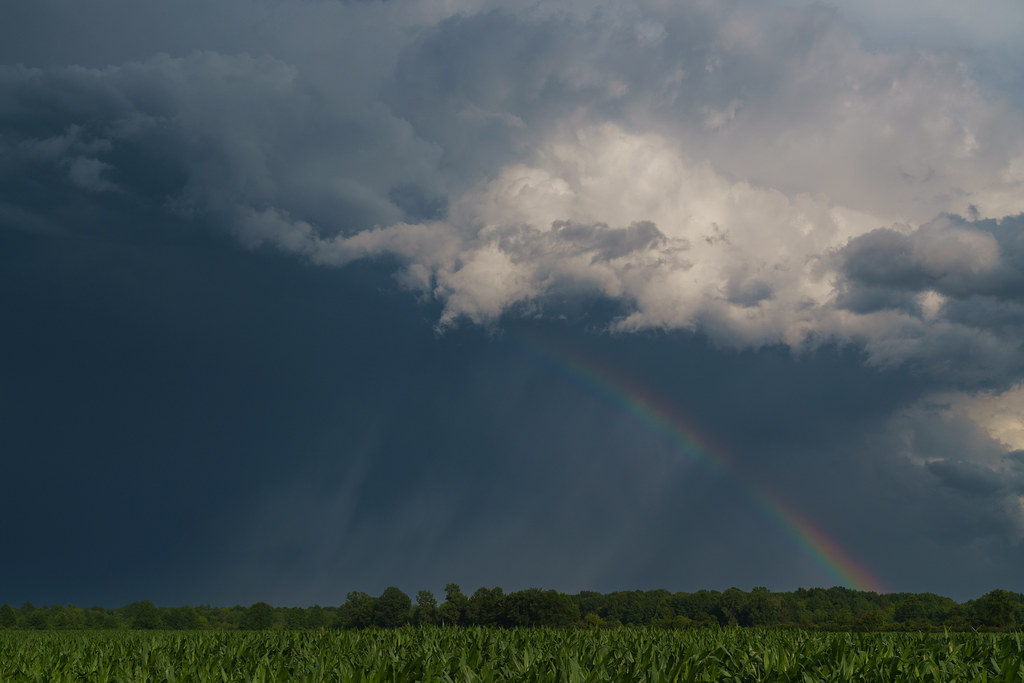
I’m sharing these photos because Michigan in Pictures wholeheartedly supports the rights of people to love & marry who they choose, but also because a whole month of rainbows gives me a chance to post about how cool rainbows are starting with this shot of a rainbow with anti-crepuscular rays that Jamie took!

Anti-Crepuscular Rays and Rainbow by Jamie A. MacDonald

Anti-Crepuscular Rays and Rainbow by Jamie A. MacDonald

My go-to rainbow resource for years has been Atmospheric Optics, and they explain that wile crepuscular rays appear to converge on the sun, anticrepuscular or antisolar rays converge in the opposite direction and you must have your back to the sun or sunset point to see them:

They appear to converge towards the antisolar point, the point on the sky sphere directly opposite the sun. Like crepuscular rays they are parallel shafts of sunlight from holes in the clouds and their apparently odd directions are a perspective effect. Think of a long straight road, it converges towards the horizon but turn around and it also converges to the opposite horizon. Crepuscular and anticrepuscular rays behave in the same way. Anticrepuscular rays are not rare but they must be sought carefully. When ordinary crepuscular rays are visible, turn around and search for their opposite numbers.

Jamie has a lot of great shots in his Stormy Weather gallery on Flickr. You can follow him on Instagram and see his portfolio and learn more about Jamie right here!

More rainbows on Michigan in Pictures!

Support Michigan in Pictures with Patreon

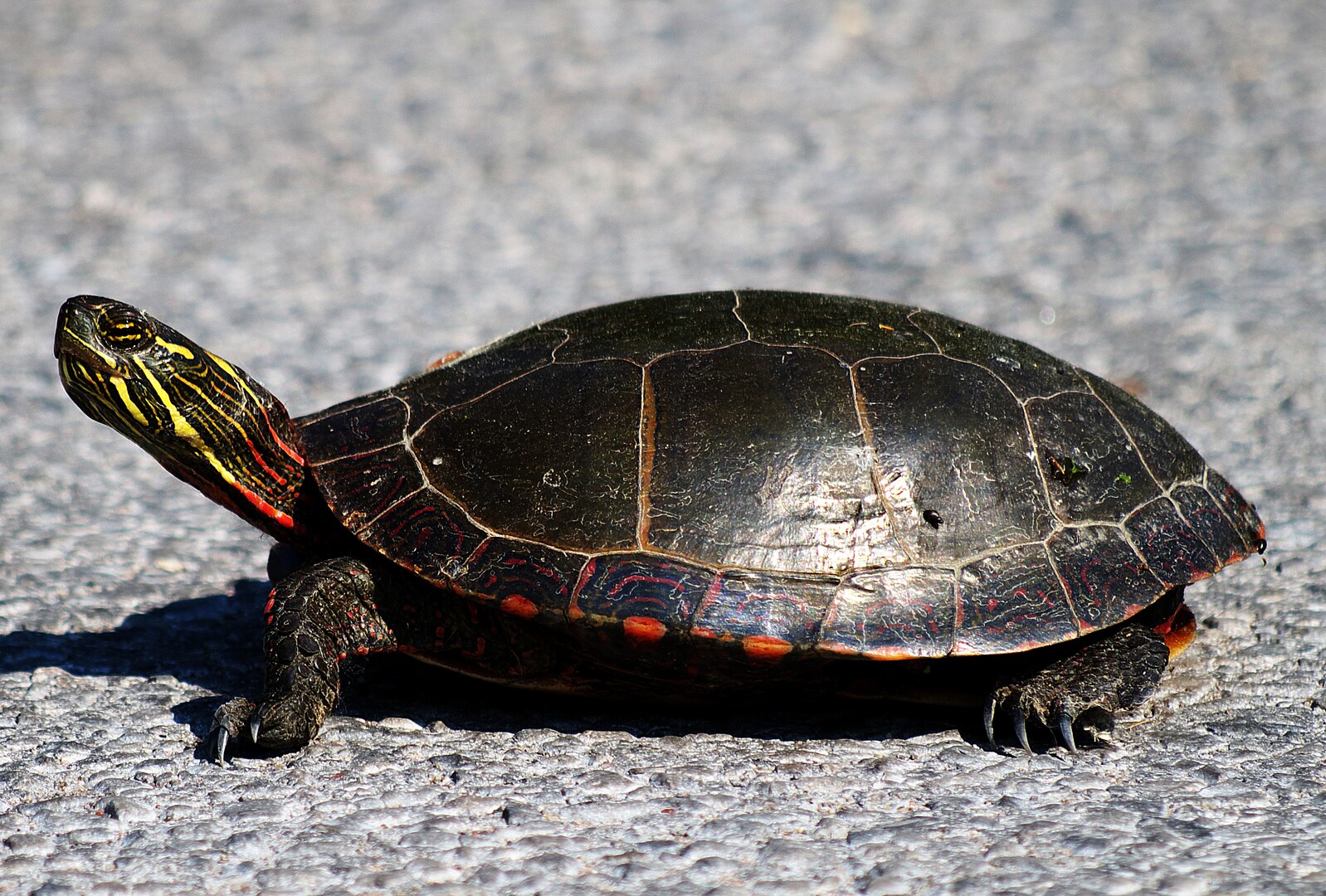
Happy World Turtle Day from the Midland Painted Turtle!

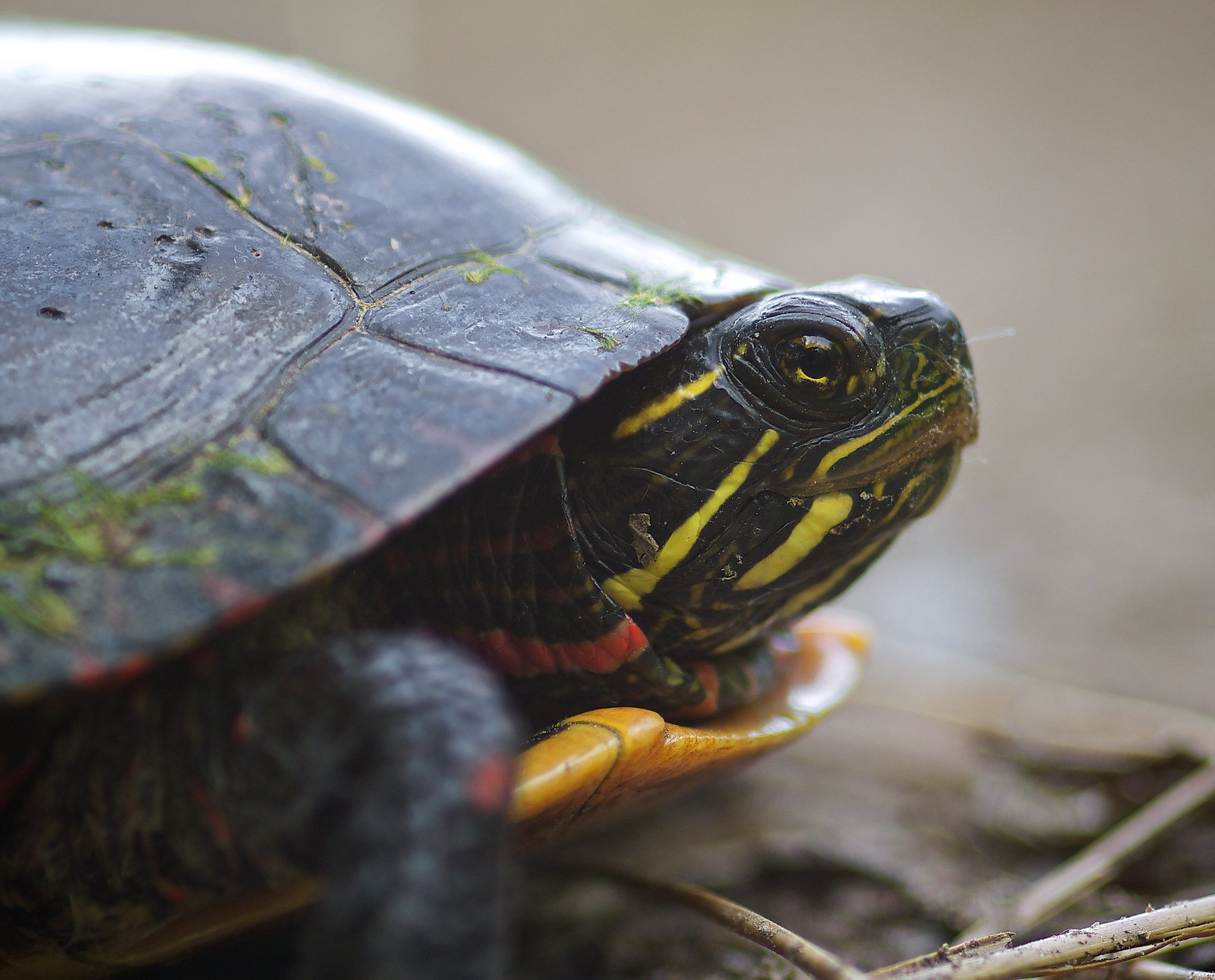
 Painted Turtle by David Marvin

Painted Turtle by David Marvin

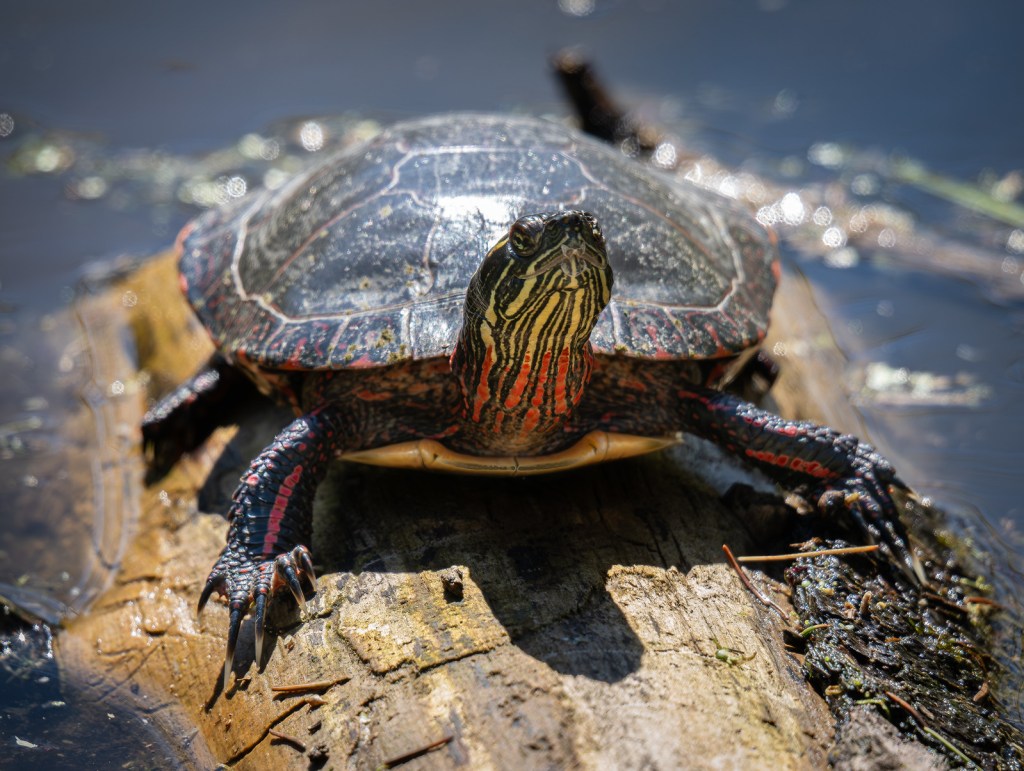
World Turtle Day was created by American Tortoise Rescue as an annual day of recognition to raise awareness about turtles & help preserve endangered turtles worldwide. Michigan has ten species of native turtles including Michigan’s state reptile, the Painted Turtle, but I was today years old when I learned there’s such a thing as the Midland Painted Turtle (pictured above)! Herpman explains in the Painted Turtle entry in his Michigan Herpetological Atlas that:

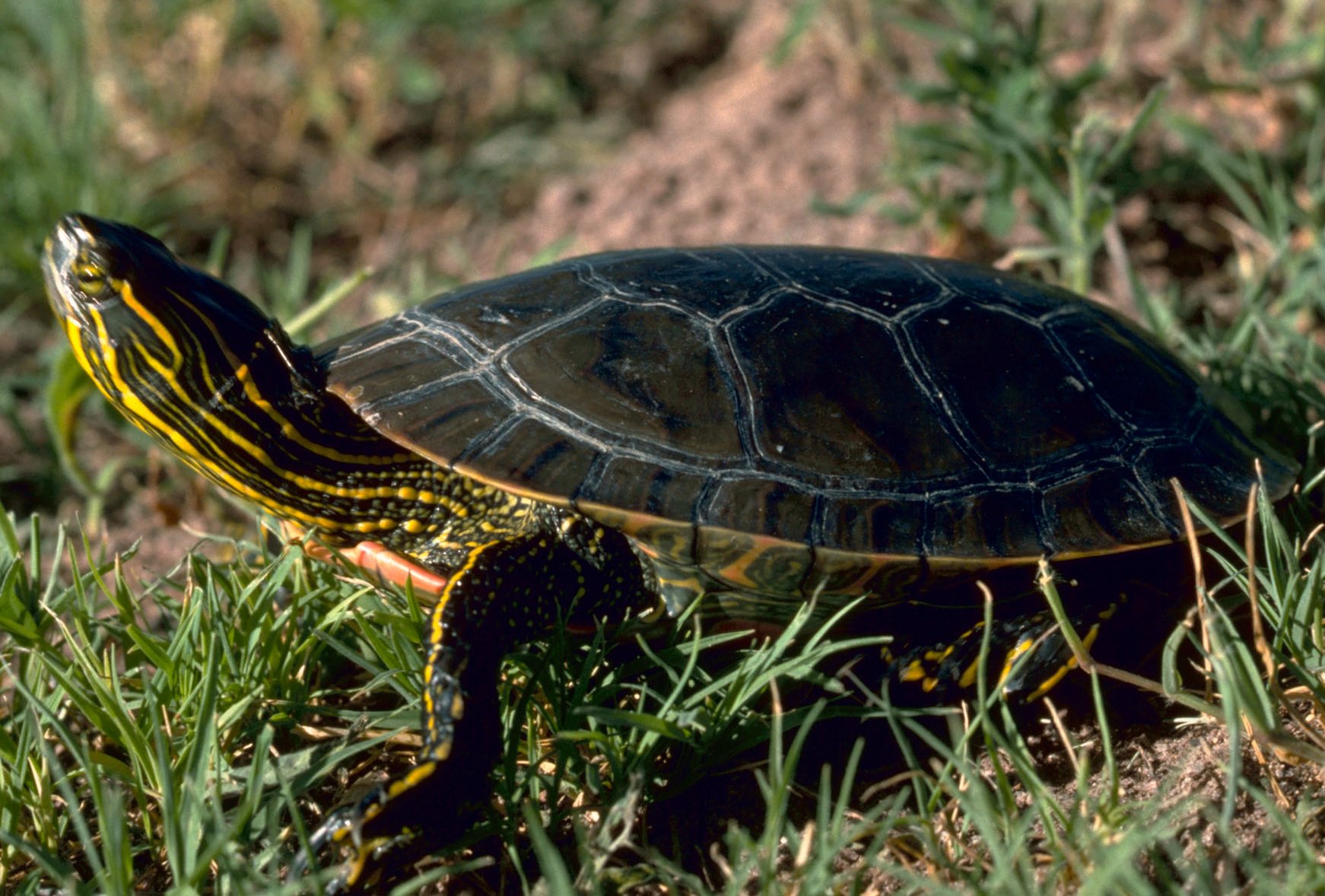
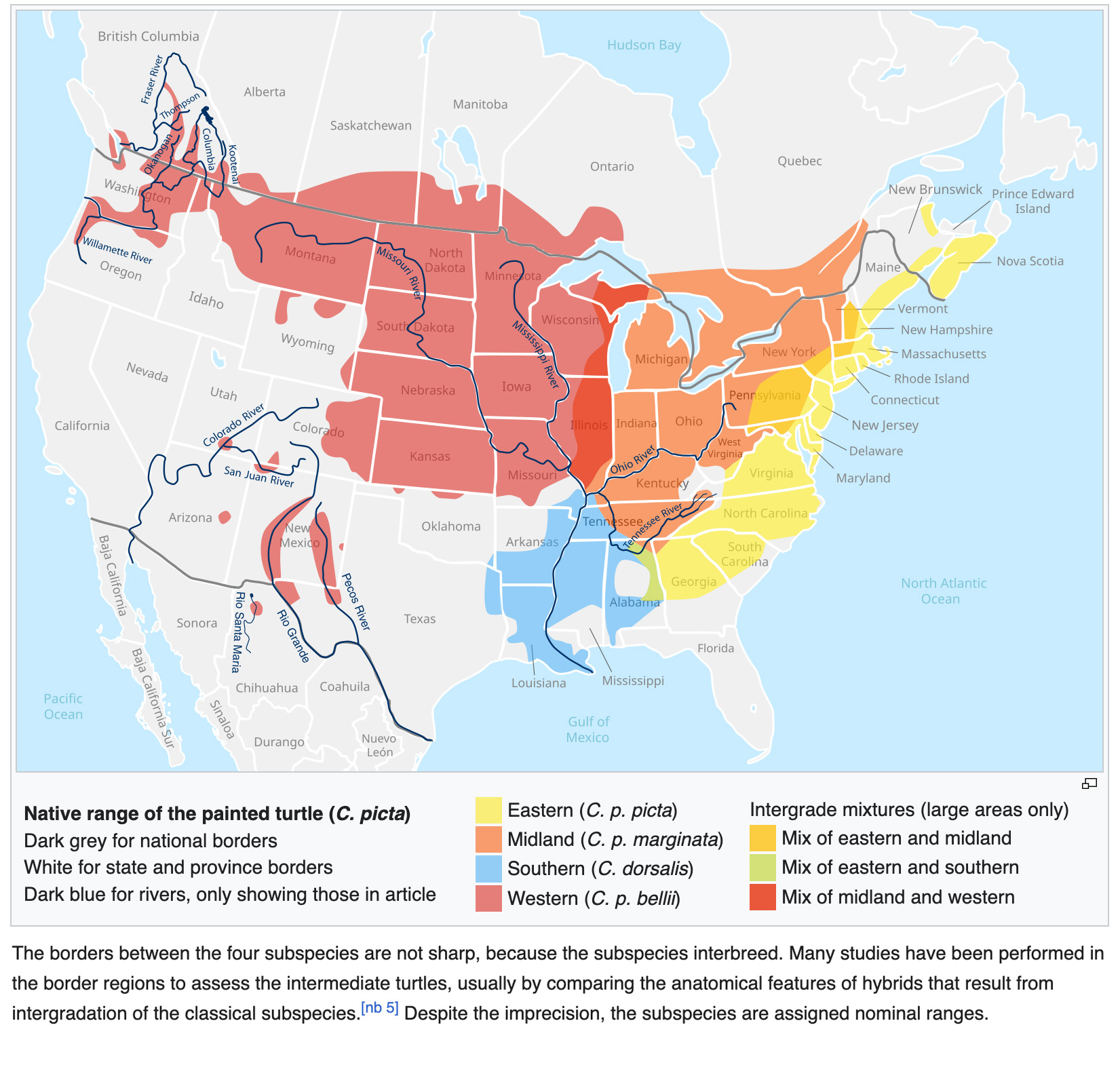
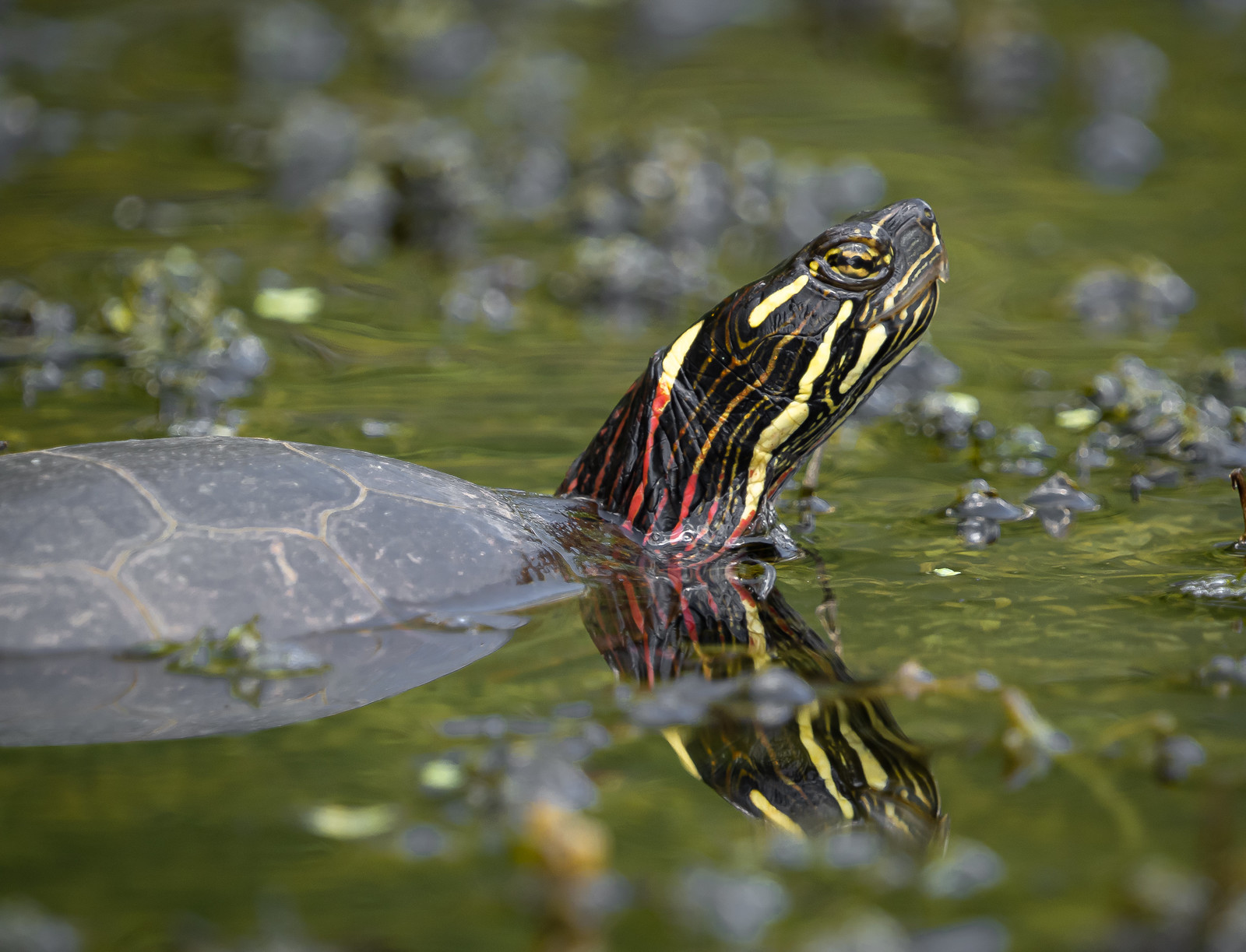
Four distinct subspecies are recognized, two of which are found in the Great Lakes basin. The Midland Painted Turtle (C. picta marginata) tends to have prominent red stripes on forelegs and neck, and plastron is usually yellow or orangish yellow with elongate dark central blotch that does not cover more than half the plastral width. The Western Painted Turtle (C. picta belli) usually has narrow yellow stripes on forelegs and neck, and a pattern of light lines on the carapace.

Plastron (shell) may be reddish or orangish, with complex central pattern of dark and light lines that extends out along the scute seams and often covers more than half of the plastral width. Intergrade individuals within the overlapping range display a variable blending of these characteristics.

You can see the difference pretty easily in the photos of the Midland Painted Turtle by Kobie Mercury-Clarke on the left and the Western Painted Turtle from the US Fish & Wildlife Service. However, as you can see on the map, Michigan’s Upper Peninsula has some intergrade turtling going on.

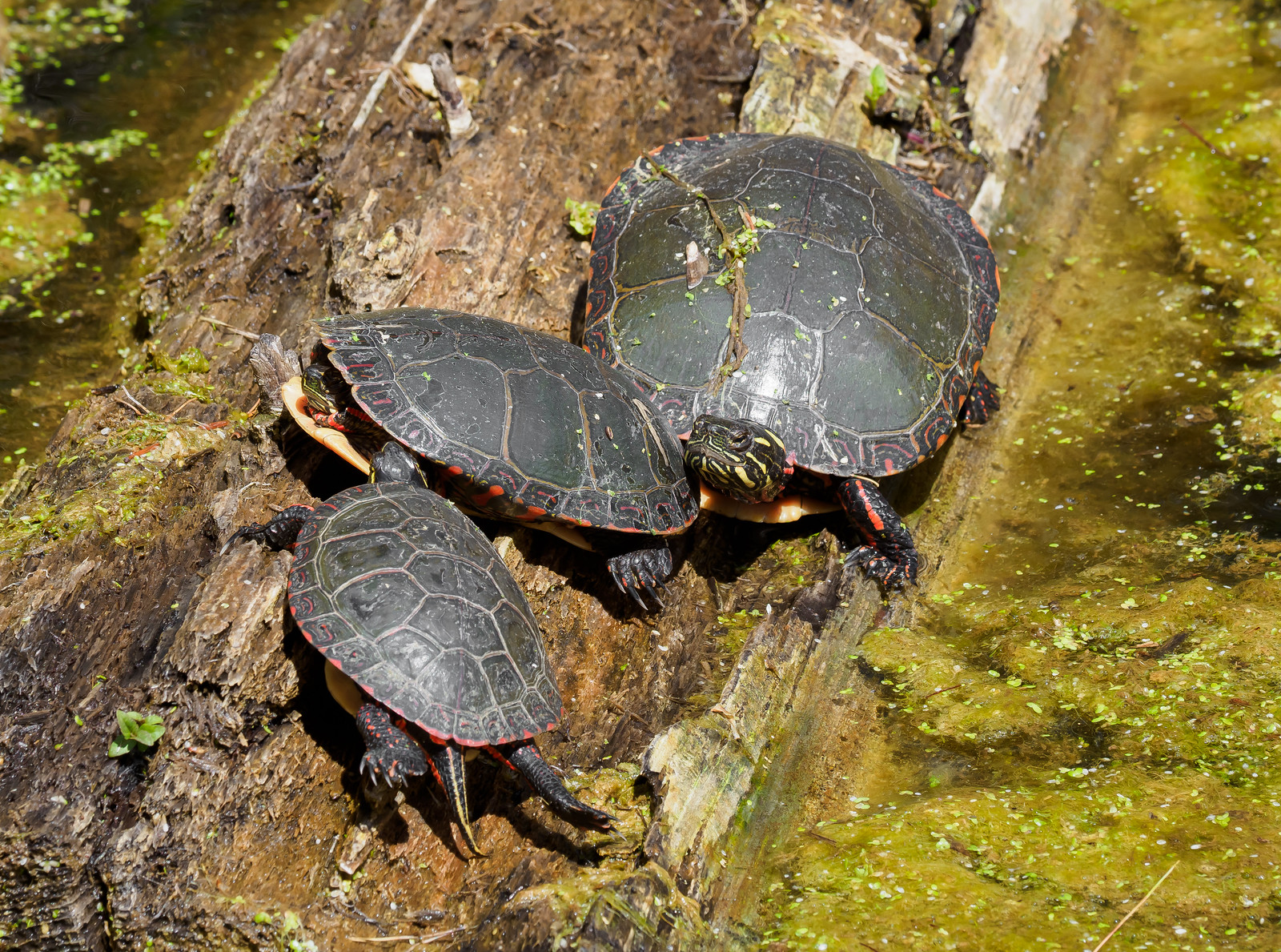
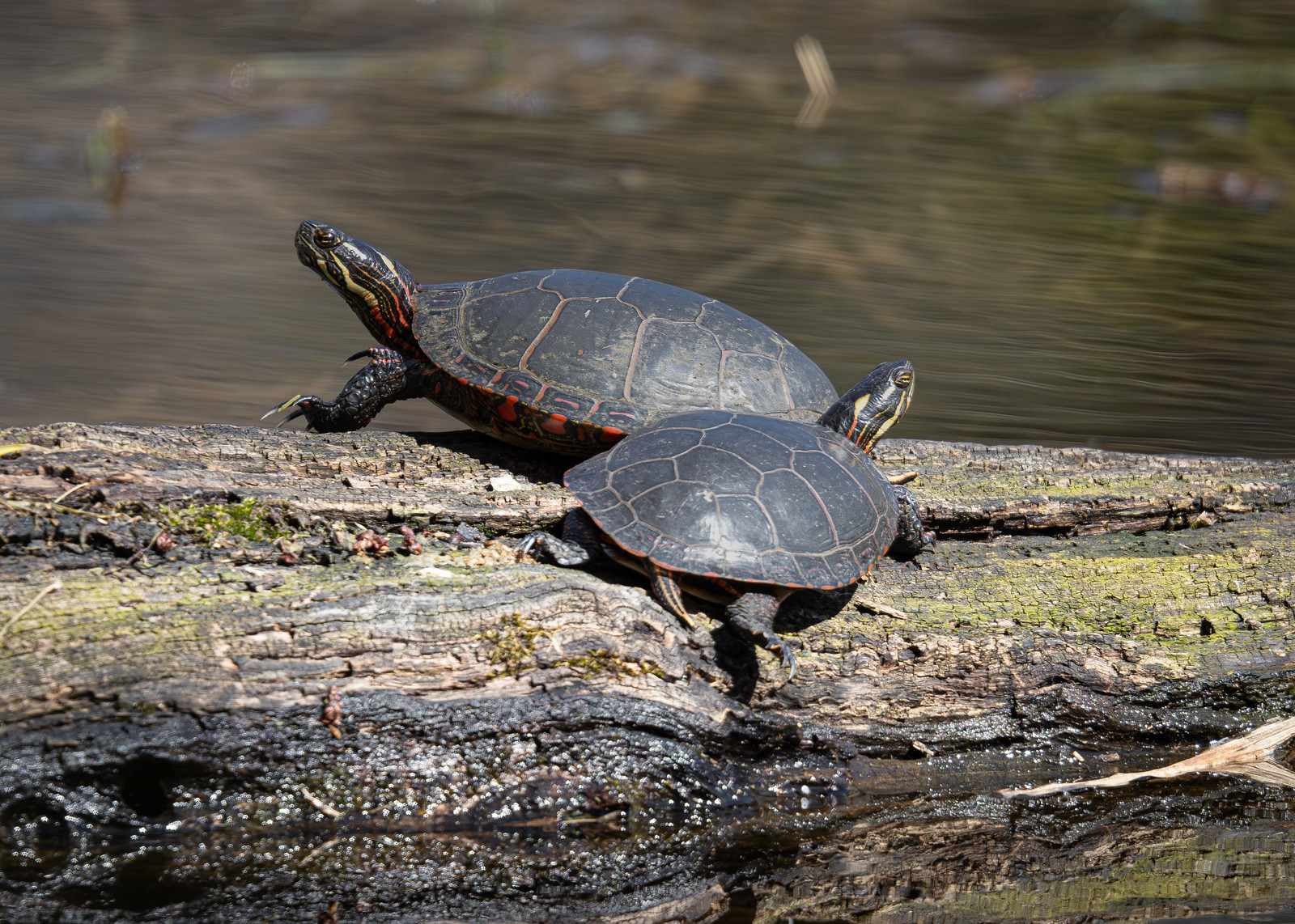
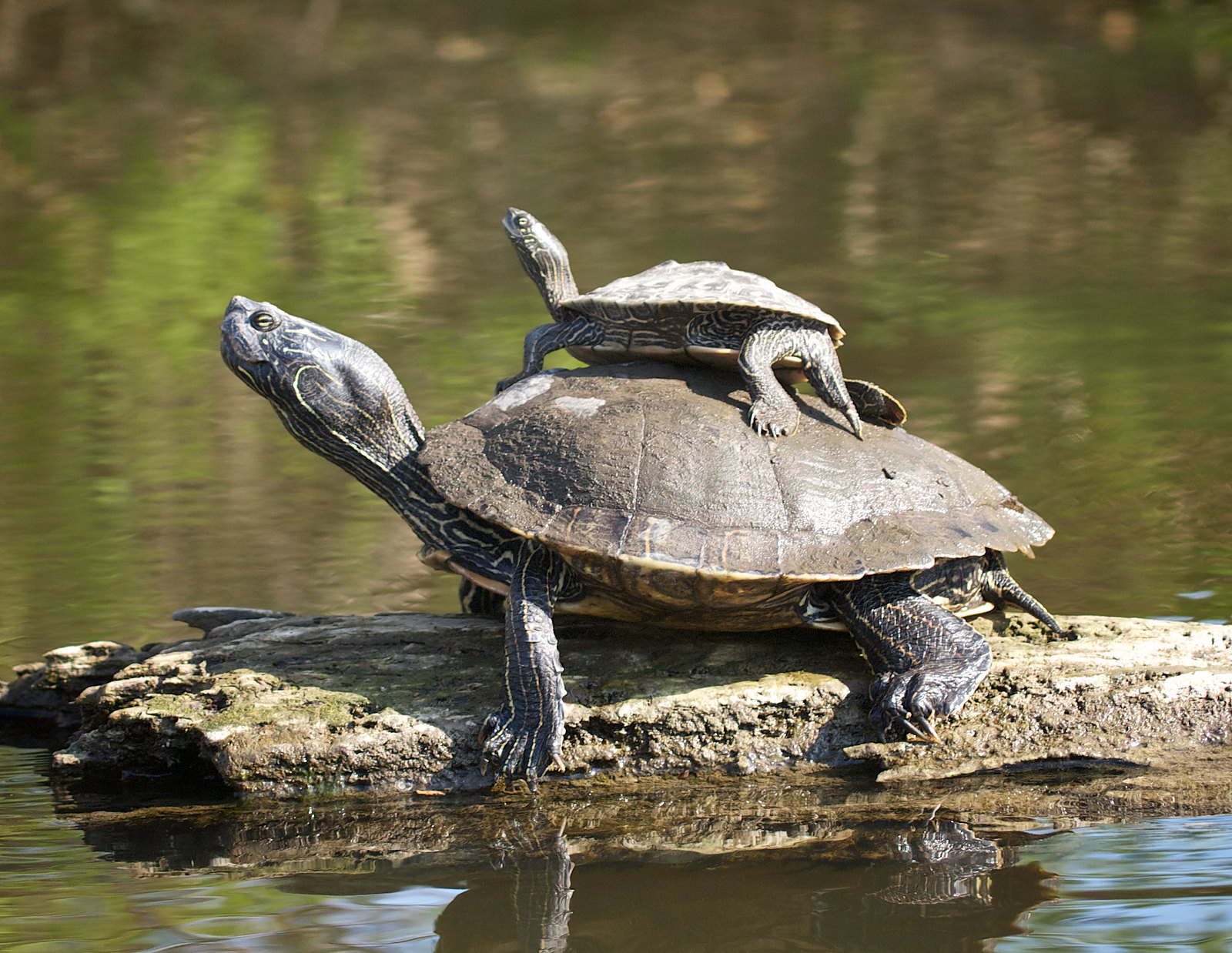
David took the top photo last April. Here are some more of his Painted turtle pics along with one of two Map turtles doing a “turtle stack”. See David’s latest pics including a Calico Pennant Dragonfly on Flickr & for sure visit his blog to read about Red Cedar River turtles & other important things.

Support Michigan in Pictures with Patreon

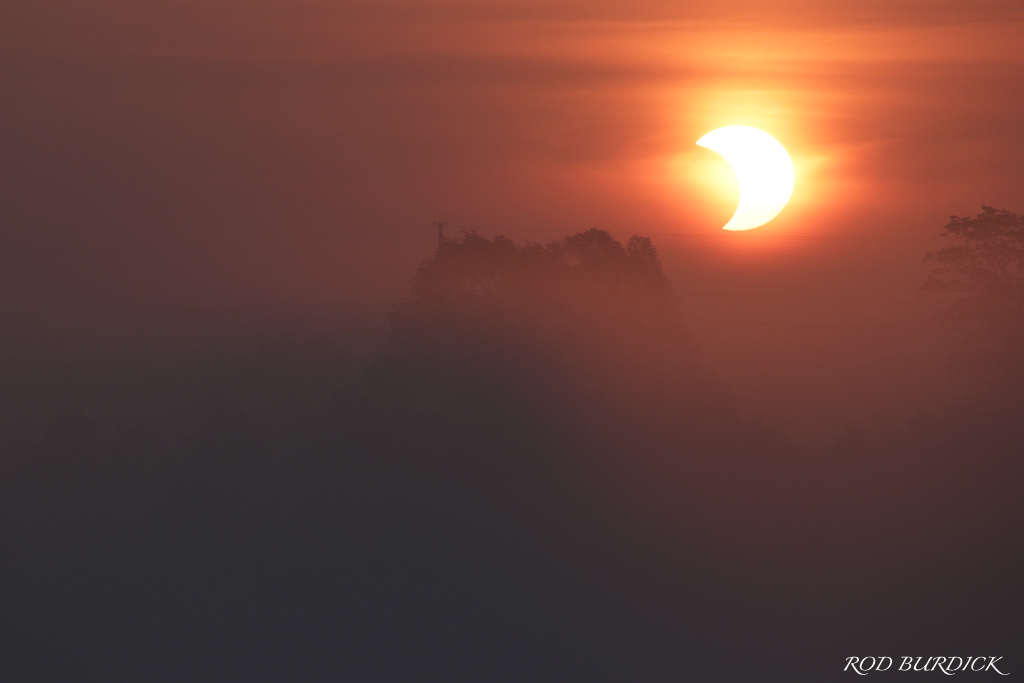
No Saturday Sunrise Solar Eclipse for Michigan

Eclipse - June 16, 2021 by Rod Burdick

Eclipse – June 16, 2021 by Rod Burdick

If you thought (like me) that you could see the solar eclipse on Saturday in Michigan, I regret to inform you that no you can’t 🫤

Back in 2021, Rod also got a shot of the Canadian laker Rt. Hon. Paul J. Martin in subdued light of the eclipse. You can see a BUNCH more shots of ships on his Flickr! Lots more eclipses on Michigan in Pictures!

Canadian laker Rt. Hon. Paul J. Martin, passage in subdued light from a solar eclipse by Rod Burdick

Canadian laker Rt. Hon. Paul J. Martin, passage in subdued light from a solar eclipse by Rod Burdick

Support Michigan in Pictures with Patreon

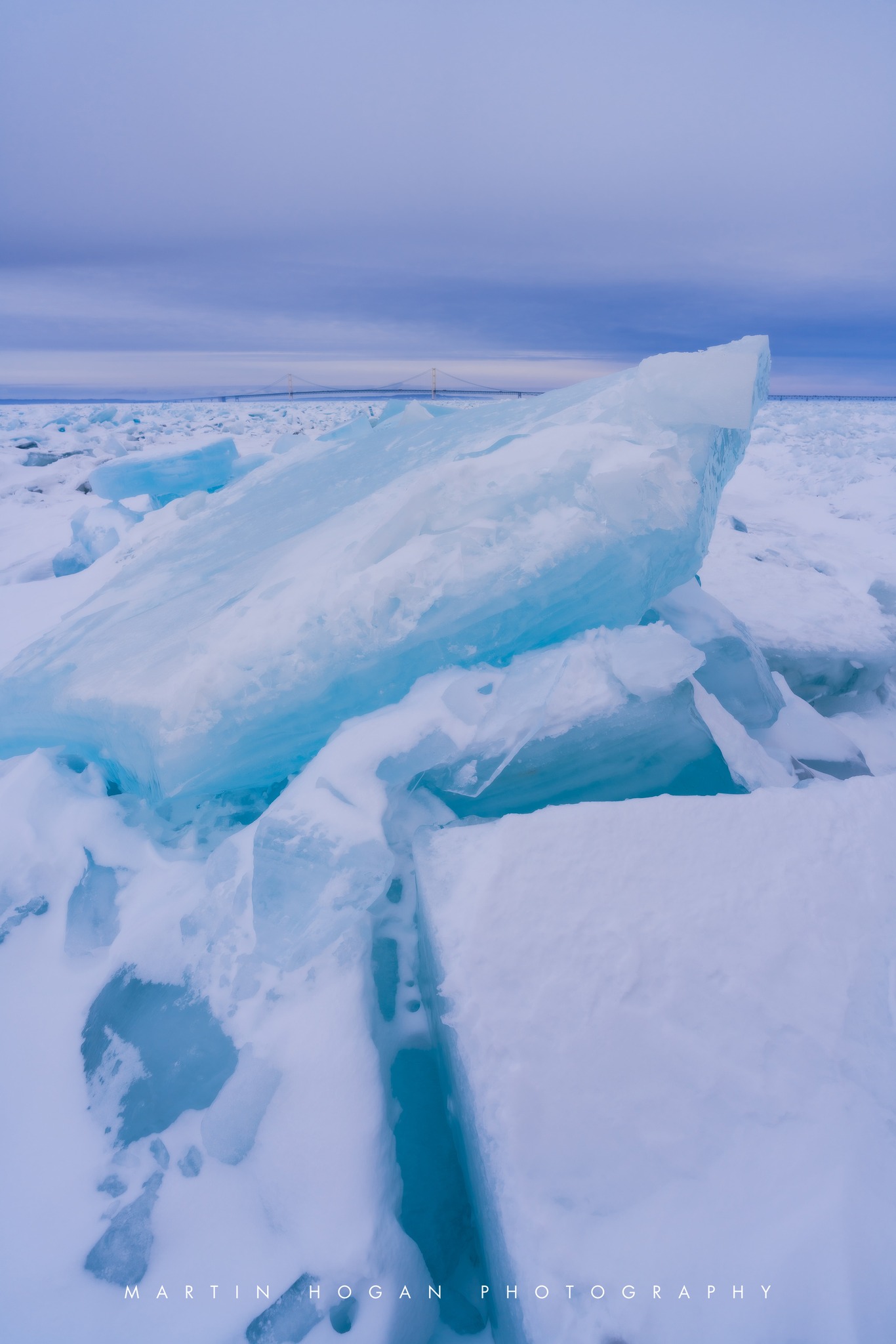
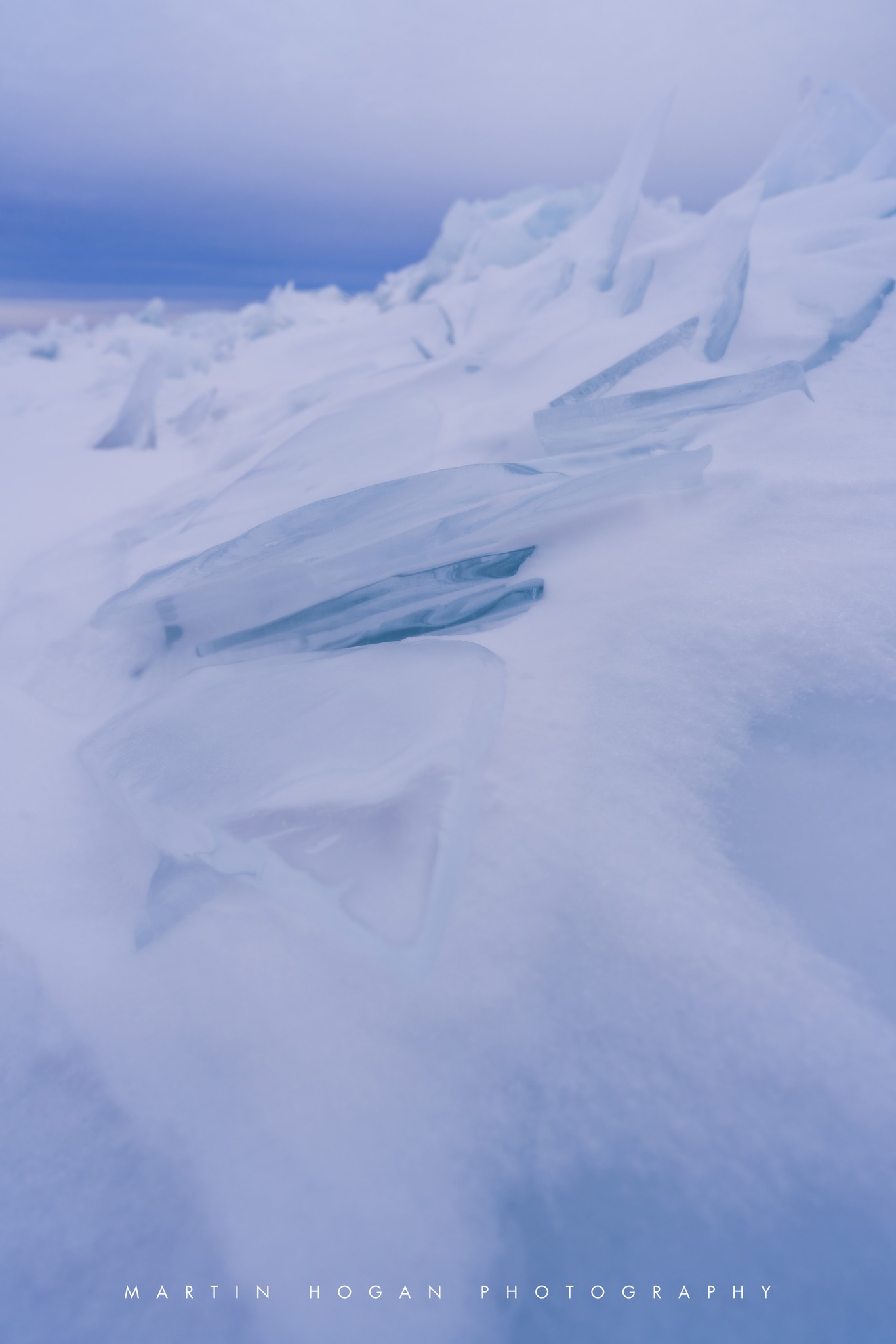
Blue Ice at the Straits of Mackinac

Blue Ice at the Straits of Mackinac by Martin Hogan Photography

Blue Ice at the Straits of Mackinac by Martin Hogan Photography

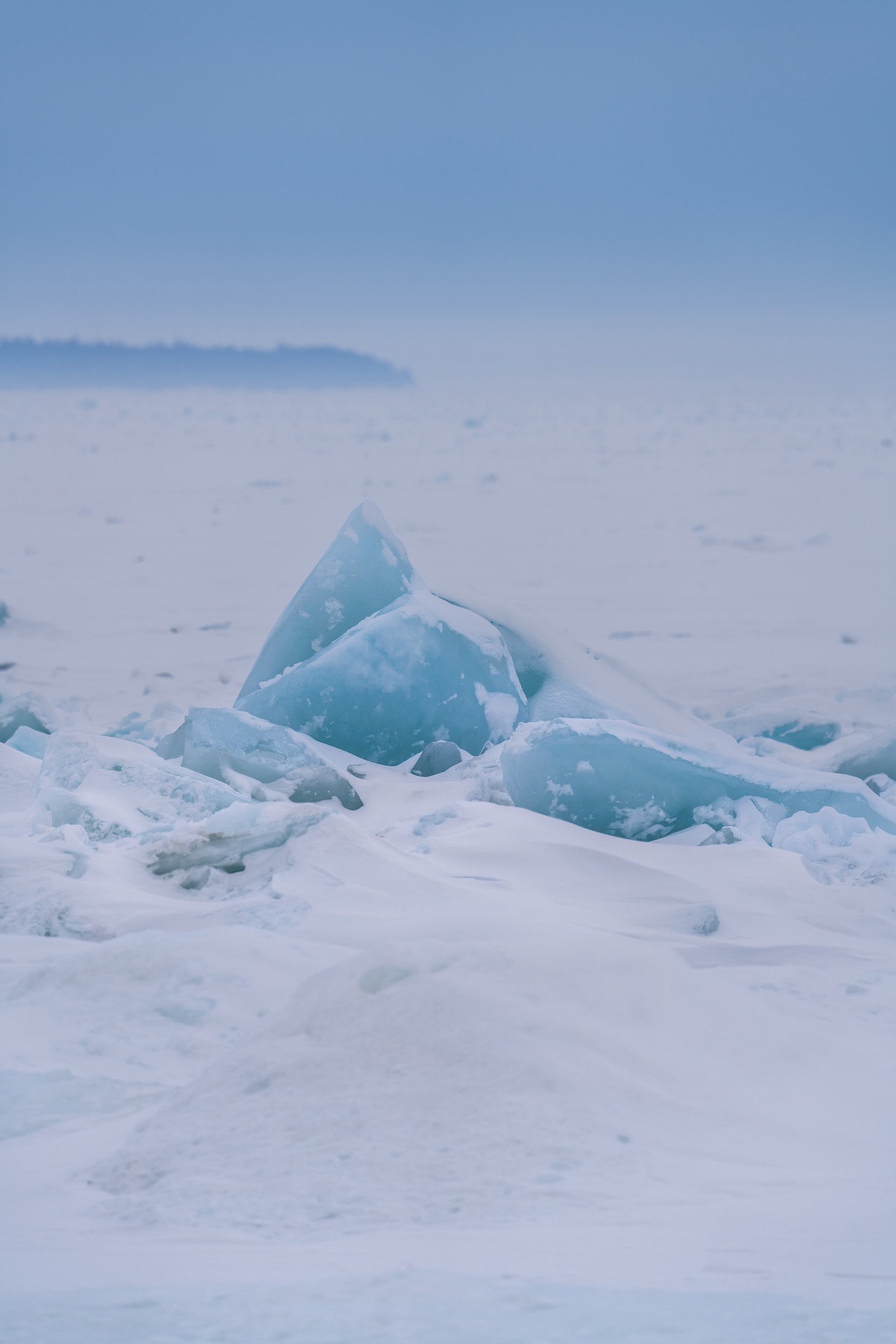
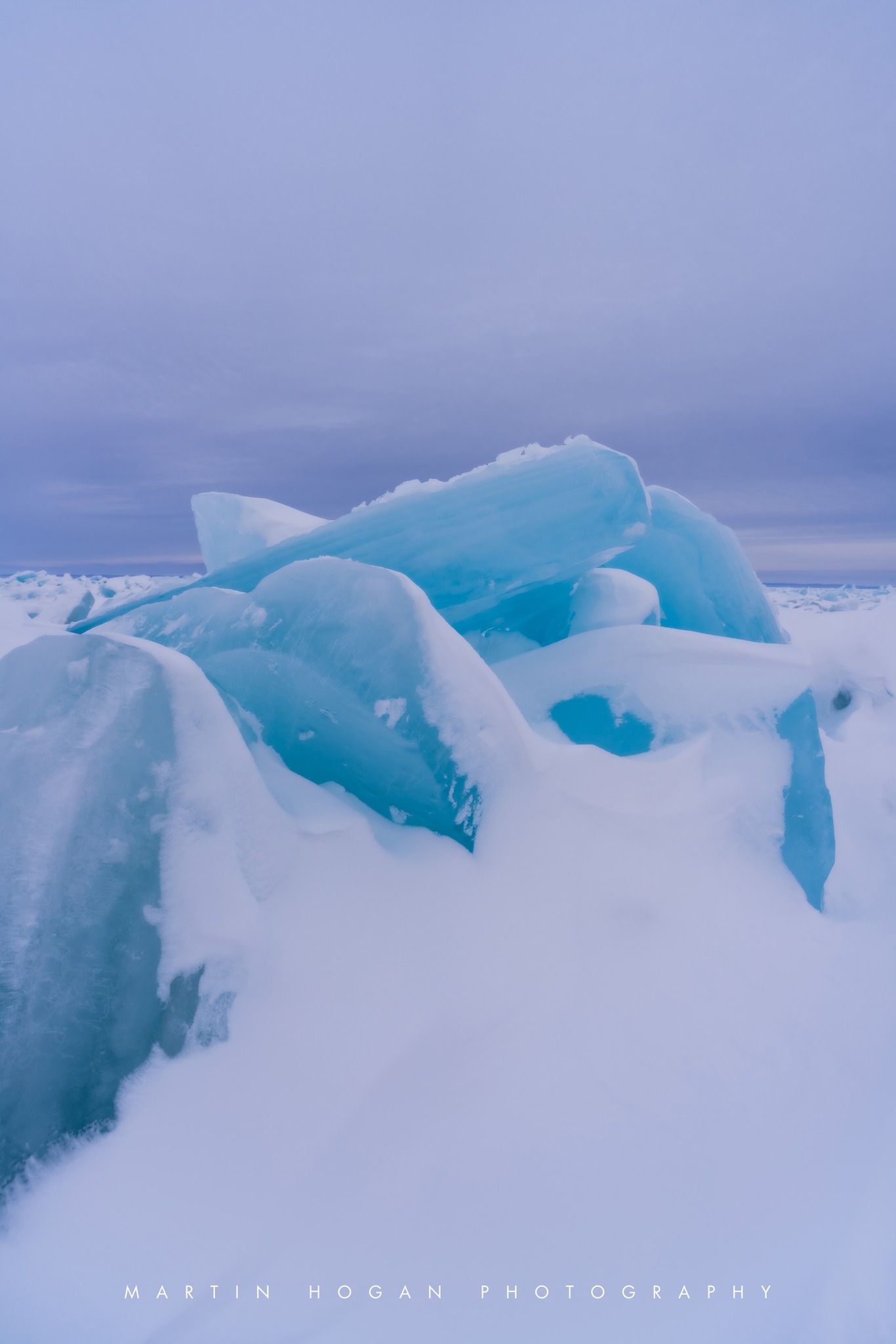
Although winter “officially” ended yesterday, the snowy pictures I’m seeing from around Michigan this morning make me feel OK sharing these pics Marty got of blue ice on the Straits of Mackinac last weekend. Click to follow Marty on Facebook & for sure check out some of his past photos on Michigan in Pictures!

If you are wondering Why Ice is Blue, Michigan in Pictures says (in part):

As with water, this color is caused by the absorption of both red and yellow light (leaving light at the blue end of the visible light spectrum) … In simplest of terms, think of the ice or snow layer as a filter. If it is only a centimeter thick, all the light makes it through; if it is a meter thick, mostly blue light makes it through. This is similar to the way coffee often appears light when poured, but much darker when it is in a cup.

Support Michigan in Pictures with Patreon

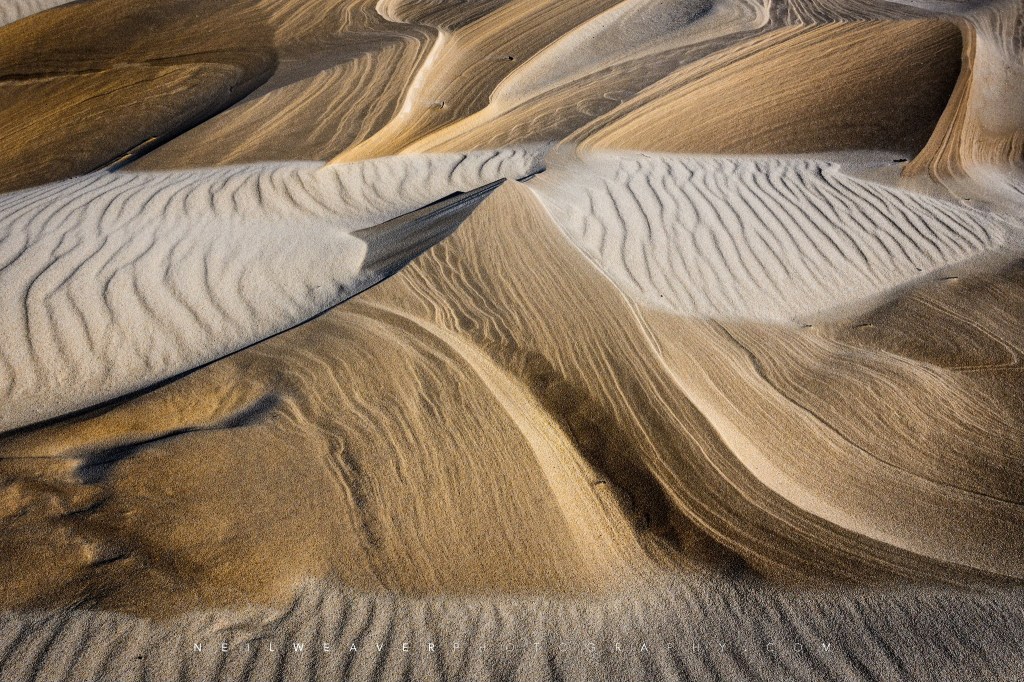
The angle of repose at Silver Lake Dunes

Miniature Landscapes by Neil Weaver Photography

I shared the photo below of what Neil dubbed “The Great Sand Pyramid of Silver Lake Dunes” back on December 17, 2020. Like the ones in the photo above, the lines are so crisp & clear that they look computer generated. Sleeping Bear Dunes is another shifting dune complex, and they explain that the reason that the sand on shifting sand dunes looks the way it does is due to wind & something known as the angle of repose:

Active dunes gradually advance over time. In some places trees and telephone poles have been buried in drifting sand over a period of several years. A common question is “How fast are the dunes moving?” Rates of sand movement vary from one place to another and from one year to the next. At the Dune Climb the average rate of advance has been about 4 feet (1.2 meters) per year over the past few years.

Direction of sand movement also varies from one place to the next. The shapes of dunes reveal the direction of the winds. Dry, loose sand can take on a maximum slope of 34 degrees, known as the angle of repose. As sand piles up on an unvegetated dune, the leeward (downwind) slope approximates the angle of repose, while the windward slope is more gradual. Ripples in the sand show a similar asymmetrical shape.

Dune sand moves primarily by a process called “saltation”, literally “jumping”. Wind forces grains of sand to roll, collide with other grains of sand, and in subsequent collisions some grains bounce into the air, are driven downwind as they fall, and upon landing strike other grains to produce a chain reaction. On a windy day you can see a hazy zone of sand moving just a foot or two above the ground.

Neil took the photo above last year in late December & shared “One of the many things that I love about hiking around the sand dunes is finding miniature landscapes created by the strong winds. The textures and lines compose a true natural work of art!”

Indeed!! See lots more of Neil’s work on Facebook and view & purchase prints, calendars & photography workshops on his website!

The Great Silver Lake Pyramid by Neil Weaver Photography

Support Michigan in Pictures with Patreon