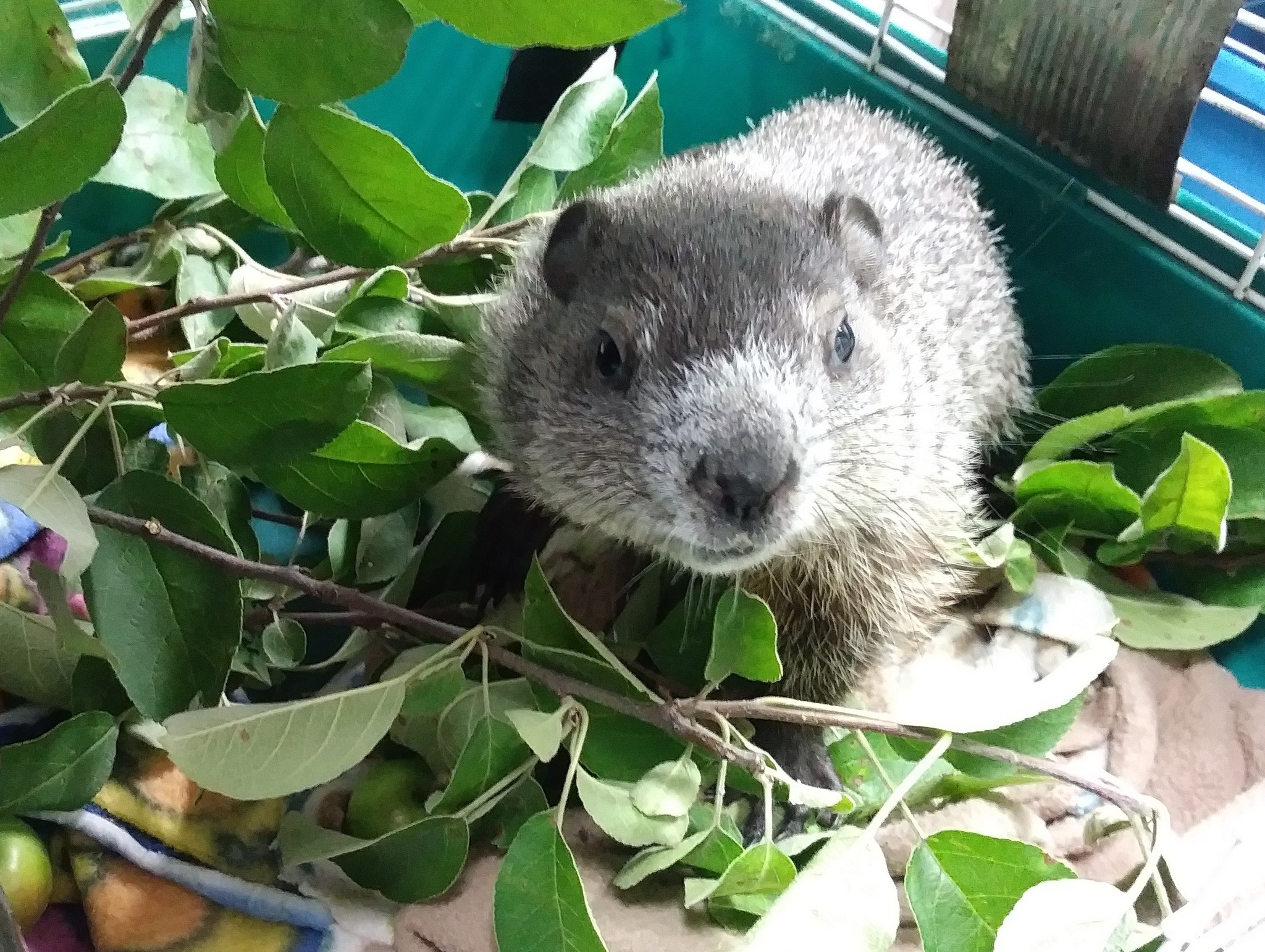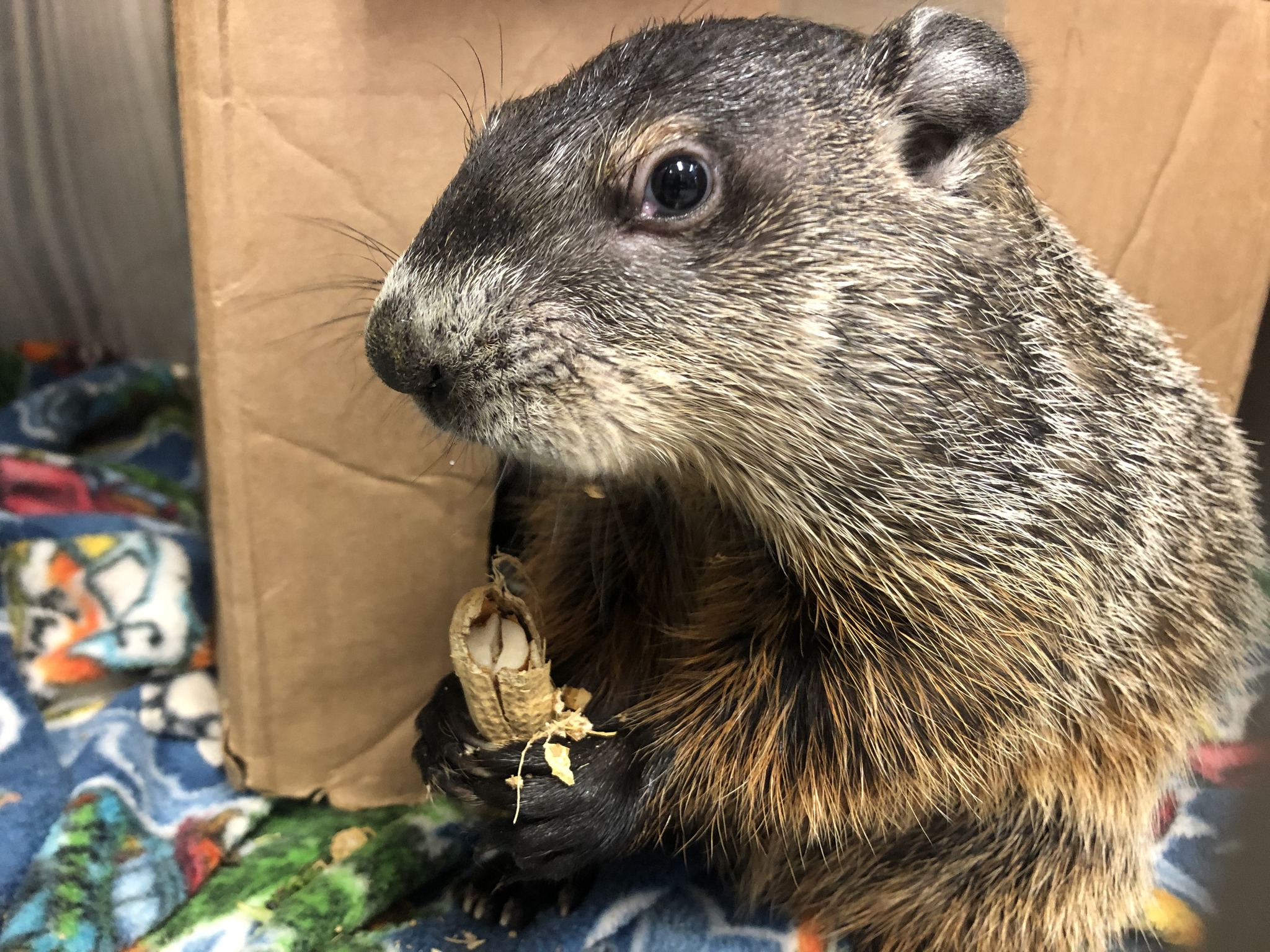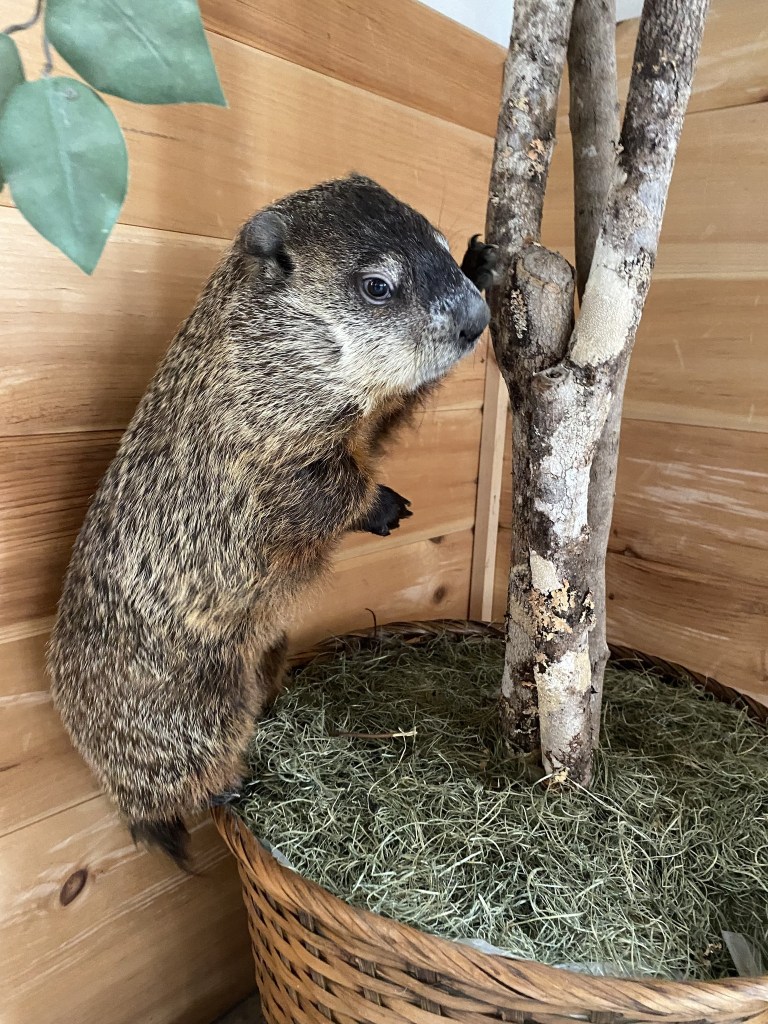
Woody the Woodchuck waves goodbye to winter

 Woody the Woodchuck by Howell Nature Center

Woody the Woodchuck by Howell Nature Center

The Howell Nature Center shares: Groundhog Day 2025 is a wrap! Woody has predicted EARLY SPRING! 🌷🪻☀️ Thank you to everyone who came out to help us celebrate with Michigan’s official woodchuck. This was Woody’s 27th prediction, and her accuracy rate is about 65%!

So keep your Punxsutawney Phil forecast of 6 more weeks of winter, I’m going with Michigan’s official groundhog! Last year the Howell Nature Center shared why the event is so meaningful to them, education:

Groundhogs are often villified because of their digging habits, and it is easy to forget about their neat adaptations and their role in the ecosystem. We love sharing information about them to increase understanding, and this event gives Woody the opportunity to serve as an ambassador for her species to help people live in harmony with woodchucks.

DID YOU KNOW…

🐾 Woodchucks dig burrows that can be 50 ft long and include several different chambers for different purposes like raising young, hibernating, and toileting? Other species will even move into abandoned chambers!

🐾 With all that digging, woodchucks help aerate soil and recycle nutrients to increase soil health.

🐾 Woodchucks help disperse seeds, which promotes plant growth and diversity.

🐾 Woodchucks sometimes eat insects, which helps eliminate garden pests like grubs.

🐾 Woodchucks are an important part of the ecosytem and provide food for predators.

🐾 Woodchucks, also known as “whistle pigs”. are one of our only true hibernators in MI.

🐾 Their body temperatures can drop to 40 F and their heart rates to 4 beats per minute during hibernation.

Our wildlife helpline is available to help solve conflict with groundhogs that are living in undesirable places. We have lots of tips and tricks to humanely evict them and encourage them to move to a different location. Trapping and relocating is never a good idea, since it often results in death of groundhogs that are not able to find resources in a new location or of babies that have been orphaned by the removal of their mother.

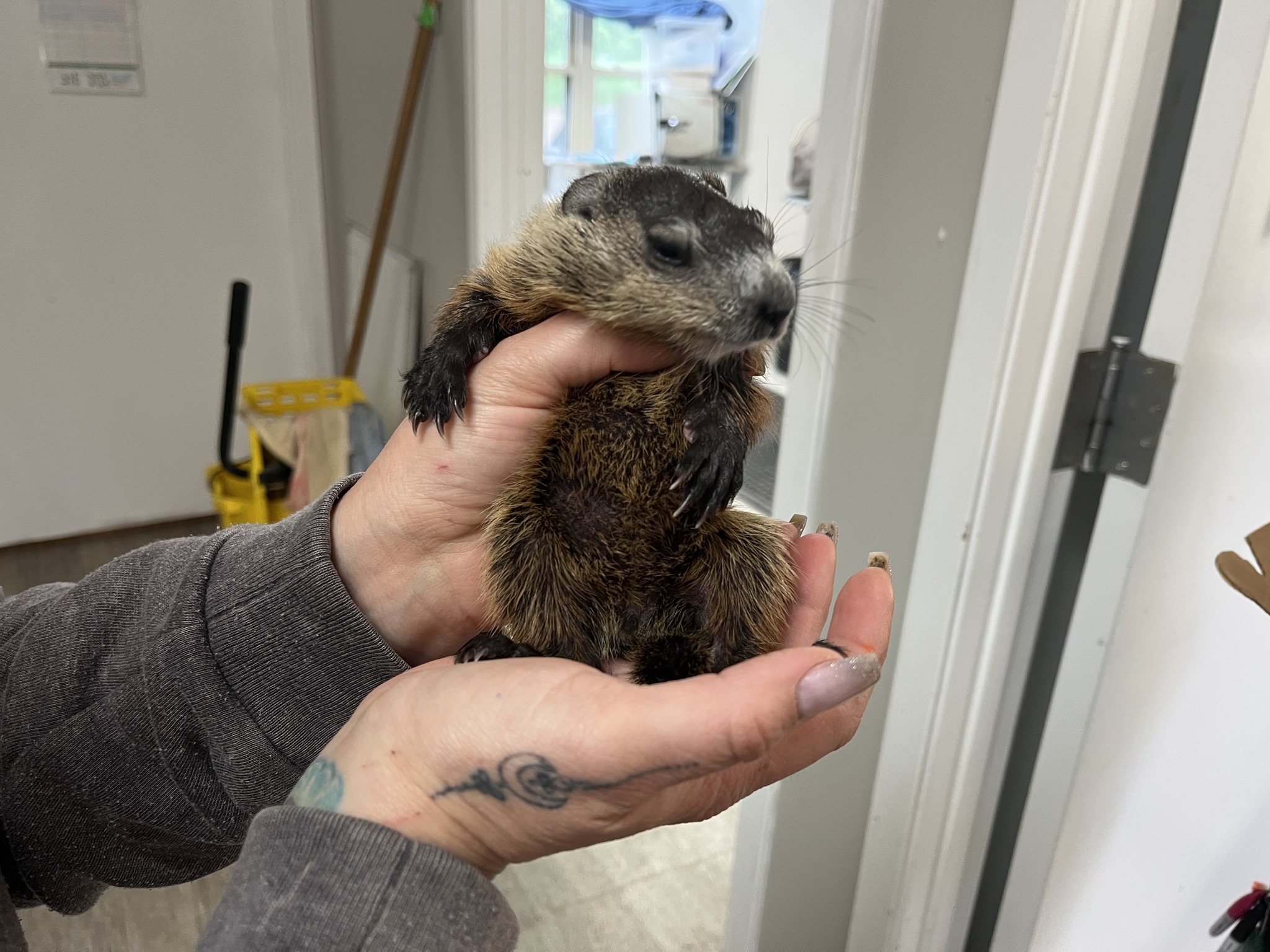
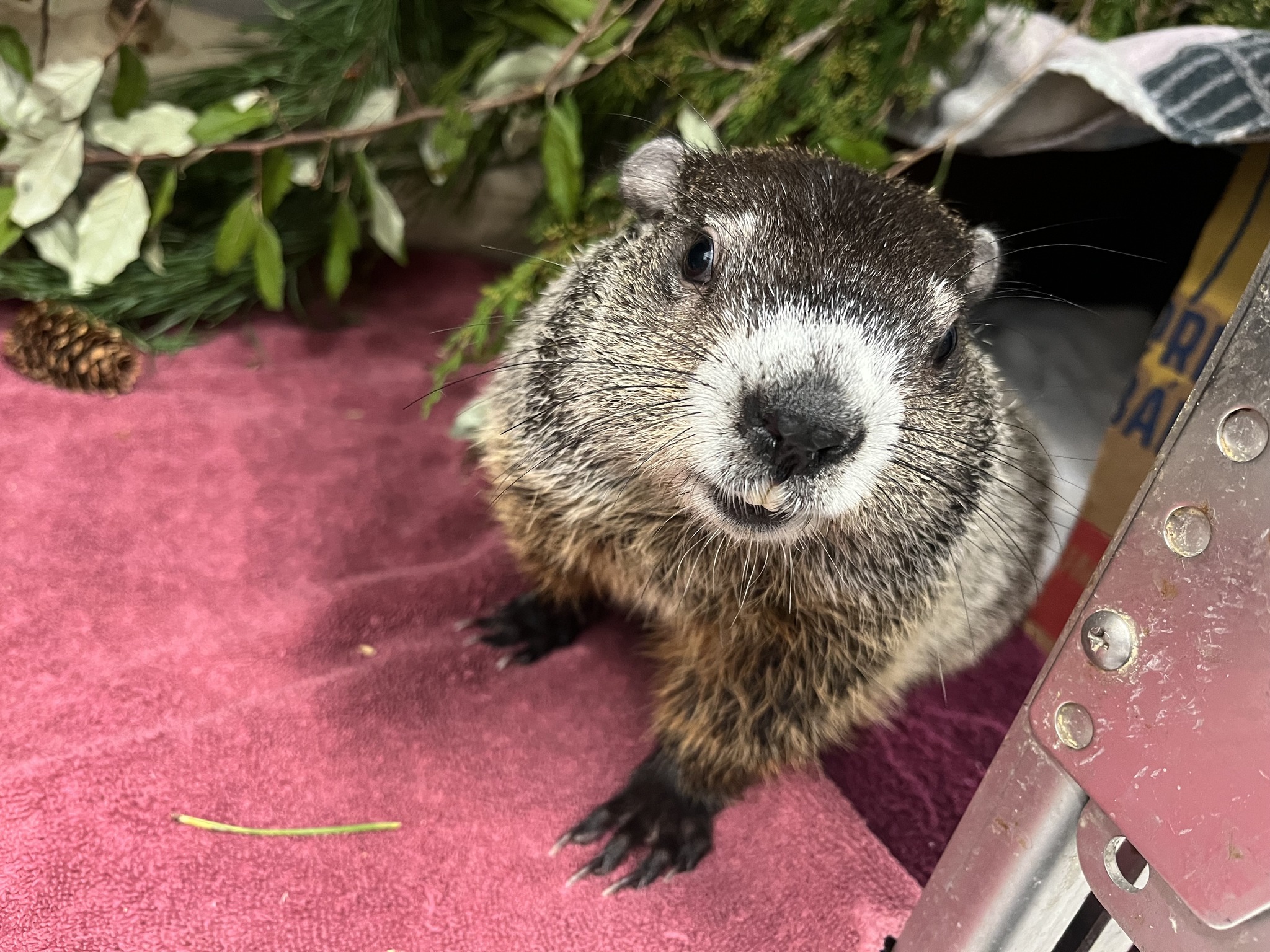
I hope that you are able to make a donation on their website. Here are some of the injured and orphaned chucks they have cared for in their rehabilitation clinic.
Return to Bobcat Corners

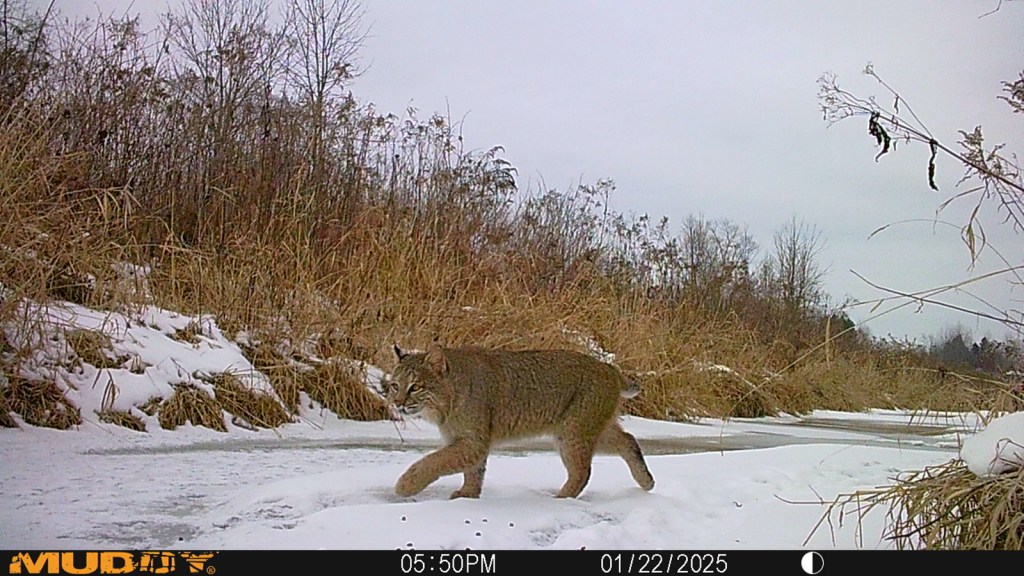
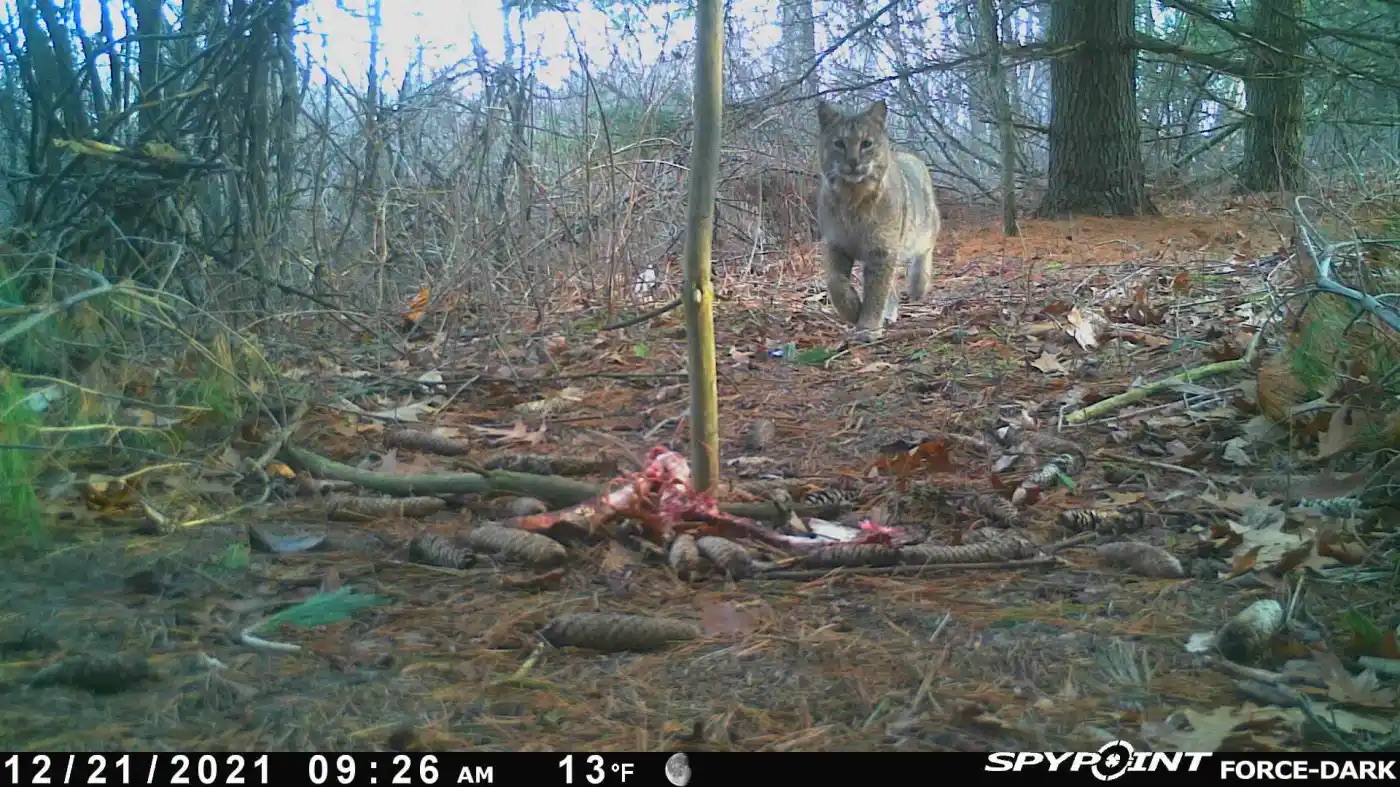
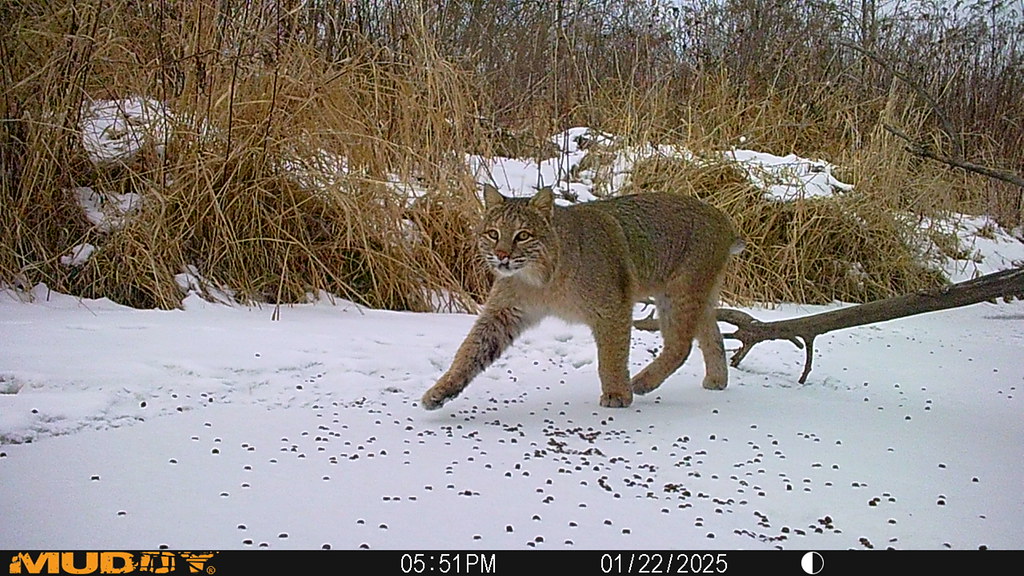
Bobcat by paulv21

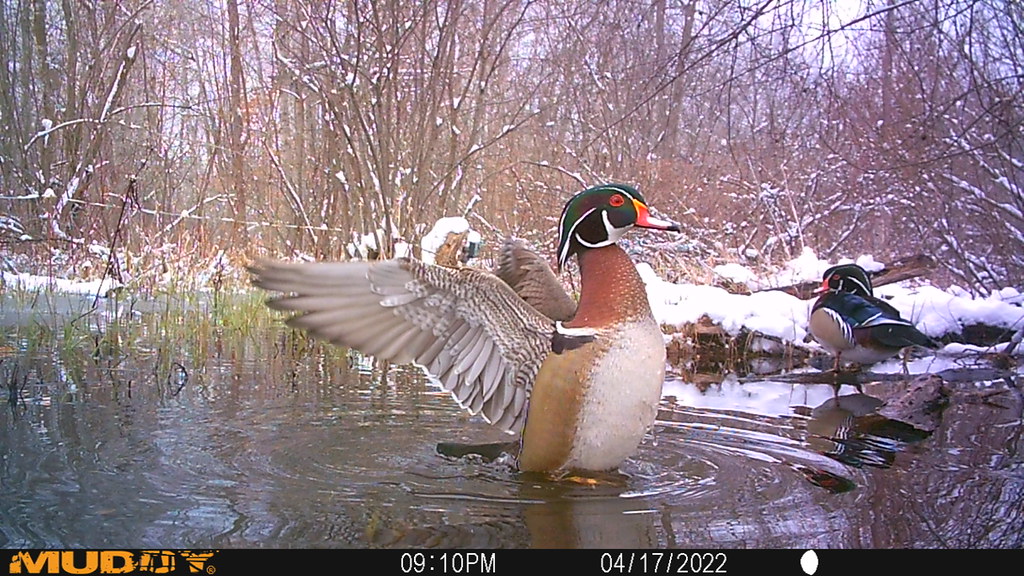
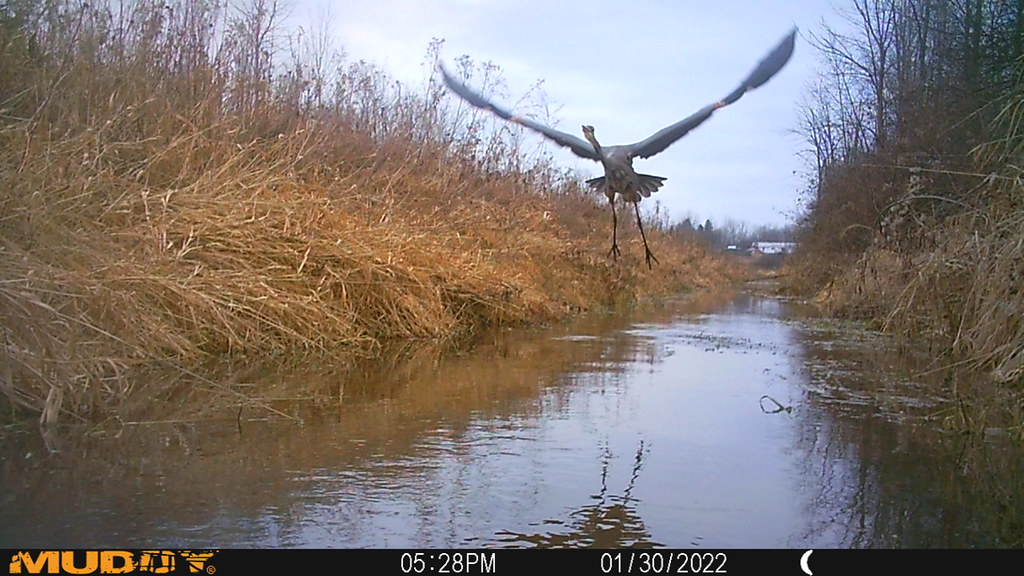
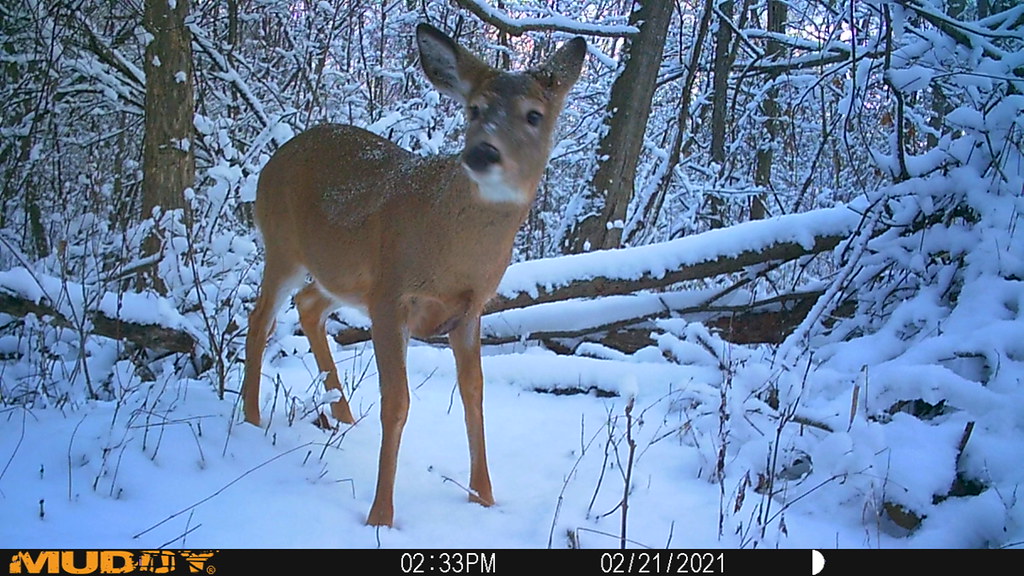
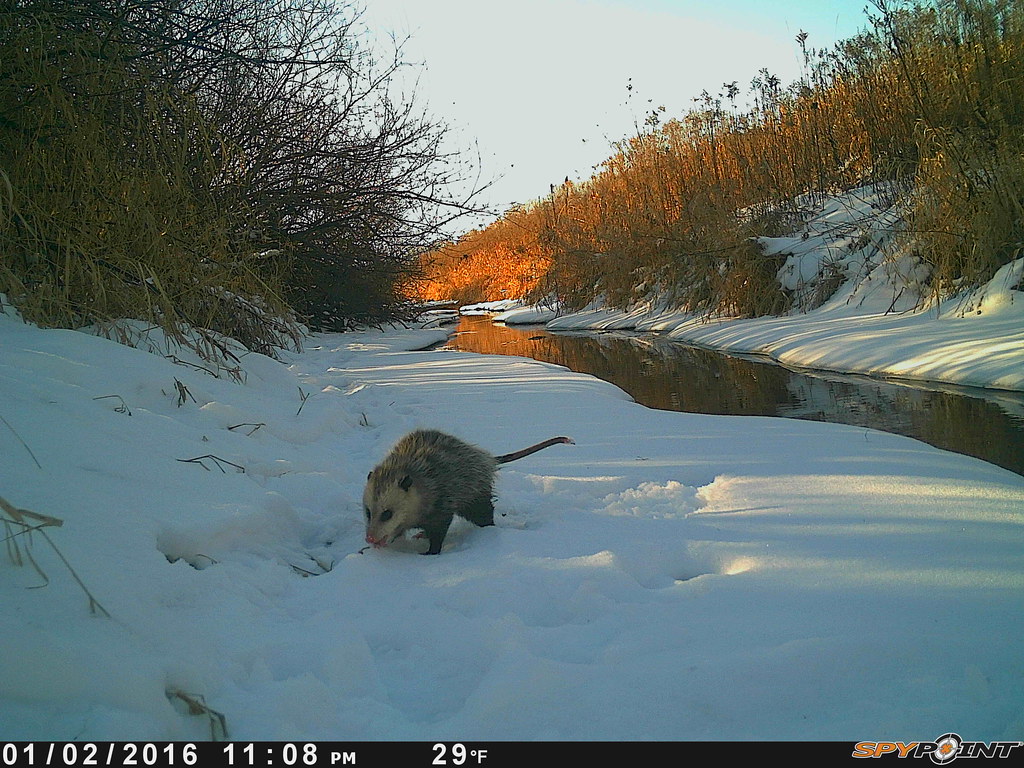
Three winters ago, Paul shared the bobcat pic that is the first of the collection of his trail cam photos below. In the intervening years he has created some amazing documentation of wildlife activity on his land near Clare. Follow him on Flickr for the latest & check out his yearly Trail Cam albums!!

Support Michigan in Pictures with Patreon

Michigan Squirrels go nuts for National Squirrel Appreciation Day!

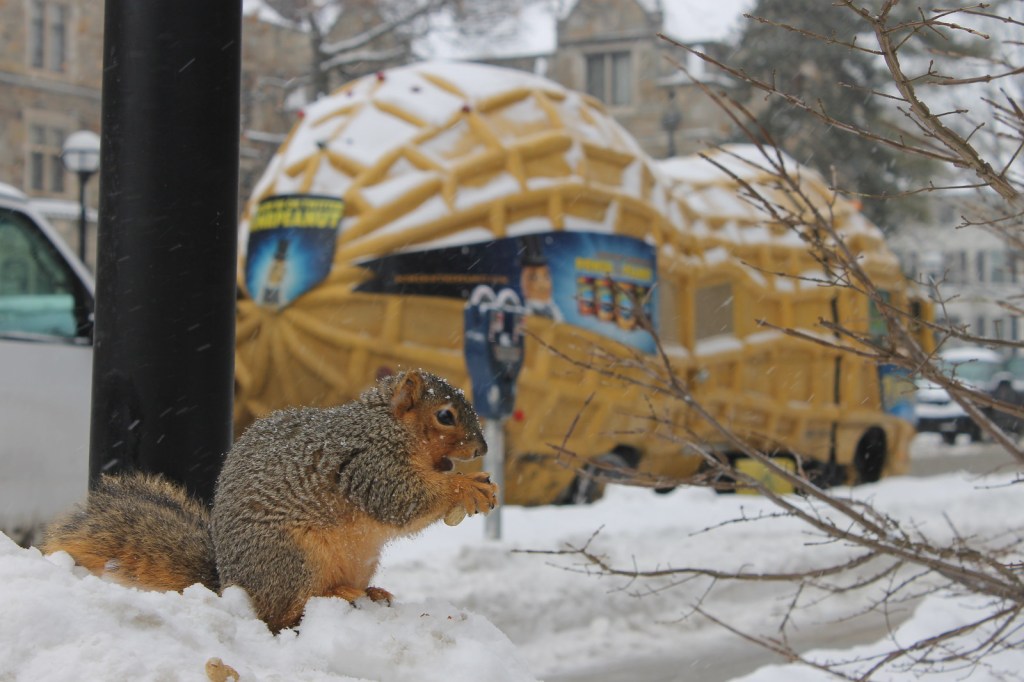
Squirrels on a Snowy Winter's Day at the University of Michigan by Corey Seeman

Squirrels on a Snowy Winter’s Day at the University of Michigan by Corey Seeman

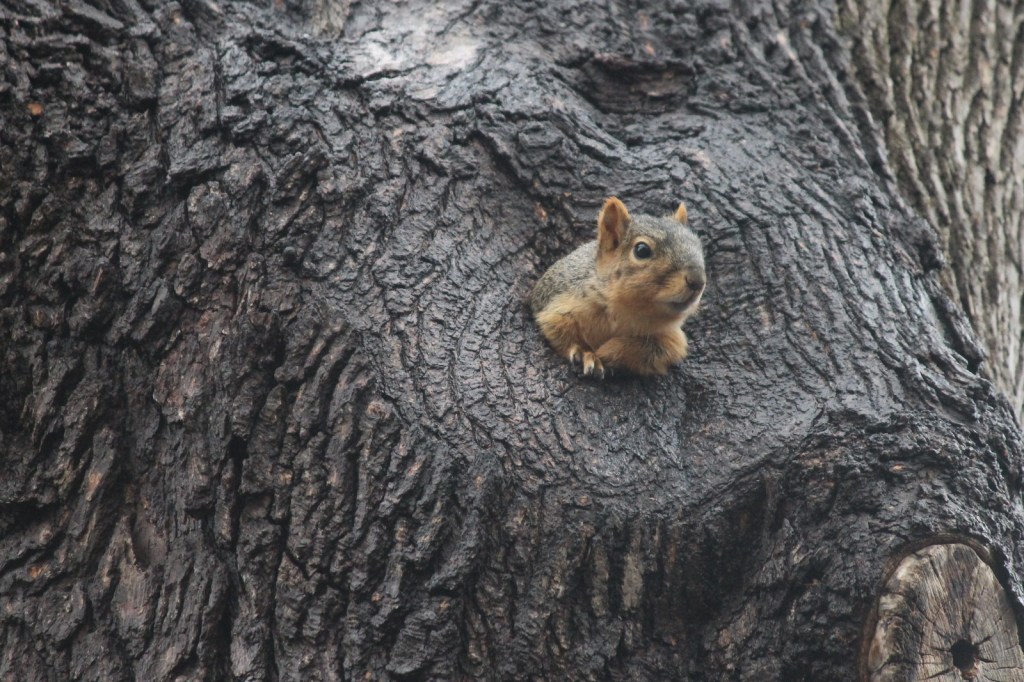
January 21st is National Squirrel Appreciation Day, and I just learned that Michigan has NINE different squirrel species! Fox, gray, red and flying squirrels nest and spend most of their time in trees while chipmunks, woodchucks and ground squirrels have dens underground and rarely spend time in trees. Here’s the list – both of Corey’s pics from Ann Arbor show Eastern fox squirrels.

Corey is definitely the official Squirreltographer of Michigan in Pictures. See more in his Project 365 2015 album and see his latest on Flickr!

Best Squirrel House at the University of Michigan by Corey Seeman

Best Squirrel House at the University of Michigan by Corey Seeman

PS: I really hope that everyone, human and squirrel alike is finding a warm place today!!

Support Michigan in Pictures with Patreon

Mr Coyote

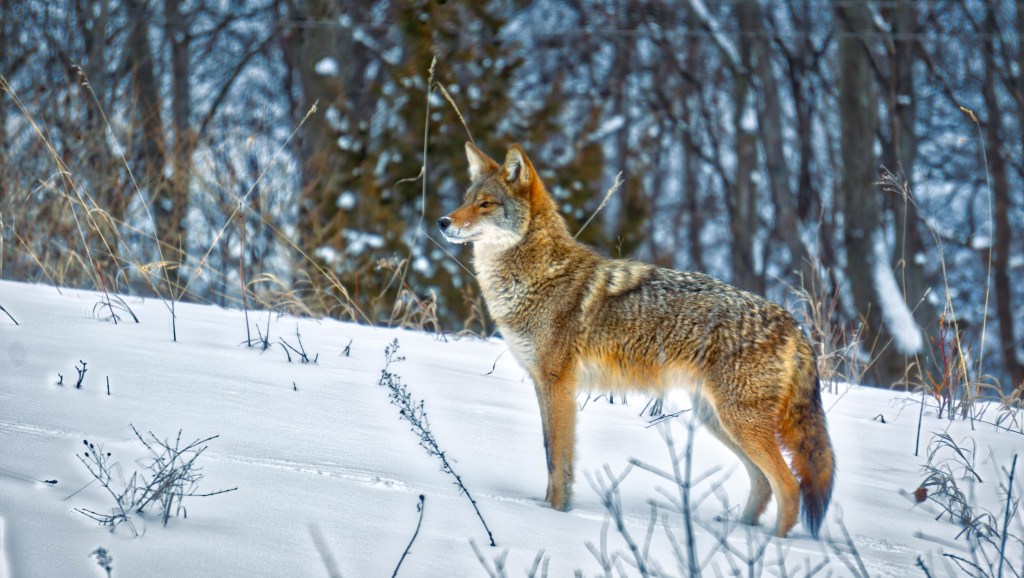
Mr Coyote by Mark Smith

Coyotes are found in every county in Michigan, something I learned on a Christmas Day 2019 bike ride in Detroit when a coyote & I surprised each other on the eastside! The Michigan DNR shares a little bit about living with coyotes in Michigan, including the fact that it is critical for their well being as well as the safety of our pets & farm animals that they retain their natural fear of people. To do this:

Eliminate outside food sources like garbage or pet food

Clear out brush piles that provide hiding places for small mammals and birds

And for sure keep small pets indoors or accompany them outside!

If you do see an unwanted coyote in your area, you can try to scare it off by yelling, clapping or making other loud noises.

Most coyotes are afraid of people and will leave if you frighten them, but if they don’t leave, remember that they are wild animals and also be aware that there are coyote/wolf crossbreeds in Michigan known as “coywolf” and they are a whole different beast!

Mark shared this photo back in 2016, saying that Mr. Coyote paid a visit to their house looking for Mr. Pussycat, who was smartly hiding under the coffee table! Follow @downstreamer7 on Instagram for Mark’s latest!

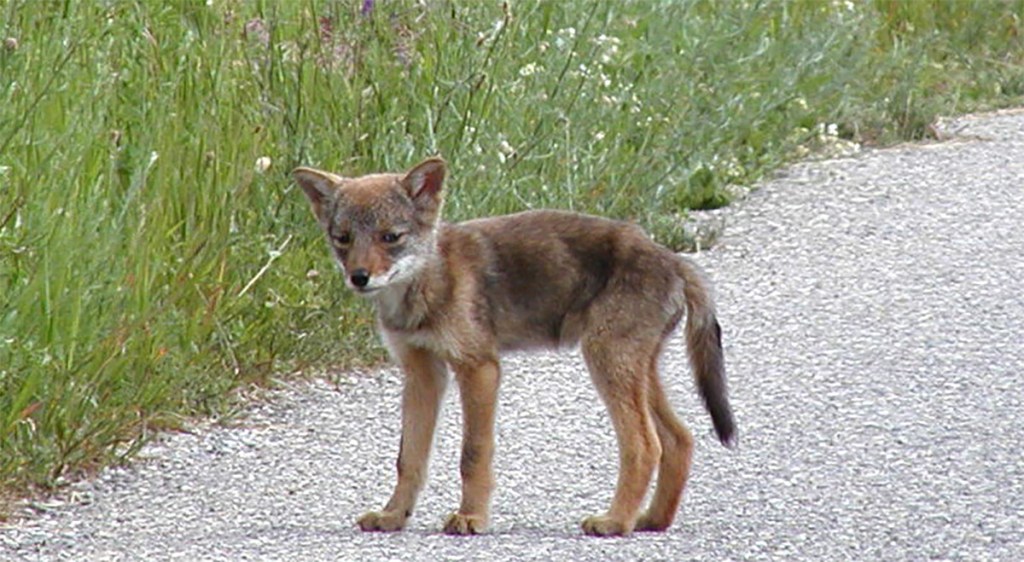
PS: Here’s a shot of a coyote pup I took years ago.

Coyote Pup by Andrew McFarlane

Coyote Pup by Andrew McFarlane

Support Michigan in Pictures with Patreon

Feelin’ ducky … and historically dry

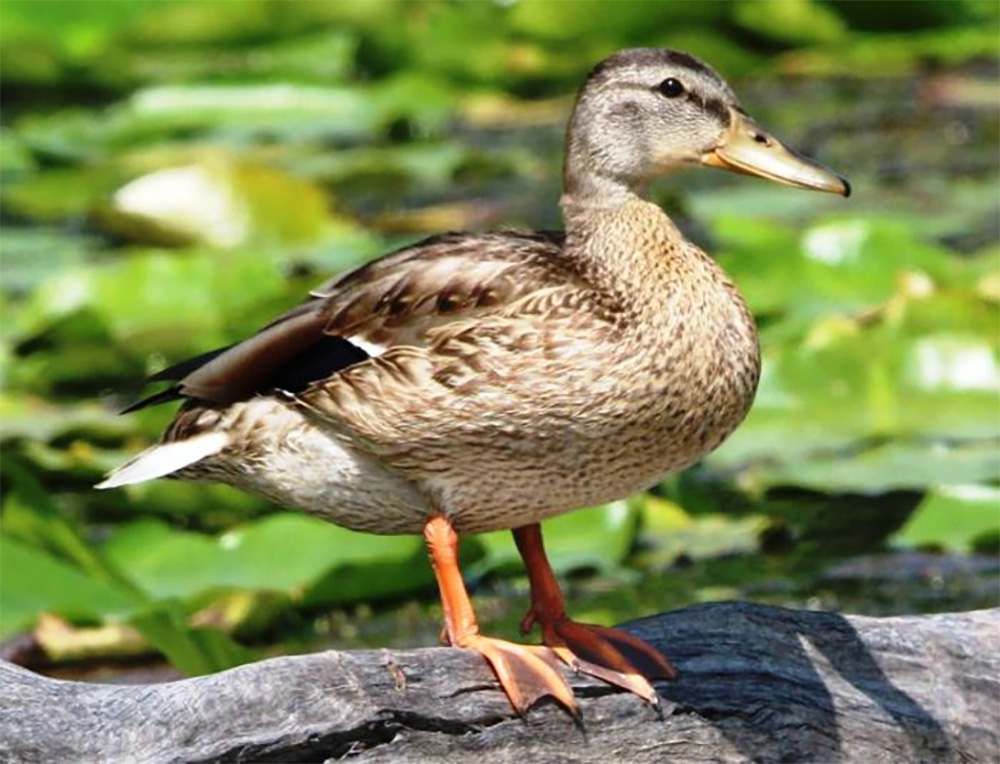
Feelin ducky by Linda Schaub

Linda is one of Michigan in Pictures’ biggest fans and yesterday she dropped the fact that much of Michigan was facing what could be the driest September since we started keeping records in 1877 until recently! mLive shared that although September 2024 remains historically dry, the rain of the last few days is helping to combat the drought.

Linda shared this photo along with several others on her latest Wordless Wednesday post. Follow her blog Walkin’, Writin’, Wit & Whimsey for more!

Also I am of course very happy to add the latest photo the Michigan in Pictures Duckie Project, a decade-spanning chronicle of our feathered, floating friends!

Support Michigan in Pictures with Patreon

Friday the 13th Mascot Edition: Thirteen-lined Ground Squirrel

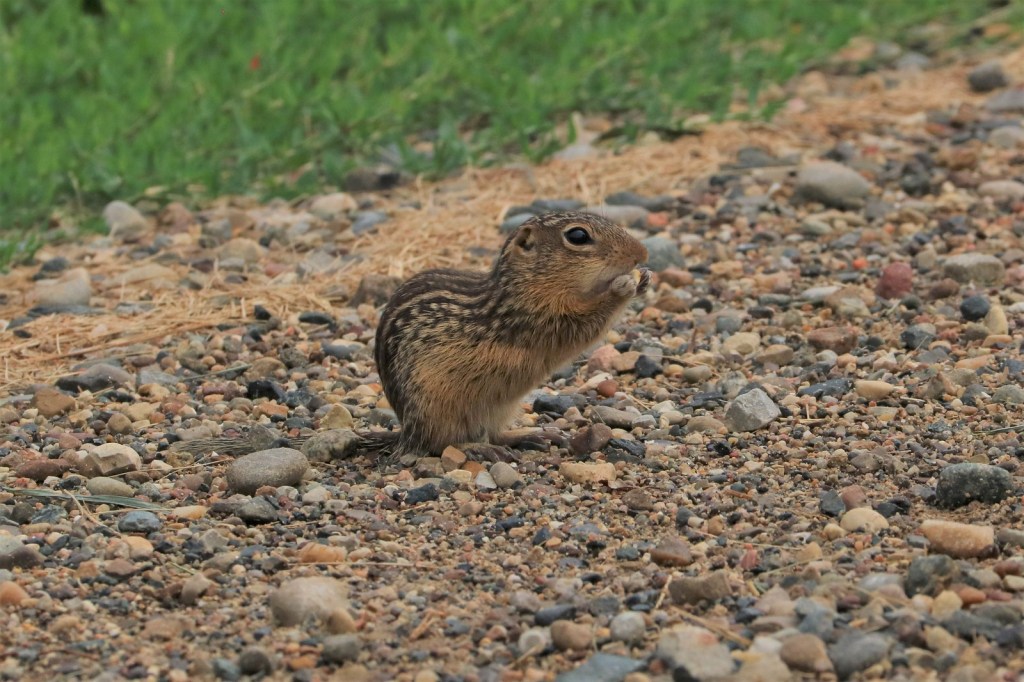
Thirteen-lined Ground Squirrel by Zach Frieben

If you’re worried about your luck on Friday the 13th, allow me to offer this lil buddy which is for sure not a chipmunk! Animal Diversity Web says that the thirteen-lined ground squirrel:

…is found in central North America. Originally confined to the prairie, it has extended its range northward and eastward over the past two centuries as land has been cleared … Spermophilus tridecemlineatus is a small slender ground squirrel with alternate longitudinal stripes of dark brown and tan, extending from the nape to the base of the tail. The dark brown stripes are broader than the tan lines and have tan rectangular spots along the midline. The “thirteen lines” consist of either (1) seven broad dark brown stripes alternating with six thin tan bands or (2) seven narrow yellow stripes alternating with six broader dark brown stripes. The ears are short, and the tail is thin and sparingly bushy.

Thirteen-lined ground squirrels are diurnal and most active at midday and on warm sunny days. They dig shallow blind-end emergency burrows as well as complex deeper underground burrows used for nesting and hibernation. These squirrels are not colonial but may concentrate in one area with desirable substrate.

Thirteen-lined ground squirrels have excellent senses of vision, touch, and smell. They use alarm calls and other sounds, as well as using special scented secretions, to communicate with other squirrels. They rub glands around their mouth on objects to leave scent marks. They also greet one another by touching noses and lips.

Zach took this photo back in September of 2017. See more in his Mammals gallery on Flickr.

Support Michigan in Pictures with Patreon

Blue Skies & Butterflies

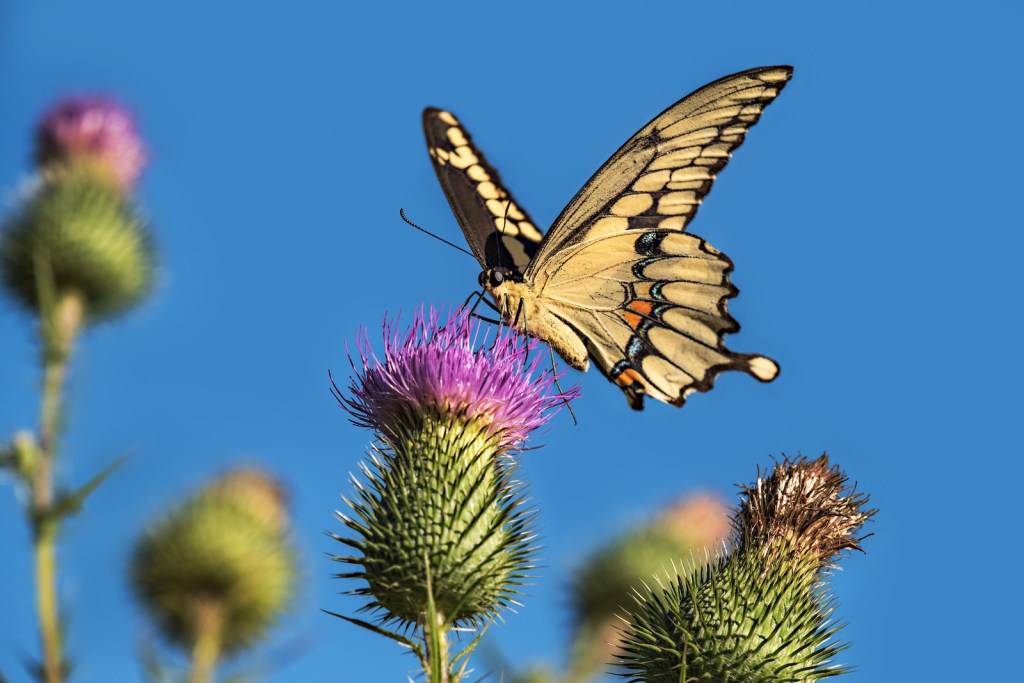
Blue Skies and Butterflies by Jacqueline Verdun

The Ann Arbor Observer has a classic feature titled The Biggest Butterfly: Seeking Giant Swallowtails that says in part:

The aptly named giant swallowtail is the biggest butterfly in Michigan. Form your two index fingers into pointers and touch them to each other: if you take a large glove size, the butterfly’s maximum wingspan is approximately the length of both fingers put together. The field guides say around six inches.

The giant swallowtail’s coloration is as spectacular as its size. From the top, its wings look dark brown to black, with yellow dot ribboning and a yellow eye-shaped spot on the end of each wing. When the wings are raised, the bottom is revealed to be a subtle cream interrupted by wavy blue and rust bands.

This species spends its Michigan winter in the pupa stage and emerges in two broods each summer, the first in May through June, the second in July through early September.

Jacqueline took this gorgeous photo a decade ago on August 20, 2014. You can check out another shot she took of this butterfly right here & see more in her Macro Insects etc gallery.

Support Michigan in Pictures with Patreon

Frog saunas will make it easier to be a frog!

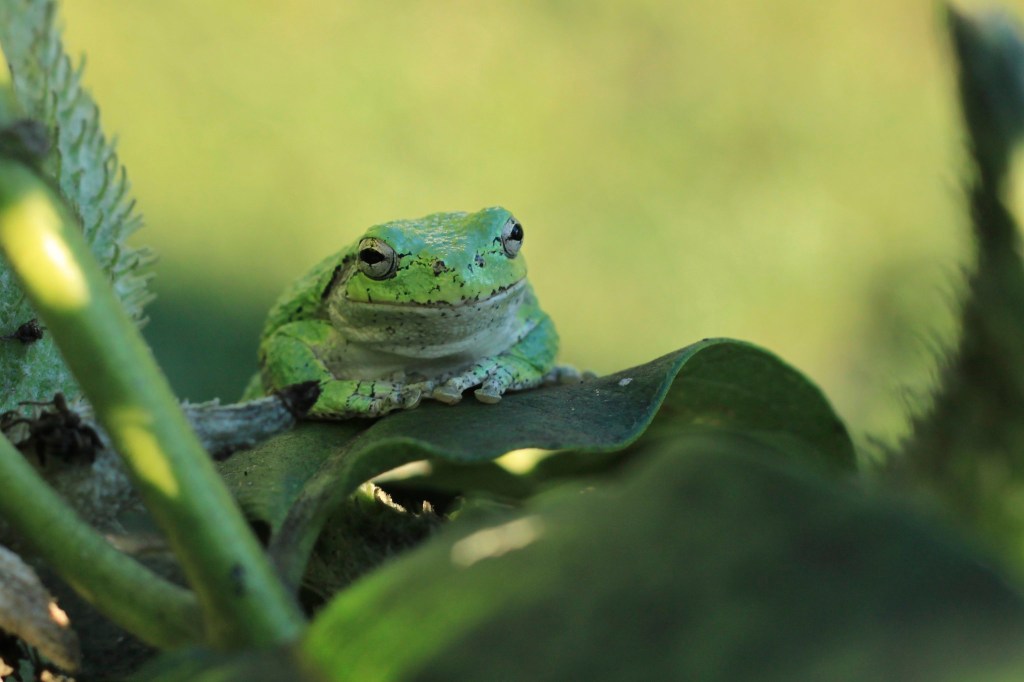
It ain’t easy… by Steven Karsten

Here is an excellent update about the fungus that has been devastating frog populations since long before I shared this photo & news of chytridiomycosis back in 2011! Earth.com reports that on a new way to save frogs in Michigan & worldwide from the chytrid fungal infection. The fungus driven 90 frog species to extinction or presumed extinction in the wild and reduced the number of another 124 species by over 90%. Dr. Anthony Waddle of Macquarie University‘s Applied BioSciences (Australia) explains:

“In the 25 years since chytrid was identified as a major cause of the global collapse of amphibian populations, our results are the first to provide a simple, inexpensive and widely applicable strategy to buffer frogs against this disease,” said Dr. Waddle.

The researchers developed artificial ‘hotspot’ shelters using readily available materials like bricks and PVC greenhouses. These structures create warm environments where frogs can raise their body temperature to levels that are uncomfortable for the chytrid fungus.

“In these simple little hotspots, frogs can go and heat up their bodies to a temperature that destroys the infections,” explained Dr. Waddle. It’s like a natural antibiotic treatment, but instead of popping pills, the frogs just need to bask in their personal saunas.

The results were remarkable. When frogs shifted to these hotspot shelters, chytrid infections were reduced significantly. This simple intervention could have far-reaching benefits for amphibian conservation efforts worldwide.

Lots more at Earth.com, and since Michigan’s 13 species of frogs & toads are not immune, fingers (and flippers) crossed that this works!!

Though Steven titled this It ain’t easy… he wrote actually, on this day, it seemed pretty easy being green. This guy was eating fly after fly as I snapped away. Must’ve had 5-6 flies in about as many minutes. He looked like lack of food was not an issue.

See more of his photos on Flickr & more frogs on Michigan in Pictures!

Support Michigan in Pictures with Patreon

How you can help bees in Michigan

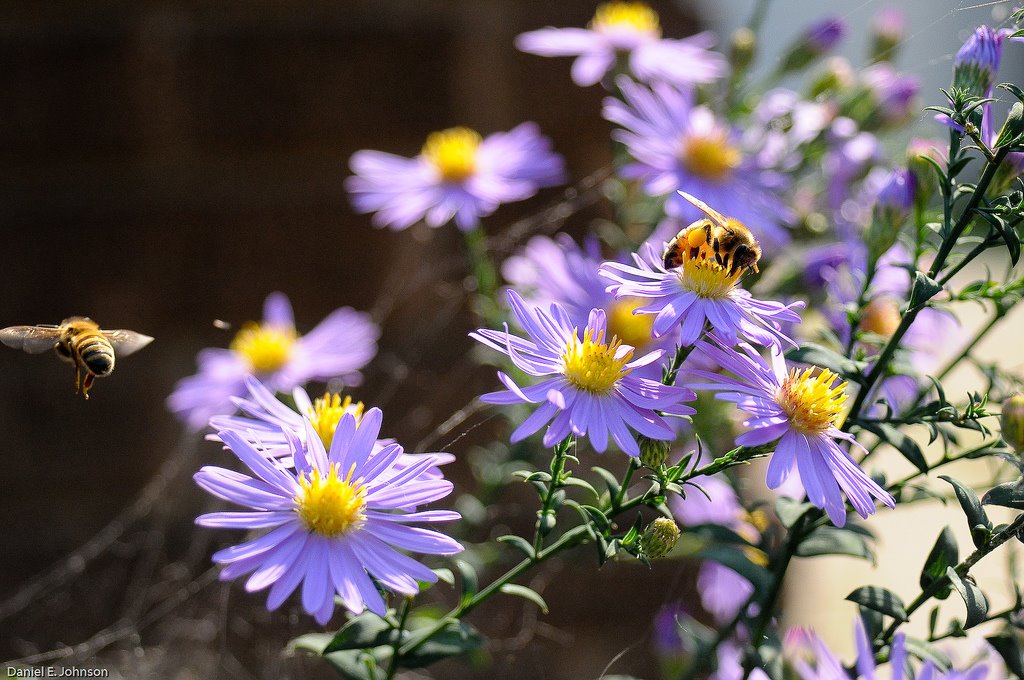
Around the Bend by Daniel E. Johnson

Around the Bend by Daniel E. Johnson

I shared this photo on August 7, 2017 with the good news that the number of Michigan honeybee colonies was on the rise, reversing steep declines due to colony collapse disorder. Michigan and the world are for sure not out of the woods with Colony Collapse Disorder (CCD) that causes the majority of worker bees in a colony disappear and leave behind a queen, food & a few nurse bees to care the queen & larvae. While reported cases of CCD have declined significantly, beekeepers nationwide reported losing HALF of their colonies in the year ending last April.

Because we still have work to do, I’m happy to share ways that we can help keep flowers blooming & crops growing right here in Michigan. MSU Extension answers the question Should Michiganders keep bees by saying that unless you have the resources to keep your hive healthy, it’s better to focus on helping bees by planting flowers and flowering trees that are good sources of nectar and pollen from the spring through the fall. I’m also really happy that St. Joseph has announced its commitment to become a Bee City USA!

Dig into Daniel’s photos on his Flickr!

Support Michigan in Pictures with Patreon

Michigan Merganser Mania

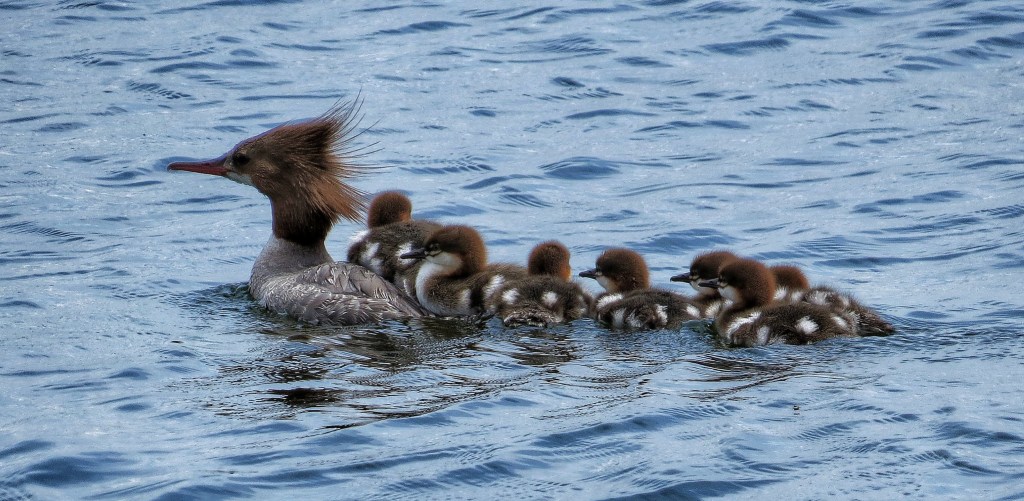
Female Common Merganser and 7 young by Mike Carey

All About Birds says that Common Merganser are large, long-bodied ducks with thin, pointed wings. Their bills are straight and narrow, unlike the wide, flat bill of a “typical” duck, and the females have shaggy crests on the backs of their heads. Although these ducks look pretty punk & cool, the Tip of the Mitt Watershed Council reminds us that Merganser ducks are the main culprit in the spread of swimmers itch:

Swimmer’s itch (cercarial dermatitis) is a skin irritation caused by a larval form of certain flatworms from the family Schistosomatidae. Schistosome flatworms are parasites with complex life cycles usually involving certain species of snails and waterfowl. Upon hatching, free swimming Schistosomatidae larvae seek out an intermediary host, usually snails, to continue the life cycle. The larvae, known as cercariae, are only 1/32 of an inch long and generally invisible to the naked eye. Since humans are not the proper host, the larvae soon die upon mistakenly burrowing into the skin. The resulting skin condition and itching sensation is caused by an immune response to the dead larvae under the skin and symptoms vary by person. In many Michigan lakes, the common merganser duck is the primary or sole vertebrate host.

I am for sure NOT calling for the killing of mergansers, but as someone who has spent a lot of time on lakes with swimmers itch, I encourage you to practice safe swimming where you see these ducks:

  1. Don’t swim first thing in the morning
  2. Swim offshore and away from downwind areas
  3. Rinse your body with clean water and towel off thoroughly after swimming!

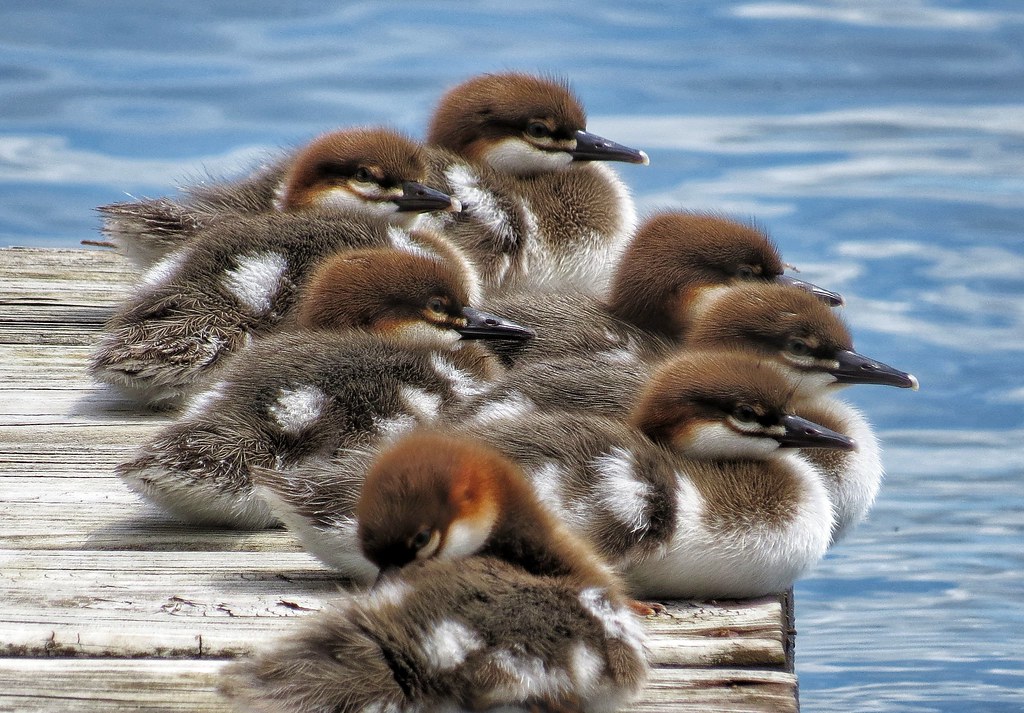
Mike took these on Bear Lake a couple weeks ago. See more in his Bear Lake 2024 gallery on Flickr.

More duckies on Michigan in Pictures!

Young Common Mergansers resting on dock by Mike Carey

Support Michigan in Pictures with Patreon