Goofy Glory

Goofy Glory by Howell Nature Center

Goofy Glory by Howell Nature Center

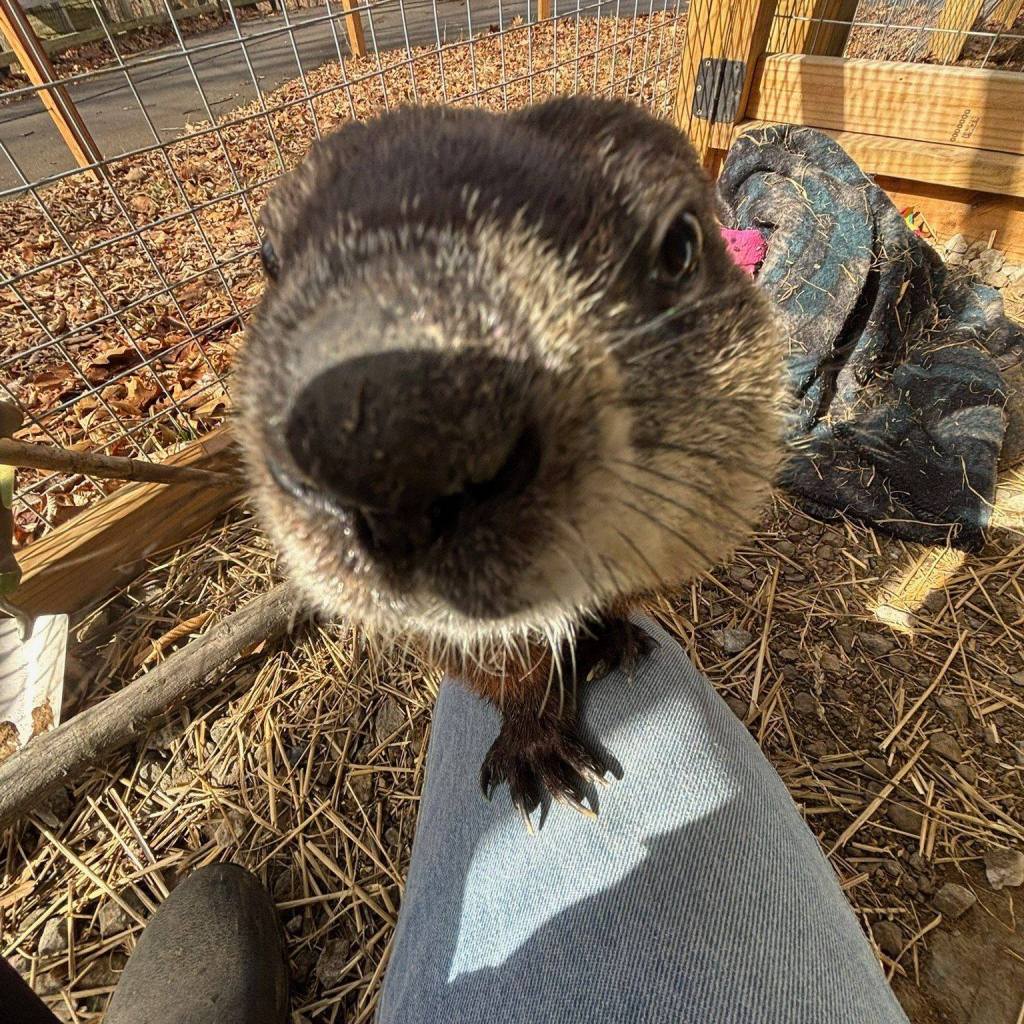
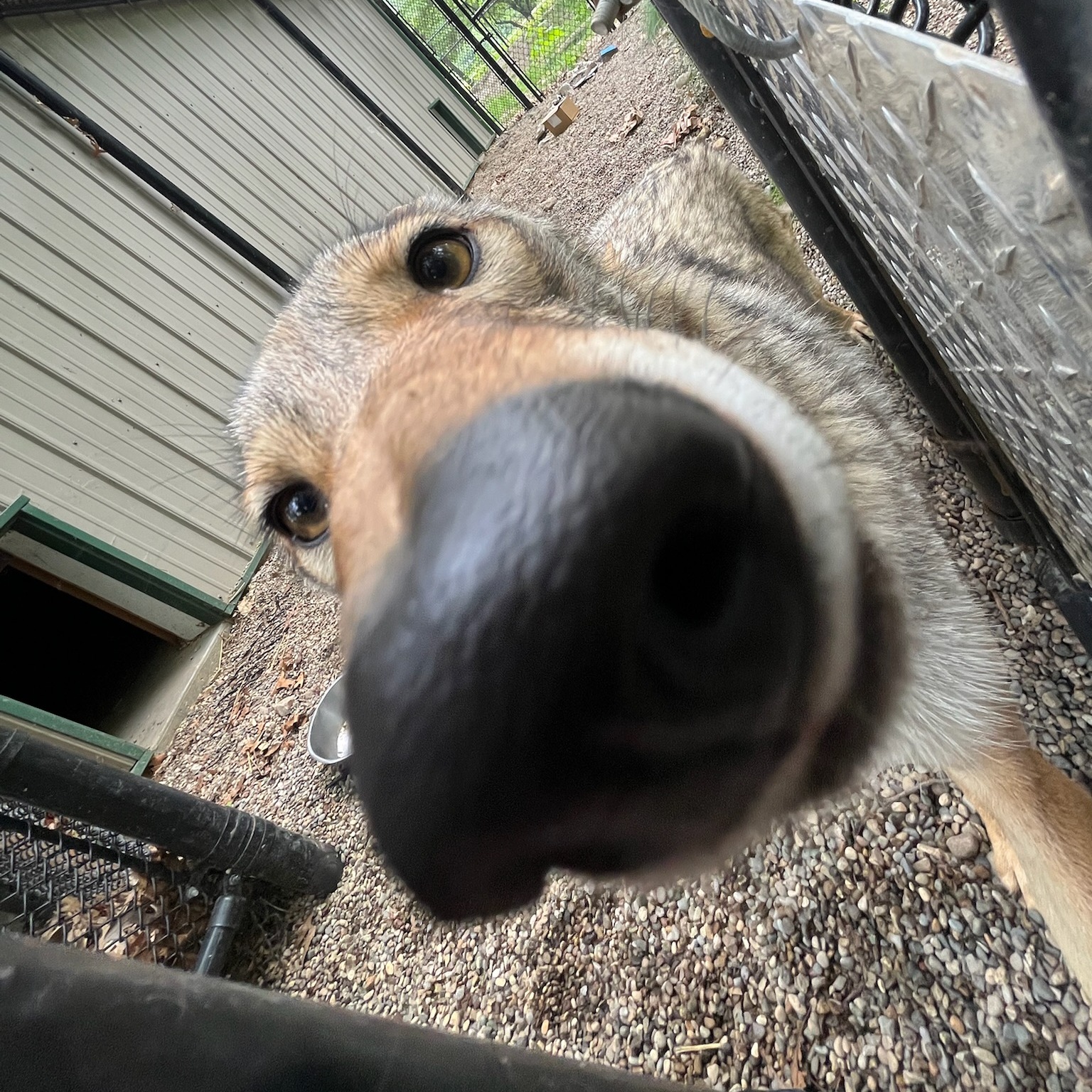
Adjectives commonly applied to nature are typically “grand” or “majestic” but Howell Nature Center reminds us to save a little room for fun. Enjoy these wildly unflattering yet totally adorable photos of our animal ambassadors caught in all their goofy glory 🤪🦊🦉🦝 Come learn their stories and see the real wildlife behind the camera!

Wild Wonders Wildlife Park is open 10am – 5pm every day, and if that first nose seems familiar, it’s because it belongs to Michigan’s Official Groundhog Woody!

More fun stuff on Michigan in Pictures!

Support Michigan in Pictures with Patreon

Talon Tuesday

Talons by Kevin Povenz

Talons by Kevin Povenz

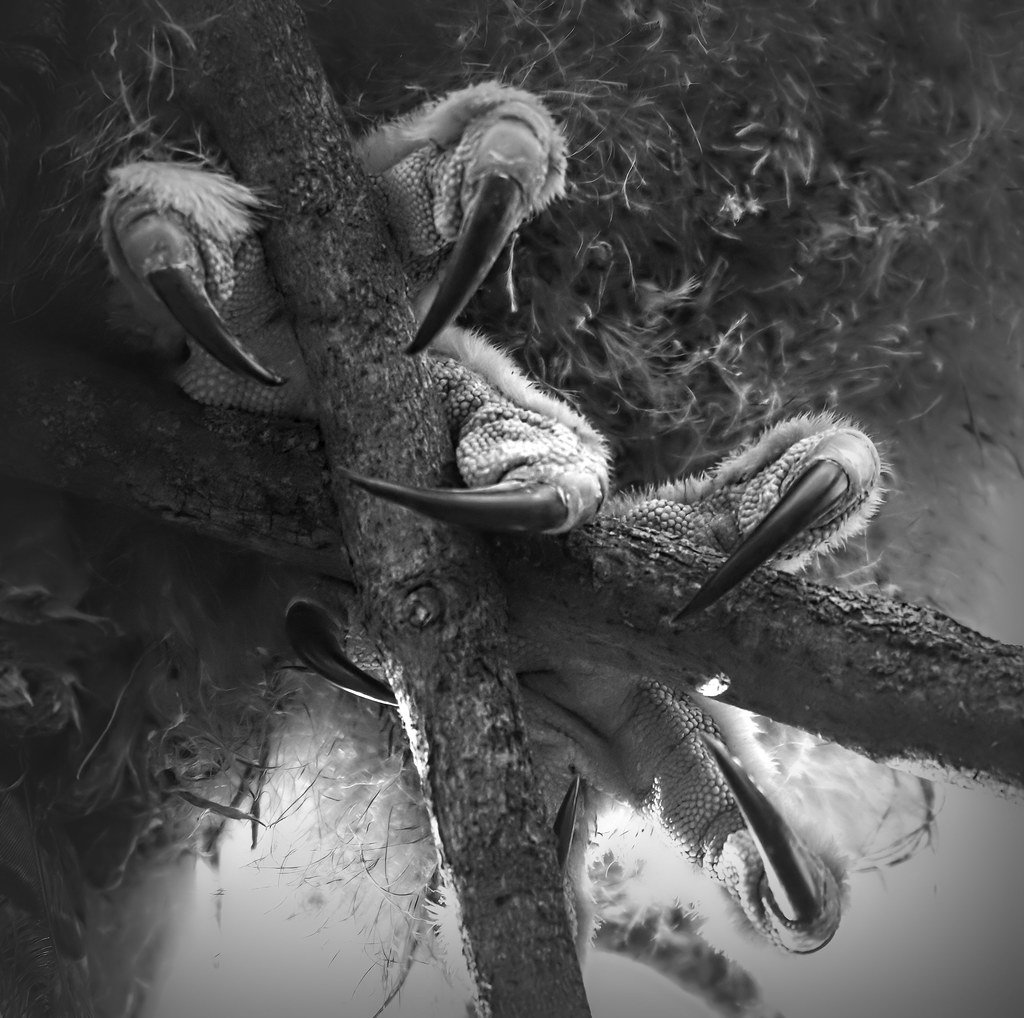
Kevin came across a Great Horned Owlet sitting on a tree branch right over the trail. He shares that Great horned owl talons are incredibly strong, with some individuals capable of exerting a gripping pressure of 200 to 500 pounds per square inch. This powerful grip, along with their size, allows them to capture and subdue prey, including those much larger than themselves.

See more in Kevin’s Birds of Prey gallery on Flickr and for sure follow him on Facebook!

More owls including a Great Horned owlet at the owl tag on Michigan in Pictures!

Support Michigan in Pictures with Patreon

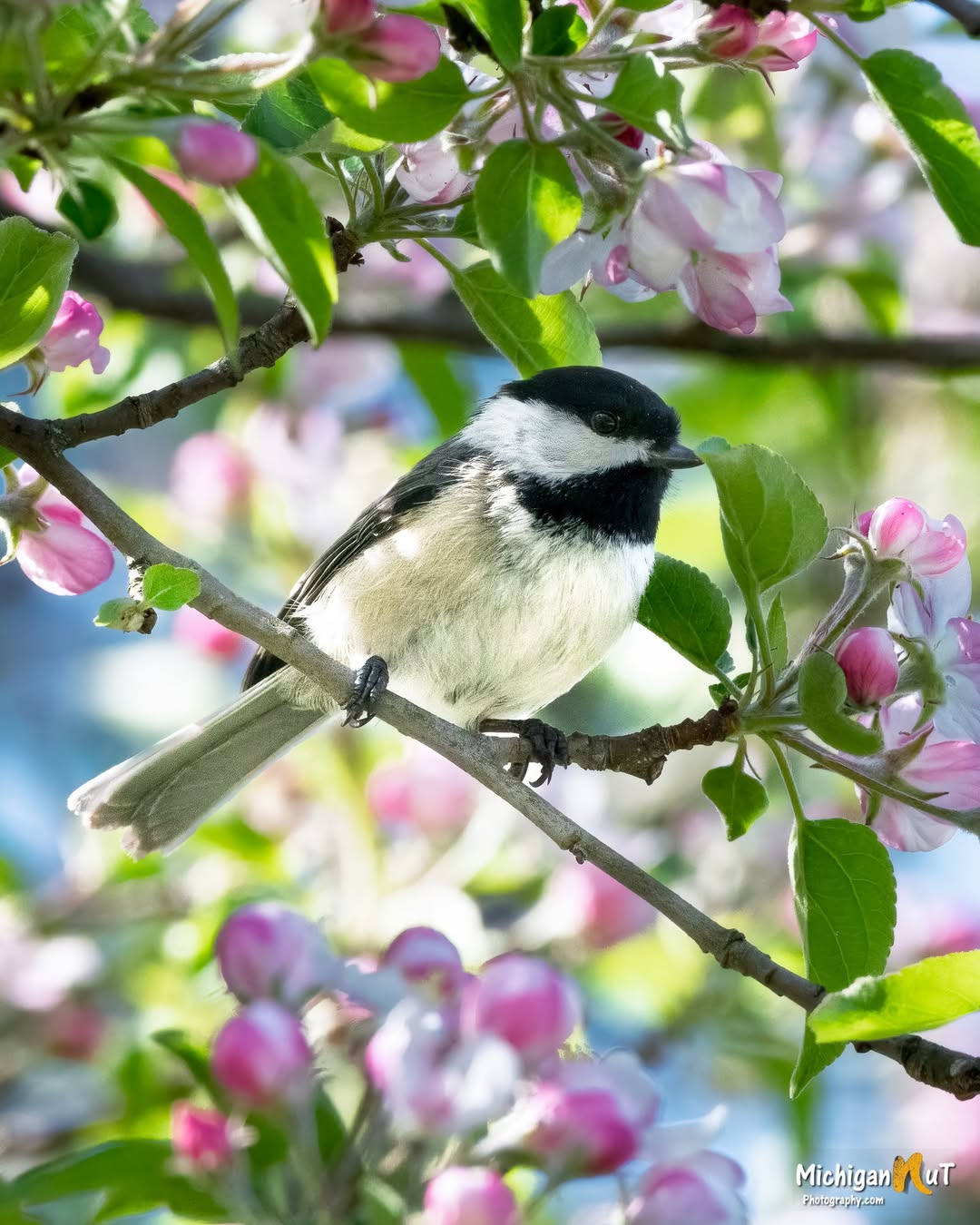
The Chickadee and the Apple Tree

The Chickadee and the Apple Tree by Michigan Nut Photography

The Chickadee and the Apple Tree by Michigan Nut Photography

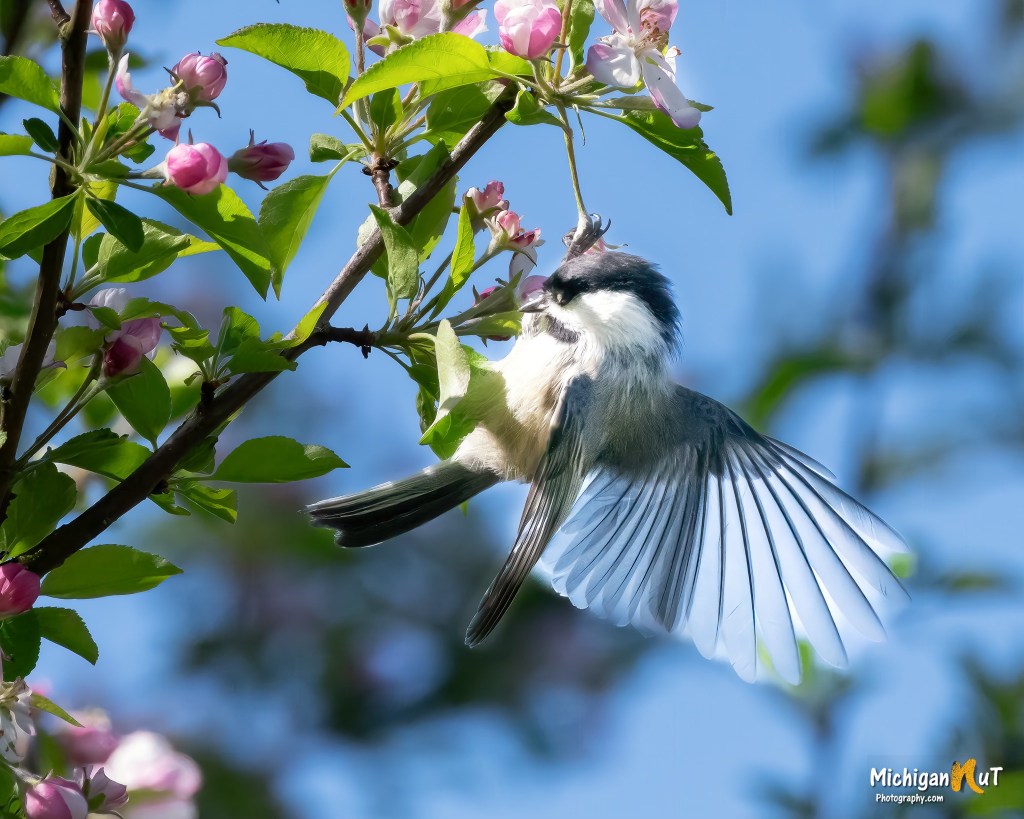
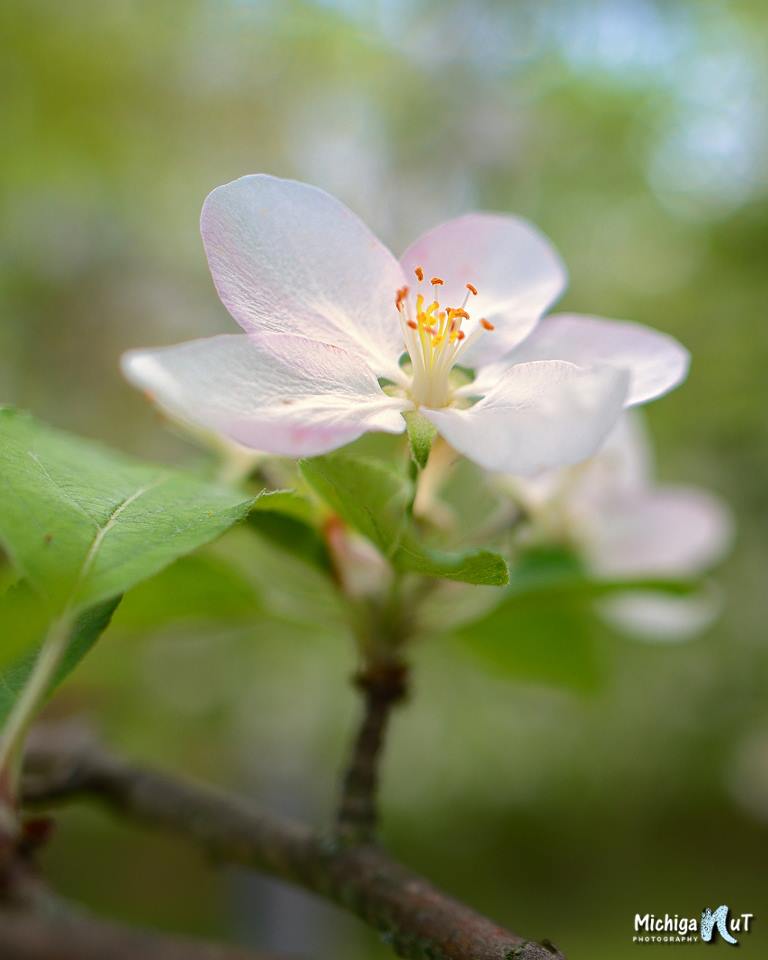
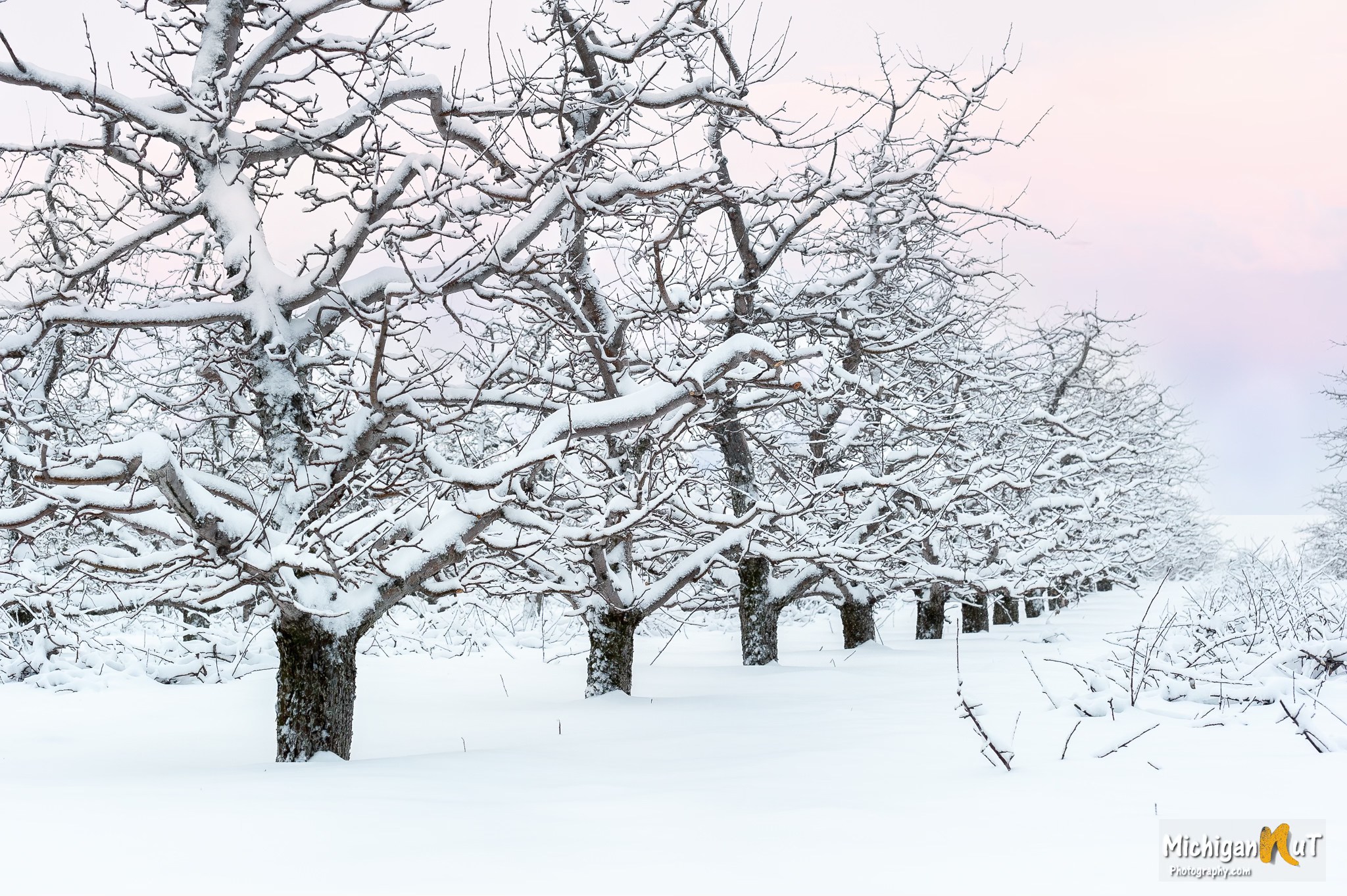
Some gorgeous springtime pics from John along with a reminder to enjoy it while it’s here! See his latest on Facebook or Instagram and for sure view & purchase his work on his website.

Support Michigan in Pictures with Patreon

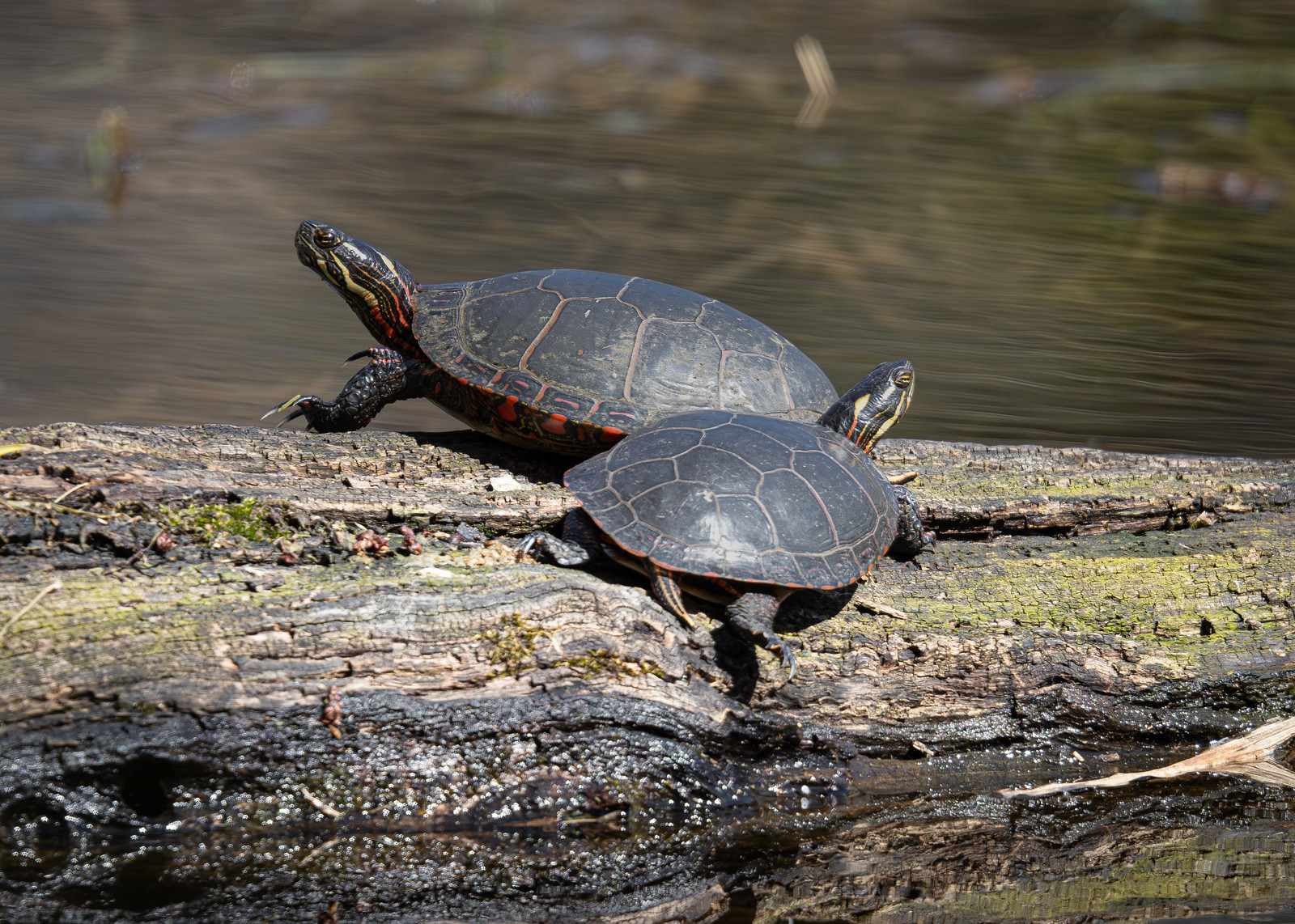
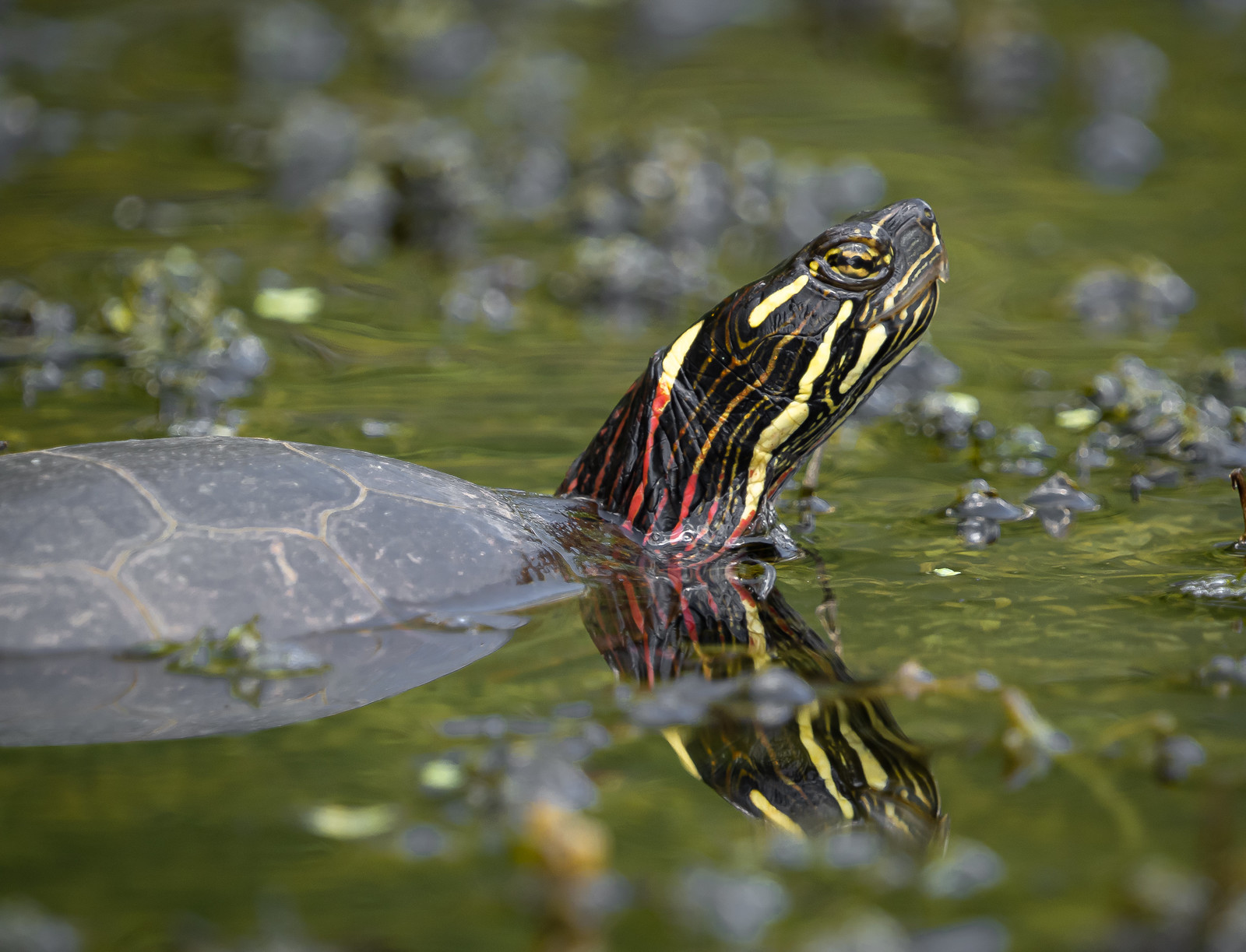
Happy World Turtle Day from the Midland Painted Turtle!

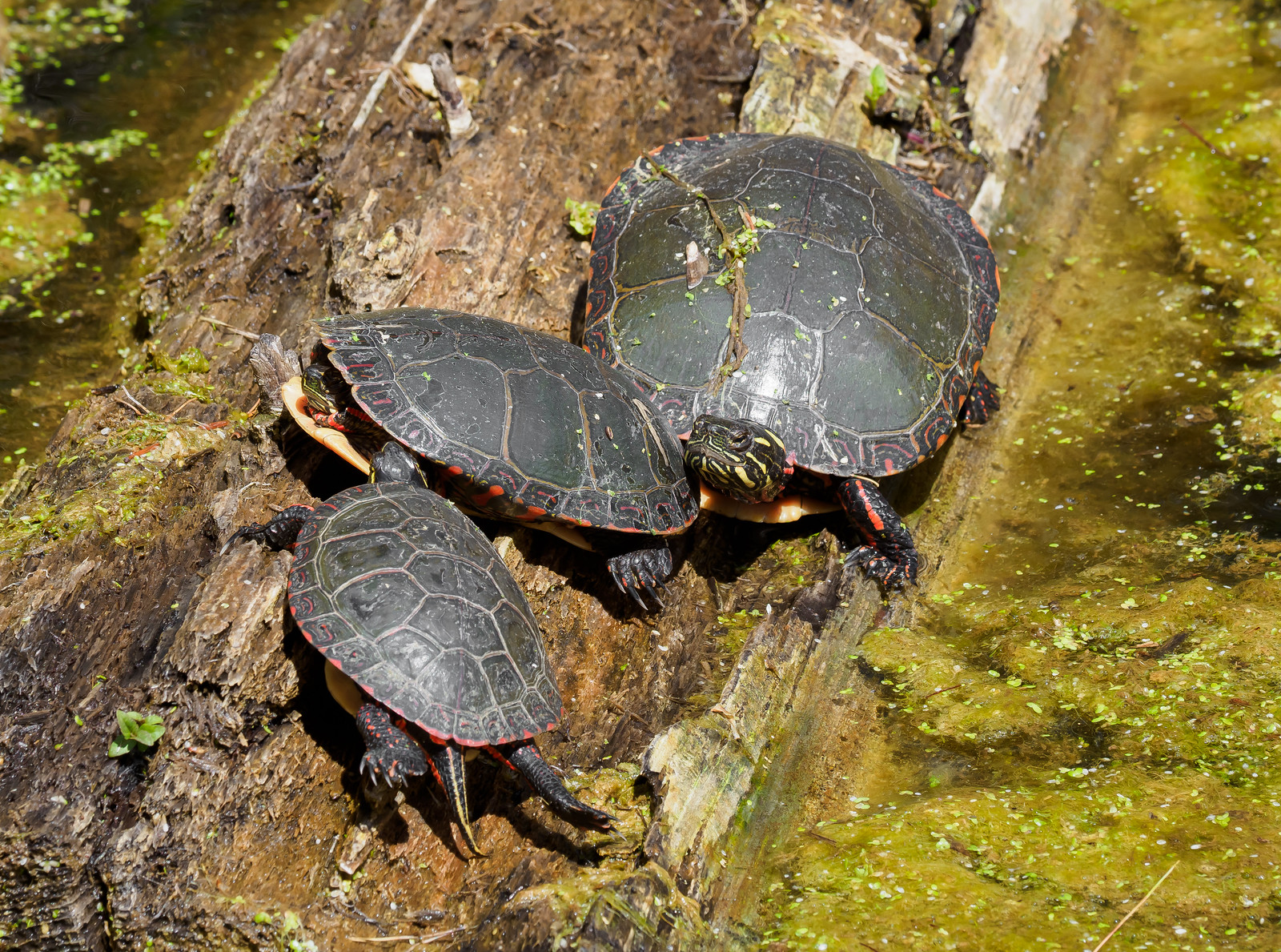
 Painted Turtle by David Marvin

Painted Turtle by David Marvin

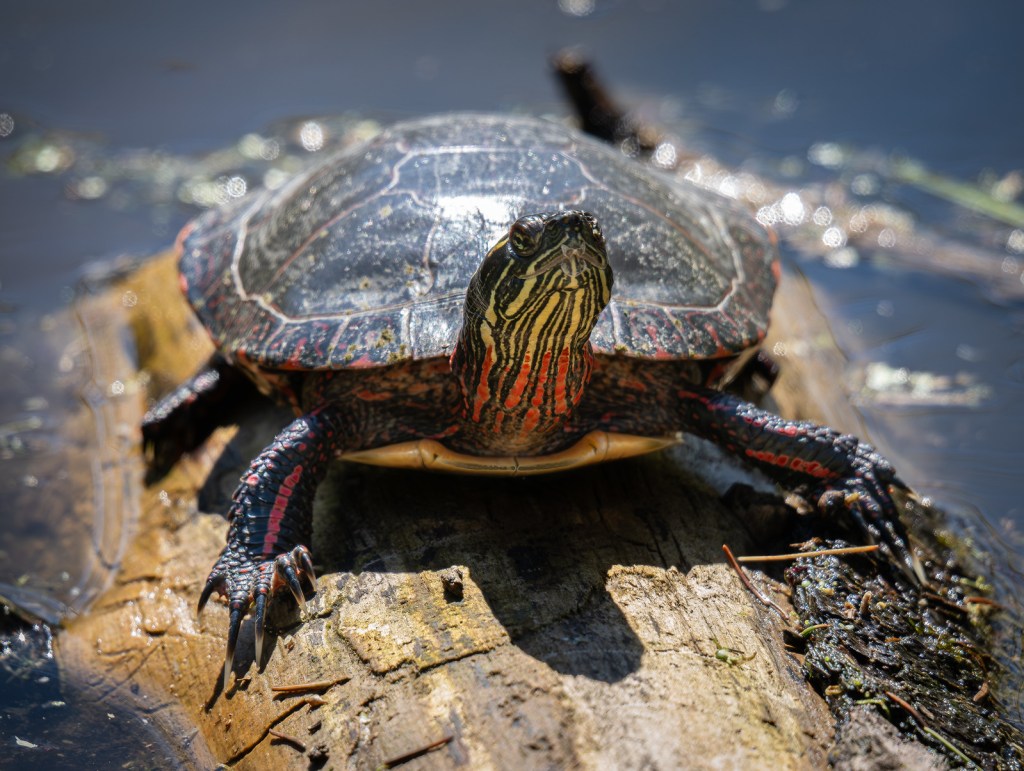
World Turtle Day was created by American Tortoise Rescue as an annual day of recognition to raise awareness about turtles & help preserve endangered turtles worldwide. Michigan has ten species of native turtles including Michigan’s state reptile, the Painted Turtle, but I was today years old when I learned there’s such a thing as the Midland Painted Turtle (pictured above)! Herpman explains in the Painted Turtle entry in his Michigan Herpetological Atlas that:

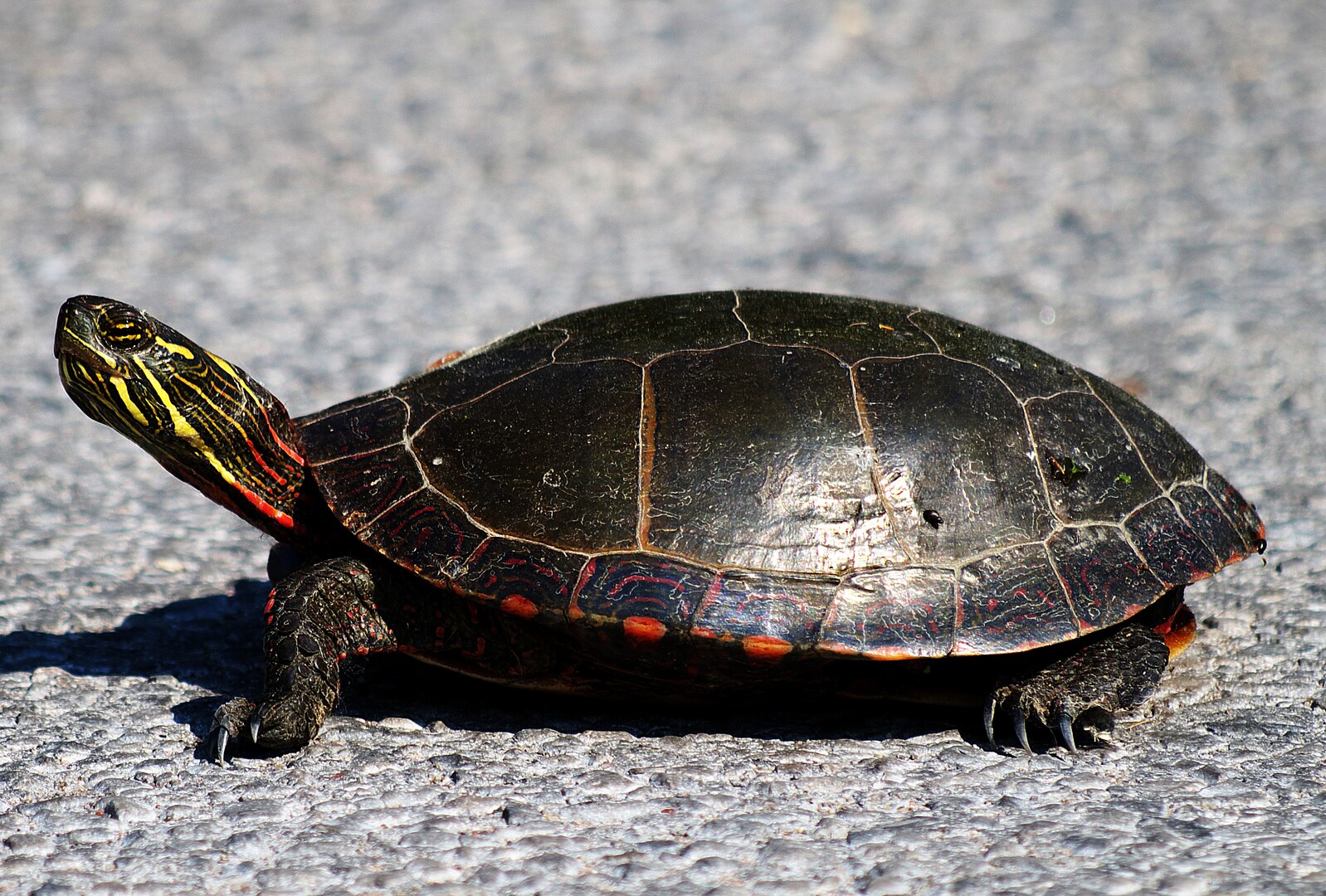
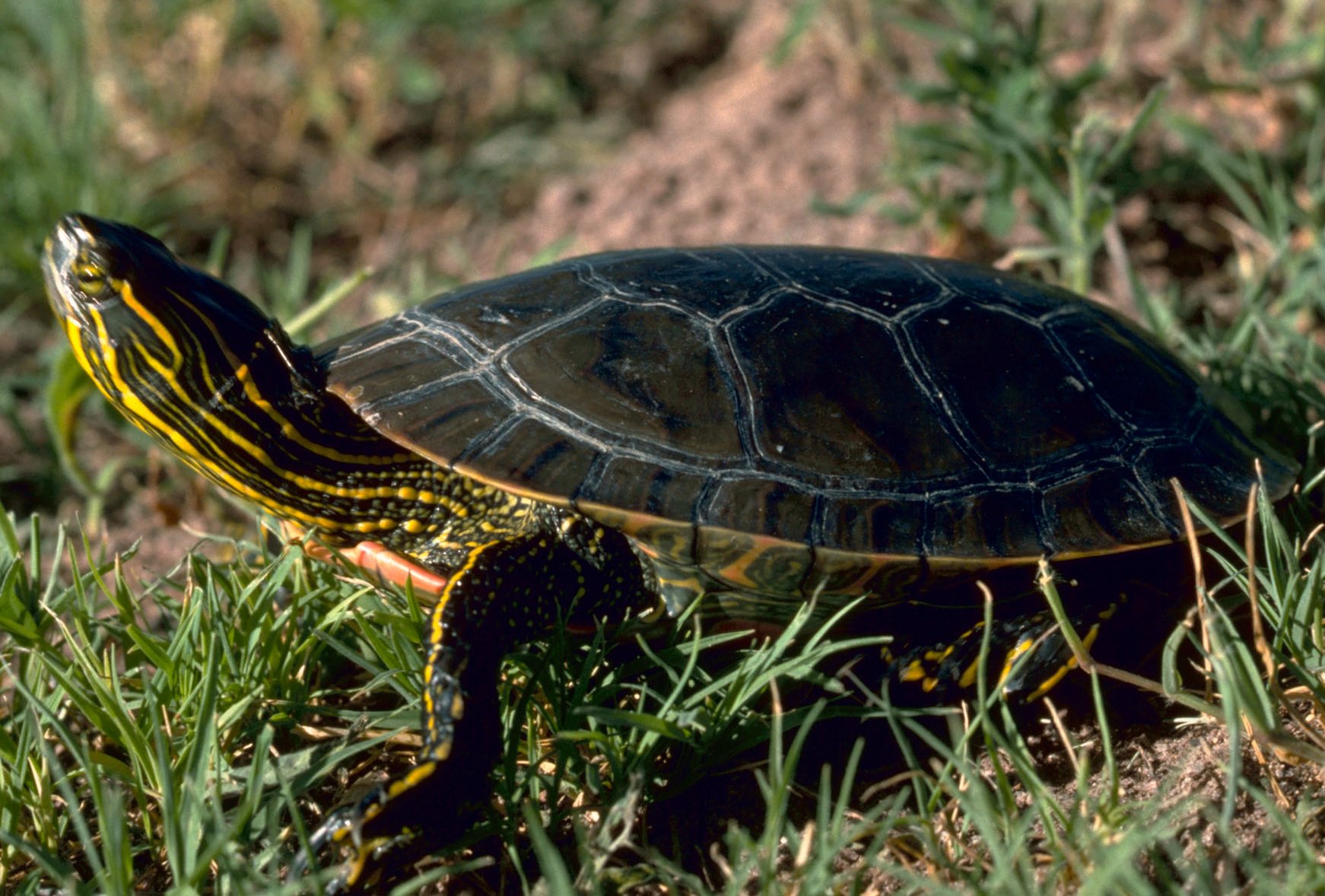
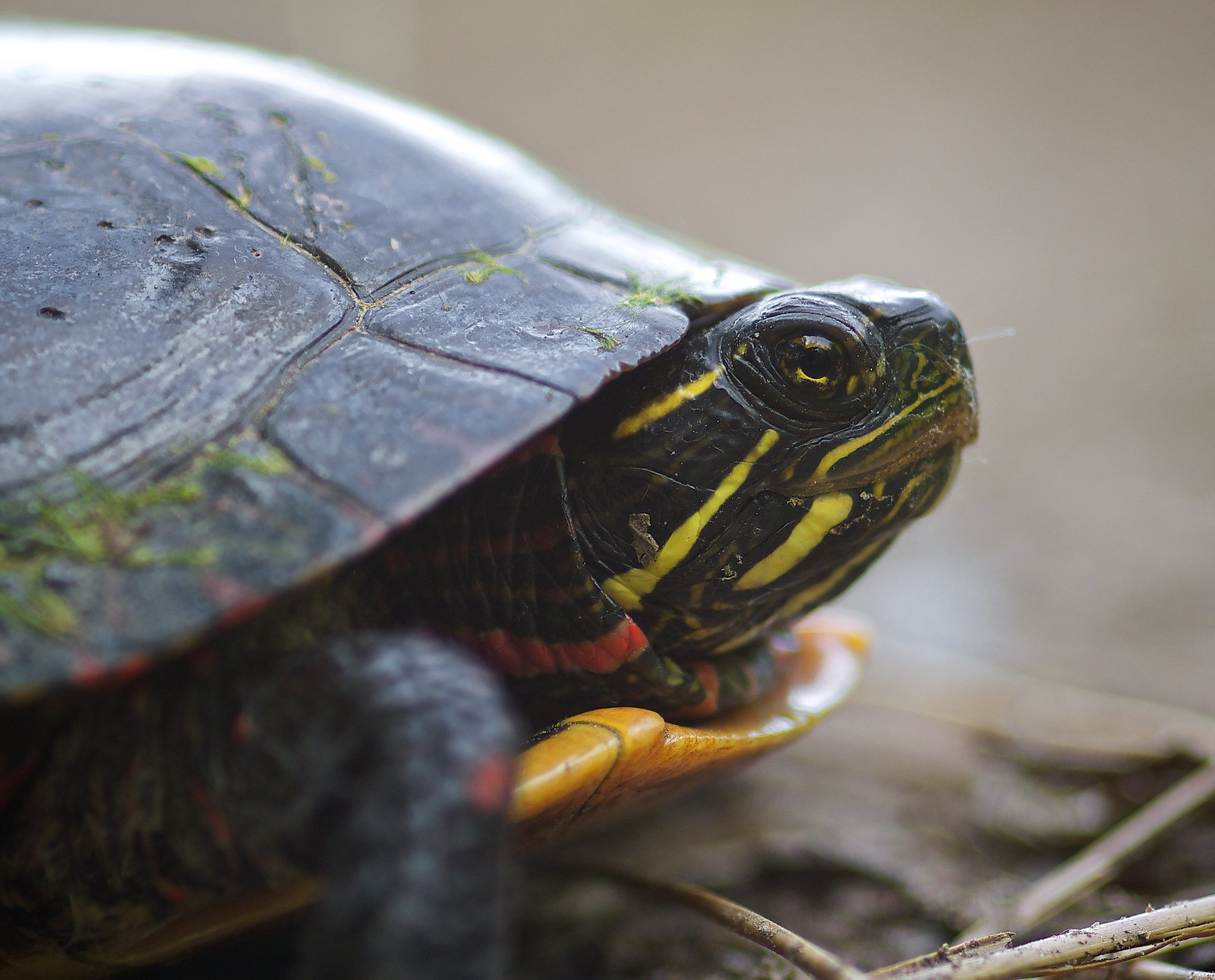
Four distinct subspecies are recognized, two of which are found in the Great Lakes basin. The Midland Painted Turtle (C. picta marginata) tends to have prominent red stripes on forelegs and neck, and plastron is usually yellow or orangish yellow with elongate dark central blotch that does not cover more than half the plastral width. The Western Painted Turtle (C. picta belli) usually has narrow yellow stripes on forelegs and neck, and a pattern of light lines on the carapace.

Plastron (shell) may be reddish or orangish, with complex central pattern of dark and light lines that extends out along the scute seams and often covers more than half of the plastral width. Intergrade individuals within the overlapping range display a variable blending of these characteristics.

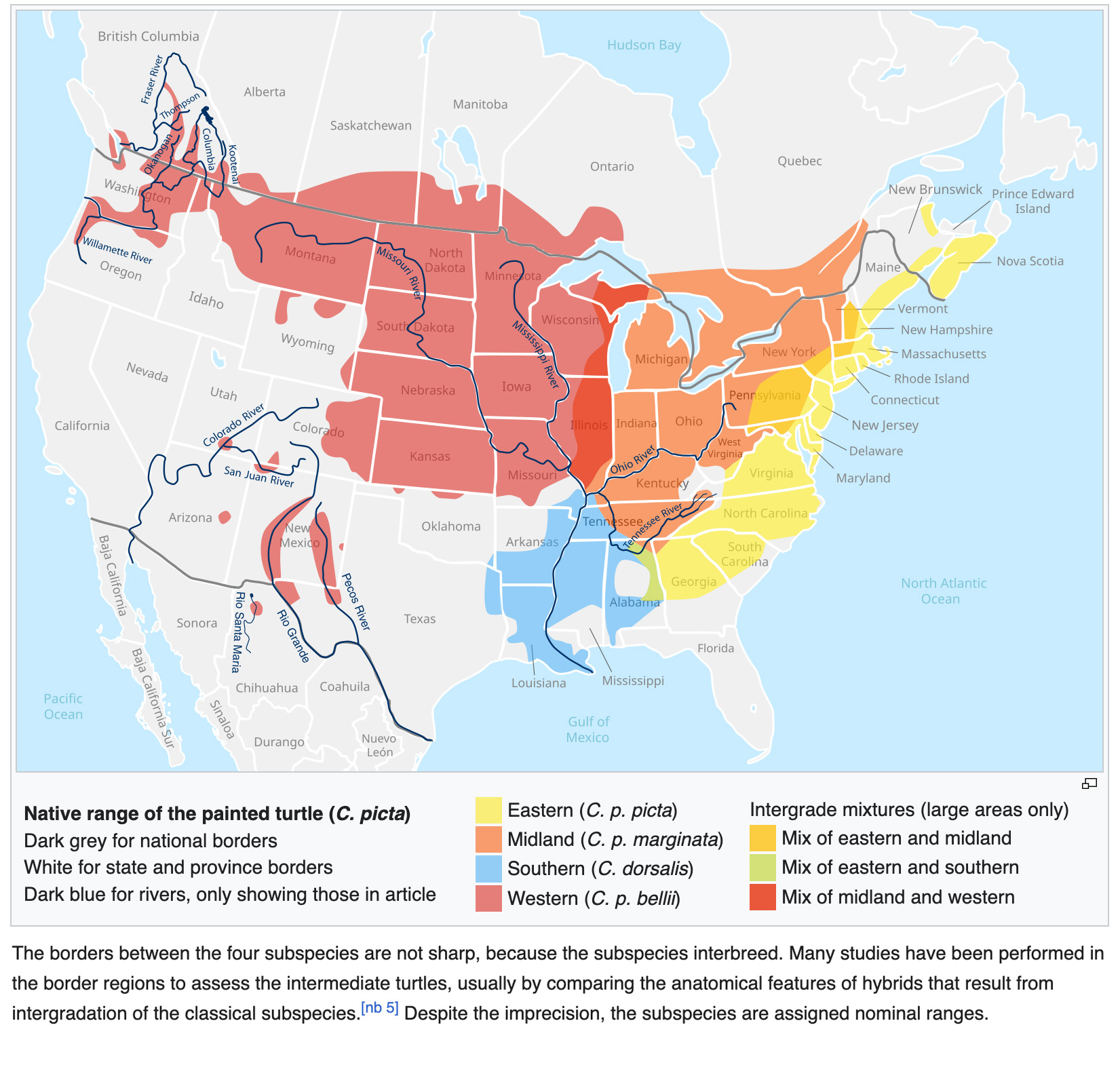
You can see the difference pretty easily in the photos of the Midland Painted Turtle by Kobie Mercury-Clarke on the left and the Western Painted Turtle from the US Fish & Wildlife Service. However, as you can see on the map, Michigan’s Upper Peninsula has some intergrade turtling going on.

David took the top photo last April. Here are some more of his Painted turtle pics along with one of two Map turtles doing a “turtle stack”. See David’s latest pics including a Calico Pennant Dragonfly on Flickr & for sure visit his blog to read about Red Cedar River turtles & other important things.

Support Michigan in Pictures with Patreon

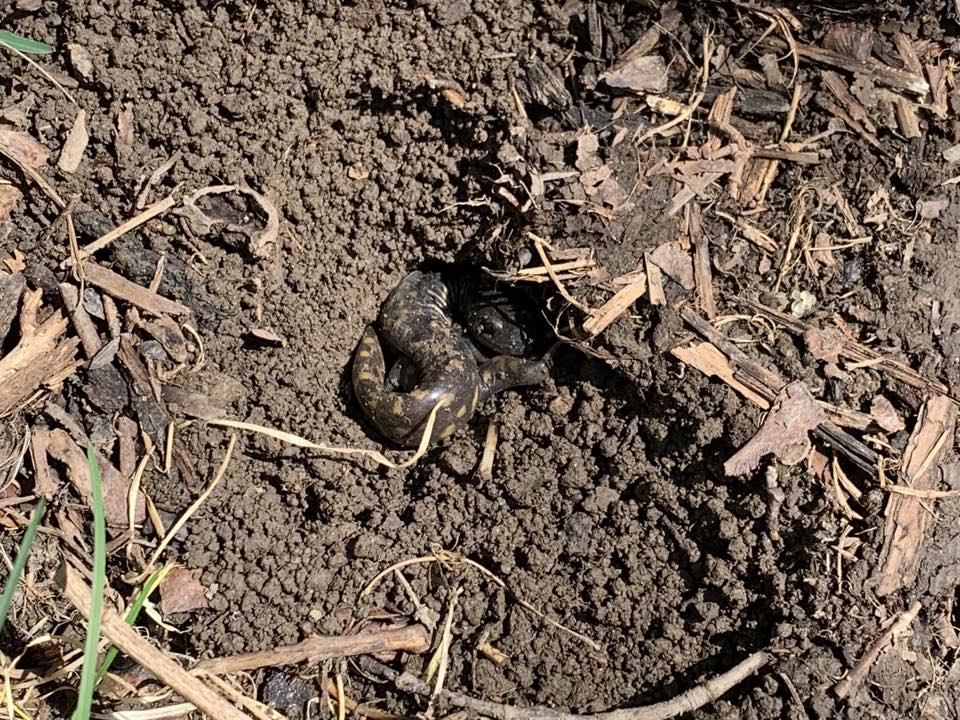
Drainspout Salamander

Drainspout Salamander by Mary Beth Lundquist

Drainspout Salamander by Mary Beth Lundquist

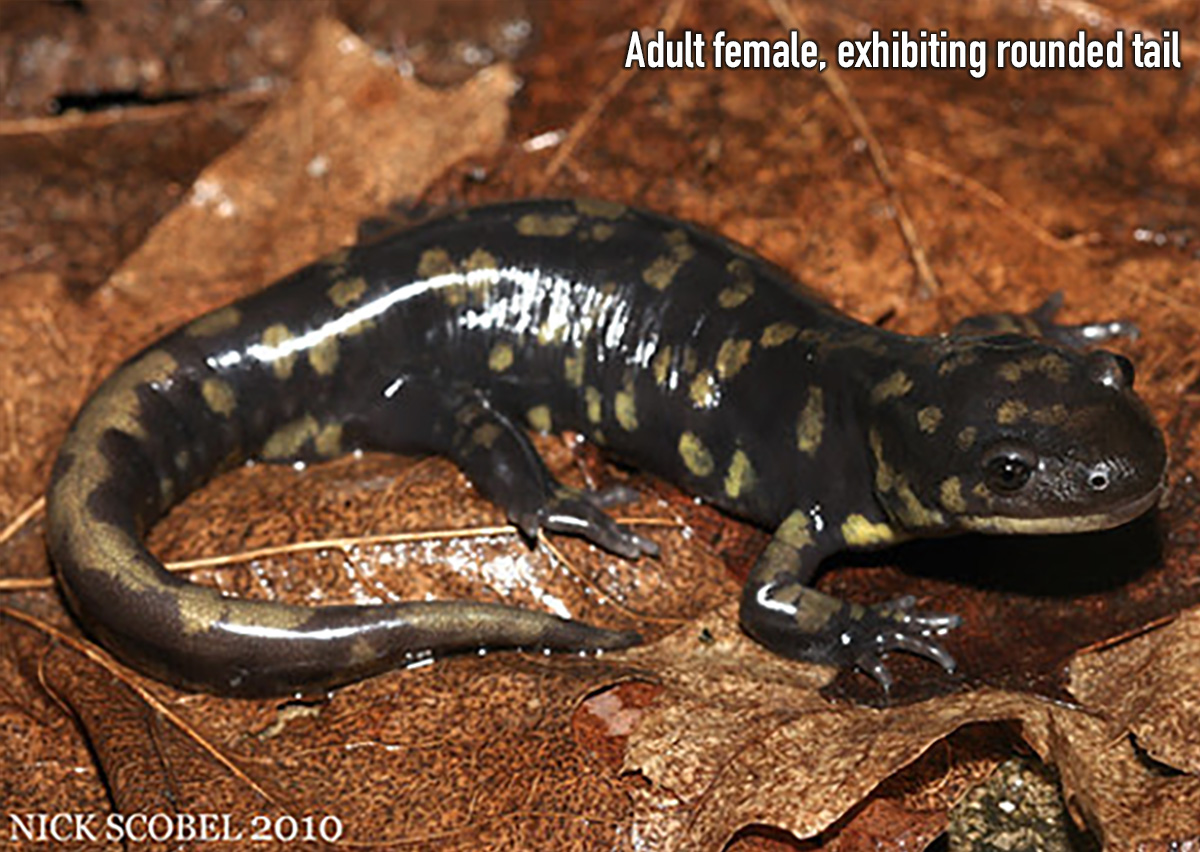
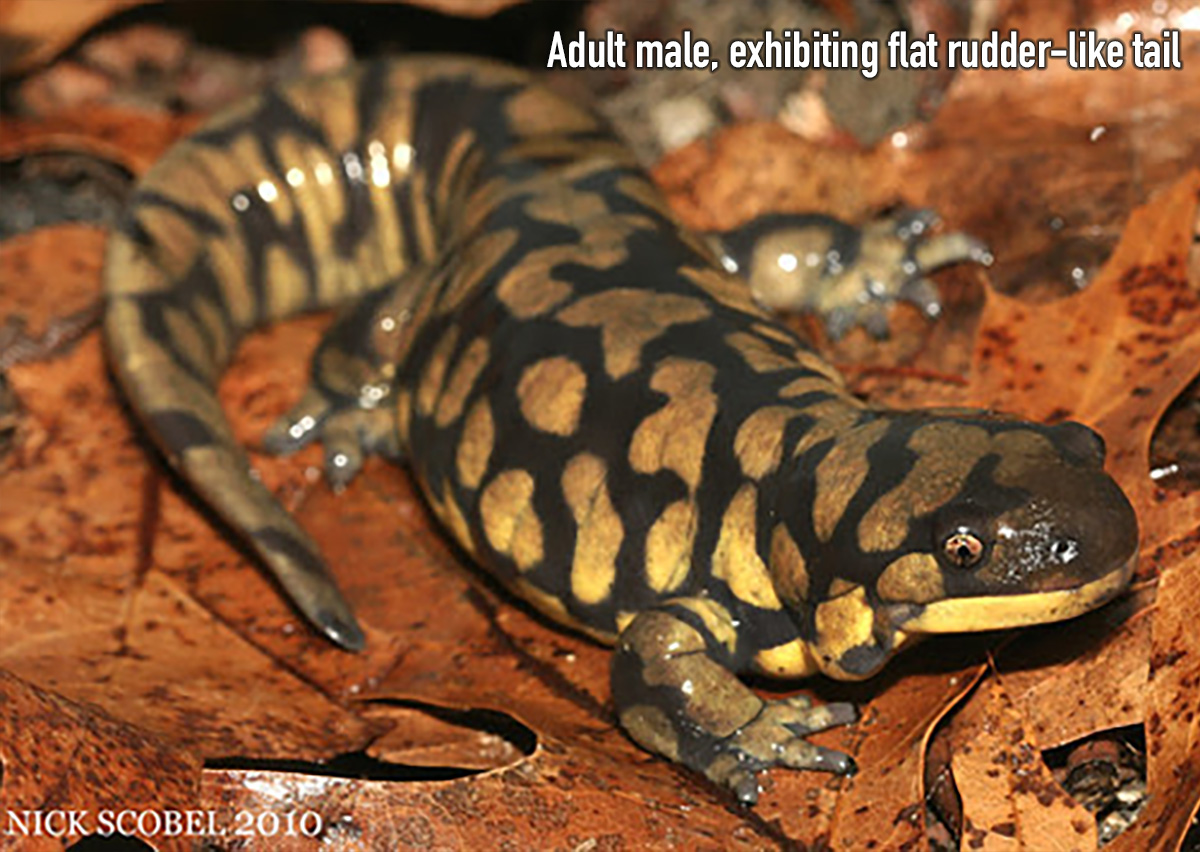
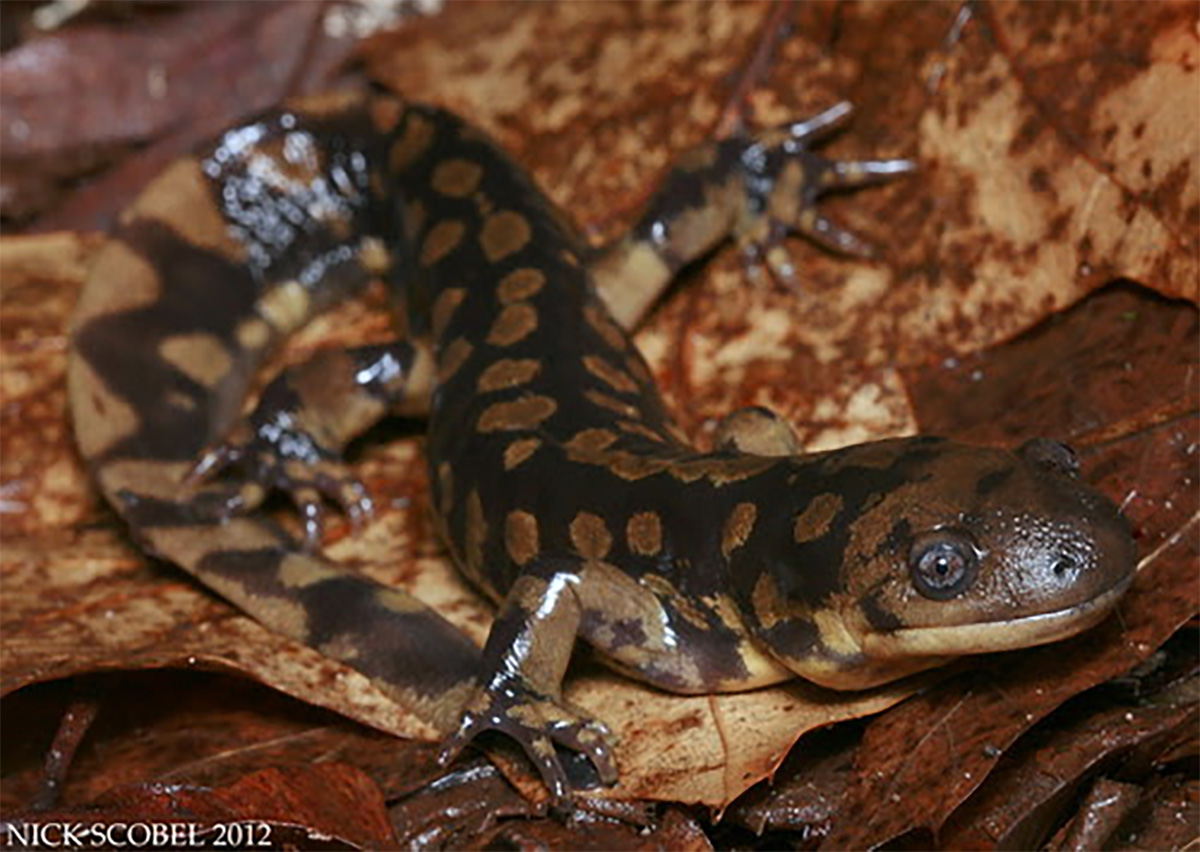
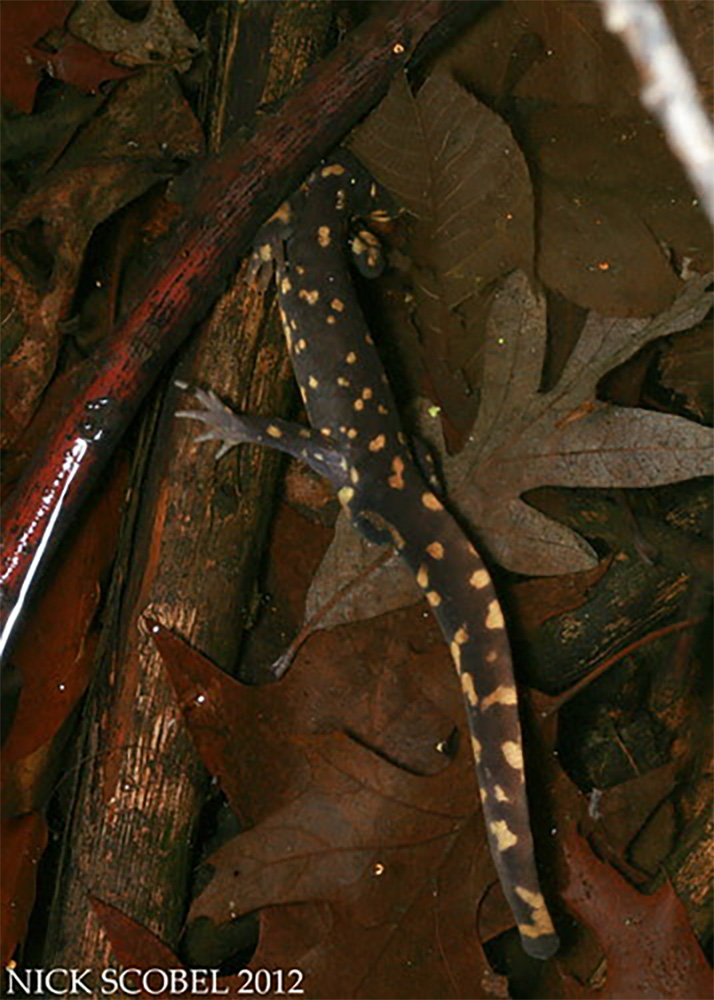
Mary Beth shared the photo above with me after last week’s post about the Misunderstood Michigan Mudpuppy. I’ve shared some great information about Michigan reptiles & amphibians from Nick Scobel, author of the Herping Michigan blog. I shared Mary Beth’s photos with him, and he said he’s fairly certain that this is an Eastern Tiger Salamander (Ambystoma tigrinum). His excellent article about Michigan’s amphibians says (in part):

This large and robust salamander is the largest species of terrestrial salamander which occurs in North America, with some adults reaching over a foot in length. It is rarely seen outside of the breeding season, with the exception of the 4-5 inch juveniles which emerge in late summer around breeding sites. Tigers are easily distinguished from any other Michigan salamander by their sheer size, large head and oversized jaw, and the large protruding eyes. Some individuals may exhibit brilliant blotches of golden yellow or light brown, while others are extremely dark with very little noticeable pattern. This species is sexually dimorphic, which means males can be distinguished from females by their physical appearance.

Read more at Herping Michigan & be sure to look down when you’re digging in the dirt this spring!!

Support Michigan in Pictures with Patreon

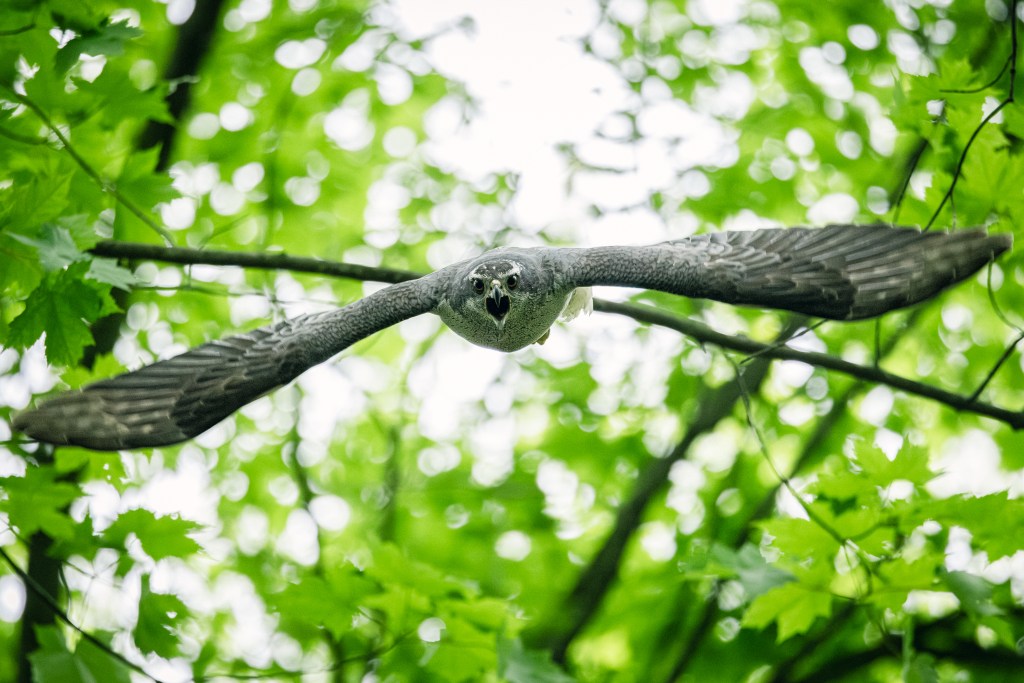
Here comes the Northern Goshawk!

Northern Goshawk by Tyler Franz

Northern Goshawk by Tyler Franz

Michigan State University Extension shares that the Northern Goshawk:

…is a large forest bird with long broad wings and a long tail which is rounded on the end. Upperparts of the adult are brown-gray to slate gray. The head has a black cap with a pronounced white eyeline. Underparts are light gray with fine horizontal vermiculations and vertical streaks. Undertail coverts are white, showy, and quite fluffy, especially during the breeding season. Immature birds are heavily streaked below and the undertail coverts are spotted. The goshawk may also be identified by its call which is a sharp and repetitive “ki ki ki” or “kak kak kak”.

Click through for lots more including their distribution in the last Michigan bird count. One thing I will add as someone who has had one of these swoop at you is that they can be REALLY fat birds – almost feel like a cartoon!

Sometimes I make draft posts & promptly forget about them. I’m so glad that I remembered this one I’ve had waiting for almost a year from my friend Tyler, who I got to know through his incredible skateboard photography & portraits! For sure follow him on Facebook & Instagram, and head over to his website for many more pics including lots more critters!

The Misunderstood Michigan Mudpuppy

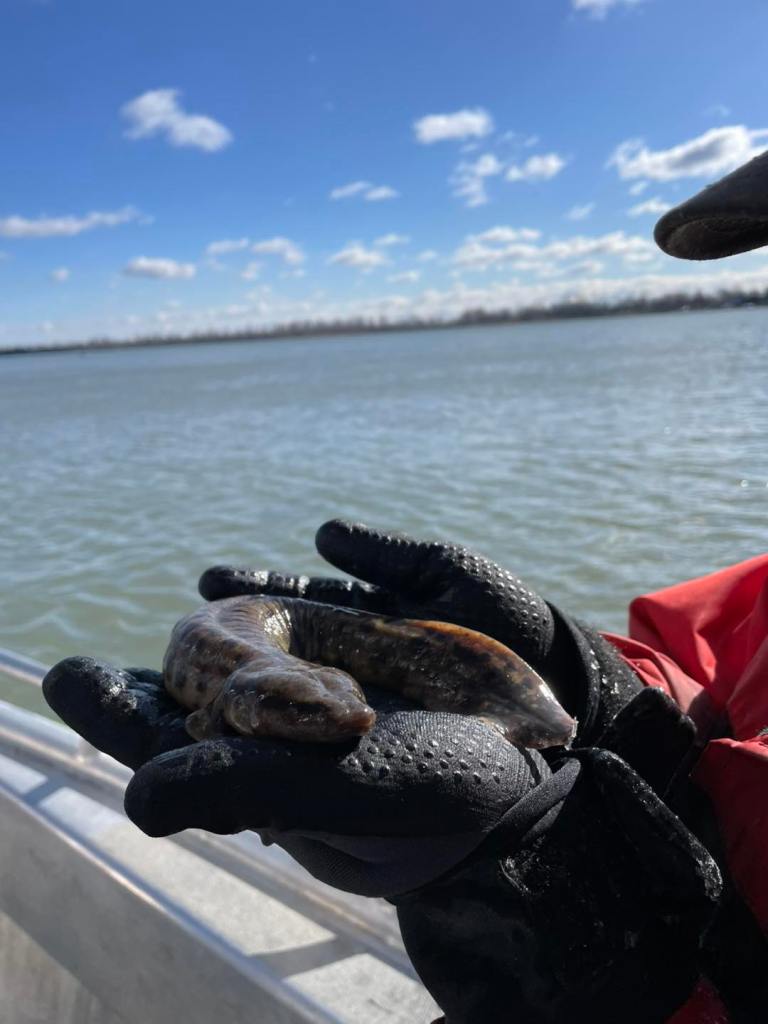
Mudpuppy by Michala Burke/USFWS

The Alpena Fish & Wildlife Conservation Office says that mudpuppies are Michigan’s largest fully aquatic salamander and are often referred to as “bio-indicators” since they are sensitive to pollutants and poor water quality. This mudpuppy was caught during lake sturgeon setline assessments on the Detroit River. Mary of MSU Extension put together a great guide to the misunderstood mudpuppy that includes the facts on some common fictions.

FICTIONFACT
Mudpuppies are a type of fish.Mudpuppies are actually an amphibian and although they have lungs and can gulp air they rely on their feathery red external gills for oxygen.
Mudpuppies that are thrown on the ice by anglers will revive in the spring when the ice melts.Unfortunately if a mudpuppy freezes it will die. When thrown on the ice mudpuppies will eventually suffocate or freeze to death.
Mudpuppies eat so many fish eggs that they decrease sport fish populations.Their diet is mostly crayfish, insect larvae, snails and small fish (including invasive round gobies). There is no evidence that they impact fish populations, and they more likely benefit them by helping control nonnative species.
Mudpuppies are not protected in Michigan and can be collected all year round.According to MDNR, mudpuppies are a protected species in Michigan. People sometimes accidentally catch them while fishing. If you do catch a mudpuppy, you must put them back.
Mudpuppies are blind and are not good hunters.Mudpuppies are not blind, but their eyesight is limited. They rely on a keen sense of smell to find their prey.
Support Michigan in Pictures with Patreon

Mothers are the heart of Michigan

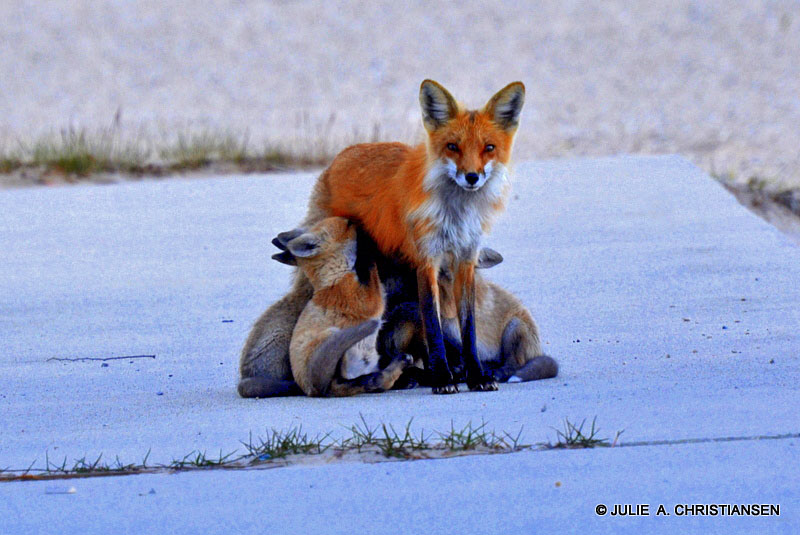
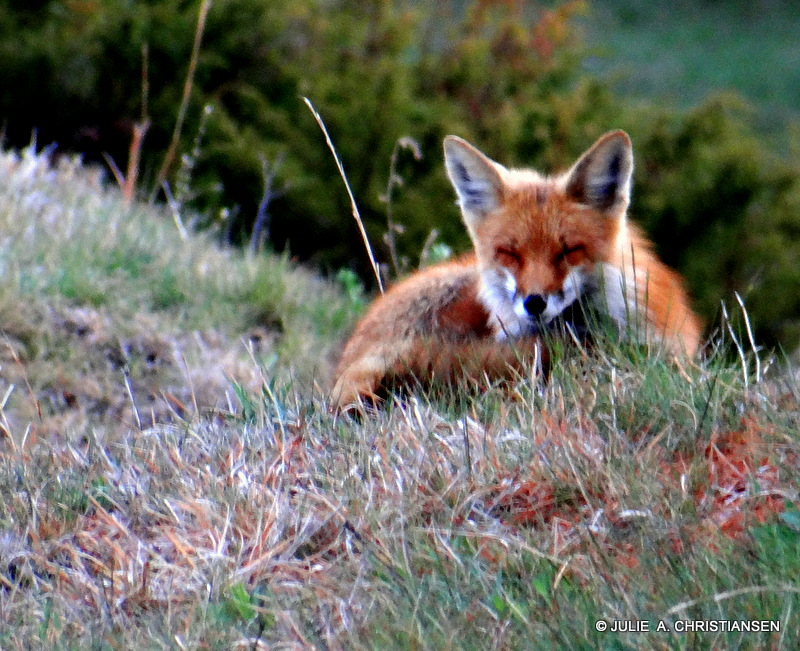
Where's Mom? by Julie Christiansen

Where’s Mom? by Julie Christiansen

“There are no goodbyes for us. Wherever you are, you will always be in my heart.”
-Mahatma Gandhi

Happy Mother’s Day to all you wonderful Michigan mommas! You have raised or are raising our future and we are so blessed to have you in our lives & hearts!

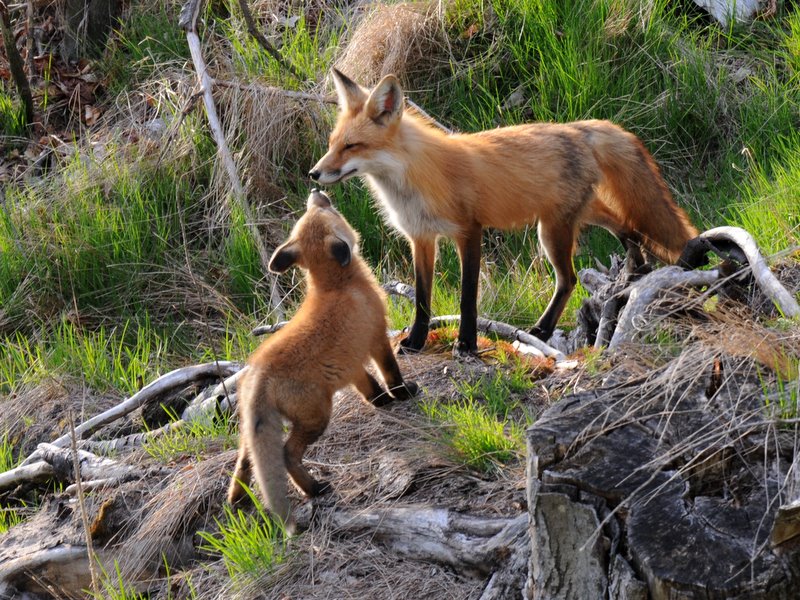
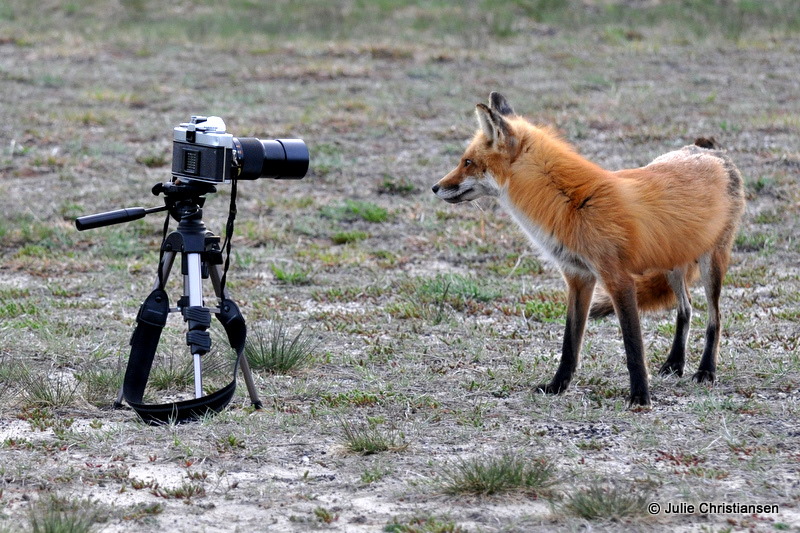
This kit’s mom was just off camera, and you can see many more pics that Julie took in her Foxes gallery on Flickr. There’s a Youtube video of the kits nursing below too!

Support Michigan in Pictures with Patreon

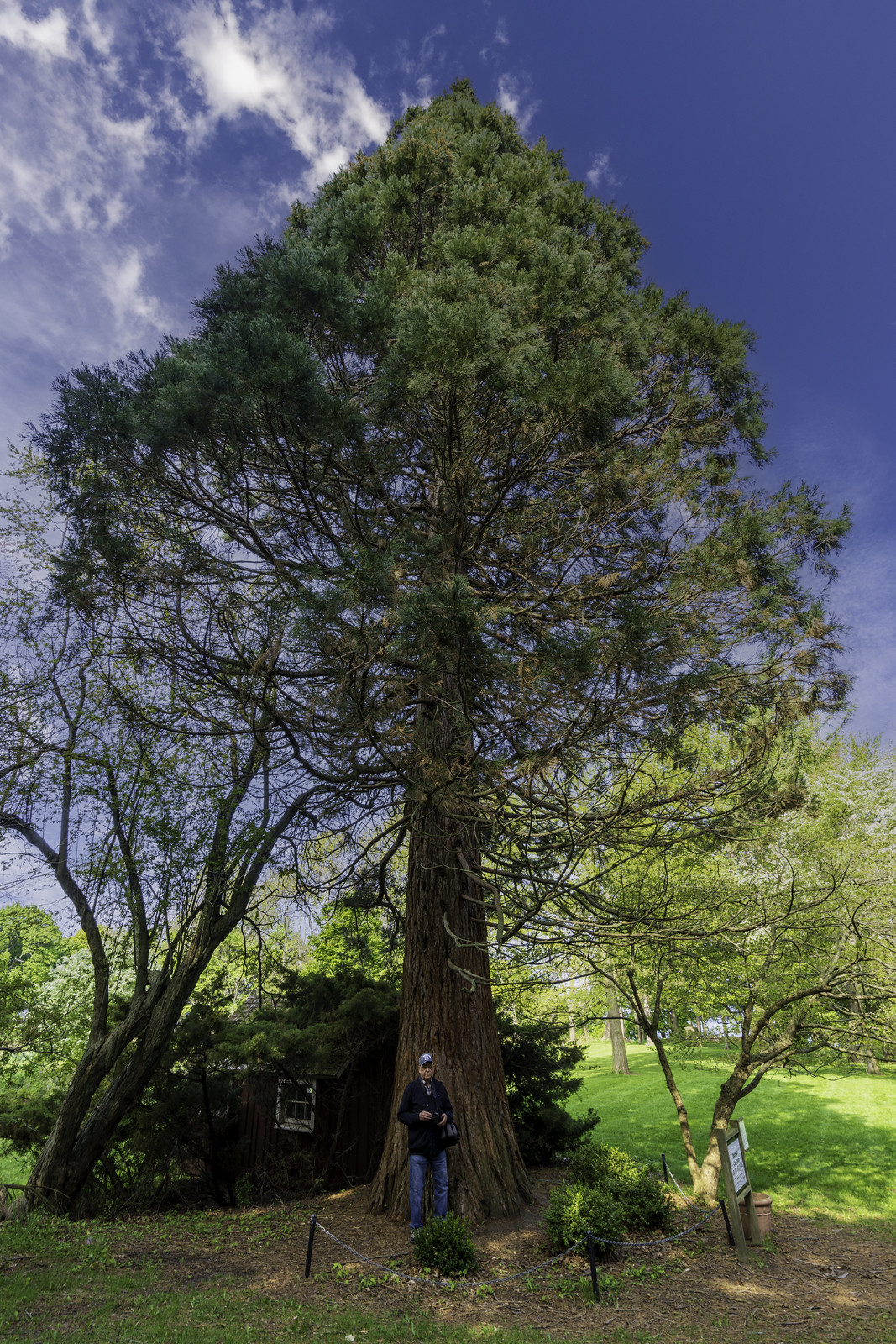
Big questions about Giant sequoia

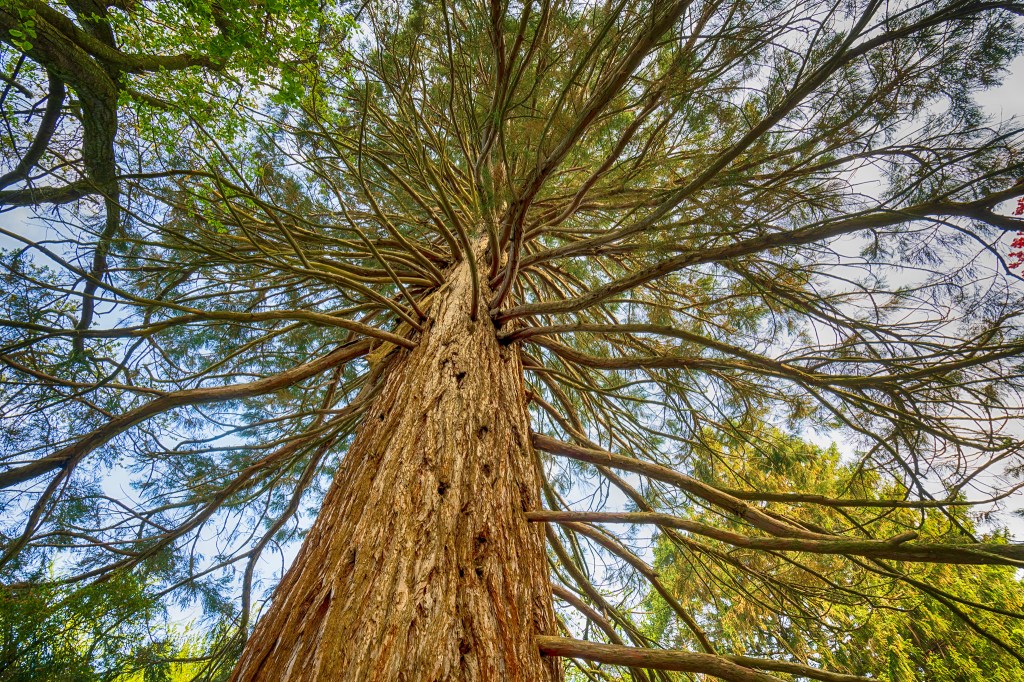
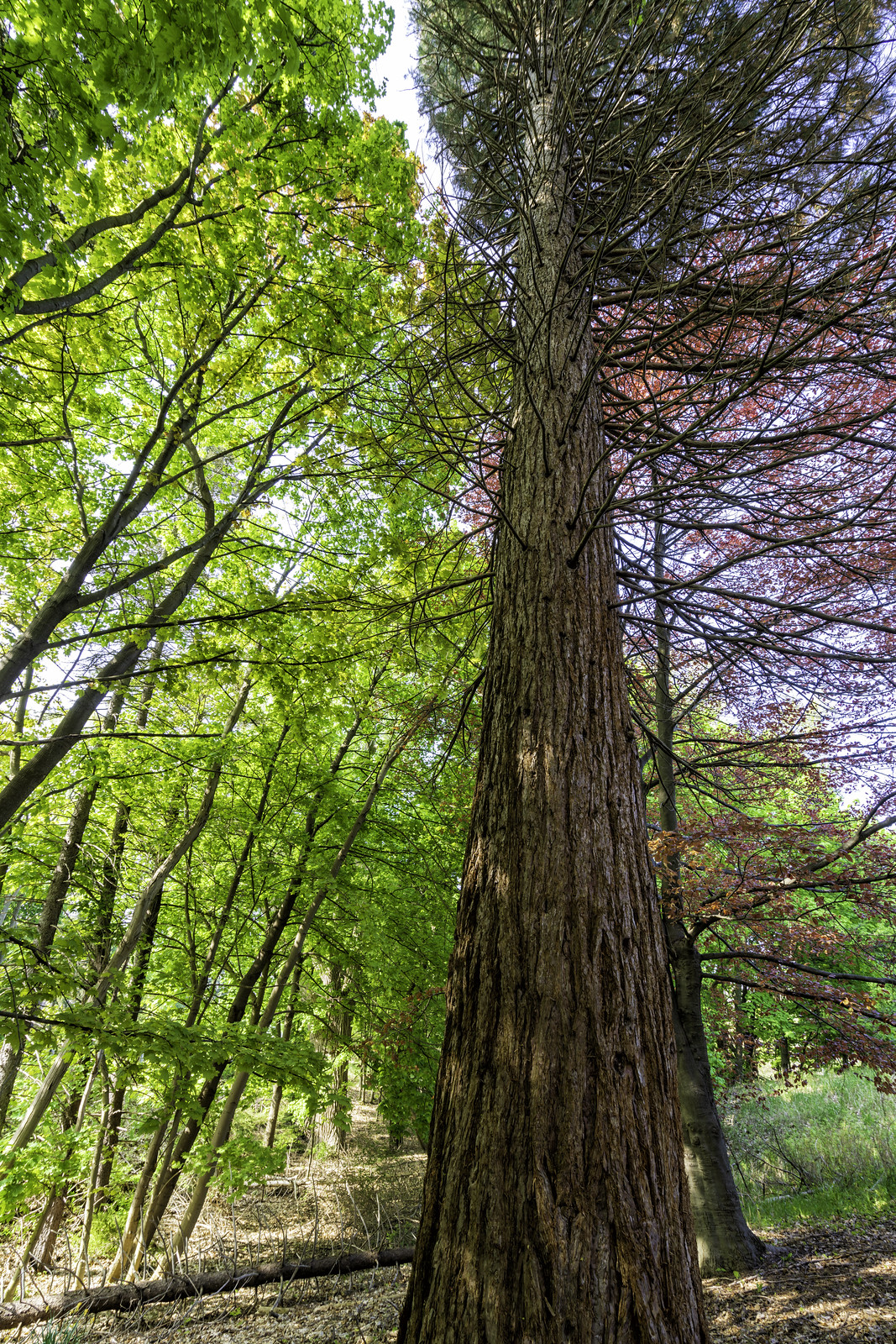
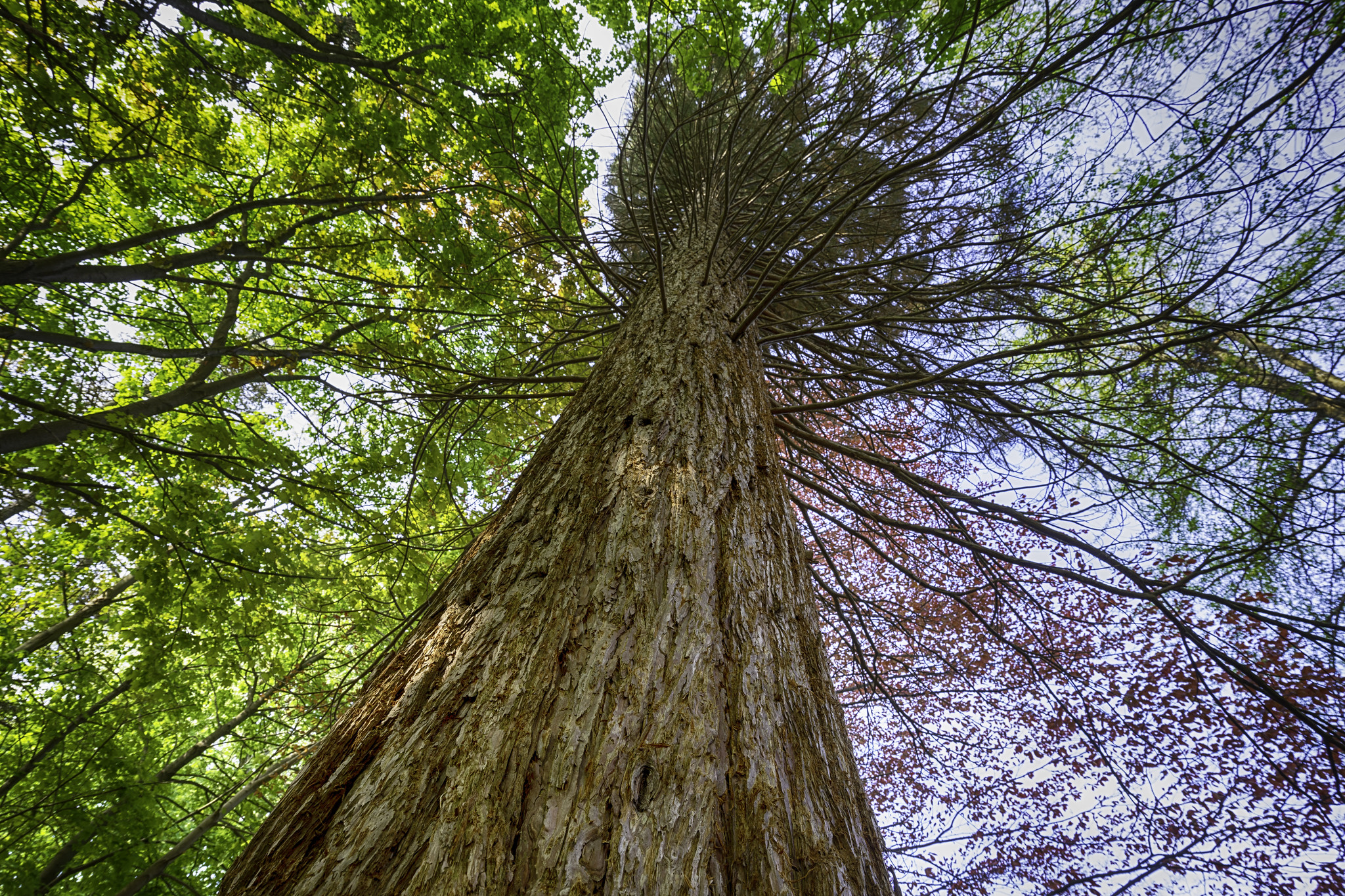
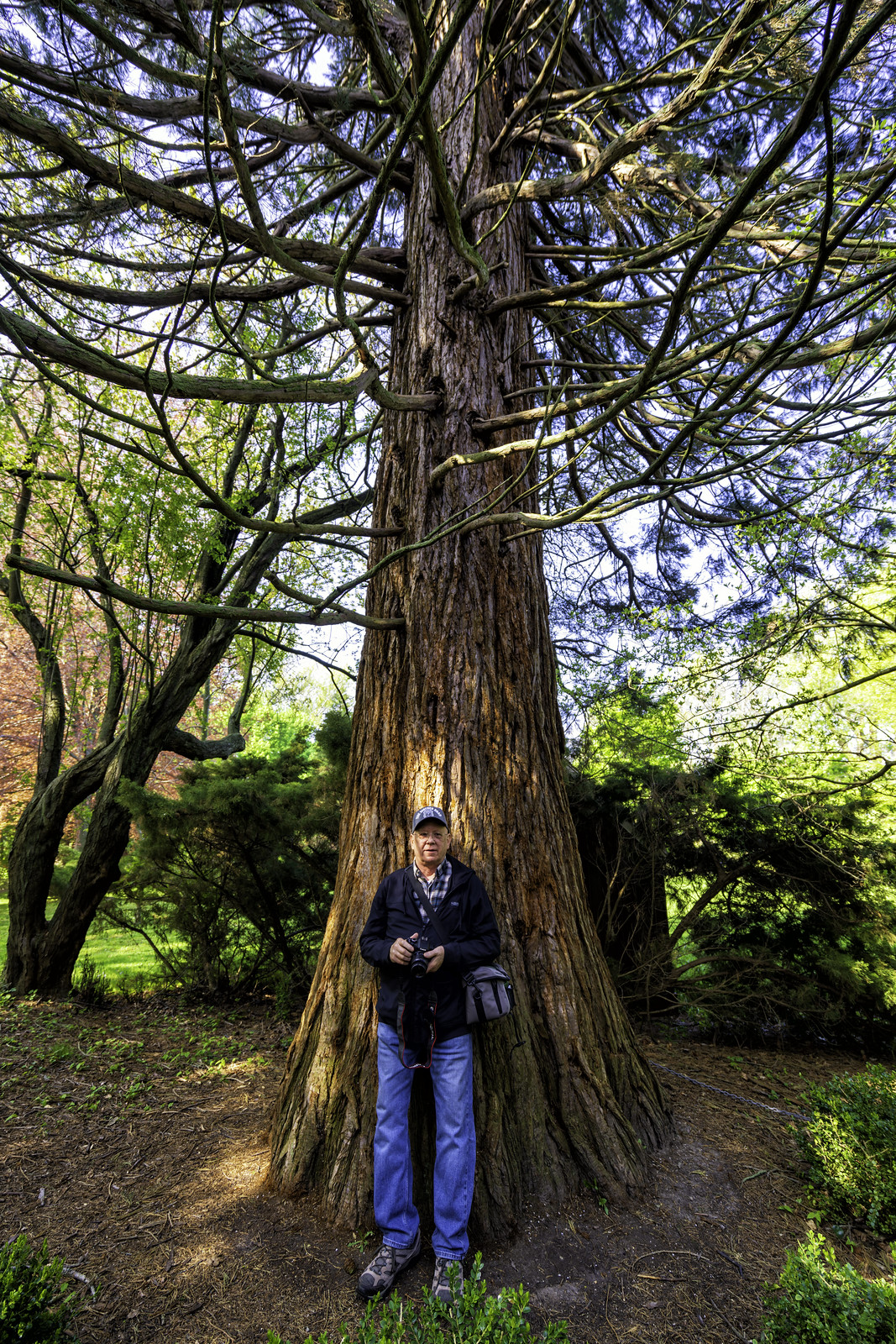
Sequoia Redwood Tree by Charles Bonham

Sequoia Redwood Tree by Charles Bonham

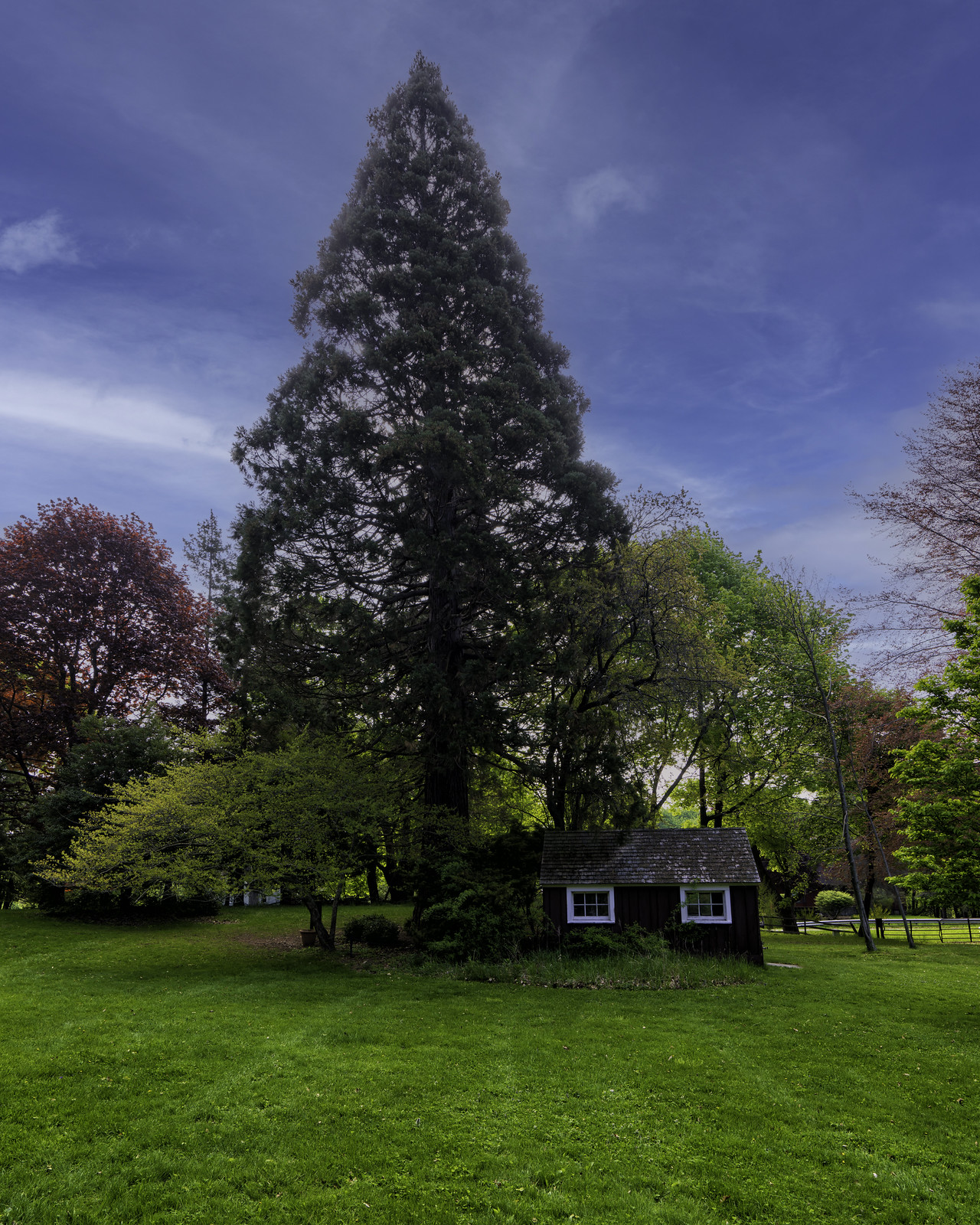
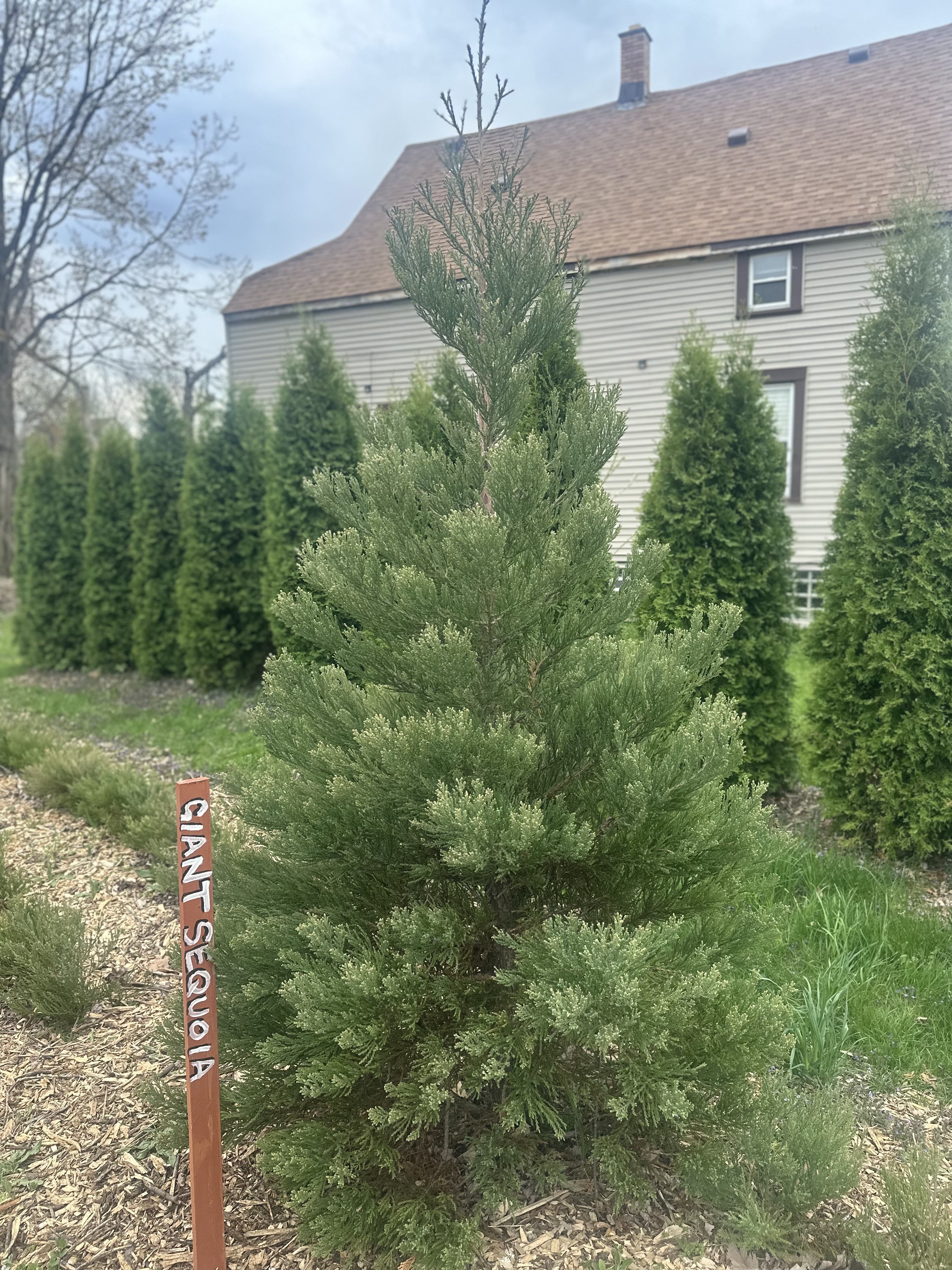
My post last week about the planting of Giant sequoia trees in Detroit by Archangel Ancient Tree Archive & Arboretum Detroit got a lot of commentary. While it was generally positive, a common theme of criticism was that we shouldn’t plant things in places where they aren’t native because they don’t belong or can’t survive. On the “can’t survive” front, I give you the 116+ foot tall Lake Bluff Arboretum Giant sequoia tree in Manistee that was planted in 1949.

And while I agree that planting non-native trees is generally a bad idea, the second paragraph of the Bridge Detroit article I linked to explains that it is the environmentally responsible thing to do to allow these forest titans to survive into the future: “The project on four lots will not only replace long-standing blight with majestic trees, but could also improve air quality and help preserve the trees that are native to California’s Sierra Nevada, where they are threatened by ever-hotter wildfires.

And even if clicking a link is two hard, the 2nd of the two paragraphs I chose for the excerpt reads Giant sequoias are resilient against disease and insects, and are usually well-adapted to fire. Thick bark protects their trunks and their canopies tend to be too high for flames to reach. But climate change is making the big trees more vulnerable to wildfires out West, Kemp said. “The fires are getting so hot that its even threatening them,” he said.

You simply gotta read folks. At least if you want to make intelligent critiques.

I had shared a photo of the Giant sequoia in Manistee that Charles took in 2002 2022, but I decided to go back to see what else he had. Lots!! Check them out below and see lots more in his Trees gallery on Flickr.

Support Michigan in Pictures with Patreon

Planting the Forests of the Future in Detroit

Giant Sequoia in Detroit's Circle Forest

Giant Sequoia in Detroit’s Circle Forest by Andrew McFarlane

“Here’s a tree that is bigger than your house when it’s mature, taller than your buildings, and lives longer than you can comprehend.”

-Andrew “Birch” Kemp, Executive Director, Arboretum Detroit

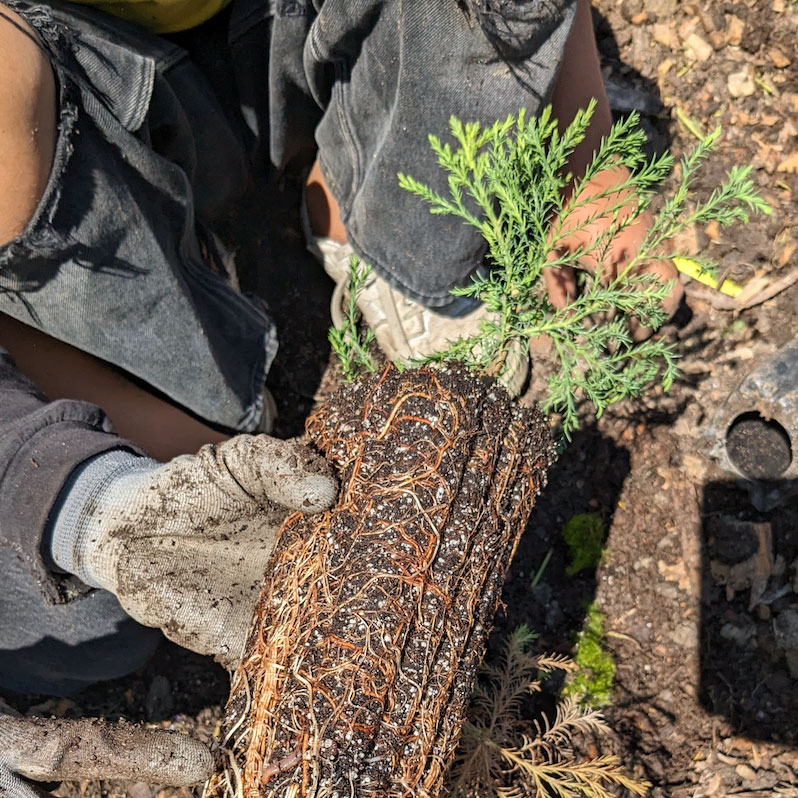
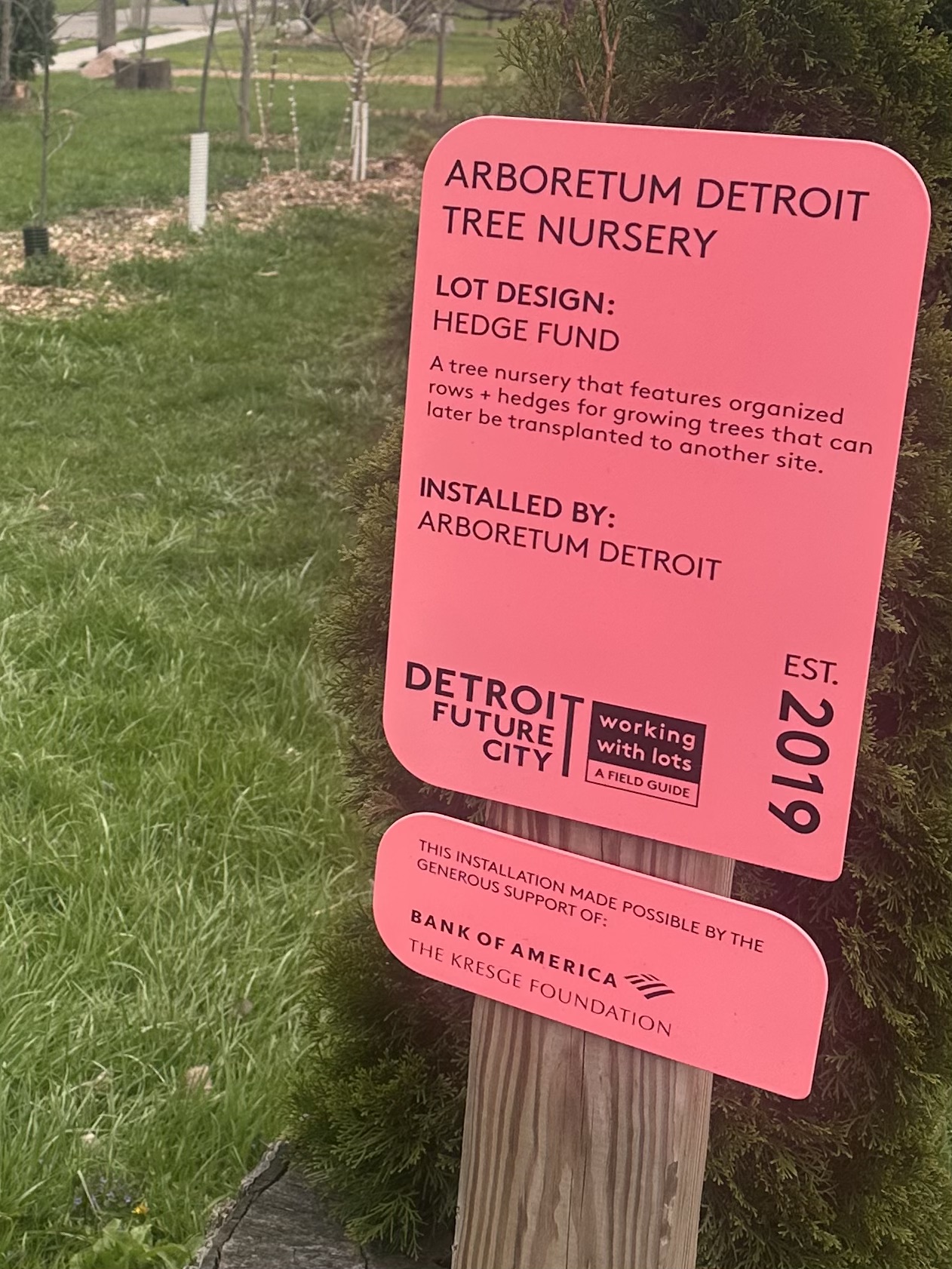
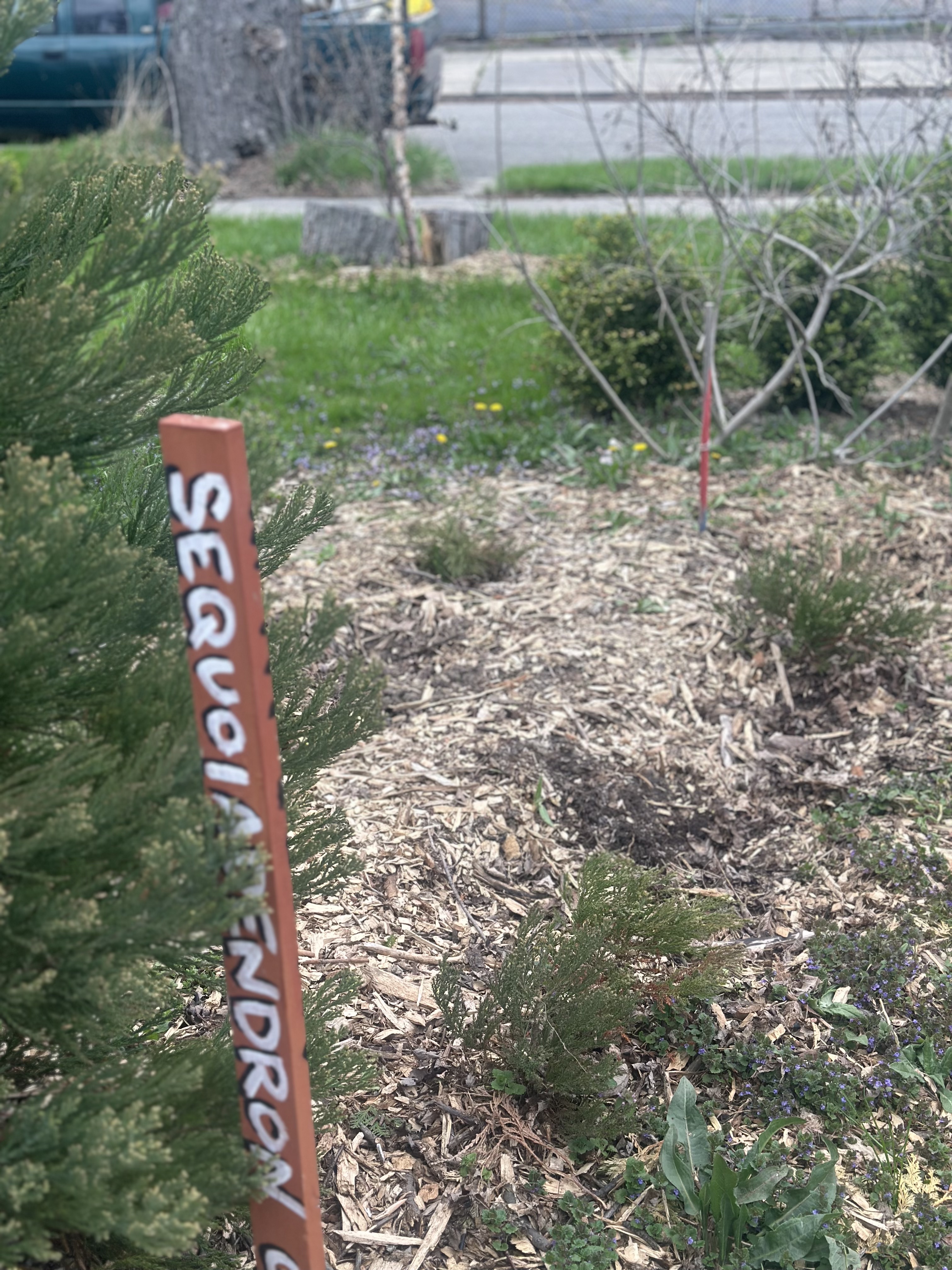
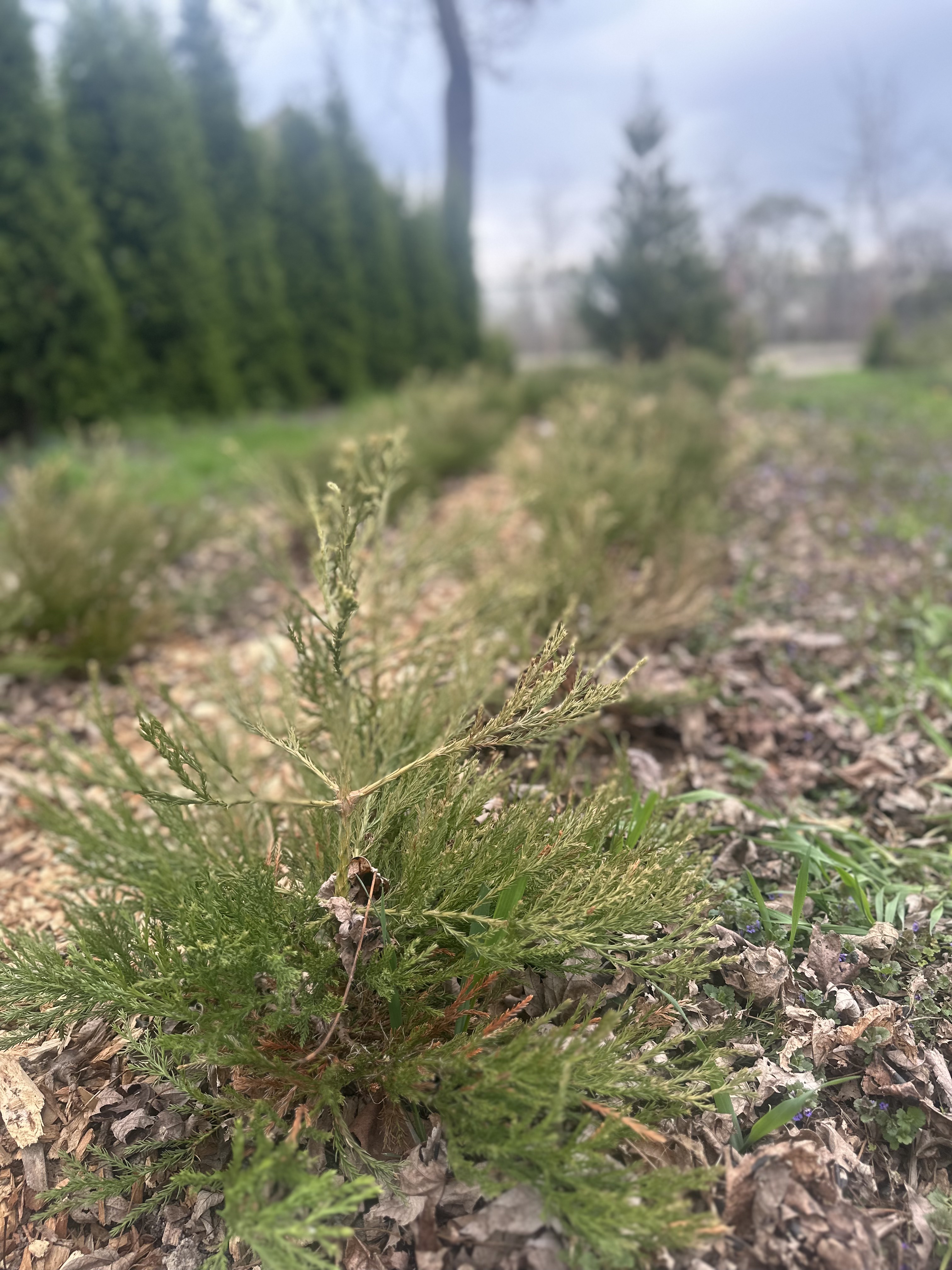
The Archangel Ancient Tree Archive & Arboretum Detroit have partnered on a truly incredible effort that is planting giant sequoia in Detroit! Bridge Detroit shares that these colossal conifers can live for more than 3,000 years and reach heights in excess of 300′ tall with a circumference greater than 30′ at the base.

The sequoias will eventually provide a full canopy that protects everything beneath, he said. “It may be sad to call these .5- and 1-acre treescapes forests,” Kemp said. “We are expanding on this and shading our neighborhood in the only way possible, planting lots of trees.”

Giant sequoias are resilient against disease and insects, and are usually well-adapted to fire. Thick bark protects their trunks and their canopies tend to be too high for flames to reach. But climate change is making the big trees more vulnerable to wildfires out West, Kemp said. “The fires are getting so hot that its even threatening them,” he said.

You can read lots more in Bridge and at the Archangel Ancient Tree Archive, which I encourage you to support with your donations & by spreading the word about their amazing work!

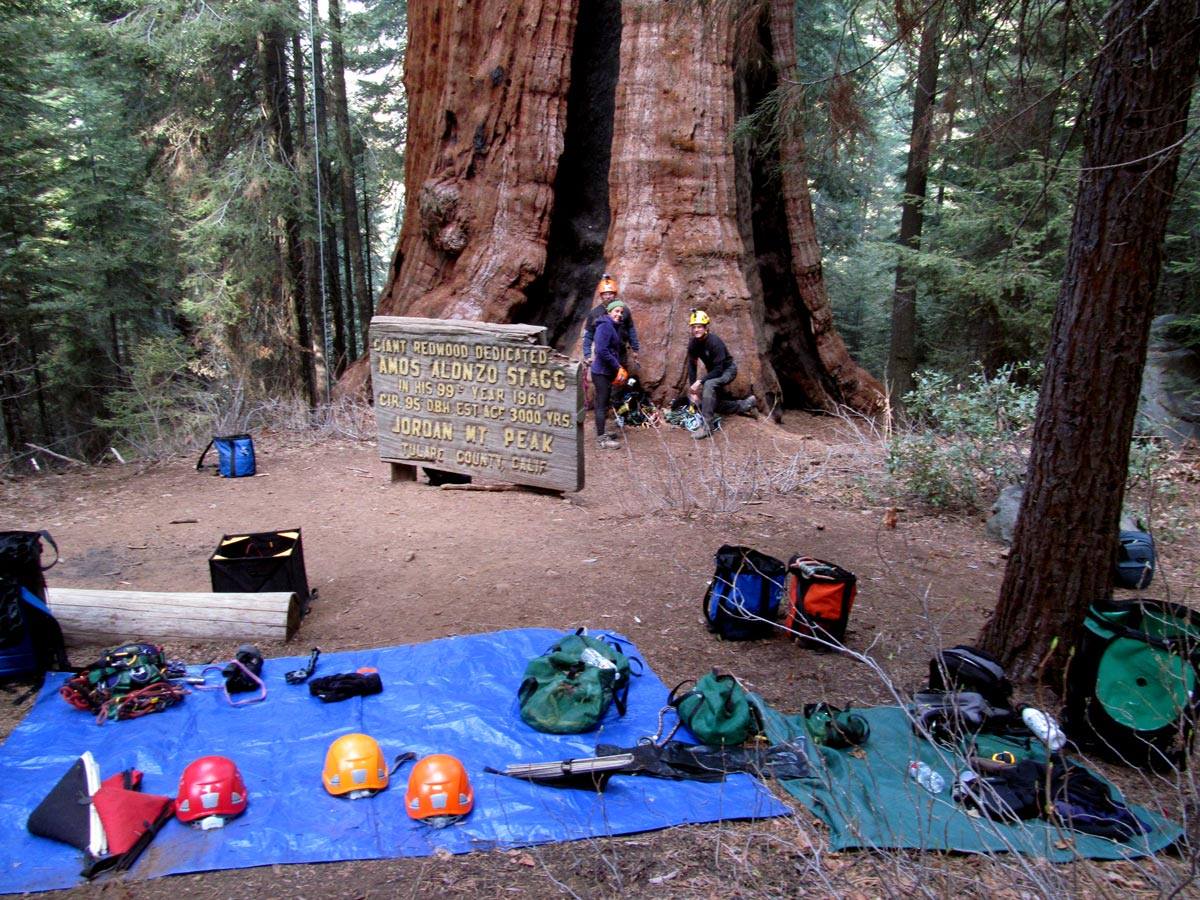
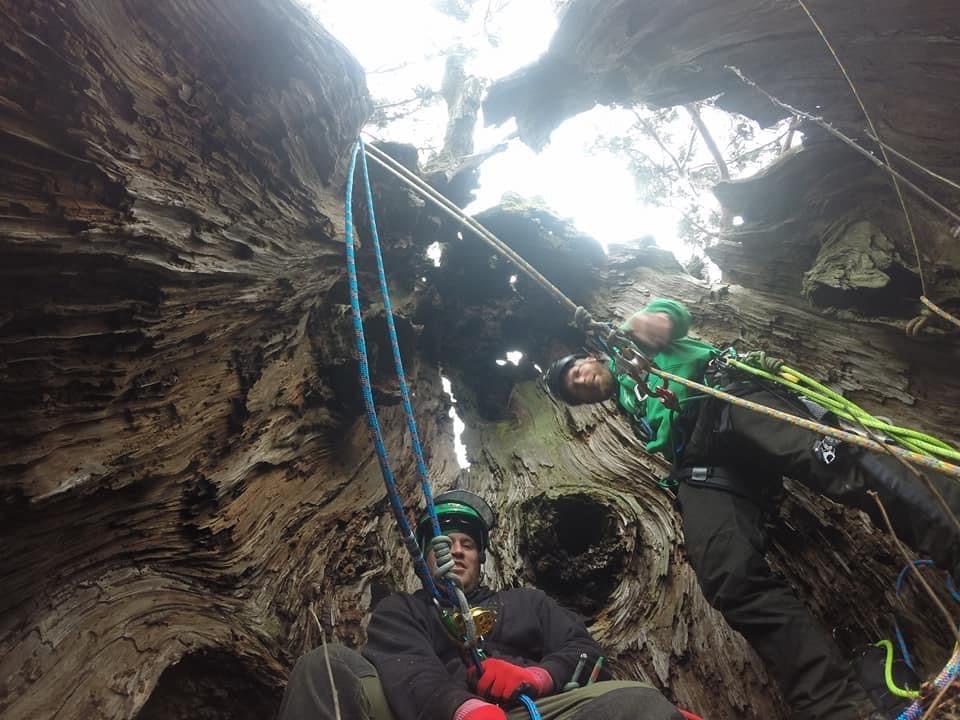
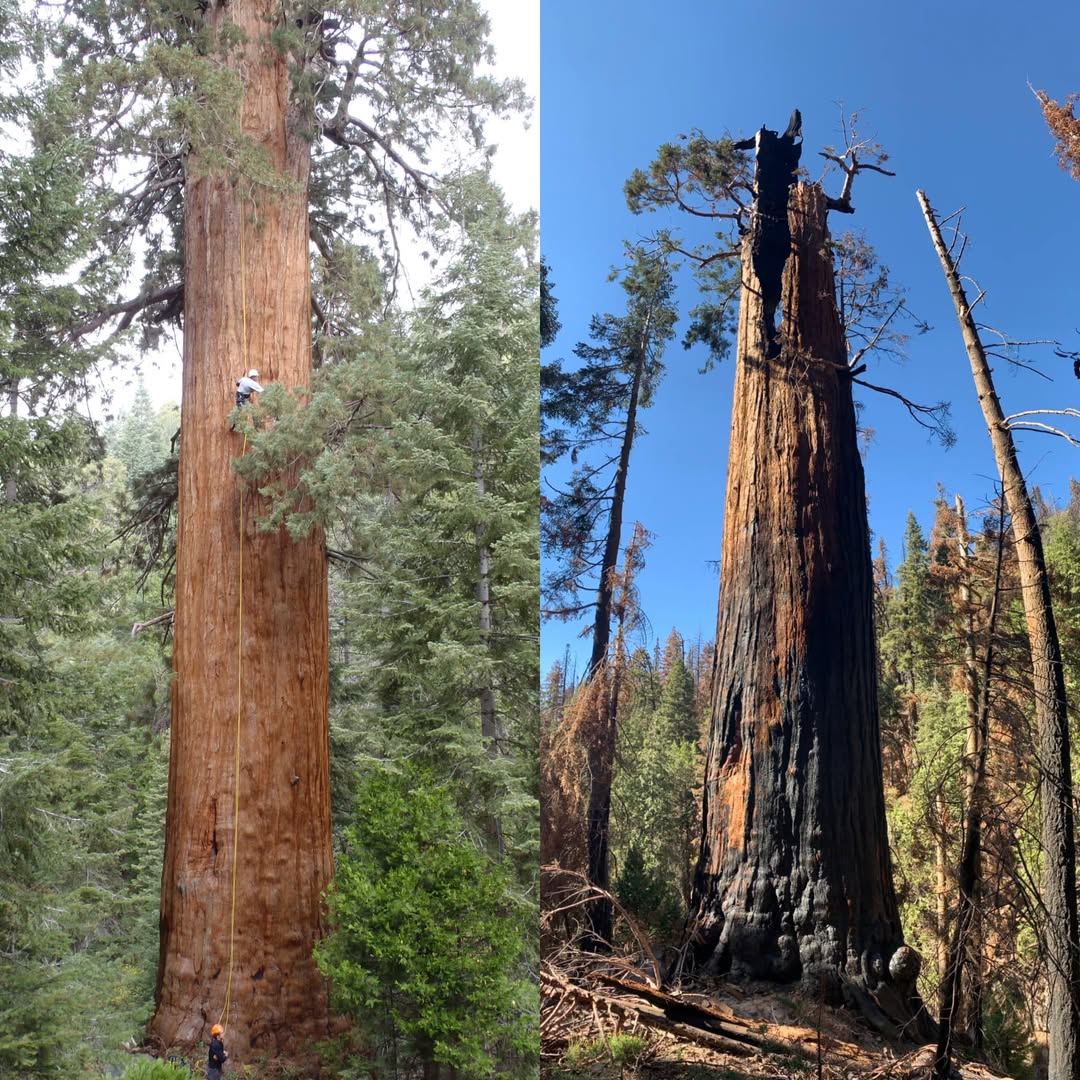
Here are some pics I took yesterday afternoon along with some pics from the Archangel Facebook page. The big tree is the Stagg giant sequoia tree in California’s Sierra Nevada mountains – fifth largest tree in the world – and the shot of the guys in the tree shows Archangel’s Jake Milarch & Aaron Johns actually inside the 3000+ year old tree! The one of the burned tree shows the 3,000 year old “Waterfall Tree” Giant Sequoia before and after the 2020 Castle Fire.

Continued (apparently) in Big Questions about Giant Sequoia on Michigan in Pictures!

Support Michigan in Pictures with Patreon