Michigan Fall Color: Double Rainbow Edition

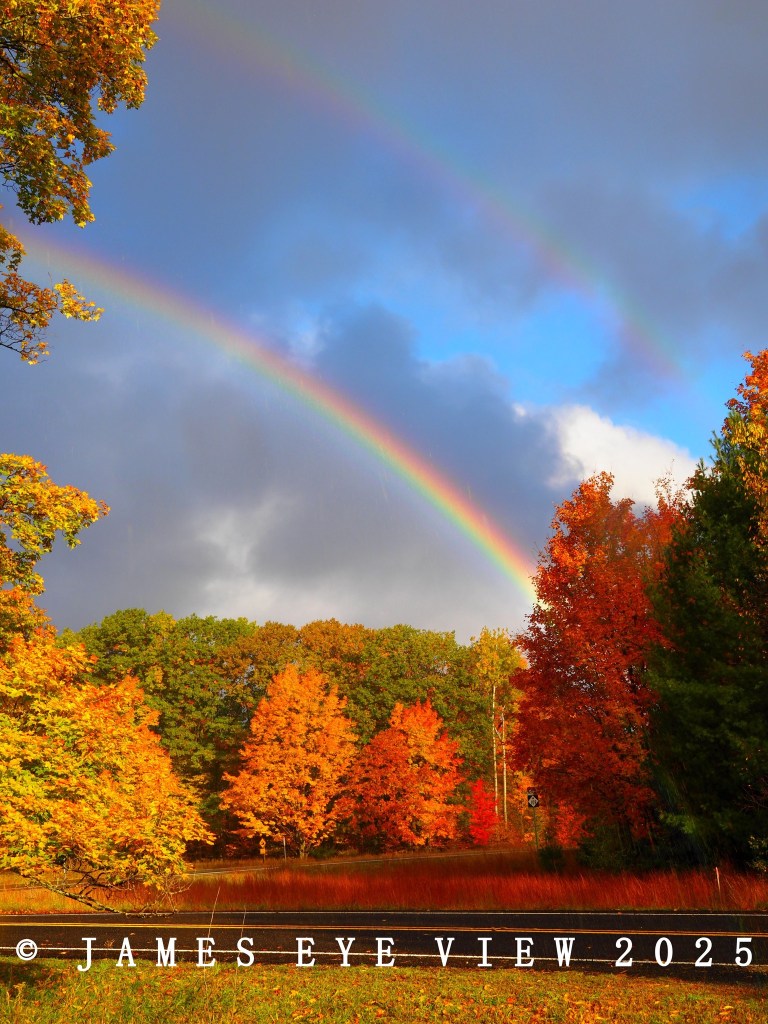
Fall Color Tour in Northern Michigan Rainbow edition by James Eye View Photography

Fall Color Tour in Northern Michigan Rainbow edition by James Eye View Photography

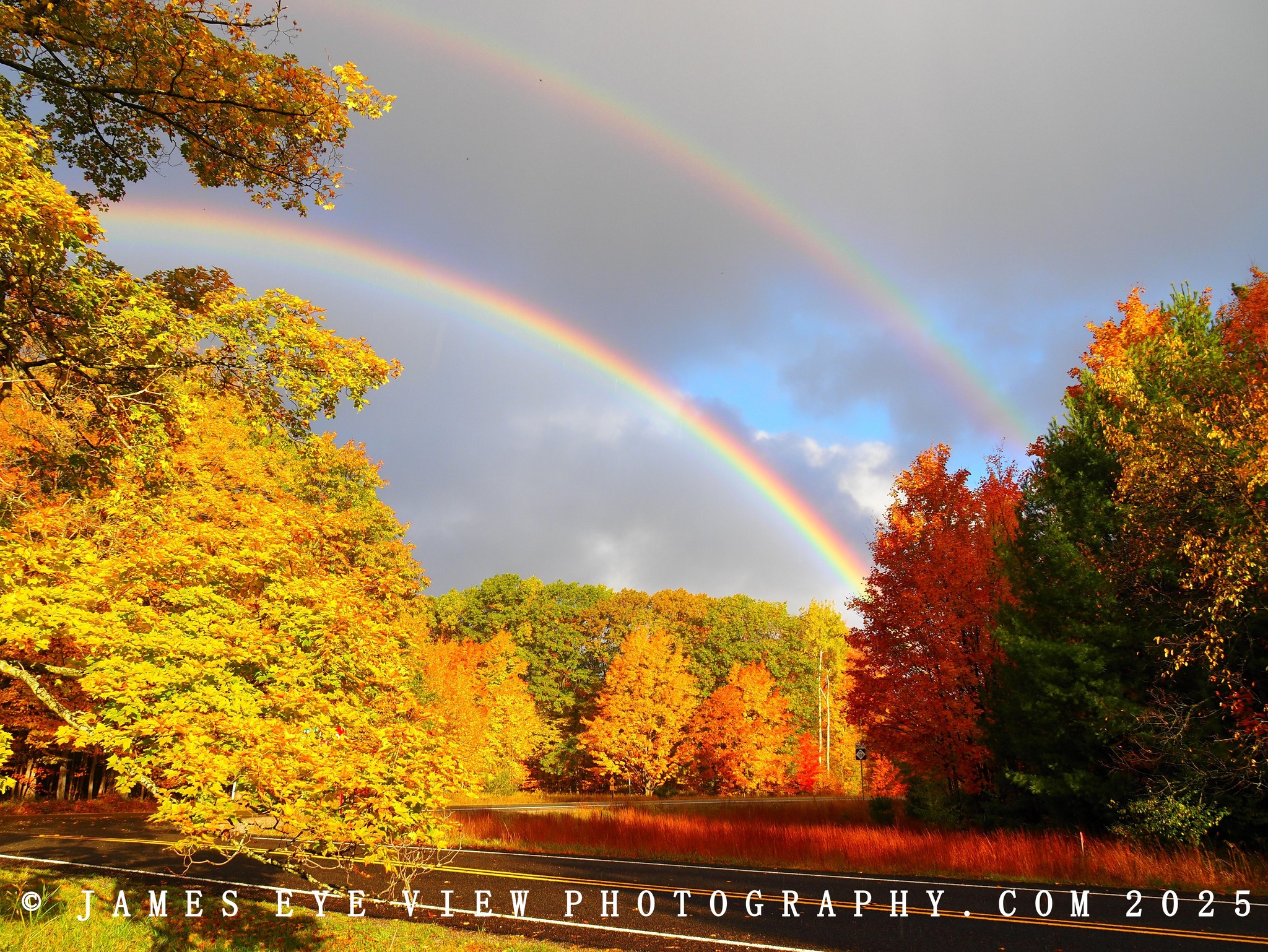
mLive’s Mark Torregrossa shares that if you think there’s more rainbows out there than usual, you are correct! He explains the science behind Michigan’s rainbow bonanza:

To have rainbows, we need rain and sun at the same time. What weather pattern is classic for rain and sun at the same time? The current lake-effect rain shower situation is perfect for rainbows. The rain showers are small, maybe only five miles wide. There is a lot of clear sky around the rain showers.

…So we know why we have had and currently have a lot of rainbows in Michigan in the past few days- the spotty lake-effect showers combined with sunshine. But why have there been numerous double rainbows? It has to do with the angle of the sun, combined with the daily weather pattern.

For a double rainbow, the sun has to be fairly low on the horizon, lower than 40 degrees above the horizon. It just so happens the lake-effect showers reach their peak intensity and coverage during the late afternoon heating of the day, when the sun is low on the horizon.

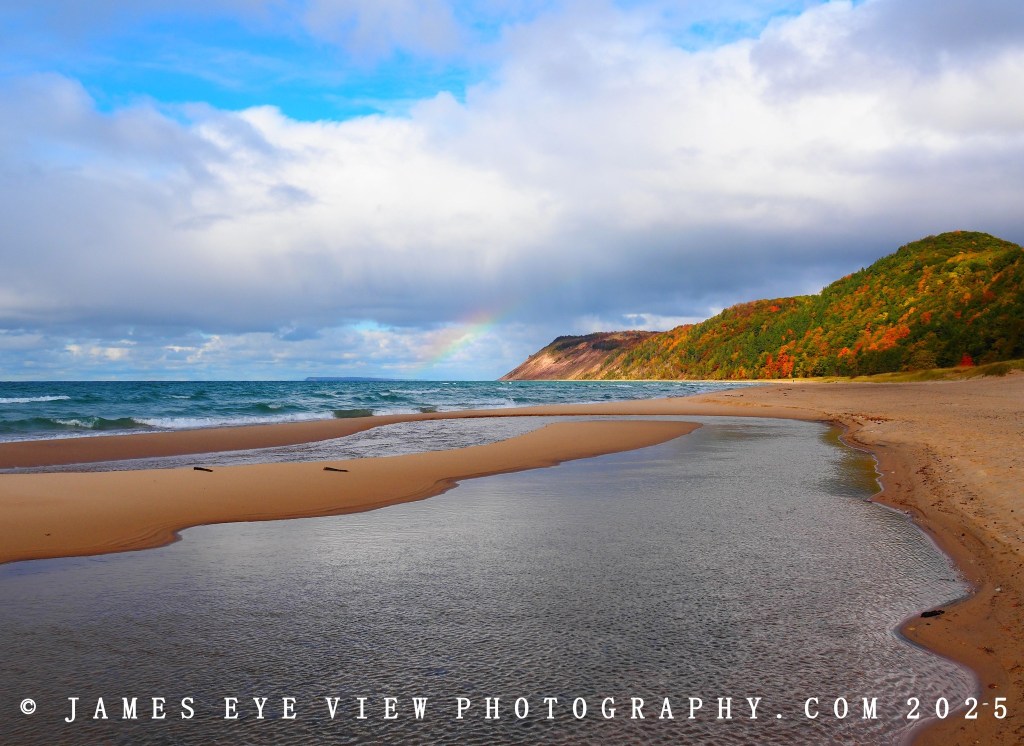
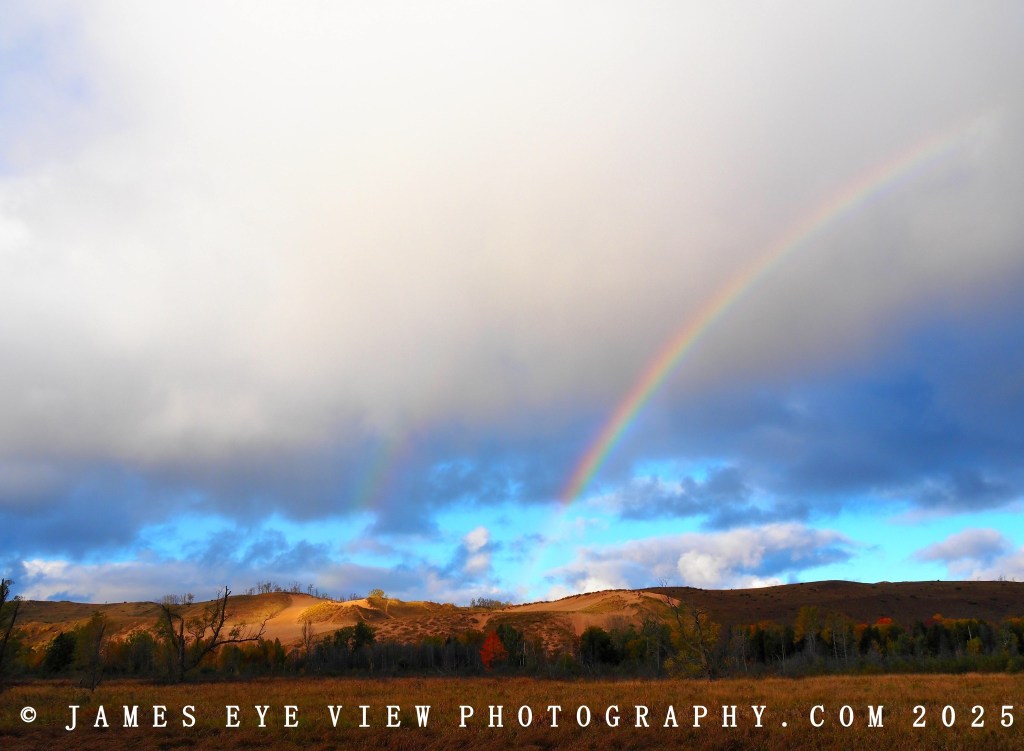
James took these last Friday on the Sleeping Bear Dunes National Lakeshore. You can follow him on Facebook & Instagram. For sure visit his website to view & purchase his work including 2025 Photo Calendars.

Wildly enough, I featured Double Rainbow Sunrise from James last year – he clearly has a next level knack for rainbows!!
Support Michigan in Pictures with Patreon

Happy 55th, Sleeping Bear Dunes National Lakeshore!

via Leelanau.com…

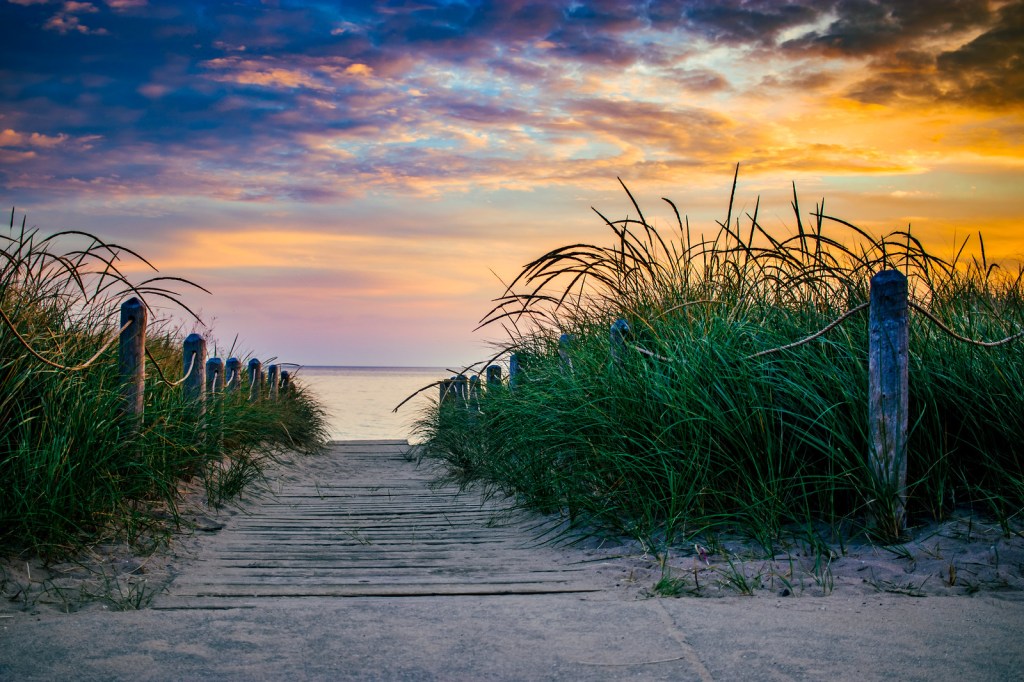
At the End of the Trail by James Banks

At the End of the Trail by James Banks

Today is the 55th birthday of the Sleeping Bear Dunes National Lakeshore. Normally, I would lead with a photo of the Dunes, but the creation of the National Lakeshore on October 21, 1970 preserved a whole lot more!!

Here is the tale of the tape on Michigan’s magnificent national lakeshore as of August 1, 2024!

  • Annual Visits – 1,589,248
  • Employees – 46 permanent, 83 seasonal
  • Volunteer Hours – 58,389 from 1,659 volunteers
  • Natural and Cultural Resources
  • Area – 71,318 acres
  • Lake Michigan Shoreline – 65 miles (35 miles on the mainland)
  • Inland Lakes – 26
  • Miles of rivers and streams – 12
  • Terrestrial plant species – 908
  • Bird species – 246
  • Federally threatened or endangered species – 6
  • Historic structures on List of Classified Structures – 369
  • Sites on National Register of Historic Places – 8
  • Cultural Landscapes – 9 (4,500 acres)
  • Prehistoric archeological sites – 150
  • Historic boats – 21
  • Lighthouse – 1
  • Historic artifacts – 70,158
  • Archived documents – 21,325
  • Infrastructure
  • Buildings – 370
  • Employee housing units – 38
  • Campgrounds – 9 (357 sites)
  • Picnic Areas – 5
  • Visitor Centers – 3
  • Outdoor ampitheaters – 2
  • Miles of roads – 23
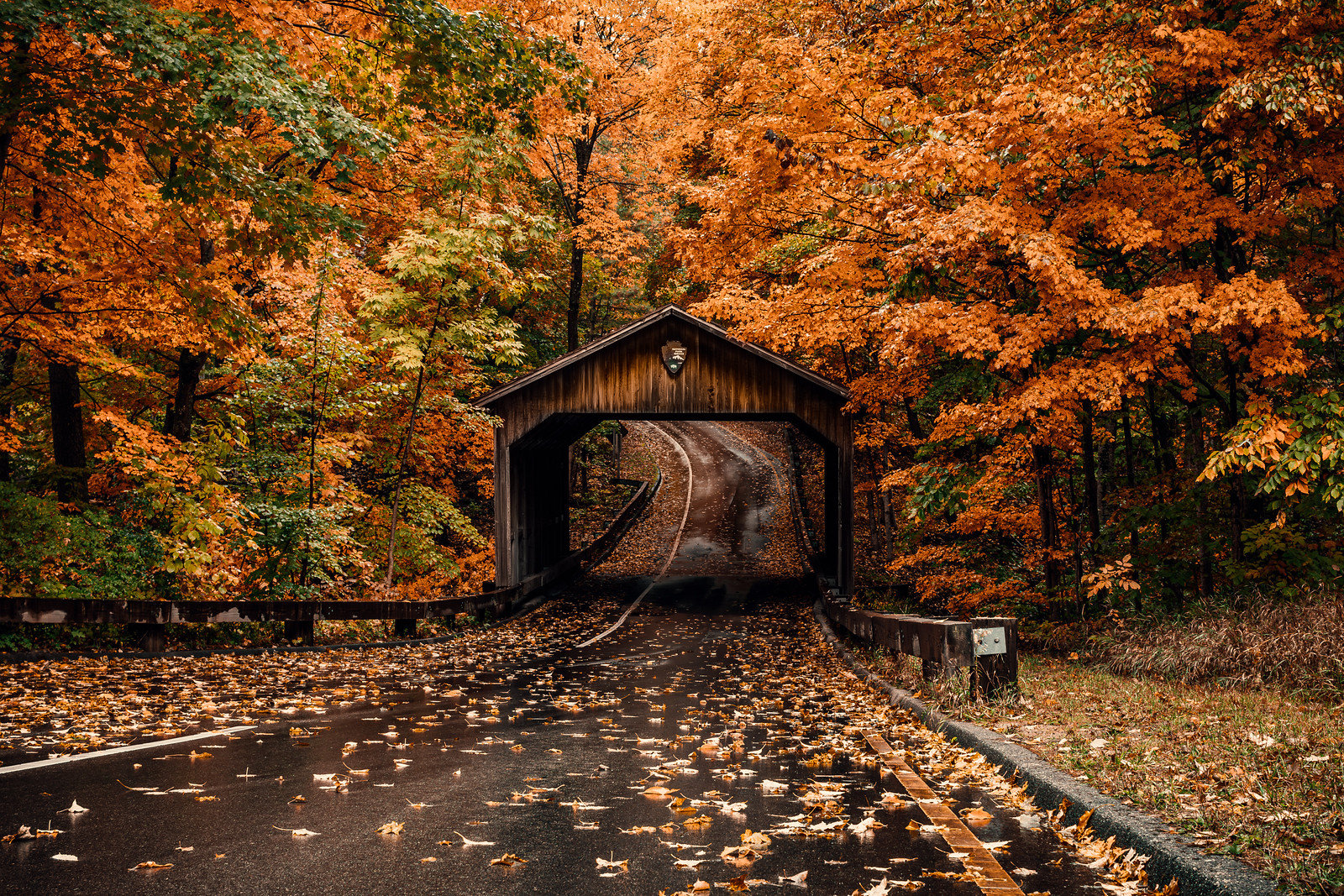
  • Covered bridge – 1 (Pierce Stocking Drive)
  • Miles of trails – 105
  • Lake access ramps – 9
  • Signs and wayside exhibits – 3572
  • Major photovoltaic power systems – 3
  • Motor vehicles in fleet – 54
  • Large boats – 8

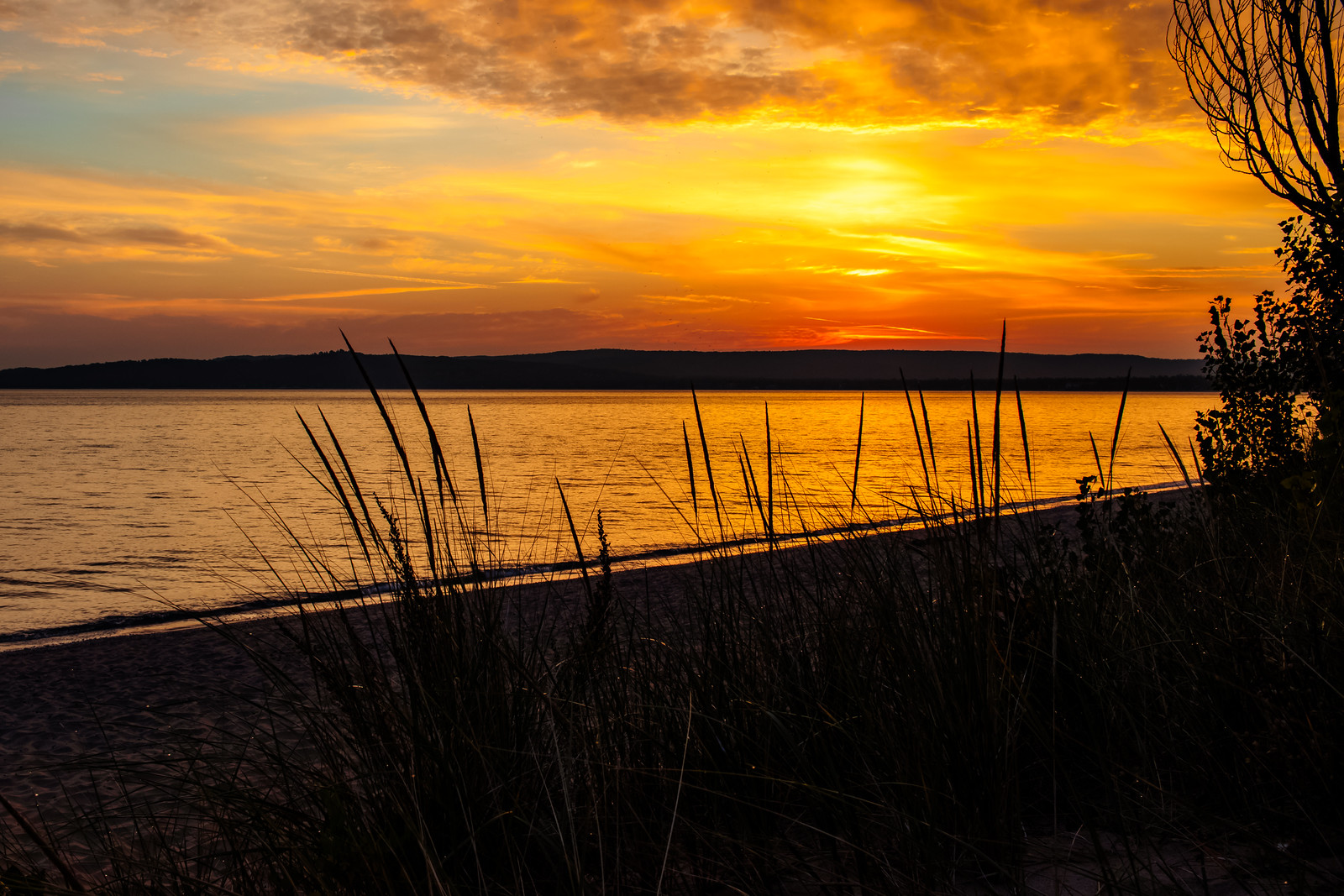
James took these in the Sleeping Bear Dunes National Lakeshore back in fall of 2023. See lots more great shots in his Top 100 gallery on Flickr!

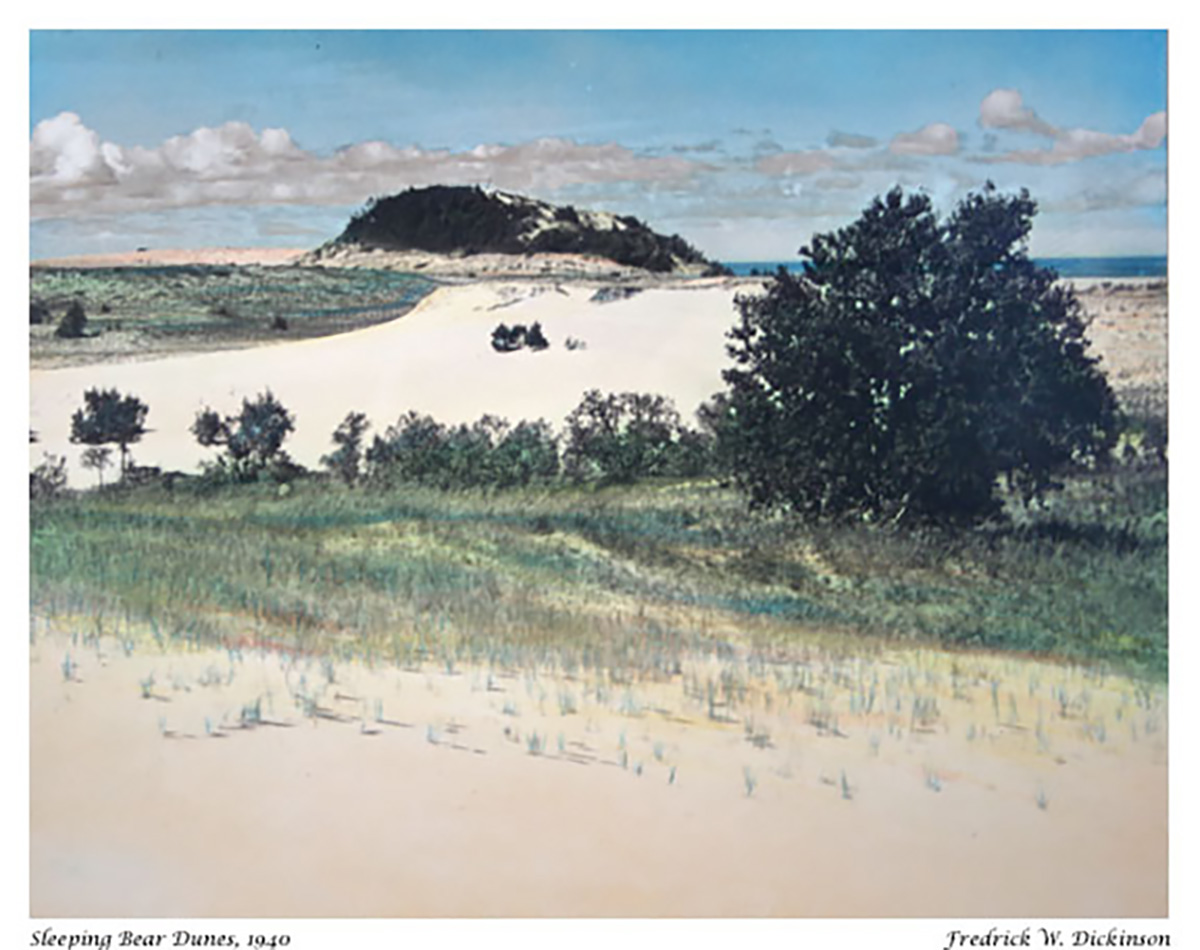
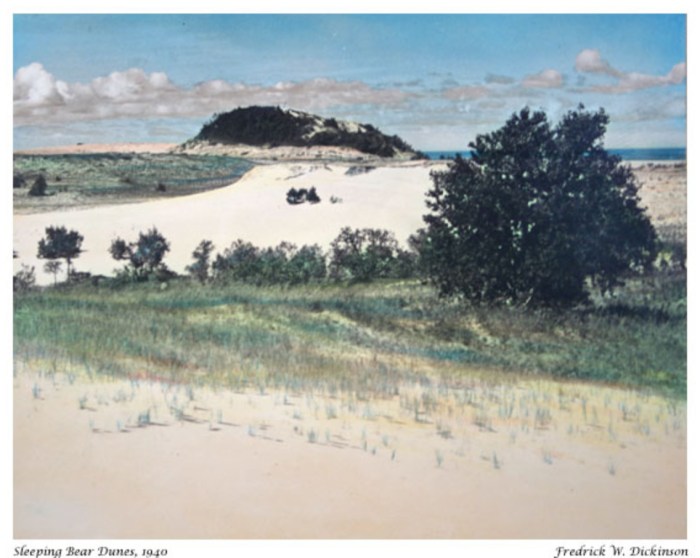
I also added a hand colored photo of “the Bear” from 1940 by Leelanau photography legend Fred Dickinson whose work you can see at the Dickinson Photo Gallery on Glen Lake & who you can read more about on Leelanau.com.

Support Michigan in Pictures with Patreon

19 years of Michigan in Pictures

Upper Deck by Andrew McFarlane

Upper Deck by Andrew McFarlane

I started Michigan in Pictures way back on December 30, 2025. In the 19 years since, I’ve shared 2840 posts – well, 2841 now – to 1.6 million people! Thank you all for being a part of it!!

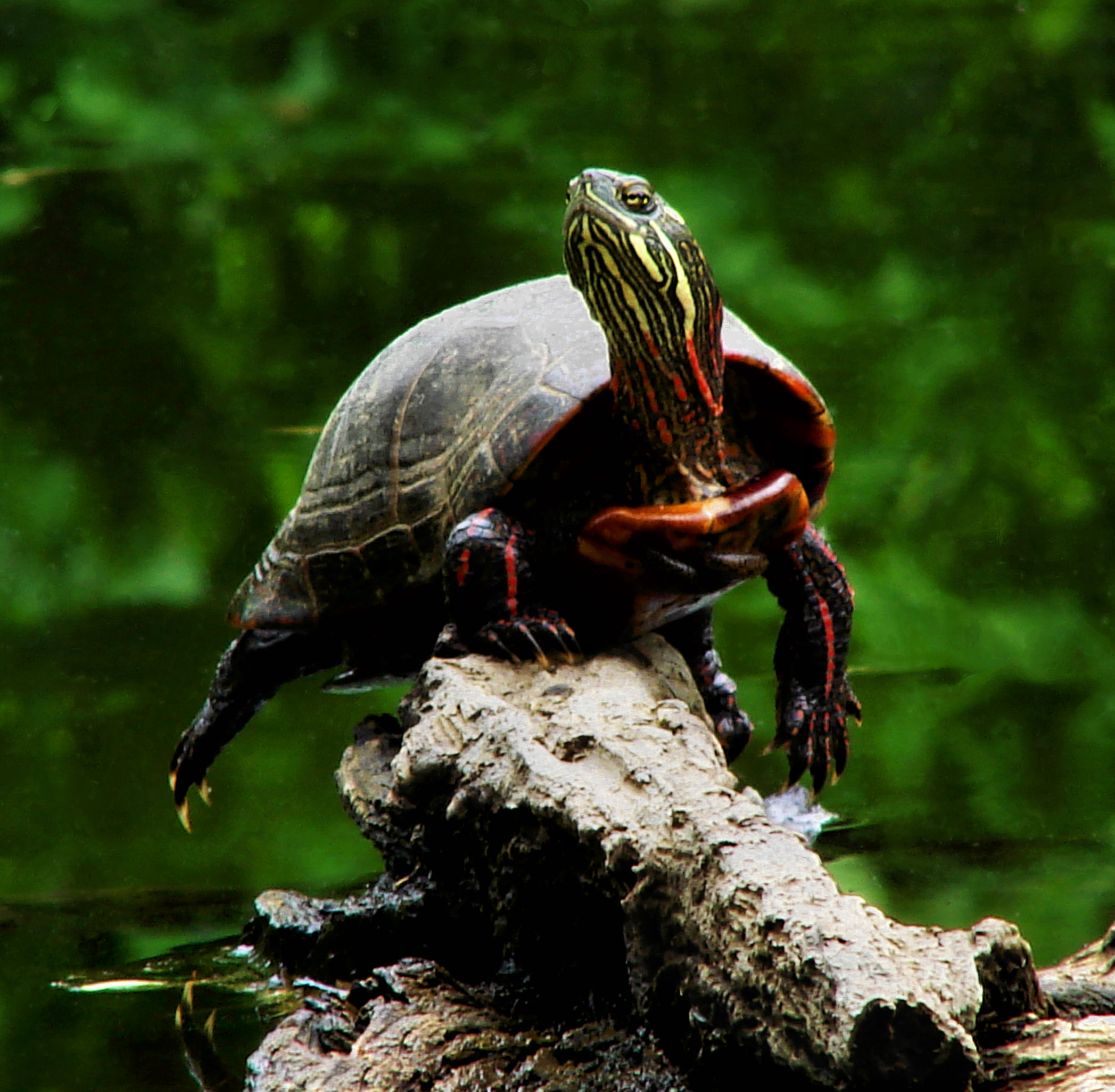
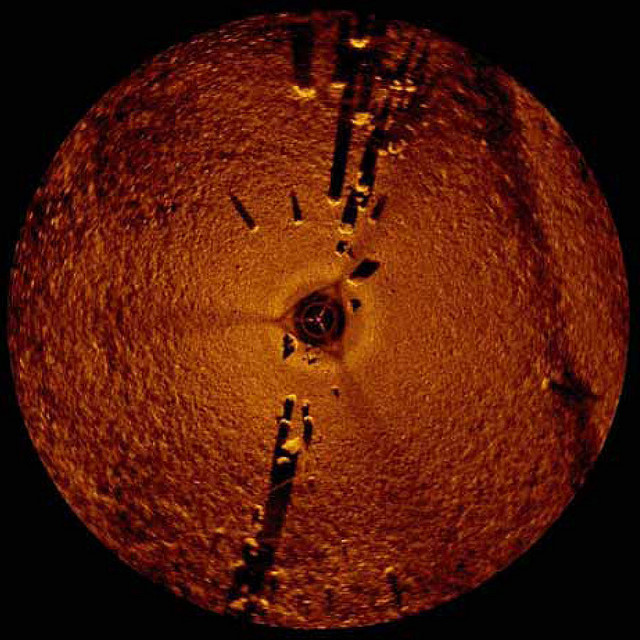
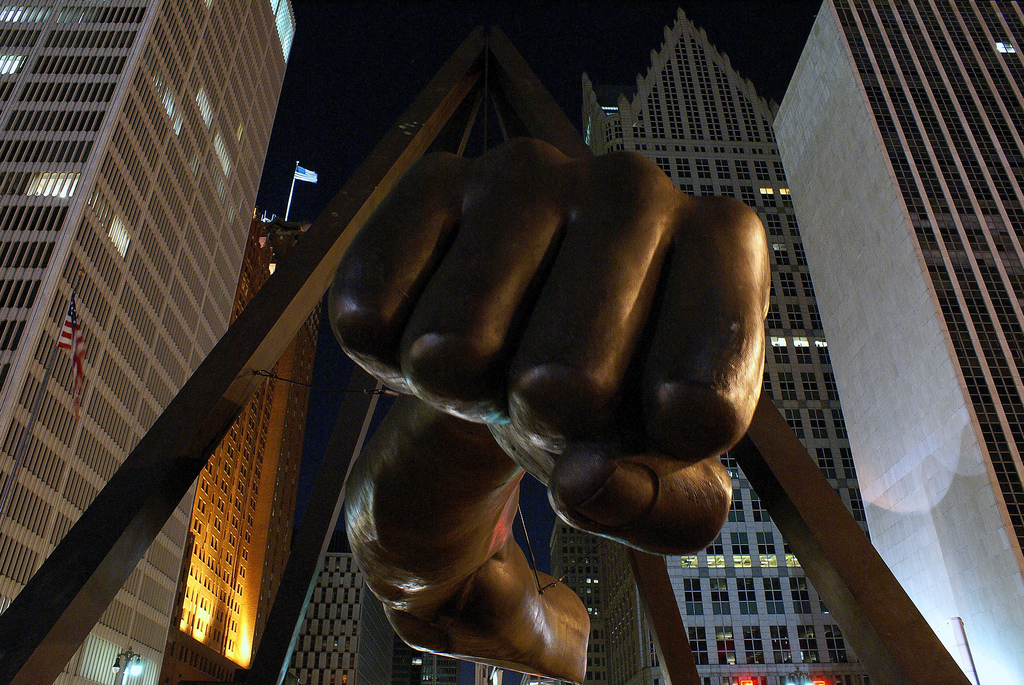
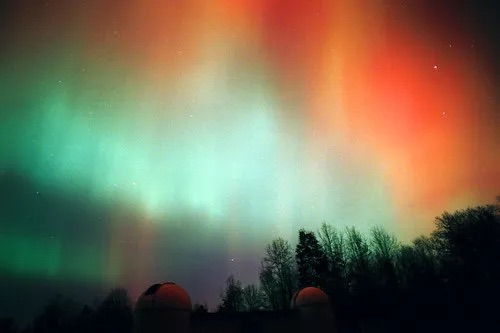
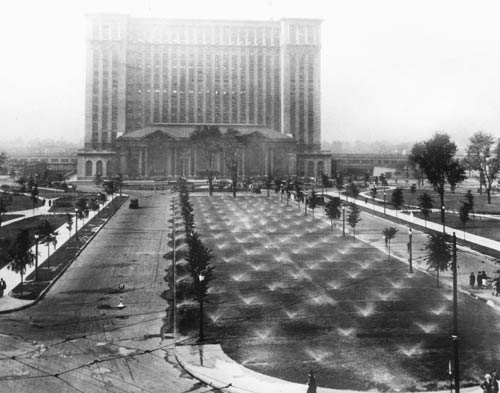
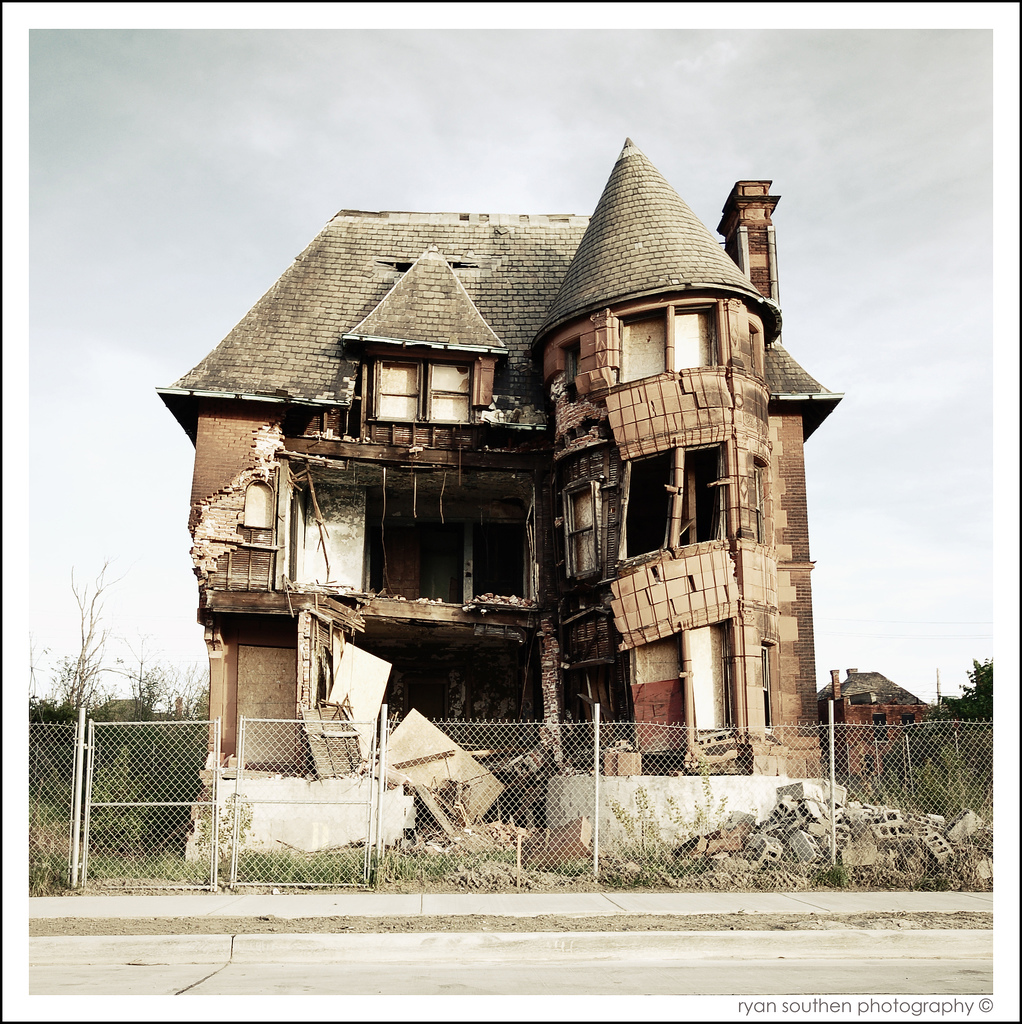
The most popular post ever remains Know Your Michigan Turtles, but every year Underwater Stonehenge in Lake Michigan gains a little ground. The top five rounds out with Fist of a Champion: Detroit’s Monument to Joe Louis, Northern Lights Forecast: Predicting the Aurora Borealis in Michigan & Detroit’s Michigan Central Station. To make the boxes below line up nicely, I’ve added #6 which is a personal favorite: Slumpy: the William Livingstone Mansion in Brush Park.

In 2025, I am going to celebrate the 20th year by revisiting some of the amazing photographers & photographic subjects to see where they are now!


Know Your Michigan Turtles

Underwater Stonehenge in Lake Michigan

Fist of a Champion: Detroit’s Monument to Joe Louis

Northern Lights Forecast: Predicting the Aurora Borealis in Michigan

Detroit’s Michigan Central Station

Slumpy: the William Livingstone Mansion in Brush Park

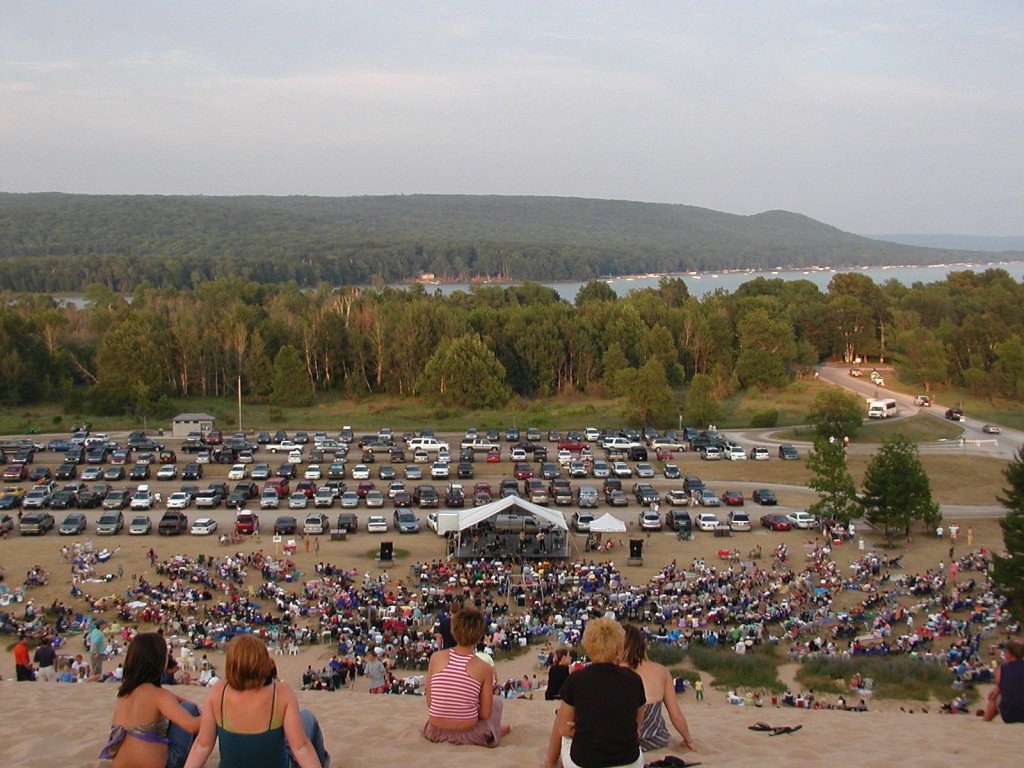
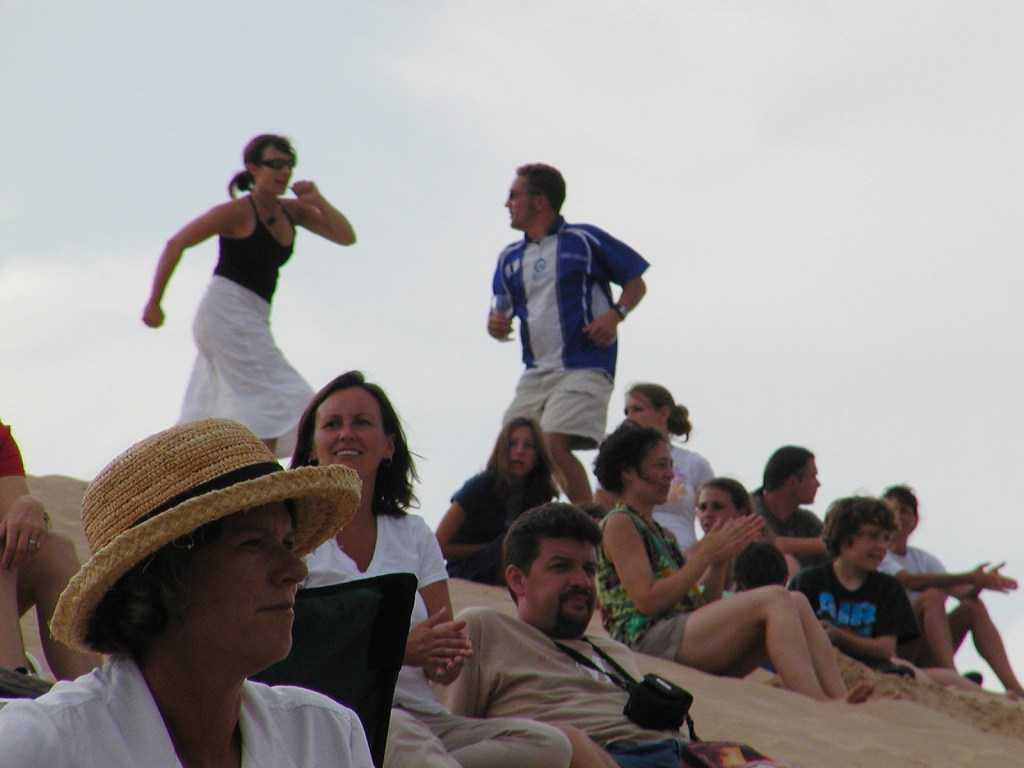
I took this photo & the one below at the Manitou Music Festival at Sleeping Bear Dunes National Lakeshore way back in 2005! You can see a lot more in my Music Makes Me Smile gallery on Flickr, and the dancing fellow in the bottom picture is Jacob Wheeler, editor & publisher of the fantastic Glen Arbor Sun!

Jacob Dancing by Andrew McFarlane

Jacob Dancing by Andrew McFarlane

Support Michigan in Pictures with Patreon

The angle of repose at Silver Lake Dunes

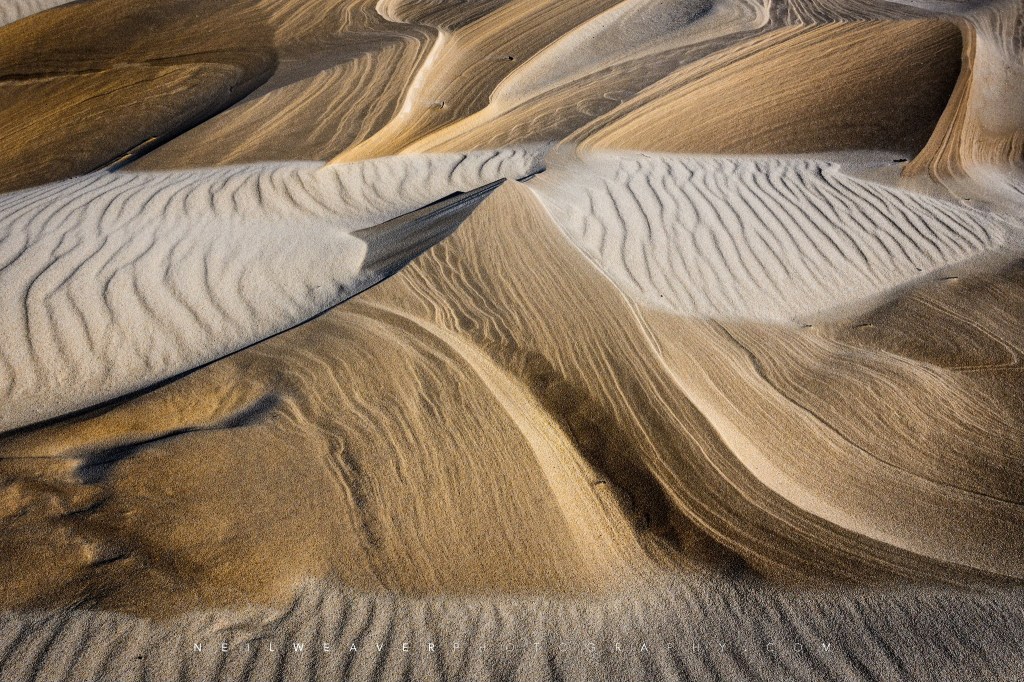
Miniature Landscapes by Neil Weaver Photography

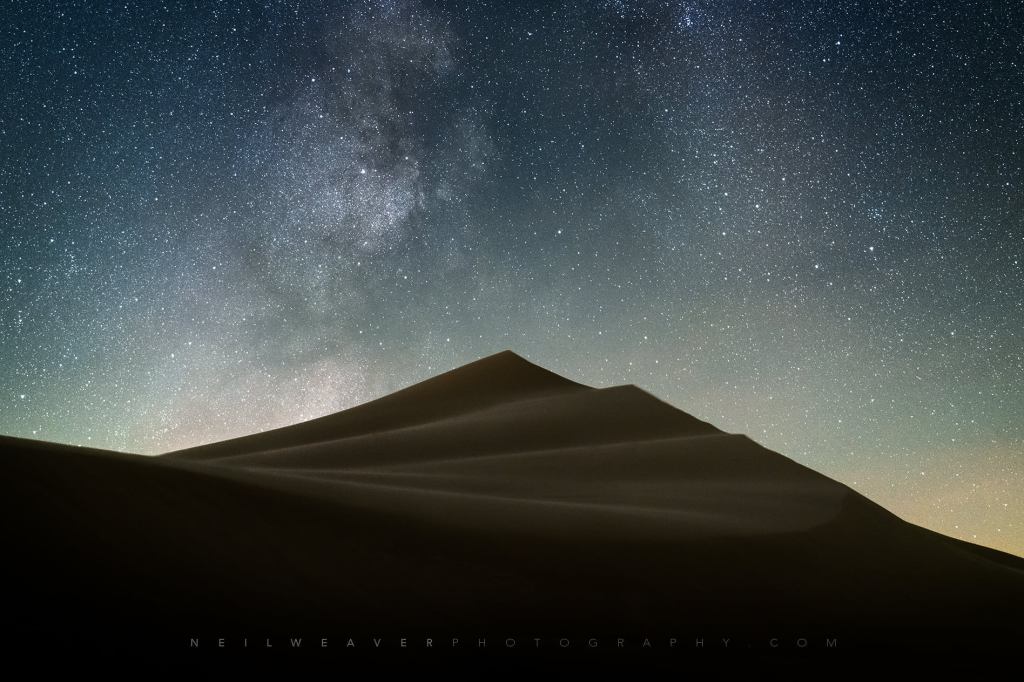
I shared the photo below of what Neil dubbed “The Great Sand Pyramid of Silver Lake Dunes” back on December 17, 2020. Like the ones in the photo above, the lines are so crisp & clear that they look computer generated. Sleeping Bear Dunes is another shifting dune complex, and they explain that the reason that the sand on shifting sand dunes looks the way it does is due to wind & something known as the angle of repose:

Active dunes gradually advance over time. In some places trees and telephone poles have been buried in drifting sand over a period of several years. A common question is “How fast are the dunes moving?” Rates of sand movement vary from one place to another and from one year to the next. At the Dune Climb the average rate of advance has been about 4 feet (1.2 meters) per year over the past few years.

Direction of sand movement also varies from one place to the next. The shapes of dunes reveal the direction of the winds. Dry, loose sand can take on a maximum slope of 34 degrees, known as the angle of repose. As sand piles up on an unvegetated dune, the leeward (downwind) slope approximates the angle of repose, while the windward slope is more gradual. Ripples in the sand show a similar asymmetrical shape.

Dune sand moves primarily by a process called “saltation”, literally “jumping”. Wind forces grains of sand to roll, collide with other grains of sand, and in subsequent collisions some grains bounce into the air, are driven downwind as they fall, and upon landing strike other grains to produce a chain reaction. On a windy day you can see a hazy zone of sand moving just a foot or two above the ground.

Neil took the photo above last year in late December & shared “One of the many things that I love about hiking around the sand dunes is finding miniature landscapes created by the strong winds. The textures and lines compose a true natural work of art!”

Indeed!! See lots more of Neil’s work on Facebook and view & purchase prints, calendars & photography workshops on his website!

The Great Silver Lake Pyramid by Neil Weaver Photography

Support Michigan in Pictures with Patreon

Sleeping Bear Dunes National Lakeshore turns 54

Sleeping Bear Bay by Mark Smith

Sleeping Bear Bay by Mark Smith

via Leelanau.com

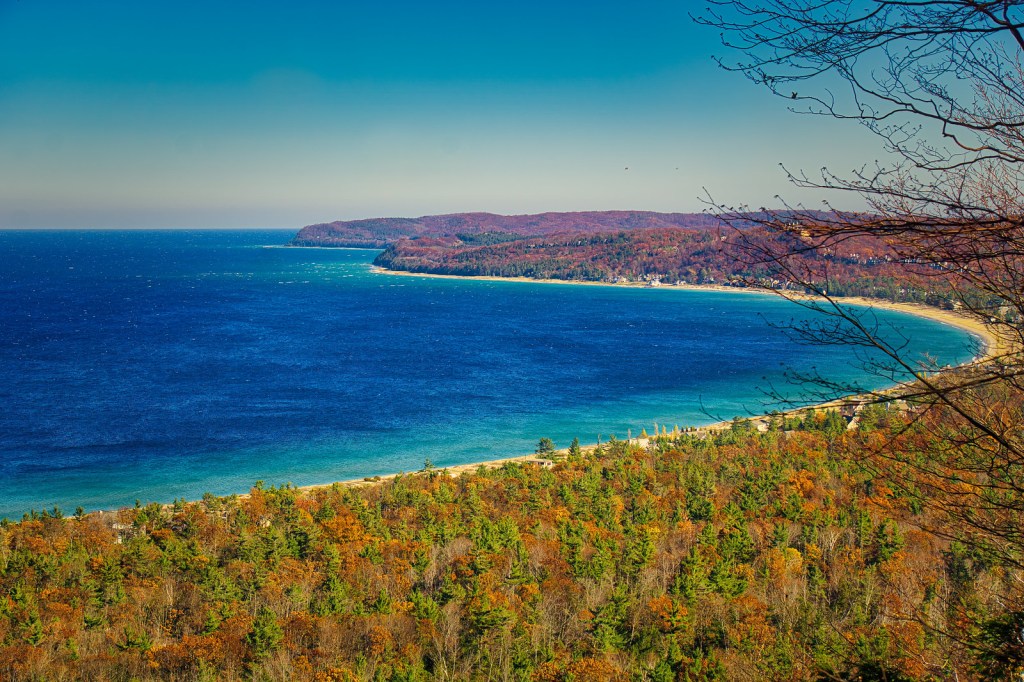
Every time I see this view of the Sleeping Bear shoreline, I think about what might have happened if Senator Phillip Hart & countless others hadn’t fought as hard and as long to protect this globally unique treasure. Almost anywhere else in Michigan or America with this mix of clear water & sandy shoreline is lined with the homes of the wealthy. Although the same trend was overtaking Sleeping Bear’s Lake Michigan shoreline,  54 years ago today preservation was victorious and the Sleeping Bear Dunes National Lakeshore became the third US National Lakeshore:

Beginning in 1919 a small portion of what is now the national lakeshore was set aside as a state park. The idea of a national park in northwestern Michigan did not surface until the National Park Service’s Great Lakes Shoreline Survey visited the area in 1958. Between 1959 and 1970 there was a continuous and controversial effort in Congress to create a park unit around the Sleeping Bear Dune. The legislative leader of the Sleeping Bear park proposal was United States. The senator’s persistence and patience in the end led to the creation of Sleeping Bear Dunes National Lakeshore on October 21, 1970. 

You can learn more about the creation of the Lakeshore in the online book A Nationalized Lakeshore: The Creation & Administration of the Sleeping Bear Dunes National Lakeshore, and get (much) more about the history & present day of Sleeping Bear Dunes National Lakeshore on Leelanau.com!

Mark captured the grand sweep of Sleeping Bear Bay perfectly back in September of 2021. See his latest at Downstreamer on Flickr!

Support Michigan in Pictures with Patreon

Flipping into the future

Wheel in the Sky by Andrew McFarlane

Seven years ago I stepped away from Michigan in Pictures to give myself more time to focus on paying the bills and also getting out & enjoying Michigan. The pandemic lockdown drew me back, and now that I live in Detroit I find that my daily Michigan in Pictures keeps my mind happily roaming this state that I love even when I can’t get there in real life! I’m working on some fun ideas for the fall including a lot of Michigan spooky stuff so stay tuned!

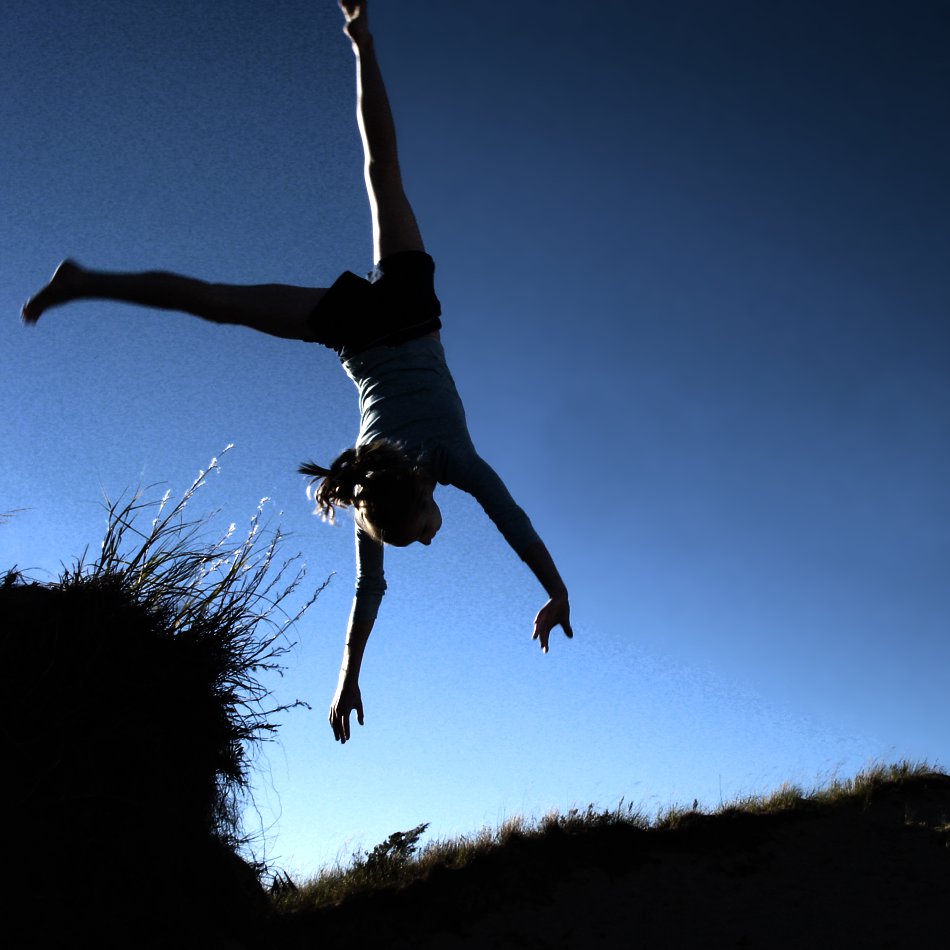
I took this photo of my daughter doing a cartwheel in Sleeping Bear Dunes 20 years ago, but it’s still one of my favorites! While I don’t have a photography site I can send you to, I for sure appreciate those of you who are chipping in a few bucks a month on my Patreon and also those of you who follow Michigan in Pictures on Facebook where I get a little money for being more interesting than AI 😉

Support Michigan in Pictures with Patreon

Ghost forest at Silver Lake Dunes

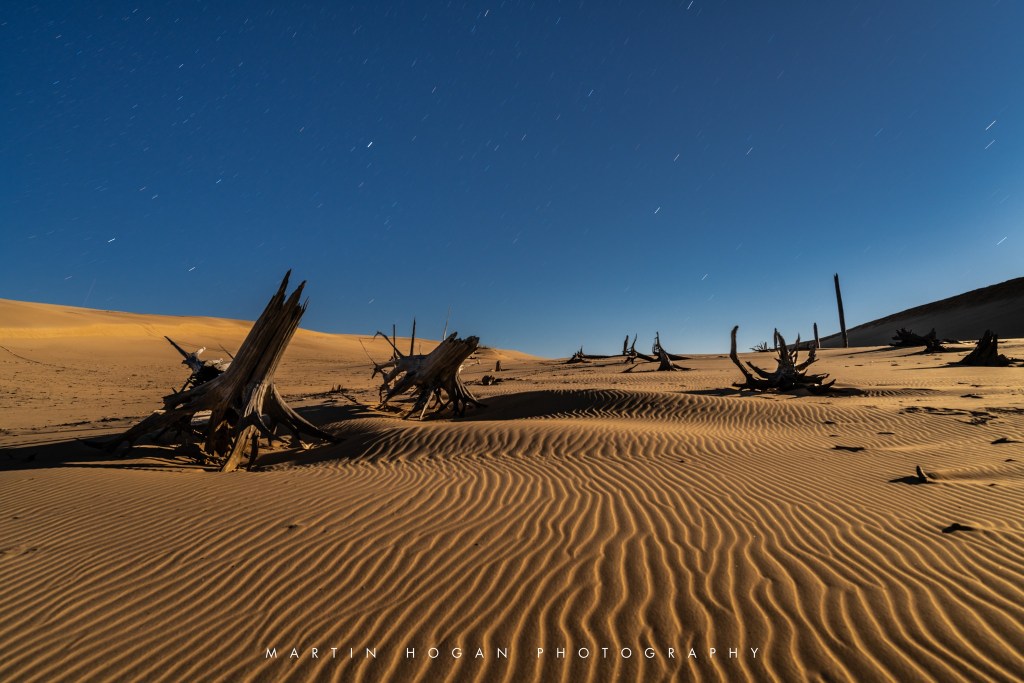
Ghost forest at Silver Lake Sand Dunes by Martin Hogan

The Silver Lake State Park page at Michigan Trail Maps says in part:

Not all of Michigan’s great hikes are trails. This trek is a journey through Silver Lake State Park’s trailless backcountry, a mile-wide strip of dunes between Silver Lake and Lake Michigan. There’s not another hike like this in Michigan or even the Midwest because no other stretch of dunes are so barren.

Perched on a plateau and rising more than 100 feet high above Silver Lake, the heart of these dunes are totally devoid of any vegetation, even dune grass. The only thing besides sand are the stumps and trunks of ghost forests, ancient trees that the migrating dunes had buried and killed. Almost half of the hike is in this Sahara Desert-like terrain, the other half is spent strolling a stretch of Lake Michigan that is free of cottages and frozen custard stands.

A rare hike indeed.

It’s good to feature a photo from Martin again – follow him on Facebook for more!

Support Michigan in Pictures with Patreon

Rolling into summer

Come on Spring/Summer by Kevin Povenz

Come on Spring/Summer by Kevin Povenz

All right everyone, climb aboard. We’re rolling to summer with Kevin!!

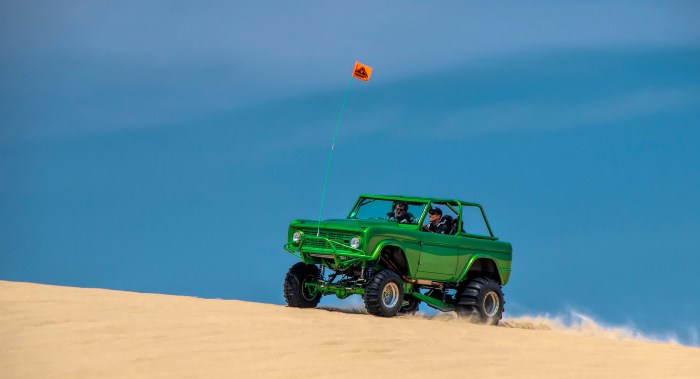
Like many of us, he’s looking forward to a little change in the weather so he shared this photo from August 2019 on the Silver Lake Dunes in case the weather has forgotten the plan. See more in his Fun/Interesting gallery on Flickr.

More Michigan dunes on Michigan in Pictures!

Support Michigan in Pictures with Patreon

Welcome 2022!

Cloud Climb by John Allen

Cloud Climb by John Allen

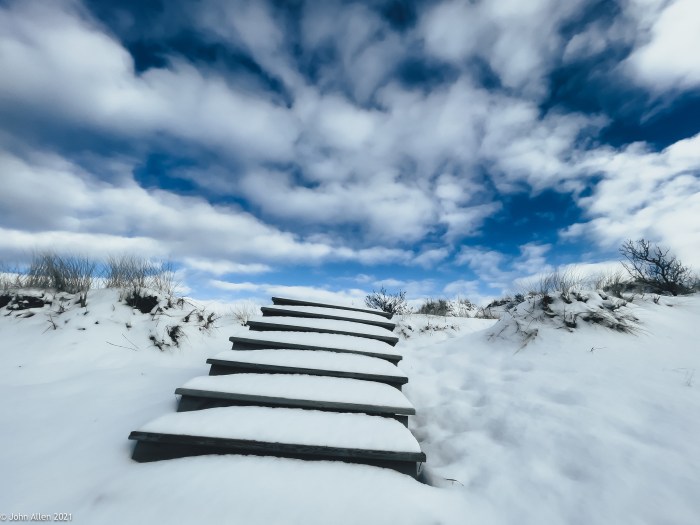
While this year doesn’t seem to be opening with as much hopefulness as 2021, here’s hoping that 2022 has all of us feeling like we’re walking on clouds!

John took this photo yesterday at Saugatuck Dunes State Park. See more in his Michigan 2021 gallery on Flickr.

Support Michigan in Pictures with Patreon

Wandering the sands of time

Sleeping Bear Dunes 1940 by Fredrick W Dickinson

Sleeping Bear Dunes 1940 by Fredrick W Dickinson

“What has been lost may yet live in memories.”
-Christopher Paolini

This morning a reader commented on John McCormick’s photo of the Au Sable Point Lighthouse that I shared last week, saying “This was an incredible shot, and I think of it whenever I go out to the lighthouse. I doubt that shot can be duplicated now; there are lights all along the foundation of the building, and the beacon is no longer operating.” That got me remembering other Michigan scenes that are lost to us except in photographs & one that was right in my backyard!

While the  that “the Bear” was also an actual formation atop a dune about a mile north of the Pierce Stocking Overlook. The Sleeping Bear Dunes National Lakeshore says that the formation pictured above known as “the Bear”…

…hardly looks like a bear now, for it has been changing rapidly in recent years. At the turn of the century, it was a round knob completely covered with trees and shrubs. You can still see some of the thick vegetation that gave it a dark shaggy appearance.

…For a long time, the sleeping Bear Dune stood at about 234 feet high with a dense plant cover. However, trough most of the twentieth century, erosion has prevailed. By 1961, the dune was only 132 feet high, and by 1980, it was down to 103 feet. The process is a continuing one. The major cause of the dune’s erosion was wave action wearing away the base of the plateau on which the dune rests. As the west side of the dune loses its support, it cascades down the hill. The wind, too, is a major agent of erosion, removing sand and destroying the dune’s plant cover.

The photo above was taken by Leelanau photographer Fred Dickinson. On Michigan in Pictures there’s a photo of Fishtown in 1940 that explains Dickinson’s hand coloration technique and another shot by Fred of some folks taking a break from a Sleeping Bear Dune ride.

Definitely check out the Dickinson Photo Gallery to view & purchase great photography of the dunes & other Leelanau locations. The gallery is still run by his daughter Grace who also colorizes photos. 

You can see a couple more photos of the Bear from MSU & click over to Leelanau.com for the Legend of the Sleeping Bear

Support Michigan in Pictures with Patreon