11th Anniversary of Michigan in Pictures!

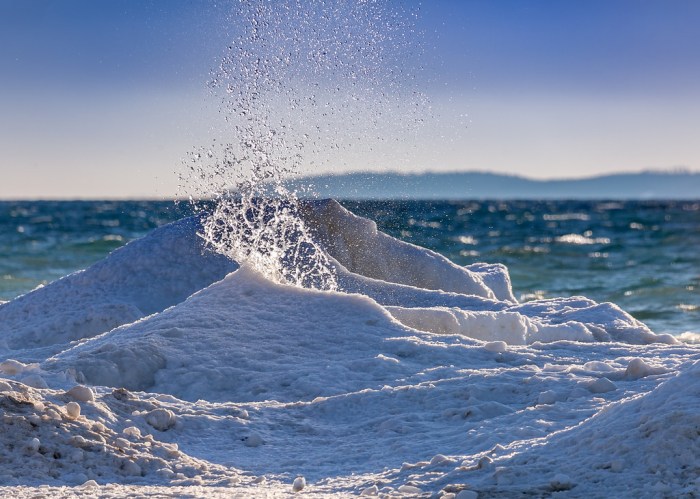
water-spray-by-sandy-hansen-photography

Water Spray, photo by Sandy Hansen Photography

On December 30, 2005 I posted the first photo to Michigan in Pictures. 11 years later, it’s still going so I guess I must be doing something right. Thanks to all you photographers and fans for being a part of Michigan in Pictures!!

I figured Lake Michigan popping its cork would be better than champagne.

View Sandy’s photo bigger and see more in her Northern Michigan slideshow.

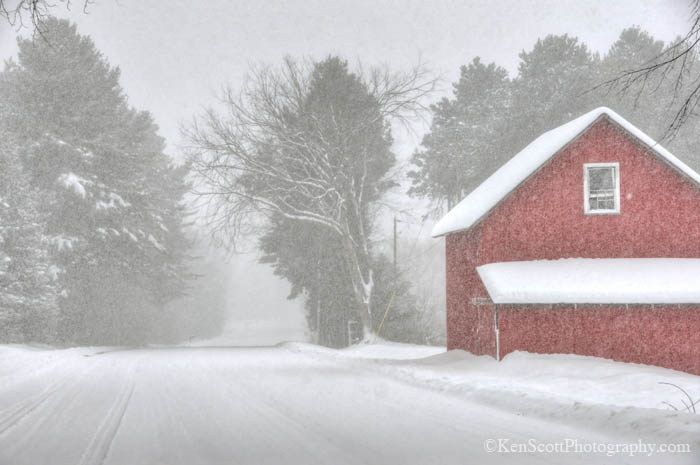
Snowy Barn

Red Barn … snowy’d, photo by Ken Scott

For all their possible danger when you’re driving too fast for the conditions, our winter roads can be lovely at the right speed!

View Ken’s photo bigger, see more in his Barns slideshow, and if you’re looking for a last-minute gift, how about his 2017 Best of the Back Pages calendar.

There’s more barns and more snow on Michigan in Pictures!

An Ode to the Winter Solstice

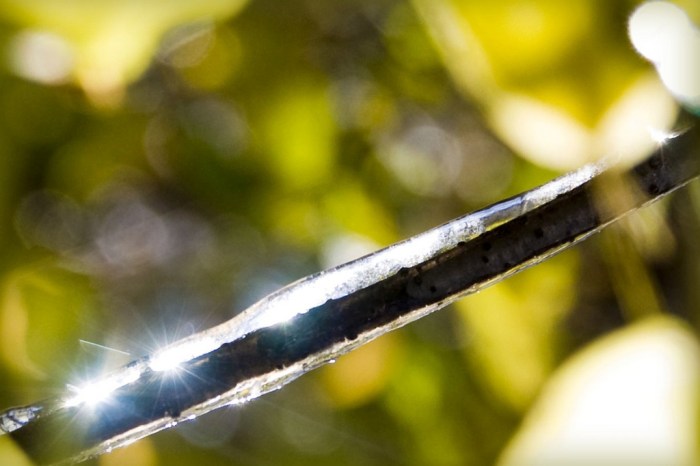
an-ode-to-the-winter-solstice

An Ode to the Winter Solstice, photo by Cherie

EarthSky’s page on the winter solstice says:

The solstice happens at the same instant for all of us, everywhere on Earth. In 2016, the December solstice comes on December 21 at 5:44 a.m. EST. That’s on December 21 at 10:44 Universal Time. It’s when the sun on our sky’s dome reaches its farthest southward point for the year. At this solstice, the Northern Hemisphere has its shortest day and longest night of the year.

…At the December solstice, Earth is positioned in its orbit so that the sun stays below the north pole horizon. As seen from 23-and-a-half degrees south of the equator, at the imaginary line encircling the globe known as the Tropic of Capricorn, the sun shines directly overhead at noon. This is as far south as the sun ever gets. All locations south of the equator have day lengths greater than 12 hours at the December solstice. Meanwhile, all locations north of the equator have day lengths less than 12 hours.

For us on the northern part of Earth, the shortest day comes at the solstice. After the winter solstice, the days get longer, and the nights shorter. It’s a seasonal shift that nearly everyone notices.

View Cherie’s photo background big and see more in her Michigan can be a Winter Wonderland slideshow.

White Walkers

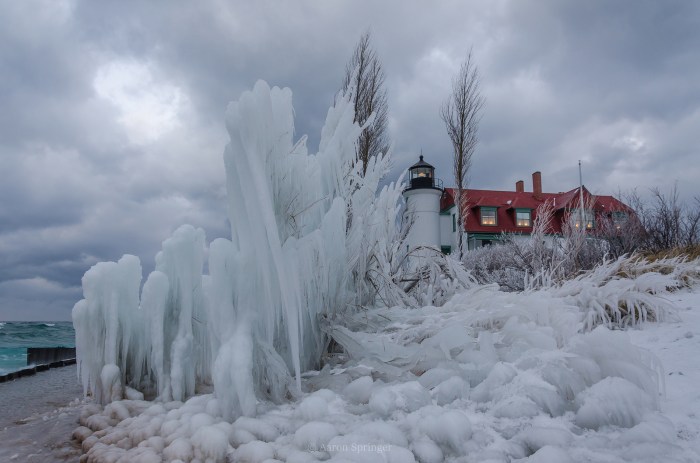
white-walkers-by-aaron-springer

White Walkers, photo by Aaron Springer

I think we can all agree that Winter is not merely coming, it’s here.

View Aaron’s photo bigger and see more in his slideshow.

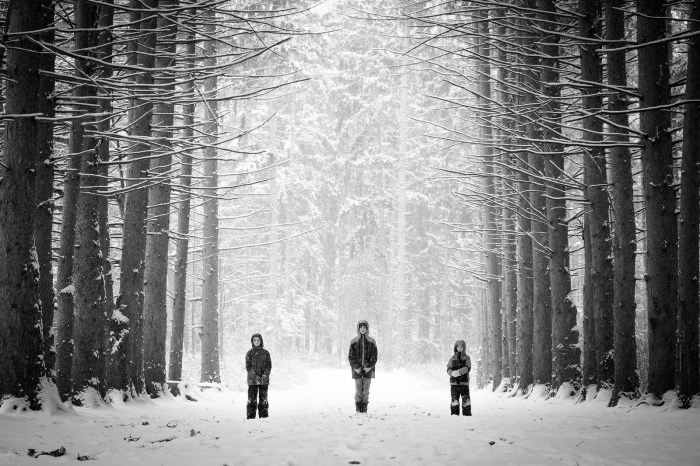
Snow Boys

snow-boys-tom-hughes-photo

Snow Boys, photo by Tom Hughes Photo

Tom says they were out playing in the first big snow of the year. View his photo bigger and see more in his Black & White slideshow.

More black & white photography on Michigan in Pictures.

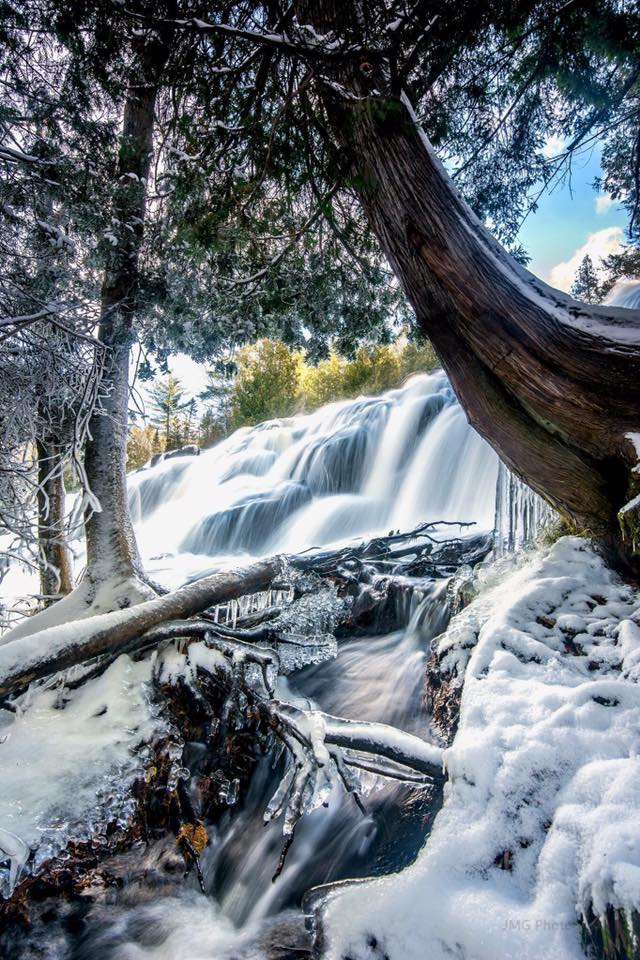
Good morning from Bond Falls

good-morning-from-bond-falls

Good morning from Bond Falls….Burrrrr, photo by Joe Garza

View Joe’s photo bigger and see more at JMG Photography on Facebook.

More Bond Falls on Michigan in Pictures.

Support Michigan in Pictures with Patreon

Michigan’s Lake Effect Snow and the Ice Beast of the Frozen Tundra

ice-beast-of-the-frozen-tundra

Ice Beast of the Frozen Tundra, photo by Mark Miller

As Michigan deals with the first winter storm of the season, it’s a good time to brush up on how Michigan’s lake effect snow machine works with a nice video (below) from mLive chief meteorologist Mark Torregrossa who writes:

The areas hit by lake effect are called snowbelts. Some parts of the snowbelts typically get much more snow than other parts. This is because some locations get lake effect from multiple wind directions. Good examples are in the heart of the northwest Lower Peninsula snowbelt. Mancelona and Gaylord get heavy lake effect with northwest, west and slightly southwest winds. Also, the Keweenaw Peninsula, sticking out into Lake Superior, can get lake effect snow from west winds to north winds to northeast winds. That’s why they often shovel over 200 inches of snow in Houghton, MI.

The opposite is true for Grand Rapids and to some extent, Traverse City. Grand Rapids needs a west to southwest wind for heavy lake effect. West winds are common in winter, but don’t tend to last for more than 12 hours. That’s why Grand Rapids often gets only 12 hours of heavy lake effect and a few inches of snow. The wind then veers to the northwest and areas around Holland and Allegan get buried. Downtown Traverse City has a hard time getting heavy lake effect also. Traverse City needs a north-northwest wind to straight north wind for the heaviest lake effect to move into downtown. That wind flow does happen, but it only lasts 24-48 hours a few times each winter.

Thanks to another Mark, Mark Miller, for today’s photo of the Ice Beast of the Frozen Tundra aka Major. View the photo bigger and see more in his “Major” slideshow.

Here’s Mark Torregrossa’s video:

Must be a Monday

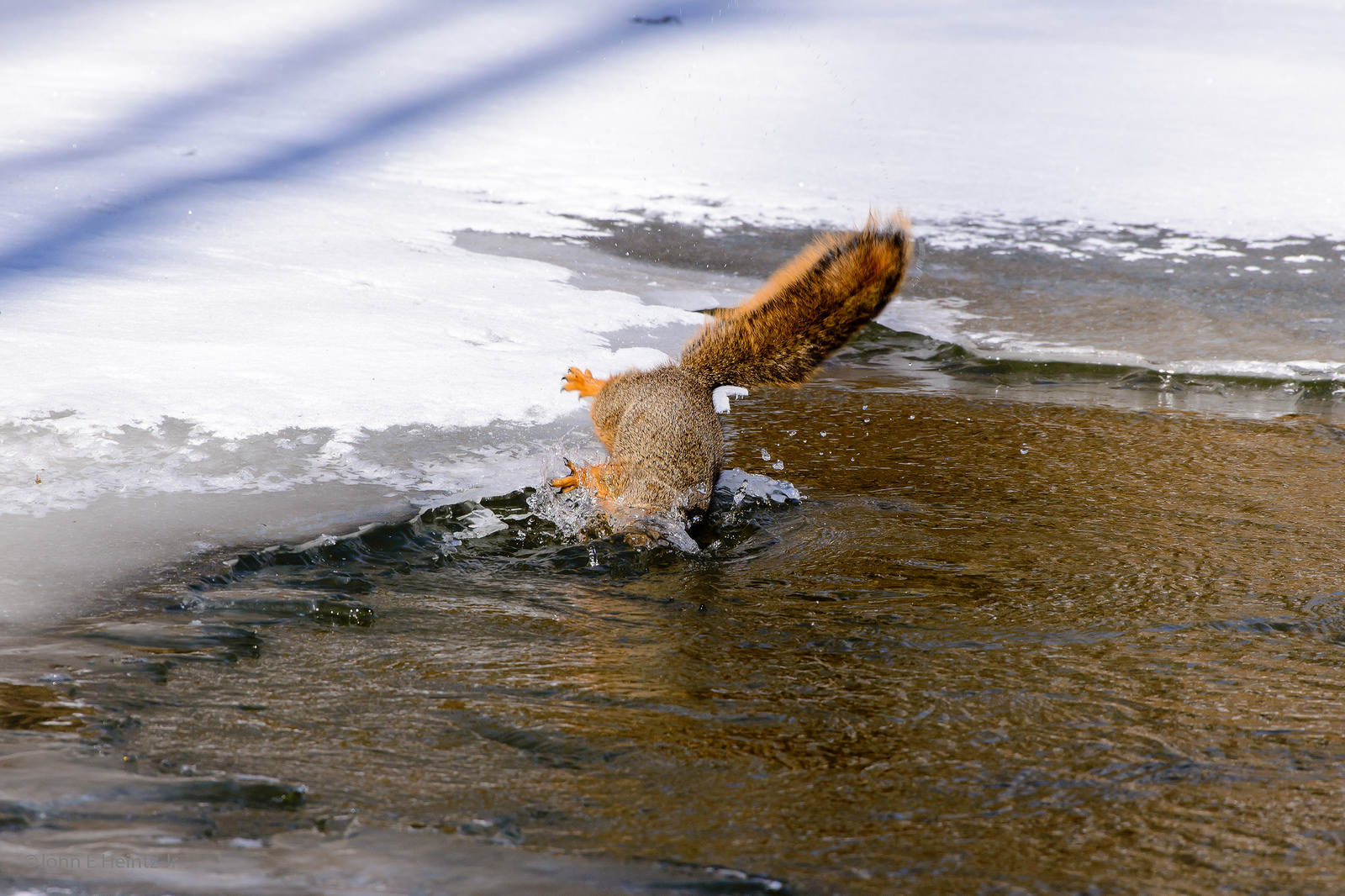
Fox Squirrel Falls in the River

FOX SQUIRREL, photo by John E Heintz Jr

“If one place is as good as any other, it’s high time we decided. Otherwise when we get there, we won’t know we’ve arrived.”
~Dr. Doolittle

I swear that John Heintz is a direct descendent of Dr. Doolittle – gets the best nature photos! View his photo bigger and definitely watch his slideshow for the whole story.

More from the animal kingdom and more funny photos on Michigan in Pictures.

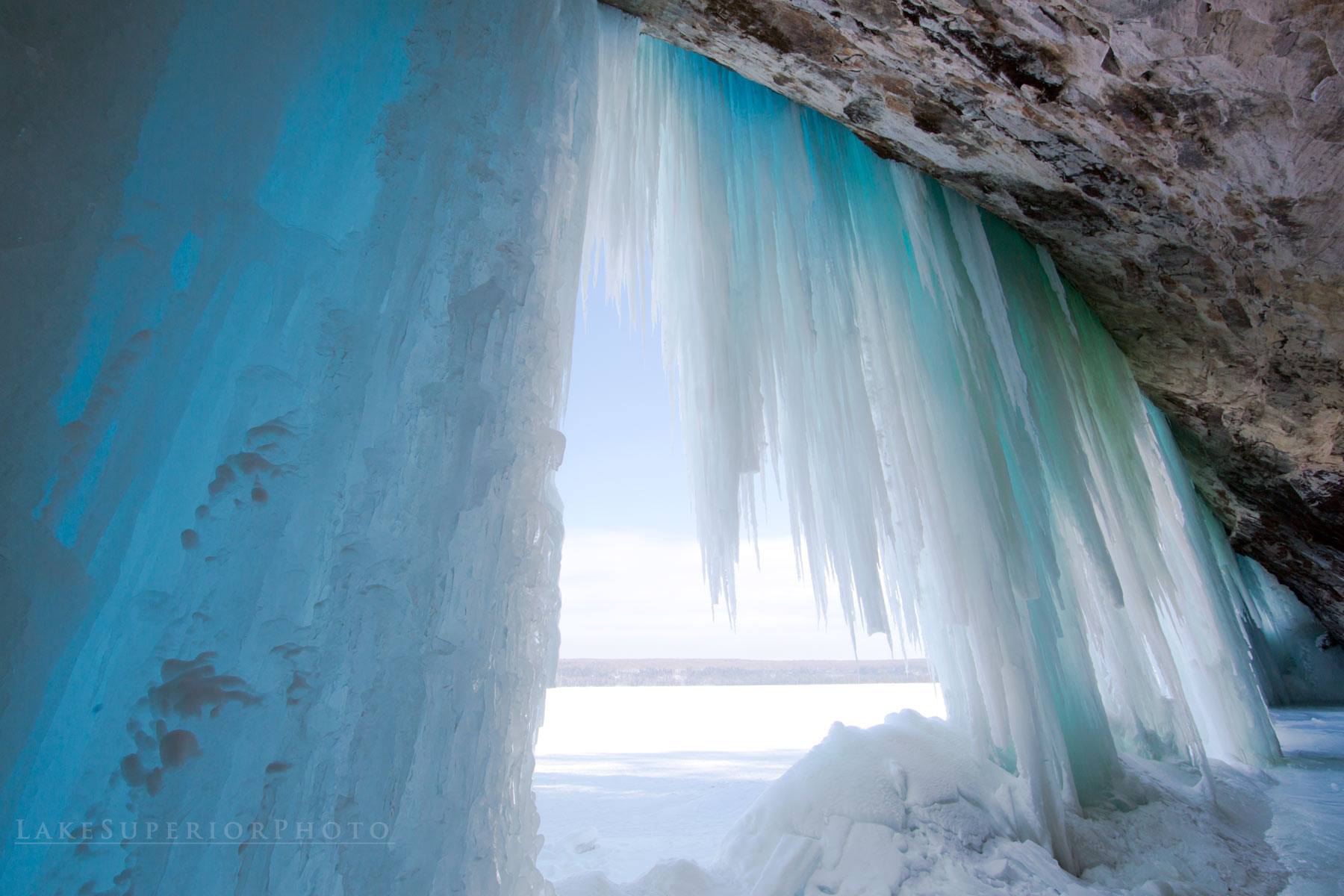
A year ago on Grand Island

Ice Pillars on Grand Island

unbelievable colors in the ice pillars, Grand Island, photo by Lake Superior Photo

On March 1st, Shawn shared this shot from last March on Grand Island. We’ve had nowhere near the ice buildup this year – a year can really make a difference.

Also, I’d like to congratulate her on having (as far as I know) the most popular Facebook page for a Michigan photographer – 201,000+ fans for Lake Superior Photo! If you’re not one of those, I urge you to change that right now.

View the photo bigger and view & purchase her photos at LakeSuperiorPhoto.com.

PS: Just in case you missed it, Michigan in Pictures has a good explanation of what gives ice difference colors.

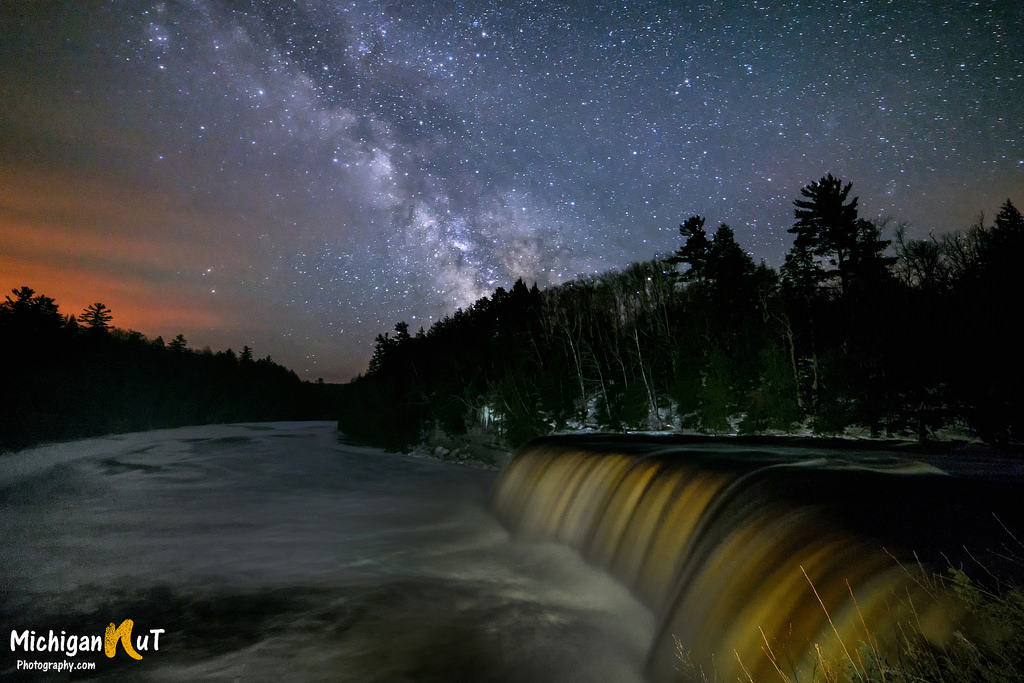
Waterfall Wednesday: Milky Way over Tahquamenon Falls

Milky Way over Tahquamenon Falls

Milky Way over Tahquamenon Falls, photo by John McCormick / Michigan Nut Photography

The Tahquamenon Falls State Park says:

Tahquamenon Falls State Park encompasses close to 50,000 acres stretching over 13 miles. Most of this is undeveloped woodland without roads, buildings or power lines. The centerpiece of the park, and the very reason for its existence, is the Tahquamenon River with its waterfalls. The Upper Falls is one the largest waterfalls east of the Mississippi. It has a drop of nearly 50 feet and is more than 200 feet across. A maximum flow of more than 50,000 gallons of water per second has been recorded cascading over these falls.

…This is the land of Longfellow’s Hiawatha – “by the rushing Tahquamenaw” Hiawatha built his canoe. Long before the white man set eyes on the river, the abundance of fish in its waters and animals along its shores attracted the Ojibwa Indians, who camped, farmed, fished and trapped along its banks. In the late 1800’s came the lumber barons and the river carried their logs by the millions to the mills. Lumberjacks, who harvested the tall timber, were among the first permanent white settlers in the area.

Rising from springs north of McMillan, the Tahquamenon River drains the watershed of an area of more than 790 square miles. From its source, it meanders 94 miles before emptying into Whitefish Bay. The amber color of the water is caused by tannins leached from the Cedar, Spruce and Hemlock in the swamps drained by the river. The extremely soft water churned by the action of the falls causes the large amounts of foam, which has been the trademark of the Tahquamenon since the days of the voyager.

Click through for maps and more.

View John’s photo bigger, follow him at Michigan Nut Photography on Facebook, and settle back for his Michigan Waterfalls slideshow.

Lots more Tahquamenon Falls on Michigan in Pictures.