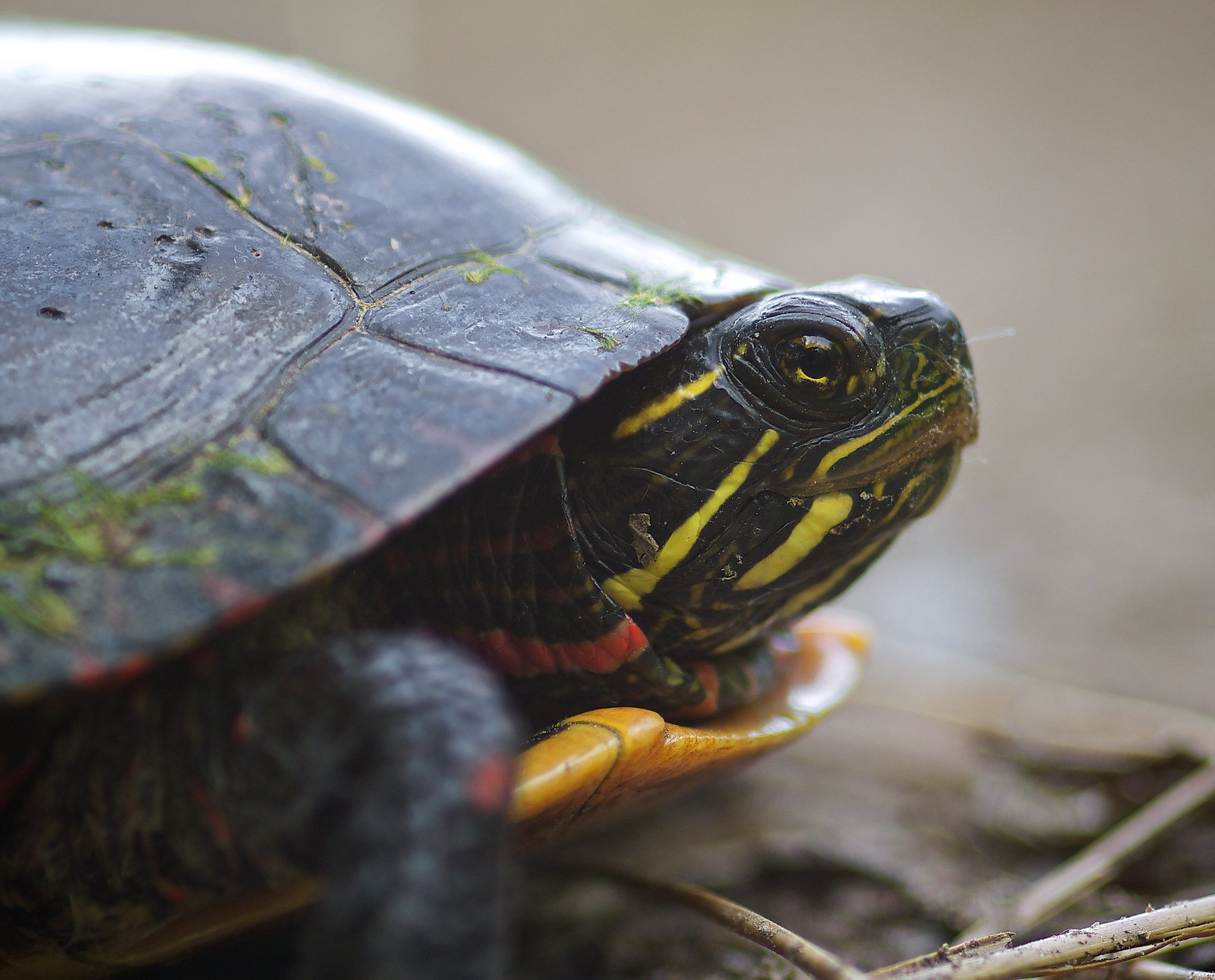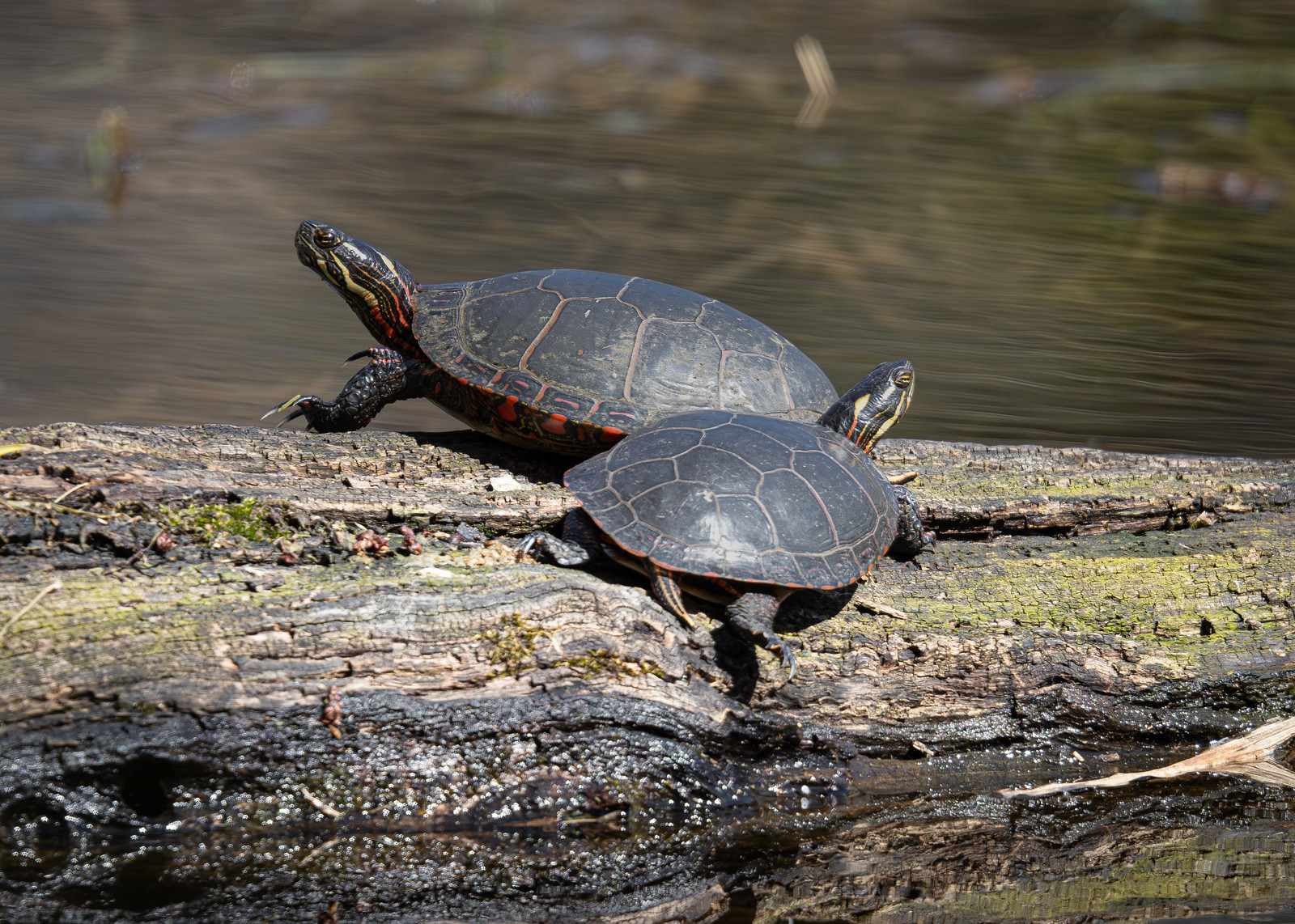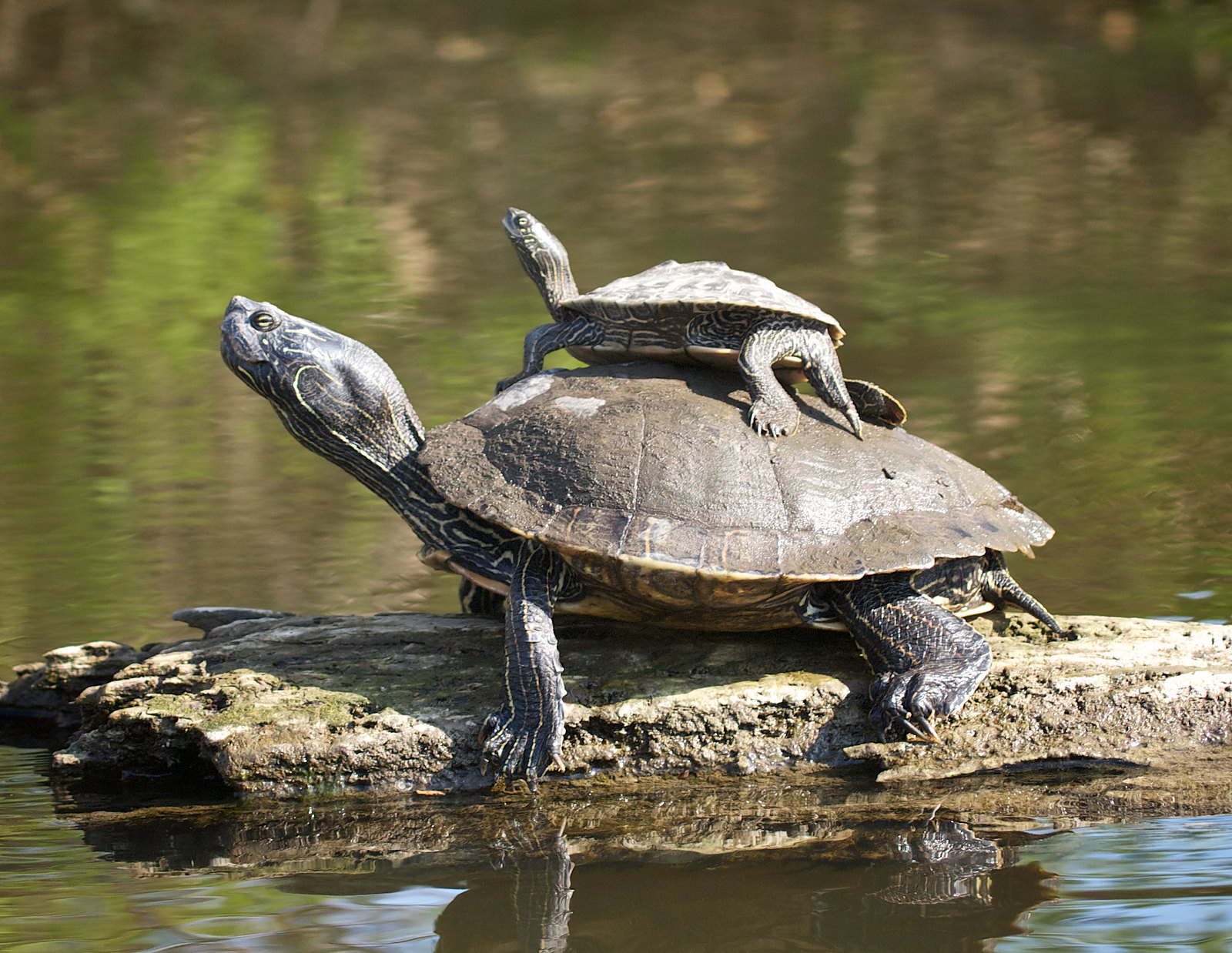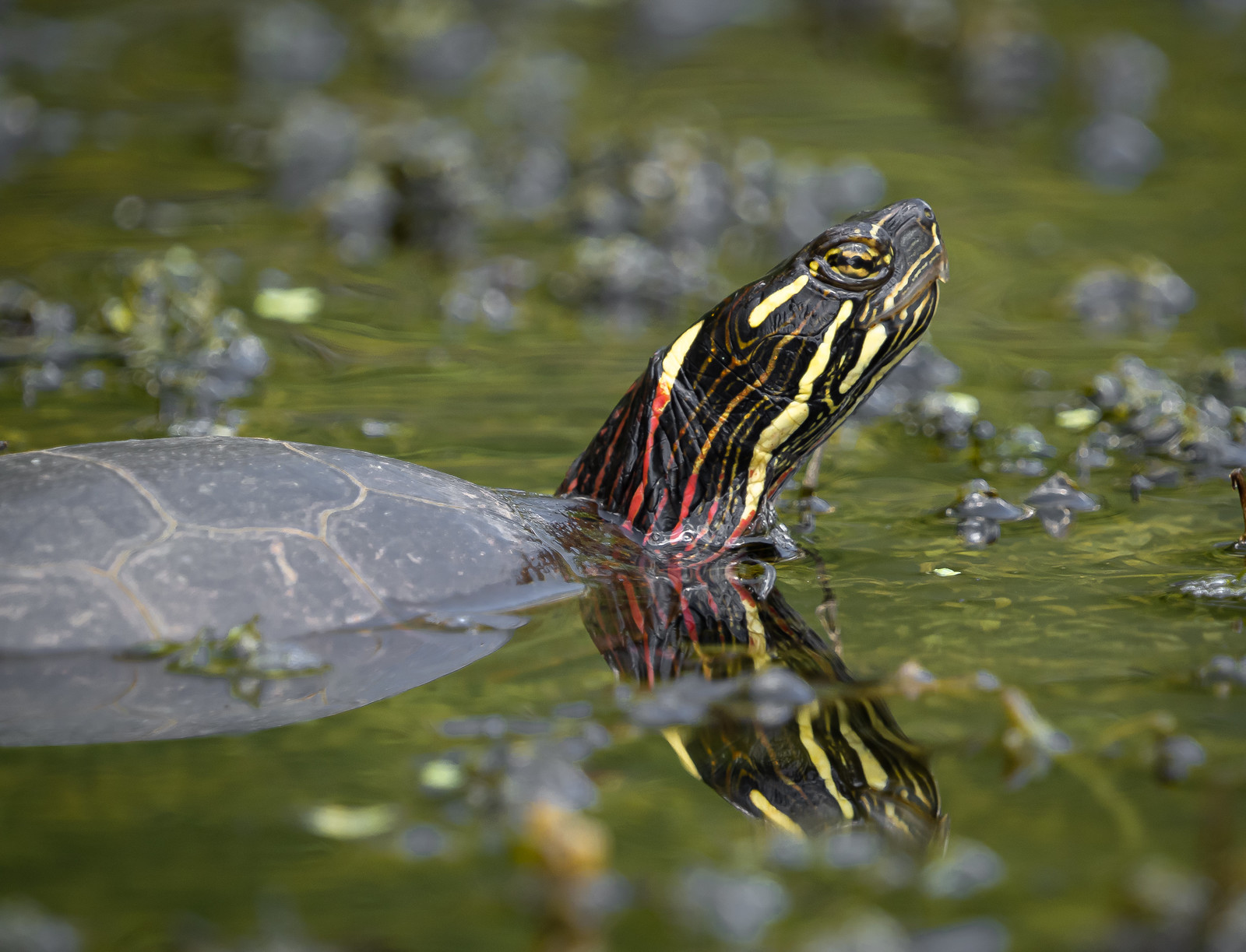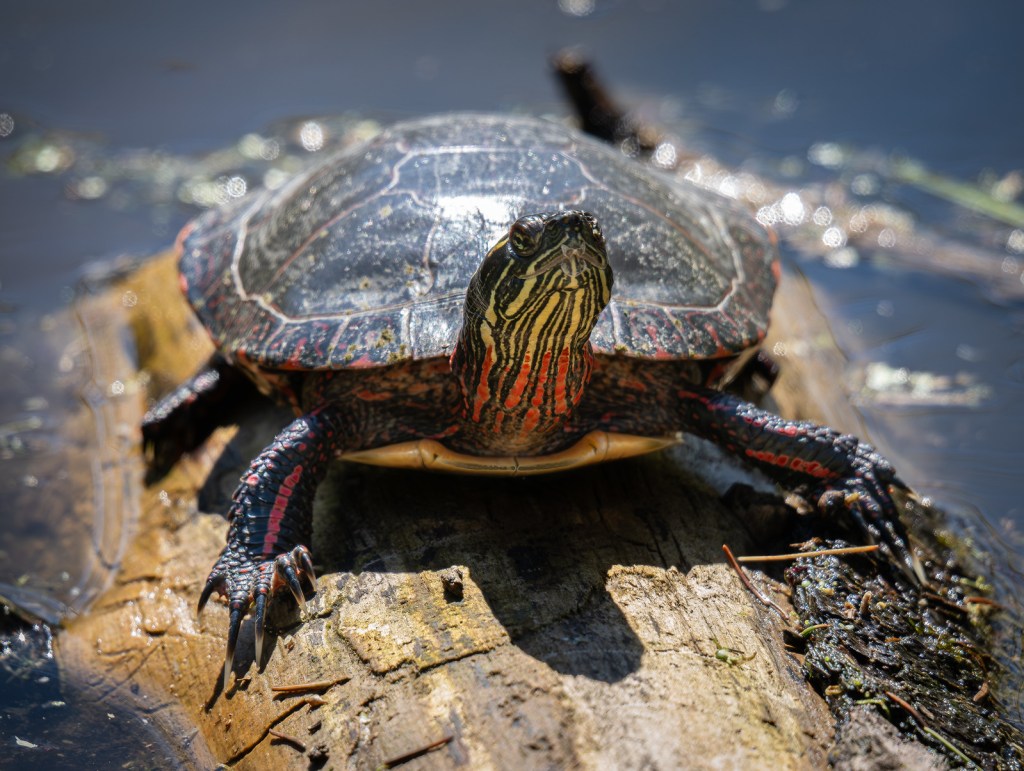
Happy World Turtle Day from the Midland Painted Turtle!

 Painted Turtle by David Marvin

Painted Turtle by David Marvin

World Turtle Day was created by American Tortoise Rescue as an annual day of recognition to raise awareness about turtles & help preserve endangered turtles worldwide. Michigan has ten species of native turtles including Michigan’s state reptile, the Painted Turtle, but I was today years old when I learned there’s such a thing as the Midland Painted Turtle (pictured above)! Herpman explains in the Painted Turtle entry in his Michigan Herpetological Atlas that:

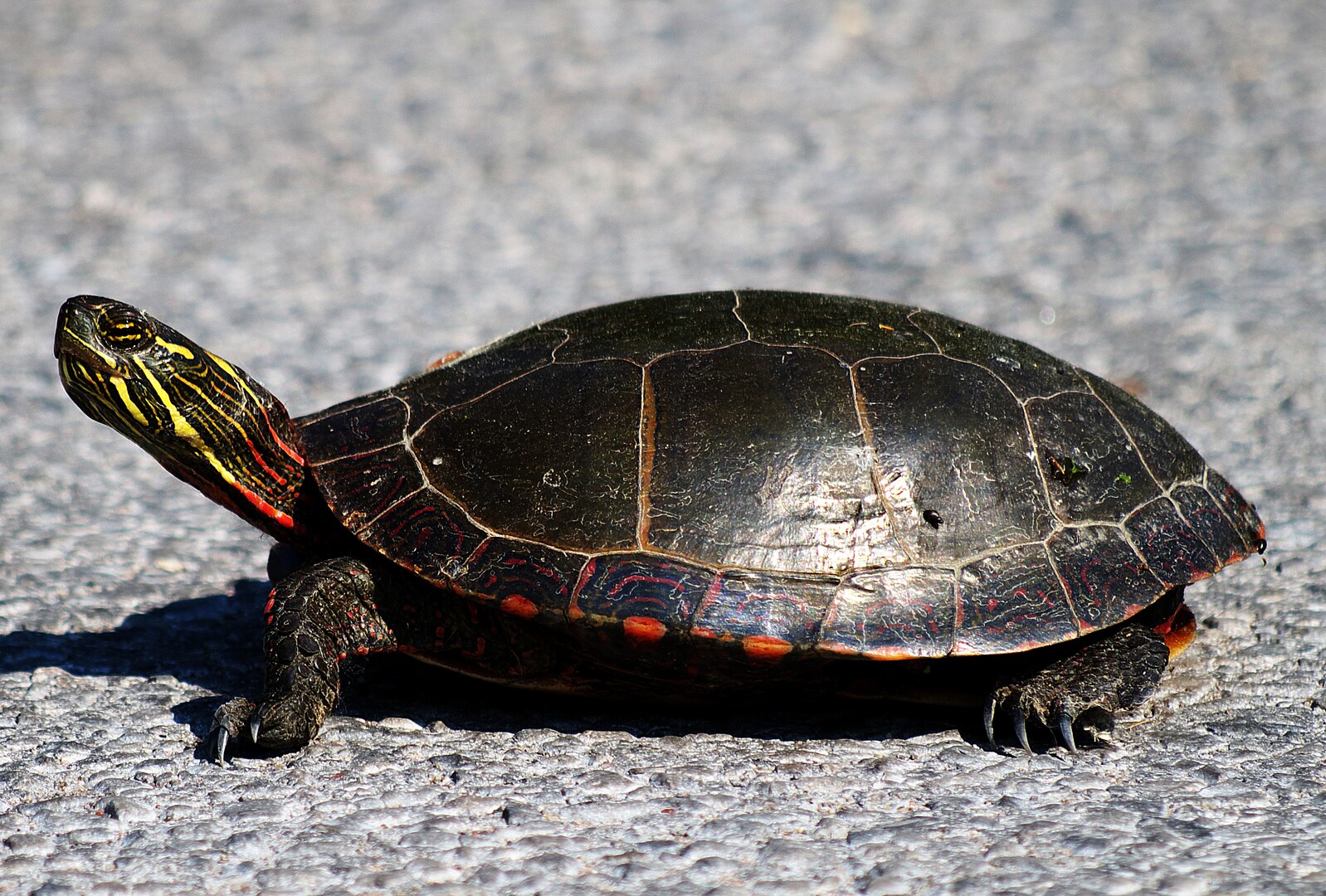
Four distinct subspecies are recognized, two of which are found in the Great Lakes basin. The Midland Painted Turtle (C. picta marginata) tends to have prominent red stripes on forelegs and neck, and plastron is usually yellow or orangish yellow with elongate dark central blotch that does not cover more than half the plastral width. The Western Painted Turtle (C. picta belli) usually has narrow yellow stripes on forelegs and neck, and a pattern of light lines on the carapace.

Plastron (shell) may be reddish or orangish, with complex central pattern of dark and light lines that extends out along the scute seams and often covers more than half of the plastral width. Intergrade individuals within the overlapping range display a variable blending of these characteristics.

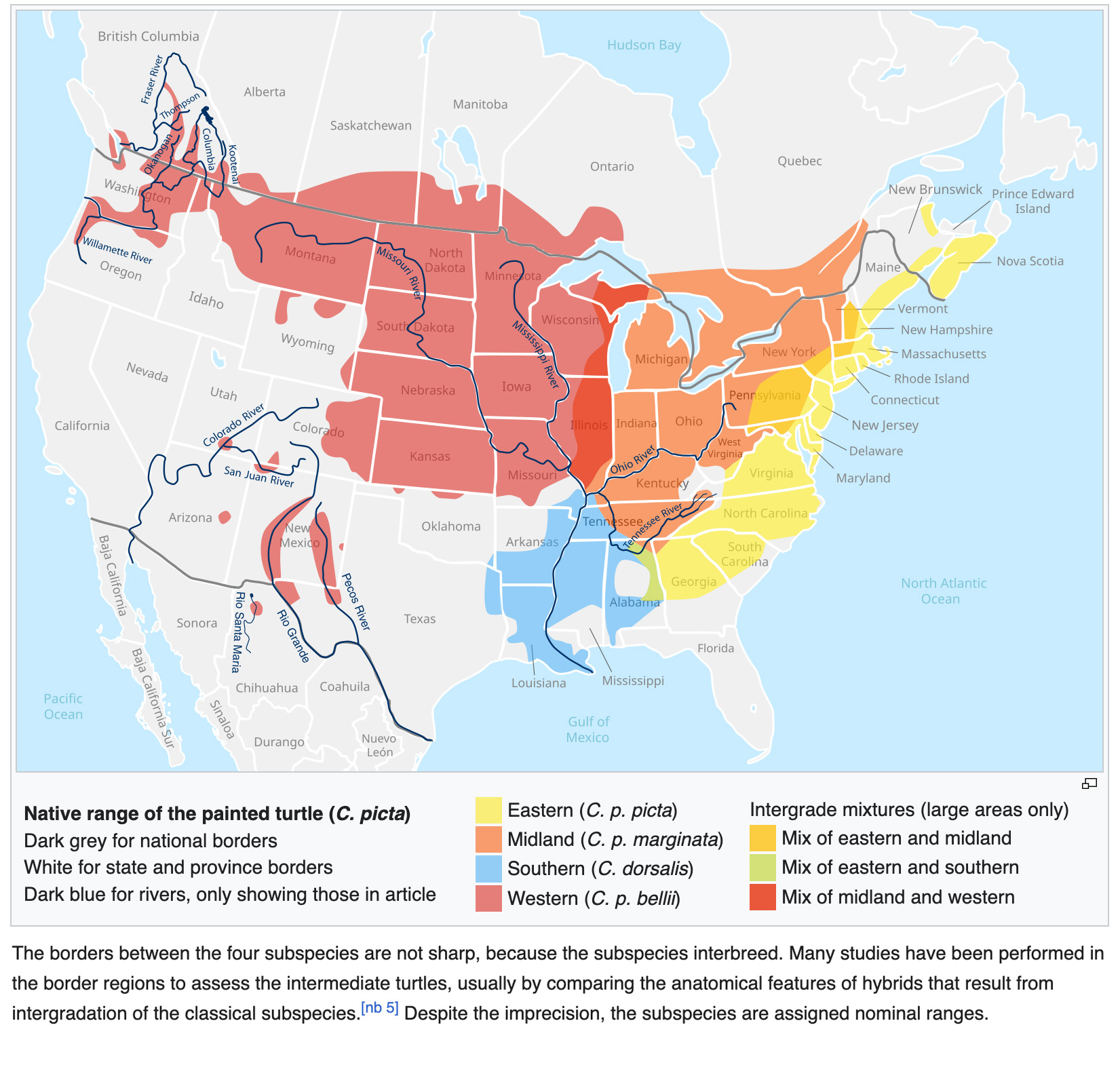
You can see the difference pretty easily in the photos of the Midland Painted Turtle by Kobie Mercury-Clarke on the left and the Western Painted Turtle from the US Fish & Wildlife Service. However, as you can see on the map, Michigan’s Upper Peninsula has some intergrade turtling going on.
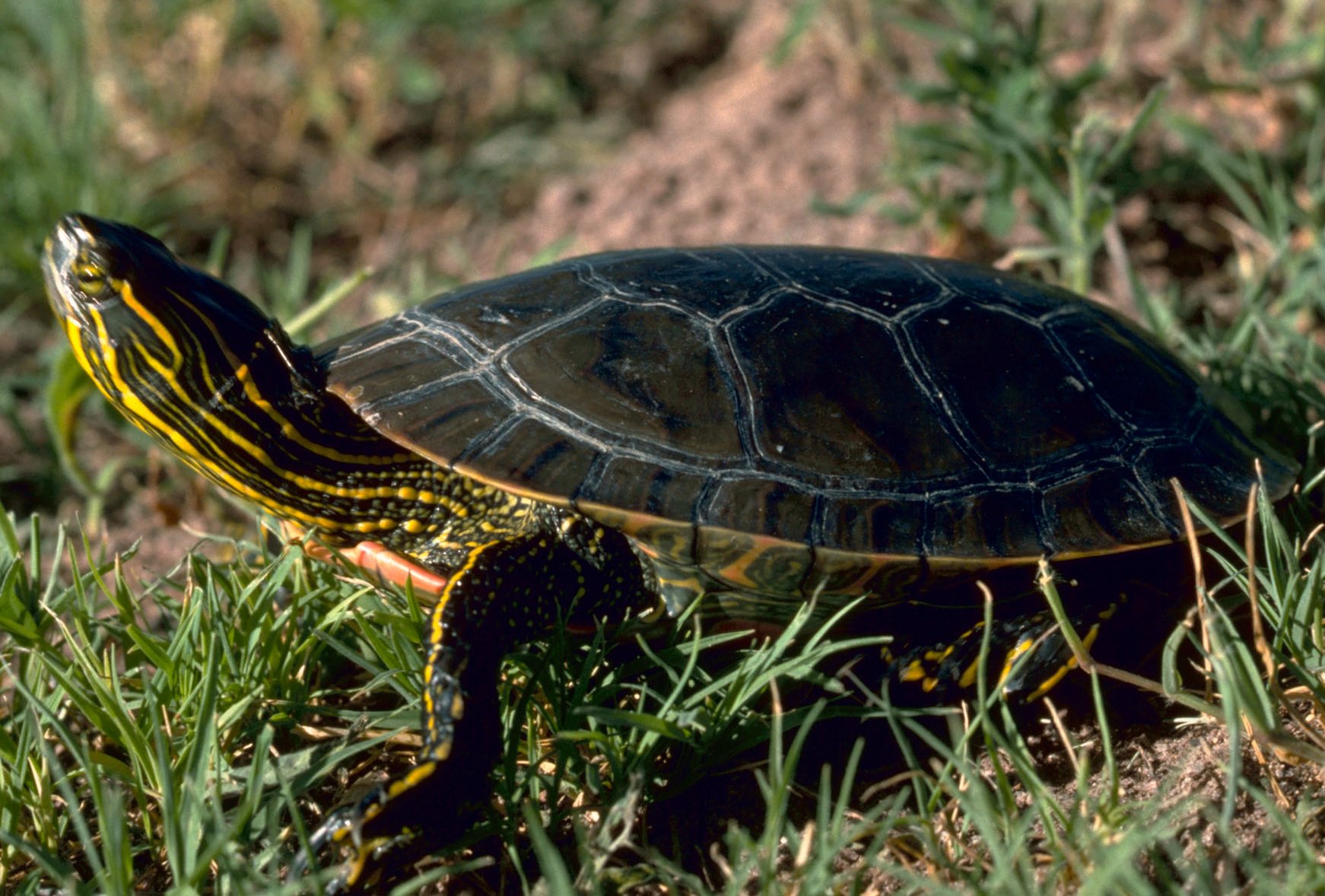
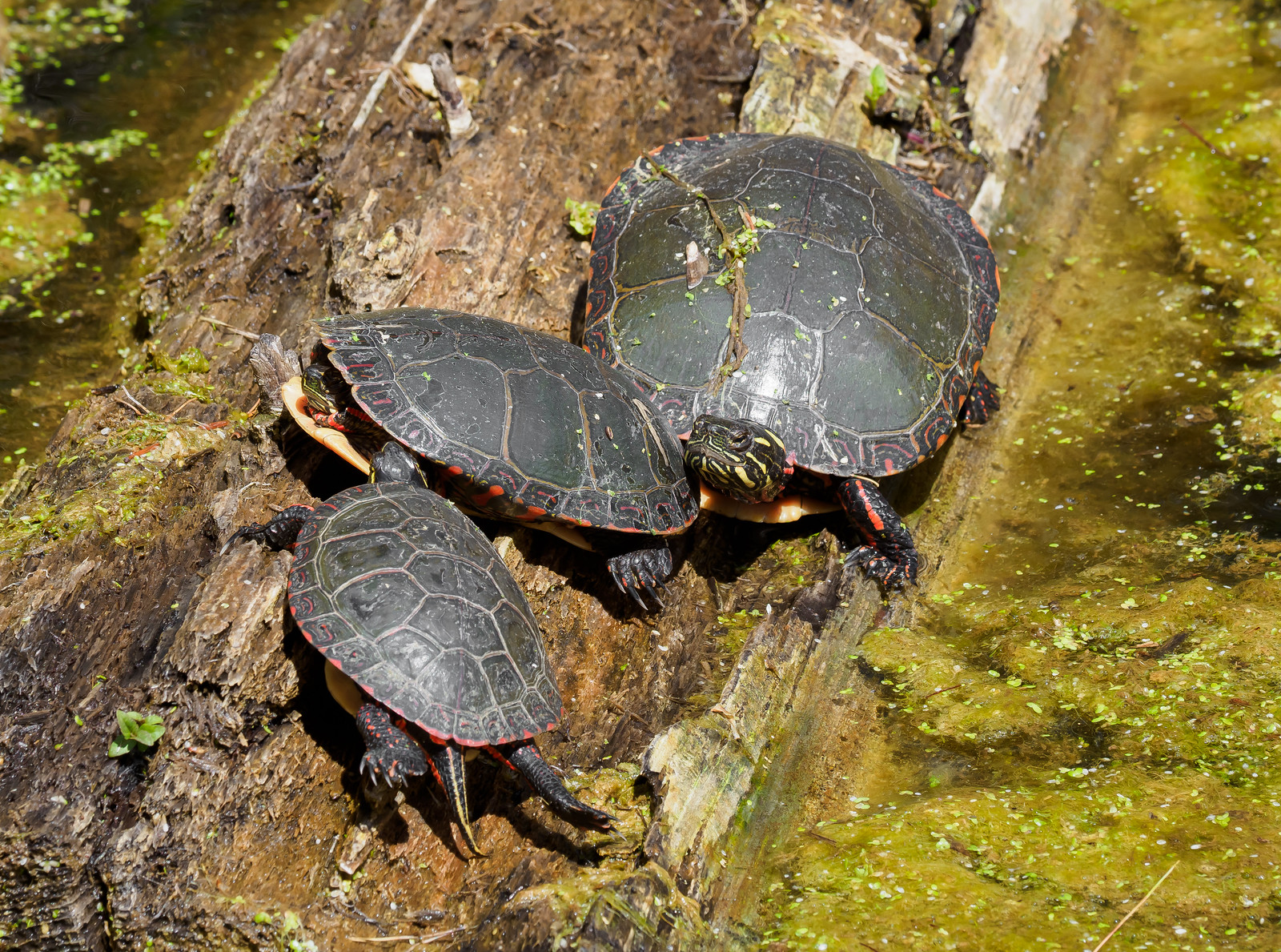
David took the top photo last April. Here are some more of his Painted turtle pics along with one of two Map turtles doing a “turtle stack”. See David’s latest pics including a Calico Pennant Dragonfly on Flickr & for sure visit his blog to read about Red Cedar River turtles & other important things.
Support Michigan in Pictures with Patreon

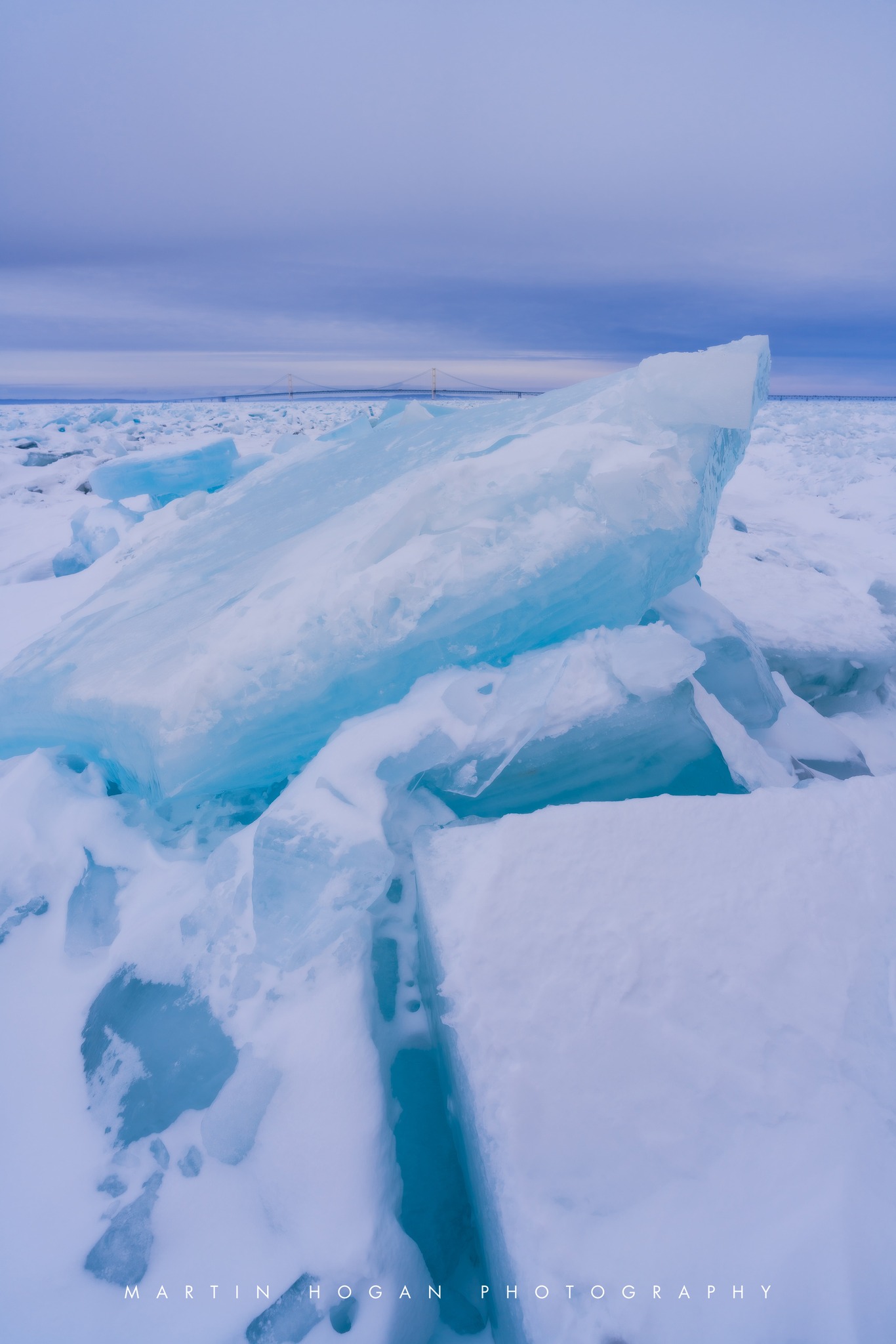
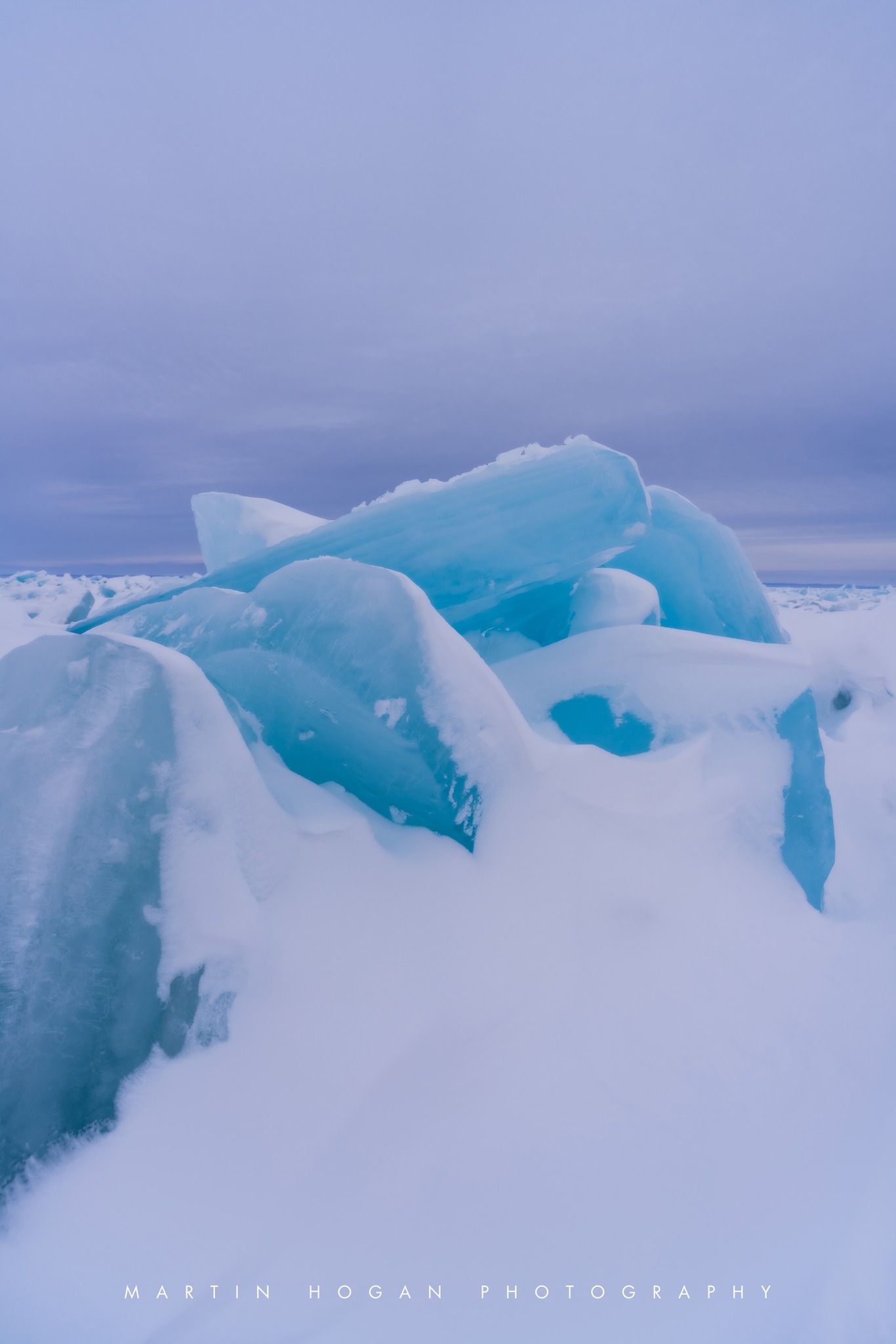
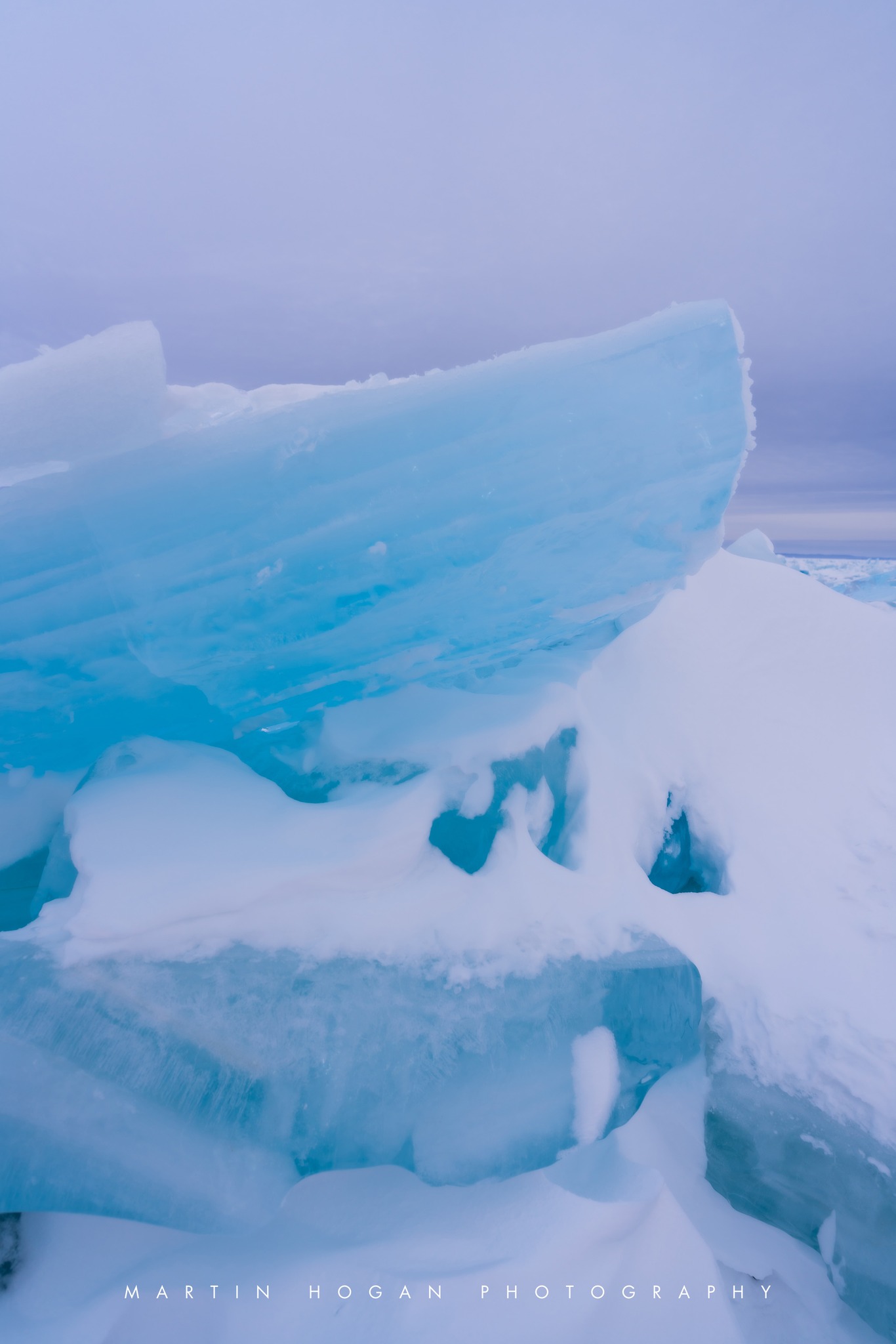
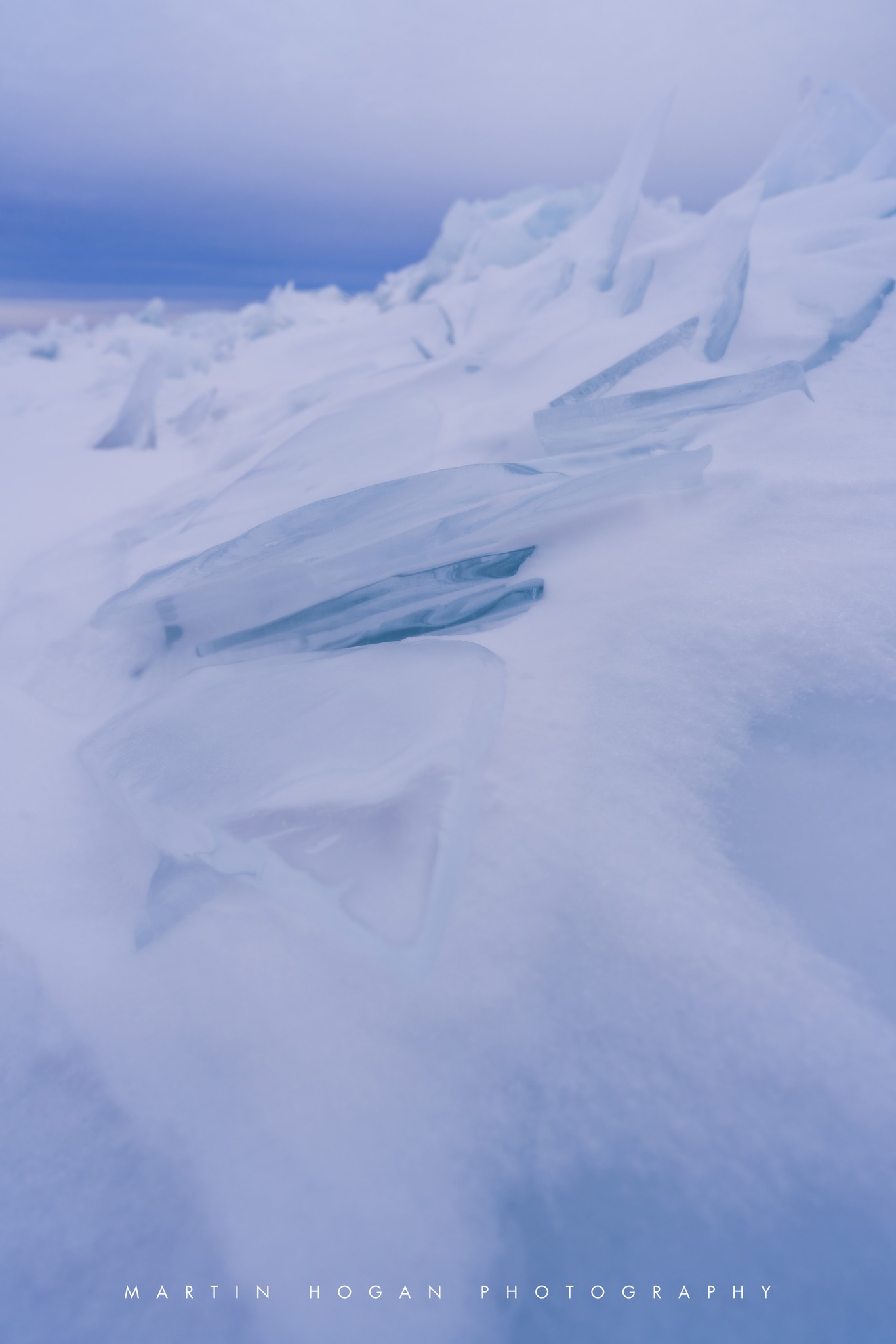
Blue Ice at the Straits of Mackinac

Blue Ice at the Straits of Mackinac by Martin Hogan Photography

Blue Ice at the Straits of Mackinac by Martin Hogan Photography

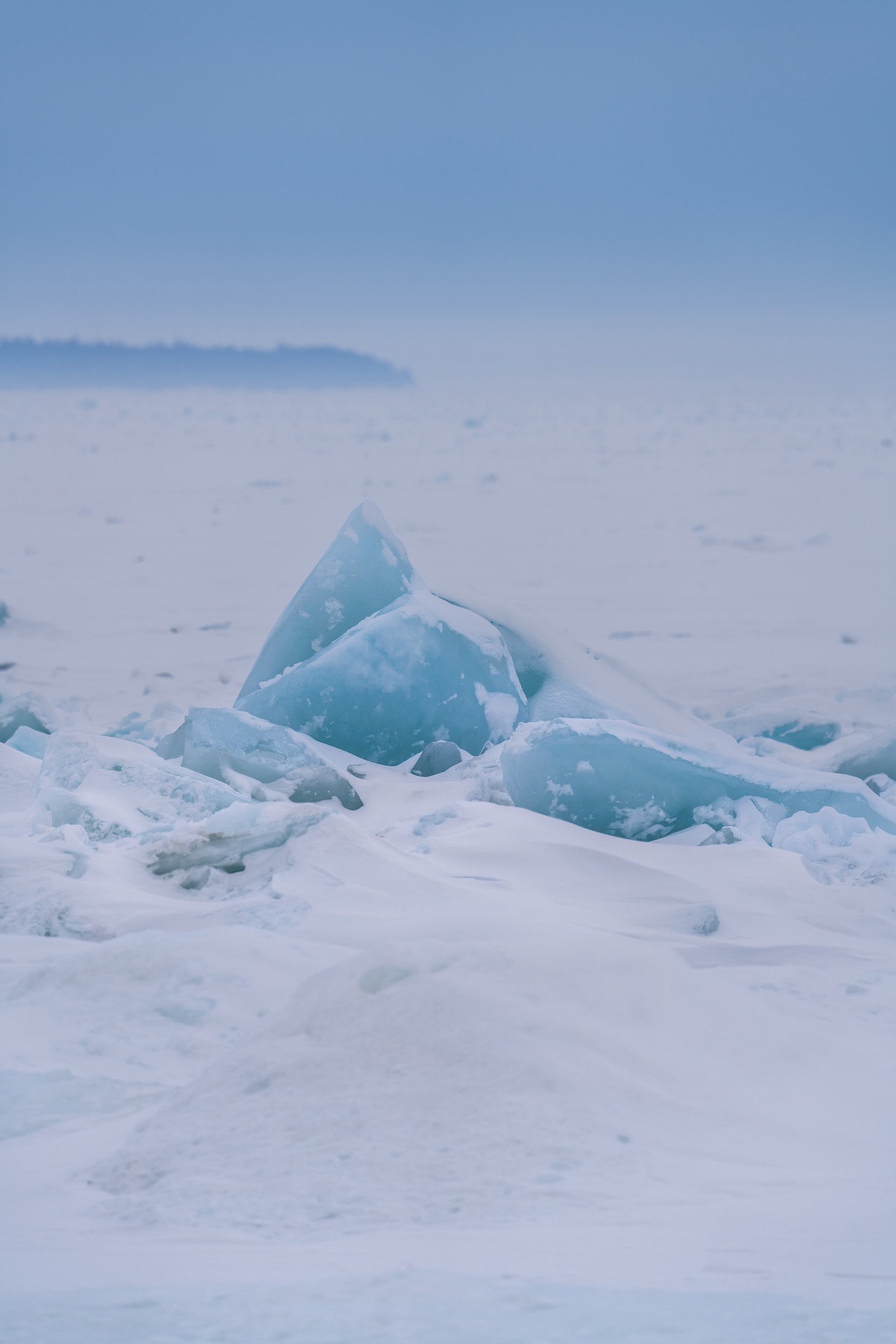
Although winter “officially” ended yesterday, the snowy pictures I’m seeing from around Michigan this morning make me feel OK sharing these pics Marty got of blue ice on the Straits of Mackinac last weekend. Click to follow Marty on Facebook & for sure check out some of his past photos on Michigan in Pictures!

If you are wondering Why Ice is Blue, Michigan in Pictures says (in part):

As with water, this color is caused by the absorption of both red and yellow light (leaving light at the blue end of the visible light spectrum) … In simplest of terms, think of the ice or snow layer as a filter. If it is only a centimeter thick, all the light makes it through; if it is a meter thick, mostly blue light makes it through. This is similar to the way coffee often appears light when poured, but much darker when it is in a cup.

Support Michigan in Pictures with Patreon

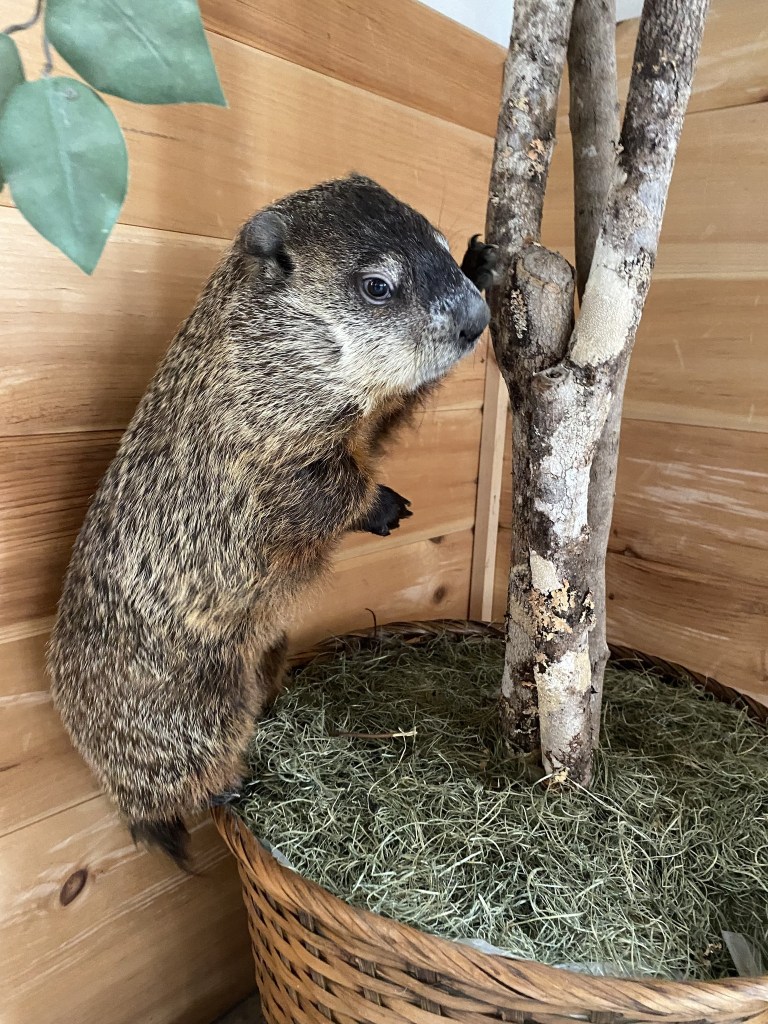
Woody the Woodchuck waves goodbye to winter

 Woody the Woodchuck by Howell Nature Center

Woody the Woodchuck by Howell Nature Center

The Howell Nature Center shares: Groundhog Day 2025 is a wrap! Woody has predicted EARLY SPRING! 🌷🪻☀️ Thank you to everyone who came out to help us celebrate with Michigan’s official woodchuck. This was Woody’s 27th prediction, and her accuracy rate is about 65%!

So keep your Punxsutawney Phil forecast of 6 more weeks of winter, I’m going with Michigan’s official groundhog! Last year the Howell Nature Center shared why the event is so meaningful to them, education:

Groundhogs are often villified because of their digging habits, and it is easy to forget about their neat adaptations and their role in the ecosystem. We love sharing information about them to increase understanding, and this event gives Woody the opportunity to serve as an ambassador for her species to help people live in harmony with woodchucks.
DID YOU KNOW…

🐾 Woodchucks dig burrows that can be 50 ft long and include several different chambers for different purposes like raising young, hibernating, and toileting? Other species will even move into abandoned chambers!

🐾 With all that digging, woodchucks help aerate soil and recycle nutrients to increase soil health.
🐾 Woodchucks help disperse seeds, which promotes plant growth and diversity.

🐾 Woodchucks sometimes eat insects, which helps eliminate garden pests like grubs.

🐾 Woodchucks are an important part of the ecosytem and provide food for predators.

🐾 Woodchucks, also known as “whistle pigs”. are one of our only true hibernators in MI.

🐾 Their body temperatures can drop to 40 F and their heart rates to 4 beats per minute during hibernation.

Our wildlife helpline is available to help solve conflict with groundhogs that are living in undesirable places. We have lots of tips and tricks to humanely evict them and encourage them to move to a different location. Trapping and relocating is never a good idea, since it often results in death of groundhogs that are not able to find resources in a new location or of babies that have been orphaned by the removal of their mother.

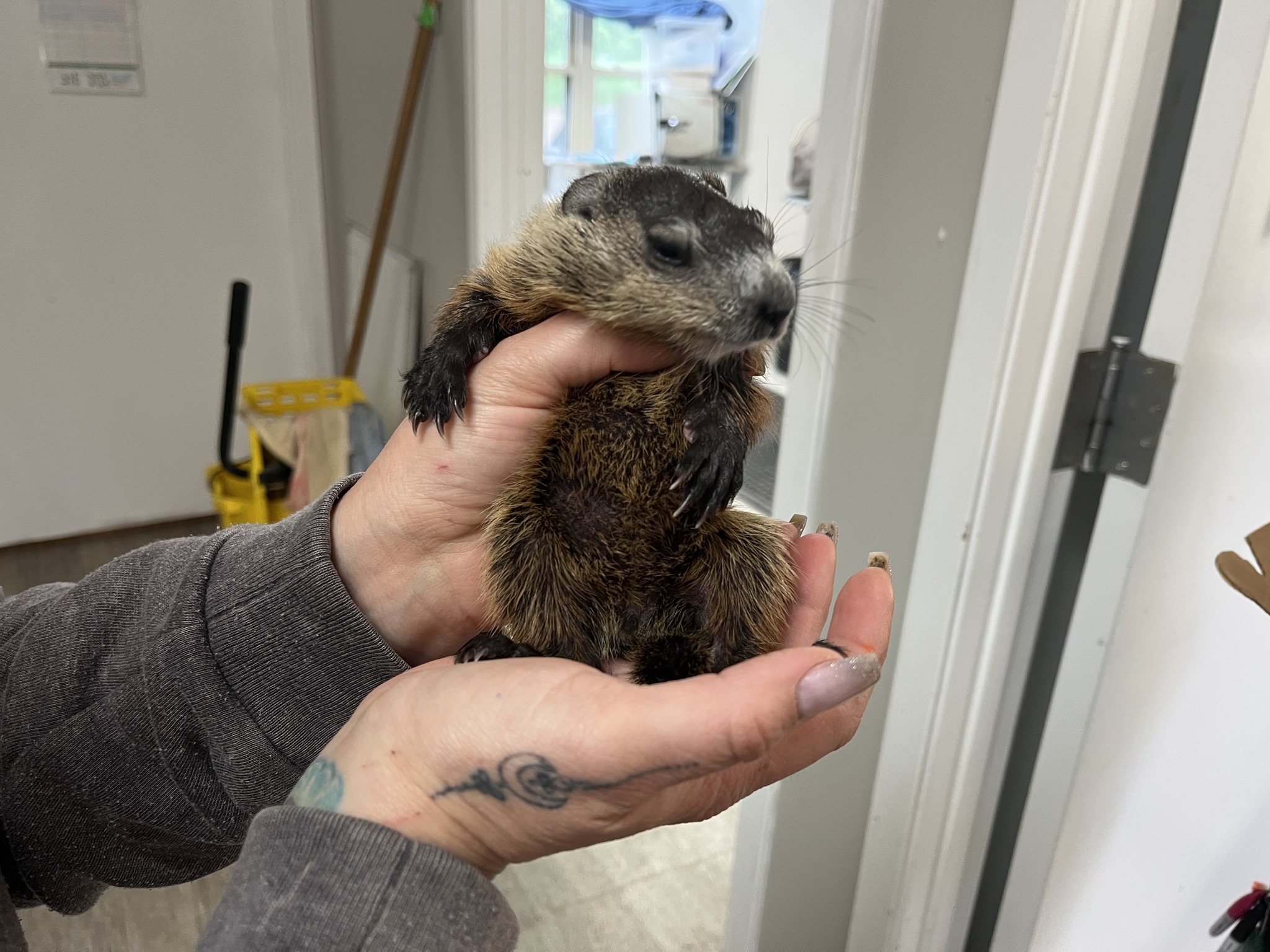
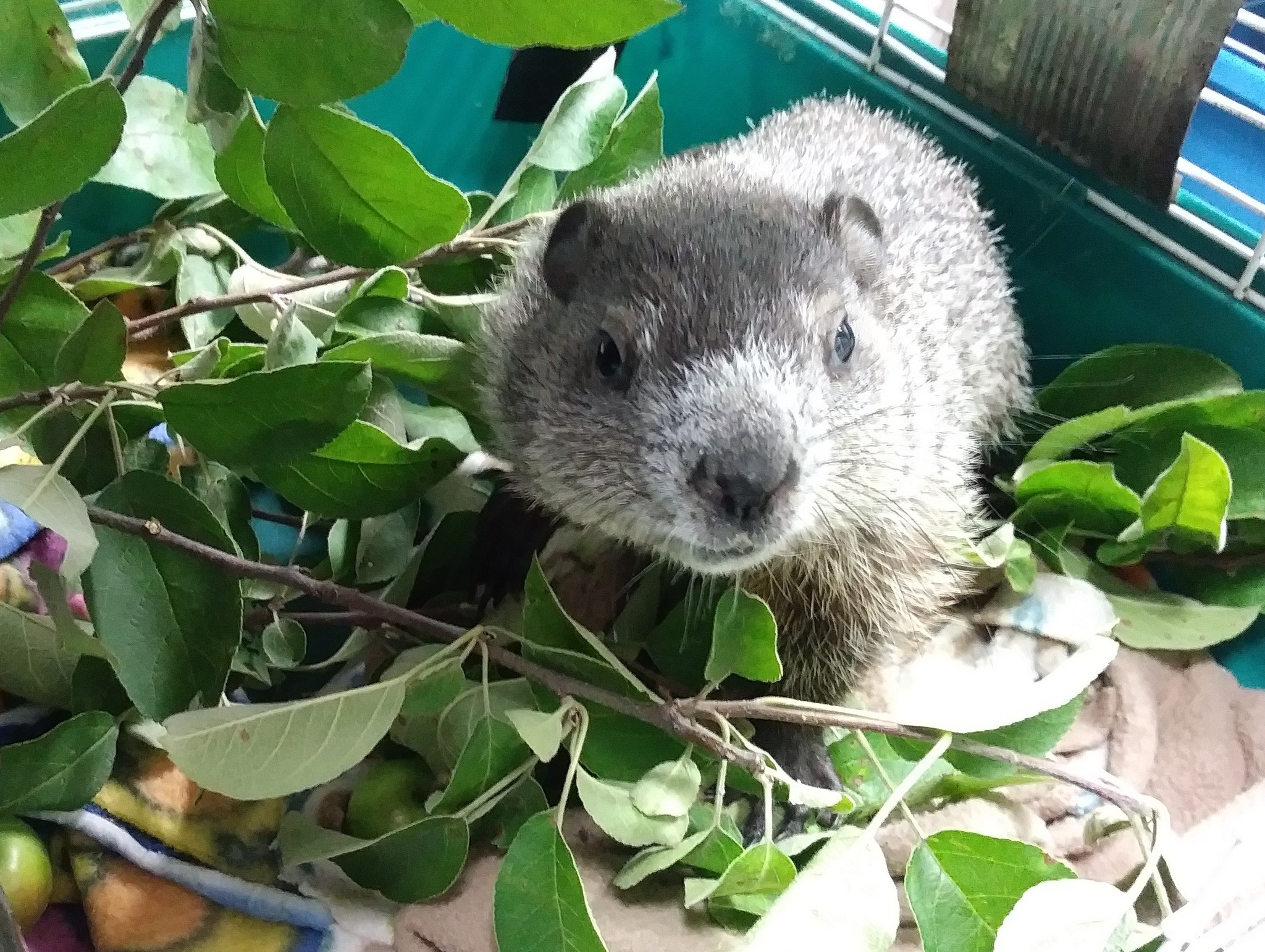
I hope that you are able to make a donation on their website. Here are some of the injured and orphaned chucks they have cared for in their rehabilitation clinic.

Mounds of snow for Michigan

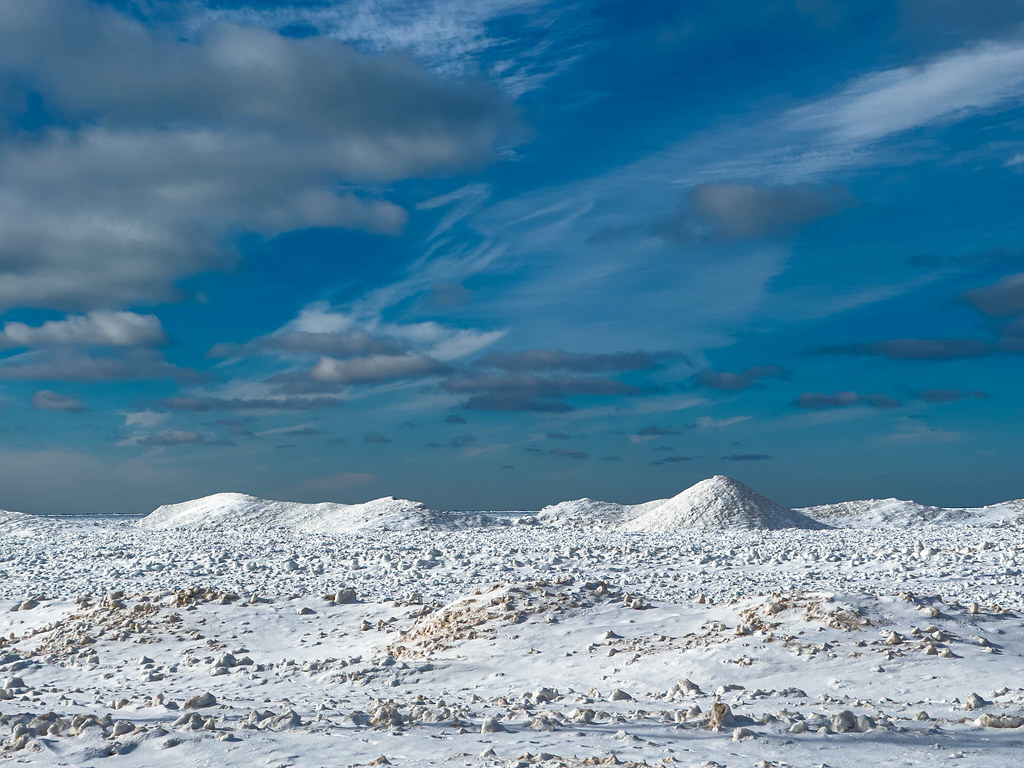
Lake Michigan Ice Mounds by Mark Swanson

Lake Michigan Ice Mounds by Mark Swanson

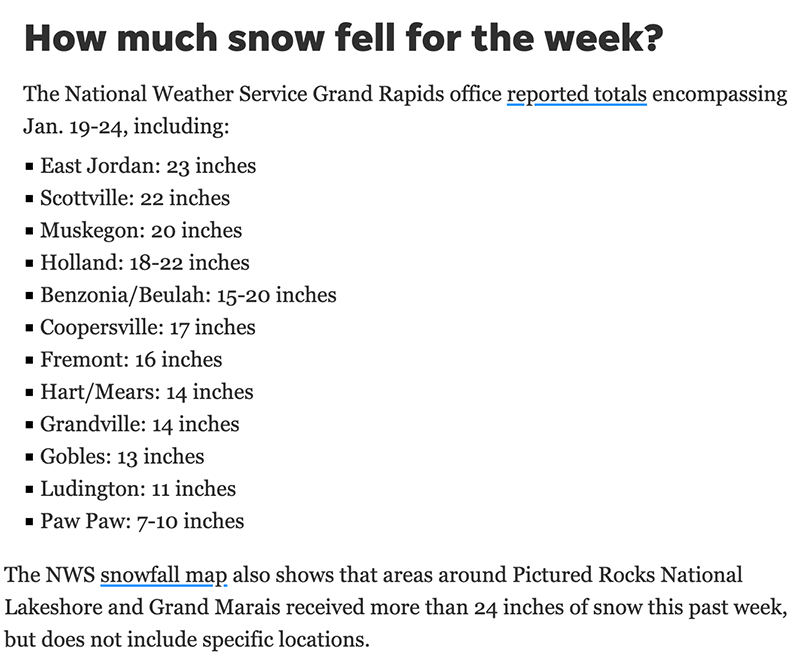
The Lansing State Journal reports the National Weather Service says that a triple threat of subzero temperatures, high winds and ice-free Great Lakes really piled up the lake effect snow last week:

“This snowy week is nearly at an end, including a visit from real Arctic air, and many towns near Lake Michigan and Lake Superior got a foot or two of fresh snow as a result,” the NWS said. “Clearly, the vast majority of snow was a result of lake effect, as plenty of other parts of Michigan only saw an inch or two at best.”

Air temperatures in Michigan fell below zero Jan. 18-22. In some cases, the thermometer didn’t read above zero for two days. The coldest reading in the state came Monday night when Stambaugh, in the western UP, registered minus 30 — before wind chill. The town also saw minus 28 on Tuesday night while Ironwood’s NWS observer recorded minus 27.

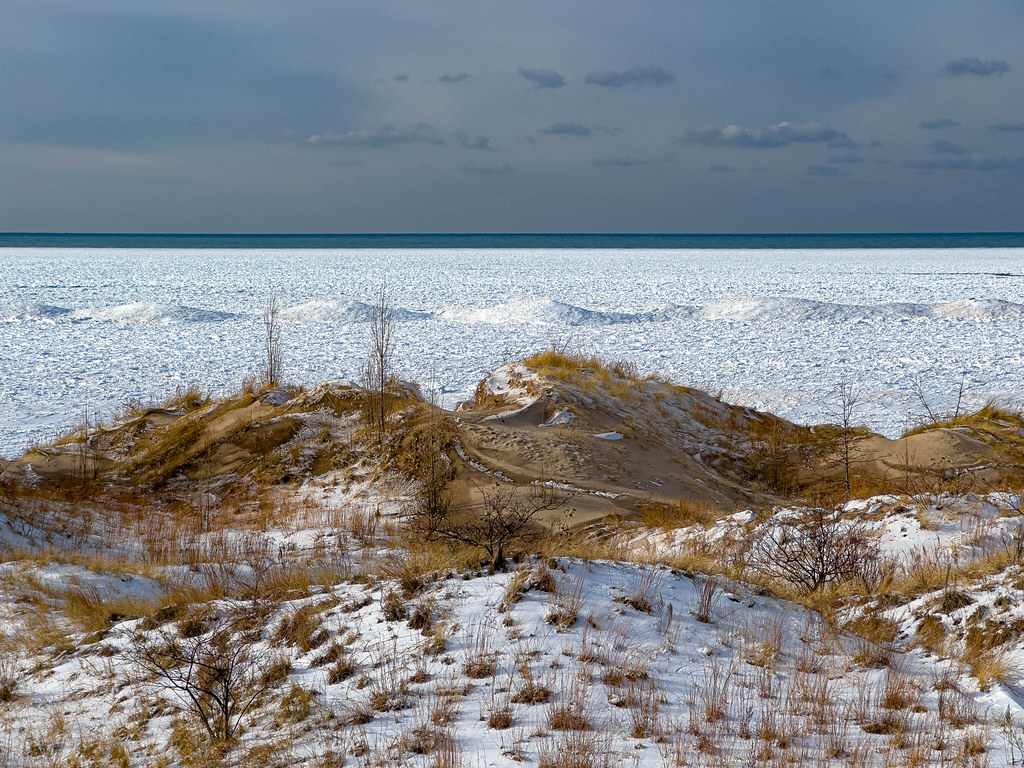
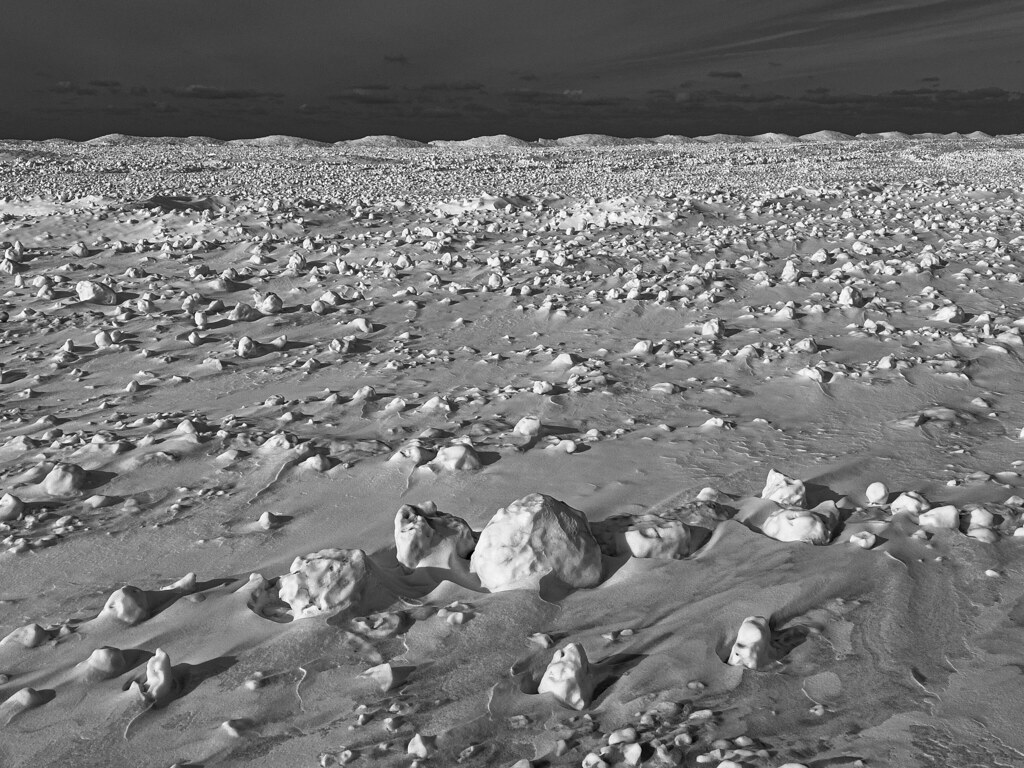
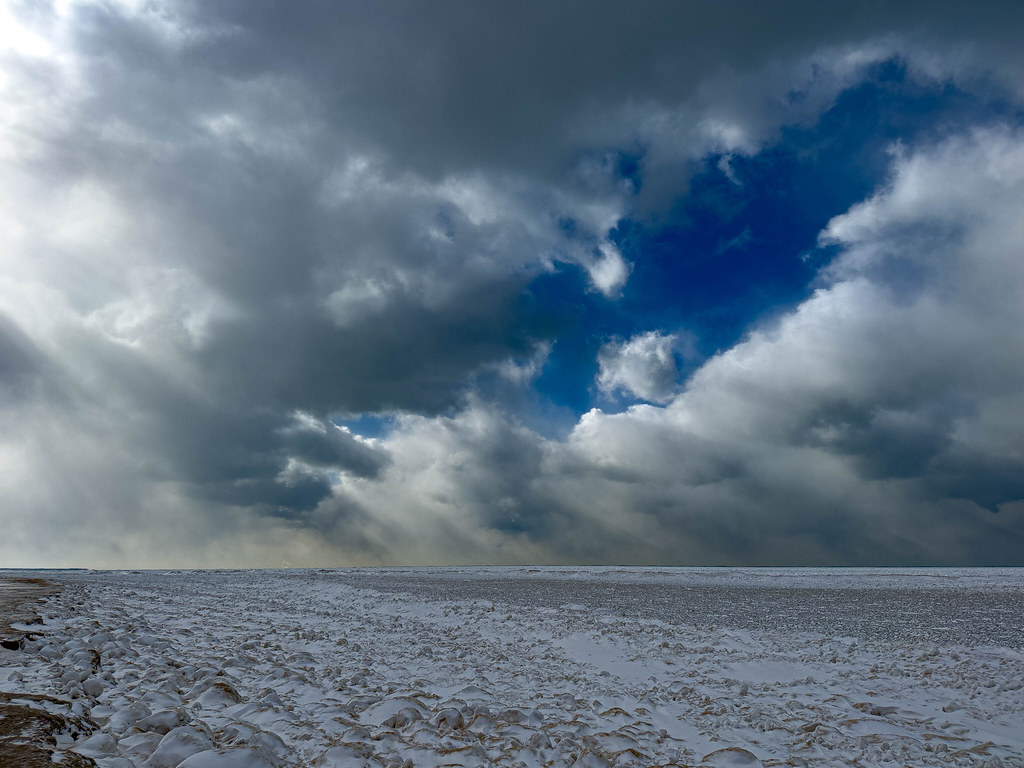
You can see that the conditions have also piled up shoreline ice in these pictures that Mark took over the weekend at Lincoln Township Beach just north of Grand Mere State Park. Here are some more recent ones and a shot from summer of 2016 below. More in Mark’s 2025 gallery on Flickr!

Support Michigan in Pictures with Patreon

Top 5 Photos for 2024 & looking ahead to 2025

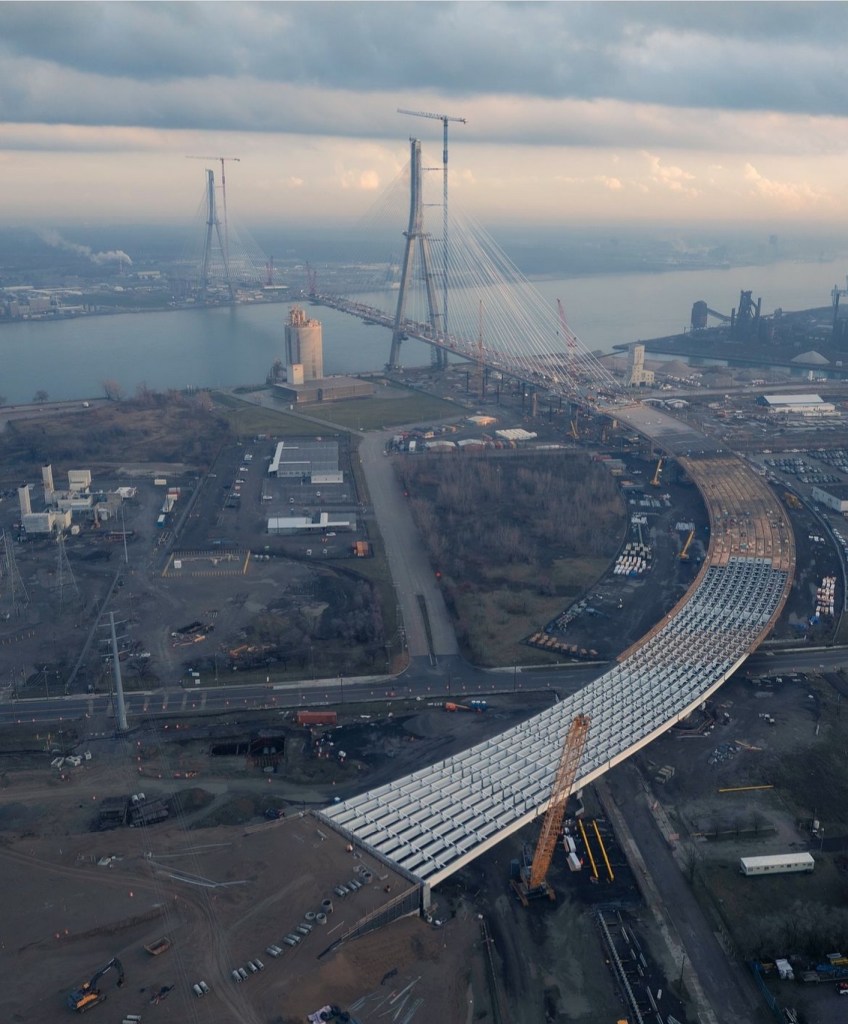
Every year I like to look back on the most popular photos from the previous year of Michigan in Pictures, and this year is no exception. Joey’s incredible drone shot of workers laying the last girder in place to connect the deck of the new Gordie Howe International Bridge to the Detroit Port of Entry was not only the most popular post in 2024 — with 2.9 MILLION views it also became the most popular post ever on Michigan in Pictures! This astonishing project has been directed and paid for by Canada & opens in November of 2025! Learn more about the Gordie Howe Bridge on Michigan in Pictures & for sure follow Joey on Instagram and view & purchase photos on his website!

Gordie Howe’s Last Girder by Joey D

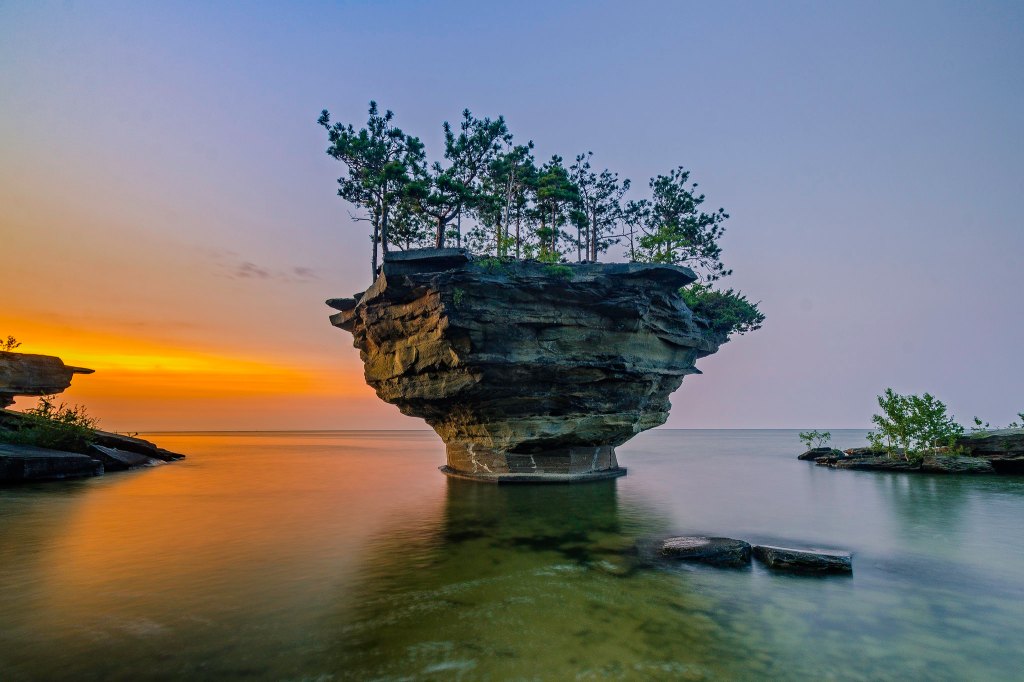
Checking in at number two is this peach of a photo of Turnip Rock near Port Austin in Michigan’s Thumb. Tom shared that this gigantic stone developed its signature look after millennium of being worn away by waves thumping across its bow to the point where it’s just an island inhabited by some trees and very little else. Head over to Tom’s website to view & purchase his work!

Turnip Rock at sunset by Tom Clark

Fly Me to the Moon by Morgan Andrew Somers

This shot from Flint by Morgan Andrew Somers of a plane flying into the eclipse was the 3rd most popular pic of 2024. It is also one of the coolest eclipse photos & photos in general I’ve ever seen!

MASPhoto has the receipts – it’s not fake. View & purchase prints including this one at morganandrewsomers.com.

Mackinac Bridge Walk & Herbert C Jackson by the Mackinac Bridge Authority

The 4th most popular post was a pair of pics showing the freighter Herbert C Jackson passing under the bridge with Mike Rezabek’s photo of the walk below from the deck of the Jackson completing the 360 view!

Bridge Walk from Herbert C Jackson by Mike Rezabek

Milo and the Morazan by Chris Roxburgh

Milo is a good boy & this photo by his owner & Great Lakes shipwreck explorer Chris Roxburgh was our 5th most popular photo of the year.

Follow Chris on Facebook, view & purchase his work including coffee table books on his website, and learn more about the shipwreck of the Francisco Morazan off South Manitou in the Sleeping Bear Dunes National Lakeshore from Leelanau.com!

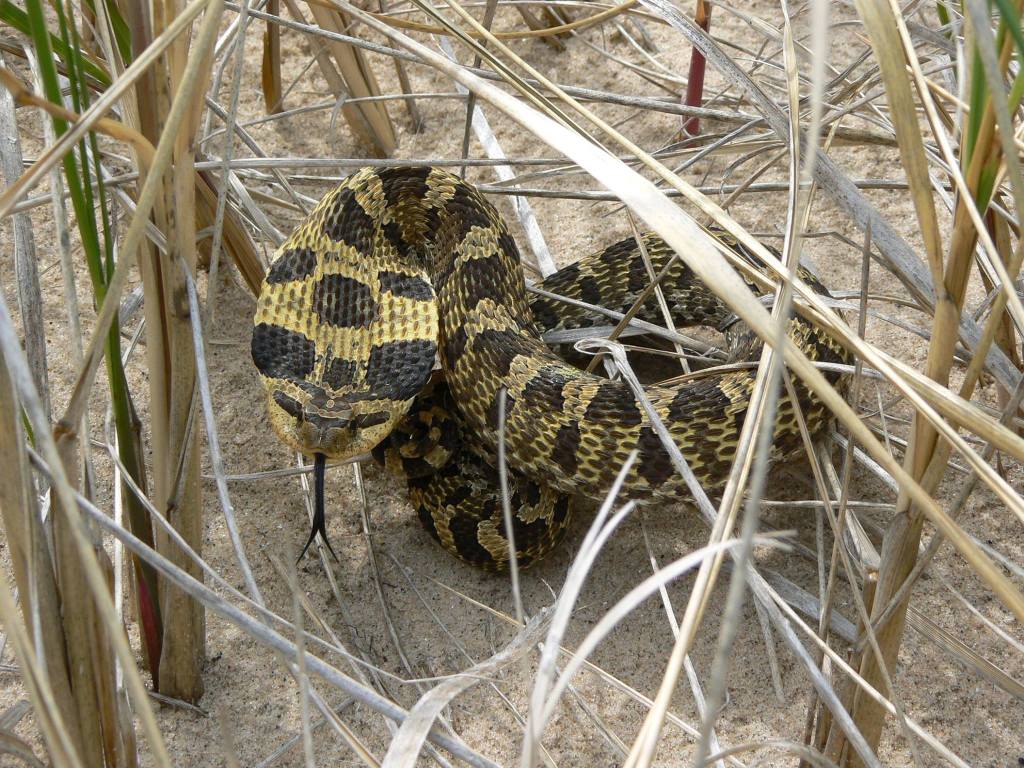
Eastern Hognose Snake by Sleeping Bear Dunes National Lakeshore

The most popular post from previous years was the 2014 feature on the Eastern Hog-nosed Snake (Heterodon platirhinos). The “puff adder” is one of only 17 species of snake in Michigan and like all but one of the, it’s harmless to humans.

FYI, the only poisonous snake native to Michigan is the Eastern massasauga rattlesnake which has the weakest venom of any rattler.

I promised a look at what’s in store for 2025, so here are five goals I think I can achieve in the coming year:

  1. Visiting or revisiting places I’ve talked about on Michigan in Pictures, either in person or real life. One of the biggest reasons I created Michigan in Pictures was to provide a window into the many cool experiences available in the Great Lakes State. Back in the day when I started, I was able able to get out and about to all corners of the state, but these days I just don’t have the same time to do that. I’m hoping that in addition to pushing myself to do more, I can find some photographers exploring them.
  2. Highlighting more photos from our Michigan in Pictures group on Facebook and creating addition virtual & maybe even real world opportunities to share photos. There used to be some very fun Exposure.Detroit shows & meetups back in the day, and I was even able to lead a field trip to the Grand Traverse Commons with the group. These days I work & know folks at some cool spots here in Detroit that would be fun to explore, and there are a lot of photographers featured here that have deep roots in all corners of Michigan. Social media is cool & all, but for my money, the real world is where things are going to be at in the years to come.
  3. Reaching out to some of the amazing Michigan photographers I’ve profiled over the years to see what they’re up to now & what they’re thinking about photography. And of course to do profiles on some of the great new photographers I’m sharing. I didn’t do a whole lot of Michigan Photographer Profiles, but the ones I did were absolutely fascinating to me both as a photographer and as a lover of Michigan.
  4. Find more Michigan companies & photography companies to donate swag to give away. When we were running Absolute Michigan at full steam, we used to get a lot of free promotional items like concert tickets, museum passes, free lodging stays, outdoor & other gear, and lots more.
  5. Featuring more of my own photos. Because I enjoy taking them!

Stay tuned & thank you for being a part of Michigan in Pictures! Click for more Michigan in Pictures Year in Reviews & related posts.

Support Michigan in Pictures with Patreon

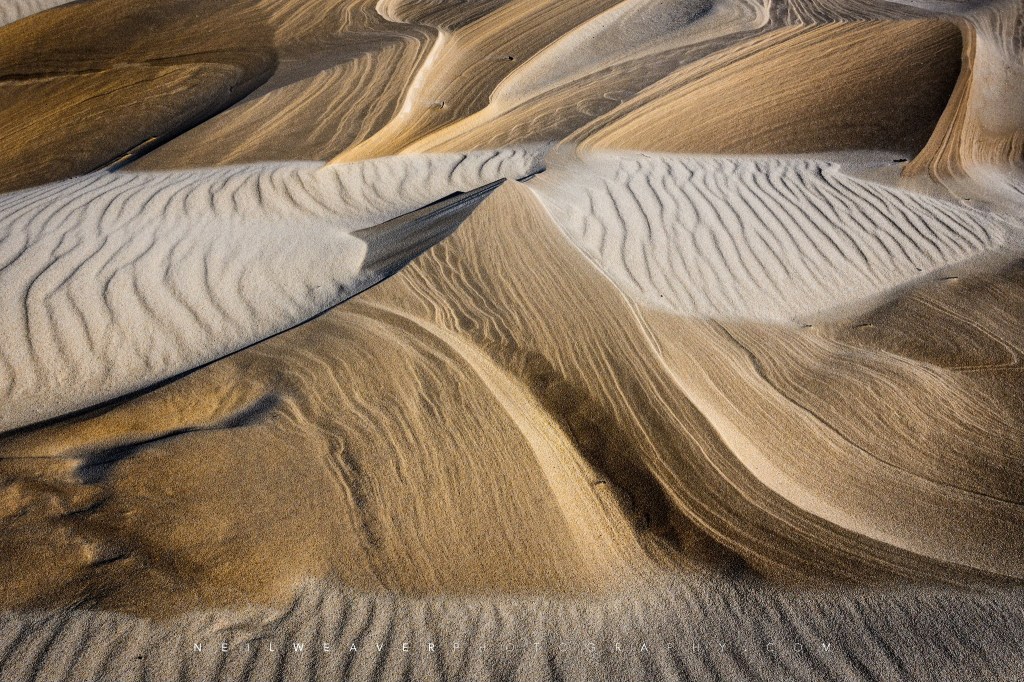
The angle of repose at Silver Lake Dunes

Miniature Landscapes by Neil Weaver Photography

I shared the photo below of what Neil dubbed “The Great Sand Pyramid of Silver Lake Dunes” back on December 17, 2020. Like the ones in the photo above, the lines are so crisp & clear that they look computer generated. Sleeping Bear Dunes is another shifting dune complex, and they explain that the reason that the sand on shifting sand dunes looks the way it does is due to wind & something known as the angle of repose:

Active dunes gradually advance over time. In some places trees and telephone poles have been buried in drifting sand over a period of several years. A common question is “How fast are the dunes moving?” Rates of sand movement vary from one place to another and from one year to the next. At the Dune Climb the average rate of advance has been about 4 feet (1.2 meters) per year over the past few years.

Direction of sand movement also varies from one place to the next. The shapes of dunes reveal the direction of the winds. Dry, loose sand can take on a maximum slope of 34 degrees, known as the angle of repose. As sand piles up on an unvegetated dune, the leeward (downwind) slope approximates the angle of repose, while the windward slope is more gradual. Ripples in the sand show a similar asymmetrical shape.

Dune sand moves primarily by a process called “saltation”, literally “jumping”. Wind forces grains of sand to roll, collide with other grains of sand, and in subsequent collisions some grains bounce into the air, are driven downwind as they fall, and upon landing strike other grains to produce a chain reaction. On a windy day you can see a hazy zone of sand moving just a foot or two above the ground.

Neil took the photo above last year in late December & shared “One of the many things that I love about hiking around the sand dunes is finding miniature landscapes created by the strong winds. The textures and lines compose a true natural work of art!”

Indeed!! See lots more of Neil’s work on Facebook and view & purchase prints, calendars & photography workshops on his website!

The Great Silver Lake Pyramid by Neil Weaver Photography

Support Michigan in Pictures with Patreon

Bet on a Winter Storm

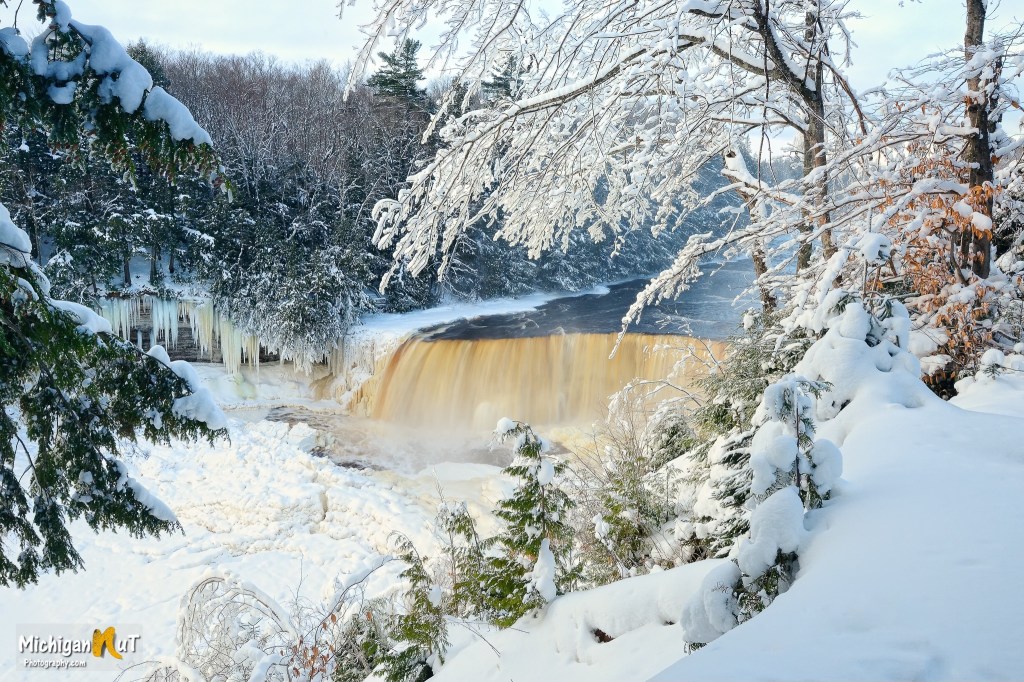
Snow Storm at Tahquamenon Falls by Michigan Nut Photography

Snow Storm at Tahquamenon Falls by Michigan Nut Photography

Yesterday afternoon mLive meteorologist Mark Torregrossa shared that the National Weather Service is so confident about inbound heavy snow that they issued a winter storm watch with a possibility of up to a foot of snow from 7pm today to 7pm Thursday — more than 24 hours before any flakes fall!

In Lower Michigan the winter storm watch stretches from the Kalamazoo area northward through the Grand Rapids area and up the western shoreline through Muskegon, Grand Traverse area and Charlevoix. Cadillac is also in the winter storm watch. The western Lake Superior shoreline counties in the Upper Peninsula are also in the winter storm watch.

You can find this shot from Michigan’s largest waterfall & many others in the Winter in Michigan gallery on the Michigan Nut Photography website. John also shares much more on his Facebook!

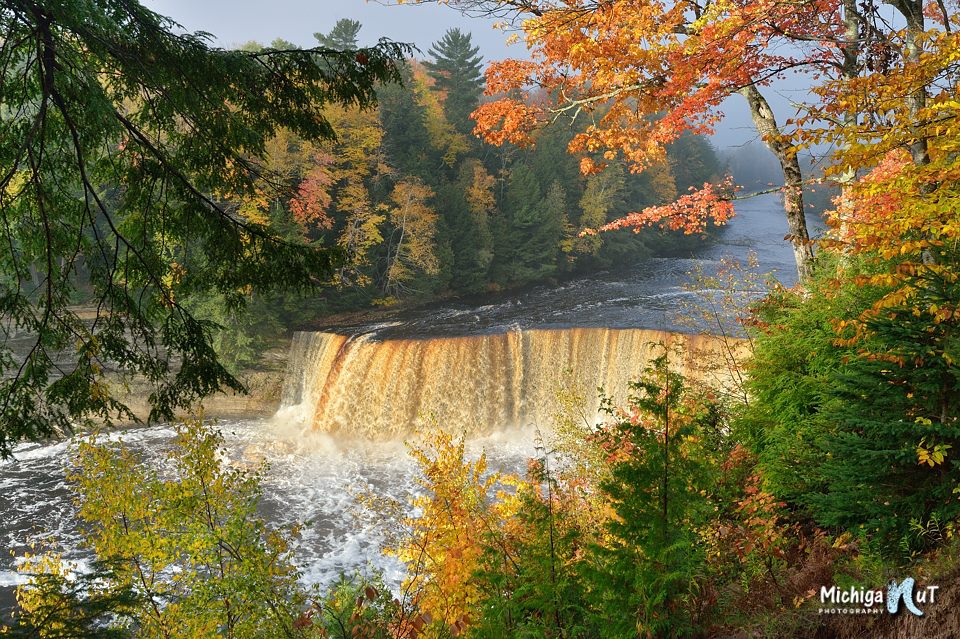
Here’s a fall pic by John from the same spot and there is much more Tahquamenon Falls on Michigan in Pictures!

Autumn morning at Tahquamenon Falls by Michigan Nut Photography

Support Michigan in Pictures with Patreon

Waugashaunce Point Trail in Wilderness State Park

Waugoshance Point by Jim Sorbie

Waugoshance Point by Jim Sorbie

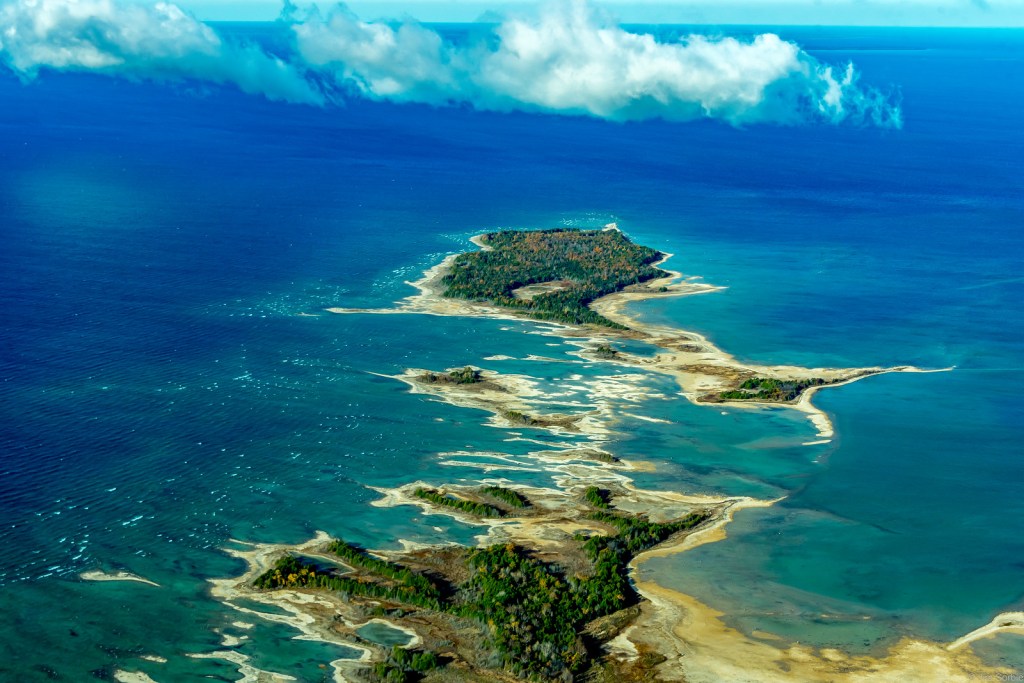
I’m going to try to share more posts about great Michigan trails & hikes that are a little off the beaten path. If you have a favorite, share it in the comments! DWHIKES has the 411 on Waugashaunce Point Trail in Wilderness State Park north of Petoskey on Lake Michigan is a great trail that is DEFINITELY off the beaten path:

Waugoshance Point is easy to spot on a map, just look for the large peninsula jutting out from the northwestern corner of the lower peninsula: that’s it. If only for that reason it was an attractive place to want to take a hike. An added bonus was the fact that it marks the western end of the Mackinac Straits amidst three remote lighthouses and is completely devoid of trails. I simply couldn’t come up with a reason NOT to go.

Waugoshance Point is truly spectacular in the summer when the rock beaches are home to a myriad of waterfowl and a dizzying array of lake shore wildflowers. I just couldn’t wait though. The snow was gone and I needed to get out. The trail head, if there was a trail, is located at the end of Waugoshance Point Road which gives access to the back-country cabins of Wilderness State Park. From there I’d trust my topo-map to guide me along the shore out to the point. Though there are no hills or cliffs to speak of the area turned out to be quite diverse and beautiful, as you’ll see…

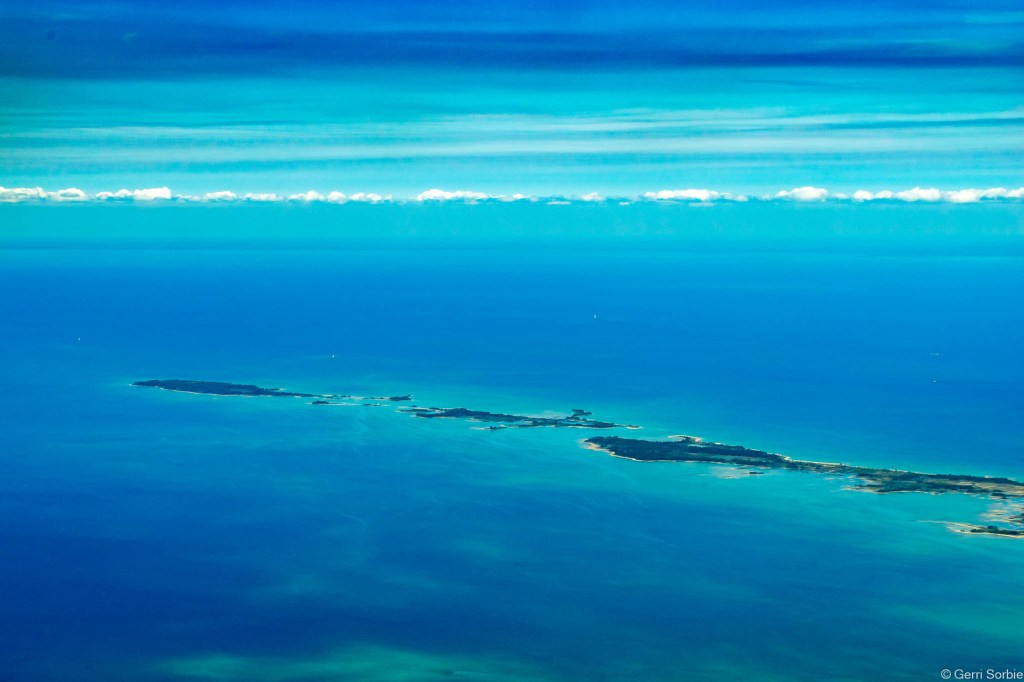
Here’s a great aerial photo by Jim – see more in his From the Air gallery on Flickr which also includes another view of the Point from August of 2022.

Shades of Blue .. Waugoshance Pt by Jim Sorbie

Shades of Blue .. Waugoshance Pt by Jim Sorbie

Support Michigan in Pictures with Patreon

Autumn’s Rainbow: the colors of fall

Fall Color by Bob Gudas

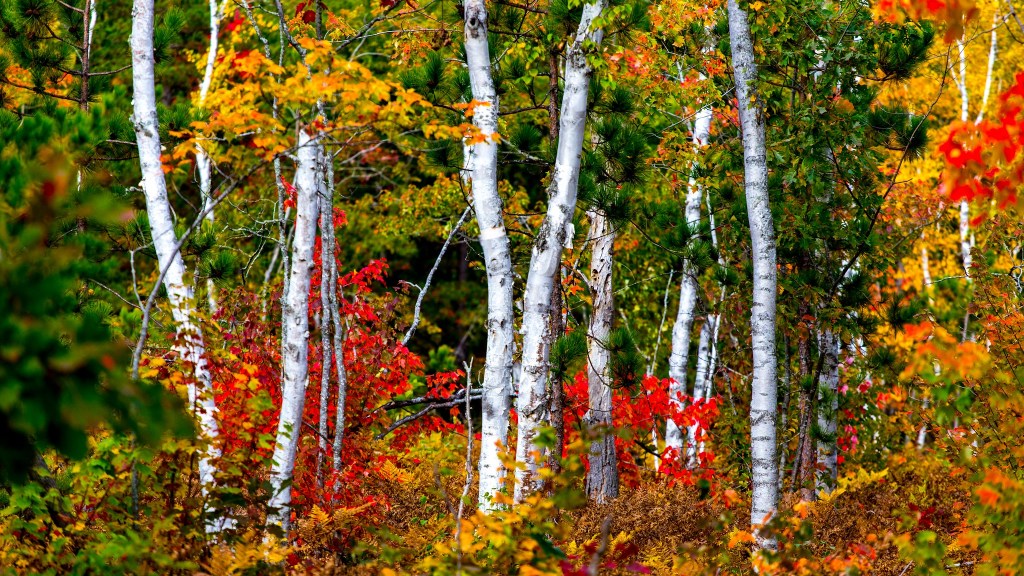
Fall color is really starting to come on in Michigan, and the US Forest service shares that there are three pigments in the palette of autumn color:

Chlorophyll: Gives leaves a basic green color. It is necessary for photosynthesis, the chemical reaction that enables plants to use sunlight to manufacture sugars for food.

Carotenoids: Produces yellow, orange, and brown colors in such things as corn, carrots, and daffodils, as well as rutabagas, buttercups, and bananas.

Anthocyanin: Gives color to such familiar things as cranberries, red apples, concord grapes, blueberries, cherries, strawberries, and plums. They are water soluble and appear in the watery liquid of leaf cells.

Certain colors are characteristic of particular species, and the color of maples leaves differ species by species:

  • Oaks: red, brown, or russet
  • Hickories: golden bronze
  • Aspen and yellow-poplar: golden yellow
  • Dogwood: purplish red
  • Beech: light tan
  • Sourwood and black tupelo: crimson
  • Red maple: brilliant scarlet
  • Sugar maple: orange-red
  • Black maple: glowing yellow
  • Striped maple: almost colorless

Read on for lots more!

Bob took this shot of fall color at Pictured Rocks National Lakeshore in Michigan’s Upper Peninsula back in October of 2011. See more in his Explore gallery and for sure view & purchase his work on his website!

More fall color on Michigan in Pictures!

Support Michigan in Pictures with Patreon

Feelin’ ducky … and historically dry

Feelin ducky by Linda Schaub

Linda is one of Michigan in Pictures’ biggest fans and yesterday she dropped the fact that much of Michigan was facing what could be the driest September since we started keeping records in 1877 until recently! mLive shared that although September 2024 remains historically dry, the rain of the last few days is helping to combat the drought.

Linda shared this photo along with several others on her latest Wordless Wednesday post. Follow her blog Walkin’, Writin’, Wit & Whimsey for more!

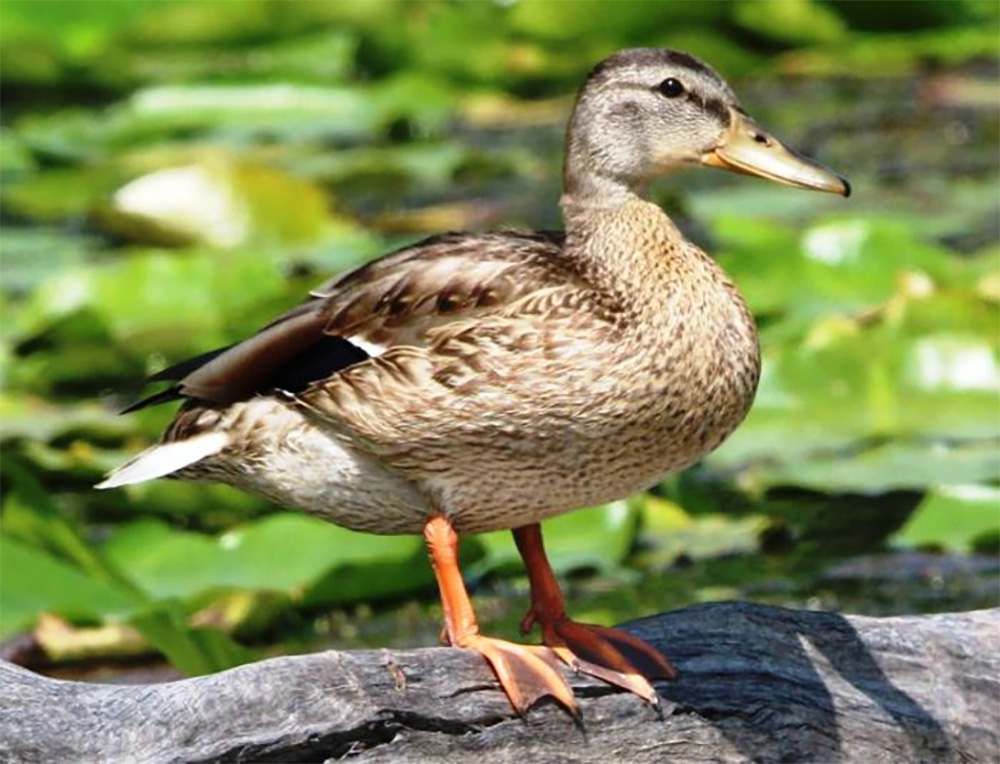
Also I am of course very happy to add the latest photo the Michigan in Pictures Duckie Project, a decade-spanning chronicle of our feathered, floating friends!

Support Michigan in Pictures with Patreon