Pride

Traverse City Pride March, photo by Michael Poehlman

Communities across Michigan have been celebrating Pride Month during the month of June, and I thought I would share one of my favorite photos ever. It was taken by my friend Michael at the annual Traverse City Pride Parade sponsored by Up North Pride. I’ll be joining thousands of others to march this Sunday (June 25) at noon – you can click that link for all the details.

I have no doubt that some may find this post controversial and ask me to “stick to pictures and not politics.” To any with that viewpoint, I would like to point out that this picture is NOT politics, this is personal. In addition to honoring the many photographers I feature on Michigan in Pictures who are lesbian, bisexual, gay, transgender, questioning or otherwise, I have many dear friends who are happily married to the love of their lives, and I believe at the very core of my being that they deserve every benefit of marriage & society that anyone else has.

Please feel free to enjoy my personal blog as I see fit to share it. If it offends you, suffer whatever slight this is for you in silence or simply stop following me. Whatever you do, don’t post anything hateful because I will ban you so fast and probably say mean things to you on the way out just to make it perfectly clear that I support the civil rights of every American.

OK, that’s more than enough justifying myself for posting whatever I feel like on my blog. Let’s hear what the Library of Congress has to say about Pride Month:

Lesbian, Gay, Bisexual and Transgender Pride Month (LGBT Pride Month) is currently celebrated each year in the month of June to honor the 1969 Stonewall riots in Manhattan. The Stonewall riots were a tipping point for the Gay Liberation Movement in the United States. In the United States the last Sunday in June was initially celebrated as “Gay Pride Day,” but the actual day was flexible. In major cities across the nation the “day” soon grew to encompass a month-long series of events.

You can view the photo bigger on the Up North Pride Facebook page, follow Michael on Instagram, and if you’re looking for one of the finest portrait photographers I know, definitely consider Michael Poehlman Photography!

PS: His Personal Work gallery is really cool!
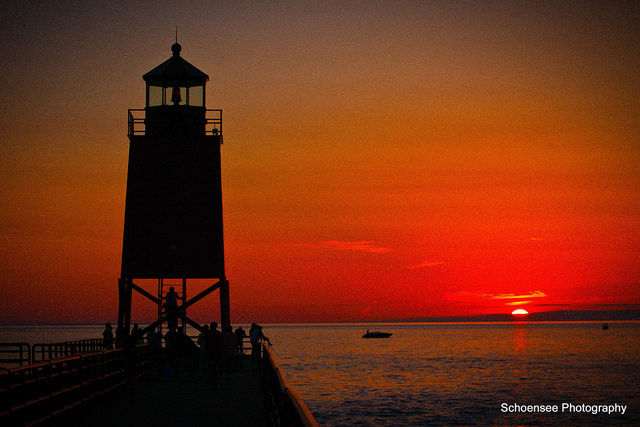
 

Today is not the Earth’s Longest Day

Untitled, photo by Jim Schoensee

The summer solstice arrives at 12:24 AM tomorrow when sun’s zenith is at its furthest point from the equator, making today the longest day of  2017. Vox’s article on the summer solstice has some interesting info about the solstice including a look at whether or not today is the longest day in Earth’s history:

Ever since the Earth has had liquid oceans and a moon, its rotation has been gradually slowing over time due to tidal friction. That means — over very, very long periods of time — the days have been getting steadily longer. About 4.5 billion years ago, it took the Earth just six hours to complete one rotation. About 350 million years ago, it took 23 hours. Today, of course, it takes about 24 hours. And the days will gradually get longer still.

Given that, you’d think 2017 would be the longest day in all of history. But while it’s certainly up there, it doesn’t quite take top honors.

That’s because tidal friction isn’t the only thing affecting Earth’s rotation — there are a few countervailing factors. The melting of glacial ice, which has been occurring since the end of the last ice age 12,000 years ago (and is now ramping up because of global warming), is actually speeding up Earth’s rotation very slightly, shortening the days by a few fractions of a millisecond. Likewise, geologic activity in the planet’s core, earthquakes, ocean currents, and seasonal wind changes can also speed up or slow down Earth’s rotation.

When you put all these factors together, scientists have estimated that the longest day in Earth’s history (so far) likely occurred back in 1912. That year’s summer solstice was the longest period of daylight the Northern Hemisphere has ever seen (and, conversely, the 1912 winter solstice was the longest night we’ve ever seen).

Eventually, the effects of tidal friction should overcome all those other factors, and Earth’s days will get longer and longer as its rotation keeps slowing (forcing timekeepers to add leap seconds to the calendar periodically). Which means that in the future, there will be plenty of summer solstices that set new records as the “longest day in Earth’s history.”

View Jim’s photo of the Charlevoix Lighthouse on the summer solstice in 2010 bigger and see more in his Charlevoix Lighthouse slideshow.

Eminant

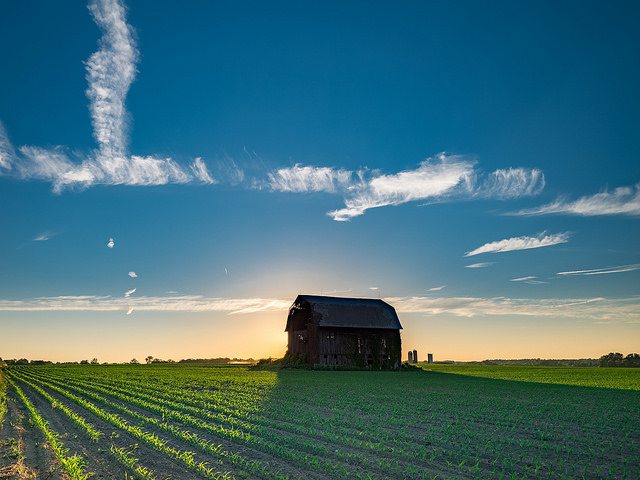
Eminant, photo by Jamie MacDonald

View Jamie’s photo bigger and see more in his NiSi Filters slideshow.

More Michigan barns on Michigan in Pictures.

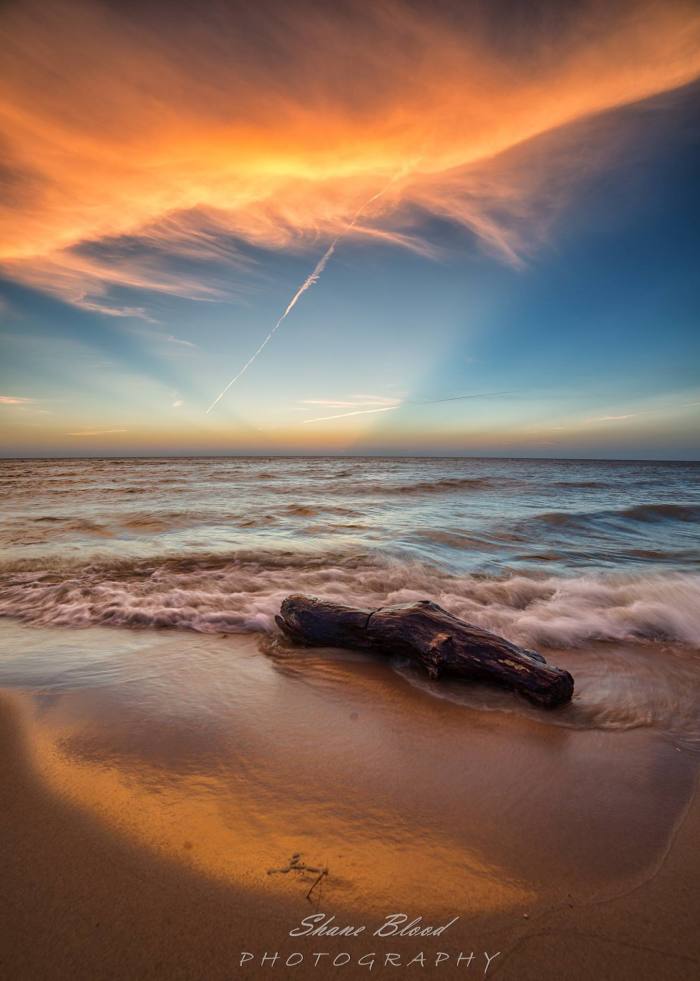
Does Nordhouse Dunes have Michigan’s Best Sunrise?

Nordhouse Dunes Sunrise, photo by Shane Blood Photography

That’s the question the Nordhouse Dunes Wilderness Area Facebook page asked Michigan in Pictures on Facebook. It’s a good question. Click over and let them know what you think!

The Nordhouse Dunes Wilderness Area:

…is a Federally designated wilderness in Michigan’s lower peninsula and encompasses 3,450 acres of National Forest. Nordhouse Dunes is part of the Ludington Dune Ecosystem, which also includes Lake Michigan Recreation Area, and Ludington State Park. The dunes were formed 3,500 to 4,000 years ago and stand up to 140 feet high. Ludington Dune Ecosystem has the largest area of fresh water interdunal ponds in the world. The interdunal ponds, small water holes and marshes, decorate the area. Dune grass covers many of the dunes and provides habitat for a variety of wildlife species.

The Nordhouse Dunes are interspersed with woody vegetation such as juniper, jack pine and hemlock. Plant life is varied and includes the Federally Endangered Pitcher’s Thistle. The sand beach along the lake varies from narrow to wide and is home to the Federally Endangered Piping Plover, a shore bird that nests on the ground in small cobbles.

The wilderness area is popular for hiking, camping, hunting, nature study and wildlife viewing. There are approximately 10-miles of trail that can be accessed from 2 developed trailheads at the end of Nurnberg Road and Lake Michigan Recreation Area.

View the photo bigger and head over to Shane Blood Photography on Facebook for more shots from Nordhouse Dunes.

More Michigan sunrises on Michigan in Pictures!

Sailing into the Weekend

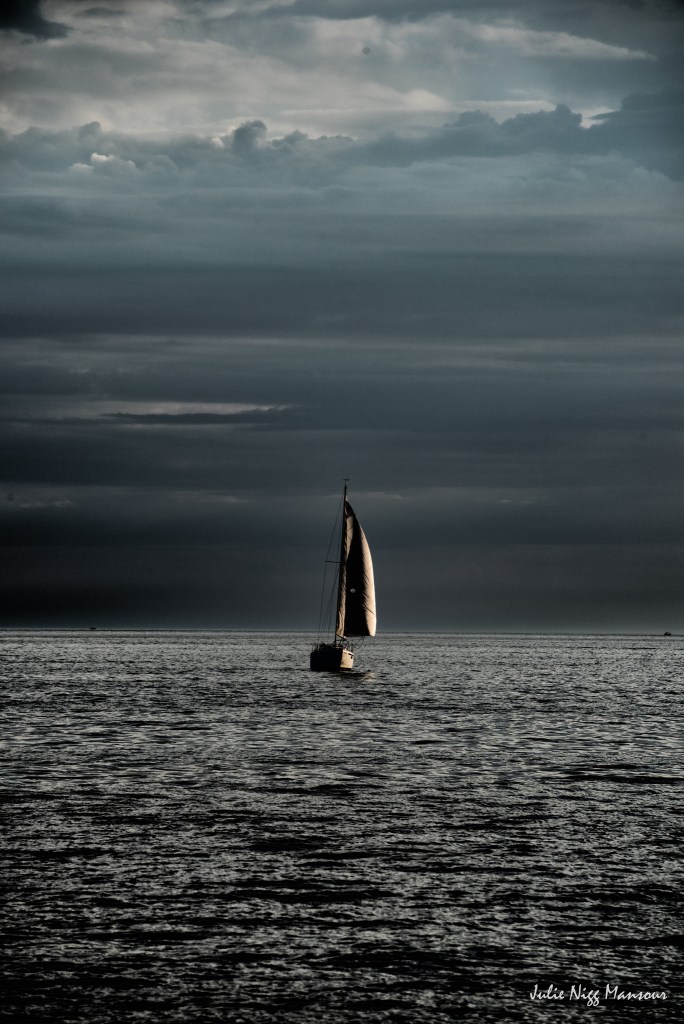
Sunset Sail, photo by Julie Mansour

View the photo background bigilicious and see more in Julie’s slideshow.

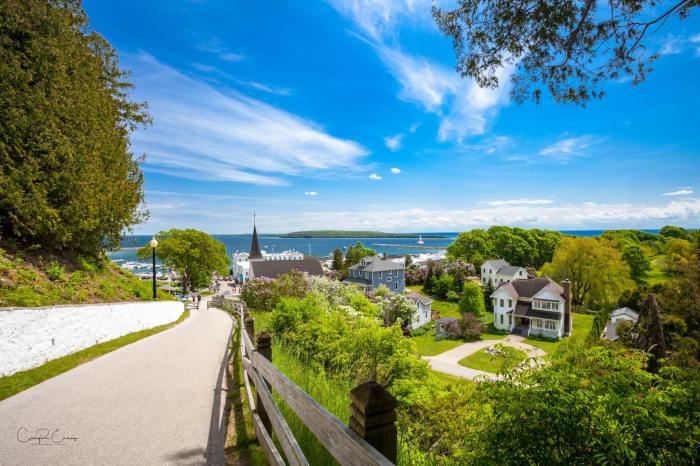
Lilacs are still out on Mackinac Island!

Mackinac Island, photo by Gary Ennis

While lilacs have faded in much of Michigan, they’re still going strong on Mackinac Island as we head into the final weekend of the annual Mackinac Island Lilac Festival. The Northern Express’s writeup on the Lilac Festival says in part:

There are over 100 varieties of lilac on the island, the most recognizable being the common lilac or the French lilac, which ranges in color from white and pink to blue and several shades of purple. Many of the island’s lilacs were planted in the Victorian age, and some have lived for over 150 years, thanks to the island’s nurturing microclimate.

“Mackinac Island has some of the largest specimens of the common lilac in the country,” said Tim Hygh, executive director of Mackinac Island Tourism Bureau. “Also found here, but more rare, are the Himalayan lilac, which are lavender, and the Japanese tree lilac, which are typically white.”

View the photo from the walkway at Fort Mackinac bigger and follow Gary on Facebook for more!

More lilacs and more Mackinac Island on Michigan in Pictures!

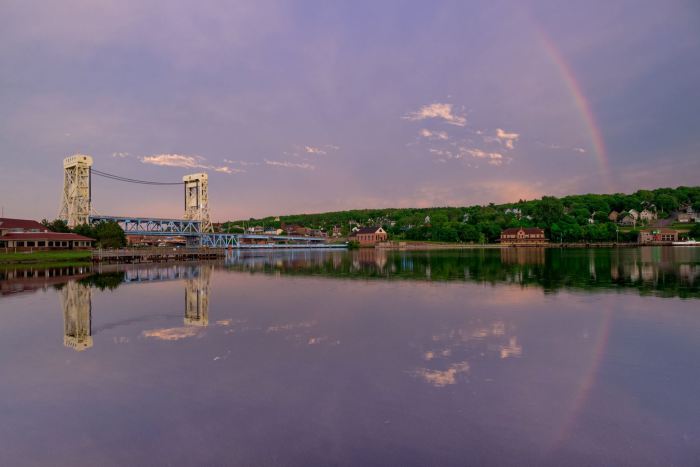
Rainbow Reflected

Rainbow Reflected, photo by Eric Hackney Photography

My position is that should take your rainbows as they come – here’s a beauty featuring the Portage Lake Lift Bridge in Houghton taken this Sunday!

View the photo bigger and see more in Eric’s Chasing the Rainbow album on Facebook.

Many more Michigan rainbows & more rainbow science on Michigan in Pictures!

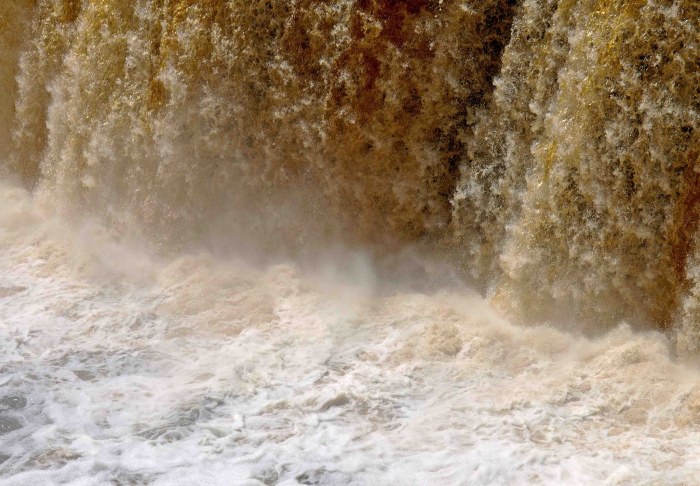
Root Beer Thunder

Upper Tahquamenon Falls, photo by Erin Bartels

The Tahquamenon Falls State Park page says that the Upper Tahquamenon Falls are one of the largest waterfalls east of the Mississippi. At more than 200 feet across with a drop of nearly 50 feet, the falls have a flow rate that can exceed 50,000 gallons per second!

View the photo background bigtacular, see more in Erin’s slideshow and check out Tahquamenon Falls: Take 4 on her blog for some details about her latest visit.

Congratulations, 2017 Michigan Graduates!

Amelia’s Graduation, photo by Dan Bruell


Congratulations to Amelia, a 2017 graduate of Baker College, and congratulations to all of the many dedicated students of all ages in Michigan who are graduating or moving up and along!

View the photo on Flickr and see more in Dan’s Spring/Summer 2017 slideshow.

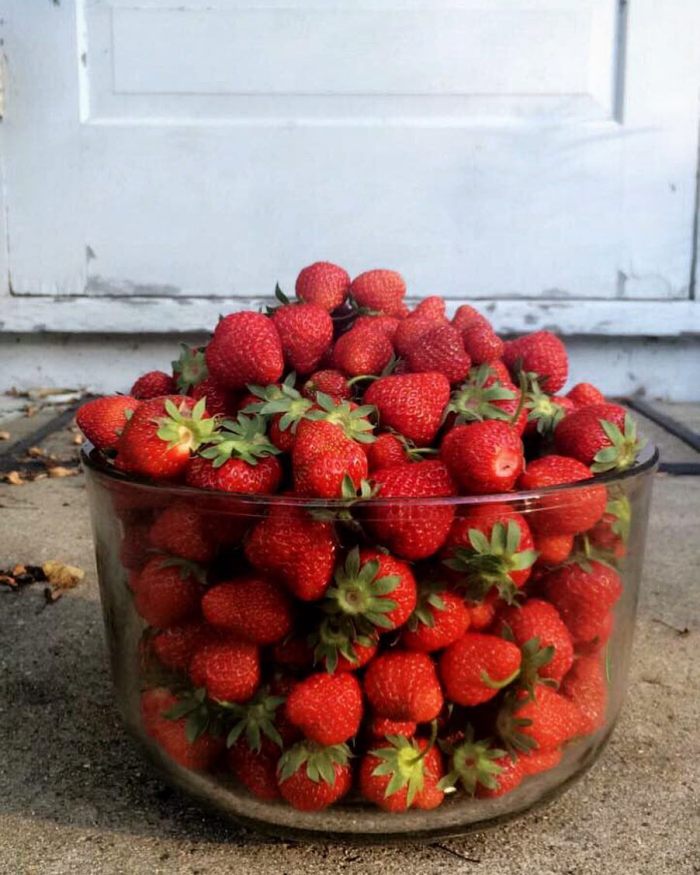
#strawbpocalypse2017: Strawberry Season in Michigan

#strawbpocalypse2017, photo by Emily Bingham

Michigan strawberries are starting to roll into farm markets, stores, roadside stands, and people’s gardens. Here’s a few Michigan strawberry facts from the Michigan Department of Agriculture:

  • In 2009, Michigan produced 43,000 tons of fresh strawberries and 3,000 tons of processed strawberries, generating $6.6 million
  • Most of the fresh Michigan strawberries are picked by consumers at “u-pick” operations around the state
  • Strawberries contain 80 percent of the recommended daily allowance of vitamin C
  • They are an excellent source of potassium, which can help control blood pressure and fight strokes
  • They are an excellent source of fiber, which help reduce total cholesterol levels

You can check out this feature on Michigan strawberries at Absolute Michigan for links to U-Pick farms and more.

Emily didn’t have to go far to pick these – she grew them and says they are SO EASY! View the photo bigger and follow her on Instagram at e_bing.

More Michigan strawberries on Michigan in Pictures.