American Dream

Bay City Fireworks Festival, photo by Jeff Caverly

“There are those who will say that the liberation of humanity, the freedom of man and mind is nothing but a dream. They are right. It is the American Dream.”
-Archibald MacLeish

View the photo background big and see lots more from Bay City’s Fireworks Festival in Jeff’s slideshow!

Summer Sunrise

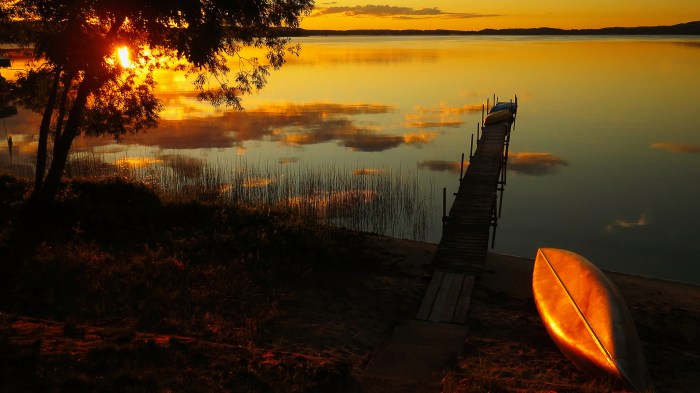
Canoe & Dock at Sunrise, photo by bioprof52

Enjoy your weekend and the month of July!

View the photo background bigtacular and see more in bioprof52’s Bear Lake slideshow!

More summer wallpaper on Michigan in Pictures.


Take a bow & reflect

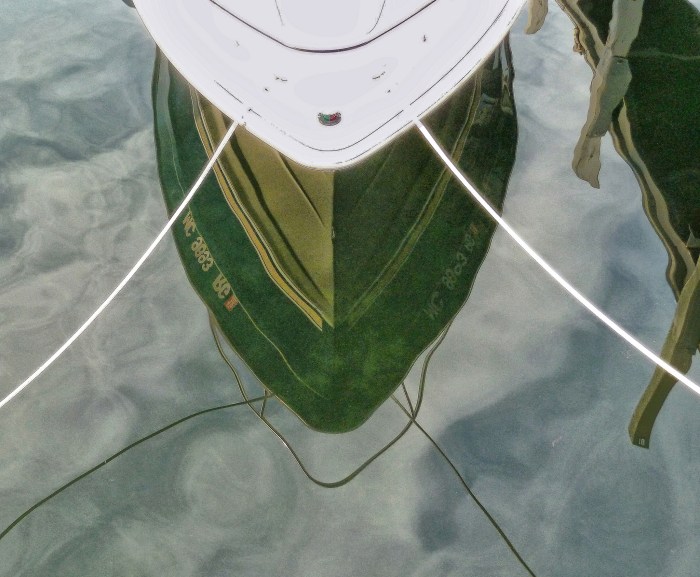
Boat Bow Reflection, photo by Sharon

View Sharon’s photo background bigilicious and see more in her CARS, TRUCKS, TRAINS, BOATS, and MOTORCYCLES slideshow.

More summer wallpaper on Michigan in Pictures.

Everything’s coming up rainbows!

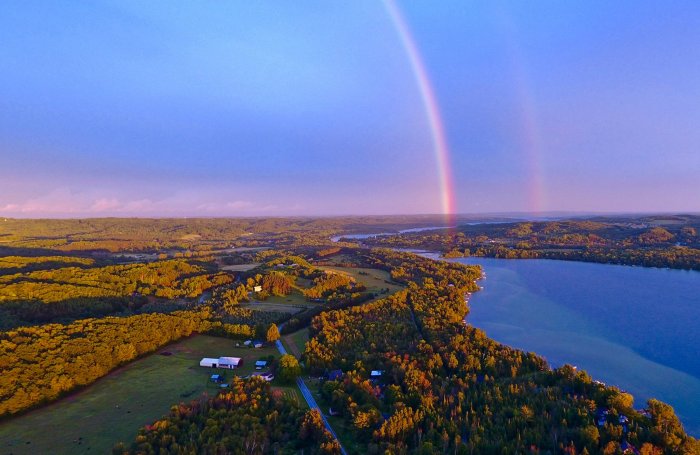
Double Rainbow over the Narrows, photo by Elijah Allen

I guess one of the advantages of getting a lot of rain is that you also get a lot of rainbows! My friend Elijah took this on Monday night. The end of the bow is over the thin channel called “the Narrows” that joins North & South Lake Leelanau.

View Elijah’s photo bigger and follow him on Facebook for lots more cool shots!

Many more rainbows on Michigan in Pictures!

Home Before the Squall

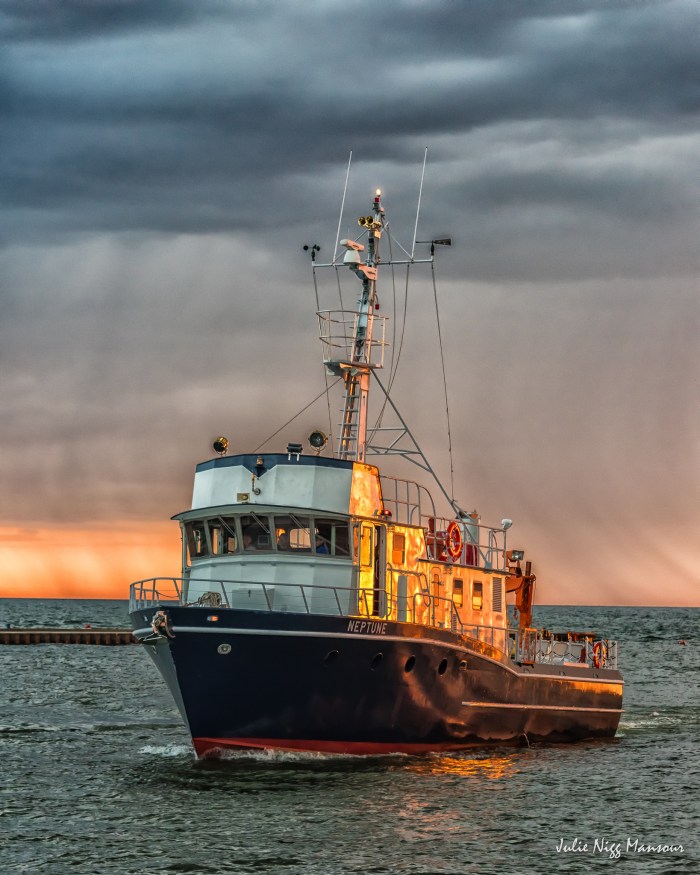
Home Before the Squall, photo by Julie Mansour

Thinking there’s been a lot of rain lately? You’re not wrong! Michigan has experienced a lot of rain over the last few weeks, and mLive meteorologist Mark Torregrossa shares that there are three weather conditions all combining over the Great Lakes that keep the rain machine running:

Over the next 10 days there should be three weather systems moving through the Great Lakes region. Each of these storms should have one to two inches of rain in the heaviest swath of precipitation.

The cause of the wet weather starts with numerous storm systems being born over the northern Pacific Ocean. These storms are hitting the Pacific Northwest coast every three to five days. The storm systems then cross the hotter than average Rockies and drop south into the base of a “U”-shaped bend in the jetstream. This U-shaped area is where storms spin faster and intensify. It’s the area along the jetstream where large-scale weather systems are at their strongest.

The final part to this wet weather scenario is what we call a “wide-open Gulf of Mexico.” Southern winds from the Gulf of Mexico into the Midwest and Ohio Valley bring high amounts of water vapor northward. The strong storm systems use that water vapor to produce heavy rain.

…The total rainfall forecast over the next week, through July 4, 2017 shows NOAA forecasters expect a swath of five to six inch total rain. We will just have to watch where this heaviest rain sets up. Right now it is expected to fall south of the flooded areas in Michigan. It could easily shift north or south a few hundred miles.

Julie caught the Neptune beating the rain in Holland last weekend. View her photo background bigtacular and see more in her slideshow.

The future of Great Lakes is slipping through our hands…

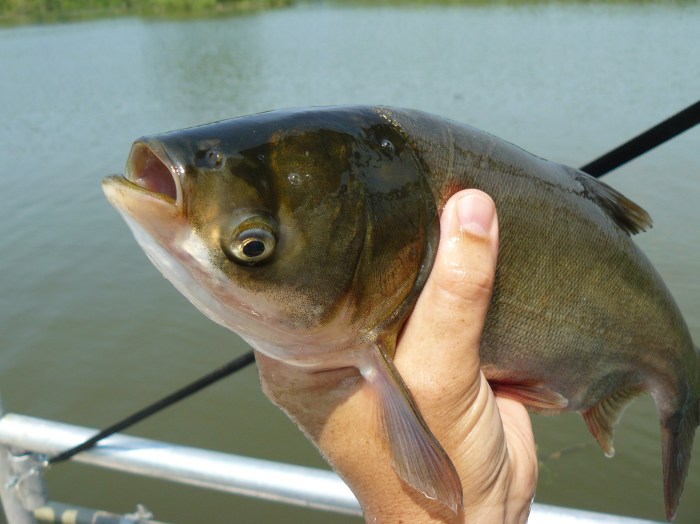
Silver Carp in hand, photo by Dan O’Keefe, Michigan Sea Grant

The Herald-Palladium reports that an Asian carp has been found just 9 miles from Lake Michigan:

…the news is a reminder that the Trump administration needs to take the problem seriously, U.S. Rep. Fred Upton said Friday. The St. Joseph Republican on Friday called on the president to release a bottled-up blueprint for tackling the problem.
“The time to act is now. I am calling on the Trump administration to immediately release the Brandon Road Study so that we can have a full grasp of our options to stop this destructive force,” he stated in a news release. “Asian Carp have the potential to decimate the Great Lakes we all love and depend on.

“It is absolutely imperative we step up our efforts to further protect our lakes. I will continue to work with my colleagues on both sides of the aisle here in the House and the Senate to take action to stop Asian Carp from entering our waterways.”

Earlier this week, Upton signed on as a co-sponsor of the Stop Asian Carp Now Act. The bipartisan, bicameral legislation would compel the Trump administration to release the Brandon Road Study within seven days of the bill’s enactment. The Brandon Road study will provide important guidance on how best to prevent Asian Carp from entering the Great Lakes. The entire Michigan Congressional Delegation supports of this legislation.

The live Asian carp has been discovered in a Chicago waterway – well beyond an electric barrier network designed to prevent the invasive fish that have infested the Mississippi River system from reaching the Great Lakes, officials said Friday.

I would encourage you to read on for more, and you can also see the whole text of the Stop Asian Carp Act (HR 892). I would note that this bill was originally introduced in 2011, so maybe make a couple of calls to your representatives.

View the photo background big and see more in the Michigan Sea Grant’s Aquatic Invasive Species (AIS) slideshow.

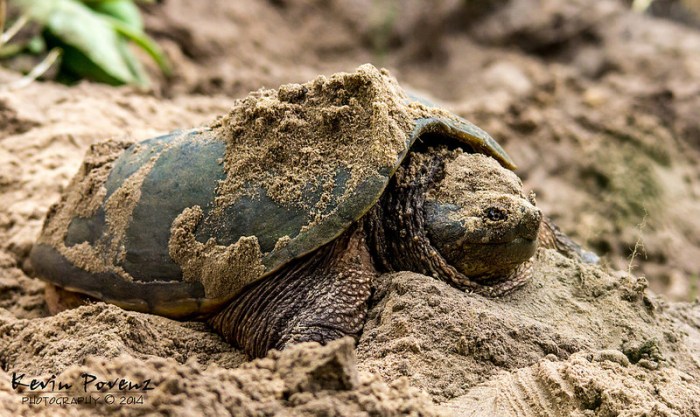
Egg Season for Michigan Turtles

Snapping Turtle, photo by Kevin Povenz

I came across a cool video of a snapping turtle laying her eggs – check it out below! The Michigan Turtles page from the DNR says in part:

Turtles reproduce by internal fertilization and produce shelled eggs deposited on land. Most mating takes place in spring after a brief courtship, which begins shortly after turtles emerge from their hibernation sites. Courtship displays vary greatly. Male Eastern Box turtles chase their intended mates and nip at their shell edges, or chin. Female painted turtles receive soft toenail strokes from potential mates. Male snapping turtles may fight fierce battles to drive rivals away from a choice breeding territory.

Between late May and early July, a female turtle will leave the water and seek a sunny spot with little or no vegetation and moist, but not saturated, sand or soil. She digs a shallow nest cavity with her hind feet and deposits her clutch of eggs. Depending on species, the eggs may be round or oval and have either hard or flexible shells. The nest is then refilled by the female with excavated materials, without ever having seen the eggs and is abandoned to its fate. Many (probably most) turtle eggs are eaten by raccoons or other predators within a few days of being laid. Those that survive will hatch in two to three months. In most cases, the young head immediately for cover in shallow water (aquatic species) or leaf litter (box turtles). Young painted turtles have the ability to withstand partial freezing and often remain in the nest over winter, emerging in spring.

In most turtle species, gender is determined by the temperature of the egg during a critical part of incubation. In general, male turtles tend to hatch from cooler eggs, and females hatch from warmer eggs. Once hatched, baby turtles can grow quickly for the first few years, with growth slowing as they near adulthood.

Turtles are among the longest living animals on earth. Several species of turtles can live for several decades. With this longevity also comes a negative side. It takes several years for turtles to sexually mature (4 to 10 years for a Painted turtle, 14 to 20 years for a Blanding’s or Wood turtle, and 15 years for a Snapping turtle). Non breeding turtles are often the targets of predators, automobiles, and pet seekers. In addition, the longer life span allows turtles to build up environmental toxins in their tissues. These toxins can have serious affects on a turtle’s health and breeding ability.

About this photo from 2014 Kevin writes: While out on our hunt for Bald Eagles on Sunday we came across 5 different female snapping turtles laying their eggs. This one was on the bank of the Grand River that was probably 10 feet above the river.

View it bigger and see more in his Animals slideshow.

The Colors of Agate Beach

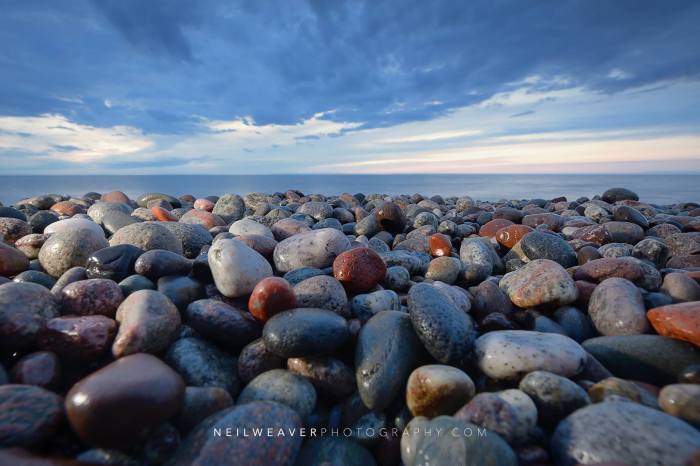
The Colors of Agate Beach, photo by Neil Weaver

Neil took this photo on Agate Beach in Grand Marais on Lake Superior. It’s a popular spot for rockhounds. Superior Trails has an article on agate beaches around Lake Superior that says in part:

Veteran Agate Hunters will troll gravel pits, riversides, hiking trails, roadsides, as well as beaches looking for agates. We stick to beaches, not because the chances of finding an agate are better, but because there is something unique about being close to Big Gitche Gumee (Lake Superior), listening to the waves lapping the shoreline, feeling the crisp breeze coming of the lake, breathing the fresh air, and getting some exercise walking along the shoreline.

We’ve got a few favorite beaches, some where we have had good luck, but also we like some better than others for the scenery or the variety of rocks and stones that litter the shoreline. Little Girls Point near Ironwood, Michigan is one of our favorites. It has perhaps more rocks per foot than any other we’ve encountered around Lake Superior and it has a decent variety of rocks as well. Another plus is it has several lakeside RV campsites which if you are lucky enough to reserve one means the beach is right outside your back door. Jo has a soft spot for the beach at Muskallonge State Park because there she found her first four agates in two days of beach combing. Grand Marais Michigan is another favorite, offering an extensive beach with lots of variety of rocks and a reputation for some huge agate finds. The Woodland Park campground is adjacent to the beach. Grand Marais is also home to the Gitche Gumee Agate Museum, a must see stop for any agate fan. But next year, we may find an agate at a previously less favored beach and declare it as our new favorite, for there are so many beaches that we’ve only touched upon briefly.

View Neil’s photo bigger on Facebook and visit neilweaverphotography.com to view & purchase incredible photos from all over Michigan!


Fern Shadow

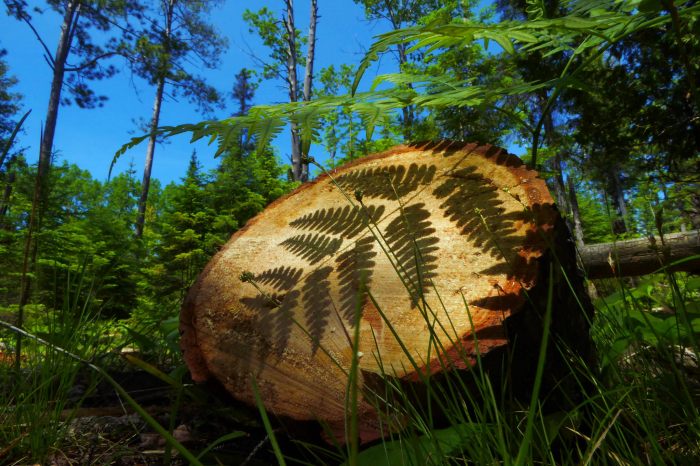
Fern Shadow, photo by Jay

Jay writes: While cutting my winter firewood I noticed this fern shadow cast on one of the cuts. So many beautiful things to see.

Indeed! View the photo background bigilicious, see more in his slideshow, and have a wonder-filled weekend!

#TBT with the Oldest Ship on the Great Lakes

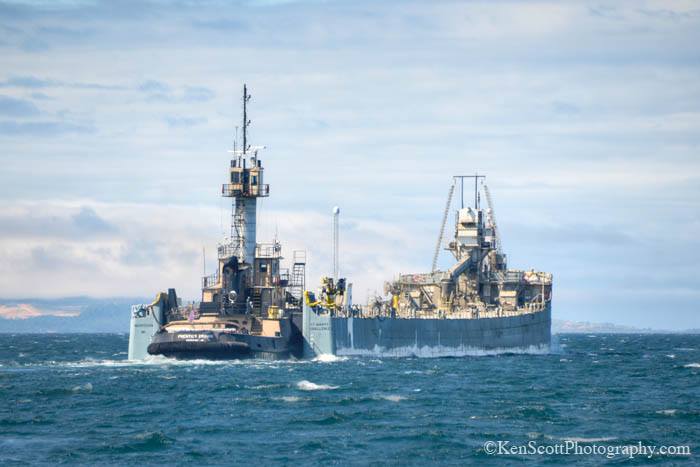
Lake Michigan … barge pushing, photo by Ken Scott Photography

Here’s a shot of a familiar vessel, the St. Marys Challenger. As this article on the conversion of the Challenger says, eventually, age catches up with you:

St. Marys Challenger lived up to its name by defying that assertion longer than its counterparts. But after 107 years, the laker was taken out of service in November 2013 to be converted to a barge. Built in 1906, Challenger was the oldest operating freighter on the Great Lakes.

The decision to convert the 551-foot cement carrier followed a series of upgrades spanning several decades, including extensive hull rebuilding, installation of a self-unloading cargo system and a myriad of other structural upgrades. In the end, the owner was left with a Skinner Marine Uniflow four-cylinder reciprocating steam engine burning heavy fuel oil, outdated DC electric and an aged mechanical propulsion system that made operating the boat an ever-increasing expense.

…Port City Marine, based in Muskegon, Mich., considered its alternatives, including retrofitting Challenger with a diesel engine. Not only would that have cost about $20 million — nearly double the barge conversion project — but it would have saddled the company with ongoing expenses. And while a crew of 25 was needed to operate Challenger, the articulated tug-barge (ATB) can operate with 11.

Read on for lots more!

View Ken’s photo bigger on Facebook, follow Ken Scott Photography on Facebook and visit kenscottphotography.com to view & purchase photos!