How you can help bees in Michigan

Around the Bend by Daniel E. Johnson

Around the Bend by Daniel E. Johnson

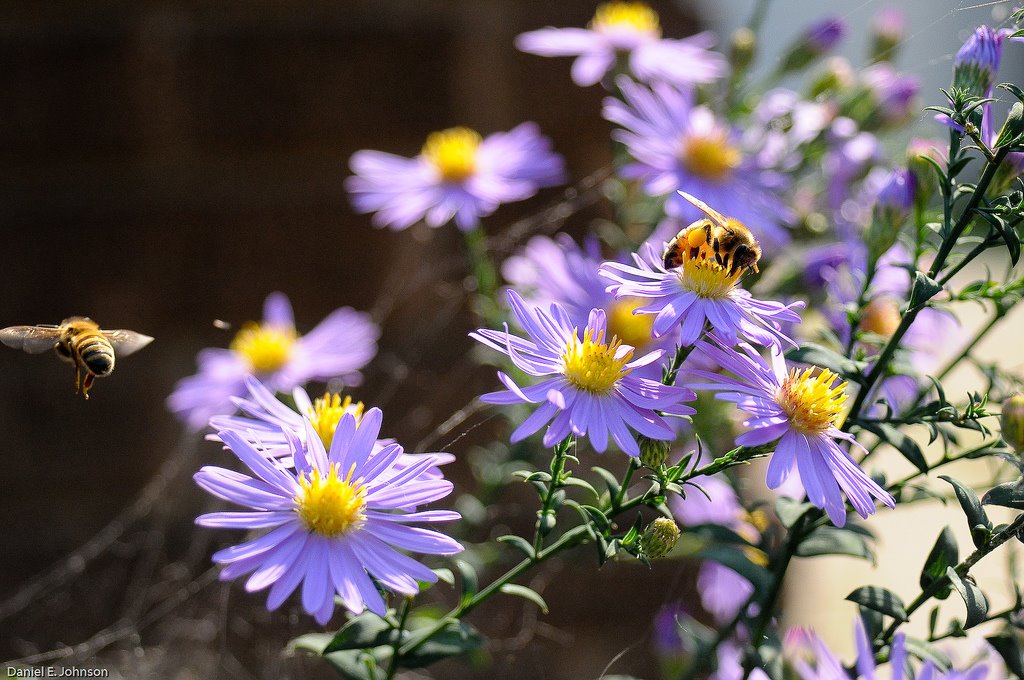
I shared this photo on August 7, 2017 with the good news that the number of Michigan honeybee colonies was on the rise, reversing steep declines due to colony collapse disorder. Michigan and the world are for sure not out of the woods with Colony Collapse Disorder (CCD) that causes the majority of worker bees in a colony disappear and leave behind a queen, food & a few nurse bees to care the queen & larvae. While reported cases of CCD have declined significantly, beekeepers nationwide reported losing HALF of their colonies in the year ending last April.

Because we still have work to do, I’m happy to share ways that we can help keep flowers blooming & crops growing right here in Michigan. MSU Extension answers the question Should Michiganders keep bees by saying that unless you have the resources to keep your hive healthy, it’s better to focus on helping bees by planting flowers and flowering trees that are good sources of nectar and pollen from the spring through the fall. I’m also really happy that St. Joseph has announced its commitment to become a Bee City USA!

Dig into Daniel’s photos on his Flickr!

Support Michigan in Pictures with Patreon

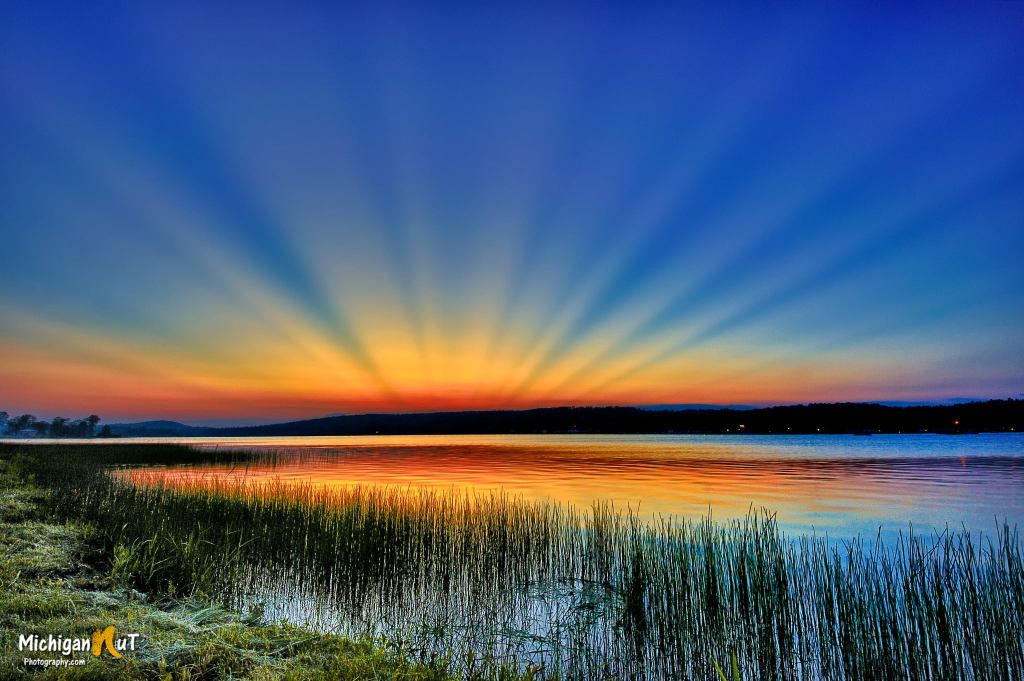
Muscular crepuscular rays

Crepuscular rays over Sunday Lake by Michigan Nut Photography

Crepuscular rays over Sunday Lake by Michigan Nut Photography

Atmospheric Optics shares that crepuscular rays:

also known as sun rays, are a mesmerizing atmospheric optics phenomenon that captivates the imagination. These ethereal beams of light, streaming through gaps in clouds, create a breathtaking display of nature’s beauty. The parallel columns of sunlit air, separated by darker cloud-shadowed regions, give the impression of diverging rays, much like the parallel furrows of freshly ploughed fields or a road that appears to narrow with distance.

The visibility of crepuscular rays is made possible by the scattering of sunlight by various atmospheric components. Airborne dust, inorganic salts, organic aerosols, small water droplets, and even the air molecules themselves all play a role in scattering the sunlight and making the rays visible.

I shared this photo several years ago and I’m not gonna say I won’t share it again! 😅 John took the pic at Sunday Lake in Wakefield. For more, follow him on Facebook & view and purchase his work at michigannutphotography.com.

Support Michigan in Pictures with Patreon

Give it up for guides in the Great Lakes State!

Pictured Rocks Kayaking Guides by Monika Kross

Pictured Rocks Kayaking Guides by Monika Kross

Michigan in Pictures is all about sharing new places & ways to have fun in Michigan. Whether you are visiting or live here, I think it’s important as you’re enjoying your explorations to recognize the hardworking people helping to make the experience of kayaking a mercurial freshwater sea, hiking a wilderness trail, viewing historical artifacts, or simply finding that hidden waterfall or local favorite taco stand as safe & seamless as possible. It’s not easy, and everyone who enjoys Michigan’s diverse offerings owes them a big thank you!

Monika shares: Picture Rocks Kayaking guide breaks a hard right to turn the nose of five kayaks pointing in towards Miner’s Beach. These guides work SO hard and in all weather conditions on the clear but cold Lake Superior! Last summer I met one in the East Channel while crossing and she was towing 2 kayakers home who simply quit paddling. Let’s give them some much deserved applause! 🙌

You said it Monika 🙌

You can follow Monika on Facebook & @MichiganUnsaltedGirl on Instagram!

Support Michigan in Pictures with Patreon

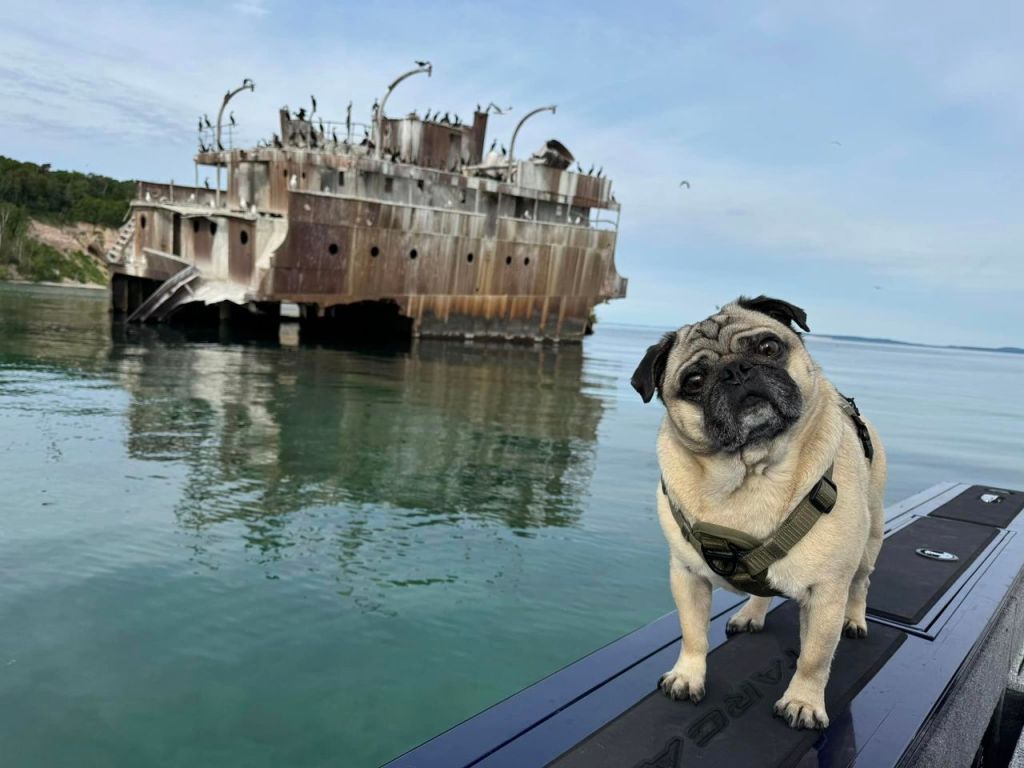
Milo and the Morazan

This photo was the fifth most popular photo of 2024 on Michigan in Pictures!!

Milo and the Morazan by Chris Roxburgh

Milo and the Morazan by Chris Roxburgh

If you love the Great Lakes and aren’t yet following the exploits of Milo’s owner, Great Lakes shipwreck explorer Chris Roxburgh, then today is your lucky day!! Follow Chris on Facebook and view & purchase his work including some awesome coffee table books on his website!

If you’re wondering about the shipwreck of the Francisco Morazan off South Manitou, the Sleeping Bear Dunes National Lakeshore shares:

On the night of November 28, 1960, Lake Michigan would claim one of her most recent victims. The steamship Francisco Morazan ended a 38-year career when she ran aground on South Manitou Island. She had sailed for eleven owners, under six flags, with eight names.

…The Morazan was Captain Eduardo Trivizas’ first command. Onboard were 12 crew, and the captain’s pregnant wife, Anastasia. Fog slowed the ship and a bad feeder pump for the boiler forced the crew to stop and drift in Lake Michigan for eight hours to replace it. The Morazan passed Point Betsie in a blinding snowstorm at about 7:15 pm on the 28th. She was pushed off course and ran aground just 300 yards from the beach on South Manitou Island.

Three Coast Guard vessels and a civilian tug responded to the Morazan’s mayday. On December 4, the crew was removed from the ship after it was determined that she couldn’t be salvaged. Attempts were made to salvage the cargo but were ultimately abandoned. In the years afterward, the wreck became a popular hangout for island residents. They helped themselves to the cargo of canned chicken and toys. The wreck is now protected as a part of the Manitou Passage State Underwater Preserve.

Support Michigan in Pictures with Patreon
Francisco Morazon above & below by Chris Roxburgh

Francisco Morazon above & below by Chris Roxburgh

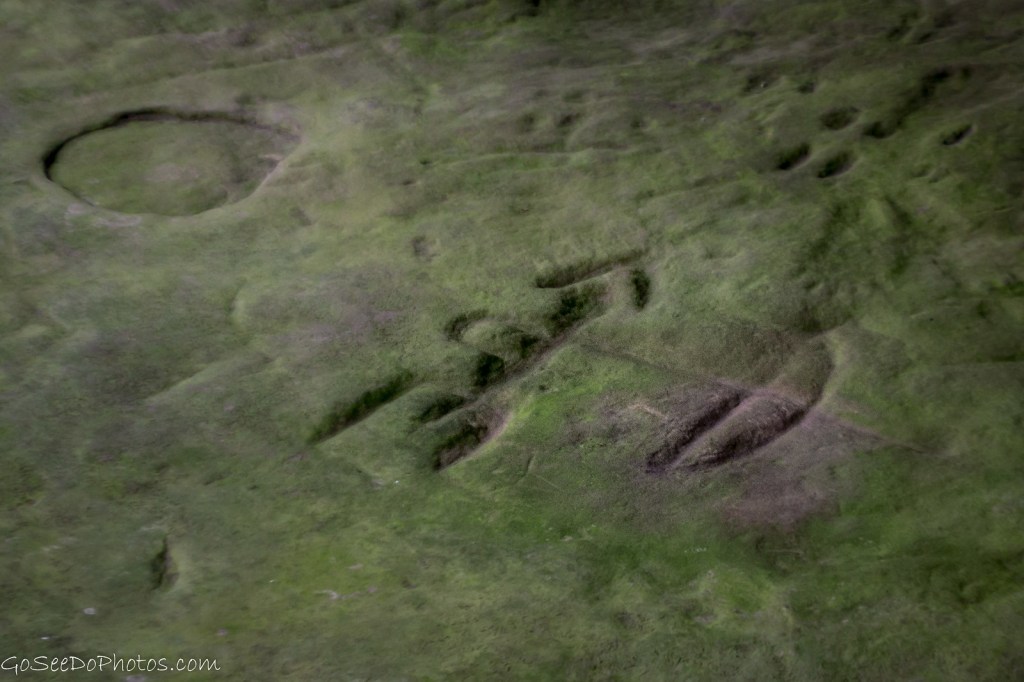
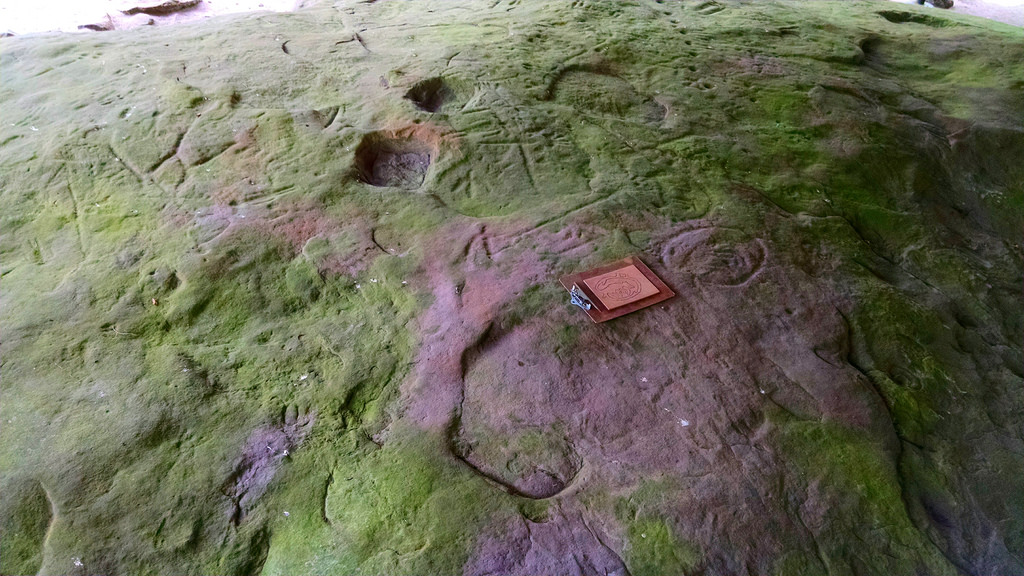
Knowledge written on stone: the Sanilac Petroglyphs

Petroglyphs by Ashleigh Mowers

The Sanilac Petroglyphs Historic State Park in Michigan’s Thumb is the home of Michigan’s largest known collection of early Native American teachings carved in stone. The 420-acre park is open seasonally & managed jointly with the Saginaw Chippewa Indian Tribe of Michigan. The excellent Stateside Podcast shares that the name of the park in Anishinaabemowin is ezhibiigaadek asin, which means “knowledge written on stone” and says in part:

One of the most popular petroglyphs in the park is a figure of an archer, known in Anishinaabemowin as ebmodaakowet. The figure’s body is an arrow, as is his hat, and he holds a bow and arrow in his hands.

“Early on, when archeologists who were not consulting with tribes, you know, saw that, they thought, oh, surely this must be a hunting magic. They took it very literally. ” explained Tchorzynski. “But actually, this ebmodaakowet is actually shooting the arrow of knowledge seven generations into the future. And this was a carving that was left with great love and great affection for descendants in the future, to remind people of our responsibilities to be good ancestors, to preserve and remember, and our obligation to shoot the arrow of knowledge into the future as well. We all must be good ancestors.”

The fragile carvings are easily affected by natural forces. The Marshall sandstone is a very soft rock, and so many of the petroglyphs have faded naturally throughout the centuries. Over the years, the petroglyphs have also been damaged by human hands. Parts of them have been vandalized, and pieces of the stone have been chipped away and taken. In order to protect the carvings from degrading over time, a wooden pavilion was erected over the site. A rope now separates visitors from the rock.

Read (or listen to) a lot more at Stateside!

Ashleigh took this photo back in 2017. You can read her great writing about traveling in Michigan (and elsewhere) at Go See Do Explore. She has a brief article about her visit as well.

Support Michigan in Pictures with Patreon

Sanilac Petroglyphs by Leon Baker (don’t have a link for him anymore!)

Waterfall Wednesday: Gabbro Falls Thunder

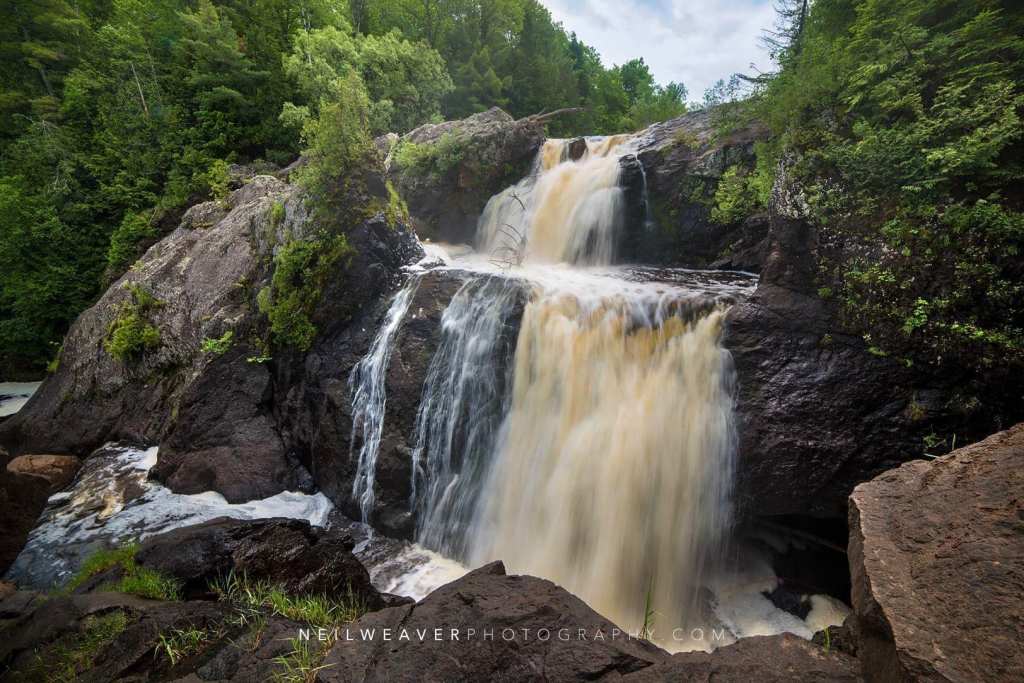
Thundering Gabbro Falls by Neil Weaver Photography

Thundering Gabbro Falls by Neil Weaver Photography

GoWaterfalling’s page on the 40-foot tall Gabbro Falls in the western Upper Peninsula begins:

Gabbro Falls is on the Black River and is as impressive, if not more impressive, than its more celebrated neighbors downstream along the Black River Scenic Byway. This is a largely wild waterfall with no fences or barriers of any kind. It consists of three separate drops. When the water is high there is a fourth drop that is the height of the other three combined. The main drop falls into a narrow crevice between two large rock formations.

Gabbro Falls is relatively easy to find but there is some confusing information out there. The waterfall is also known as Baker’s Falls, and it is often mistakenly called Garbo Falls (gabbro is a type of rock).

Read on for tips on visiting and pages about nearby waterfalls on the Black River and also be sure to check it out on GoWaterfalling’s awesome waterfall map!

Neil shares that the thundering Gabbro Falls never fails to impress. See more on his Facebook and at neilweaverphotography.com.

Many (many) more Michigan waterfalls on Michigan in Pictures!

Support Michigan in Pictures with Patreon

Michigan Merganser Mania

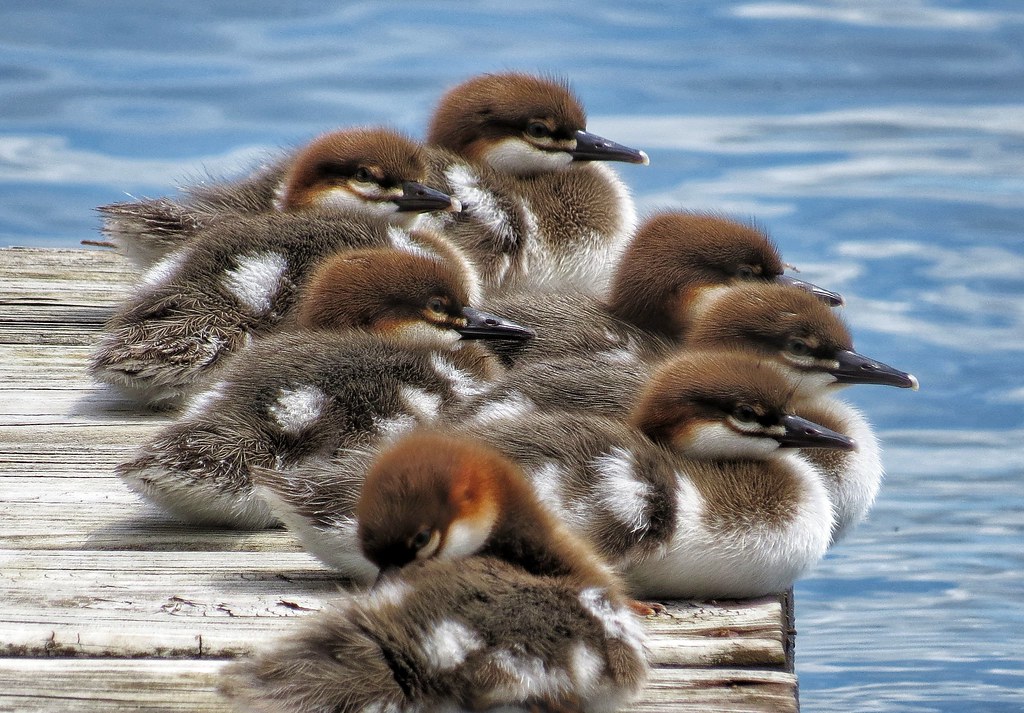
Female Common Merganser and 7 young by Mike Carey

All About Birds says that Common Merganser are large, long-bodied ducks with thin, pointed wings. Their bills are straight and narrow, unlike the wide, flat bill of a “typical” duck, and the females have shaggy crests on the backs of their heads. Although these ducks look pretty punk & cool, the Tip of the Mitt Watershed Council reminds us that Merganser ducks are the main culprit in the spread of swimmers itch:

Swimmer’s itch (cercarial dermatitis) is a skin irritation caused by a larval form of certain flatworms from the family Schistosomatidae. Schistosome flatworms are parasites with complex life cycles usually involving certain species of snails and waterfowl. Upon hatching, free swimming Schistosomatidae larvae seek out an intermediary host, usually snails, to continue the life cycle. The larvae, known as cercariae, are only 1/32 of an inch long and generally invisible to the naked eye. Since humans are not the proper host, the larvae soon die upon mistakenly burrowing into the skin. The resulting skin condition and itching sensation is caused by an immune response to the dead larvae under the skin and symptoms vary by person. In many Michigan lakes, the common merganser duck is the primary or sole vertebrate host.

I am for sure NOT calling for the killing of mergansers, but as someone who has spent a lot of time on lakes with swimmers itch, I encourage you to practice safe swimming where you see these ducks:

  1. Don’t swim first thing in the morning
  2. Swim offshore and away from downwind areas
  3. Rinse your body with clean water and towel off thoroughly after swimming!

Mike took these on Bear Lake a couple weeks ago. See more in his Bear Lake 2024 gallery on Flickr.

More duckies on Michigan in Pictures!

Young Common Mergansers resting on dock by Mike Carey

Support Michigan in Pictures with Patreon

A tower, but make it creepy

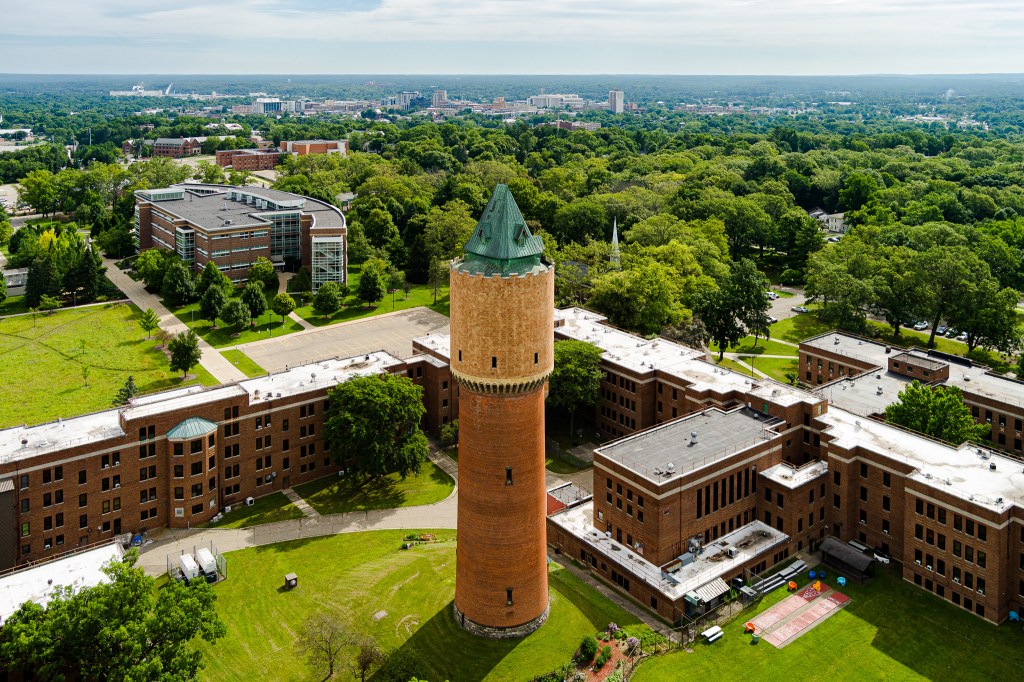
Kalamazoo Regional Psychiatric Hospital Tower by William Dolak

Bill shared this photo in the Michigan in Pictures photo group on Facebook & writes:

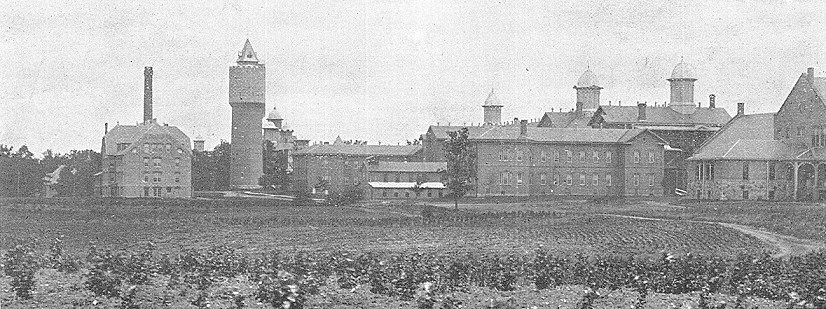
They built the “Kalamazoo State Hospital Water Tower” for the Michigan Asylum for the Insane in 1895. They instructed the architect to design something with a medieval feeling to complement the existing buildings – it looks creepy because it was meant to look creepy. It is no longer used as a water tower; its only function now is a landmark. They planned to demolish it in 1974 (almost none of the original asylum buildings remain), but “The Committee to Save the Tower” raised funds to save it. The National Register of Historic Places added the tower to its list in 1972.

See William’s latest in the Michigan in Pictures group & on his Flickr. Although he shares you can no longer tour the tower, you can watch a YouTube tour of the tower stairs from mLive & read all about the Kalamazoo Water Tower at the Kalamazoo Public Library:

The tower soars 175 feet into the air, rising from a base of cut stone blocks five feet high. The brick begins above this base. Approximately 50 feet wide at its widest point, it contains three water storage tanks inside. The main tank is 40 feet high and 40 feet in diameter and has a capacity to hold more than 200,000 gallons of hard water … The structure is really a tower within a tower. The outer shell tapers from six feet thick at the base to four feet at the top. Enclosed is an inner shell, which is also about six feet thick. Between the inner and outer shells is a wooden circular stairway, which winds upwards until it reaches 100 feet. Then a series of ladders leads to the top of the tower. At the top is a little room, gothic in appearance, that has a window facing in each direction. Four enormous wooden beams meet in the center of the room. They are etched with dozens of sets of initials carved by visitors, the oldest by one W. E. DeLong dated 1898.

Thanks for reading! You may be interested this photo feature on the Grand Traverse Asylum as well!!

Kalamazoo Asylum, early 1900s

Support Michigan in Pictures with Patreon

Slow Burn Sunset

Slow Burn Sunset in Muskegon by Walter E. Elliott

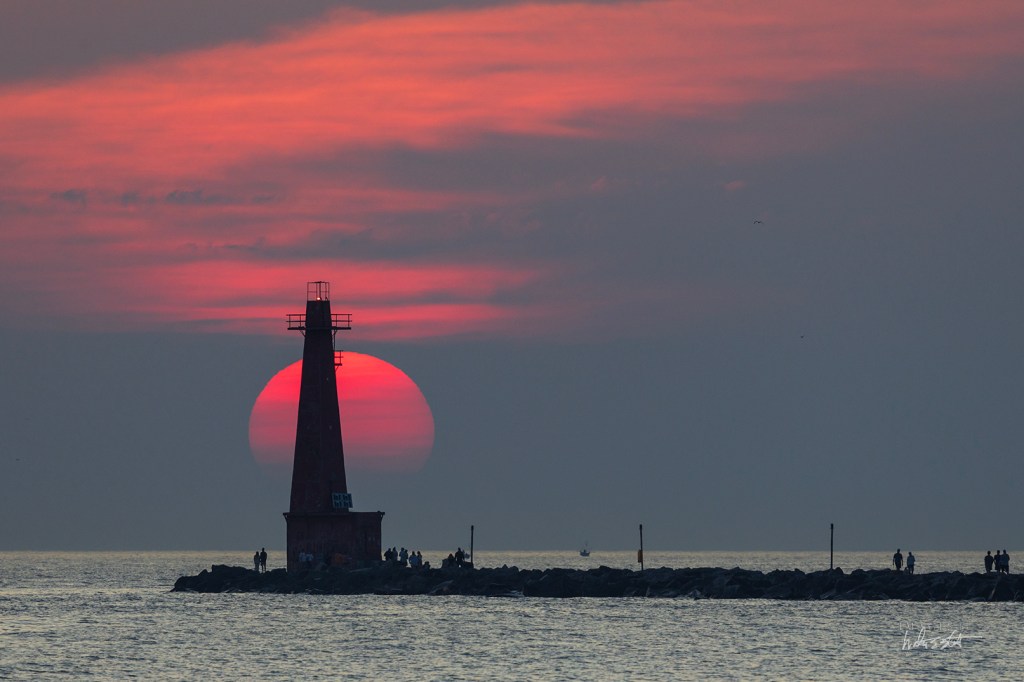
mLive meteorologist Mark Torregrossa shares that a large plume of wildfire smoke will be impacting our weather (and sunsets) over the weekend:

While it looks like a dry weekend that should be sunny, there will likely be areas of high-level wildfire smoke. The exact timing of the smoke will be difficult. It does look like some time Saturday will have a thick blanket of smoke high in the sky. It won’t mean much to the big picture of the weather other than keeping our temperatures out of the high-80s.

One thing is sure this weekend. Our humidity will be fairly low. We can see that with the morning low temperatures. Saturday morning we will drop into the 50s.

I think I can live with that forecast!!

Walter took this photo last Saturday. Follow his Facebook for more and view & purchase his work on his website.

Support Michigan in Pictures with Patreon

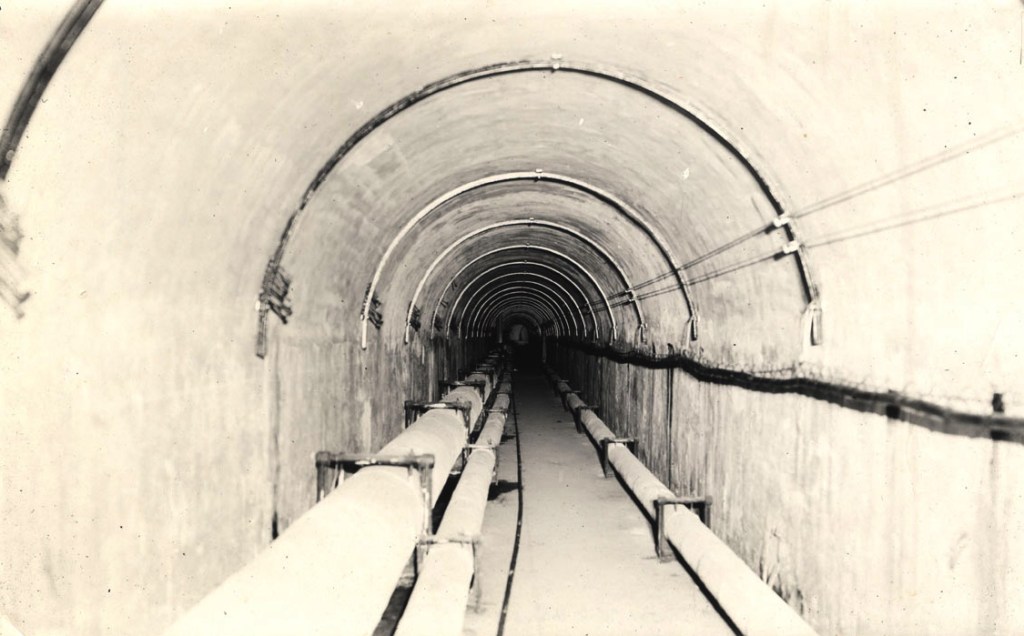
Hamm led “Dungeon Masters” podcast heading into MSU Steam Tunnels

Michigan State University Steam Tunnels by MSU Archives

Deadline shares that a new podcast from Mad Men star Jon Hamm will delve into the real-life missing person case which made Dungeons & Dragons and MSU steam & electric tunnels famous:

Set in 1979, the series gives listeners a behind-the-curtain look into the world of Dungeons & Dragons, told through the lenses of private investigator William Dear (Hamm), a swashbuckling style tough guy and creator of the game Gary Gygax (Wil Wheaton). The series follows Dear on his quest to find Dallas Egbert, a Michigan State student, who supposedly disappeared in the steam tunnels under his University while enacting a real-life version of D&D.

…Kushner said: “I’ve been obsessed with the disappearance of Dallas Egbert since I was a kid playing D&D. When I was interviewing the game’s co-creator Gary Gygax for Wired, he told me how influential Dallas’s disappearance was on the game. I always thought the real story of William Dear’s search for Dallas would be an amazing way to immerse people into the world of the game and the gamers who play it. And since the game is built on storytelling, it felt perfect for a podcast.”

I have no idea what this will be like, but as a person who played D&D at Michigan State University, you know I’ll be tuning in!

Click for more about the MSU steam tunnels & other campus mysteries!

Support Michigan in Pictures with Patreon