Back in the day, Linda Godfrey would regularly share stories with me from her classic book Weird Michigan and her other works. Linda has regrettably passed on and her Weird Michigan website is lost, but here’s a seasonally appropriate tale of shipwrecks & lost love from my archives…
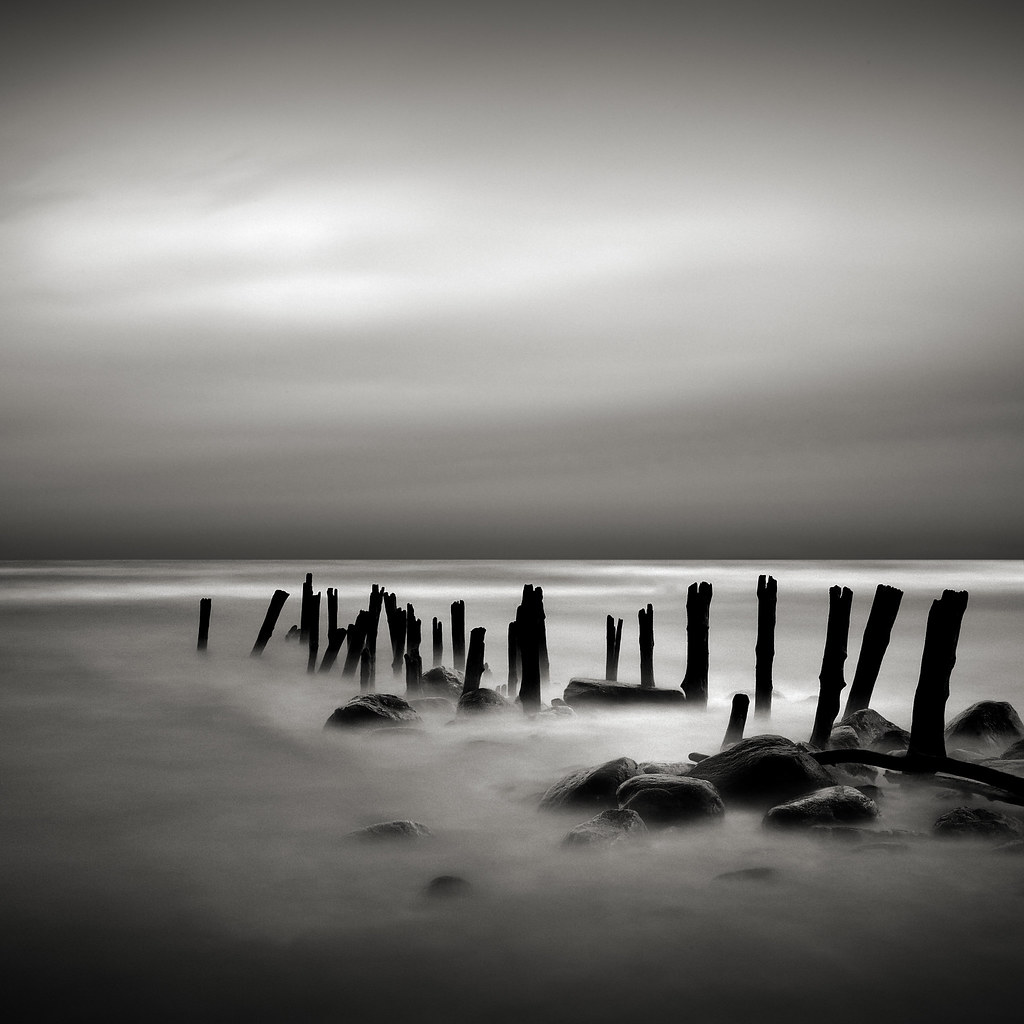
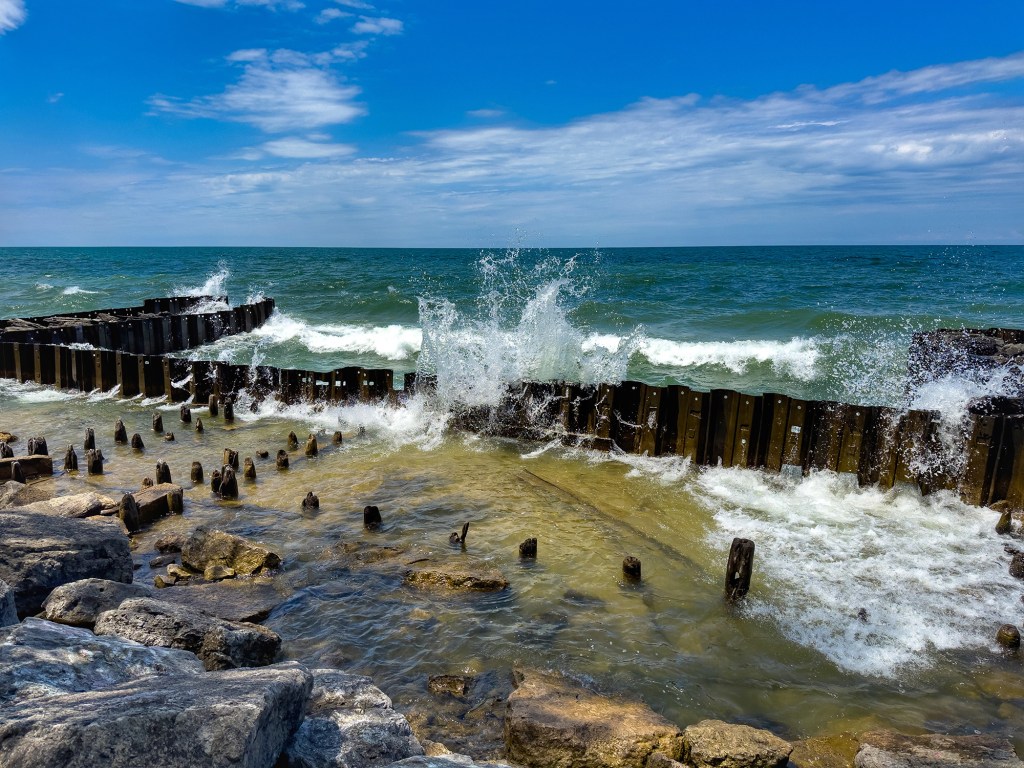
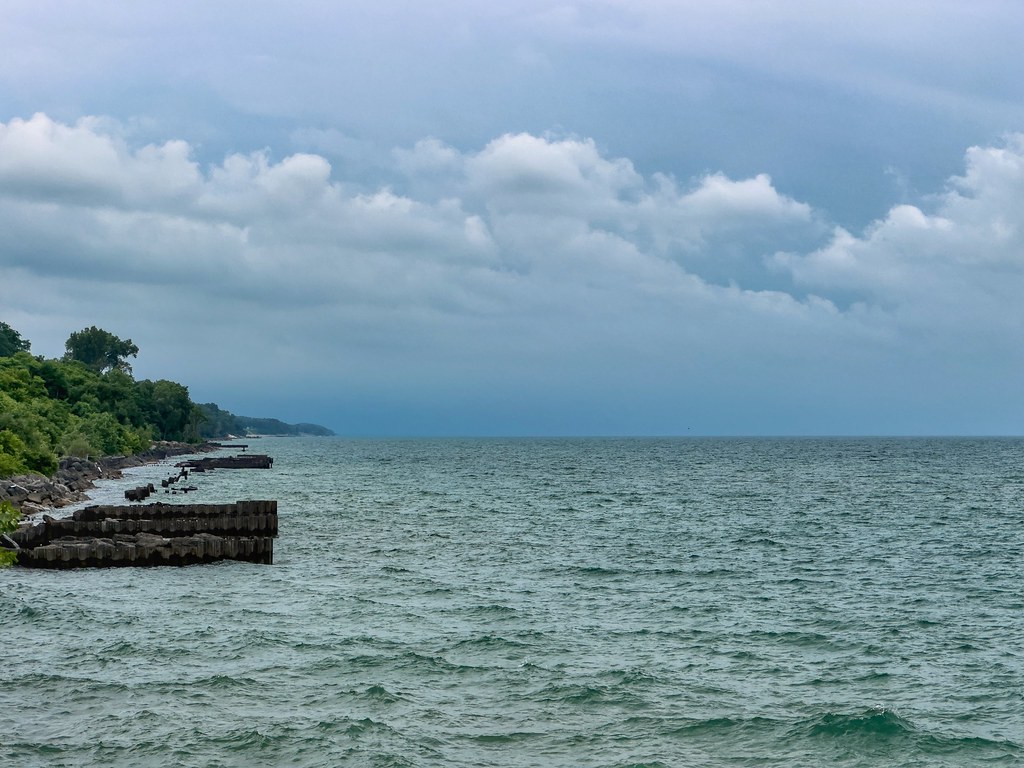
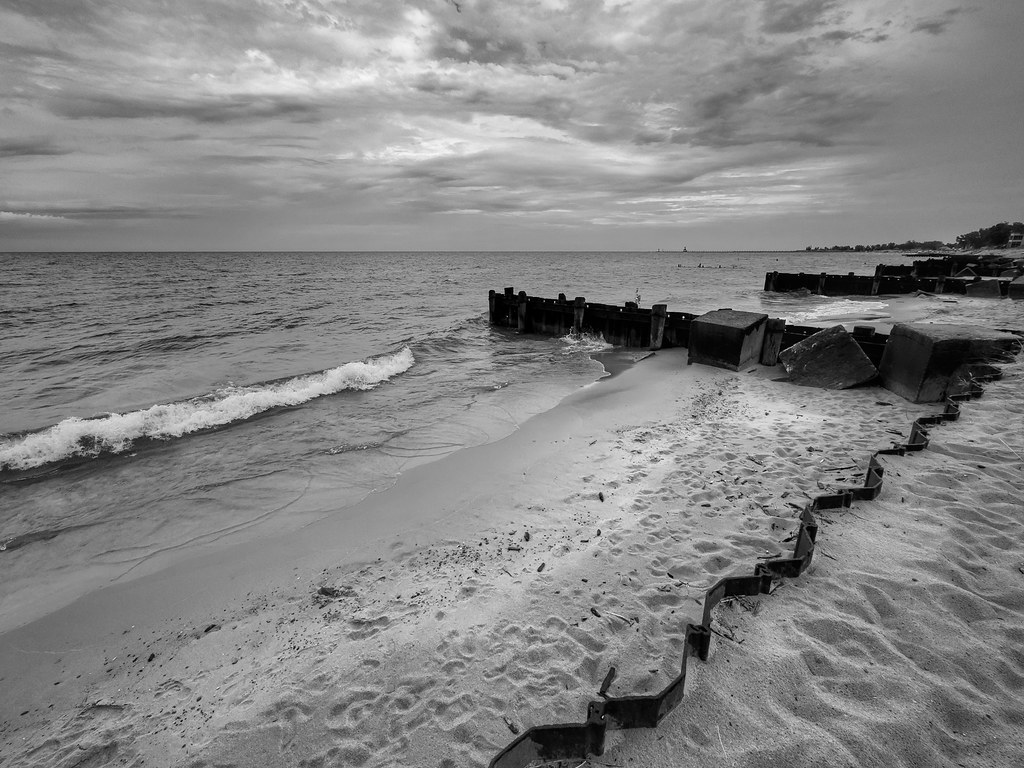
In the mid-1800s, the Lake Huron port and lumber town of Forester was a far cry from the sleepy, near ghost town it is today. The remains of huge pilings just off the scanty beach now stand as crumbling reminders of the great pier that once bustled with Great Lakes ships and sailors.
One of those sailors unwittingly started the legend that would be Forester’s main claim to fame after the lumber ran out and the ships stopped coming.On shore leave one day, the unnamed young man took up with a local girl named Minnie Quay, whose folks, James and Mary Ann Quay, owned the town tavern.
The Quays forbid Minnie to see her beloved, but the order proved tragically unnecessary after his ship became one of many that succumbed to Great Lakes gales. Minnie made one more visit to the forbidden pier after learning that news, and on April 26, 1876, at the age of 16, she threw herself into the water in hope of joining him in the afterlife. She lies in a waterfront cemetery now, next to the bodies of her father, mother and brother.
Legend says that she still wanders the beaches, moaning for her lost sailor, and that some have seen her standing waist deep in the water, beckoning others to join her. The former Quay home and bar still stands, giving Minnie’s ghost even more reason to linger.
“Since first arriving in the Great Lakes in the 1980s, invasive mussels have spread to all five lakes, and altered the ecosystem in profound ways. Today we understand that zebra and quagga mussels are an existential threat to the Great Lakes and without a coordinated response, they will continue to inflict harm on the environment, infrastructure, and critical species such as lake whitefish. Just as invasive sea lamprey require a coordinated, binational response for effective control, we must partner with national, state, provincial, Indigenous, regional, and local partners to find a solution to the mussel invasion. This bill makes that happen.” –Great Lakes Fishery Commission Chair Ethan Baker
US Reps. Debbie Dingell, D-Ann Arbor, and Tim Walberg, R-Tipton, want to increase funding for mussel control research more than fiftyfold to $500 million over the next 10 years. (EDITOR: They released it on Tuesday)
Otherwise, the “fish that we take for granted are going to just disappear,” Dingell told Bridge Michigan.
…The damage wrought by invasive mussels is among the biggest threats to the Great Lakes in history. Yet Bridge found that while the US government has spent mightily to combat other threats, the fight against mussels has received a comparative pittance.
The main funding program for Great Lakes science has devoted an average of less than $1 million annually to the cause since 2010, according to spending records analyzed by Bridge. The federal government spends about 20 times that amount to keep sea lamprey out of the Great Lakes and has promised 90 times as much to build a barrier against invasive carp.
Read on for much more & kudos to these two Representatives for working together to protect the livelihoods and meals of Michiganders!
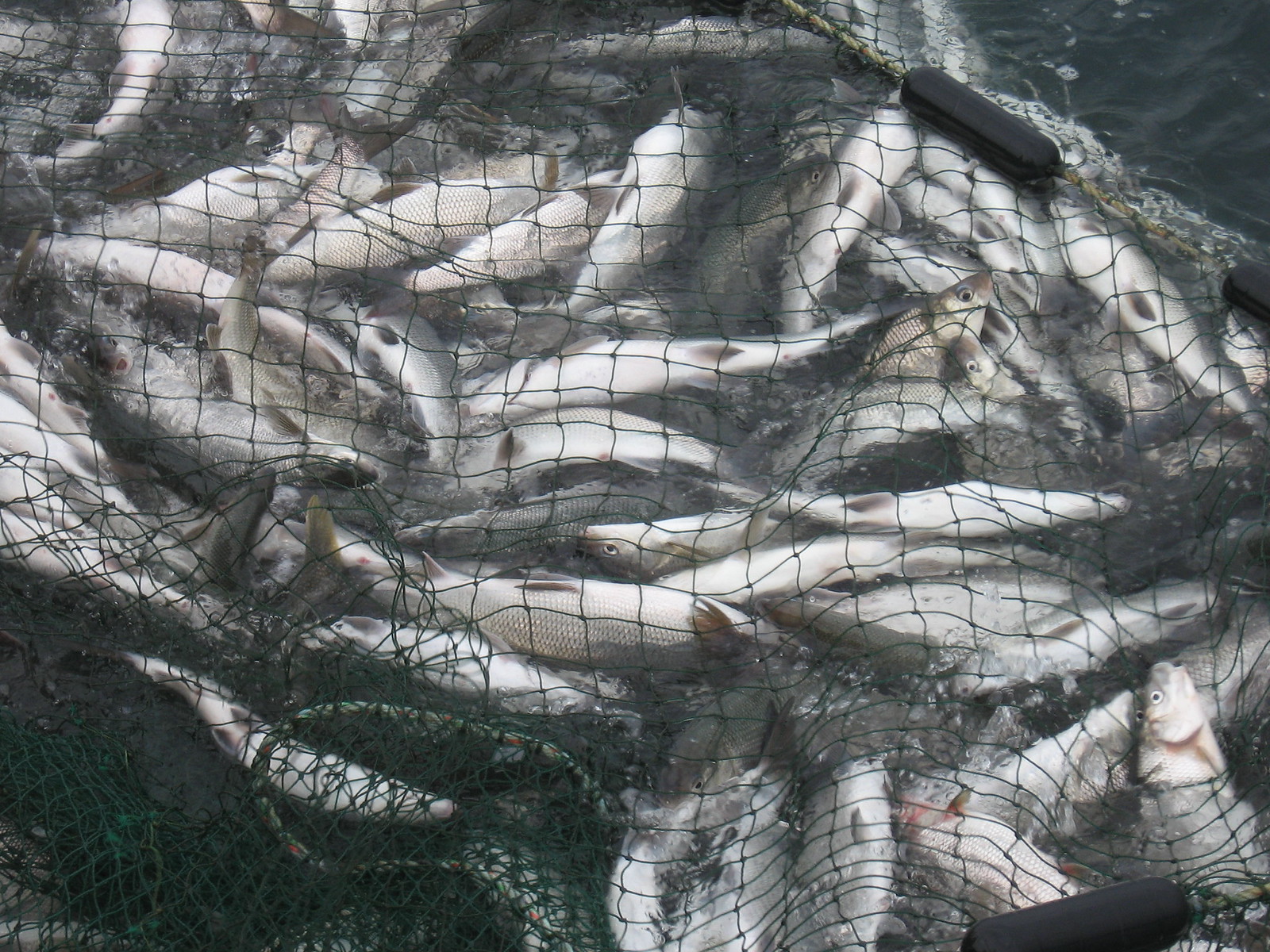
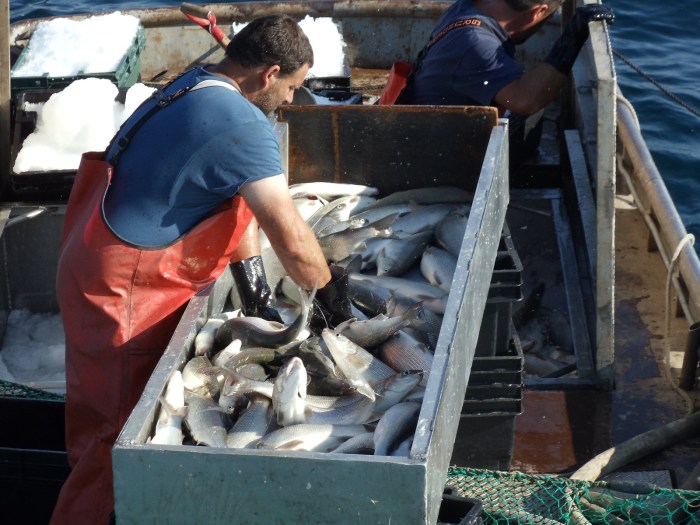
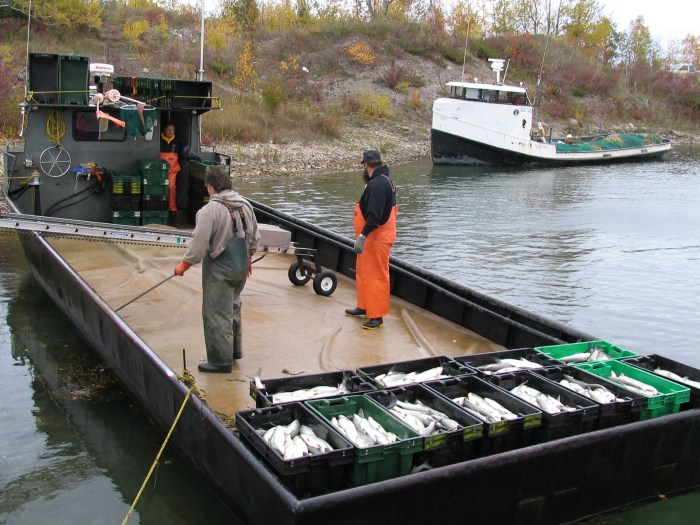
The photos are from Michigan Sea Grant and the one of the boat moored was taken by Brandon Schroeder. Sea Grant is an excellent organization that works hard for Michigan waters and the Great Lakes as a whole!
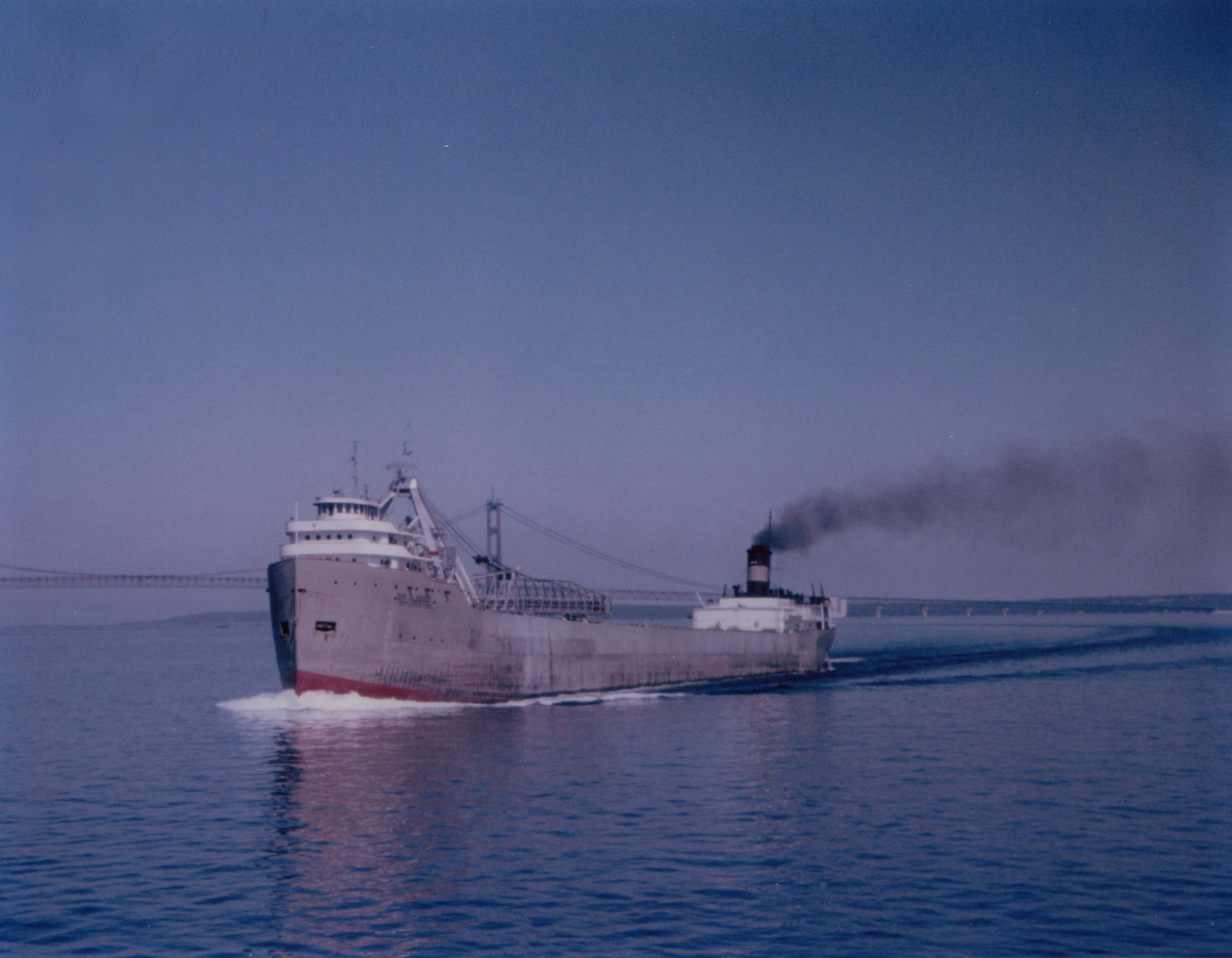
When I posted about the wreck of the Edmund Fitzgerald a couple weeks ago, a reader asked why I don’t share the other famous shipwrecks. I explained that although posts about the Fitz tend to be more shared, my vote for the most grievous loss on the Great Lakes has always been the S.S. Carl D Bradley, a 639-foot freighter that sank almost 70 years ago November 18, 1957. Here’s an article by Valerie van Heest (Seeking Michigan / the Archives of Michigan) that was featured on my Absolute Michigan website back in the day.
“A Deafening Thud”
Abandon ship! Abandon ship! The whistle squawked seven short blasts, then one long blast. It was a signal twenty-six year old deck watchman Frank Mays knew well, but never expected to hear. Just minutes earlier, he had been having a smoke with Gary Price in the dunnage room, deep in the bow, when they heard a deafening thud. “We hightailed it out of there to find out what had happened,” Mays recalls. “When I reached the upper deck, I looked aft and saw the stern flapping up and down like a dog’s tail.” The Carl D. Bradley‘s back had broken, and it would be only a matter of minutes before water filled the tunnels and cargo holds of the 639-foot vessel. It was 5:30 p.m. on November 18, 1958.
Final Voyage
The Bradley had departed Gary, Indiana the day prior, running in ballast in building southwest seas along Lake Michigan’s western shore. On the season’s final voyage, the veteran boat was scheduled to head to Manitowoc, Wisconsin for repairs during its winter lay-up. The rusting cargo had been due for an $800,000 replacement for over a year, but its owner, Bradley Transportation Company, a subsidiary of U.S. Steel, pushed the work back until the end of the season. A radio call from headquarters ordering an additional stone delivery before lay-up proved to be the demise of the Bradley. Despite reports of gale-force winds and thirty-foot seas that compelled other freighter captains to take shelter along Wisconsin’s shore, Captain Roland Bryan, known as a “heavy weather man,” headed northeast across the lake from the Door County peninsula toward the Straits of Mackinac and back to Rogers City. At 5:35 p.m., the Bradley sank twelve miles southwest of Gull Island.
“The Worst Night of His Life”
Even today, survivor Mays recalls that horrific night with clarity. Hunkered down on the life raft just aft of the pilothouse, he trembled realizing the sinking beneath him. His eyes were drawn aft toward the flying sparks as the huge steel deck plates began to tear apart. In the growing darkness and mayhem, he could make out second mate John Fogelsonger running toward the stern and leaping over the break. Before his eyes, his friend disappeared as the Bradley ripped apart. The next thing Mays recalls was being pitched into the air, landing in the icy, angry water and then struggling onto the raft where he fought to hold on through the worst night of his life.
“A Painful Memory”
By morning, only Mays and first mate Elmer Fleming were alive. After fifteen bone-numbing hours in the icy waters, the U.S. Coast Guard cutter Sundew rescued them. All thirty-three of their mates, including Gary Strelecki and Dennis Meredith, who shared the raft for most of the night, as well as two of Frank’s own cousins, perished. These men left behind twenty-five widows and fifty-four fatherless children. Considering twenty-three of the crew hailed from Rogers City, the home port of the Bradley, the loss personally affected nearly everyone in the small community. Fifty years later, the sinking is still a painful memory.
Because the summer of 2025 is not over, it’s not included in the rankings. But as of Aug. 14, the average daily temperature is 74.3 degrees – making it one of the hottest.
Here’s the difference: this year’s overnight lows have been some of the highest ever. The region has dealt with multi-day periods of sustained heat unlike any other year.
“When people talk about how hot it was back in 88, they’re right to do so,” FOX 2’s meteorologist Derek Kevra said. “But what they got was some relief days. We have had very few relief days this year.”
In the summer of 1988, there were seven days when overnight lows fell into the 40s and 26 days with overnight lows in the 50s. The summer this year has had barely any nights when temperatures fell that low. That included a 150-hour stretch where temperatures didn’t even fall below 70 degrees. Over the entire month of July, only three days have fallen into the 50s.
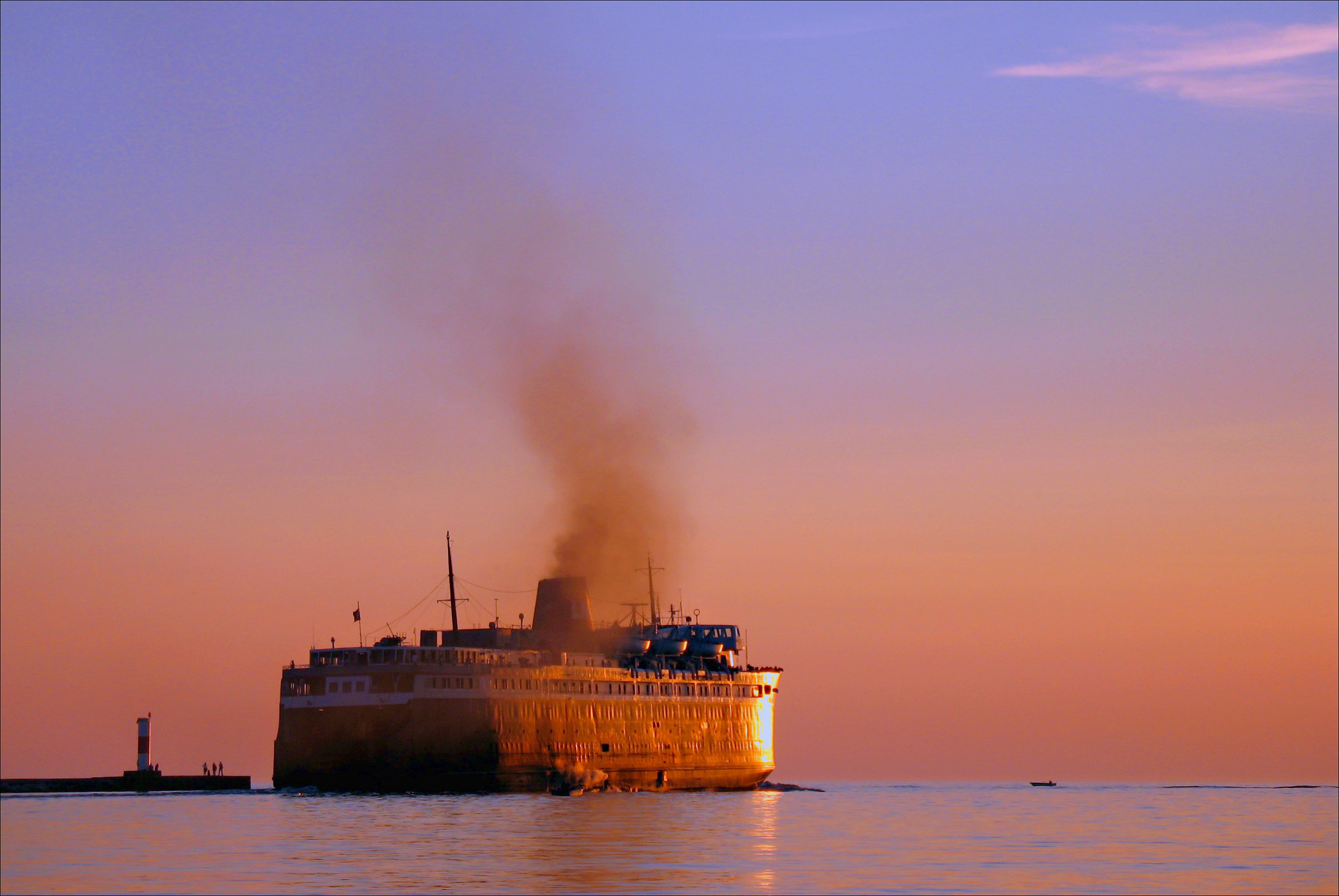
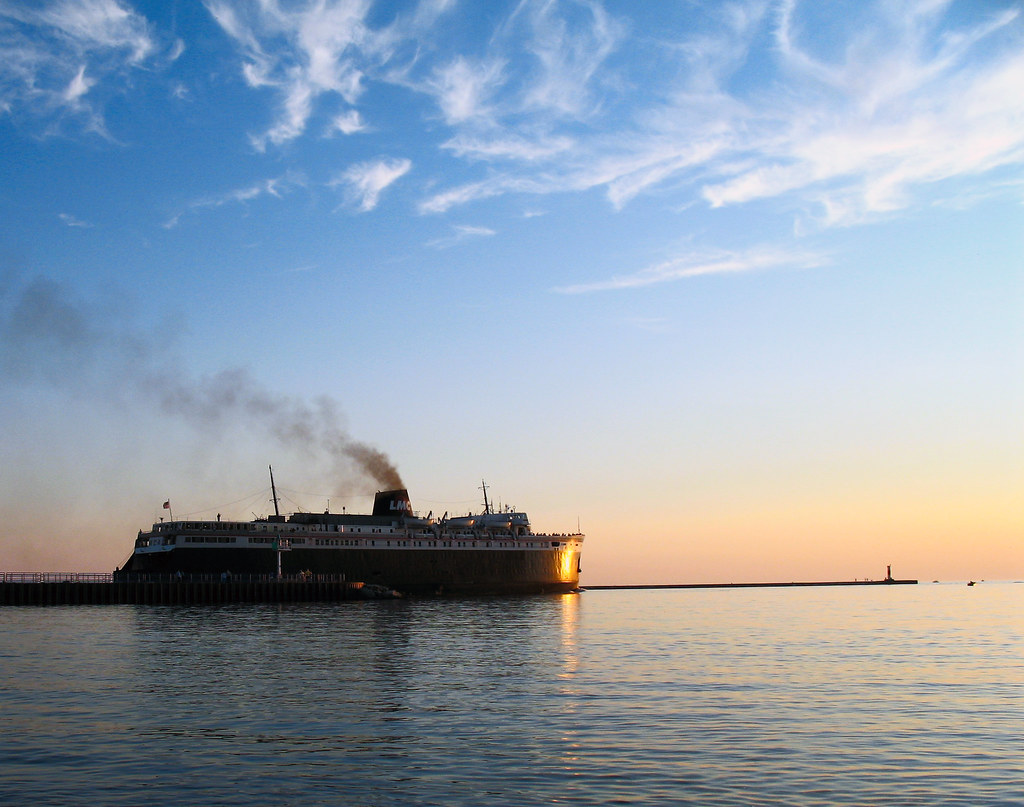
This isn’t the first time I’ve shared Diann’s photo of the coal powered SS Badger steaming out of its home port of Ludington back on Labor Day 2008 & it won’t be the last! Here are a few others that I’ve featured over the years – see more in her Third Coast gallery on Flickr.
National Lighthouse Day is an un-official celebration of lighthouses and the commitment and service of those who tended America’s lights for generations. It’s an especially big deal in Michigan because we are home to more lighthouses than any other state in the country, with over 120 lighthouses keeping watch along the 3,200 miles of Great Lakes shoreline!!
The American Lighthouse Foundation explains that the 1789 Act for Establishment and support of Lighthouse, Beacons, Buoys, and Public Piers enabled a huge amount of commerce by guaranteeing that lighthouses and other marine safety infrastructure would be funded nationally. National Lighthouse Day was officially celebrated on August 7, 1989 to mark the 200th anniversary signing, but Congress has yet to officially name it a national holiday.
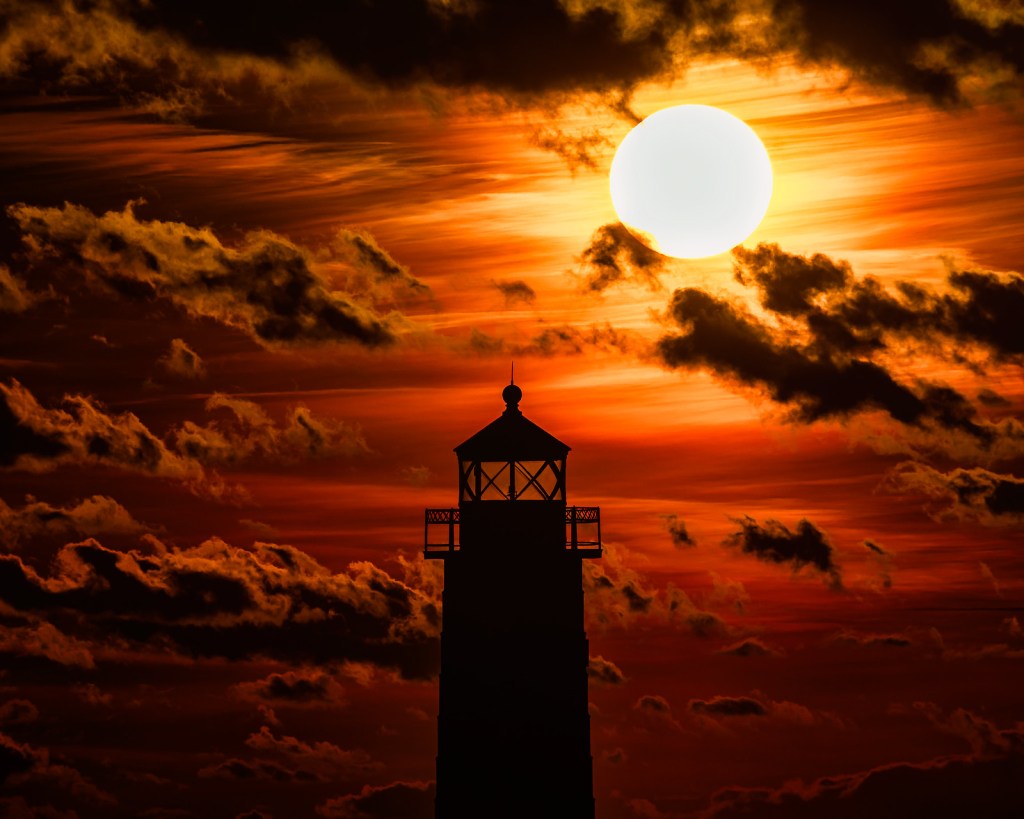
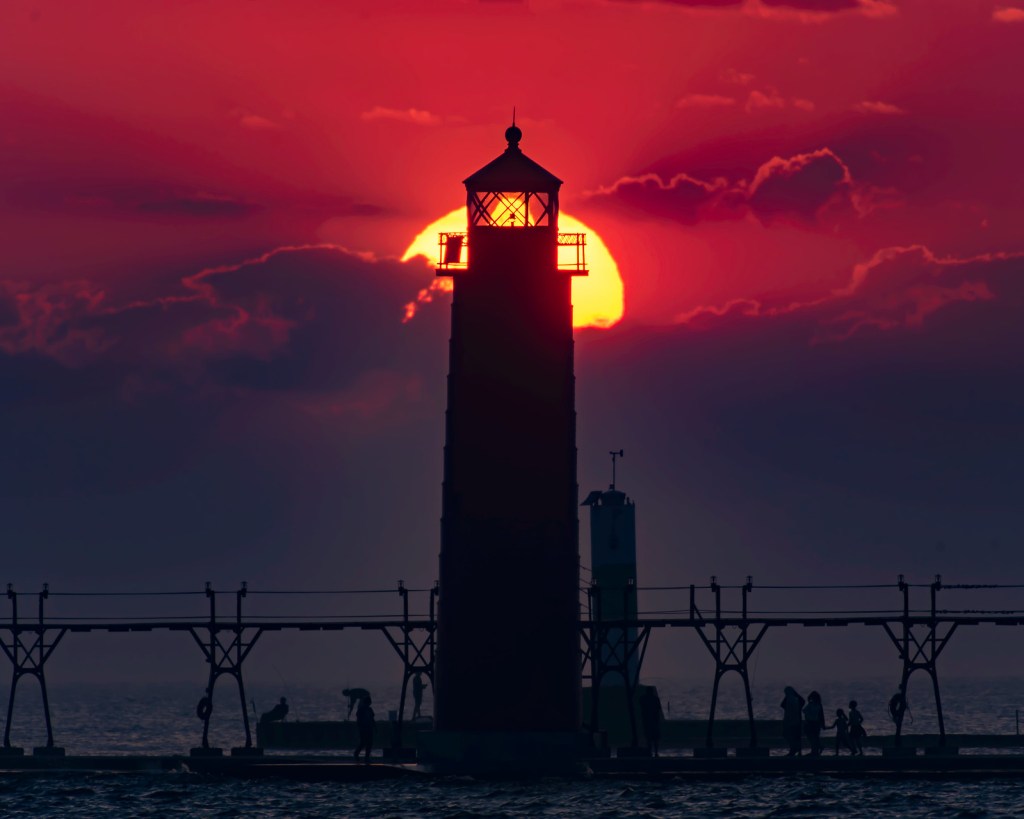
Brian took the above shot of the Grand Haven Lighthouse earlier this year & the one below back in June of 2020 – love the way the sun lights the light! See his latest on Flickr.
…“When we get 15 foot waves on Lake Michigan, I’m thinking, ‘Oh, my God. How much damage are they doing?’” says David Bunte, the supervisor for Chikaming Township, near the southern tip of Lake Michigan.
Water levels fluctuate naturally in the Great Lakes but intensifying climate change accelerates those changes. What used to be normal on a 20 year cycle is now happening in five or 10 years, says Mike Shriberg, an environmental policy researcher at the University of Michigan.
“We’re seeing record highs and then record lows much closer together,” says Shriberg, whose work focuses on Great Lakes water policy. “The Great Lakes has already experienced more water level change in the last decade than the saltwater coasts are expected to experience in the next 100 years.”
Ice normally acts as a buffer for the shoreline, absorbing the blows of powerful waves in winter storms, but as temperatures warm, diminished ice coverage in the Great Lakes is speeding up coastal erosion.
Read on for much more. If you’re not yet aware of Michigan Sea Grant , I encourage you to learn more about this cooperative program of the University of Michigan, Michigan State University, and the National Oceanic and Atmospheric Administration that funds research, education, and outreach projects designed to foster science-based decisions about the use and conservation of Great Lakes resources.
Mark took this photo at the beach in St. Joseph. Here’s a few more of Mark’s recent shots from the St Joseph’s Lake Michigan shoreline – note the crazy high water! See the latest in his 2025 gallery on Flickr!
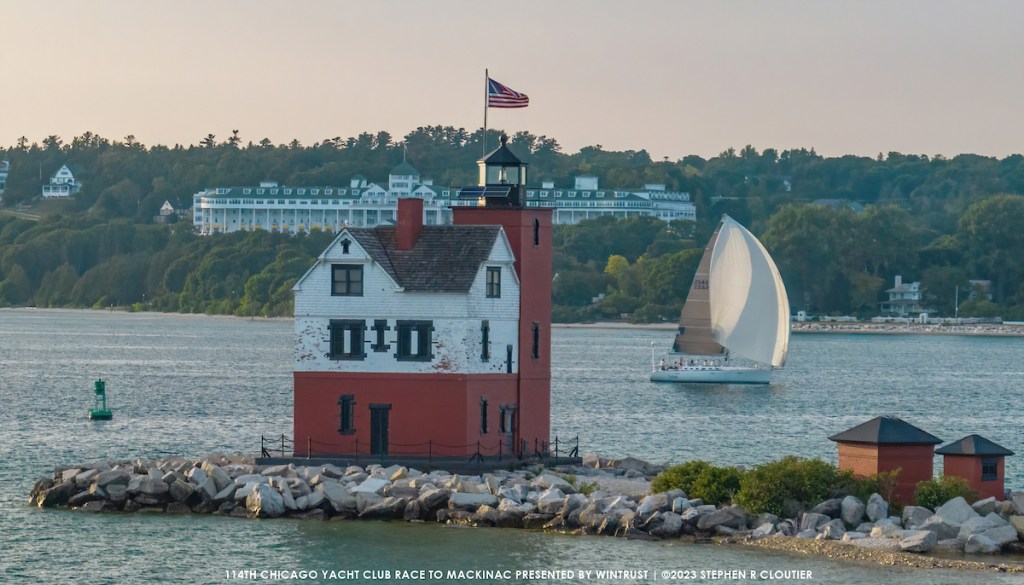
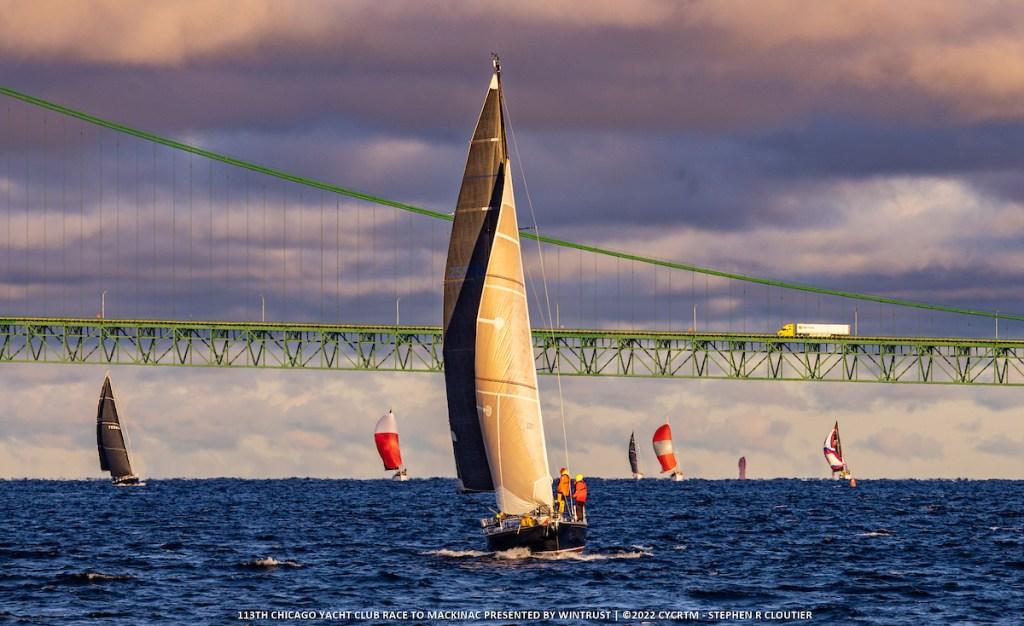
The Chicago Yacht Club Race To Mackinac starts Friday morning (July 18). The Chicago to Mac is the longest annual freshwater sailing race in the world, spanning 333 statute miles from the start at the Chicago Yacht Club, up the western shore of Lake Michigan, passing under the Mackinac Bridge to finish at Mackinac Island. They explain that:
…the race’s unpredictable weather and shifting winds on Lake Michigan make it a supreme test of sailing skill, rivaling many offshore ocean races. What first began in 1898 with just five boats has now evolved into a world-class sporting event. The origins of the Race to Mackinac date back to 1898, when Joseph Myers designed two fin-keel sloops, Siren and Vanenna. These vessels sparked a competition between their owners, George Peate of Siren and W.R. Crawford of Vanenna, and after three races in June of 1898, Vanenna remained undefeated. This prompted the idea of a unique, challenging race – one that would forever change the history of sailing.
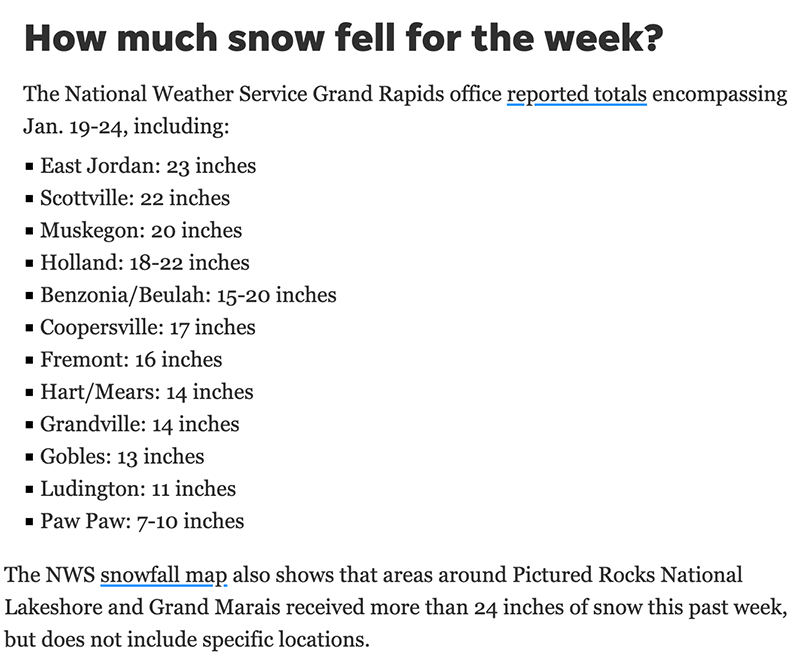
“This snowy week is nearly at an end, including a visit from real Arctic air, and many towns near Lake Michigan and Lake Superior got a foot or two of fresh snow as a result,” the NWS said. “Clearly, the vast majority of snow was a result of lake effect, as plenty of other parts of Michigan only saw an inch or two at best.”
Air temperatures in Michigan fell below zero Jan. 18-22. In some cases, the thermometer didn’t read above zero for two days. The coldest reading in the state came Monday night when Stambaugh, in the western UP, registered minus 30 — before wind chill. The town also saw minus 28 on Tuesday night while Ironwood’s NWS observer recorded minus 27.
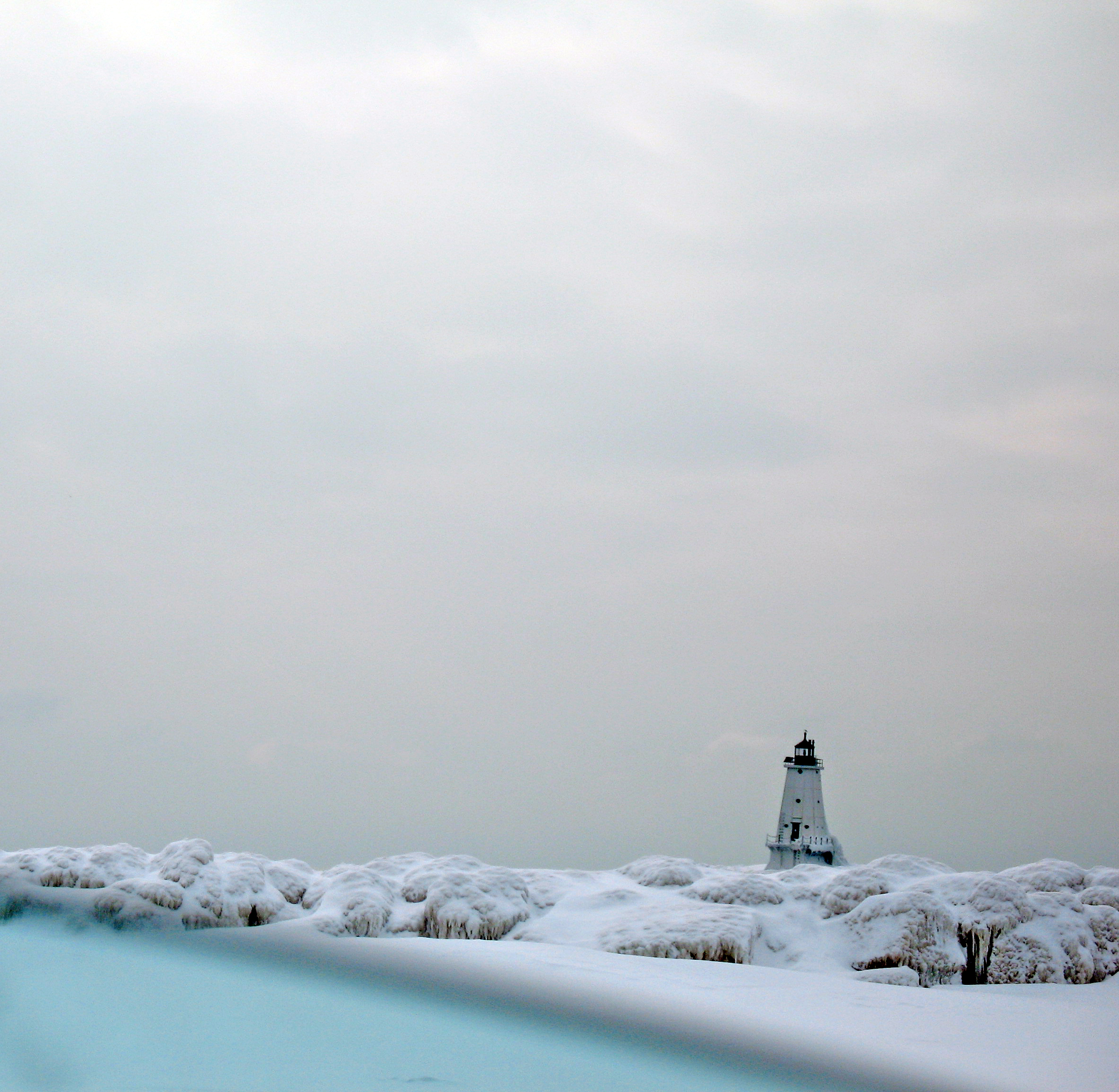
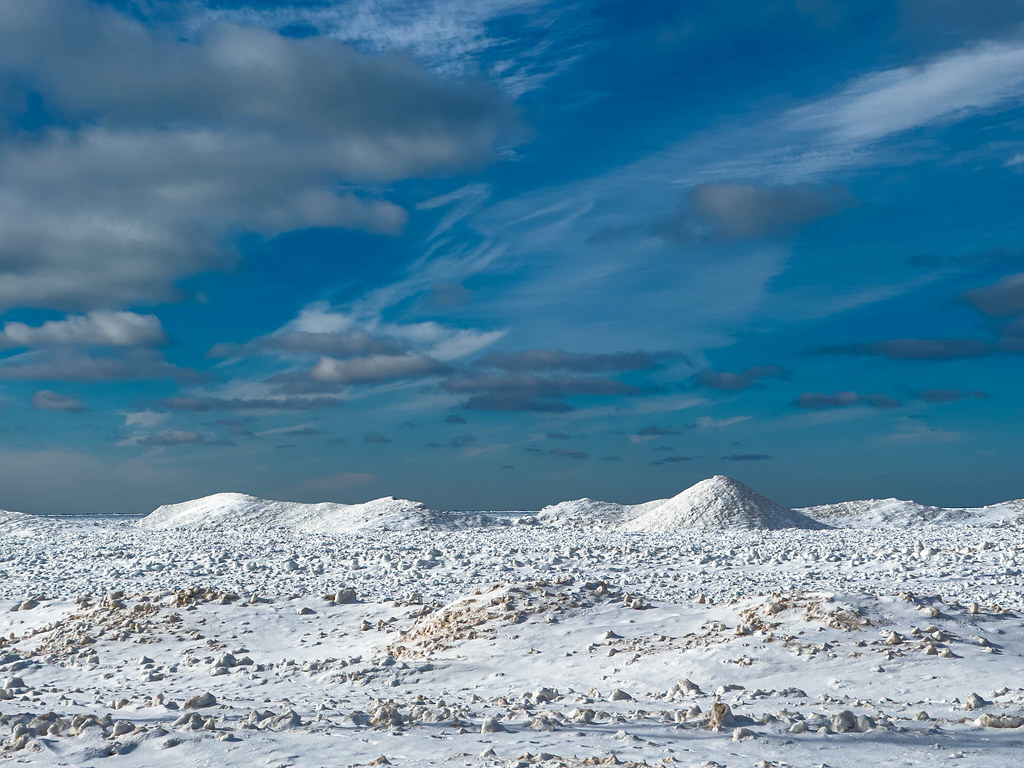
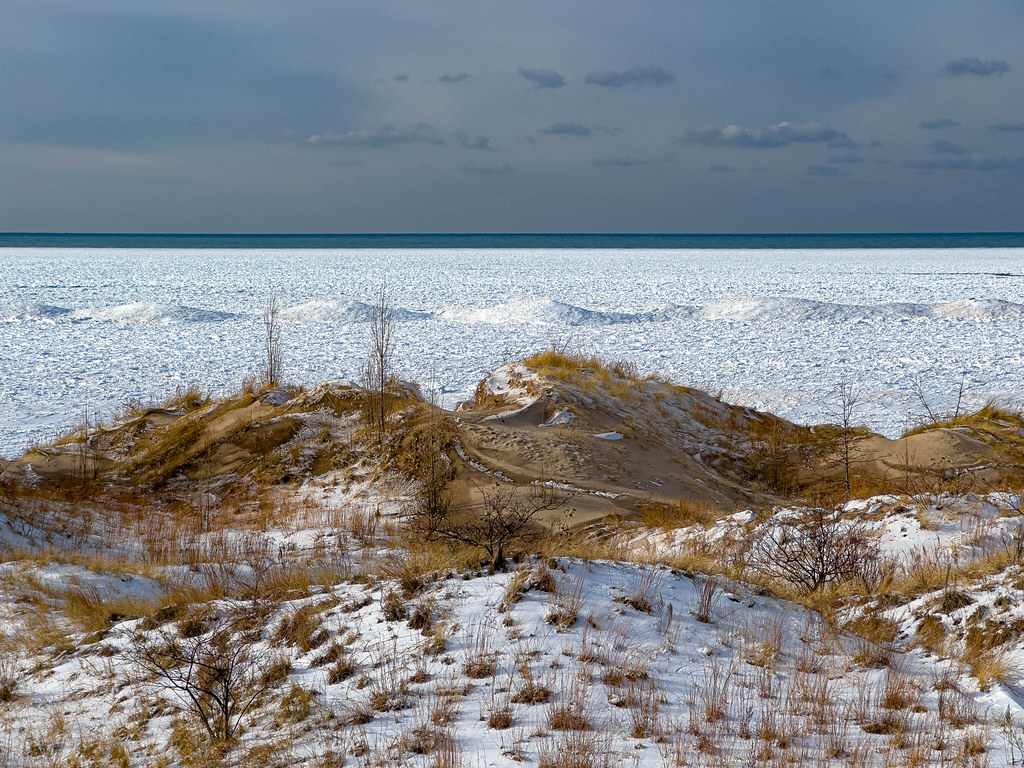
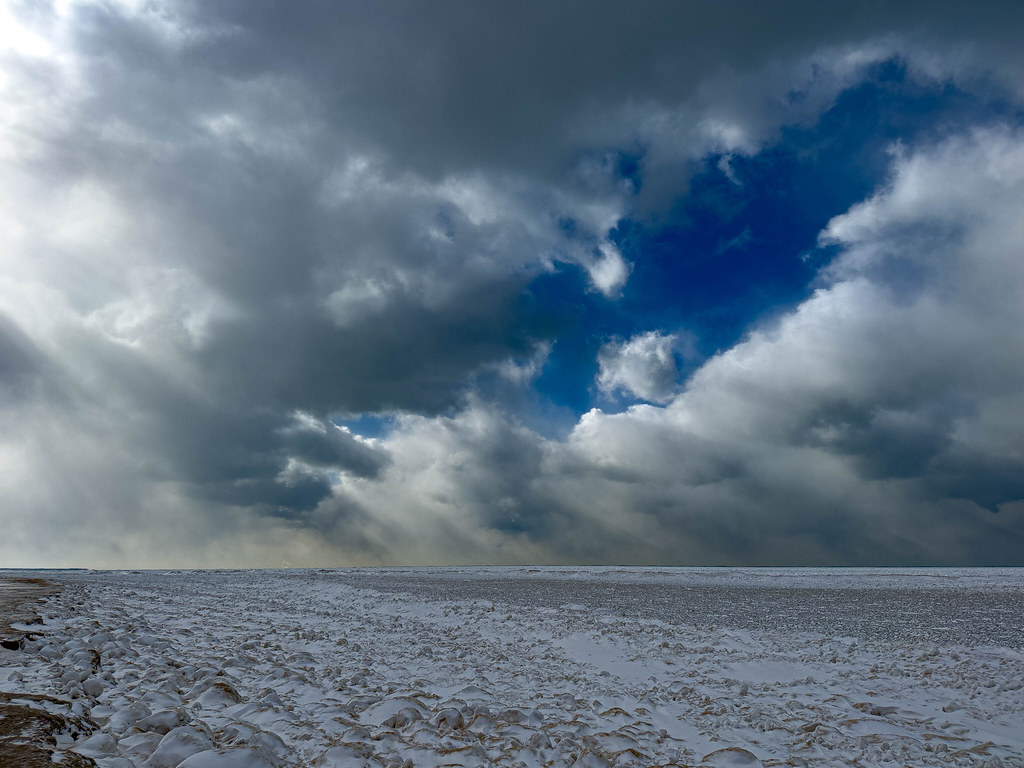
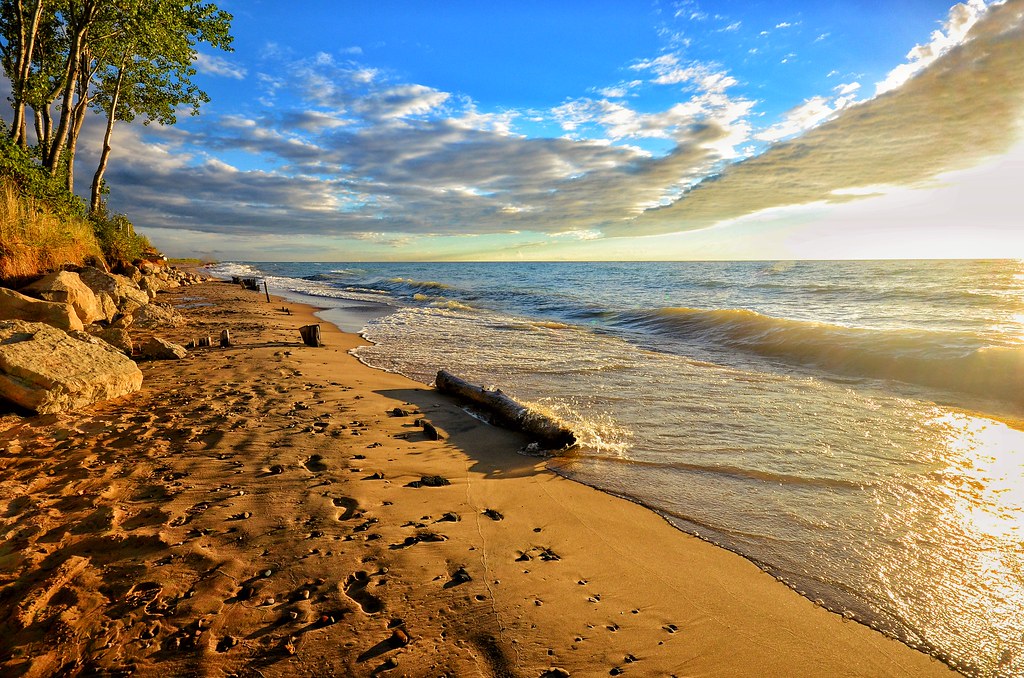
You can see that the conditions have also piled up shoreline ice in these pictures that Mark took over the weekend at Lincoln Township Beach just north of Grand Mere State Park. Here are some more recent ones and a shot from summer of 2016 below. More in Mark’s 2025 gallery on Flickr!
Snow squalls are in the forecast across Michigan as a cold front rushes in, beginning today and lasting into Thursday. Drivers should be aware, as these can be a serious hazard if you’re out on the road when a squall whips up. Snow squalls cause white-out conditions and can leave roads icy. They are forecast to develop in West Michigan this afternoon, then over a several-hour period tonight in Southeast Michigan as a strong cold front arrives, National Weather Service (NWS) meteorologists in the Grand Rapids and Detroit offices said. The front is expected to spark some rapidly-changing weather conditions.
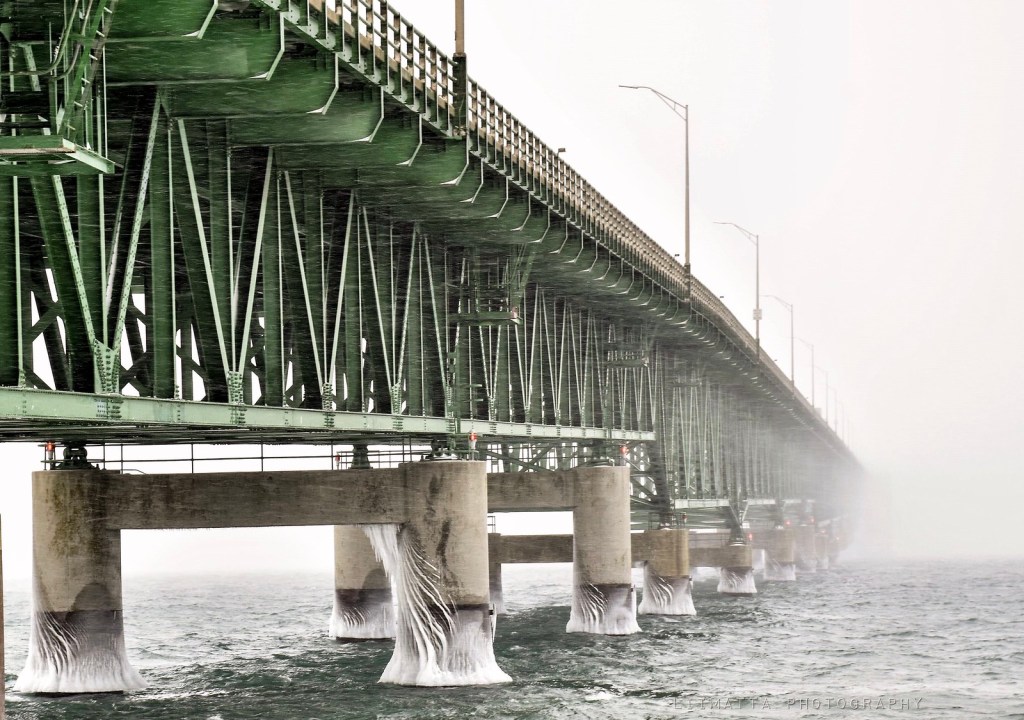
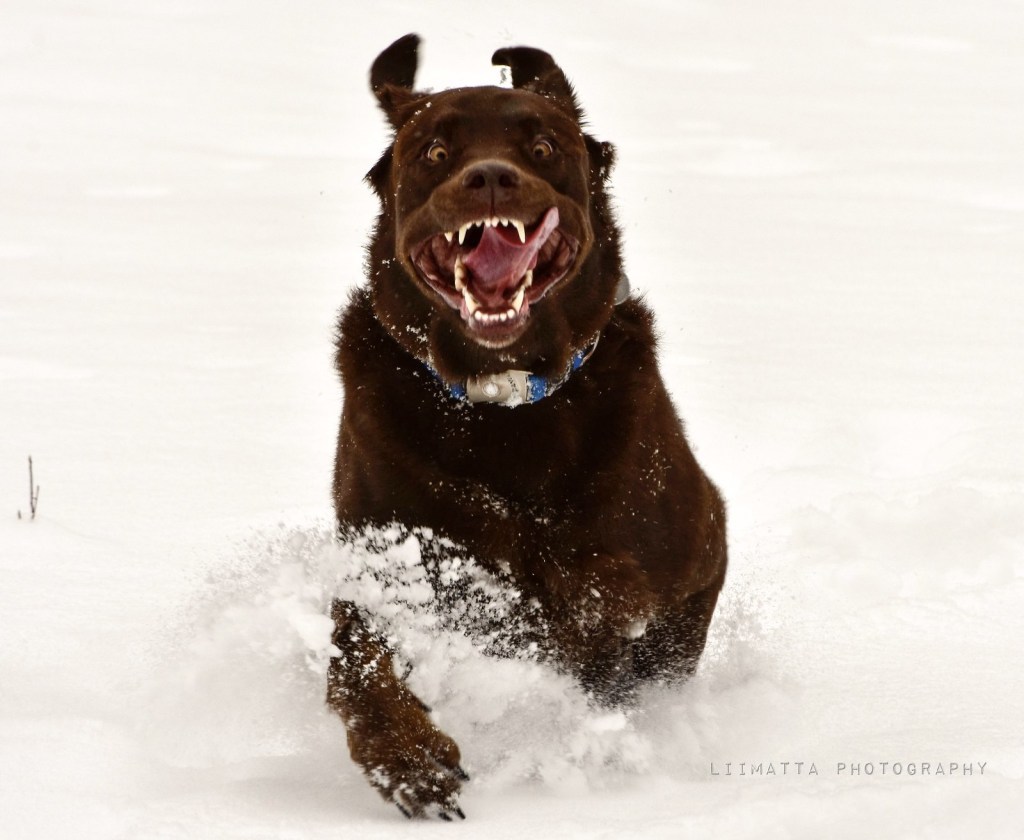
Paula got this shot of snow squalls buffeting the Mighty Mackinac Bridge back in January of 2018. See more in her Winter 2017 gallery including this reminder than for all its problems, snow can be SUPER FUN!!!



 Michigan in Pictures