Michigan sues Big Oil

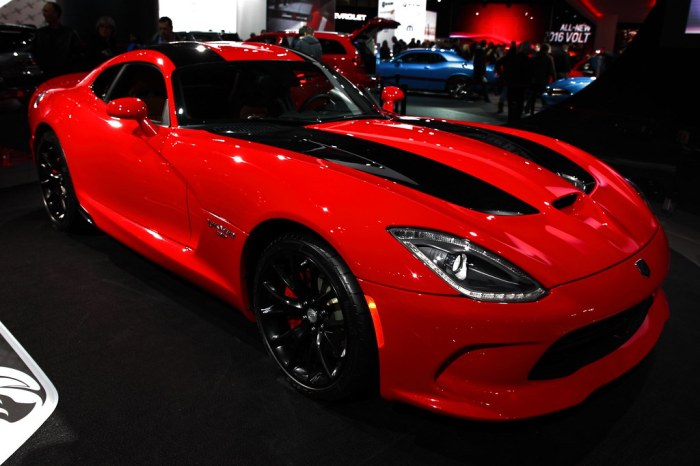
Mercedes Benz C350 Plug-In Hybrid by Rich

Mercedes Benz C350 Plug-In Hybrid by Rich

The Guardian shares that in a first of its kind complaint, the State of Michigan has filed a complaint accusing big oil of being ‘cartel’ that fuels climate crisis and high energy costs:

…the state’s attorney general, Dana Nessel, accused four fossil fuel majors and the top US oil lobbying group last month of acting as a “cartel” to stifle the growth of renewable energy and electric vehicles (EVs), while suppressing information about the dangers of the climate crisis. The conduct, the lawsuit alleged, violates federal and state antitrust laws.

The companies’ “collusion” drove up Michigan utility costs and slowed the transition away from gas-powered cars, according to the filing. Absent the industry’s efforts to repress clean technology, EVs “would be a common sight in every neighborhood – rolling off assembly lines in Flint, parked in driveways in Dearborn, charging outside grocery stores in Grand Rapids, and running quietly down Woodward Avenue”, it said.

Electricity costs in Michigan have surged, with average residential rates increasing by nearly 120% in the last two decades. And though electric car adoption is increasing, EVs and hybrids accounted for less than 4% of total registered vehicles statewide last year.

Rich took this photo at the North American International Auto Show way back in 2015. It won Best Photo in their 2015 Photo Contest & you can see more below and in his Detroit 2015 NAIAS gallery on Flickr.

Support Michigan in Pictures with Patreon

Saving whitefish in the Great Lakes

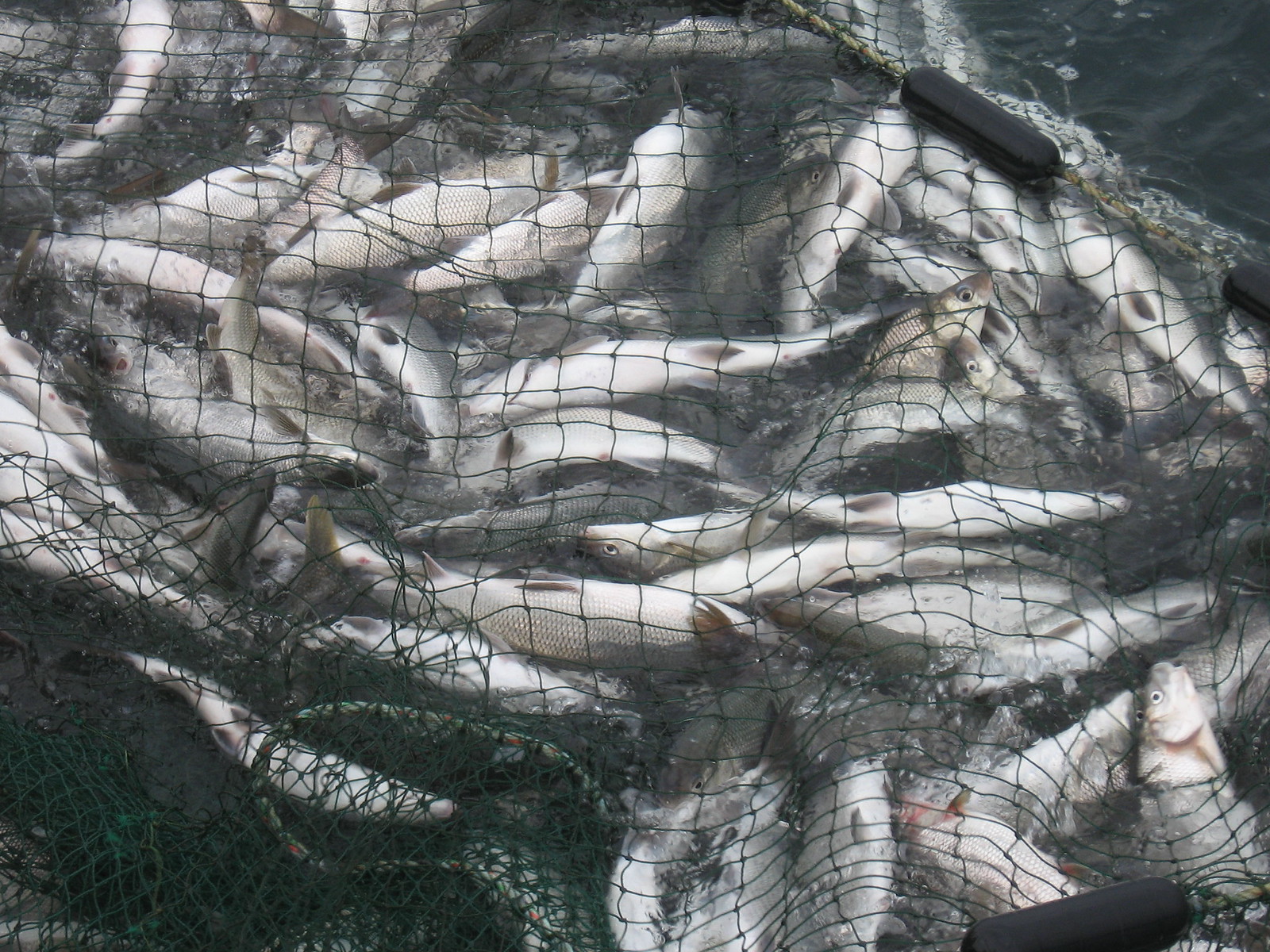
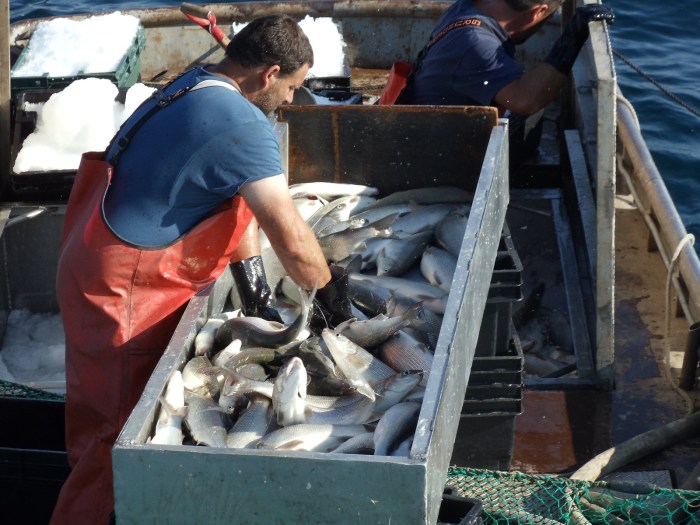
Fishing in Michigan by Abigail Lynch

Fishing in Michigan by Abigail Lynch

“Since first arriving in the Great Lakes in the 1980s, invasive mussels have spread to all five lakes, and altered the ecosystem in profound ways. Today we understand that zebra and quagga mussels are an existential threat to the Great Lakes and without a coordinated response, they will continue to inflict harm on the environment, infrastructure, and critical species such as lake whitefish. Just as invasive sea lamprey require a coordinated, binational response for effective control, we must partner with national, state, provincial, Indigenous, regional, and local partners to find a solution to the mussel invasion. This bill makes that happen.”Great Lakes Fishery Commission Chair Ethan Baker

Bridge Michigan shares that two Michigan lawmakers are set to unveil legislation to dramatically increase funding to prevent invasive mussels from wiping out whitefish in the lower Great Lakes:

US Reps. Debbie Dingell, D-Ann Arbor, and Tim Walberg, R-Tipton, want to increase funding for mussel control research more than fiftyfold to $500 million over the next 10 years. (EDITOR: They released it on Tuesday)

Otherwise, the “fish that we take for granted are going to just disappear,” Dingell told Bridge Michigan.

The damage wrought by invasive mussels is among the biggest threats to the Great Lakes in history. Yet Bridge found that while the US government has spent mightily to combat other threats, the fight against mussels has received a comparative pittance.

The main funding program for Great Lakes science has devoted an average of less than $1 million annually to the cause since 2010, according to spending records analyzed by Bridge. The federal government spends about 20 times that amount to keep sea lamprey out of the Great Lakes and has promised 90 times as much to build a barrier against invasive carp.

Read on for much more & kudos to these two Representatives for working together to protect the livelihoods and meals of Michiganders!

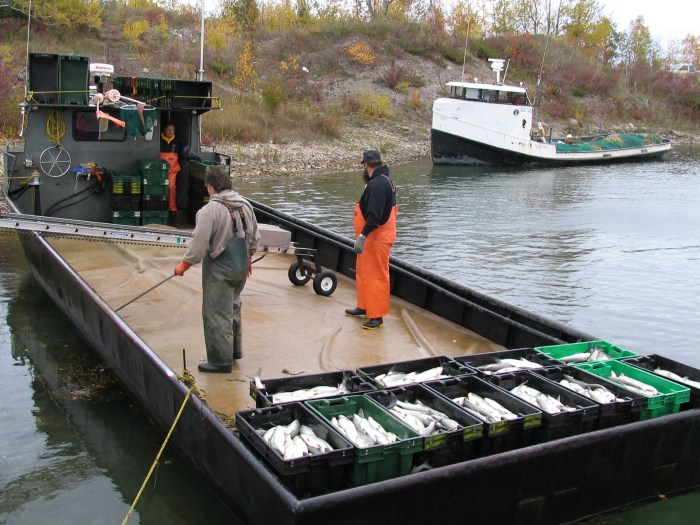
The photos are from Michigan Sea Grant and the one of the boat moored was taken by Brandon Schroeder. Sea Grant is an excellent organization that works hard for Michigan waters and the Great Lakes as a whole!

Support Michigan in Pictures with Patreon

Michigan’s smoky summer is not in your imagination

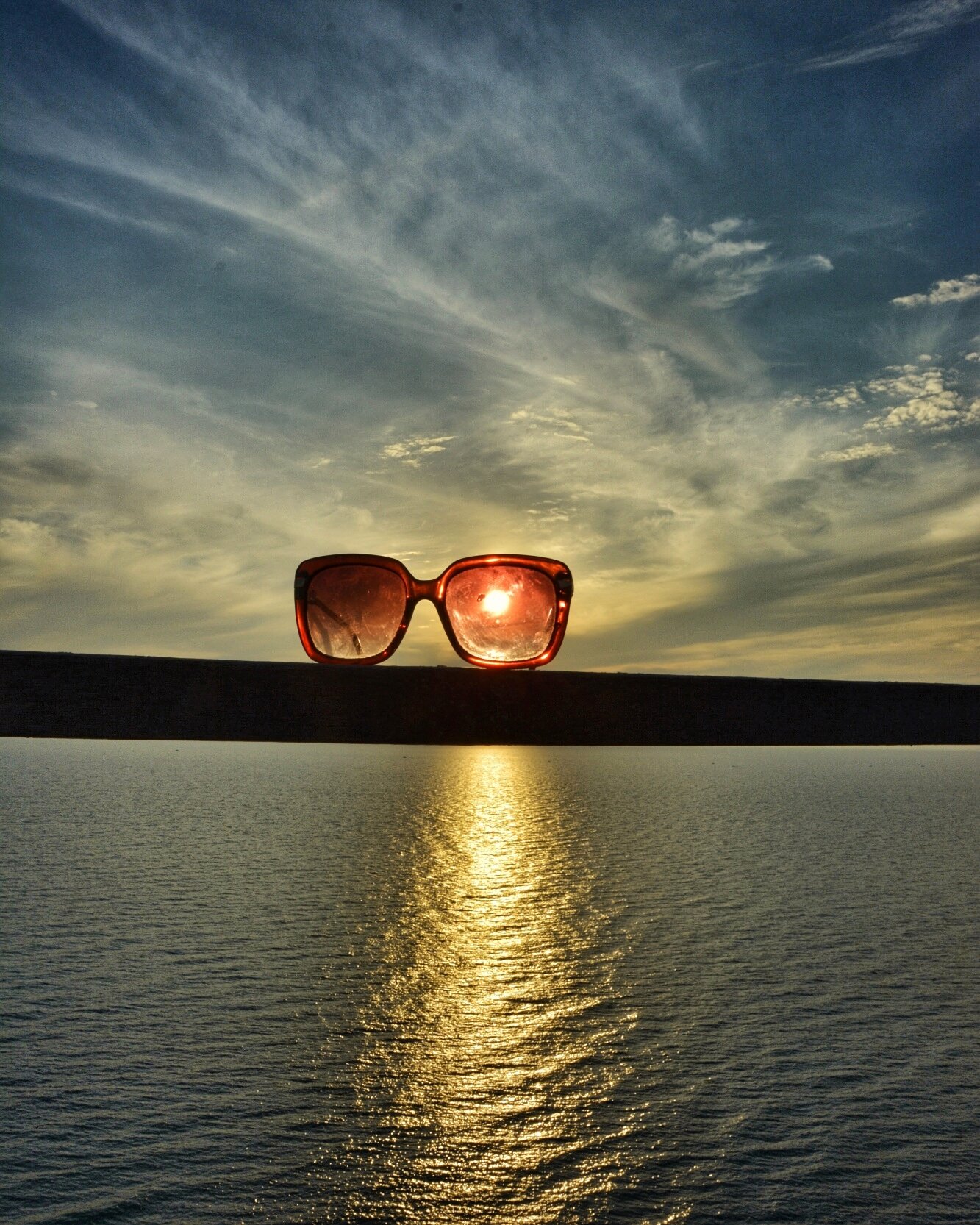
Lakeside by Mark Ellefson

Lakeside by Mark Ellefson

If you’ve been thinking that this summer is smokier than most, you are not wrong according to WKAR Public Media and Michigan State University’s Knight Center for Environmental Journalism:

So far, smoke-induced air quality advisories have been issued for more than 20 days. Last year, there were none due to wildfires.

Atmospheric conditions and wind direction bring smoke from Canada into Michigan. High-and low-pressure systems are common ways smoke is transported, said Rebecca Hansen, a meteorologist at the National Weather Service Grand Rapids office. Most recently, all those cloudless skies—due to a high-pressure system—helped blow the smoke right into the state, she said. ‘”Due to the light winds moving around, that’s helping the smoke stay over the area too … Canada has been experiencing warmer and drier conditions, and that definitely increases the wildfire risk,” Hansen said.

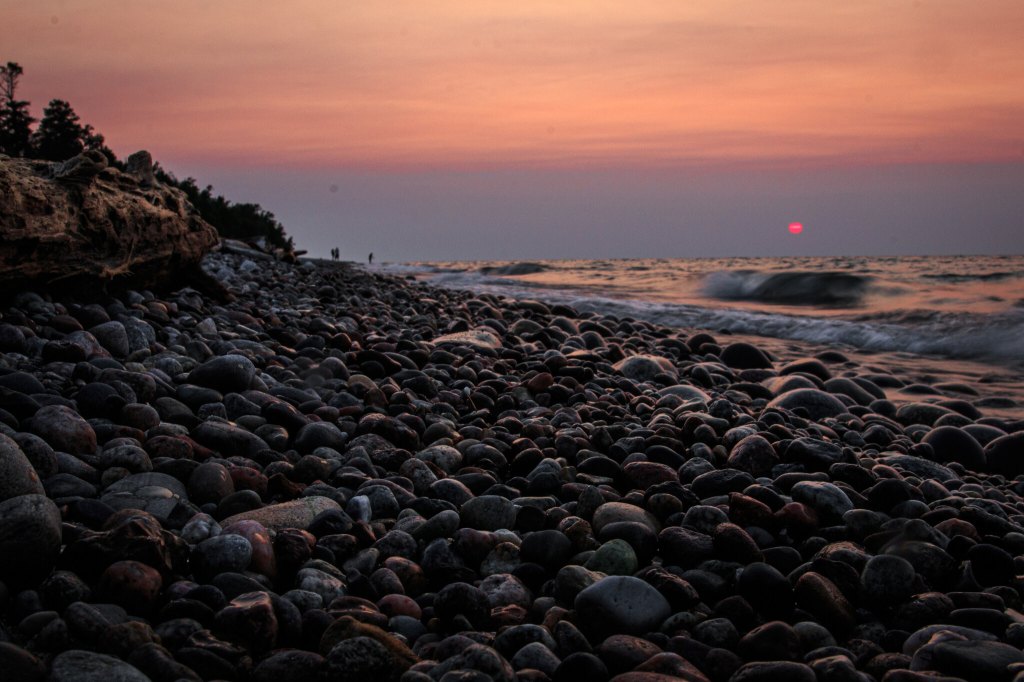
Mark took this in the UP a few days ago. See more on his Flickr.

Support Michigan in Pictures with Patreon

Planting the Forests of the Future in Detroit

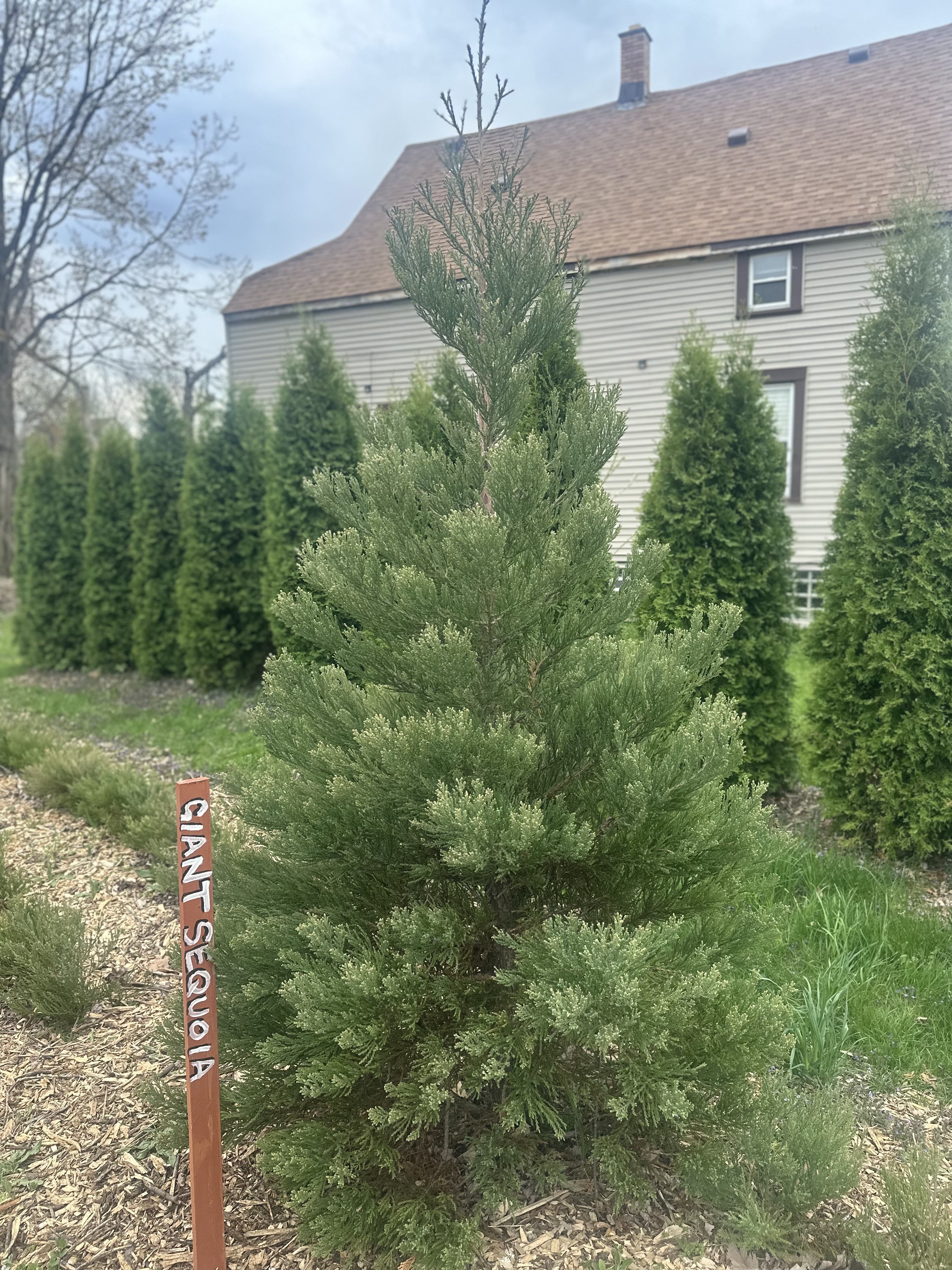
Giant Sequoia in Detroit's Circle Forest

Giant Sequoia in Detroit’s Circle Forest by Andrew McFarlane

“Here’s a tree that is bigger than your house when it’s mature, taller than your buildings, and lives longer than you can comprehend.”

-Andrew “Birch” Kemp, Executive Director, Arboretum Detroit

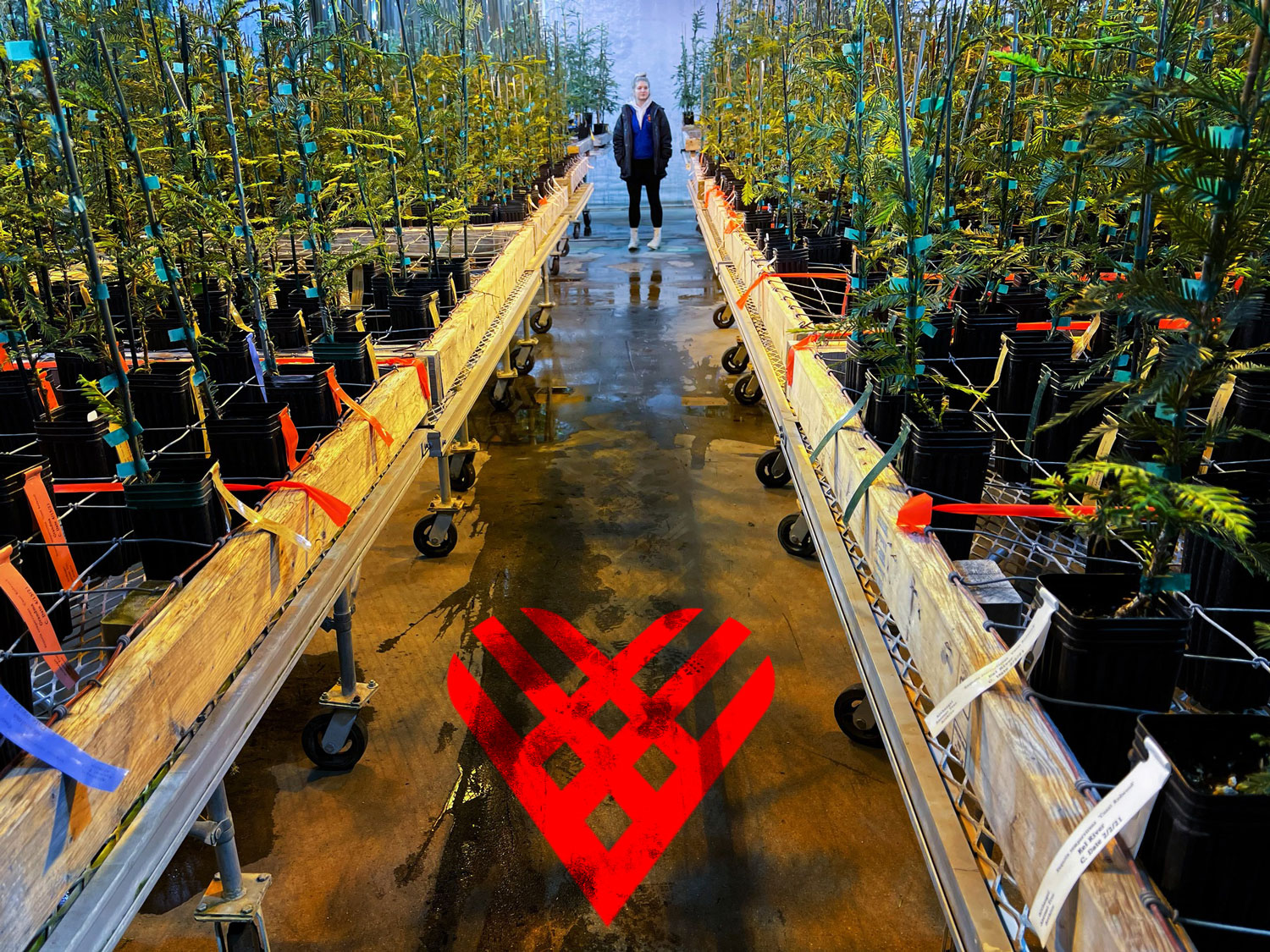
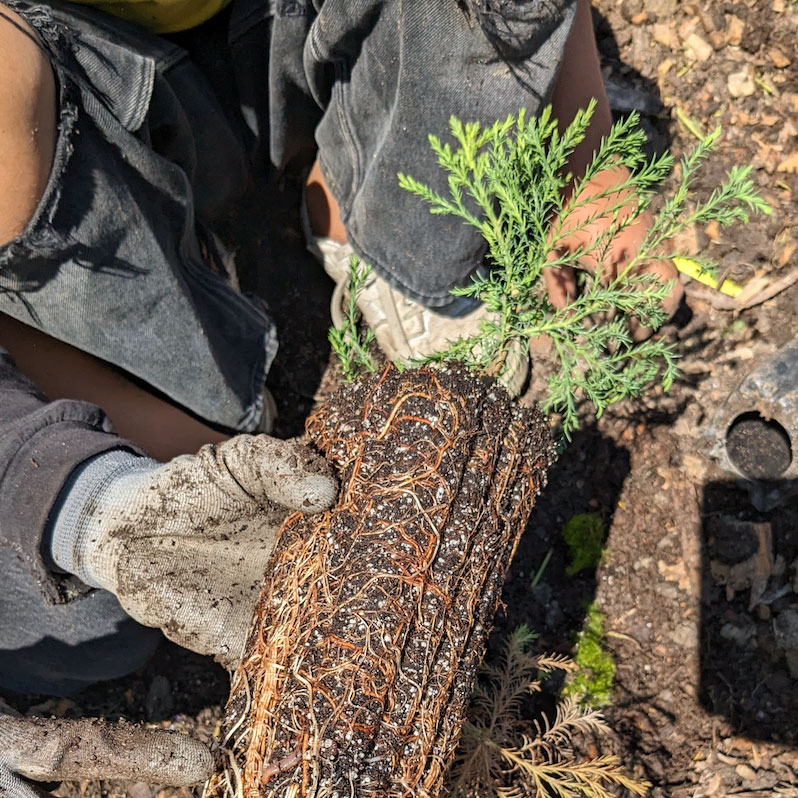
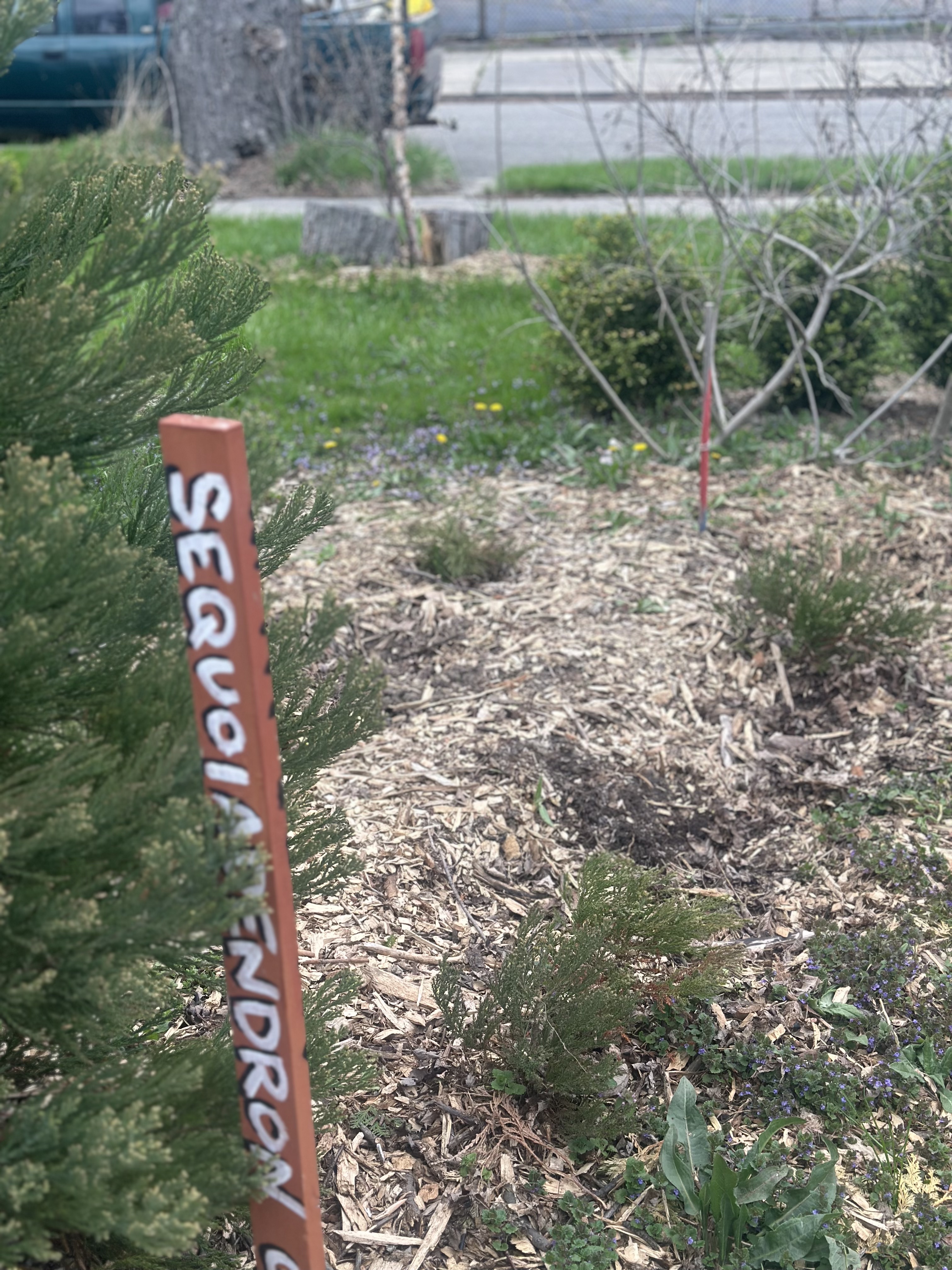
The Archangel Ancient Tree Archive & Arboretum Detroit have partnered on a truly incredible effort that is planting giant sequoia in Detroit! Bridge Detroit shares that these colossal conifers can live for more than 3,000 years and reach heights in excess of 300′ tall with a circumference greater than 30′ at the base.

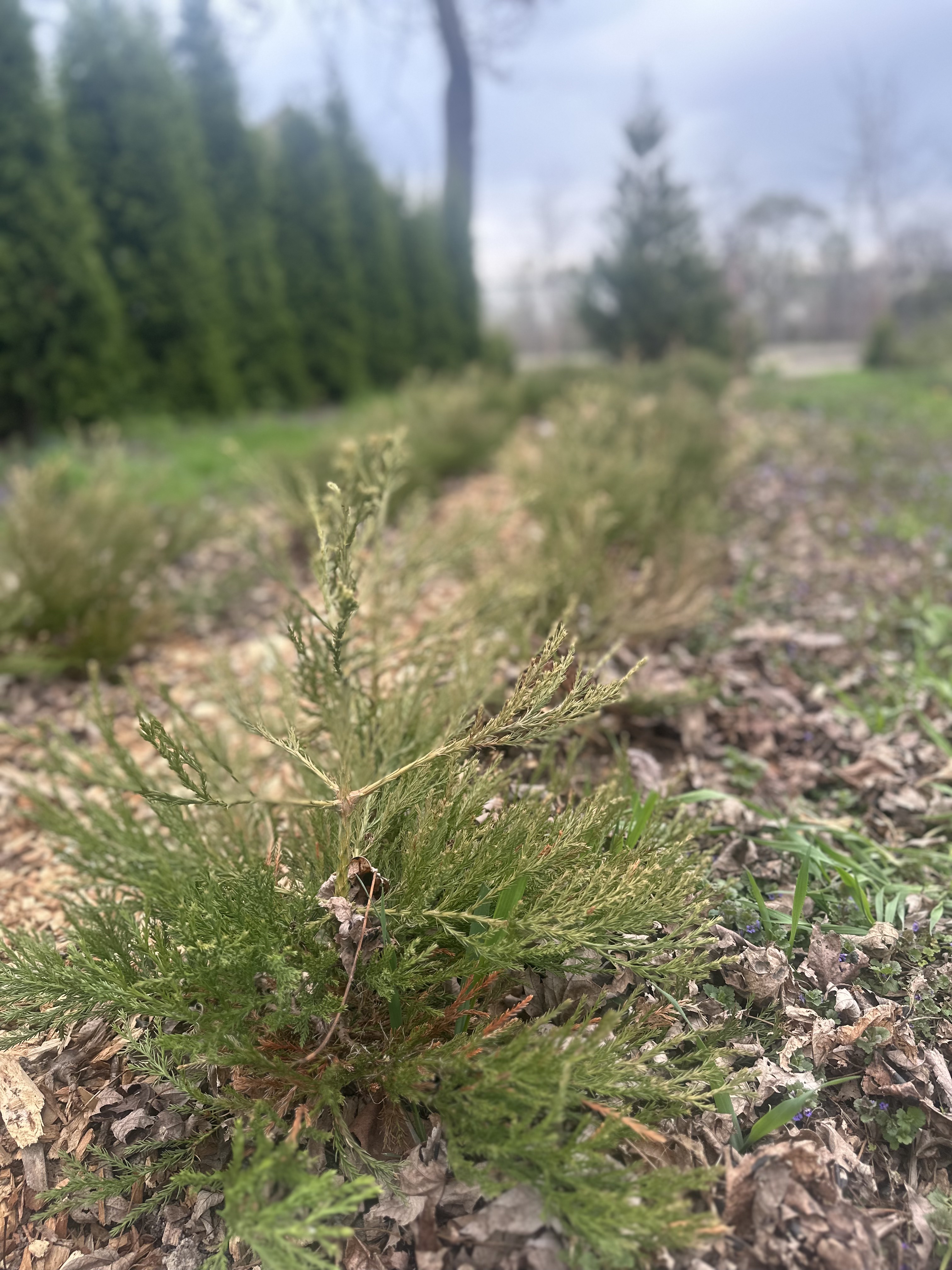
The sequoias will eventually provide a full canopy that protects everything beneath, he said. “It may be sad to call these .5- and 1-acre treescapes forests,” Kemp said. “We are expanding on this and shading our neighborhood in the only way possible, planting lots of trees.”

Giant sequoias are resilient against disease and insects, and are usually well-adapted to fire. Thick bark protects their trunks and their canopies tend to be too high for flames to reach. But climate change is making the big trees more vulnerable to wildfires out West, Kemp said. “The fires are getting so hot that its even threatening them,” he said.

You can read lots more in Bridge and at the Archangel Ancient Tree Archive, which I encourage you to support with your donations & by spreading the word about their amazing work!

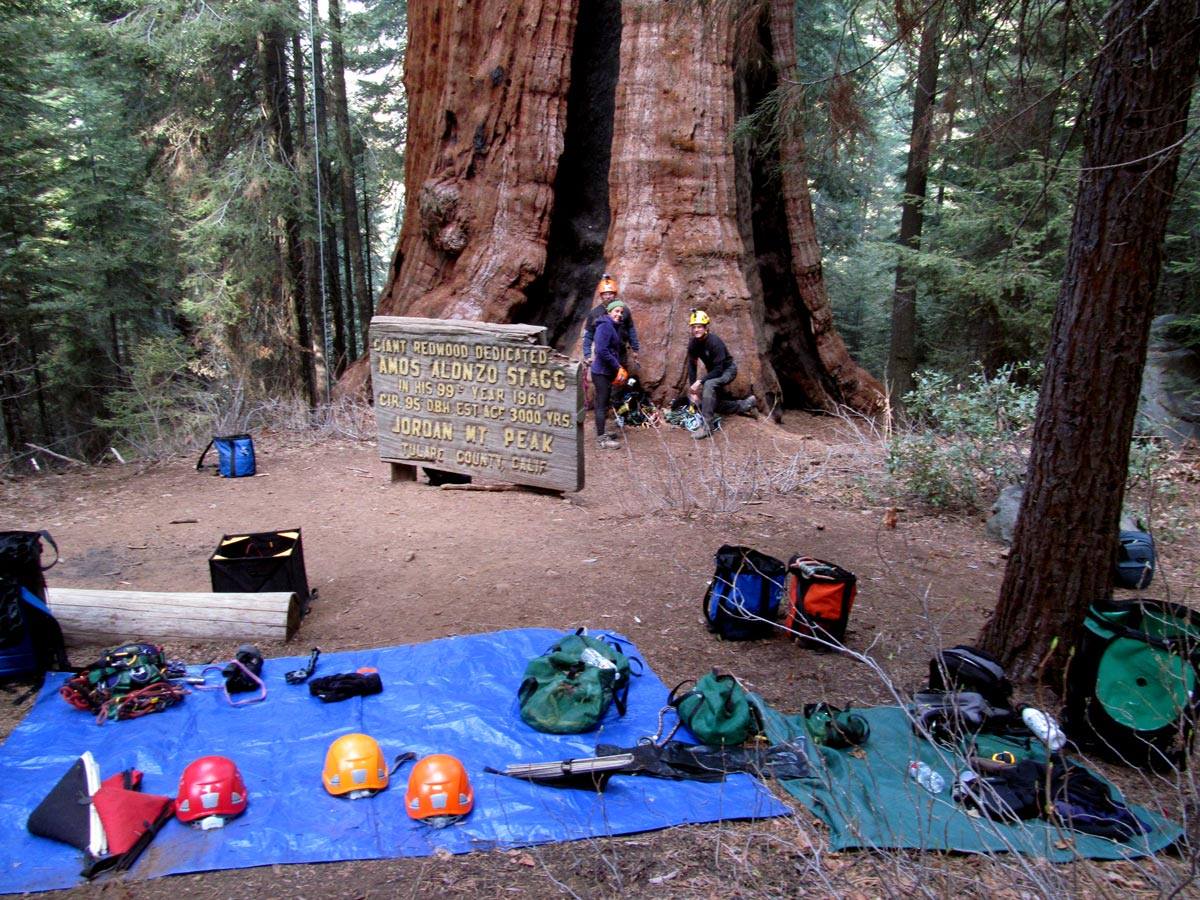
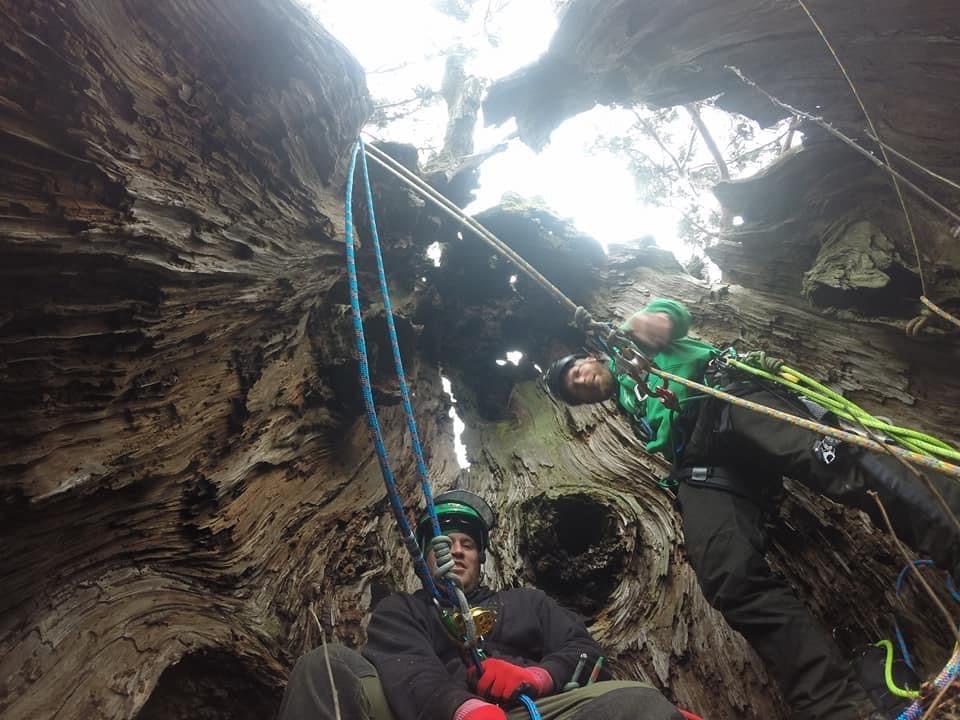
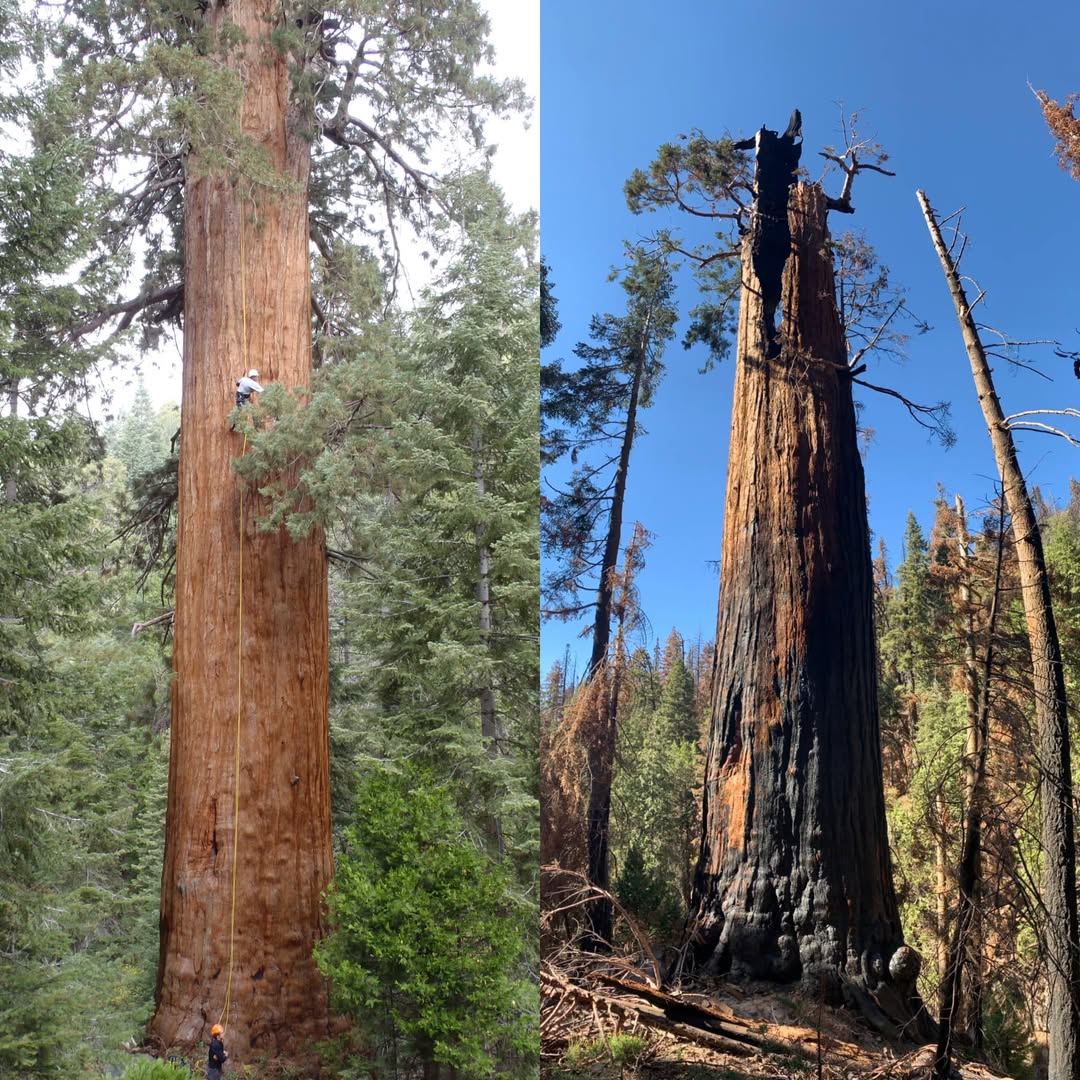
Here are some pics I took yesterday afternoon along with some pics from the Archangel Facebook page. The big tree is the Stagg giant sequoia tree in California’s Sierra Nevada mountains – fifth largest tree in the world – and the shot of the guys in the tree shows Archangel’s Jake Milarch & Aaron Johns actually inside the 3000+ year old tree! The one of the burned tree shows the 3,000 year old “Waterfall Tree” Giant Sequoia before and after the 2020 Castle Fire.

Continued (apparently) in Big Questions about Giant Sequoia on Michigan in Pictures!

Support Michigan in Pictures with Patreon

Frog saunas will make it easier to be a frog!

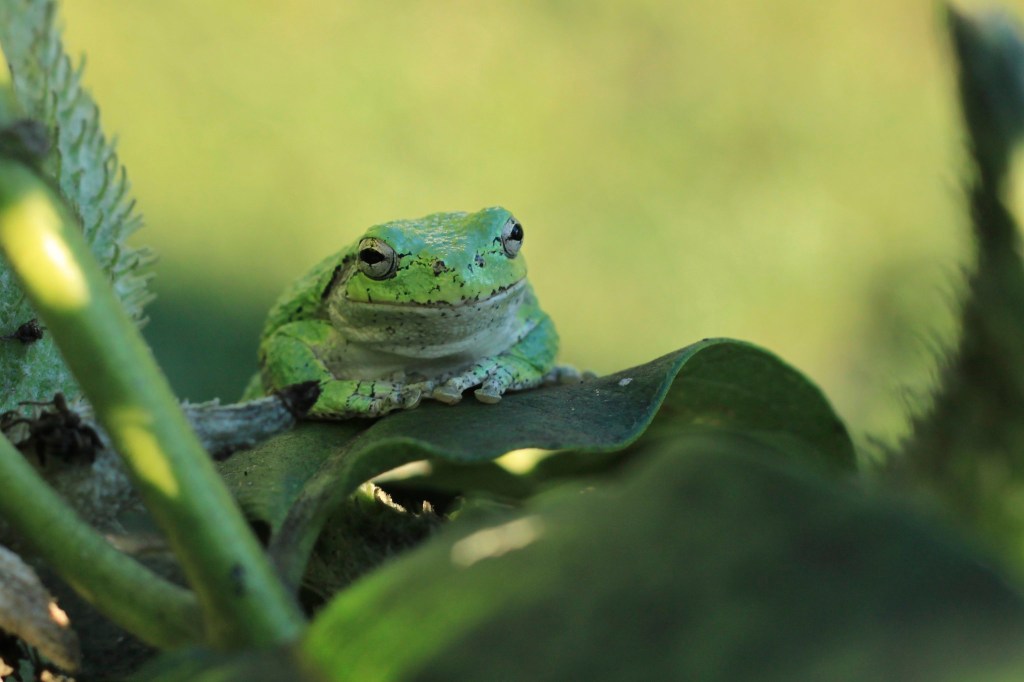
It ain’t easy… by Steven Karsten

Here is an excellent update about the fungus that has been devastating frog populations since long before I shared this photo & news of chytridiomycosis back in 2011! Earth.com reports that on a new way to save frogs in Michigan & worldwide from the chytrid fungal infection. The fungus driven 90 frog species to extinction or presumed extinction in the wild and reduced the number of another 124 species by over 90%. Dr. Anthony Waddle of Macquarie University‘s Applied BioSciences (Australia) explains:

“In the 25 years since chytrid was identified as a major cause of the global collapse of amphibian populations, our results are the first to provide a simple, inexpensive and widely applicable strategy to buffer frogs against this disease,” said Dr. Waddle.

The researchers developed artificial ‘hotspot’ shelters using readily available materials like bricks and PVC greenhouses. These structures create warm environments where frogs can raise their body temperature to levels that are uncomfortable for the chytrid fungus.

“In these simple little hotspots, frogs can go and heat up their bodies to a temperature that destroys the infections,” explained Dr. Waddle. It’s like a natural antibiotic treatment, but instead of popping pills, the frogs just need to bask in their personal saunas.

The results were remarkable. When frogs shifted to these hotspot shelters, chytrid infections were reduced significantly. This simple intervention could have far-reaching benefits for amphibian conservation efforts worldwide.

Lots more at Earth.com, and since Michigan’s 13 species of frogs & toads are not immune, fingers (and flippers) crossed that this works!!

Though Steven titled this It ain’t easy… he wrote actually, on this day, it seemed pretty easy being green. This guy was eating fly after fly as I snapped away. Must’ve had 5-6 flies in about as many minutes. He looked like lack of food was not an issue.

See more of his photos on Flickr & more frogs on Michigan in Pictures!

Support Michigan in Pictures with Patreon

You know who needs a Happy Earth Day?

Happy Earth Day by James Eye View Photography

via Leelanau.com

Who needs a happy Earth Day? All of us really. 2023 was the warmest year since global records began nearly 200 years ago. The global temperature beat the previous high from 2016 & the 10 warmest years have ALL been from the last 10 years. If you know anything at all about math, 10 out of 10 is 100% and we are 100% in trouble because we seem unable as a species to process what actual danger is when it is this big. There’s probably nothing I can say if you don’t believe in science, so here is a link to a story about Earth Day’s Michigan roots & here is EarthDay.org where they are trying to raise awareness about microplastics, which many scientists believe are behind the explosion of Alzheimers.

James is an Empire-based photographer who shared this barred owl – based in parts unknown – along with some other great pics to wish everyone a happy Earth Day! See more by clicking the picture & on his website.

Remembering Greg Reisig, a champion of the Great Lakes

A Changeable Day on the Lake by Mark Smith

A Changeable Day on the Lake by Mark Smith

This week I lost a friend & mentor, Greg Reisig. Greg was my publisher back in the 90s when I wrote for his Lake Country Gazette out of Elk Rapids. He was a man with an amazingly gentle soul who could nonetheless be fierce & determined in defense of Michigan’s environment. Bill Latka of Oil & Water Don’t Mix penned a great tribute to Greg, who was a  board member of that organization & the co-chair of the Northern Michigan Environmental Action Council (NMEAC):

Since his early days as an environmental journalist and then for decades as a key protector of trees, water, and air for all of northern Michigan with NMEAC, Greg was a fearless yet gentle champion for the environment.

NMEAC has set up an endowment fund to create The Greg Reisig Prize for Environmental Journalism to celebrate his accomplishments. If you value the work that Oil & Water Don’t Mix is doing, you should know that Greg was a key part of it. I invite you to contribute to fund the award so that future generations will know how much he made a difference every day.

His support of the campaign to shut down Line 5 brought a kind focus and keen sense of optimism for the work that kept us all going. He will be dearly missed.

Amen.

Mark took this photo last October at the the Wilcox-Palmer-Shah Preserve just north of Elk Rapids. More from Mark at downstreamer on Flickr.

Only Getting Hotter

Eye in the Sky by Noah Sorensen

Eye in the Sky, photo by Noah Sorensen

“The heat is rising and only getting hotter, ready to blow
I think I’ll pour myself a glass of water, let it flow
She’ll show you what she’s made of
Yeah she’s comin’ for ya
She’s gonna try to break ya
Yeah she’s comin’ for ya
No, she don’t mess around”
-Cage The Elephant, Mess Around

You know that when I pull out Cage the Elephant lyrics, I’m probably going to say something that will anger a slice of Michigan in Pictures readers, so be warned! Longtime readers will also know that I am pretty committed to saying what I want to say, so it’s probably good keep that in mind as well.

Speaking of warnings, the National Aeronautics and Space Administration (NASA) spends a lot of time looking at the Earth and crunching data from an extensive satellite and – in conjunction with the National Oceanic and Atmospheric Administration (NOAA). Anyway, these folks – literally rocket scientists – have reported (based on science and data) that the Earth is warming at an unprecedented rate:

The planet is warming at a pace not experienced within the past 1,000 years, at least, making it “very unlikely” that the world will stay within a crucial temperature limit agreed by nations just last year, according to Nasa’s top climate scientist.

This year has already seen scorching heat around the world, with the average global temperature peaking at 1.38C above levels experienced in the 19th century, perilously close to the 1.5C limit agreed in the landmark Paris climate accord. July was the warmest month since modern record keeping began in 1880, with each month since October 2015 setting a new high mark for heat.

But Nasa said that records of temperature that go back far further, taken via analysis of ice cores and sediments, suggest that the warming of recent decades is out of step with any period over the past millennium.

“In the last 30 years we’ve really moved into exceptional territory,” Gavin Schmidt, director of Nasa’s Goddard Institute for Space Studies, said. “It’s unprecedented in 1,000 years. There’s no period that has the trend seen in the 20th century in terms of the inclination (of temperatures).”

Read on for more. I’d like to go on record as a parent and member of the human race that I’m really alarmed by this, and also the fact that what appears to be a serious emergency is being ignored.

View Noah’s photo background bigtacular and see more in his slideshow.

I would really like to share the video of Mess Around from Cage the Elephant because I really like the band. In the interests of responsibility however, here’s a 30-second video showing the temperature rise of the last 145 years:

Fighting for Michigan’s Environment

"Bridge to Nowhere" Foggy Mackinac Bridge - Mackinaw City , Michigan.

“Bridge to Nowhere” Foggy Mackinac Bridge – Mackinaw City , Michigan, photo by Michigan Nut

“Unless we move without delay to halt the deterioration of our land, our water and our air, our own children may see the last traces of earth’s beauty crushed beneath the weight of man’s waste and ruin.”
~Governor William Milliken to the Michigan legislature, January 1970

While “environmentalism” has become a polarizing term, it seems to me to be a concept that’s at the core of loving & caring for the Great Lakes State. One of my personal heros, Michigan Governor Bill Milliken, recognized this and he and his wife Helen fought strongly throughout their careers to enshrine protection of the natural bounty that they loved into the fabric of Michigan’s laws. It’s no surprise that every year the Michigan Environmental Council recognizes an individual for outstanding leadership, enduring commitment and extraordinary public service in protecting natural resources at the local, state and national levels with the Helen & William Milliken Distinguished Service Award.

The 2013 recipient has been announced, Dave Dempsey. Dempsey is the author of numerous books, a former member of the Great Lakes Fishery Commission, environmental policy adviser to former Michigan Gov. James Blanchard, and member of the state’s Natural Resources Trust Fund Board.

“Dave Dempsey is the rare leader who is able to move effortlessly from talking about the arcane technical details of some issue, to explaining in vivid and powerful terms why that issue is so critical to the quality of life for the generations that come after us,” Chris Kolb, MEC president, said in a press release Monday.

“Dave’s contributions to a better Michigan through his public policy advocacy alone deserve our recognition and gratitude. However, when you add in his authoritative chronicling of Michigan’s environmental history through his books, it’s clear he has made a special, positive, and lasting impact on our state.”

There’s no doubt that Dempsey has been a champion of the Great Lakes, and this Sunday (July 14) you have a chance to do some championing of your own as dedicated groups from all over the state host Oil & Water Don’t Mix: A Rally for the Great Lakes to raise awareness about climate change and the dangers posed by an oil pipeline that runs through the Mackinac Straits. Enbridge Energy – the company responsible for the devastating July 2010 Kalamazoo River oil spill and over 800 other spills since 1999 – has been pumping oil through the Straits for 60 years. They are seeking to pump even more oil through the aging Mackinac pipeline – possibly including tar sands, the most toxic and hard to clean up if spilled.

The rally this Sunday, July 14 at noon at Bridge View Park in St. Ignace (just across the bridge) and there are numerous busses heading there from Kalamazoo, Lansing, Traverse City and other locations. Click for details or view the event on Facebook!

Check John’s photo out bigger and see more in his Bridges / Covered Bridges slideshow.

Low Point for the Great Lakes

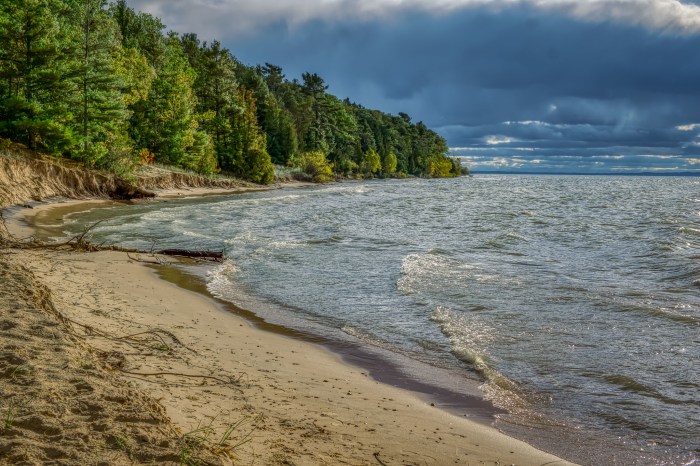
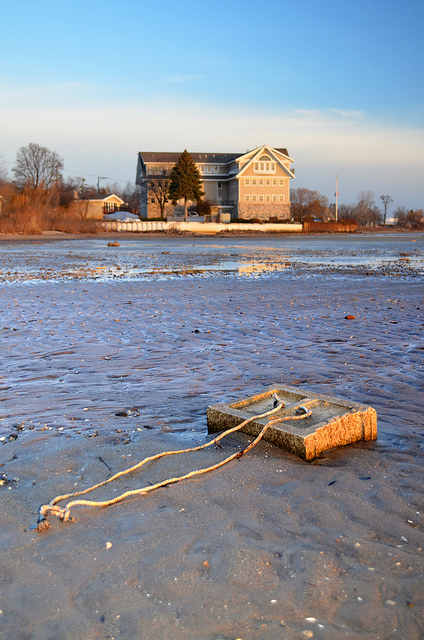
Low water levels, West Arm Grand Traverse Bay

Low water levels, West Arm Grand Traverse Bay, photo by michiganseagrant

On Michigan in Pictures I usually blog beautiful things, but today I’m featuring an ugly thing that we in Michigan should all be concerned about. Traverse City based Circle of Blue has an in-depth feature on the record-low level of Lake Michigan-Huron:

The latest numbers released by the U.S. Army Corps of Engineers on February 5 show that both lakes Michigan and Huron — which are two connected lakes — are experiencing their lowest point since records began in 1918. Water levels were an average of 175.57 meters (576.02 feet) for the month of January, approximately 2.5 centimeters (1 inch) lower than the previous record set in 1964.

“Not only have water levels on Michigan-Huron broken records the past two months, but they have been very near record lows for the last several months before then,” said John Allis, chief of the Great Lakes Hydraulics and Hydrology Office at the Corps, in a press release. “Lake Michigan-Huron’s water levels have also been below average for the past 14 years, which is the longest period of sustained below-average levels since 1918 for that lake.”

The low water levels, which the Corps attributes to: below-average snowfall during the winter of 2011-2012, last summer’s drought, and above-average evaporation during the summer and fall of 2012, have the potential to hurt the Great Lakes’ shipping industry.

…For the water levels on Lake Michigan-Huron to reach even near-average water levels again, the Corps said it will take many seasons with above average precipitation and below-average evaporation.

Read on at Circle of Blue for much more including the struggles that wildlife are having with the changing climate. You can also view the release from the Army Corps of Engineers and see historic Great Lakes levels back to 1918. From the Army Corps, I learned that at 1 1/2 ft below normal, ships are losing 8-10% of their carrying capacity.

Beyond harm to the multi-billion dollar shipping industry which feeds countless industrial endeavors, the low lake levels are making many of our recreational harbors inaccessible. These feed our multi-billion dollar sport fishing industry and  this has prompted Gov. Snyder to endorse a $21 million emergency dredging plan, $11 million of which would come from Michigan’s general fund. With over a half a million jobs in Michigan alone tied to the health of the Great Lakes, getting a handle on the threats that impact them are likely to be at the center of our policy and spending for a long time.

In a curious bit of synchronicity, you can see just how vital the Great Lakes are to Michigan in Michigan Sea Grant’s reports on Economic Vitality and the Great Lakes. View this photo bigger and see more in their Grand Traverse Bay Low Water slideshow.

Lots more Lake Huron and Lake Michigan on Michigan in Pictures.