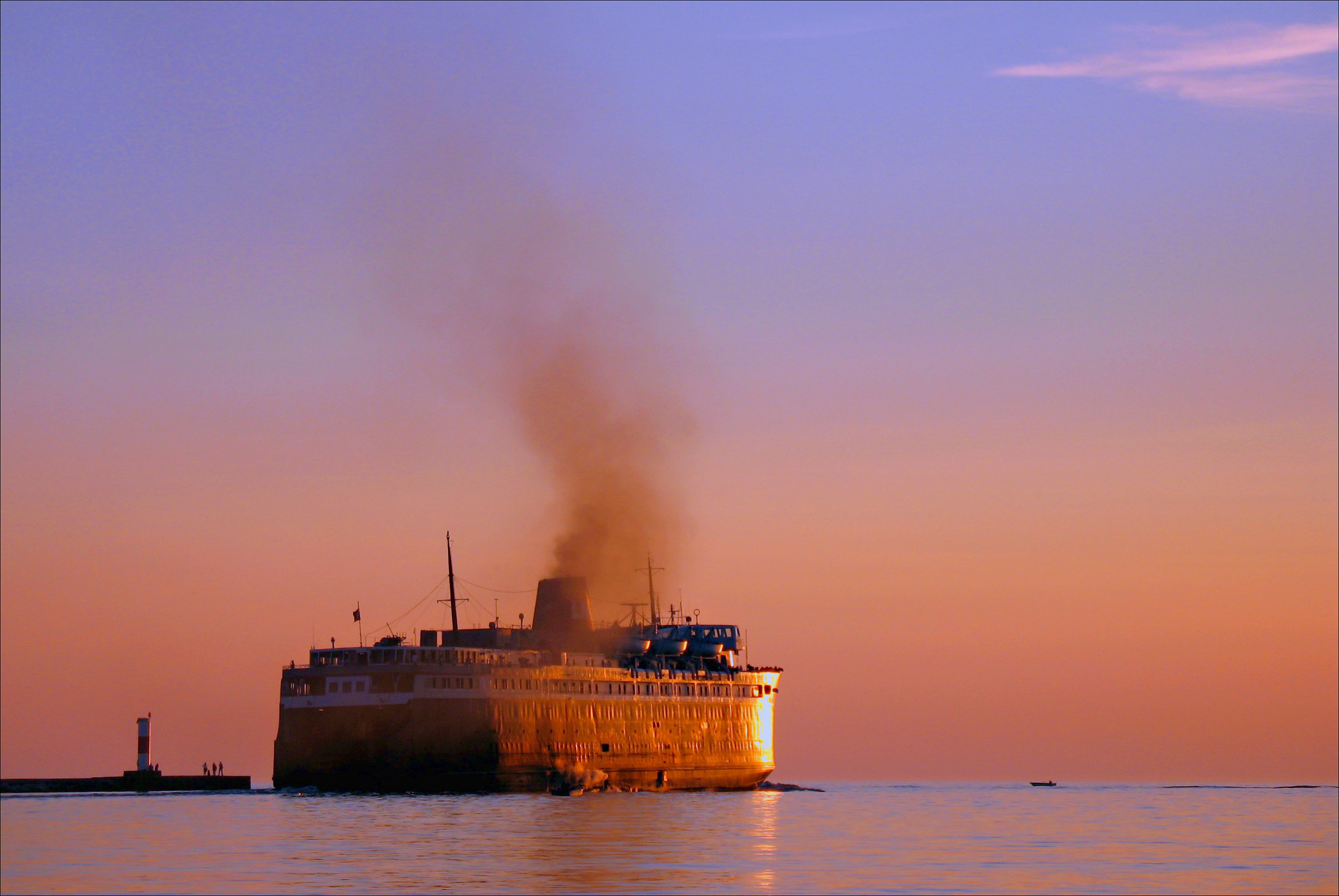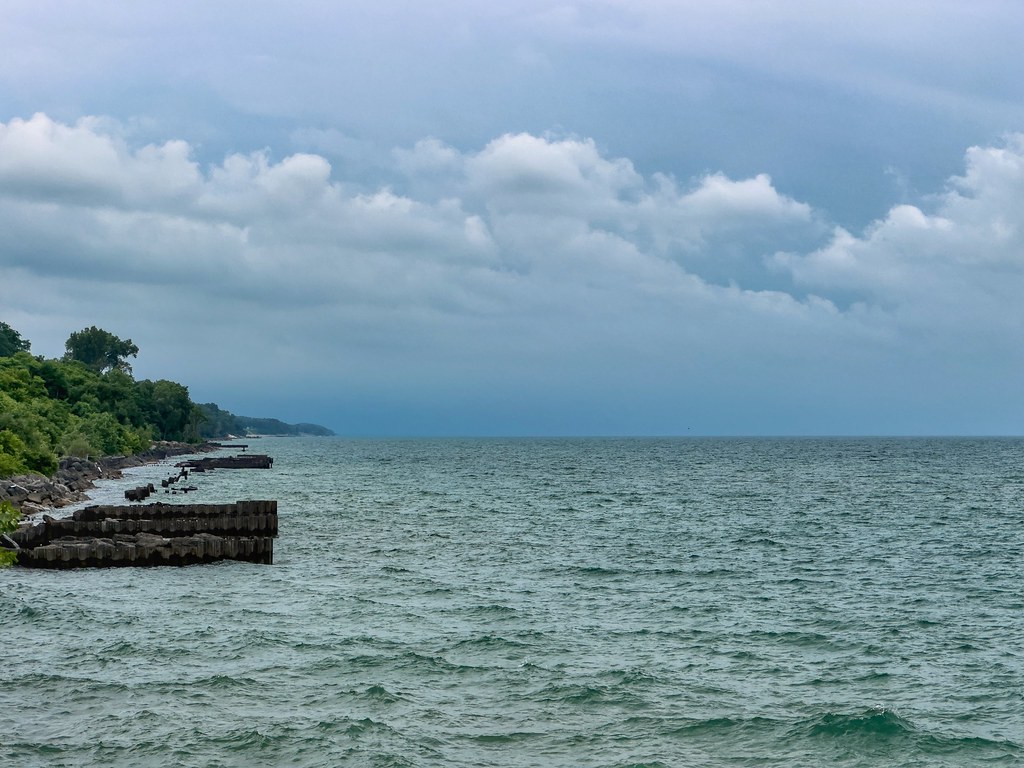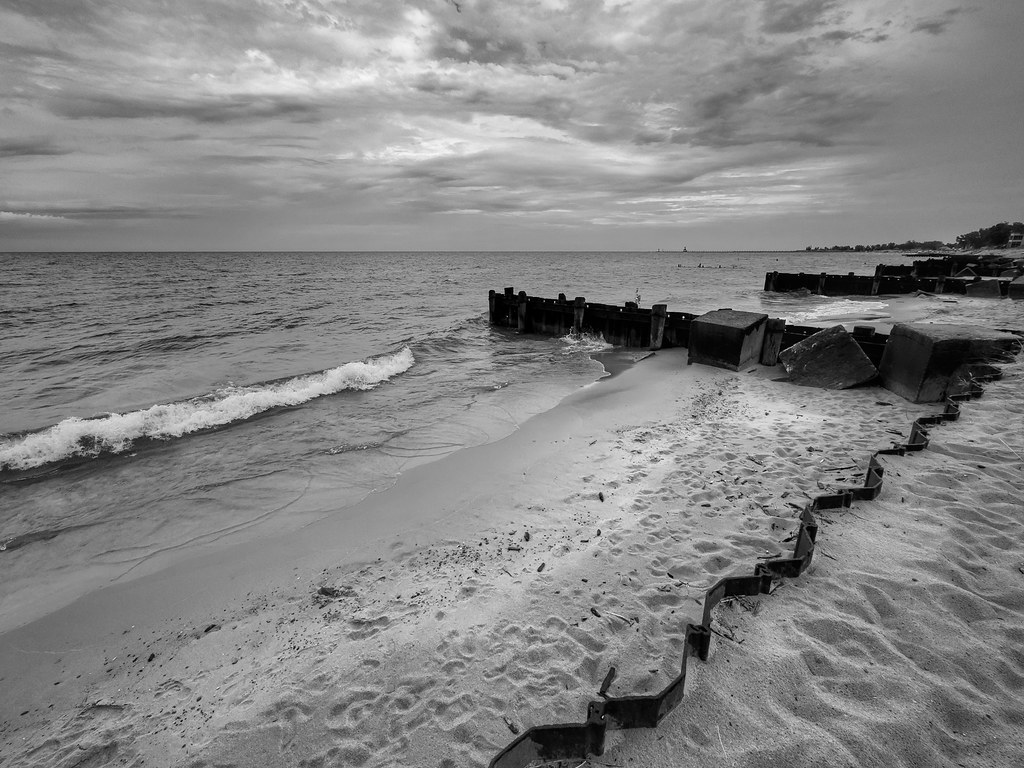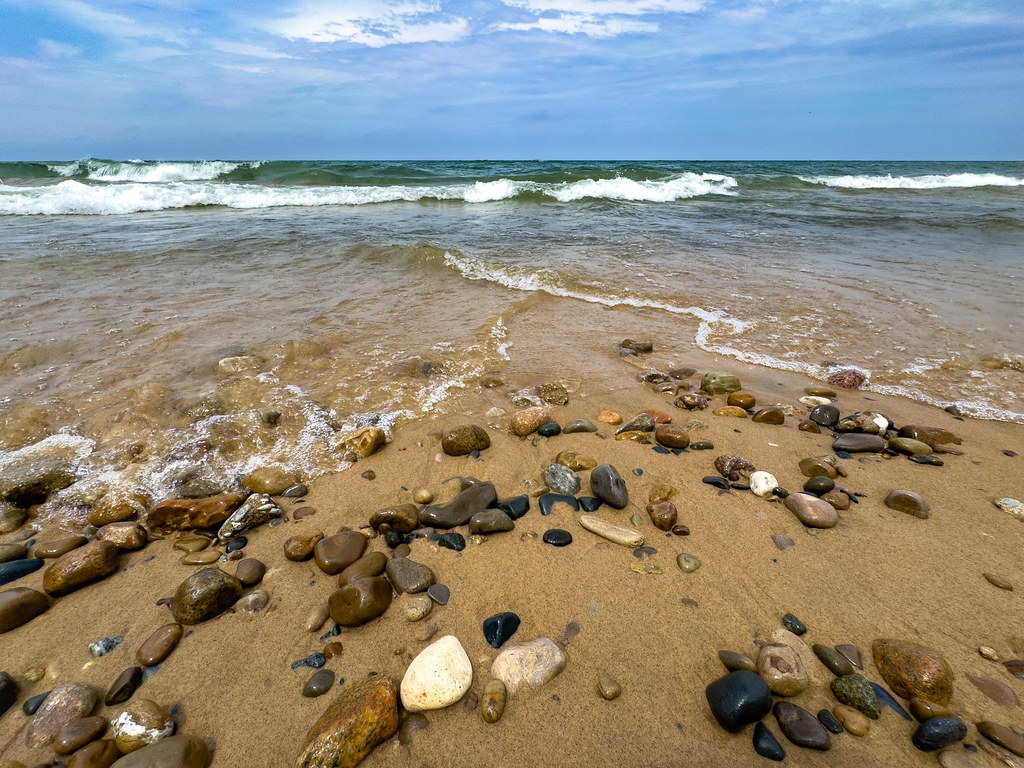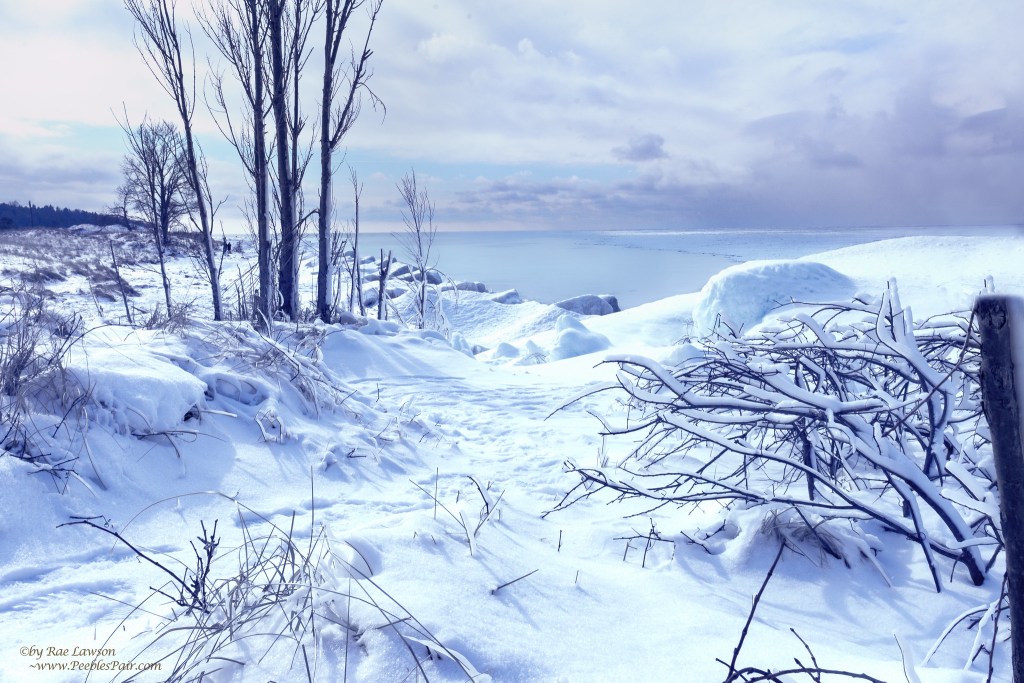
Sunset on a steamy summer

Steaming into Sunset by Diann*

Steaming into Sunset by Diann

Summer is pretty much in the books, and Fox 2 Detroit shares that Summer 2025 was a hot one for a unique reason that bodes poorly for our future:

Because the summer of 2025 is not over, it’s not included in the rankings. But as of Aug. 14, the average daily temperature is 74.3 degrees – making it one of the hottest.

Here’s the difference: this year’s overnight lows have been some of the highest ever. The region has dealt with multi-day periods of sustained heat unlike any other year.

When people talk about how hot it was back in 88, they’re right to do so,” FOX 2’s meteorologist Derek Kevra said. “But what they got was some relief days. We have had very few relief days this year.”

In the summer of 1988, there were seven days when overnight lows fell into the 40s and 26 days with overnight lows in the 50s. The summer this year has had barely any nights when temperatures fell that low. That included a 150-hour stretch where temperatures didn’t even fall below 70 degrees. Over the entire month of July, only three days have fallen into the 50s.

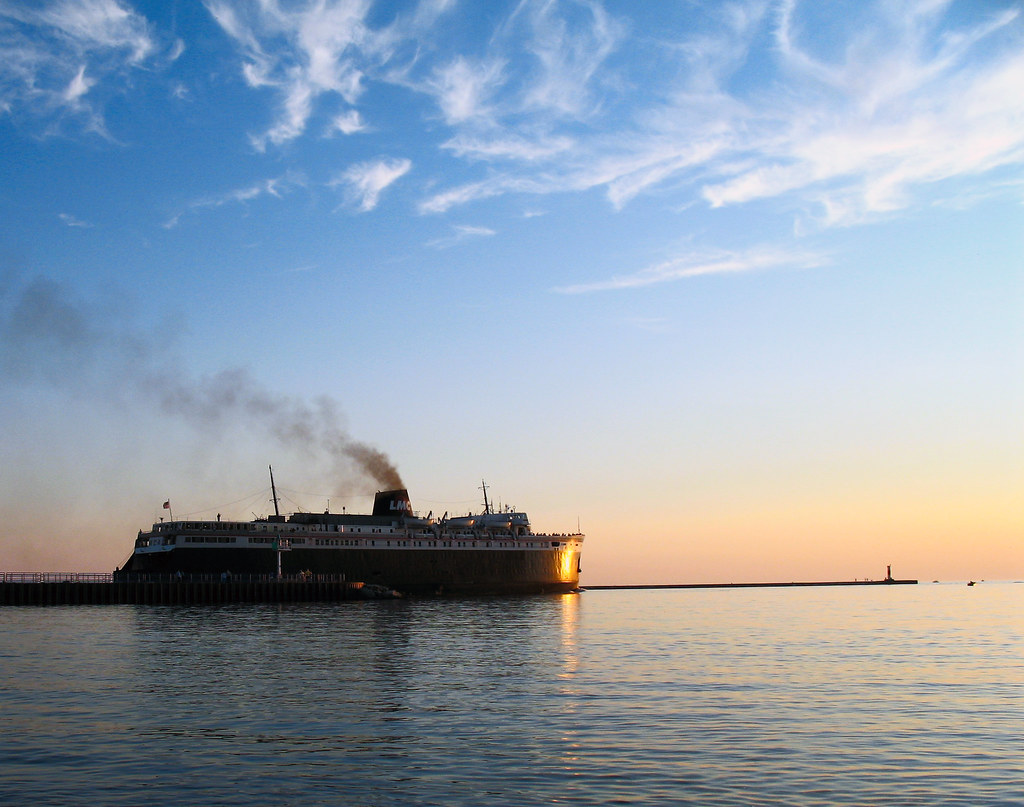
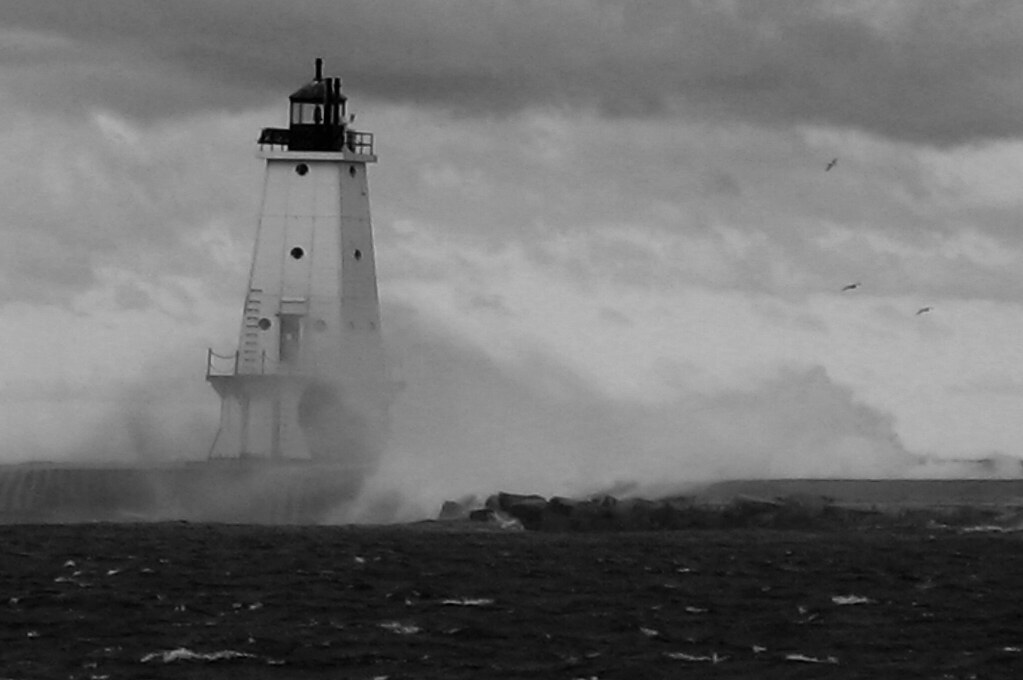
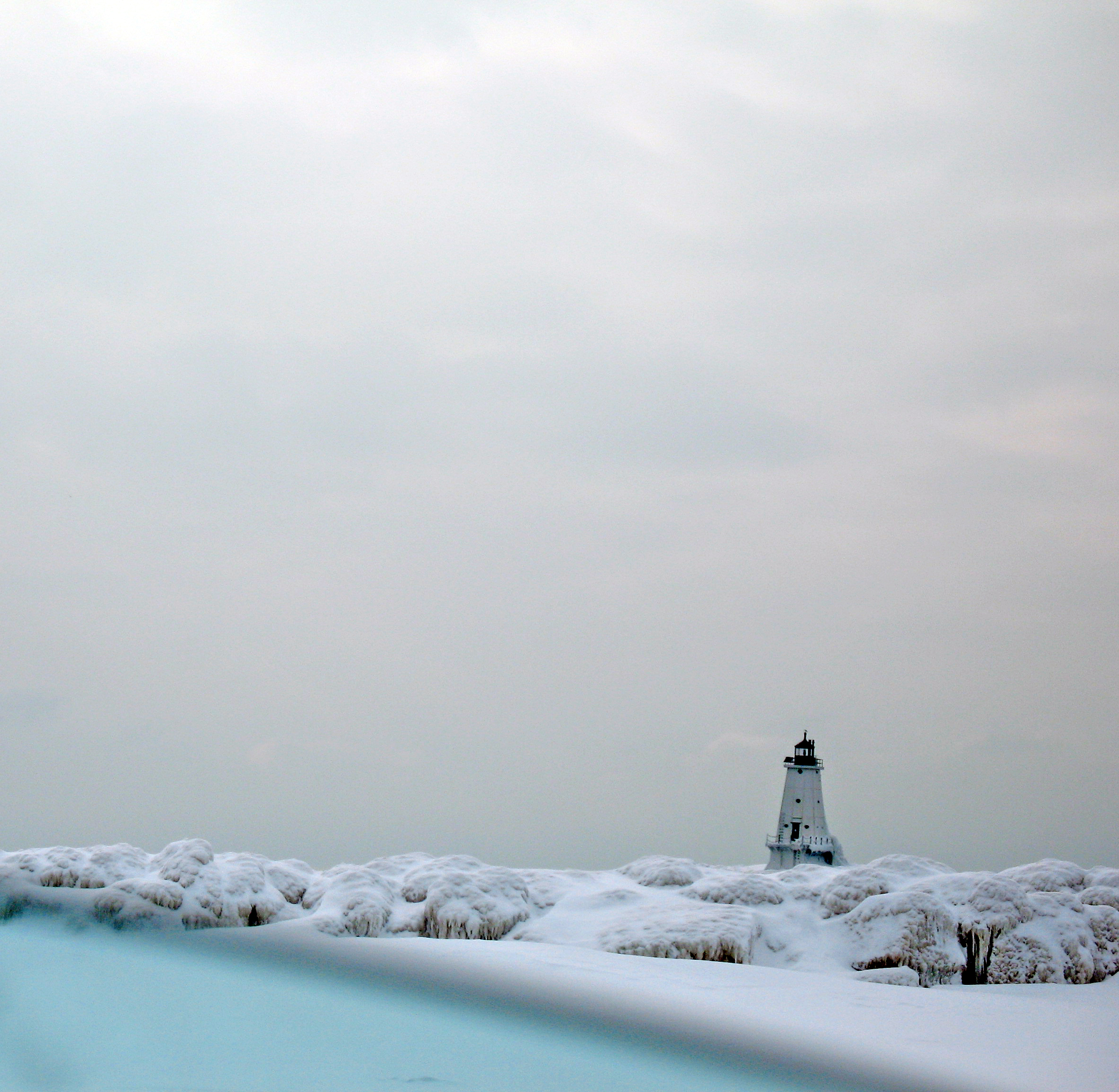
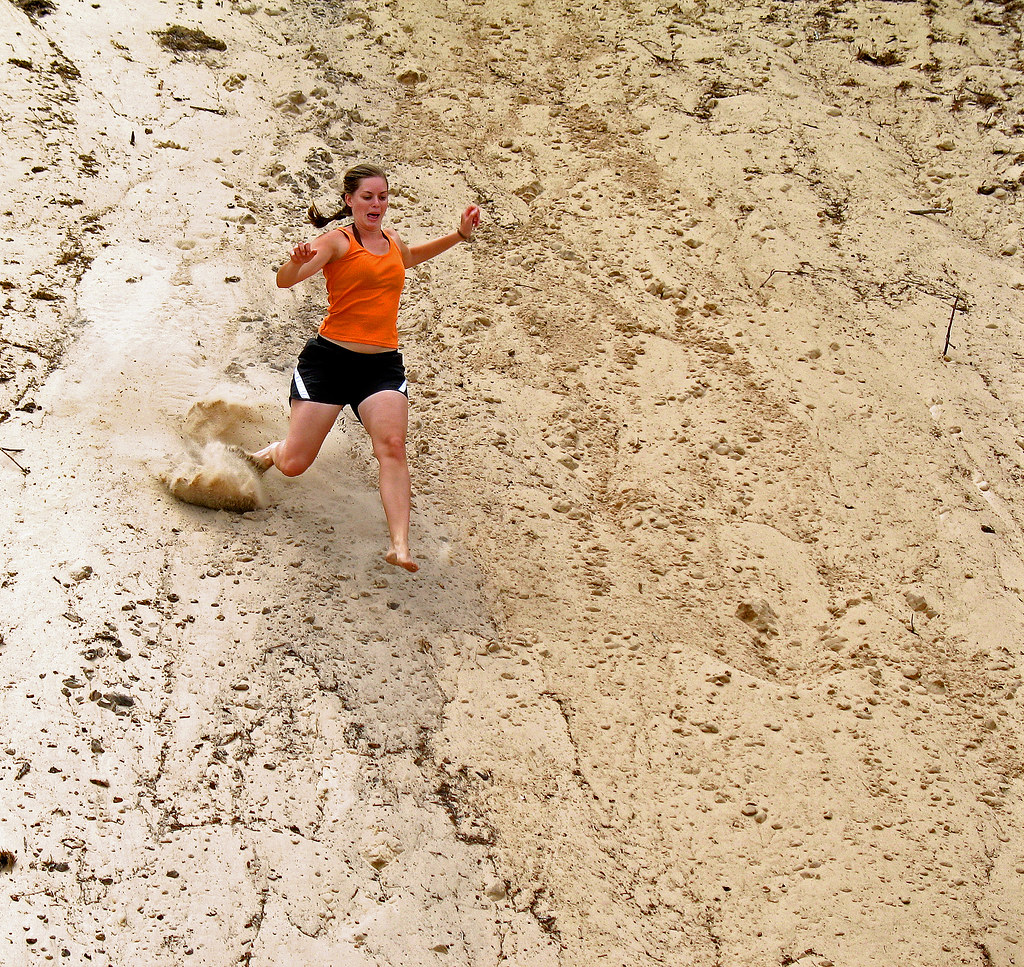
This isn’t the first time I’ve shared Diann’s photo of the coal powered SS Badger steaming out of its home port of Ludington back on Labor Day 2008 & it won’t be the last! Here are a few others that I’ve featured over the years – see more in her Third Coast gallery on Flickr.

More Michigan-focused climate change posts on Michigan in Pictures.

Support Michigan in Pictures with Patreon

Armadillos are marching towards Michigan

Armadillo Ball by scattered1

Armadillo Ball by scattered1

mLive shares that the nine-banded armadillo found in southwestern Indiana has been moving north according to the US Geological Survey:

There have been 97 armadillo occurrences in Indiana since 2013 with the northernmost sighting in Porter County about five miles from the Michigan border.

Armadillos are considered established in 17 states including Indiana, Illinois, Missouri and Kentucky. There have been occasional reports of armadillos in Michigan, Nebraska, Ohio, and Virginia but no evidence of armadillo detections in Minnesota, Wisconsin or West Virginia.

The report says there is evidence to suggest that armadillos are likely about 56 miles away from reaching Ohio and that they are most likely to first reach the southwest corner of the state along either the Whitewater River or Ohio River. “It will be interesting to monitor when armadillos begin to regularly reach and establish in new states such as Michigan, Wisconsin, and Virginia,” the report said.

Michigan could be reached by armadillos coming north through Indiana or northeast from Illinois, experts say, but the state’s cold and harsh winters are the biggest deterrent to the species survival. The (armadillo) expansion will be slowed and eventually stopped as they encounter winters with extended periods of sub-freezing temperatures, according to the DNR.

Read on for more at mLive, and allow me to remind you that the Michigan DNR denied the existence of a Michigan cougar population for years until they were confronted with undeniable evidence!

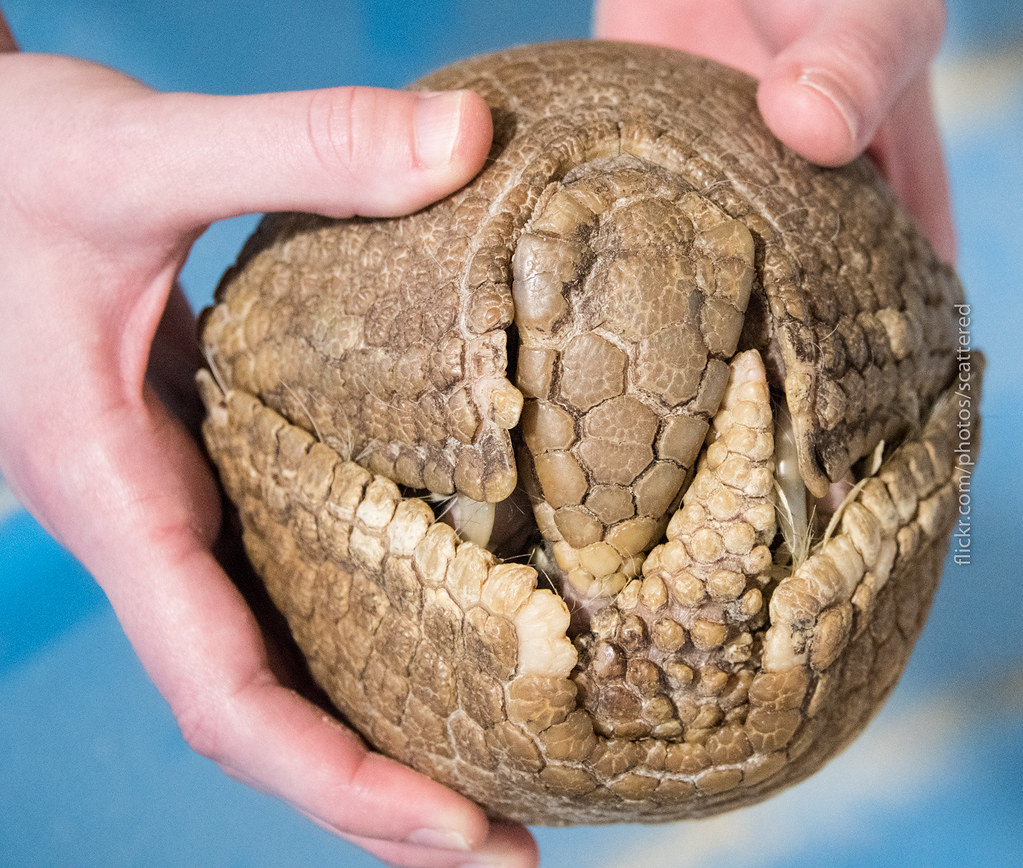
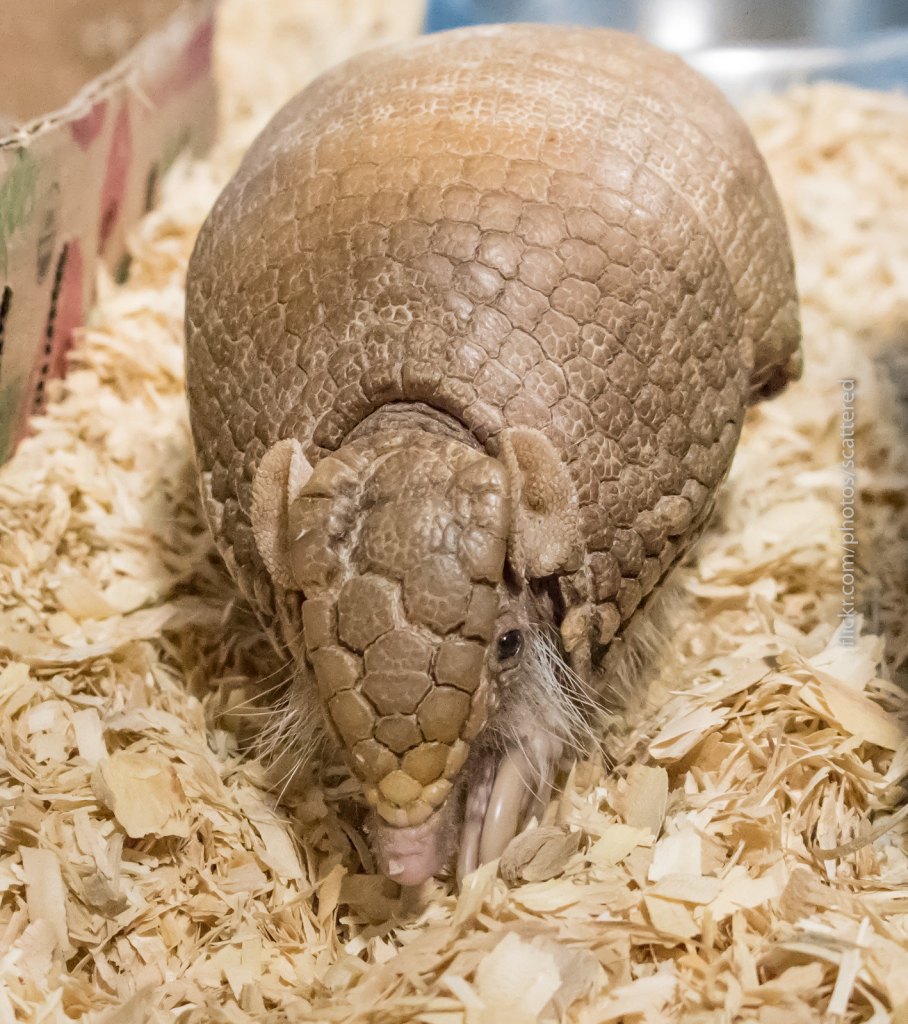
The photographer shares that these are pictures of a southern three-banded armadillo, also known as the La Plata three-banded armadillo from South America. Like the 9-banded armadillo (link to Animal Diversity Web) its shell is made of keratin, the same protein that is in human fingernails. As seen here, the armadillo can roll itself into a ball, only exposing its shell, to protect itself from predators. This armadillo is named Dodge, as in “dodge ball.”

These were both taken at the Creature Conservancy in Ann Arbor back in 2020 – see more in their Captive Animals gallery on Flickr.

Southern Three-Banded Armadillo by scattered1

Southern Three-Banded Armadillo by scattered1

Support Michigan in Pictures with Patreon

Climate Change devouring Great Lakes beaches

Breakwall by Mark Swanson

Breakwall by Mark Swanson

Michigan Sea Grant shares a recent Science Line story about how extreme changes in water levels, fierce storms, decreasing ice coverage, and infrastructure that interferes with the natural coastal cycle are washing away beaches & baffling local officials charged with protecting Great Lakes beaches:

…“When we get 15 foot waves on Lake Michigan, I’m thinking, ‘Oh, my God. How much damage are they doing?’” says David Bunte, the supervisor for Chikaming Township, near the southern tip of Lake Michigan.

Water levels fluctuate naturally in the Great Lakes but intensifying climate change accelerates those changes. What used to be normal on a 20 year cycle is now happening in five or 10 years, says Mike Shriberg, an environmental policy researcher at the University of Michigan.

“We’re seeing record highs and then record lows much closer together,” says Shriberg, whose work focuses on Great Lakes water policy. “The Great Lakes has already experienced more water level change in the last decade than the saltwater coasts are expected to experience in the next 100 years.”

Ice normally acts as a buffer for the shoreline, absorbing the blows of powerful waves in winter storms, but as temperatures warm, diminished ice coverage in the Great Lakes is speeding up coastal erosion.

Read on for much more. If you’re not yet aware of Michigan Sea Grant , I encourage you to learn more about this cooperative program of the University of Michigan, Michigan State University, and the National Oceanic and Atmospheric Administration that funds research, education, and outreach projects designed to foster science-based decisions about the use and conservation of Great Lakes resources.

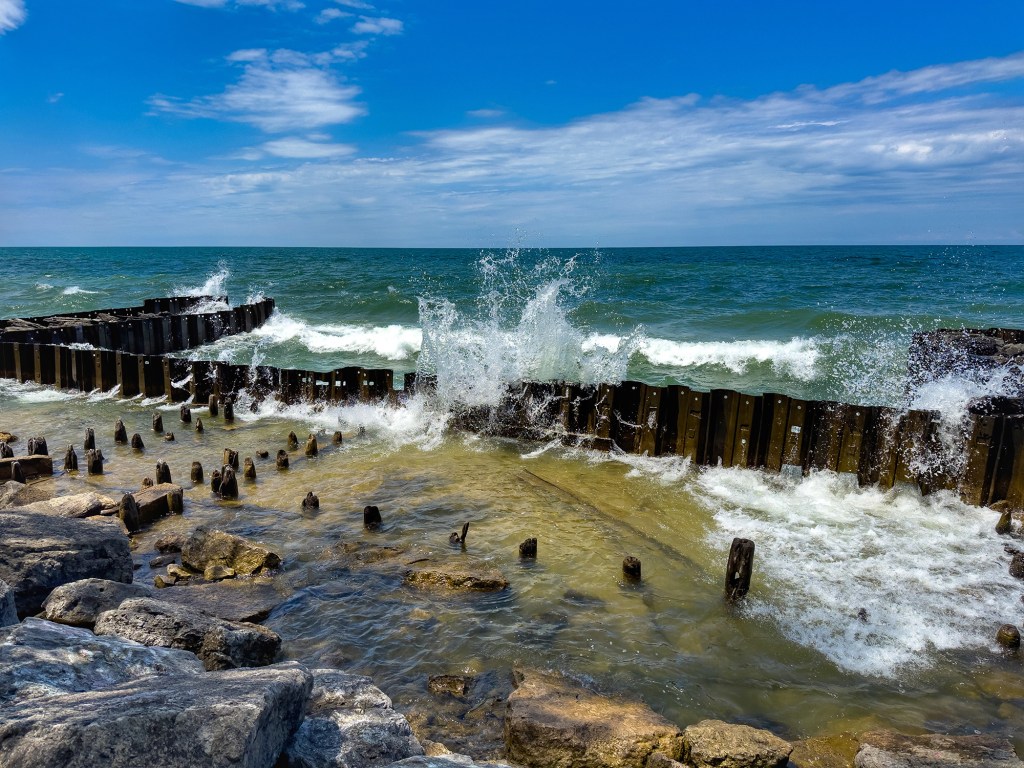
Mark took this photo at the beach in St. Joseph. Here’s a few more of Mark’s recent shots from the St Joseph’s Lake Michigan shoreline – note the crazy high water! See the latest in his 2025 gallery on Flickr!

Support Michigan in Pictures with Patreon

NOAA’s Michigan 2024-2025 Winter Outlook

Chill Out by PeeblesPair

Chill Out by PeeblesPair

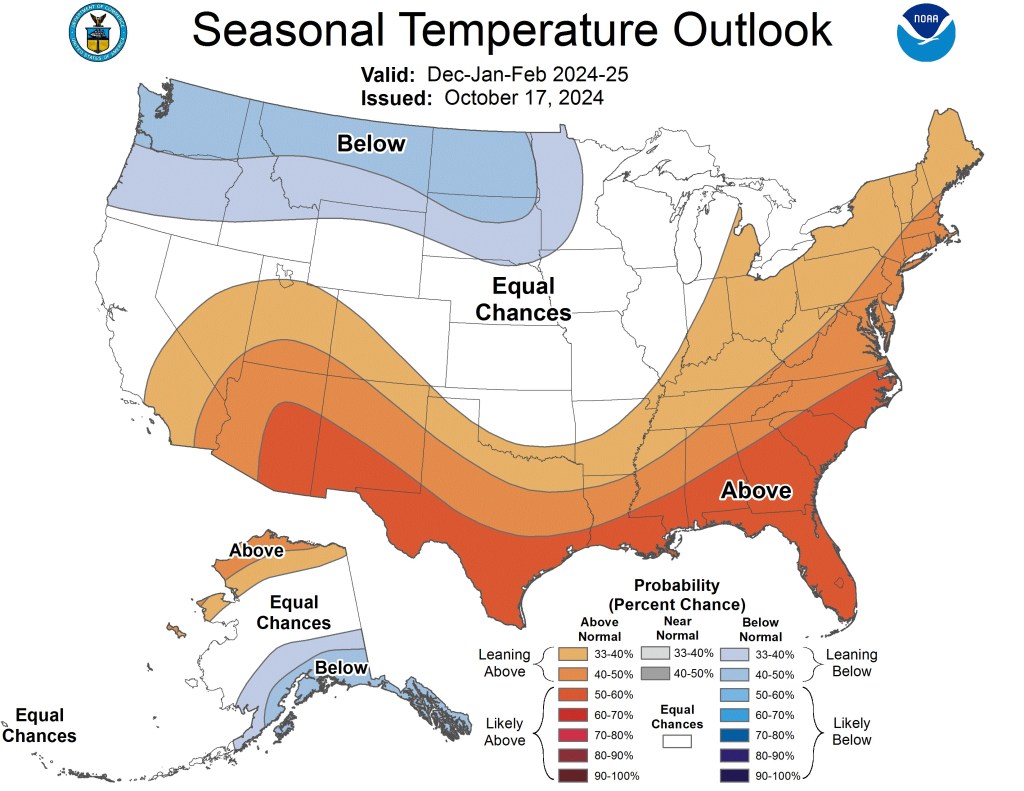
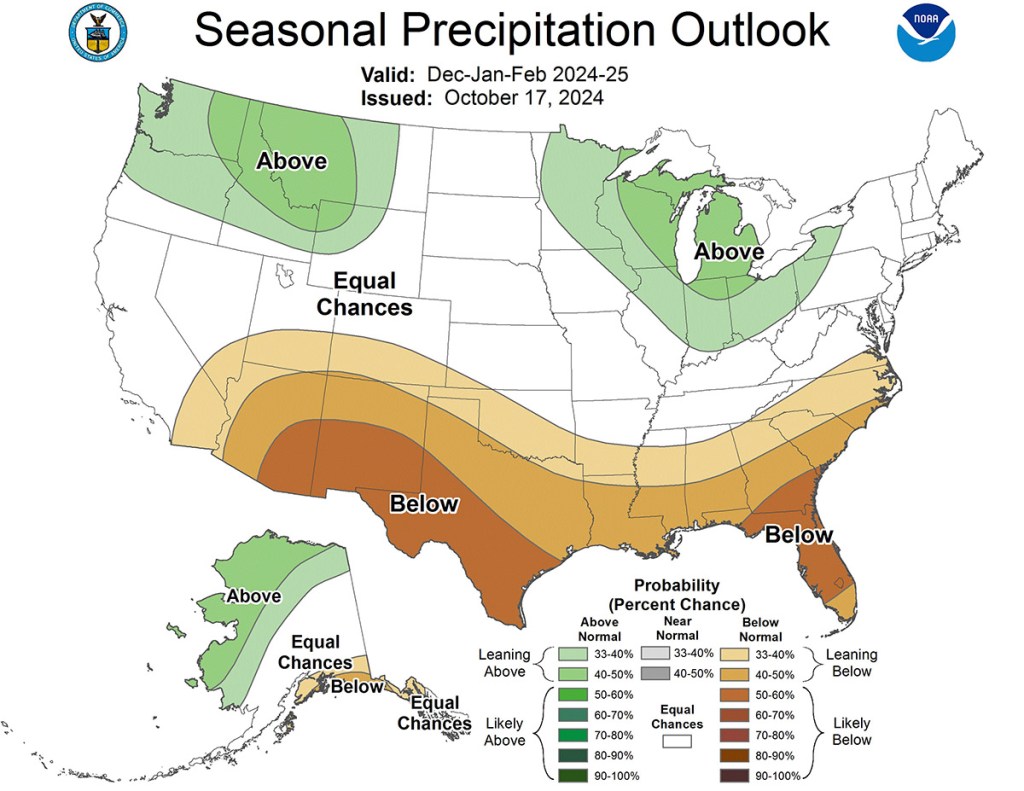
I’ve been hanging onto this post so long I was worried we’d have snow before I shared it!! The National Oceanic & Atmospheric Administration (NOAA) has released their seasonal outlook for Winter 2024-2025 which says (in part):

This winter, NOAA predicts wetter-than-average conditions for the entire northern tier of the continental U.S., particularly in the Pacific Northwest and the Great Lakes region, along with northern and western Alaska.

“This winter, an emerging La Nina is anticipated to influence the upcoming winter patterns, especially our precipitation predictions,” said Jon Gottschalck, chief of the Operational Prediction Branch of the Climate Prediction Center. La Nina conditions are expected to develop later this fall and typically lead to a more northerly storm track during the winter months, leaving the southern tier of the country warmer and drier.

Rae took this photo at Point Betsie Lighthouse on January 1st of this year. Follow her on Flickr & on Instagram for more!

The 2024-2025 U.S. Winter Outlook map for temperature shows the greatest chances for cooler-than-average conditions in the Pacific Northwest of the U.S. (Image credit: NOAA)

The 2024-2025 U.S. Winter Outlook map for precipitation shows wetter-than-average conditions are most likely across the Great Lakes region of the U.S.. Drier-than-average conditions are forecast for parts of the U.S. Gulf Coast. (Image credit: NOAA)

The 2024-2025 U.S. Winter Outlook map for precipitation shows wetter-than-average conditions are most likely across the Great Lakes region of the U.S.. Drier-than-average conditions are forecast for parts of the U.S. Gulf Coast. (Image credit: NOAA)

Support Michigan in Pictures with Patreon

2024’s Hurricanes are breaking our limits

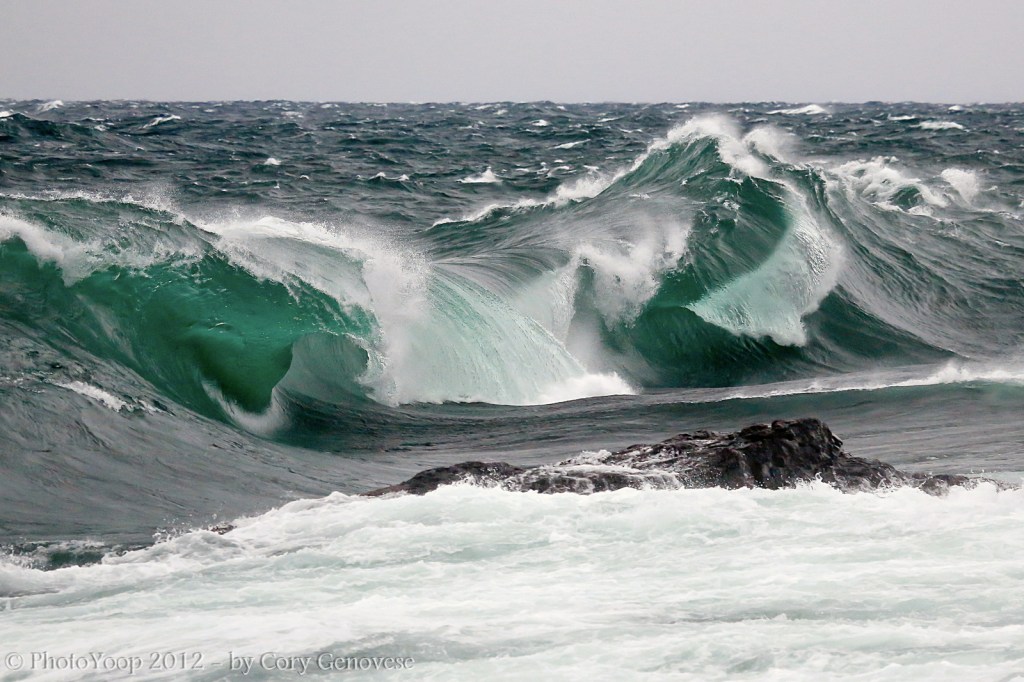
Sandy’s Frankenwaves by Cory Genovese

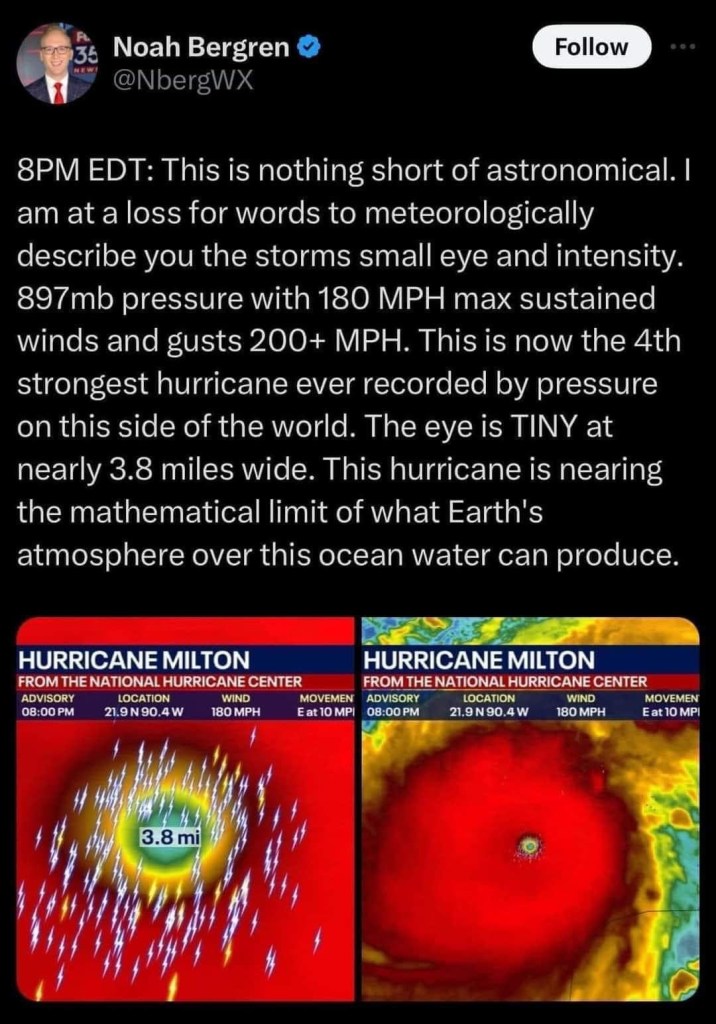
8PM EDT: This is nothing short of astronomical. I am at a loss for words to meteorologically describe you the storms small eye and intensity. 897mb pressure with 180 MPH max sustained winds and gusts 200+ MPH. This is now the 4th strongest hurricane ever recorded by pressure on this side of the world. The eye is TINY at nearly 3.8 miles wide. This hurricane is nearing the mathematical limit of what Earth’s atmosphere over this ocean water can produce. -Orlando Meteorologist Noah Bergren

The phrase “nearing the mathematical limit of what Earth’s atmosphere over this ocean water can produce” is one of the most terrifying I have ever read, especially when it directly follows Hurricane Helene that killed over 200 people and wrought devastation even in the mountains. Could this be the hurricane cycle that wakes people up to the reality of a changed climate or will we keep acting like it’s normal for hurricanes to wipe mountain towns off the map? Time will certainly tell.

While it’s too early to forecast the impact of Milton on Michigan, Hurricane Sandy in 2012 produced the second highest wave height ever on Lake Michigan of 21.7 feet – click for all kinds of Lake Michigan Hurricane Sandy weather data from the NWS. Cory took this at Sugar Loaf just outside of Marquette way back in November of 2012 in the aftermath of Hurricane Sandy. See more in his Portfolio gallery on Flickr.

Support Michigan in Pictures with Patreon

Frog saunas will make it easier to be a frog!

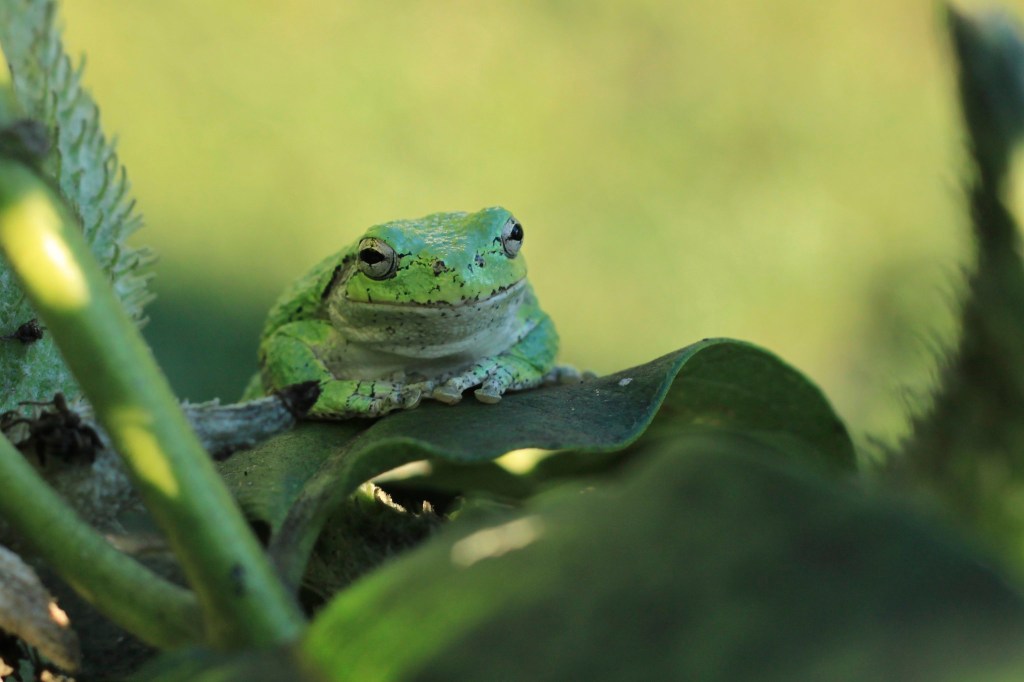
It ain’t easy… by Steven Karsten

Here is an excellent update about the fungus that has been devastating frog populations since long before I shared this photo & news of chytridiomycosis back in 2011! Earth.com reports that on a new way to save frogs in Michigan & worldwide from the chytrid fungal infection. The fungus driven 90 frog species to extinction or presumed extinction in the wild and reduced the number of another 124 species by over 90%. Dr. Anthony Waddle of Macquarie University‘s Applied BioSciences (Australia) explains:

“In the 25 years since chytrid was identified as a major cause of the global collapse of amphibian populations, our results are the first to provide a simple, inexpensive and widely applicable strategy to buffer frogs against this disease,” said Dr. Waddle.

The researchers developed artificial ‘hotspot’ shelters using readily available materials like bricks and PVC greenhouses. These structures create warm environments where frogs can raise their body temperature to levels that are uncomfortable for the chytrid fungus.

“In these simple little hotspots, frogs can go and heat up their bodies to a temperature that destroys the infections,” explained Dr. Waddle. It’s like a natural antibiotic treatment, but instead of popping pills, the frogs just need to bask in their personal saunas.

The results were remarkable. When frogs shifted to these hotspot shelters, chytrid infections were reduced significantly. This simple intervention could have far-reaching benefits for amphibian conservation efforts worldwide.

Lots more at Earth.com, and since Michigan’s 13 species of frogs & toads are not immune, fingers (and flippers) crossed that this works!!

Though Steven titled this It ain’t easy… he wrote actually, on this day, it seemed pretty easy being green. This guy was eating fly after fly as I snapped away. Must’ve had 5-6 flies in about as many minutes. He looked like lack of food was not an issue.

See more of his photos on Flickr & more frogs on Michigan in Pictures!

Support Michigan in Pictures with Patreon

You know who needs a Happy Earth Day?

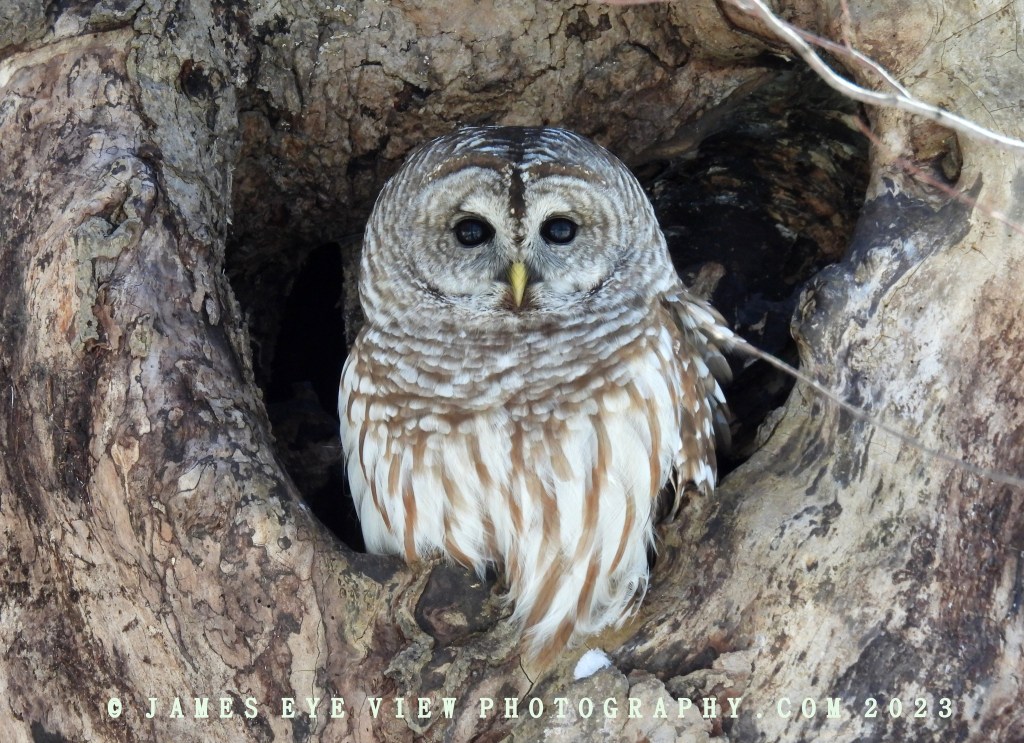
Happy Earth Day by James Eye View Photography

via Leelanau.com

Who needs a happy Earth Day? All of us really. 2023 was the warmest year since global records began nearly 200 years ago. The global temperature beat the previous high from 2016 & the 10 warmest years have ALL been from the last 10 years. If you know anything at all about math, 10 out of 10 is 100% and we are 100% in trouble because we seem unable as a species to process what actual danger is when it is this big. There’s probably nothing I can say if you don’t believe in science, so here is a link to a story about Earth Day’s Michigan roots & here is EarthDay.org where they are trying to raise awareness about microplastics, which many scientists believe are behind the explosion of Alzheimers.

James is an Empire-based photographer who shared this barred owl – based in parts unknown – along with some other great pics to wish everyone a happy Earth Day! See more by clicking the picture & on his website.

Running Dry: Climate change & river fishing in Michigan

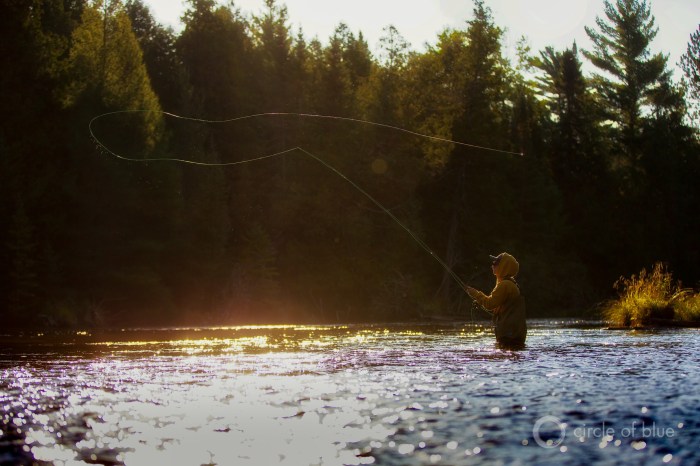
Fishing on Michigans Au Sable by J Carl Ganter

Fishing on Michigan’s Au Sable by J Carl Ganter

“I grew up hearing stories about how great fishing was just five years ago. It’s sad, knowing that I’ll most likely never be able to experience the amazing fish that these waters used to have … that these rivers will never be what they used to be.”
-Michigan angler Landen Finkel

The above quotation & photo are from an excellent Circle of Blue article on the impact of climate change on our nation’s trout streams. It’s a great read with a focus on Michigan that I hope you can check out:

In some places, the effects of climate change manifest as immediate catastrophe. Violent storms. Extreme heat. Deep drought. On the Au Sable, the threat is a slow burn. Intensifying weather patterns have gradually added stress to the ecosystem, chipping away at wildlife’s ability to adapt. As the atmosphere continues to warm, severe weather events have gone from occasionally urgent to relentless assault.

“The guides of the Au Sable, we’re on the front lines,” (Au Sable River Guide) David McCool said. “Just a small change in temperature can have a massive impact on this resource. We need to make sure we still take care of it, as things change in our environment.”

Ecologically speaking, fish are the canary in the coal mine. Trout are an indicator species in the Au Sable ecosystem, meaning that their well-being reflects the health of the ecosystem. “Healthy trout is indicative that the whole system is healthy,” said Randy Claramount, a biologist with Michigan’s Department of Natural Resources. Likewise, unhealthy populations are an alarm bell: the poor water quality conditions that cause trout to suffer are likely also stressing invertebrates and other biota.

“You start piling these things on top of one another, and it just gets harder for those fish to adapt to what nature’s throwing at them,” said Keith Curley, a conservationist with Trout Unlimited.

…The decline of river ecosystems is intensifying young anglers’ anxieties about the health of the planet. At just 14 years old, Landen Finkle worries about the condition of the river near his home in Traverse City, Michigan. He’s particularly concerned about the loss of biodiversity.

Like a majority of his generation, climate and environmental issues weigh on his mental health. Finkle is fascinated with freshwater ecology, and hopes to guide fishing expeditions one day. But increasing signs of the river’s decline make him feel helpless at times, and fearful for the future of the pastime.

“River fishing is a really calming thing. And just to know that that could be coming to an end here is kinda sad,” he said. “It creates a lot of anxiety. There are a lot of things we can do to help, but there’s not really enough resources to help.”

Read on for more including more pictures from J. Carl Ganter & even some video of Landen fishing! Be sure to check out Circle of Blue for all kinds of features on climate & resources in Michigan and worldwide.

PS: If you still think climate change is a hoax, I not only do not want to hear about it, I would prefer that you find someplace else for your daily Michigan photos. It’s not & it’s long past time for you to have woken up to reality.

Support Michigan in Pictures with Patreon

As far as we know, July was the hottest

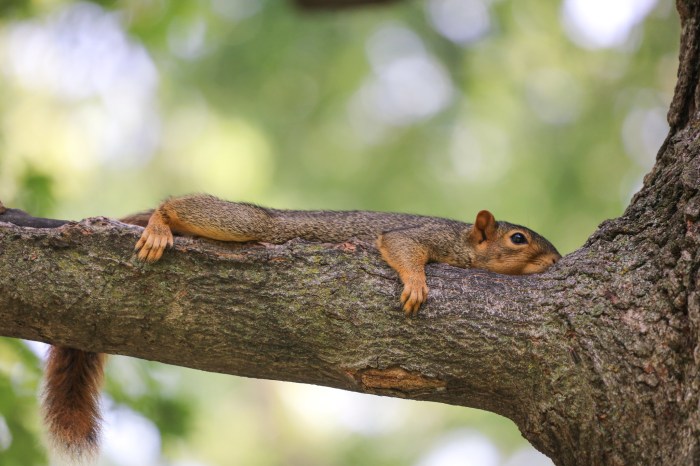
Fox Squirrels in Ann Arbor at the University of Michigan by Corey Seeman

Fox Squirrels in Ann Arbor at the University of Michigan by Corey Seeman

NPR reports that according to new data from the National Oceanic and Atmospheric Administration, July was the hottest month ever recorded in human history:

“In this case, first place is the worst place to be,” NOAA Administrator Rick Spinrad said in a statement. “July is typically the world’s warmest month of the year, but July 2021 outdid itself as the hottest July and month ever recorded.”

Spinrad said that climate change has set the world on a “disturbing and disruptive path” and that this record was the latest step in that direction. Research has shown the warming climate is making heat waves, droughts and floods more frequent and intense.

According to NOAA, last month was the hottest July in 142 years of record-keeping.

The global combined land and ocean-surface temperature last month was 1.67 degrees Fahrenheit higher than the 20th-century average of 60.4 degrees, the agency said. The previous record was set in 2016, and repeated in 2019 and 2020.

In the Northern Hemisphere, the land-surface temperature for July was 2.77 degrees hotter than average.

You can read more from NPR

Corey is definitely Michigan’s unofficial squirrel photography king. See a bunch more squirrels in his Project 365 2021 Gallery on Flickr & at the squirrel tag on Michigan in Pictures!

Support Michigan in Pictures with Patreon

Talking ’bout a heatwave

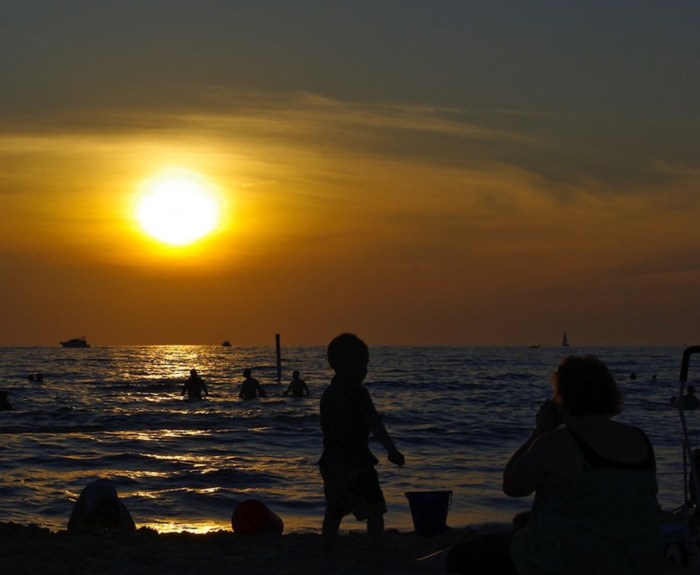
Sunset at the Beach by charles hildebrandt

Sunset at the Beach by charles hildebrandt

West Michigan Fox-17 reports that the longest heatwave in West Michigan history possible in the coming weeks:

High temperatures will begin to rise to around or above 90° and will not fall below that point for at least a week. This long stretch of 90s could stretch into the second week of July, which would put us in the territory of longest heatwave since records began back in 1892.

A heatwave is 3 or more days in a row of 90°+ and we have had several of the shorter versions. The difference with this one in particular is it will last a week or even two as no system will swing through to cool us off.

A very strong ridge of high pressure across the country will set us up for the extensive heat. This will also keep rain chance minimal, as this ridge keeps air from rising and also dries the air out.

One good piece of news is that the majority of the heatwave will have manageable humidity. It will be a dry heat, just like the desert southwest.

Charles took this 10 years ago at Ottawa Beach in Holland. See more on his Flickr & stay cool everyone!

Support Michigan in Pictures with Patreon