Root Beer Falls

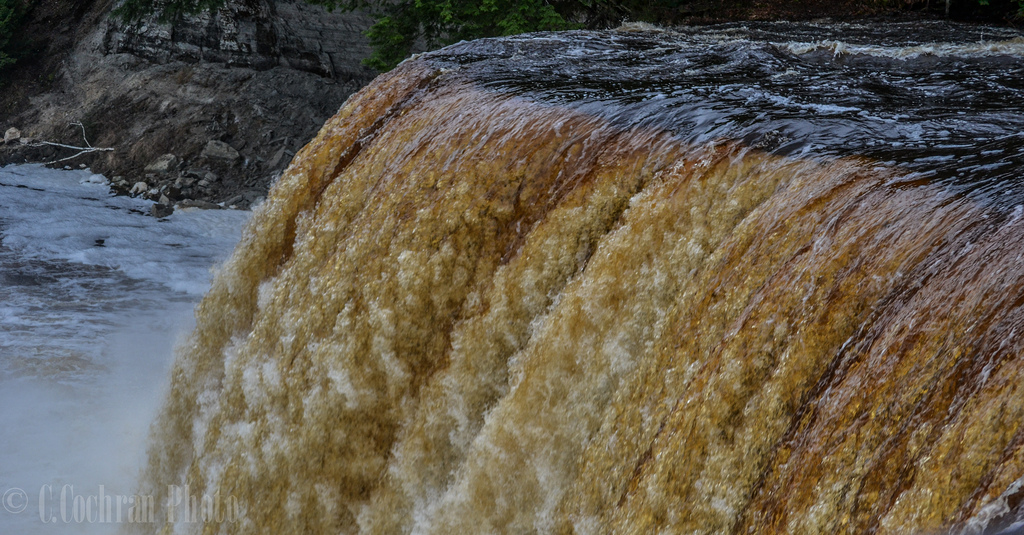
Tahquamenon Falls Root beer falls

Tahquamenon Falls, photo by Courtney Cochran

The Tahquamenon Falls are Michigan’s biggest waterfall and quite a sight to see in any season. It draws its name from the distinctive root beer color of the water which is created by the leaching of tannins from the cedar swamps that feed the river.

At its peak flow, the river drains as much as 50,000 gallons of water per second, making it the second most voluminous vertical waterfall east of the Mississippi River after only Niagara Falls.

View Courtney’s photo bigger and see more in her Landscapes slideshow.

Lots more Tahquamenon Falls on Michigan in Pictures!

Support Michigan in Pictures with Patreon


Don’t Fall On Me

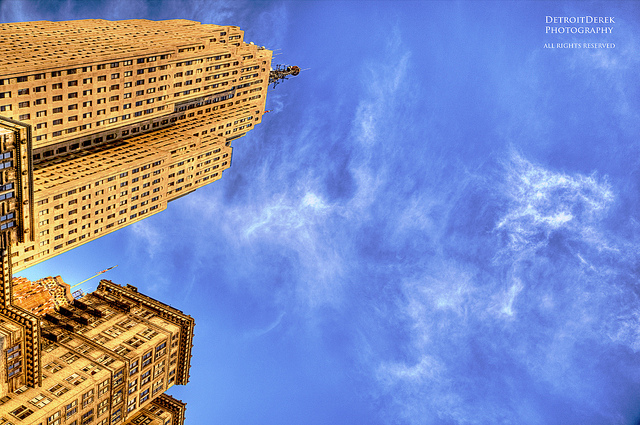
Don't. Fall. On. Me.

Don’t. Fall. On. Me., photo by DetroitDerek Photography

I think I have some days like this too.

Check it out bigger and see more in Derek’s massive Detroit slideshow. If you’re interested in purchasing this or another photo, email Derek.

For another perspective, try flying above the Penobscot Building in Google Earth!

Tis the Season

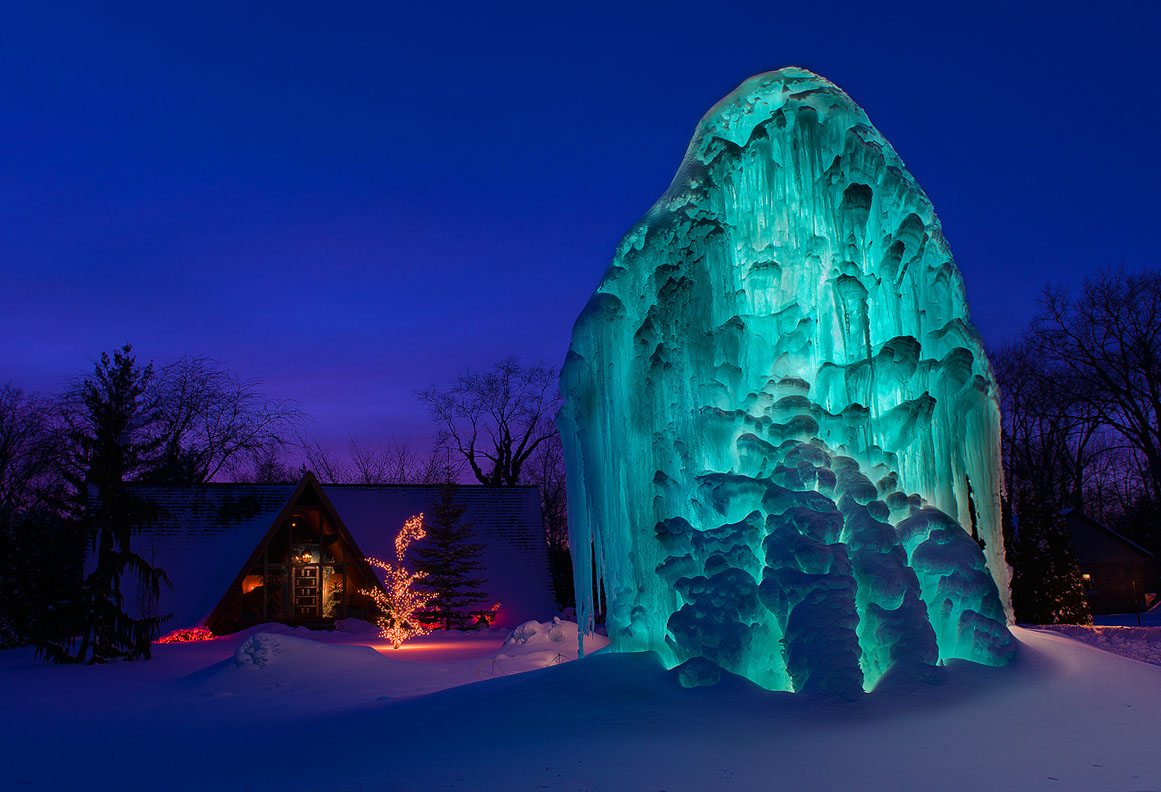
Tis the Season

Untitled, photo by Jeff Caverly

Whatever you’re celebrating, I hope that you get the very best from this holiday season and that your life is filled with at least as much beauty & magic as is in this photo!

View Jeff’s photo background big and see more in his slideshow.


Winter Wonderland

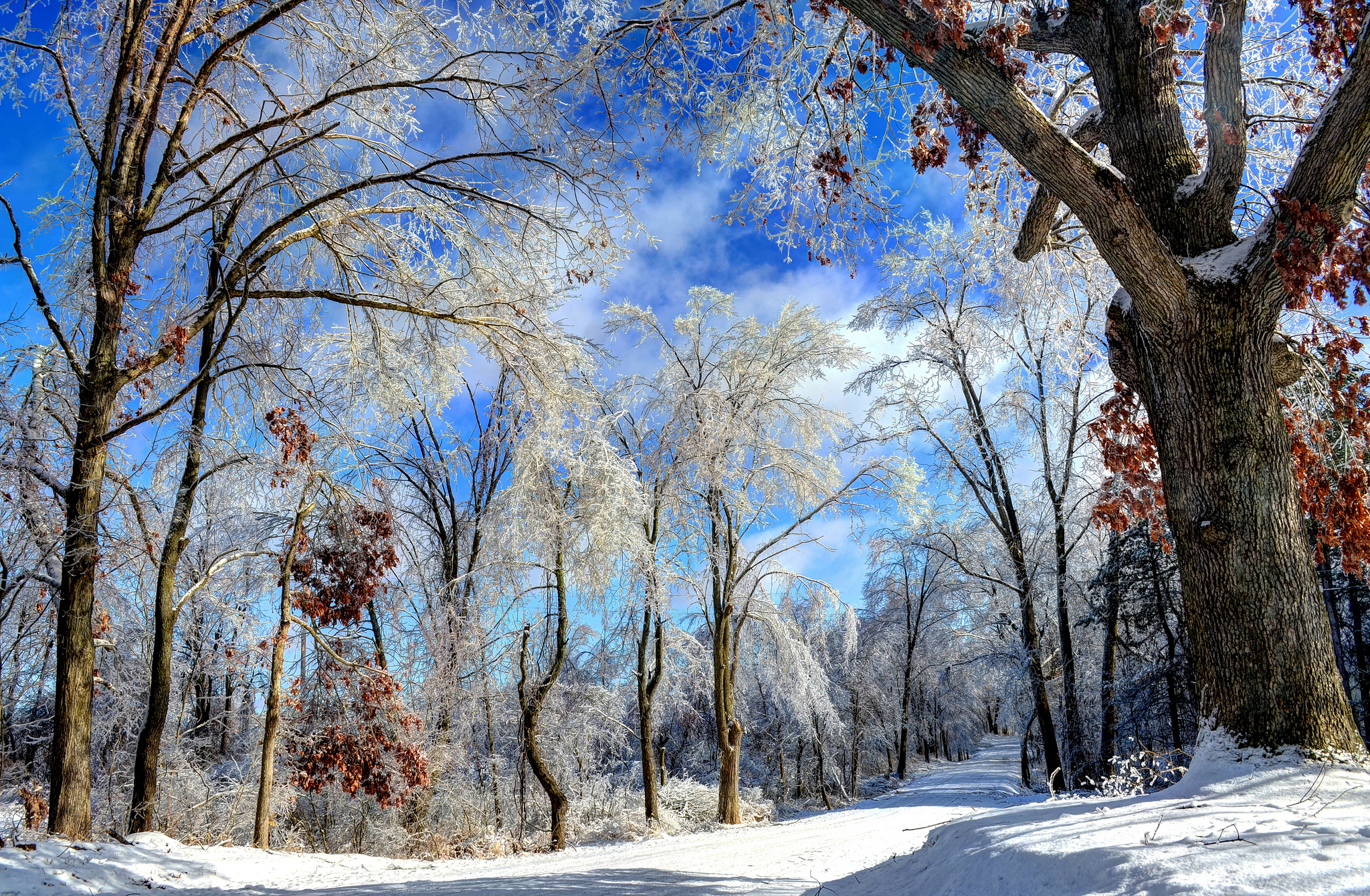
Winter Wonderland

Winter Wonderland, photo by Rodney Campbell

Rodney took this photo on Christmas Eve day last year at the Seven Ponds Nature Center in Dryden.

View it background bigtacular and see more in his Landscapes slideshow.

More winter wallpaper on Michigan in Pictures!


Biodiversity is not a dirty word

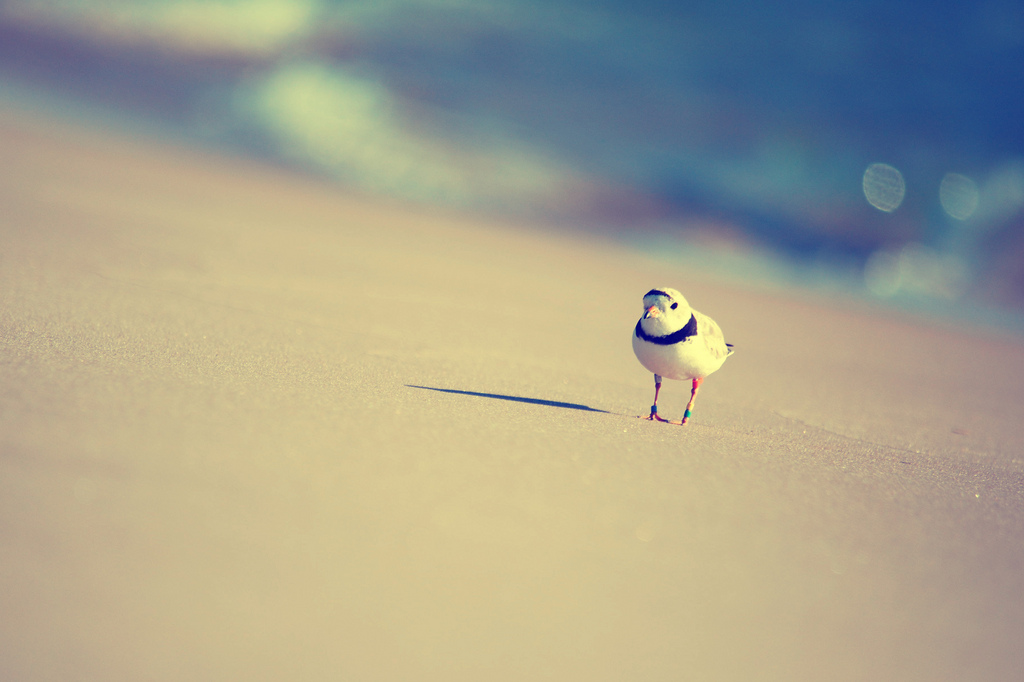
Piping Plover

Untitled, photo by Anna Lysa

Sorry to mess up your holiday week with a bit of advocacy on the behalf of Michigan’s natural environment, but yesterday via Michigan Radio I learned of the very disturbing Senate Bill 78 that’s headed to Governor Snyder for signature or veto. The bill would forbid DNR from preserving biodiversity in forests and parks:

More than 130 scientists and the state’s environmental groups are calling on Gov. Rick Snyder to veto a bill they call anti-science. The bill would forbid the Michigan Department of Natural Resources from protecting native wildlife and plants on the pure merits of protecting nature.

  • The bill would prohibit the Department of Natural Resources from managing state lands for biodiversity.
  • It would prohibit the agency from managing forests for restoration.
  • It would end work to eliminate invasive species.
  • It would strike from the law the finding that most losses of biological diversity are the result of human activity.

Read on for more, and here’s the text of Senate Bill 78. If you’re so inclined, feel free to tell Gov. Rick Snyder what you think. I know that messages to our elected officials really do make a difference.

View Anna Lysa’s photo from July of 2012 at Ludington State Park bigger and see more in her Michigan slideshow.

PS: As I read it, piping plover would not be impacted by this as the species with just 8,000 adults is federally protected. I just picked them because they’re a recognizable species that has benefitted from extensive preservation efforts, some of them in the Sleeping Bear Dunes National Lakeshore in Michigan.

Here’s the piping plover and more of Michigan’s endangered plants and animals on Michigan in Pictures.

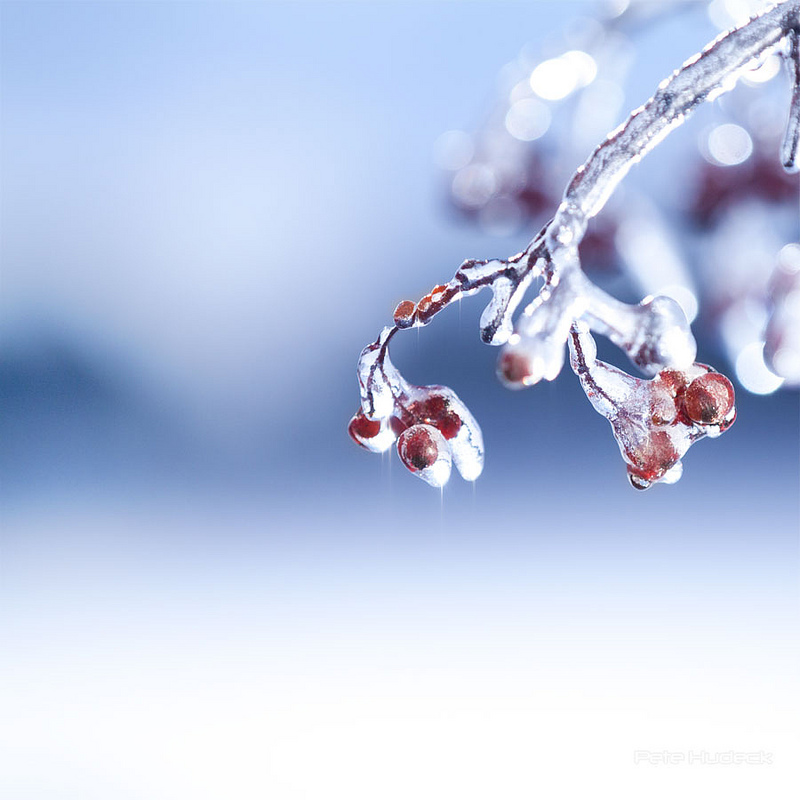
Frozen Hawthorn

Christmas Hawthorne

Frozen Hawthorne, photo by Pete Hudeck

I was looking for photos of last December’s ice storm that paralyzed much of Michigan last year, but then I found this photo which seemed like a much better way to start a Monday! If you want to read about that, the Grand Rapids National Weather Service has a recap of the storm.

View Pete’s photo bigger and see more in his slideshow.

More ice on Michigan in Pictures!

Spires and the Solstice

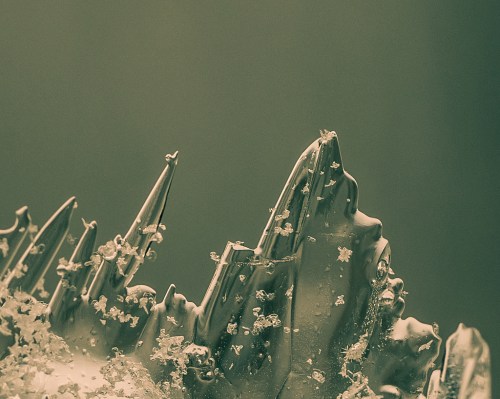
Spires

Spires, photo by Liz Glass

The Old Farmer’s Almanac shares that winter begins with the Winter Solstice at 6:03 PM EST tomorrow (Sunday, December 21):

Winter inspires both joy and woe. Some people can’t wait for the cooler weather, snow, skiing and ice skating, curling up by a fire, and the holiday spirit. Other people dislike the frigid temperatures, blizzards, and wild weather.

The word solstice comes from the Latin words for “sun” and “to stand still.” In the Northern Hemisphere, as summer advances to winter, the points on the horizon where the Sun rises and sets advance southward each day; the high point in the Sun’s daily path across the sky, which occurs at local noon, also moves southward each day. At the winter solstice, the Sun’s path has reached its southernmost position. The next day, the path will advance northward. However, a few days before and after the winter solstice, the change is so slight that the Sun’s path seems to stay the same, or stand still. The Sun is directly overhead at “high-noon” on Winter Solstice at the latitude called the Tropic of Capricorn. In the Northern Hemisphere, the solstice days are the days with the fewest hours of sunlight during the whole year.

Definitely check out Liz’s photo bigger and see more in her massive & cool Ice slideshow or (if you prefer) her Abstracts slideshow.

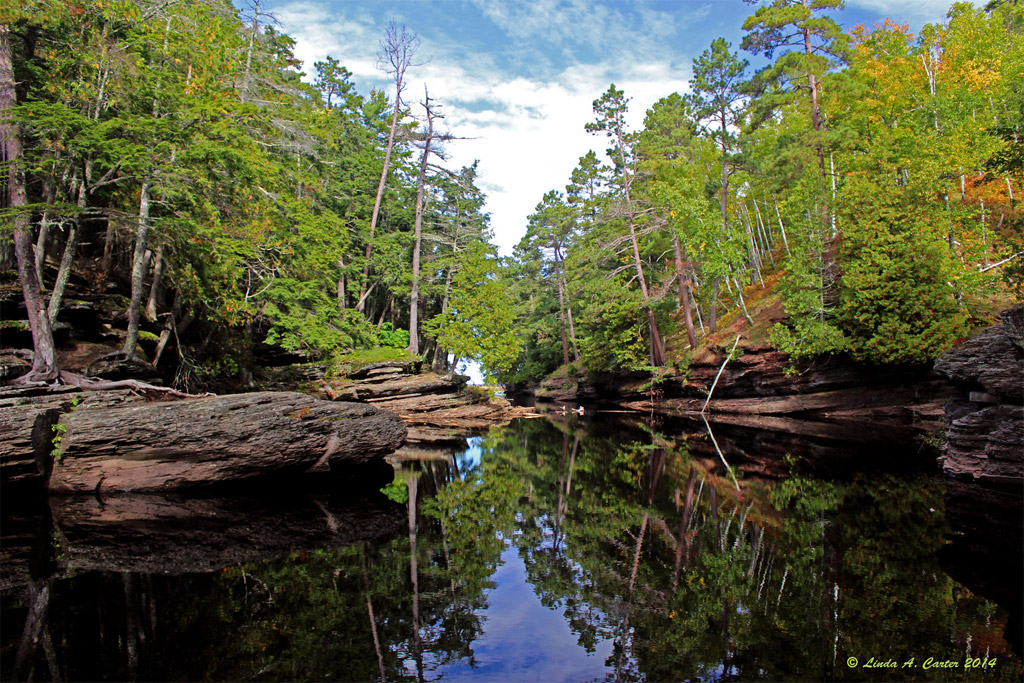
Quiet water of the Presque Isle River

Presque-Isle-in-the-Porkies

Quiet water of the Presque Isle River. Porcupine Wilderness State Park, photo by Linda Carter

The Porcupine Mountain Wilderness State Park is the area of Michigan where I haven’t yet visited that I’m most fascinated with. One of the cool things for me about putting Michigan in Pictures together is learning new things about places, and Linda’s photo showed me something new about the Park! She writes:

The Presque Isle River (French explorers named it for the little island at the mouth of the river) is the largest and most dangerous flow through the Porcupine Mountains. The 3 waterfalls near its mouth are some of the most scenic in the Upper Peninsula of Michigan. The river forks at the end as it flows to Lake Superior. This picture is the right side, which is quiet and peaceful.

View her photo bigger and see more (including some of those waterfalls) in her Porkies slideshow.

#TBT: Petoskey Pierhead Light

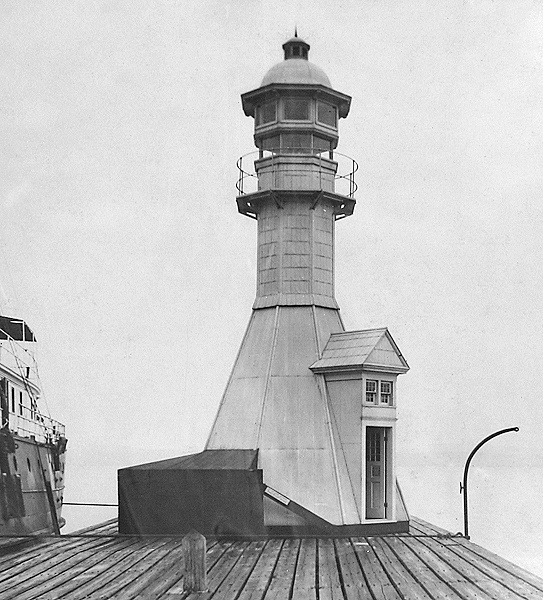
Petoskey Pierhead Lighthouse 1913

Petoskey Lighthouse in 1917, courtesy National Archives & Lighthouse Friends

Last month I featured a cool shot of the Petoskey Pierhead lighthouse that people really liked. Here’s a pic of what that light looked like a hundred years ago. The entry for the Petoskey Pierhead Light at Lighthouse Friends says (in part):

Named after the Ottawa Indian Chief Ignatius Petosega, Petoskey is situated at the southeast corner of Little Traverse Bay. In westerly winds, the lake steamers had difficulty offloading summer visitors at Petoskey, prompting Congress to pass an act on August 17, 1895, authorizing construction of breakwaters to protect the landing pier. One breakwater, connected to shore, was built west of the landing pier, and a second detached breakwater was built to the north.

Work on the breakwaters commenced in 1896, and in 1899, a metal post with a lamp house at its base was placed fourteen feet from the outer end of the western breakwater. Two lantern lights, a red one above a white one, were exhibited from the post starting on July 1, 1899. The beacon light was damaged by the schooner Willia Loutit on July 11, 1900, but repairs, paid for by the schooner’s owners, were soon made.

In 1903, structural steel and cast-iron metalwork were ordered to enclose the pier’s metal post, but the work was evidently not carried out until 1912. The resulting thirty-four-foot-tall lighthouse resembled an inverted funnel and consisted of a pyramidal base, a vertical mid-section, and an ornate lantern room. This funnel-like style of lighthouse was also deployed on piers at five other Lake Michigan cities: Waukegan, Illinois and at Kenosha, Milwaukee, Racine, and Sheboygan, Wisconsin.

…During a severe storm in December 1924, the lighthouse was washed from the breakwater and destroyed. A newspaper account noted that the “self-lighting lighthouse” had been discontinued for the season on December 8, just six days before it was swept off the breakwater. A temporary light was displayed from an unpainted post until 1930, when a concrete foundation was constructed on the breakwater, and a new light was displayed from a thirty-foot, skeletal, steel tower, painted red.

Read on for more information & photos and head over to lighthousefriends.com for many more Michigan lighthouse features.

…and of course Michigan in Pictures has lots more Michigan lights too!

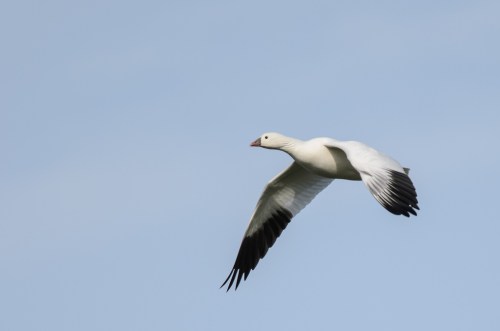
Ross’s Goose

Ross's Goose

Ross’s Goose, photo by jsommer2

A few weeks ago there was a bit of a question as to the duckishness of a sleeping duck I posted, so I spent a lot of time looking at ducks & duck-like birds. One of them showed up in the photo group so without further delay…

The All About Birds entry for Ross’s Goose (Chen rossii) says:

A tiny white goose with black wingtips, the Ross’s Goose is like a miniature version of the more abundant Snow Goose. It breeds in the central Arctic and winters primarily in central California, but it is becoming more frequent farther east.

Prior to the 1950s the Ross’s Goose was confined to well-defined breeding and wintering areas, with few seen as strays. Since that time the species has been expanding eastward, both on the breeding and wintering grounds. The change in breeding distribution has resulted in more contact and subsequent hybridization with the Snow Goose.

The female Ross’s Goose does all of the incubation of the eggs. The male stays nearby and guards her the whole time. The female covers the eggs with down when she leaves the nest. The down keeps the eggs warm while she is away and may help hide them from predators.

More including photos and identification tips at All About Birds.

Check jsommer’s photo out background big and view the slideshow for more photos including a shot of this goose with some much bigger Canadian geese!

Many more Michigan birds on Michigan in Pictures!