
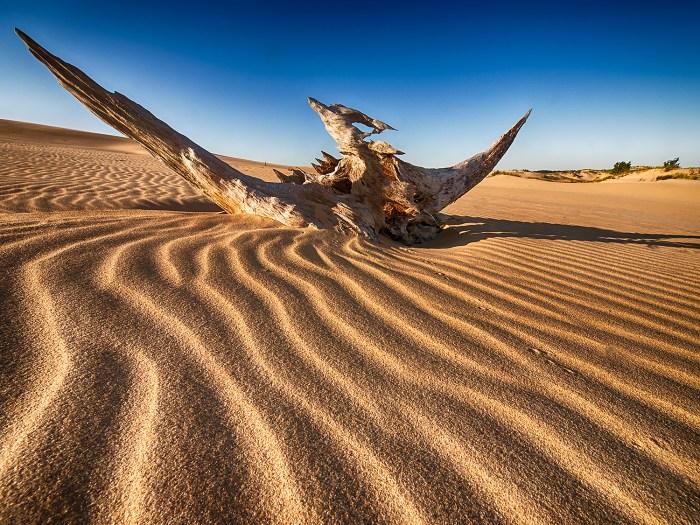
Silver Dune, Remains, photo by Charles Bonham
View Charles’ photo background big and see more in his Silver Lake Sand Dunes slideshow.
Silver Dune, Remains, photo by Charles Bonham
View Charles’ photo background big and see more in his Silver Lake Sand Dunes slideshow.
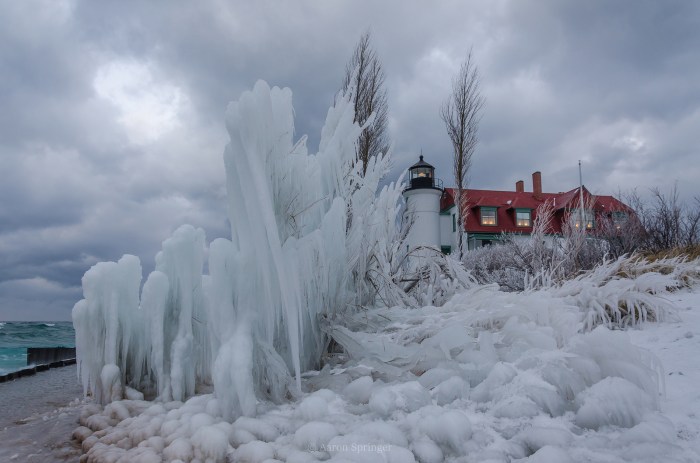
White Walkers, photo by Aaron Springer
I think we can all agree that Winter is not merely coming, it’s here.
View Aaron’s photo bigger and see more in his slideshow.
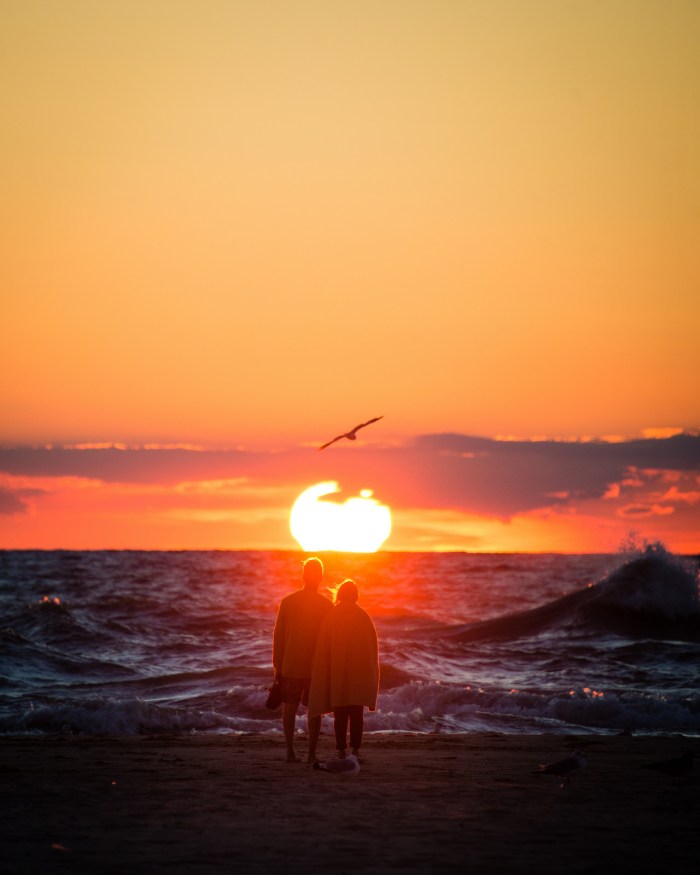
Summer Memories, photo by Paladin27
Baby, it’s cold outside. I hope you enjoy the July sunset from South Haven which seems more than half a world away from the teens and single digits that are out there this morning.
Stay warm and safe.
View Paladin27’s photo background bigtacular and see more in his Weekends in South Haven slideshow.
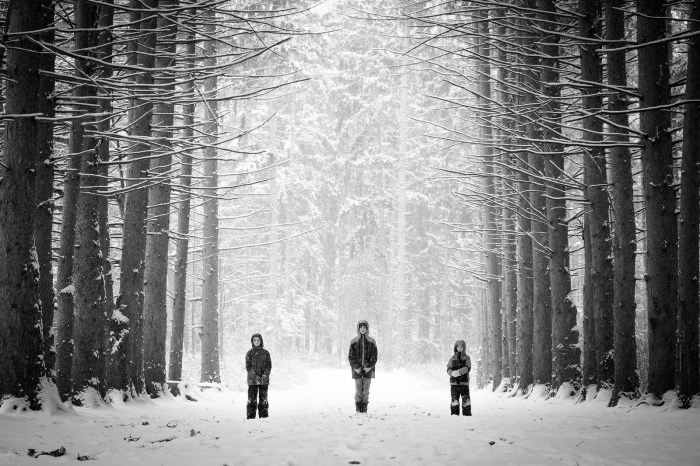
Snow Boys, photo by Tom Hughes Photo
Tom says they were out playing in the first big snow of the year. View his photo bigger and see more in his Black & White slideshow.
More black & white photography on Michigan in Pictures.
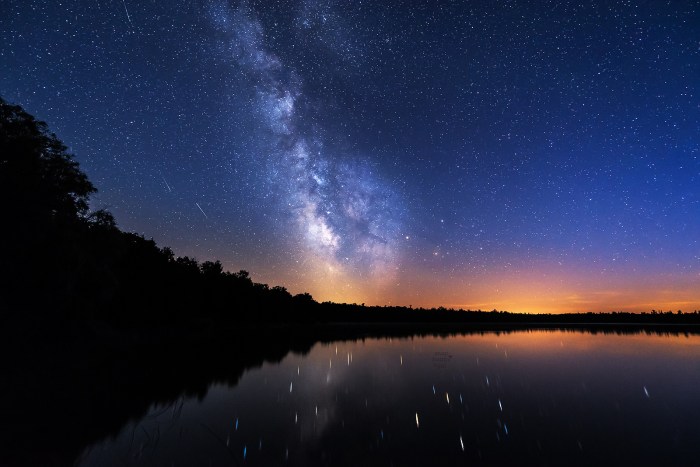
Falling Skies, photo by Heather Higham
The annual Geminid meteor shower peaks tonight but will continue tomorrow as well. EarthSky explains:
The shower starts around the second week in December, but, in a bit of bad timing, full moon comes on the peak night (December 13-14) this year. Still, these meteors are known for being bright, so some Geminid meteors may well overcome this year’s moonlit glare. Watch on the evening of December 13 until dawn December 14. The nights before and after might be good as well. Geminid meteors tend to be few and far between at early evening, but intensify in number as evening deepens into late night.
…Your local peak will typically be centered at about 2 a.m. local time, no matter where you are on the globe. That’s because the constellation Gemini – radiant point of the shower – will reach its highest point for the night around 2 a.m. (your local time). As a general rule, the higher the constellation Gemini climbs into your sky, the more Geminid meteors you’re likely to see.
Heather took this photo in September of 2016, and there’s FOUR meteors!! View it bigger, see more in her Night Sky slideshow, and view & purchase photos at snaphappygal.com!
Lots more meteors on Michigan in Pictures.
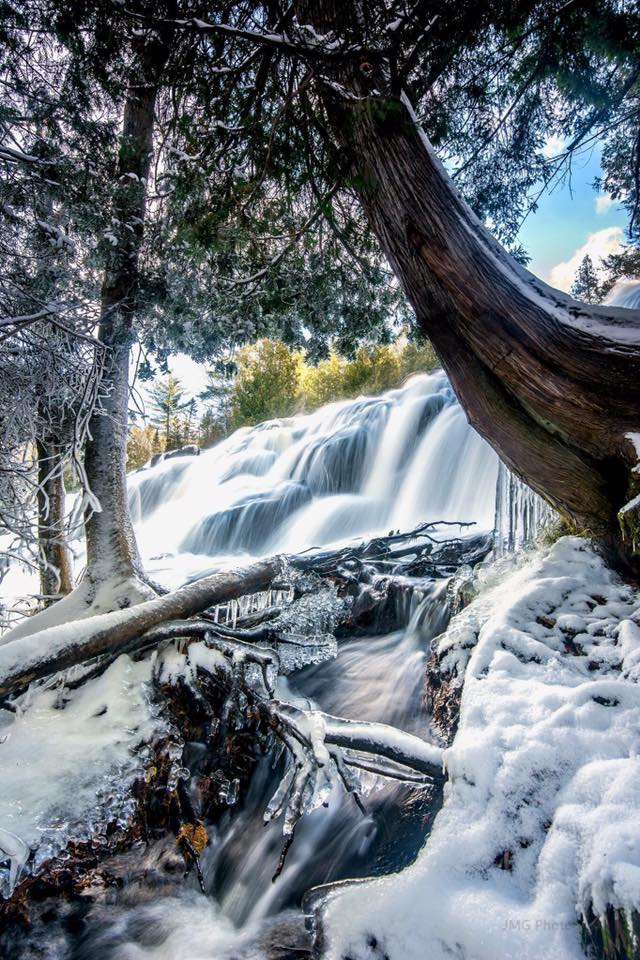
Good morning from Bond Falls….Burrrrr, photo by Joe Garza
View Joe’s photo bigger and see more at JMG Photography on Facebook.
More Bond Falls on Michigan in Pictures.


Ice Beast of the Frozen Tundra, photo by Mark Miller
As Michigan deals with the first winter storm of the season, it’s a good time to brush up on how Michigan’s lake effect snow machine works with a nice video (below) from mLive chief meteorologist Mark Torregrossa who writes:
The areas hit by lake effect are called snowbelts. Some parts of the snowbelts typically get much more snow than other parts. This is because some locations get lake effect from multiple wind directions. Good examples are in the heart of the northwest Lower Peninsula snowbelt. Mancelona and Gaylord get heavy lake effect with northwest, west and slightly southwest winds. Also, the Keweenaw Peninsula, sticking out into Lake Superior, can get lake effect snow from west winds to north winds to northeast winds. That’s why they often shovel over 200 inches of snow in Houghton, MI.
The opposite is true for Grand Rapids and to some extent, Traverse City. Grand Rapids needs a west to southwest wind for heavy lake effect. West winds are common in winter, but don’t tend to last for more than 12 hours. That’s why Grand Rapids often gets only 12 hours of heavy lake effect and a few inches of snow. The wind then veers to the northwest and areas around Holland and Allegan get buried. Downtown Traverse City has a hard time getting heavy lake effect also. Traverse City needs a north-northwest wind to straight north wind for the heaviest lake effect to move into downtown. That wind flow does happen, but it only lasts 24-48 hours a few times each winter.
Thanks to another Mark, Mark Miller, for today’s photo of the Ice Beast of the Frozen Tundra aka Major. View the photo bigger and see more in his “Major” slideshow.
Here’s Mark Torregrossa’s video:
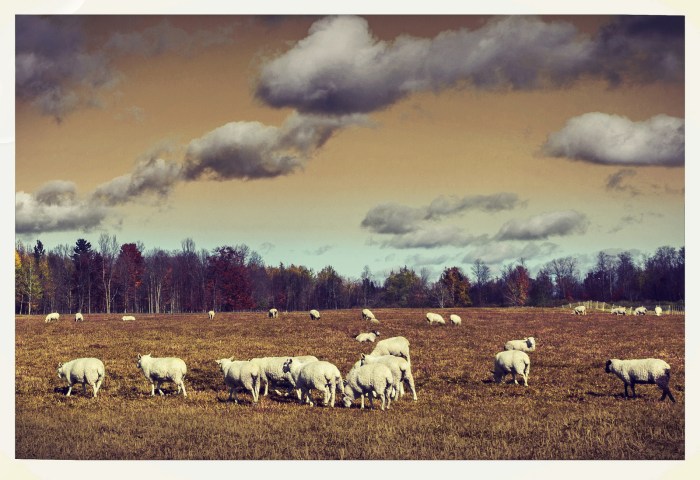
Alien Sheep, photo by Steve
The Truth is out there … if the sheep didn’t eat it.
View Steve’s photo bigger and see more in his Canon 5D Mark II / III / IV slideshow.
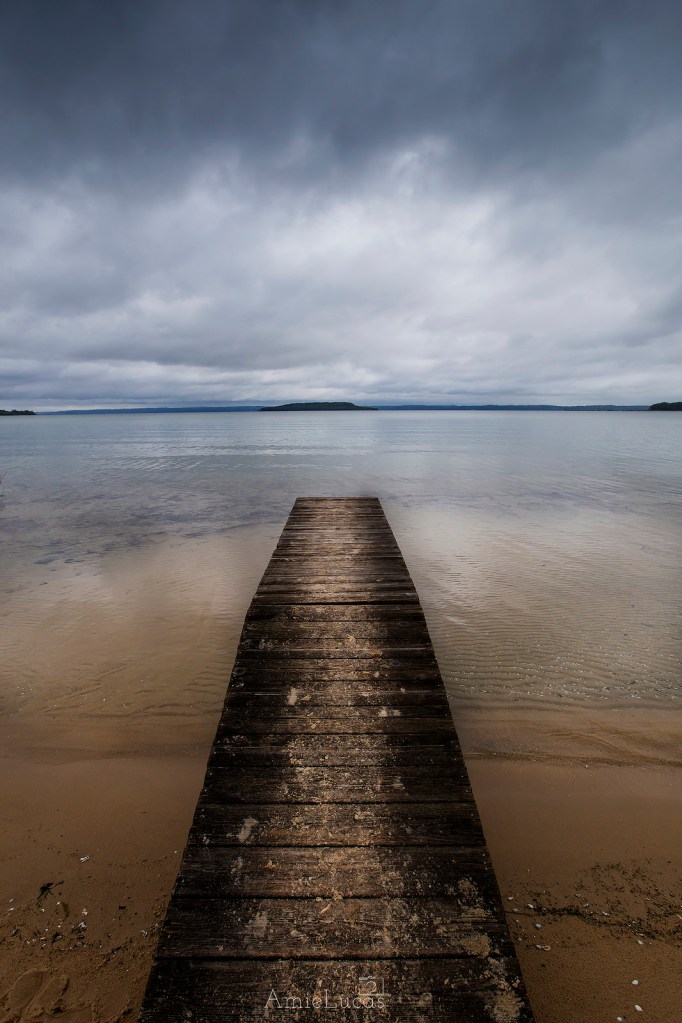
Gloom over Grand Traverse Bay, photo by Amie Lucas
View Amie’s photo background bigilicious, see more in her Central Michigan slideshow, and be sure to follow Amie Lucas Photography on Facebook.
PS: You can get Amie’s 2017 Calendar on her website.
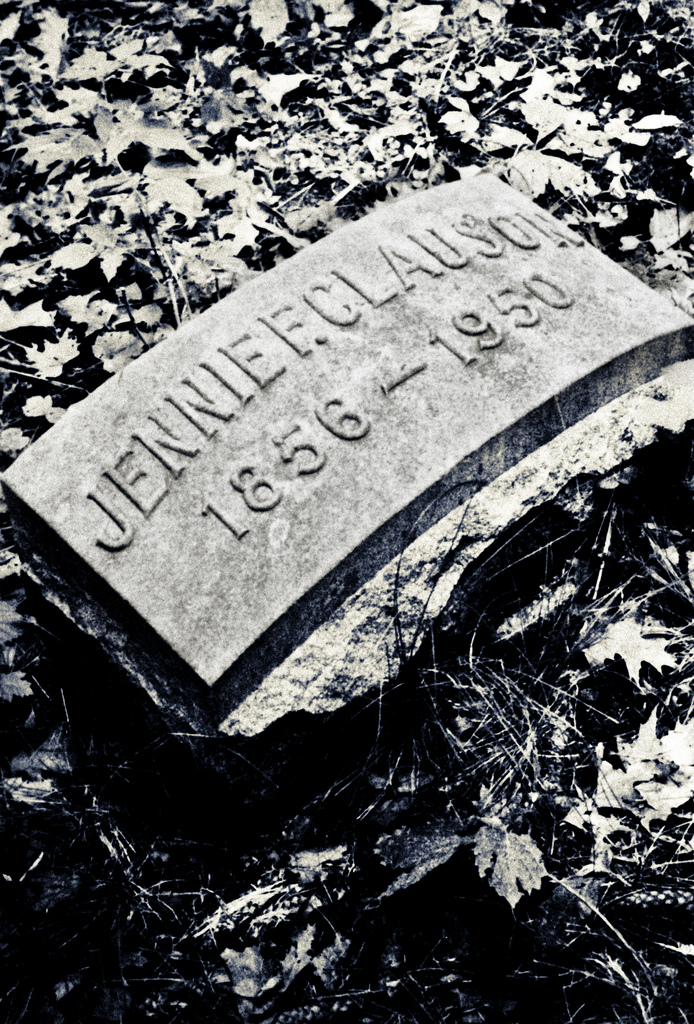
Jennie F. Clausen, photo by Marty Hogan
View Marty’s photo background big and see more in his Michigan Burying Grounds slideshow.
The December 7th anniversary of Pearl Harbor is one of the sign posts in American history. Marty writes that in nearly a century, Jennie F. Clauson from Grand Rapids, Michigan saw a world change. Here’s the entirety of his post:
 Michigan in Pictures