The Puff Adder aka Eastern Hognose Snake

Eastern Hognose Snake

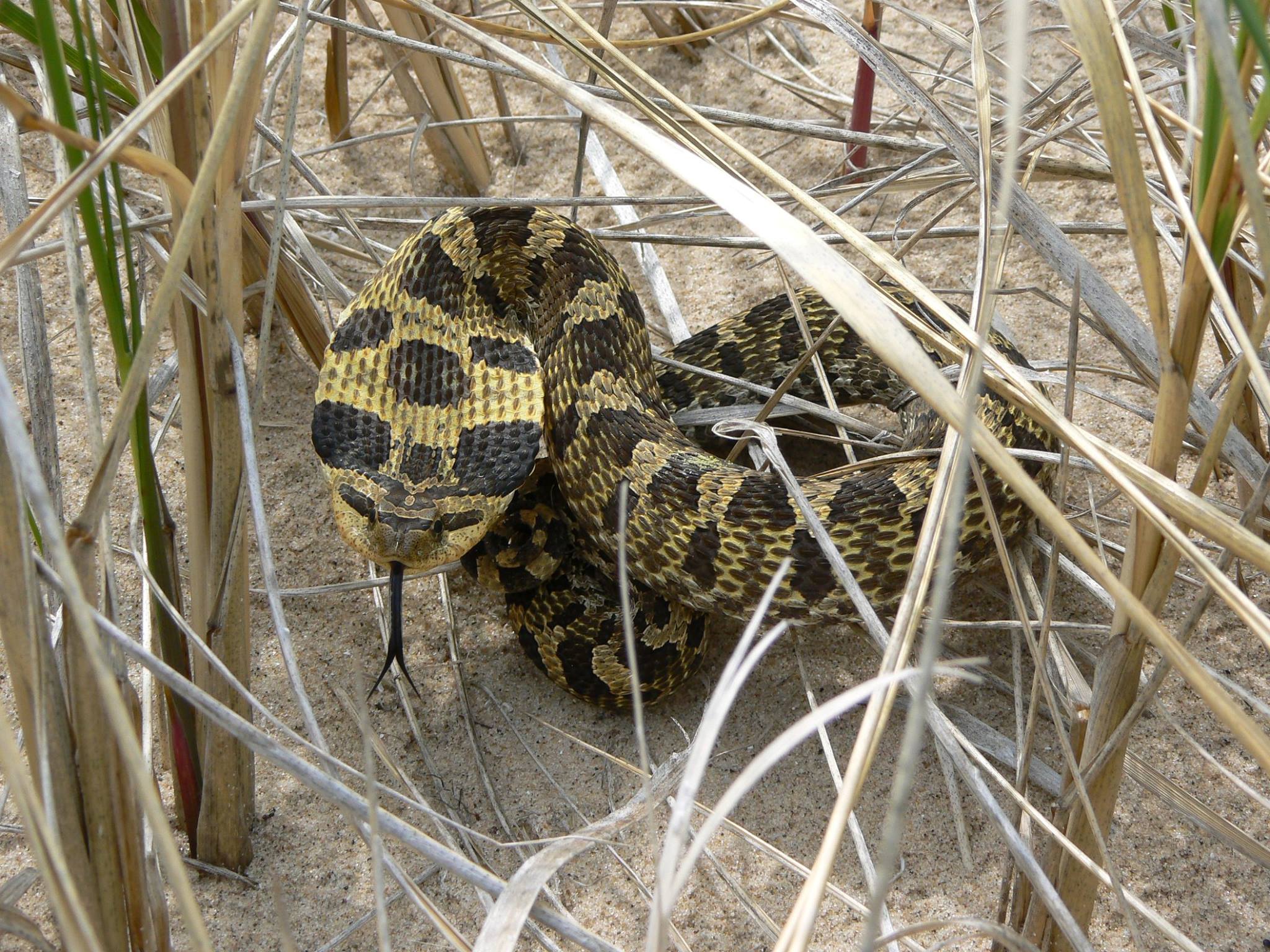
Eastern Hognose Snake by Sleeping Bear Dunes National Lakeshore

Of the approximately 2400 species of snakes in the world, Michigan has just 17. The State of Michigan’s page on the Eastern Hog-nosed Snake (Heterodon platirhinos) says (in part):

Description: A thick-bodied, slow-moving snake with a flattened, upturned “nose.” Color is variable some have dark spots and blotches on a yellow, orange, or brown background, but other specimens are solid black, brown, or olive with little or no visible pattern. Easily identified by defensive behavior (see below). Adult length: 20 to 40 inches.

Habitat and Habits: A snake of open, sandy woodlands – found in the wooded dunes of western Michigan. The upturned snout is used to burrow after toads, a favorite food. When threatened, hognose snakes puff up with air, flatten their necks and bodies, and hiss loudly. (This has led to local names like “puff adder” or “hissing viper.”) If this act is unsuccessful, they will writhe about, excrete a foul smelling musk, and then turn over with mouth agape and lie still, as though dead. Despite this intimidating behavior, Hog-nosed snakes are harmless to humans…

Range and Status: Though recorded from most of the Lower Peninsula and the southern tip of the Upper Peninsula, Hog-nosed Snakes are most common in the western and northern LP. Their numbers have declined in many places, in part due to persecution by humans who mistakenly believe they are dangerous.

View it bigger (if you dare!) on their Facebook and see more great shots of native flora & fauna on the Sleeping Bear Dunes National Lakeshore Facebook!

More Michigan snakes on Michigan in Pictures.

Support Michigan in Pictures with Patreon


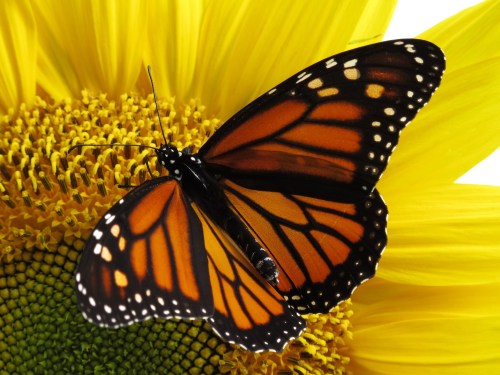
Monarch & Sunflower

IMG_3378 (3) Monarch on sunflower
Monarch on sunflower, photo by jgagnon63@yahoo.com

The Michigan DNR page on Monarch Butterfly (Danaus plexippus) says:

Often called the Milkweed Butterfly, this large black veined orange winged butterfly can be observed feeding on milkweed. During its mating behavior, the adult male monarch will display a “courtship dance.” Perching on the tips of the milkweed, it will fly to other large butterflies to see if one is a female monarch; if it is, they will fly together in a fast, darting flight, lasting up to a minute and covering many yards and to a height of 100 feet.

As fall approaches, the monarchs can be seen in large numbers migrating along the Great Lakes shorelines enroute to Mexico and Central America.

Monarch butterfly populations have been declining in Michigan for the last decade, and it appears that last winter was another tough blow for this beleaguered beauty. You can learn a lot more about Monarch butterflies and how to help protect them at Monarch Watch.

View jgagnon’s photo background bigalicious and see more in his slideshow.

watercolor

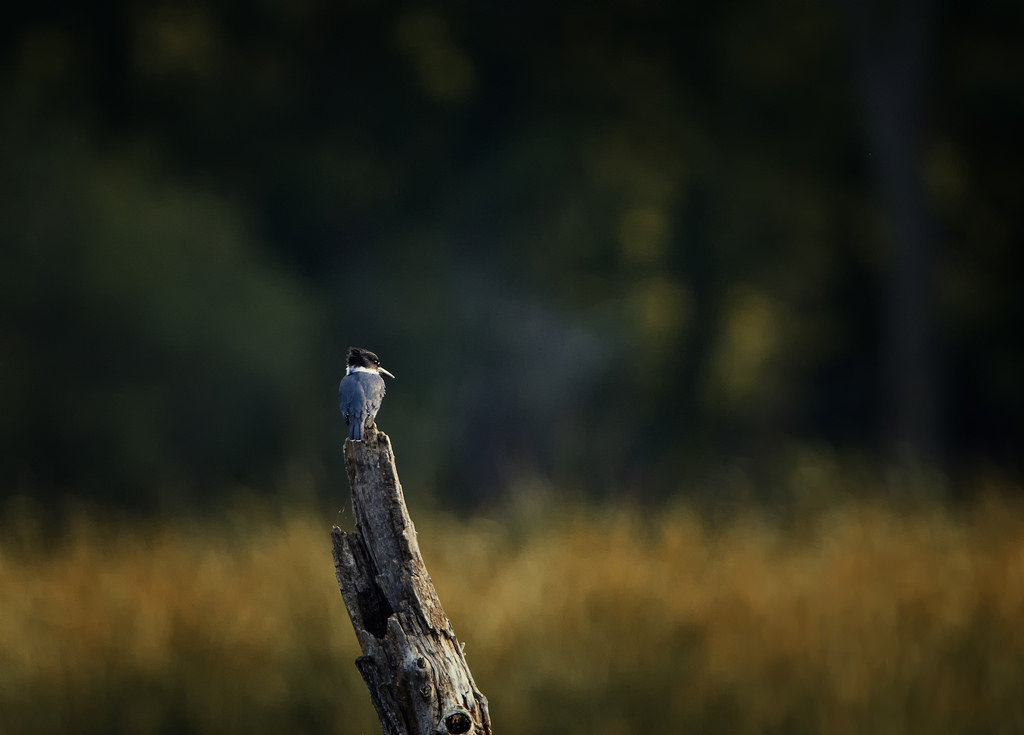
watercolor by paulh192 (kingfisher)

watercolor, by paulh192

You really ought to view Paul’s photo of a kingfisher contemplating its next meal bigger. More in his slideshow.

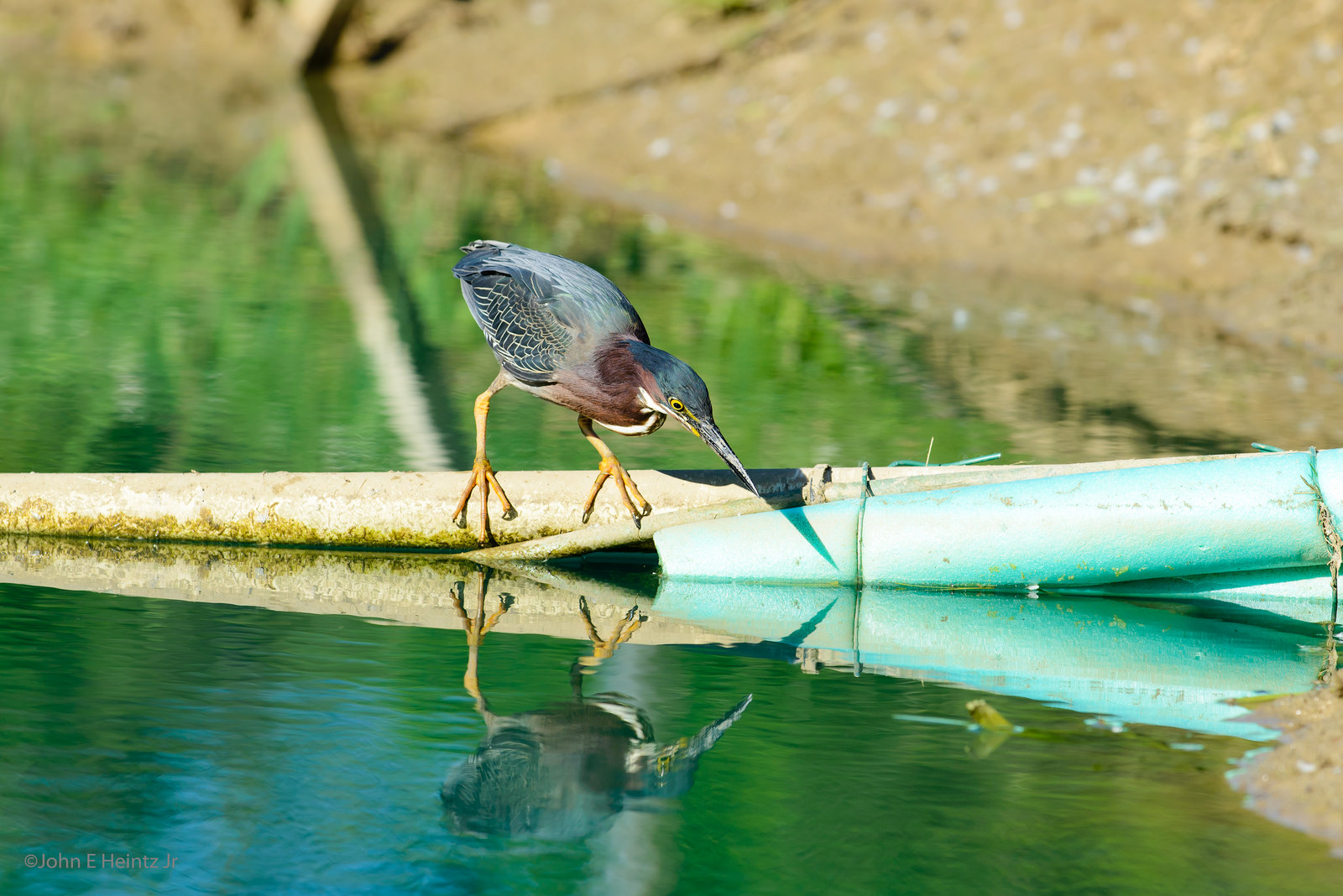
Gone fishin’ with a Green Heron

Green Heron and Frog by John Heintz

GREEN HERON by John Heintz, Jr.

The entry for Green Heron (Butorides virescens) at All About Birds says (in part):

From a distance, the Green Heron is a dark, stocky bird hunched on slender yellow legs at the water’s edge, often hidden behind a tangle of leaves. Seen up close, it is a striking bird with a velvet-green back, rich chestnut body, and a dark cap often raised into a short crest. These small herons crouch patiently to surprise fish with a snatch of their daggerlike bill. They sometimes lure in fish using small items such as twigs or insects as bait.

Some Fun Facts…

  • The Green Heron is one of the world’s few tool-using bird species. It creates fishing lures with bread crusts, insects, earthworms, twigs, feathers, and other objects, dropping them on the surface of the water to entice small fish.
  • Like many herons, the Green Heron tends to wander outside of its breeding range after the nesting season is over. Most of the wanderers stay nearby as they search for good feeding habitat, but some travel long distances. Individuals have turned up as far away as England and France.
  • Green Herons usually hunt by wading in shallow water, but occasionally they dive for deep-water prey and need to swim back to shore—probably with help from the webs between their middle and outer toes. One juvenile heron was seen swimming gracefully for more than 60 feet, sitting upright “like a little swan,” according to one observer.
  • The oldest Green Heron on record was 7 years, 11 months old.

Read on for more, with various Green Heron calls including the attack call. The Michigan Bird Atlas shows Green Heron distribution in the state.

FYI John is no longer on Flickr, but he has some awesome pics on Michigan in Pictures!

Many more Michigan birds on Michigan in Pictures.

Michigan Frog Files: The Wood Frog (Rana sylvatica)

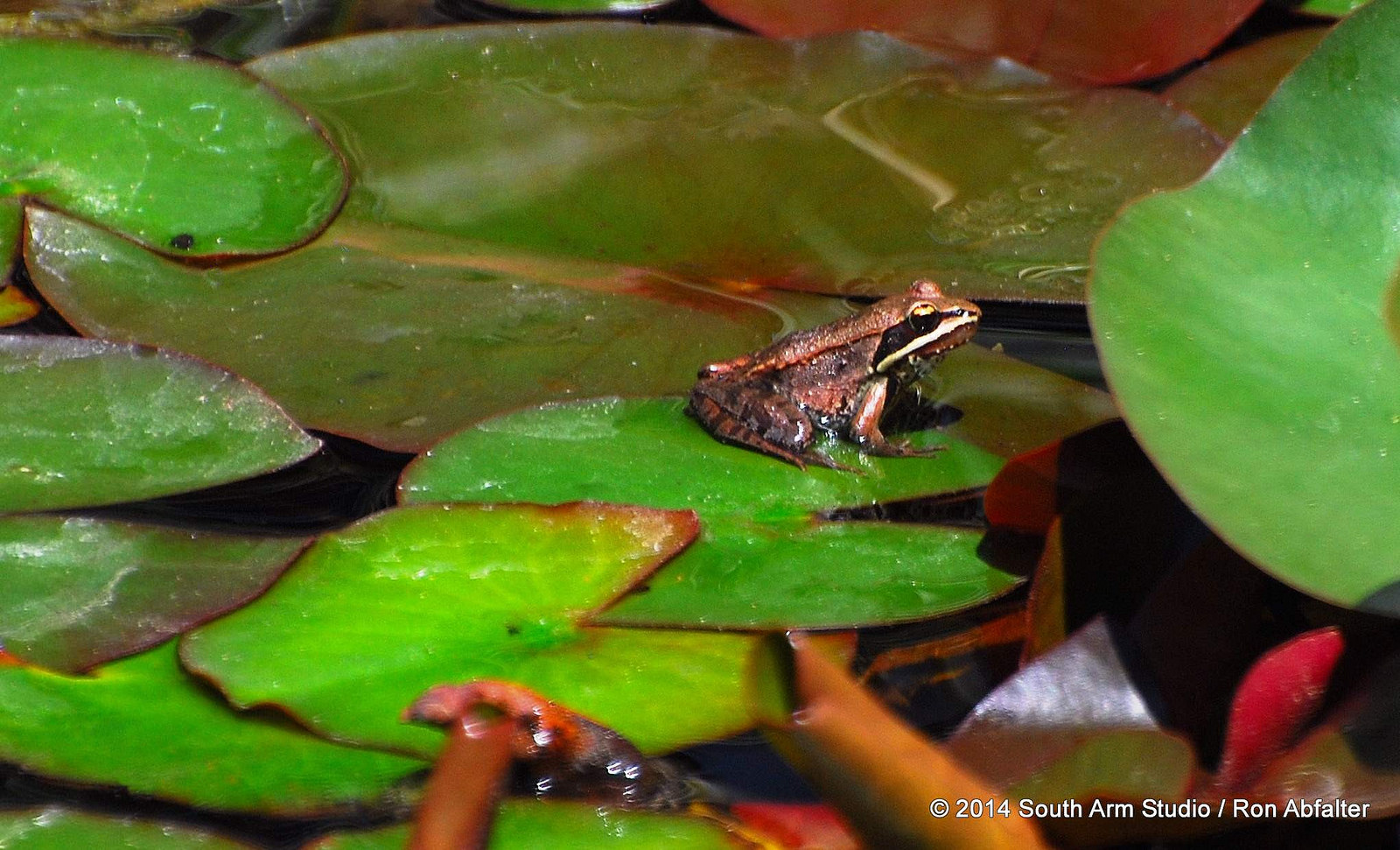
Michigan Wood Frog

Frog, photo by Ron Abfalter

Word on the pond is that Michigan’s frogs are a little put out by all the attention my readers are paying to Michigan turtles, so here’s a little payback. The DNR’s page on Wood Frog (Rana sylvatica) says:

DESCRIPTION: A brown or tan frog with a dark band (“robber’s mask”) through the eye and a white stripe on the upper lip. Small to medium – 2 to 21/2 inches long.

HABITAT: Woodlands, wooded swamps.

BREEDING: March-April, in woodland ponds and swamps often before ice is completely melted from pond. Egg masses are globular; many females may deposit in one area, often in deepest part of pond. Tadpoles will transform about 2 months later.

VOICE: A duck like “quack,” some describe it as “a lot of chuckling.”

RANGE AND STATUS: Common in moist wooded habitats state-wide.

You can hear the quacking call of the Wood Frog in this video and also learn more about wood frogs from the UM Animal Diversity Web.

View Rob’s photo bigger and see more of his photos from thePalms Supper Club & Dharma Cafe on Flickr.

More Michigan frogs on Michigan in Pictures!

Chillin’ with the Wood Ducks

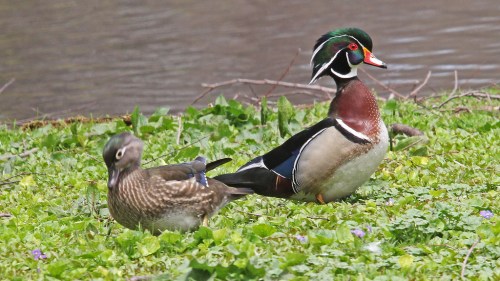
Wood Duck

Wood Duck, photo by Dan Lockard

The All About Birds listing for Aix sponsa (wood duck) says in part:

The Wood Duck is one of the most stunningly pretty of all waterfowl. Males are iridescent chestnut and green, with ornate patterns on nearly every feather; the elegant females have a distinctive profile and delicate white pattern around the eye. These birds live in wooded swamps, where they nest in holes in trees or in nest boxes put up around lake margins. They are one of the few duck species equipped with strong claws that can grip bark and perch on branches.

Wood Ducks thrive in bottomland forests, swamps, freshwater marshes, and beaver ponds. They are also common along streams of all sizes, from creeks to rivers, and the sheer extent of these make them an important habitat. Wood Ducks seem to fare best when open water alternates with 50–75% vegetative cover that the ducks can hide and forage in.

Some wood duck facts:

  • Natural cavities for nesting are scarce, and the Wood Duck readily uses nest boxes provided for it. If nest boxes are placed too close together, many females lay eggs in the nests of other females. (click for info about building a nest box)
  • The Wood Duck nests in trees near water, sometimes directly over water, but other times up to 2 km (1.2 mi) away. After hatching, the ducklings jump down from the nest tree and make their way to water. The mother calls them to her, but does not help them in any way. The ducklings may jump from heights of up to 89 m (290 ft) without injury.
  • Wood Ducks pair up in January, and most birds arriving at the breeding grounds in the spring are already paired. The Wood Duck is the only North American duck that regularly produces two broods in one year.

View Sherri & Dan’s photo background big and see more in their Animals slideshow.

Many (many) more Michigan birds on Michigan in Pictures.

Know Your Michigan Turtles: Blanding’s Turtle

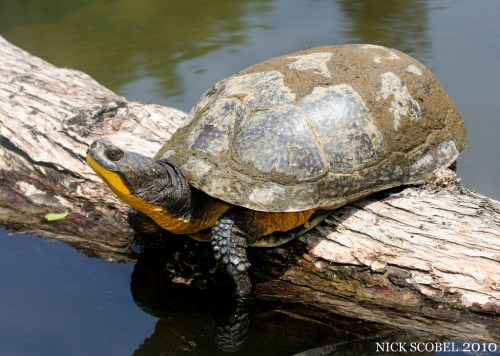
Blanding's Turtle

Blanding’s Turtle, photo by Nick Scobel

One of the most popular posts on Michigan in Pictures is Know Your Michigan Turtles where there’s now 6 of Michigan’s 10 turtle species profiled. For all those folks who come by to hang with our hard-shelled friends, here’s the latest installment in the series! 

The University of Michigan Animal Diversity Web entry for Emydoidea blandingii (Blanding’s Turtle) says that the Great Lakes region is currently a stronghold for this species:

Blanding’s turtles are found in and around shallow weedy ponds, marshes, swamps, and lake inlets and coves most of the year. They prefer slow-moving, shallow water and a muddy bottom with plenty of vegetation.

Blanding’s turtle are medium sized turtles with a carapace length ranging from 15.2 to 27.4 cm. These semi-aquatic turtles have moderately high, domed carapaces. They are elongate and smooth, lacking keels or sculpturing. The carapacial scutes display distinct growth annuli most prominently seen in juveniles. Coloration between individuals is highly variable. The carapace is black or gray with any variation of scattered light yellow or whitish flecks or dots. The light spots and flecks predominate in some individuals while others are almost solid black. The plastron is yellow in color with a dark blotch in the outer corner of each scute, and has a V-shaped notch near the tail.

Blanding’s turtles, like most other turtles, emerge to bask on sunny days. Basking sits include logs, grass clumps, sloping banks, or high perches near the water. Although these turtles are quite tolerant to cold, the summer heat may restrict their activities to early morning and evening or possibly a more nocturnal lifestyle. In the event of their habitat drying up some individuals will opt to migrate to new bodies of water while others simply burrow into the mud and aestivate until conditions improve. Blanding’s turtles generally hibernate from late October until early April, but quite often they can be seen moving slowly below the ice.

Blanding’s turtles are omnivores. Their favorite food items are crustaceans but they also feed on insects, leeches, snails, small fish, frogs, and occasionally some plants. Food is captured with a rapid thrust of this turtle’s long neck, similar to the feeding actions of the snapping turtle (Chelydra). Feeding mostly occurs underwater and food seized on land is generally carried to the water for swallowing. Prey is either swallowed whole or if it is too large it is held by the jaws and shredded into smaller pieces by the front claws.

The Michigan DNR notes that Blanding’s Turtle is protected as a species of special concern in Michigan and also has a map of occurences of Blanding’s Turtle.

View Nick’s photo bigger and see a lot more of his photos of Blanding’s turtles on Flickr including this shot of the turtle’s amazingly long neck. Nick also runs the Herping Michigan Blog, a great resource to see a lot of reptiles and amphibians in the wild!

Red-Tailed Hawk (buteo jamaicensis)

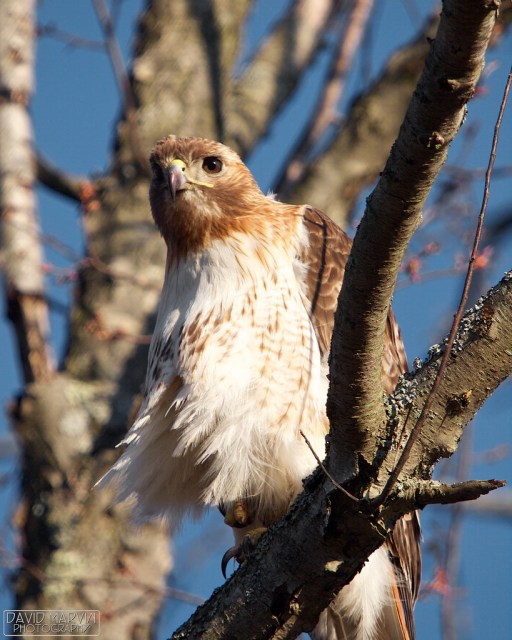
Red Tailed Hawk

Red Tailed Hawk, photo by David Marvin

Sometimes the photos I link to go away, so here’s an old post with a new face!

All About Birds page on the Red-tailed Hawk (Buteo jamaicensis) says:

This is probably the most common hawk in North America. If you’ve got sharp eyes you’ll see several individuals on almost any long car ride, anywhere. Red-tailed Hawks soar above open fields, slowly turning circles on their broad, rounded wings. Other times you’ll see them atop telephone poles, eyes fixed on the ground to catch the movements of a vole or a rabbit, or simply waiting out cold weather before climbing a thermal updraft into the sky.

A couple fun facts:

The Red-tailed Hawk has a thrilling, raspy scream that sounds exactly like a raptor should sound. At least, that’s what Hollywood directors seem to think. Whenever a hawk or eagle appears onscreen, no matter what species, the shrill cry on the soundtrack is almost always a Red-tailed Hawk.

The Red-tailed Hawk is one of the largest birds you’ll see in North America, yet even the biggest females weigh in at only about 3 pounds. A similar-sized small dog might weigh 10 times that.

Courting Red-tailed Hawks put on a display in which they soar in wide circles at a great height. The male dives steeply, then shoots up again at an angle nearly as steep. After several of these swoops he approaches the female from above, extends his legs, and touches her briefly. Sometimes, the pair grab onto one other, clasp talons, and plummet in spirals toward the ground before pulling away.

Red-tailed Hawks have been seen hunting as a pair, guarding opposite sides of the same tree to catch tree squirrels.

The oldest known Red-tailed Hawk was 28 years 10 months old.

Click through for more info, photos and hawk sounds. Also see Buteo jamaicensis (red-tailed hawk) from the ADWRed-tailed Hawk on Wikipedia and Red-tailed hawk for Kids (also ADW).

View David’s photo background bigtacular and see more in his Birds slideshow.

More Michigan birds from Michigan in Pictures!

Fancy Feathers, Fashion and the Dawn of Bird Conservation

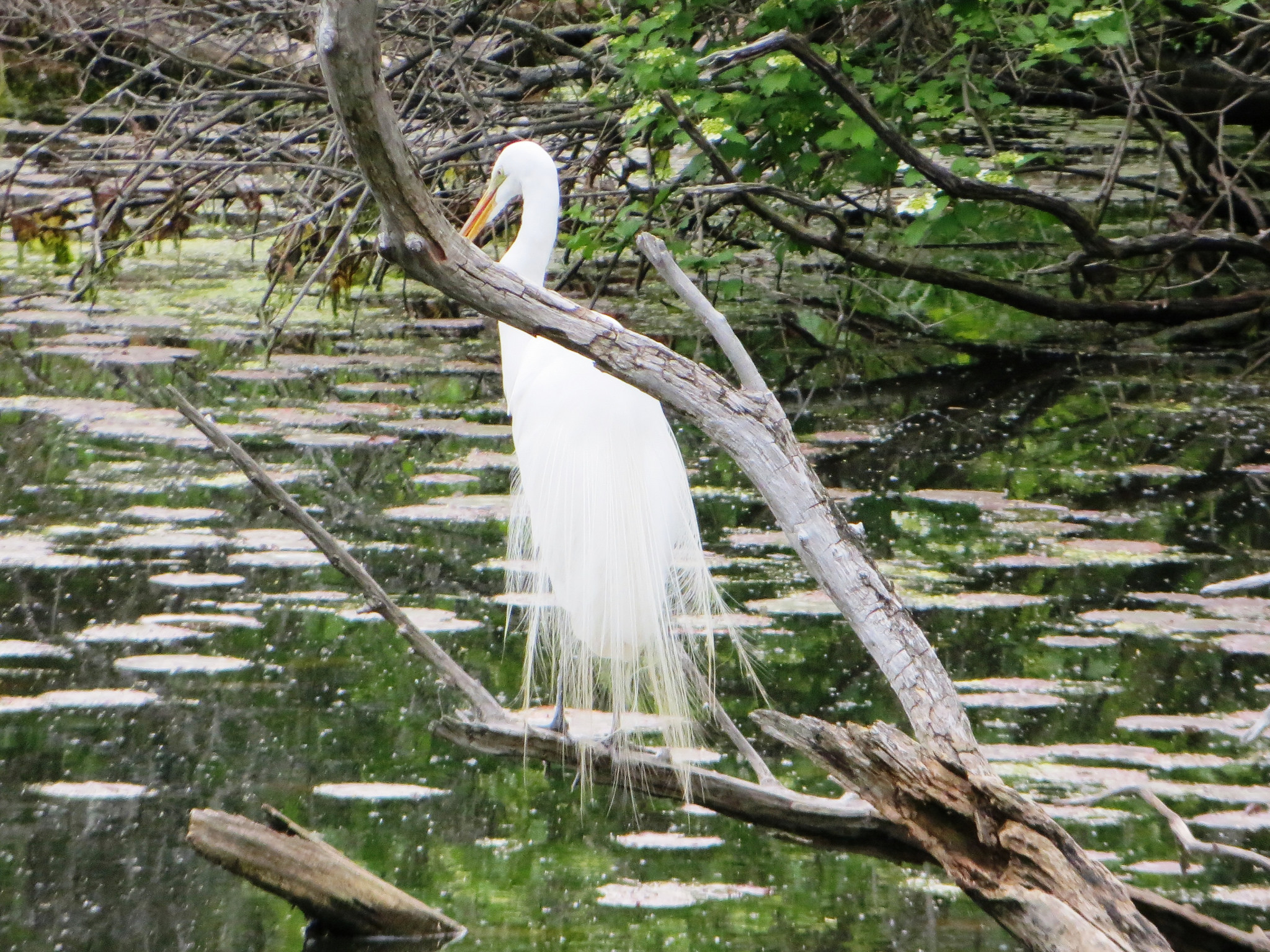
Spring Arrival Egret

Spring Arrival, photo by Cowboy*

How the Great White Egret Inspired Bird Conservation in the Smithsonian says:

One particular group of birds suffered near extermination at the hands of feather hunters, and their plight helped awaken a conservation ethic that still resonates in the modern environmental movement. With striking white plumes and crowded, conspicuous nesting colonies, Great Egrets and Snowy Egrets faced an unfortunate double jeopardy: their feathers fetched a high price, and their breeding habits made them an easy mark.

To make matters worse, both sexes bore the fancy plumage, so hunters didn’t just target the males; they decimated entire rookeries. At the peak of the trade, an ounce of egret plume fetched the modern equivalent of two thousand dollars, and successful hunters could net a cool hundred grand in a single season. But every ounce of breeding plumes represented six dead adults, and each slain pair left behind three to five starving nestlings. Millions of birds died, and by the turn of the century this once common species survived only in the deep Everglades and other remote wetlands.

This slaughter inspired Audubon members to campaign for environmental protections and bird preservation, at the state, national and international levels. The Lacey Act passed Congress in 1900, restricting interstate transport of wild fowl and game. In 1911 New York State outlawed the sale of all native birds and their feathers, and other states soon followed suit. Passage of the Weeks-McLean Act (1913) and the Migratory Bird Act (1918) took the protections nationwide and mirrored legislation in Canada, Britain, and Europe, effectively ending the fancy-feather era.

More about Great Egrets on the UM Animal Diversity Web.

You can view Cowboy’s photo from last May background big and see more in his Animals & Wildlife slideshow.

More birds and more Spring wallpaper on Michigan in Pictures!

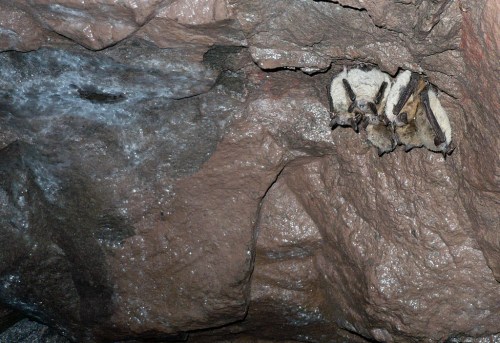
Bad news for Michigan bats: White-nose syndrome found

Bats of Copper Country

Bats of Copper Country, photo by GollyGforce – Living My Worst Nightmare

In “A sad day” for Michigan bats: White-nose syndrome found in 3 counties, Michigan Radio reports:

The Michigan Department of Natural Resources today confirmed the presence of white-nose syndrome in three counties: Alpena, Dickinson and Mackinac.

White-nose syndrome is blamed for the deaths of six million bats in 27 states and five Canadian provinces since 2006. In some places where the fungus outbreak has taken hold, 90% of the bats have died.

“We anticipated that this day would come. It’s not unexpected. But it’s still a sad day,” says Dan O’Brien, a state wildlife veterinarian. “Once this fungus gets into a bat hibernacula it’s going to be there, current evidence suggests, for a long time.”

The fungal disease could have a big impact on Michigan’s economy. Wildlife biologists estimate bats have a roughly $1 billion impact on the state’s agriculture industry by eating harmful insects.

The DNR adds:

“At this point, there is no effective treatment for WNS and no practical way to deliver the treatment to millions of affected bats even if treatment existed. Rehabilitation of bats is prohibited in Michigan because of the potential for the exposure of humans to rabies,” said O’Brien. “The best thing the public can do when they find a dying or dead bat is to leave it alone and keep children, livestock and pets away from it.”

Bat die-offs can be reported through an observation report on the DNR website at www.michigan.gov/wildlife or by calling the DNR at 517-336-3050.

View G’s photo big as a batcave and see more in her In the Wild slideshow.

More animals on Michigan in Pictures.