The Sleeping Bear Dunes National Lakeshore is currently seeking summer interns interested in gaining hands-on experience in areas including wildlife and plant communities, history and cultural resources & outdoor recreation and stewardship while exploring one of the most beautiful places in the country.
Benefits include:
Cross-training opportunities in multiple fields
Contribute to meaningful projects that make a real impact
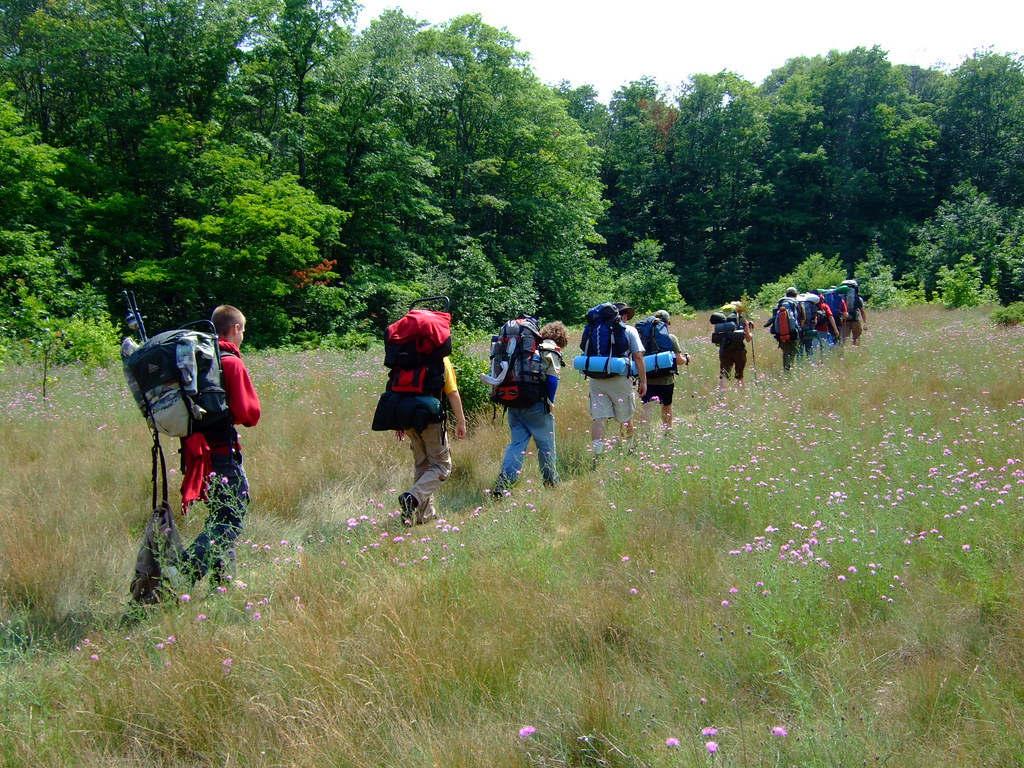
Lee took this while backpacking with his Boy Scout Troop on North Manitou Island way back in 2008. You can see more from the island & Leelanau County in his Manitou Island Backpacking gallery on Flickr.
Scientific American shares that every calendar year has at least one month with a Friday the 13th, but no year has more than three. If you’re the superstitious type, buckle up because 2026 has three: February, March and November!
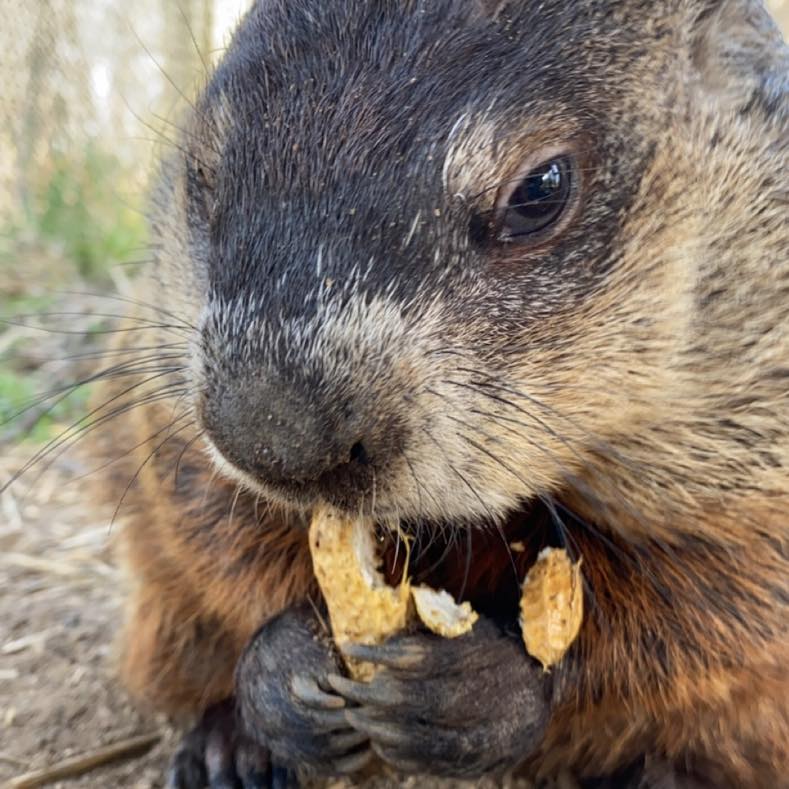
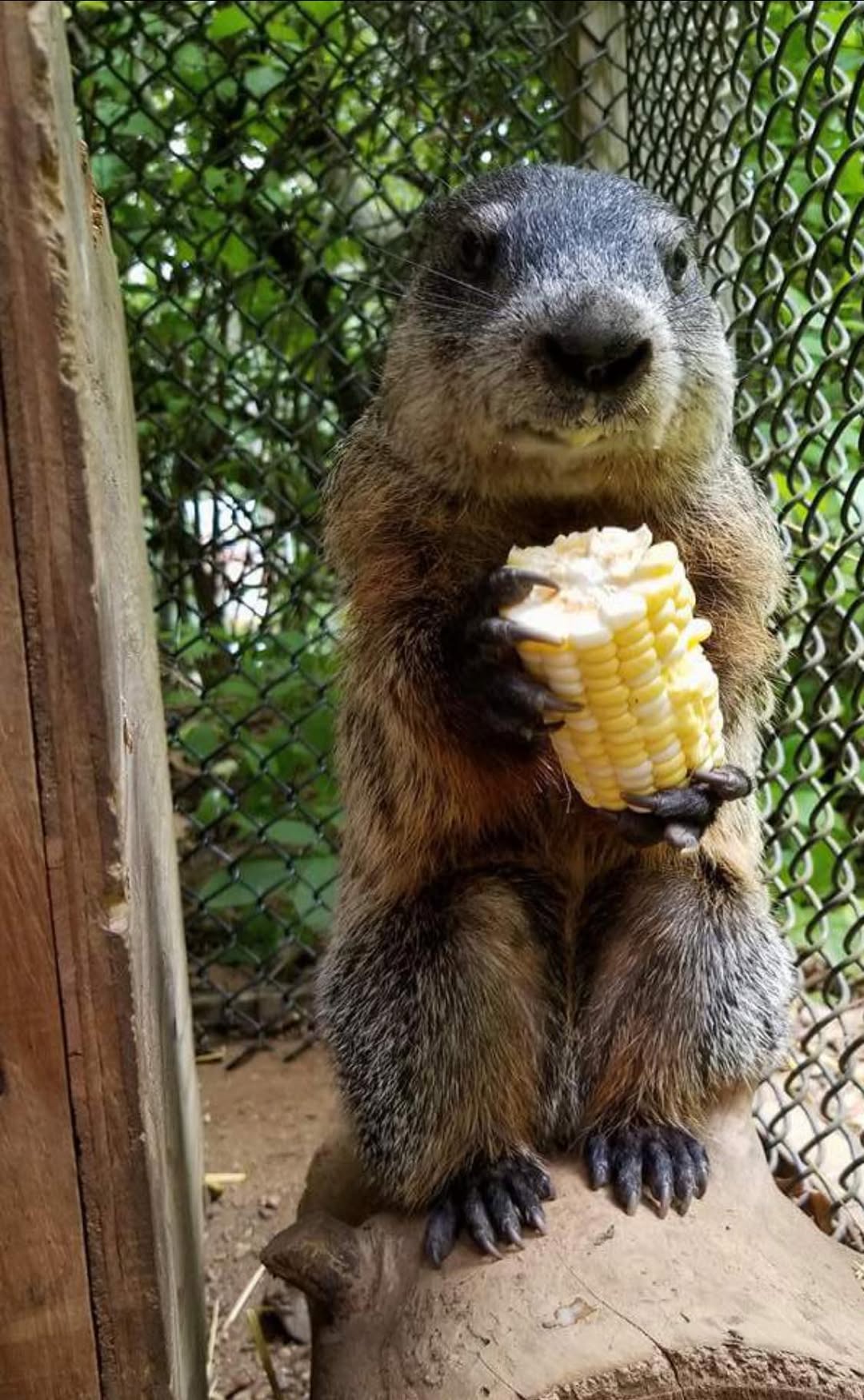
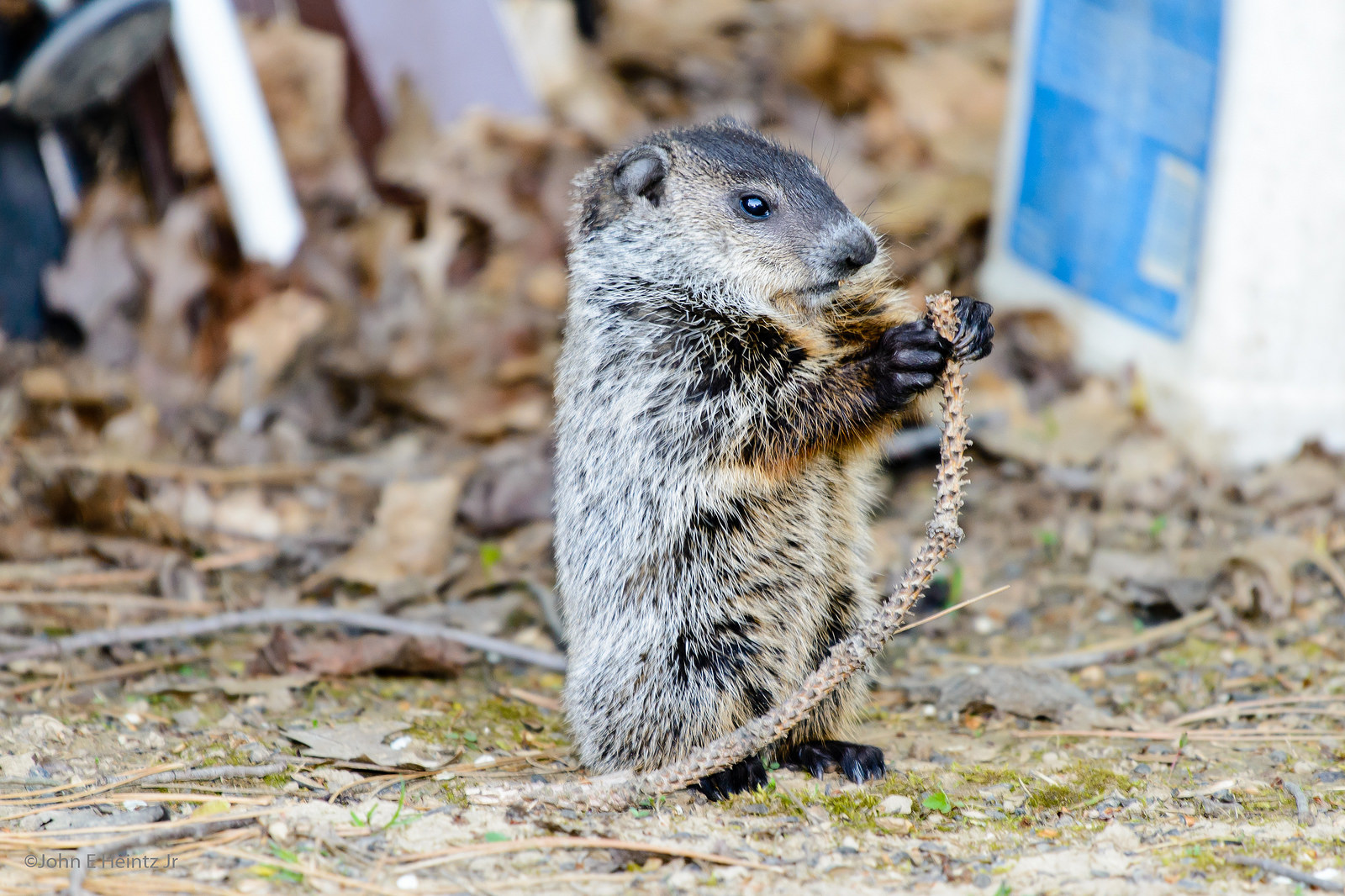
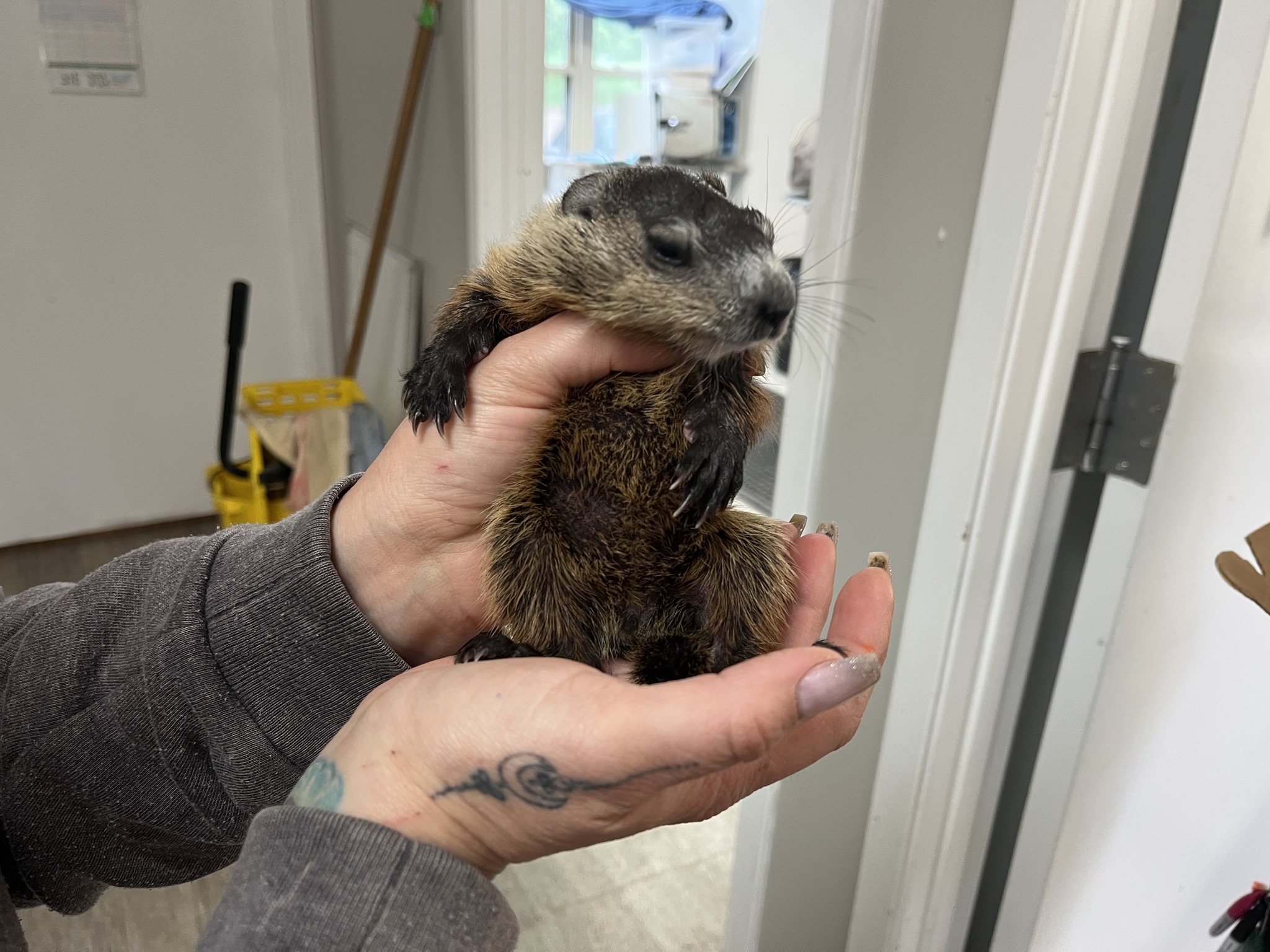
While most of the nation turns its eye towards Punxsutawney Phil, true Michiganders know there’s only one source for your winter woodchuck weathercast: Howell Nature Center’s own Woody the Woodchuck. Woody has been a fixture at the nature center since (at least) 2017 when I shared the photo from John Heinz Jr of lil Woody figuring out if something was or wasn’t food.
If you’re in the neighborhood, their free Groundhog Day Celebration is already underway, but you can also tune into their Facebook livestream that starts at 8:20 am!
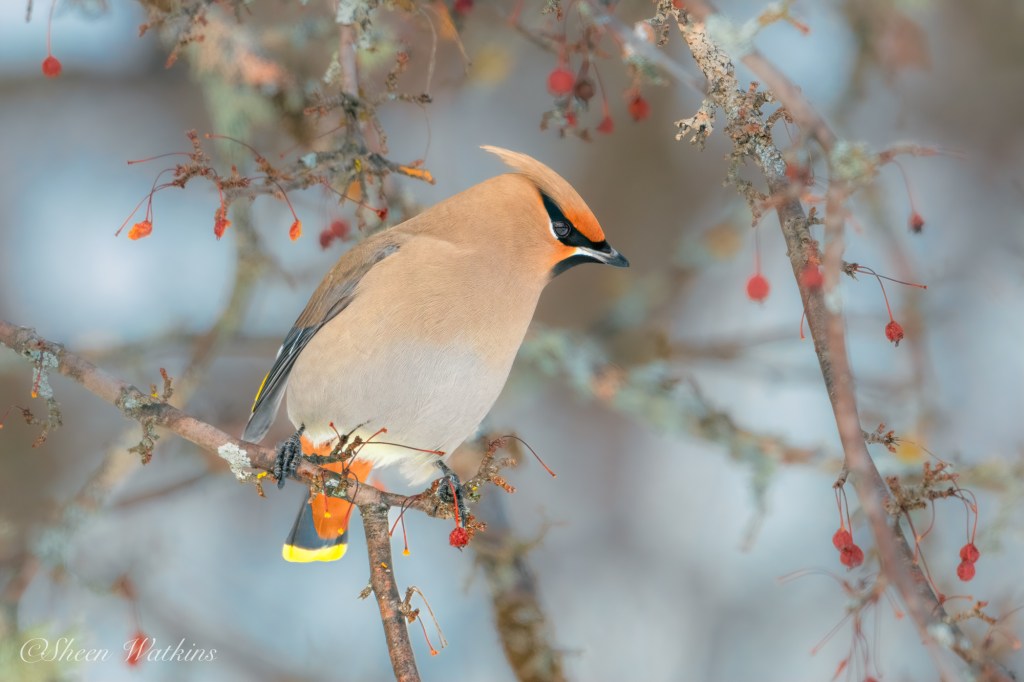
Often mistaken for their more familiar cousins, the Cedar Waxwings, Bohemian Waxwings differences are quite noticeable. Slightly larger, with muted gray bodies and warm cinnamon accents beneath their wings, tail and on their lores. Their soft, almost melted waxy looking plummage complements winter’s softer light.
…They arrived the way waxwings always do—suddenly and together. A flock descended on a cluster of trees heavy with berries, moving with a quiet, choreographed urgency. Waxwings are communal feeders, virtually overtaking a tree before moving on. They arrive, thrive, and leave—often as quickly as they appeared.
That fleeting time of when then move south combined with their behavior is what makes these encounters feel so rare. Seeing Bohemian Waxwings each winter is never a guarantee. Some years they pass unseen. Other years, luck and timing intersect, and I find myself standing in the cold, bundled and unmoving, watching bird life unfold just feet away.
Are you looking for a summer job in the outdoors or do you know someone who is? The Michigan Department of Natural Resources is looking for new members for their 1,300 person team of summer park workers and spend the season in Michigan state parks, boating facilities, and other amazing outdoor spaces. You’ll welcome visitors, help campers, and keep our parks looking their best. With flexible scheduling, these positions are perfect for college students, teachers, retirees or anyone interested in working at Michigan state parks. Apply online today!
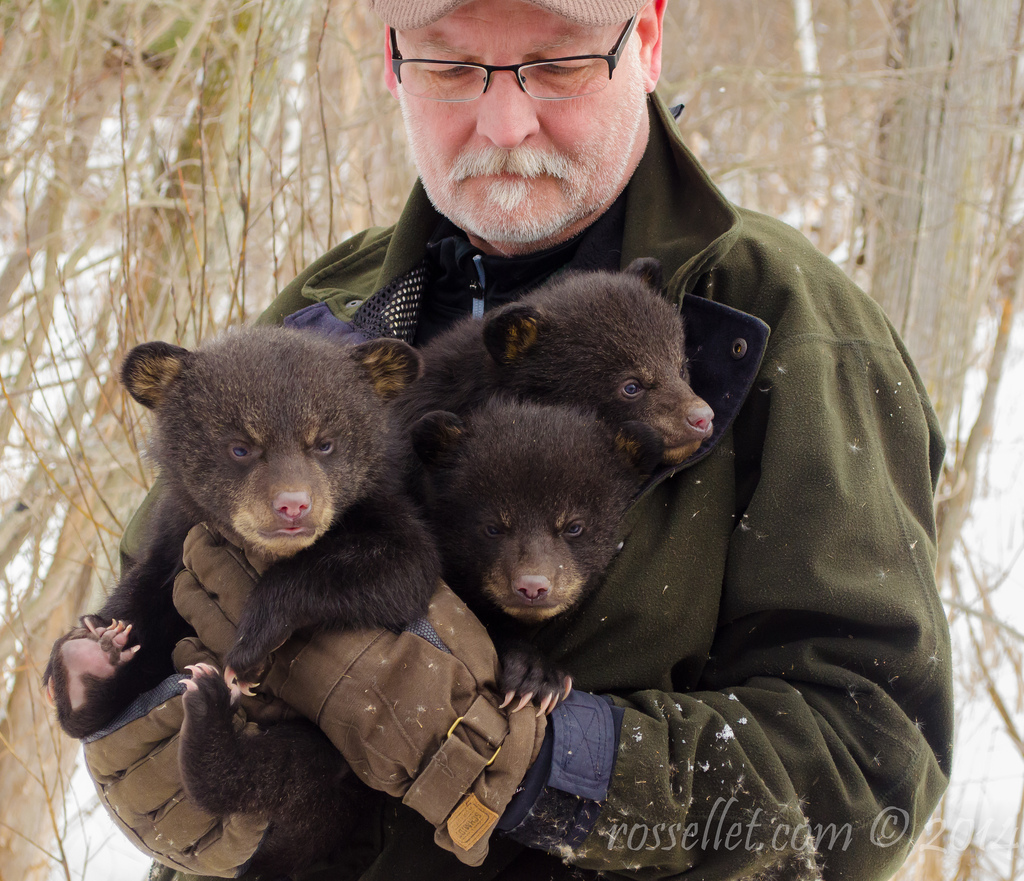
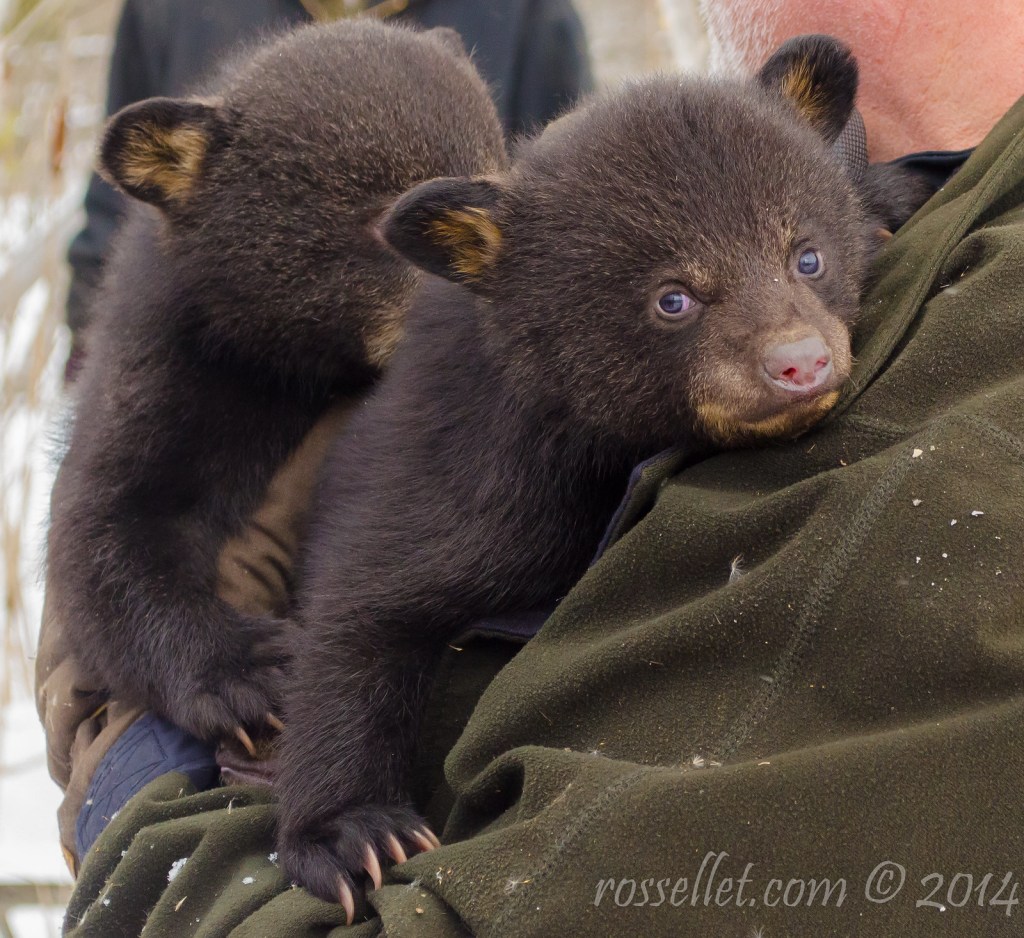
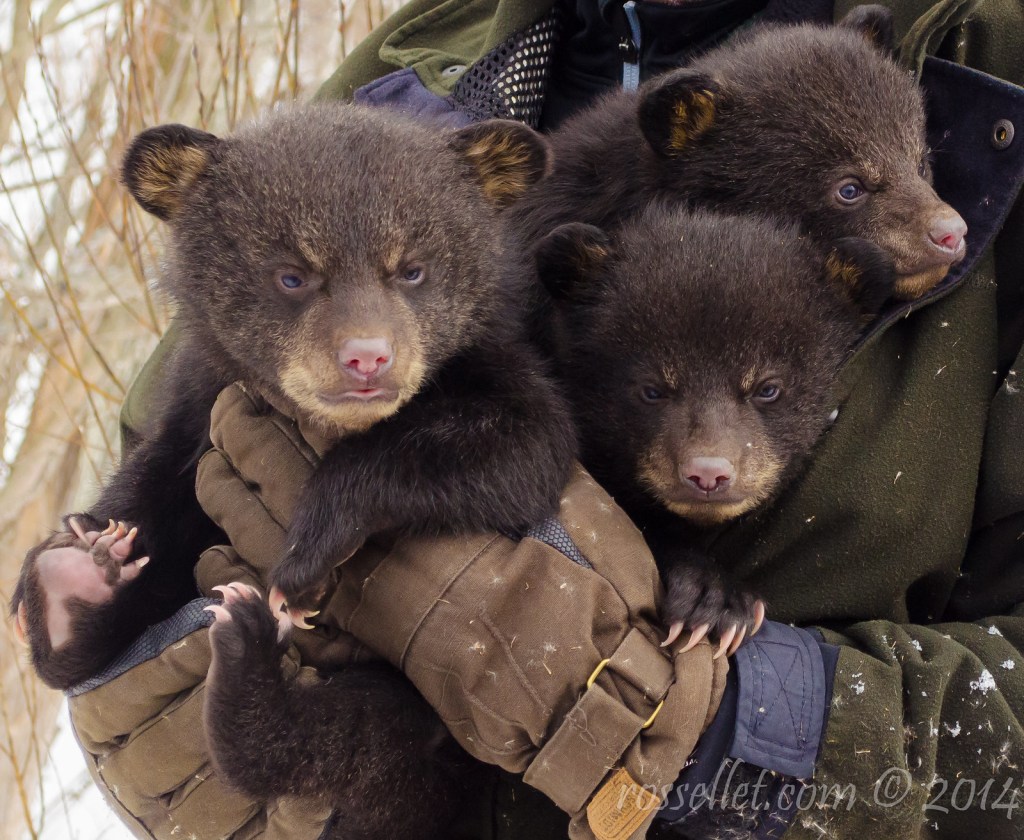
While you may not be able to hold three bear cubs like DNR worker in these photos, you might be able to! You’ll also be making the state better for everything that Michigan in Pictures is about, so if you do get a summer internship with the DNR and want to share a photo here every so often with a link to support you, just send me an email and we’ll work it out!
Ross took these shots of baby black bears being held during a bear den visit way back in April of 2014. See more in his awesome Wildlife gallery on Flickr and view & purchase his work at rossellet.com.
SHIVERING Birds have much higher metabolic rates and burn more energy to stay warm than we do. Black-capped chickadees weigh less than half an ounce and can maintain a body temperature of 100 degrees Fahrenheit – even when the air is 0 degrees! They do this by having great insulation, being very active and remembering where they store their food. A steady supply of food is essential, because chickadees eat more than 35 percent of their weight every day! Compared to many other birds, chickadees have a large hippocampus – the part of the brain that’s responsible for spatial memory. In the fall, this part of their brain gets even bigger.
FLUFFING FEATHERS All cold-climate birds pack on body weight in the late summer and fall in anticipation of the long, cold winter, but feathers also play an important role. All birds stay warm by trapping pockets of air around their bodies. The secret to maintaining these layers of air lies in having clean, dry and flexible feathers. The cleaning process, generally known as preening, depends on the species of bird. While all birds produce a special oil from a gland near the base of their tails, some cold-tolerant birds use this oil to weatherproof their feathers. Other birds like egrets, herons and mourning doves grow special feathers that disintegrate into a powder that they use to waterproof their feathers. Regardless of what weatherproofing method they use, preening helps birds keep a water resistant top layer and a toasty warm inner layer.
ROOSTING & CUDDLING Similar to people who may cuddle for warmth, small birds like tree swallows crowd together in shrubs, vines and evergreen trees to share body heat. They can also slow down their metabolic rate to conserve energy. Cavity nesters like nuthatches, titmice and downy woodpeckers use tree cavities and nest boxes to stay warm. Cavities and boxes provide protection from the weather and help birds hide from predators. Larger birds like American crows and ring-billed gulls are also known to flock together for warmth.
Read on for ways you can help including providing high energy foods like suet, peanuts and black oil sunflower seeds & a heated water bath.
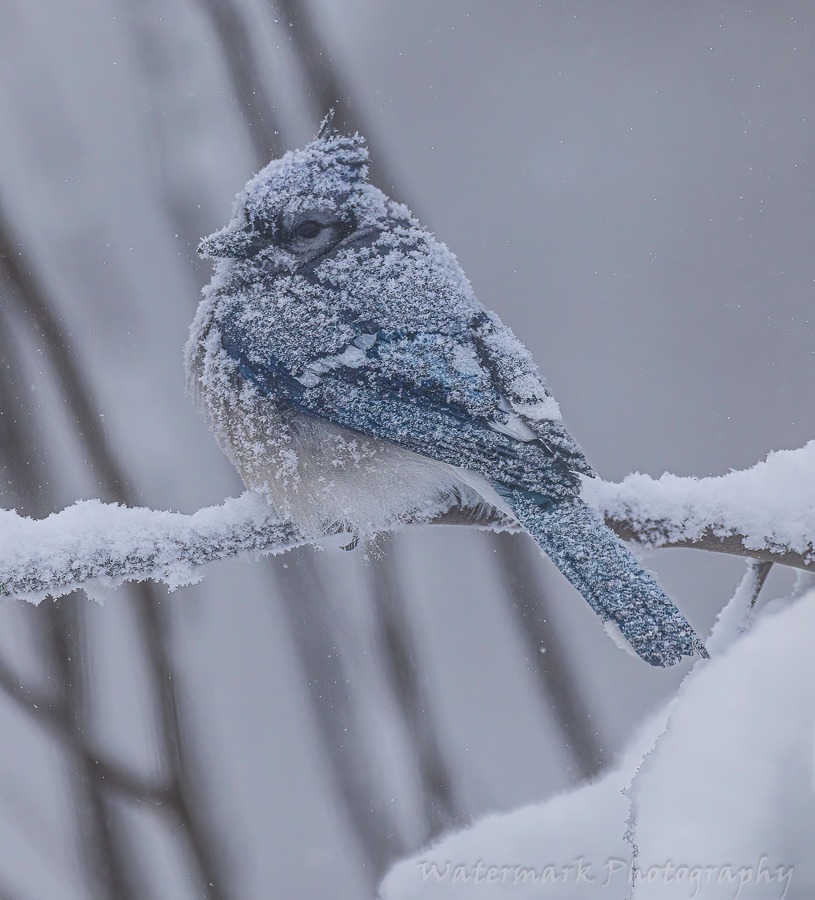
Jeff of Watermark Photography shared this photo of a snow-covered blue jay earlier this week. See more on his Facebook & see more (and purchase photos) in the Birds & Wildlife gallery on his website.
EDITOR’S NOTE: This was originally shared on Leelanau.com & Michigan in Pictures concurs that there unquestionably are breeding cougar populations south of the Bridge. If you have seen one, please share in the comments here on on the Michigan in Pictures Facebook page!
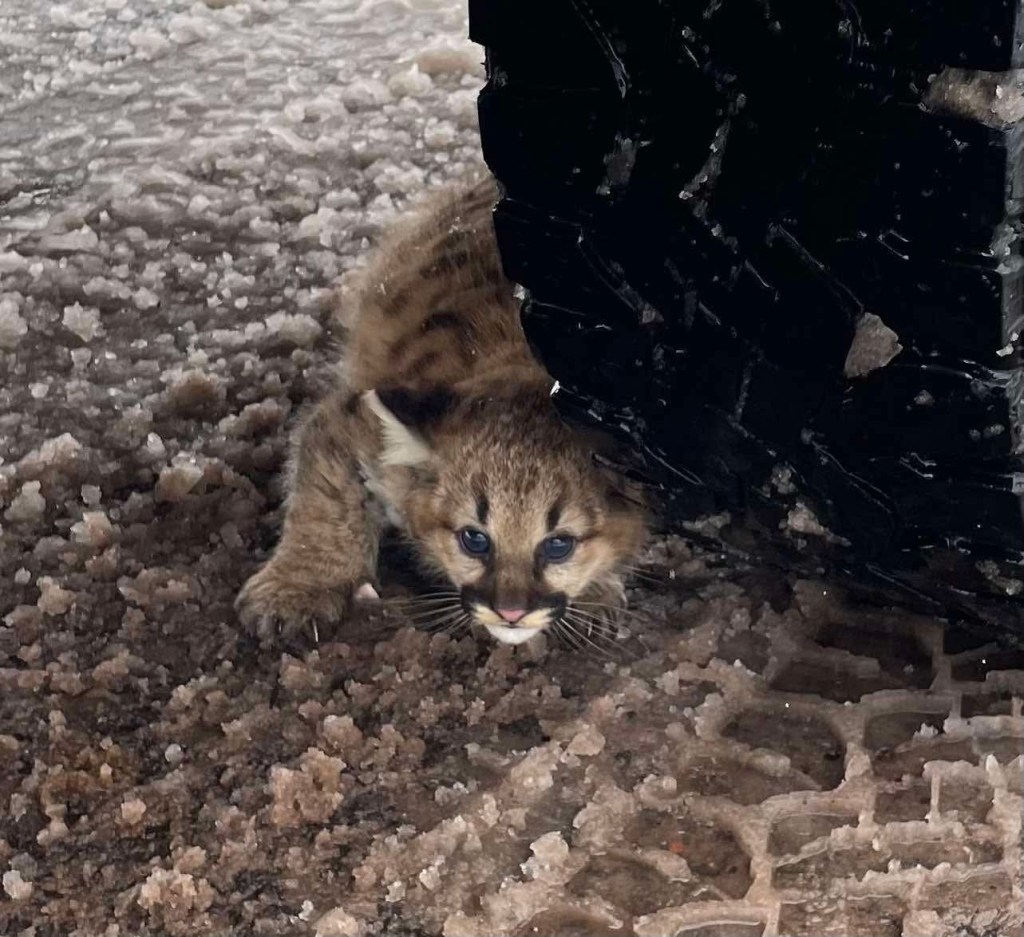
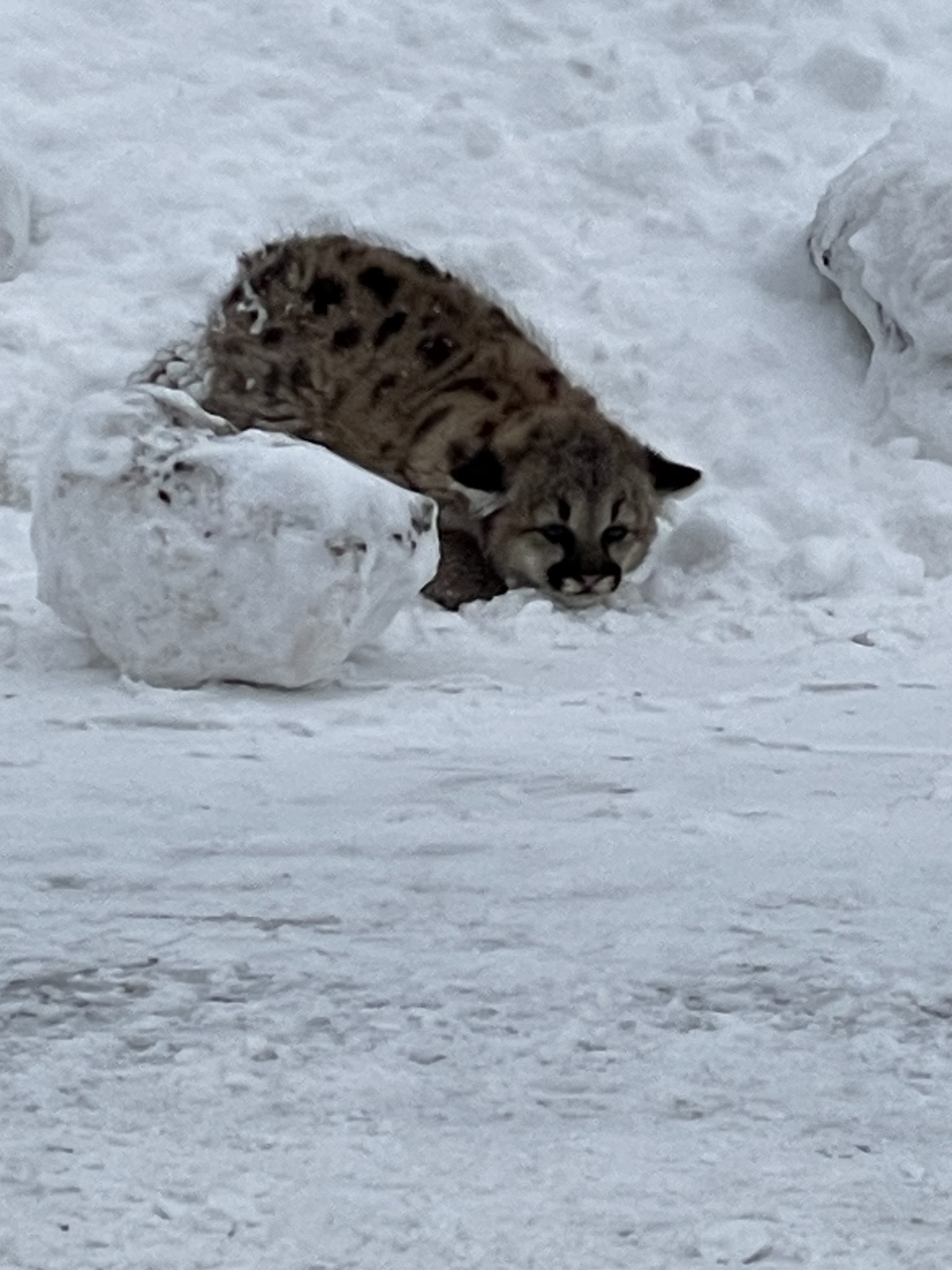
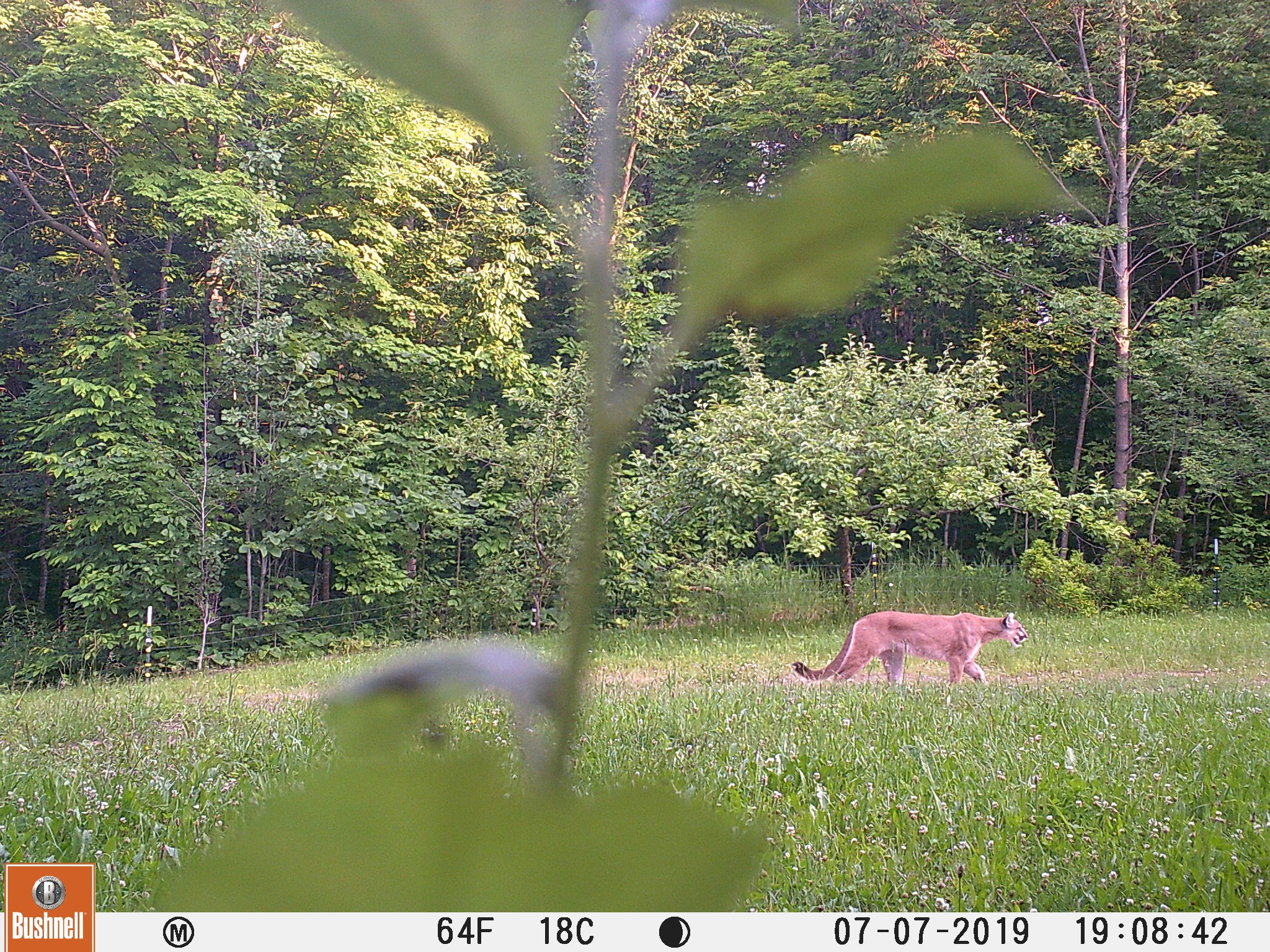
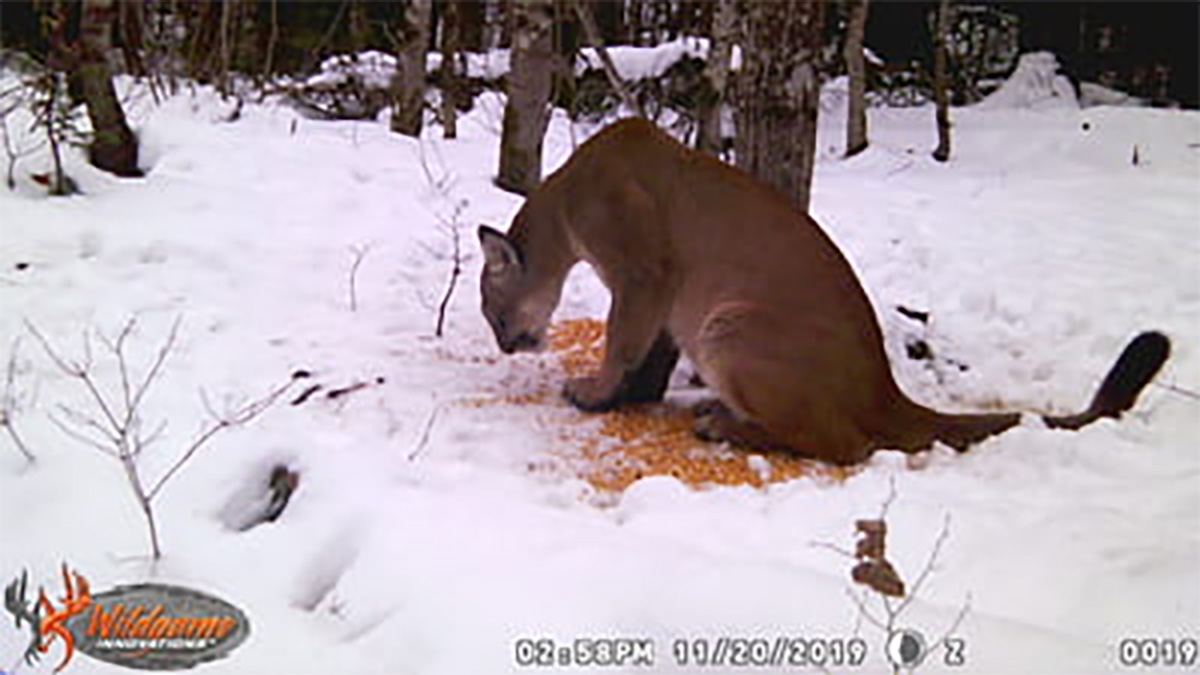
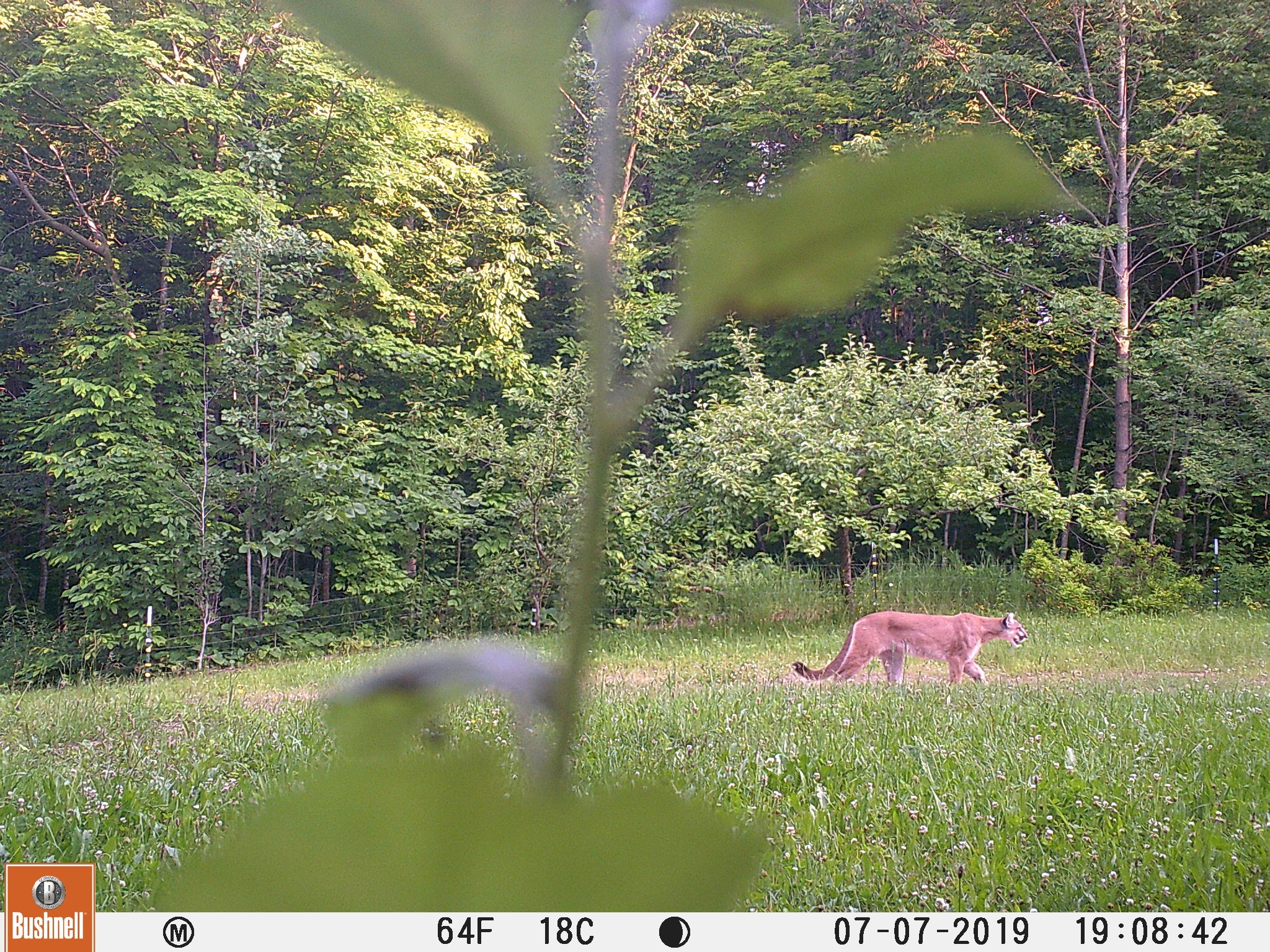
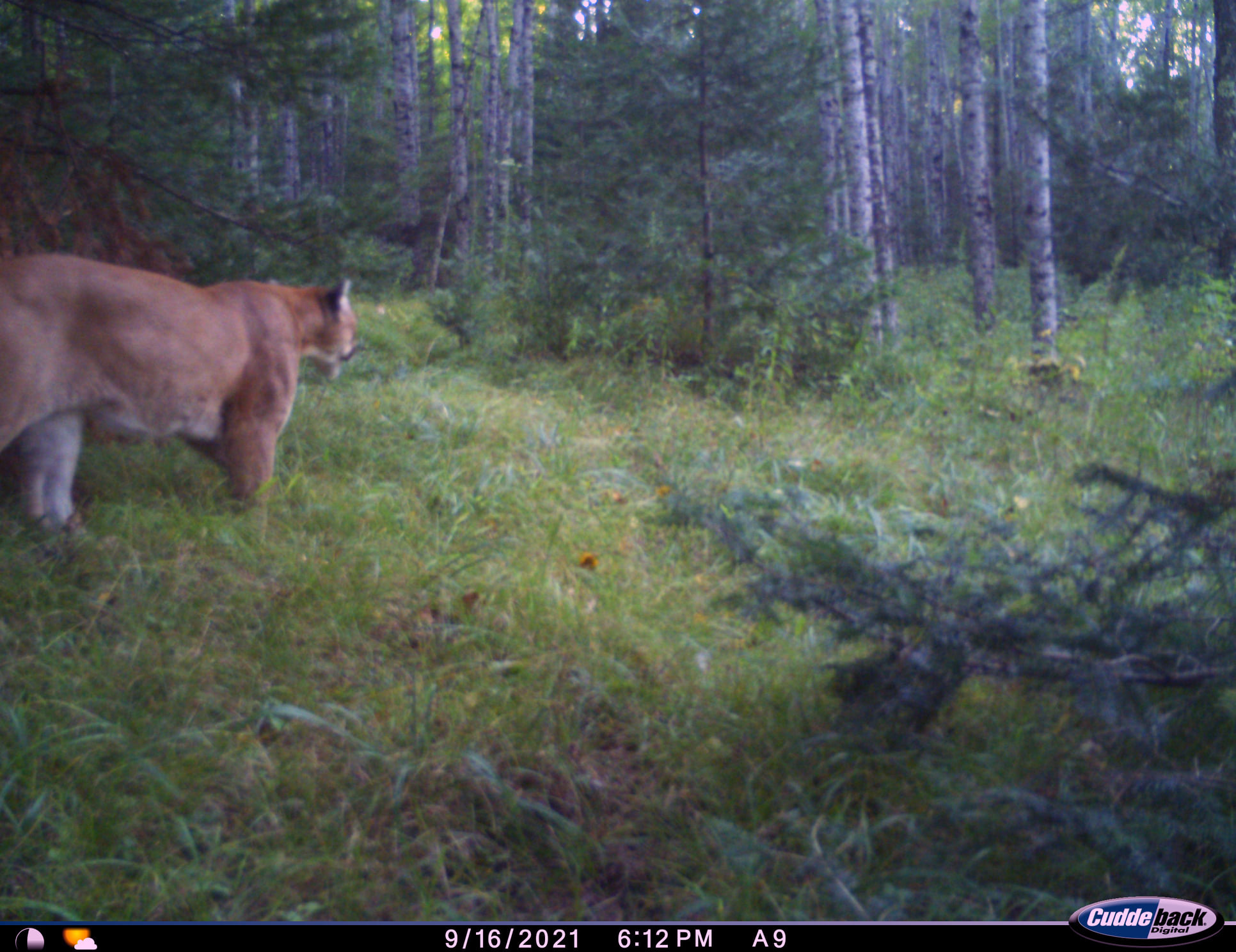
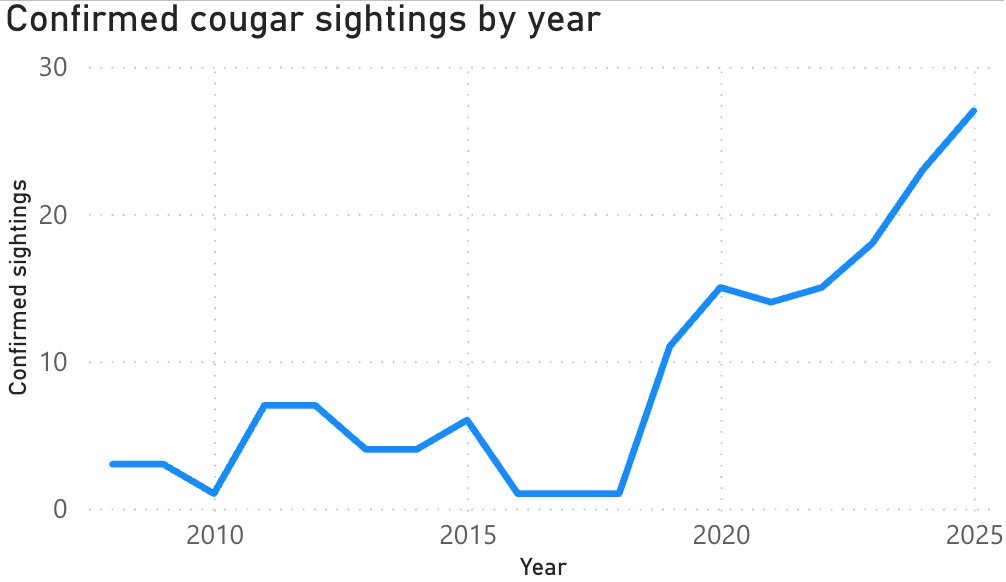
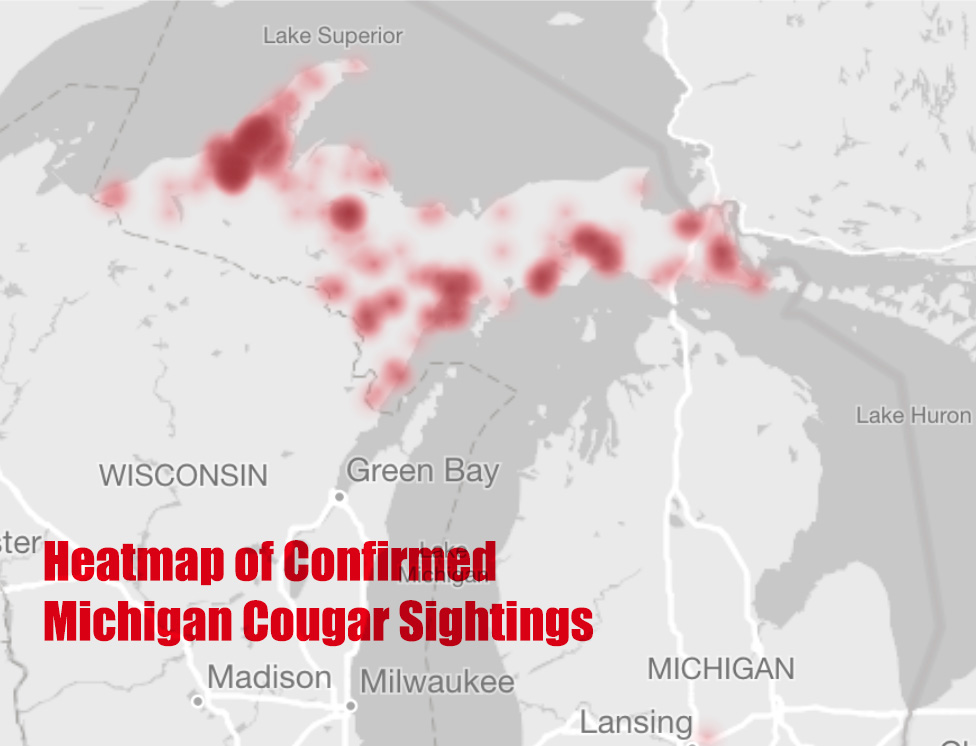
The state Department of Natural Resources (DNR) confirmed there have been 26 confirmed cougar sightings in Michigan so far this year, surpassing last year’s record by three … In a unique data point, those 26 cougar sightings this year in the U.P. added up to 27 animals because a pair of cougar cubs were spotted at the same time March 6 in Ontonagon County.
Here are some pics & info from the DNR’s Michigan Cougar page where you can also share photos & report cougar sightings!
“Since first arriving in the Great Lakes in the 1980s, invasive mussels have spread to all five lakes, and altered the ecosystem in profound ways. Today we understand that zebra and quagga mussels are an existential threat to the Great Lakes and without a coordinated response, they will continue to inflict harm on the environment, infrastructure, and critical species such as lake whitefish. Just as invasive sea lamprey require a coordinated, binational response for effective control, we must partner with national, state, provincial, Indigenous, regional, and local partners to find a solution to the mussel invasion. This bill makes that happen.” –Great Lakes Fishery Commission Chair Ethan Baker
US Reps. Debbie Dingell, D-Ann Arbor, and Tim Walberg, R-Tipton, want to increase funding for mussel control research more than fiftyfold to $500 million over the next 10 years. (EDITOR: They released it on Tuesday)
Otherwise, the “fish that we take for granted are going to just disappear,” Dingell told Bridge Michigan.
…The damage wrought by invasive mussels is among the biggest threats to the Great Lakes in history. Yet Bridge found that while the US government has spent mightily to combat other threats, the fight against mussels has received a comparative pittance.
The main funding program for Great Lakes science has devoted an average of less than $1 million annually to the cause since 2010, according to spending records analyzed by Bridge. The federal government spends about 20 times that amount to keep sea lamprey out of the Great Lakes and has promised 90 times as much to build a barrier against invasive carp.
Read on for much more & kudos to these two Representatives for working together to protect the livelihoods and meals of Michiganders!
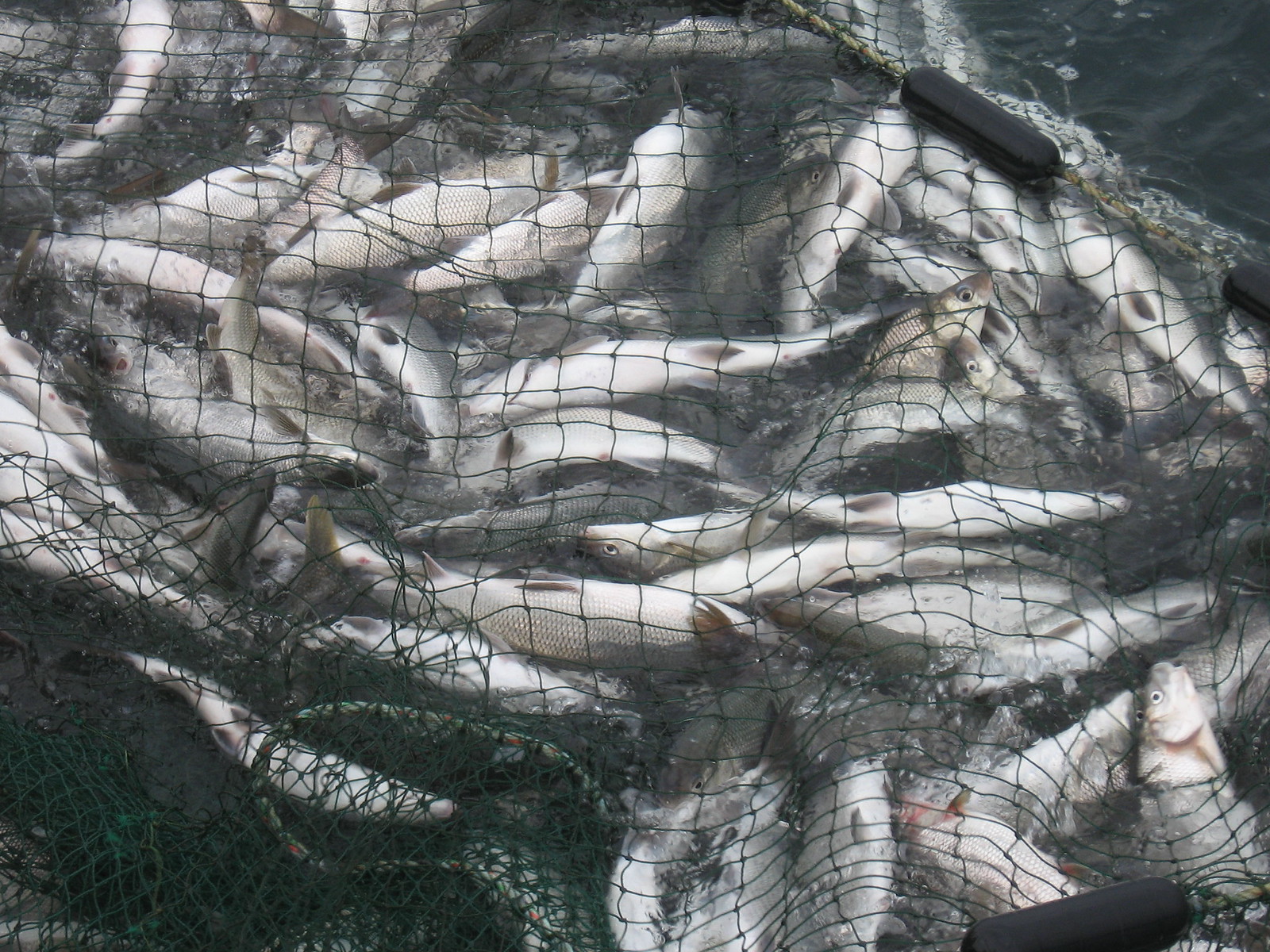
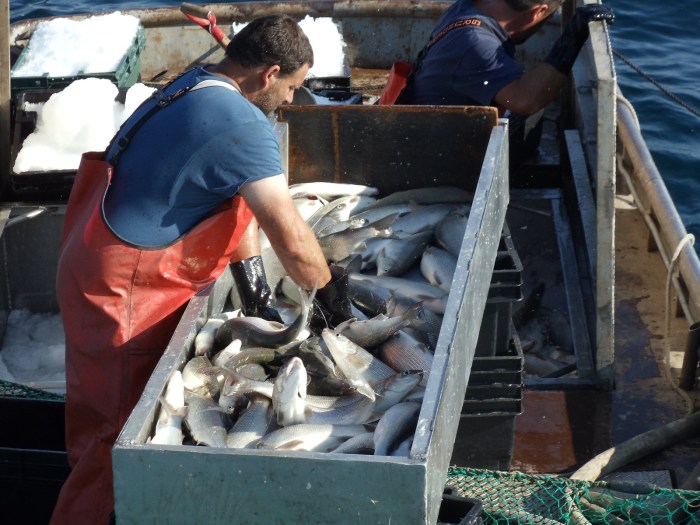
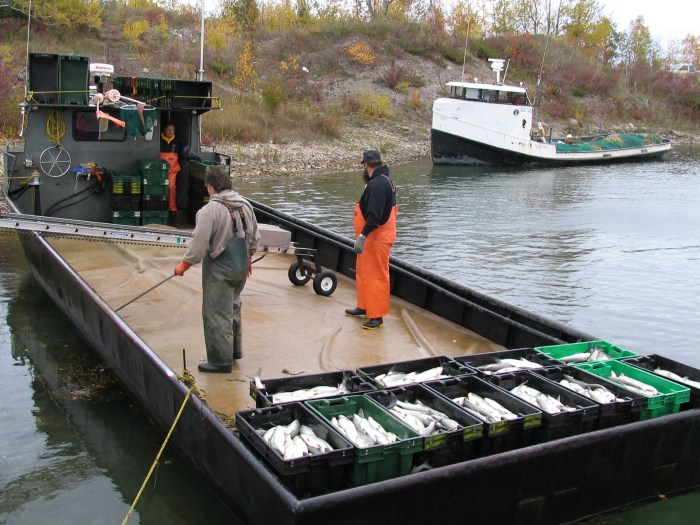
The photos are from Michigan Sea Grant and the one of the boat moored was taken by Brandon Schroeder. Sea Grant is an excellent organization that works hard for Michigan waters and the Great Lakes as a whole!
There’s been nothing in the Absolute Michigan group on Flickr as calming as The Puffs, who Benjamin documented last fall. See more below and in his Puffs gallery on Flickr!
We interrupt our mostly Michigan content to bring you important news about Alaska’s Fat Bear Week online competition! Some of the largest brown bears on the planet make their home at Brooks River in Katmai National Park, and in addition to being adorably chonky, the fattest bears are best prepared for winter hibernation.
While Michigan doesn’t have brown bears, our native black bear population is also out there in the woods right now, actively searching for the raw materials to pack on the pounds. The Michigan DNR says that about about 13,000 American black bears live in Michigan. Most of them (around 11,000) live in the Upper Peninsula with around 1,700 in the northern Lower Peninsula. Their Living with Black Bears guide says that the black bear is the only species of bear with an average lifespan of 10 years in the wild. Male black bears live in an area about 100 square miles or more in size, while females live in smaller areas about 10 to 20 square miles. They are solitary animals, a sow (female bear who has birthed at least one cub) and her cubs may be seen together.
Black bears can have various color phases including black (most common in Michigan), brown and cinnamon. In Michigan, adult female black bears range from 100 to 250 pounds while adult males can weigh up to 400 pounds. Adult black bears measure about three feet high on all fours & five feet tall when standing upright.
Black bears are omnivorous & will travel great distances to find food, opportunistically feeding on both plants and animal including tender vegetation, nuts, berries, and insects. Black bears are generally fearful of humans and will leave if they are aware of your presence, but human foods, garbage, pet foods, & birdseed can definitely draw them to your door! In the rare circumstance that a bear doesn’t turn and leave, try to scare it off by yelling while leaving a clear, unobstructed escape route for the bear. If the bear stands its ground, makes threatening sounds or bluff charges, you are too close. Take slow steps backward while continuing to talk to the bear in a stern tone. In the rare event of an attack, fight back with a backpack. DO NOT run or play dead.
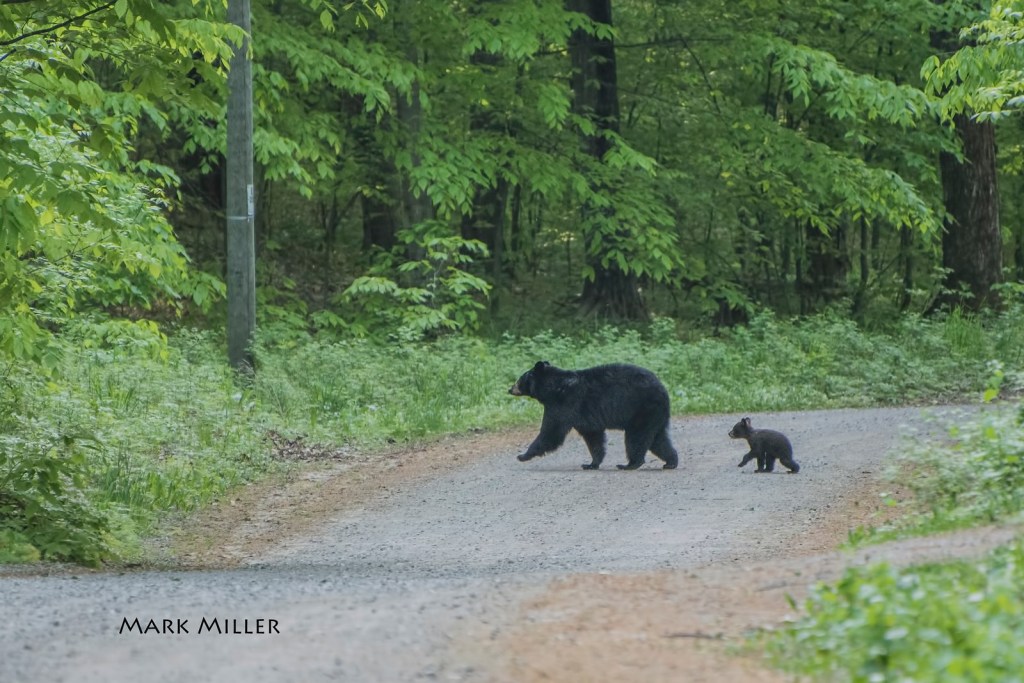
Mark captured these black bears out for a Saturday morning stroll near Empire back in June of 2015. You can see more in his In In My Backyard gallery on Flickr.



 Michigan in Pictures