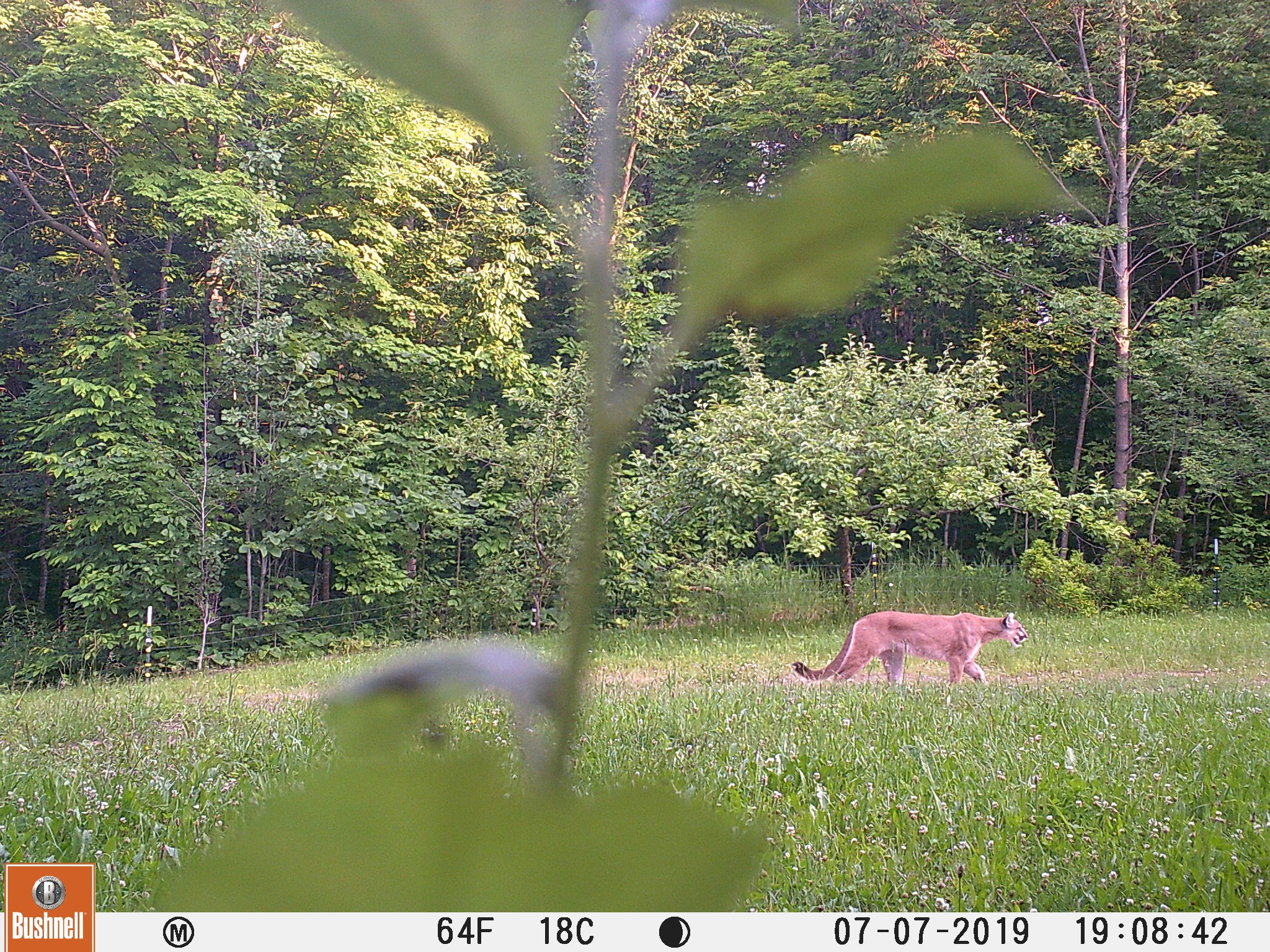
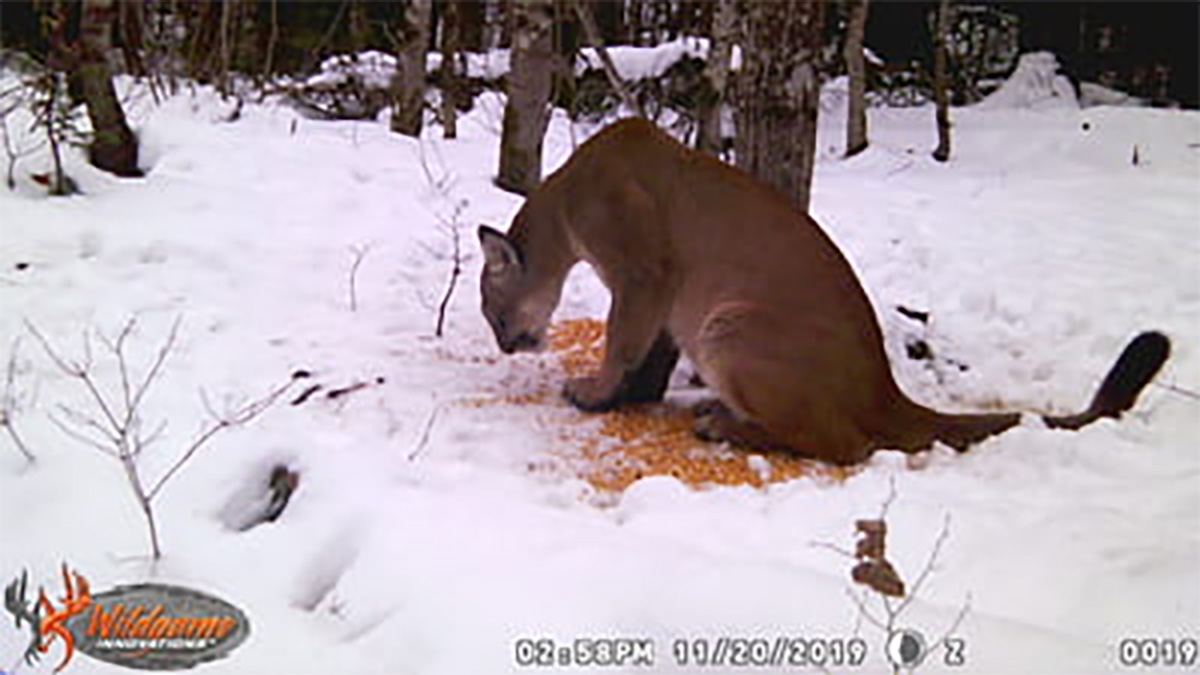
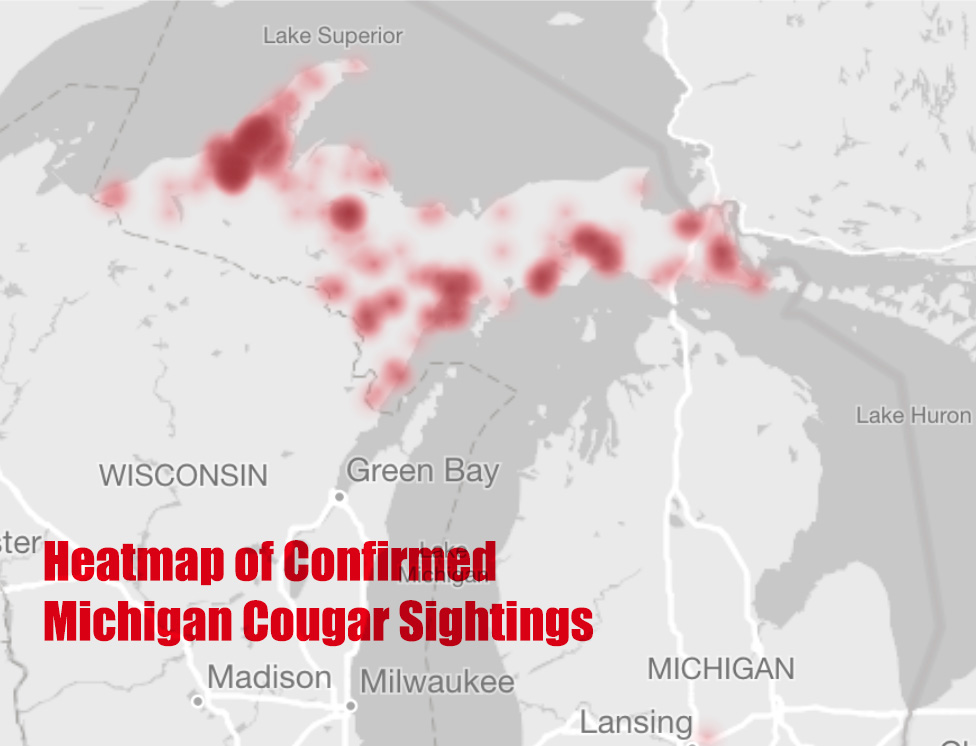
EDITOR’S NOTE: This was originally shared on Leelanau.com & Michigan in Pictures concurs that there unquestionably are breeding cougar populations south of the Bridge. If you have seen one, please share in the comments here on on the Michigan in Pictures Facebook page!
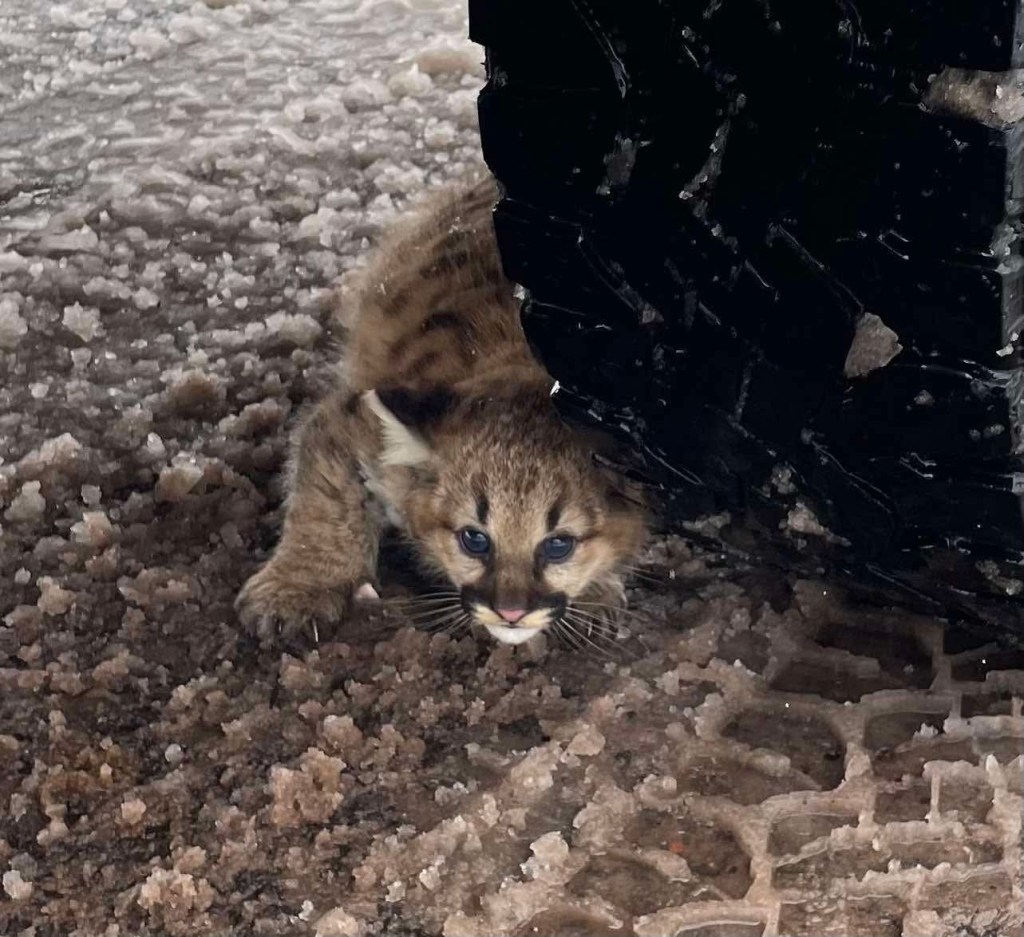
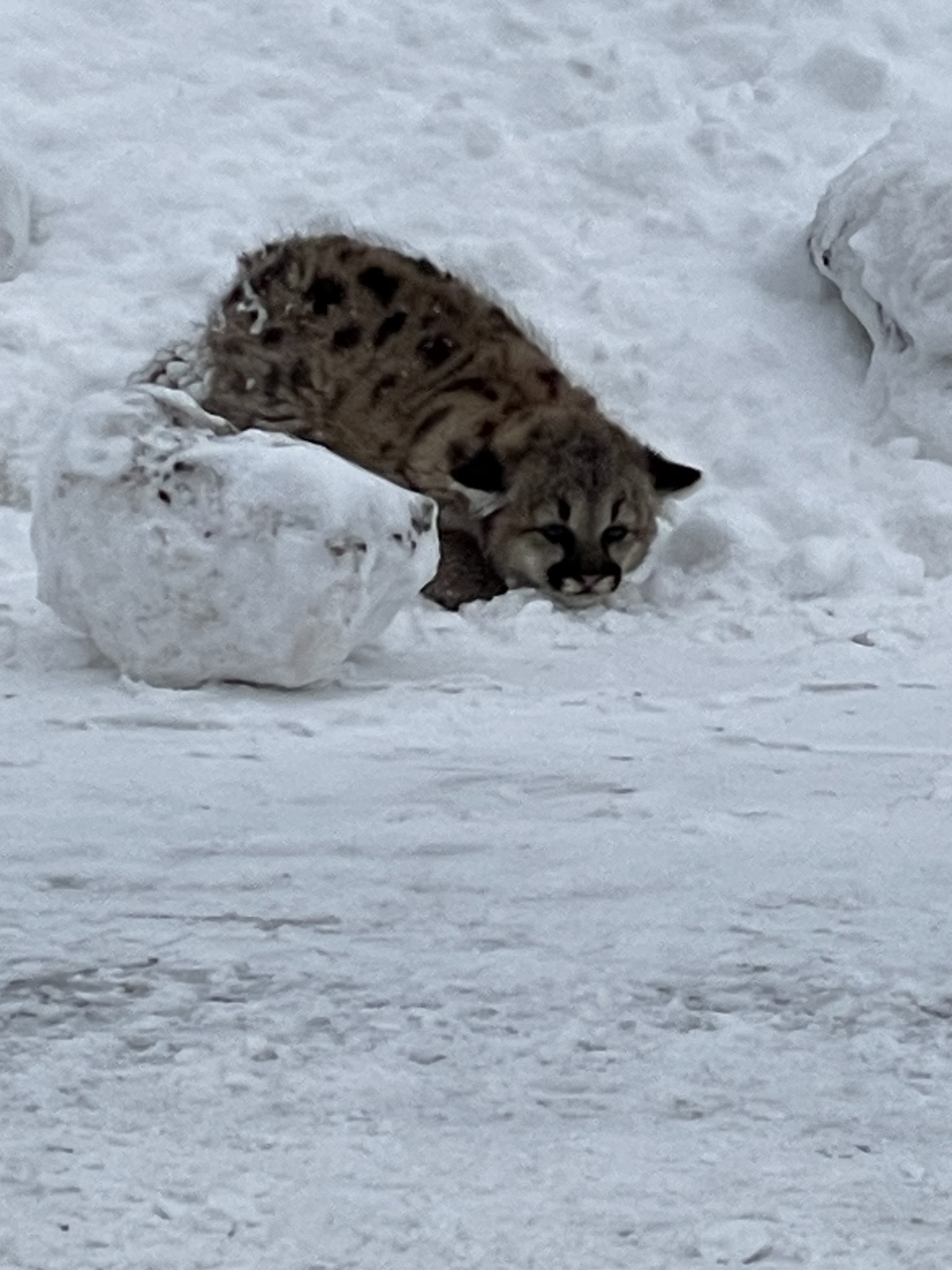
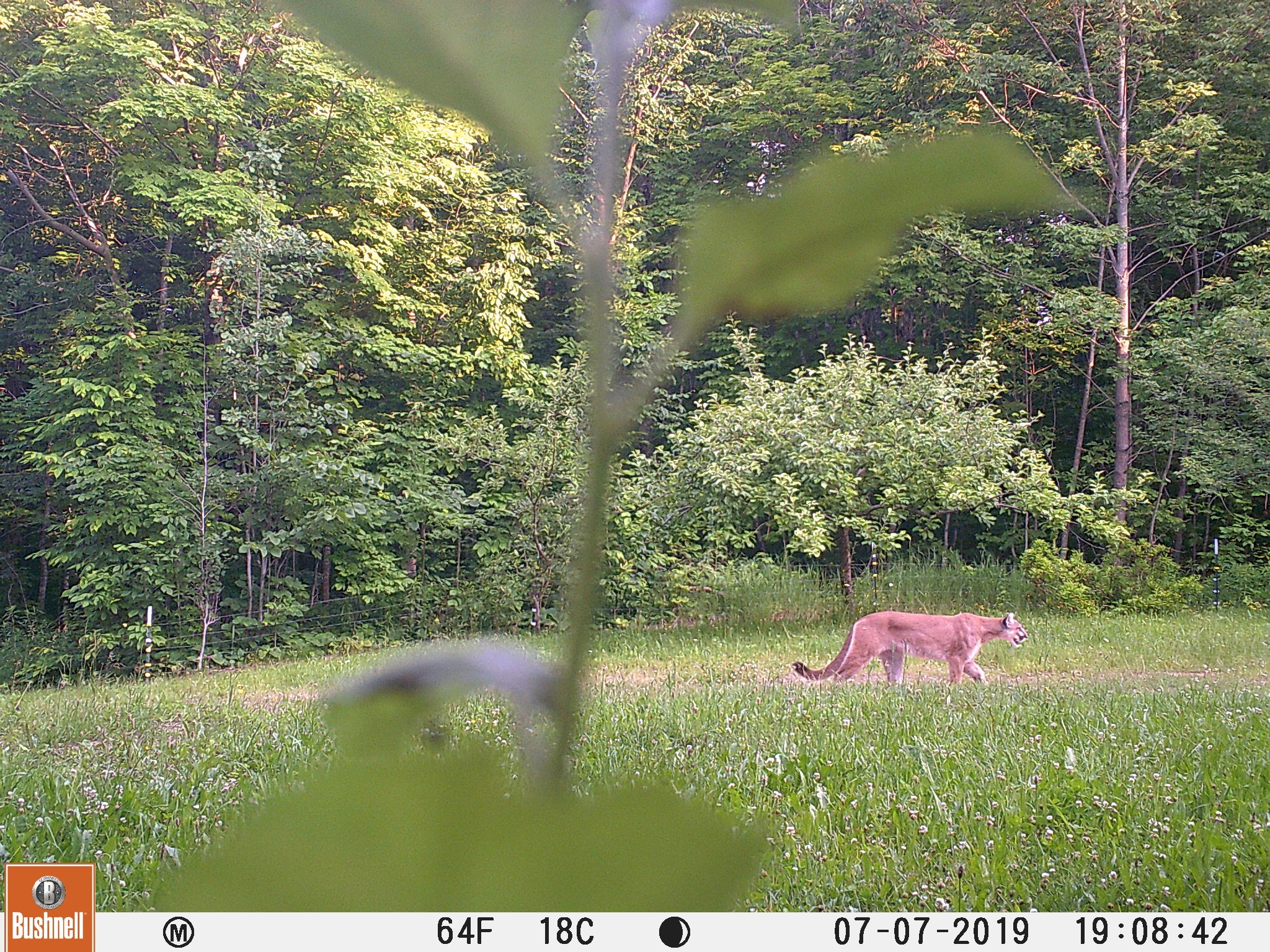
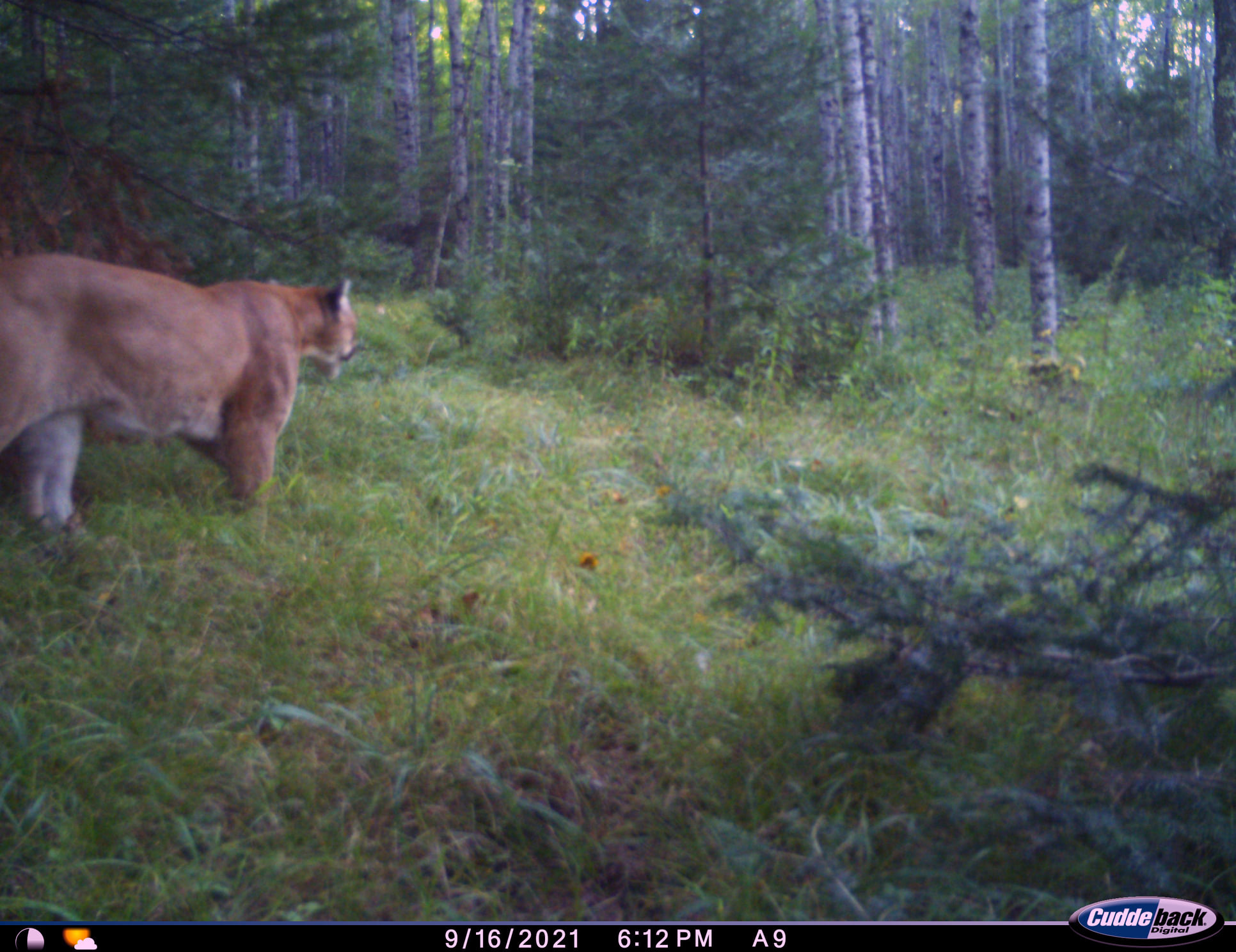
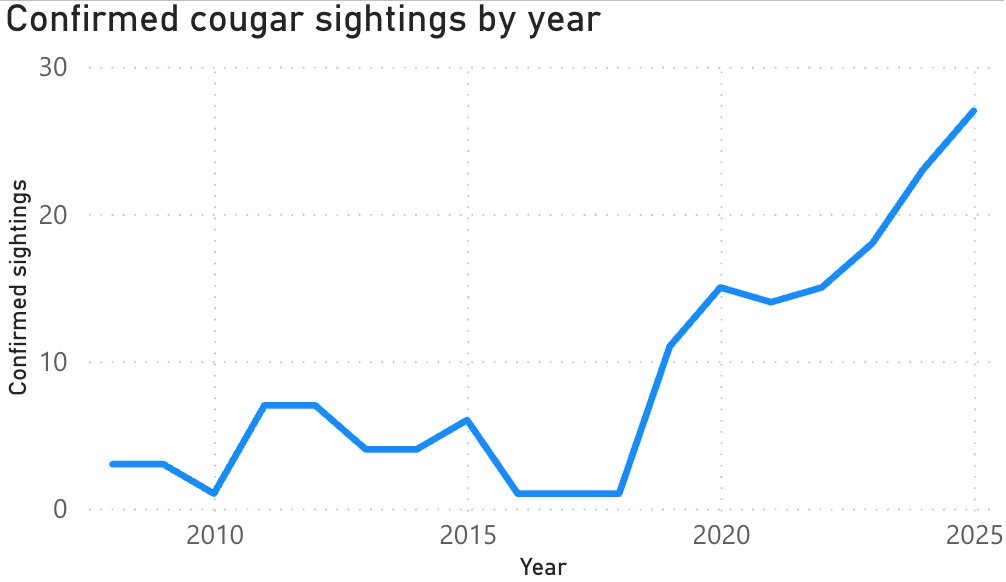
The state Department of Natural Resources (DNR) confirmed there have been 26 confirmed cougar sightings in Michigan so far this year, surpassing last year’s record by three … In a unique data point, those 26 cougar sightings this year in the U.P. added up to 27 animals because a pair of cougar cubs were spotted at the same time March 6 in Ontonagon County.
Here are some pics & info from the DNR’s Michigan Cougar page where you can also share photos & report cougar sightings!
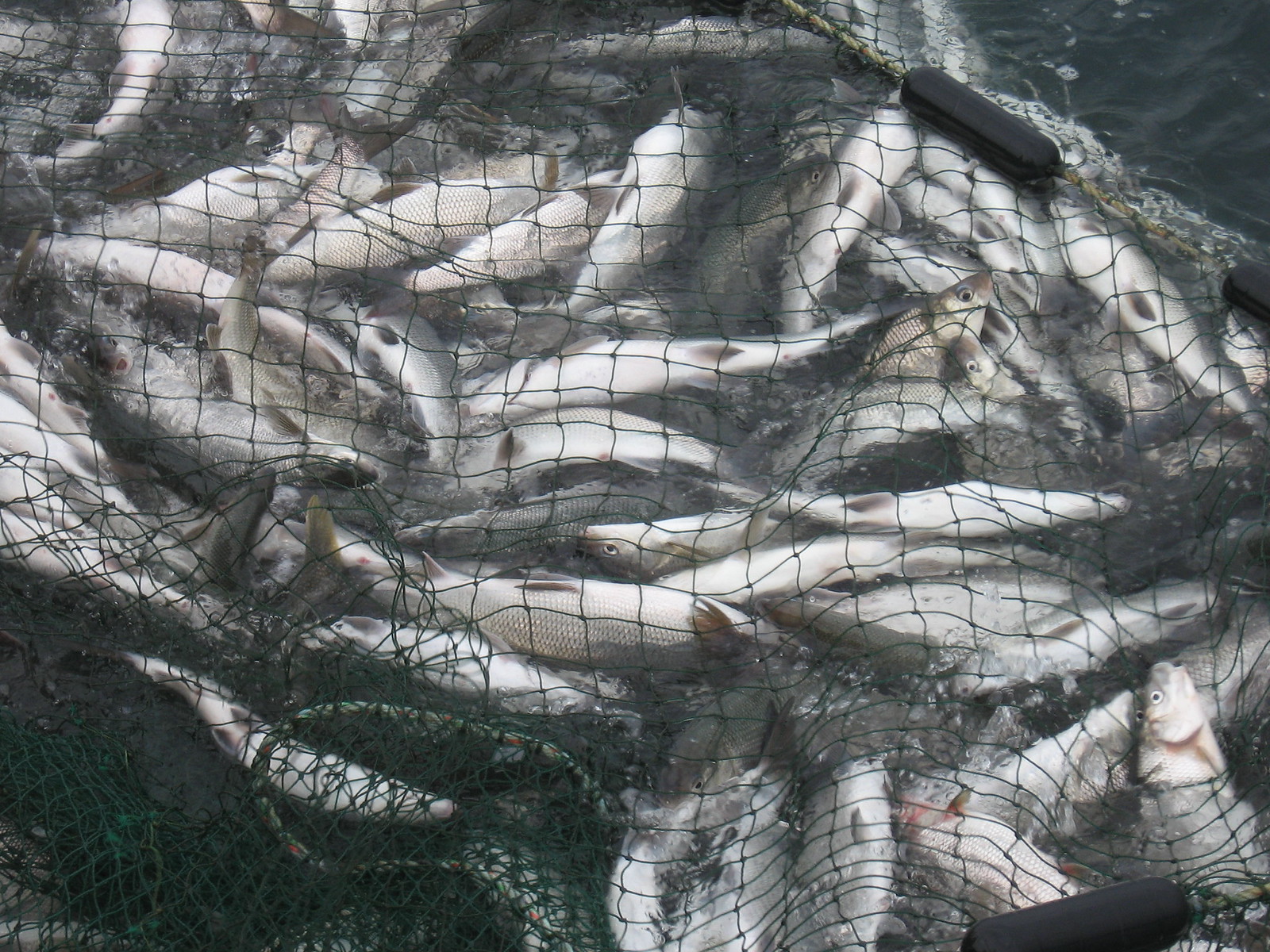
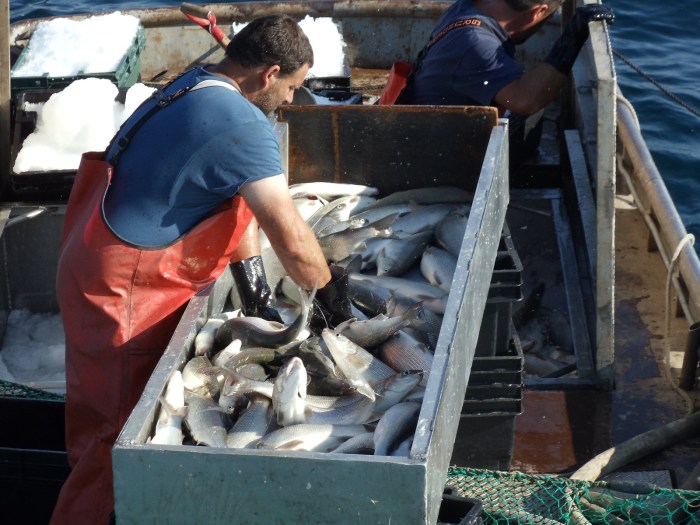
“Since first arriving in the Great Lakes in the 1980s, invasive mussels have spread to all five lakes, and altered the ecosystem in profound ways. Today we understand that zebra and quagga mussels are an existential threat to the Great Lakes and without a coordinated response, they will continue to inflict harm on the environment, infrastructure, and critical species such as lake whitefish. Just as invasive sea lamprey require a coordinated, binational response for effective control, we must partner with national, state, provincial, Indigenous, regional, and local partners to find a solution to the mussel invasion. This bill makes that happen.” –Great Lakes Fishery Commission Chair Ethan Baker
US Reps. Debbie Dingell, D-Ann Arbor, and Tim Walberg, R-Tipton, want to increase funding for mussel control research more than fiftyfold to $500 million over the next 10 years. (EDITOR: They released it on Tuesday)
Otherwise, the “fish that we take for granted are going to just disappear,” Dingell told Bridge Michigan.
…The damage wrought by invasive mussels is among the biggest threats to the Great Lakes in history. Yet Bridge found that while the US government has spent mightily to combat other threats, the fight against mussels has received a comparative pittance.
The main funding program for Great Lakes science has devoted an average of less than $1 million annually to the cause since 2010, according to spending records analyzed by Bridge. The federal government spends about 20 times that amount to keep sea lamprey out of the Great Lakes and has promised 90 times as much to build a barrier against invasive carp.
Read on for much more & kudos to these two Representatives for working together to protect the livelihoods and meals of Michiganders!
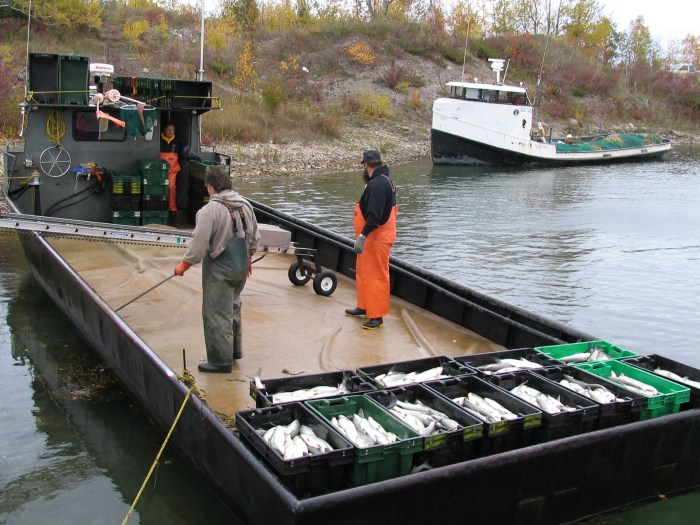
The photos are from Michigan Sea Grant and the one of the boat moored was taken by Brandon Schroeder. Sea Grant is an excellent organization that works hard for Michigan waters and the Great Lakes as a whole!
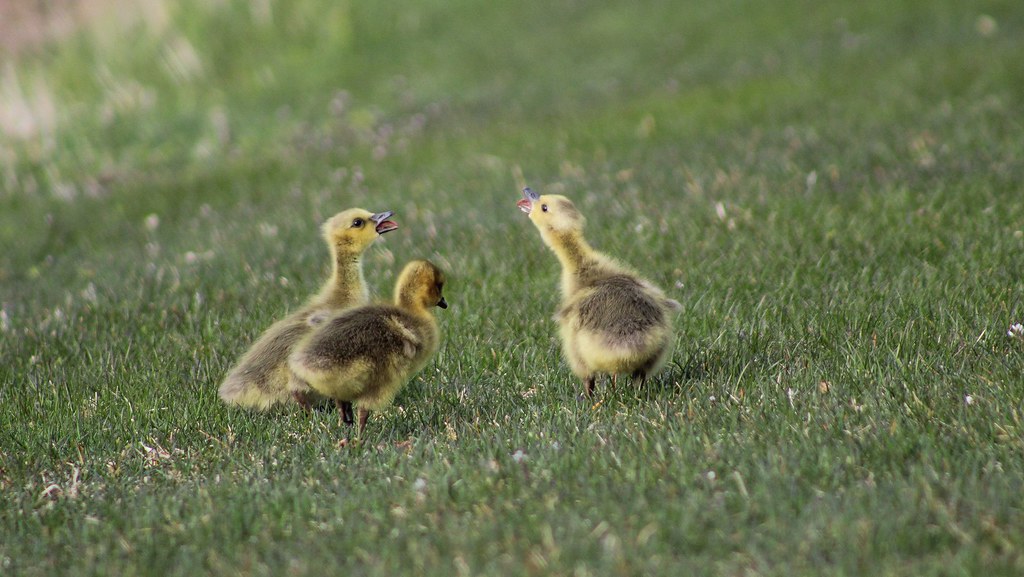
There’s been nothing in the Absolute Michigan group on Flickr as calming as The Puffs, who Benjamin documented last fall. See more below and in his Puffs gallery on Flickr!
We interrupt our mostly Michigan content to bring you important news about Alaska’s Fat Bear Week online competition! Some of the largest brown bears on the planet make their home at Brooks River in Katmai National Park, and in addition to being adorably chonky, the fattest bears are best prepared for winter hibernation.
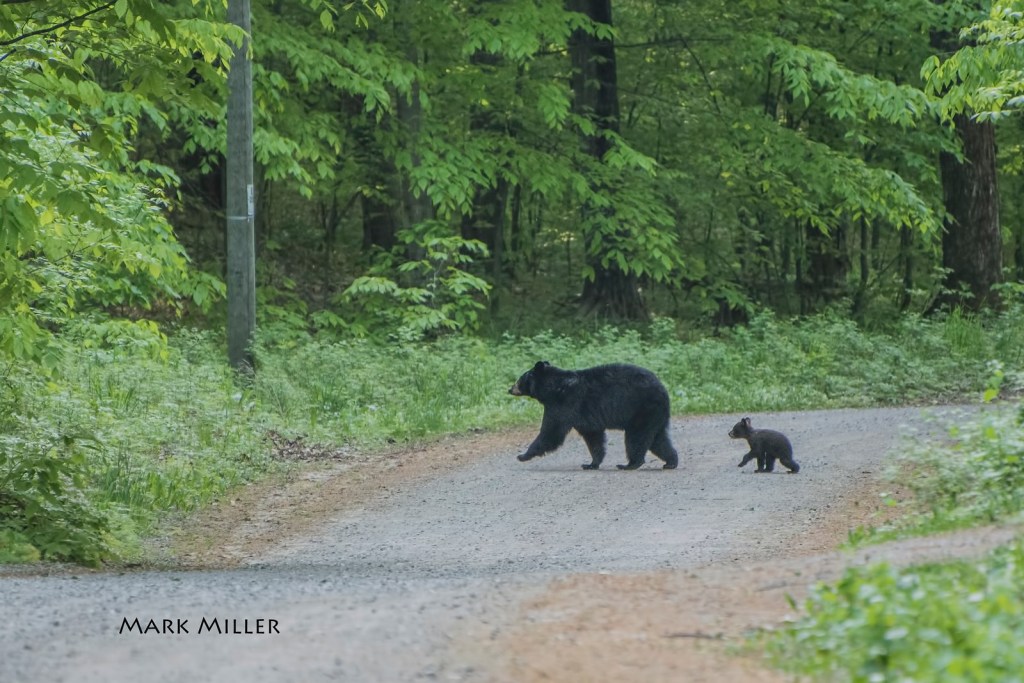
While Michigan doesn’t have brown bears, our native black bear population is also out there in the woods right now, actively searching for the raw materials to pack on the pounds. The Michigan DNR says that about about 13,000 American black bears live in Michigan. Most of them (around 11,000) live in the Upper Peninsula with around 1,700 in the northern Lower Peninsula. Their Living with Black Bears guide says that the black bear is the only species of bear with an average lifespan of 10 years in the wild. Male black bears live in an area about 100 square miles or more in size, while females live in smaller areas about 10 to 20 square miles. They are solitary animals, a sow (female bear who has birthed at least one cub) and her cubs may be seen together.
Black bears can have various color phases including black (most common in Michigan), brown and cinnamon. In Michigan, adult female black bears range from 100 to 250 pounds while adult males can weigh up to 400 pounds. Adult black bears measure about three feet high on all fours & five feet tall when standing upright.
Black bears are omnivorous & will travel great distances to find food, opportunistically feeding on both plants and animal including tender vegetation, nuts, berries, and insects. Black bears are generally fearful of humans and will leave if they are aware of your presence, but human foods, garbage, pet foods, & birdseed can definitely draw them to your door! In the rare circumstance that a bear doesn’t turn and leave, try to scare it off by yelling while leaving a clear, unobstructed escape route for the bear. If the bear stands its ground, makes threatening sounds or bluff charges, you are too close. Take slow steps backward while continuing to talk to the bear in a stern tone. In the rare event of an attack, fight back with a backpack. DO NOT run or play dead.
Mark captured these black bears out for a Saturday morning stroll near Empire back in June of 2015. You can see more in his In In My Backyard gallery on Flickr.
“Right after a raw sewage discharge, we shouldn’t have people paddleboarding on the Clinton River or launching kayaks. They need timely notifications so they can make an informed decision whether they want to go on that waterway,” St. Germaine said.
The proposed system would require county drain or public works commissioners to notify local emergency managers within 12 hours of the water reaching dangerous contamination levels.
“If something like this were to happen, people should be notified in real-time, and in a lot of cases, it’s not reported for weeks or sometimes months afterwards, and by then, what are you going to do about it?” Robinson said.
Many Harrison Township residents have witnessed signs of water contamination firsthand. “The other day, when we had a big rain and you could see chunks of what I’m going to call ‘things’ floating down the river that appeared to be untreated sewage. It was awful,” said Jim Constantino.
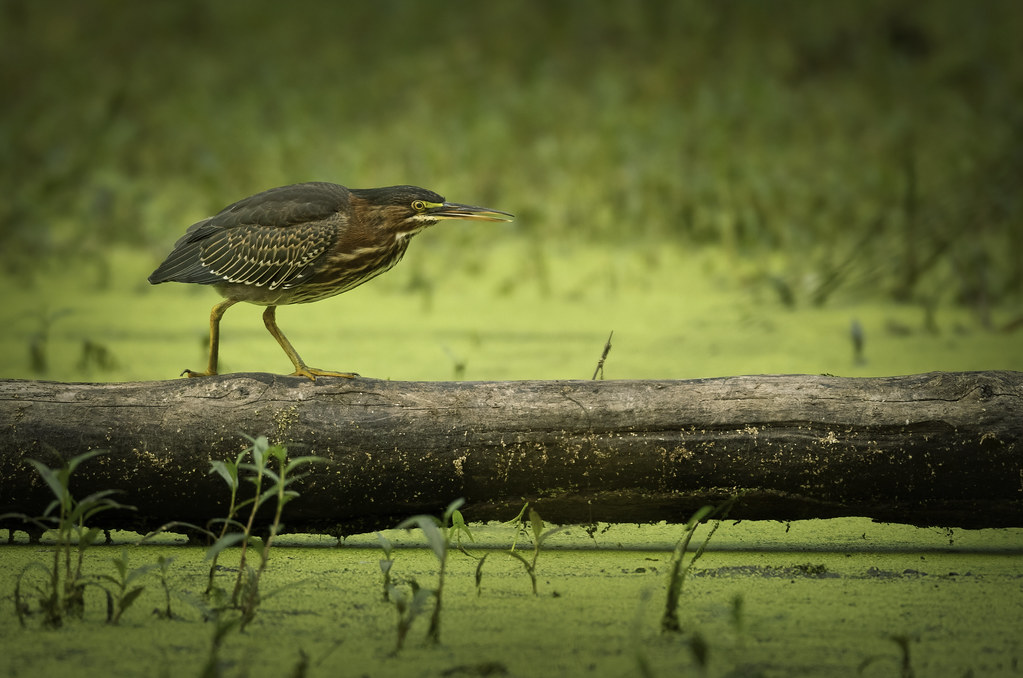
That’s a big no from me on floaty things in our rivers & lakes!! The other day I saw a green heron fishing in a containment pond that had a posted “Don’t Eat These Fish” warning. It always makes me sad when I see animals oblivious to our pollution, but hopefully making more people aware of it will lead to generating less of it.
Kevin took this shot of a young green heron last month in a marshy area at the Grand Ravines. See lots more in his Birds gallery on Flickr.
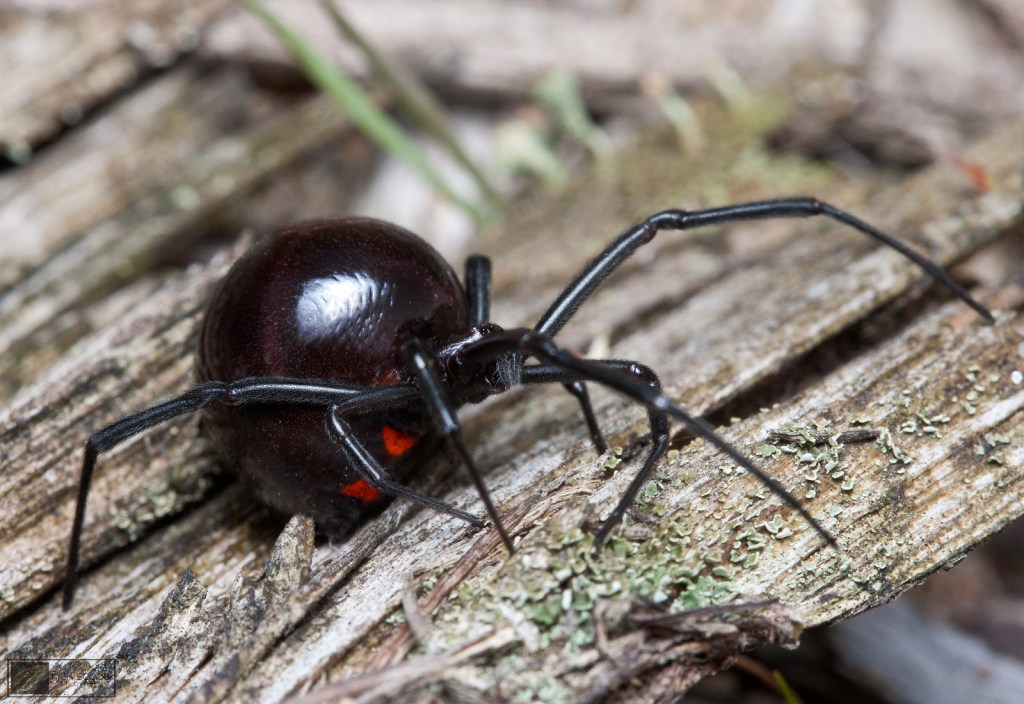
In Michigan, they appear to be more common in the western Lower Peninsula. Outdoors, they are found in old stumps, hollow logs, under fallen fence posts, in abandoned animal burrows or piles of brush, and in the corners of sheds and crawlspaces. In the northern black widow, the distinctive hour glass marking on the underside of the abdomen is incomplete or split in the middle. Northern widows also have a series of red spots along the dorsal midline of the abdomen, and many have a series of lateral white stripes on the abdomen. The web of the black widow is an irregular mesh of strands in which the spider hangs in an inverted position.
Surprisingly, as common as this spider is, black widow bites are infrequent because the spider is actually very timid and prefers fleeing when disturbed. That’s a good thing because the venom of a widow spider is 15 times more toxic than that of rattlesnakes. However, due to the small amount of the venom injected into the bite, widow bites are far less serious.
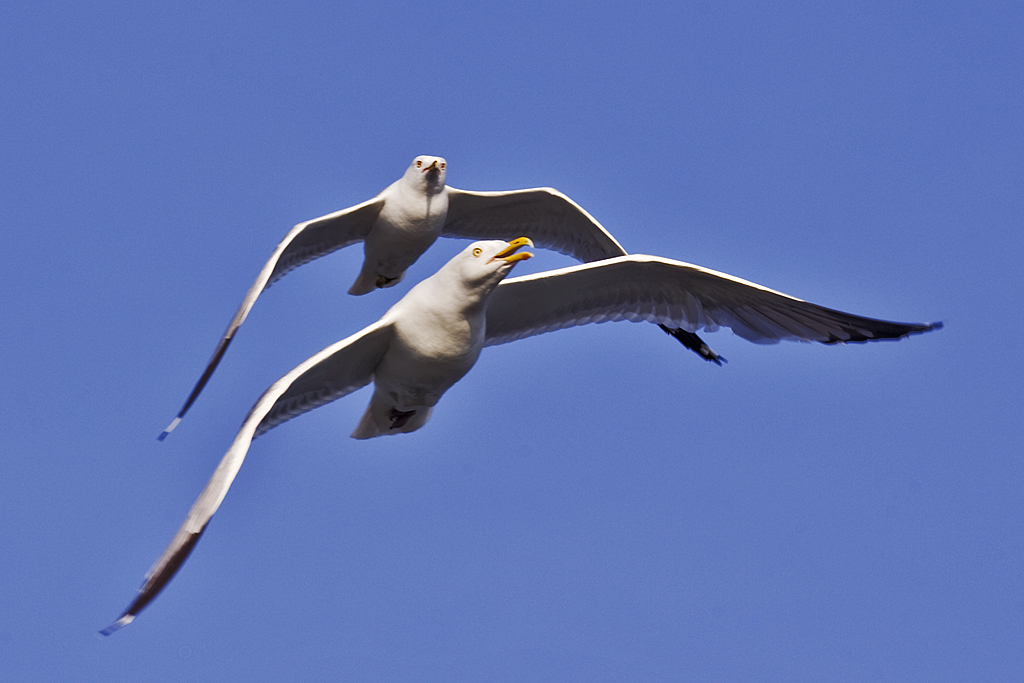
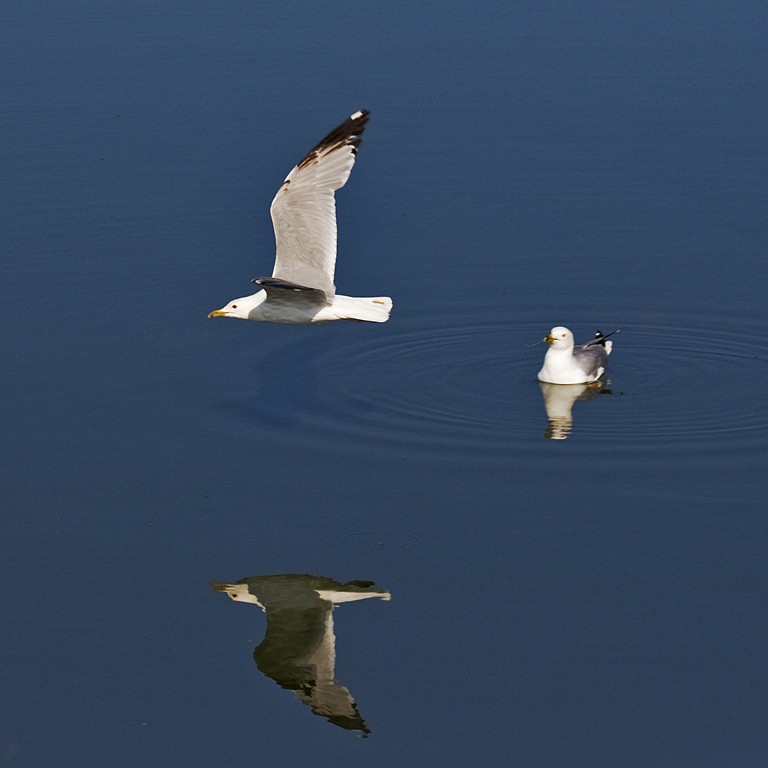
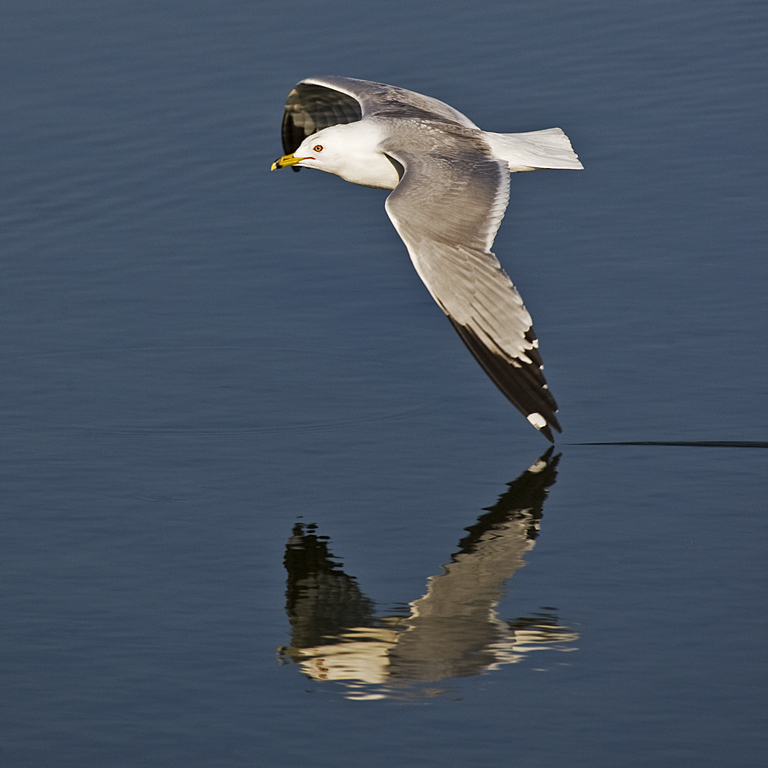
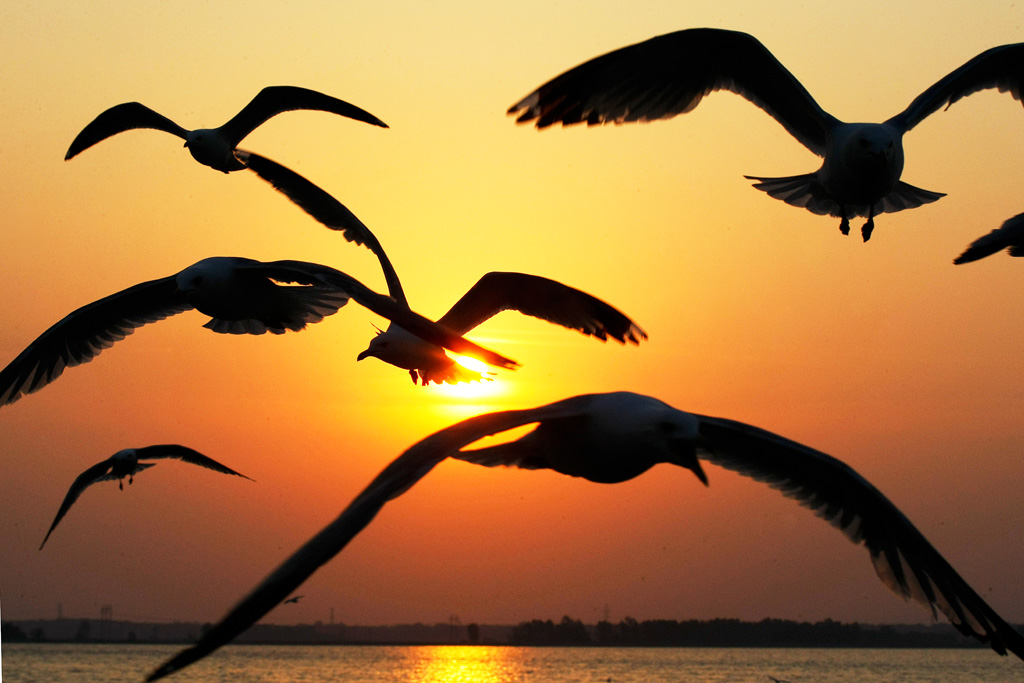
Recently, I was more than a little shaken to that seagulls can live for DECADES! All About Birds shares that the oldest recorded American Herring Gull was at least 29 years, 3 months old when it was seen in the wild in Michigan in 2015 and identified by its band, and they have reportedly lived as many as FIFTY YEARS in captivity. Also, while they prefer drinking freshwater, they can drink seawater thanks to special glands located over the eyes allow them to excrete the salt when they must.
The Ring-billed gull is somewhat smaller & distinguished from the Herring gull by yellow legs (instead of pinkish) and of course the black ring around the bill. Many and possibly most Ring-billed Gulls return to breed at the colony where they hatched year after year, often nesting within a few meters of last year’s nest site. The oldest recorded Ring-billed Gull was at least 27 1/2 years old, so probably be nicer to them on the beach because they will be back there for years! ;)
FRANK CARTER, local resident who had been in Chicago and Grand Rapids during the summer, returned Monday night being ill from the poisonous effects of a spider which walked over his arm, leaving a poisonous track at every step. Last week, while lying on the ground at Grand Rapids, an immense yellow spider jumped on his arm near his elbow and ran down to his wrist. Mr. Carter smashed his poisonous body on his arm and it immediately began to swell from the poison. The arm was inflamed and swollen with white spots. Under the advice of a physician, Mr. Carter went home to care for his arm.
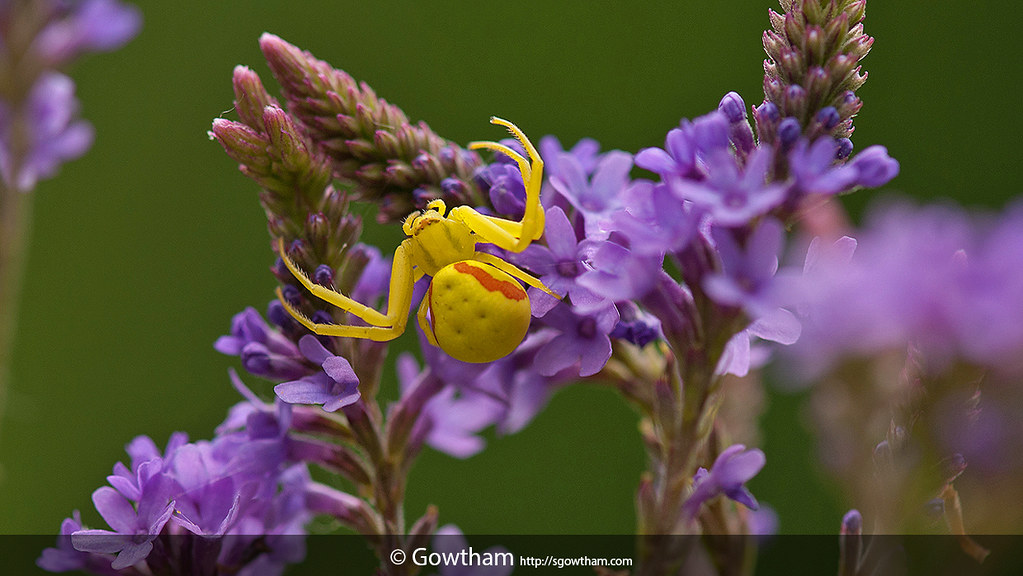
It’s been a minute since I’ve featured a photo from Gowtham. He shares that while driving through the back roads of Huron Mountains from Houghton to Marquette, “I took a few wrong forks in succession and one of those forks had a plethora of Blue Vervains (the flower in the picture). Taking one wrong fork after another, driving slow and paying attention paid off – as one of those blue vervains had an uncommon yellow tinge. I stopped to look carefully and much to my surprise was this tiny little Golden Rod Spider.”
…These spiders may be yellow or white, depending on the flower in which they are hunting. Especially younger females, which may hunt on a variety of flowers such as daisies and sunflowers, may change color “at will”. Older females require large amounts of relatively large prey to produce the best possible clutch of eggs. They are therefore, in North America, most commonly found in goldenrod (Solidago sp.), a bright yellow flower which attracts large numbers of insects, especially in autumn. It is often very hard even for a searching human to recognize one of these spiders on a yellow flower.”
I want to be very clear that this spider is not venomous (and no spider has “venomous tracks”). Only the Northern Black Widow and the Brown Recluse have bites that endanger humans. The rest are out there happily dispatching harmful pests. My guess is that it was a Brown Recluse as their bites have sort of a bullseye pattern with a white center.
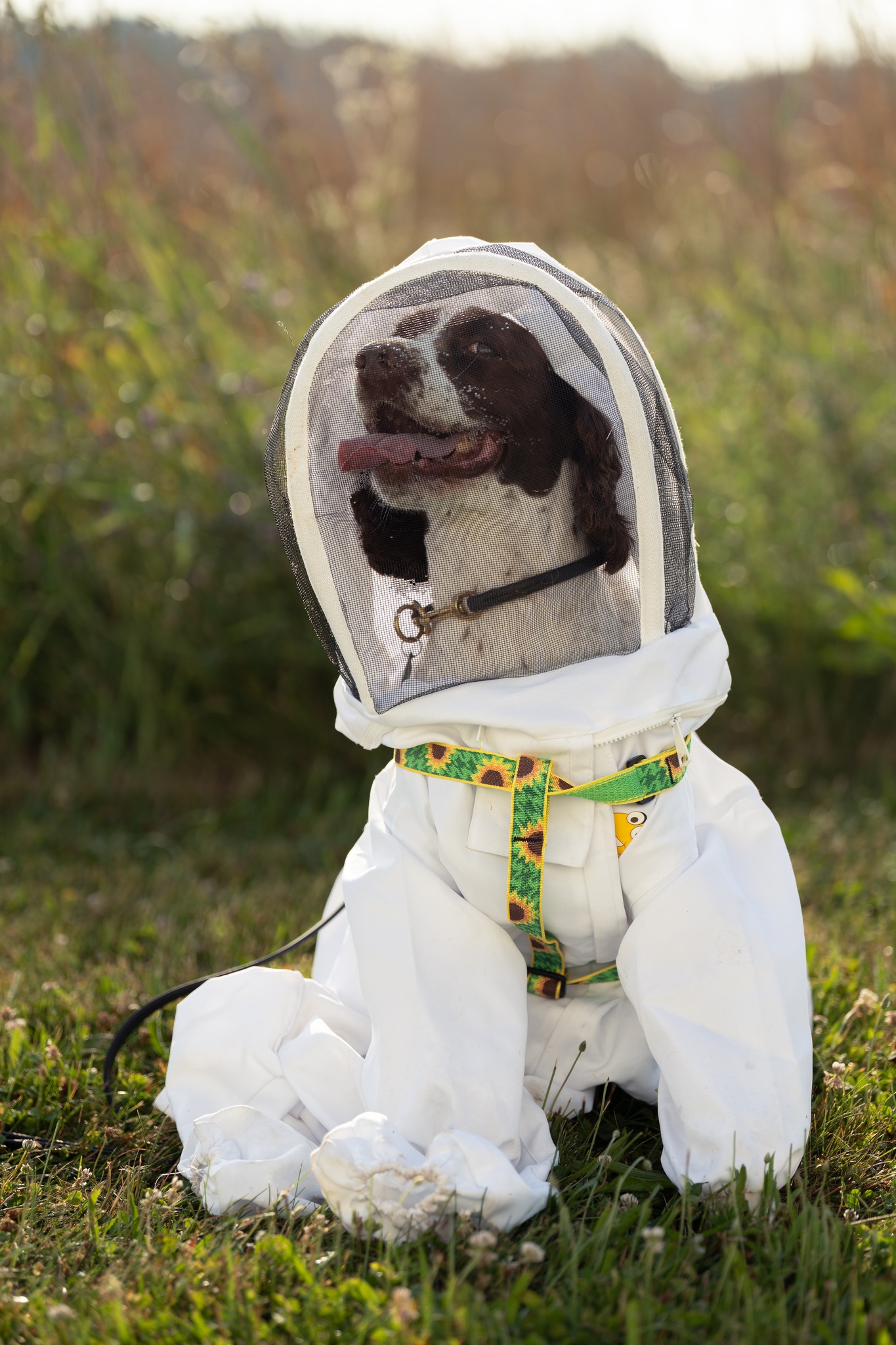
Maple is part of the team at MSU’s Pollinator Performance Center doing critical pollinator research and education. A retired police K-9, she uses her super sense of smell to detect bacteria in bee colonies to help prevent disease from spreading. Currently, beekeepers must manually inspect colonies for disease, but dogs like Maple can identify disease much faster, which could make a big impact on the industry. This project is one of many occurring at the Pollinator Performance Center. Operating since 2021, the center allows MSU to be at the forefront of honeybee and other pollinator research.
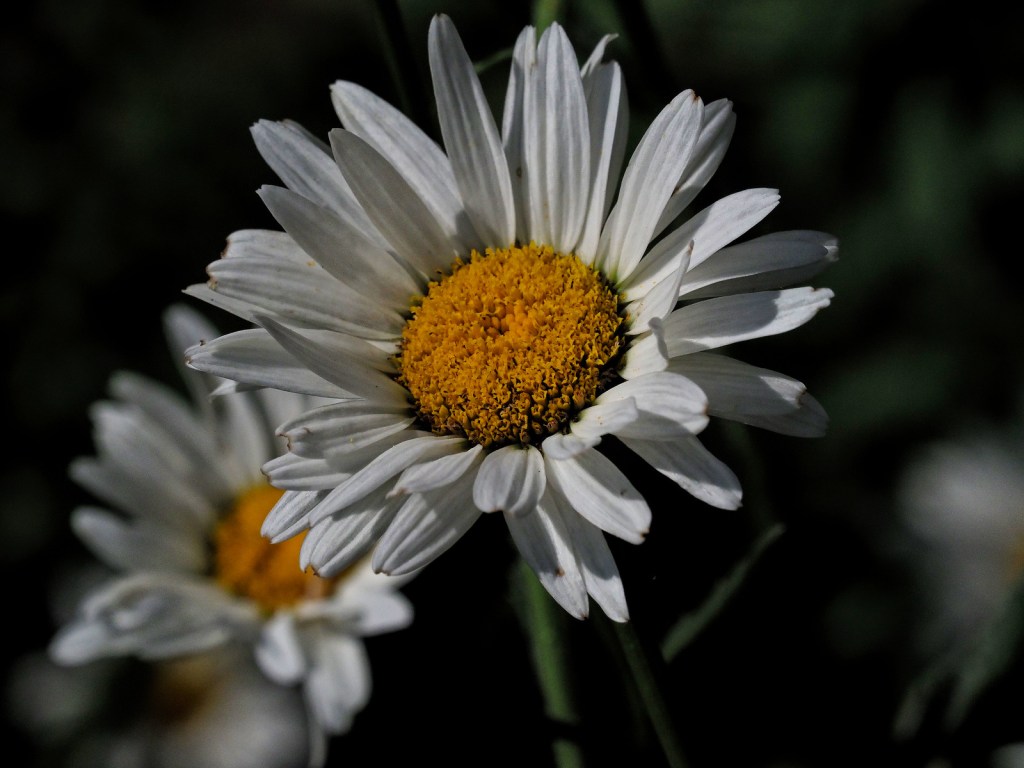
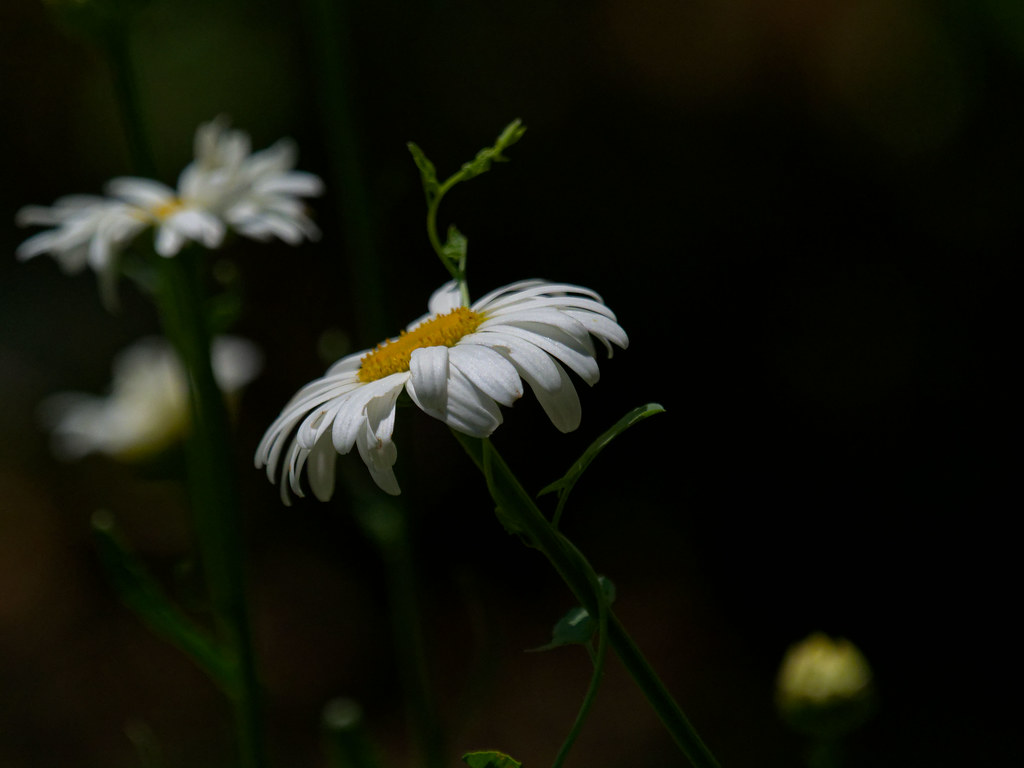
The Midwest Invasive Species Network shares that Shasta daisy (Leucanthemum xsuperbum) is a hybrid cross between Portuguese daisy (Leucanthemum lacustre) and Max chrysanthemum (Leucanthemum maximum) that was created in 1890 by the famed American horticulturist Luther Burbank. While not officially an invasive plant, it is considered invasive in Michigan due to its ability to aggressively spread & outcompete native species.



 Michigan in Pictures