No Kings in Michigan: James Jesse Strang edition

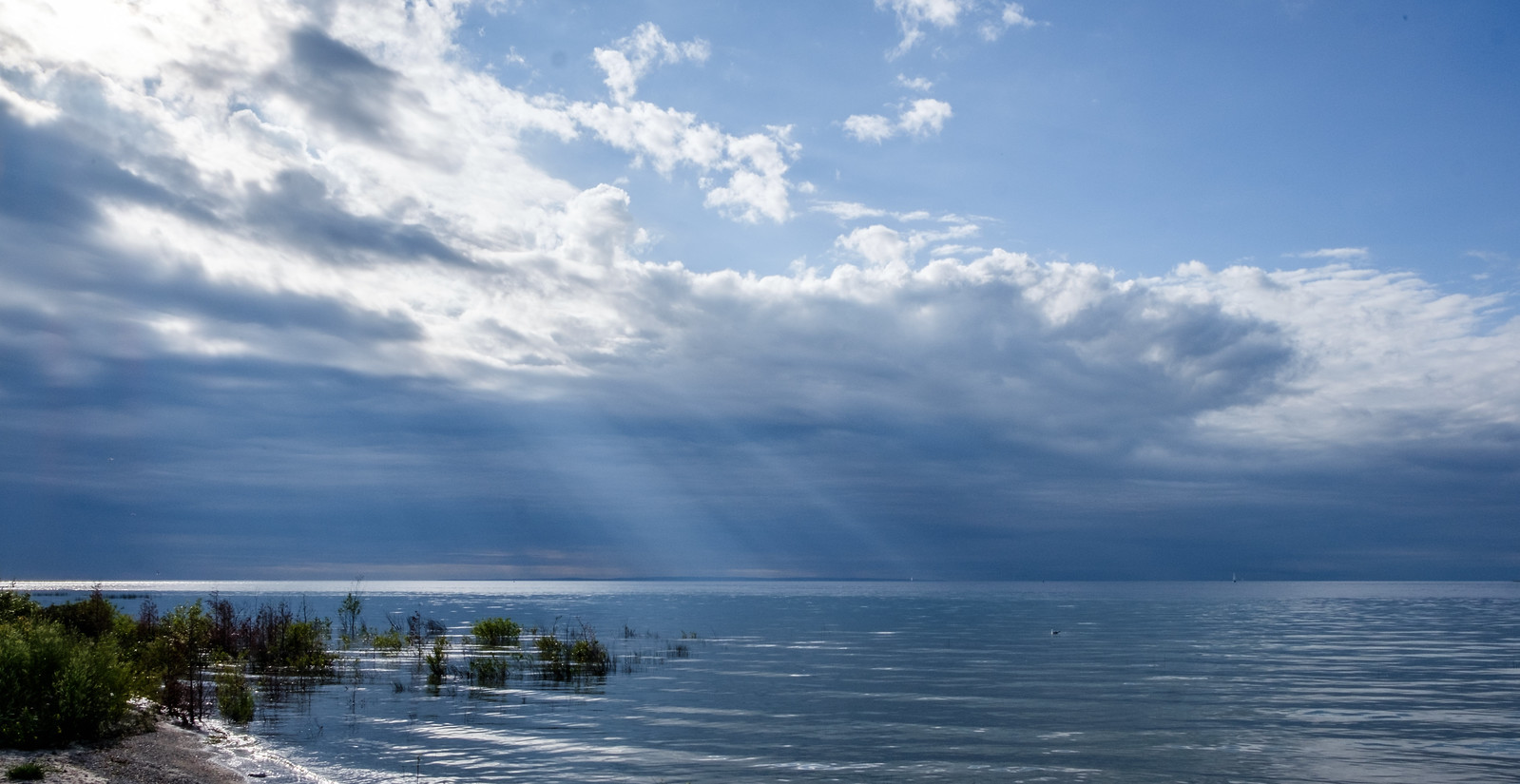
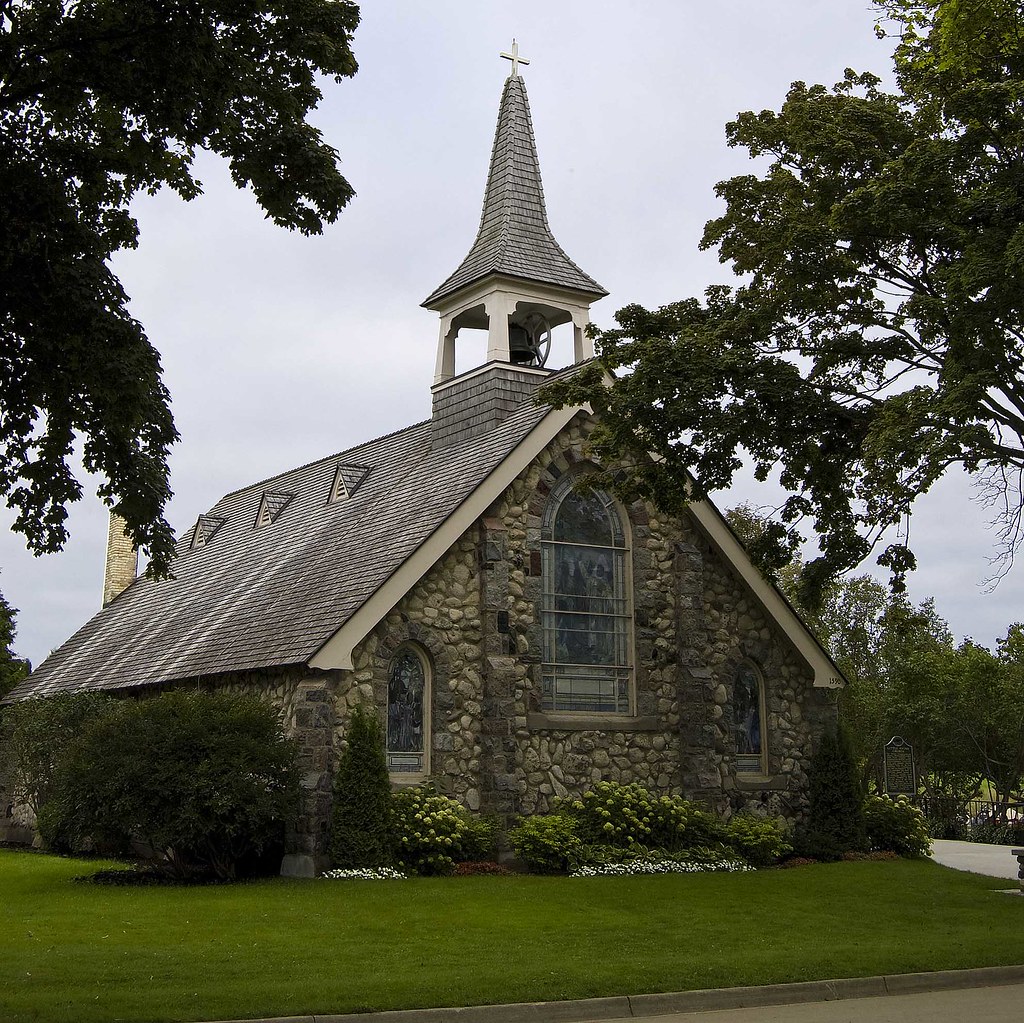
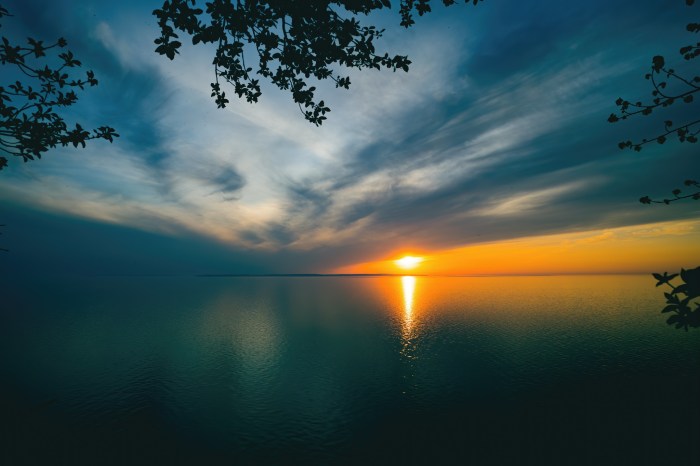
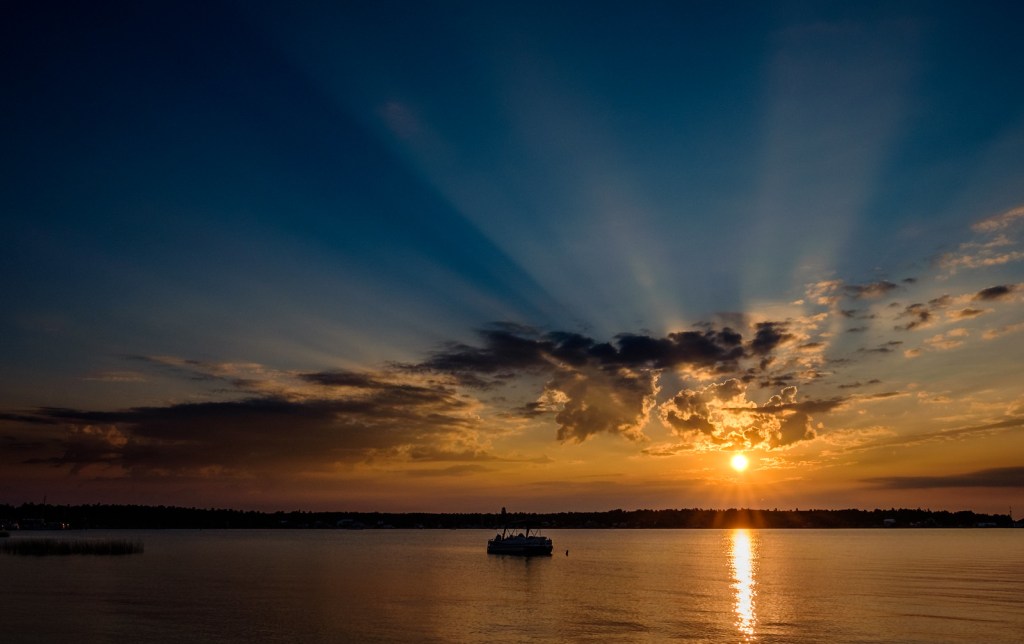
Sunrise at St James Harbor by Andy Farmer

Sunrise at St James Harbor by Andy Farmer

I confess that when I started today’s post I had no idea that June 16, 1856 was the date when assassins mortally wounded Michigan’s only king. To be clear, this is a post about kings being a deeply stupid & un-American thing, not a post about killing them.

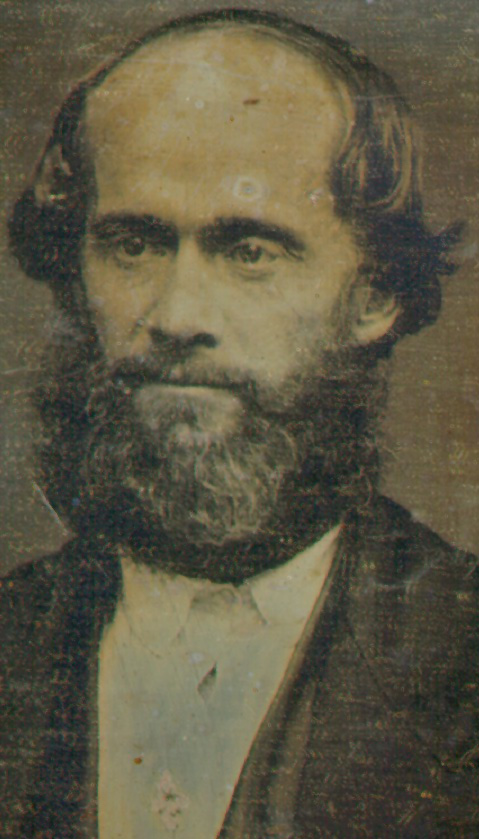
Michigan religious leader & politician James Jesse Strang was a major contender for leadership of the Church of Jesus Christ of Latter Day Saints after the death of founder Joseph Smith. Here are some excerpts of the wild ride of a Wikipedia that is the James Jesse Strang entry & chronicles his life as a lawyer, minister, prophet & politician who ultimately became something of a king. Please feel welcome to add your favorite tidbits in the comments!

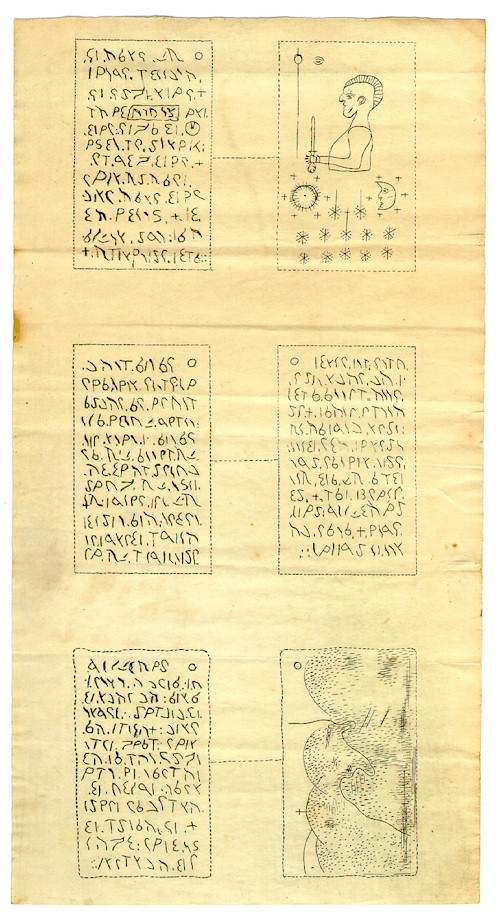
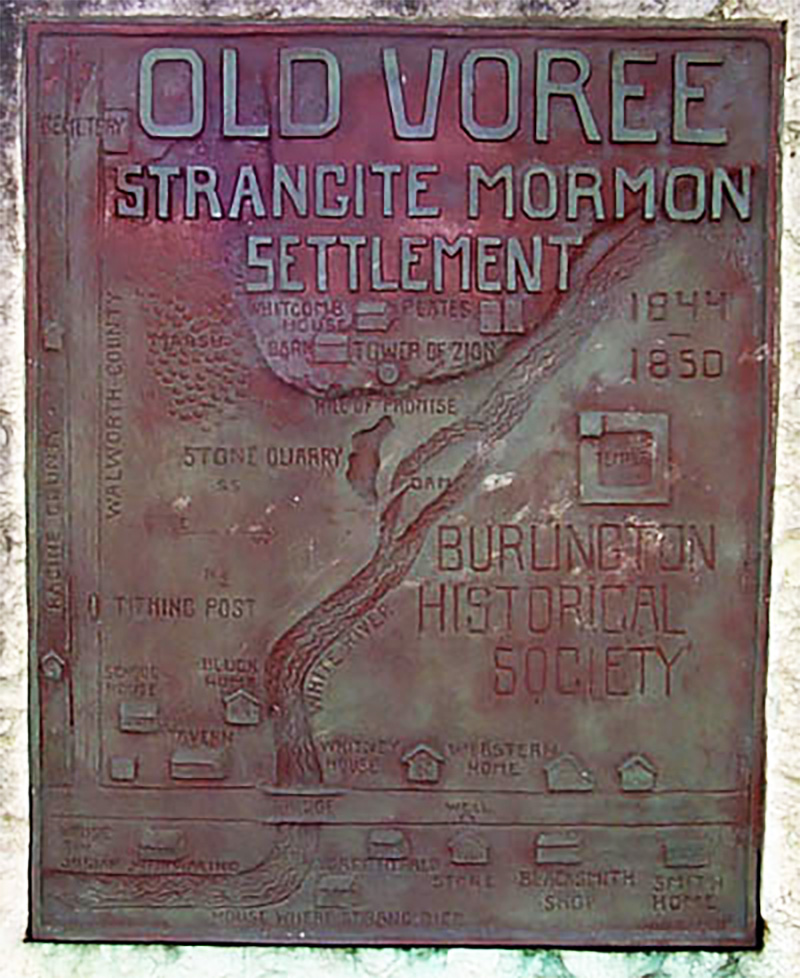
Strang rested his claim to leadership on an ordination by an angel at the very moment Joseph Smith died (similar to the ordination of Smith), requirements that he claimed were set forth in the Doctrine and Covenants that the President had to be appointed by revelation and ordained by angels, and a “Letter of Appointment” from Smith, carrying a legitimate Nauvoo postmark. This letter was dated June 18, 1844, just nine days before Smith’s death. (he also claimed to have divine plates a la Smith that he discovered in Voree, Wisconsin)

About 12,000 Latter Day Saints ultimately accepted Strang’s claims.[30] A second “Stake of Zion” was established on Beaver Island in Lake Michigan, where Strang moved his church headquarters in 1848. Strang’s church had a high turnover rateMany defections were due to Strang’s seemingly abrupt “about-face” on the turbulent subject of polygamy. Vehemently opposed to the practice at first, Strang reversed course in 1849 and became one of its strongest advocates, marrying five wives (including his original spouse, Mary) and fathering fourteen children. Strang defended his new tenet by claiming that, far from enslaving or demeaning women, polygamy would liberate and “elevate” them by allowing them to choose the best possible mate based upon any factors which were deemed important by them.

…Strang was crowned in 1850 by his counselor and Prime Minister, George J. Adams. About 300 people witnessed his coronation, for which he wore a bright red flannel robe which was topped by a white collar with black speckles. His crown was made of tin, rather than gold, and it is described in one account as being “a shiny metal ring with a cluster of glass stars in the front.

On Monday, June 16, 1856, Strang was waylaid on the dock at the harbor of St. James, the chief city on Beaver Island by former disciples who shot him in the back.

Read a lot more in Wikipedia!

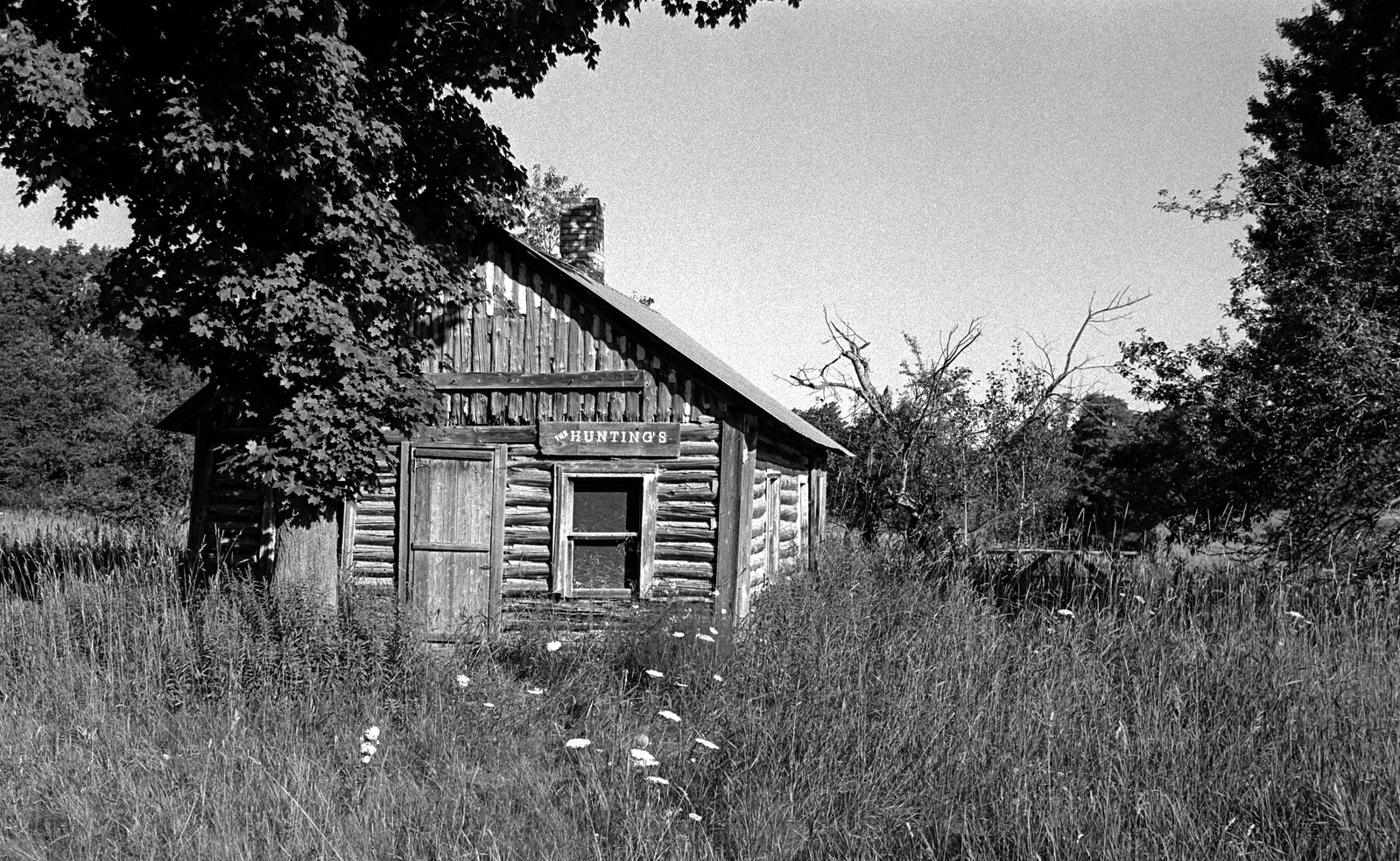
Andy shared these pics back in August of 2016 in his Beaver Island, MI gallery on Flickr, and I’ve included a couple images from Wikipedia as well.
Support Michigan in Pictures with Patreon

Happy Birthday to America’s second National Park!

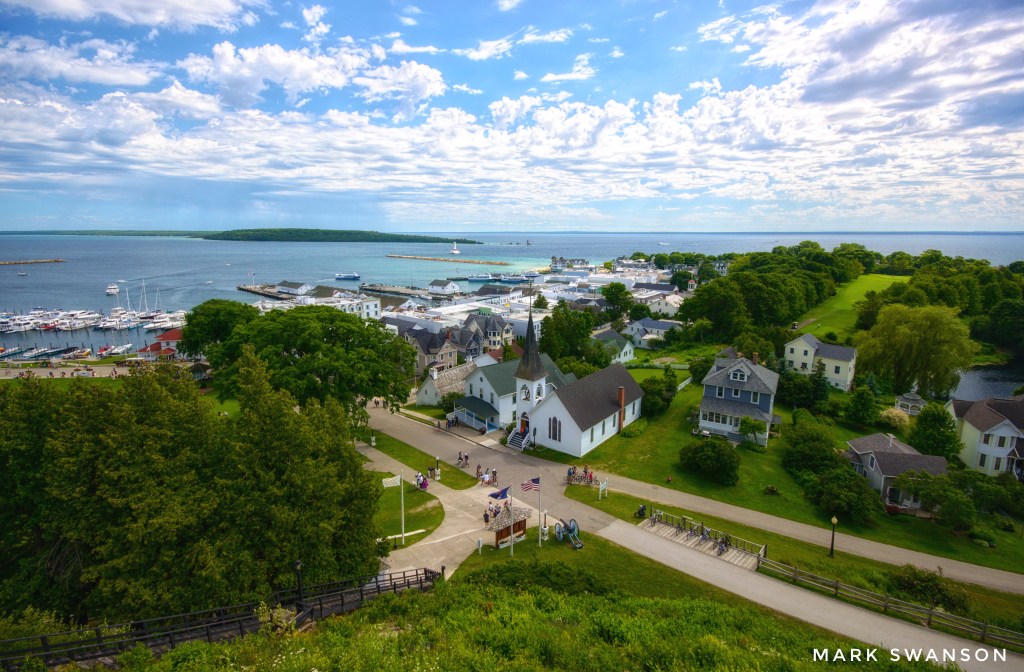
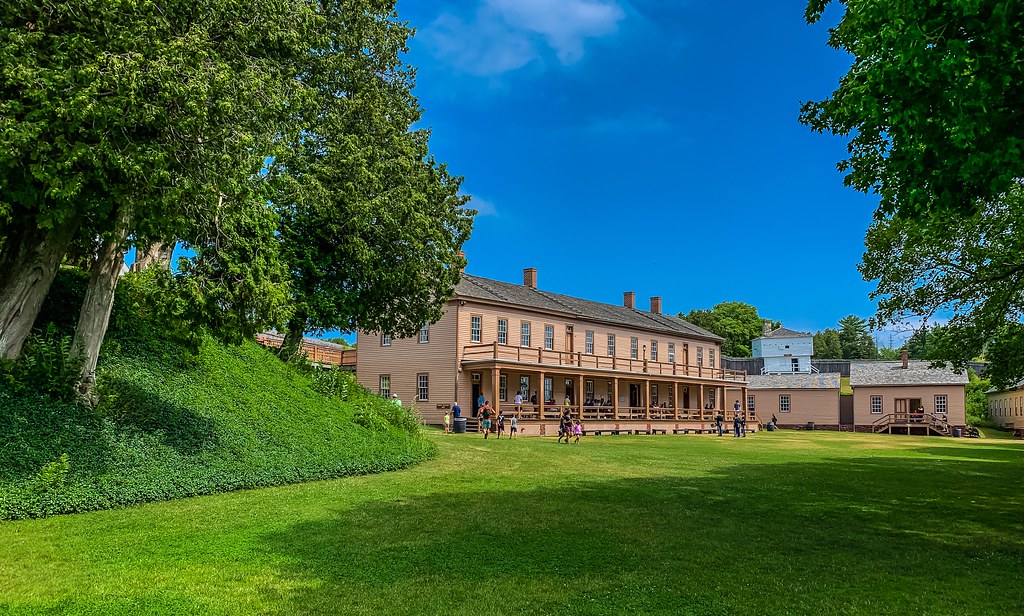
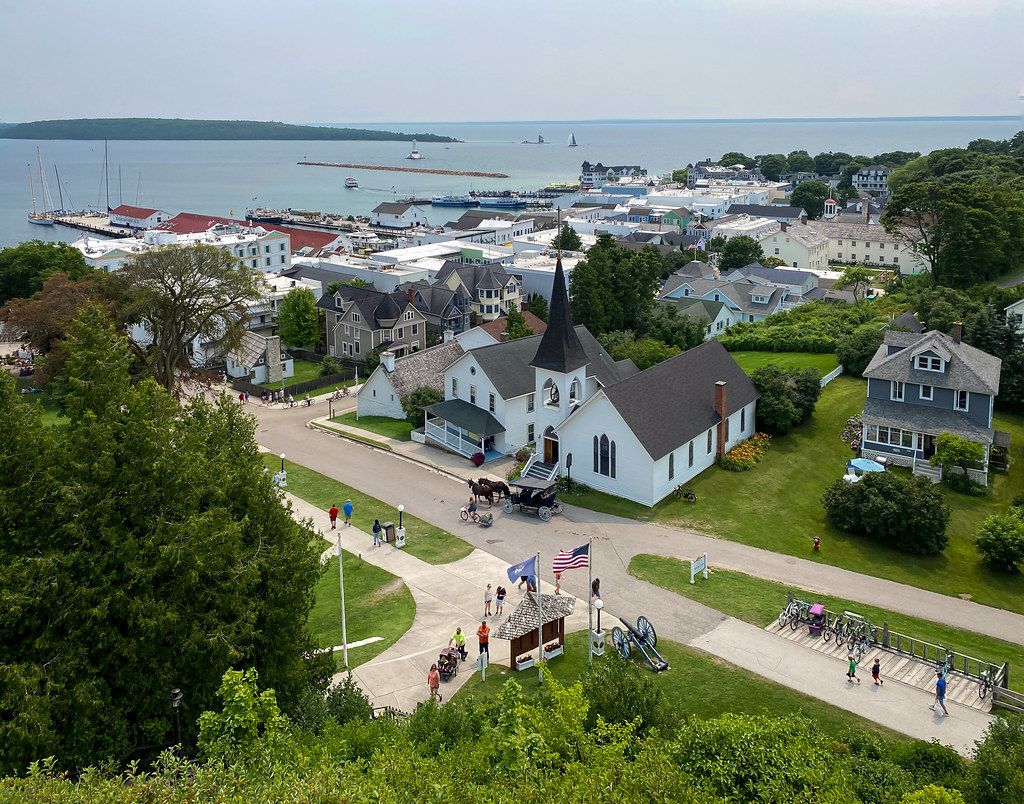
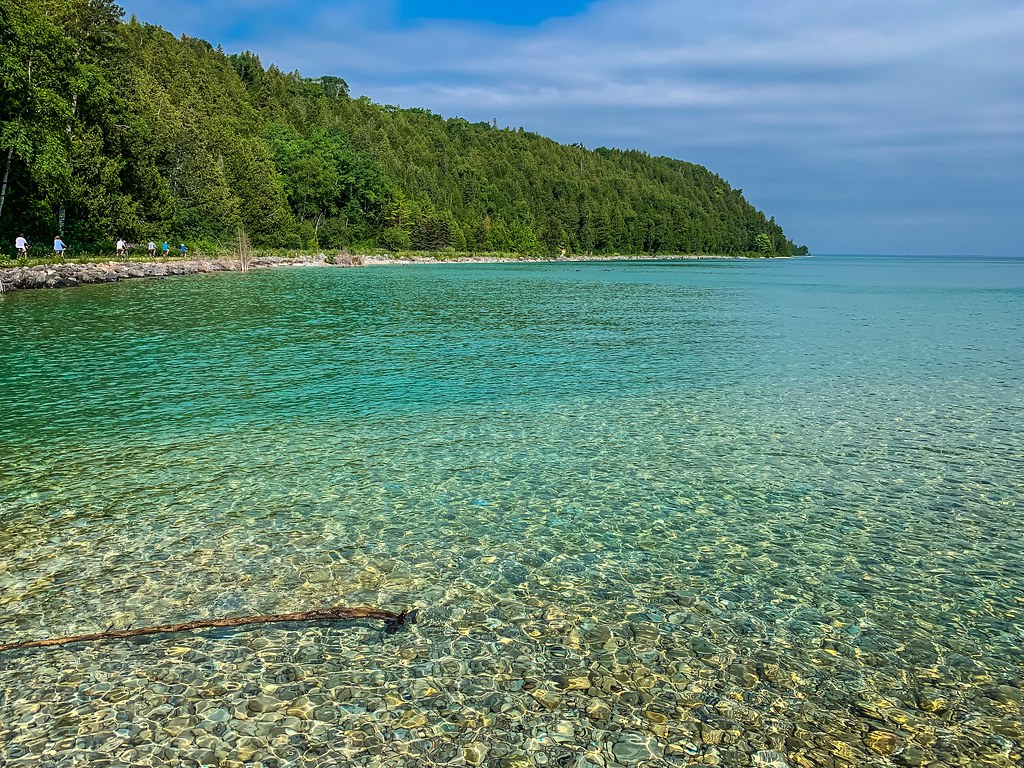
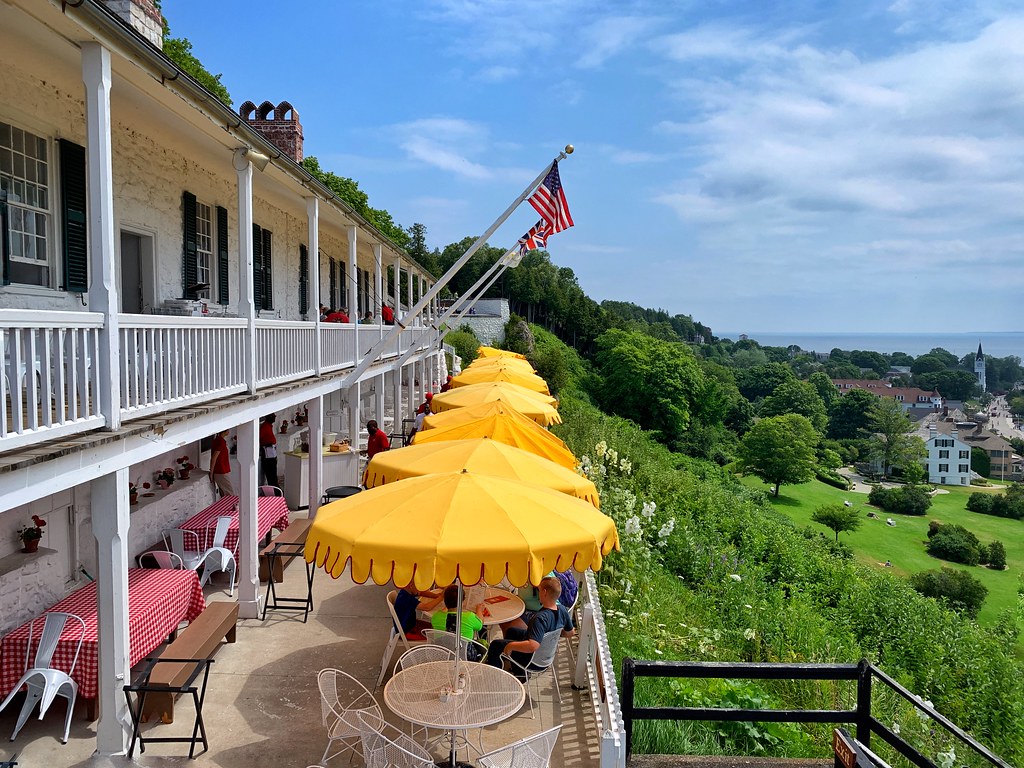
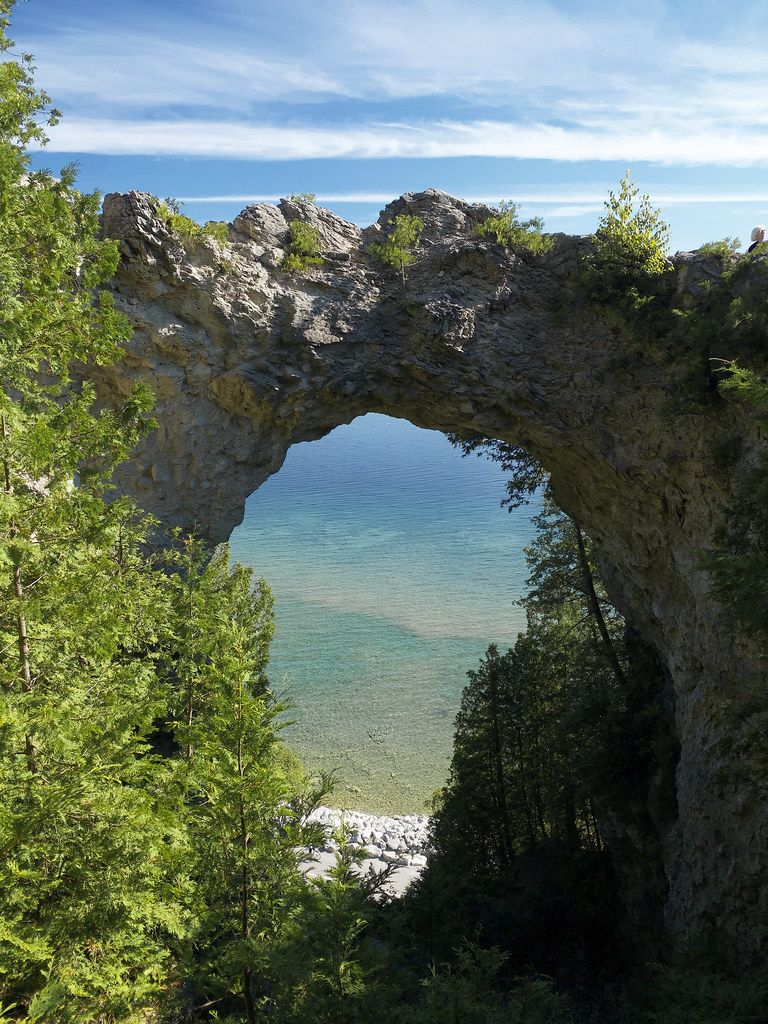
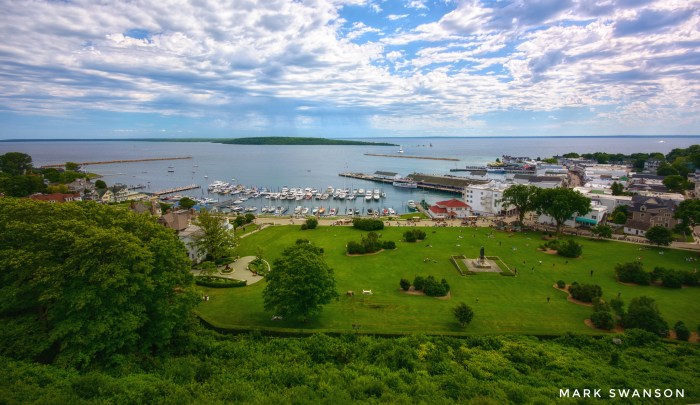
Mackinac Island by Mark Swanson

Mackinac Island by Mark Swanson

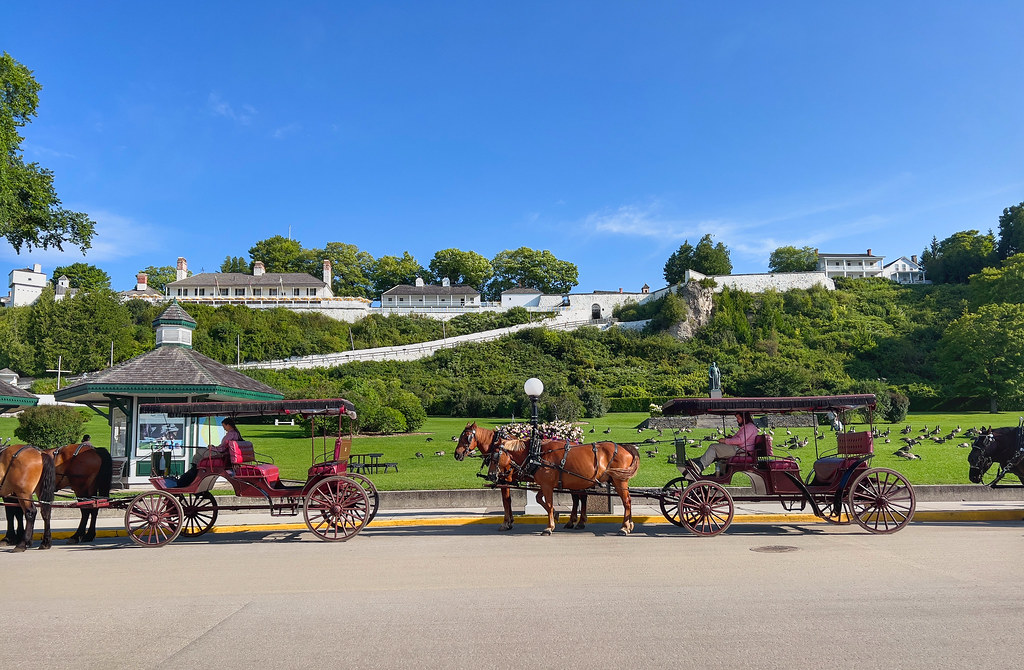
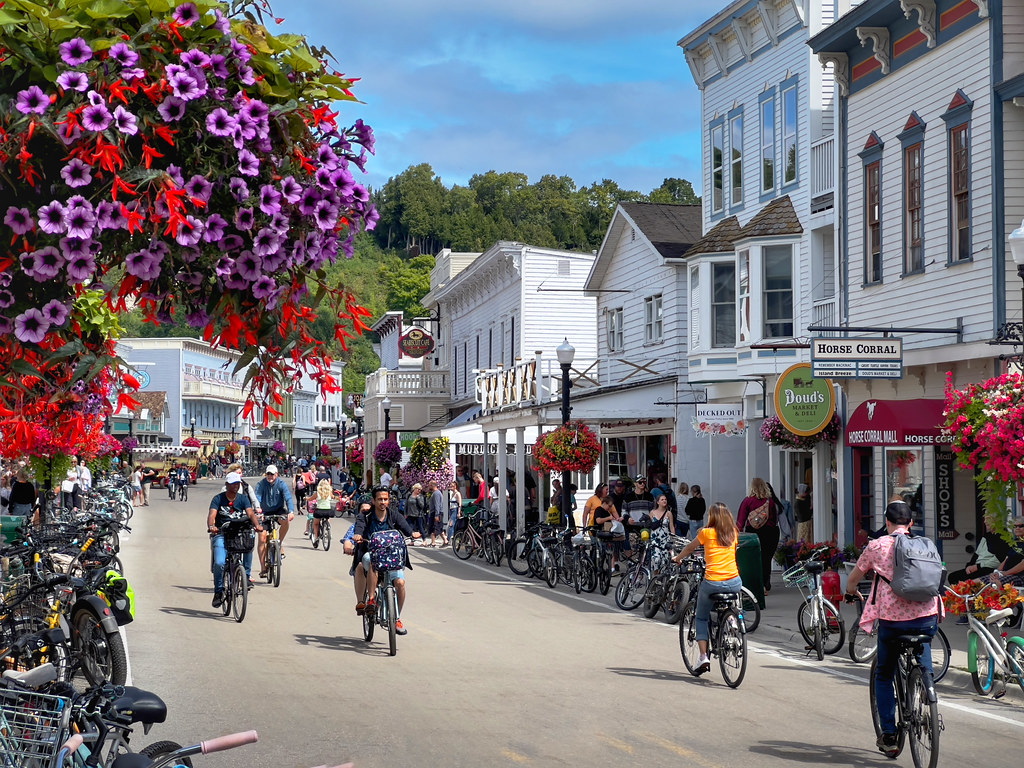
Most remember that President Ulysses S. Grant signed a law establishing that Yellowstone as America’s first national park on March 1, 1872, but not that many are aware of the 2nd national park that Congress created just three years later on March 3, 1875. The National Parks Traveler has a great feature on America’s “forgotten” national park which existed from 1875 to 1895 when it became Mackinac Island State Park, the nation’s first state park which is now Mackinac State Historic Parks.

Mark has shared a ton of Mackinac Island pics on Flickr and in our Absolute Michigan group. Here are some of my faves. See more in his Mackinac, Michigan gallery on Flickr!!

Support Michigan in Pictures with Patreon

The dream before AI

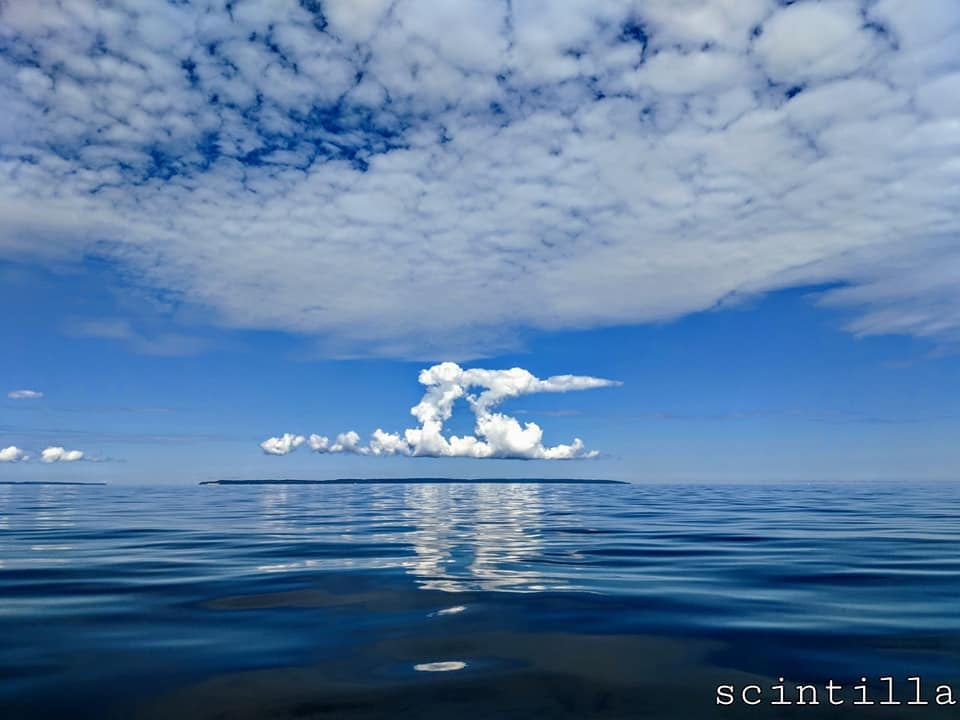
Island Dreams - North Manitou by Mary Westbrook

Island Dreams – North Manitou by Mary Westbrook

In her song “The Dream Before” of my favorite musicians, Laurie Anderson, observes that progress is a storm blowing us from Paradise into the future. While I am a big fan of lots of progress, I do not welcome the rise of Artificial Intelligence image generators that are positively overwhelming social media with idealized versions of real scenes. These false images are vexing, but they are only the tip of an iceberg that threatens to sink our ability to share information of any kind.

While many will probably say this picture is an AI creation due to the fancy clouds, Mary shared it four years ago on August 26, 2020. Head over to the Traverse City Camera Club group for more from Mary!

Support Michigan in Pictures with Patreon

Superior Sunrise

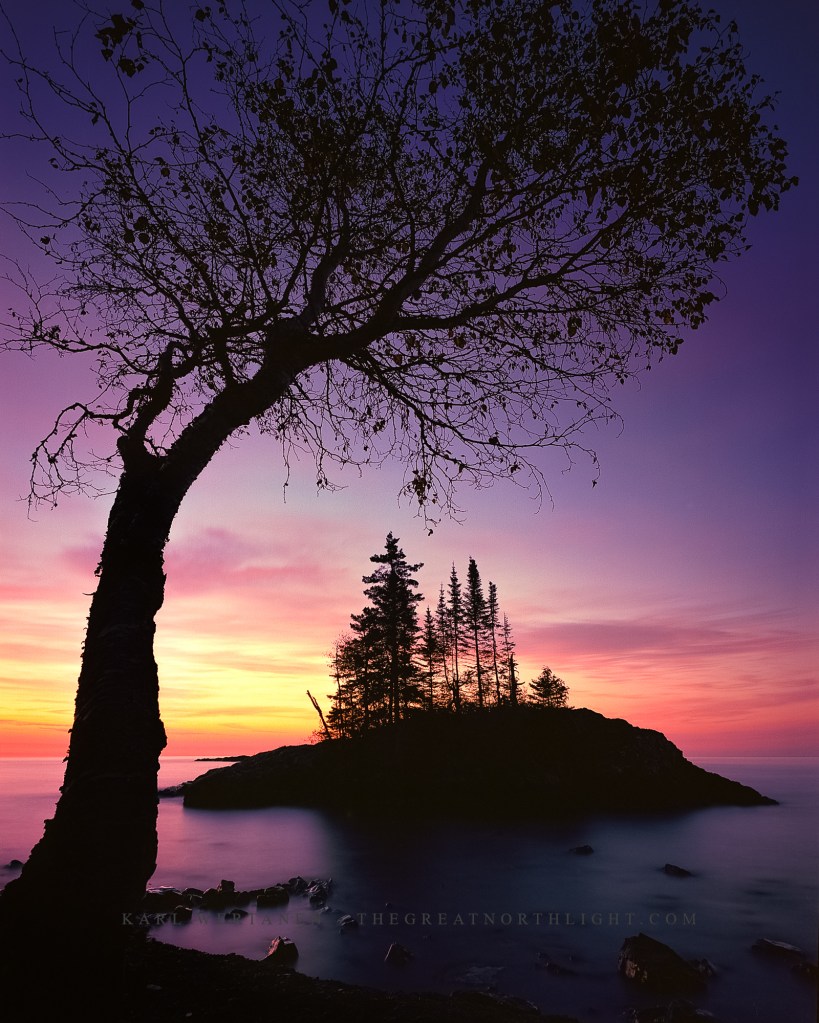
Superior Sunrise by Karl Wertanen

You don’t take a photograph. You make it.
~ Ansel Adams

Great photography is not easy! Karl shares “Laying practically under my tripod and up against a prickly picker bush, I’m narrowly able to cram in this craggily white birch with a few remaining autumn leaves that are just barely hanging. In the crisp and cold October morning air, I caught one of the nicest and richest sunrises I’ve ever experienced over Lake Superior. This was a good morning.

Follow Karl on Facebook and view & purchase his work on his website.

Support Michigan in Pictures with Patreon

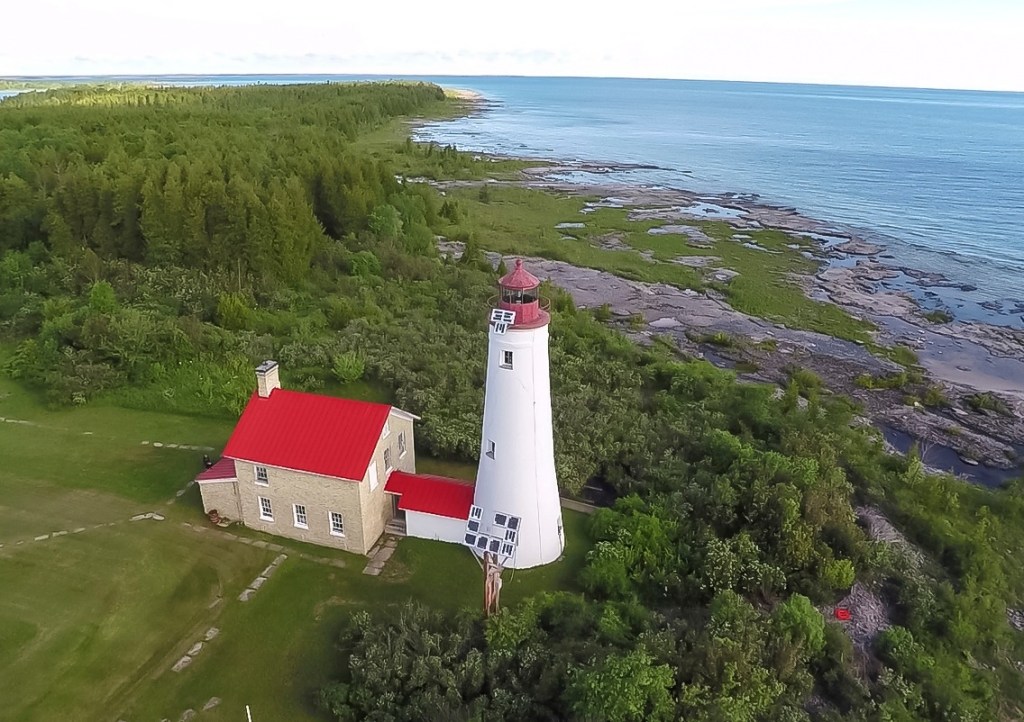
Thunder Bay Island Lighthouse

Thunder Bay Island Lighthouse by Presque Isle Township Museum Society

The Presque Isle Township Museum Society reminds you that it’s never too early to start planning your summer Michigan Lighthouse Tour! The drive from Tawas to Mackinaw City along Heritage Route 23 will let you explore the lighthouses of the Sunrise Side. Click that link for a map & much more!!

Lighthouse historian Terry Pepper is no longer with us, but his words still illuminate the rich history of Michigan lighthouses at Seeing the Light. His entry on the Thunder Bay Island Lighthouse says (in part):

Thunder Bay Island sits just three miles East-northeast of the north point of Thunder Bay, and thirteen miles from the harbor at Alpena. This 215-acre limestone island is the outermost of a group of islands connected to the shore by a shallow rocky shoal. As such, it represented both a significant marker for Northbound vessels making the turn toward the Straits, and stood ready to chew the wooden hulls of vessels unlucky enough to stray too close to its rocky shores.

…With rapidly increasing maritime traffic through the 1850’s, the Lighthouse Board determined that the combination of inefficient Lewis lamps and the diminutive 40-foot height of the tower provided a less than effective aid to mariners relying on this important station. To rectify the situation, plans were formulated to increase the height of the tower and to install an improved French Fresnel lenses of the type currently being installed throughout the system. Over 1857, the upper 14 feet of the tower was encased in brick and continued above the upper limits of the old structure to a height of 50 feet, effectively increasing the total height of the tower by 10 feet. The entire exterior of the tower was then given a veneer of Cream City brick to provide a smooth, weather-proof surface. At completion of the masonry work, the renewed walls at the base of the tower stood a massive 79 inches thick, and tapered to a thickness of 20 inches at their uppermost.

Atop this renovated tower, a new gallery with a cast iron hand railing was installed, and a ten-sided prefabricated cast iron lantern installed at its center. Within this new lantern, a Fourth Order Fresnel lens manufactured by Sautter of Paris equipped with six bulls-eye flash panels was installed on a cast iron pedestal and equipped with a clockwork rotating mechanism. This new improved illuminating apparatus provided a characteristic fixed white light varied by flashes, and its enhanced focal plane of 59 feet provided an increased range of visibility of 14 miles at sea.

Read on for much more! Also, a very big thank you to the Great Lakes Lighthouse Keepers Association who have been sharing some great pics in our Michigan in Pictures group on Facebook! They do so much to preserve Michigan’s lighthouse and maritime legacy!!

Support Michigan in Pictures with Patreon

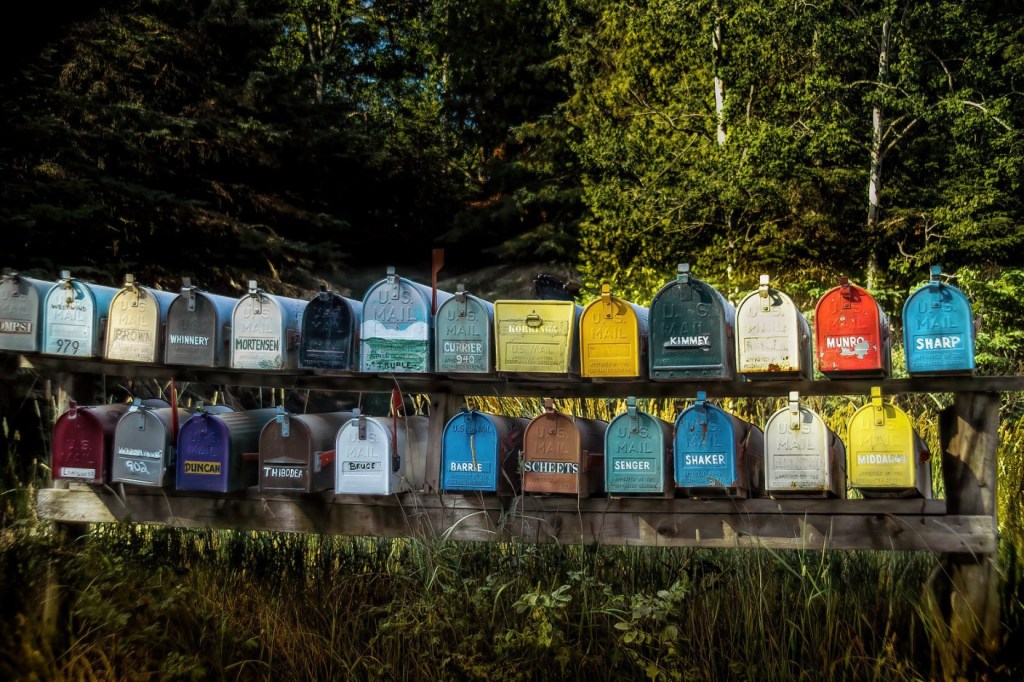
You’ve Got Mail (Bois Blanc Edition)

You've Got Mail by James Korringa

You’ve Got Mail by James Korringa

Feels like folks are starting to open up their summer cottages & rentals for the season, so it’s a good time for this picture of mailboxes on Bois Blanc Island. James it shared back on April 23, 2020, and it remains one of my all time favorite pics I’ve shared on Michigan in Pictures. I’ll probably have to have some kind of bracket challenge one of these days to figure out what the audience thinks one of these days 😉

You can check out more great shots in James’s Barns & Countryside gallery and see his latest pics on Flickr.

Support Michigan in Pictures with Patreon

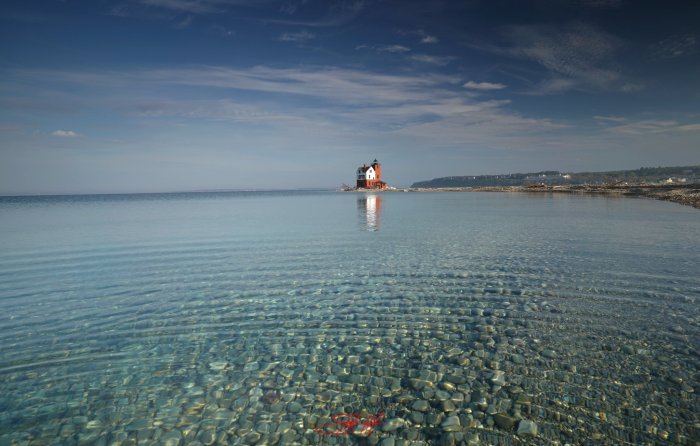
Round Island Ripples

Round Island Light 2022 by S.Hughes Photos

Round Island Light 2022 by S.Hughes Photos

“We are here but for a second, but our impact ripples through time.”
― Neetal Parekh

The Wilderness Connect entry for Round Island says in part:

The United States Congress designated the Round Island Wilderness in 1987 and it now has a total of 375 acres.

All of Round Island has been designated wilderness except one acre on the northern tip, a sand and cobblestone spit where the lighthouse stands. There has been no logging on the island since the turn-of-the-century. There are no docks, roads, or developed hiking trails on the island. Access is by boat in the summer and over ice in the winter. Several historic and prehistoric sites exist on the island.

…The “Michigan rattler”, massausauga has been rumored to reside on the island. You may see whitetail deer, raccoon, red squirrel, fox, rabbit, and an occasional black bear on the island; as well as a variety of songbirds and waterfowl. Trout, pike, salmon, and other freshwater fish are found in the lake waters around the island. While the island is removed from the hustle and bustle of everyday life, it is close enough that you can see busy Mackinac Island and the mainland lights.

More information about the Round Island Wilderness Area from the US Forest Service.

While I’ve shared a number of photos of the Round Island Lighthouse taken from the Mackinac Island Ferry over the years, I’ve never seen a shot from taken from on Round Island! Follow S. Hughes Photos on Facebook for lots more.

Support Michigan in Pictures with Patreon

The Blue Hour

The Blue Hour by Mark Smith

The Blue Hour by Mark Smith

I found this photo from Mark a couple of months ago when I was looking for a photo of Leland Blue for Leelanau.com. Not what I was looking for, but this May 2021 sunset over the Manitou Passage in Lake Michigan is DEFINITELY a find!

Head over to Mark’s Flickr for his latest & for sure view and purchase his work at Leelanau Landscapes!

Support Michigan in Pictures with Patreon

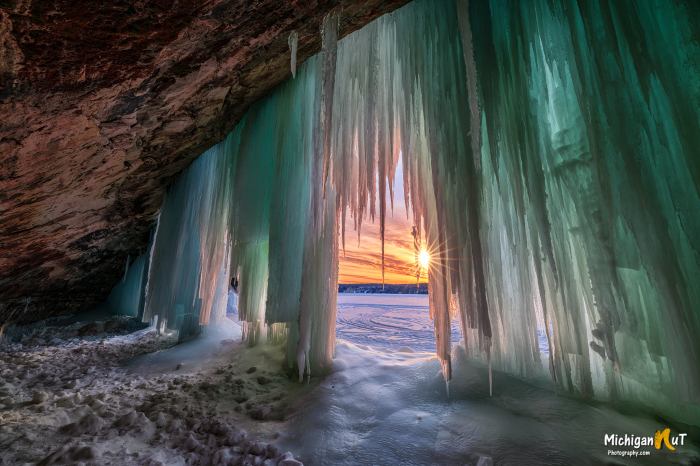
Ice Cave Sunrise

Grand Island Ice Cave Sunrise by Michigan Nut Photography

Grand Island Ice Cave Sunrise by Michigan Nut Photography

Incredible shot from inside an ice cave on Lake Superior’s Grand Island taken last weekend. You can check out another on John’s Facebook page and view & purchase his work at michigannutphotography.com

More photos & information at the Grand Island tag on Michigan in Pictures!

Support Michigan in Pictures with Patreon

March 3, 2022: Happy Birthday, Mackinac Parks!

Beautiful Mackinac Island by Mark Swanson

Beautiful Mackinac Island by Mark Swanson

“Mackinac is a place largely visited by people from all parts of our country, and I take it from many foreign lands. A National Park is established on the island and I think the military post should be made not only comfortable but attractive.”
-Quartermaster General Montgomery Meigs

It’s a birthday of sorts for Mackinac State Historic Parks which is a treasure trove of our colonial history. The page from Mackinac Parks on Fort Mackinac and the Mackinac National Park explains the birth of the park and how one forward thinking officer may very well have created the model for historical preservation in the park that holds so much of Michigan and the nation’s cultural history:

After Congress created Yellowstone in 1872, Senator Thomas Ferry introduced legislation to create a second park on Mackinac Island. In addition to the island’s attractive history and natural features, the U.S. government already owned much of the island as part of the Fort Mackinac military reservation and the soldiers stationed at Fort Mackinac could act as caretakers. As a result, the park would cost almost nothing, which Ferry knew appealed to the tight-fisted Congressmen of the 1870s. After two years of campaigning, President Ulysses Grant created the Mackinac National Park, the second park in the country, on March 3, 1875.

The park made Mackinac Island even more attractive to Midwestern visitors, and brought changes to Fort Mackinac, where the commanding officer became the park superintendent and a second company of soldiers joined the garrison. The Army finally performed some long-overdue repairs at the fort … Quartermaster General Montgomery Meigs believed that “the fort itself is to the public one of the greatest curiosities within the lands of the park,” and required the fort’s commanding officer, Major Alfred Hough, to repair the post’s aging blockhouses. Although the blockhouses served no military purpose, Meigs knew that they were “among the few relics of the older time which exist in this country,” and believed that “there would be a cry from tourists” if they were destroyed. Fort Mackinac thus became as much a part of the national park as the island’s natural curiosities.

…On September 16, 1895, the last soldiers formally transferred Fort Mackinac and the Mackinac National Park to the state. Although the national park ceased to exist with this transfer, the state immediately created the Mackinac Island State Park, which continues to welcome thousands of Mackinac Island visitors every year.

Mark took this photo back in the summer of 2017 from the cannon deck at Fort Mackinac on the Island. See more in his Mackinac, Michigan gallery on Flickr.

Lots more from Mackinac on Michigan in Pictures!

Support Michigan in Pictures with Patreon