Pure Michigan’s Lake Effect Gallery

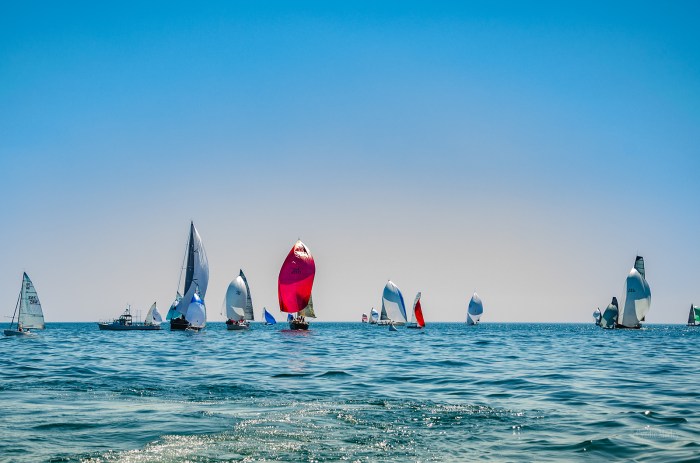
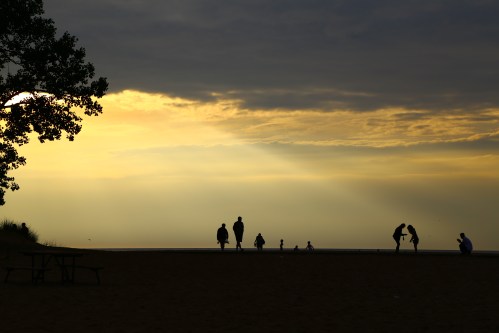
Holland, Mi  Sailboat City by Cyndie M

Holland, MI – Sailboat City, photo by Cyndie M

Over the weekend, Pure Michigan rolled out a new hashtag on Instagram, Twitter and Vine. You can click those links to check out #PureMichiganLakeEffect on each of the services or head over to the Pure Michigan Lake Effect Gallery to see how to share yours and what kind of summer fun people are up to in the Great Lakes State!

View Cyndie’s photo background big and see more in her slideshow.

Not In Kansas Anymore: L Frank Baum, the Wizard of Oz & Michigan

Not in Kansas Anymore

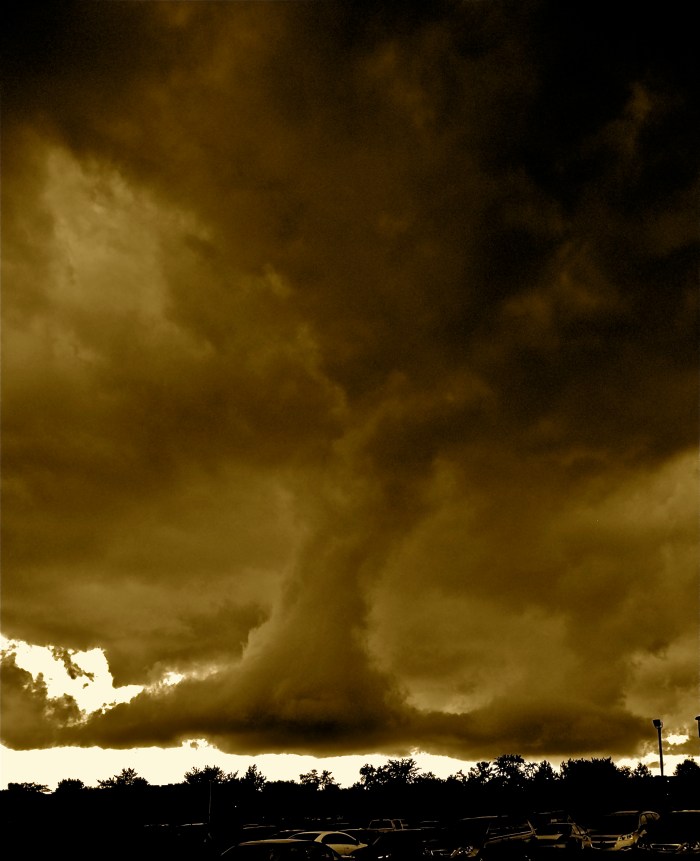
We’re Not In Kansas Anymore!, photo by Tina :O)

The Wizard of Oz rolled off the presses May 17, 1900. It’s one of my all-time favorite books. What you may not know is that L. Frank Baum, author of the beloved series, purchased a large, multi-story Victorian summer home on the southern end of the Macatawa peninsula on Lake Michigan.

Several years ago the Holland Sentinel published a cool piece about Baum and his Macatawa summer home that says (in part):

“The Wonderful Wizard of Oz” supposedly was written in Chicago, but some of the forest scenes look just like the pathways that run through the dunes, the younger Baum said.

He assumes Macatawa was where part of the book had been worked on or written, as Baum might have found inspiration from the castle in Castle Park for the yellow brick road, some say, or even based some of the characters in the book on personalities he encountered in the small lakeshore community.

“Especially in the Oz stories, a lot of characters and situations that we may not recognize … he drew lots of inspiration from Macatawa for the book.”

Check out L. Frank Baum, The Goose Man of Macatawa on Absolute Michigan for more about the author’s Michigan ties and information about the Wizard of Oz festival slated for June in Ionia.

About the photo, Tina shares:

This freakie cloud formation started at the end of our wedding photo shoot. There were clouds swirling all over us but luckily no tornados formed. I added some sepia for a little Wizard Of Oz effect.

View her photo background bigtacular and see more in her Pure Michigan slideshow.

Time for Tulip Time

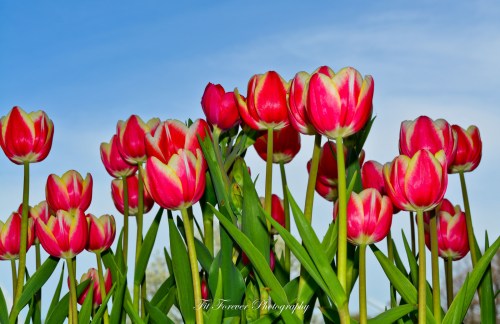
Yellow Tulips

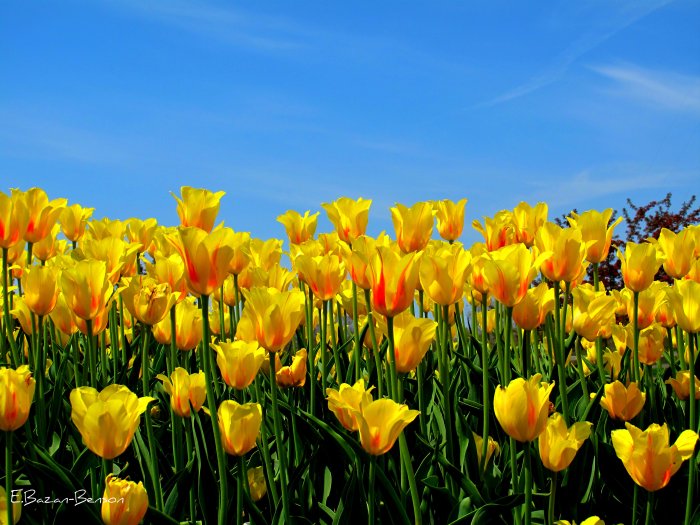
Yellow Tulips, photo by E. Benson

Holland’s annual Tulip Time festival returns May 7-14, 2016. They have 4.5 MILLION tulips in Holland and are reporting about 30% of tulip bloom right now – just about perfect. Stay tuned through their Tulip Tracker.

Here’s a cool video showing how they plant Windmill Island with 55,000 tulips in a matter of hours.

E took this at Tulip Time in 2009. View her photo background bigilicious and see more in her Tulip Time Festival 5/2009 slideshow.

More tulips and more spring wallpaper on Michigan in Pictures!

Happy Birthday Holland: Looking back on the Holland Channel

Looking Back on the Holland Channel

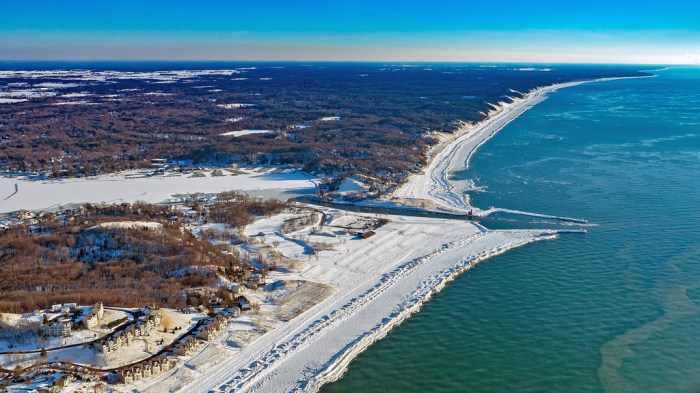
Looking Back at the Holland Channel, photo by Sandy Hansen Photography

February 9th is the 169th anniversary of the founding of Holland, Michigan. The History of Holland has some background about one of the prime factors for the city’s success, the Holland Channel:

From its very beginnings, Holland provided a refuge for those seeking freedom of expression and a more vibrant economy. Persuaded by religious oppression and economic depression, a group of 60 men, women, and children, led by Albertus C. VanRaalte, prepared for their 47-day trip from Rotterdam to New York. VanRaalte intended to purchase land in Wisconsin, but travel delays and an early winter caused the group to layover in Detroit. After hearing about available lands in west Michigan, VanRaalte decided to scout the territory. They reached their destination on February 9, 1847 on the banks of Black Lake—today’s Lake Macatawa.

The hundreds of Dutch immigrants that followed expected to find their promised land, but instead found a swamp and insect-infested forest. Although food was scarce, and the log sheds they built were unable to hold everyone, the settlers persevered. VanRaalte realized the practical and economic potential of the dense forest: trees could be felled to build homes and businesses, while the excess lumber could be sold to purchase farming supplies.

In the early years of Holland history, the settlers set out to conquer several projects. They knew that if Lake Michigan was to provide growth and development, it had to be made accessible by an adequate channel. After trying in vain to receive government aid, the determined Hollanders took up picks and shovels and went about digging the channel themselves. The immigrants also cleared a one-block square of land in the center of the colony—today’s Centennial Park—to serve as a market square.

Read on for more and click for a live webcam of the Holland Channel.

View Sandy’s photo bigger, see more in her Aerial slideshow, and follow her on Facebook too!

More aerial photos and more from Holland on Michigan in Pictures.

June 29th in Holland

Holland - MI

Holland – MI, photo by betopps

View this photo from June 29, 2013 background bigtacular and see more in betopps slideshow.

Tulips, Tulips, Tulips

Tulips, Tulips, Tulips

Tulips, Tulips, Tulips, photo by Dawn Williams

Holland’s annual Tulip Time starts this Saturday (May 2) and continues through May 9th. The annual celebration features parades, music, displays of Dutch Heritage and of course tulips, 4.5 million of them!

Dawn took this photo last year. See it background bigtacular on Flickr and check out more of her Tulip Time photos.

More tulips & Tulip Time and more spring wallpaper on Michigan in Pictures.

Big Red, White Snow & Blue Ice

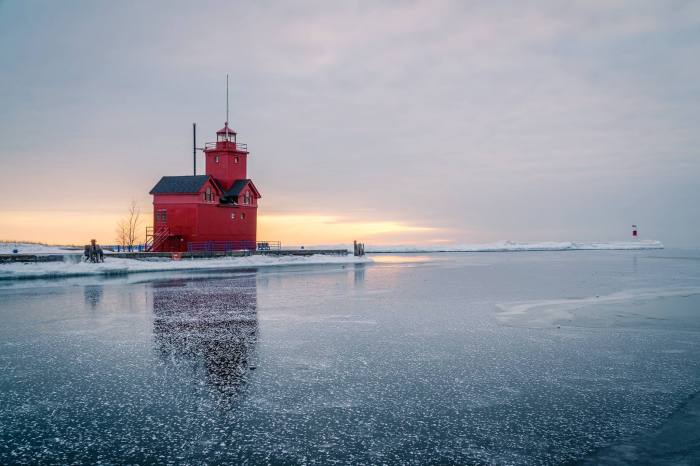
Big Red & Blue Ice

Reflections of a cold sunset, photo by Tony Reidsma

Here’s an incredible shot of Big Red aka the Holland Harbor Lighthouse. In his extensive article on the history of the Holland Harbor Light, Terry Pepper explains how the nickname came to be:

A Coast Guard crew arrived in Holland in 1956, and gave the combined fog signal building and lighthouse a fresh coat of bright red paint in order to conform to its “Red Right Return” standard, which called for all aids to navigation located on the right side of a harbor entrance to be red in coloration. Local residents thus began referring to the fifty year old structure as “Big Red,” a name which has stuck through the years. The Fourth Order lens was subsequently removed from the fog signal lantern in the late 1960’s, and replaced with a 250 mm Tidelands Signal acrylic optic.

With the fading of the Great Lakes passenger fleet, Holland Harbor had ceased to serve any real commercial traffic. With the station now serving only as a beacon to guide pleasure boats in and out of Lake Macatawa, the Coast Guard announced plans to abandon the old fog signal building to eliminate ongoing maintenance costs in 1972. Over the years, “Big Red” had become as much of an iconic symbol of tourist-centered Holland as tulips and windmills, and fearing the loss of their beloved landmark, the citizenry of Holland gathered together and circulated petitions in an attempt to save the historic structure. To this end, the Holland Harbor Lighthouse Commission was formed in 1974 to coordinate preservation and restoration efforts, and continues to manage the structure to this day.

View Tony’s photo big as Big Red on Facebook and see and purchase some of his work at imagesforyourwalls.com.  If you’re in an icy mood, consider attending the opening of his Frozen In Time exhibition at the Holland Arts Council from March 5 – April 18, 2015. The opening reception is March 5th, starting at 6pm.

More winter wallpaper and more lighthouses on Michigan in Pictures!

Earth Wind … and Snow

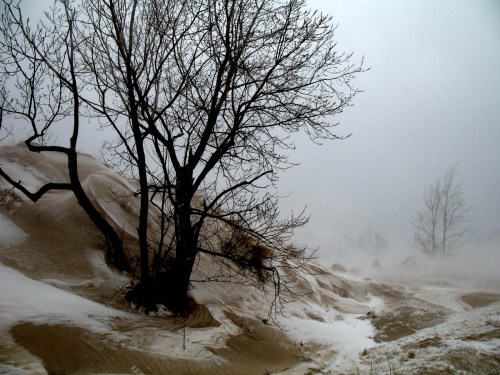
Earth Wind and Snow

Earth Wind and Snow, photo by Beth

One of the lesser known bands of the 70s…

View Beth’s photo from the beach at Holland background bigtacular and see more in her Winter slideshow.

More winter wallpaper on Michigan in Pictures!

Tulip Time in Holland

Yellow Tulips
Yellow Tulips, photo by srab44_2000

Holland’s annual celebration of Dutch heritage and culture, the Tulip Time Festival, starts Friday May 4th and runs through May 11th. While last year’s crazy March heatwave had tulips blooming in mid-April, tulips have been in the slow lane in 2013 due to a cool spring. The good news according to meteorologist Bill Steffen is that a well-timed warmup should have tulips in near perfect bloom this year.

Check this photo out background bigtacular and see more in E. Benson’s Tulip Time Festival 05/2009 slideshow.

More tulips and more Holland on Michigan in Pictures.

Locally Known as “the Bowl”

Locally Known as "the Bowl"

Locally Known as “the Bowl”, photo by karstenphoto

EDIT: Wow I really messed this one up, sleepily citing an article that gave the dune’s age in the millions of years. Thanks to Tom Burrows for the catch. Let’s see if this information on coastal dunes from the DNR makes more sense:

Michigan’s glacial history provides an explanation for the formation of dunes. The Great Lakes dune complex is relatively young, in terms of geological time. As recently as 16,000 years ago, Michigan was covered with glacial ice thousands of feet thick. This glacial ice contained a mix of boulders, cobbles, sand, and clay. During glacial melting, this deposit was left and is known as glacial drift.

This glacial drift is the source of sand in most of Michigan’s dunes. The sands were either eroded from glacial drift along the coast by wave activity or eroded from inland deposits and carried by rivers and streams. Only the hardest, smallest, and least soluble sand grains were moved. Waves and currents eventually moved these tiny rocks inland, creating beaches along the Great Lakes shoreline.

…Blowouts are saddle shaped or U shaped (parabolic) depressions in a stabilized sand dune, caused by the local destabilization of the dune sands. Blowouts, which originate on the summit or windward face of a dune, are often rapidly formed by the wind, creating narrow channels and exposing plant roots. Blowouts can create interruptions in the shape of parallel dunes that may result in deeply carved indentions called parabolic dunes. It is the combination of interwoven parallel dune ridges and U shaped depressions, including parabolic dunes, that characterizes the classic dunes from Indiana, northward to Ludington, in Michigan.

Awesome Michigan wrote a little about The Bowl at Holland saying:

The Bowl is an gigantic sand bowl, resembling a sort of concave desert. Along with the other dunes and Lake Michigan itself, The Bowl was carved out of the earth by glaciers millions of years ago and was likely a small lake before drying up. Standing at the center of The Bowl and being surrounded on all sides by enormous walls of sand is quite breathtaking. The landscape is truly like no other. This awesome sight alone makes a trip to Laketown a summer necessity and a great, relaxing place to bring friends and family.

You can also check in there on Foursquare. Here’s another shot from the bowl from all the way back in 2007. Amazing to me how long Michigan in Pictures has endured – thank you all for staying with me!

Check Stephen’s photo out big as the Bowl and see this and many more in his FILM! slideshow.

More dunes on Michigan in Pictures.