Pontiac’s Rebellion at Michilimackinac

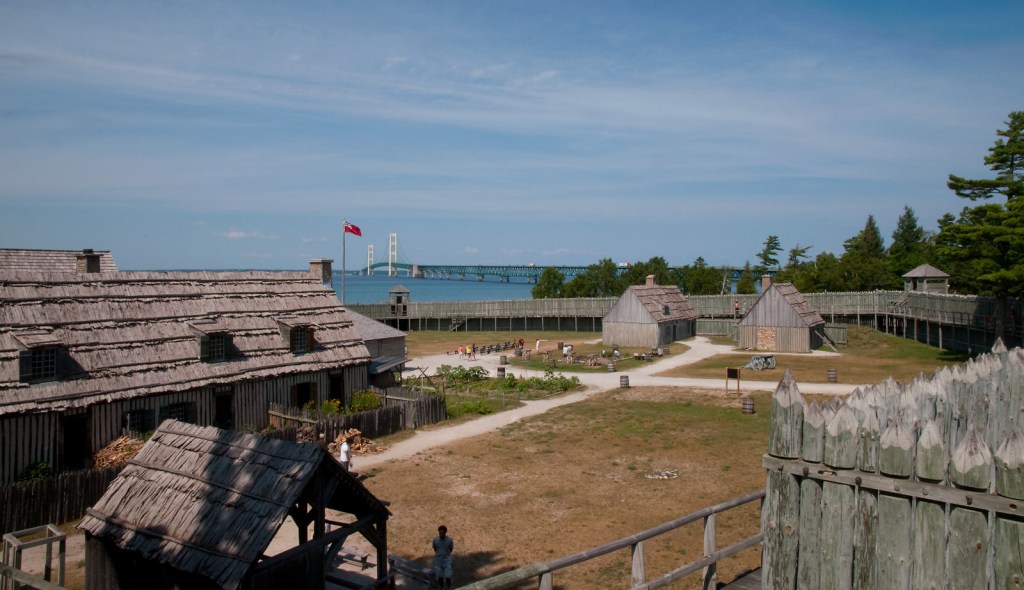
The Fort and the Bridge by Joel Dinda

The Fort and the Bridge by Joel Dinda

Be sure to read all the way to the end for a super cool song about this from Michigan’s own Mustard’s Retreat!

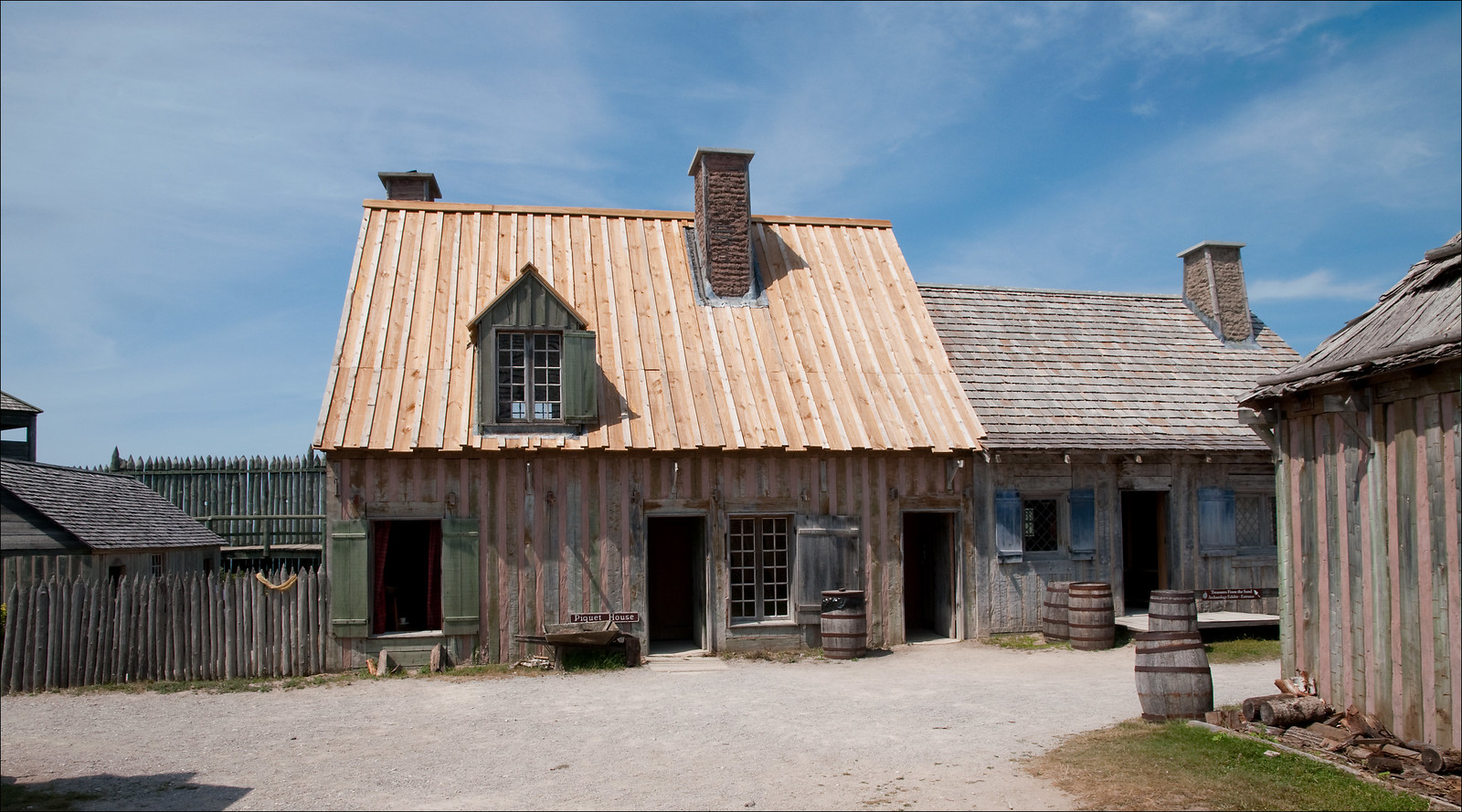
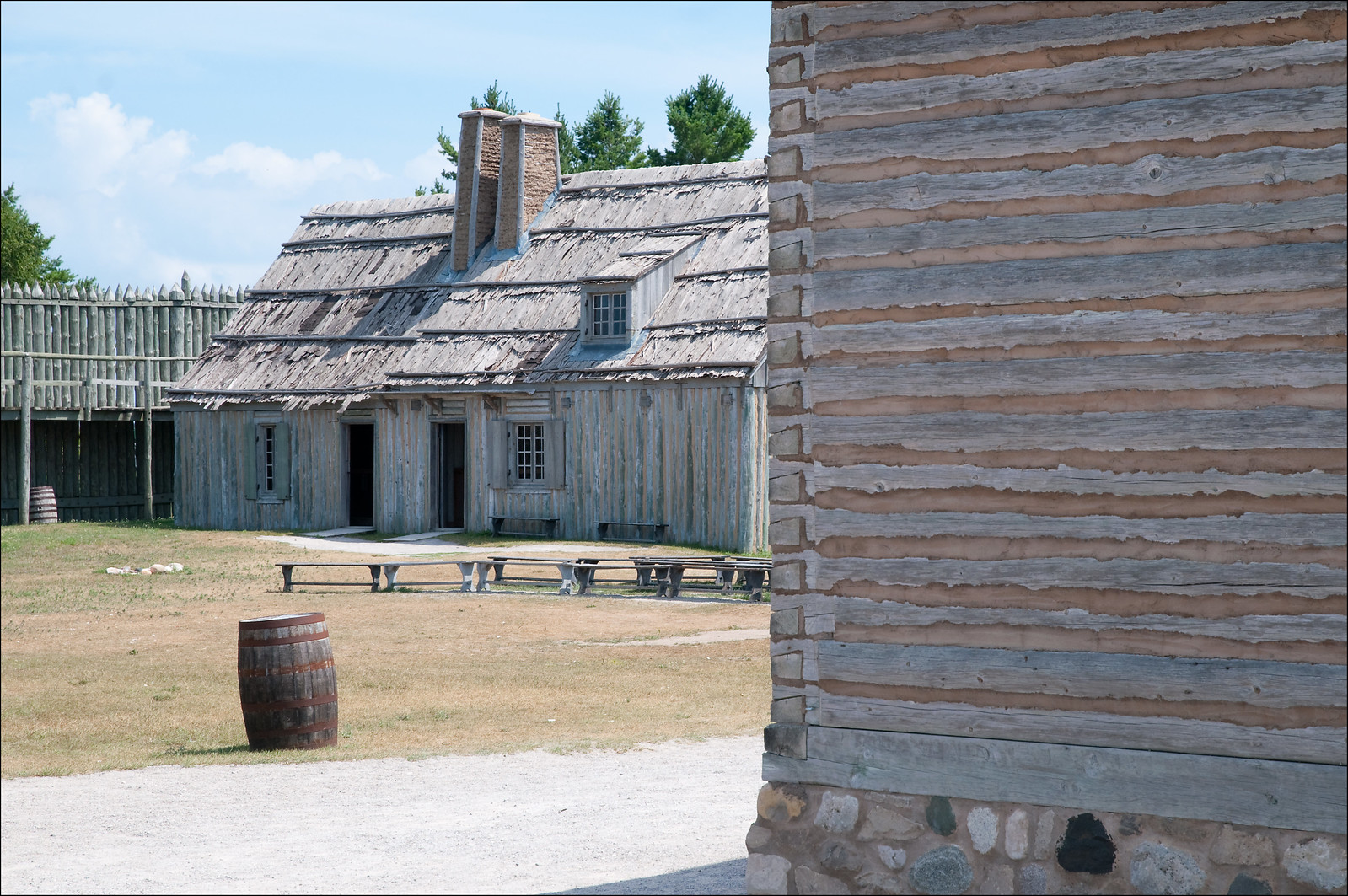
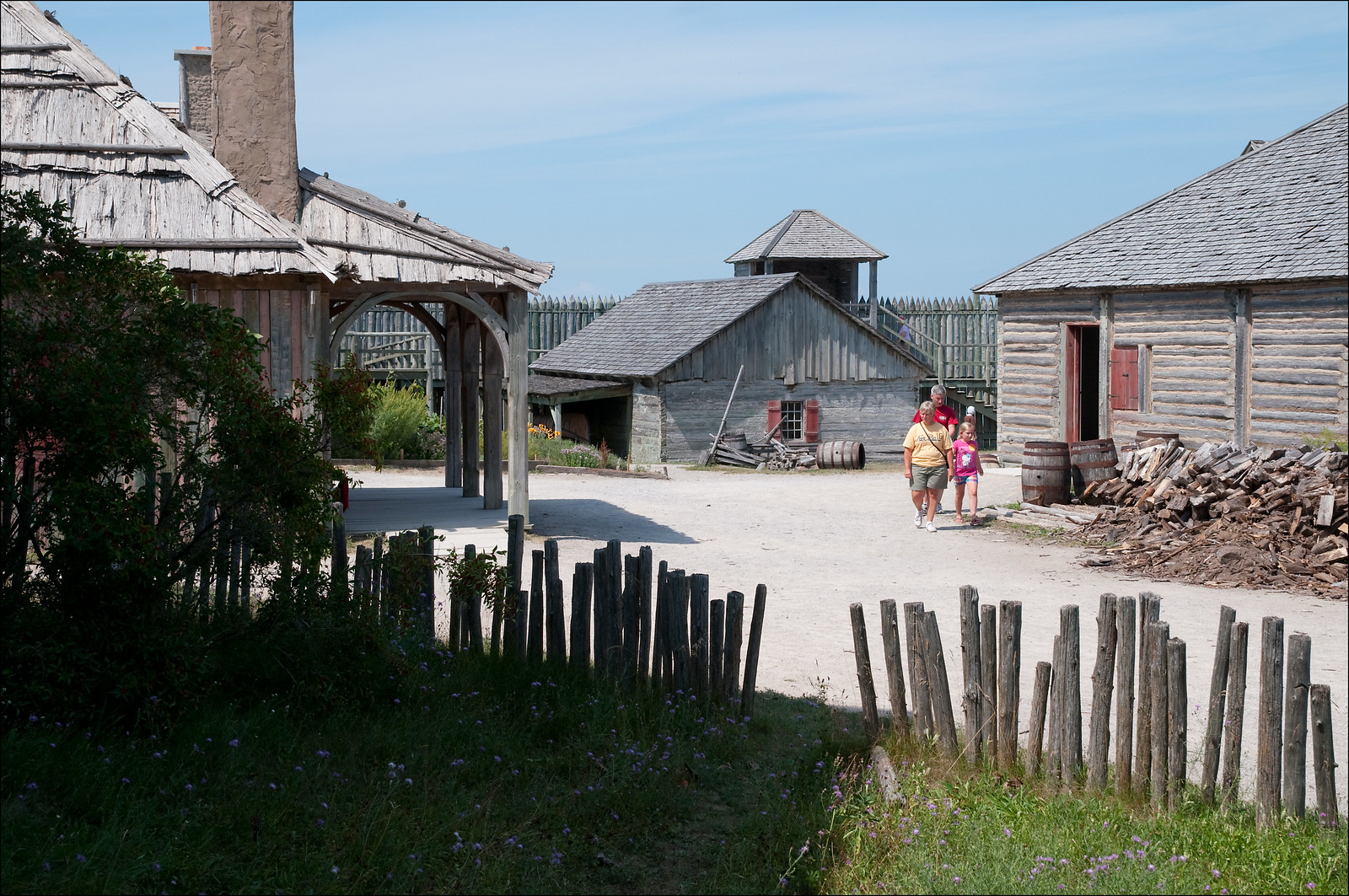
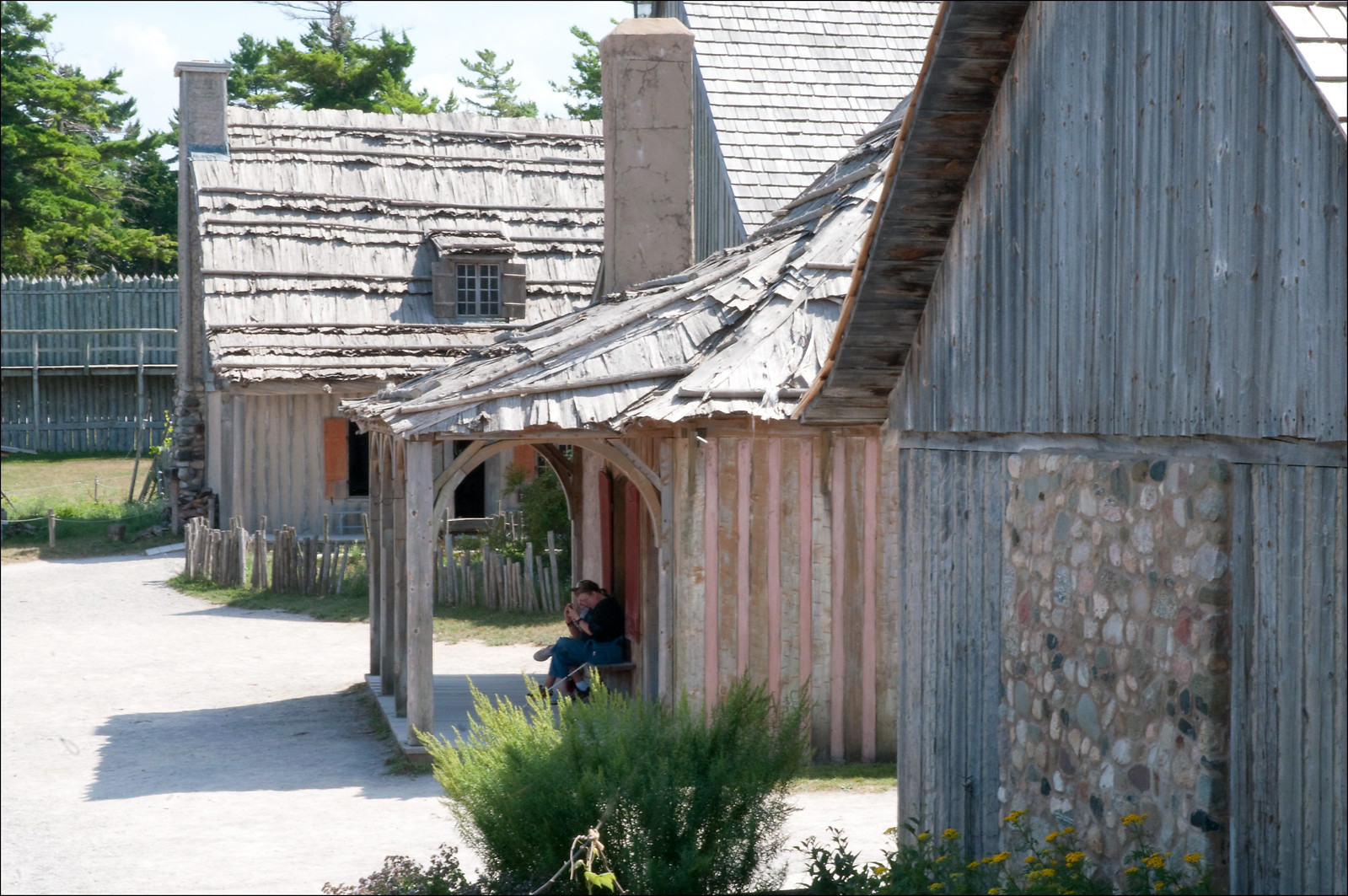
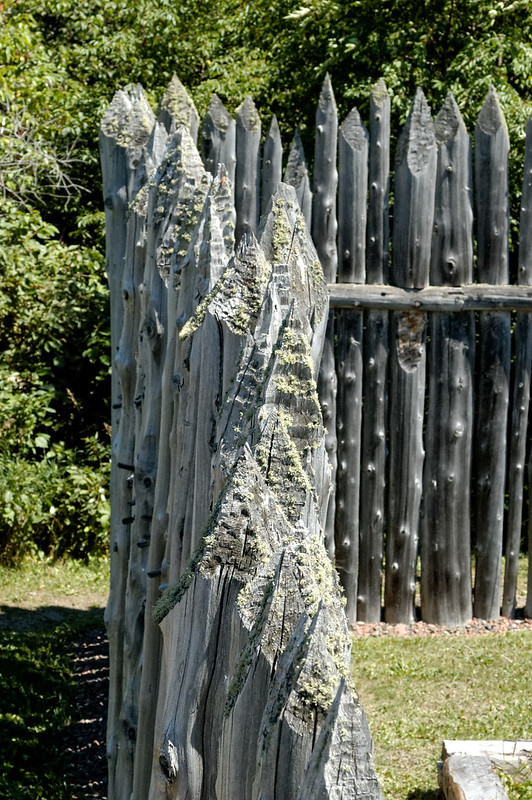
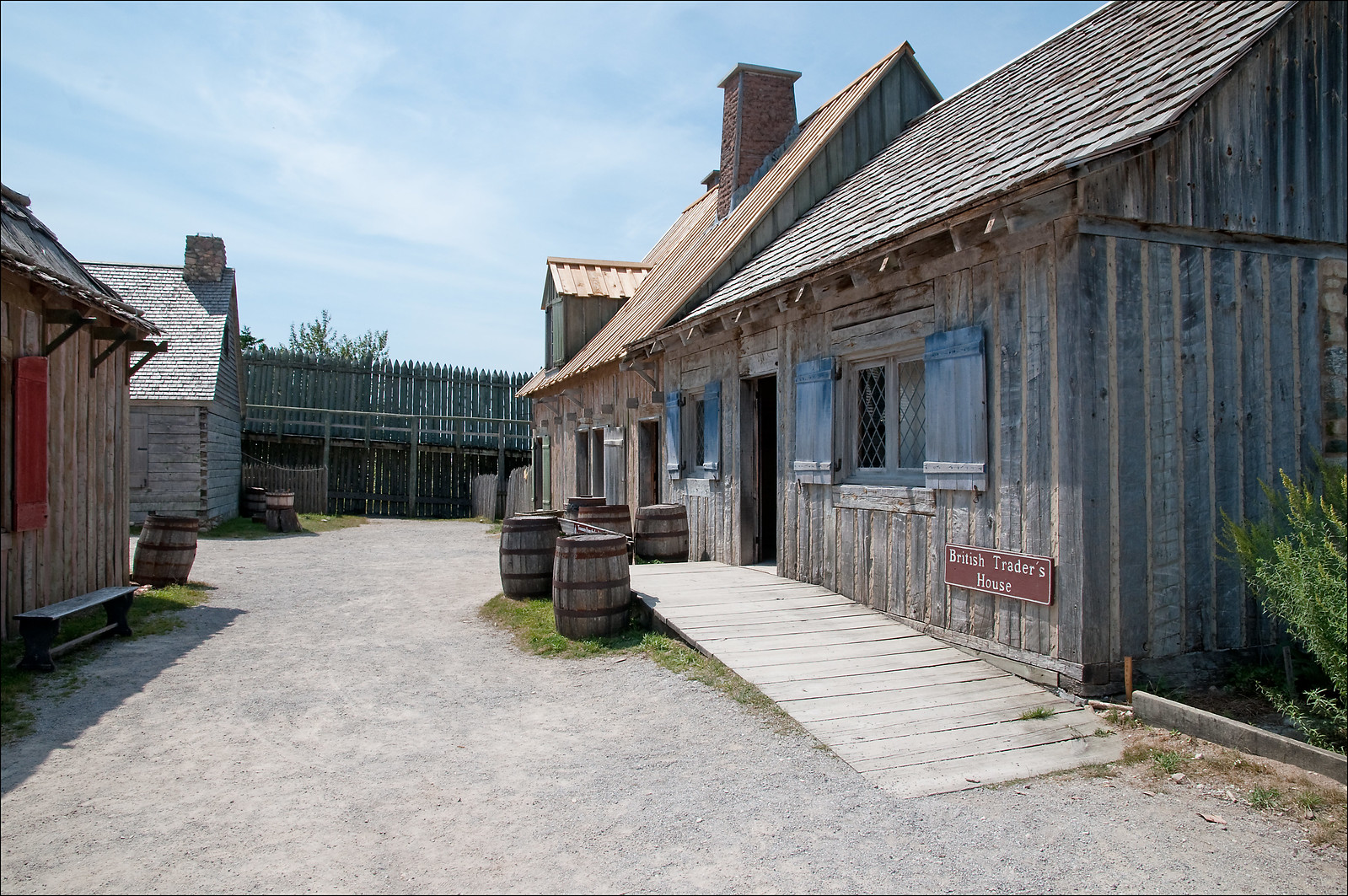
In 1715, the French founded the fortified community of Michilimackinac on the south side of the Straits of Mackinac in what is now Mackinaw City. Michilimackinac became an important center of the Great Lakes fur trade where thousands of Native Americans and French-Canadian voyageurs gathered at the post every summer, a pattern that was unchanged until the British took over the post. Lissa Edwards of Traverse Magazine details how the commandant of Fort Michilimackinac was invited to watch a game of baggatiway (lacrosse) between the Ojibwe and Sauk June day in 1763 writing (in part):

Under an unusually hot sun on a late spring day on the Straits of Mackinac, British Major George Etherington, commandant of Fort Michilimackinac, was suffering from an acute case of cultural blindness. And there was no excuse for it. Relaxed at the sidelines of a rousing game of baggatiway (similar to lacrosse) outside the fort, the major should have seen the danger signs in this Ojibwe versus Sauk contest of sweaty, half-naked bodies painted with white clay and charcoal.

…Though well armed, his garrison of 35 or so soldiers was vastly outnumbered by the hundreds of Indians encamped around it, there to exchange furs for wares—steel tomahawks and knives included—from French Canadian traders. That there’d been a run on tomahawks of late didn’t seem to worry the major. And he was only irritated by warnings from the many French Canadians who lived at the fort that the Indians were planning an uprising. He threatened to have the next person who spread similar gossip locked up down at Fort Detroit. The unwitting Etherington had not yet heard that Fort Detroit was under siege, attacked several weeks before by a coalition of tribes led by Pontiac, the Odawa chief. Foreseeing that English domination spelled the end of his people’s lifestyle, Pontiac had just begun his famous rebellion.

…It happened in seconds. A frenzy of sweaty, painted bodies clamoring for the leather-wrapped chunk of wood that was the ball as it fell at the mouth of the open gate. The women opening their blankets and handing off knives and tomahawks to the athletes-turned-warriors. Shrieks, screams and blood. Etherington and his lieutenant, William Leslye, whisked off to the woods—as the other fort officer and likely the only soldier armed that day, Lieutenant Jamet, was killed. The plan so carefully laid by Minweweh and Madjeckewiss, cohorts of Pontiac, was executed flawlessly. The attack and the events that followed were recorded in the painfully descriptive memoirs of Alexander Henry, who—at the time of the attack—was a young English fur trader staying at the fort. “Going instantly to my window I saw a crowd of Indians within the fort furiously cutting down every Englishman they found,” Henry wrote.

Read on for much more including the fate of Alexander Henry in this excellent recounting, and learn much more about Colonial Michilimackinac from Mackinac State Historic Parks.

Joel noted Pontiac’s victory & that the British constructed the more serious Fort Mackinac on Mackinac Island as a result of this when he posted this back in 2011. See more below & in his Colonial Michilimackinac gallery on Flickr and follow him there. You can also see his photos in the Michigan in Pictures group on Facebook and explore his archive on Smugmug.

Much more from the Straits of Mackinac on Michigan in Pictures!

Support Michigan in Pictures with Patreon

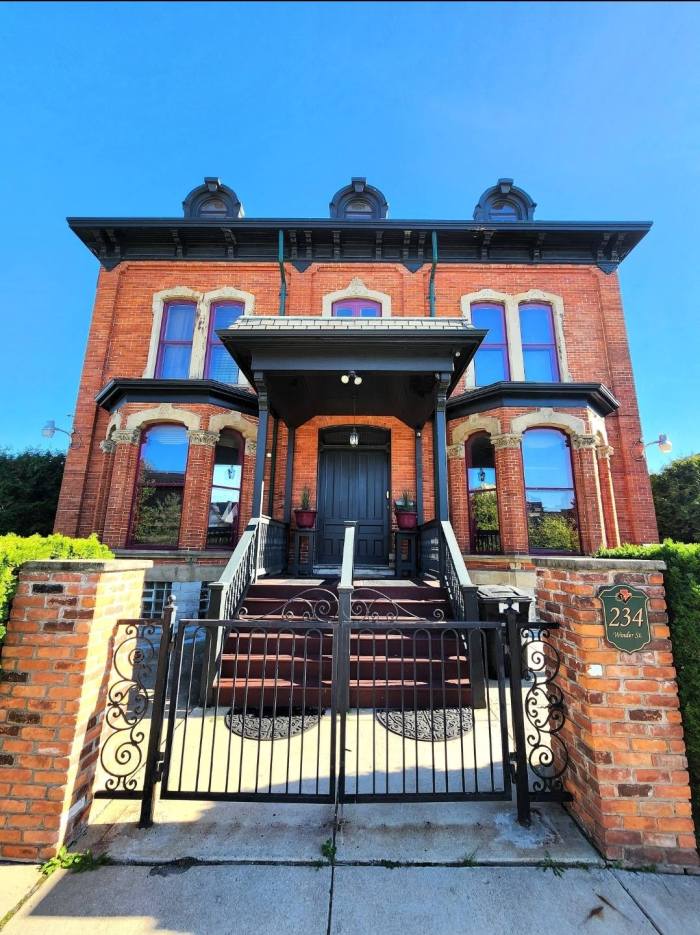
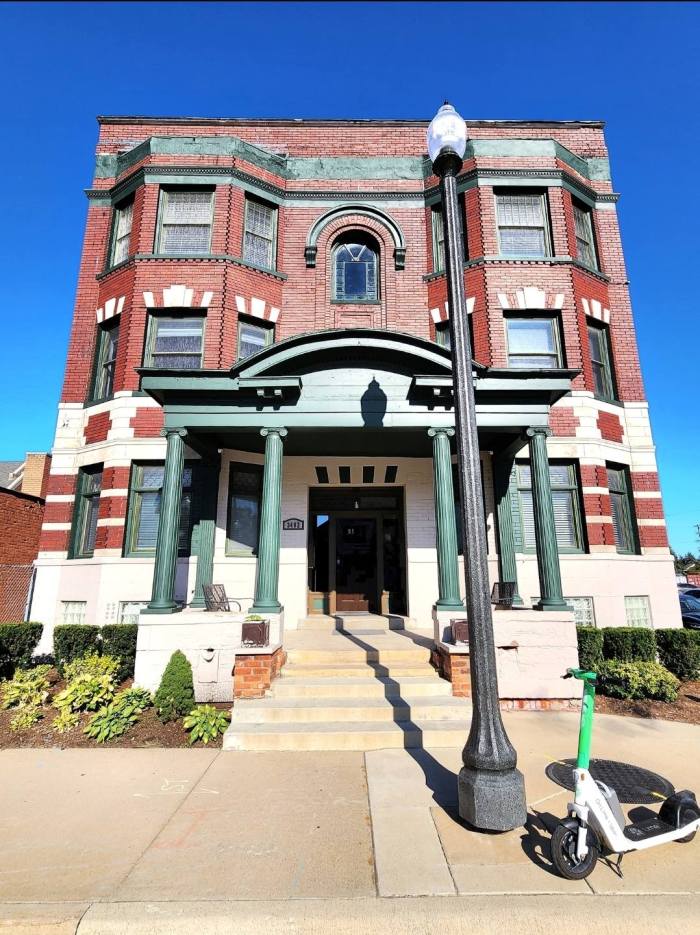
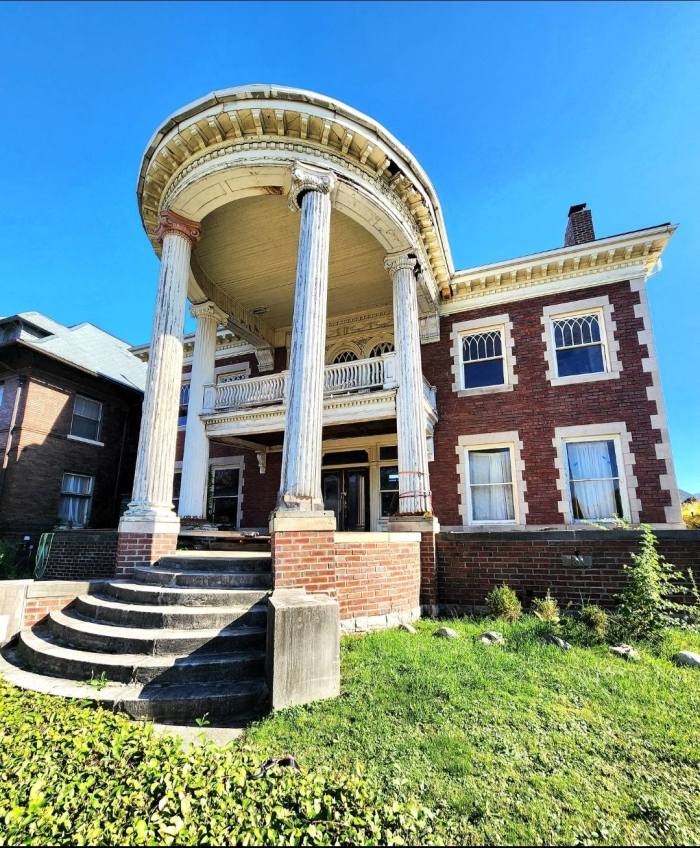
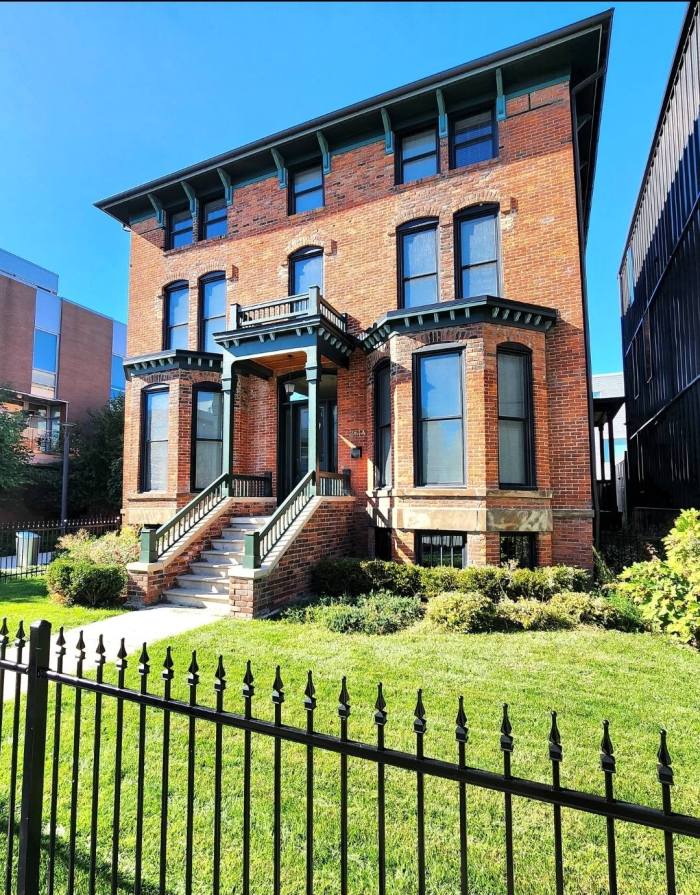
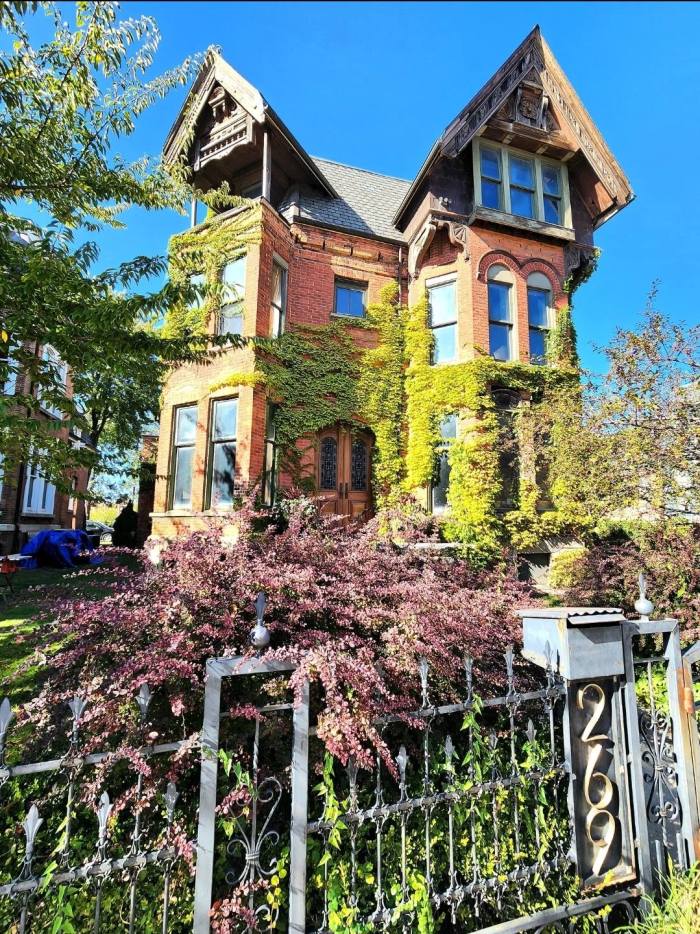
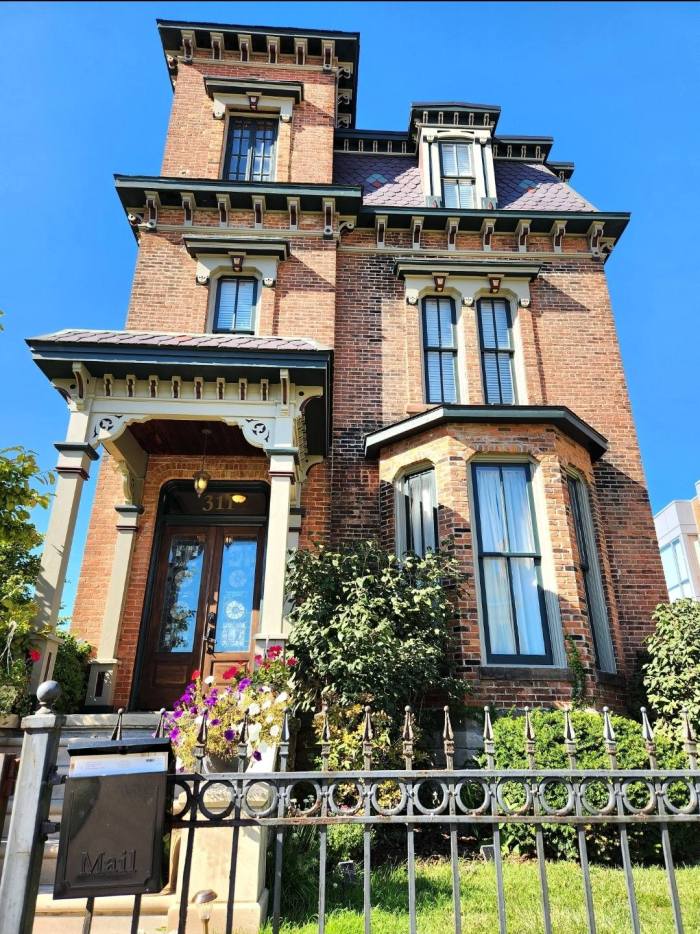
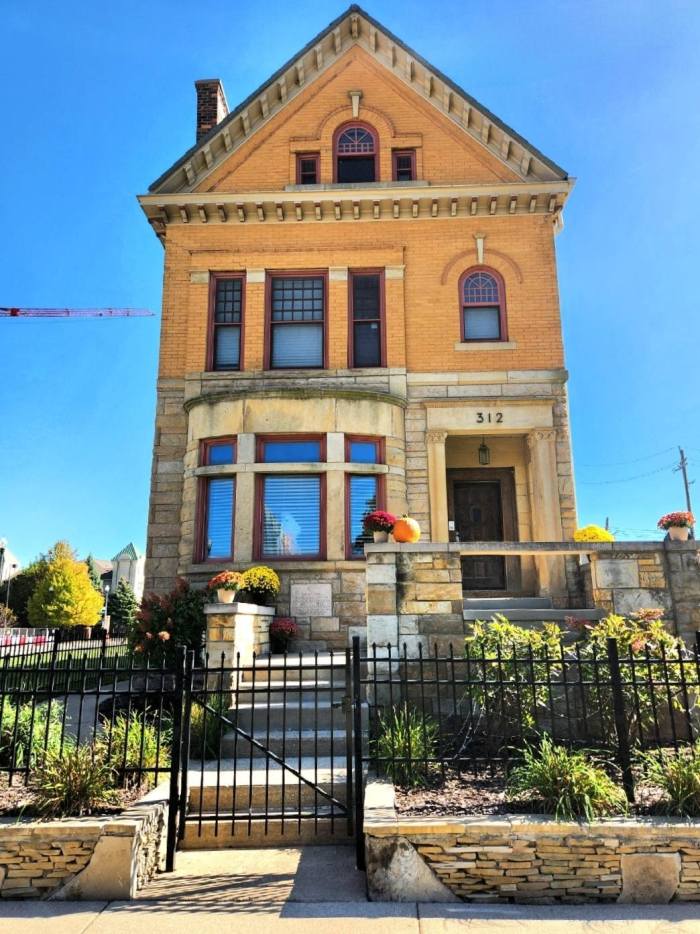
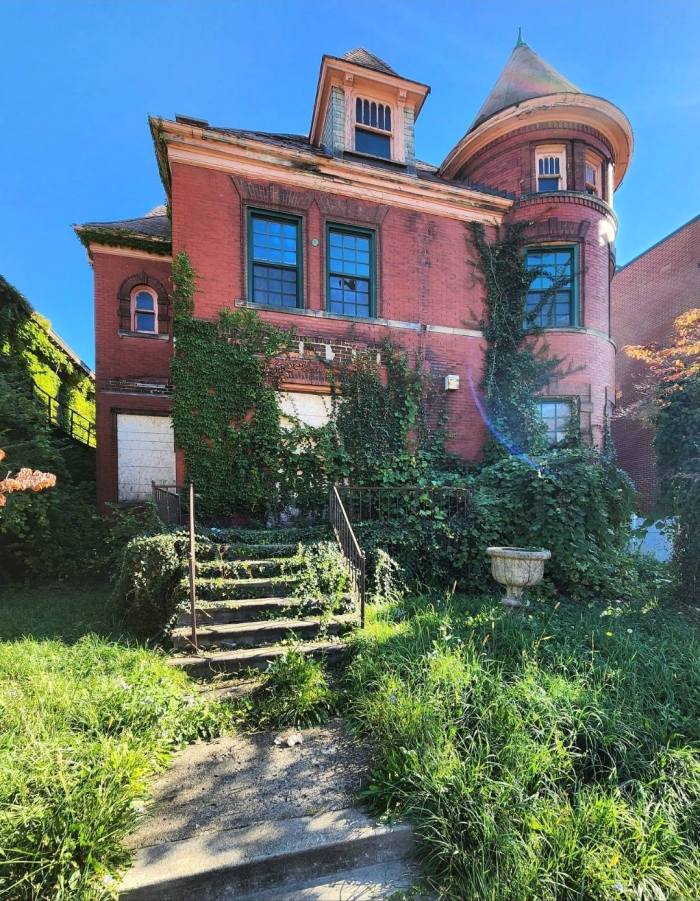
The Beauty of Detroit’s Brush Park

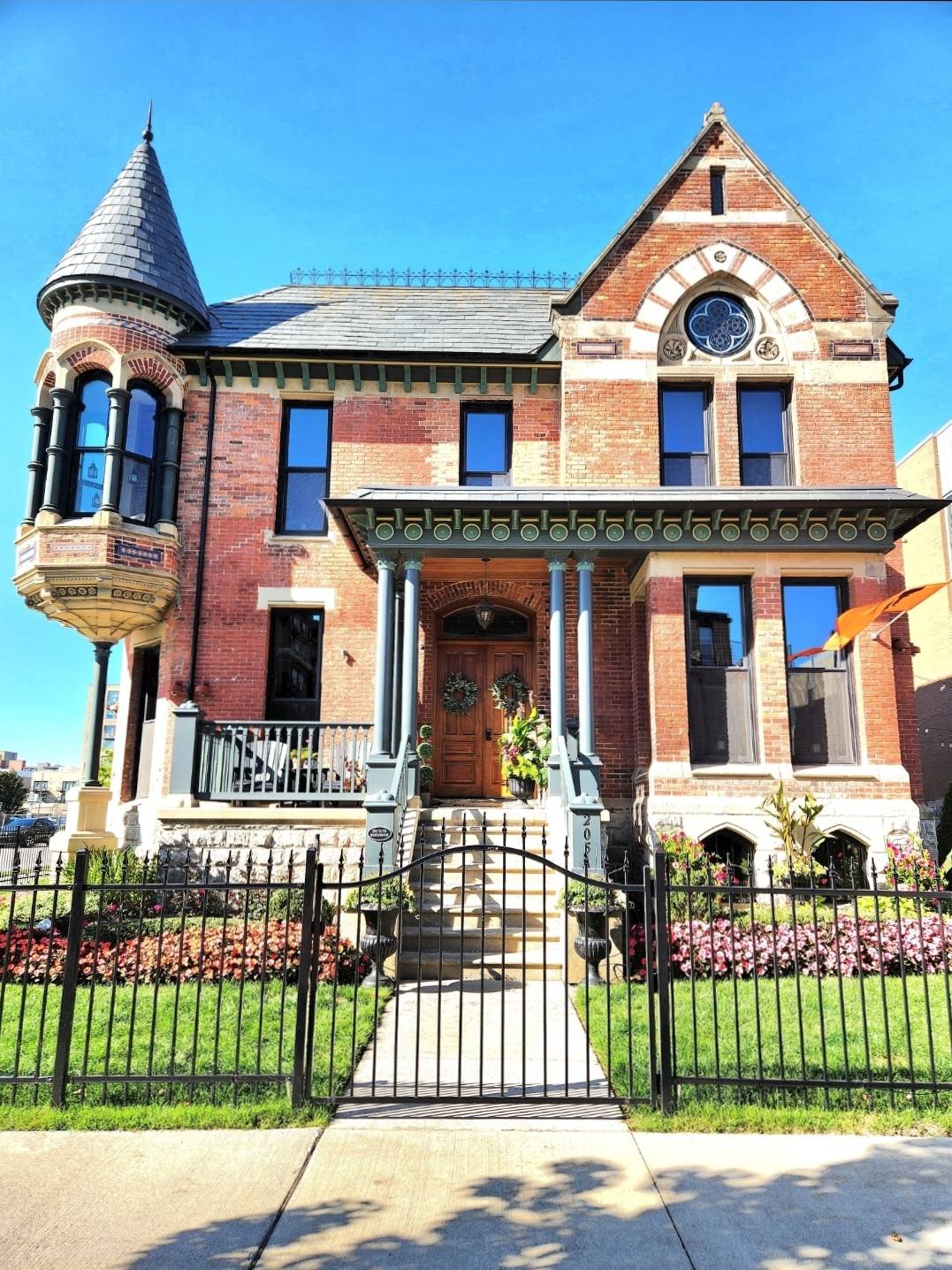
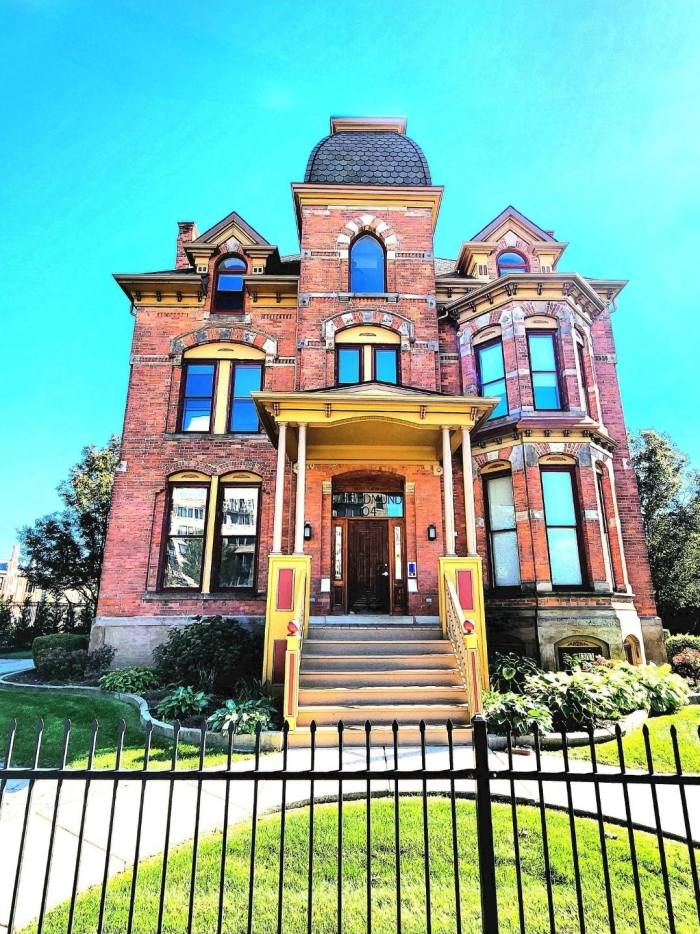
Brush Park in Detroit by Terrell Morton

Brush Park in Detroit by Terrell Morton

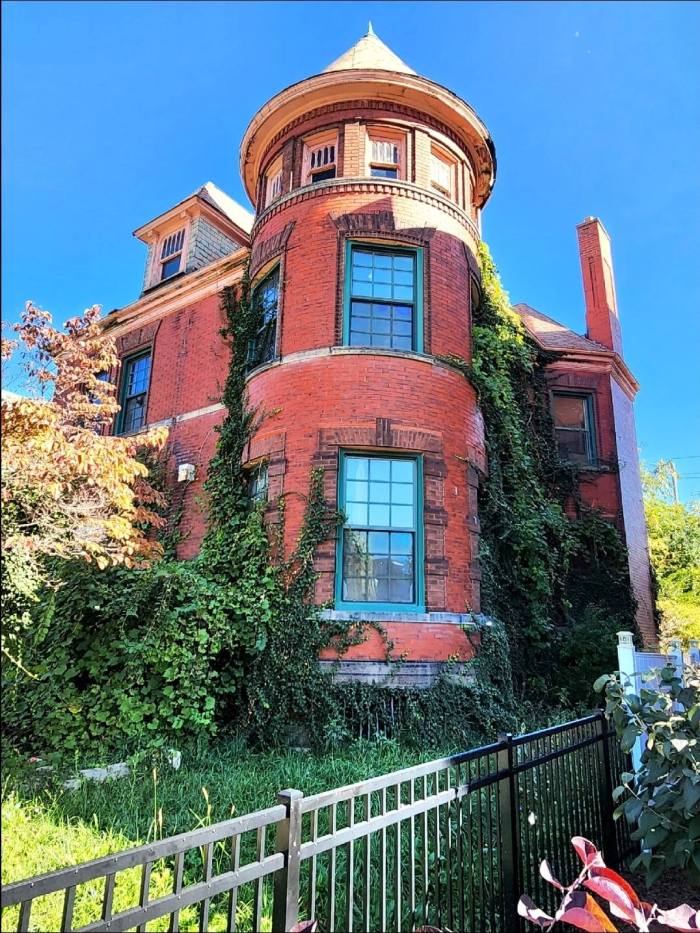
The Detroit Historical Society shares some great information on Detroit’s Brush Park neighborhood that begins:

Established in 1860, Brush Park is one of the oldest historic neighborhoods in Detroit. Today it encompasses twenty-four blocks, bounded by Mack Avenue on the north, Woodward Avenue on the west, Beaubien Street on the east, and the Fisher Freeway on the south. In the late 1700s, the land was part of a ribbon farm owned by the Askin family, prominent fur traders and British loyalists.

Askin did not approve of American independence, so in 1802 he and his wife moved to Canada, leaving control of the farm and the enslaved people who worked there in the hands of his son-in-law Elijah Brush, husband to Adelaide Askin. Brush was active in civic affairs, serving as the second mayor of Detroit, the Michigan Territory United States Attorney, and Michigan Territory Treasurer. As a lieutenant colonel in the territorial militia, Brush was taken prisoner during the War of 1812 when the British captured Detroit.

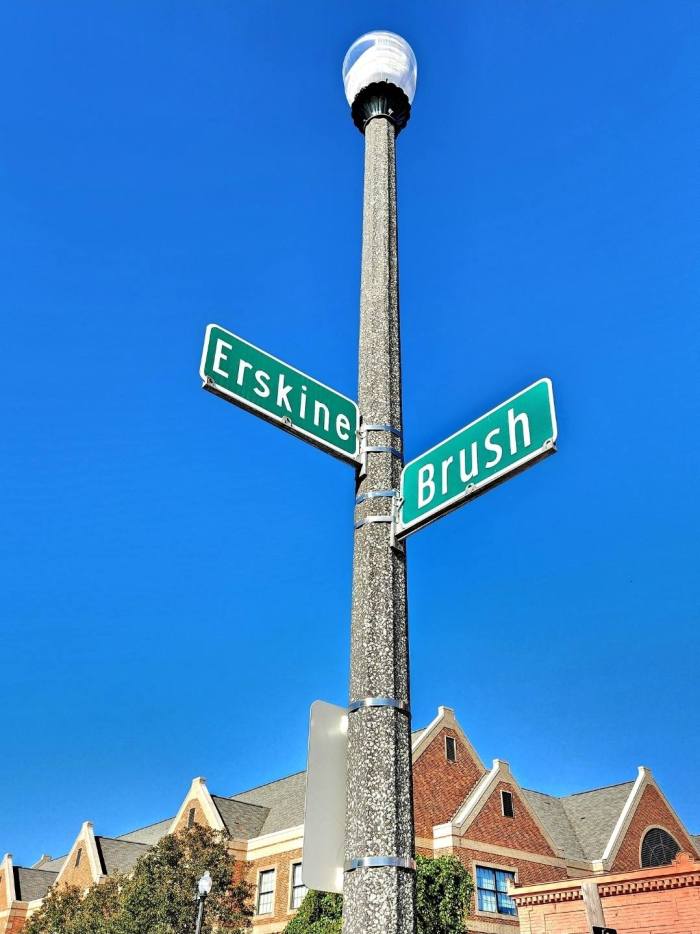
Edmund Brush inherited the estate when his father died. He was also an influential figure in Detroit – a volunteer with the fire department and president of the water commission. In the 1850s, Brush began dividing and selling his land to wealthy families. He named the streets Alfred, Adelaide, Edmund, Eliot, and Brush after family members. Brush had many building restrictions, some which required expensive, large homes for the neighborhood, leading Brush Park to be called “Little Paris” for its mansions. Many famous Detroiters lived in the area in the late nineteenth and early twentieth century including Joseph L. HudsonAlbert Kahn and Grace Whitney Evans, daughter of David Whitney.

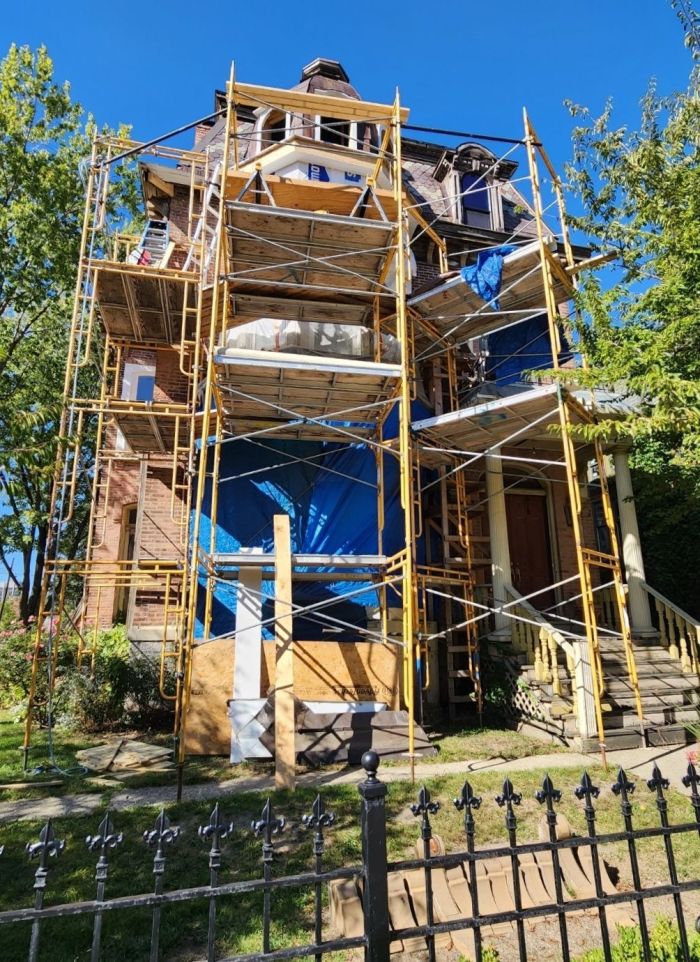
Read more and/or see related historical photos & from the Detroit Historical Society, and as someone who used to live on Adelaide, I can’t tell you how wonderful it is to see these wonderful buildings return to life!

Check out all the photos on Terrell’s Facebook page! and follow him there and on his Instagram @UrbanPharaoh444!

More wonderful Michigan architecture on Michigan in Pictures!
Support Michigan in Pictures with Patreon

Happy National Jiffy Mix Day!

Jiffy Mix – Your Cornbread Comes From Right Here by Steve Brown

October 1st is the first ever National Jiffy Mix Day, a celebration of the family-owned Chelsea Milling Company that got its start in 1901 and launched the iconic Jiffy thanks to the vision of Mabel White Holmes:

When a friend of her twin sons Howard and Dudley visited their home, Mabel noticed the biscuits in the boy’s lunch were flat and unappetizing. She set out to find a way to create a pre-made mix which would assist the boy’s single father in the kitchen.

In 1930, with the support of her husband Howard Samuel Holmes, Mabel’s home-grown project became the first prepared baking mix sold to the public. The convenient, simple to use mix only required the addition of milk to produce perfect biscuits every time. By keeping their “JIFFY” brand baking mixes affordable, the Holmes’ new venture was able to help many families who were recovering from the effects of the Great Depression.

Read lots more from Jiffy & cheers to everyone who looks at a child’s lunch with an eye towards making it better!! There’s a poster from the Chelsea Area Chamber of Commerce below with info about the festivities on tap today that include games & prizes, a treasure hunt, food trucks & a visit from Detroit Lions Mascot Roary.

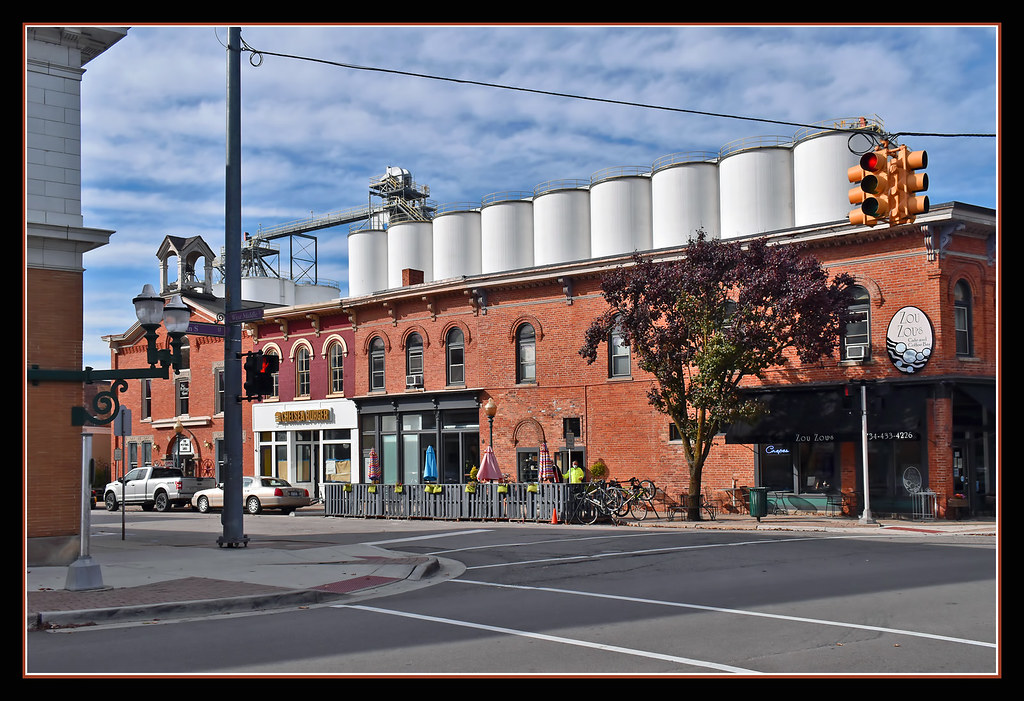
Steve passed on a couple years ago, but his photos and his love of history remain (click for his Michigan in Pictures features). Here are a few more pics of Chelsea – see more great shots from Chelsea in his Chelsea Michigan gallery on Flickr!

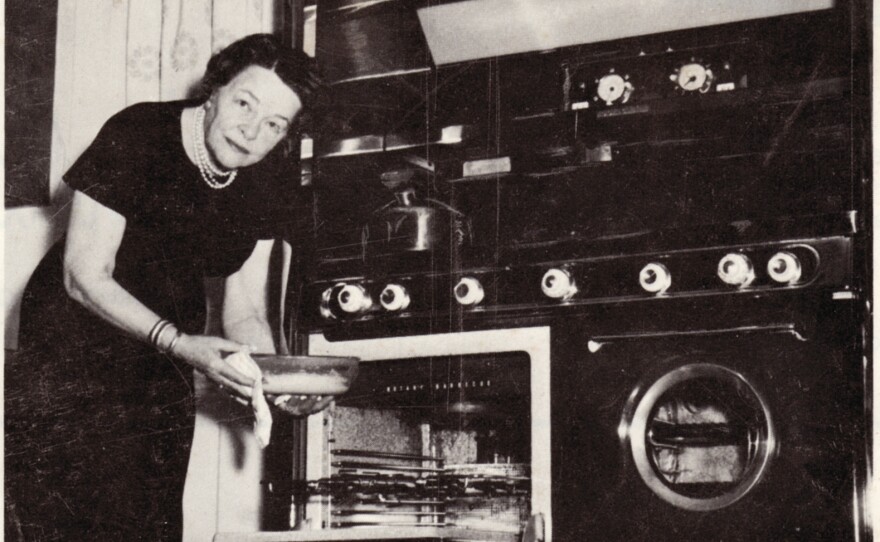
Mabel White Holmes inventor of Jiffy All Purpose Baking Mix
Support Michigan in Pictures with Patreon

Law & Order: Back to School Edition

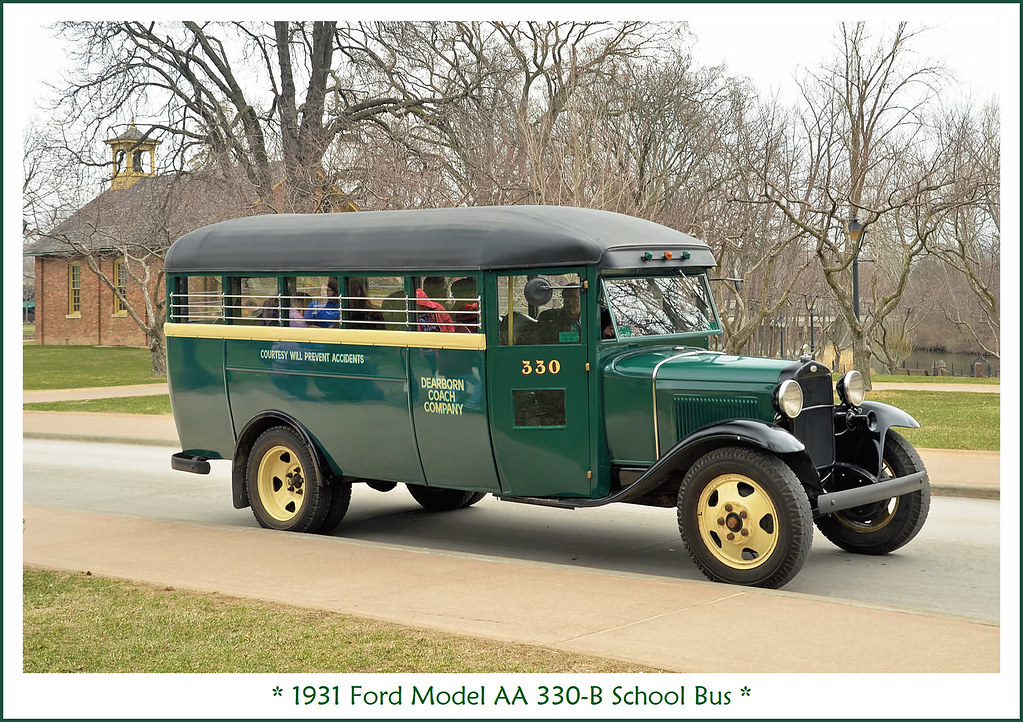
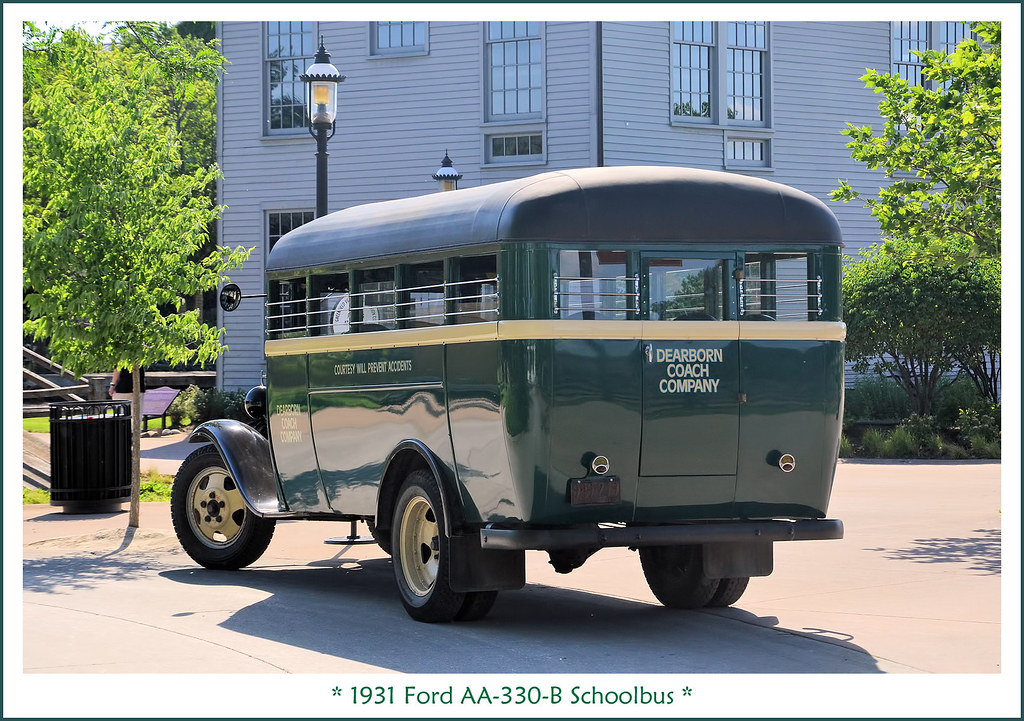
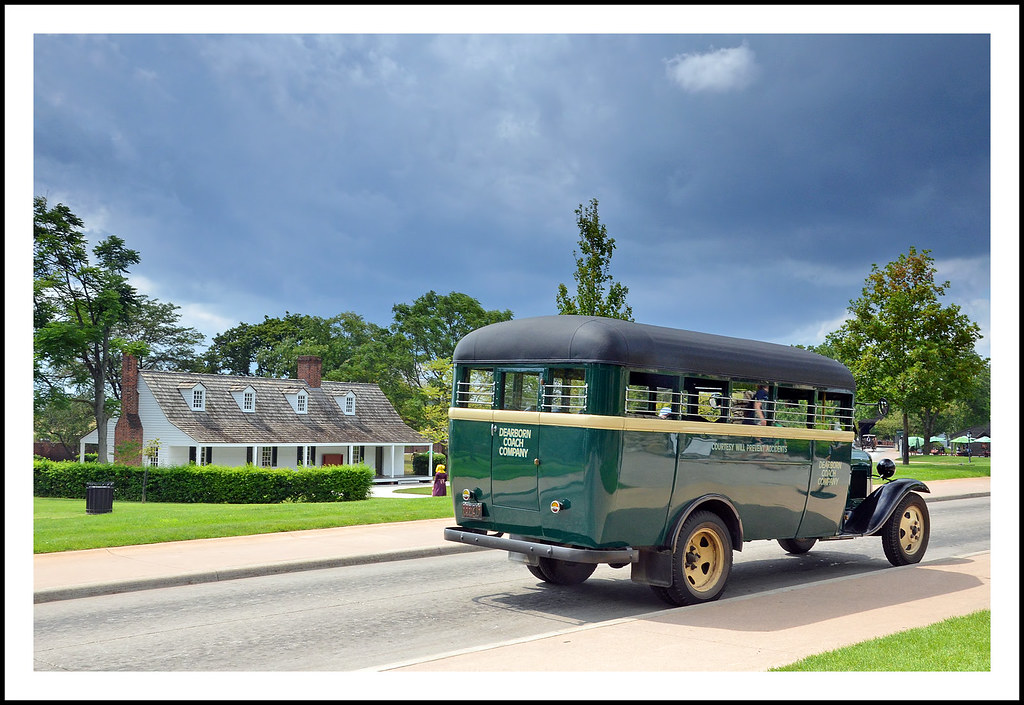
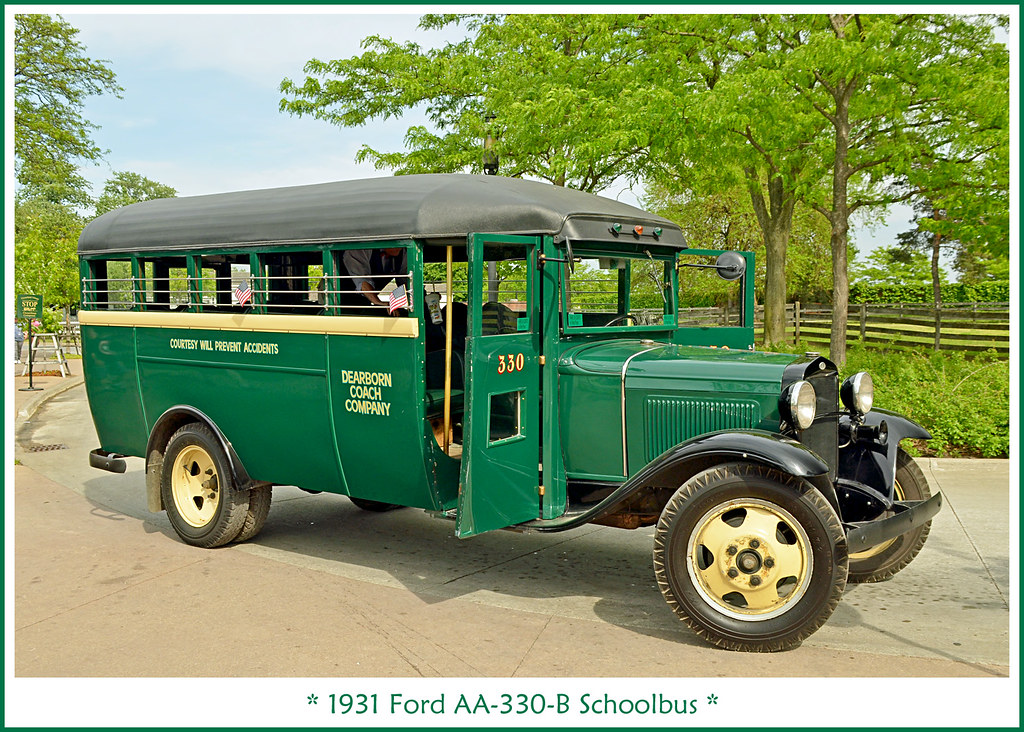
1931 Ford Model AA School Bus in Greenfield Village

1931 Ford Model AA School Bus in Greenfield Village by Steve Brown (in memorium)

mLive shares that the decision to start the school year before or after Labor Day has long been a point of debate in Michigan due to the need for student workers in the hospitality & agricultural sectors. Even though the law requiring schools to start post-Labor Day passed 20 years ago, most Michigan schools are still starting before summer’s end:

…The Michigan Department of Education only tracks districts that are granted Labor Day waivers, but not which districts use their waiver or their start dates, according to spokesman Ken Coleman. There are currently 185 waivers held in the state, covering more than 500 school districts and public academies.

Forty-eight of those are held by intermediate school districts (ISDs) or area educational agencies and their waivers almost entirely cover all districts within their regional boundaries. Additionally, 102 individual charter schools or public academies have their own waivers, as well as 30 school districts outside of ISDs. A few hundred more schools and districts, including several ISDs, are not waiver eligible that automatically start after Labor Day. Still, more Michigan schools than not are starting before Labor Day despite the mid-2000s law.

Steve passed on a couple years ago, but his photos and his love of history remain (click for his Michigan in Pictures features). He took these back in 2018 at Greenfield Village, Henry Ford’s outdoor living history museum in Dearborn. The Model AA school bus was acquired from Florida and visitors can use the historic bus for transportation around the Village (for a price). See lots more in his Classic Busses Old & New gallery on Flickr.

Support Michigan in Pictures with Patreon

The Goldenrod Spider didn’t bite Frank Carter

Golden Rod Spider by Gowtham

Goldenrod Spider by Gowtham

Cathy Griffin of the Traverse Area Historical Society shared a little news from 120 years ago in 1905:

FRANK CARTER, local resident who had been in Chicago and Grand Rapids during the summer, returned Monday night being ill from the poisonous effects of a spider which walked over his arm, leaving a poisonous track at every step. Last week, while lying on the ground at Grand Rapids, an immense yellow spider jumped on his arm near his elbow and ran down to his wrist. Mr. Carter smashed his poisonous body on his arm and it immediately began to swell from the poison. The arm was inflamed and swollen with white spots. Under the advice of a physician, Mr. Carter went home to care for his arm.

It’s been a minute since I’ve featured a photo from Gowtham. He shares that while driving through the back roads of Huron Mountains from Houghton to Marquette, “I took a few wrong forks in succession and one of those forks had a plethora of Blue Vervains (the flower in the picture). Taking one wrong fork after another, driving slow and paying attention paid off – as one of those blue vervains had an uncommon yellow tinge. I stopped to look carefully and much to my surprise was this tiny little Golden Rod Spider.”

…These spiders may be yellow or white, depending on the flower in which they are hunting. Especially younger females, which may hunt on a variety of flowers such as daisies and sunflowers, may change color “at will”. Older females require large amounts of relatively large prey to produce the best possible clutch of eggs. They are therefore, in North America, most commonly found in goldenrod (Solidago sp.), a bright yellow flower which attracts large numbers of insects, especially in autumn. It is often very hard even for a searching human to recognize one of these spiders on a yellow flower.”

See more in his Michigan Wild Flowers gallery on Flickr & be sure to keep an eye out for the little things!
I want to be very clear that this spider is not venomous (and no spider has “venomous tracks”). Only the Northern Black Widow and the Brown Recluse have bites that endanger humans. The rest are out there happily dispatching harmful pests. My guess is that it was a Brown Recluse as their bites have sort of a bullseye pattern with a white center.

Support Michigan in Pictures with Patreon

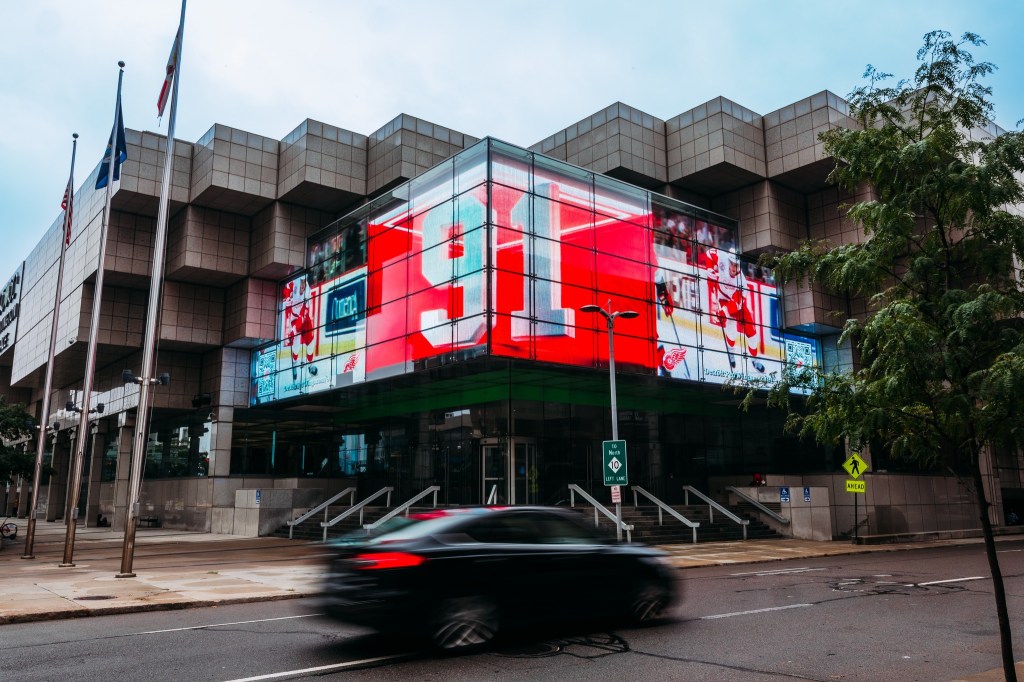
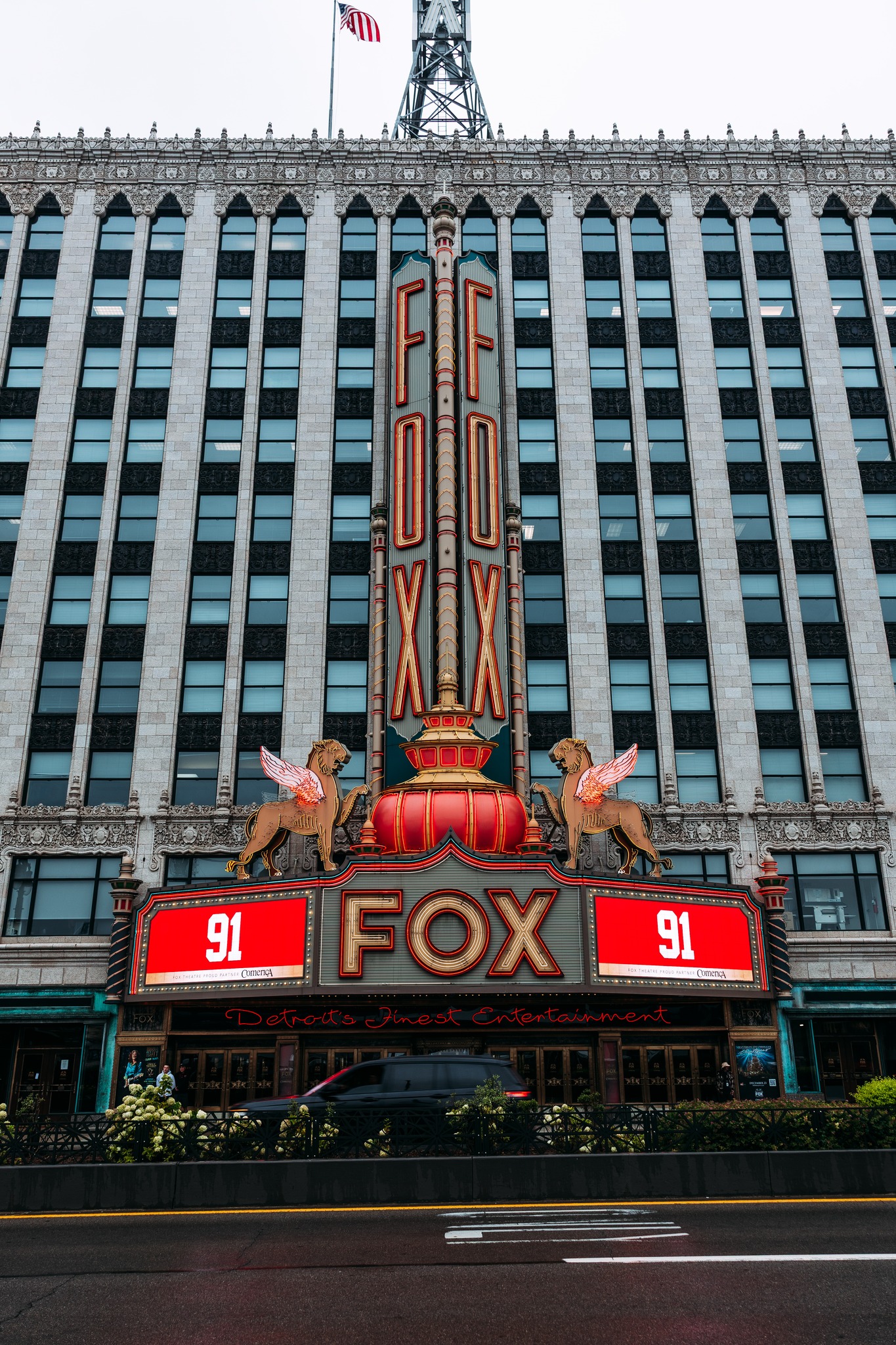
Sergei Ferderov’s Number 91 rising to the rafters!
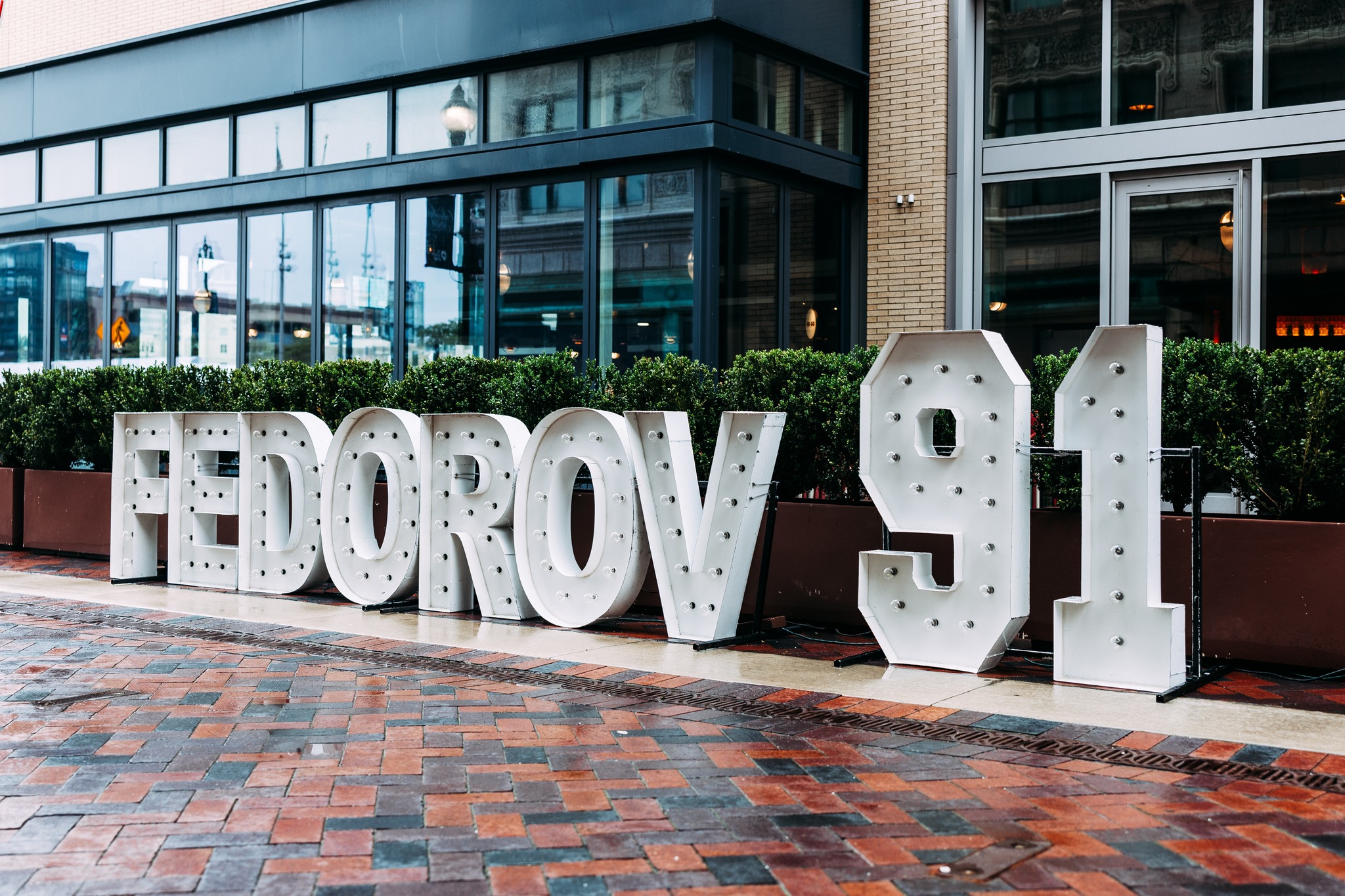
Sergei Ferderov 91 on TCF Center by Detroit Red Wings/Allison Farrand / Ilitch Sports

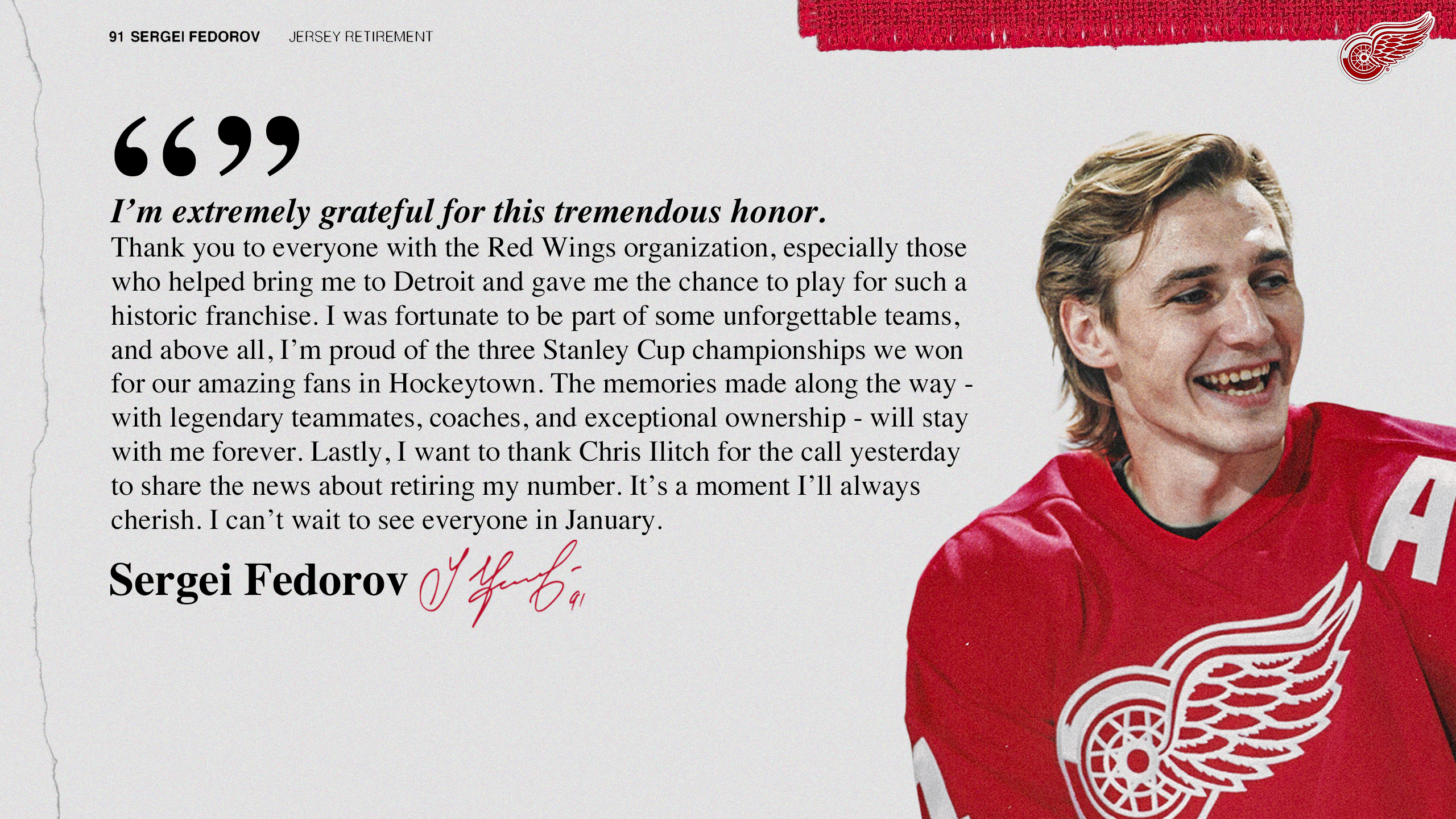
The Detroit Red Wings shared these pictures from around the city to announce that they will retire the #91 jersey of all star & multiple Stanley Cup winner Sergei Federov on January 12, 2026. Federov remains the all time scoring & assist leader among Russian-born hockey players so I honestly thought they had already done this, but in any case – an honor richly deserved!

The photos are by Allison Farrand who is the lead photographer for Ilitch Sports (Detroit Tigers & Detroit Red Wings).

More Red Wings on Michigan in Pictures.

Support Michigan in Pictures with Patreon

See some Rare Birds at the 2025 Woodward Dream Cruise!

RARE BIRD by pkHyperFocal

RARE BIRD by pkHyperFocal

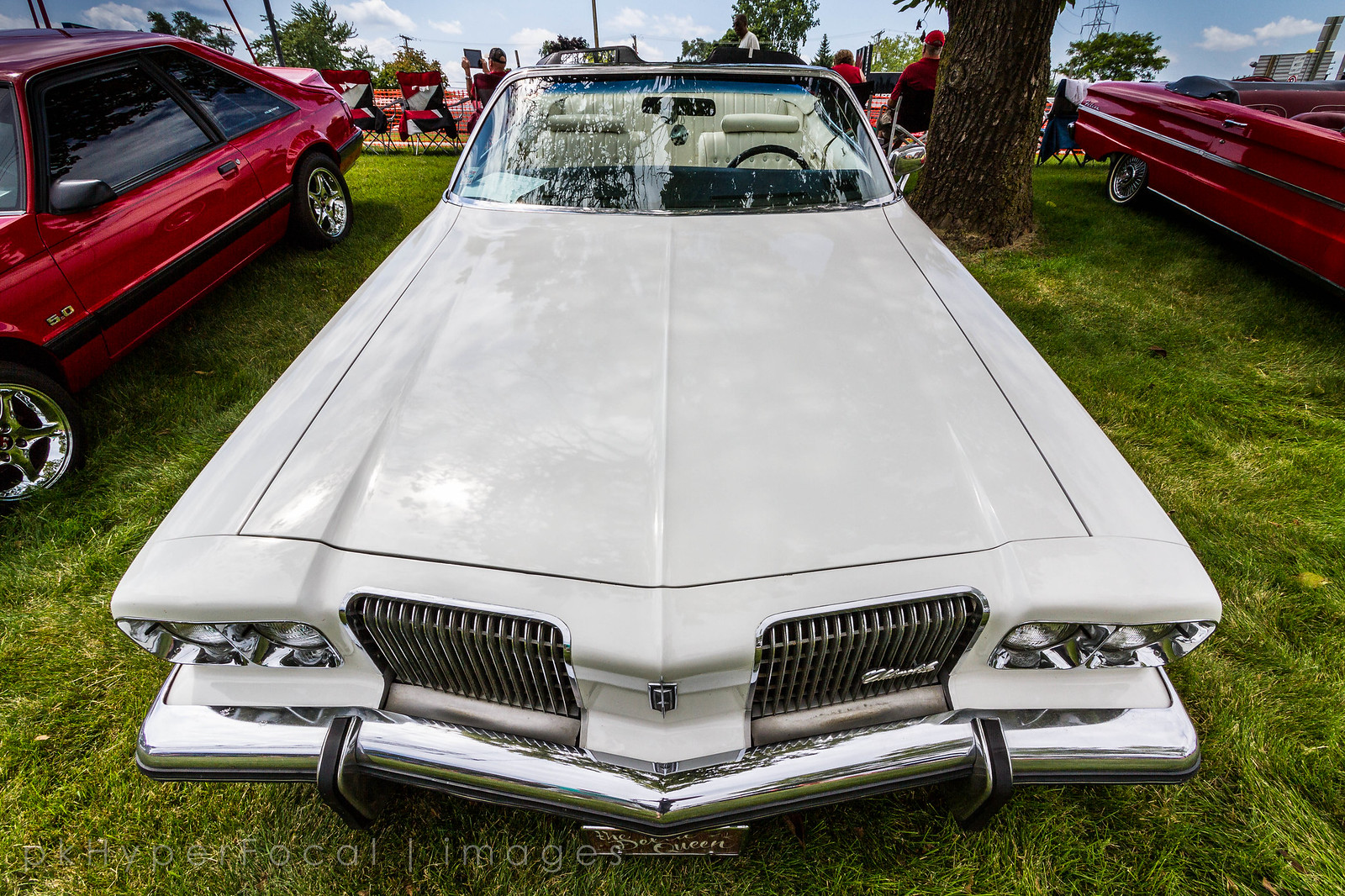
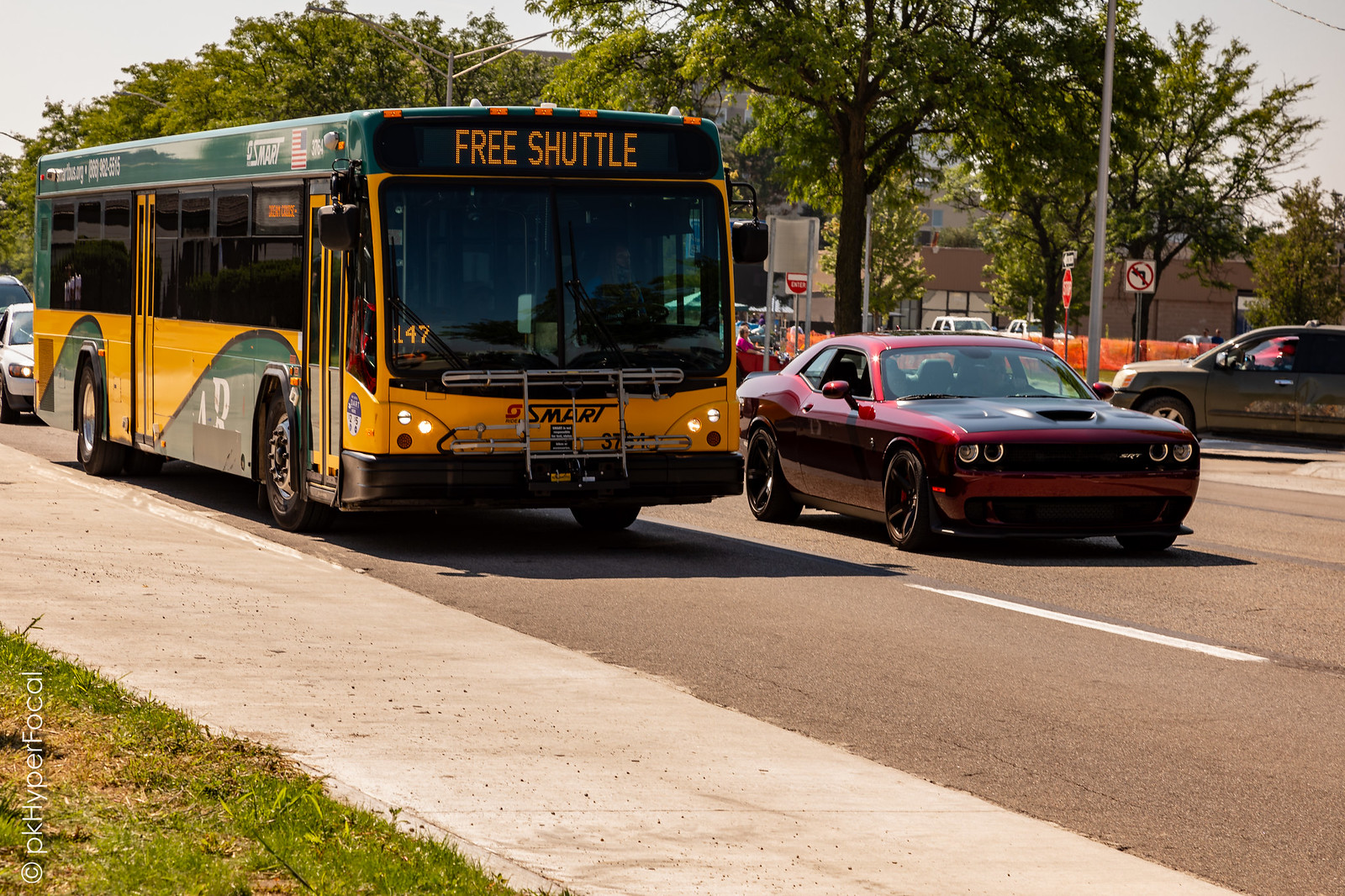
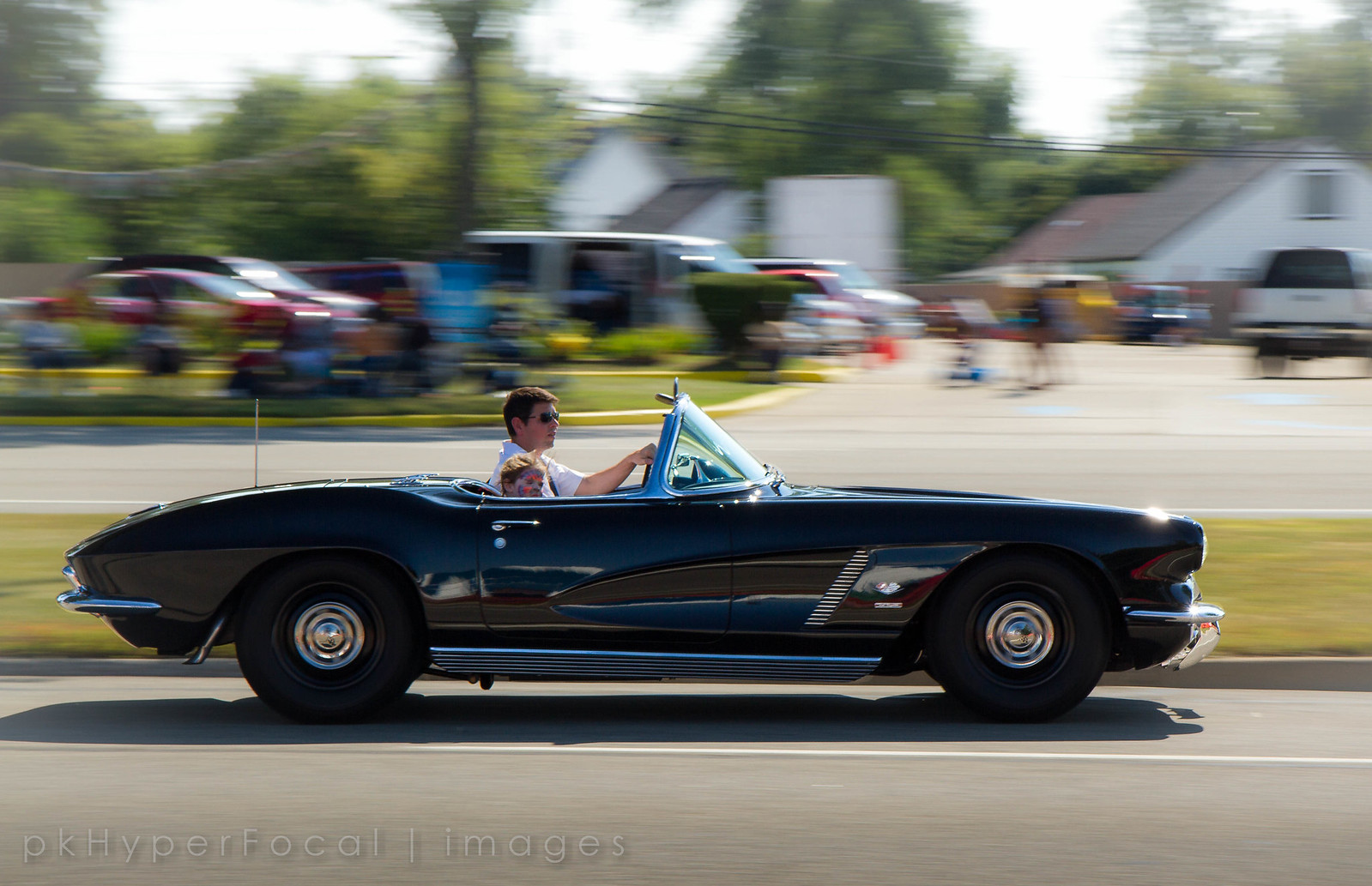
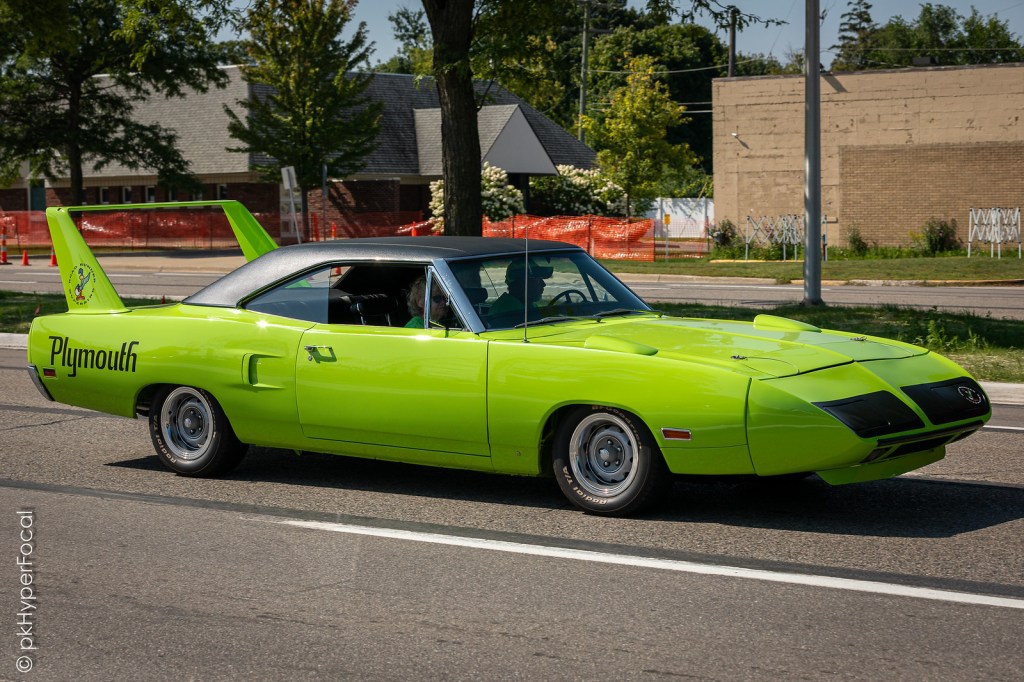
The Woodward Dream Cruise will be celebrating its 30th year tomorrow (August 16, 2025). It is the largest one-day automotive event in North America, drawing nearly one million people & 40,000 classic cars every year.

pk got this shot of a 1971 Superbird dressed in Sassy Grass at the 2023 Woodward Dream Cruise. Here’s a few they have shared – see more great shots in their Wheels gallery on Flickr!

Support Michigan in Pictures with Patreon

The last look at Jimmy Hoffa

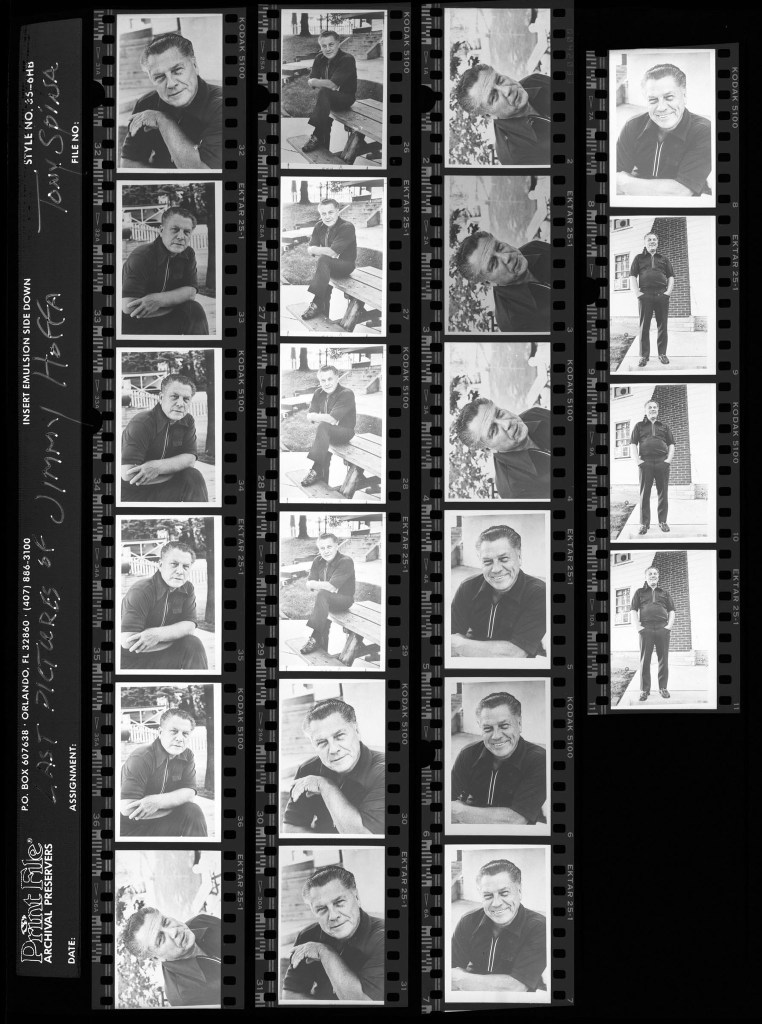
Last portraits of Jimmy Hoffa by Tony Spina

Last portraits of Jimmy Hoffa by Tony Spina

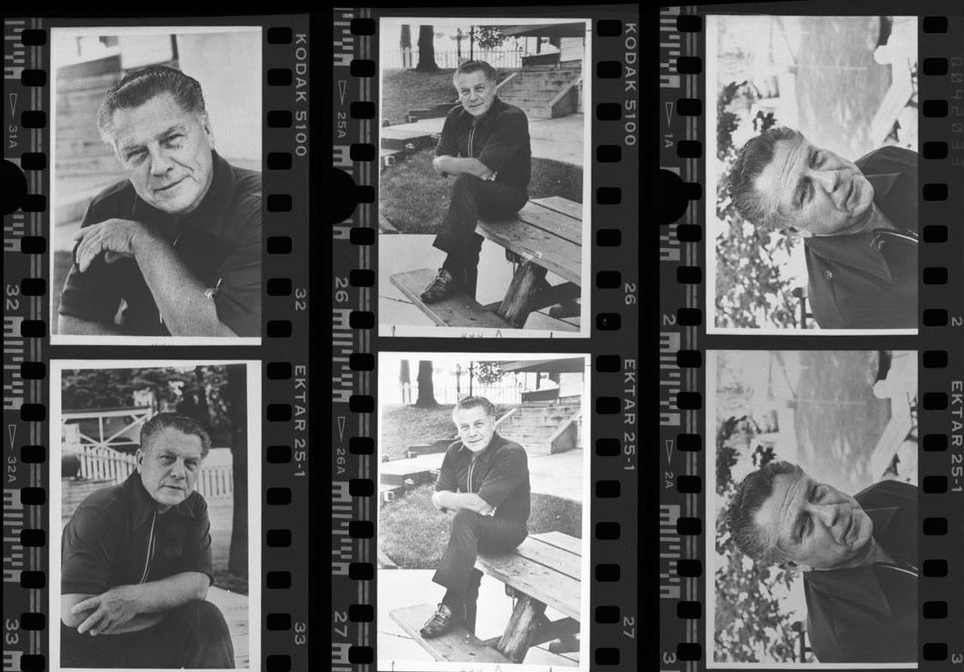
50 years ago on the morning of July 30th, 1975 Chief Photographer for the Detroit Free Press Tony Spina took what would be the last pictures of former Teamsters president James Riddle Hoffa. Wayne State’s Walter P Reuther Labor Library shares:

Spina was sent to visit Hoffa at his cottage on Square Lake in Lake Orion to take portraits of him for the Free Press and Newsweek. The images were not intended for a specific story; they were meant to update older photo files, which were likely outdated due to Hoffa’s incarceration from 1967 to 1971. At the time, Hoffa was challenging a federal restriction that barred him from holding a leadership position in the Teamsters until 1980, thus making him newsworthy once again.

According to Spina’s account, the backyard photo shoot was almost entirely uneventful. The two were old friends and chatted as they moved around the backyard, chasing the best light. The only notable moment occurred when Hoffa had to step away to take a call about a meeting scheduled for after lunch. It is assumed that this was the meeting held at the Machus Red Fox Restaurant in Bloomfield Hills, from which Hoffa never returned. 

Lots more in the Reuther Library and for sure check out photos in the awesome Tony Spina Collection online!

Jimmy Hoffa Negatives Walter P Reuther Library.jpg
Support Michigan in Pictures with Patreon

Detroit’s Hottest Day was also its 233rd birthday!

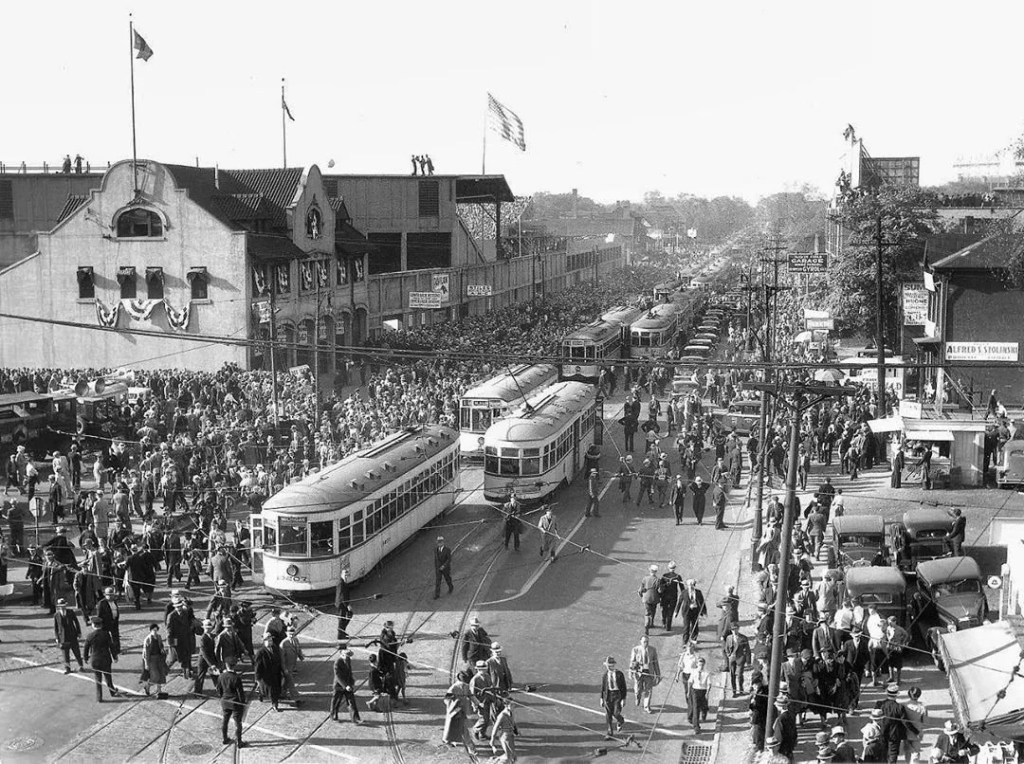
Trolly to the Tigers, Detroit 1934

Trolly to Navin Field, Detroit 1934 by Corktown Historical Society

Yesterday Model D editor Aaron Foley took a fascinating look at July 24, 1934 which remains the hottest day in the Detroit’s recorded history when the temperature struck 104.6°F at 4:10 PM on Detroit’s 233rd anniversary:

That brutal day came during a nationwide heat wave that swept from the West Coast through the Great Plains and into the Midwest, ultimately settling over the Motor City. More than 700 people died across the country due to the heat. Detroit’s death toll was lower than most. An eight-month old baby named Rosie May died of heat exhaustion and two men drowned swimming while trying to cool down. But low death toll or not, the city felt the heat.

And 105°F isn’t just “hot.” It’s desperate. On Van Dyke, on the city’s east side, a lumber yard fire broke out, engulfing nearly 10 acres. The blaze destroyed nearly 3,000 telephone lines, and claimed five lives

The Corktown Historical Society shares this photo depicts the historic intersection of Michigan & Trumbull aka “The Corner” in Detroit’s Corktown neighborhood in 1934, a year the Tigers won the AL pennant. They share “Trolley cars were a popular source of transportation to Tigers games during the 1930s, at least for those who could afford the fare during the Depression. In this photo, hundreds of fans exit a trolley car near Navin Field.”

Click through to their Instagram to see photos of Bennett Park & Briggs Stadium & follow them on Facebook for the latest … or is that earliest? 😉

Support Michigan in Pictures with Patreon

Happy 324th Birthday to Detroit!

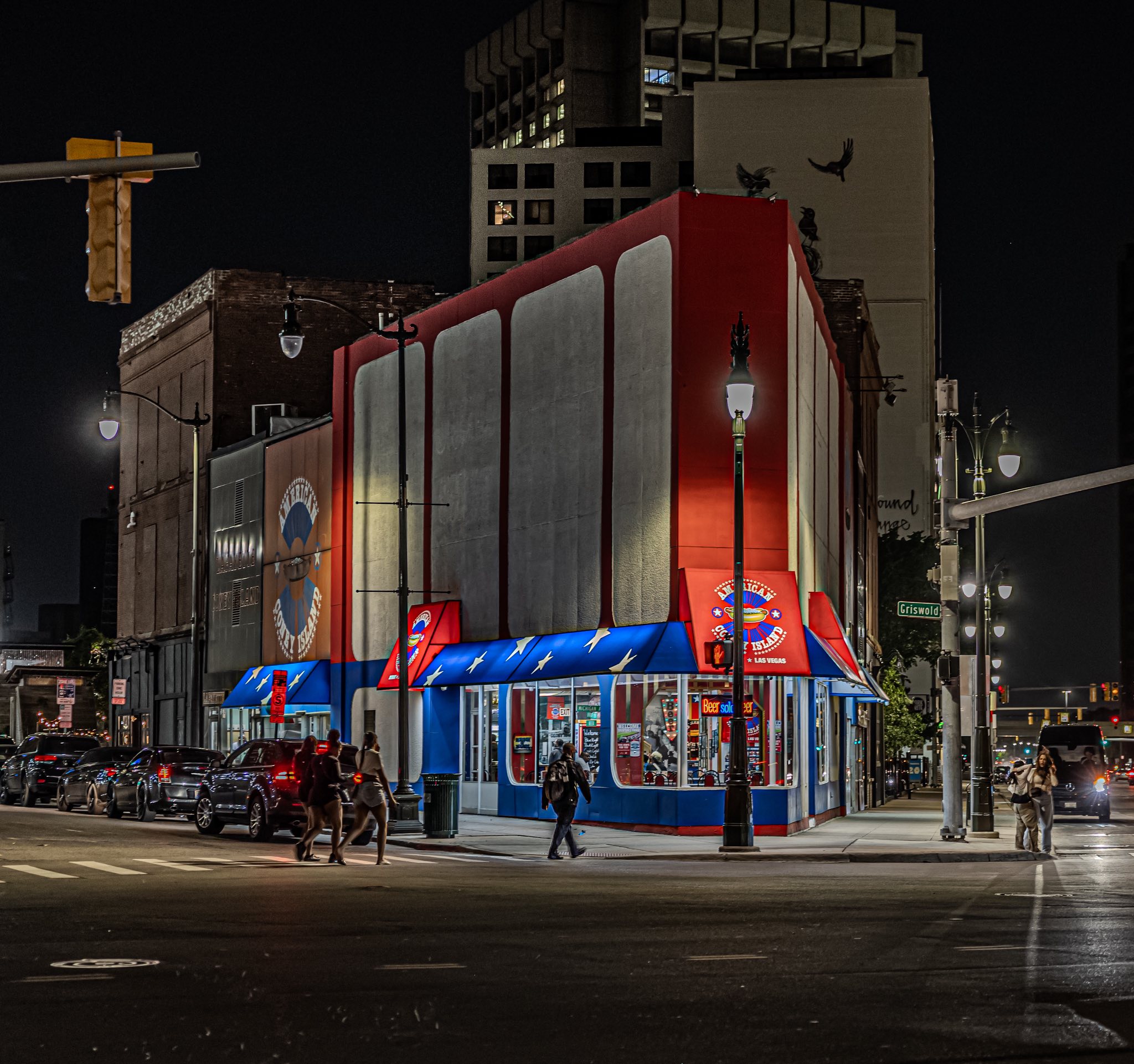
Friday Night on Woodward by Retta Billy

Woodward on a Friday Night by Retta Billy

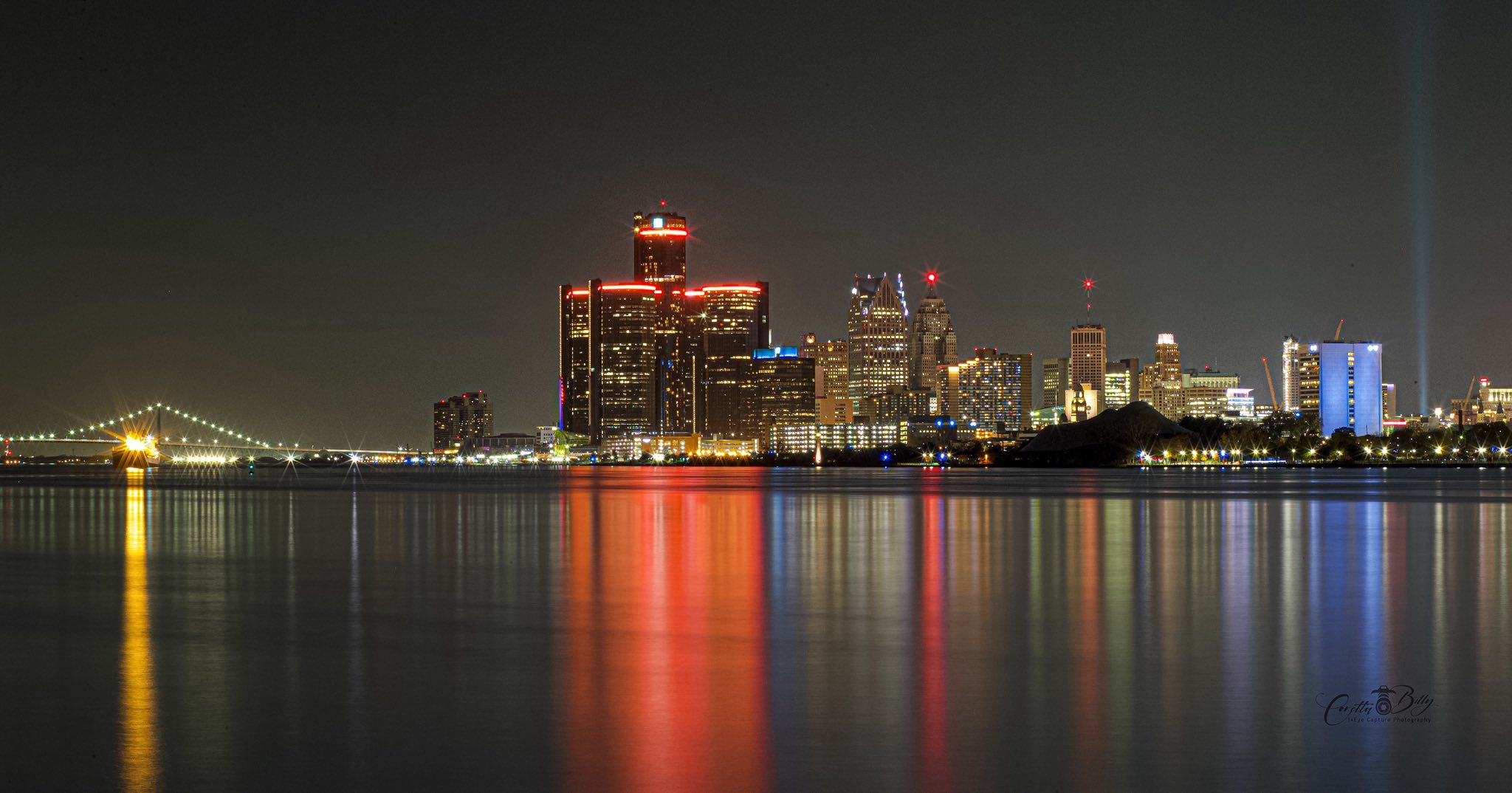
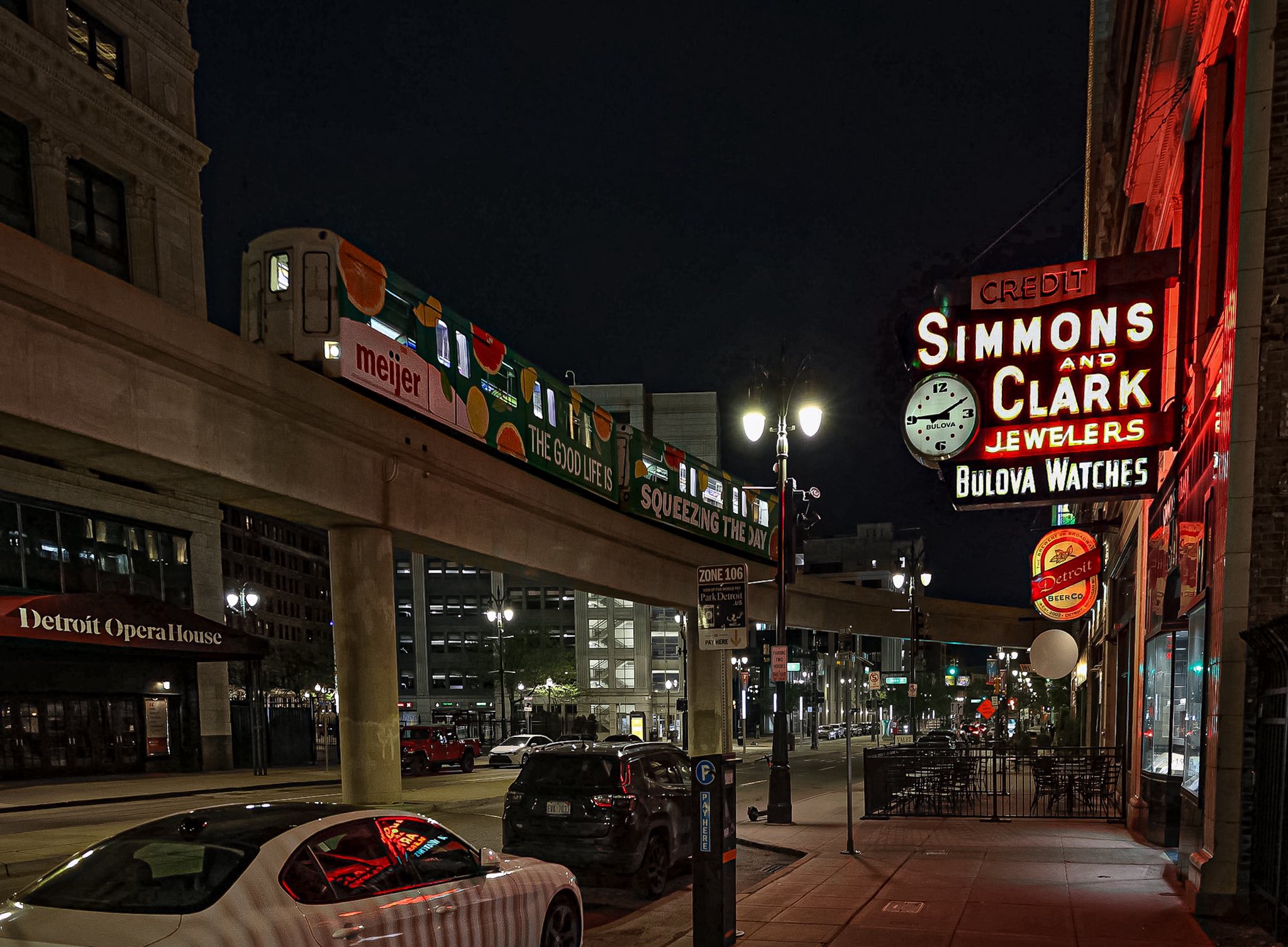
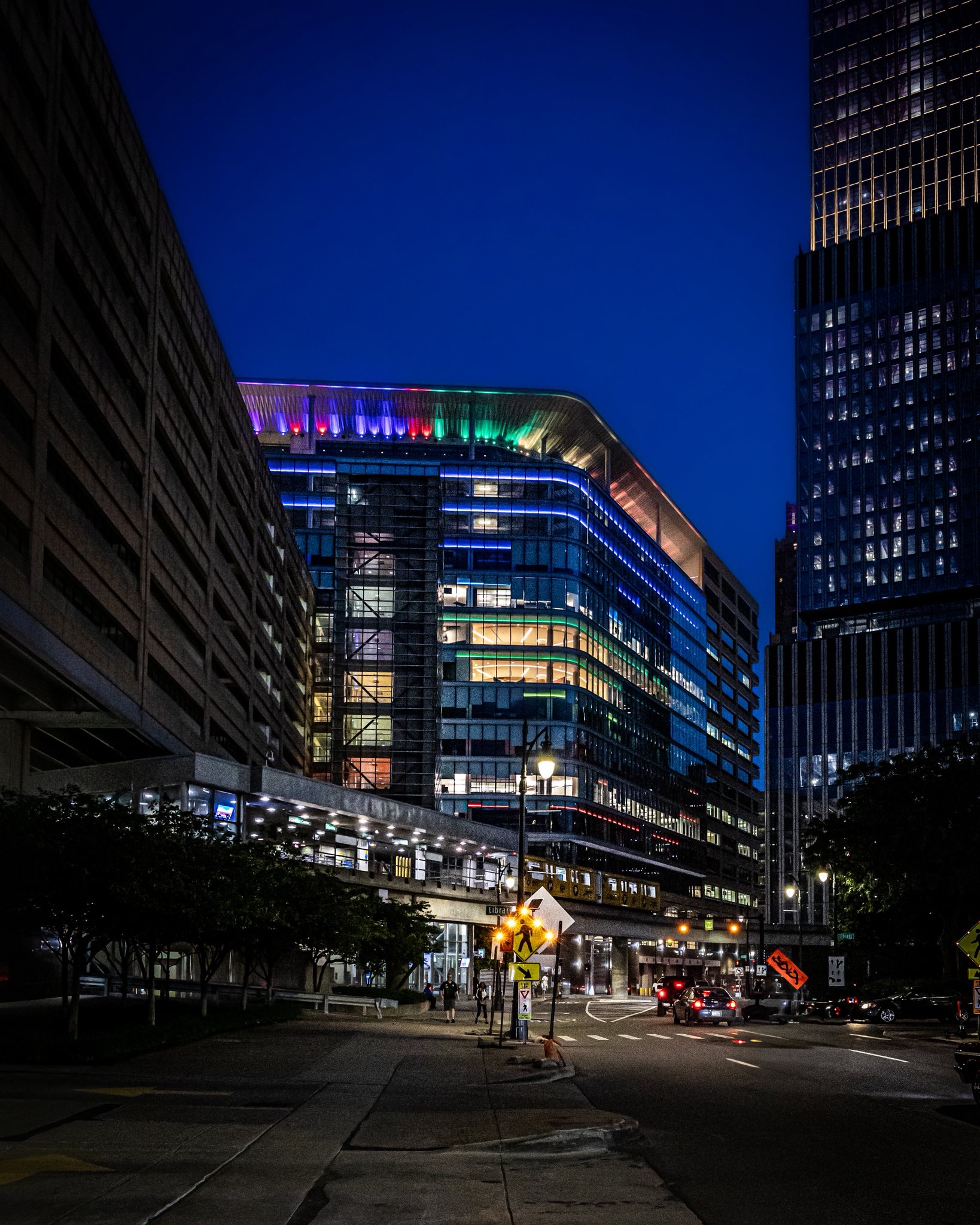
The city of Detroit was founded on Sunday July 24, 1701 by Antoine de la Mothe, Sieur de Cadillac. Throughout the history of the city, Detroit’s industry has been a driving engine of Michigan and the nation, reaching its zenith with the auto industry. To my mind, there’s few things that capture the indomitable spirit of the city like Woodward Avenue. I particularly love that this photo features the new Hudson’s building as a backdrop with one of the auto industry’s more out of the box experiments and a partly people powered pedal pub from Handlebar Detroit.

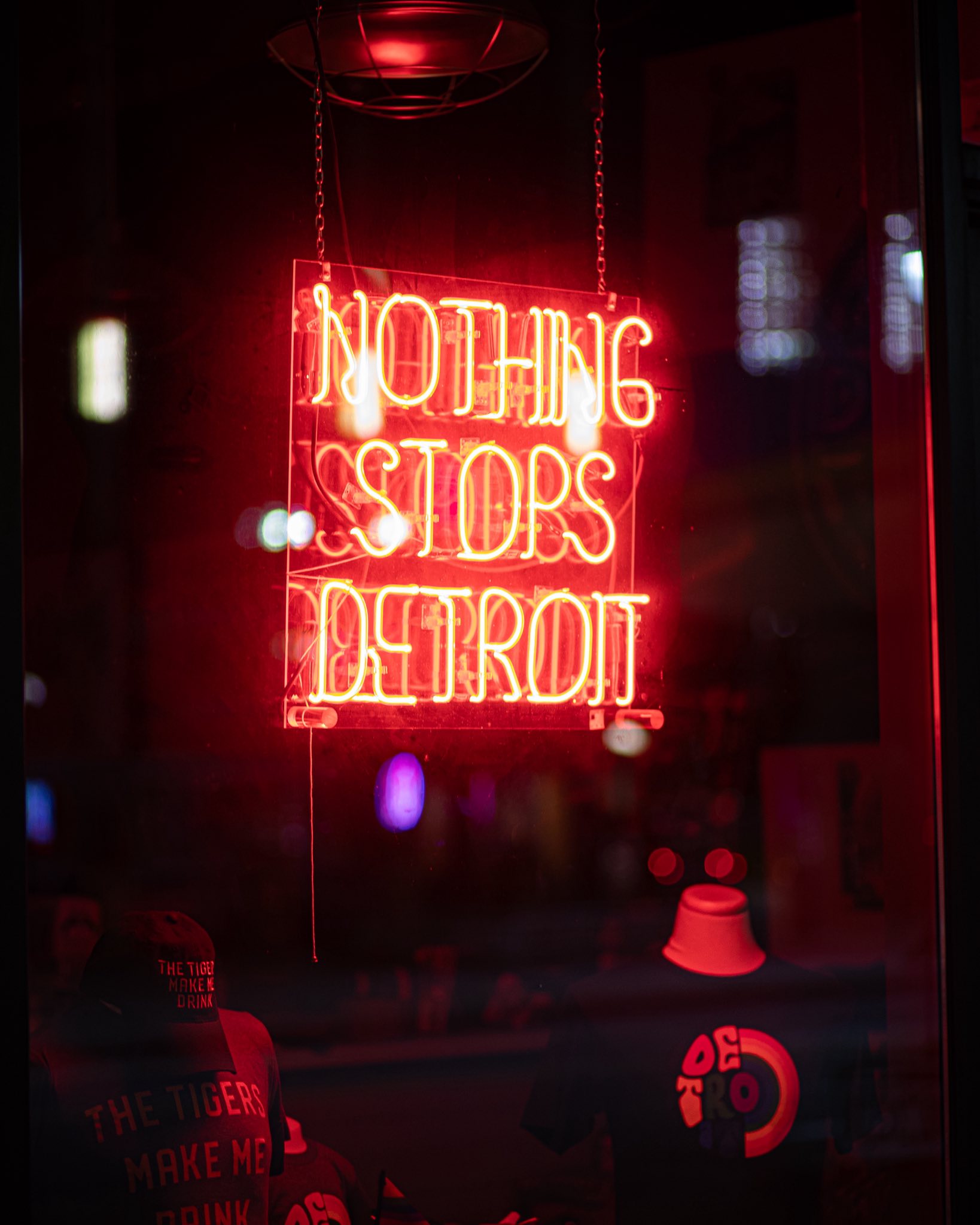
Enjoy this selection of nighttime scenes of the city from Michigan photographer Coretta Billy that capture that spirit. For sure follow her on Facebook and view her portrait & event photography on her website.

Support Michigan in Pictures with Patreon