Not gonna lie, I’m not feeling good about the “plan” for Venezuela. Also, while I actually have a degree in the geopolitics of the Caribbean basin, I don’t plan to argue the logic of starting a conflict with a Chinese ally because of “drugs” but then switching to “oil & regime change” before the fires are even out. Is Maduro a good guy? Unquestionably not. Is invading a nation of 30 million people for vague & shifting reasons a good idea? Also no.
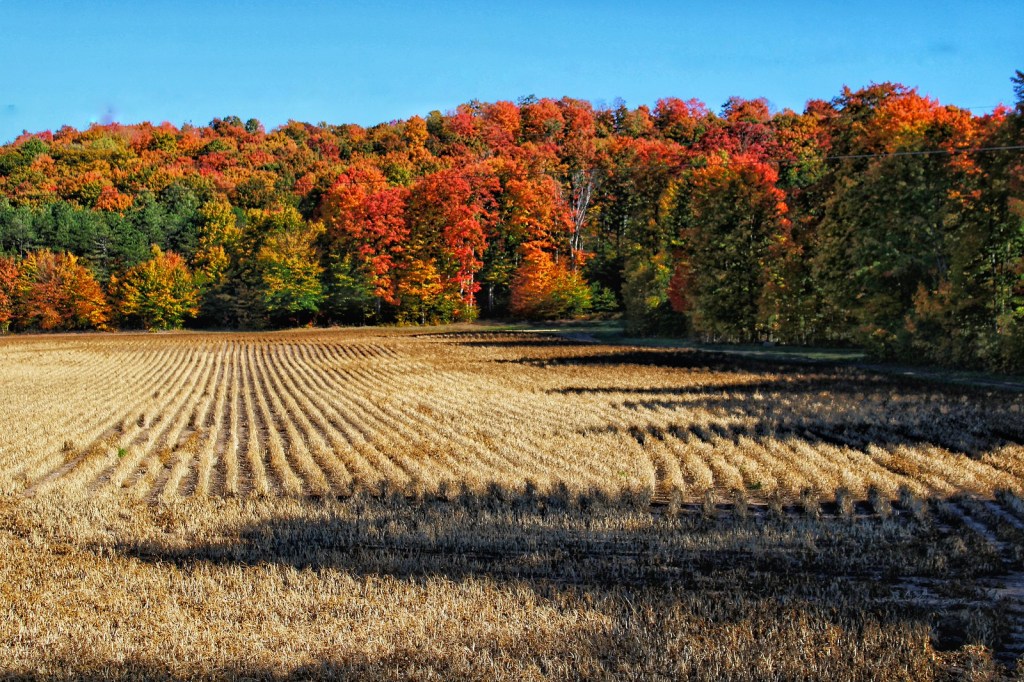
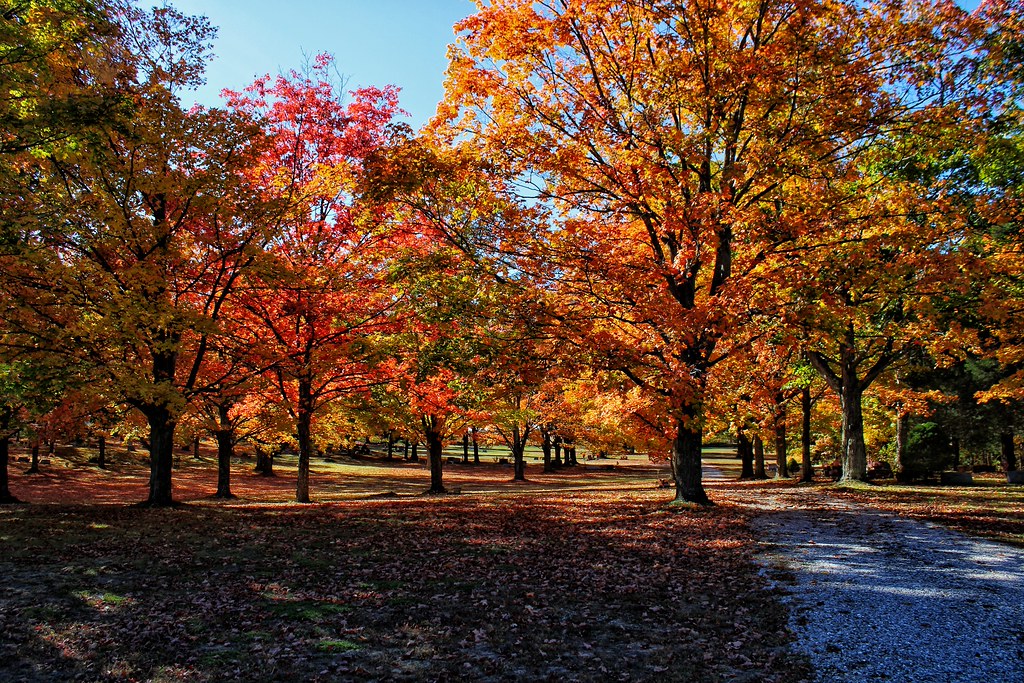
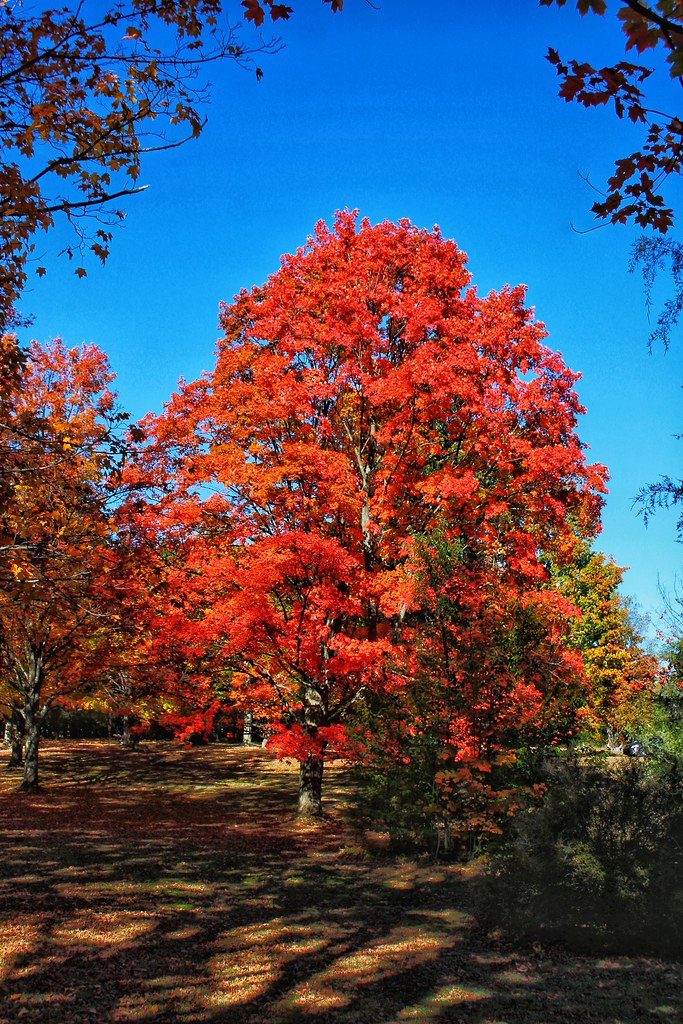
The Pure Michigan Fall Color Report for October 14-21, 2025 says that Michigan’s Upper Peninsula will be at or near peak color this weekend. As always, color moves slower along the water in the UP and the Lower Peninsula. In Northern Michigan they say color is at about 50%, but I am going to trust MyNorth & TV 9&10 who are saying inland areas in Northern Michigan are at peak & shoreline communities like Traverse City, Petoskey & Tawas are fast approaching optimal color (especially because the folks at Crystal Mountain who are very on the ball are reporting color at 80-100%. Southern Michigan is close to halfway in most areas, but as always, please share your observations & photos!!
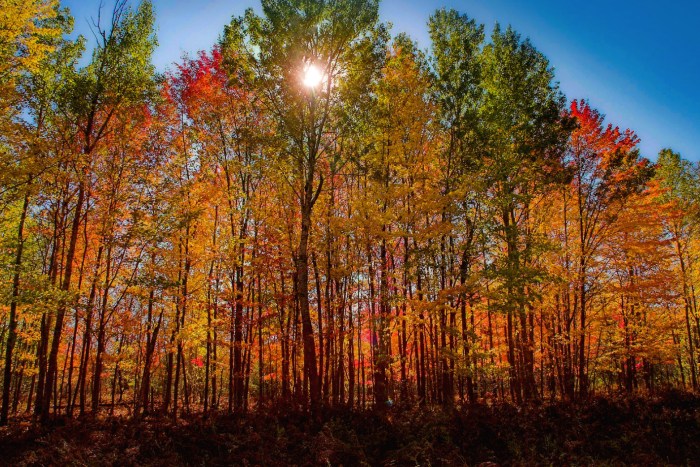
Mike took these yesterday in Pleasanton, which is located slightly inland in Benzie County midway between Manistee & Frankfort so yo can see how the color is really close to peak! See more in his Fall Color MI 2025 gallery on Flickr & for sure get out there to see some of this beautiful color before it’s gone!!
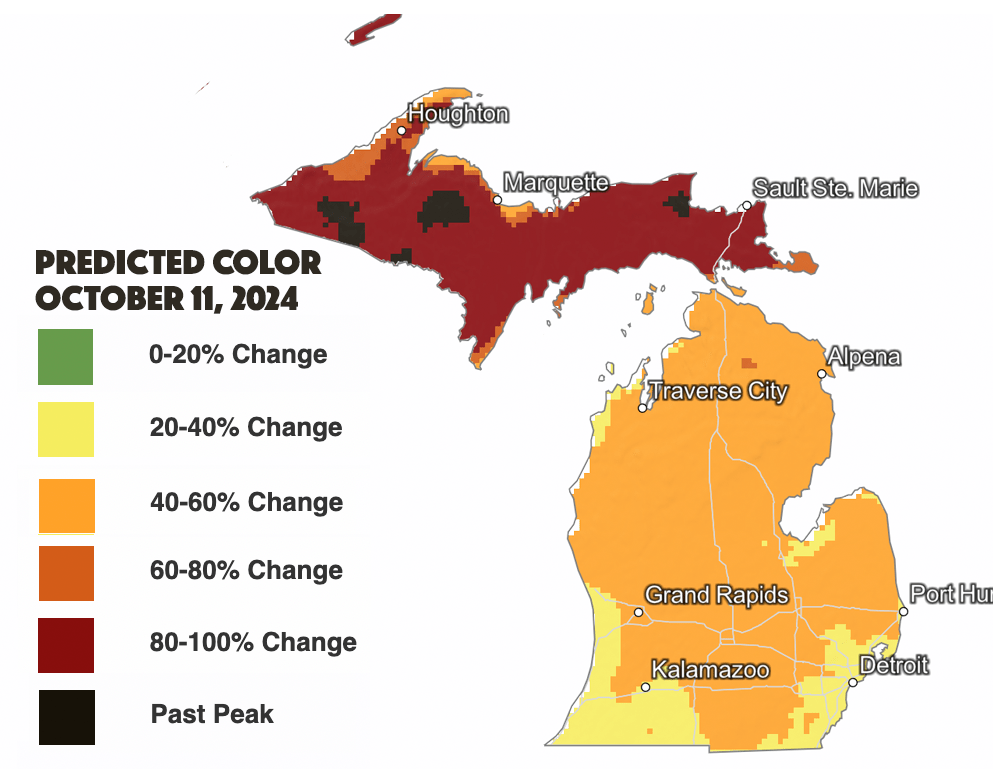
Pure Michigan’s Fall Color Forecast for October 11 (see below) shows that the Upper Peninsula will be at or passing peak this weekend while most of the Lower Peninsula will be in the 20-60% range. Remember that leaf color can vary significantly even locally, and in addition to producing different colors when they turn, trees change at different times. Typical patterns have more color change the further you are from the Great Lakes. You can see this in the graphic below where much of the UP’s Lake Superior shore hasn’t hit peak yet.
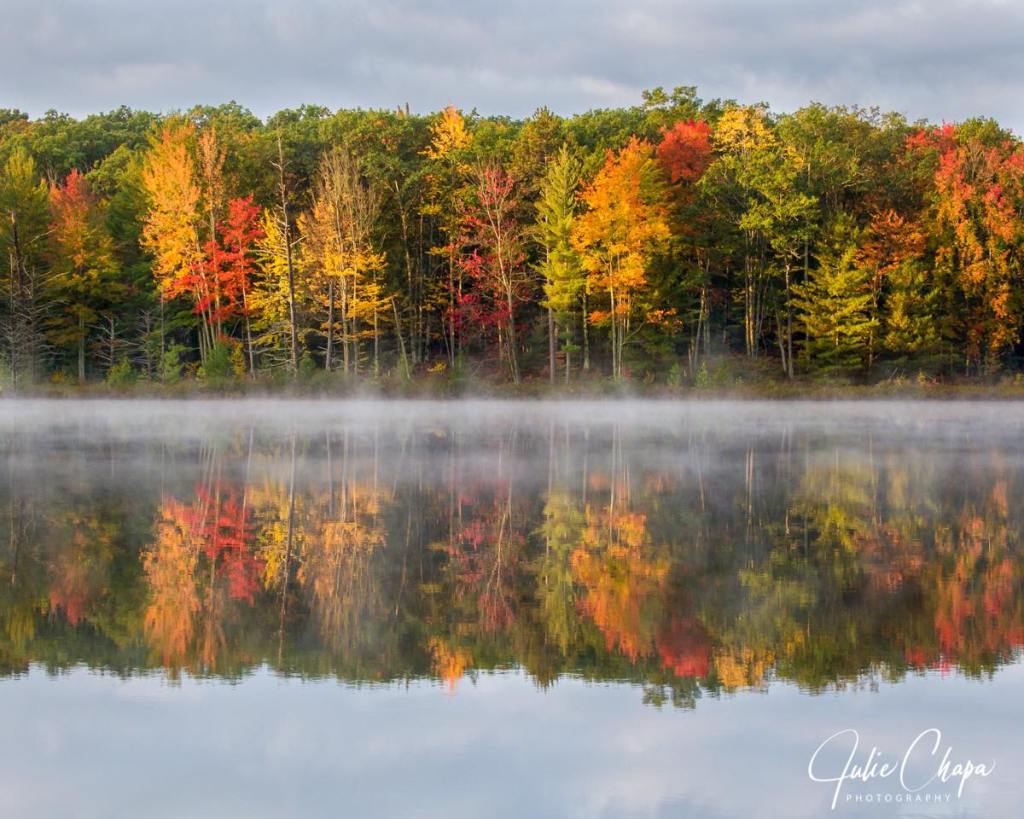
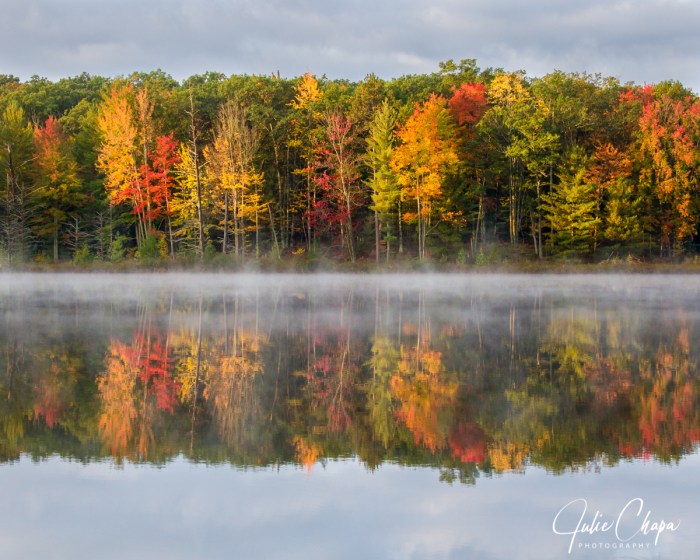
Julie shares the story behind this gorgeous shot: Luckily I got up early this particular morning and the water was like glass! I was able to catch this awesome autumn reflection shot at Mirror Lake in the village of Fife Lake, Michigan. The nice mist coming off the water was definitely a bonus making it a truly serene and beautiful experience.
Chlorophyll: Gives leaves a basic green color. It is necessary for photosynthesis, the chemical reaction that enables plants to use sunlight to manufacture sugars for food.
Carotenoids: Produces yellow, orange, and brown colors in such things as corn, carrots, and daffodils, as well as rutabagas, buttercups, and bananas.
Anthocyanin: Gives color to such familiar things as cranberries, red apples, concord grapes, blueberries, cherries, strawberries, and plums. They are water soluble and appear in the watery liquid of leaf cells.
Certain colors are characteristic of particular species, and the color of maples leaves differ species by species:
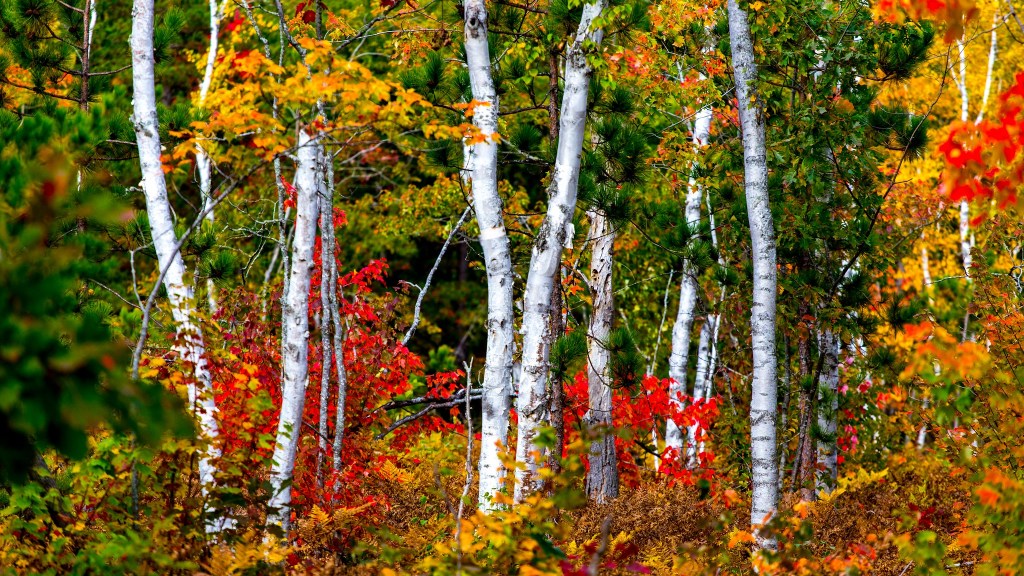
Bob took this shot of fall color at Pictured Rocks National Lakeshore in Michigan’s Upper Peninsula back in October of 2011. See more in his Explore gallery and for sure view & purchase his work on his website!
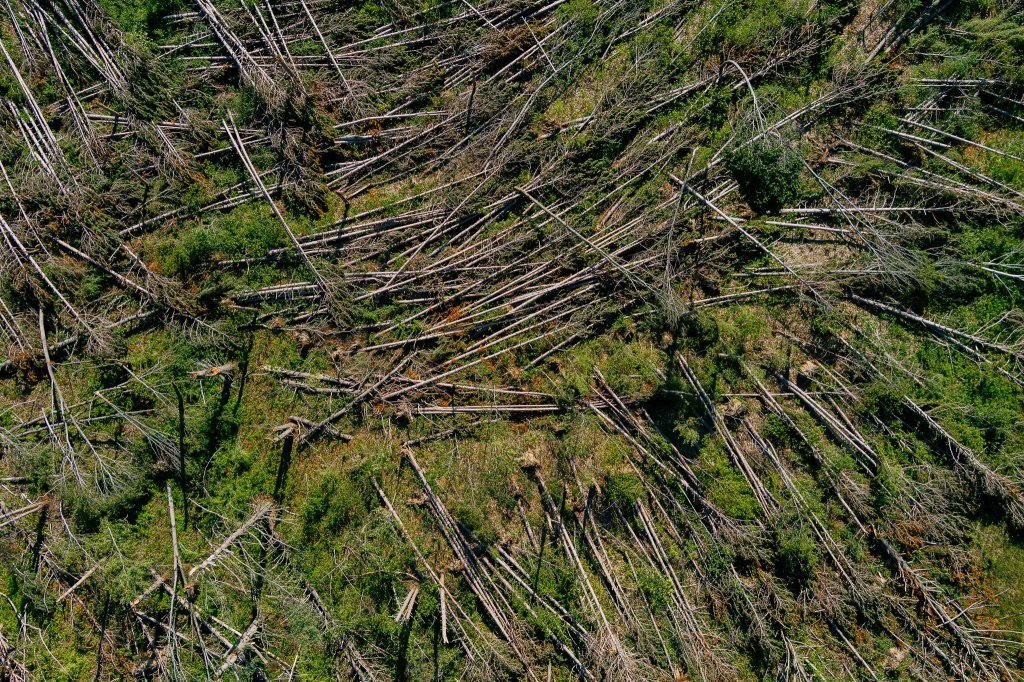
William shares that the F2 tornado that hit Kalamazoo/Portage on May 7th flattened these trees in the Gourdneck State Game Area in Portage. The tornado has already cost the city of Portage over $5 million, and they’ve allocated another $2 million.
The amount and brilliance of the colors that develop in any particular autumn season are related to weather conditions that occur before and during the time the chlorophyll in the leaves is dwindling. Temperature and moisture are the main influences.
A succession of warm, sunny days and cool, crisp but not freezing nights seems to bring about the most spectacular color displays. During these days, lots of sugars are produced in the leaf but the cool nights and the gradual closing of veins going into the leaf prevent these sugars from moving out. These conditions – lots of sugar and light – spur production of the brilliant anthocyanin pigments, which tint reds, purples, and crimson. Because carotenoids are always present in leaves, the yellow and gold colors remain fairly constant from year to year.
The amount of moisture in the soil also affects autumn colors. Like the weather, soil moisture varies greatly from year to year. The countless combinations of these two highly variable factors assure that no two autumns can be exactly alike. A late spring, or a severe summer drought, can delay the onset of fall color by a few weeks. A warm period during fall will also lower the intensity of autumn colors. A warm wet spring, favorable summer weather, and warm sunny fall days with cool nights should produce the most brilliant autumn colors.
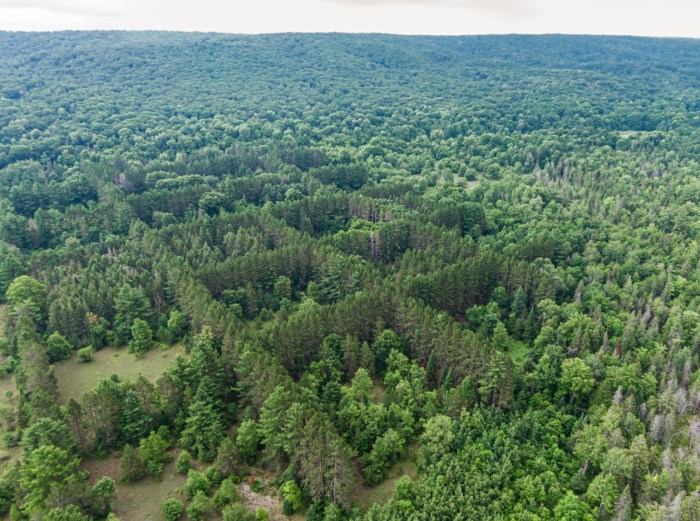
One of the nice things about drone photos is that they can reveal cool things that are lurking just beyond our perception. Laurent shares that he asked his brother who “makes” trees for a living as a biology engineer, and his brother said that it could be an effort to mark growing areas for growers.


 Michigan in Pictures