Big questions about Giant sequoia

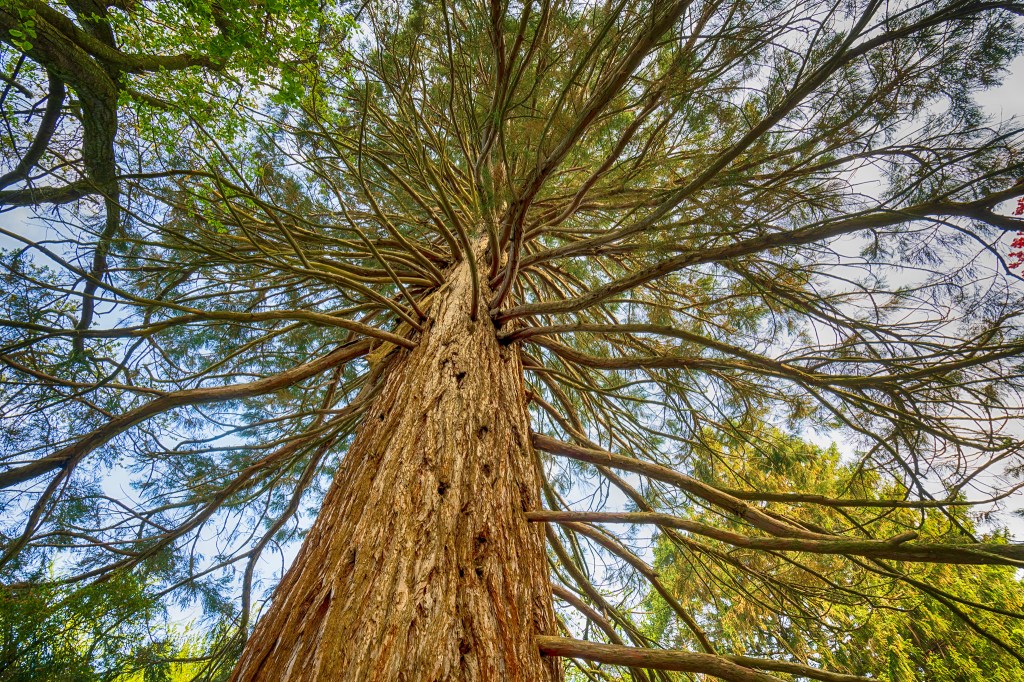
Sequoia Redwood Tree by Charles Bonham

Sequoia Redwood Tree by Charles Bonham

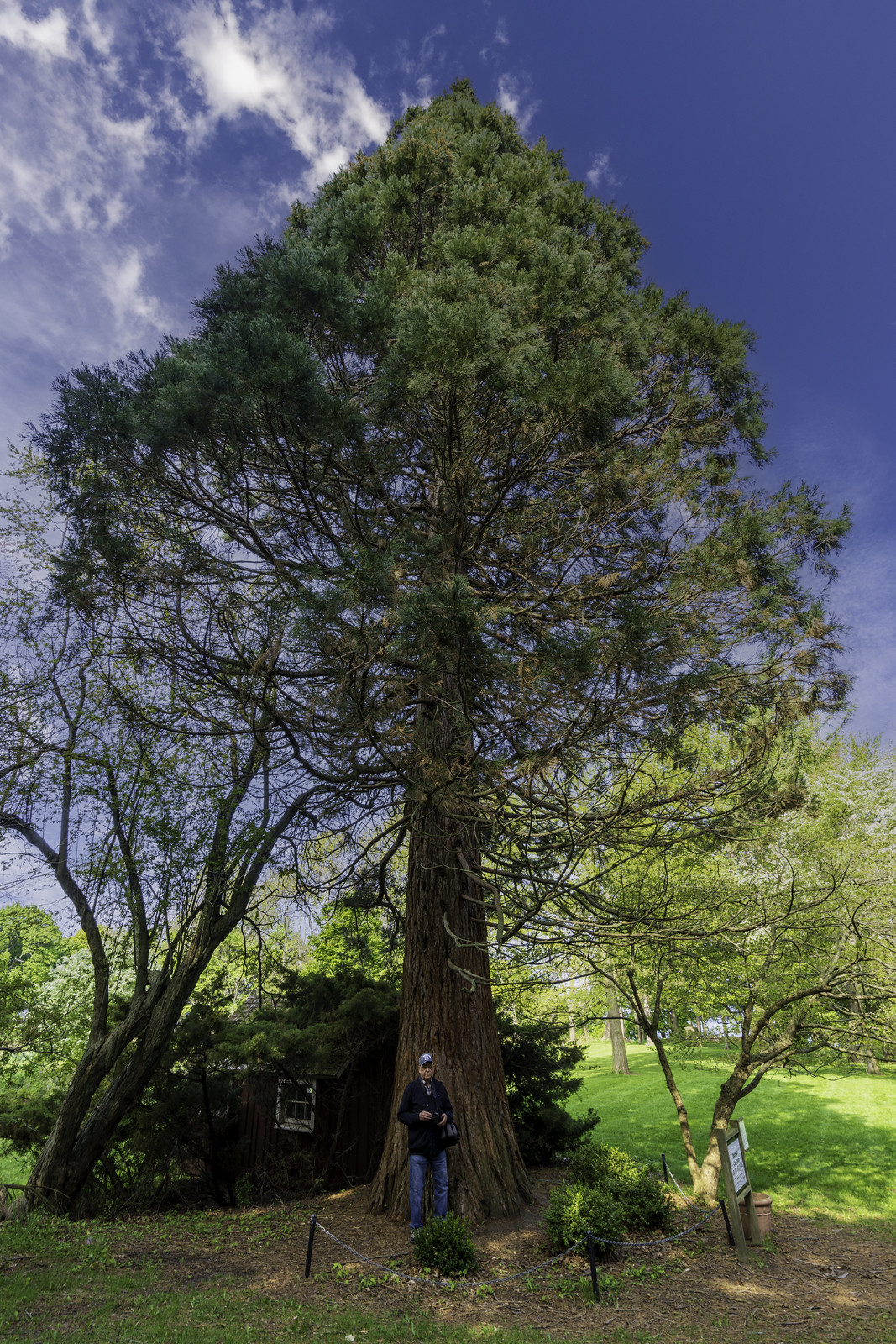
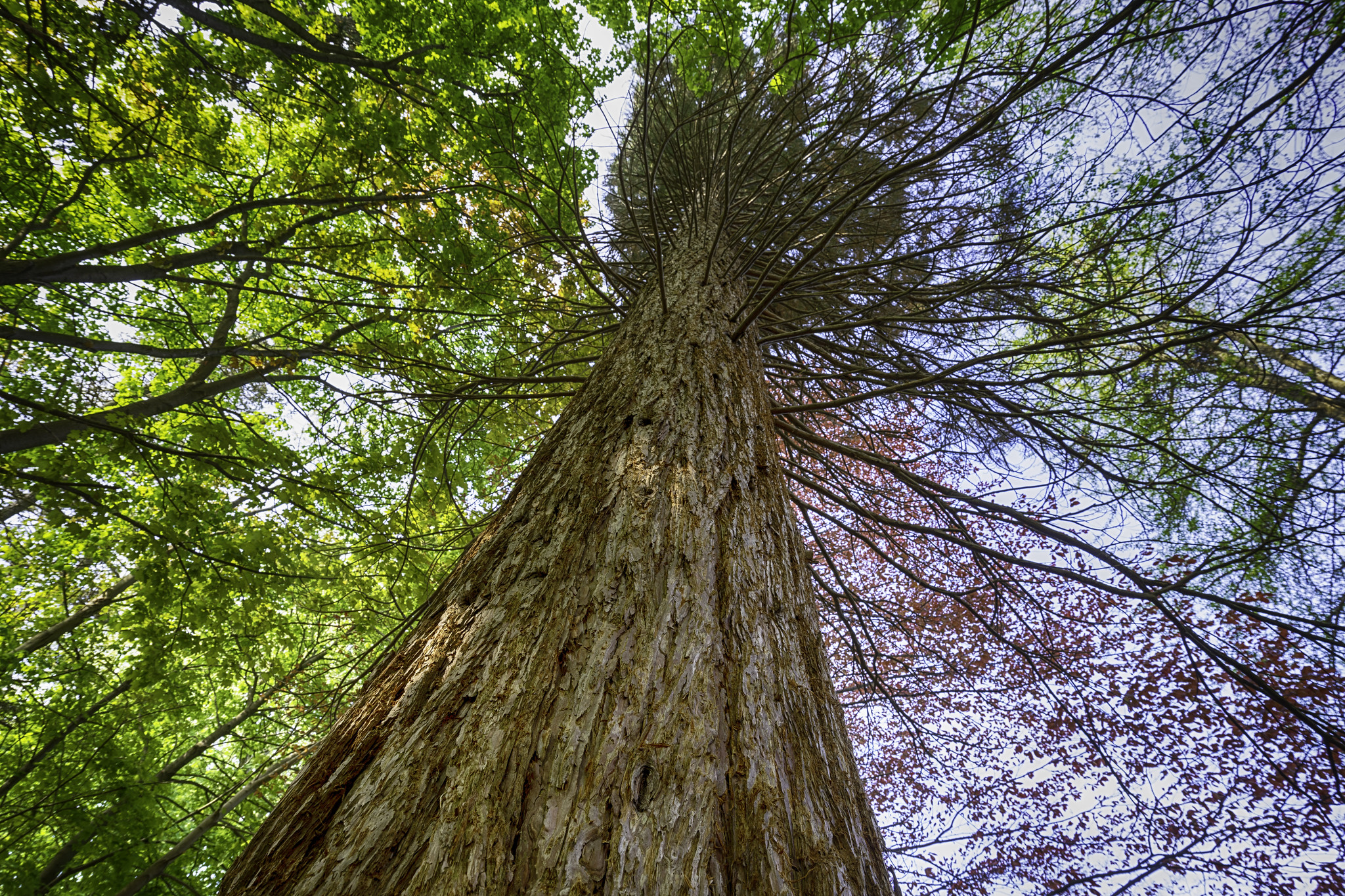
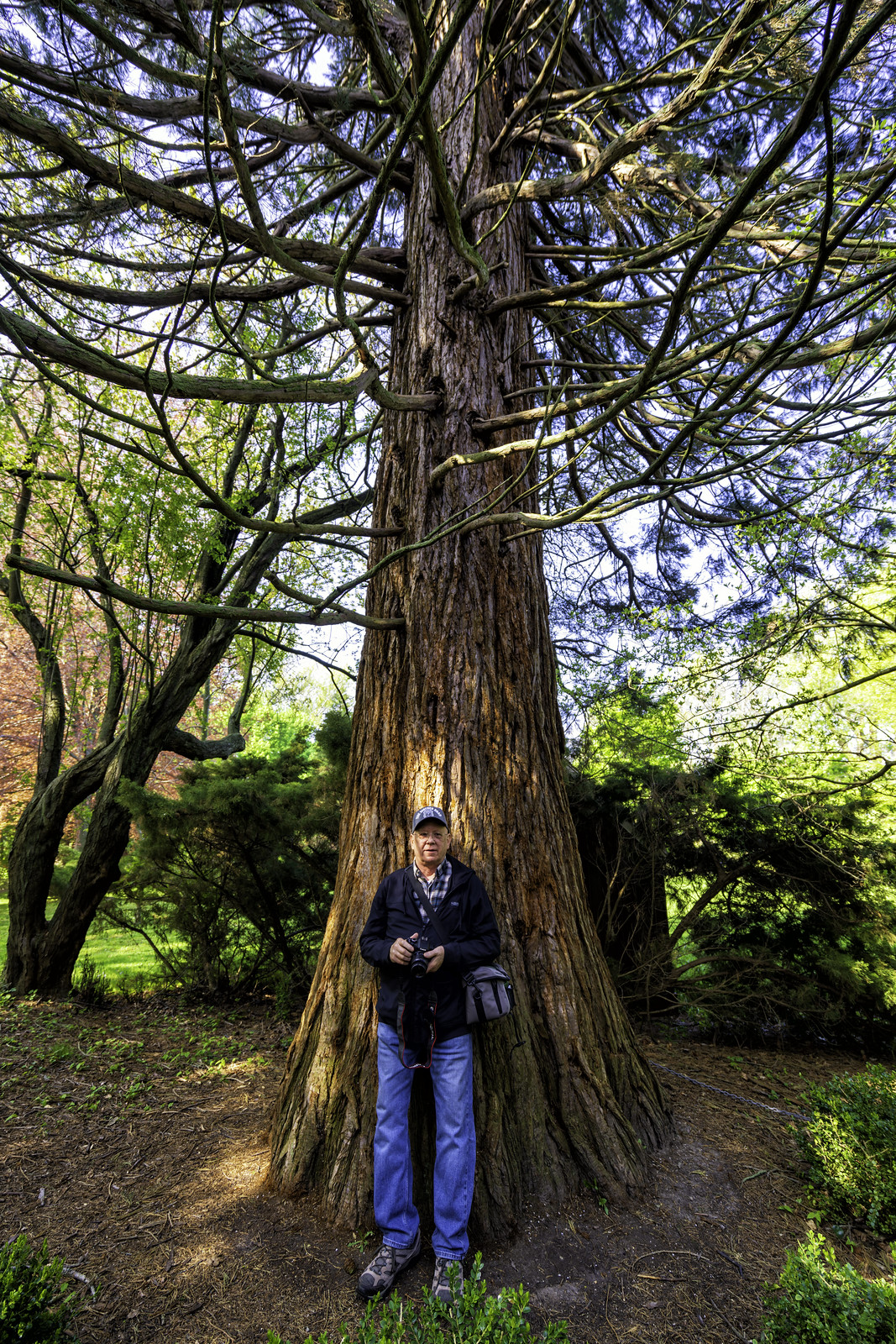
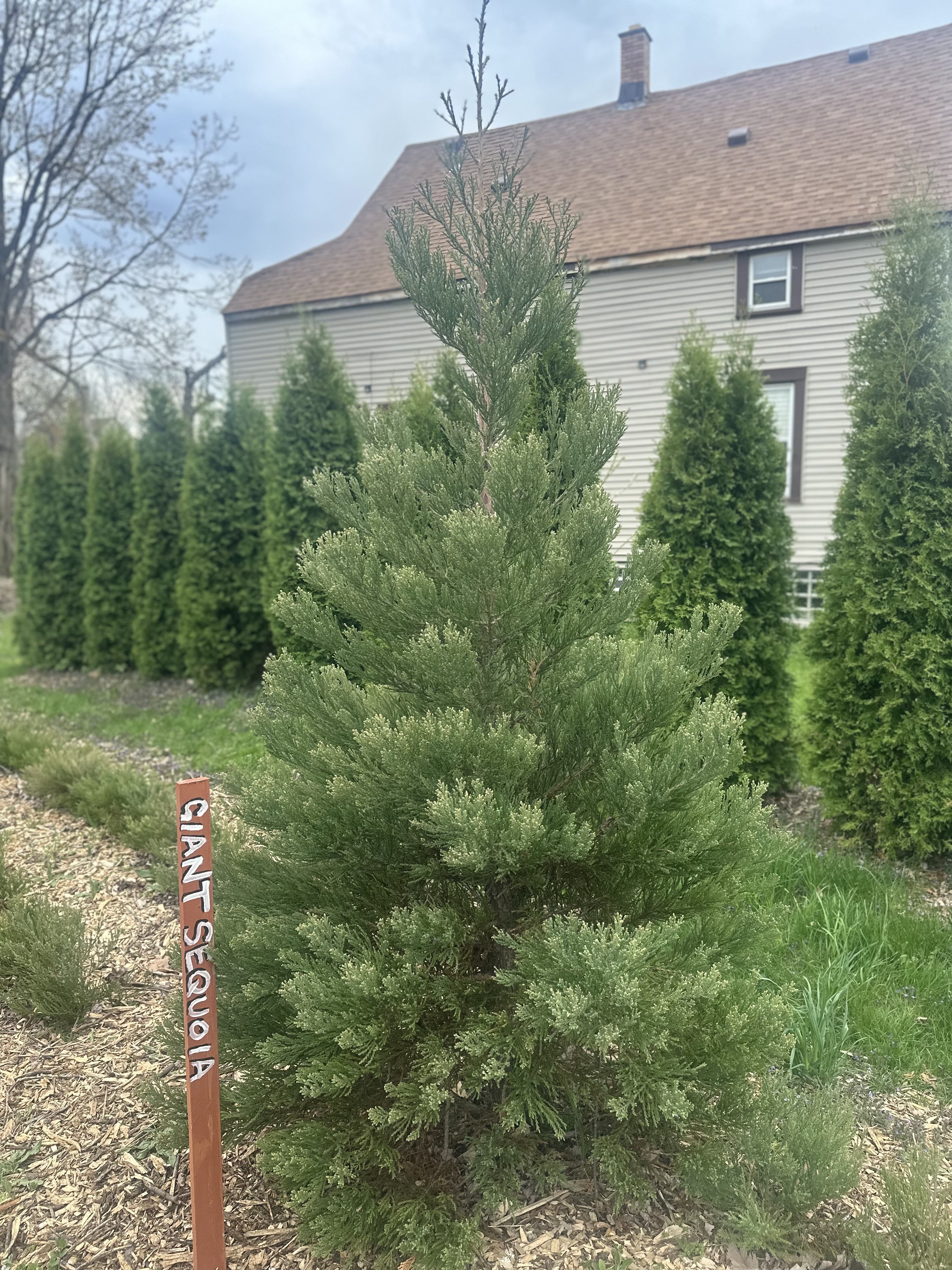
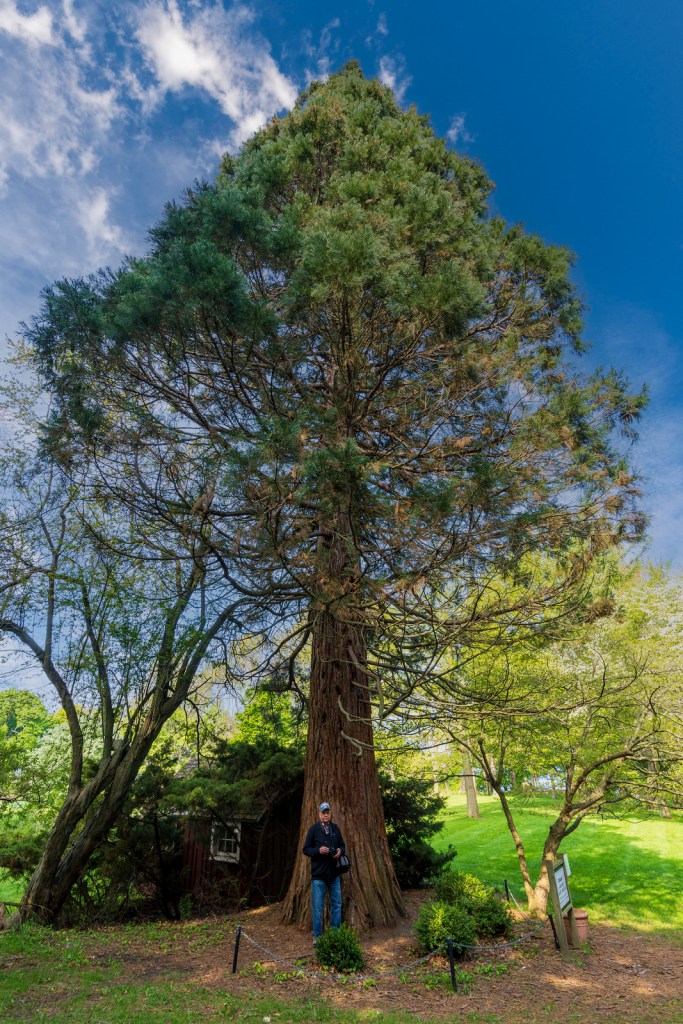
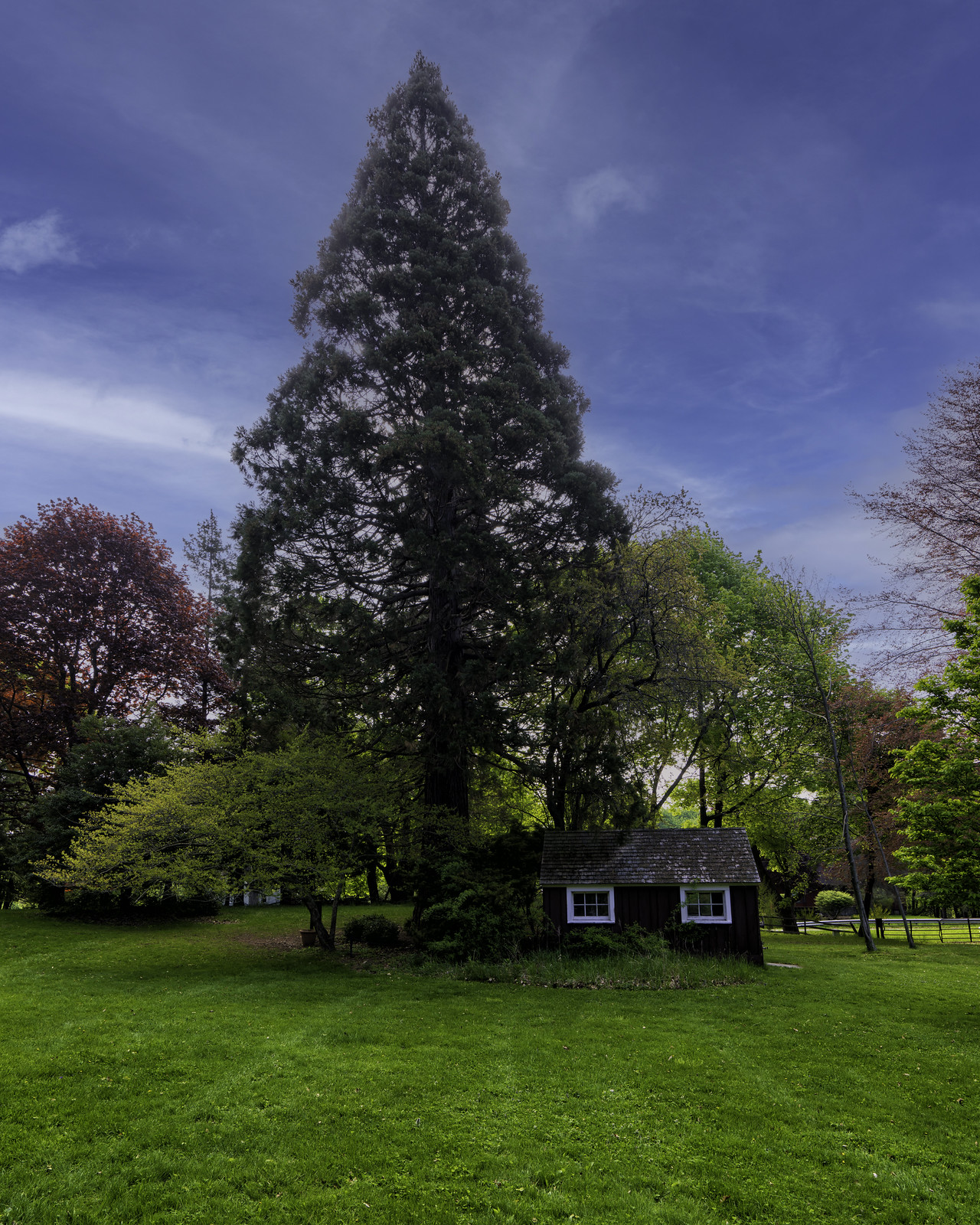
My post last week about the planting of Giant sequoia trees in Detroit by Archangel Ancient Tree Archive & Arboretum Detroit got a lot of commentary. While it was generally positive, a common theme of criticism was that we shouldn’t plant things in places where they aren’t native because they don’t belong or can’t survive. On the “can’t survive” front, I give you the 116+ foot tall Lake Bluff Arboretum Giant sequoia tree in Manistee that was planted in 1949.

And while I agree that planting non-native trees is generally a bad idea, the second paragraph of the Bridge Detroit article I linked to explains that it is the environmentally responsible thing to do to allow these forest titans to survive into the future: “The project on four lots will not only replace long-standing blight with majestic trees, but could also improve air quality and help preserve the trees that are native to California’s Sierra Nevada, where they are threatened by ever-hotter wildfires.

And even if clicking a link is two hard, the 2nd of the two paragraphs I chose for the excerpt reads Giant sequoias are resilient against disease and insects, and are usually well-adapted to fire. Thick bark protects their trunks and their canopies tend to be too high for flames to reach. But climate change is making the big trees more vulnerable to wildfires out West, Kemp said. “The fires are getting so hot that its even threatening them,” he said.

You simply gotta read folks. At least if you want to make intelligent critiques.

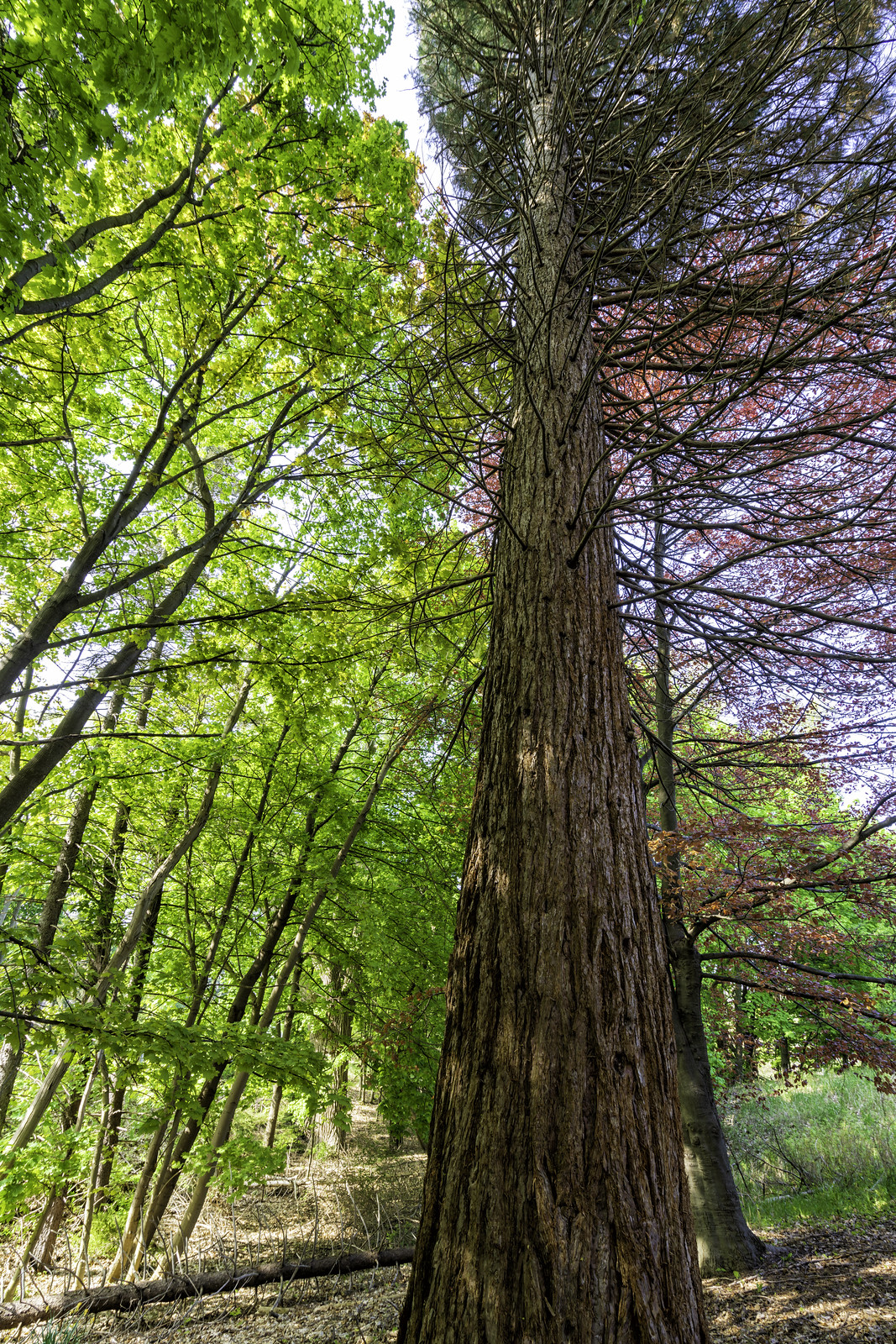
I had shared a photo of the Giant sequoia in Manistee that Charles took in 2002 2022, but I decided to go back to see what else he had. Lots!! Check them out below and see lots more in his Trees gallery on Flickr.
Support Michigan in Pictures with Patreon

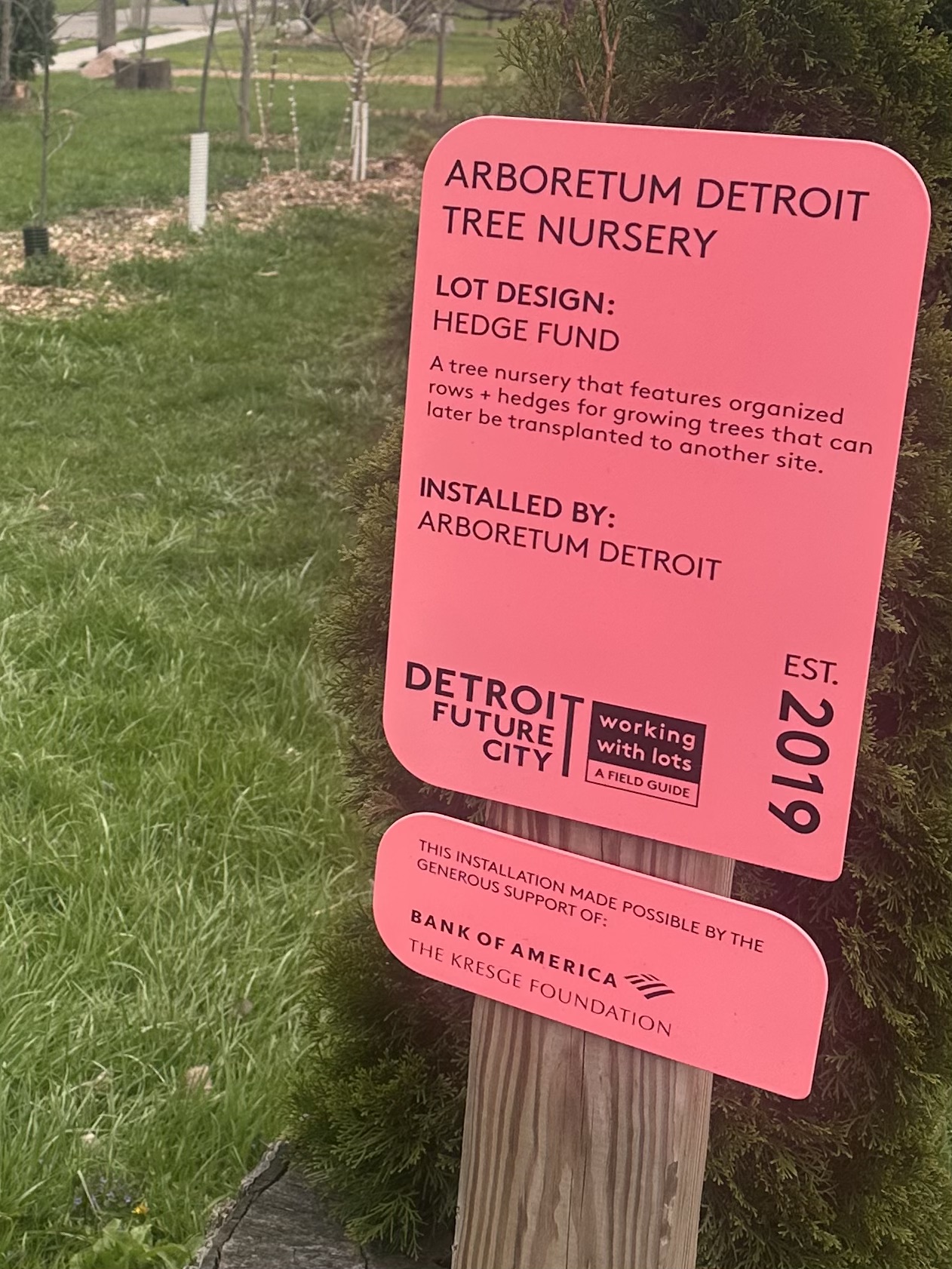
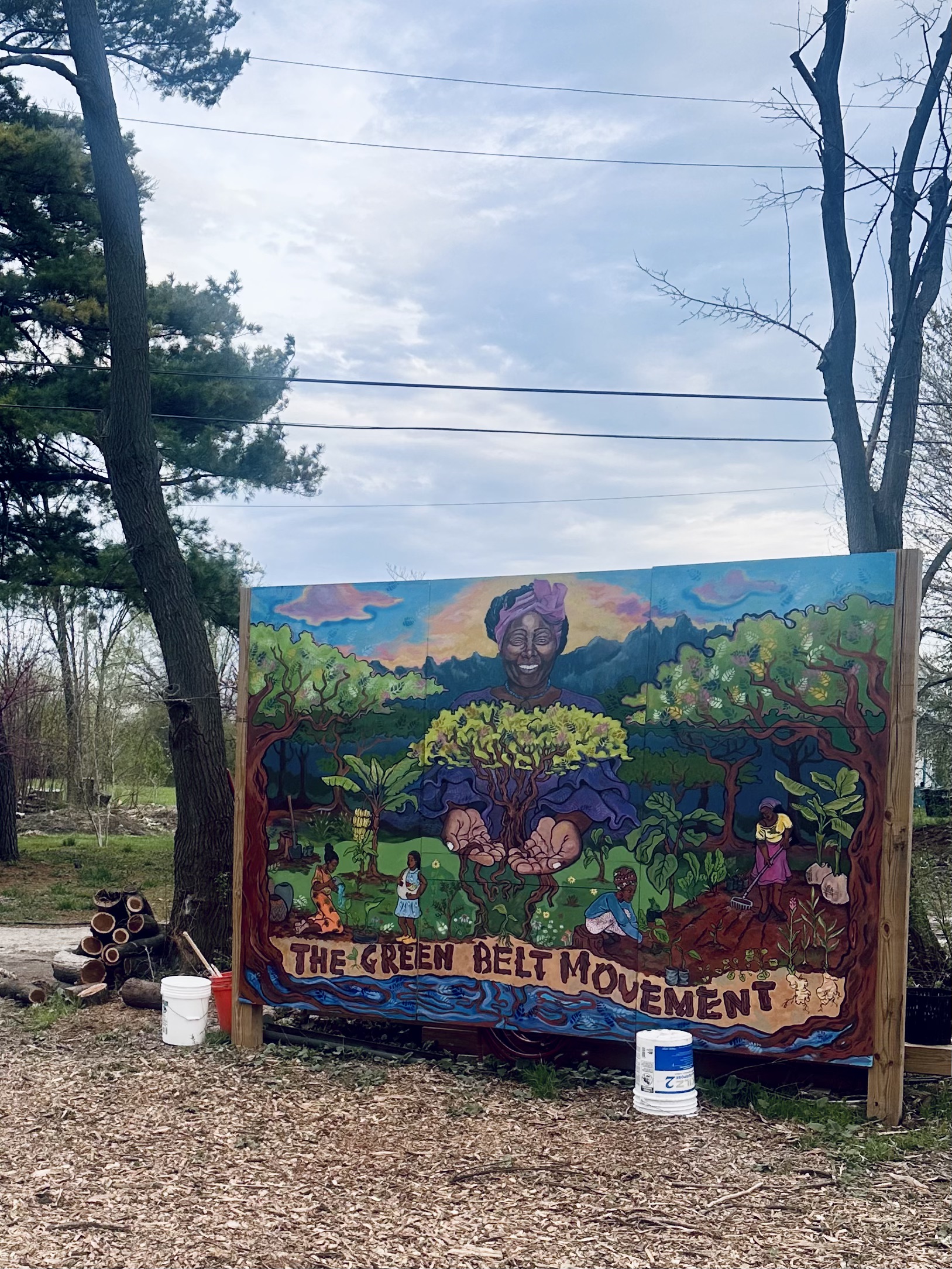
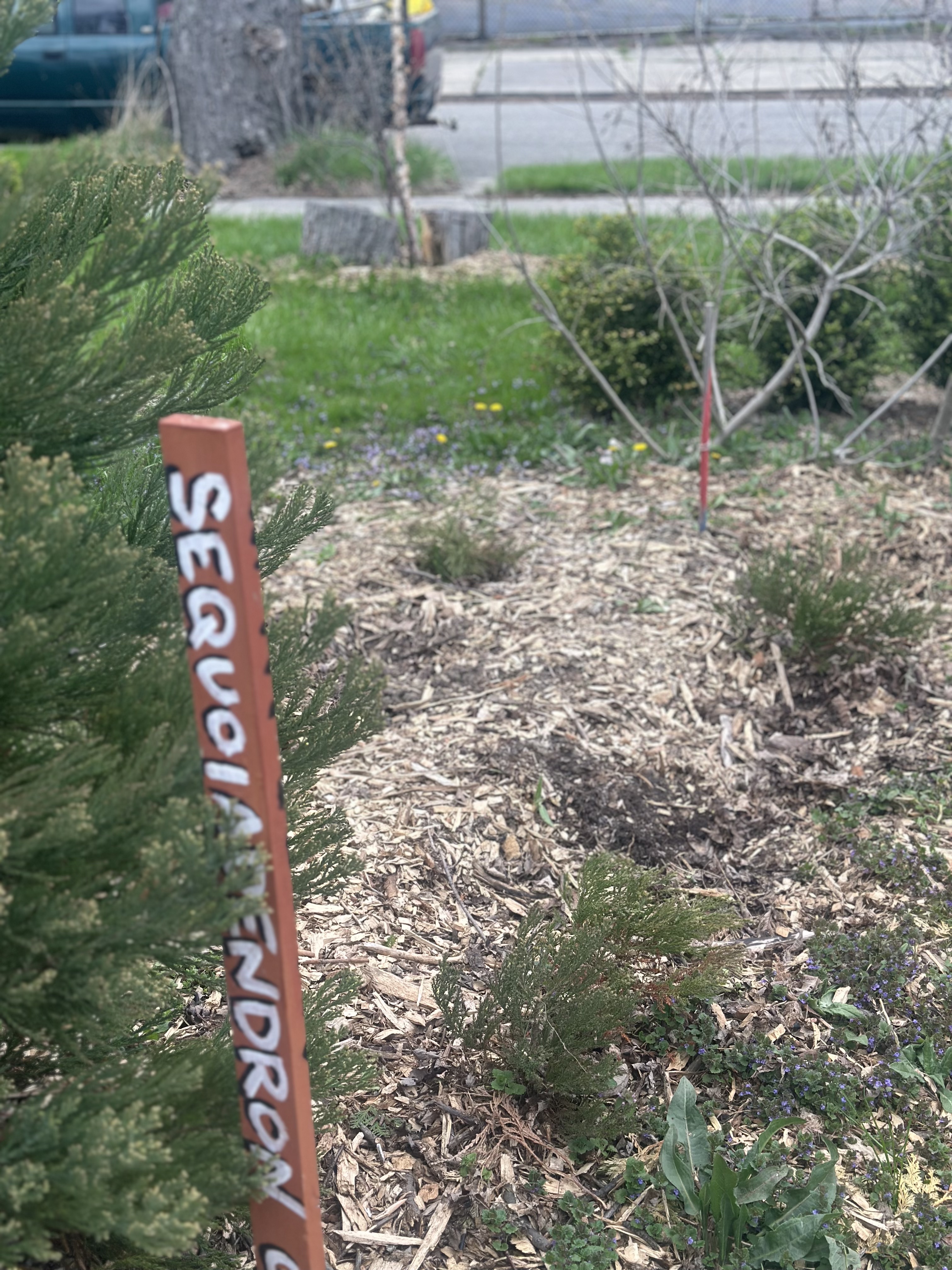
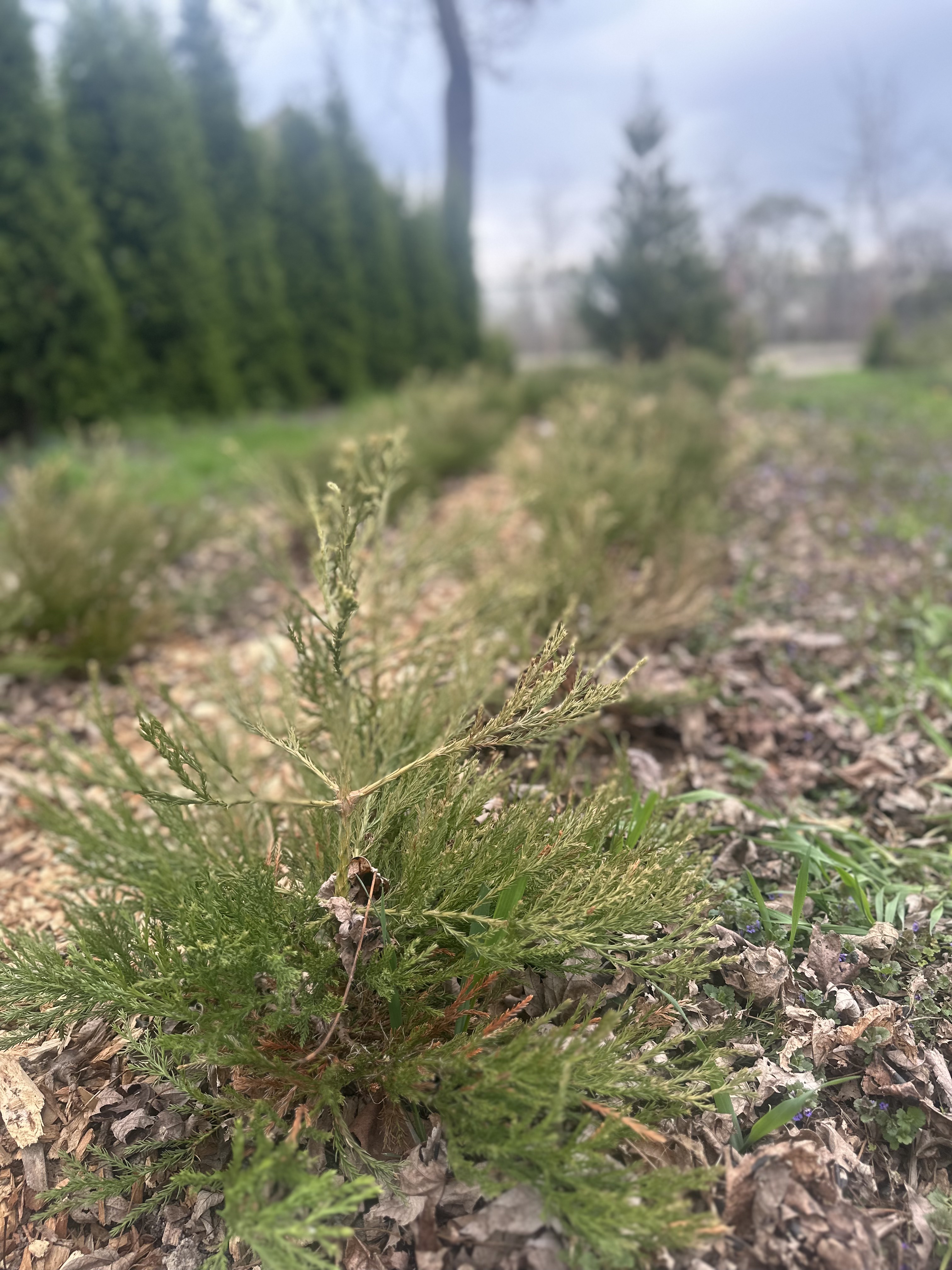
Planting the Forests of the Future in Detroit

Giant Sequoia in Detroit's Circle Forest

Giant Sequoia in Detroit’s Circle Forest by Andrew McFarlane

“Here’s a tree that is bigger than your house when it’s mature, taller than your buildings, and lives longer than you can comprehend.”

-Andrew “Birch” Kemp, Executive Director, Arboretum Detroit

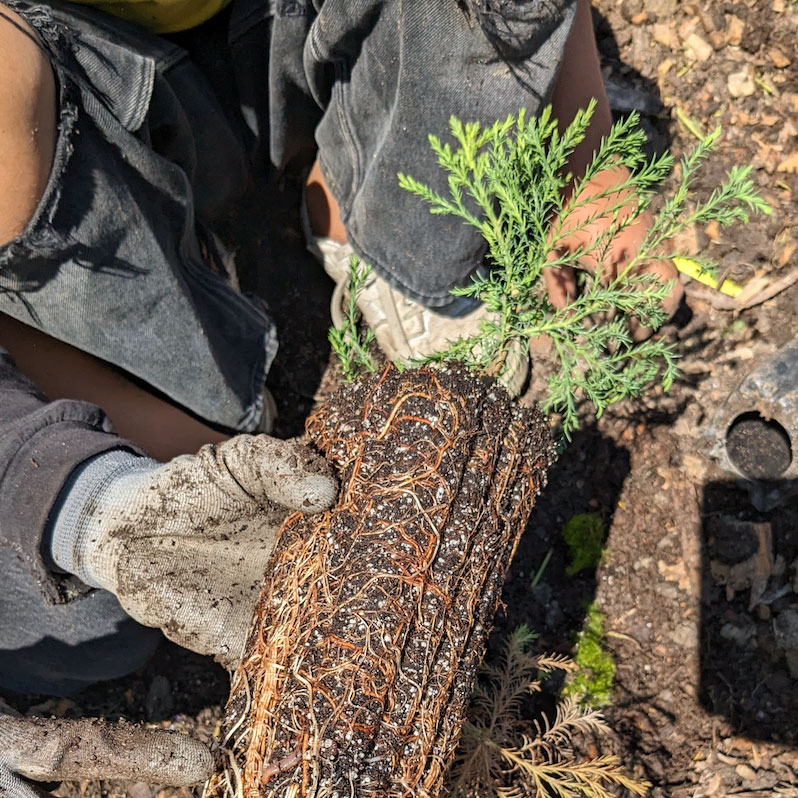
The Archangel Ancient Tree Archive & Arboretum Detroit have partnered on a truly incredible effort that is planting giant sequoia in Detroit! Bridge Detroit shares that these colossal conifers can live for more than 3,000 years and reach heights in excess of 300′ tall with a circumference greater than 30′ at the base.

The sequoias will eventually provide a full canopy that protects everything beneath, he said. “It may be sad to call these .5- and 1-acre treescapes forests,” Kemp said. “We are expanding on this and shading our neighborhood in the only way possible, planting lots of trees.”

Giant sequoias are resilient against disease and insects, and are usually well-adapted to fire. Thick bark protects their trunks and their canopies tend to be too high for flames to reach. But climate change is making the big trees more vulnerable to wildfires out West, Kemp said. “The fires are getting so hot that its even threatening them,” he said.

You can read lots more in Bridge and at the Archangel Ancient Tree Archive, which I encourage you to support with your donations & by spreading the word about their amazing work!

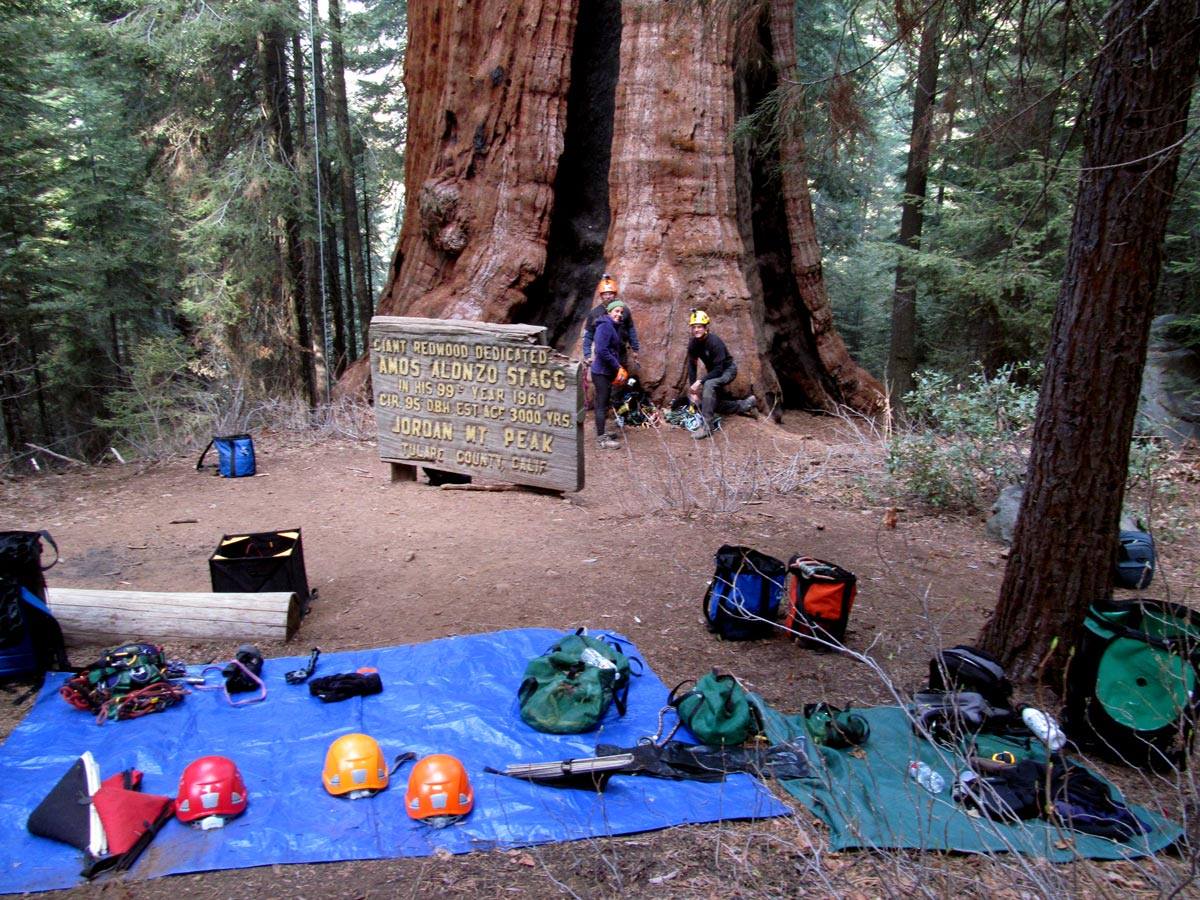
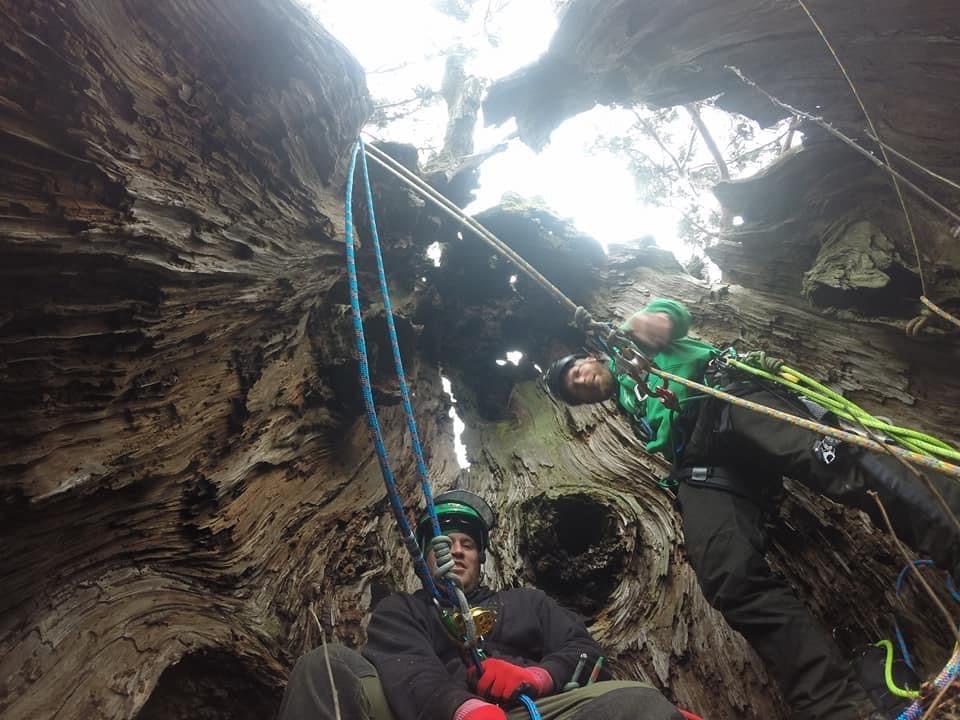
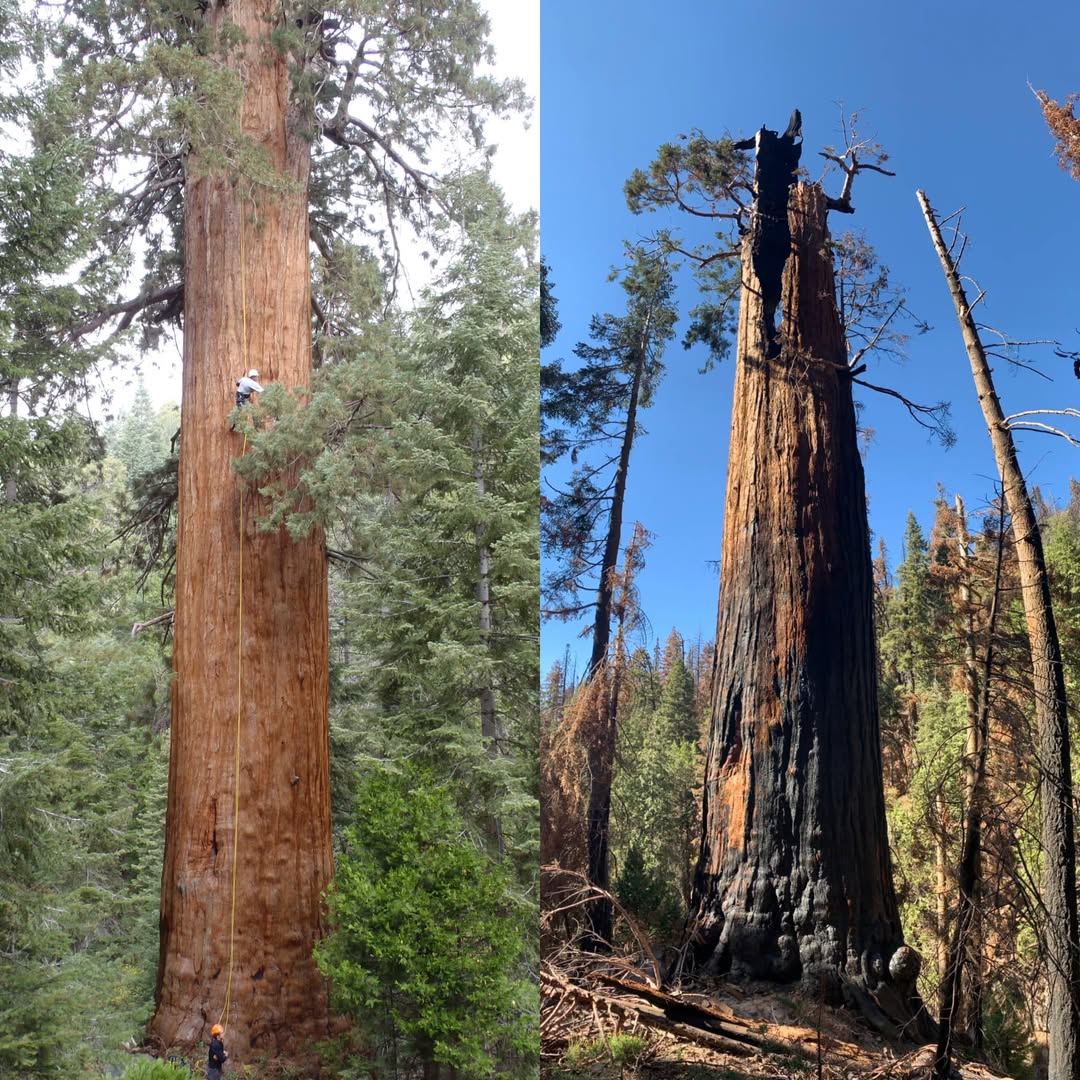
Here are some pics I took yesterday afternoon along with some pics from the Archangel Facebook page. The big tree is the Stagg giant sequoia tree in California’s Sierra Nevada mountains – fifth largest tree in the world – and the shot of the guys in the tree shows Archangel’s Jake Milarch & Aaron Johns actually inside the 3000+ year old tree! The one of the burned tree shows the 3,000 year old “Waterfall Tree” Giant Sequoia before and after the 2020 Castle Fire.

Continued (apparently) in Big Questions about Giant Sequoia on Michigan in Pictures!

Support Michigan in Pictures with Patreon

Autumn’s Rainbow: the colors of fall

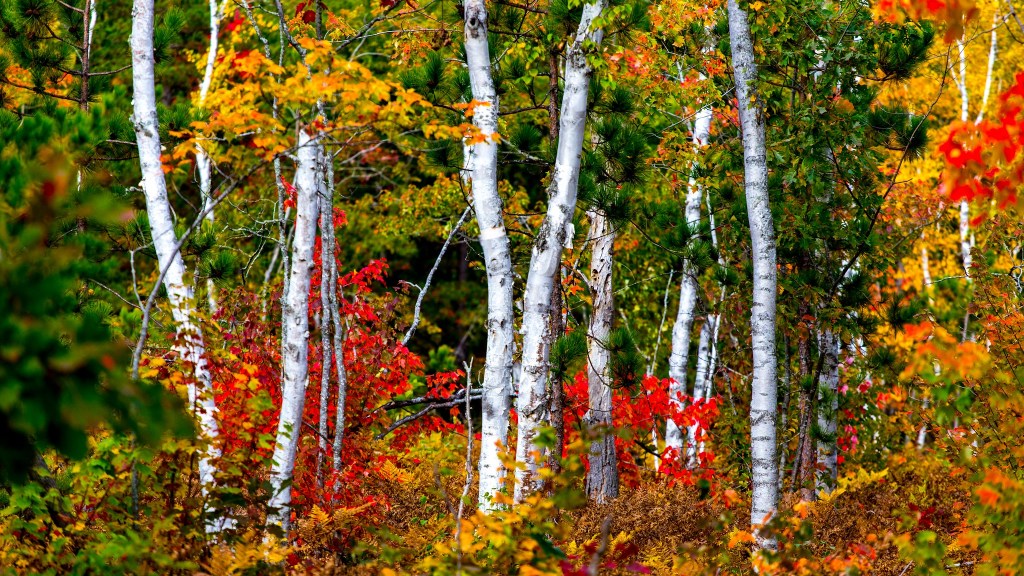
Fall Color by Bob Gudas

Fall color is really starting to come on in Michigan, and the US Forest service shares that there are three pigments in the palette of autumn color:

Chlorophyll: Gives leaves a basic green color. It is necessary for photosynthesis, the chemical reaction that enables plants to use sunlight to manufacture sugars for food.

Carotenoids: Produces yellow, orange, and brown colors in such things as corn, carrots, and daffodils, as well as rutabagas, buttercups, and bananas.

Anthocyanin: Gives color to such familiar things as cranberries, red apples, concord grapes, blueberries, cherries, strawberries, and plums. They are water soluble and appear in the watery liquid of leaf cells.

Certain colors are characteristic of particular species, and the color of maples leaves differ species by species:

  • Oaks: red, brown, or russet
  • Hickories: golden bronze
  • Aspen and yellow-poplar: golden yellow
  • Dogwood: purplish red
  • Beech: light tan
  • Sourwood and black tupelo: crimson
  • Red maple: brilliant scarlet
  • Sugar maple: orange-red
  • Black maple: glowing yellow
  • Striped maple: almost colorless

Read on for lots more!

Bob took this shot of fall color at Pictured Rocks National Lakeshore in Michigan’s Upper Peninsula back in October of 2011. See more in his Explore gallery and for sure view & purchase his work on his website!

More fall color on Michigan in Pictures!

Support Michigan in Pictures with Patreon

Manistee’s Giant Sequoia Tree

Giant Sequoia Tree Manistee, Michigan by Charles Bonham

Giant Sequoia Tree Manistee, Michigan by Charles Bonham

Charles shares that this Giant Sequoia (Sequoiaadendron giganteum) at Lake Bluff Arboretum in Manistee was planted in 1949 on a cliff along Lake Michigan is now over 100 feet tall! You can see another view right here and view lots more on his Flickr!

Support Michigan in Pictures with Patreon

Fall into the mirror

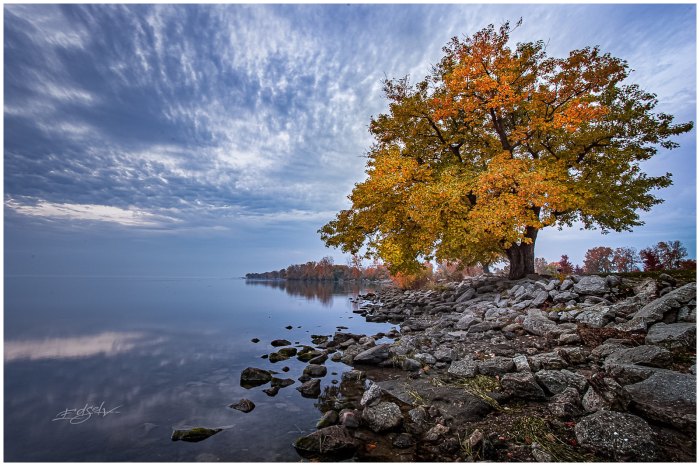
Untitled by Etzel Noble

Untitled by Etzel Noble

Simply wonderful shot from Etzel. See more in his Fall/Autumn gallery on Flickr.
Support Michigan in Pictures with Patreon

What’s up everyone?

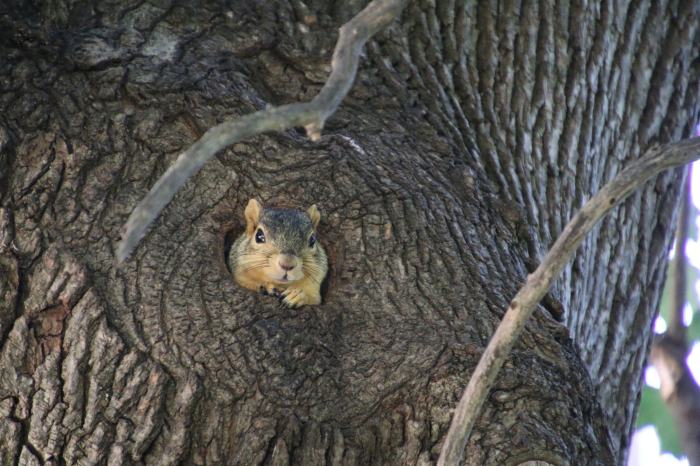
Squirrels in Ann Arbor at the University of Michigan (July 31st, 2017), photo by Corey Seeman

Apologies for the spotty posting over the last week. I’ve been pretty busy on a project.

Corey took this photo yesterday on the University of Michigan campus in Ann Arbor when he was testing out his new Tamron 18mm-400mm lens, which he totally loves. View the photo background bigtacular and see more in Corey’s Project 365: Year 10 slideshow. (spoiler alert – there’s a lot of squirrels in it!)

More summer wallpaper on Michigan in Pictures.

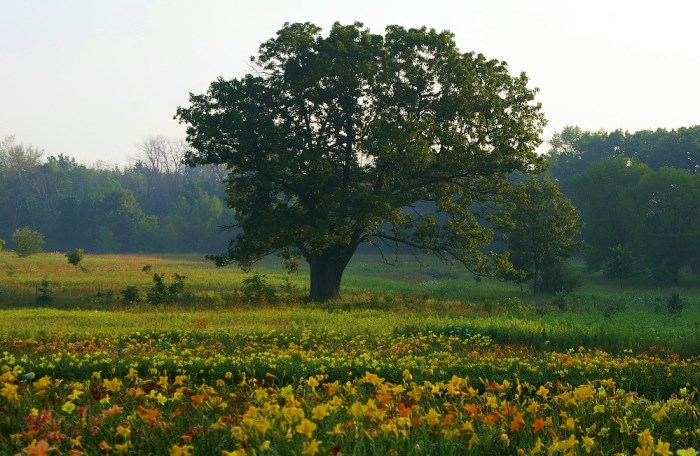
Oak Savannah

Oak and the Day Lilies, photo by Diane Constable

“Too old to plant trees for my own gratification, I shall do it for my posterity.”
-Thomas Jefferson

Dianna writes:

So glad someone planted THIS Black oak some 200-250 years ago–maybe about the time Mr Jefferson made the above quote!

Do not know who or what planted the acorn–but this tree lived in grasslands just about it’s whole life judging by the spread of the branches.

Local history says Indians lived in the area and would burn the grasslands on occasion to keep the oak-grass savannah in much of southern/central Michigan–may have very well been what this tree witnessed. Slow burning grassfires would not have harmed the tree.

View the photo bigger and see more in Dianna’s Oak slideshow.

PS: Read more about oak savannahs and the flora & fauna they support from the Michigan DNR.

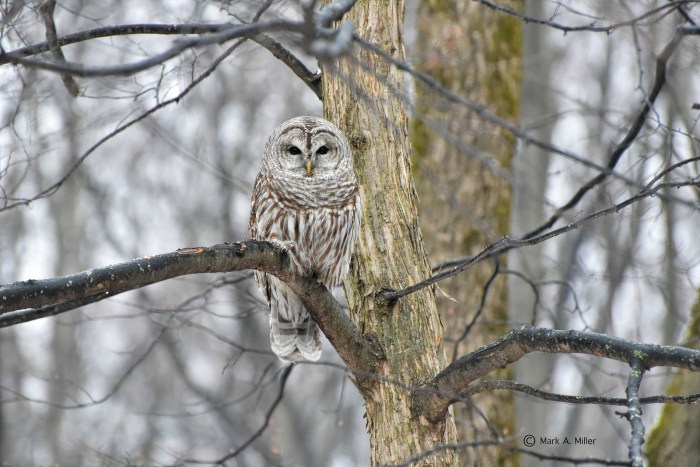
Eight Hooter, Rain Owl, Wood Owl, Striped Owl, Barred Owl

Barred Owl, photo by Mark Miller

Those cool names are from the Wikipedia for the Barred Owl (Strix varia). The All About Birds page on Bard Owls says in part:

The Barred Owl’s hooting call, “Who cooks for you? Who cooks for you-all?” (see video below) is a classic sound of old forests and treed swamps. But this attractive owl, with soulful brown eyes and brown-and-white-striped plumage, can also pass completely unnoticed as it flies noiselessly through the dense canopy or snoozes on a tree limb. Originally a bird of the east, during the twentieth century it spread through the Pacific Northwest and southward into California.

Barred Owls live year-round in mixed forests of large trees, often near water. They tend to occur in large, unfragmented blocks of mature forest, possibly because old woodlands support a higher diversity of prey and are more likely to have large cavities suitable for nesting. Their preferred habitats range from swamps to streamsides to uplands, and may contain hemlock, maple, oak, hickory, beech, aspen, white spruce, quaking aspen, balsam poplar, Douglas-fir, lodgepole pine, or western larch.

Barred Owls don’t migrate, and they don’t even move around very much. Of 158 birds that were banded and then found later, none had moved farther than 6 miles away. (In Michigan, the average range is about a mile)

 
View Mark’s photo bigger and see more in his In My Backyard slideshow.

More owls on Michigan in Pictures.

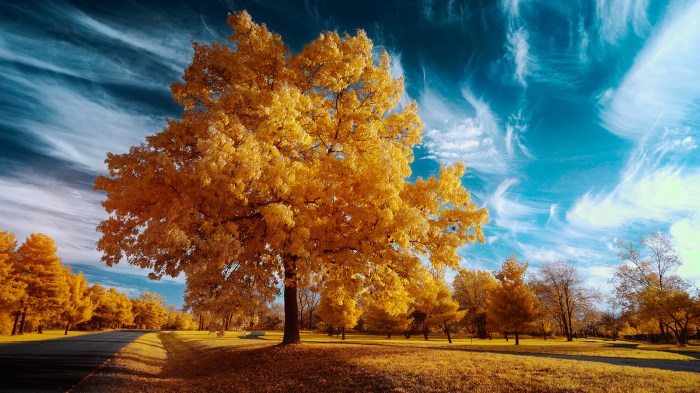
Super Color Tree

super-color-tree

Super Color Tree, photo by Scottie Williford

If you’d like to try this at home, the recipe is: 590nm infrared, f/11 @1/125, iso 200

Here’s hoping you can catch some more fall color this weekend – looks like a great forecast!!

View Scottie’s photo bigger, see more in his slideshow, and be sure to follow Scottie Photography on Facebook.

Red Mohawk: At Home with Michigan’s Pileated Woodpecker

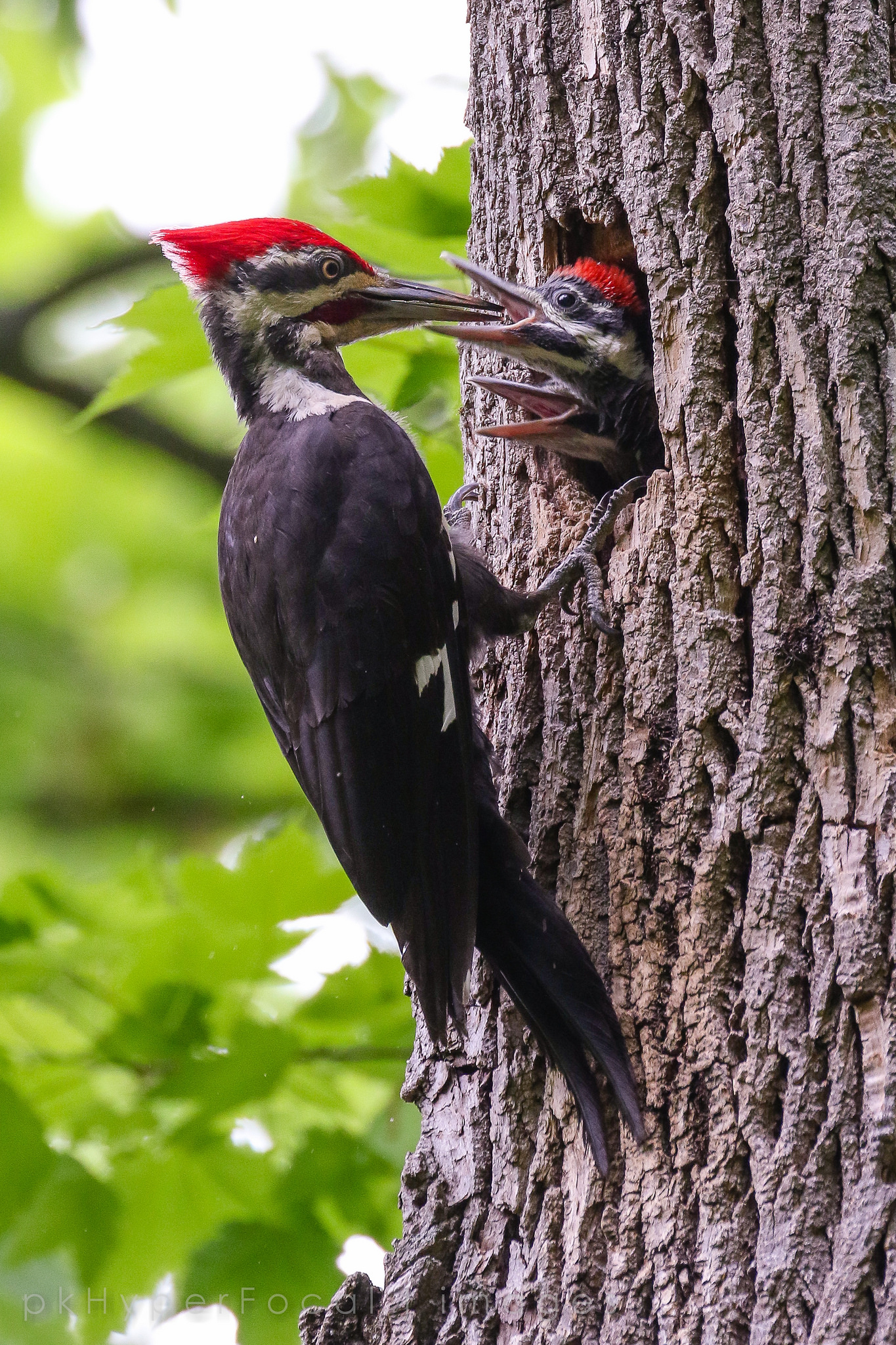
Red Mohawk

Red Mohawk, photo by PK HyperFocal

The All About Birds entry for the Pileated Woodpecker (Dryocopus pileatus) says in part:

The Pileated Woodpecker is one of the biggest, most striking forest birds on the continent. It’s nearly the size of a crow, black with bold white stripes down the neck and a flaming-red crest. Look (and listen) for Pileated Woodpeckers whacking at dead trees and fallen logs in search of their main prey, carpenter ants, leaving unique rectangular holes in the wood. The nest holes these birds make offer crucial shelter to many species including swifts, owls, ducks, bats, and pine martens.

…The male begins excavating then nest cavity and does most of the work, but the female contributes, particularly as the hole nears completion. The entrance hole is oblong rather than the circular shape of most woodpecker holes. For the finishing touches, the bird climbs all the way into the hole and chips away at it from the inside. Periodically the adult picks up several chips at a time in its bill and tosses them from the cavity entrance. Pileated Woodpeckers don’t line their nests with any material except for leftover wood chips. The nest construction usually takes 3-6 weeks, and nests are rarely reused in later years. Cavity depth can range from 10-24 inches.

Nest trees are typically dead and within a mature or old stand of coniferous or deciduous trees, but may also be in dead trees in younger forests or even in cities. Dead trees are a valuable resource as nest sites or shelter for birds and other animals, and Pileated Woodpeckers battle for ownership with Wood Ducks, European Starlings, Red-bellied Woodpeckers, Red-headed Woodpeckers, Eastern Bluebirds, and Great Crested Flycatchers. Occasionally bats and swifts share roost cavities with Pileated Woodpeckers.

Click through for lots more including calls, Pileated facts, and video.

PK HyperFocal’s photo background big and see more in his Feathers slideshow.

Lots more Michigan birds on Michigan in Pictures.