January 5th with Joel

lilies-by-joel

Lilies, photo by Joel Dinda

This morning I got a note from one of Michigan in Pictures’s longtime contributors, Joel Dinda letting me know that I had coincidentally featured his photos twice on previous January 5ths. The other two were Rotten Apples: 2014 Detroit Lions Playoff Edition detailing the Lions’ loss to Dallas after the pass interference call that was and then wasn’t and a look at the Ruins of the the Old Cheboygan Point Lighthouse in 2013.

The third time is the charm they say, so here’s one that Joel shared way back in January of 2006 (taken summer of 2005) as part of his “Flower a Day” series. I think he started doing them in January and then realized somewhere along the way that as bad as Michigan winter in January can be, Februarys are worse!!

View Joel’s photo background big, see more in his  in his Flower a Day for February (x9) slideshow, and check out photos from Joel dating back a decade on Michigan in Pictures!

Summer Memories

summer-memories

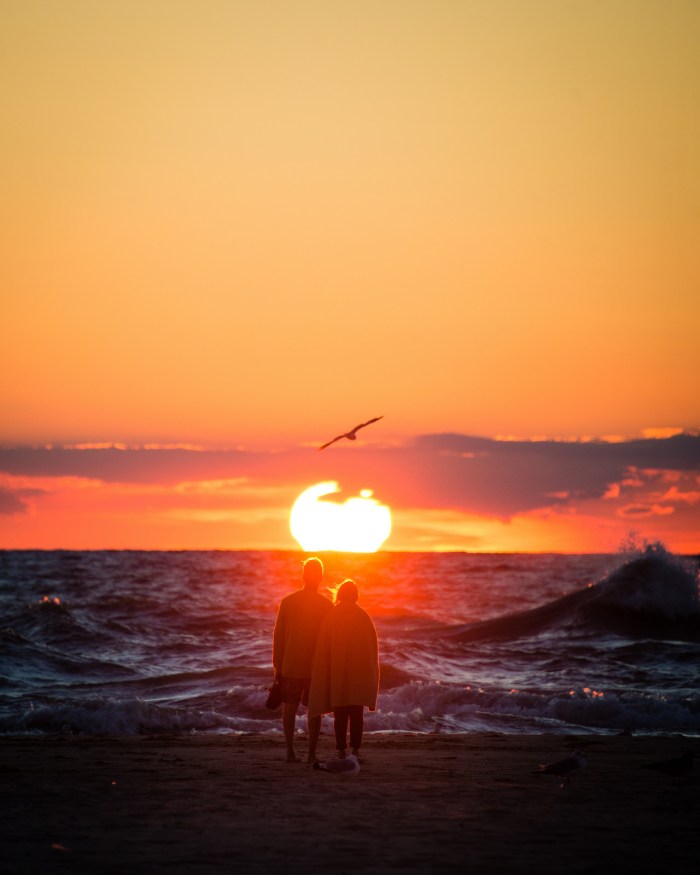
Summer Memories, photo by Paladin27

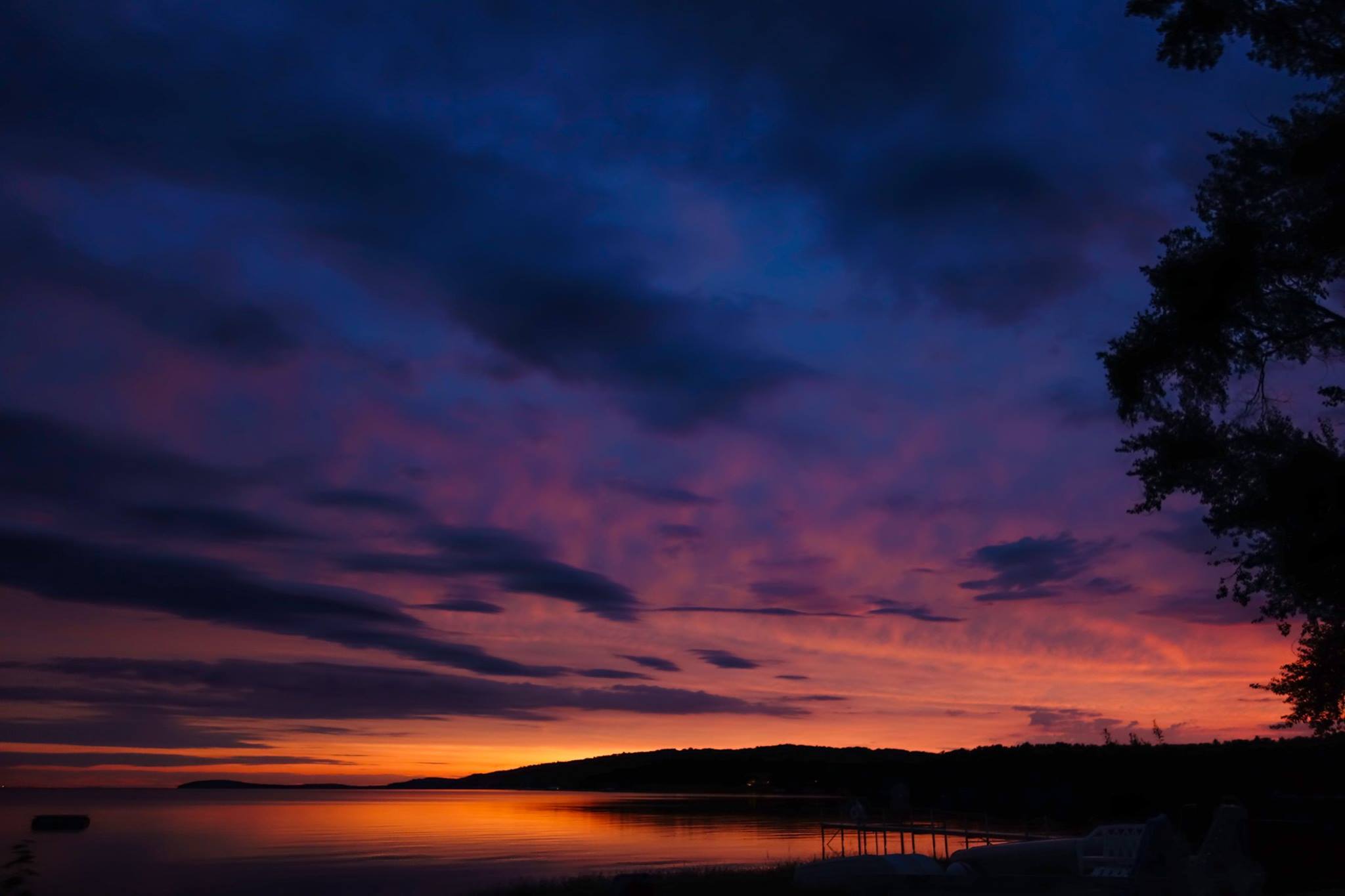
Baby, it’s cold outside. I hope you enjoy the July sunset from South Haven which seems more than half a world away from the teens and single digits that are out there this morning.

Stay warm and safe.

View Paladin27’s photo background bigtacular and see more in his Weekends in South Haven slideshow.

Still Standing … on the Superior Shore

still-standing-along-lake-superior

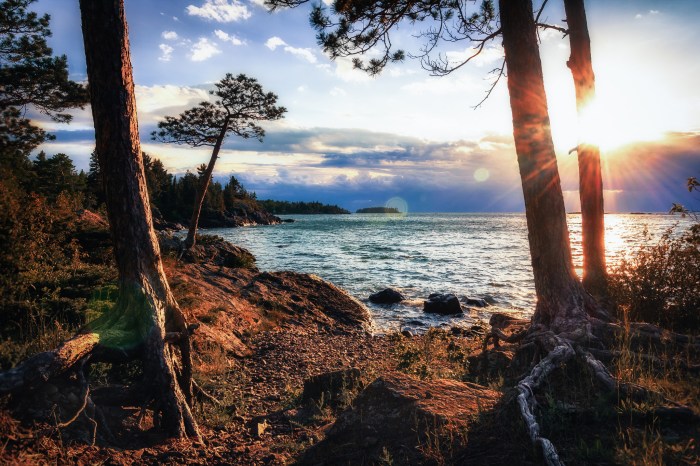
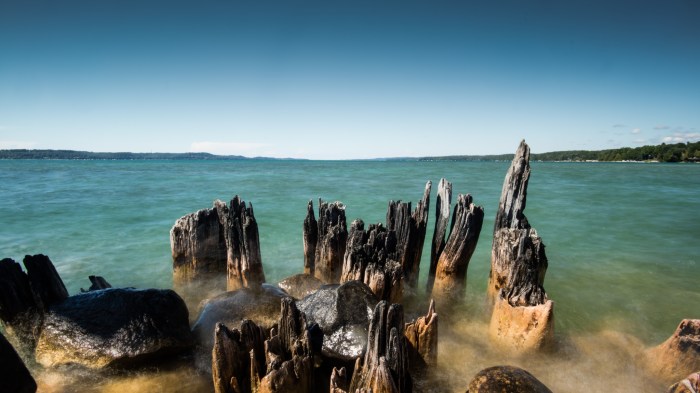
Still Standing, photo by Bobby Palosaari

Back in June, Bobby wrote, “Weathered and worn, these trees are enjoying a gorgeous summer evening along the shores of Lake Superior.

I’m assuming they’re still there, but I’m guessing it’s a bit less idyllic. View Bobby’s photo taken on the Keweenaw background bigtacular and see more in his slideshow.

Not ready to let summer go? There’s lots more summer wallpaper on Michigan in Pictures!

Get your (Michigan) ghost town on!

through-the-never-central-mine-powder-house

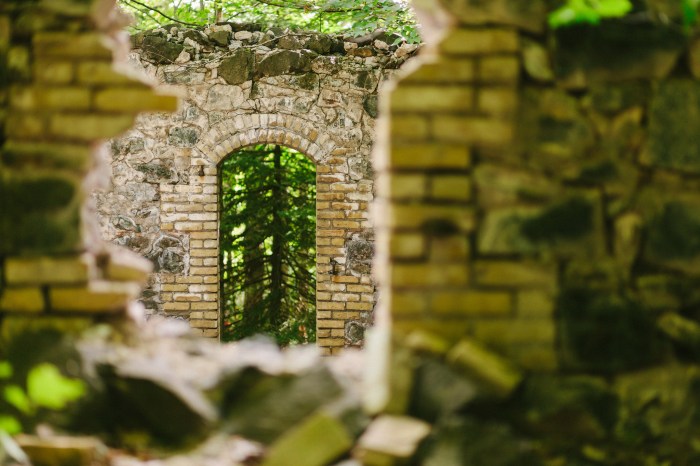
through the never, photo by Marty Hogan

mLive’s Emily Bingham has a feature on 11 eerie & intriguing ghost towns in Michigan that is definitely worth checking out. The slide for the Upper Peninsula ghost town of Central says:

This abandoned village on the U.P.’s Keweenaw Peninsula was a company town of nearly 1,300 residents, many of them German and Cornish immigrants who’d come to work in the copper mines. The town had a post office, three-story school, and one of the first telephone services in Copper Country. The mine closed in 1898, only four decades after it had opened, and residents quickly left to find work elsewhere. All that remains are thirteen houses and a Methodist church, maintained by the Keweenaw Historical Society; every year on the last Sunday of July, locals and descendants of the Central Mine villagers attend a special service at the church to honor those who lived there.

If you’re looking to get more ghost town goodness, look no further than Marty Hogan! His photo albums get up close and personal some of Michigan’s coolest forgotten communities. View this photo background bigilicious and see more in his Central slideshow.

Last Dawn of Summer

last-dawn-of-the-summer

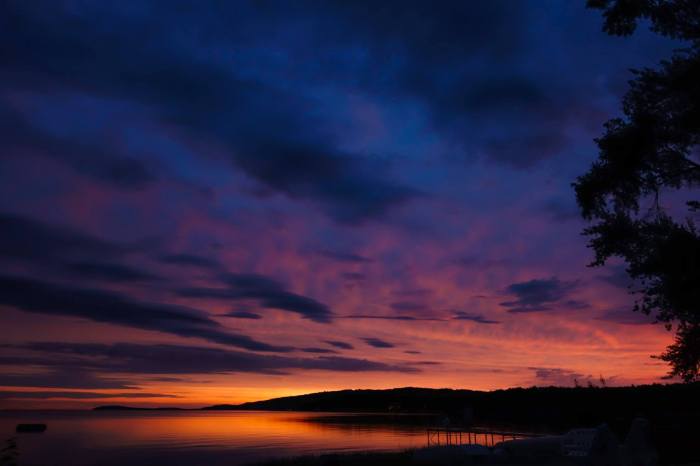
Last Dawn of Summer, photo by John Robert Williams Photography

Since I shared something from the first day of fall, it seems only fitting that I share something from the last day of summer! Here’s a stunning sunrise over West Grand Traverse Bay in Traverse City by my friend John!

Click the pic to view it background bigilicious and get more from John, including professional portraits at jrwpix.com!

More Traverse City and more summer wallpaper on Michigan in Pictures!


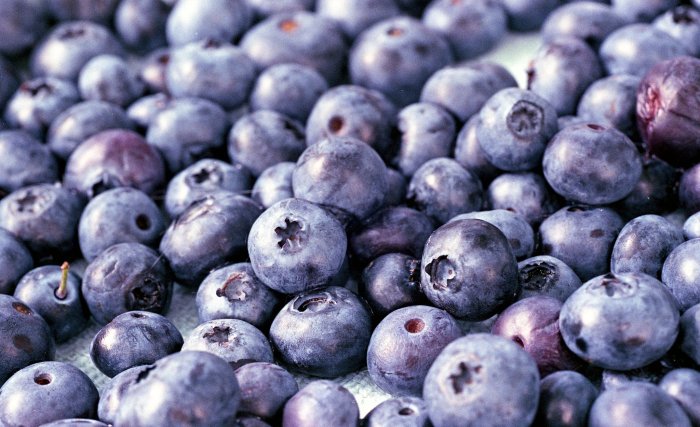
July Blueberries

july-blueberries-by-mark-obrien

July Blueberries, photo by Mark O’Brien

Mark took this back in July with Fuji Superia 400 color film. He says these blueberries have gone on to a better place … a blueberry pie to be precise.

View it background bigilicious and follow Mark on Twitter @nikonfm2n for lots more!!

What’s in a name: Petoskey Stone Edition

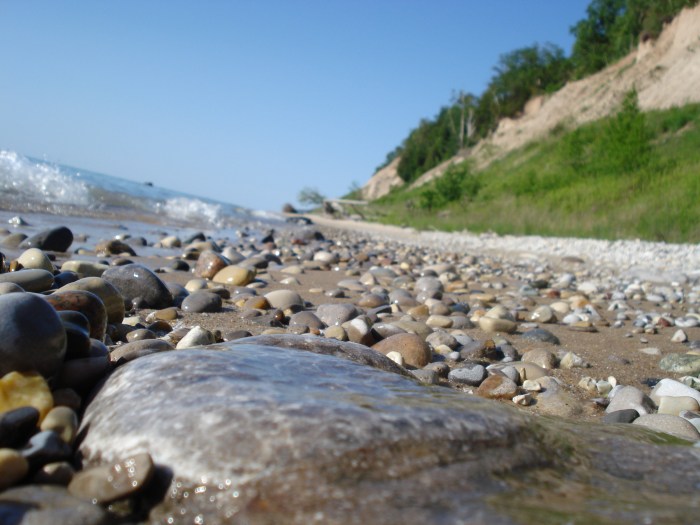
petoskey-stone-on-the-lake-michigan-waterline

Waterline, photo by Andrew McFarlane

This is one of my photos that I dug up for another project that I wanted to share. Apparently this was taken during in my “tilty” phase. ;)

Here’s something beautiful that a young woman I know named Rose Petoskey wrote about Petoskey stones several years ago.

My name is Noozeen (Rose) Nimkiins (Little Thunder) Petoskey (Rising Sun) and I am Anishinaabek.

Many people would associate the word Petoskey with the souvenir stone found on the northern Lake Michigan shorelines. However, to my family, the word Petoskey represents much more than a souvenir.

In the Odawa language, the word Petoskey (Bii-daa-si-ga) means the rising sun, the day’s first light, or the sun’s first rays moving across the water. The Petoskey stone is a fossilized coral created by impressions made in limestone during the last Michigan ice age. These stones were named “Petoskey” because the impressions resembled the rising sun coming up over the water. Just as the image of the rising sun is implanted within the Petoskey stone, the archaeology of a person’s names is implanted within. All names within our Anishinaabek culture reflect an individual’s personal history. Rocks go deep, but names go much deeper to reveal the stories of the past.

Read on for more of Rose’s thoughts the power and beauty of the Odawa language!

View my photo from 9 years ago background bigilicious and see more in my Leland, Michigan slideshow.

More summer wallpaper and more from the beach on Michigan in Pictures

PS: The other project was for a stone path that a friend is building this year at the Earthwork Harvest Gathering held next weekend near Lake City (September 16-18). It’s a wonderful festival packed with Michigan musicians!

Summer of ’16

Black Rocks Summer of 16

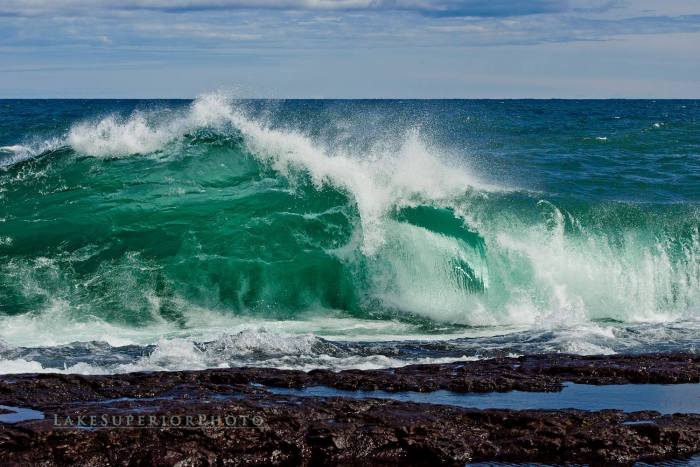
Black Rocks, #1, Summer of ’16, photo by Lake Superior Photo

I don’t want to alarm anyone, but Labor Day Weekend is next weekend so if you haven’t gotten everything you want from the Summer of 2016, this might be a good time to work on that!

Shawn took this on Thursday at Black Rocks in Marquette. View her photo background bigtacular and definitely get yourself over to the Lake Superior Photo Facebook page for all kinds of Upper Peninsula goodness including this video of the Northern Lights from earlier this week!

PS: I feel I should link to Blackrocks Brewery as well so you don’t get confused and also because they brew some really wonderful beer!

PPS: Sorry this went out late – failed to mash the buttons in the proper order!!

PPPS: More waves, Marquette, summer wallpaper, and Lake Superior on Michigan in Pictures!


High above Houghton, Michigan

Houghton Michigan

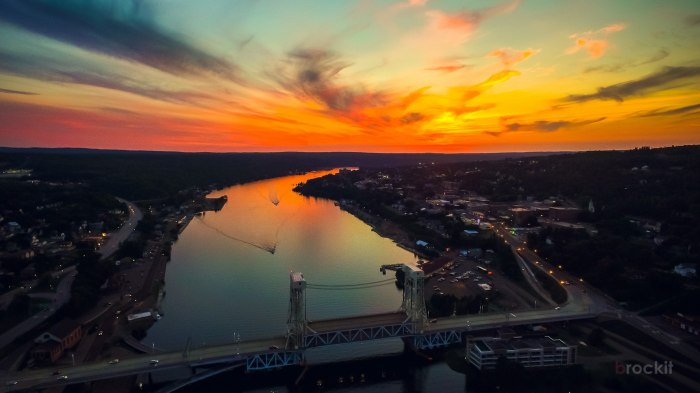
goodnight, pretty little town, photo by brockit, inc.

This wonderful photo made me want to know more about Houghton, Michigan, so here’s an edited profile of Houghton via Wikipedia:

Houghton is located on the south shore of Portage Lake, across from Hancock. (see map) Native Americans mined copper in and around what would later be Houghton thousands of years before European settlement. French explorers had noted its existence in the area as early as the seventeenth century, and in 1772 Alexander Henry had prospected for copper on the Ontonagon River near Victoria. When Horace Greeley said, “Go West, young man” he wasn’t referring to gold, but rather the copper rush in Michigan’s western Upper Peninsula.

The city is named after Douglass Houghton, physician-naturalist on Henry Rowe Schoolcraft’s Lake Superior expedition whose 1841 report on the quantity and superior qualities of UP copper earned him the title of “father of copper mining in the United States.” The news brought many Cornish and Finnish immigrants to the area, along with smaller numbers of French-Canadian immigrants arrived in Houghton (or Copper Island as they called it) to work in the copper mines. These groups have had and continue to have a great influence on the area’s culture and cuisine.

In Houghton’s first days it was said that “only thieves, crooks, murderers and Indians” lived there. The post Civil War boom and increasing demand for copper wiring fueled the development of Houghton in the 1860s and 1870s. The Keweenaw Waterway, a dredging and extension of the Portage Lake, the Portage Shipping Canal and Lily Pond that turned the northern part of the Keweenaw Peninsula into “Copper Island” was completed in 1873. By 1880 Houghton had become “a burgeoning city” and in 1883, the railroad was extended from Marquette.

The last nearby mines closed in the late 1960s, but in 1885 the Michigan State Legislature foundedthe Michigan College of Mines to teach metallurgy and mining engineering. The school continues today as Michigan Technological University – the primary employer in the city.

Houghton has the distinction of being the birthplace of professional ice hockey in the United States when the Portage Lakers were formed in 1903, and Houghton’s Dee Stadium (formerly the Amphidrome) is the home of the Portage Lake Pioneers Senior Hockey Team.

Click for more from Wikipedia and please feel free to share tidbits in the comments.

View Adam’s photo background bigilicious on Facebook and definitely follow brockit for tons more cool photos!

More Houghton on Michigan in Pictures.

Torch Lake is pretty big

Torch Lake by James Kral

Torch Lake, photo by James Kral

I figured I should follow up Thursday’s Torch Lake photo with more about the lake that is both Michigan’s longest and deepest inland lake. Wikipedia’s Torch Lake entry says (in part):

Torch Lake at 19 miles (31 km) long is Michigan’s longest inland lake and at approximately 18,770 acres (76 km²) is Michigan’s second largest inland lake … Several villages and hamlets lie along its shore, including Alden, Eastport, Clam River, and Torch Lake. The lake is about 17 miles (27 km) northeast of Traverse City and is separated by narrow strips of land from both Grand Traverse Bay on the northwest and Elk Lake at the southwest end. The lake is about two miles (3.2 km) wide and is centered at 44°59′00″N 85°18′30″W. It has a maximum depth of 315 feet (96 m) just off the east end of Campbell Rd. (Milton Twp.) and an average depth of 111 feet (34 m), making it Michigan’s deepest inland lake. It is a popular lake for fishing, featuring lake trout, rock bass, yellow perch, smallmouth bass, muskellunge, Pike, ciscoes, brown trout, rainbow trout, and whitefish.

The name of the lake is not due to its shape, rather, is derived from translation from the Ojibwa name Was-wa-gon-ong meaning “Place of the Torches”, referring to the practice of the local Native American population who once used torches at night to attract fish for harvesting with spears and nets. For a time it was referred to by local European settlers as “Torch Light Lake”, which eventually was shortened to its current name.

View James’ photo background bigtacular and see more in his slideshow.

More Michigan lakes and more summer wallpaper on Michigan in Pictures.