From Dark Hollow Quarry to Michigan Central Station

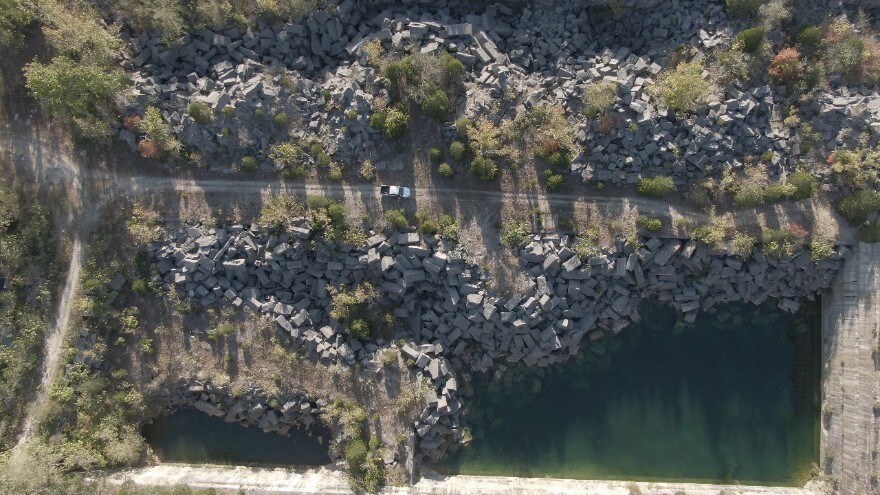
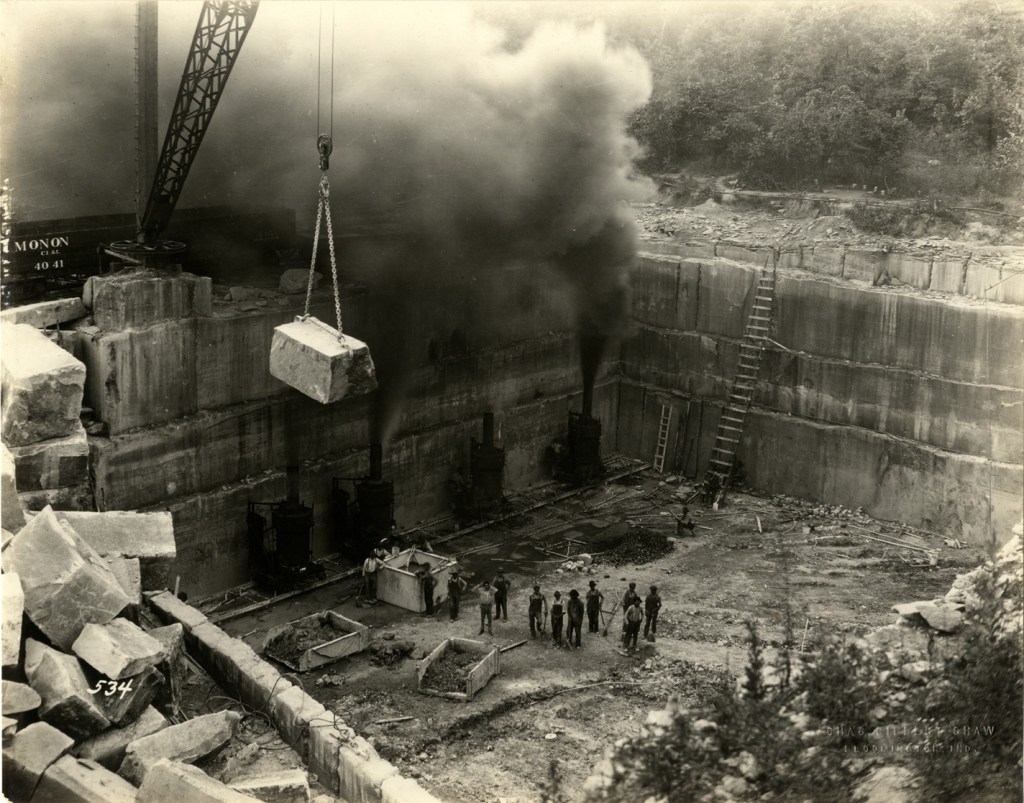
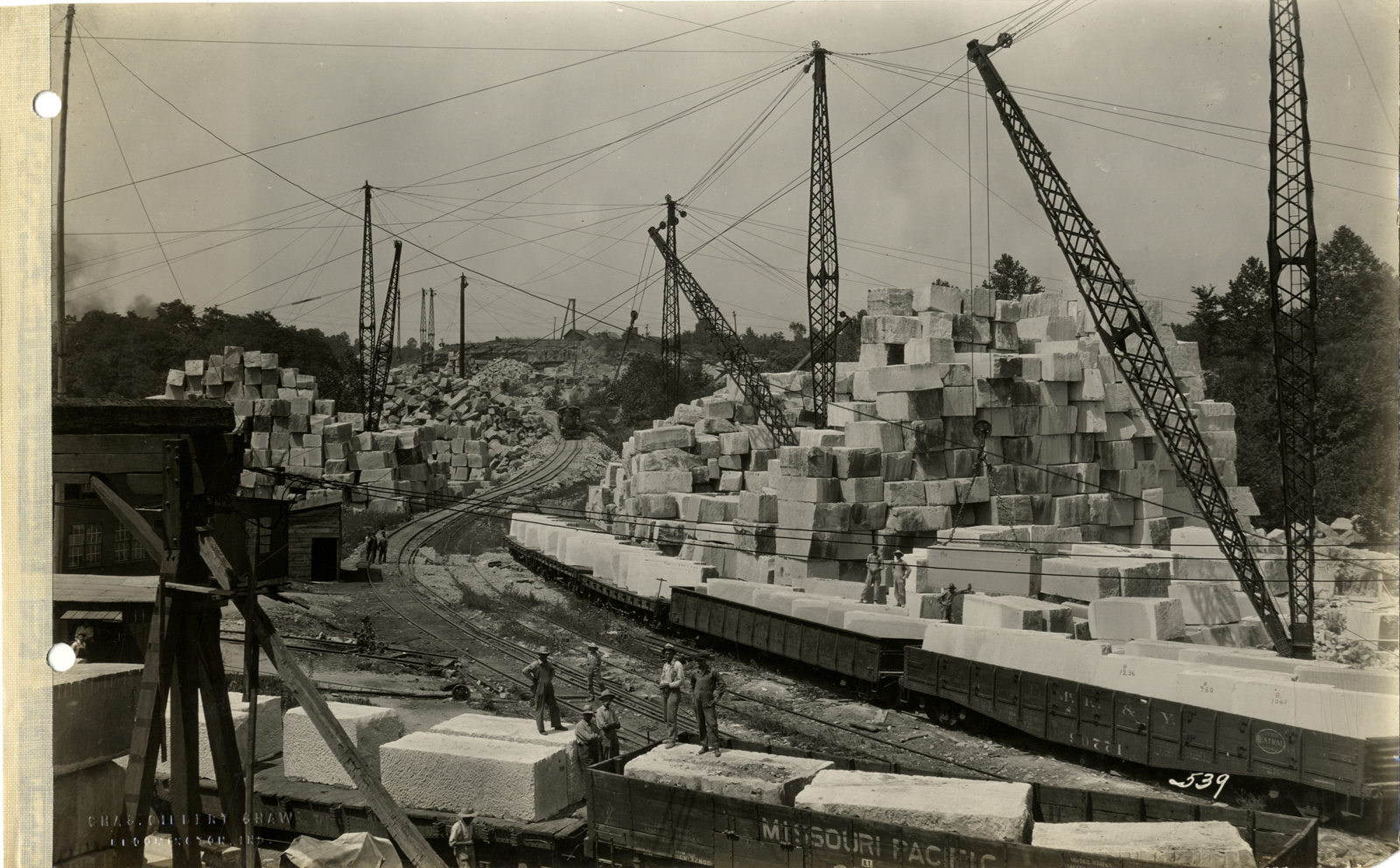
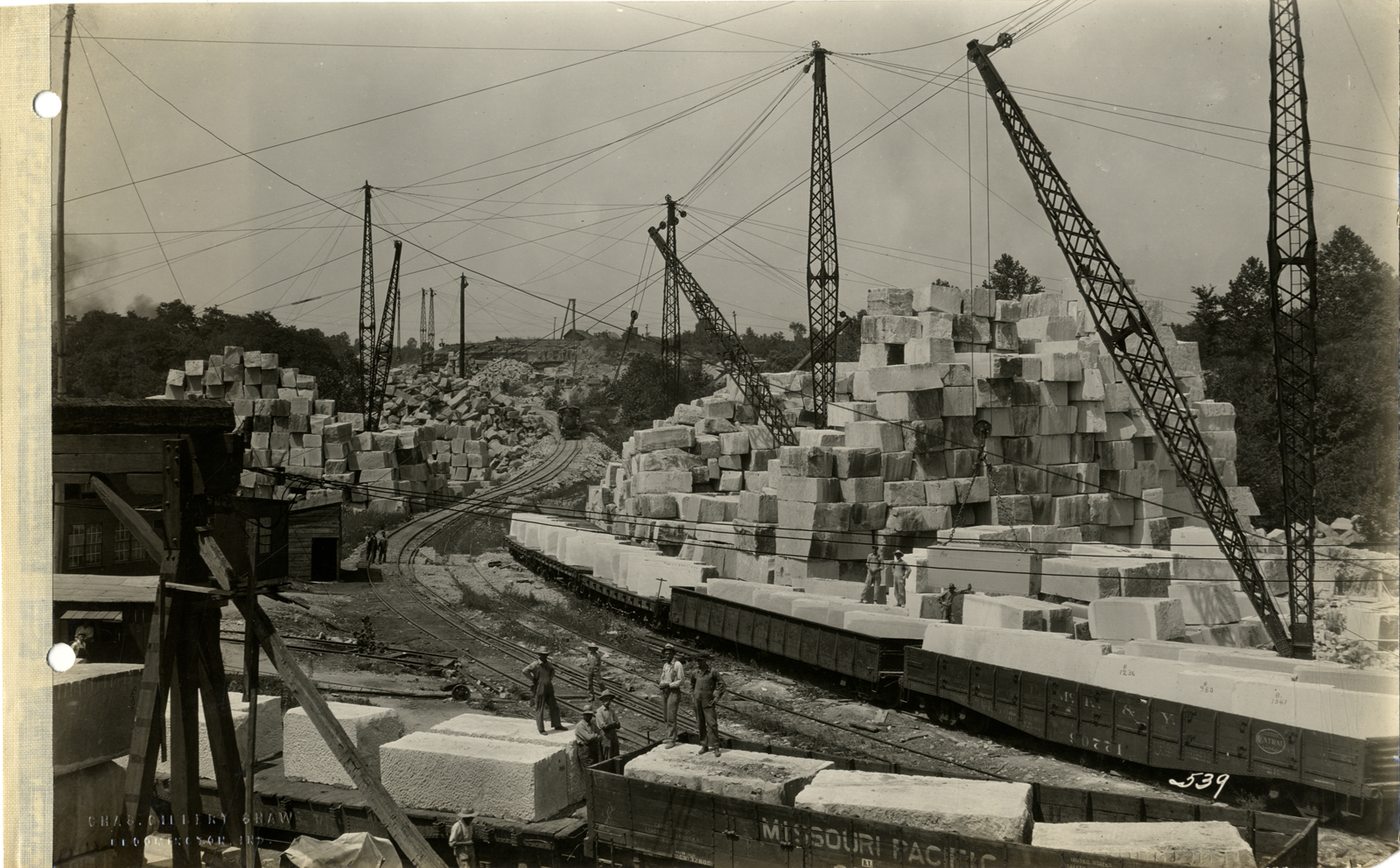
Removing a Limestone block from the quarry

Quarrying limestone for Michigan Central Station

A post on the Historic Detroit Facebook reminded me of this great post the Christman Company shared last year about the care for detail in the renovation of Detroit’s Michigan Central Station that extended even to getting limestone from the original quarry:

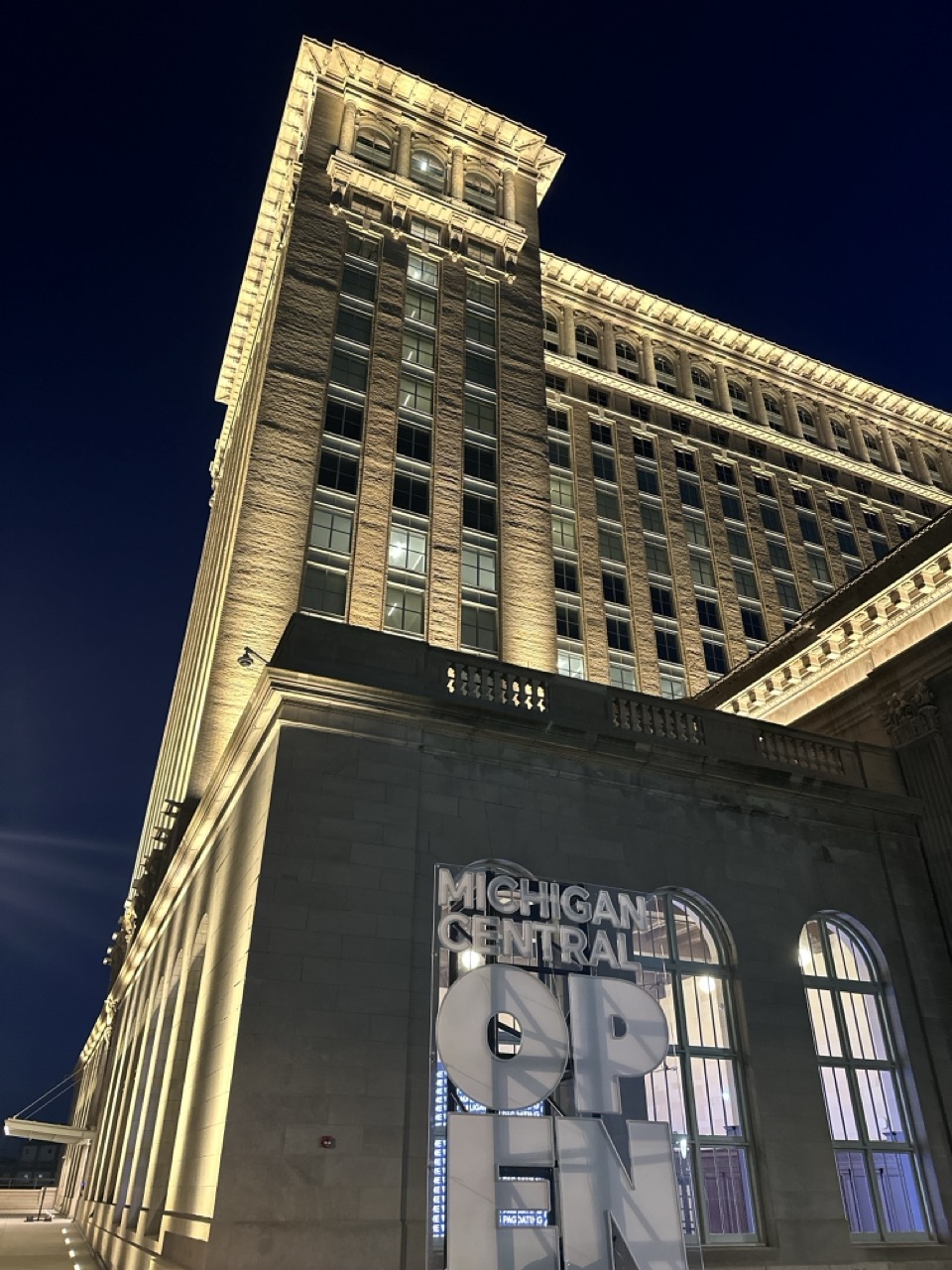
At Michigan Central Station, much of the building’s limestone — 600 tons of it — had deteriorated from three decades of uncontrolled water into the building. Research and good teamwork led to finding the original, uniquely banded limestone source, the Dark Hollow Quarry in Bedford, Indiana. The only problem: it had closed in 1988, the same year as Michigan Central Station.

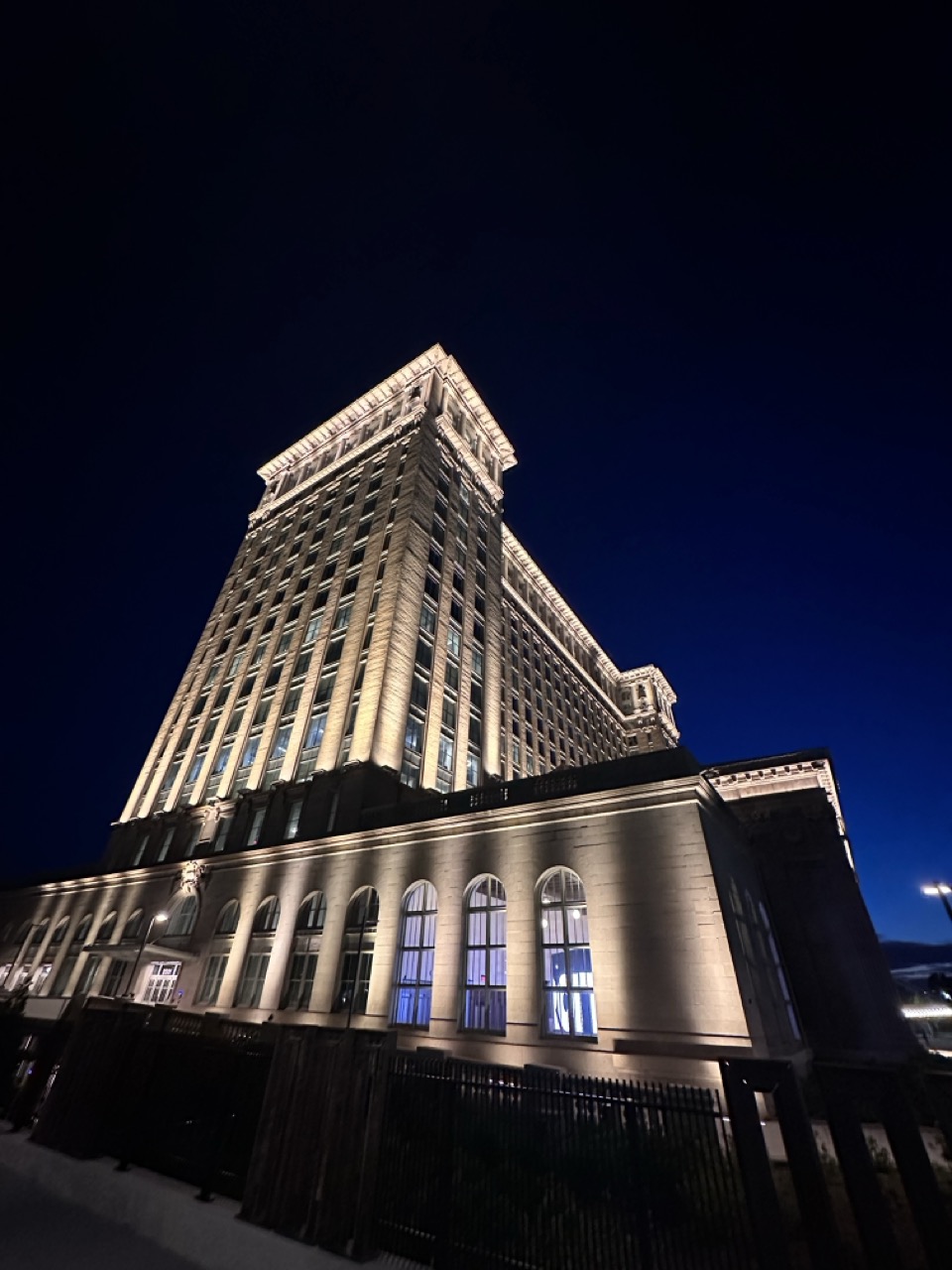
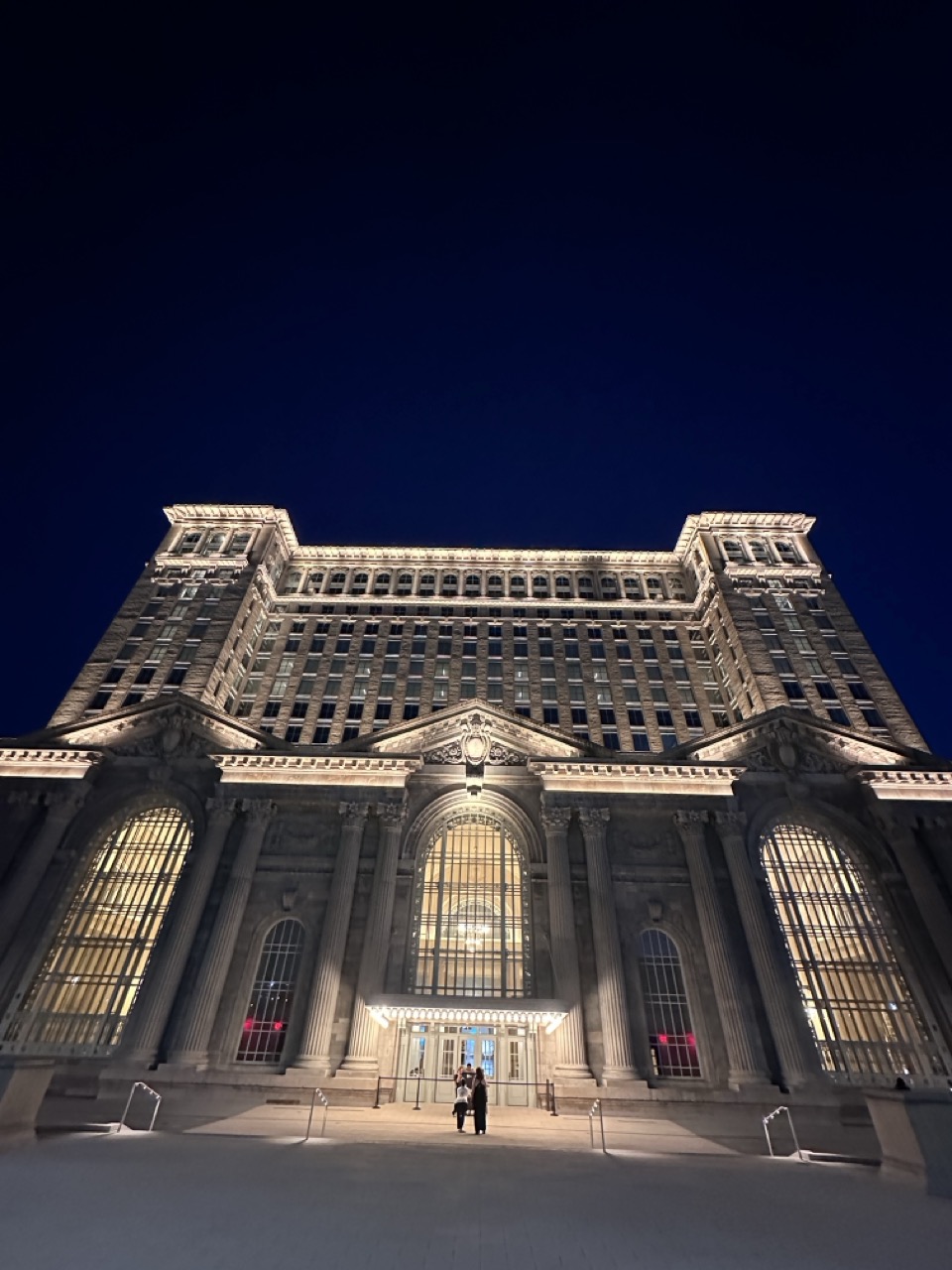
Luckily, quarried blocks had been left on site, but were now surrounded by 30-year-old trees! A new access road was installed, trees removed, and truckloads of raw blocks — the largest single piece over 20 tons — were sent to Bridgeport, Michigan for fabrication. Skillfully sequenced for reinstallation, the restored limestone facade, from the front to the back of Michigan Central Station, matches perfectly with the skill of marvelous teamwork.

Marvelous indeed. We’ll continue to share more about this iconic Detroit structure that officially reopened June 6, 2024. Head over to the Christman Company’s post on Facebook for more pics as well as info about the process and all the contractors involved. For sure check out much more Michigan Central on Michigan in Pictures & for sure follow Historic Detroit for all kinds of cool Detroit content!

Here’s a couple more shots along with a few of mine from last July soon after the station re-opened.
Support Michigan in Pictures with Patreon

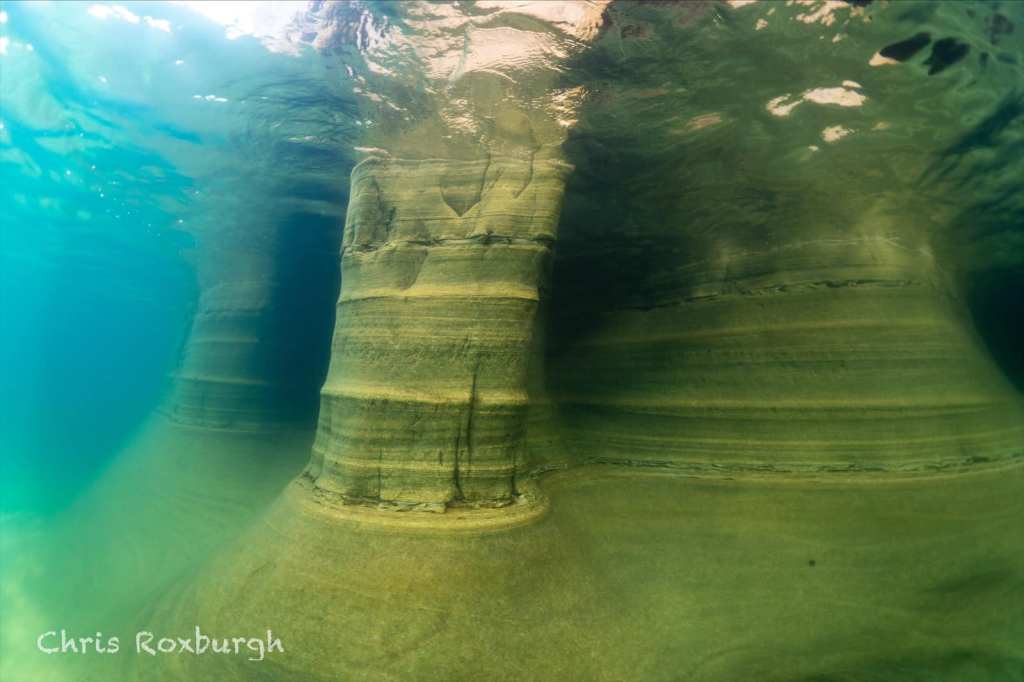
Underneath Miner’s Castle

Underneath Miners Castle by Chris Roxburgh

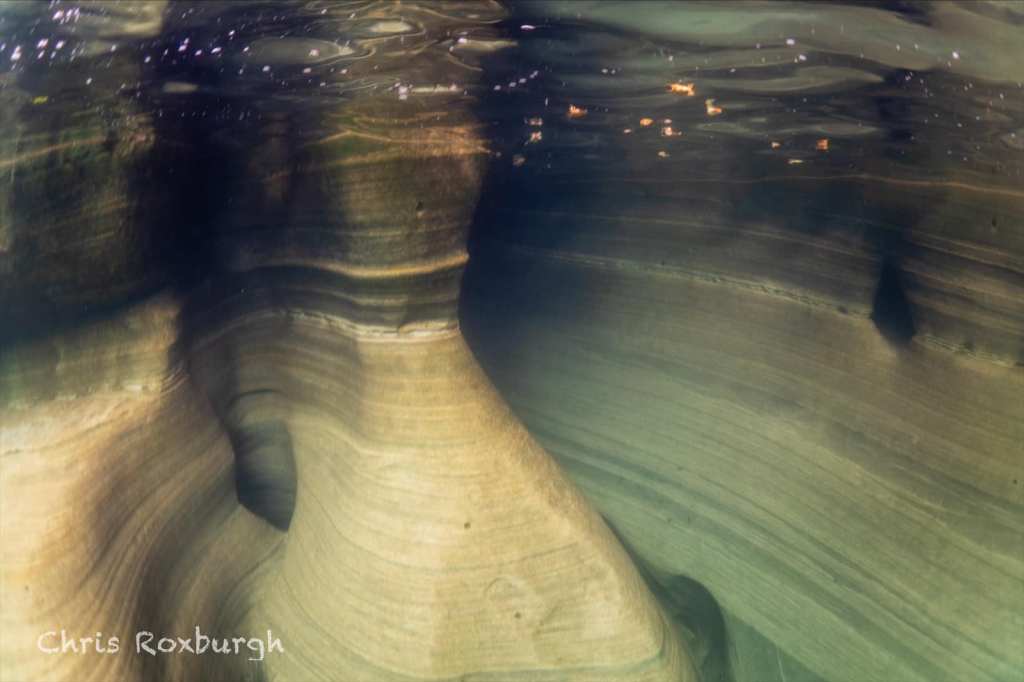
Pillars of Ancient Sandstone by Chris Roxburgh

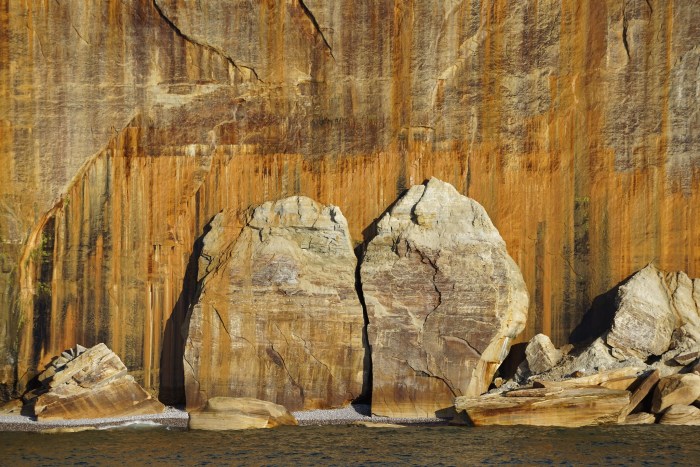
Michigan in Pictures regular Chris Roxburgh is one of my absolute favorite follows on Facebook. It seems like every week all year round he’s under the water showing me something I’ve never seen or a new look at an old friend. Miner’s Castle in the Pictured Rocks National Lakeshore is for sure one of those old friends. What I didn’t realize until today is that the millions of years old sandstone underneath the surface of Lake Superior may be even cooler than what’s above the water!!

Follow Chris on Facebook, YouTube and on his website for much more!

Underneath Miners Castle II by Chris Roxburgh

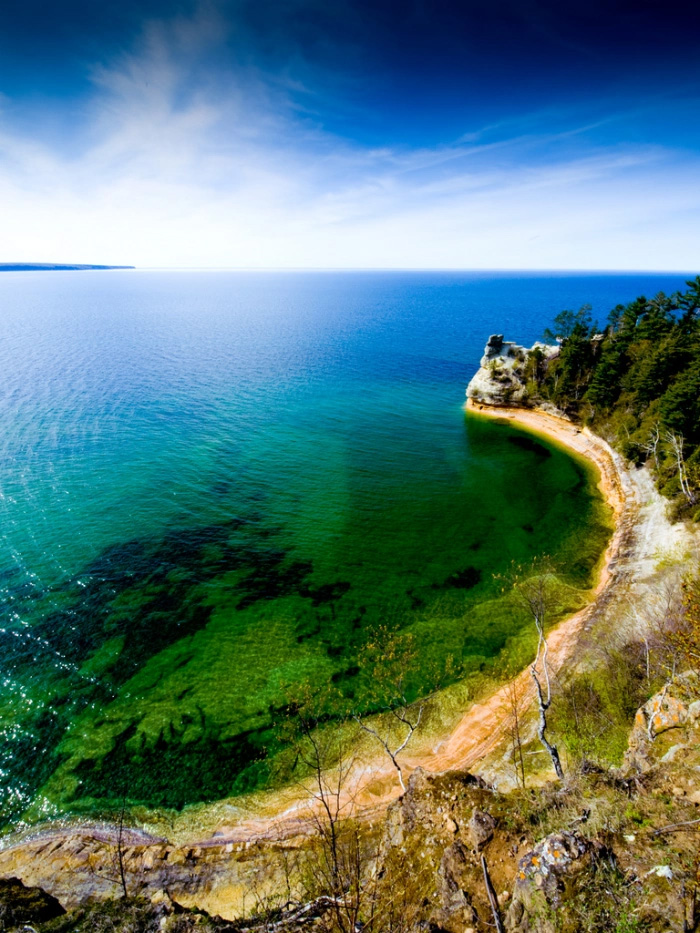
Here’s the photo “Pictured Blue” by Kiiraaan so you can see what it looks like above the water! More about the pic on this post.

Pictured Blue by Kiiraaan
Support Michigan in Pictures with Patreon

Michigan Beach Gem Season

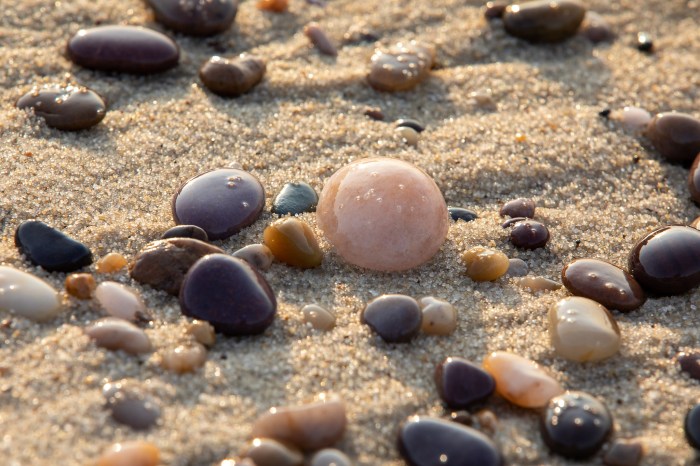
Miners Beach Gems - Munising by Steven M Last

Miners Beach Gems by Steven M Last

The warming temps are definitely bringing out the rockhounds on Michigan’s Great Lakes beaches! Stephen got this beauty shot featuring a rose quartz in the Pictured Rocks National Lakeshore near Munising. See more on his Flickr & happy hunting!

More Michigan rocks & stones on Michigan in Pictures.

Support Michigan in Pictures with Patreon

Fallen

Pictured Rocks National Lakeshore by Stephen Trynoski

Pictured Rocks National Lakeshore by Stephen Trynoski

Stephen took this shot of two massive slabs of fallen rock in the Pictured Rocks National Lakeshore back in 2015. See more of Lake Superior in all four seasons in his gallery.

Support Michigan in Pictures with Patreon

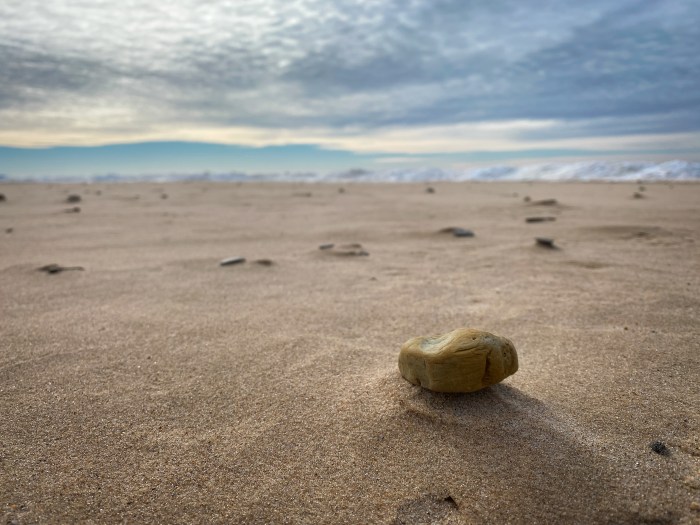
Pebble with a view

Pebble on the beach by Mark Swanson

Pebble on the beach by Mark Swanson

I don’t know the technical term for the process that creates these pebbles on pedestals on sandy beaches in the winter, but I do know I love it!

Mark took this photo last week on Silver Beach in St. Joseph. See more in his 2022 gallery on Flickr.

Support Michigan in Pictures with Patreon

Leland Blue

via Leelanau.com

Leland Blue Stone by Cortney Brenner

Leland Blue Stone by Cortney Brenner

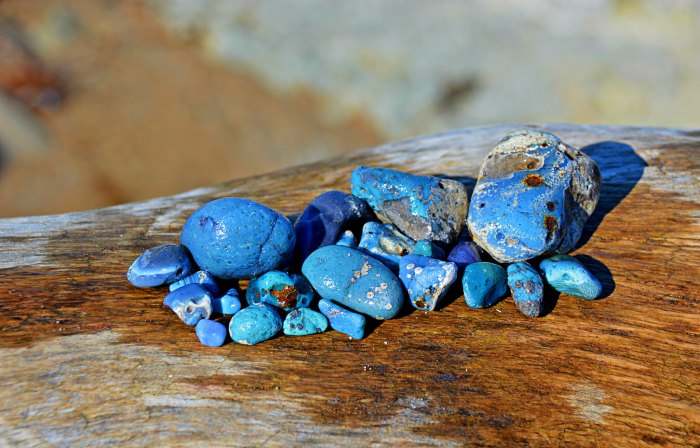
In last week’s post about an unidentified blue mineral discovered at the Adventure Mine on the Keweenaw Peninsula, I offered my personal theory that the color is due to the same reaction that created “Leland bluestones”. A couple people asked what the heck a Leland blue is, so here you go:

In the Glen Arbor Sun, Sandra Serra Bradshaw shares that Leland Bluestones were born over 100 years ago in the fires of the Leland Lake Superior Iron Company:

Between the years of 1870 to 1884, the Leland Lake Superior Iron Company operated an iron smelter north of the mouth of the river. They supplied the voracious furnace with ore from the Upper Peninsula. The charcoal they needed was made from local maple and beech timber that was produced in 14 beehive kilns that were kept near the smelting furnace. It produced up to an amazing 40 tons of iron per day. In 1884, the plant was sold to the Leland Lumber Co., which operated a sawmill on the site. Other sawmills and shingle mills operated in Leland during the years between 1885 through 1900.

Back then Leland was a smog-filled industrial town, the main industry of which was anchored by the iron company. The smelting industry failed because of large overhead costs and the lack of a good harbor in Leland. Interestingly, the remains of the industry, including heaps of slag, were dumped into the harbor and today, that has resulted in something as a precious collectible for many. As raw ore was heated, the desired iron ore was separated from various natural impurities. When those impurities cooled, it resulted in a stone-like slag. Hence the Leland Blue Stones were born!

The Leland Blue is a bit of a misleading title to this little man-made gem as it is the mix of blue glass with other chemicals — but this varying chemical medley can also cause the slag to appear in colors of purple, gray, or in shades of green. Today, people relish finding this slag material on the shores of Leland’s beaches. It is not only collectible as a stone, but also sought for as jewelry.

More in the Sun.

This sweet photo was taken by Cortney Brenner on the beach in Leland back in 2017. See more from Cortney on her Flickr!

PS: I promise no posts from Leelanau for at least the rest of the week!

Support Michigan in Pictures with Patreon

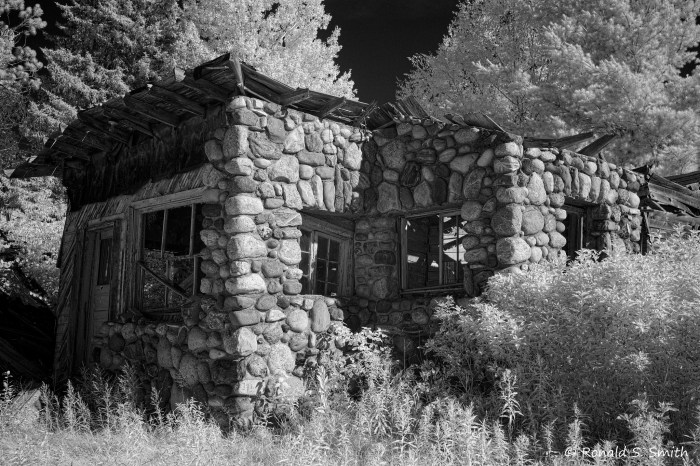
Bay Shore in black & white

Untitled, photo by Ron Smith

View the photo background big, see more in Ron’s Up North slideshow, and follow him on Instagram @RonSmith.

More black & white photography & more from Charlevoix on Michigan in Pictures.

What’s in a name: Petoskey Stone Edition

petoskey-stone-on-the-lake-michigan-waterline

Waterline, photo by Andrew McFarlane

This is one of my photos that I dug up for another project that I wanted to share. Apparently this was taken during in my “tilty” phase. ;)

Here’s something beautiful that a young woman I know named Rose Petoskey wrote about Petoskey stones several years ago.

My name is Noozeen (Rose) Nimkiins (Little Thunder) Petoskey (Rising Sun) and I am Anishinaabek.

Many people would associate the word Petoskey with the souvenir stone found on the northern Lake Michigan shorelines. However, to my family, the word Petoskey represents much more than a souvenir.

In the Odawa language, the word Petoskey (Bii-daa-si-ga) means the rising sun, the day’s first light, or the sun’s first rays moving across the water. The Petoskey stone is a fossilized coral created by impressions made in limestone during the last Michigan ice age. These stones were named “Petoskey” because the impressions resembled the rising sun coming up over the water. Just as the image of the rising sun is implanted within the Petoskey stone, the archaeology of a person’s names is implanted within. All names within our Anishinaabek culture reflect an individual’s personal history. Rocks go deep, but names go much deeper to reveal the stories of the past.

Read on for more of Rose’s thoughts the power and beauty of the Odawa language!

View my photo from 9 years ago background bigilicious and see more in my Leland, Michigan slideshow.

More summer wallpaper and more from the beach on Michigan in Pictures

PS: The other project was for a stone path that a friend is building this year at the Earthwork Harvest Gathering held next weekend near Lake City (September 16-18). It’s a wonderful festival packed with Michigan musicians!

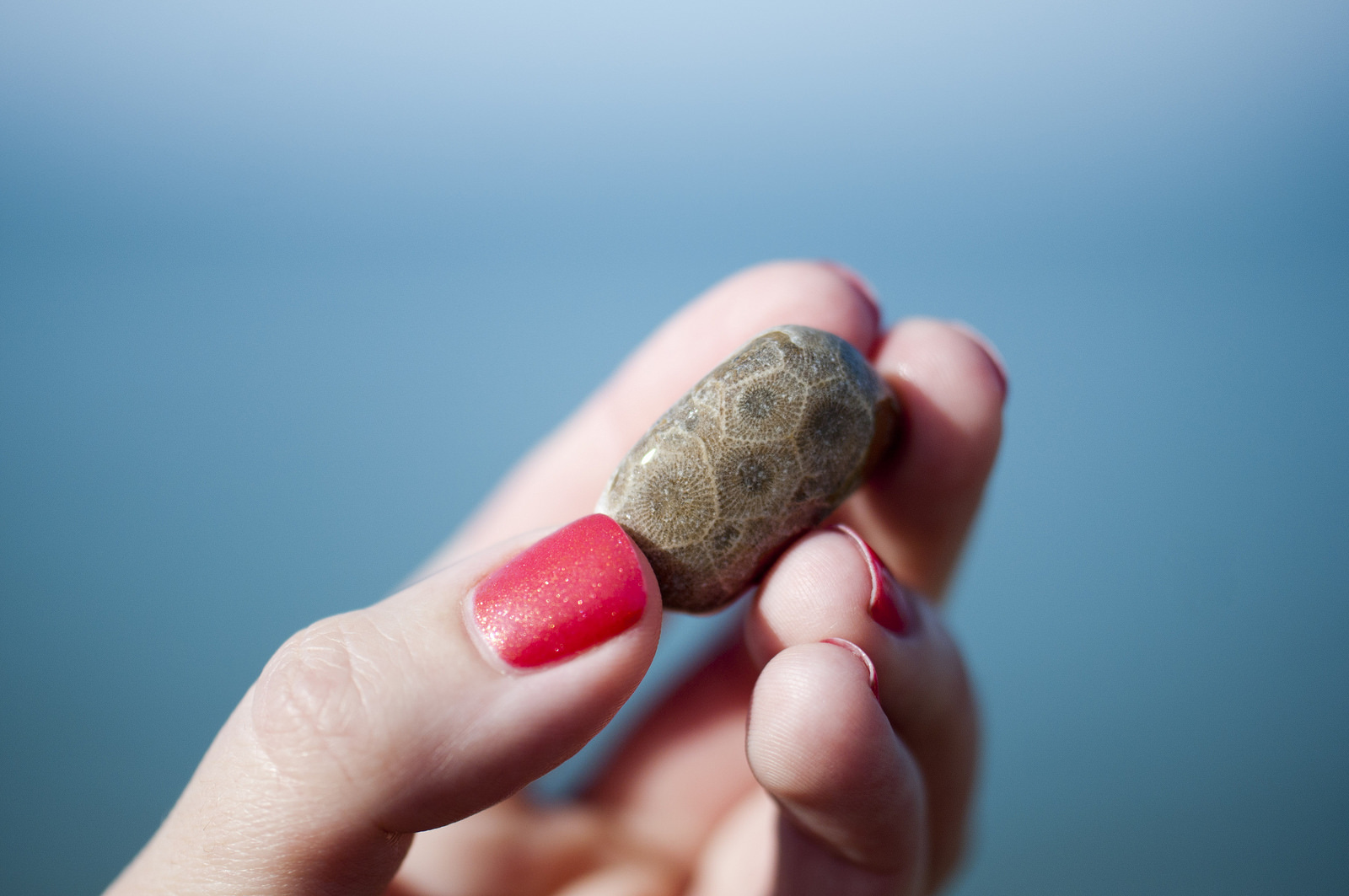
Up close with Michigan’s state stone: Hexagonaria percarinata, the Petoskey stone

Michigan State Stone Petoskey Stone

Untitled, photo by Anna Lysa

The Michigan Tech Geology Department explains that Michigan’s state stone is the Hexagonaria percarinata, the Petoskey stone. It is a fossil colonial coral that lived in the warm Michigan seas during the Devonian time around 350 million years ago. They can be found from Traverse City area across the state to Alpena in gravel pits, road beds, and of course beaches, with the largest concentration found on and around Lake Michigan’s Little Traverse Bay near the town of Petoskey. In June of 1965 the Petoskey Stone was named Michigan’s official State Stone and Miss Ella Jane Petoskey, the only living grandchild of Chief Petoskey, attended the formal signing.

Several years ago I shared the story behind the name as told by a young woman I know, Rose Petoskey:

My name is Noozeen (Rose) Nimkiins (Little Thunder) Petoskey (Rising Sun) and I am Anishinaabek.

Many people would associate the word Petoskey with the souvenir stone found on the northern Lake Michigan shorelines. However, to my family, the word Petoskey represents much more than a souvenir.

In the Odawa language, the word Petoskey (Bii-daa-si-ga) means the rising sun, the day’s first light, or the sun’s first rays moving across the water. The Petoskey stone is a fossilized coral created by impressions made in limestone during the last Michigan ice age. These stones were named “Petoskey” because the impressions resembled the rising sun coming up over the water. Just as the image of the rising sun is implanted within the Petoskey stone, the archaeology of a person’s names is implanted within. All names within our Anishinaabek culture reflect an individual’s personal history. Rocks go deep, but names go much deeper to reveal the stories of the past.

View Anna Lysa’s photo bigger and see more in her Michigan slideshow.