

Untitled, photo by kellyanne berg
“Some people walk in the rain, others just get wet.”
~Roger Miller
View Kellyanne’s photo bigger and see more in her Rain slideshow.
More rain on Michigan in Pictures.
Untitled, photo by kellyanne berg
“Some people walk in the rain, others just get wet.”
~Roger Miller
View Kellyanne’s photo bigger and see more in her Rain slideshow.
More rain on Michigan in Pictures.
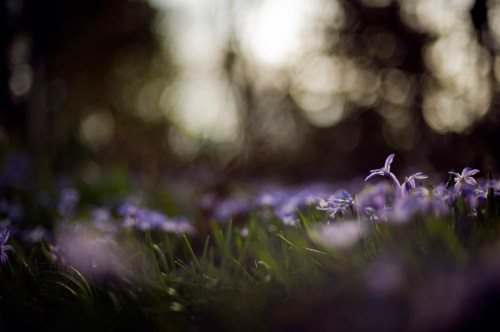
Untitled, photo by Brooke Pennington
Brooke has our yearly dose of spring bokeh. Drink deep and wash those winter blues away!
View his photo bigger and see more in his slideshow.
More about bokeh on Michigan in Pictures.
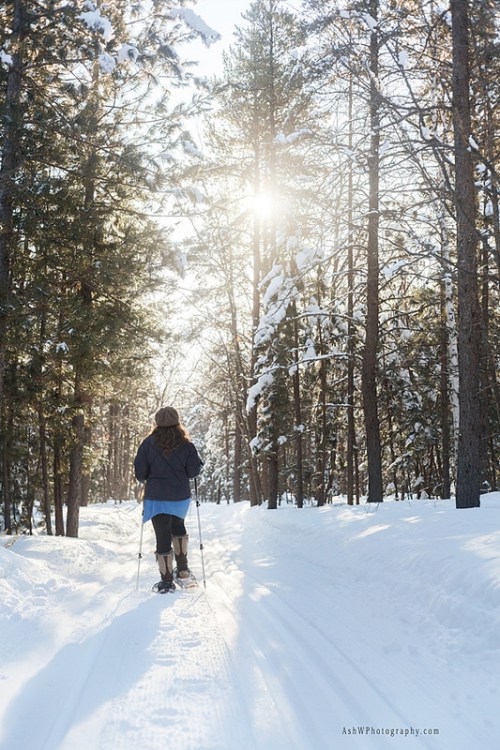
Snowshoeing the U.P., photo by Ashley Williams
Ashley took this shot in February in the Upper Peninsula, and by “February” I mean “this Monday”. It’s a beautiful scene for sure, but I think I speak for most of us when I say, “You’re drunk, Winter. Go home.”
View her photo bigger and see more in her Nature slideshow.
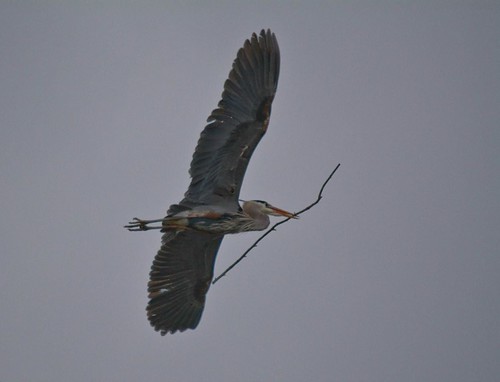
Nest Building Heron, photo by Dawn Williams
Last year I cited the Michigan Natural Features Inventory entry for Great Blue Heron Rookeries. It remains the definitive source, so I guess a rewind is in order:
The great blue herons in Michigan are largely migratory, with almost all leaving the state during the winter months. Most leave by end of October and return in early to mid-March.
The great blue heron is mostly a colonial nester, occasionally they nest in single pairs. Colonies are typically found in lowland swamps, islands, upland hardwoods and forests adjacent to lakes, ponds and rivers. Nests are usually in trees and may be as high as 98 ft. (30 m) or more from the ground. The platform like nests are constructed out of medium-sized sticks and materials may be added throughout the nesting cycle. Nests are usually lined with finer twigs, leaves, grass, pine needles, moss, reeds, or dry gras. The same nests are refurbished and used year after year…
Most great blue herons return to southern Michigan heronries in mid-March although a few may remain through the winter if there are areas of open water. Courtship and nest building commences from early April in southern Michigan to early May in the extreme northern portions of the state. Both sexes are involved in the nest building process with males primarily gathering sticks from the ground, nearby trees, or ungarded nearby nests. Males pass sticks to females who then place them on the nests.
Click to read more and you can see more on these herons at the Kensington Metropark’s annual Heron Days May 17 & 18, 2014.
View Dawn’s photo background big and see more in her slideshow.
You can read more about heron rookeries and Michigan herons and get more spring wallpaper on Michigan in Pictures.
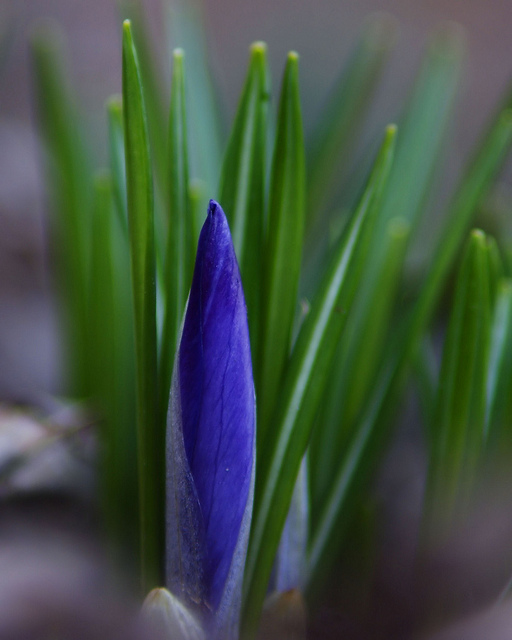
Untitled, photo by Donald Anson
By “Good Old Days” I mean April 2011.
View Donald’s photo background big and see more in his awesome Flowers slideshow.
For the flower-deprived, there’s lots more flowers and more spring wallpaper on Michigan in Pictures too!
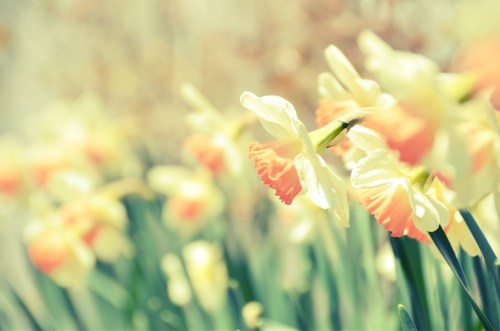
Pink Daffodils, photo by Alissa Holland
We can dream, right?
View Alissa’s photo bigger and see more in her How My Garden Grows slideshow.
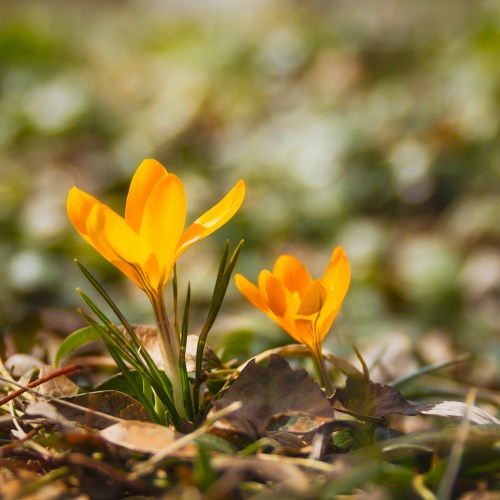
First Flowers of Spring, photo by Bill Dolak
Although this photo is from a year and two days ago, reports are starting to roll in of crocus sightings. That’s good enough for me – set a course for Spring, Warp 6!
Check it out background bigtacular and see more in Bill’s Flowers slideshow.
There’s more spring wallpaper on Michigan in Pictures and in case you were feeling wimpy after March, UpNorth Live reports that March 2014 was indeed a lion!
In the Month of March the average temperature for these cities were well below normal. March was 10 degrees below normal in Houghton Lake and 11 degrees below normal in Gaylord. This past March was the 3rd coldest on record in Alpena, and in both Gaylord and Houghton Lake it was the coldest on record!
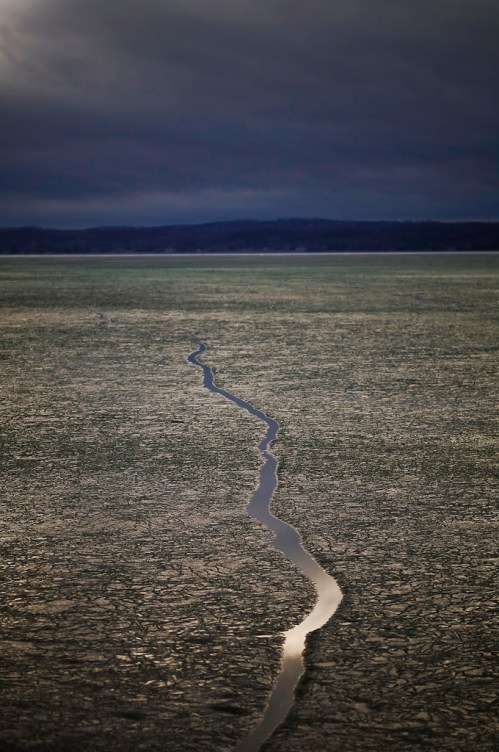
Thawing, photo by Jennifer Bruce
A crack in the armor. Down with winter!
View Jennifer’s photo bigger and see more of her Torch Lake photos on Flickr.
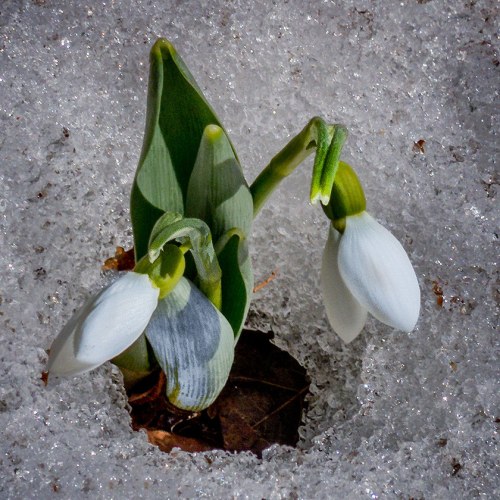
Push Up, photo by Michael in A2
Michigan Gardener’s plant focus on Snowdrops begins:
The very first bulb to cheerfully announce spring is the snowdrop. As the last winter snow melts, carpets of delicate white flowers emerge through last year’s fallen leaves. Snowdrops will reliably return year after year despite Mother Nature’s most challenging winters. The botanical name, Galanthus, comes from the Greek words Gala meaning “milk” and anthos meaning “flower.” They will thrive in the rich, moist soil usually found in the shade provided by deciduous trees. Few bulbs can tolerate shade, but snowdrops develop in the winter sun well before the leaves of trees and shrubs have expanded. Their flowers last for several weeks beginning in early March and persisting through the cool days of spring in early April. Once planted, Galanthus require no maintenance.
Read on at Michigan Gardener and bring on the spring!
View Michael’s photo background big and see more in his 2014: Flowers slideshow.
More flowers and more spring wallpaper on Michigan in Pictures.

Apocalyptic Spring., photo by jonathan_brandt
View Jonathan’s photo bigger, see more in his Panoramas slideshow and check it out giant-sized on Gigapan where (if you go full screen) you can zoom in for an incredible amount of detail.
 Michigan in Pictures