
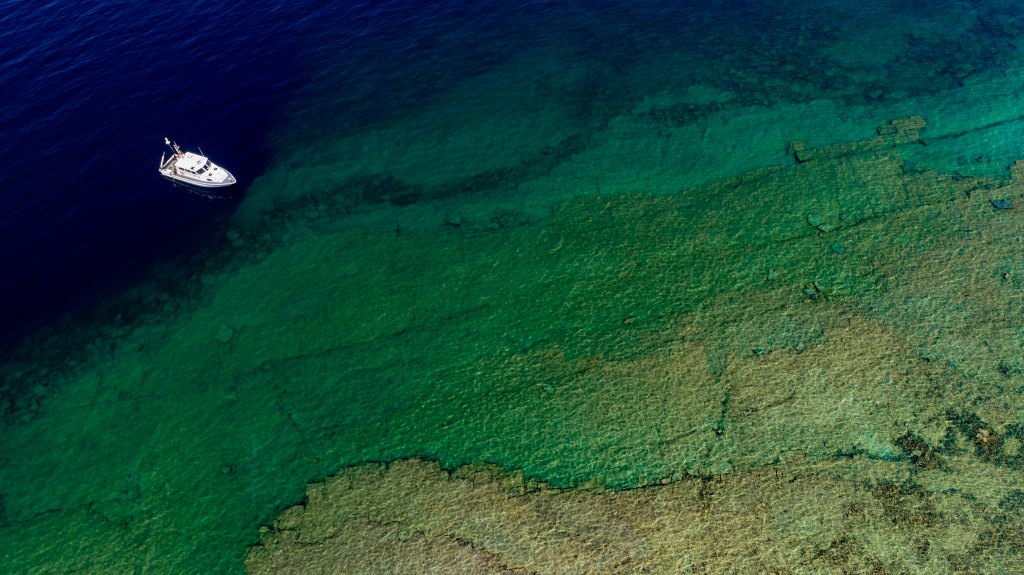
Sinkhole Research Cruise by NOAA GLERL
I read an interesting story about scientists exploring a sinkhole in Lake Michigan a couple of weeks ago that detailed how a team of scientists confirmed there are more than 40 sinkholes on the lakebed of Lake Michigan in the Wisconsin Shipwreck Coast National Marine Sanctuary.
What really piqued my interest was learning that that this isn’t the first time sinkholes have been found in the Great Lakes! In 2001, scientists found sinkholes at the bottom of Lake Huron in Michigan’s Thunder Bay National Marine Sanctuary, and I was able to find an award winning Great Lakes Now segment with Steve Ruberg, an observing systems researcher with NOAA’s Great Lakes Environmental Research Laboratory exploring the Lake Huron sinkholes in this very vessel!!
The National Oceanic & Atmospheric Administration’s Great Lakes Environmental Research Laboratory (NOAA GLERL) is dedicated to scientific research on the Great Lakes and coastal ecosystems. They share a lot of amazing photos of their work on Flickr & you can see more from this trip in their Buildings & Vessels gallery on Flickr.

 Michigan in Pictures

