
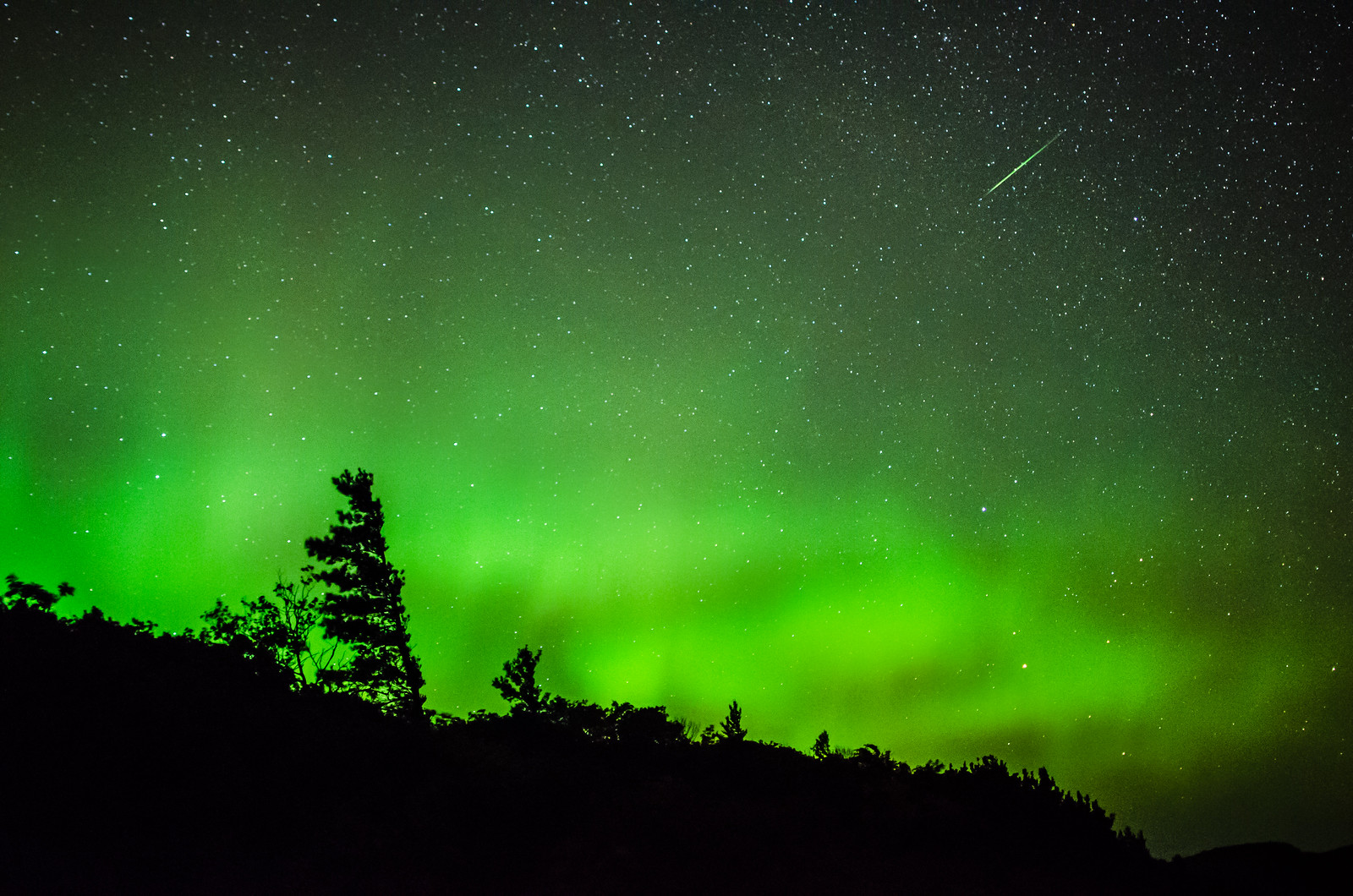
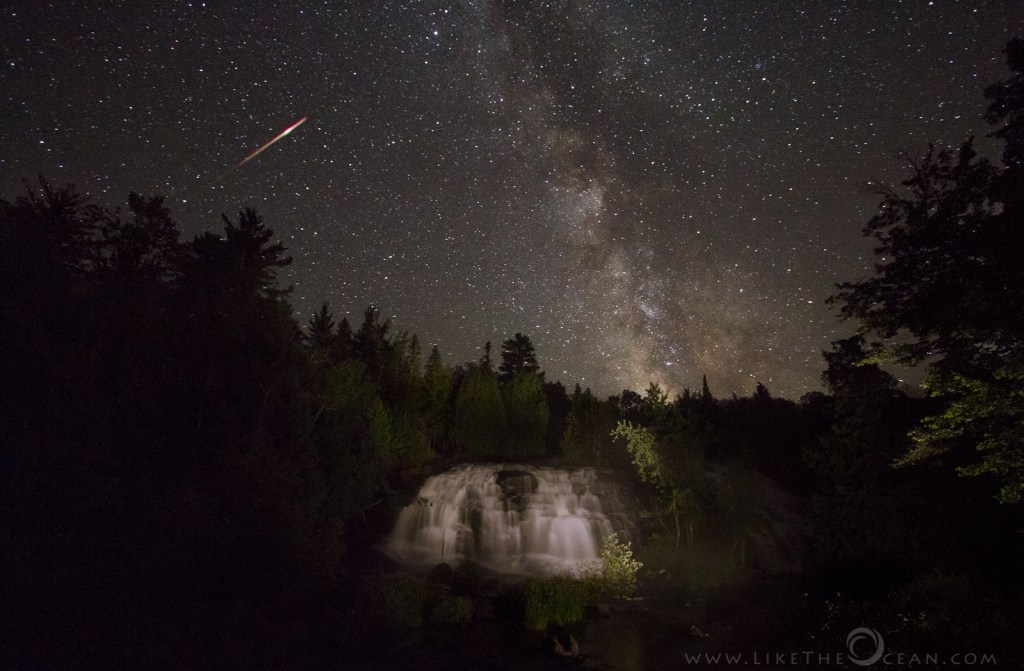
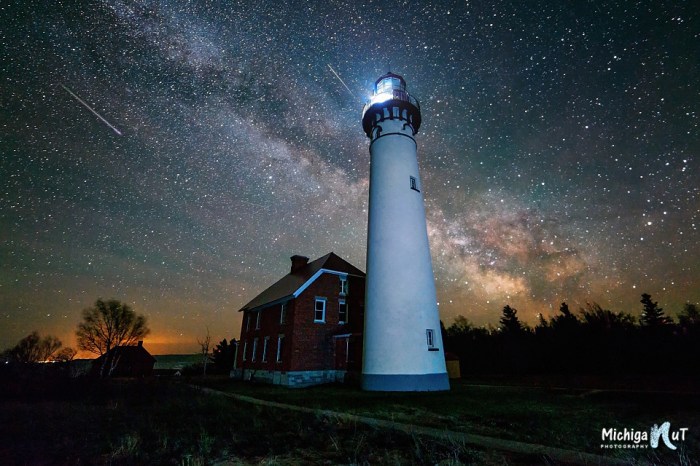
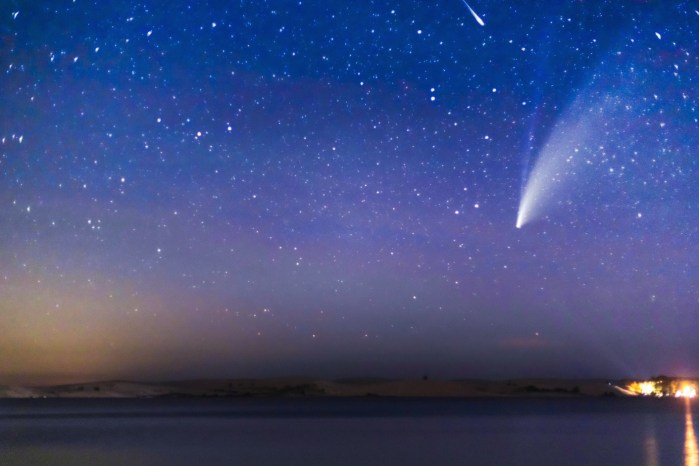
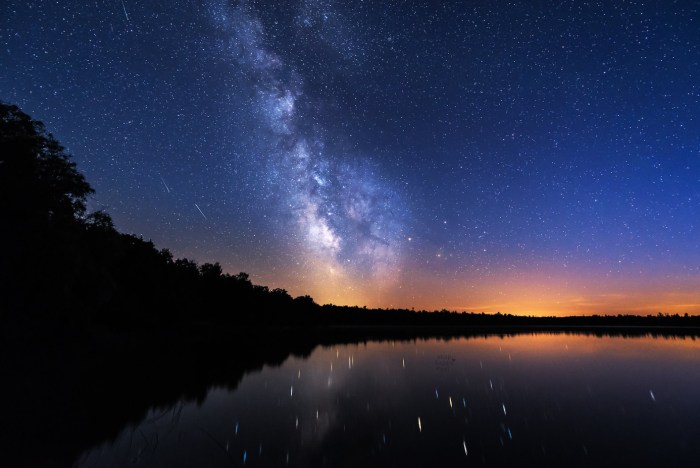
National Geographic shares that the Geminid Meteor Shower is known for bright & colorful shooting stars and will peak this Saturday night (December 13):
Under perfect viewing conditions, the Geminids deliver up to 120 meteors per hour, though factors like light pollution and atmospheric conditions can reduce that number. But unlike most meteor showers, the Geminids don’t come from a comet. They’re created by debris from 3200 Phaethon, a strange asteroid that brightens and grows a faint tail, helping make this shower especially bright.
Most meteor showers occur when Earth passes through debris trails shed by orbiting comets— the bits of ice and dust burn up in our atmosphere, producing shooting stars. Conceptually, the same process creates the Geminids. But instead of passing through a comet’s tail, Earth passes through the trail of Phaethon 3200, which sheds larger, tougher, and rockier debris than comets.
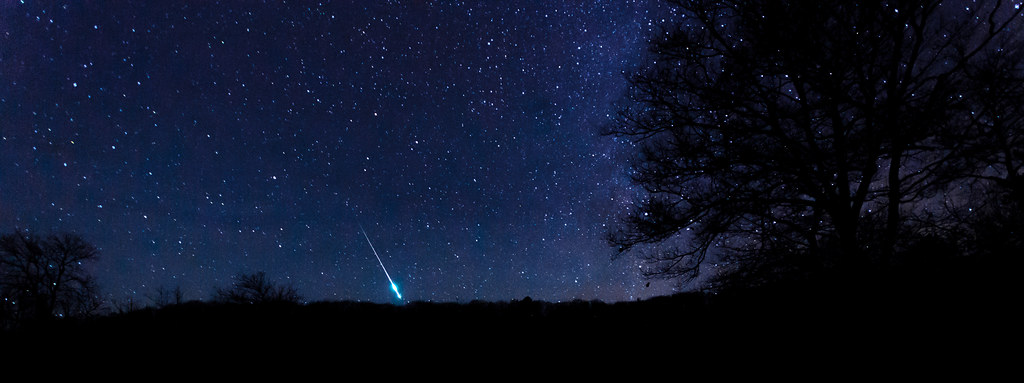
“This material is larger on average and survives further into our atmosphere and tends to produce brighter meteors,” says Rubert Lunsford, the journal editor of the American Meteor Society. Phaethon 3200’s debris also contains more metal. “When these metals are heated during the passage through our atmosphere, they produce colors associated with each type of metal,” he adds. Calcium and silicon produce orange; iron and sodium produce yellow; nickel produces green; and magnesium produces blue.
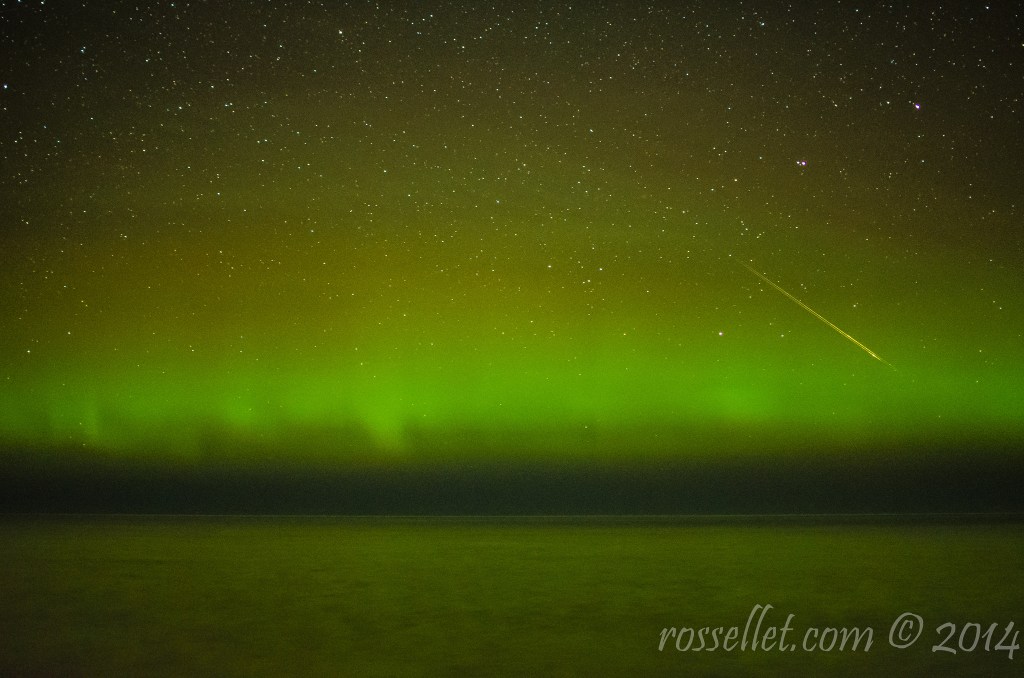
As an added bonus, we have a pretty active solar situation making bonus northern lights a definite possibility. Ross took this back in September of 2014 in the Porcupine Mountains backcountry. See many more amazing shows in his incredible Aurora gallery on Flickr.


 Michigan in Pictures