
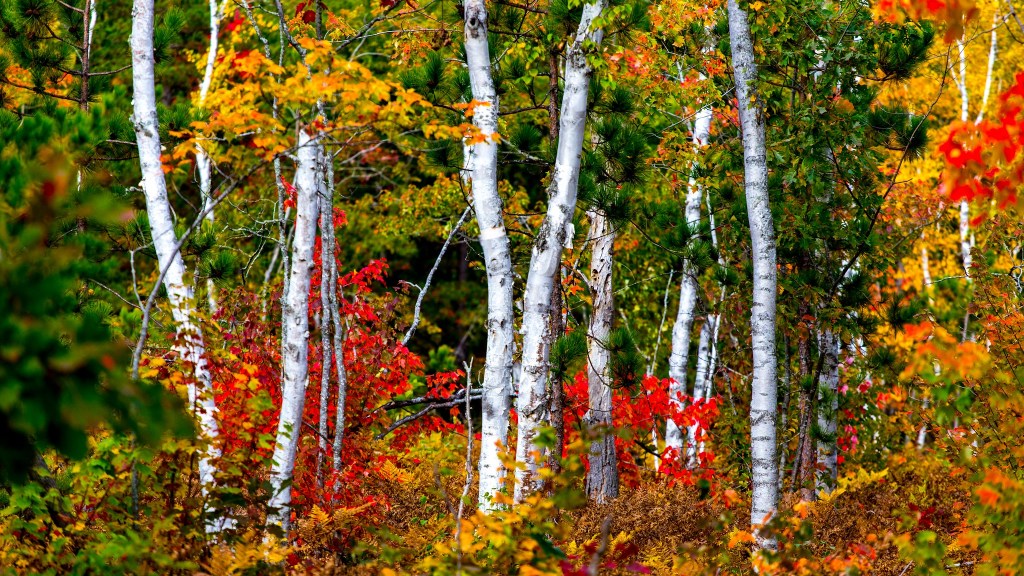
Fall color is really starting to come on in Michigan, and the US Forest service shares that there are three pigments in the palette of autumn color:
Chlorophyll: Gives leaves a basic green color. It is necessary for photosynthesis, the chemical reaction that enables plants to use sunlight to manufacture sugars for food.
Carotenoids: Produces yellow, orange, and brown colors in such things as corn, carrots, and daffodils, as well as rutabagas, buttercups, and bananas.
Anthocyanin: Gives color to such familiar things as cranberries, red apples, concord grapes, blueberries, cherries, strawberries, and plums. They are water soluble and appear in the watery liquid of leaf cells.
Certain colors are characteristic of particular species, and the color of maples leaves differ species by species:
- Oaks: red, brown, or russet
- Hickories: golden bronze
- Aspen and yellow-poplar: golden yellow
- Dogwood: purplish red
- Beech: light tan
- Sourwood and black tupelo: crimson
- Red maple: brilliant scarlet
- Sugar maple: orange-red
- Black maple: glowing yellow
- Striped maple: almost colorless
Read on for lots more!
Bob took this shot of fall color at Pictured Rocks National Lakeshore in Michigan’s Upper Peninsula back in October of 2011. See more in his Explore gallery and for sure view & purchase his work on his website!
More fall color on Michigan in Pictures!

 Michigan in Pictures