Happy 55th, Sleeping Bear Dunes National Lakeshore!

via Leelanau.com…

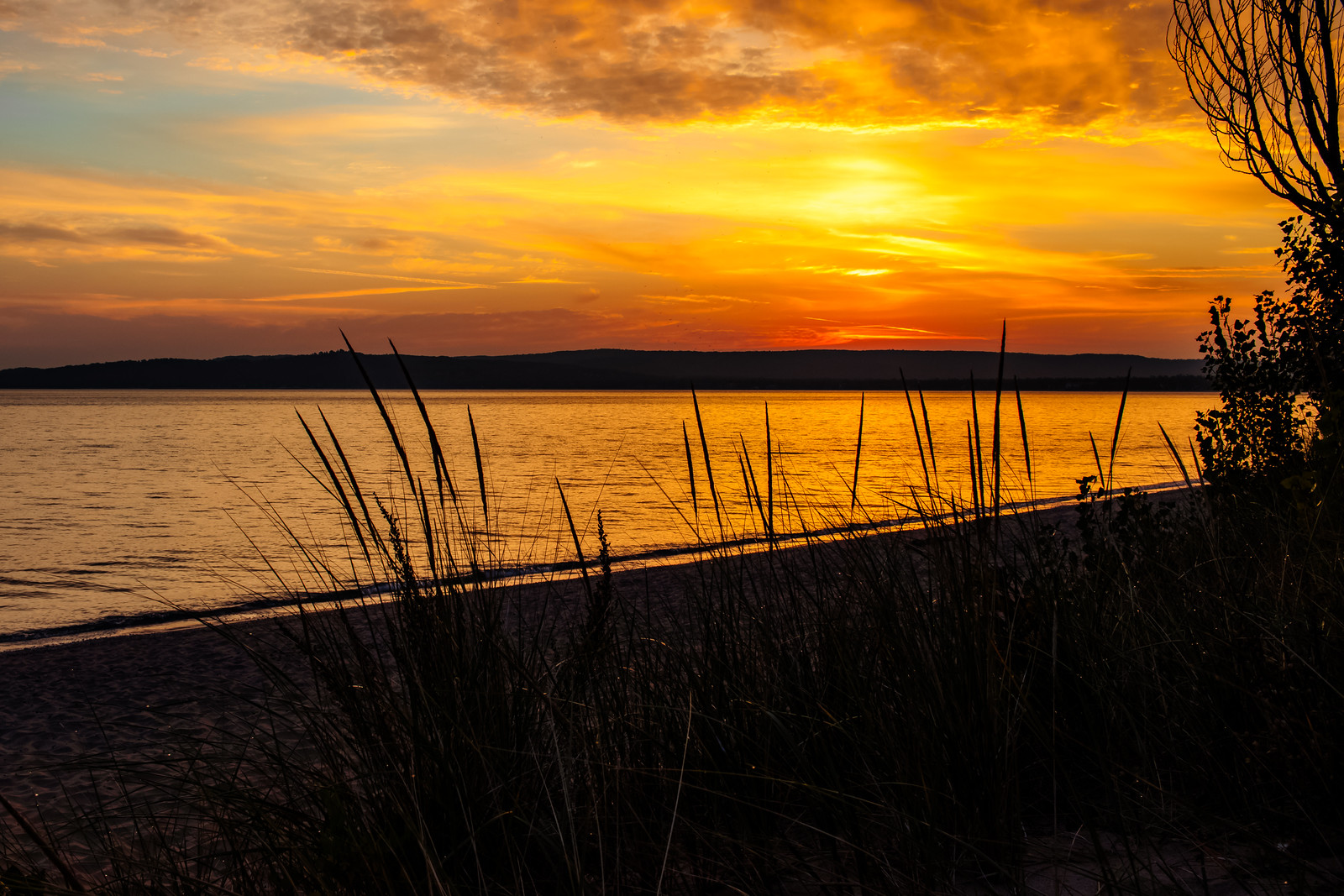
At the End of the Trail by James Banks

At the End of the Trail by James Banks

Today is the 55th birthday of the Sleeping Bear Dunes National Lakeshore. Normally, I would lead with a photo of the Dunes, but the creation of the National Lakeshore on October 21, 1970 preserved a whole lot more!!

Here is the tale of the tape on Michigan’s magnificent national lakeshore as of August 1, 2024!

  • Annual Visits – 1,589,248
  • Employees – 46 permanent, 83 seasonal
  • Volunteer Hours – 58,389 from 1,659 volunteers
  • Natural and Cultural Resources
  • Area – 71,318 acres
  • Lake Michigan Shoreline – 65 miles (35 miles on the mainland)
  • Inland Lakes – 26
  • Miles of rivers and streams – 12
  • Terrestrial plant species – 908
  • Bird species – 246
  • Federally threatened or endangered species – 6
  • Historic structures on List of Classified Structures – 369
  • Sites on National Register of Historic Places – 8
  • Cultural Landscapes – 9 (4,500 acres)
  • Prehistoric archeological sites – 150
  • Historic boats – 21
  • Lighthouse – 1
  • Historic artifacts – 70,158
  • Archived documents – 21,325
  • Infrastructure
  • Buildings – 370
  • Employee housing units – 38
  • Campgrounds – 9 (357 sites)
  • Picnic Areas – 5
  • Visitor Centers – 3
  • Outdoor ampitheaters – 2
  • Miles of roads – 23
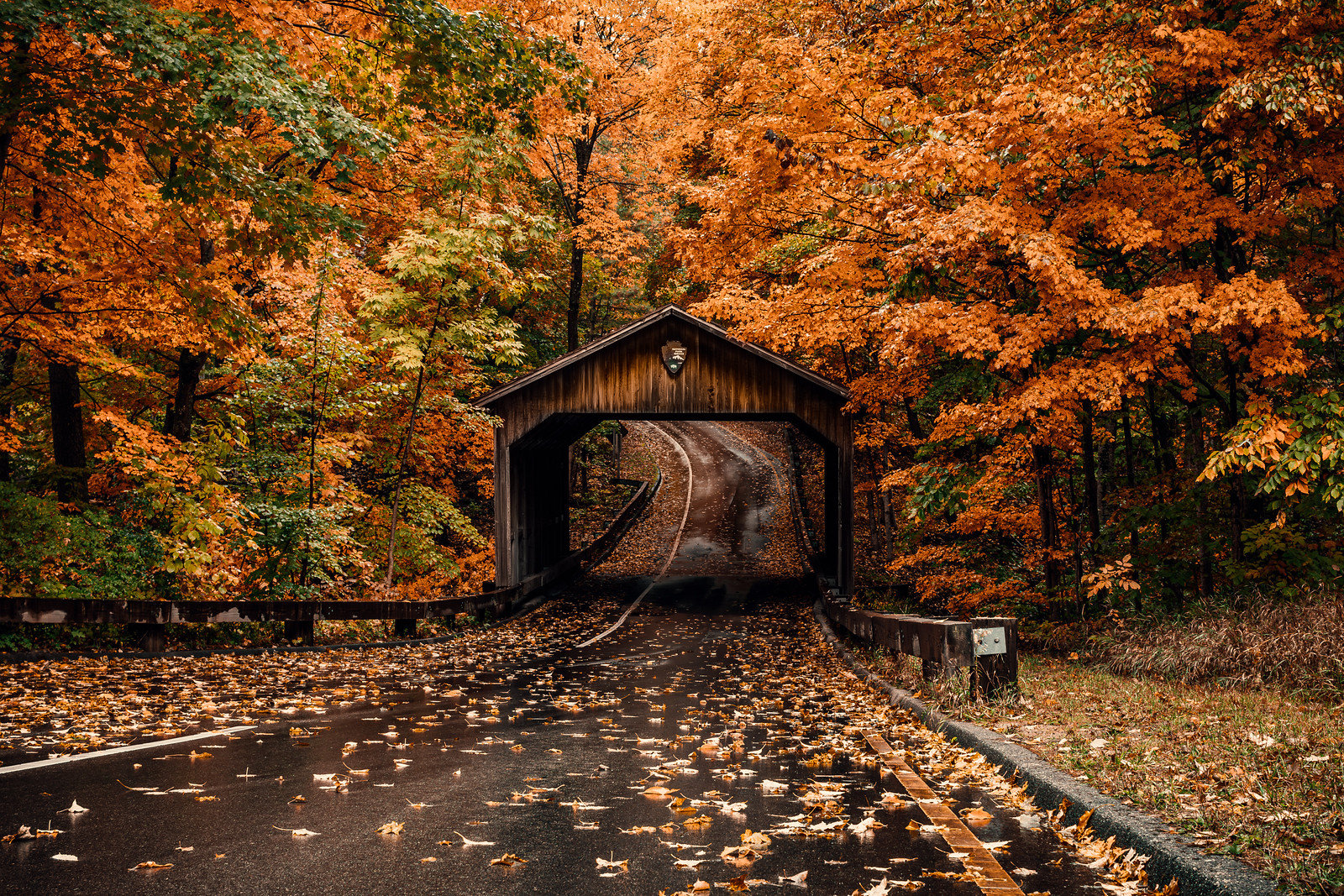
  • Covered bridge – 1 (Pierce Stocking Drive)
  • Miles of trails – 105
  • Lake access ramps – 9
  • Signs and wayside exhibits – 3572
  • Major photovoltaic power systems – 3
  • Motor vehicles in fleet – 54
  • Large boats – 8

James took these in the Sleeping Bear Dunes National Lakeshore back in fall of 2023. See lots more great shots in his Top 100 gallery on Flickr!

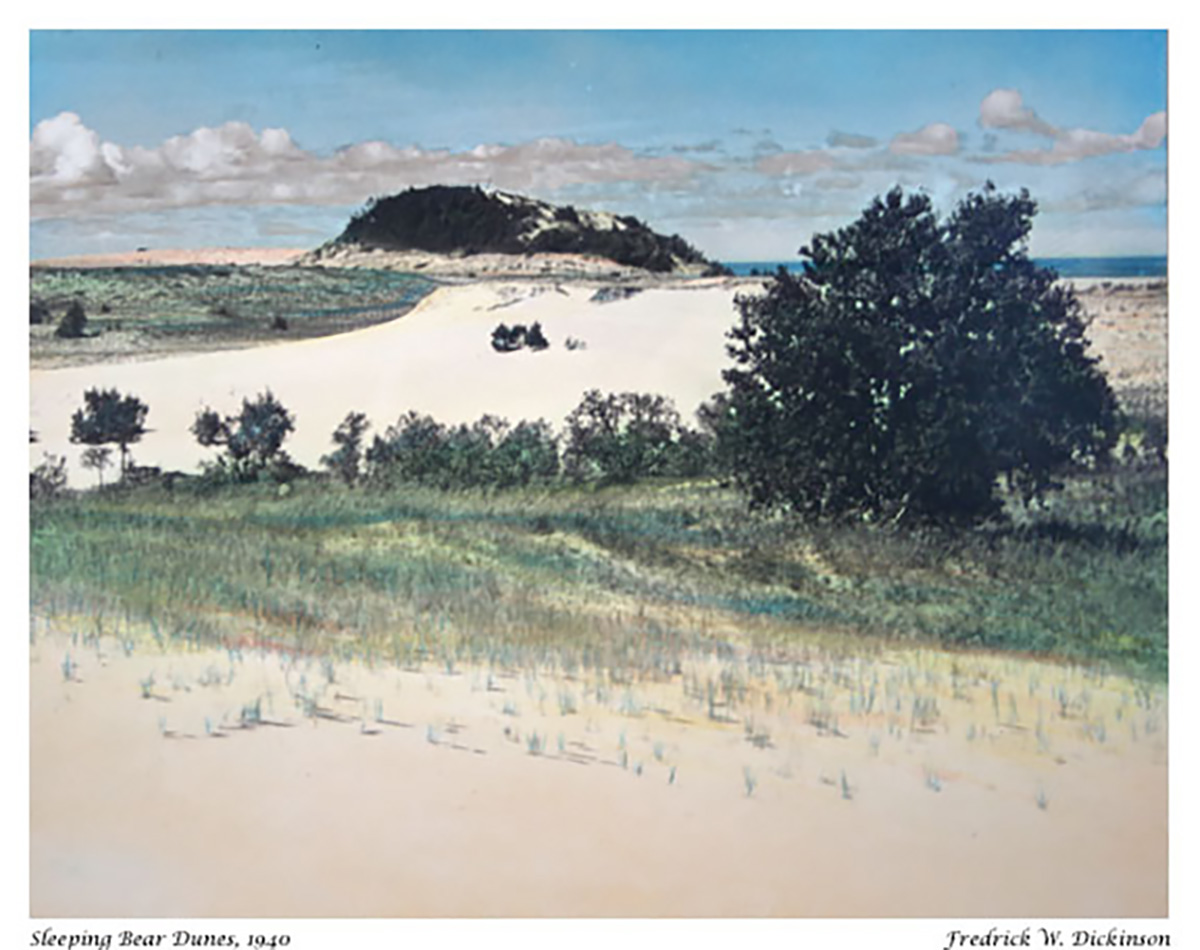
I also added a hand colored photo of “the Bear” from 1940 by Leelanau photography legend Fred Dickinson whose work you can see at the Dickinson Photo Gallery on Glen Lake & who you can read more about on Leelanau.com.
Support Michigan in Pictures with Patreon

Waterfall Wednesday: Return to Manganese Falls

manganese-falls

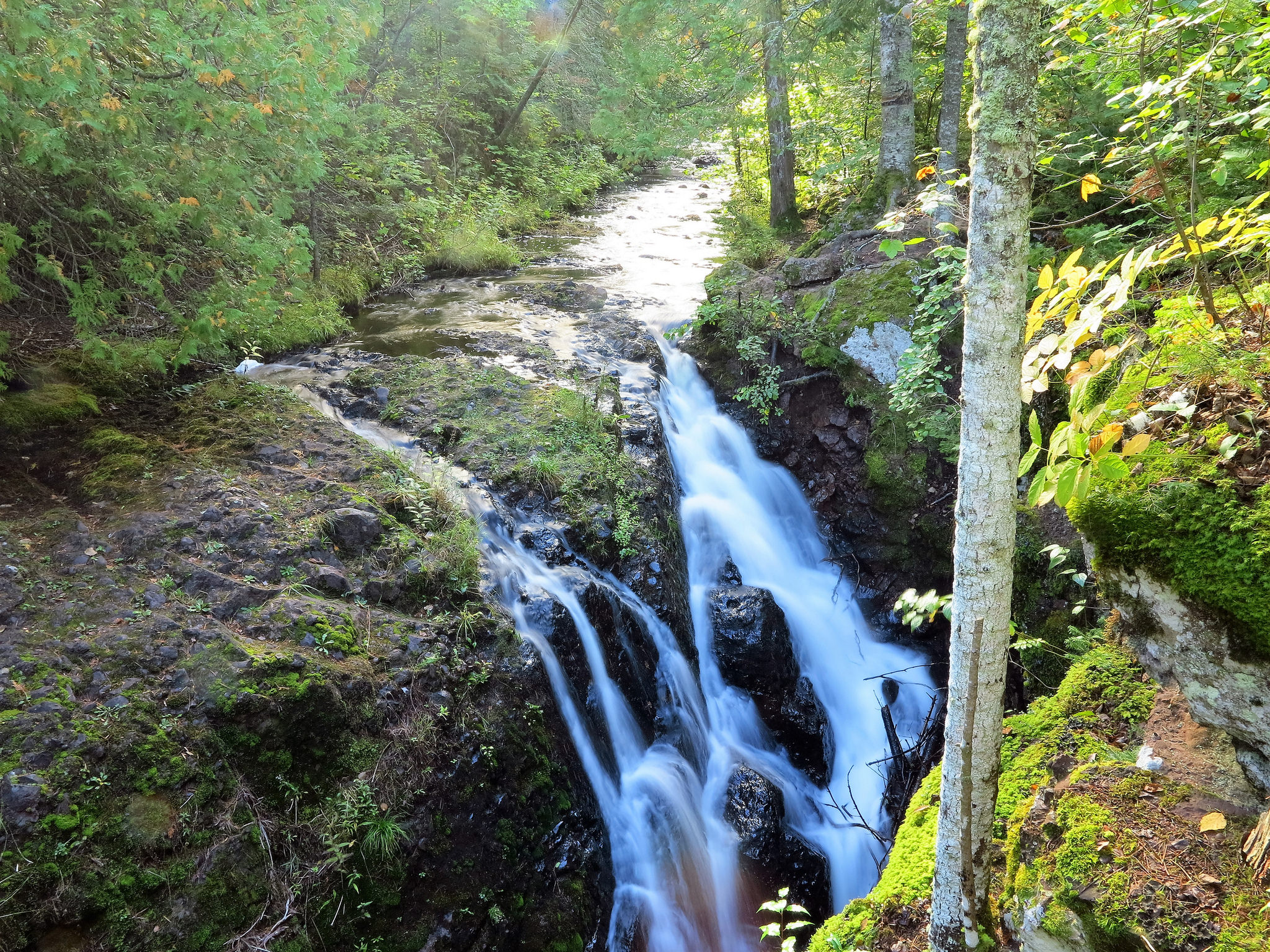
Manganese Falls by John Gagnon

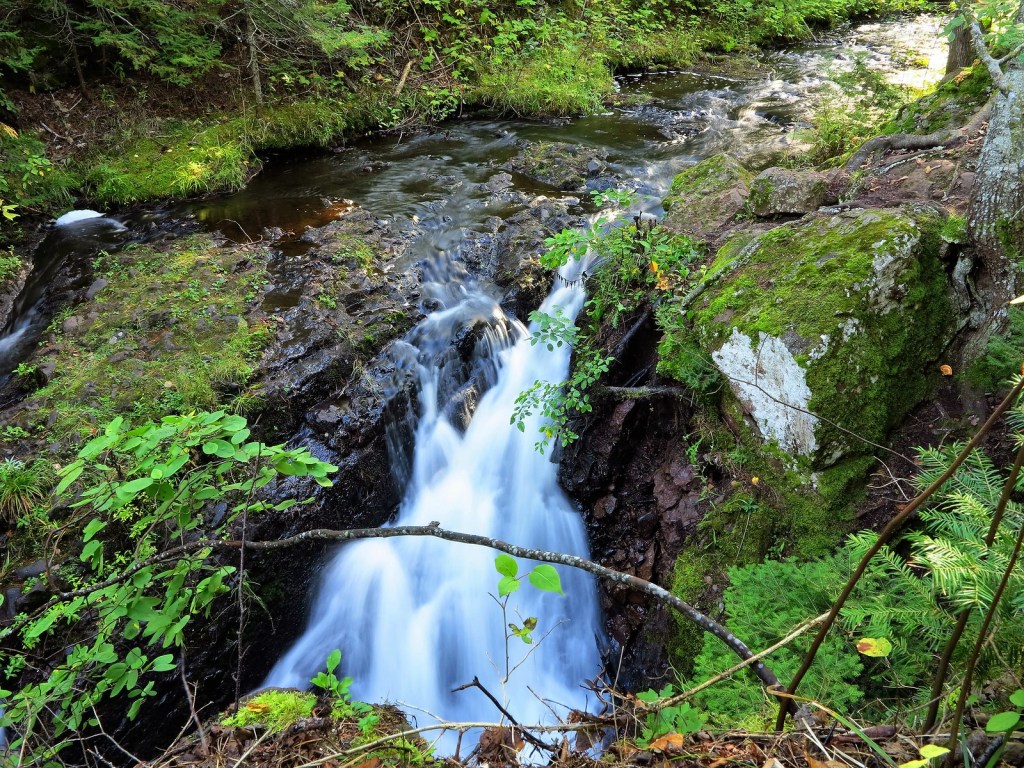
I shared this photo from John nine years ago but came back for a second look! Trip Advisor shares that Manganese Falls are fed by Lake Manganese, a pristine little lake worth visiting too:

The falls are at the mercy of the seasons. The falls run rampant in spring with all the snowmelt (270″ average) and rainfall. Then as the season progresses, they become much less intense ending in fall as not much more than a trickle. The box canyon that surrounds the falls is a beautiful and dramatic 100 foot drop. It is lined with mosses, ferns and other boreal fringe flora, making it worth the stop even in the fall. There is a scenic trail that leads down and over a bridge to the lower end of the falls. It is definitely worth taking if you have the time.

The awesome GoWaterfalling’s page for Manganese Falls has directions & more info!

See more in John’s Rivers/streams gallery on Flickr.

Lots more Michigan waterfalls on Michigan in Pictures!

Manganese Falls by John Gagnon

Manganese Falls by John Gagnon

Support Michigan in Pictures with Patreon

Fat Bear Week: Michigan Black Bear Edition

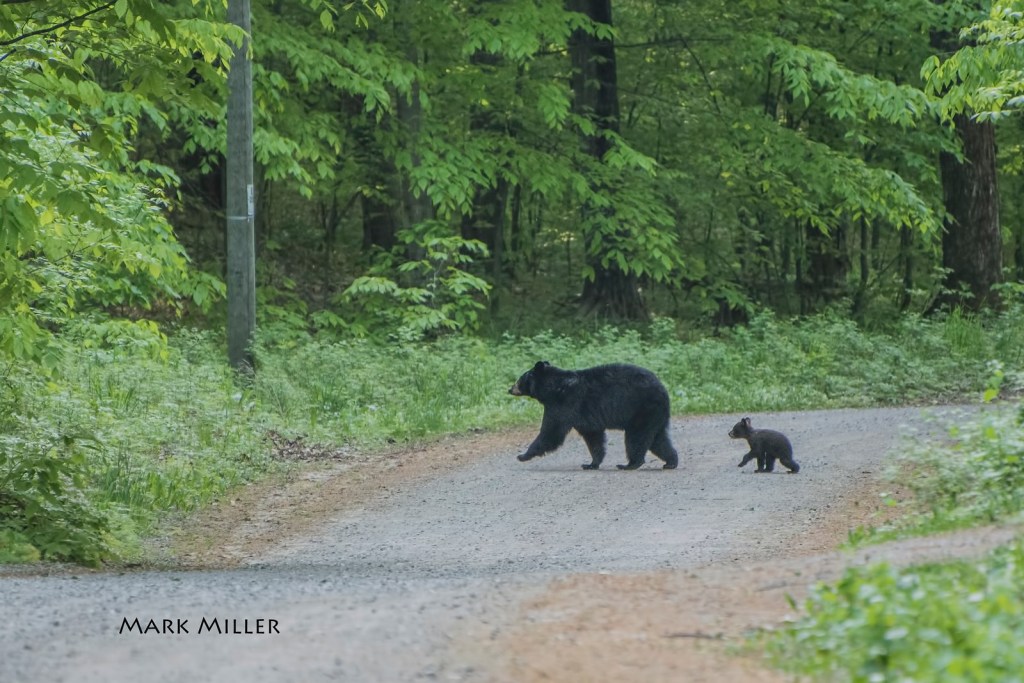
Saturday Morning Stroll by Mark Miller

Saturday Morning Stroll by Mark Miller

We interrupt our mostly Michigan content to bring you important news about Alaska’s Fat Bear Week online competition! Some of the largest brown bears on the planet make their home at Brooks River in Katmai National Park, and in addition to being adorably chonky, the fattest bears are best prepared for winter hibernation.

While Michigan doesn’t have brown bears, our native black bear population is also out there in the woods right now, actively searching for the raw materials to pack on the pounds. The Michigan DNR says that about about 13,000 American black bears live in Michigan. Most of them (around 11,000) live in the Upper Peninsula with around 1,700 in the northern Lower Peninsula. Their Living with Black Bears guide says that the black bear is the only species of bear with an average lifespan of 10 years in the wild. Male black bears live in an area about 100 square miles or more in size, while females live in smaller areas about 10 to 20 square miles. They are solitary animals, a sow (female bear who has birthed at least one cub) and her cubs may be seen together.

Black bears can have various color phases including black (most common in Michigan), brown and cinnamon. In Michigan, adult female black bears range from 100 to 250 pounds while adult males can weigh up to 400 pounds. Adult black bears measure about three feet high on all fours & five feet tall when standing upright.

Black bears are omnivorous & will travel great distances to find food, opportunistically feeding on both plants and animal including tender vegetation, nuts, berries, and insects. Black bears are generally fearful of humans and will leave if they are aware of your presence, but human foods, garbage, pet foods, & birdseed can definitely draw them to your door! In the rare circumstance that a bear doesn’t turn and leave, try to scare it off by yelling while leaving a clear, unobstructed escape route for the bear. If the bear stands its ground, makes threatening sounds or bluff charges, you are too close. Take slow steps backward while continuing to talk to the bear in a stern tone. In the rare event of an attack, fight back with a backpack. DO NOT run or play dead.

Mark captured these black bears out for a Saturday morning stroll near Empire back in June of 2015. You can see more in his In In My Backyard gallery on Flickr.

Support Michigan in Pictures with Patreon

The angle of repose at Silver Lake Dunes

Miniature Landscapes by Neil Weaver Photography

I shared the photo below of what Neil dubbed “The Great Sand Pyramid of Silver Lake Dunes” back on December 17, 2020. Like the ones in the photo above, the lines are so crisp & clear that they look computer generated. Sleeping Bear Dunes is another shifting dune complex, and they explain that the reason that the sand on shifting sand dunes looks the way it does is due to wind & something known as the angle of repose:

Active dunes gradually advance over time. In some places trees and telephone poles have been buried in drifting sand over a period of several years. A common question is “How fast are the dunes moving?” Rates of sand movement vary from one place to another and from one year to the next. At the Dune Climb the average rate of advance has been about 4 feet (1.2 meters) per year over the past few years.

Direction of sand movement also varies from one place to the next. The shapes of dunes reveal the direction of the winds. Dry, loose sand can take on a maximum slope of 34 degrees, known as the angle of repose. As sand piles up on an unvegetated dune, the leeward (downwind) slope approximates the angle of repose, while the windward slope is more gradual. Ripples in the sand show a similar asymmetrical shape.

Dune sand moves primarily by a process called “saltation”, literally “jumping”. Wind forces grains of sand to roll, collide with other grains of sand, and in subsequent collisions some grains bounce into the air, are driven downwind as they fall, and upon landing strike other grains to produce a chain reaction. On a windy day you can see a hazy zone of sand moving just a foot or two above the ground.

Neil took the photo above last year in late December & shared “One of the many things that I love about hiking around the sand dunes is finding miniature landscapes created by the strong winds. The textures and lines compose a true natural work of art!”

Indeed!! See lots more of Neil’s work on Facebook and view & purchase prints, calendars & photography workshops on his website!

The Great Silver Lake Pyramid by Neil Weaver Photography

Support Michigan in Pictures with Patreon

Waugashaunce Point Trail in Wilderness State Park

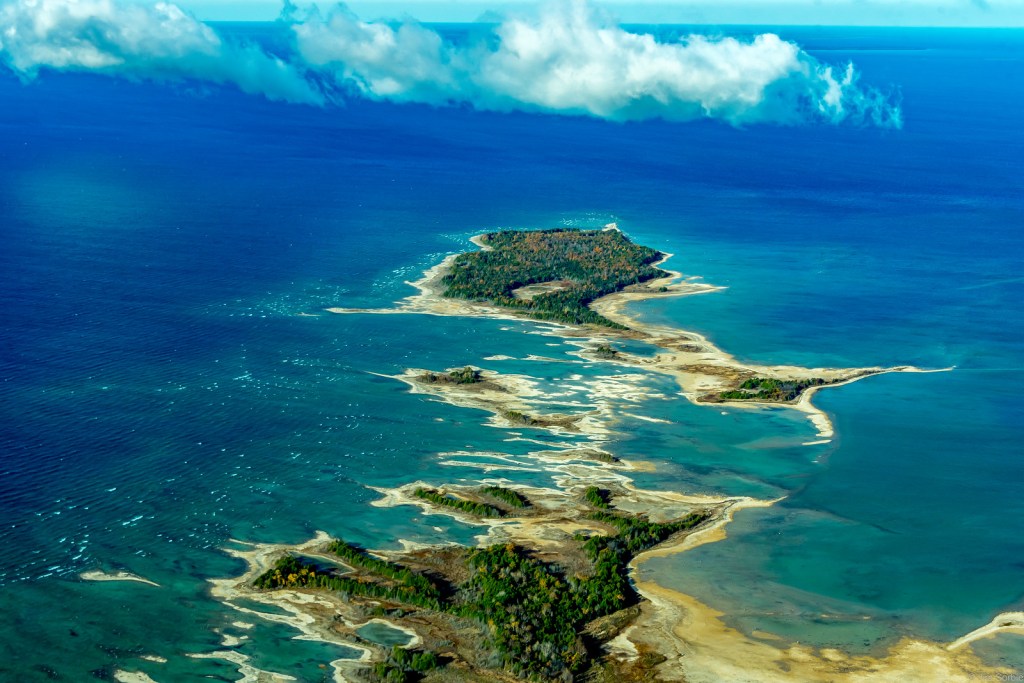
Waugoshance Point by Jim Sorbie

Waugoshance Point by Jim Sorbie

I’m going to try to share more posts about great Michigan trails & hikes that are a little off the beaten path. If you have a favorite, share it in the comments! DWHIKES has the 411 on Waugashaunce Point Trail in Wilderness State Park north of Petoskey on Lake Michigan is a great trail that is DEFINITELY off the beaten path:

Waugoshance Point is easy to spot on a map, just look for the large peninsula jutting out from the northwestern corner of the lower peninsula: that’s it. If only for that reason it was an attractive place to want to take a hike. An added bonus was the fact that it marks the western end of the Mackinac Straits amidst three remote lighthouses and is completely devoid of trails. I simply couldn’t come up with a reason NOT to go.

Waugoshance Point is truly spectacular in the summer when the rock beaches are home to a myriad of waterfowl and a dizzying array of lake shore wildflowers. I just couldn’t wait though. The snow was gone and I needed to get out. The trail head, if there was a trail, is located at the end of Waugoshance Point Road which gives access to the back-country cabins of Wilderness State Park. From there I’d trust my topo-map to guide me along the shore out to the point. Though there are no hills or cliffs to speak of the area turned out to be quite diverse and beautiful, as you’ll see…

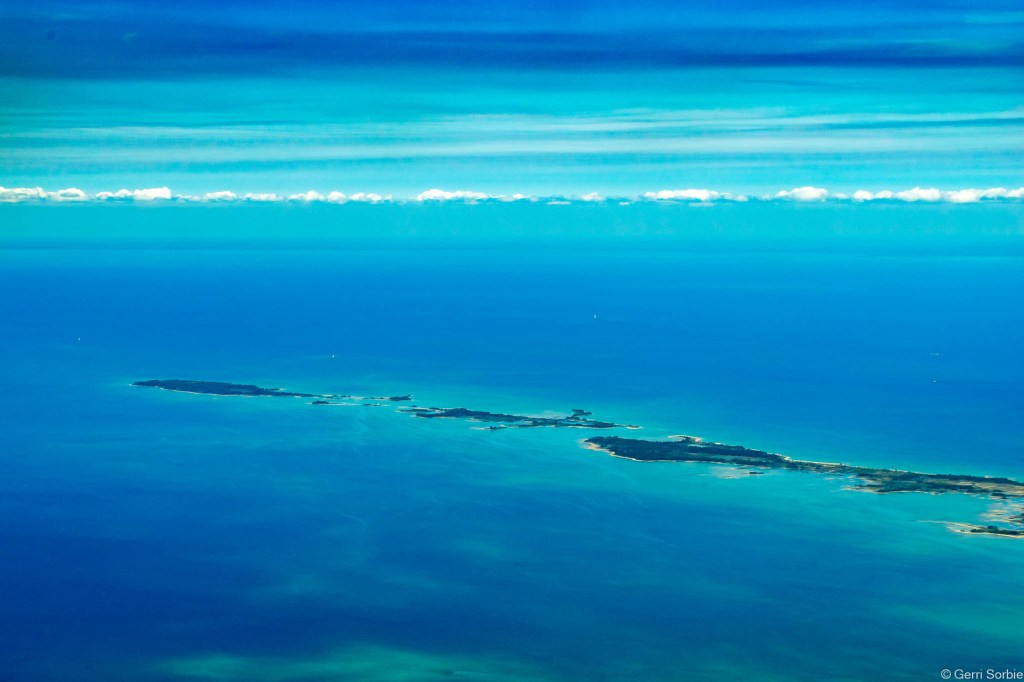
Here’s a great aerial photo by Jim – see more in his From the Air gallery on Flickr which also includes another view of the Point from August of 2022.

Shades of Blue .. Waugoshance Pt by Jim Sorbie

Shades of Blue .. Waugoshance Pt by Jim Sorbie

Support Michigan in Pictures with Patreon

Happy Back Into the Woods Day 2021

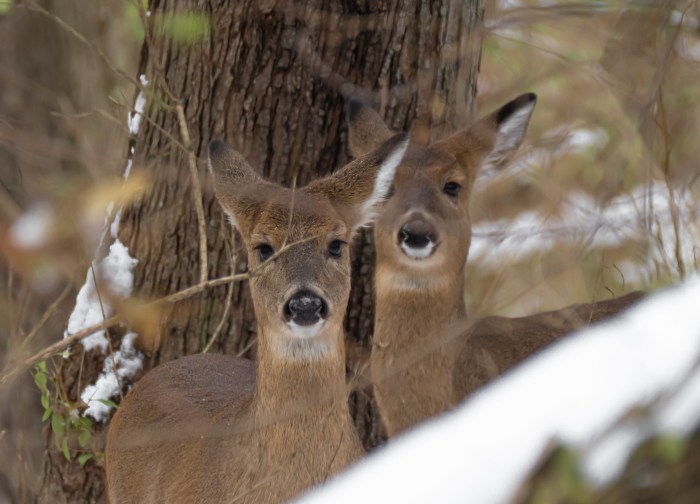
Deer by James Marvin

Deer by David Marvin

While I have yet to get any elected officials on board with an official holiday declaration, I will once again wish all of you a very happy Back Into the Woods Day!

As longtime Michpics readers know, Back Into the Woods Day celebrates the end of Michigan’s annual firearm deer season making most of the state’s wild places off limits. Here’s hoping you get a chance to get outside this week or weekend … and that you see some of our many forest friends while you’re there!!

David took this photo last weekend at the Fenner Nature Center. Head over to his Flickr for more.

Support Michigan in Pictures with Patreon

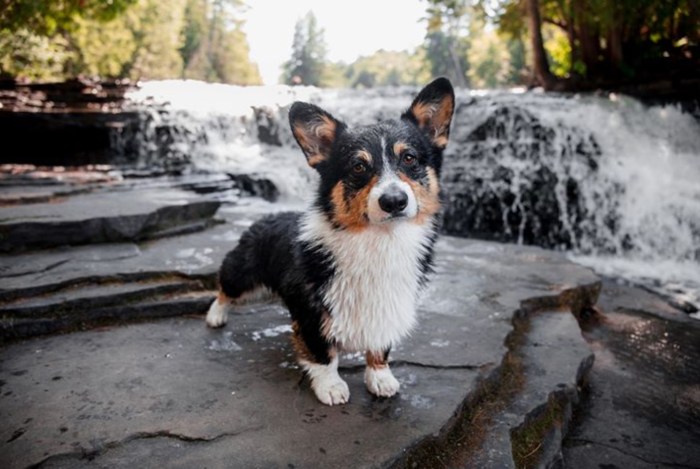
The Corgi & the Cataract

The Corgi & the Cataract by Taylor Nicole Featherstone

This photo from one of the many waterfalls in the Upper Peninsula was sent in by a fan last March. I’m hoping that those of you with furry friends are finding ways to keep them (and yourself!) happy & fit.

You can check out more at Featherstone Fotography on Facebook & keep up with the Adventures of Darwin + Charles on Facebook. And definitely follow her on Instagram @oureveolvingadventure!

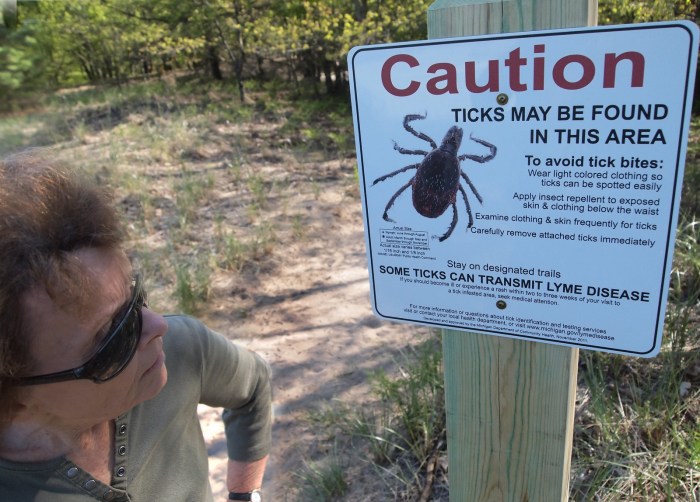
Danger on the Trail: Michigan’s Tick Season in Full Swing

Danger on the Trail, photo by otisourcat

The other day I went on a hike. After I got in the car, I belatedly remembered to check for ticks and found TWO just hanging out on my leg.

You can check out the information about Michigan ticks from the State of Michigan, and you might also find these 5 essential oils that repel bugs useful:

  • Lavender – This smells sweet to us but bugs absolutely hate it. It works on mosquitoes, flies and other insects.
  • PennyRoyal – this is a member of the mint family and it is toxic to insects.
  • Lemongrass – This essential oil comes from tropical lemongrass and has a citrusy sent. It is a natural flea and tick repellent and can be sprayed directly on the skin.
  • Eucalyptus – use this alone or along with citronella oil to keep bugs away. According to the Journal of medical entomology, Eucalyptus extract can reduce tick bites and infections.
  • Lemon – some lemon essential oil can work against fleas and other bugs. Slightly dilute it and spray it on your clothing and skin.

View the photo bigger and see more in otisourcat’s massive Here & Now slideshow.

Hiking to happiness

expedition

expedition, photo by brian

A couple months ago, Trish P shared an article from Outside Magazine about findings from British & Michigan researchers that Hiking Makes You Happier:

Researchers from the University of Michigan and Edge Hill University in England evaluated 1,991 participants in England’s Walking for Health program, which hosts nearly 3,000 walks per week for more than 70,000 regular participants. They found that the nature walks were associated with significantly less depression in addition to mitigating the negative effects of stressful life events and perceived stress. The findings were published in the September issue of Ecopsychology.

Sara Warber, associate professor of family medicine at the University of Michigan Medical School and senior author of the study, said that the large sample was a defining factor.

“We observed behaviors of a large group, in which some chose to walk and some chose not to, instead of us telling them what to do,” she said. “After 13 weeks, those who walked at least once a week experienced positive emotions and less stress.”

Easy enough! Read on for more, and explore Michigan’s vast trail network at Pure Michigan.

Brian took this shot at Silver Lake Dunes State Park. View it bigger and see more in his Fractions slideshow.

More black & white photography and more dunes on Michigan in Pictures.