Saving whitefish in the Great Lakes

Fishing in Michigan by Abigail Lynch

Fishing in Michigan by Abigail Lynch

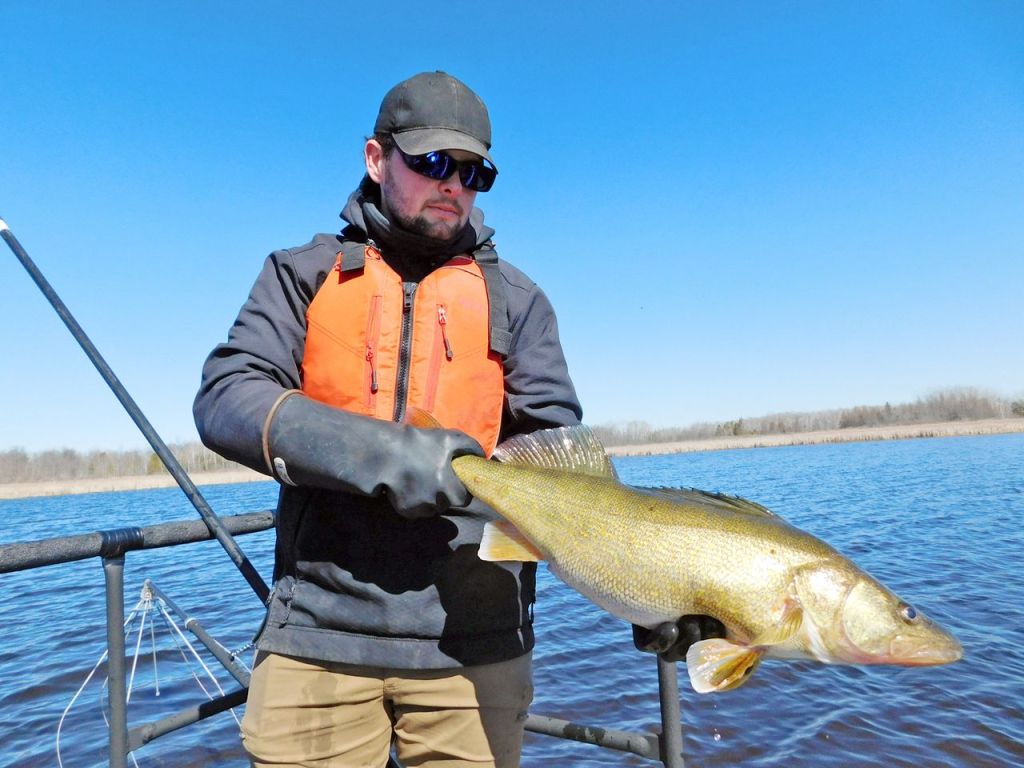
“Since first arriving in the Great Lakes in the 1980s, invasive mussels have spread to all five lakes, and altered the ecosystem in profound ways. Today we understand that zebra and quagga mussels are an existential threat to the Great Lakes and without a coordinated response, they will continue to inflict harm on the environment, infrastructure, and critical species such as lake whitefish. Just as invasive sea lamprey require a coordinated, binational response for effective control, we must partner with national, state, provincial, Indigenous, regional, and local partners to find a solution to the mussel invasion. This bill makes that happen.”Great Lakes Fishery Commission Chair Ethan Baker

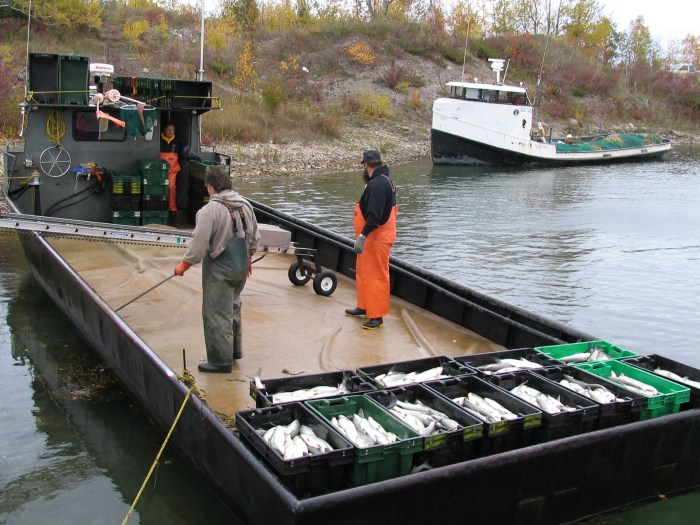
Bridge Michigan shares that two Michigan lawmakers are set to unveil legislation to dramatically increase funding to prevent invasive mussels from wiping out whitefish in the lower Great Lakes:

US Reps. Debbie Dingell, D-Ann Arbor, and Tim Walberg, R-Tipton, want to increase funding for mussel control research more than fiftyfold to $500 million over the next 10 years. (EDITOR: They released it on Tuesday)

Otherwise, the “fish that we take for granted are going to just disappear,” Dingell told Bridge Michigan.

The damage wrought by invasive mussels is among the biggest threats to the Great Lakes in history. Yet Bridge found that while the US government has spent mightily to combat other threats, the fight against mussels has received a comparative pittance.

The main funding program for Great Lakes science has devoted an average of less than $1 million annually to the cause since 2010, according to spending records analyzed by Bridge. The federal government spends about 20 times that amount to keep sea lamprey out of the Great Lakes and has promised 90 times as much to build a barrier against invasive carp.

Read on for much more & kudos to these two Representatives for working together to protect the livelihoods and meals of Michiganders!

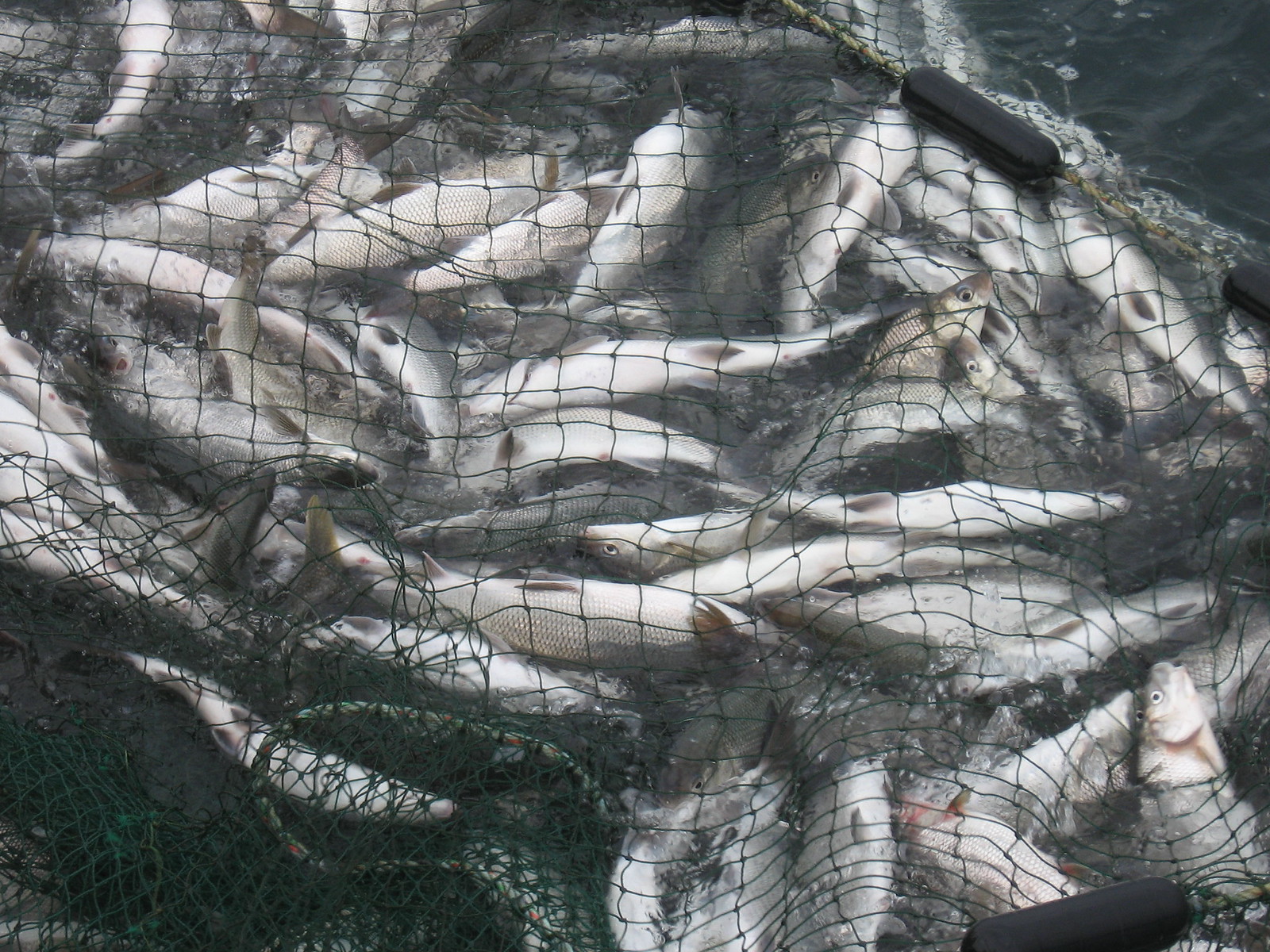
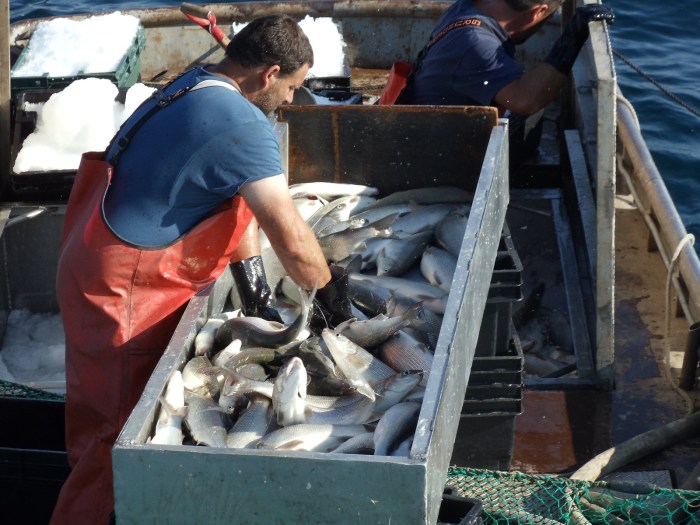
The photos are from Michigan Sea Grant and the one of the boat moored was taken by Brandon Schroeder. Sea Grant is an excellent organization that works hard for Michigan waters and the Great Lakes as a whole!
Support Michigan in Pictures with Patreon

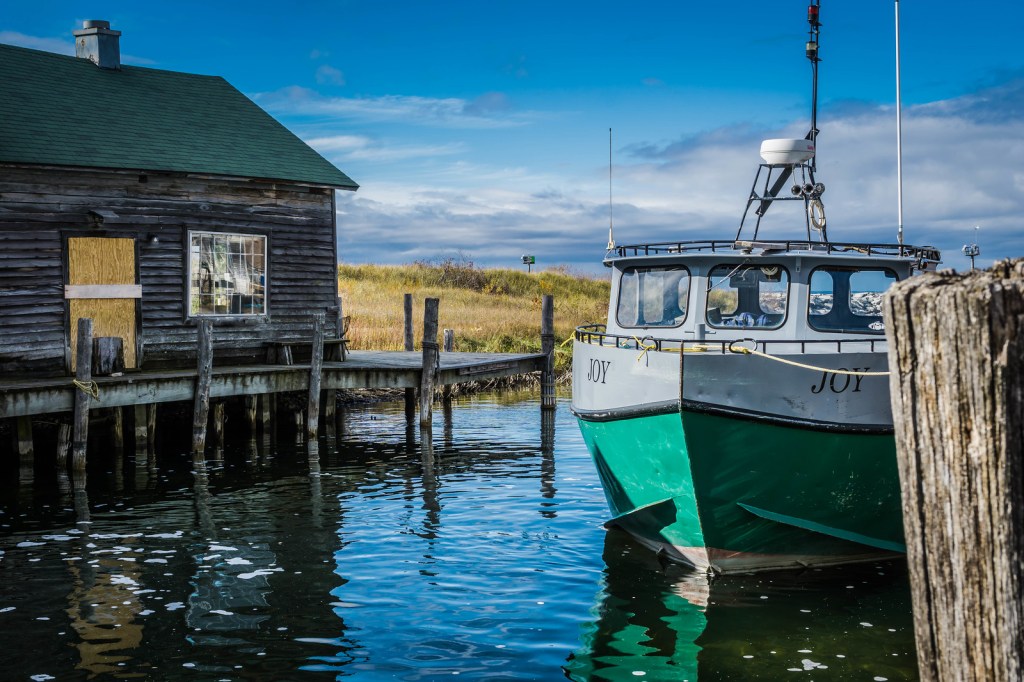
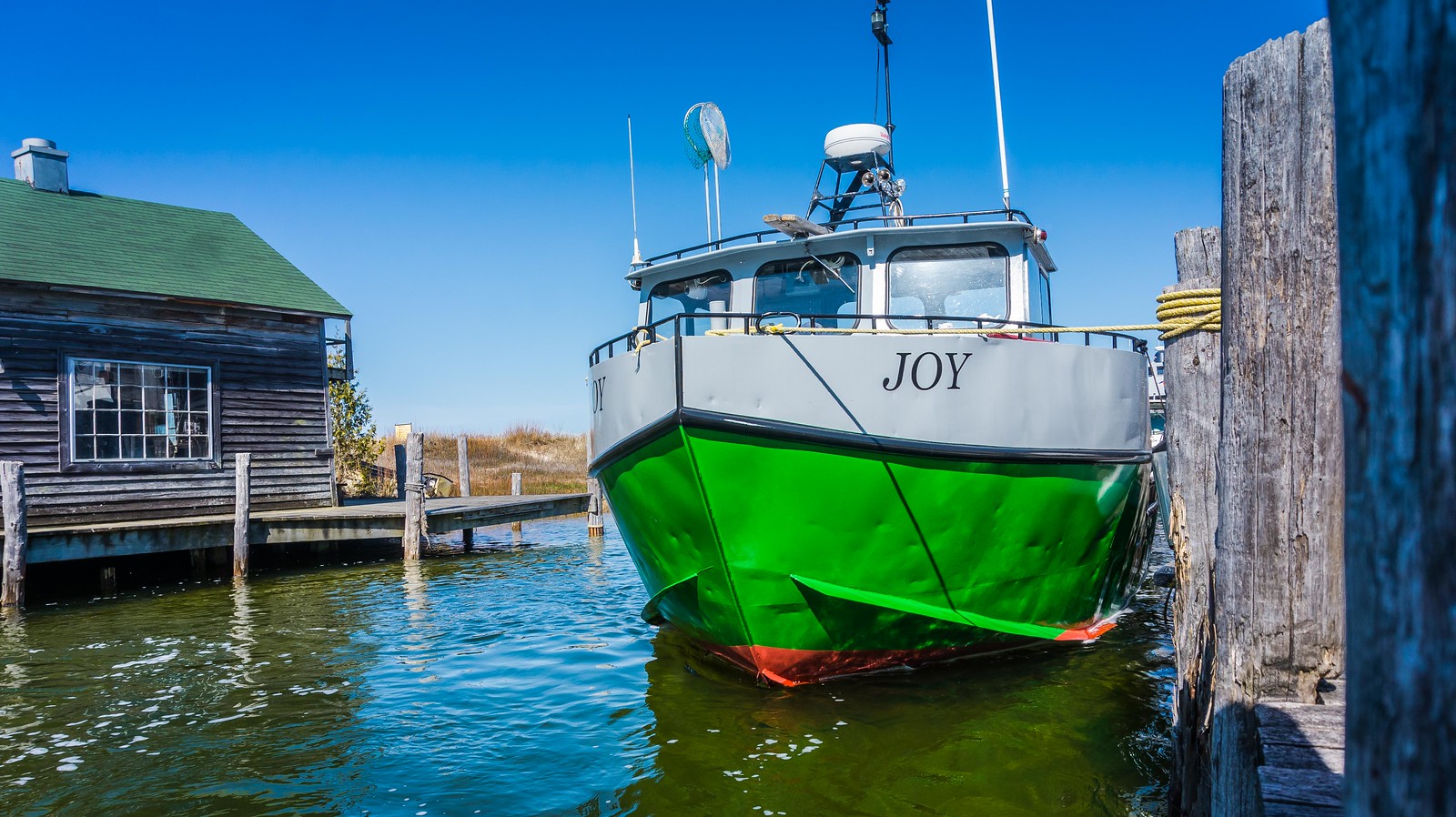
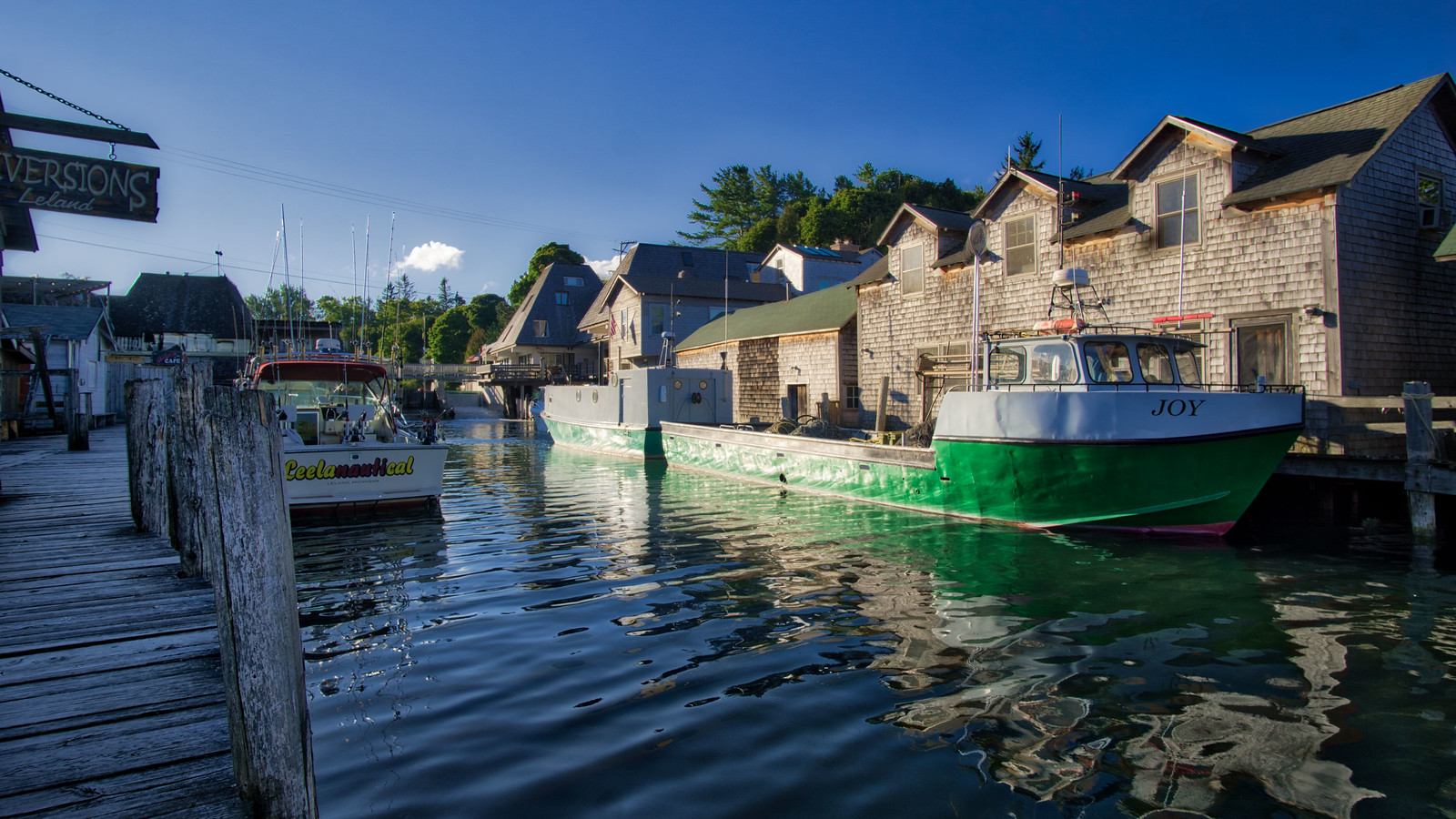
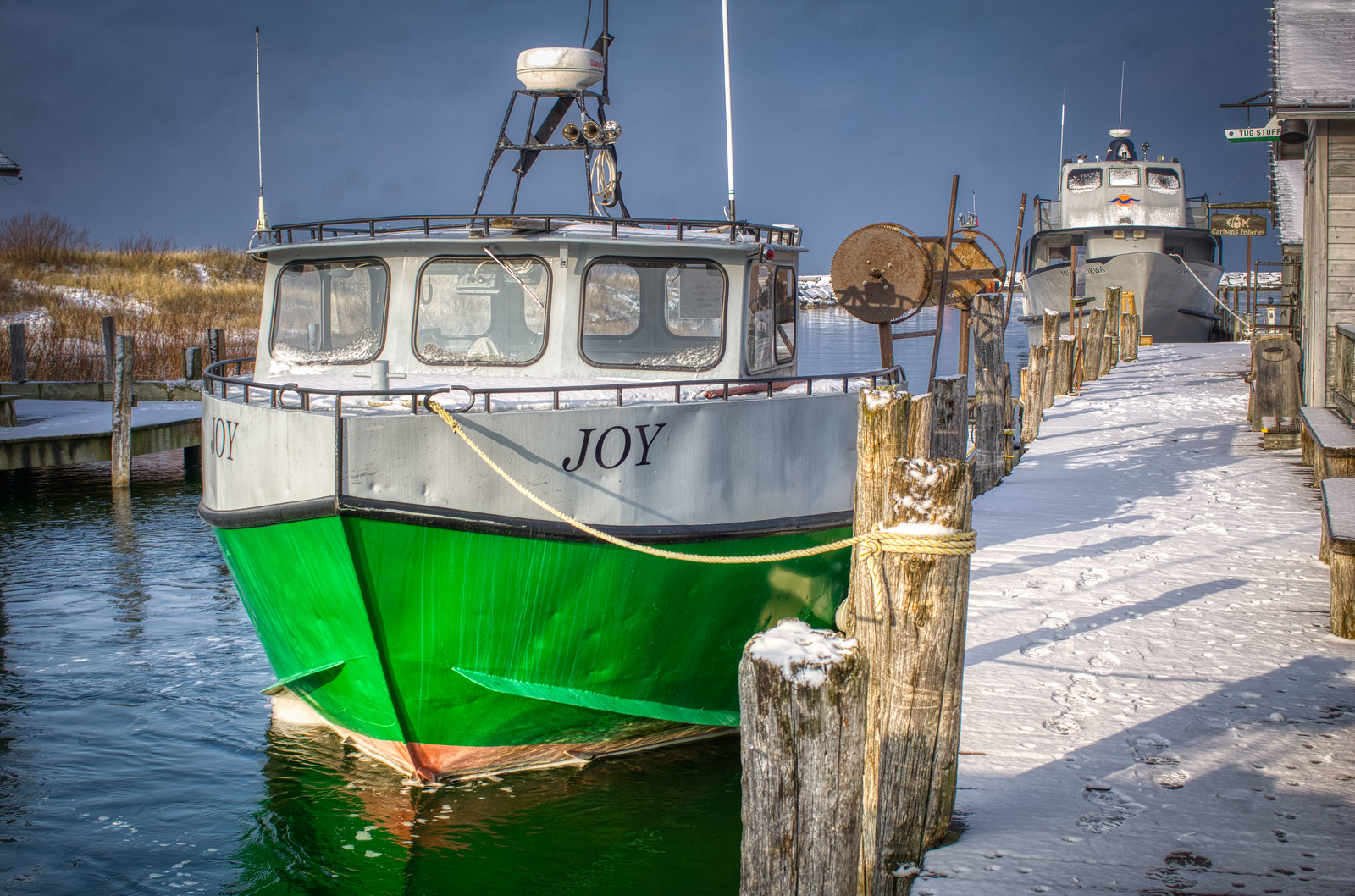
The Joy of Great Lakes Fishing

Surprised by Joy by Mark Smith

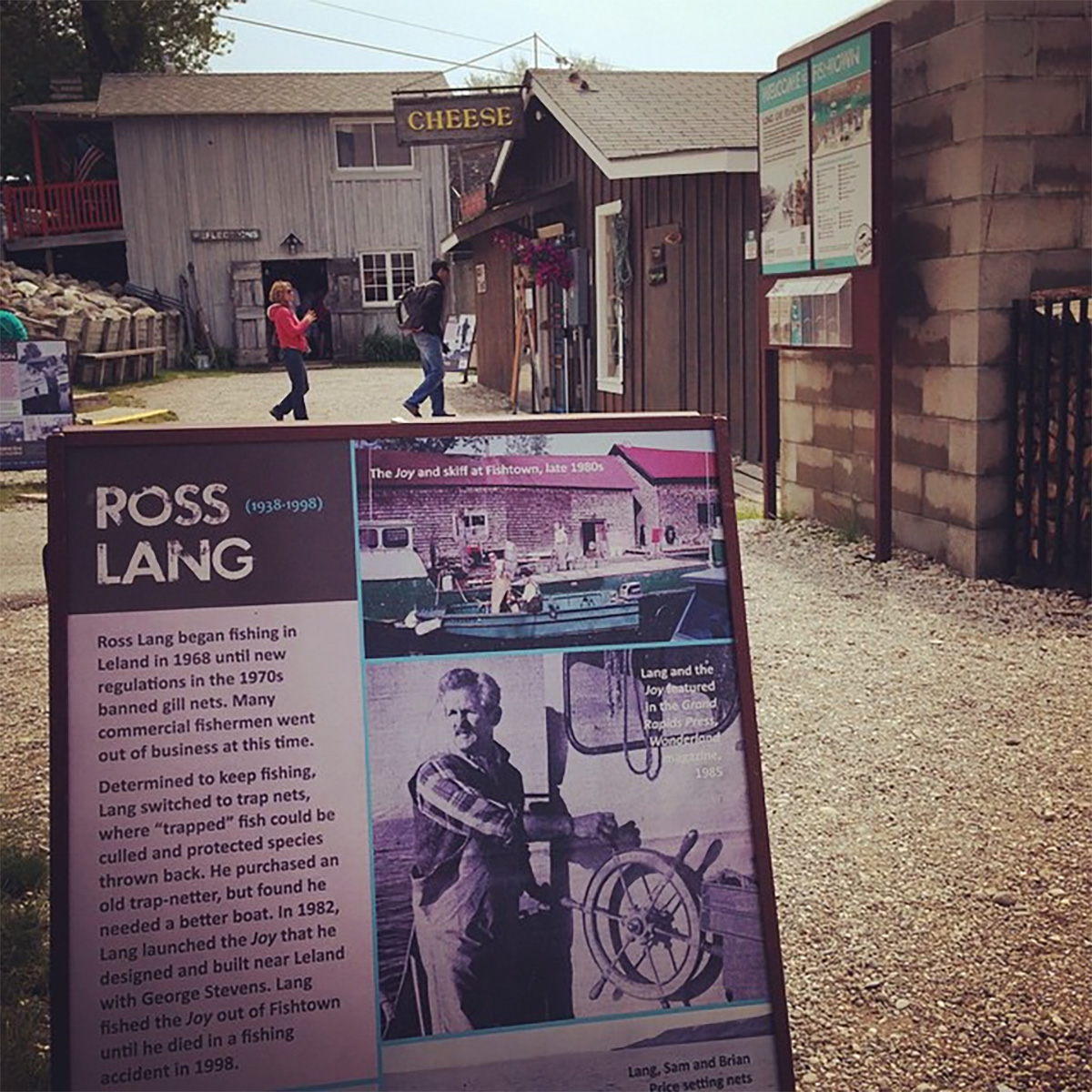
“Ross Lang was known by many as a fisherman’s fisherman, respected by everyone who knew him for his efficiency, determination, and ingenuity. The shock experienced by all when he died in a fishing accident on a beautiful calm April day in 1998 is still felt today.”Fishtown Preservation

Once upon a time, Joy Lang Anderson & her husband Ross were my across the street neighbors in the village of Leland. Back in 2017, I sat down with her in Leland’s Fishtown to talk about how she & Ross (both UP natives) ended up integral parts of the village of Leland and its fishing history. I hope you enjoy it!

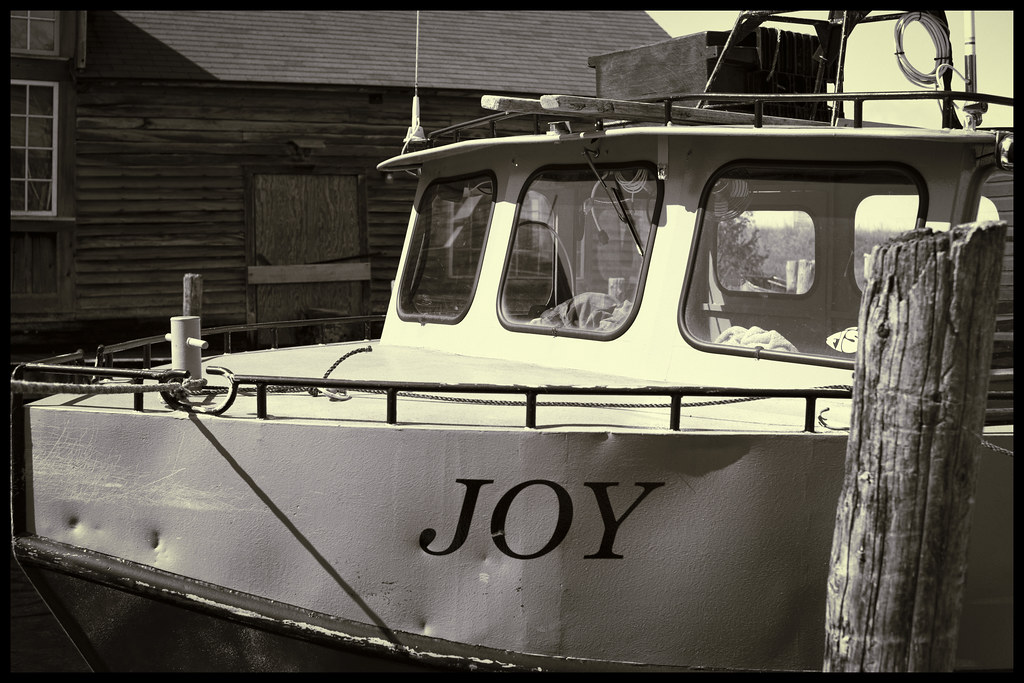
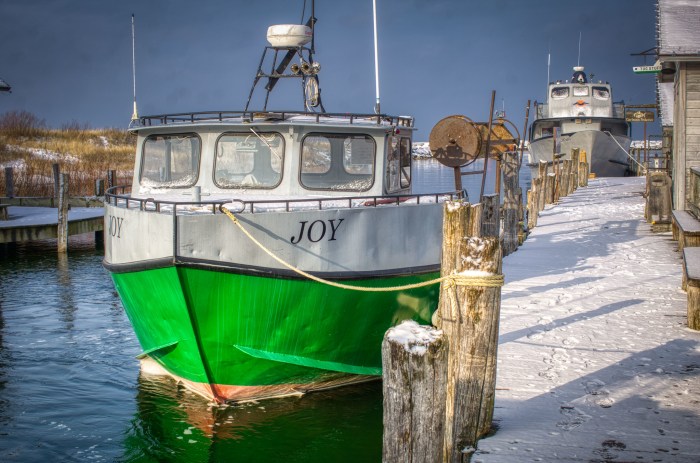
The photos of the Joy were taken by Mark Smith (I took the pic of Ross’s marker). See more in Mark’s Leland album on Flickr and for sure view & purchase Mark’s work at Leelanau Landscapes.

Donate to support Fishtown’s preservation right here!

Support Michigan in Pictures with Patreon

Follow the Fishing to Fishtown

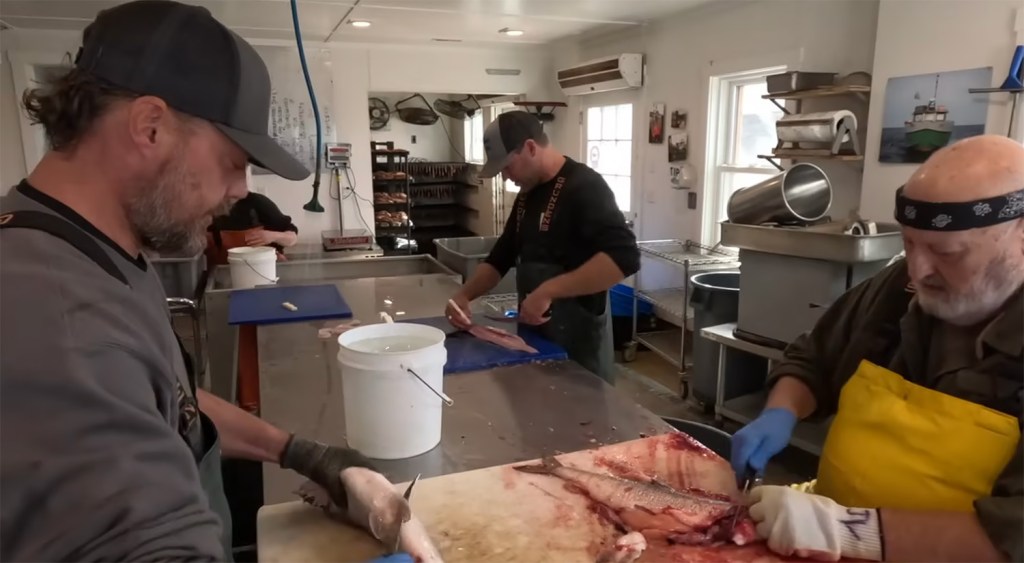
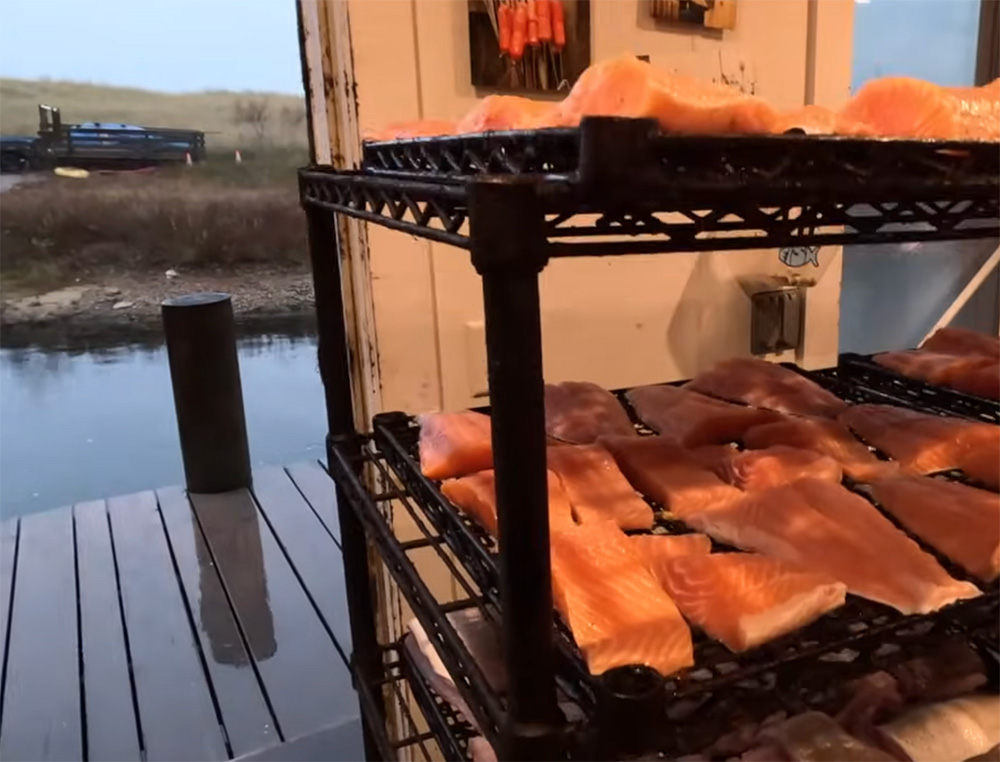
Even though I’ve been on the internet for almost 3 decades, the odd synchronicities the combination of cookies, targeted ads, perceived interested, and dumb luck create never fail to delight me. The latest is this video about the process of preparing & smoking fish by an old family friend that came to me the day after I featured a photo from another business that sells smoked fish! (and I even have a THIRD for Monday)

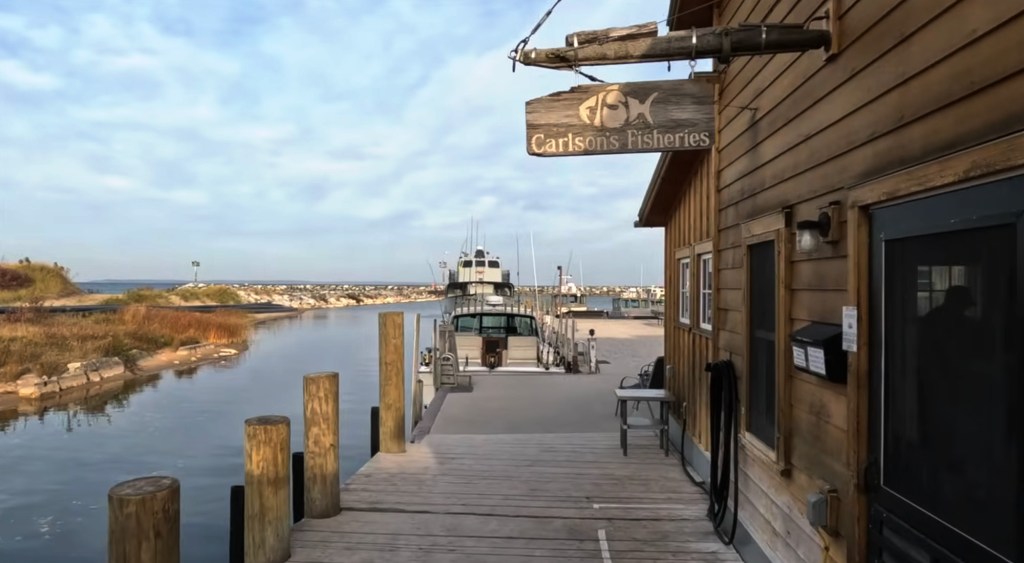
I really encourage you to watch this video from John Mitchell’s Follow the Fishing channel on YouTube exploring the entire lake-to-table process of taking fish from Lake Michigan in Peshawbestown to Carlson’s Fishery in Leland and all the way to a plate at the Cove!

Lake Michigan Salmon vs Homestead Dam

Overcoming Obstacles by SueFi Photography

Overcoming Obstacles by SueFi Photography

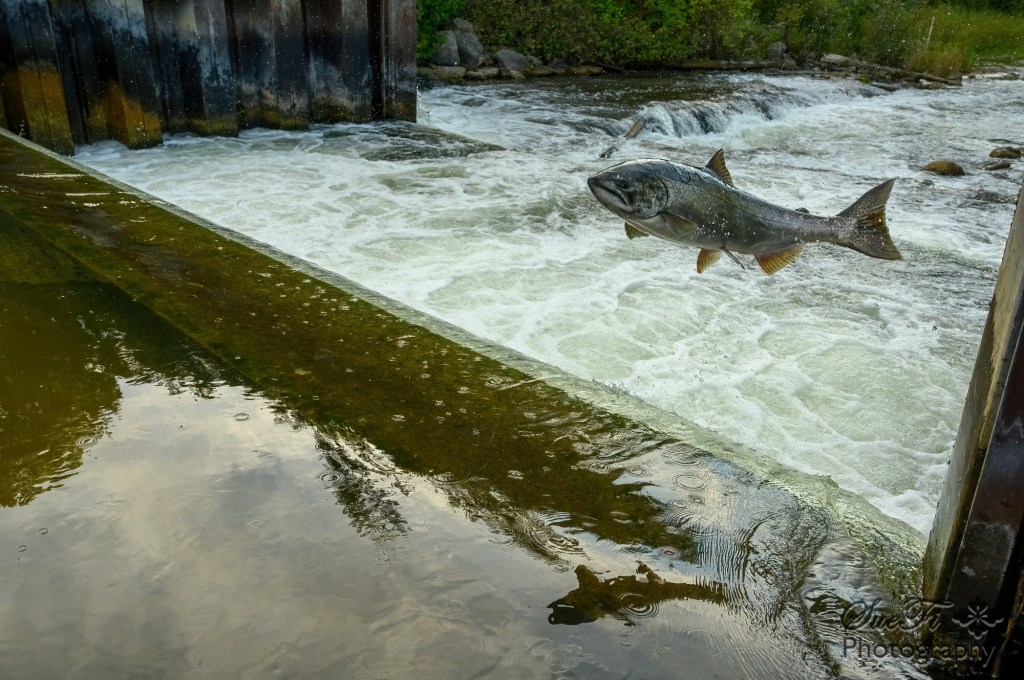
NOTE: This could very well be a steelhead, but salmon season is ON

American Boating shares that the Lake Michigan salmon run – when adult salmon return to the river of their birth to lay eggs – occurs every fall:

There is no set start date, but you can usually start to see fish in the river in early September, and expect the run to be pretty much done by the end of October. A lot of this depends on the weather. A lack of rain and/or warm weather can make the run start later, and extra rain with cooler temperatures can cause the run to start a little earlier. I guess it all depends on when the fall rains and cooler temperatures hit the area. If you go to the rivers during September and October you are going to eventually find fish, it’s just a matter of timing it to catch the big run.

It’s pretty cool to watch too! The Betsie River salmon fishing group on Facebook confirms that the 2024 salmon run is well underway!

Sue caught this great pic of a salmon following its instincts as it attempts to surmount Homestead Dam in Benzie County, relying on its “inner knowing” and putting all focus and energy to making its way upstream! For sure follow her at SueFi Photography on Facebook for more!!

More fish & fishing on Michigan in Pictures.

Support Michigan in Pictures with Patreon

Fishing against the Light (and rain)

Contre Jour by Luther Roseman Dease

Some fish for fun while others fish for food by Luther Roseman Dease II

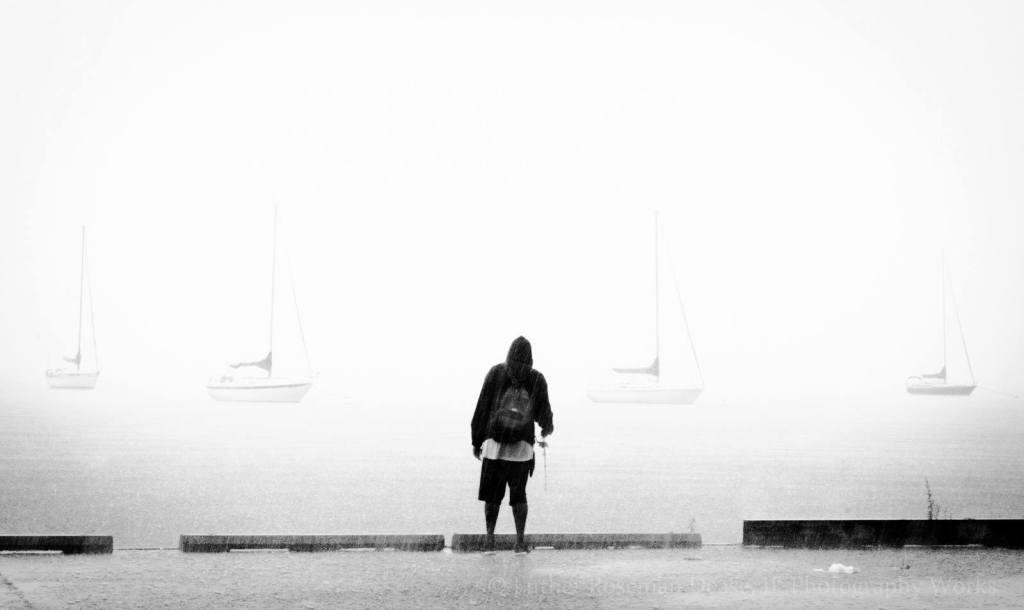
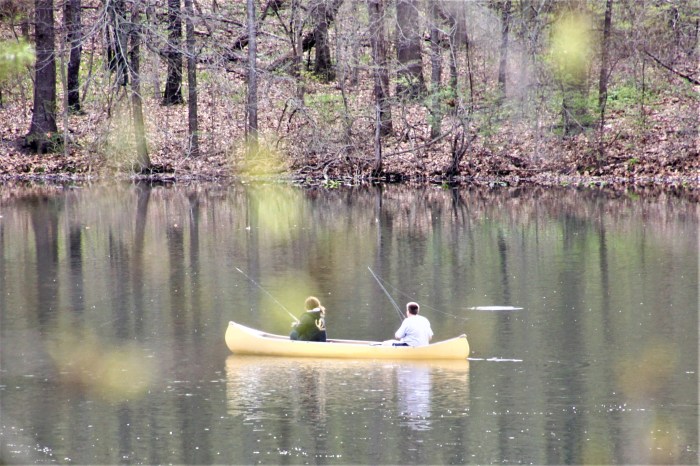
This photo I shared eight years ago is a great example of contre-jour, the term for shooting directly into the light source. Luther explains that the light creates a form of the subject without releasing its precious and cluttered details unto photography’s artistry. See many more examples in his Contre-Jour gallery on Flickr and for sure view & purchase his work on his website.

Support Michigan in Pictures with Patreon

Seven Generations of Walleye

Michigan Walleye by Sault Tribe Seven Generations

People who know history know that Ben Franklin & the Founding Fathers leaned heavily on concepts developed by the Haudenosaunee Confederacy (Iroquois) when developing our own system of governance. Personally, I feel it is a shame that we didn’t integrate the principle that in every deliberation, we must consider the impact of our decisions on the next seven generations.

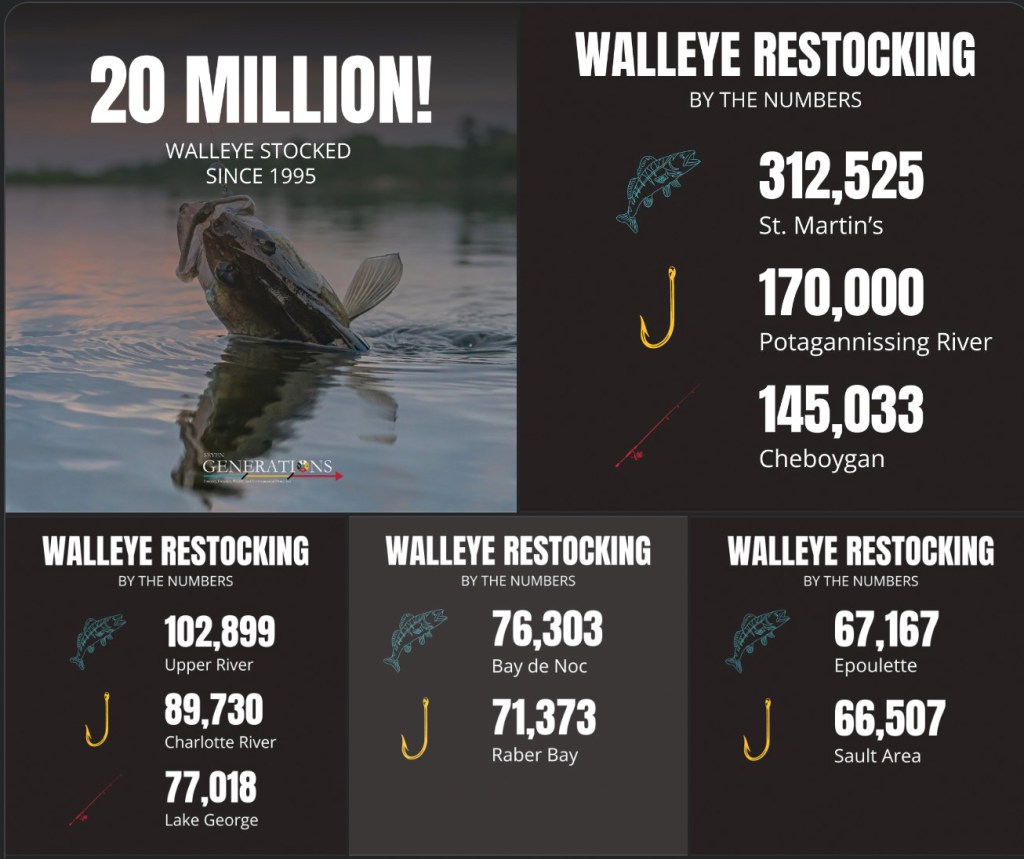
The Sault Ste Marie Tribe of Chippewa Indians definitely lives this principle every day. Sault Tribe Seven Generations just released their 20 millionth walleye into Michigan waters! They share:

This year we recorded our 20 MILLIONTH walleye stocked since our walleye hatchery program began in 1995! Last month we are very proud to have released more than 1 million walleye fingerlings into Northern Michigan waters. These fish contribute to a sustainable fishery while eventually providing meals for families and recreation for fishers.

Every year, our work contributes about 1/3 of all walleye fingerlings released into 1836 Ceded Territory waters!

Click through to read more!

Support Michigan in Pictures with Patreon

You can catch a lot more than fish on Belle Isle

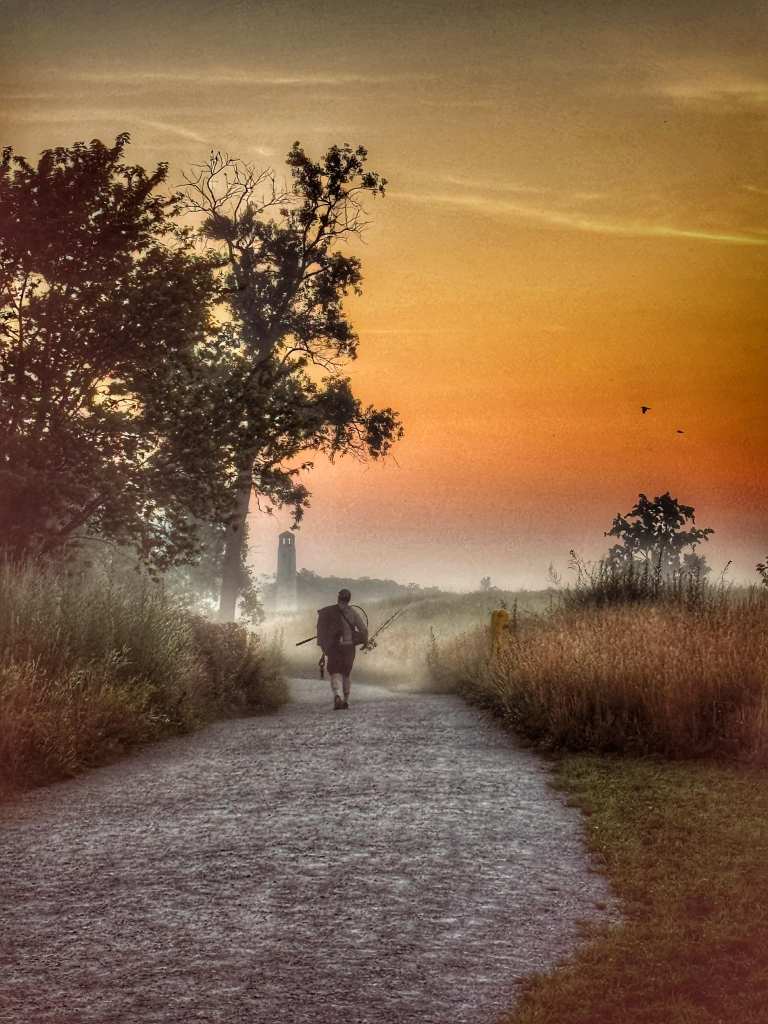
Belle Isle Fisherman by Beatrice Garza Hinojosa

“If I fished only to capture fish, my fishing trips would have ended long ago.”
~Zane Grey

Such a gorgeous & dreamy shot by Beatrice from Belle Isle Park, a nearly 1000-acre park in Detroit that boasts miles of trails, varied attractions that I’ve featured before including Scott Fountain, Belle Isle Aquarium, the Conservatory & the Dossin Great Lakes Museum.

Follow her on Facebook at Bea’s Photos & have a wonderful weekend!!

Support Michigan in Pictures with Patreon

Running Dry: Climate change & river fishing in Michigan

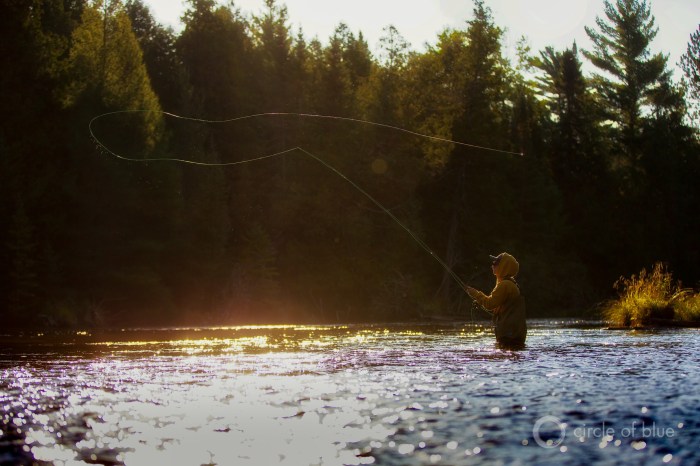
Fishing on Michigans Au Sable by J Carl Ganter

Fishing on Michigan’s Au Sable by J Carl Ganter

“I grew up hearing stories about how great fishing was just five years ago. It’s sad, knowing that I’ll most likely never be able to experience the amazing fish that these waters used to have … that these rivers will never be what they used to be.”
-Michigan angler Landen Finkel

The above quotation & photo are from an excellent Circle of Blue article on the impact of climate change on our nation’s trout streams. It’s a great read with a focus on Michigan that I hope you can check out:

In some places, the effects of climate change manifest as immediate catastrophe. Violent storms. Extreme heat. Deep drought. On the Au Sable, the threat is a slow burn. Intensifying weather patterns have gradually added stress to the ecosystem, chipping away at wildlife’s ability to adapt. As the atmosphere continues to warm, severe weather events have gone from occasionally urgent to relentless assault.

“The guides of the Au Sable, we’re on the front lines,” (Au Sable River Guide) David McCool said. “Just a small change in temperature can have a massive impact on this resource. We need to make sure we still take care of it, as things change in our environment.”

Ecologically speaking, fish are the canary in the coal mine. Trout are an indicator species in the Au Sable ecosystem, meaning that their well-being reflects the health of the ecosystem. “Healthy trout is indicative that the whole system is healthy,” said Randy Claramount, a biologist with Michigan’s Department of Natural Resources. Likewise, unhealthy populations are an alarm bell: the poor water quality conditions that cause trout to suffer are likely also stressing invertebrates and other biota.

“You start piling these things on top of one another, and it just gets harder for those fish to adapt to what nature’s throwing at them,” said Keith Curley, a conservationist with Trout Unlimited.

…The decline of river ecosystems is intensifying young anglers’ anxieties about the health of the planet. At just 14 years old, Landen Finkle worries about the condition of the river near his home in Traverse City, Michigan. He’s particularly concerned about the loss of biodiversity.

Like a majority of his generation, climate and environmental issues weigh on his mental health. Finkle is fascinated with freshwater ecology, and hopes to guide fishing expeditions one day. But increasing signs of the river’s decline make him feel helpless at times, and fearful for the future of the pastime.

“River fishing is a really calming thing. And just to know that that could be coming to an end here is kinda sad,” he said. “It creates a lot of anxiety. There are a lot of things we can do to help, but there’s not really enough resources to help.”

Read on for more including more pictures from J. Carl Ganter & even some video of Landen fishing! Be sure to check out Circle of Blue for all kinds of features on climate & resources in Michigan and worldwide.

PS: If you still think climate change is a hoax, I not only do not want to hear about it, I would prefer that you find someplace else for your daily Michigan photos. It’s not & it’s long past time for you to have woken up to reality.

Support Michigan in Pictures with Patreon

Fighting for Fishing

via leelanau.com

Fishtown's Joy by Mark Smith

Fishtown’s Joy by Mark Smith

The Leelanau Ticker reports that the Michigan Fish Producers Association (MFPA) has filed a class action lawsuit against the Michigan Department of Natural Resources to protect the future commercial fishing in Leland’s Fishtown and the rest of the Great Lakes:

In its lawsuit, the MFPA alleges that the DNR is retaliating against the industry’s opposition to a series of bills considered by the Michigan Legislature last year. The complaint also alleges that the imposition of new rules under the DNR’s Fishing Order 243.21, which took effect January 8, was an attempt to punish commercial fishers for their involvement in the political process.

Fishtown Preservation Society (FPS) Executive Director Amanda Holmes says the complexities surrounding the laws for commercial fishing is nothing new for the State of Michigan and for Fishtown. “One of the reasons that Bill Carlson and his family decided to let go of Fishtown was because of the challenges to the commercial fishing industry — they fought long and hard and then decided to let it go.” (In June of 2006, the nonprofit FPS reached an agreement to purchase Fishtown for $2.8 million for the Fishtown real estate and $200,000 for the two fishing boats, fishing licenses and equipment from the Carlson family.) Carlson’s Fishery continues to operate as a processor and distributor, buying fish from commercial fishers and selling it locally and through wholesale channels.

Holmes tells the Leelanau Ticker, “Fishtown the place would continue without commercial fishing, but one the things that makes Fishtown so exceptional and special is its unbroken and documented heritage of commercial fishing for nearly two centuries.”

If the new fishing order rules stand: “The limitations on the fishing depths and the season alone will make it a challenge to fish out of Fishtown. What this means is that…a way of life is at risk of closure,” says Holmes.

Read on for more in the Leelanau Ticker.

Mark took this photo back in December of 2018. See his latest at Downstreamer on Flickr

Support Michigan in Pictures with Patreon

First Day on the Water

First Day on the Waterby John Trapp

First Day on the Water by John Trapp

John took this photo the other day and writes:

After a long, cold winter, that first day on the water is always a special thrill, no matter how many times you’ve experienced it. The maples are just leafing out and there may still be a nip in the air, but it’s time for some fishing!

Indeed! Check out more of John’s photos on his Flickr.