Saving whitefish in the Great Lakes

Fishing in Michigan by Abigail Lynch

Fishing in Michigan by Abigail Lynch

“Since first arriving in the Great Lakes in the 1980s, invasive mussels have spread to all five lakes, and altered the ecosystem in profound ways. Today we understand that zebra and quagga mussels are an existential threat to the Great Lakes and without a coordinated response, they will continue to inflict harm on the environment, infrastructure, and critical species such as lake whitefish. Just as invasive sea lamprey require a coordinated, binational response for effective control, we must partner with national, state, provincial, Indigenous, regional, and local partners to find a solution to the mussel invasion. This bill makes that happen.”Great Lakes Fishery Commission Chair Ethan Baker

Bridge Michigan shares that two Michigan lawmakers are set to unveil legislation to dramatically increase funding to prevent invasive mussels from wiping out whitefish in the lower Great Lakes:

US Reps. Debbie Dingell, D-Ann Arbor, and Tim Walberg, R-Tipton, want to increase funding for mussel control research more than fiftyfold to $500 million over the next 10 years. (EDITOR: They released it on Tuesday)

Otherwise, the “fish that we take for granted are going to just disappear,” Dingell told Bridge Michigan.

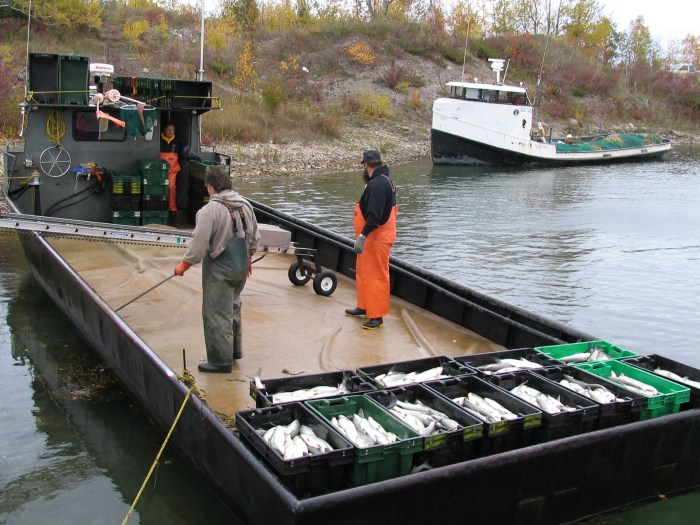
The damage wrought by invasive mussels is among the biggest threats to the Great Lakes in history. Yet Bridge found that while the US government has spent mightily to combat other threats, the fight against mussels has received a comparative pittance.

The main funding program for Great Lakes science has devoted an average of less than $1 million annually to the cause since 2010, according to spending records analyzed by Bridge. The federal government spends about 20 times that amount to keep sea lamprey out of the Great Lakes and has promised 90 times as much to build a barrier against invasive carp.

Read on for much more & kudos to these two Representatives for working together to protect the livelihoods and meals of Michiganders!

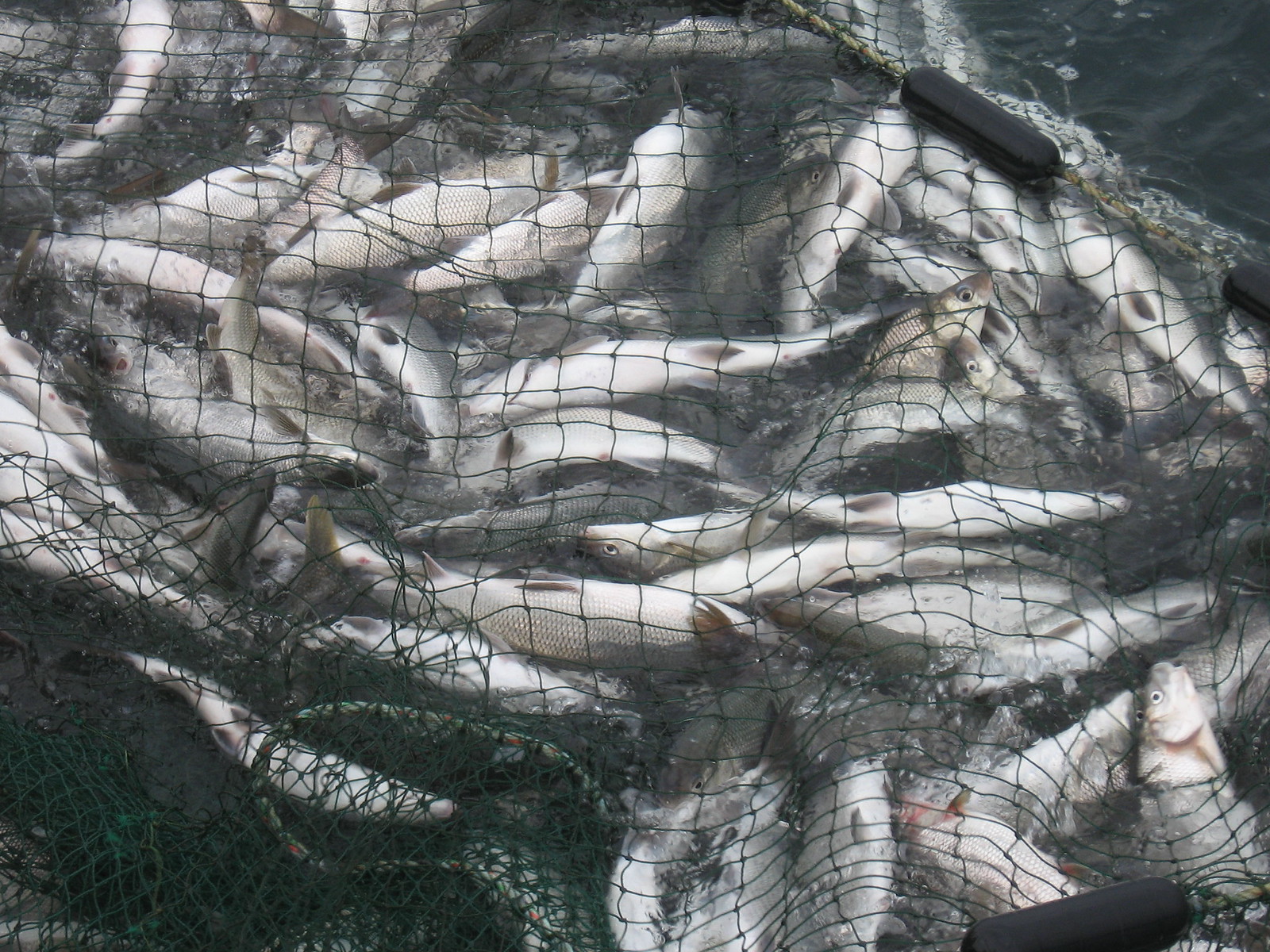
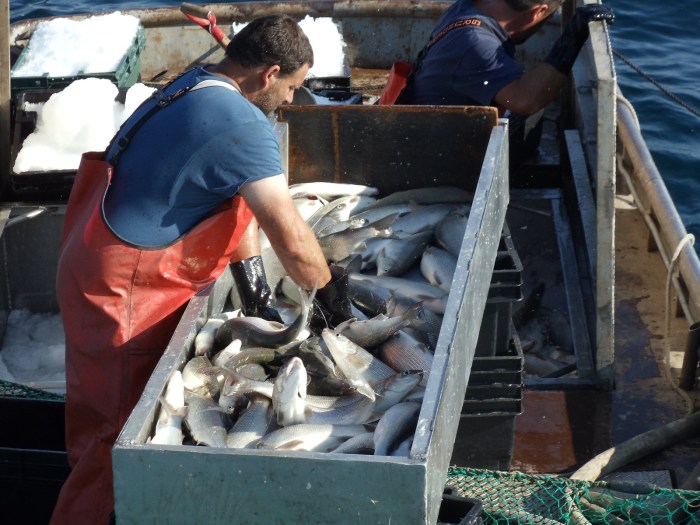
The photos are from Michigan Sea Grant and the one of the boat moored was taken by Brandon Schroeder. Sea Grant is an excellent organization that works hard for Michigan waters and the Great Lakes as a whole!
Support Michigan in Pictures with Patreon

Follow the Fishing to Fishtown

Even though I’ve been on the internet for almost 3 decades, the odd synchronicities the combination of cookies, targeted ads, perceived interested, and dumb luck create never fail to delight me. The latest is this video about the process of preparing & smoking fish by an old family friend that came to me the day after I featured a photo from another business that sells smoked fish! (and I even have a THIRD for Monday)

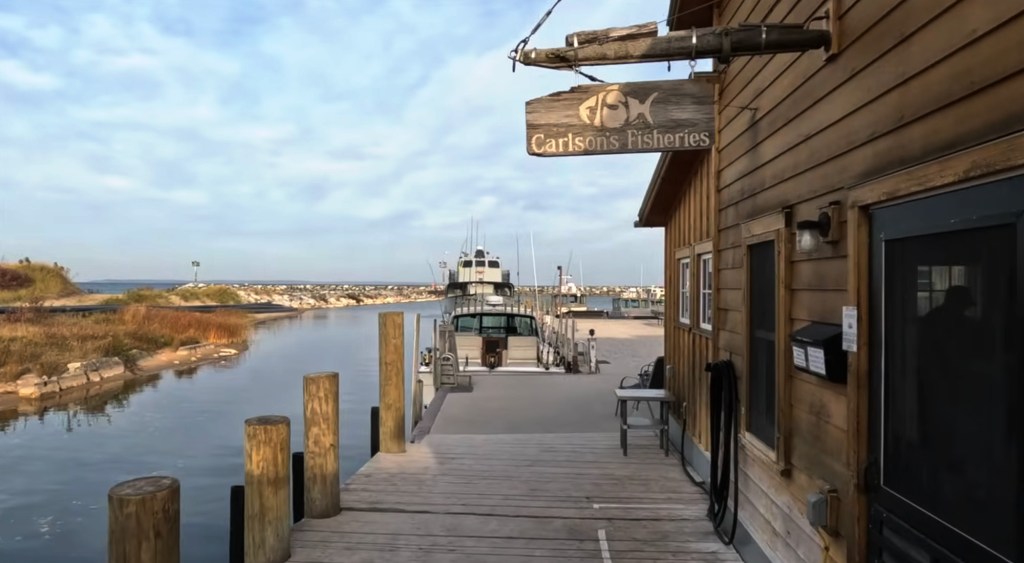
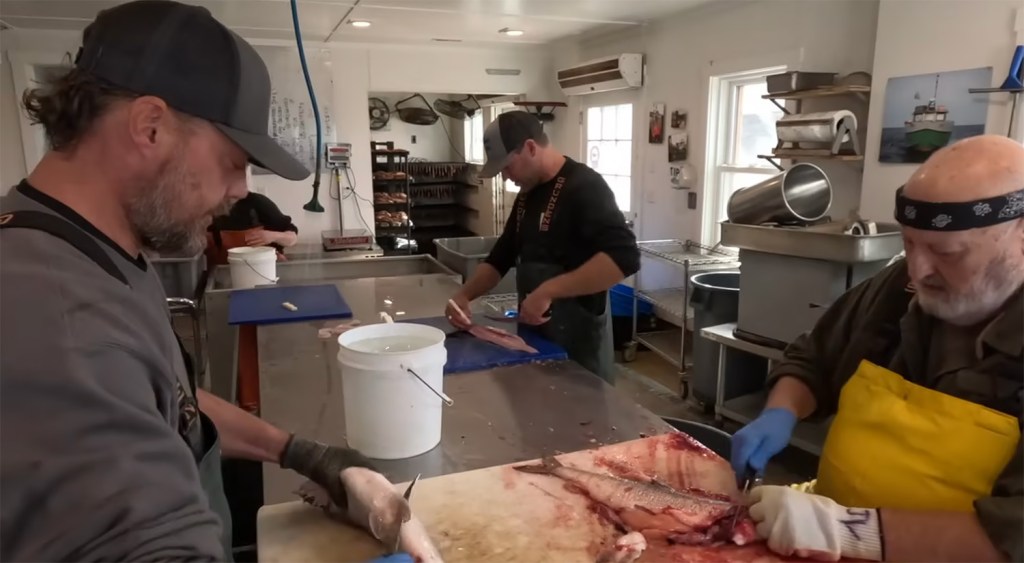
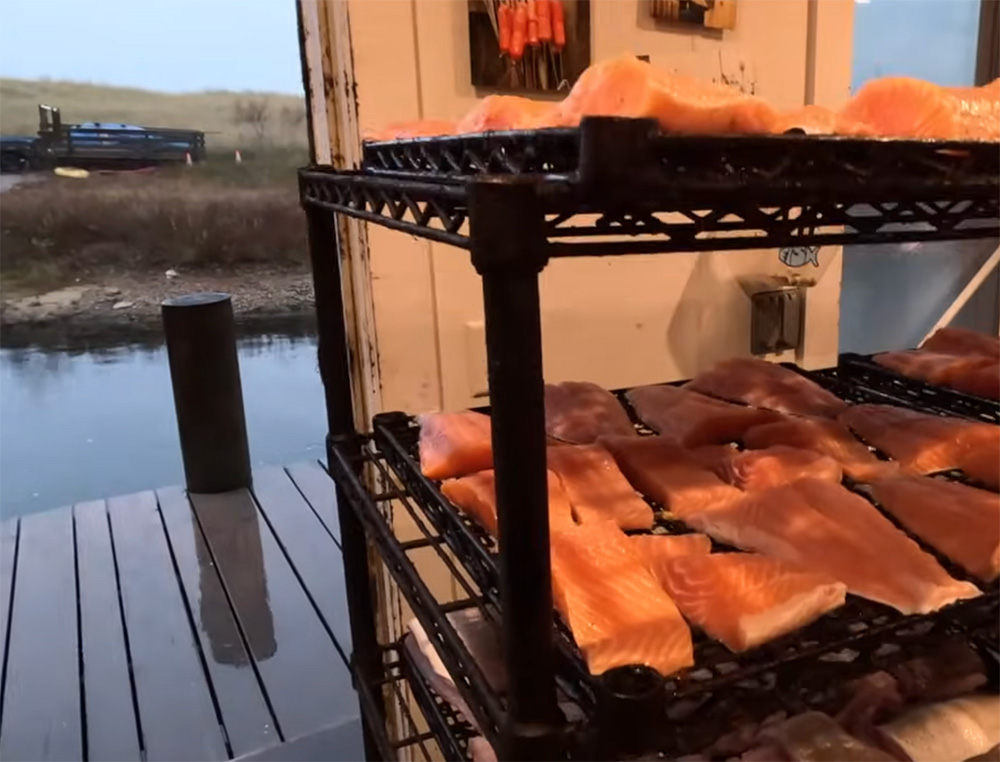
I really encourage you to watch this video from John Mitchell’s Follow the Fishing channel on YouTube exploring the entire lake-to-table process of taking fish from Lake Michigan in Peshawbestown to Carlson’s Fishery in Leland and all the way to a plate at the Cove!

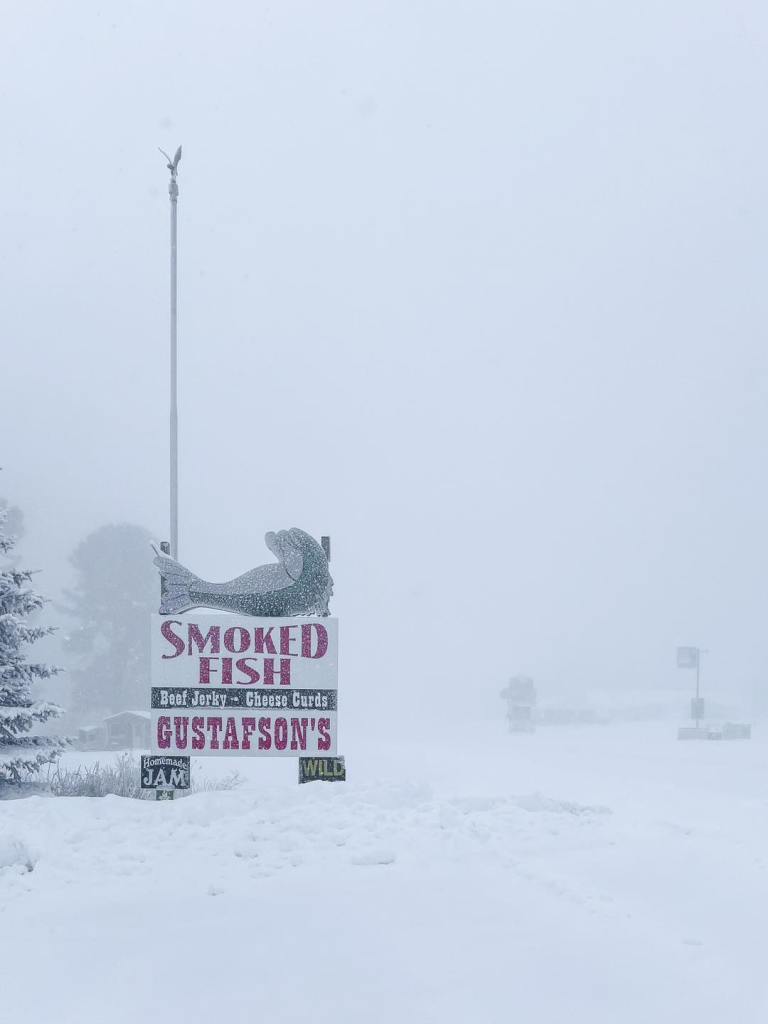
W-w-w-whiteout on US-2!

Whiteout on US-2 by Gustafsons Smoked Fish

Whiteout on US-2 by Gustafsons Smoked Fish

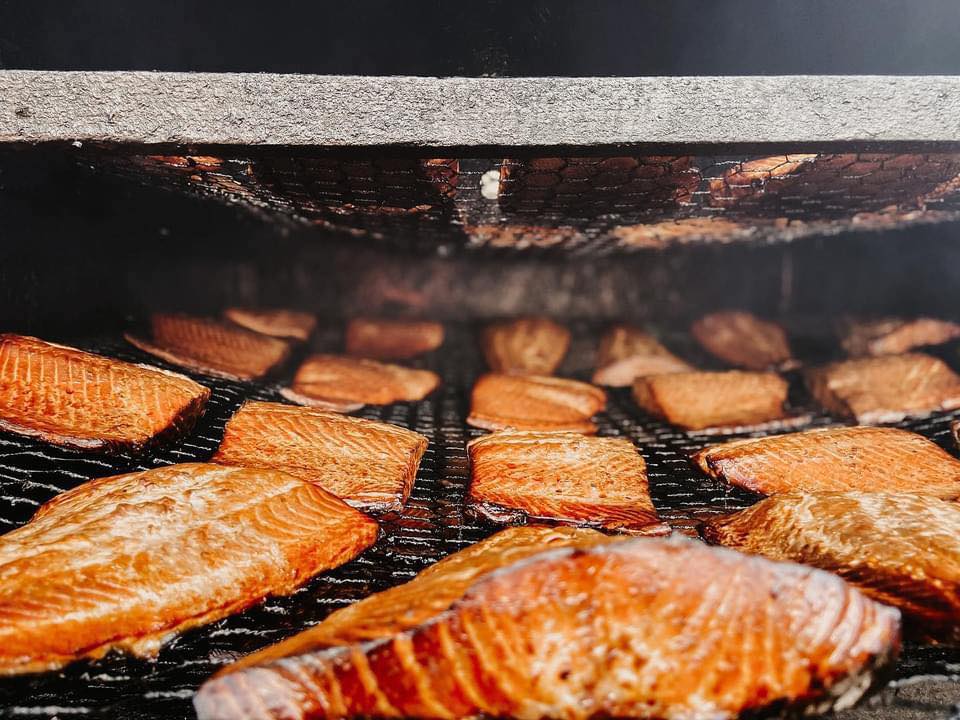
Gustafson’s Smoked Fish shared this photo yesterday from their Facebook as they closed due to generally horrible conditions. They are open again today & located about a half hour west of the Mackinac Bridge on US-2 along the northern shore of Lake Michigan. The family has been making and selling smoked fish, jerky & cheese curds for nearly 50 years, and they have always been one of my favorite post-Bridge stops!

Now here’s a shot of their delicious salmon. If anyone is driving past do you mind picking up a couple pounds for me?

Fish in the smoker by Gustafson's Smoked Fish

Fish in the smoker by Gustafson’s Smoked Fish

Support Michigan in Pictures with Patreon

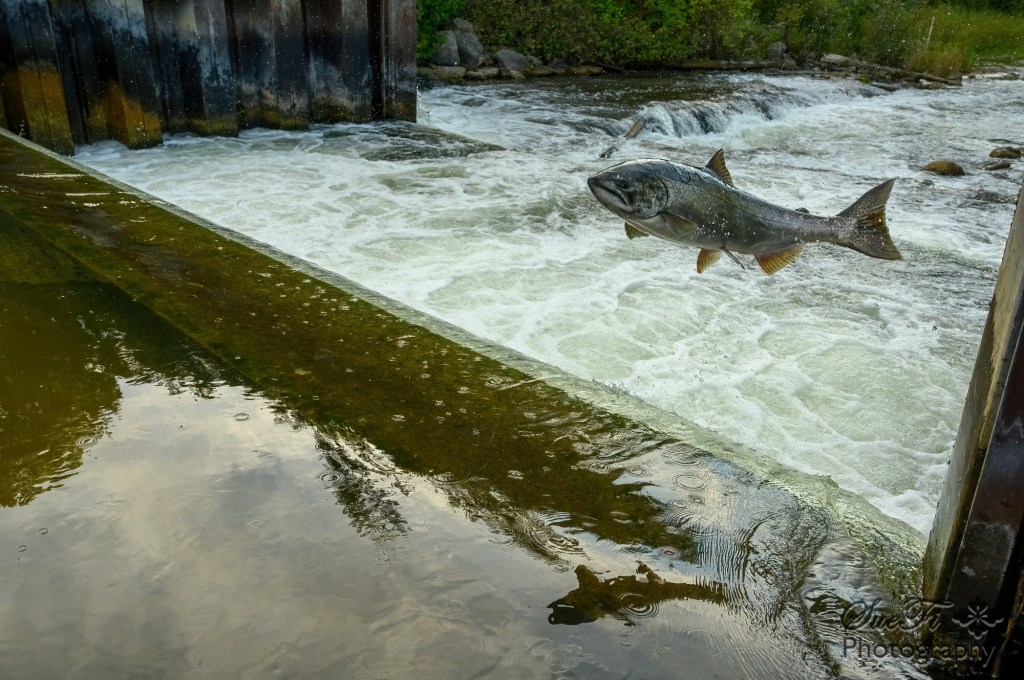
Lake Michigan Salmon vs Homestead Dam

Overcoming Obstacles by SueFi Photography

Overcoming Obstacles by SueFi Photography

NOTE: This could very well be a steelhead, but salmon season is ON

American Boating shares that the Lake Michigan salmon run – when adult salmon return to the river of their birth to lay eggs – occurs every fall:

There is no set start date, but you can usually start to see fish in the river in early September, and expect the run to be pretty much done by the end of October. A lot of this depends on the weather. A lack of rain and/or warm weather can make the run start later, and extra rain with cooler temperatures can cause the run to start a little earlier. I guess it all depends on when the fall rains and cooler temperatures hit the area. If you go to the rivers during September and October you are going to eventually find fish, it’s just a matter of timing it to catch the big run.

It’s pretty cool to watch too! The Betsie River salmon fishing group on Facebook confirms that the 2024 salmon run is well underway!

Sue caught this great pic of a salmon following its instincts as it attempts to surmount Homestead Dam in Benzie County, relying on its “inner knowing” and putting all focus and energy to making its way upstream! For sure follow her at SueFi Photography on Facebook for more!!

More fish & fishing on Michigan in Pictures.

Support Michigan in Pictures with Patreon

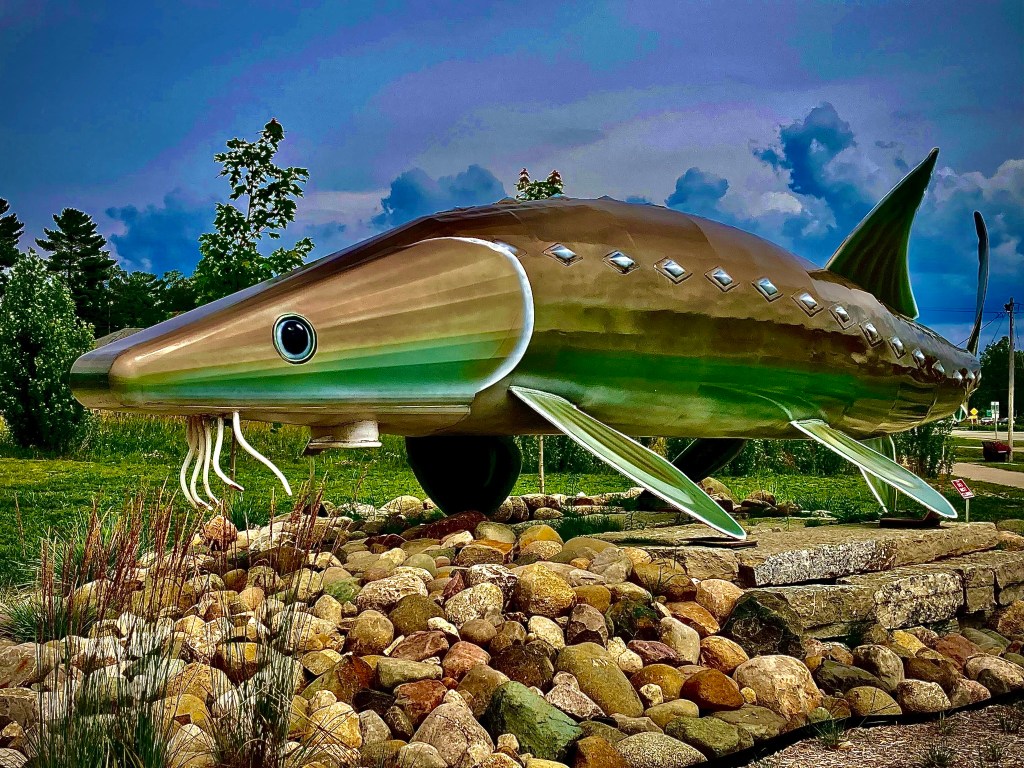
Indian River Sturgeon

Indian River Sturgeon by Rick Kolb

Indian River Sturgeon by Rick Kolb

Yesterday’s story on Native efforts to restore Nmé (Lake Sturgeon) to Michigan waters was so cool that I’m gonna stick with Michigan’s longest lived fish for another day. Roadside America shares a little about the 32-foot steel sculpture of a Lake Sturgeon in Indian River:

Made of quarter-inch-thick plate steel with an iridescent sheen, this whopper weighs nearly four tons and gave credibility to Onaway’s claim to be the Sturgeon Capital of Michigan. It was sculpted by Tom Moran of Moran Iron Works, with help from the students of Onaway’s Industrial Arts Institute. It debuted in Onaway’s July 4th parade in 2017. Tom then bought an abandoned downtown gas station, bulldozed the buildings, and set the fish in the vacant lot.

Onaway is known for its annual mid-winter sturgeon hunt, where the big fish are speared through the ice on Black Lake. Tom did not make a monster-size spear to accompany his giant sturgeon, but told us that he’s always open to new ideas for future projects.

Rick shared this pic in our Michigan in Pictures group on Facebook. Head over to the group to see more of his photos!

Support Michigan in Pictures with Patreon

Restoring Sturgeon to Michigan Waters

2024 Boardman-Ottaway River Sturgeon Release Ceremony

via Leelanau.com

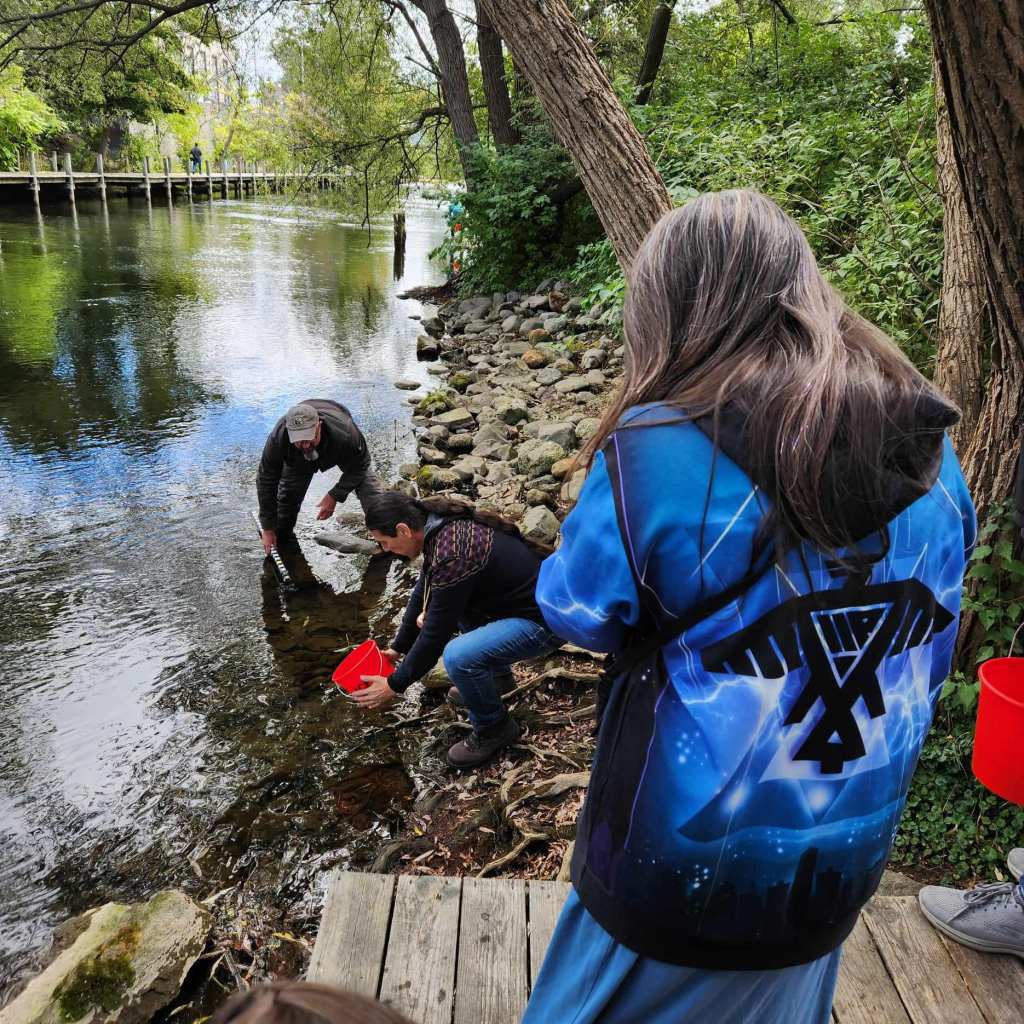
On Saturday the Grand Traverse Band of Ottawa and Chippewa Indians held their first annual Sturgeon Release Ceremony to return Nmé (Lake Sturgeon) into the Boardman-Ottaway River. The event included a ceremony, prayers, food, drinks, and a community release of hundreds of juvenile Nmé. The photo shows Percy Bird releasing a young sturgeon into the Boardman-Ottaway.

Michigan Sea Grant shares that lake sturgeon live longer than any other fish species in Michigan with males living an average of 55 years and females 80-150 years. Despite their long lives, sturgeon are very slow to mature. It takes about 15 years for male lake sturgeon to reach reproductive maturity and 20-25 years for females. In early spring, adult sturgeon enter fast-flowing rivers to spawn. Female lake sturgeon spawn once every four years, each depositing million of eggs on gravel bars. It is estimated that only about 10-20 percent of adult lake sturgeon within a population spawn during a given year.

Thank you to the GTB Natural Resources Department & Grand Traverse Band members and all who were part of restoring balance to Michigan’s waters. Also thank you to my friend Holly T. Bird who shared this photo with me. She doesn’t have a photography website, but she is the co-executive director of the amazing organization Title Track that uses creative practice to build resilient social-ecological systems supporting clean water, racial equity, and youth empowerment.

Support Michigan in Pictures with Patreon

Seven Generations of Walleye

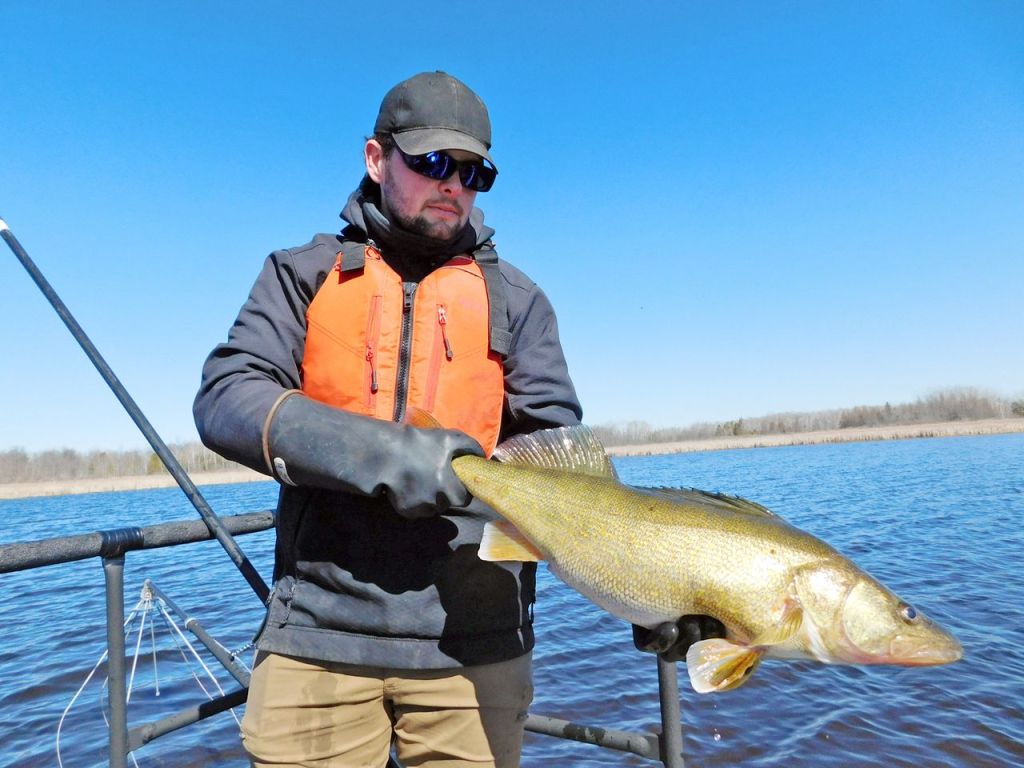
Michigan Walleye by Sault Tribe Seven Generations

People who know history know that Ben Franklin & the Founding Fathers leaned heavily on concepts developed by the Haudenosaunee Confederacy (Iroquois) when developing our own system of governance. Personally, I feel it is a shame that we didn’t integrate the principle that in every deliberation, we must consider the impact of our decisions on the next seven generations.

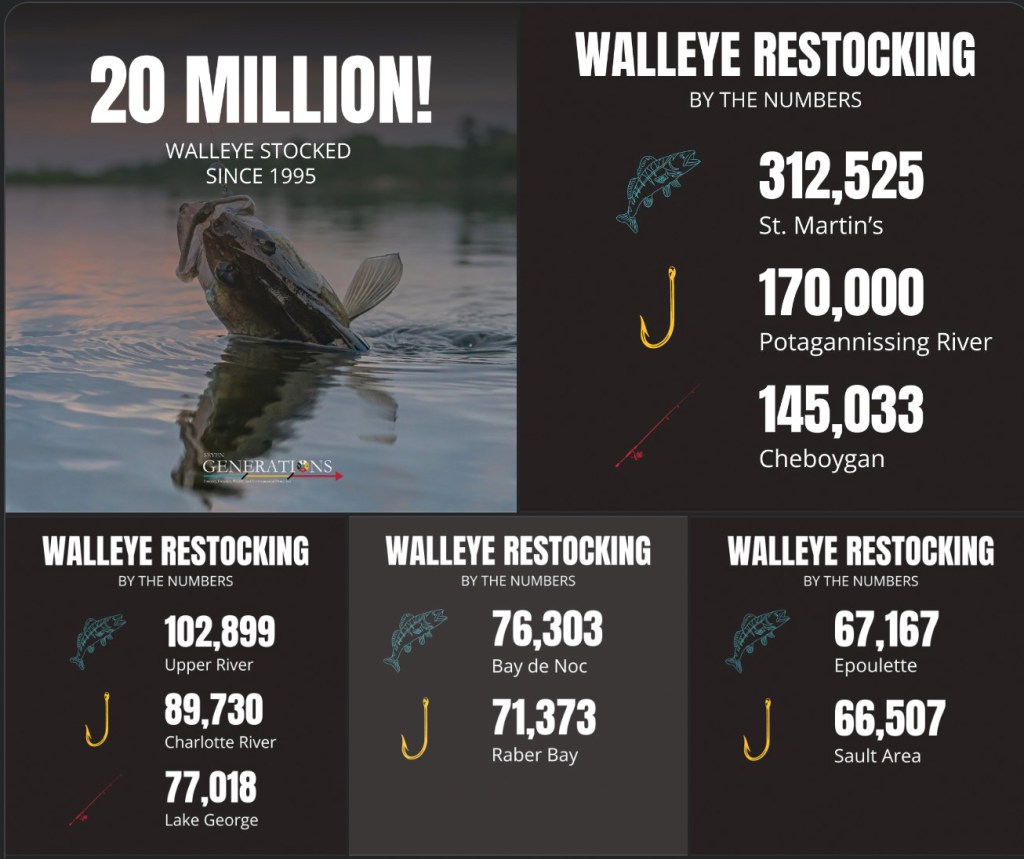
The Sault Ste Marie Tribe of Chippewa Indians definitely lives this principle every day. Sault Tribe Seven Generations just released their 20 millionth walleye into Michigan waters! They share:

This year we recorded our 20 MILLIONTH walleye stocked since our walleye hatchery program began in 1995! Last month we are very proud to have released more than 1 million walleye fingerlings into Northern Michigan waters. These fish contribute to a sustainable fishery while eventually providing meals for families and recreation for fishers.

Every year, our work contributes about 1/3 of all walleye fingerlings released into 1836 Ceded Territory waters!

Click through to read more!

Support Michigan in Pictures with Patreon

Restoring the Arctic Grayling to Michigan

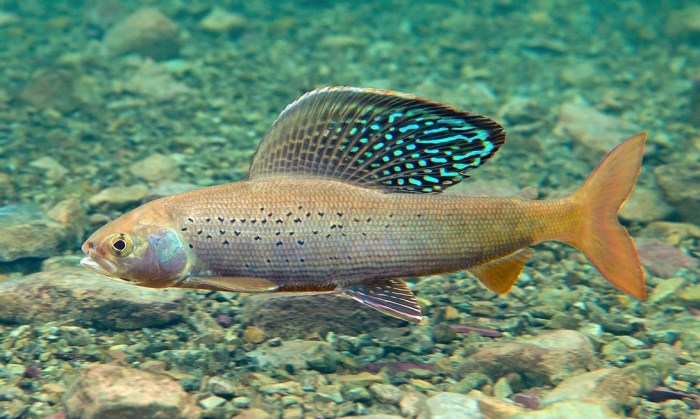
Arctic Grayling by Michigan Arctic Grayling Initiative

Arctic Grayling by Michigan Arctic Grayling Initiative

The Michigan Arctic Grayling Initiative is a group of more than 50 partners working to restore self-sustaining populations of the Arctic grayling within its historical range in Michigan:

Arctic grayling thrived in Northern Michigan’s coldwater streams until the onset of the 20th Century. Fishermen and wildlife enthusiasts visited destinations such as the Au Sable River in Grayling for this iridescent fish. But by the 1930s, three factors contributed to the grayling’s demise: habitat destruction, unregulated harvest and predation/competition from non-native fish species. The local extinction of this wild fish was a tragic loss for Michigan. 

The Michigan Arctic Grayling Initiative documentary was created by a group of Troy Athens high school students & I encourage you to check it out!

Support Michigan in Pictures with Patreon

Fish for Friday: Rainbow Trout

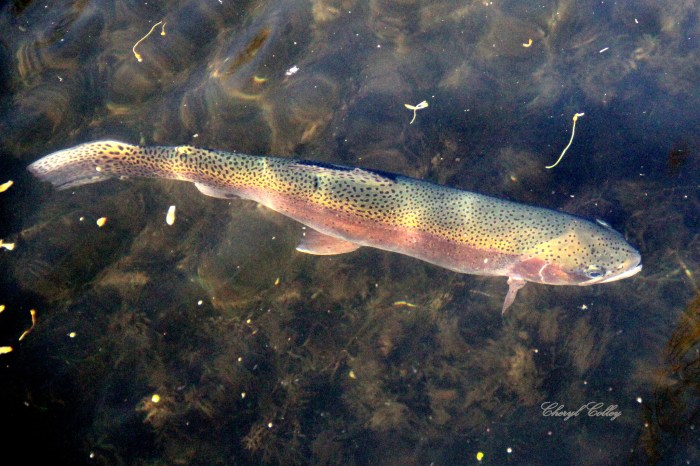
Rainbow Trout by Cheryl

Rainbow Trout by Cheryl

The Michigan Department of Natural Resources says that the rainbow trout are:

Native to the Pacific watershed, rainbow trout came to Michigan when eggs were imported from California in 1876. First stocked in the Au Sable River, then four years later in the Lake Michigan watershed, rainbows can now be found in all corners of the state. Large specimens that inhabit the Great Lakes but travel inland to spawn in streams have come to be called steelhead.

Young rainbow trout first eat waterfleas and then add aquatic (water) insects, like caddisflies, mayflies, and midges, to their diet. As they grow larger they include smallfish, but continue to consume larval and adult insects.

Like any trout, stream rainbows can be caught by a variety of techniques; live bait, artificial lures and flies all produce. In large lakes, rainbows can be caught by trolling or by fishing with bait or jigging through the ice in winter. Though most commonly associated with clear-water lakes in northern Michigan, rainbow trout have been successfully stocked into a number of southern Michigan lakes as well, where they provide a unique fishery. Fishing after dark at the thermocline — the depth at which there is a major change in temperature — with live bait, salmon eggs or corn is the principle technique.

More info from the DNR and see a lot more photos from Cheryl on her Flickr.

More Michigan fish & fishing on Michigan in Pictures!

Support Michigan in Pictures with Patreon

Glory Lake Sunrise and Kettle Lakes

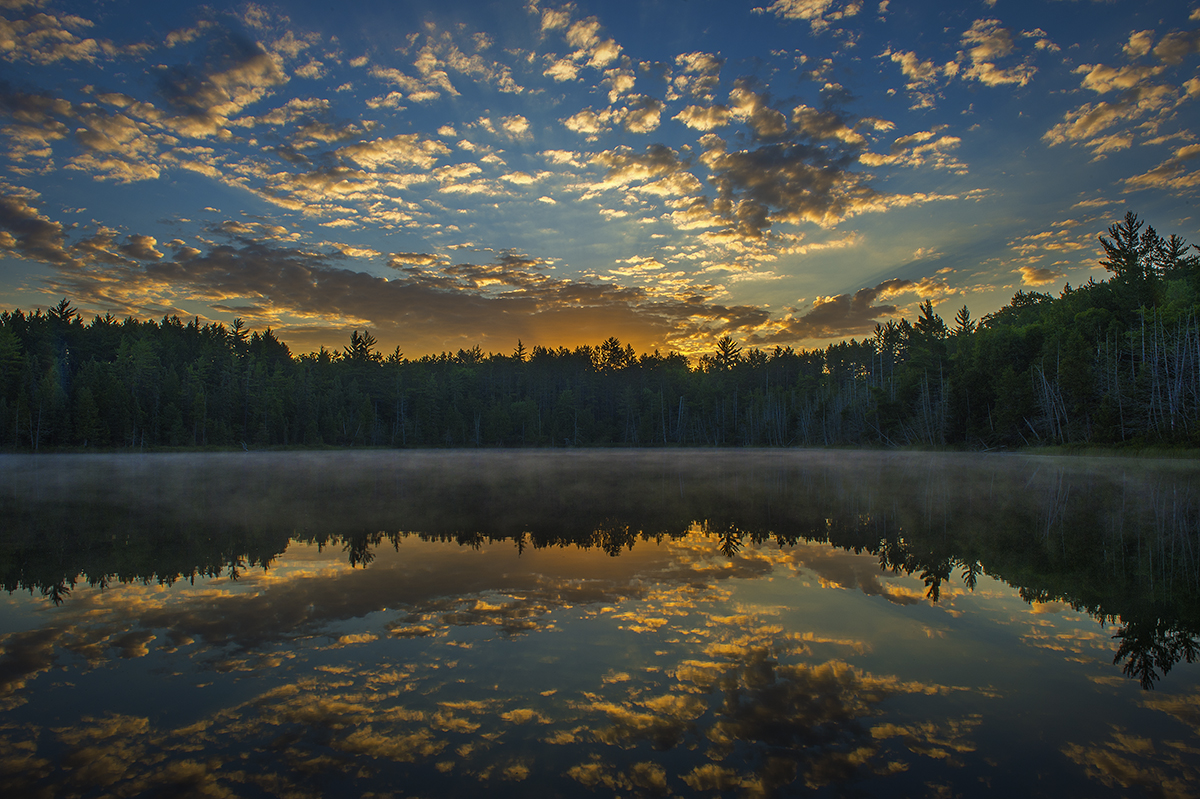
Glory Lake Sunrise

wGlory sunrise 1, photo by Jeff Caverly

The Michigan DNR’s page on Bright and Glory Lakes near Grayling includes maps. They say that both lakes have floating piers & boat launches for fishing – species include largemouth bass, rainbow trout, smallmouth bass, sucker, sunfish, yellow perch:

These lakes are called Kettle Lakes as they are shaped like tea kettles. They are roundish and deep in the center (more than 40 feet). The lake bottom is marl, so wading and swimming are prohibited as people would sink in the marl.

Here’s more about Kettle Lakes from MSU’s Geology department:

Kettles are depressions left behind after partially-buried ice blocks melt. Many are filled with water, and are then called “kettle lakes”. Most lakes in Michigan could be described as kettle lakes, and the term “kettle lake” describes the way the lake basin was formed. Kettle lake basins were formed as the glaciers receded. While this was happening, a block of ice broke off the glacier, and just sat there. As the glacier continued to melt, the debris from the glacier (soil, rocks, stones, gravel, etc.) filled in around the block of ice. When the block of ice finally melted, all the debris surrounding it fell into the hole, creating the kettle type basin, which when filled with water, became a lake as we know it.

Many of our small, deep lakes in Michigan are kettle lakes. Some have since been infilled with vegetation and plant matter, to form bogs. Even some of our larger, deep lakes, like Higgins Lake and Walled Lake, are kettles.

View Jeff’s photo background big, see more including another view of the sunrise in his slideshow, and follow Jeff Caverly Photography on Facebook.