Pontiac’s Rebellion at Michilimackinac

The Fort and the Bridge by Joel Dinda

The Fort and the Bridge by Joel Dinda

Be sure to read all the way to the end for a super cool song about this from Michigan’s own Mustard’s Retreat!

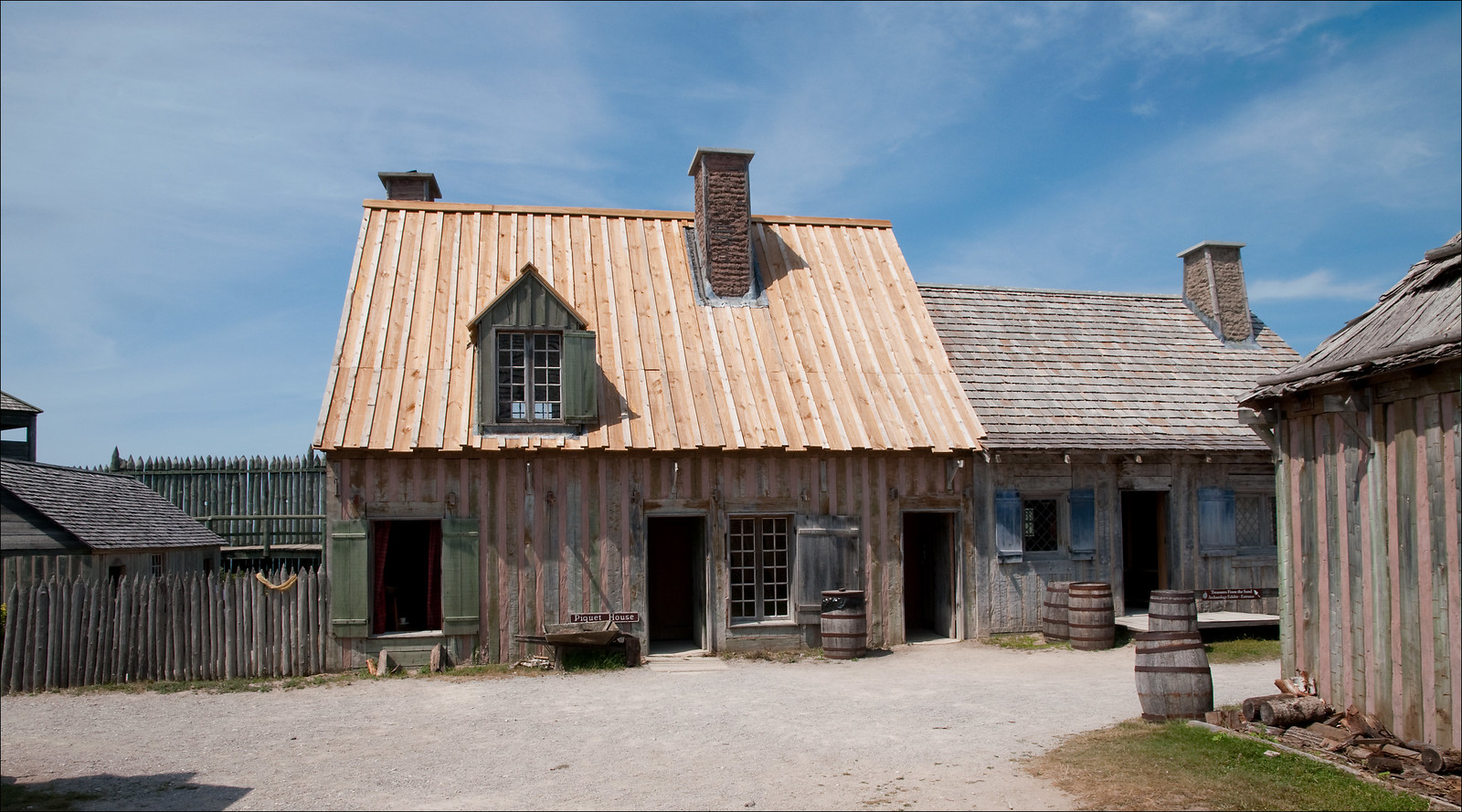
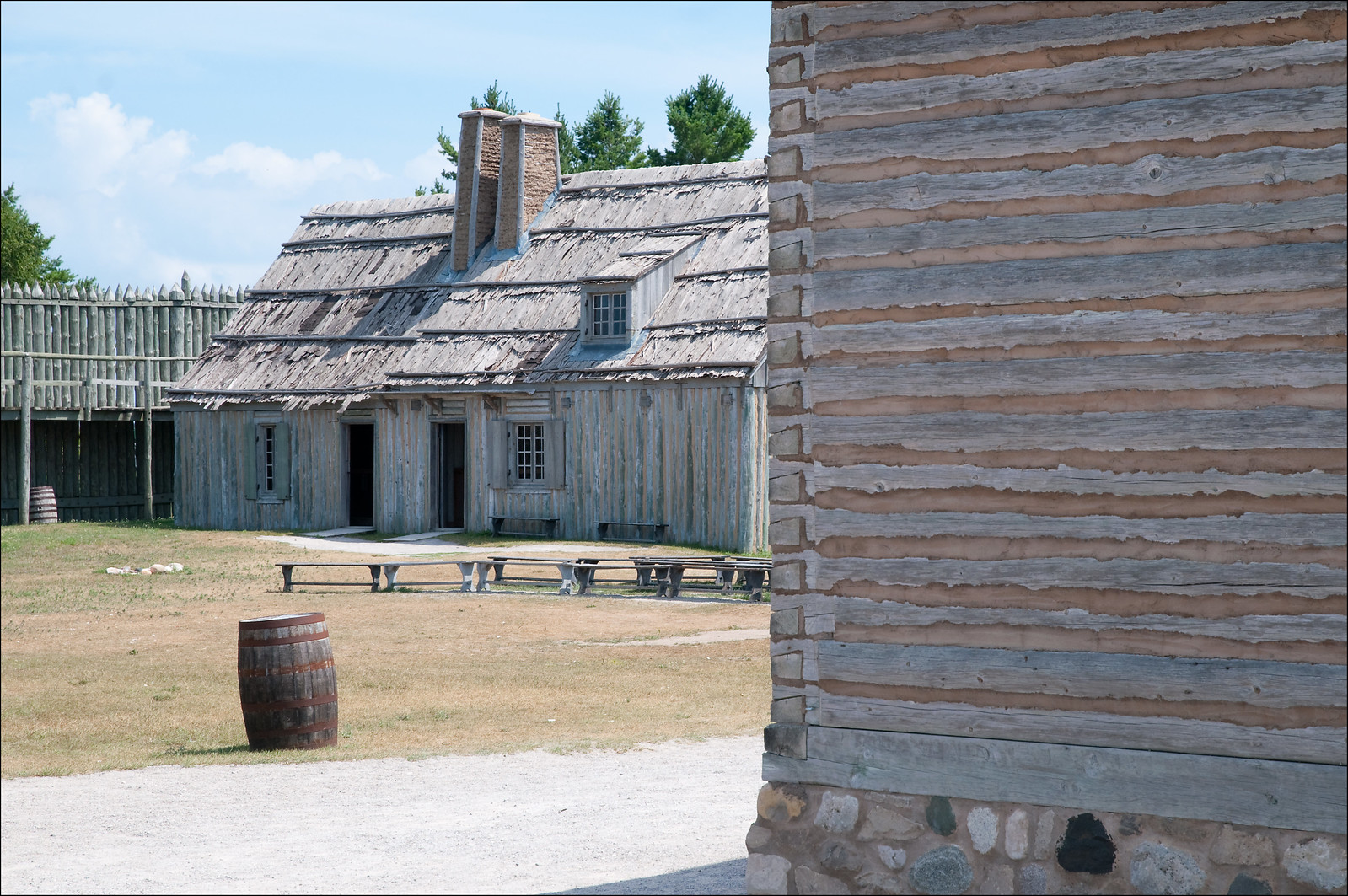
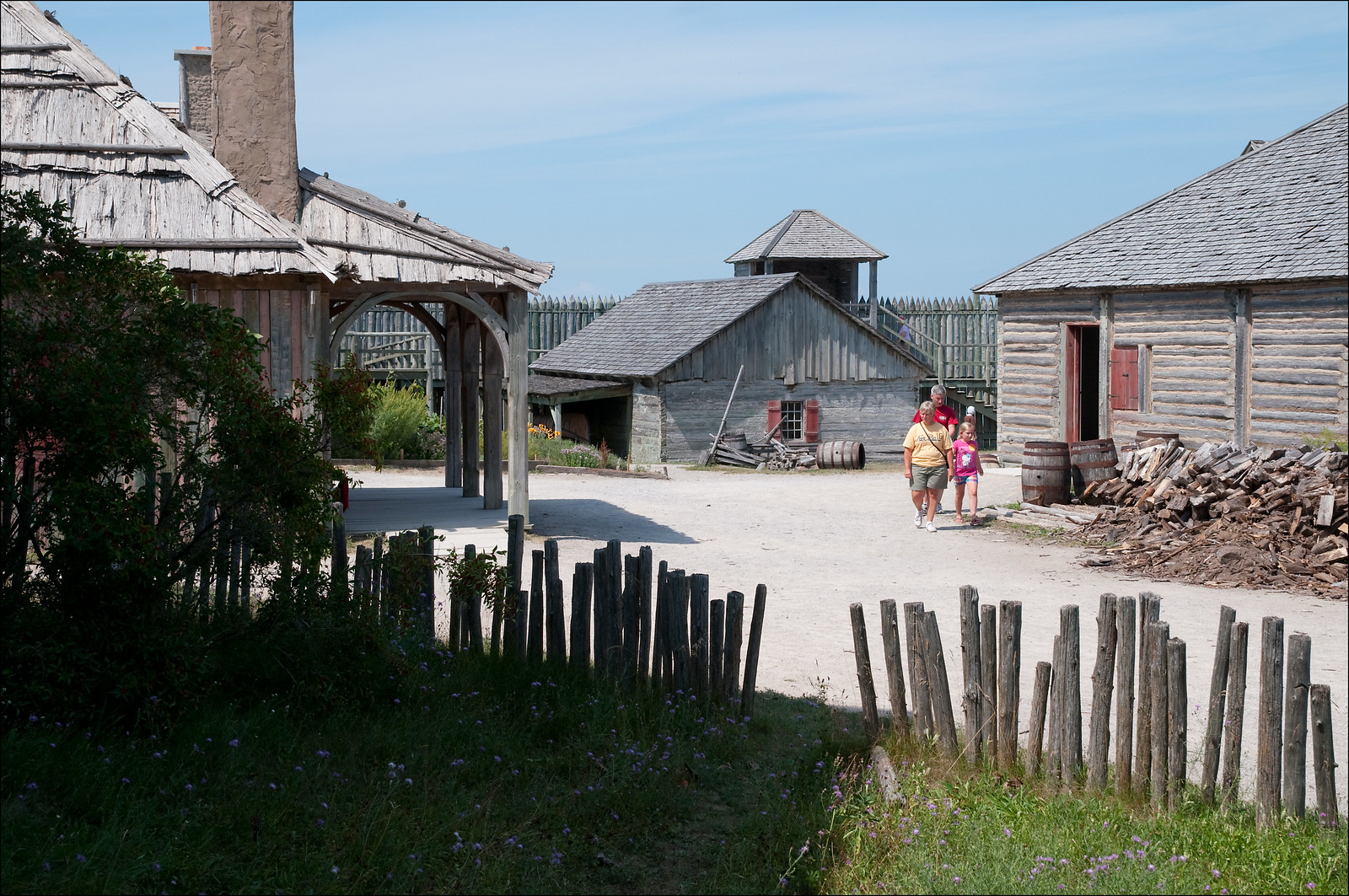
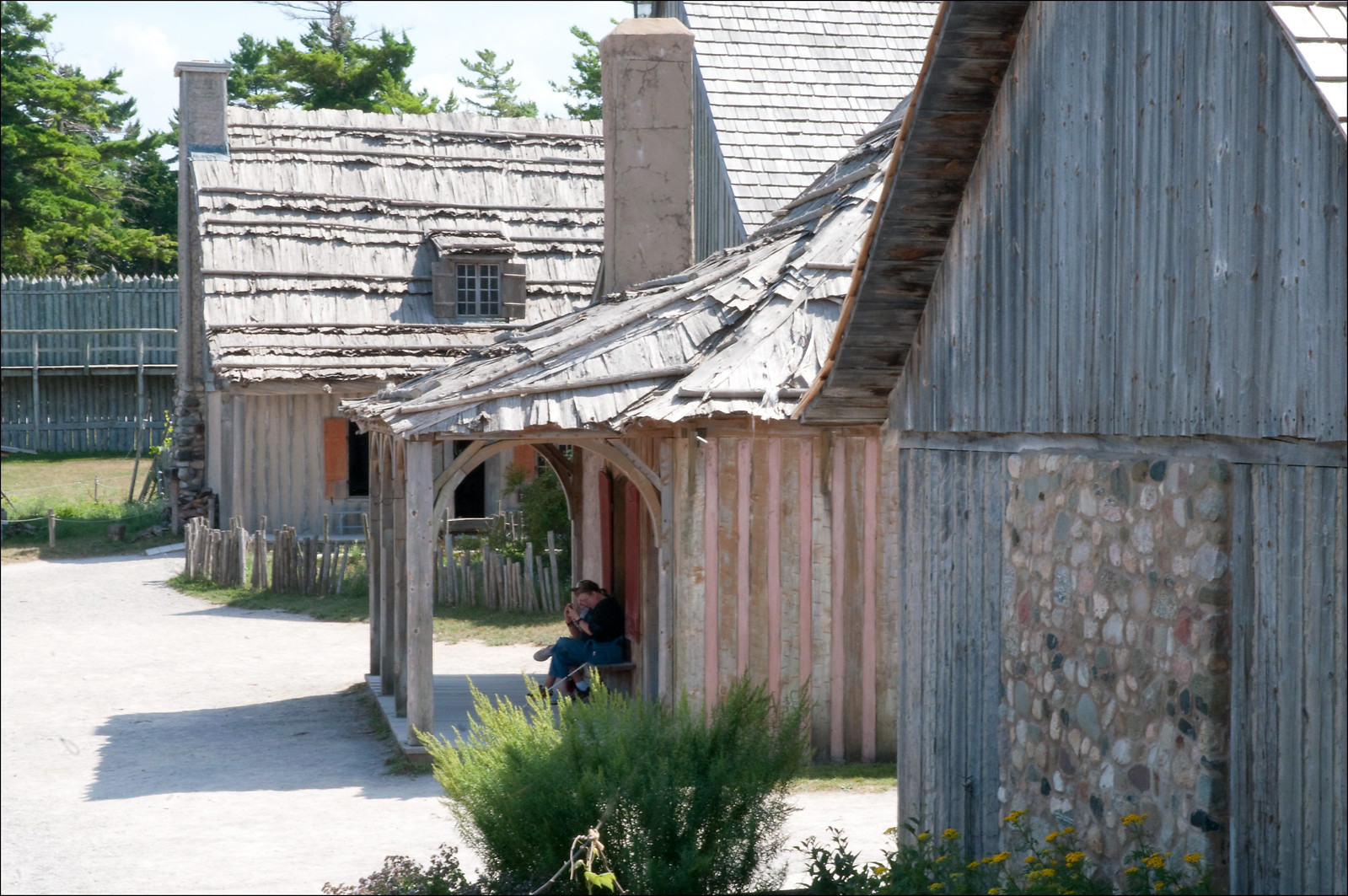
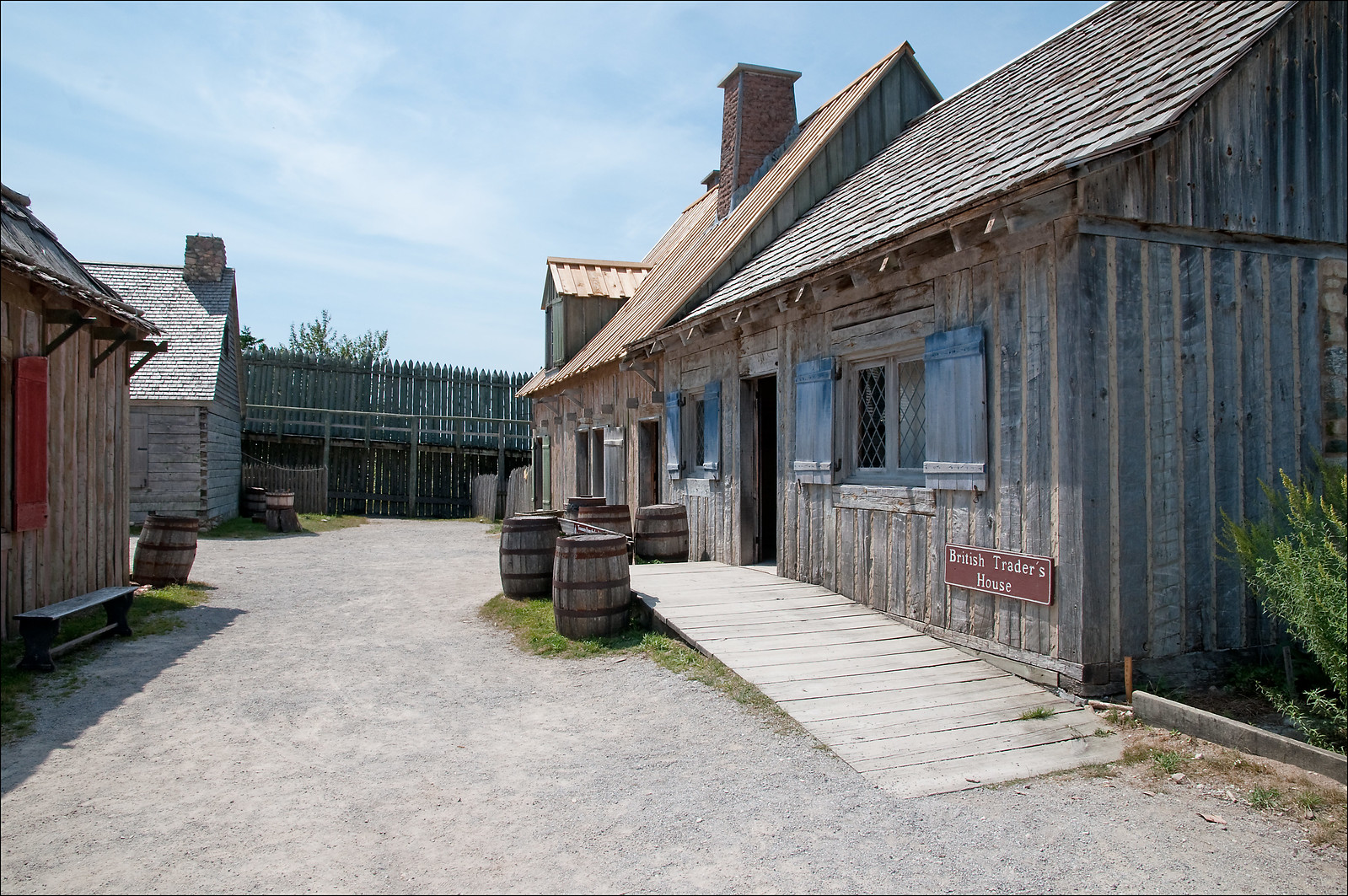
In 1715, the French founded the fortified community of Michilimackinac on the south side of the Straits of Mackinac in what is now Mackinaw City. Michilimackinac became an important center of the Great Lakes fur trade where thousands of Native Americans and French-Canadian voyageurs gathered at the post every summer, a pattern that was unchanged until the British took over the post. Lissa Edwards of Traverse Magazine details how the commandant of Fort Michilimackinac was invited to watch a game of baggatiway (lacrosse) between the Ojibwe and Sauk June day in 1763 writing (in part):

Under an unusually hot sun on a late spring day on the Straits of Mackinac, British Major George Etherington, commandant of Fort Michilimackinac, was suffering from an acute case of cultural blindness. And there was no excuse for it. Relaxed at the sidelines of a rousing game of baggatiway (similar to lacrosse) outside the fort, the major should have seen the danger signs in this Ojibwe versus Sauk contest of sweaty, half-naked bodies painted with white clay and charcoal.

…Though well armed, his garrison of 35 or so soldiers was vastly outnumbered by the hundreds of Indians encamped around it, there to exchange furs for wares—steel tomahawks and knives included—from French Canadian traders. That there’d been a run on tomahawks of late didn’t seem to worry the major. And he was only irritated by warnings from the many French Canadians who lived at the fort that the Indians were planning an uprising. He threatened to have the next person who spread similar gossip locked up down at Fort Detroit. The unwitting Etherington had not yet heard that Fort Detroit was under siege, attacked several weeks before by a coalition of tribes led by Pontiac, the Odawa chief. Foreseeing that English domination spelled the end of his people’s lifestyle, Pontiac had just begun his famous rebellion.

…It happened in seconds. A frenzy of sweaty, painted bodies clamoring for the leather-wrapped chunk of wood that was the ball as it fell at the mouth of the open gate. The women opening their blankets and handing off knives and tomahawks to the athletes-turned-warriors. Shrieks, screams and blood. Etherington and his lieutenant, William Leslye, whisked off to the woods—as the other fort officer and likely the only soldier armed that day, Lieutenant Jamet, was killed. The plan so carefully laid by Minweweh and Madjeckewiss, cohorts of Pontiac, was executed flawlessly. The attack and the events that followed were recorded in the painfully descriptive memoirs of Alexander Henry, who—at the time of the attack—was a young English fur trader staying at the fort. “Going instantly to my window I saw a crowd of Indians within the fort furiously cutting down every Englishman they found,” Henry wrote.

Read on for much more including the fate of Alexander Henry in this excellent recounting, and learn much more about Colonial Michilimackinac from Mackinac State Historic Parks.

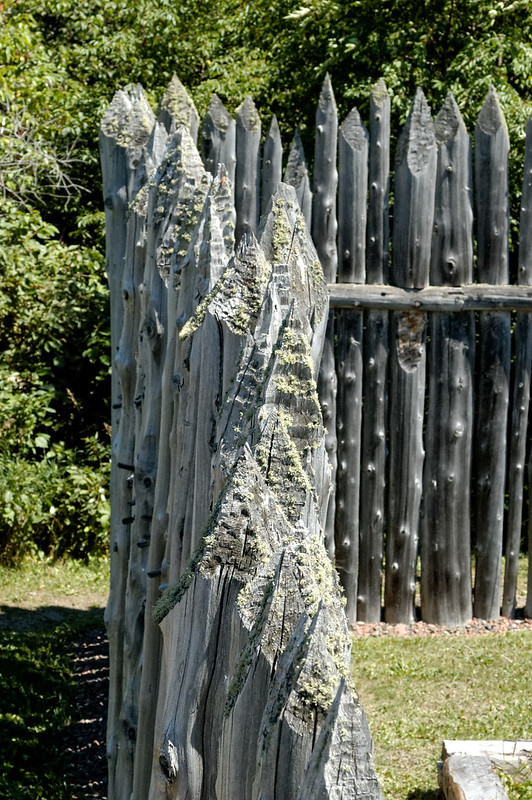
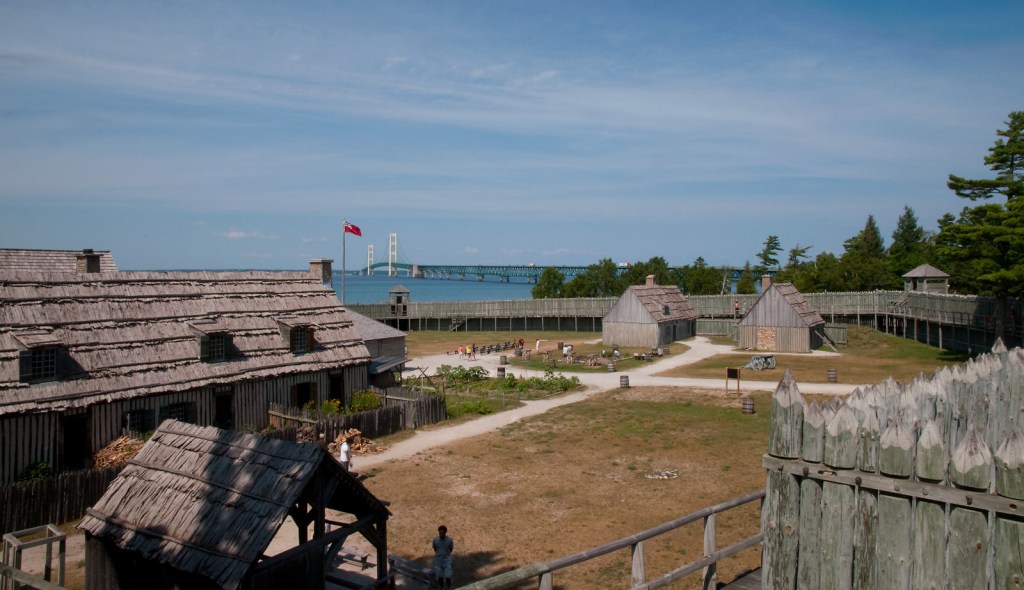
Joel noted Pontiac’s victory & that the British constructed the more serious Fort Mackinac on Mackinac Island as a result of this when he posted this back in 2011. See more below & in his Colonial Michilimackinac gallery on Flickr and follow him there. You can also see his photos in the Michigan in Pictures group on Facebook and explore his archive on Smugmug.

Much more from the Straits of Mackinac on Michigan in Pictures!

Support Michigan in Pictures with Patreon

Today in Spoiler Alerts: July 3, 1776

MEG_0653

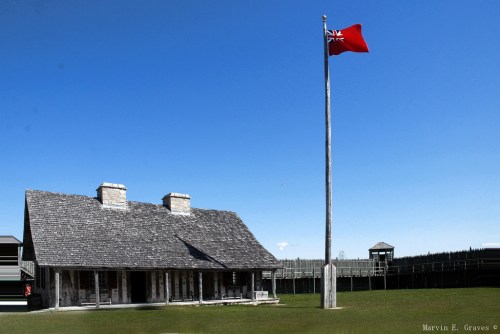
Untitled, photo by Marvin Graves

I hope everyone has a great Independence Day weekend … though I suspect the Redcoats won’t.

View Marvin’s photo bigger and see more in his really great Fort Michilimackinac 2009 slideshow.

PS: If you ever get a chance to visit Colonial Michilimackinac in Mackinaw City, I heartily recommend it. Definitely one of Michigan’s coolest museums!

PPS: Love the Bridge peeking up just to the right of the flagpole.


Fort Mackinac

fort-mackinac-mackinac-island-mi-by-bill-johnson

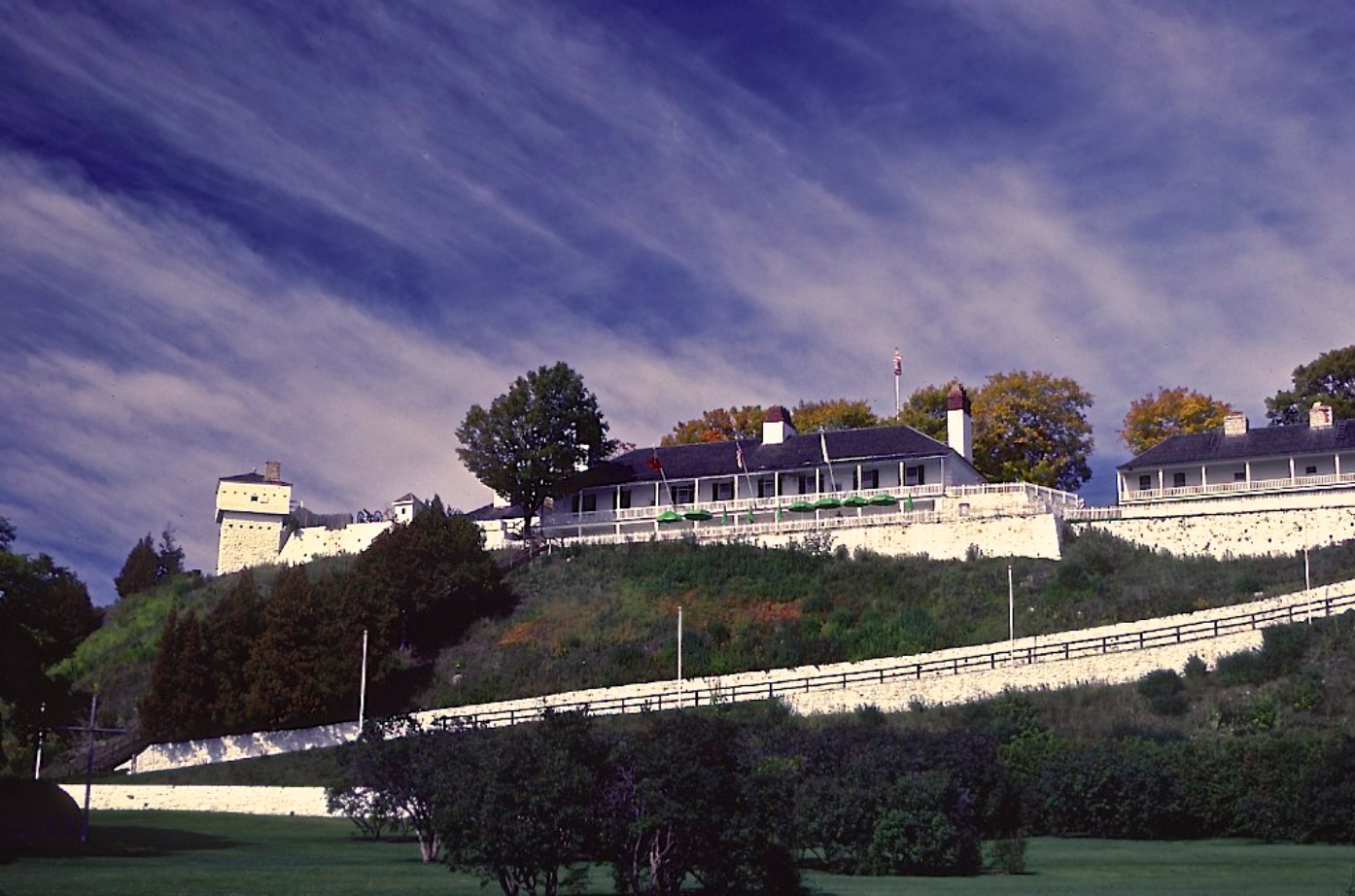
Fort Mackinac, Mackinac Island, MI, photo by Wrong Main

Every once and a while I come across something about Michigan that I can’t believe I haven’t featured. Here’s the latest…

Wikipedia’s comprehensive entry on Fort Mackinac explains that the first fort on the Straits of Mackinac was Fort Du Buade. Built by the French around 1690 near the St. Ignace Mission, Du Bade was closed in 1697. In 1715 the French constructed Fort Michilimackinac on the south side of the Straits where Mackinaw City is today. Michilimackinac became the hub of the upper Great Lakes fur trade and a French outpost until 1761 when British soldiers took control after the French and Indian War.

The Mackinac State Historic Parks history of Fort Mackinac continues:

By 1776 the American Revolution was underway. With the successes of George Rogers Clark in capturing British posts in the south, and American forces moving northward, the British grew anxious that Fort Michilimackinac , a wooden fort built on the beach, was vulnerable. Consequently, British Commandant Patrick Sinclair chose to relocate the fort to Mackinac Island where the high limestone cliffs and good harbor provided a more defensible location. Between 1779 and 1781 many buildings were taken apart on the mainland and reassembled on the island. What was not moved was burned. The civilian community was built around the bay below the fort. One of the first new buildings to be built on the island was the Officers’ Stone Quarters, the oldest building in the State of Michigan today.

The fort and island became United States territory as a result of the American victory in the Revolution. However, it took thirteen years for American troops to arrive and finally take control of the fort from the British. The latter were reluctant to leave the island, as British merchants continued to dominate fur trading, even in American territory. After leaving Fort Mackinac in 1796, the British went to St. Joseph’s Island, at the mouth of the St. Mary’s River and established Fort St. Joseph .

War broke out between the United States and Great Britain in the summer of 1812. Under the cover of darkness, a 300-man force of British soldiers and Native American allies embarked from Fort St. Joseph and landed on the north shore of Mackinac Island . They dragged their cannon to the high ground behind the fort, took positions in the woods and prepared to attack. American soldiers, about 30, were completely surprised and outnumbered by the British invasion. They quickly surrendered without a fight following a single warning shot by the British. This was the first land engagement of the War of 1812 in the United States .

You can read on to learn how the Americans ultimately got the fort back and how became a center of the Great Lakes fishing industry, its time as a Civil War prison, and the hub of the second national park in the U.S., Mackinac National Park. If you want to visit – bear in mind they close for the season October 13th!

Bill took this shot October 1, 1982 on Plustek OpticFilm 7600. Check it out background big, see more in his slideshow and definitely click to view his photo of the Mackinac Bridge taken on the same day.

More Mackinac on Michigan in Pictures, and get a little bit more about Michigan’s role in the War of 1812 in The Battle of Lake Erie.