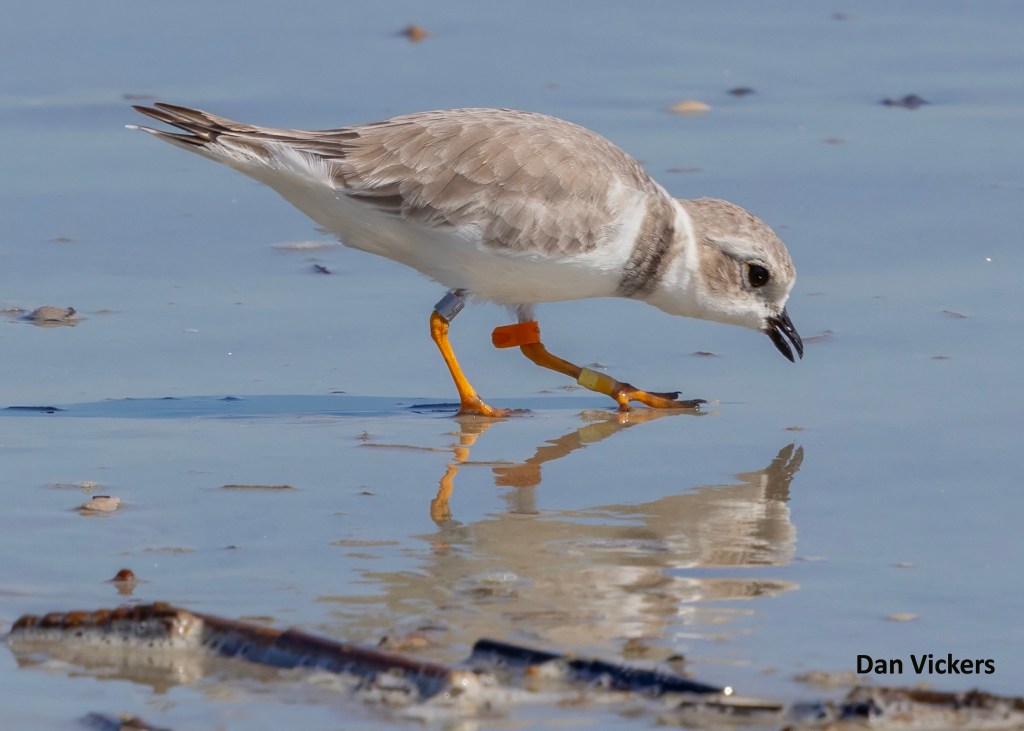
A Legitimate Snowbird

Yogi the Piping Plover at Cumberland Island by Dan Vickers

Yogi the Piping Plover at Cumberland Island by Dan Vickers

“You think YOU’RE a snowbird? Please.” – -Yogi the Great Lakes Piping Plover

Michigan in Pictures features almost exclusively photos from Michigan, but every so often there’s one that will have me reaching beyond our borders. Such is the case with this photo of Yogi the Piping Plover from Cumberland Island all the way down in Georgia that was recently shared by the Great Lakes Piping Plover Recovery Effort. Yogi hails from the Sleeping Bear Dunes National Lakeshore, but his preferred nesting site is the wild and busy Silver Lake State Park.

They explain that the Piping Plover is a small shorebird that is listed as an Endangered Species and nests in three separate geographic populations in the United States and Canada: The Northern Great Plains, the shores of the Great Lakes, and along the Atlantic coast. Birds from all three populations winter on the southern Atlantic and Gulf coasts in the United States & in the Caribbean.

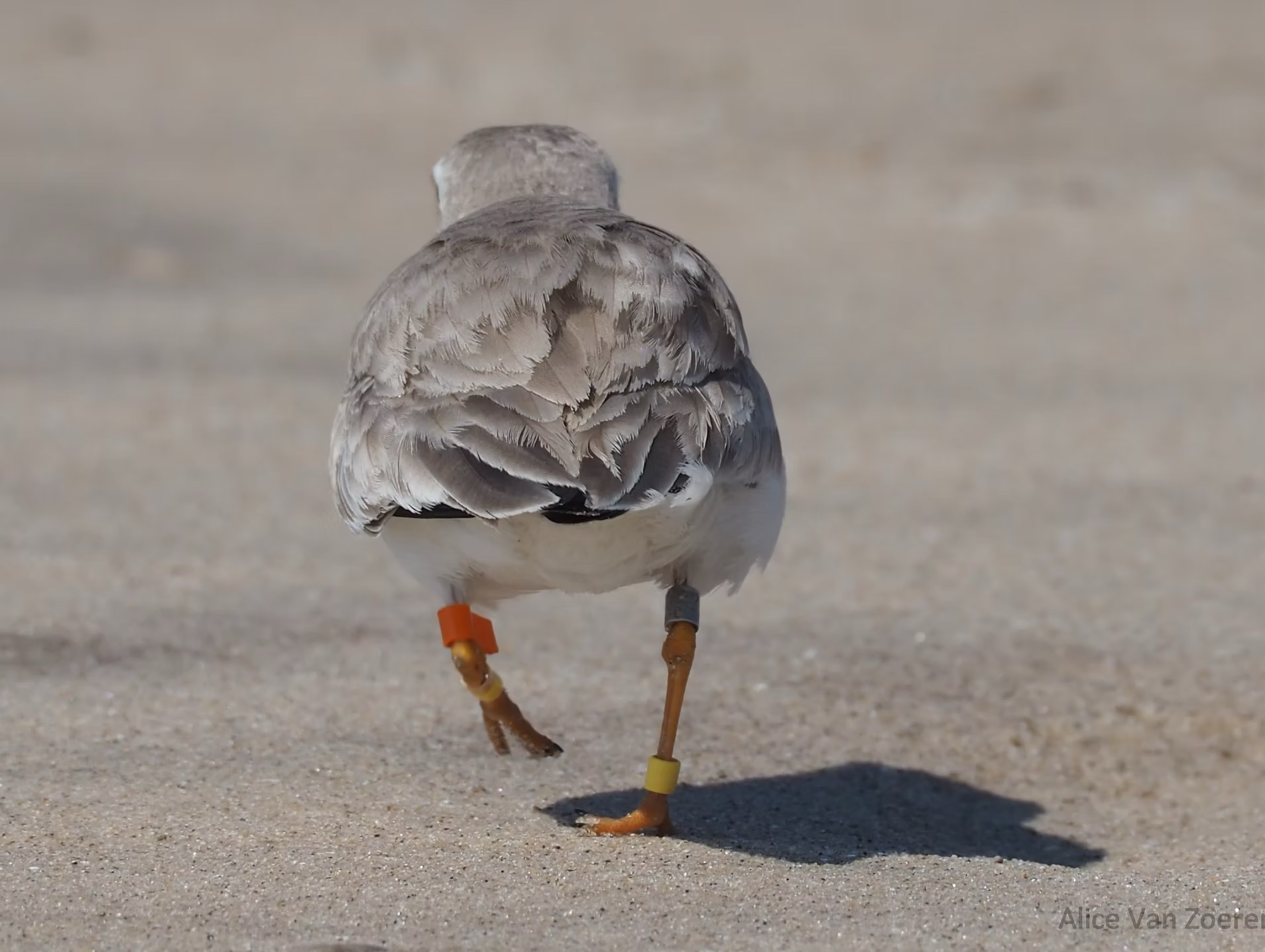
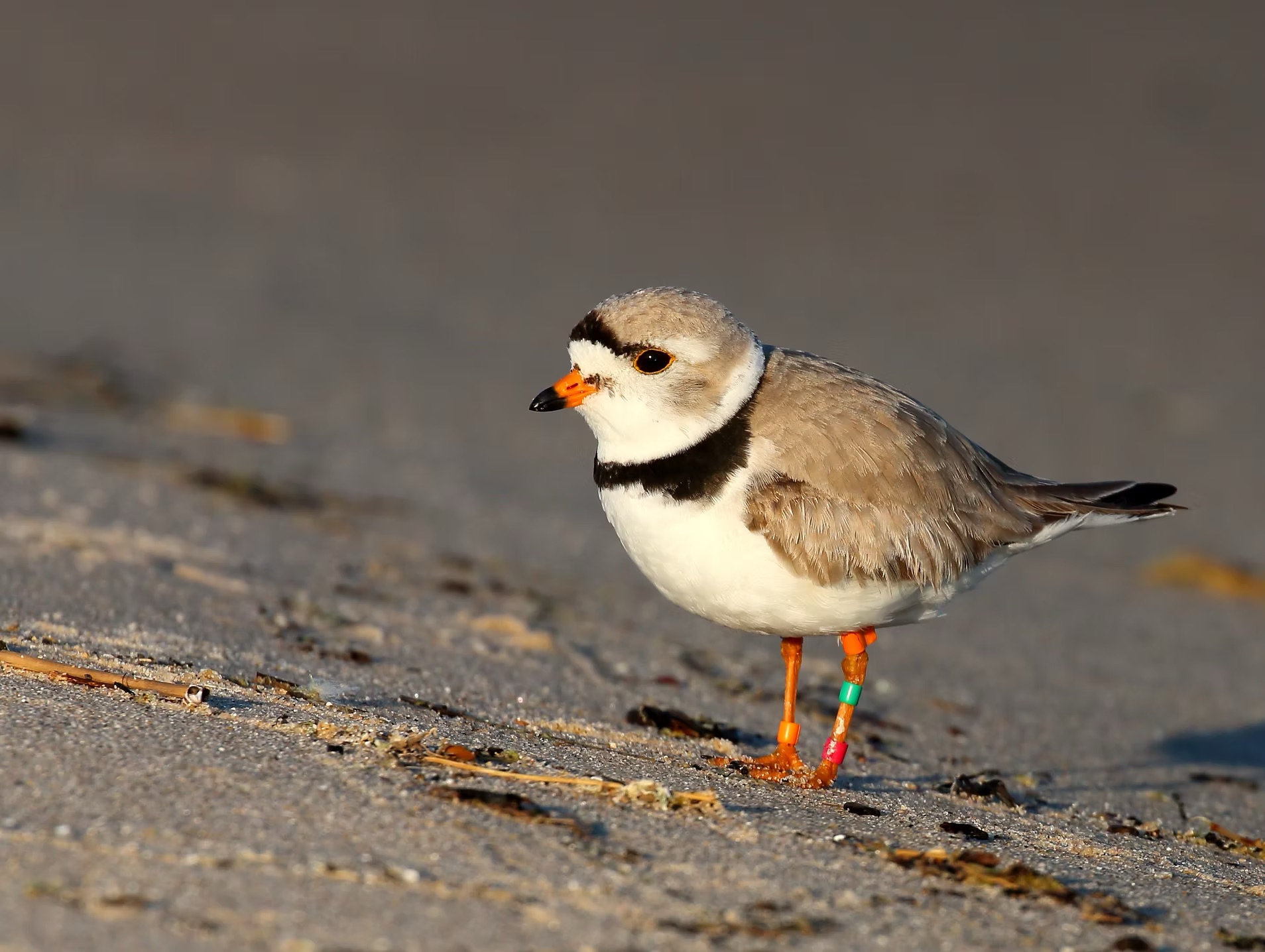
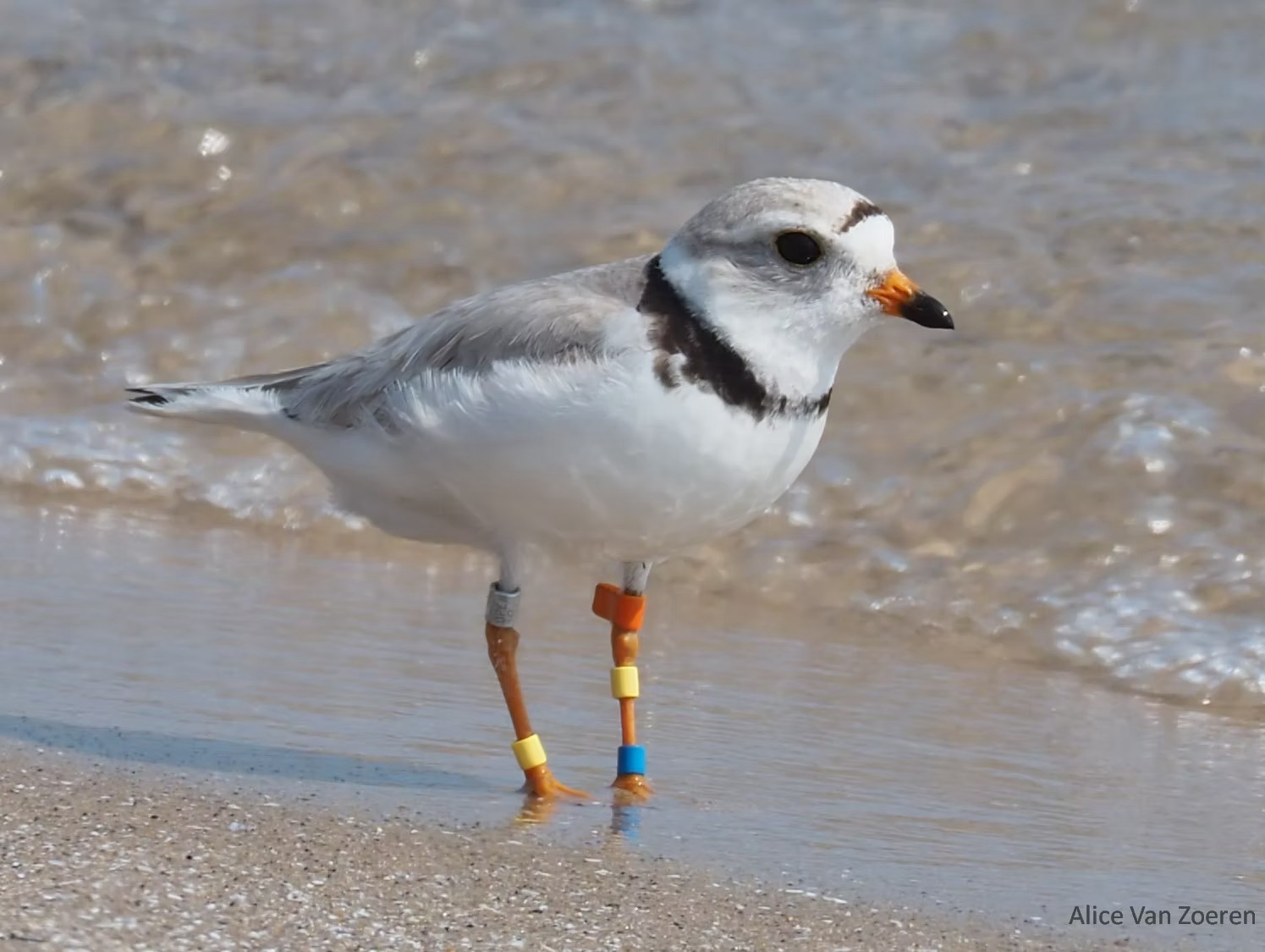
Regarding the distinctive bands, they say: Great Lakes Piping Plover chicks are banded between five and sixteen days of age. Since shorebirds are precocial (Like chickens, Piping Plover chicks begin running around, feeding themselves within hours of hatching), these chicks have well developed legs, which makes it possible for us to band them with adult-sized bands at a young age. The bands we use are made of either plastic or aluminum, and they are very lightweight. Every sibling in a plover brood gets the same color and arrangement of three or four bands (depending on the band color-pattern used). This is called a “brood-marker combination”. There aren’t enough possible combinations available to give every chick their own unique identifier from hatching, but by giving the chicks from the same family, or brood, the same combination we can study such things as parental success, fledging rates, and return success.

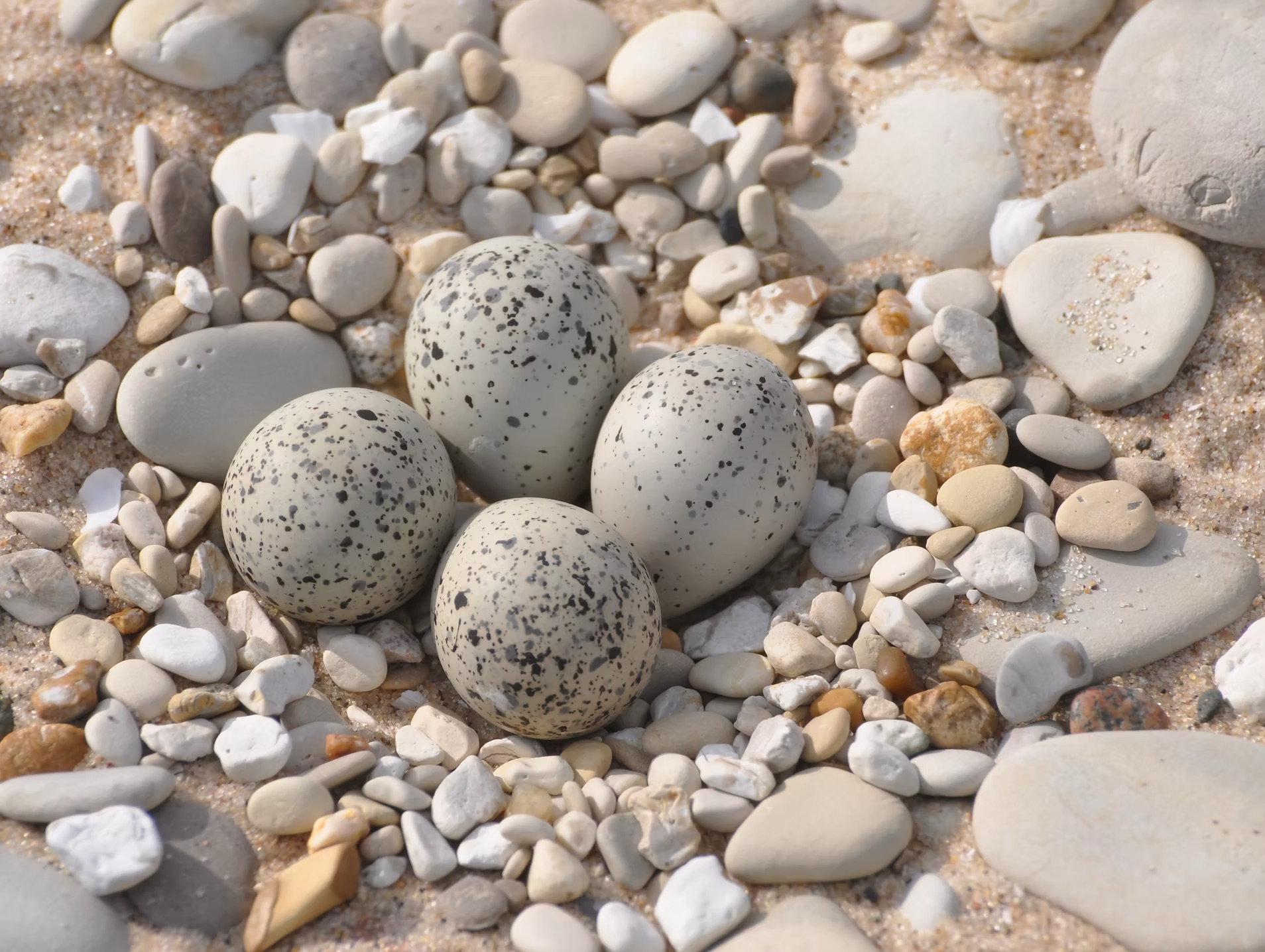
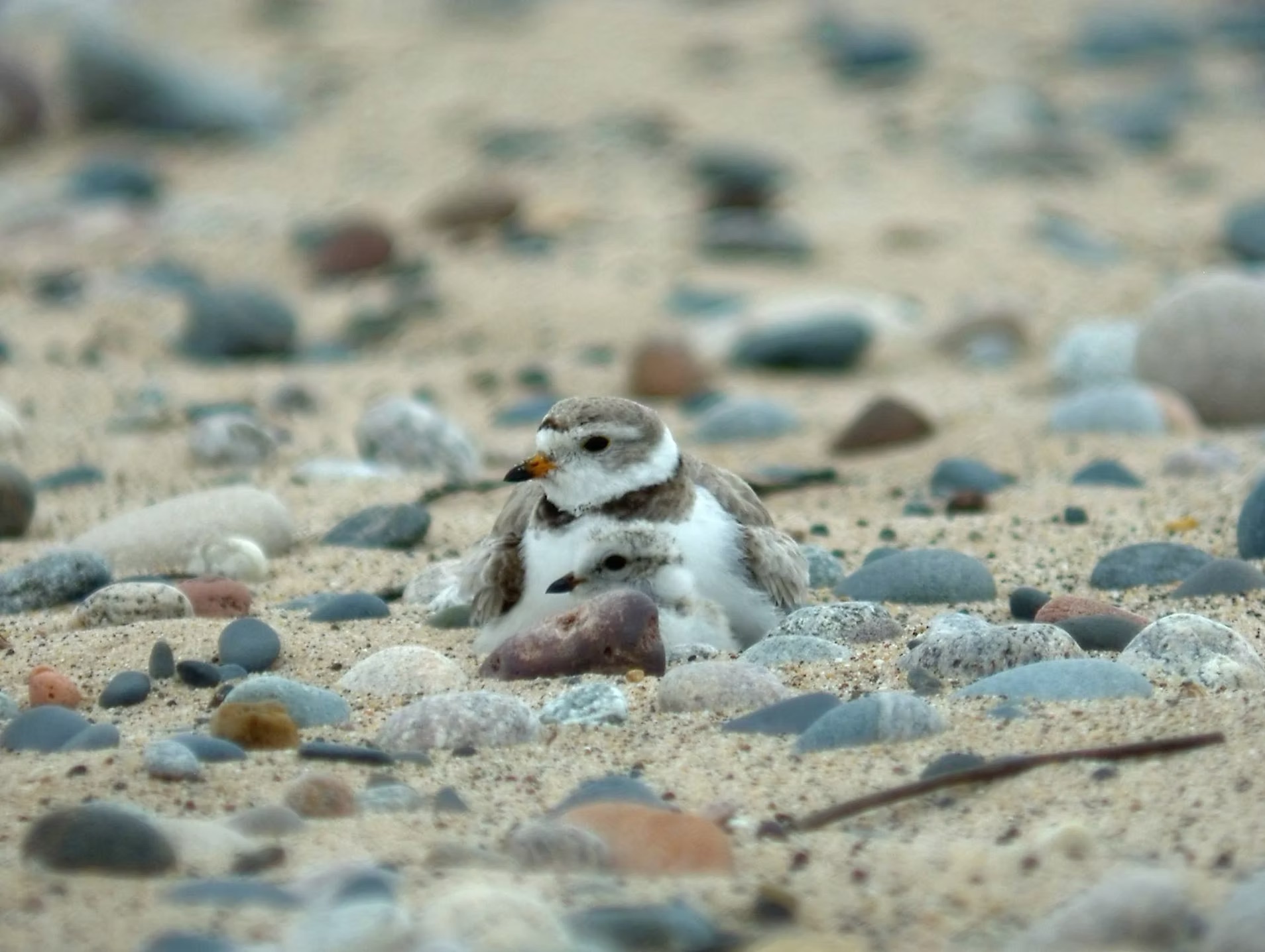
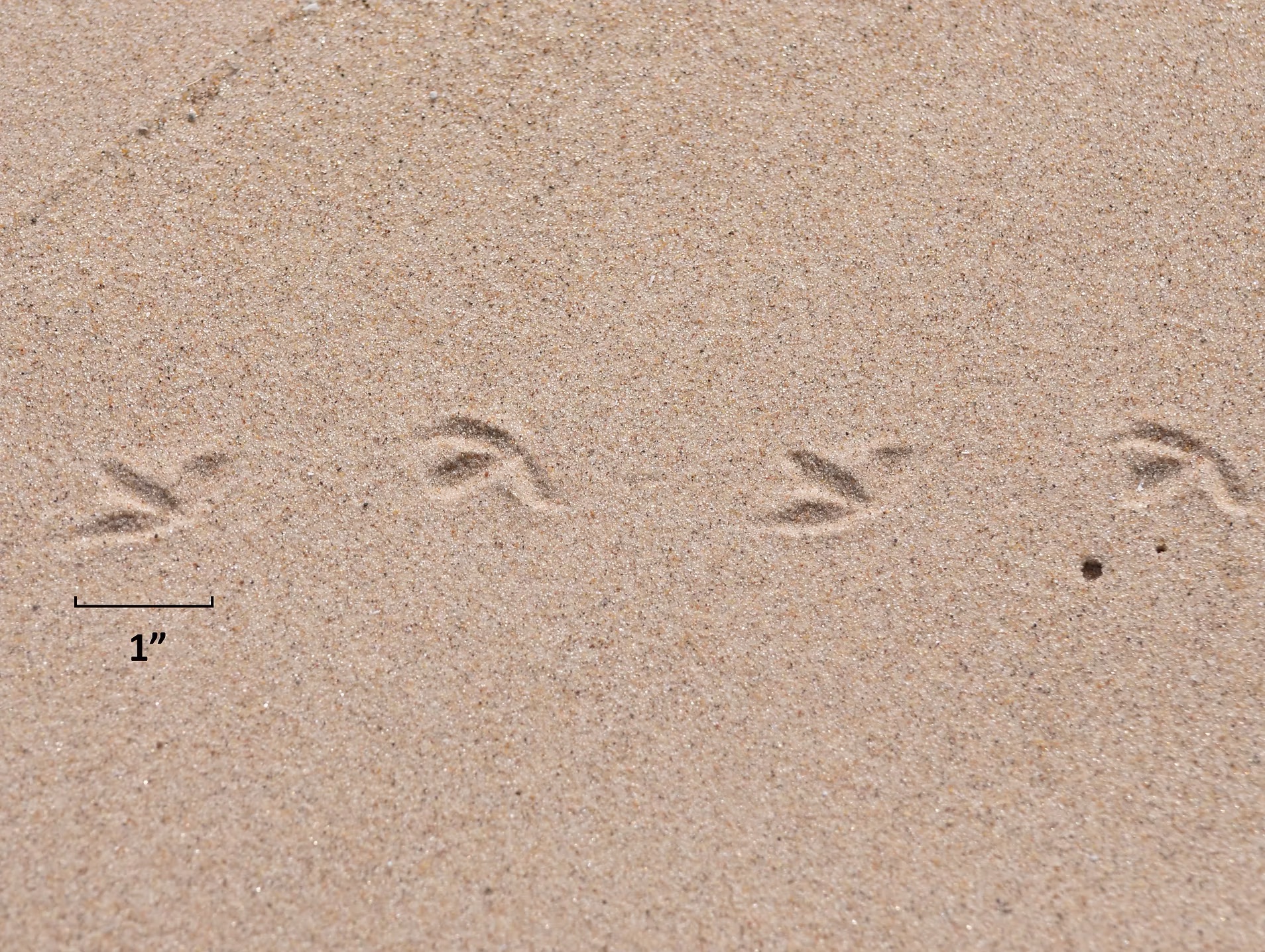
Here’s a few more Piping Plover pics – visit greatlakespipingplover.org for more and to help support their work!
Support Michigan in Pictures with Patreon

Michigan Merganser Mania

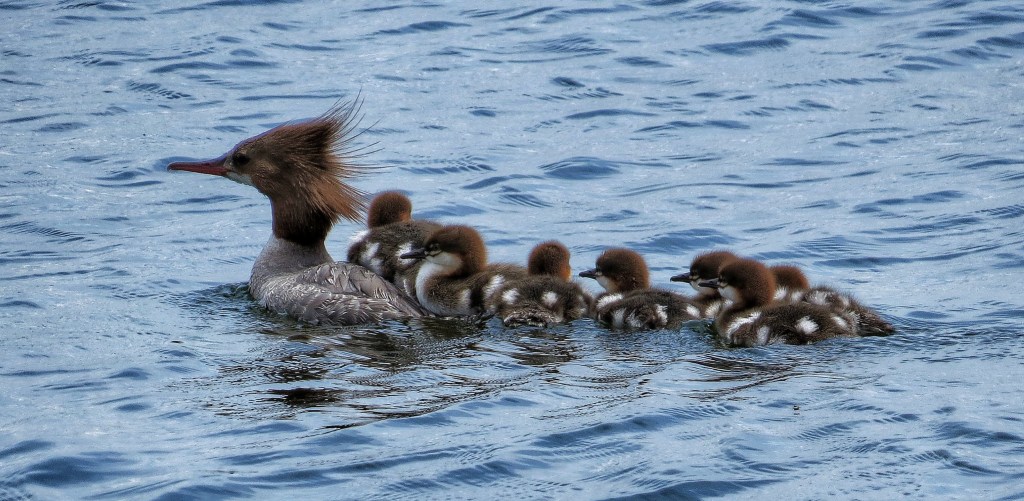
Female Common Merganser and 7 young by Mike Carey

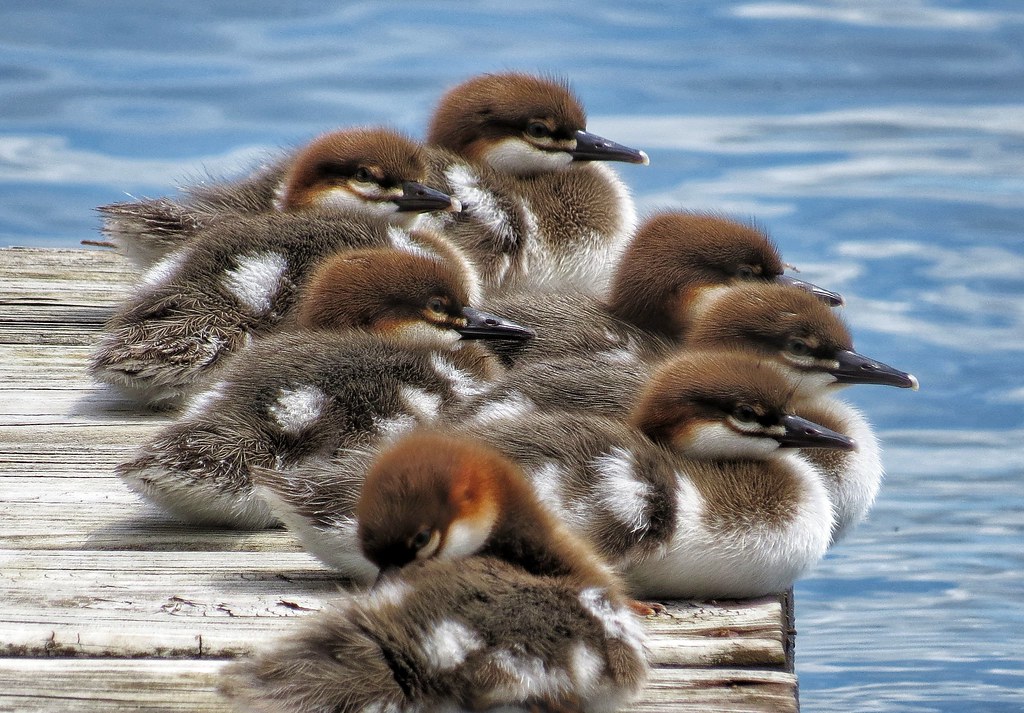
All About Birds says that Common Merganser are large, long-bodied ducks with thin, pointed wings. Their bills are straight and narrow, unlike the wide, flat bill of a “typical” duck, and the females have shaggy crests on the backs of their heads. Although these ducks look pretty punk & cool, the Tip of the Mitt Watershed Council reminds us that Merganser ducks are the main culprit in the spread of swimmers itch:

Swimmer’s itch (cercarial dermatitis) is a skin irritation caused by a larval form of certain flatworms from the family Schistosomatidae. Schistosome flatworms are parasites with complex life cycles usually involving certain species of snails and waterfowl. Upon hatching, free swimming Schistosomatidae larvae seek out an intermediary host, usually snails, to continue the life cycle. The larvae, known as cercariae, are only 1/32 of an inch long and generally invisible to the naked eye. Since humans are not the proper host, the larvae soon die upon mistakenly burrowing into the skin. The resulting skin condition and itching sensation is caused by an immune response to the dead larvae under the skin and symptoms vary by person. In many Michigan lakes, the common merganser duck is the primary or sole vertebrate host.

I am for sure NOT calling for the killing of mergansers, but as someone who has spent a lot of time on lakes with swimmers itch, I encourage you to practice safe swimming where you see these ducks:

  1. Don’t swim first thing in the morning
  2. Swim offshore and away from downwind areas
  3. Rinse your body with clean water and towel off thoroughly after swimming!

Mike took these on Bear Lake a couple weeks ago. See more in his Bear Lake 2024 gallery on Flickr.

More duckies on Michigan in Pictures!

Young Common Mergansers resting on dock by Mike Carey

Support Michigan in Pictures with Patreon

Seney Reflections

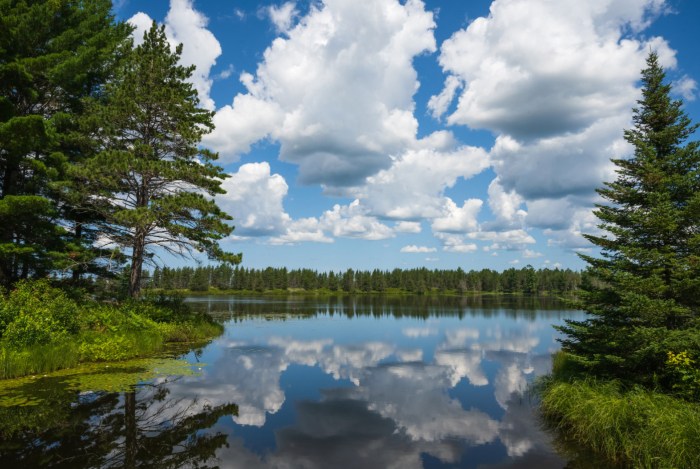
Reflections by Ayman Haykal

Reflections by Ayman Haykal

The Seney National Wildlife Refuge:

…was established in 1935 as a refuge and breeding ground for migratory birds and other wildlife. The wild land that today is the refuge has not always appeared so wild. This is a land that was once heavily logged, burned, ditched, drained and cultivated. Despite repeated attempts, the soils and harsh conditions of this country would not provide a hospitable environment for sustained settlement and agriculture. So, nature claimed it once again. What was viewed as a loss by early 20th century entrepreneurs became a huge gain for the wildlife, natural resources and the people of Michigan’s eastern Upper Peninsula.

Seney National Wildlife Refuge is located in the east-central portion of Michigan’s Upper Peninsula, halfway between Lake Superior and Lake Michigan. The 95,238 acre refuge encompasses the 25,150 acre Seney Wilderness Area, which contains the Strangmoor Bog National Natural Landmark.

Lots more information at the Seney Refuge website. Ayman took this back in early August. See more on his Flickr!

Support Michigan in Pictures with Patreon

Three of Many

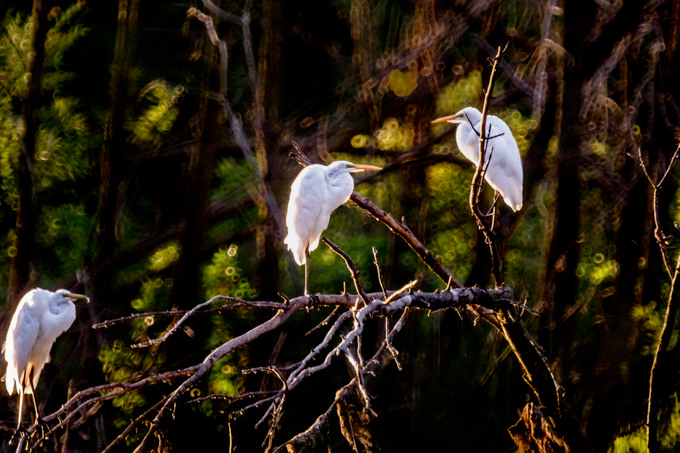
Three of Many, photo by smfmi

View the photo from the Poseyville wetland in Midland County bigger and see more in smfmi’s Birds slideshow.

Alley Adventures, Grand Rapids Edition

alley-adventures-jerry-james

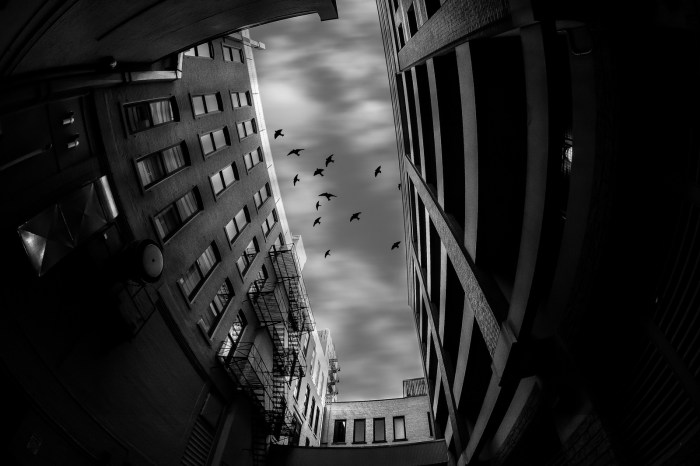
Alley Adventures, photo by Jerry James

Jerry writes Tonight’s image is brought to you by the darker side of reality. Things are not always sunsets and rainbows. Shot taken with the Olympus EM5 Mark II and the Rokinon 7.5mm fisheye in grand rapids, Michigan

View his photo bigger, view work and read his thoughts on his website, and definitely check out Jerry’s slideshow for more!

Platte River Bald Eagle Nest Cam

Platte River Eagle Cam

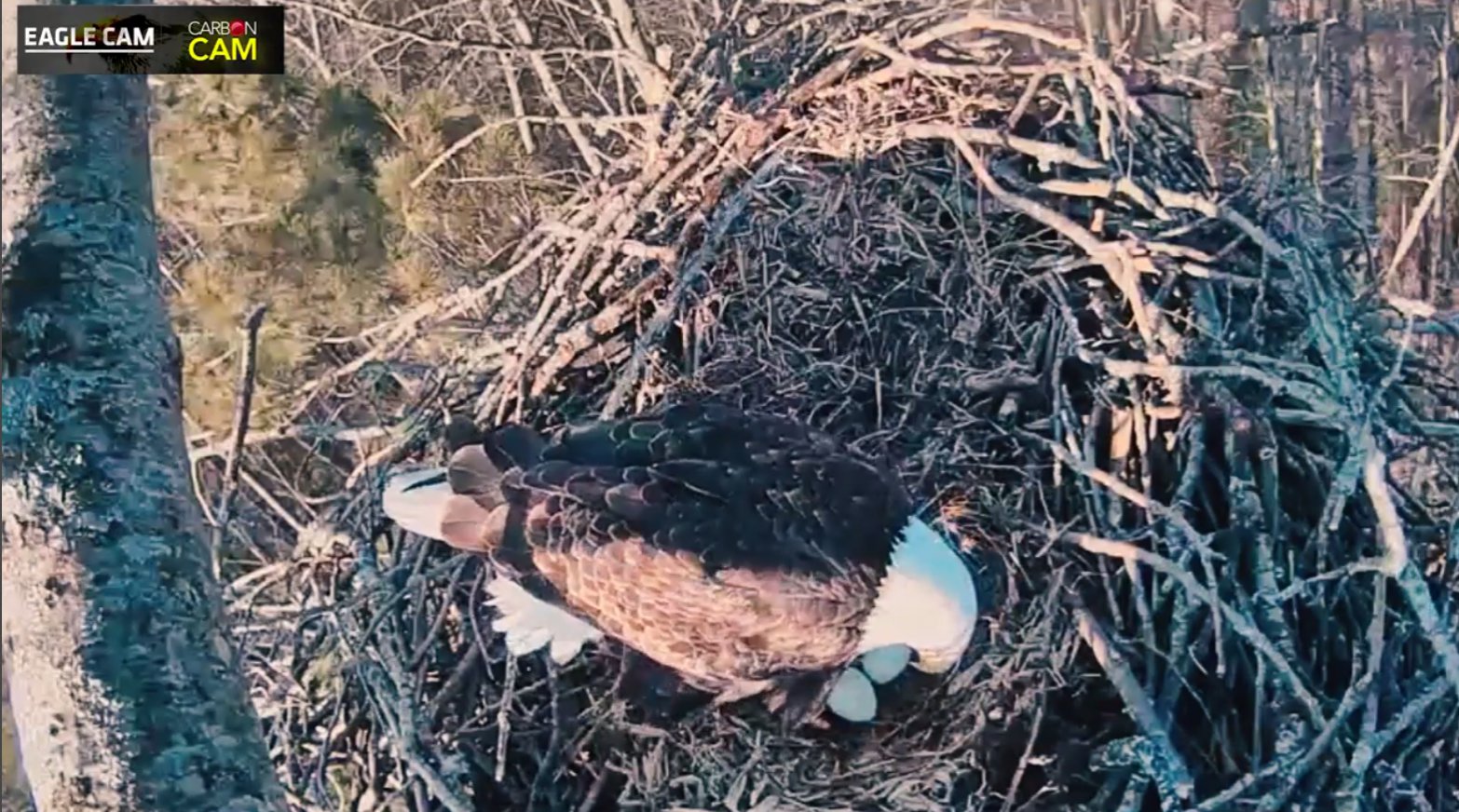
Michigan Eagle Cam, photo via Carbon TV

Carbon and the Michigan Department of Natural Resources are collaborating on a cool webcam of a nesting pair of bald eagles in Benzie County. mLive explains:

Cameras are pointed at a pair of nesting bald eagles in residence at the Platte River State Fish Hatchery. The large nest is 100 feet above the ground, along the Platte River in Benzie County.

Carbon Media Group alerted viewers earlier this week that incubation time is almost up, and that small holes called “pips” that parents make in the shells can be seen on two of the eggs.

“This pair of eagles have been regular visitors to this nest for the past three years,” Ed Eisch, DNR fish production manager, has said.

Click to view the live camera – which makes a really soothing background soundtrack – and also to check out video clips including an eagle adjusting the eggs from the photo above and visits by owls and pine martens!

Happy Thanksgiving to you!

Happy Thanksgiving

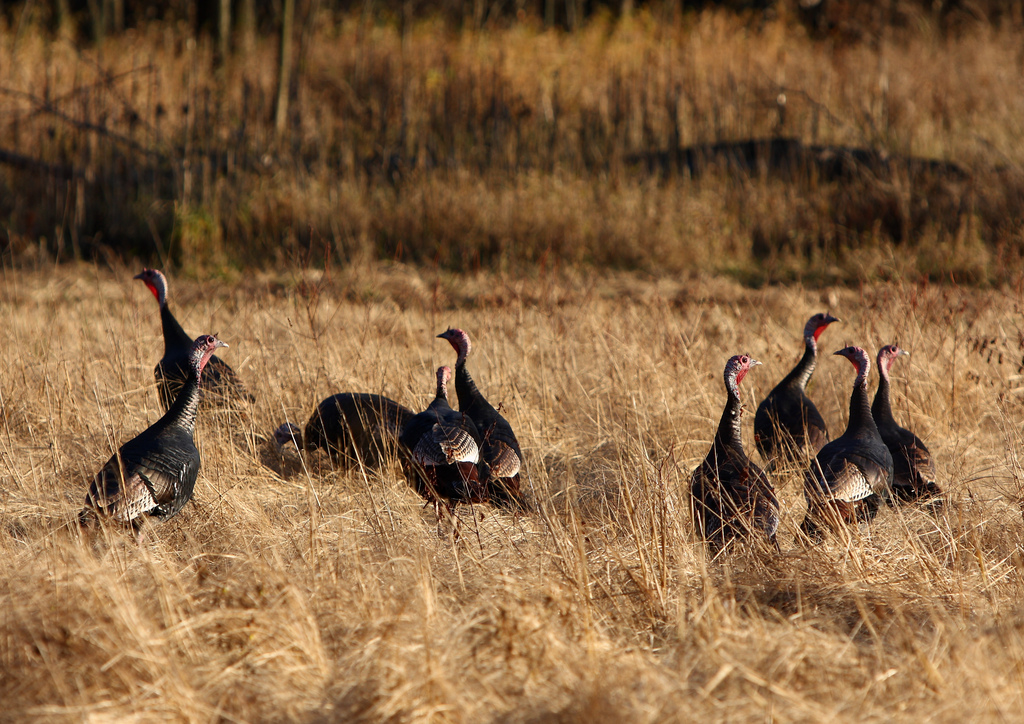
Happy Thanksgiving, photo by Rick Corriveau

I am grateful for what I am and have. My thanksgiving is perpetual.
~Henry David Thoreau

I hope you have much to be thankful for, today and every day, within and without. I am thankful for all of you who give me reason to keep doing something that I dearly love – sharing photos of this beautiful and diverse place. Happy Thanksgiving to you all!!

Also sorry folks – had this scheduled for first thing this morning I thought!!

Rick says he’ll take one drumstick please! View his photo bigger and see more in his Birds slideshow.

Ross’s Goose

Ross's Goose

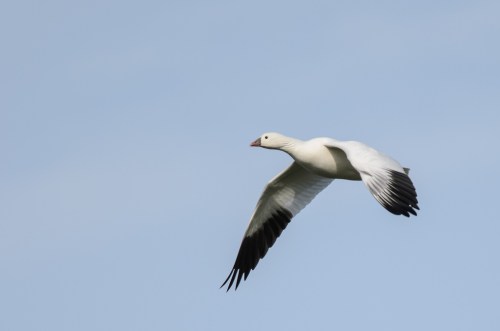
Ross’s Goose, photo by jsommer2

A few weeks ago there was a bit of a question as to the duckishness of a sleeping duck I posted, so I spent a lot of time looking at ducks & duck-like birds. One of them showed up in the photo group so without further delay…

The All About Birds entry for Ross’s Goose (Chen rossii) says:

A tiny white goose with black wingtips, the Ross’s Goose is like a miniature version of the more abundant Snow Goose. It breeds in the central Arctic and winters primarily in central California, but it is becoming more frequent farther east.

Prior to the 1950s the Ross’s Goose was confined to well-defined breeding and wintering areas, with few seen as strays. Since that time the species has been expanding eastward, both on the breeding and wintering grounds. The change in breeding distribution has resulted in more contact and subsequent hybridization with the Snow Goose.

The female Ross’s Goose does all of the incubation of the eggs. The male stays nearby and guards her the whole time. The female covers the eggs with down when she leaves the nest. The down keeps the eggs warm while she is away and may help hide them from predators.

More including photos and identification tips at All About Birds.

Check jsommer’s photo out background big and view the slideshow for more photos including a shot of this goose with some much bigger Canadian geese!

Many more Michigan birds on Michigan in Pictures!

American Kestrel, the Sparrow Hawk

American Kestrel with mouse

American Kestrel with mouse, photo by Kevin Povenz

The American Kestrel entry at Wikipedia says:

The American Kestrel (Falco sparverius), sometimes colloquially known as the Sparrow Hawk, is a small falcon, and the only kestrel found in the Americas. It is the most common falcon in North America, and is found in a wide variety of habitats. At 19–21 centimeters (7–8 in) long, it is also the smallest falcon in North America. It exhibits sexual dimorphism in size and plumage, although both genders have a rufous back with noticeable barring. Juveniles are similar in plumage to adults.

The American Kestrel hunts by hovering in the air with rapid wing beats or perching and scanning the ground for prey. Its diet typically consists of grasshoppers, lizards, mice, and other small birds. It nests in cavities in trees, cliffs, buildings, and other structures. The female lays three to seven eggs, which both sexes help to incubate. It is a common bird to be used in falconry, especially by beginners.

All About Birds adds that it’s perhaps the most colorful raptor in the world, Wing over to their American Kestrel (Falco sparverius) page for photos, kestrel calls & more info.

More birds on Michigan in Pictures.

Check it out on black and see more in Kevin’s amazing Birds of Prey slideshow.

Many more Michigan Birds on Michigan in Pictures!