
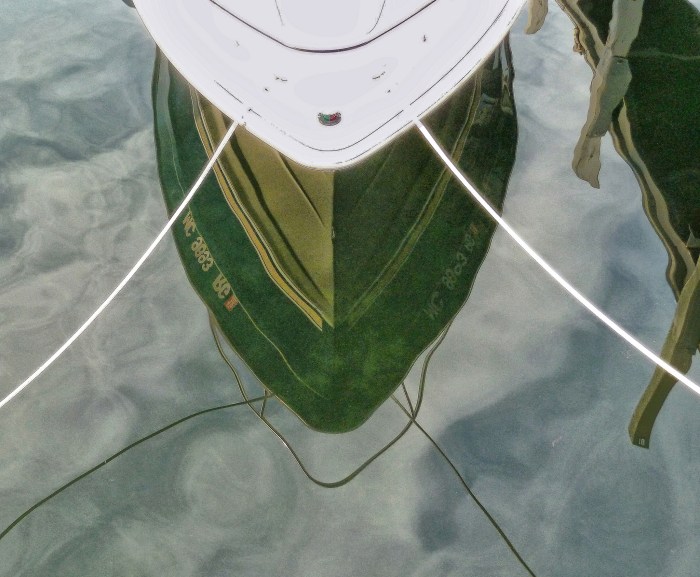
Boat Bow Reflection, photo by Sharon
View Sharon’s photo background bigilicious and see more in her CARS, TRUCKS, TRAINS, BOATS, and MOTORCYCLES slideshow.
More summer wallpaper on Michigan in Pictures.
Boat Bow Reflection, photo by Sharon
View Sharon’s photo background bigilicious and see more in her CARS, TRUCKS, TRAINS, BOATS, and MOTORCYCLES slideshow.
More summer wallpaper on Michigan in Pictures.
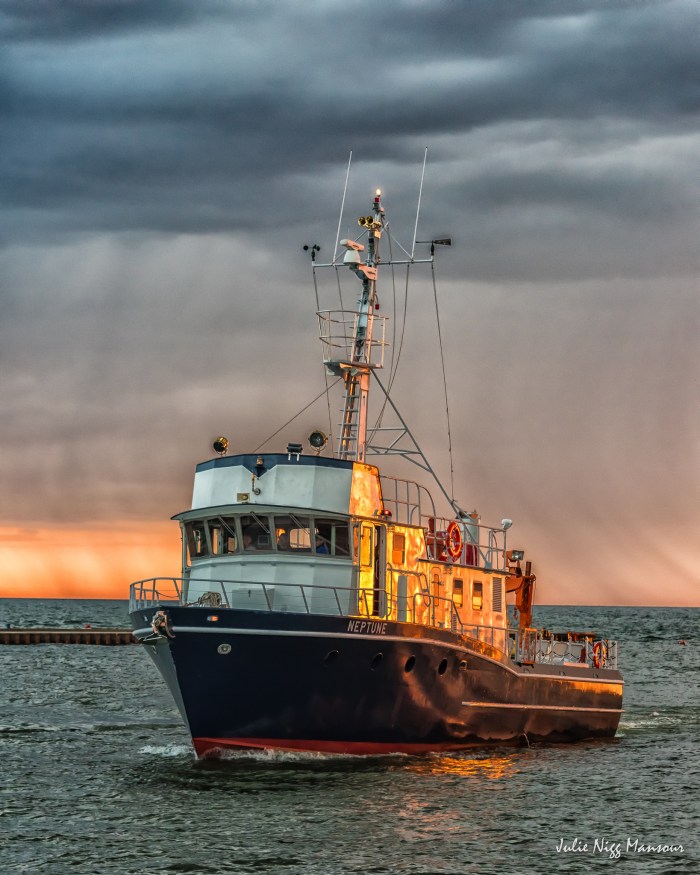
Home Before the Squall, photo by Julie Mansour
Thinking there’s been a lot of rain lately? You’re not wrong! Michigan has experienced a lot of rain over the last few weeks, and mLive meteorologist Mark Torregrossa shares that there are three weather conditions all combining over the Great Lakes that keep the rain machine running:
Over the next 10 days there should be three weather systems moving through the Great Lakes region. Each of these storms should have one to two inches of rain in the heaviest swath of precipitation.
The cause of the wet weather starts with numerous storm systems being born over the northern Pacific Ocean. These storms are hitting the Pacific Northwest coast every three to five days. The storm systems then cross the hotter than average Rockies and drop south into the base of a “U”-shaped bend in the jetstream. This U-shaped area is where storms spin faster and intensify. It’s the area along the jetstream where large-scale weather systems are at their strongest.
The final part to this wet weather scenario is what we call a “wide-open Gulf of Mexico.” Southern winds from the Gulf of Mexico into the Midwest and Ohio Valley bring high amounts of water vapor northward. The strong storm systems use that water vapor to produce heavy rain.
…The total rainfall forecast over the next week, through July 4, 2017 shows NOAA forecasters expect a swath of five to six inch total rain. We will just have to watch where this heaviest rain sets up. Right now it is expected to fall south of the flooded areas in Michigan. It could easily shift north or south a few hundred miles.
Julie caught the Neptune beating the rain in Holland last weekend. View her photo background bigtacular and see more in her slideshow.
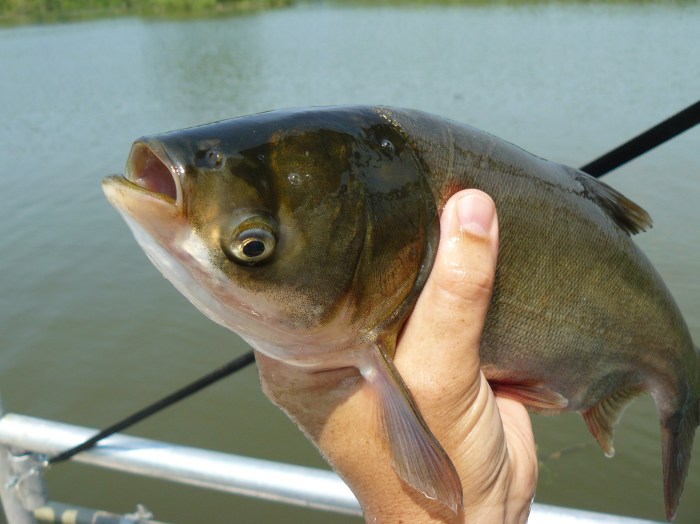
Silver Carp in hand, photo by Dan O’Keefe, Michigan Sea Grant
The Herald-Palladium reports that an Asian carp has been found just 9 miles from Lake Michigan:
…the news is a reminder that the Trump administration needs to take the problem seriously, U.S. Rep. Fred Upton said Friday. The St. Joseph Republican on Friday called on the president to release a bottled-up blueprint for tackling the problem.
“The time to act is now. I am calling on the Trump administration to immediately release the Brandon Road Study so that we can have a full grasp of our options to stop this destructive force,” he stated in a news release. “Asian Carp have the potential to decimate the Great Lakes we all love and depend on.“It is absolutely imperative we step up our efforts to further protect our lakes. I will continue to work with my colleagues on both sides of the aisle here in the House and the Senate to take action to stop Asian Carp from entering our waterways.”
Earlier this week, Upton signed on as a co-sponsor of the Stop Asian Carp Now Act. The bipartisan, bicameral legislation would compel the Trump administration to release the Brandon Road Study within seven days of the bill’s enactment. The Brandon Road study will provide important guidance on how best to prevent Asian Carp from entering the Great Lakes. The entire Michigan Congressional Delegation supports of this legislation.
The live Asian carp has been discovered in a Chicago waterway – well beyond an electric barrier network designed to prevent the invasive fish that have infested the Mississippi River system from reaching the Great Lakes, officials said Friday.
I would encourage you to read on for more, and you can also see the whole text of the Stop Asian Carp Act (HR 892). I would note that this bill was originally introduced in 2011, so maybe make a couple of calls to your representatives.
View the photo background big and see more in the Michigan Sea Grant’s Aquatic Invasive Species (AIS) slideshow.
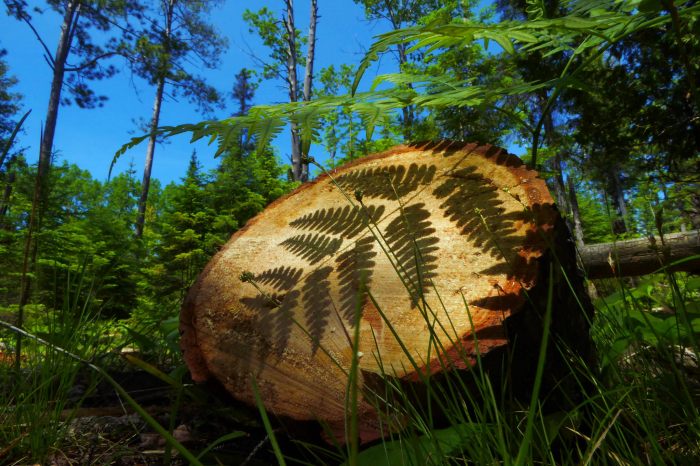
Fern Shadow, photo by Jay
Jay writes: While cutting my winter firewood I noticed this fern shadow cast on one of the cuts. So many beautiful things to see.
Indeed! View the photo background bigilicious, see more in his slideshow, and have a wonder-filled weekend!
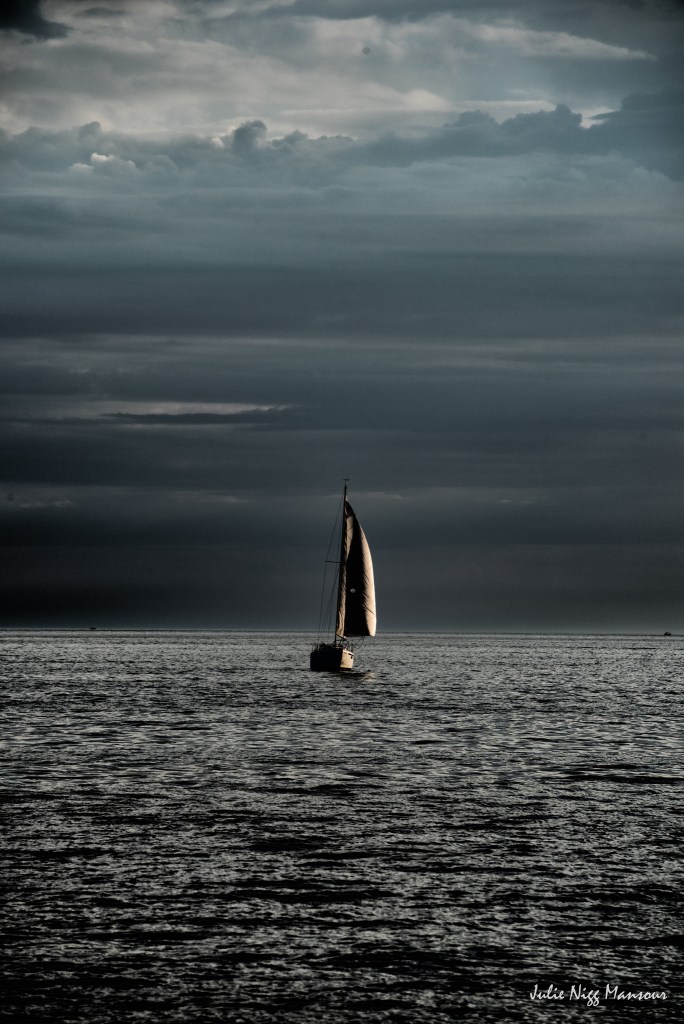
Sunset Sail, photo by Julie Mansour
View the photo background bigilicious and see more in Julie’s slideshow.
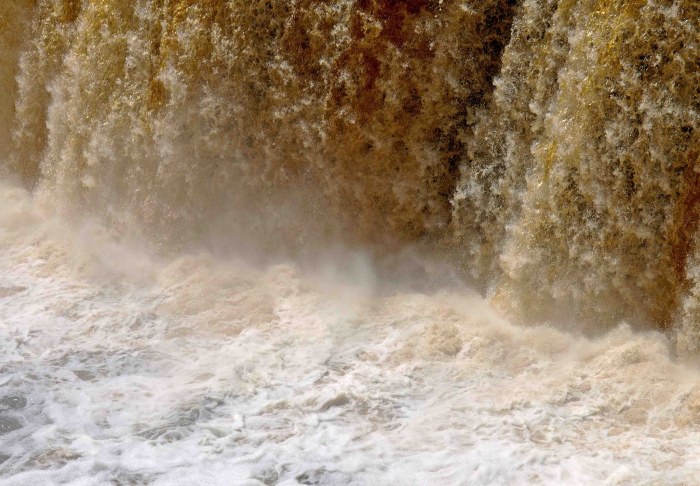
Upper Tahquamenon Falls, photo by Erin Bartels
The Tahquamenon Falls State Park page says that the Upper Tahquamenon Falls are one of the largest waterfalls east of the Mississippi. At more than 200 feet across with a drop of nearly 50 feet, the falls have a flow rate that can exceed 50,000 gallons per second!
View the photo background bigtacular, see more in Erin’s slideshow and check out Tahquamenon Falls: Take 4 on her blog for some details about her latest visit.
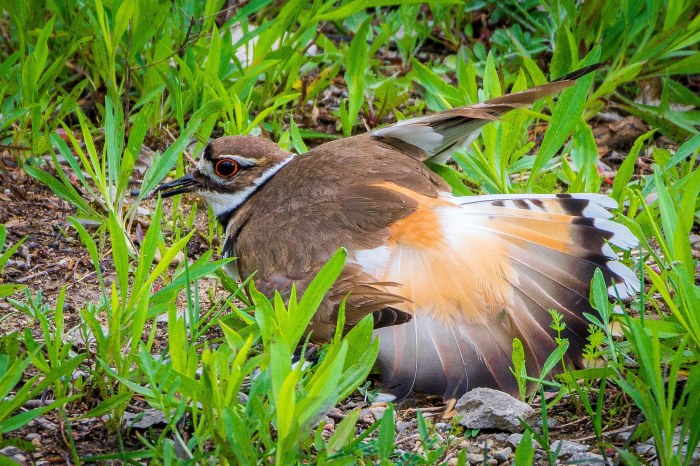
Killdeer, photo by Jeff Dehmel
All About Birds says that the Killdeer (Charadrius vociferus) is shorebird you can see without going to the beach:
These tawny birds run across the ground in spurts, stopping with a jolt every so often to check their progress, or to see if they’ve startled up any insect prey. Their voice, a far-carrying, excited kill-deer, is a common sound even after dark, often given in flight as the bird circles overhead on slender wings.
Killdeer get their name from the shrill, wailing kill-deer call they give so often. Eighteenth-century naturalists also noticed how noisy Killdeer are, giving them names such as the Chattering Plover and the Noisy Plover.
The Killdeer’s broken-wing act leads predators away from a nest, but doesn’t keep cows or horses from stepping on eggs. To guard against large hoofed animals, the Killdeer uses a quite different display, fluffing itself up, displaying its tail over its head, and running at the beast to attempt to make it change its path.
The male and female of a mated pair pick out a nesting site through a ritual known as a scrape ceremony. The male lowers his breast to the ground and scrapes a shallow depression with his feet. The female then approaches, head lowered, and takes his place. The male then stands with body tilted slightly forward, tail raised and spread, calling rapidly. Mating often follows.
View the photo background big and see more springtime goodness in Jeff’s slideshow.
More Michigan birds and more summer wallpaper on Michigan in Pictures!
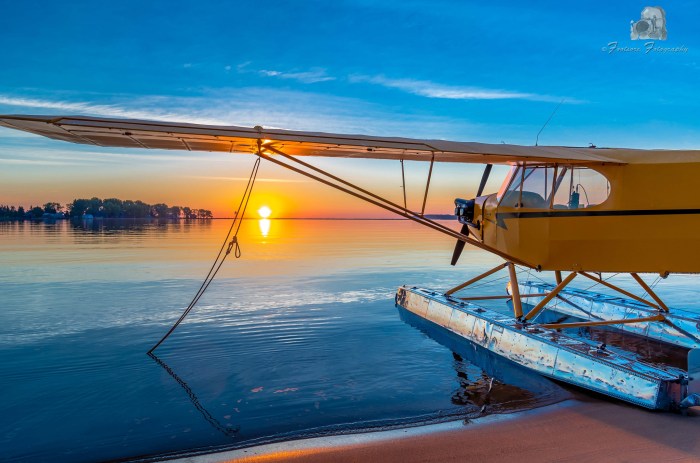
Splash-in 2016, photo by Gary McCormick
June 16-18, 2017 the Grand Marais Pilots Association will host the 17th Annual Splash-in on Grand Marais Bay on behalf of the National Seaplane Pilots Association. Seaplanes from all over the US and Canada are invited to attend this three day festival with arrivals on Friday, activities and competitions throughout the day on Saturday and departures on Sunday morning. Click the link for details on events including the Water Balloon Bomb, Spot Landing, & Short Takeoff Contests!
View the photo background bigtacular and see more in Gary’s Sea Planes slideshow.
More summer wallpaper on Michigan in Pictures!

Siberian Iris, photo by Julie Mansour
Something that you may or may not know is that my mother has some form of Alzheimer’s spectrum brain disease that has progressed to the point where she no longer knows me, or herself. While there’s no really good terminal illnesses out there, Alzheimer’s and related dementias seem to me to be among the worst as they destroy much of the essence of the person you love long before taking their life.
June is Alzheimer’s & Brain Awareness Month and if you click that link, you can see some great photos shared on the hashtags #ENDALZ & #MyAlzStory along with information about efforts to combat these diseases and a way to donate.
View the photo background bigilicious and see more in Julie’s slideshow.

Ballooning VI, photo by Paladin27
View the photo big as the sky and see more in Paladin27’s Spring Hot Air Ballooning slideshow.
 Michigan in Pictures