Morning on the North Country Trail

hacking-site-camping-trip-february-2017

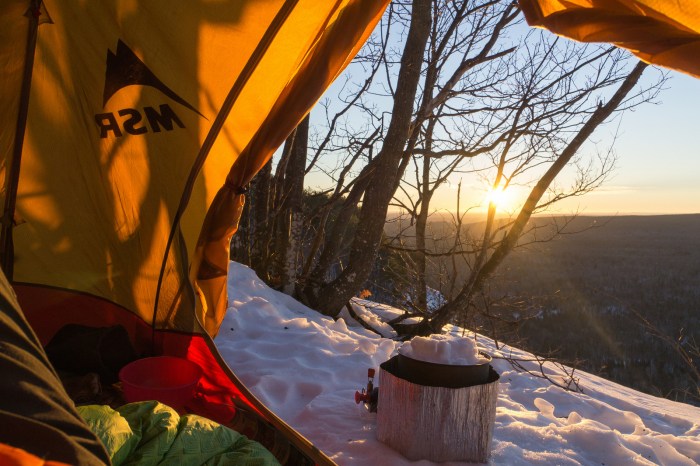
Hacking Site Camping Trip, February 2017-25, photo by Nathan Miller

Nathan took this photo in the Ottawa National Forest’s Trap Hills along the North Country Trail in winter.The Trail winds 4600 miles through 7 states in America’s northern heartland. It is our longest National Scenic Trail, stretching from New York to North Dakota. Michigan holds more of the North Country Trail than any other state:

Entering Michigan from Ohio the first completed segment of NCT is within the Lost Nation State Game Area near Pittsford.  The route then threads through a mix of forest and farm country and is a mix of road walks and completed segments. Off-road trail exists in Fort Custer National Cemetery (near Battle Creek), Yankee Springs State Recreation Area (near Hastings) Middleville and Barry State Game Areas.  In Lowell, hikers can walk down East Main Street and stop in at North Country Trail headquarters to purchase some official trail gear.  Heading north from Lowell, hikers will travel through two more areas with built trail before arriving at the southern boundary of the Manistee National Forest. These include the Lowell State Game Area/Fallasburg County park segment just outside of the city of Lowell and the Rogue River Game Area near Rockford.

Hikers get their first glimpse of the Northwoods in the Manistee National Forest.  Within Manistee National Forest, enjoy sandy soils that support a pine-hardwood forest and great hiking along the Manistee River Trail, which forms a great loop hike opportunity.  The NCT leaves the Manistee National Forest near the Hodenpyl Dam Pond which features a fabulous new (2009) trail along the Hodenpyl Dam Pond and Manistee River.  Continuing south of Traverse City to Kalkaska the NCT is routed through state forest land (the Pere Maruette SF) which offer a number of year round recreation opportunities.  The next jewel along the NCT is the Jordan River Pathway, which offers a scenic loop hike near Alba.  From here the trail heads towards Petoskey through the Mackinac State Forest.  North of Petoskey wonderful hiking opportunities exist in Wilderness State Park, where the trail follows the Lake Michigan shoreline. As one leaves Wilderness State Park and heads towards Mackinaw City the lights of Mackinac Bridge become visible.

…The U.P.’s prime scenery includes large lakes, old growth forests, rugged hills and the Lake Superior shoreline, all set amid some of the most remote, uninhabited country found on the North Country Trail.  From St. Ignace the trail heads through the eastern unit of the Hiawatha National Forest towards Tahquamenon Falls State Park (home to the second largest waterfall in the eastern United States).  Continuing west, the trail passes through Muskallonge Lake State Park and Lake Superior State Forest towards Pictured Rocks National Lakeshore. Within Pictured Rocks, enjoy the 43-mile Lakeshore Trail along the Lake Superior shore, one of the greatest hits of the entire North Country Trail.  West of Pictured Rocks the trail enters the western unit of the Hiawatha National Forest passing through public and private lands before reaching Marquette.  West of Marquette the trail passes through Presque Isle City Park, McCormick tract Wilderness, Craig Lake State Park, Copper Country State Forest, Sturgeon River Gorge Wilderness and cuts through historic copper mining sites near Old Victoria.  Once entering the Ottawa National Forest segments run along the Black River canyon, towards the wild country of Porcupine Mountains Wilderness State Park. The NCT leaves Michigan’s Upper Peninsula near the community of Ironwood.

Read on for more at the North Country Trail website, including maps!

View Nathan’s photo bigger and see more in his North Country Trail Camping Trip, February 2017 slideshow.
Wyandotte Waterfront Nuclear Sunrise

wyandotte-waterfront-nuclear-sunrise

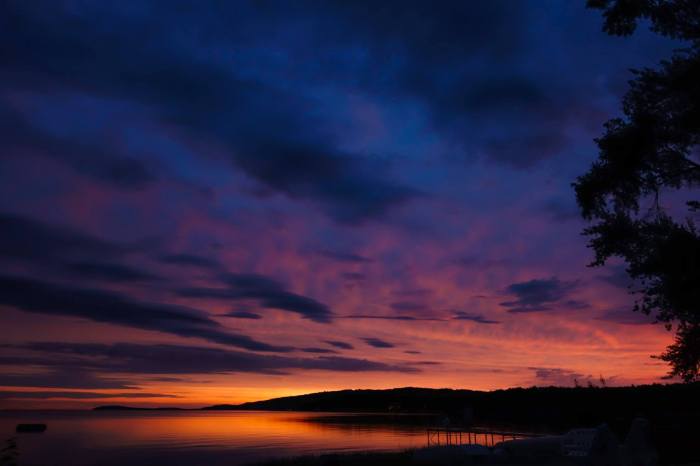
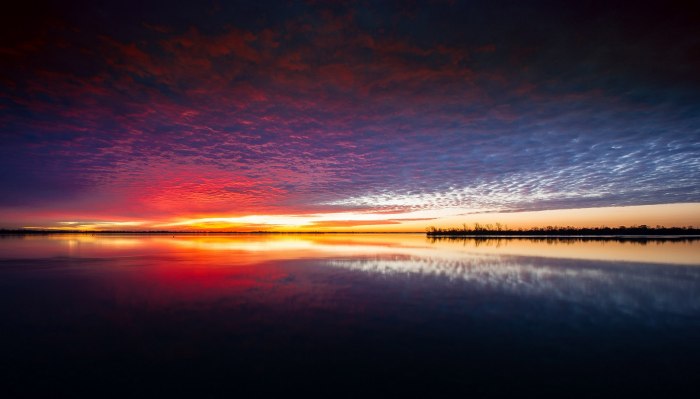
Wyandotte Waterfront Nuclear Sunrise, photo by 1adamtwelve

“….when the sun comes up, I couldn’t tell where heaven stopped and the earth began. It’s so beautiful.”
-Forrest Gump

Adam shares that this photo was captured at sunrise along Wyandotte’s waterfront while he was flirting with Mother Nature, something I think we could probably all use more of.

You can view this bigger and see more in Adam’s slideshow. One note – there are  few tasteful boudoir shots in there, so if that’s something you’d rather not see, don’t click the link!

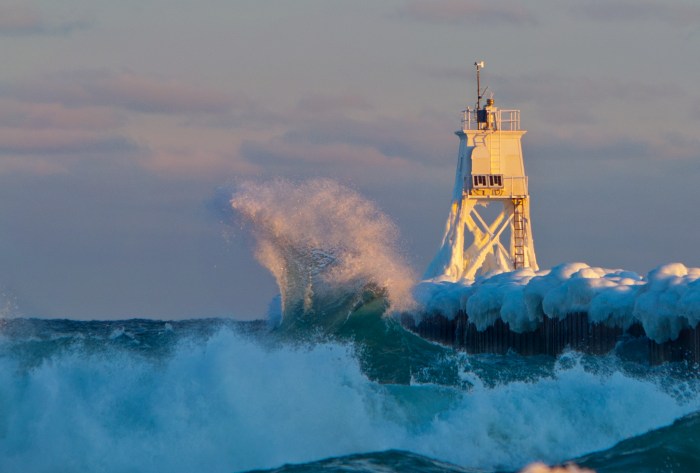
Breakwall Sunrise in Grand Marais

grand-marais-breakwall-sunrise

Break Wall Sunrise, photo by Gary McCormick

View Gary’s photo from February of 2012 background bigilicious, see more in his big old Grand Marais MI slideshow, and follow him for the latest at Footsore Photography on Facebook.

More from Grand Marais and more winter wallpaper on Michigan in Pictures!

Frozen Map of Dawn

frozen-map-of-dawn

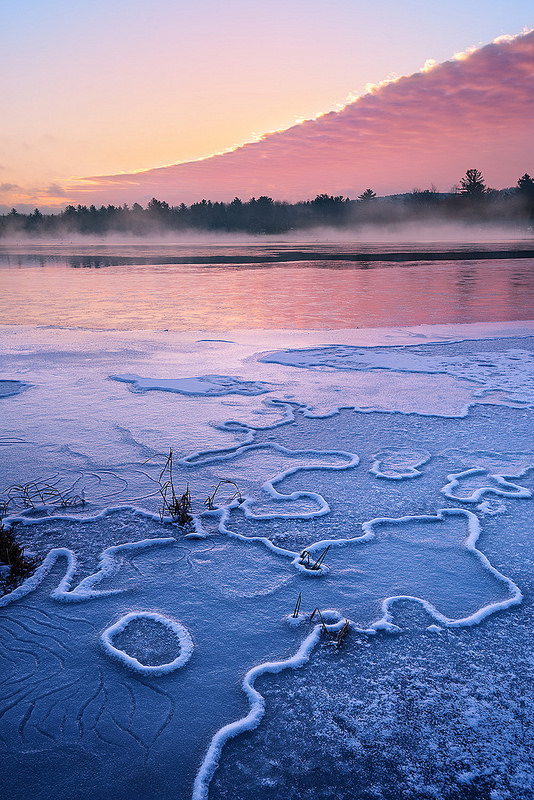
Frozen Map of Dawn, photo by Heather Higham

Heather writes: Ice formations trace a map in an inland lake’s surface as a mountain of pink clouds engulfs the sky.

View her photo bigger, see more in her slideshow, and view & purchase photos at Snap Happy Gal Photography.

Headed into Lake Charlevoix

foggy-harbor

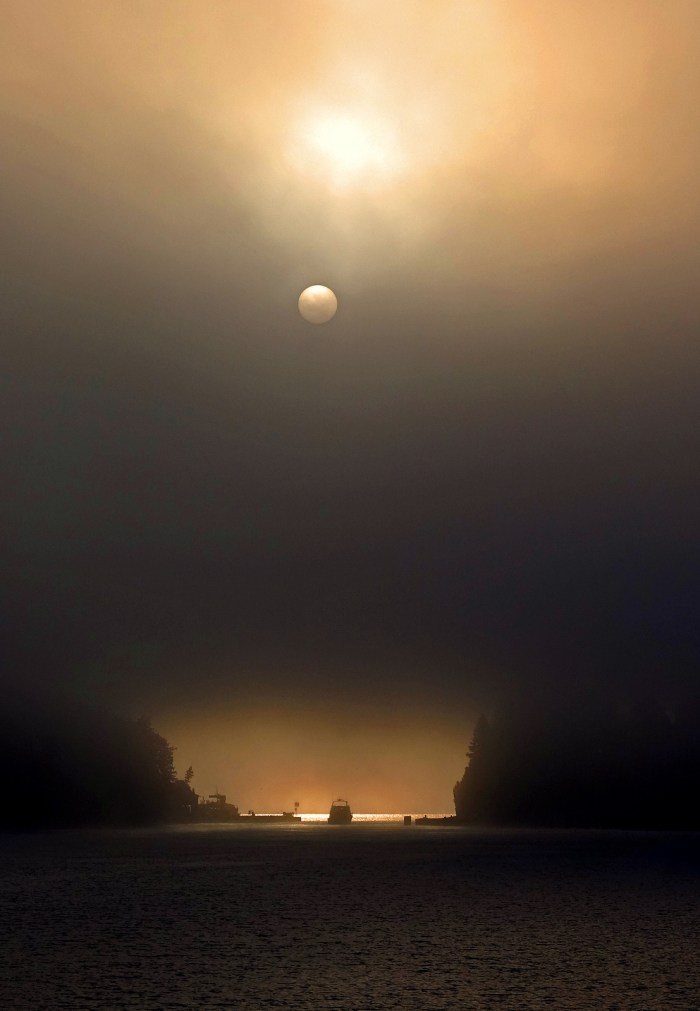
Foggy Harbor, photo by Julie

Julie says that yesterday they had thick fog in Charlevoix and she spotted this boat heading out into Lake Charlevoix.

View her photo bigger and see more in Julie’s massive Charlevoix slideshow.

Dawn Patrol

dawn-patrol-by-soaring-pigeon

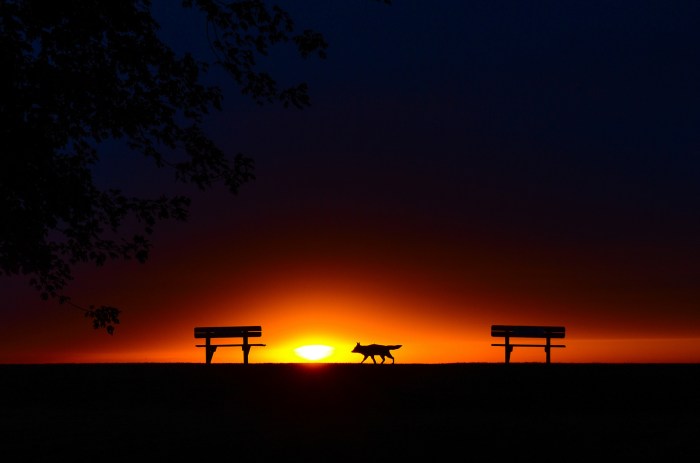
Dawn Patrol, photo by Soaring Pigeon

Soaring Pigeon caught this coyote stalking at sunrise.

View the photo bigger and see more in his slideshow.

Michigan’s Second Oldest City: Looking back on St. Ignace

st-ignace-lighthouse-explore-july-20-2012

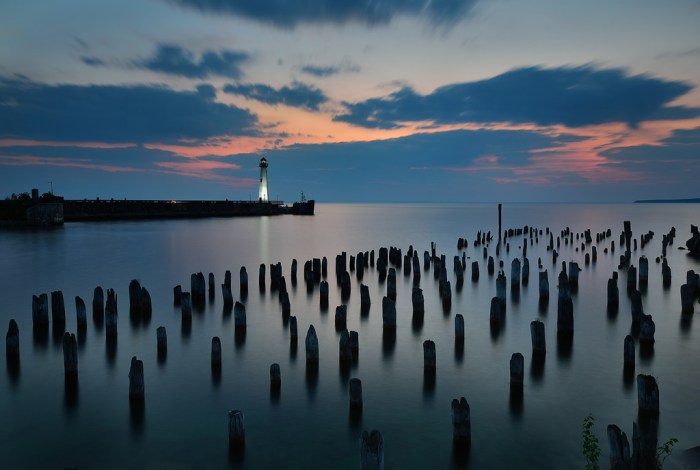
St Ignace Lighthouse, photo by Sheldon Spurrell

You may know that Père Jacques Marquette founded Michigan’s oldest city Sault Sainte-Marie in 1668, but do you know Michigan’s second old city? If you can read titles, you know that’s St. Ignace, founded in 1671 and named in honor of Saint Ignatius of Loyola. Here’s some of the history of St. Ignace from the St. Ignace Visitor’s Bureau:

The natives of the St. Ignace region were migratory. In the spring, the Anishinabeg gathered maple sugar and fished sturgeon and smelt. Summer found them in settlements surrounded by crops of corn, potatoes and squash, and near the abundant supplies of wildlife, fish and berries. They developed efficient housing, watercraft, hunting and farming tools.

The heritage of the Straits evolved and changed over the centuries beginning with the arrival of Roman Catholic missionaries and then French and British explorers and fur traders … The natural waterway joining Lakes Michigan and Huron at the Straits of Mackinac generated extensive water traffic, and prompted the establishment of an outpost during the period of French occupation. The outpost – Fort de Buade – became the seat of King Louis XIV’s authority in the interior of North America. French notables including Rene-Robert Cavalier, Sieur de La Salle and Antoine Lamothe Cadillac spent time at the post. St. Ignace was among the largest settlements in New France from the last decade of the 15th century until the establishment of Detroit in 1701. The British arrived in the St. Ignace region with the defeat of the French during Seven Years War.

St. Ignace played a pivotal role in the fur trade until this industry began to wane. By the mid-1800’s the financial importance of commercial fishing to the economic well-being of the area eclipsed that of the fur trade. Ancillary industries including curing, packing and shipping augmented the fishery. It was during this period that the Mackinaw Boat became a familiar sight on the waters in and around the Straits. As the lumber industry in Michigan evolved, St. Ignace became a center for mill yards and its proximity to the shipping lanes added to its importance as a commercial hub in the northern Great Lakes area.

Read on for more including travel information.

Sheldon took this photo back in July of 2012 at sunrise. View it bigger and see more in his Michigan slideshow.

More from St. Ignace on Michigan in Pictures.

Last Dawn of Summer

last-dawn-of-the-summer

Last Dawn of Summer, photo by John Robert Williams Photography

Since I shared something from the first day of fall, it seems only fitting that I share something from the last day of summer! Here’s a stunning sunrise over West Grand Traverse Bay in Traverse City by my friend John!

Click the pic to view it background bigilicious and get more from John, including professional portraits at jrwpix.com!

More Traverse City and more summer wallpaper on Michigan in Pictures!


Sunrise on McCarty’s Cove & Marquette Harbor Lighthouse

%22mccartys-cove%22-marquette-harbor-lighthouse-marquette-michigan

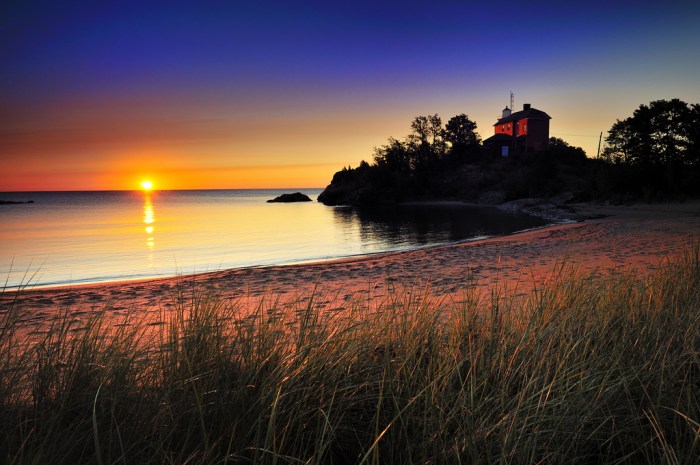
“McCarty’s Cove” Marquette Harbor Lighthouse, photo by John McCormick

Just got back from Marquette, and I have to say, this is one cool city!!

John took this photo back in August of 2011 at sunrise at McCarty’s Cove, one of Marquette’s best beaches according to Travel Marquette. I really had to dig (seriously, a Mining Journal history quiz was all I had to go on) to learn that McCarty’s Cove is named after Mike McCarty whose business, Lake Superior Ice, operated at that location. I’m not sure how long, but in 1919 they took over the Marquette Ice Company. Know more? Post it in the comments!

UPDATE:  Ann Fisher (who is a contributing photographer to Michigan in Pictures) shares:

“McCarty’s ice business lasted at least into my childhood (late 50’s, early 60’s). I remember going there to buy ice when we were making homemade ice cream in our hand-cranked ice cream maker.”

The Marquette Harbor Lighthouse is now a museum – click for more.

View John’s photo bigger, see more in his Sunsets/Sunrises slideshow, and view and purchase his work at michigannutphotography.com (FYI you can buy this photo right here).

Glory Lake Sunrise and Kettle Lakes

Glory Lake Sunrise

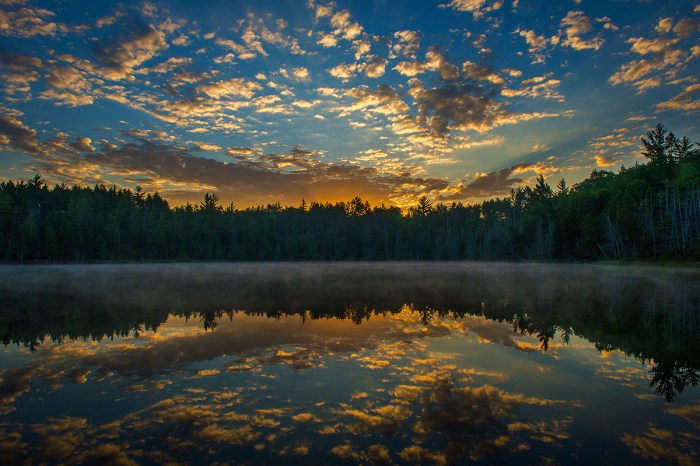
wGlory sunrise 1, photo by Jeff Caverly

The Michigan DNR’s page on Bright and Glory Lakes near Grayling includes maps. They say that both lakes have floating piers & boat launches for fishing – species include largemouth bass, rainbow trout, smallmouth bass, sucker, sunfish, yellow perch:

These lakes are called Kettle Lakes as they are shaped like tea kettles. They are roundish and deep in the center (more than 40 feet). The lake bottom is marl, so wading and swimming are prohibited as people would sink in the marl.

Here’s more about Kettle Lakes from MSU’s Geology department:

Kettles are depressions left behind after partially-buried ice blocks melt. Many are filled with water, and are then called “kettle lakes”. Most lakes in Michigan could be described as kettle lakes, and the term “kettle lake” describes the way the lake basin was formed. Kettle lake basins were formed as the glaciers receded. While this was happening, a block of ice broke off the glacier, and just sat there. As the glacier continued to melt, the debris from the glacier (soil, rocks, stones, gravel, etc.) filled in around the block of ice. When the block of ice finally melted, all the debris surrounding it fell into the hole, creating the kettle type basin, which when filled with water, became a lake as we know it.

Many of our small, deep lakes in Michigan are kettle lakes. Some have since been infilled with vegetation and plant matter, to form bogs. Even some of our larger, deep lakes, like Higgins Lake and Walled Lake, are kettles.

View Jeff’s photo background big, see more including another view of the sunrise in his slideshow, and follow Jeff Caverly Photography on Facebook.