Sun Pillar vs Sun Pillar

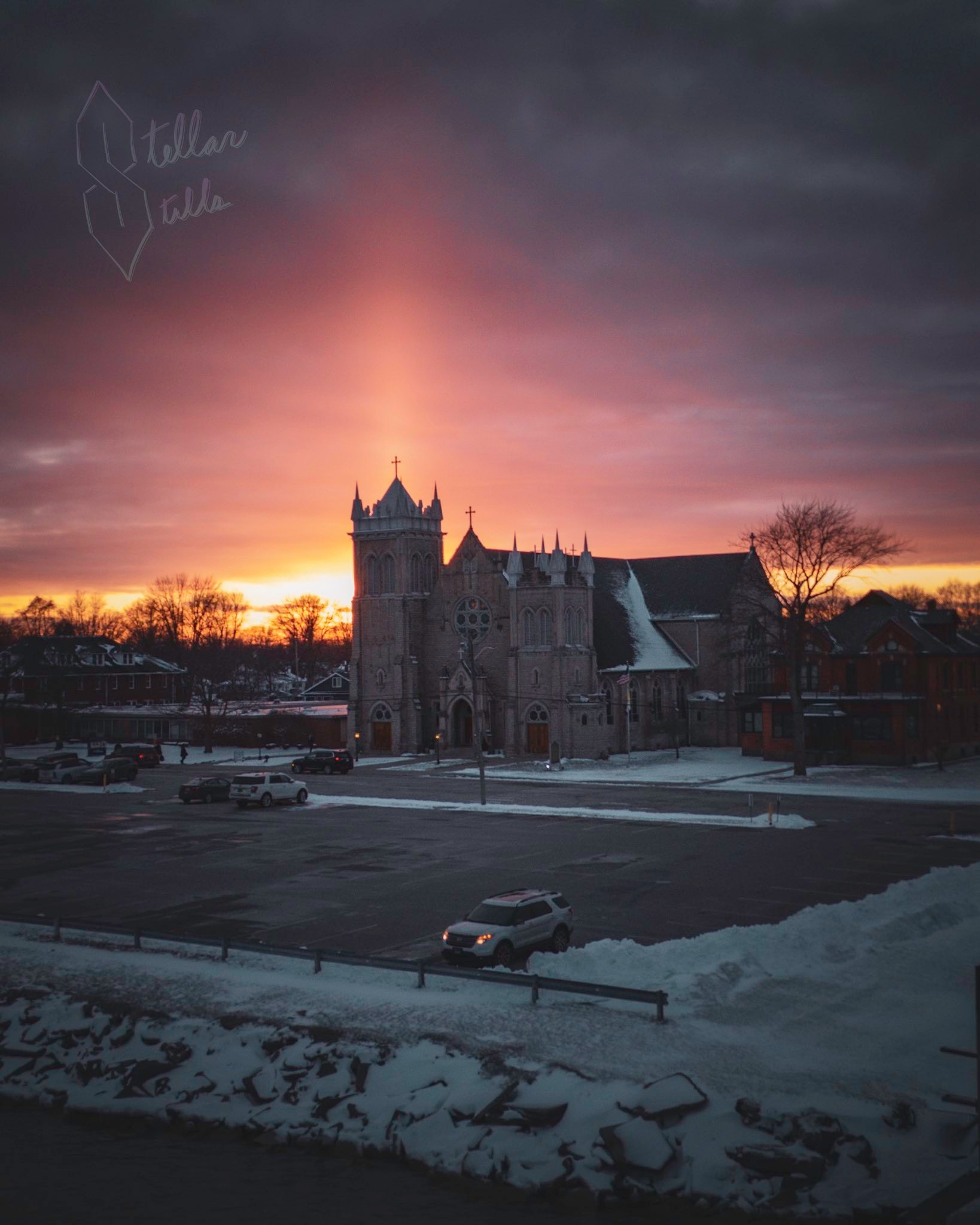
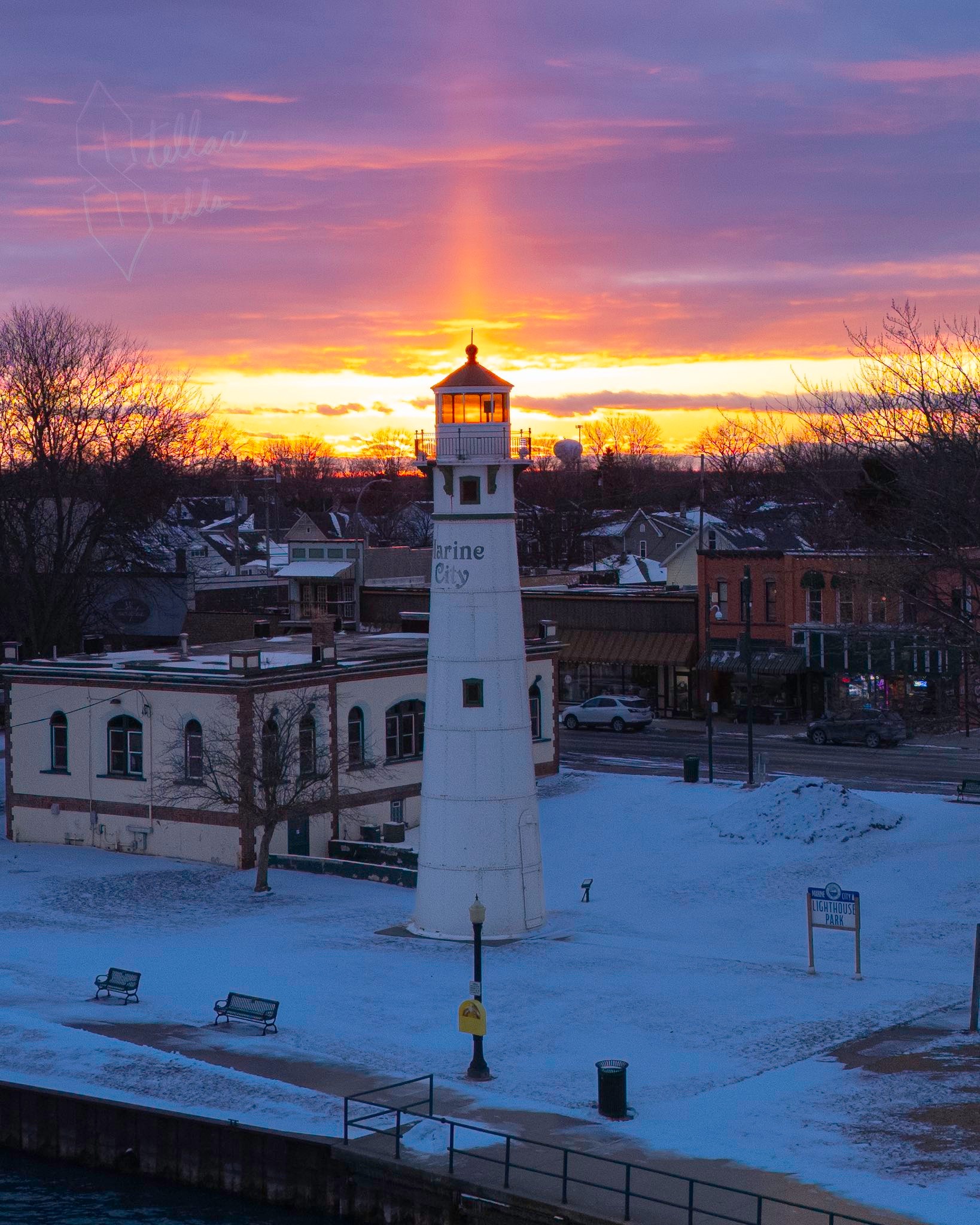
Sun Pillars by Stephen Michael Mannina

Atmospheric Optics explains that the mesmerizing solar phenomena known as sun pillars are:

…Typically visible near sunset or sunrise, pillars can reach heights of 5 to 10 degrees, and occasionally even higher. While they may appear as vertical rays, they are actually the collective glints of millions of ice crystals. When it comes to colors, pillars are truly a sight to behold. They take on hues that reflect the sun and surrounding clouds, ranging from brilliant white to various shades of yellow, red, or purple. Depending on the locations of the cloud crystals, pillars can even manifest as several vertically strung patches of light. As the light interacts with the ice crystals in the atmosphere, it creates a stunning display that captivates observers.

Yesterday morning, I came across this photo by Stephen right before I saw him making a positive comment on a photo that Sean – the photographer I featured yesterday – had taken. This was soon after I had seen photos Neil Weaver had taken at an ice cave photography workshop along with fellow Michpics photographer Aubrieta Hope. It made me realize that a huge and underrated part of Michigan in Pictures is the community of real live human beings that are as passionate about their fellow photographers as they are about introducing people to their favorite parts of Michigan. That’s a long way of saying that I am going to be working on ways to showcase the people out there clicking the shutter. One way will be to revive the Michigan Photographer Profiles with a focus on the photographers on my Michigan Photographers page. Stay tuned!!

Thanks to Stephen for allowing me to share both of these awesome sun pillar shots. He’s facing a problem that many photographers face: figuring out which of these two photos is the best to submit for a photography contest? Have a vote? Share it in the comments below or on his Facebook post and for sure view & purchase his work on his website!

Support Michigan in Pictures with Patreon

Thundersnow Season

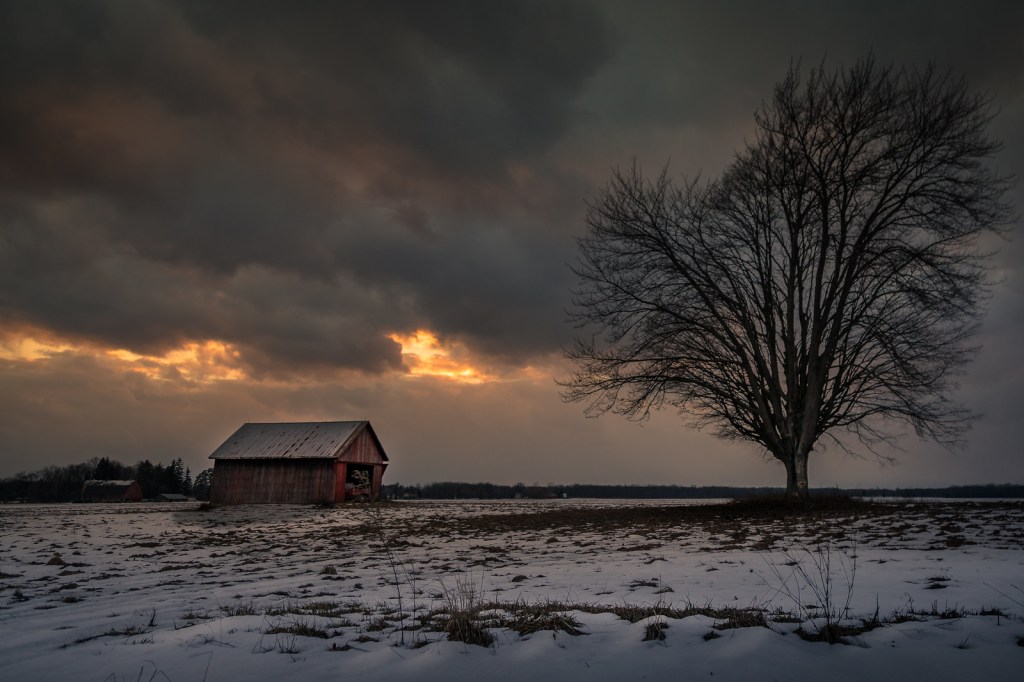
thundersnow aftermath by Christian Collins

thundersnow aftermath by Christian Collins

A reader commented that they had seen lightning & heard the rumble of thunder yesterday, an observation shared by numerous folks around the state. Although a lot of the online articles are hyping up thunder snow as a dangerous or abnormal phenomenon, it’s not.

The NOAA National Severe Storms Laboratory’s Severe Weather 101 explains that although thunderstorms are less common in the winter, sometimes lightning does occur within a snowstorms and is called thundersnow. Thundersnow can be found where there is relatively strong instability and abundant moisture above the surface, such as above a warm front. Thundersnow is sometimes observed downstream of the Great Salt Lake and the Great Lakes during lake-effect snowstorms too.

Christian took this back in February if 2017. See more in his barns – graneros gallery on Flickr.

PS: If anyone in the Upper Peninsula captured yesterday’s thundersnow on video, the National Weather Service Marquette Office would love to see it!

Support Michigan in Pictures with Patreon

A Legitimate Snowbird

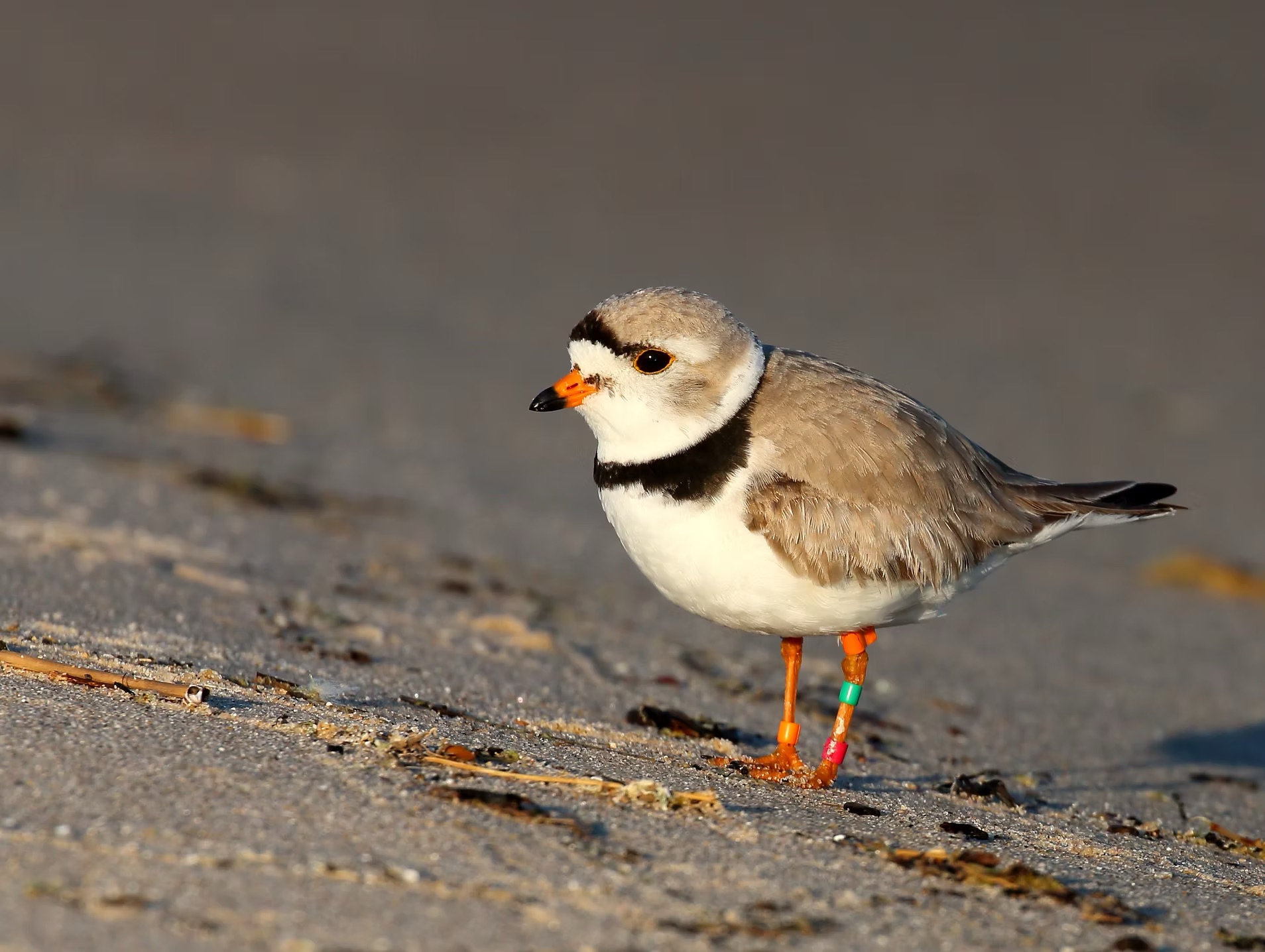
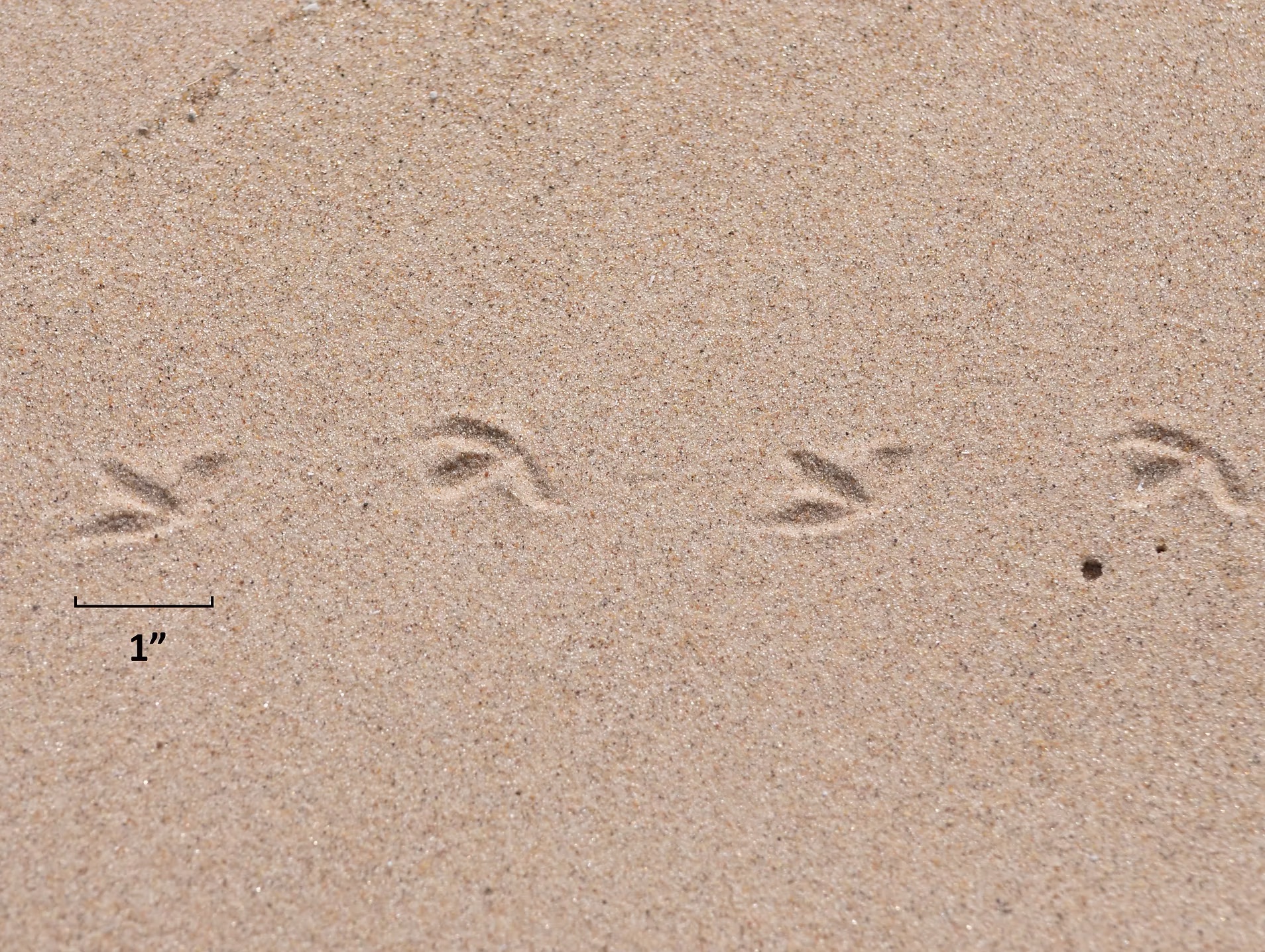
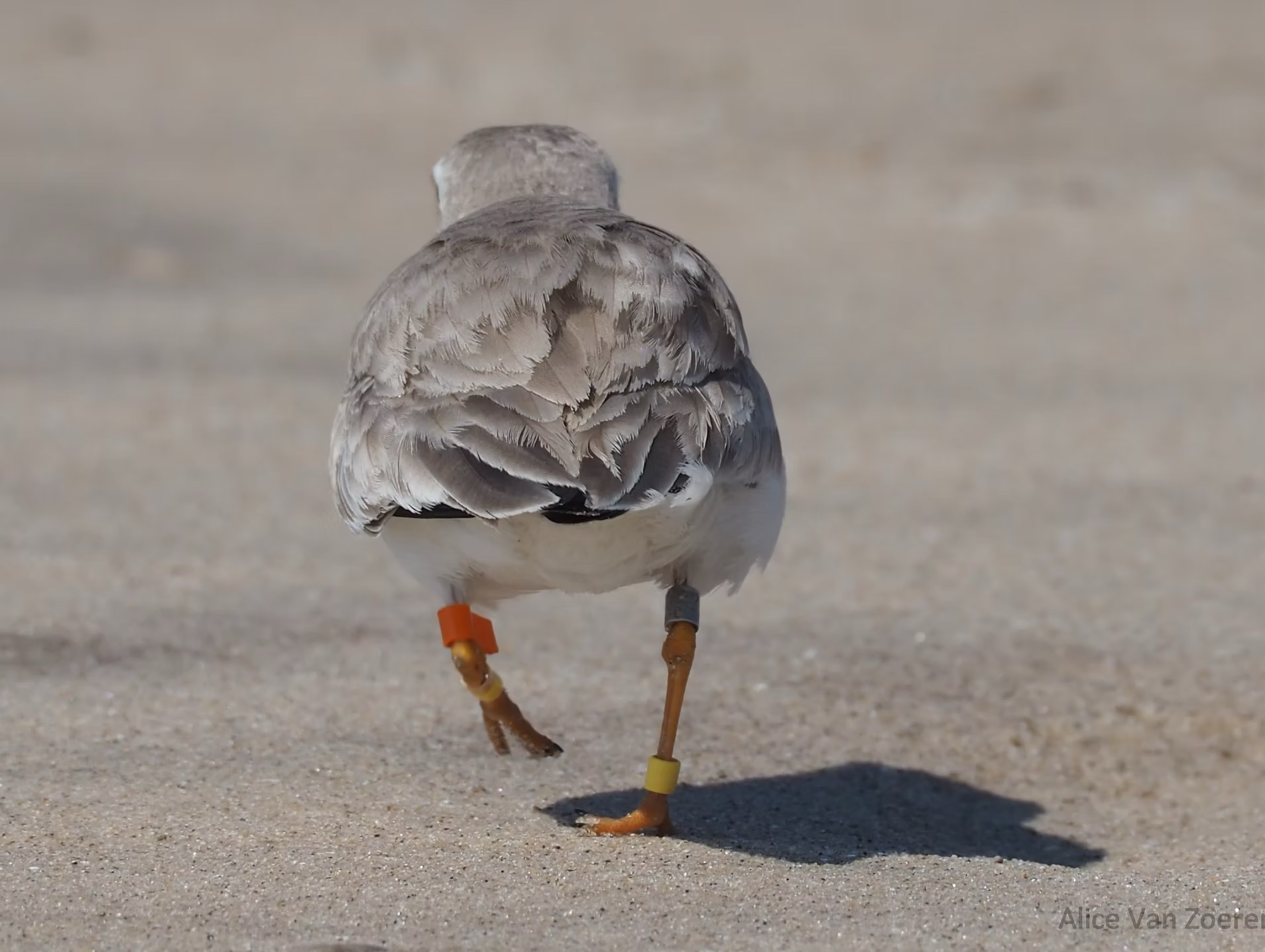
Yogi the Piping Plover at Cumberland Island by Dan Vickers

Yogi the Piping Plover at Cumberland Island by Dan Vickers

“You think YOU’RE a snowbird? Please.” – -Yogi the Great Lakes Piping Plover

Michigan in Pictures features almost exclusively photos from Michigan, but every so often there’s one that will have me reaching beyond our borders. Such is the case with this photo of Yogi the Piping Plover from Cumberland Island all the way down in Georgia that was recently shared by the Great Lakes Piping Plover Recovery Effort. Yogi hails from the Sleeping Bear Dunes National Lakeshore, but his preferred nesting site is the wild and busy Silver Lake State Park.

They explain that the Piping Plover is a small shorebird that is listed as an Endangered Species and nests in three separate geographic populations in the United States and Canada: The Northern Great Plains, the shores of the Great Lakes, and along the Atlantic coast. Birds from all three populations winter on the southern Atlantic and Gulf coasts in the United States & in the Caribbean.

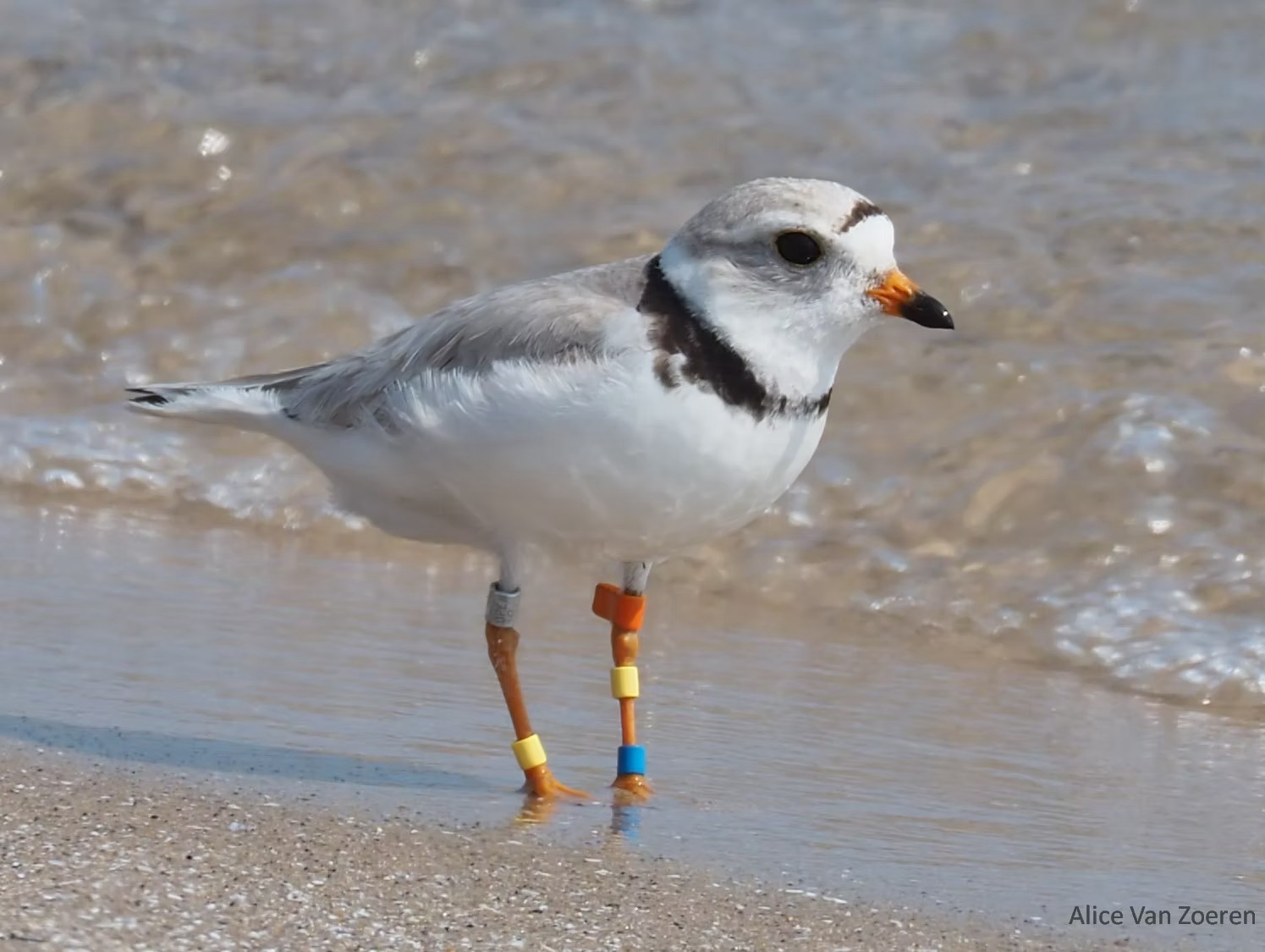
Regarding the distinctive bands, they say: Great Lakes Piping Plover chicks are banded between five and sixteen days of age. Since shorebirds are precocial (Like chickens, Piping Plover chicks begin running around, feeding themselves within hours of hatching), these chicks have well developed legs, which makes it possible for us to band them with adult-sized bands at a young age. The bands we use are made of either plastic or aluminum, and they are very lightweight. Every sibling in a plover brood gets the same color and arrangement of three or four bands (depending on the band color-pattern used). This is called a “brood-marker combination”. There aren’t enough possible combinations available to give every chick their own unique identifier from hatching, but by giving the chicks from the same family, or brood, the same combination we can study such things as parental success, fledging rates, and return success.

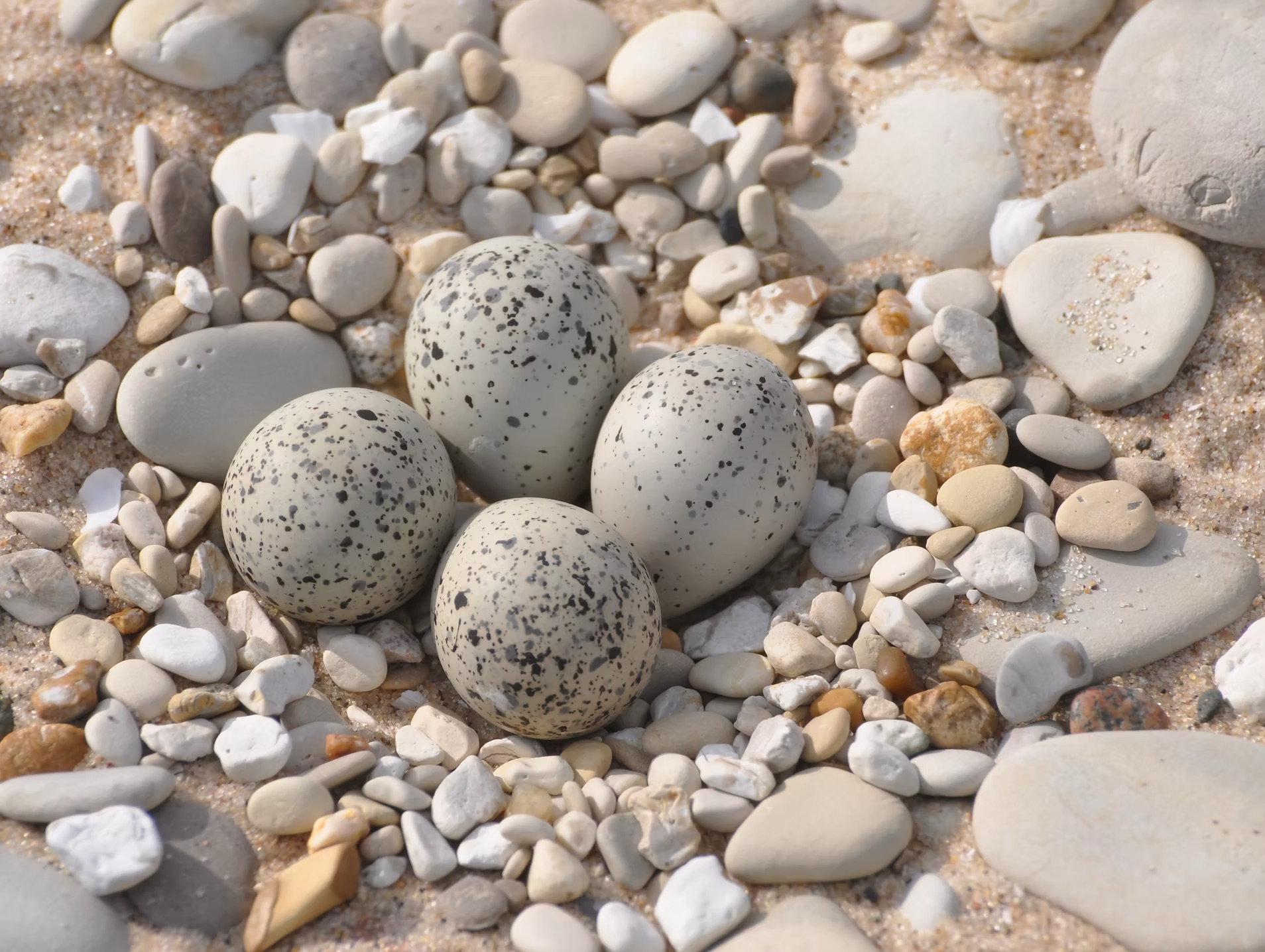
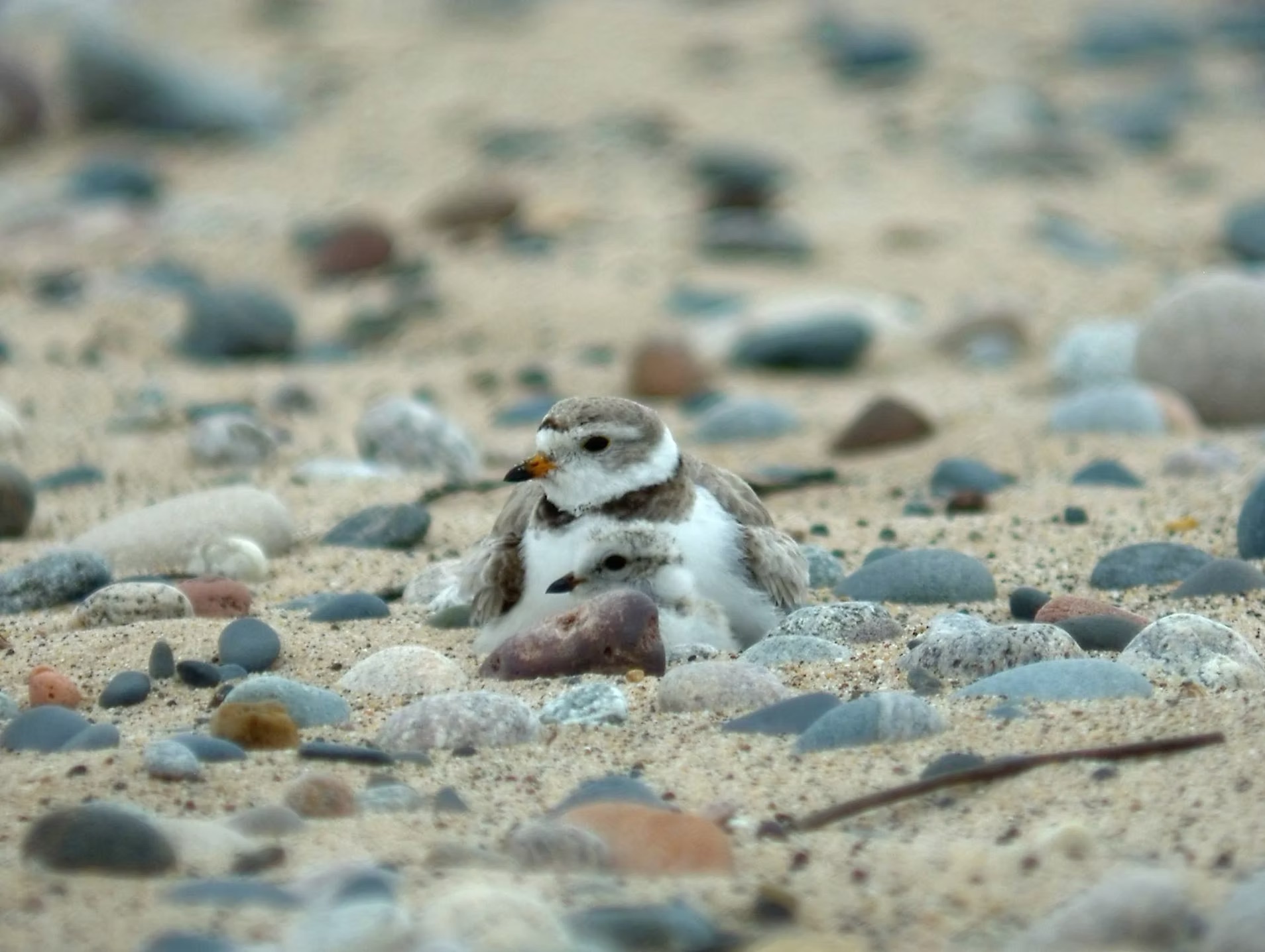
Here’s a few more Piping Plover pics – visit greatlakespipingplover.org for more and to help support their work!

Support Michigan in Pictures with Patreon

Why last night’s northern lights were underwhelming

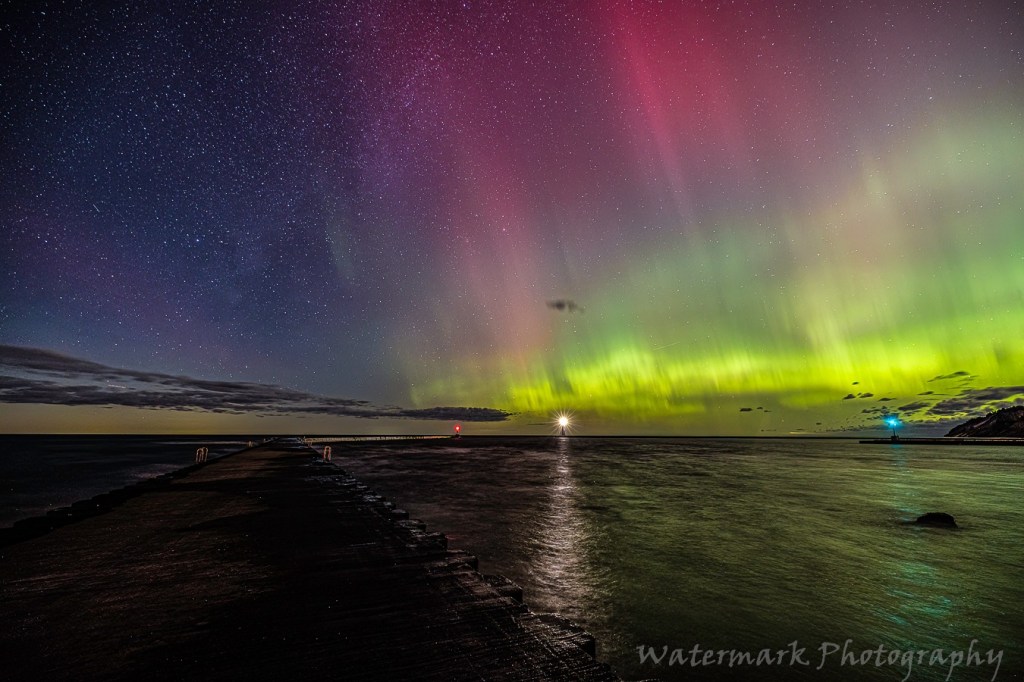
Throwback to Nov 12 2025 by Watermark Photography

Throwback to Nov 12 2025 by Watermark Photography

It’s very rare that we have aurora alerts at the G4 storm level and rarer still that they disappoint so northern lights aficionados were pretty excited about the kP8/G4 Aurora Alert was issued for last night. While hopes were high & some good shots were taken, the actual output was surprisingly muted & short-lived. Our friends at EarthSky explain that this was due to the arrangement of the CME’s magnetic field limiting how much energy actually reached Earth’s atmosphere & shaping which regions saw auroras and which did not.

During the CME’s initial impact phase, the Bz briefly dipped strongly southward. So that allowed solar wind energy to flow efficiently into Earth’s magnetic field. This short-lived interaction quickly caused G4 (severe) geomagnetic storm levels, with Kp (another measure of Earth’s magnetic disturbance) exceeding 8.

Soon after the initial impact, the character of the severe geomagnetic storm changed dramatically. As Earth moved deeper into the core of the CME, the Bz – again, the orientation of the sun’s magnetic field – turned strongly northward. This sustained northward orientation sharply limited the transfer of transfer into Earth’s magnetosphere. And that was what restricted the auroras, despite the overall strength of the storm.

Jeff took this photo from Elberta Pier back in November of 2025 on a night the lights definitely did not disappoint! Follow Watermark Photography on Facebook and see more great shots in the A Little Night Music gallery on his website.

Support Michigan in Pictures with Patreon

Michigan DNR seeking summer workers

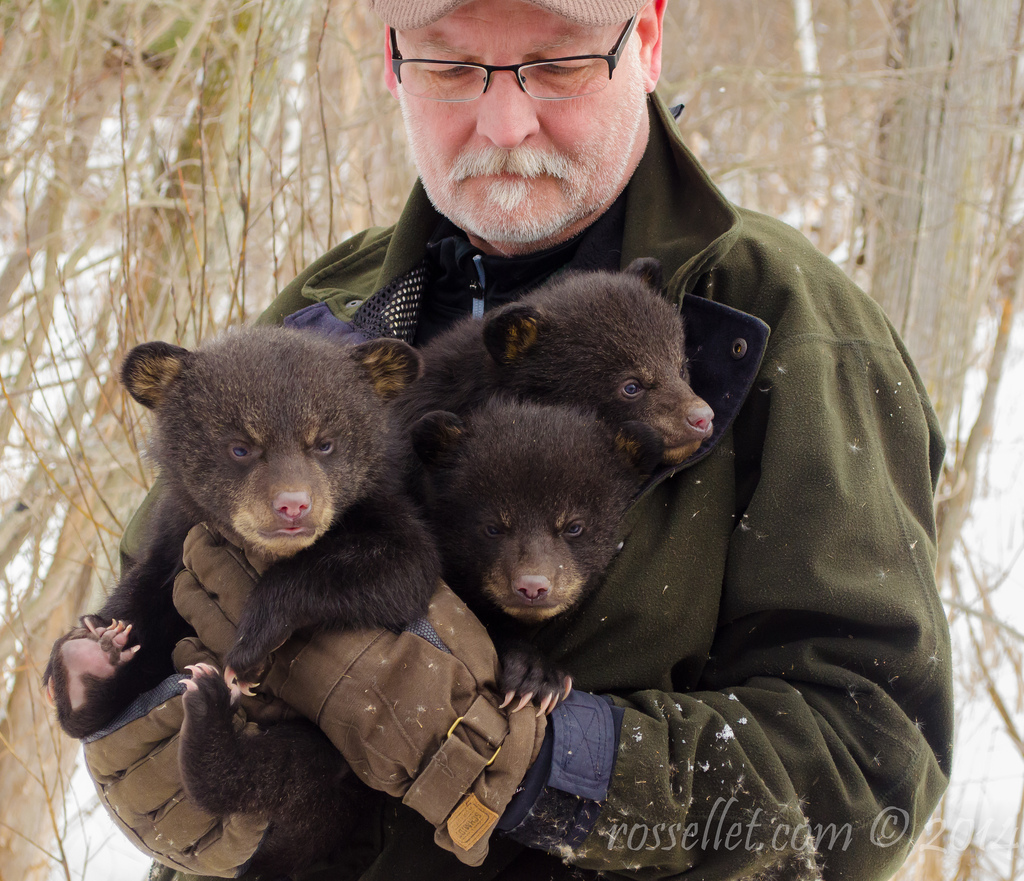
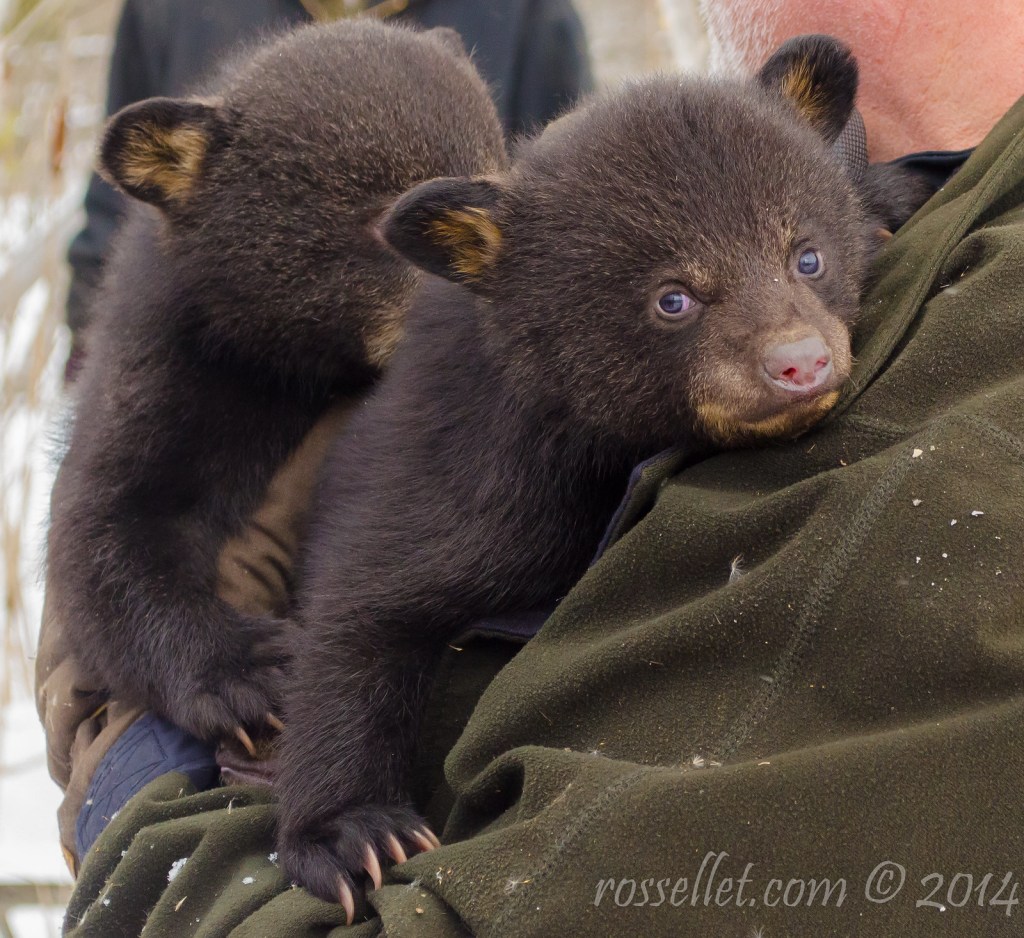
Bear Triplets by Ross Ellet

Are you looking for a summer job in the outdoors or do you know someone who is? The Michigan Department of Natural Resources is looking for new members for their 1,300 person team of summer park workers and spend the season in Michigan state parks, boating facilities, and other amazing outdoor spaces. You’ll welcome visitors, help campers, and keep our parks looking their best. With flexible scheduling, these positions are perfect for college students, teachers, retirees or anyone interested in working at Michigan state parks. Apply online today!

While you may not be able to hold three bear cubs like DNR worker in these photos, you might be able to! You’ll also be making the state better for everything that Michigan in Pictures is about, so if you do get a summer internship with the DNR and want to share a photo here every so often with a link to support you, just send me an email and we’ll work it out!

Ross took these shots of baby black bears being held during a bear den visit way back in April of 2014. See more in his awesome Wildlife gallery on Flickr and view & purchase his work at rossellet.com.

Support Michigan in Pictures with Patreon

Saving whitefish in the Great Lakes

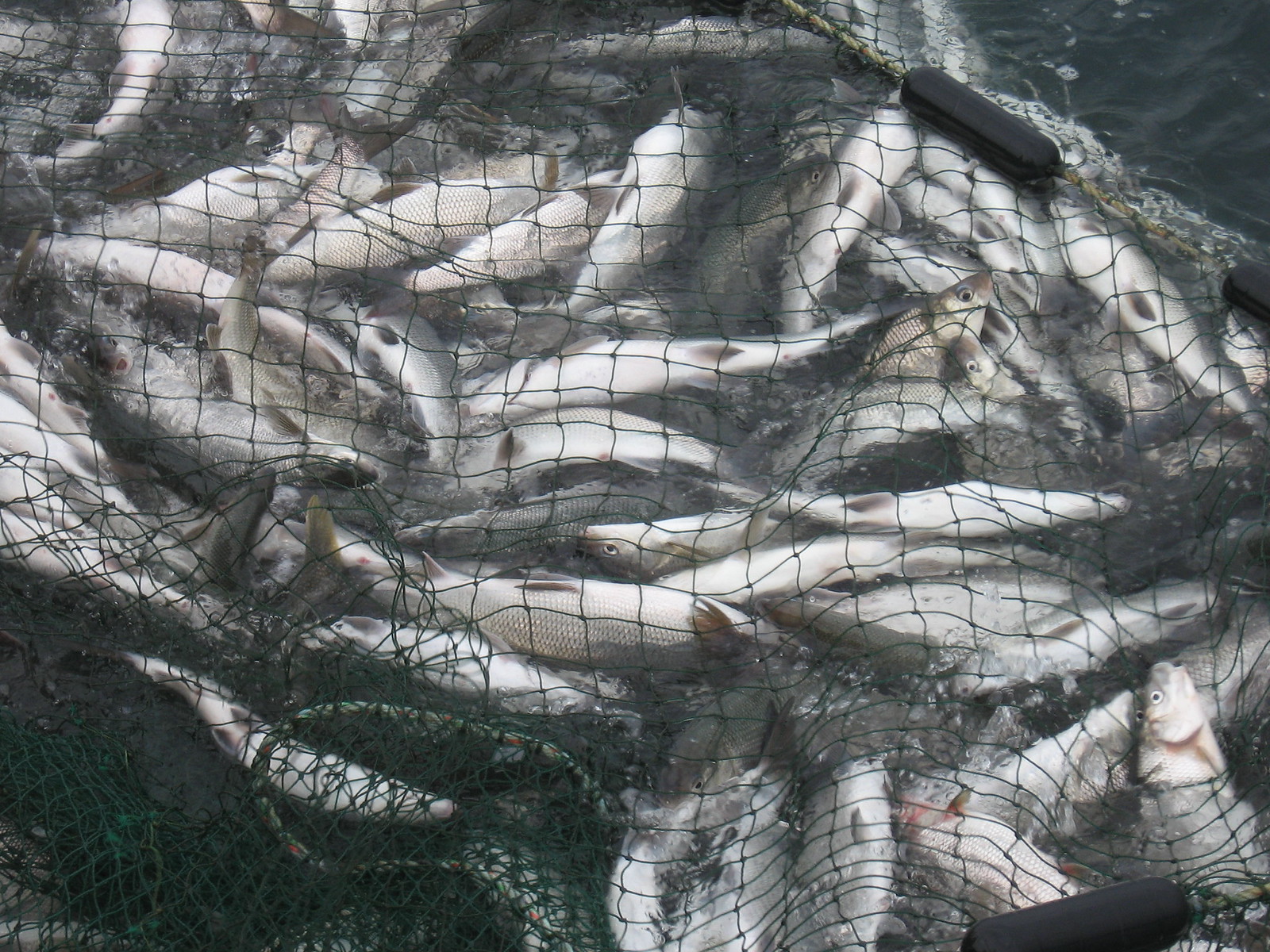
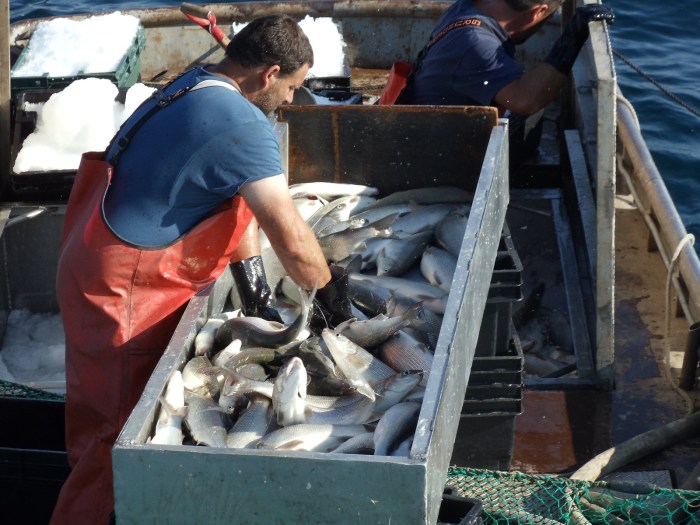
Fishing in Michigan by Abigail Lynch

Fishing in Michigan by Abigail Lynch

“Since first arriving in the Great Lakes in the 1980s, invasive mussels have spread to all five lakes, and altered the ecosystem in profound ways. Today we understand that zebra and quagga mussels are an existential threat to the Great Lakes and without a coordinated response, they will continue to inflict harm on the environment, infrastructure, and critical species such as lake whitefish. Just as invasive sea lamprey require a coordinated, binational response for effective control, we must partner with national, state, provincial, Indigenous, regional, and local partners to find a solution to the mussel invasion. This bill makes that happen.”Great Lakes Fishery Commission Chair Ethan Baker

Bridge Michigan shares that two Michigan lawmakers are set to unveil legislation to dramatically increase funding to prevent invasive mussels from wiping out whitefish in the lower Great Lakes:

US Reps. Debbie Dingell, D-Ann Arbor, and Tim Walberg, R-Tipton, want to increase funding for mussel control research more than fiftyfold to $500 million over the next 10 years. (EDITOR: They released it on Tuesday)

Otherwise, the “fish that we take for granted are going to just disappear,” Dingell told Bridge Michigan.

The damage wrought by invasive mussels is among the biggest threats to the Great Lakes in history. Yet Bridge found that while the US government has spent mightily to combat other threats, the fight against mussels has received a comparative pittance.

The main funding program for Great Lakes science has devoted an average of less than $1 million annually to the cause since 2010, according to spending records analyzed by Bridge. The federal government spends about 20 times that amount to keep sea lamprey out of the Great Lakes and has promised 90 times as much to build a barrier against invasive carp.

Read on for much more & kudos to these two Representatives for working together to protect the livelihoods and meals of Michiganders!

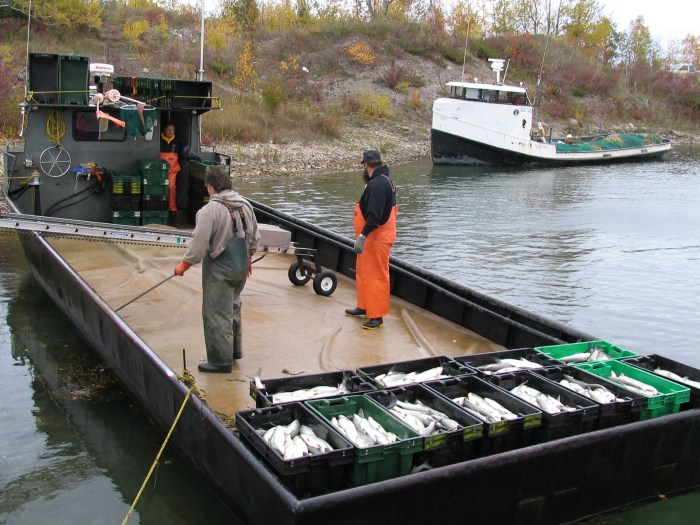
The photos are from Michigan Sea Grant and the one of the boat moored was taken by Brandon Schroeder. Sea Grant is an excellent organization that works hard for Michigan waters and the Great Lakes as a whole!

Support Michigan in Pictures with Patreon

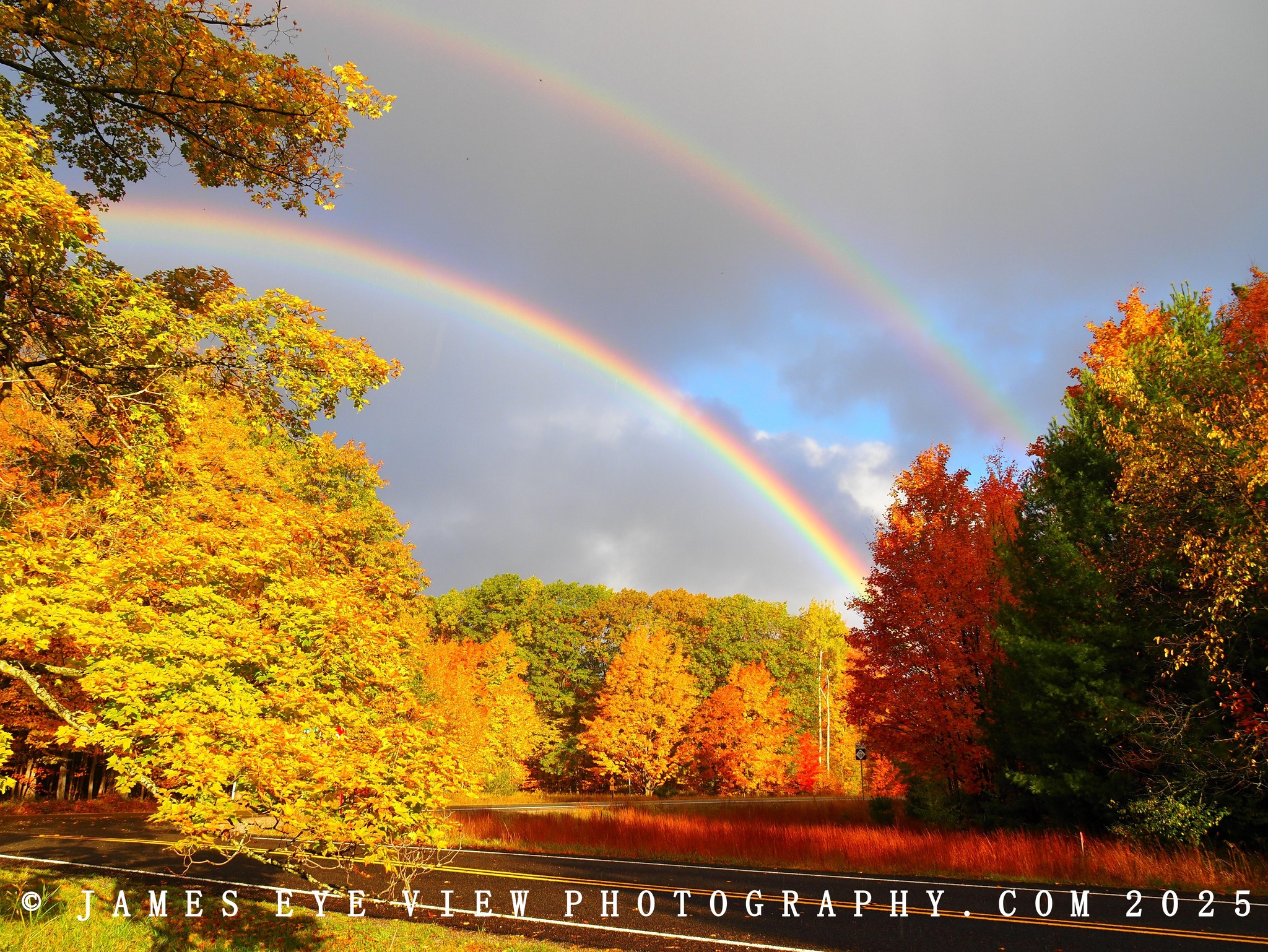
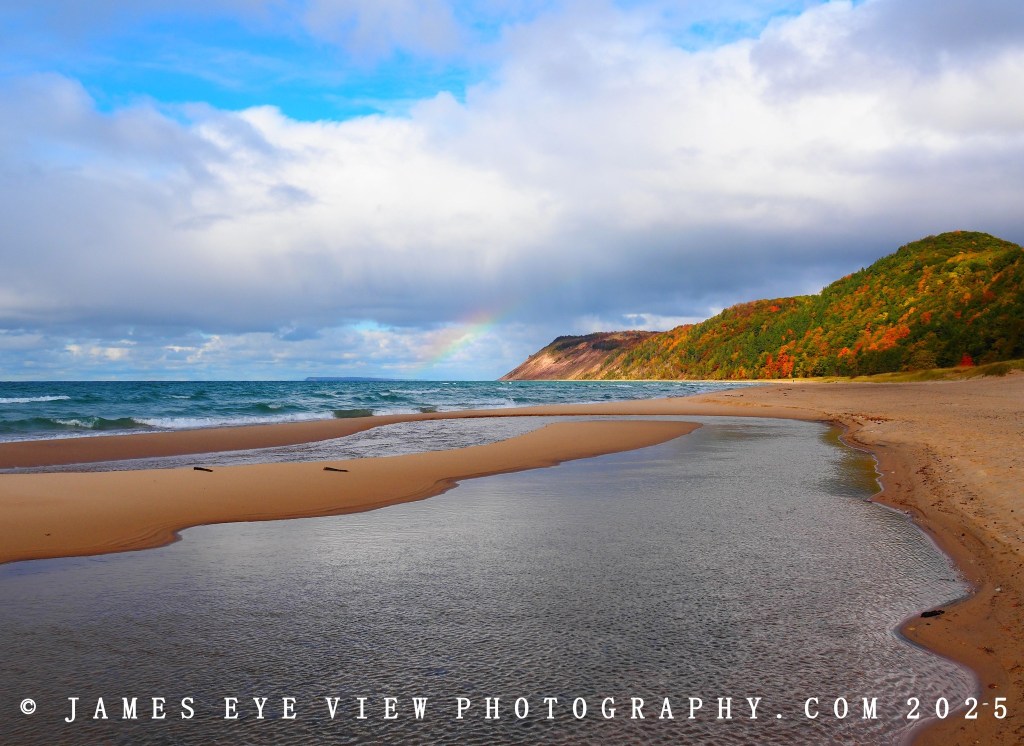
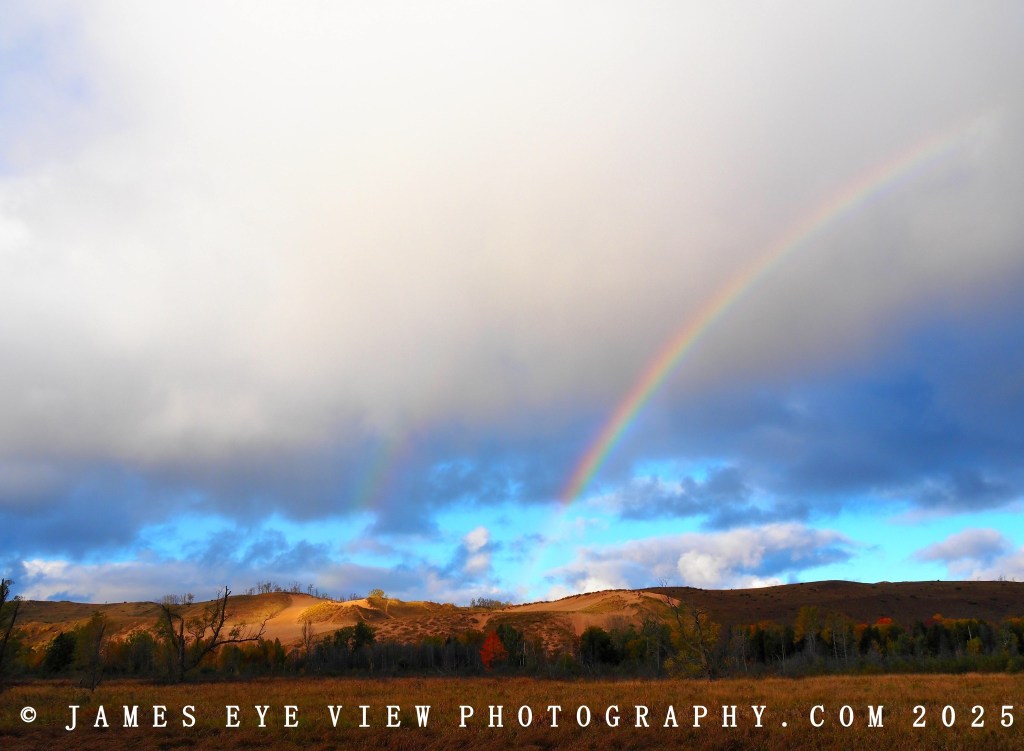
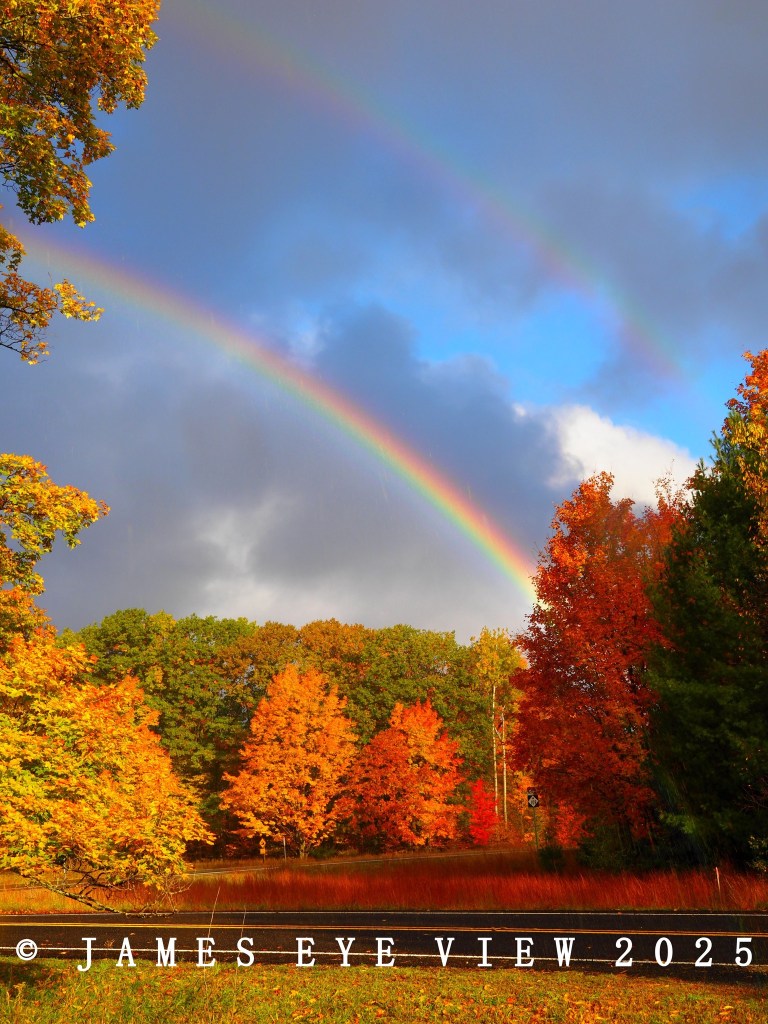
Michigan Fall Color: Double Rainbow Edition

Fall Color Tour in Northern Michigan Rainbow edition by James Eye View Photography

Fall Color Tour in Northern Michigan Rainbow edition by James Eye View Photography

mLive’s Mark Torregrossa shares that if you think there’s more rainbows out there than usual, you are correct! He explains the science behind Michigan’s rainbow bonanza:

To have rainbows, we need rain and sun at the same time. What weather pattern is classic for rain and sun at the same time? The current lake-effect rain shower situation is perfect for rainbows. The rain showers are small, maybe only five miles wide. There is a lot of clear sky around the rain showers.

…So we know why we have had and currently have a lot of rainbows in Michigan in the past few days- the spotty lake-effect showers combined with sunshine. But why have there been numerous double rainbows? It has to do with the angle of the sun, combined with the daily weather pattern.

For a double rainbow, the sun has to be fairly low on the horizon, lower than 40 degrees above the horizon. It just so happens the lake-effect showers reach their peak intensity and coverage during the late afternoon heating of the day, when the sun is low on the horizon.

James took these last Friday on the Sleeping Bear Dunes National Lakeshore. You can follow him on Facebook & Instagram. For sure visit his website to view & purchase his work including 2025 Photo Calendars.

Wildly enough, I featured Double Rainbow Sunrise from James last year – he clearly has a next level knack for rainbows!!

Support Michigan in Pictures with Patreon

The Scary Sound of Meteors

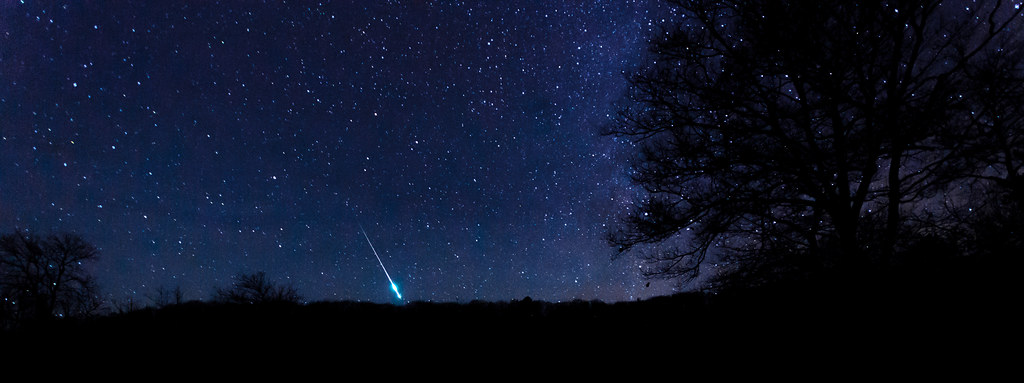
Bolides & Electrophonic Sounds by Aaron Springer

Bolides & Electrophonic Sounds by Aaron Springer

While much of Michigan was shrouded in clouds for the peak of the Orionids, the October meteor shower will still be producing a lot of meteors for the next few days. As you are watching the skies, you may hear sounds that have been reported along with meteors for millenia, and dismissed for the same amount of time by such luminaries as Edmund “The Comet Guy” Halley. This Space.com article says that you might be able to believe your ears that meteors can make hissing sounds:

These faint sounds are probably created when bright pulses of light from the meteors heat up certain objects on the ground below, a new study reports. These objects — for example, leaves or hair — radiate thermal energy into the nearby air, producing pressure waves that generate a variety of sounds.

“I think our answer is pretty solid,” said study co-author William Sweatt, a researcher at Sandia National Laboratories in New Mexico.

The mysterious sounds are associated with very bright fireballs, meteors that blaze up at least as intensely as the full moon shines in the sky. Generally, an incoming object must weigh 1.1 lbs. (0.5 kilograms) or more to make noise audible to humans, Sweatt said.

The faint, whispery sounds have been described in many different ways by people who have heard them; popping, sizzling, rustling and hissing are commonly employed adjectives. And hearing them is a rare treat indeed. “I think a person’s lucky if they get one per lifetime,” Sweatt told Space.com.

You can read more & check out the video below. A very cool twist on the story for me is that a friend shared my experience of hearing the sounds with today’s photographer Aaron Springer when he shared this back in November of 2015. Aaron referenced the American Meteor Society’s theories on the sounds which appear to have been correct!!

Another form of sound frequently reported with bright fireballs is “electrophonic” sound, which occurs coincidentally with the visible fireball. The reported sounds range from hissing static, to sizzling, to popping sounds. Often, the witness of such sounds is located near some metal object when the fireball occurs. Additionally, those with a large amount of hair seem to have a better chance of hearing these sounds. Electrophonic sounds have never been validated scientifically, and their origin is unknown. Currently, the most popular theory is the potential emission of VLF radio waves by the fireball, although this has yet to be verified.

Head over to Aaron’s Flickr for his latest & don’t forget to look up!!

Support Michigan in Pictures with Patreon

Comet of Unknown Origin

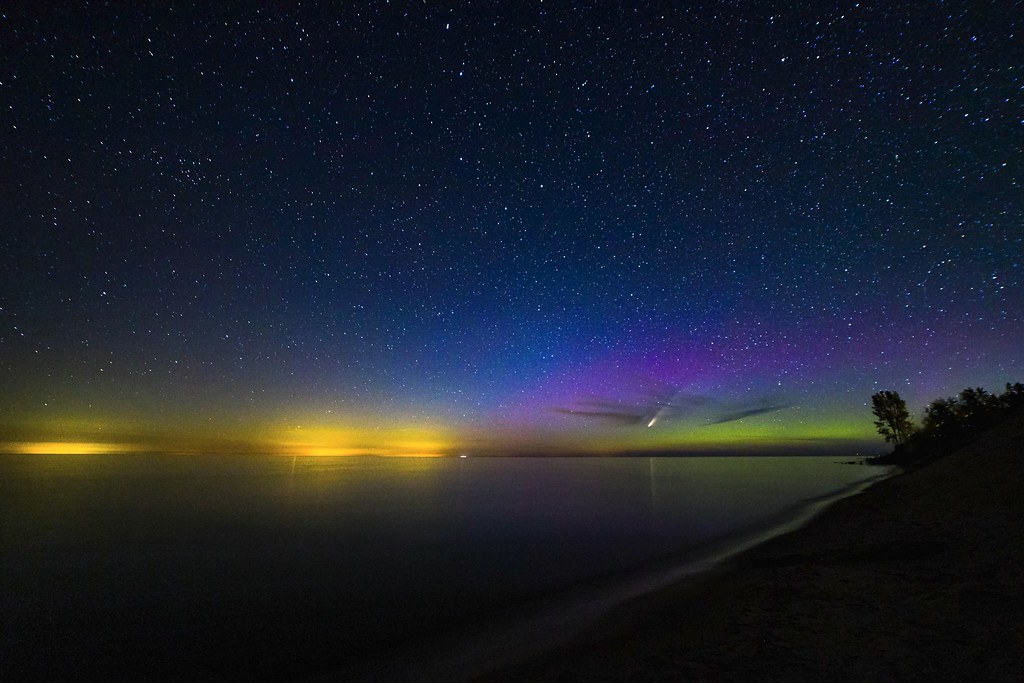
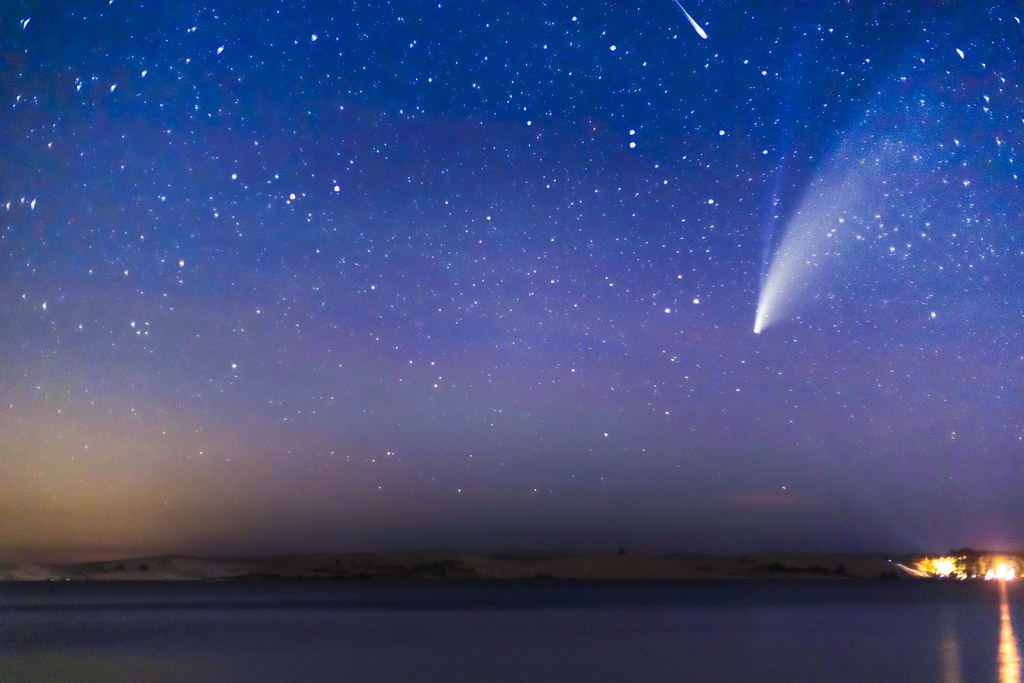
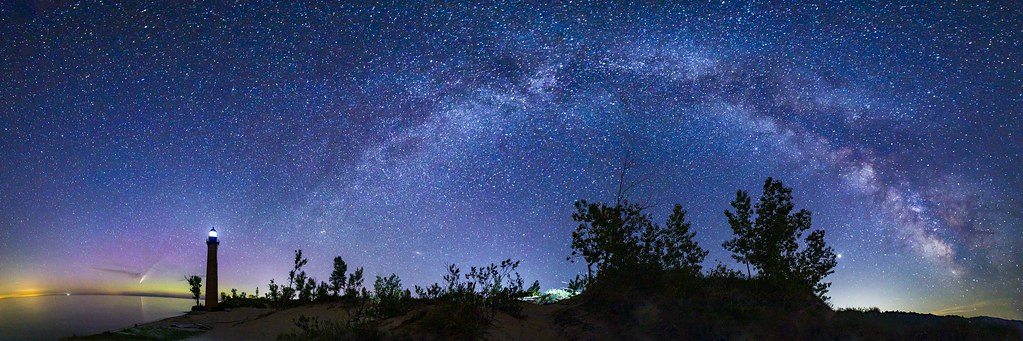
Northern Lights and Comet Neowise by Gary Syrba

Northern Lights and Comet Neowise by Gary Syrba

Our friends at EarthSky share that the latest observations of Comet 3I/ATLAS show it brightening more quickly than predicted:

Up until now, the interstellar comet had been brightening as expected. But now, the observations from mid-September 2025 are beginning to rise above the upward-sloping line of brightening that would have been typical for a comet nearing the sun.

(There has been a lot of talk that 3I/ATLAS might be an interstellar probe due to its great speed & a trajectory that takes it close to Jupiter, Mars & Earth before it slingshots away using the Sun’s gravitation.)

A team of scientists, led by Xabier Pérez-Couto of the University of A Coruña in Spain, has traced the path of interstellar object 3I/ATLAS back 10 million years. Indeed, this is only the 3rd-known object found traveling in our solar system that didn’t originate with our sun and its planets. Its trajectory tells us it must have come from another star system, but which one?

They traced the path back over 100 million astronomical units (9.3 quadrillion miles) but couldn’t find where it started towards Sol. You can read on for lots more!

Gary took these photos of the Northern Lights & Comet Neowise over Lake Michigan back in 2020. See more in his Night Skies gallery on Flickr and view & purchase Gary’s work on his website.

Support Michigan in Pictures with Patreon

Fall Equinox is today … mostly

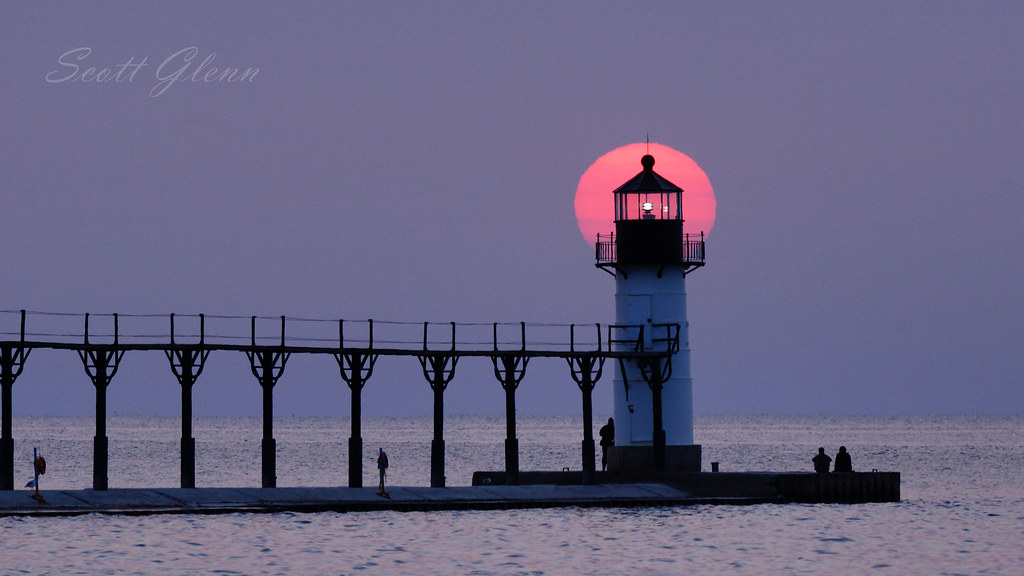
Last sunset of summer 2020 by Scott Glenn

Last sunset of summer 2020 by Scott Glenn

Astronomical fall starts at 2:19 pm today (September 22, 2025), but that doesn’t mean that day & night are exactly equal for us here in Michigan. The very useful timeanddate.com shares that in addition to latitude & the refracting effect of our atmosphere:

One of the reasons why most locations on Earth do not enjoy exactly 12 hours of daytime and 12 hours of nighttime on the equinoxes is how sunrise and sunset are defined. If sunrise and sunset were defined as the moment the geometric center of the Sun passes the horizon, then the day and night would be exactly 12 hours long. But that is not the case. Sunrise and Sunset are defined as the exact moment the upper edge of the Sun’s disk touches the eastern and the western horizon, respectively. The time it takes for the Sun to fully set, which can be several minutes, makes the day just a bit longer than the night on the equinoxes.

The day with the same sunrise & sunset time is September 25th. The sun still does rise directly in the east & set directly in the west, so don’t forget to pack your sunglasses – a lot of our roads are laid out east/west making the sunrise and sunset around the equinox sun a positively blinding proposition!

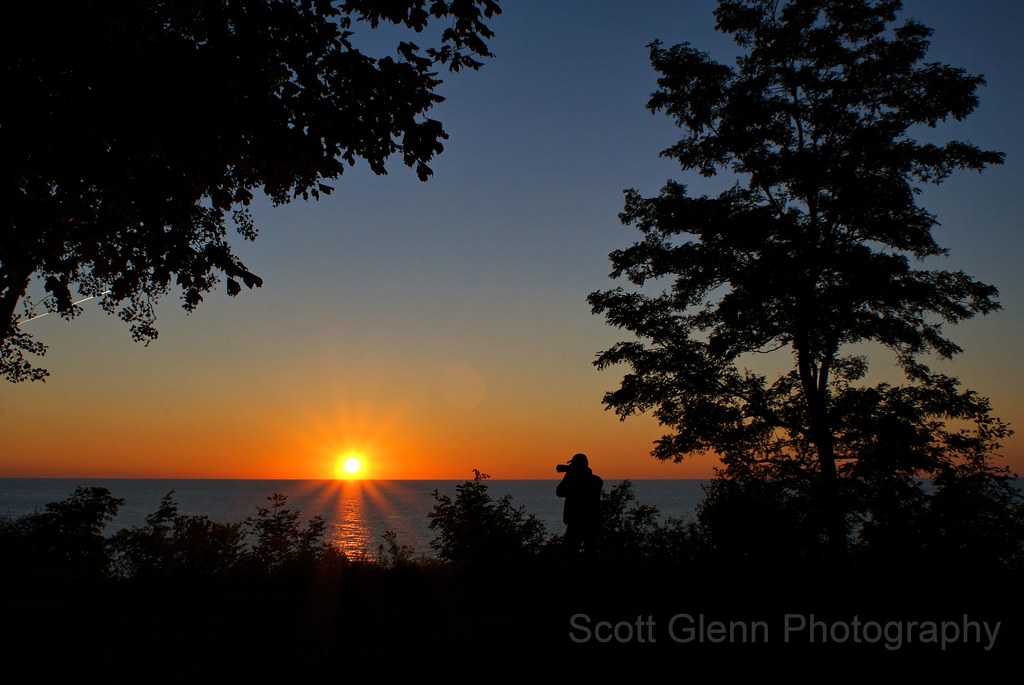
Scott took this photo of the St Joseph Lighthouse on September 21, 2020. See more in his awesome Lighthouses gallery on Flickr & enjoy a selfie he took of the last summer sunset of 2014 below!

Last Summer Sunset Selfie by Scott Glenn

Last Summer Sunset Selfie by Scott Glenn

Support Michigan in Pictures with Patreon