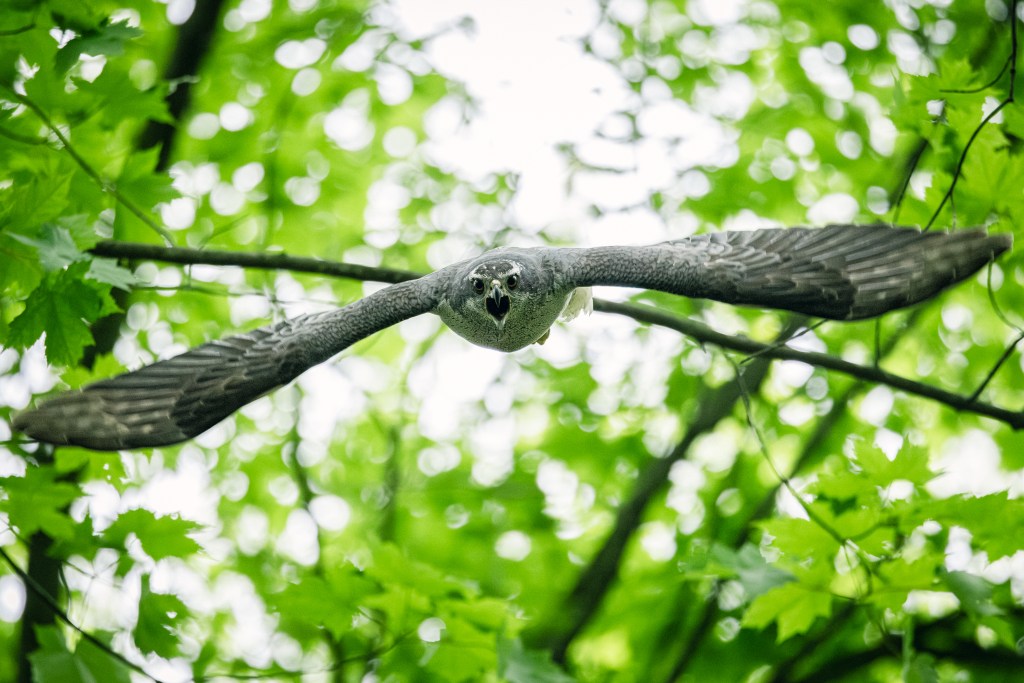
Michigan State University Extension shares that the Northern Goshawk:
…is a large forest bird with long broad wings and a long tail which is rounded on the end. Upperparts of the adult are brown-gray to slate gray. The head has a black cap with a pronounced white eyeline. Underparts are light gray with fine horizontal vermiculations and vertical streaks. Undertail coverts are white, showy, and quite fluffy, especially during the breeding season. Immature birds are heavily streaked below and the undertail coverts are spotted. The goshawk may also be identified by its call which is a sharp and repetitive “ki ki ki” or “kak kak kak”.
Click through for lots more including their distribution in the last Michigan bird count. One thing I will add as someone who has had one of these swoop at you is that they can be REALLY fat birds – almost feel like a cartoon!
Sometimes I make draft posts & promptly forget about them. I’m so glad that I remembered this one I’ve had waiting for almost a year from my friend Tyler, who I got to know through his incredible skateboard photography & portraits! For sure follow him on Facebook & Instagram, and head over to his website for many more pics including lots more critters!
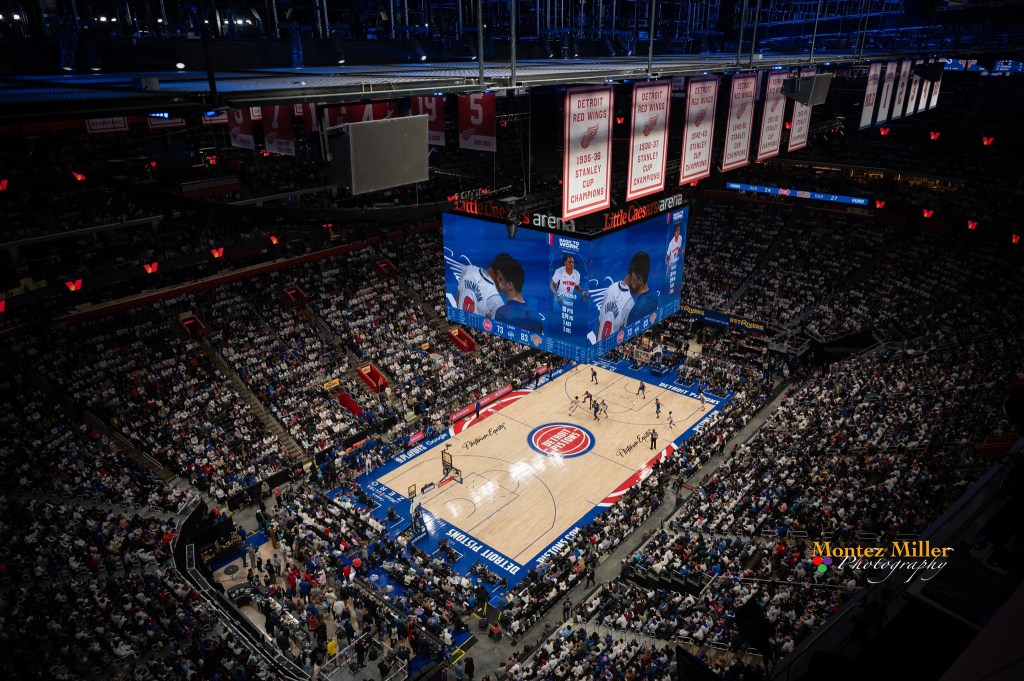
I was having a hard time summarizing my feelings about the Pistons’ heartbreaking loss to the Knicks last night. Fortunately, my friend Montez Miller shared the perfect photo & words with me. We will be back!!
According to the game, the Detroit Pistons lost, but considering their journey, it’s clear that losing isn’t the full story.
In the 2023-2024 season, they finished 15th with 68 losses. However, in the 2024-2025 season, they rebounded to win 44 games, finishing 6th and earning a spot in the playoffs. That’s not just losing — that’s a remarkable comeback and a clear sign of progress and WINNING.
CONGRATULATIONS, DETROIT PISTONS FOR A WONDERFUL SEASON. 🏀❤️🏀
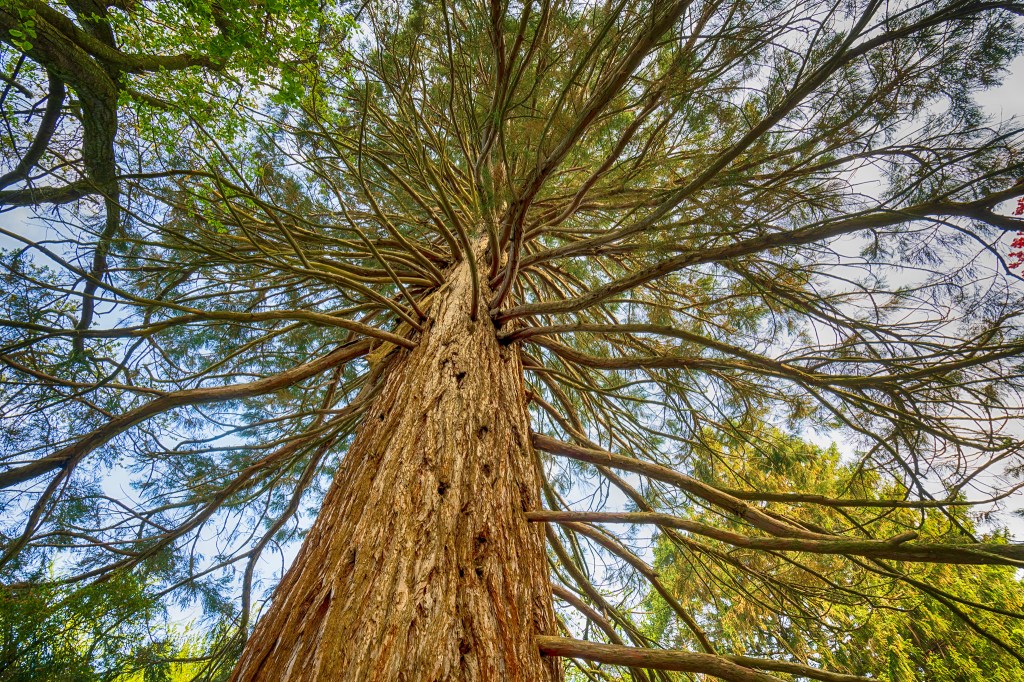
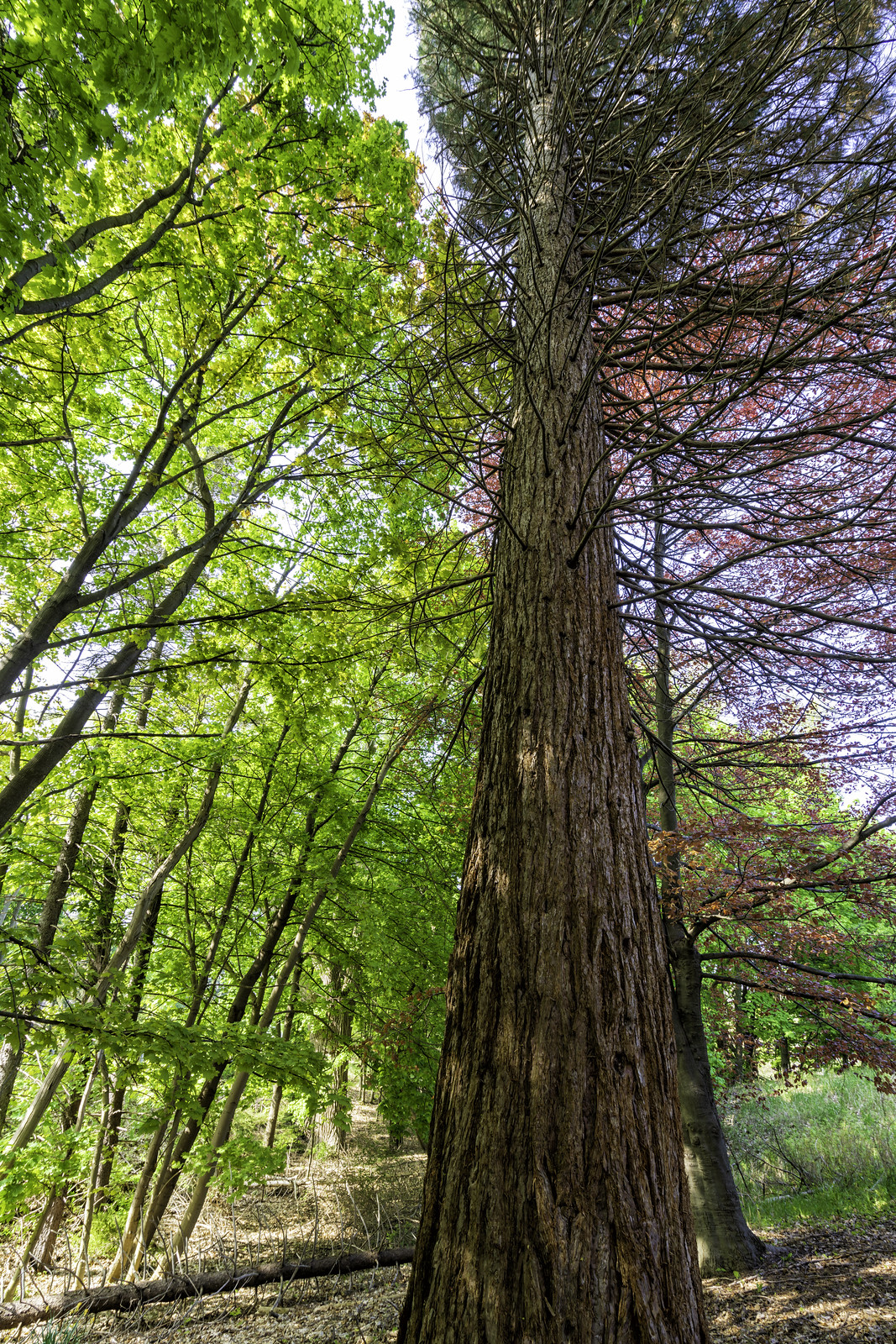
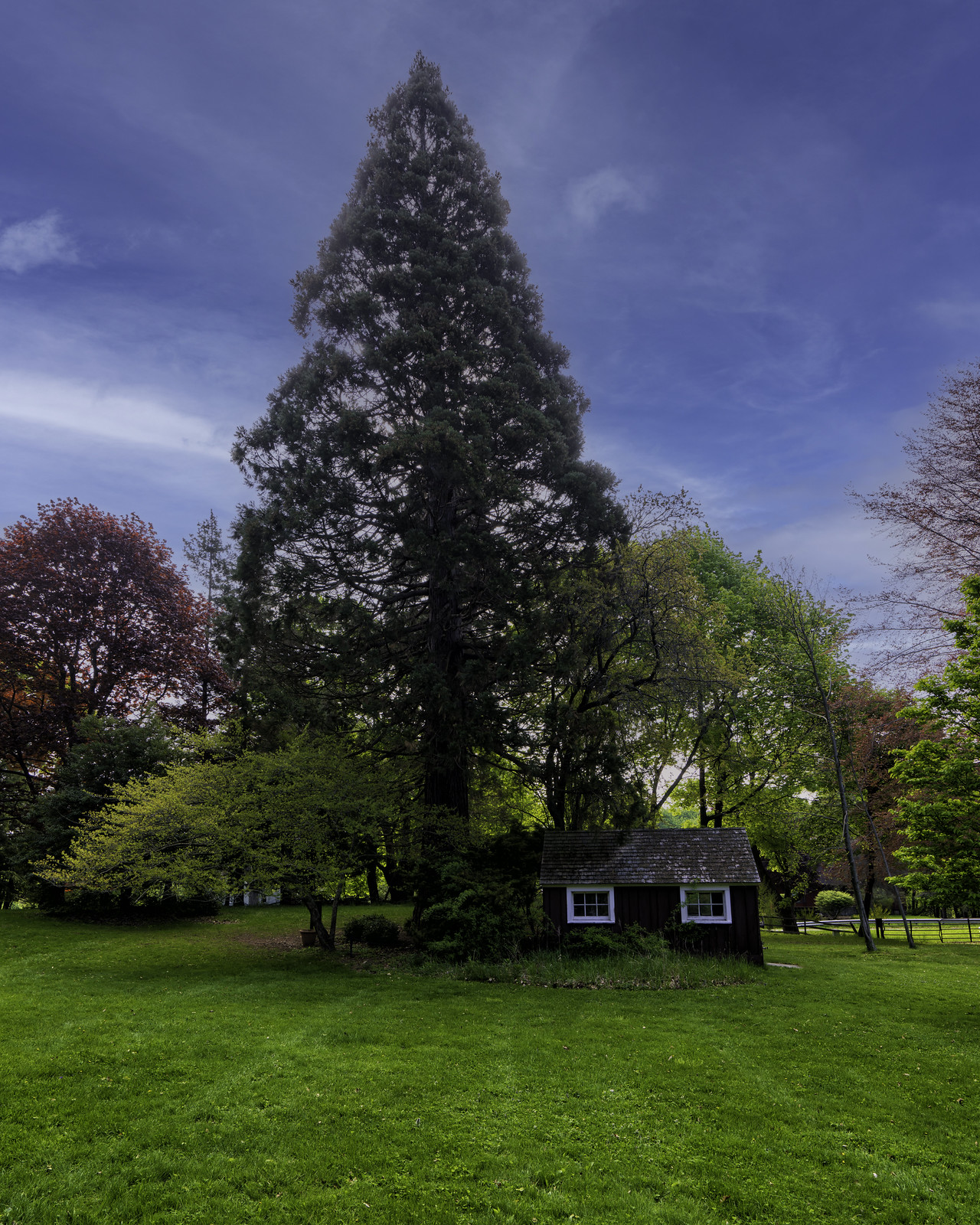
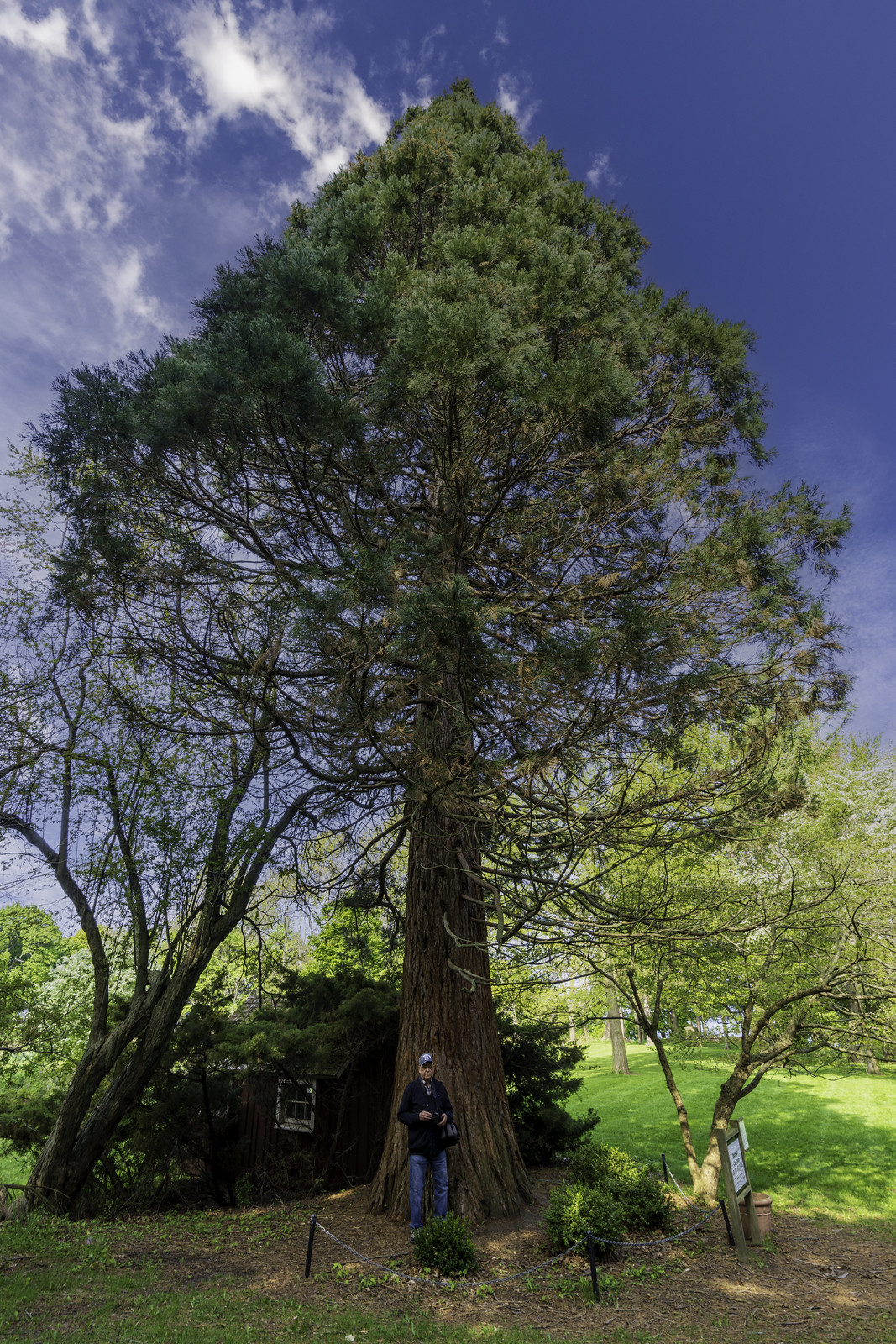
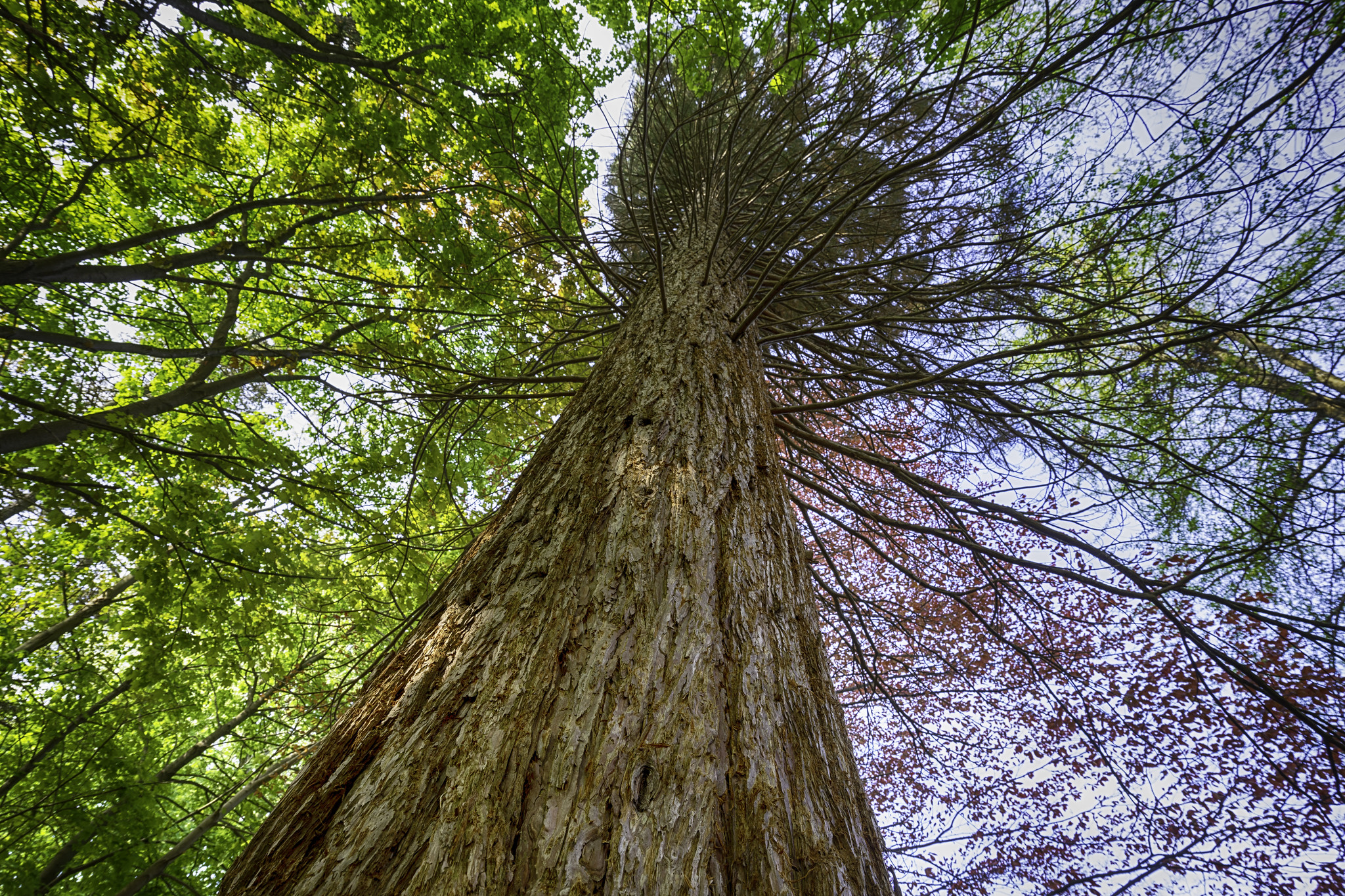
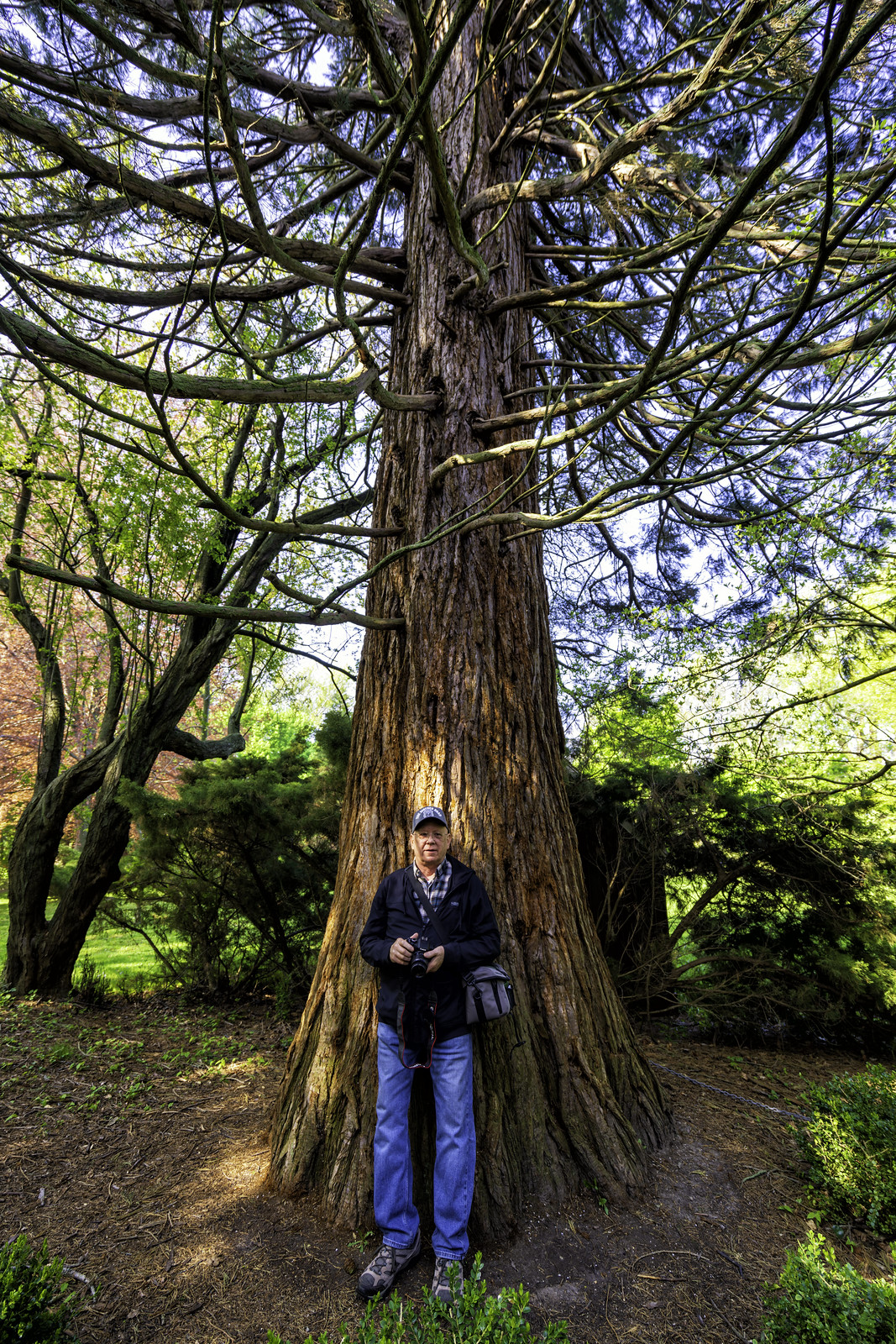
And while I agree that planting non-native trees is generally a bad idea, the second paragraph of the Bridge Detroit article I linked to explains that it is the environmentally responsible thing to do to allow these forest titans to survive into the future: “The project on four lots will not only replace long-standing blight with majestic trees, but could also improve air quality and help preserve the trees that are native to California’s Sierra Nevada, where they are threatened by ever-hotter wildfires.“
And even if clicking a link is two hard, the 2nd of the two paragraphs I chose for the excerpt reads Giant sequoias are resilient against disease and insects, and are usually well-adapted to fire. Thick bark protects their trunks and their canopies tend to be too high for flames to reach. But climate change is making the big trees more vulnerable to wildfires out West, Kemp said. “The fires are getting so hot that its even threatening them,” he said.
You simply gotta read folks. At least if you want to make intelligent critiques.
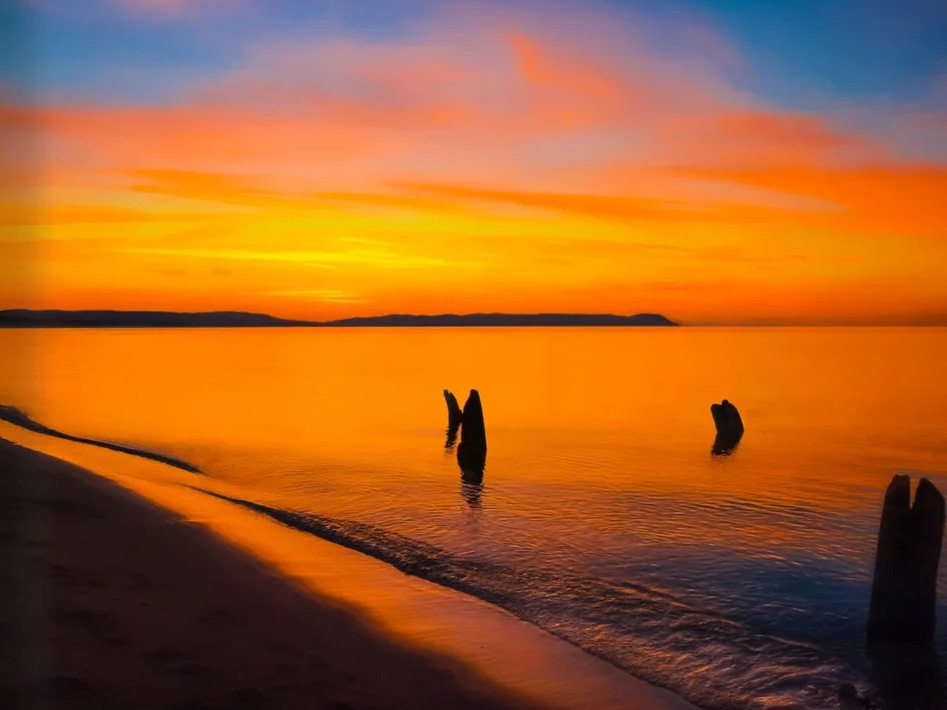
The sun’s brush paints the day’s end with strokes of flowing orange and opalescent coral. Sleeping Bear Dunes, guardian of the coast, stand silhouetted against the celestial masterpiece. As the sun descends, the waters of North Bar Lake become a mirror, reflecting the heavens in all their fiery glory. A ribbon of liquid cuts through the sand, mirroring the sky’s vibrant hues. The wet sand, kissed by the setting sun, flows with ethereal light, a testament to the sun’s final performance. The air, still and hushed, is filled with the gentle lapping of waves against the shore, a soothing melody that accompanies the visual symphony.
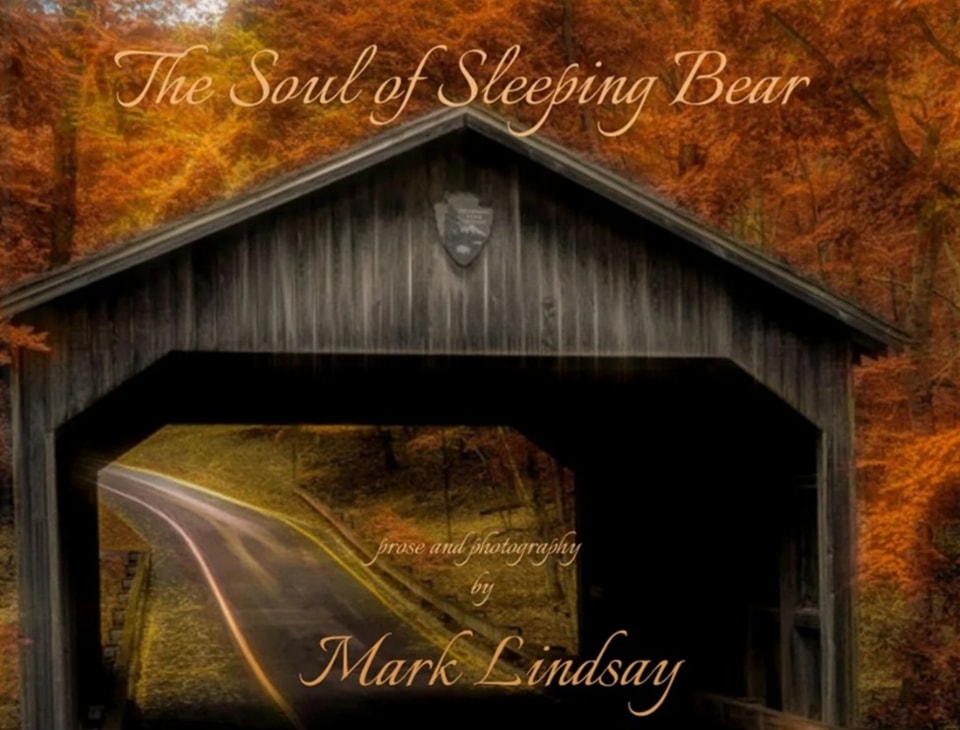
Mark Lindsay from The Soul of Sleeping Bear
Leelanau.com shares that photographer Mark Lindsay (whose work you may have seen on Michigan in Pictures) has released his first book, The Soul of Sleeping Bear. It’s a beautiful, coffee table book that blends Mark’s gorgeous photography of the Sleeping Bear with writings on what these vistas can spark in your heart.
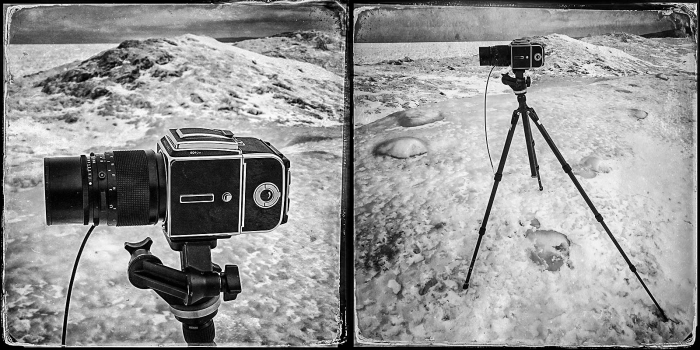
One of my favorite things about Michigan in Pictures is seeing some of the incredible cameras people are using.
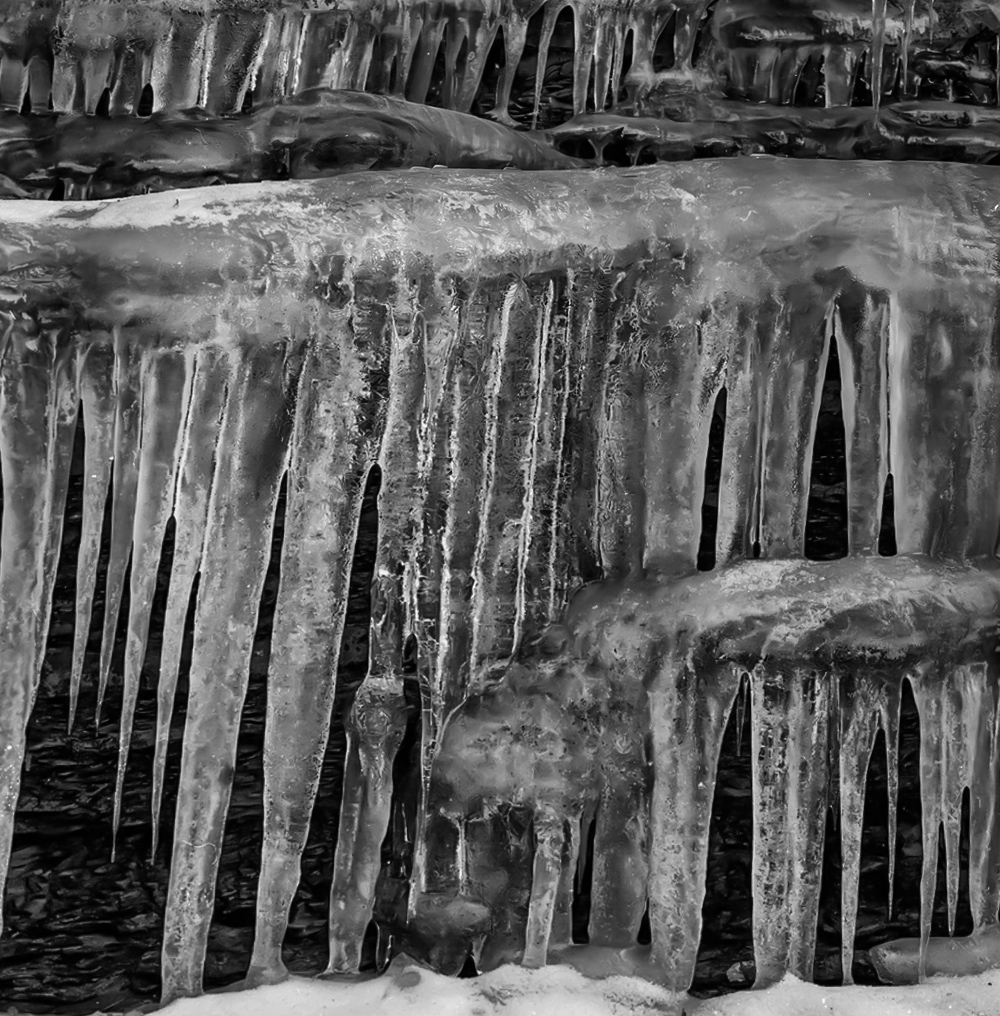
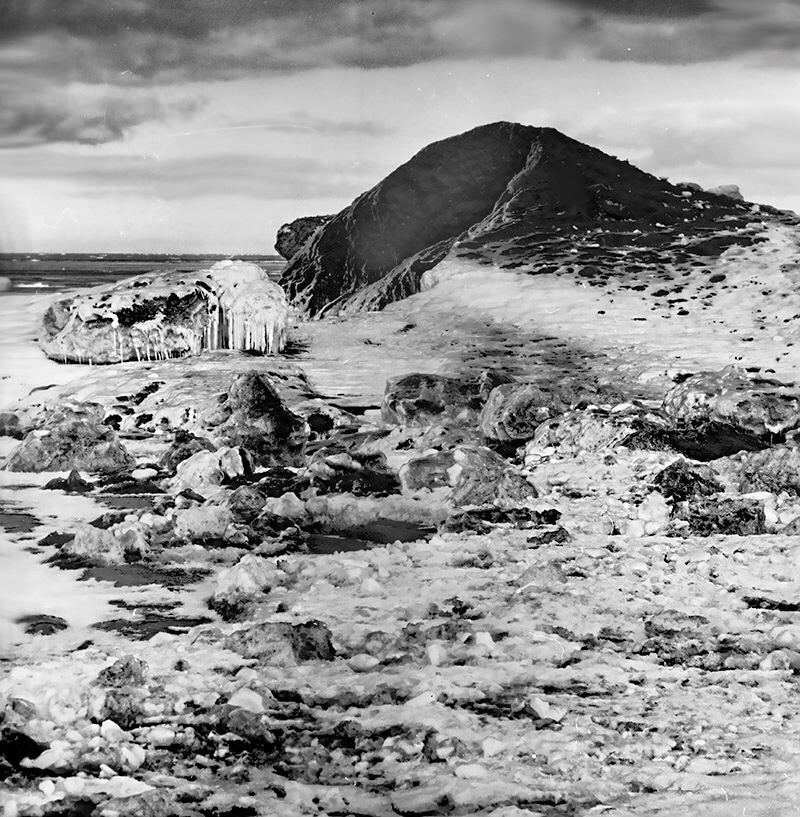
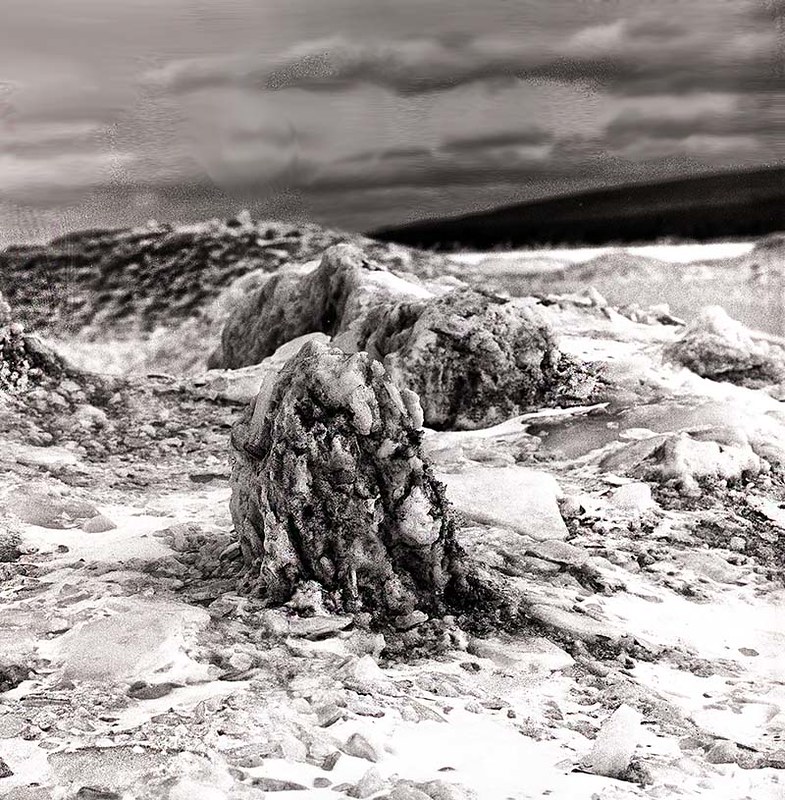
One man who has some sweet gear is Kirt E. Carter and he has been bringing some incredible Hasselblad pics to the Absolute Michigan group on Flickr for the better part of a decade. I figured today was a good day to bring attention to his amazing work. The large one below of icicles on the Eagle Harbor shoreline – see more in the Hasselblad search in the Absolute Michigan group & for sure head over to his website to view & purchase his work!
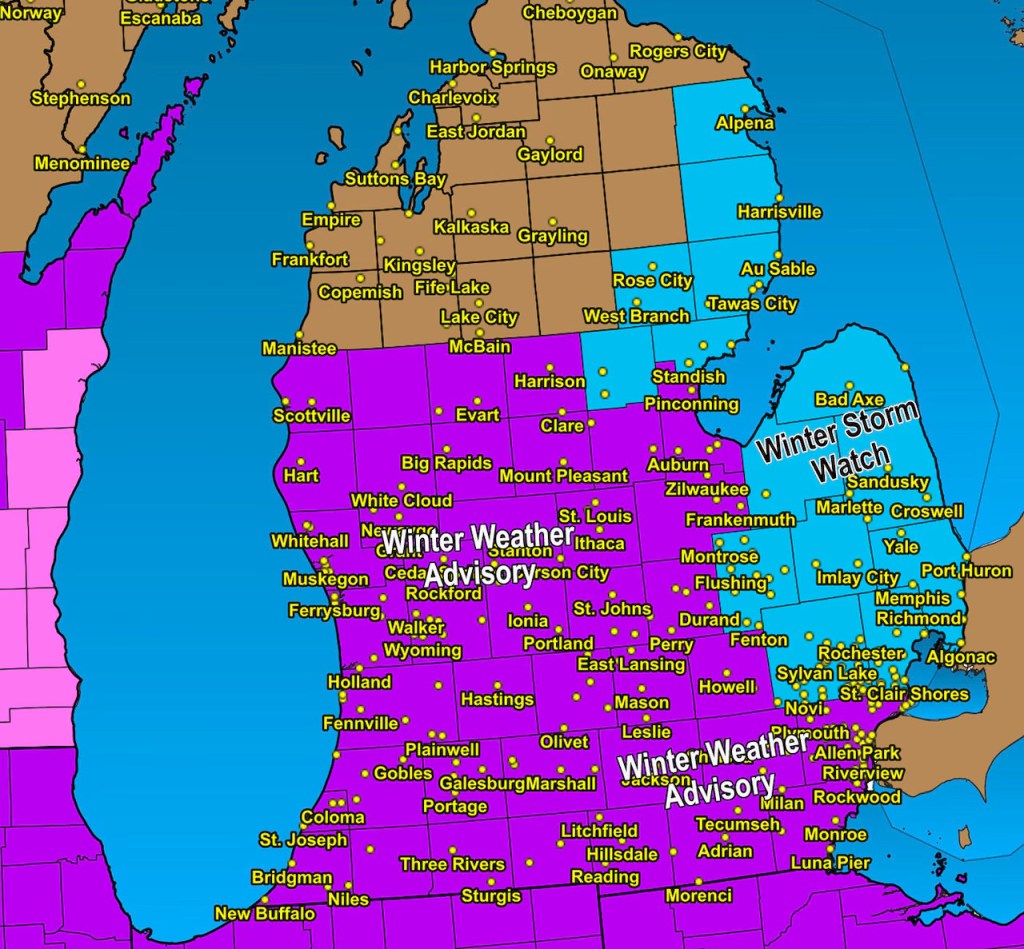
A winter storm watch is usually issued when a storm system is one to two days from starting. This long lead time is used to help you get ready if you have to make travel or work changes. Eventually as the storm gets closer, the winter storm watch either turns to a winter storm warning or a winter weather advisory.
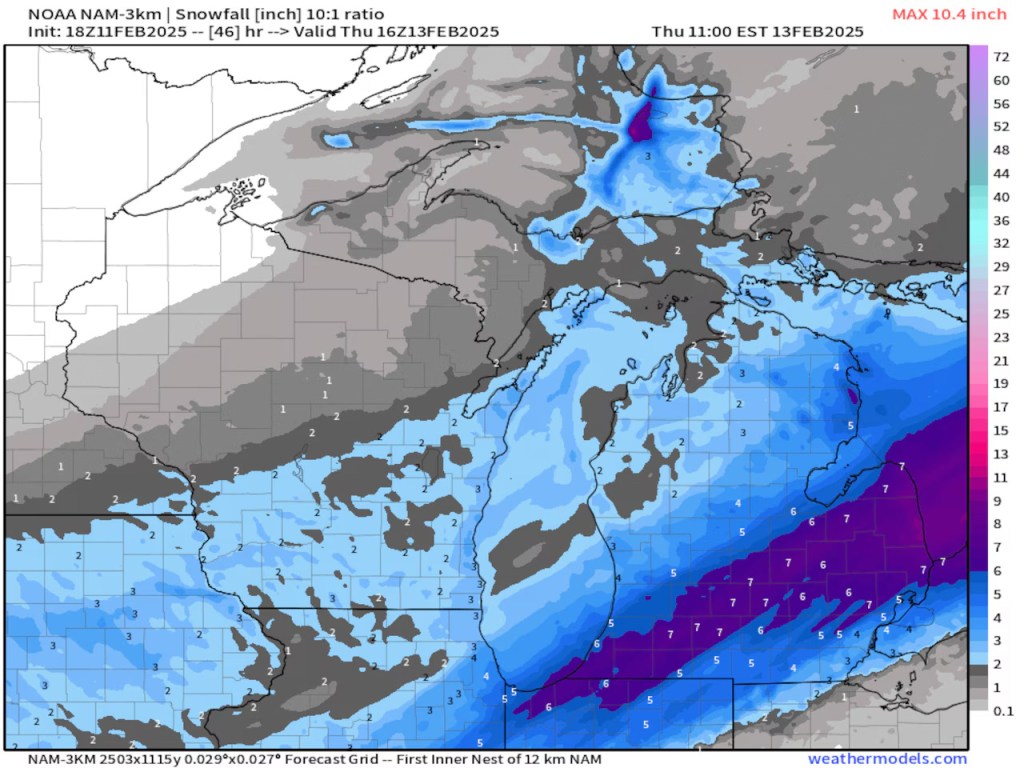
The map above shows how the large winter storm watch area earlier today has been fine-tuned to mostly winter weather advisories. A winter storm watch still exists for the Thumb and northeast shoreline until the next round of data shows which way to go on the watch. There should be some lake enhancement of the snow totals in the Thumb and northeast shoreline, possibly putting those areas over the six inch winter storm warning criteria.
Latest revision (3:26 p.m. Tuesday) of the winter storm watch to mostly winter weather advisories in purple. There still is a waiting game with the winter storm watch in blue for the Thumb, Oakland county, Macomb County and the northeast shoreline. image by NOAA
Total snow forecast from the North American Model (NAM) through Thursday afternoon.NOAA
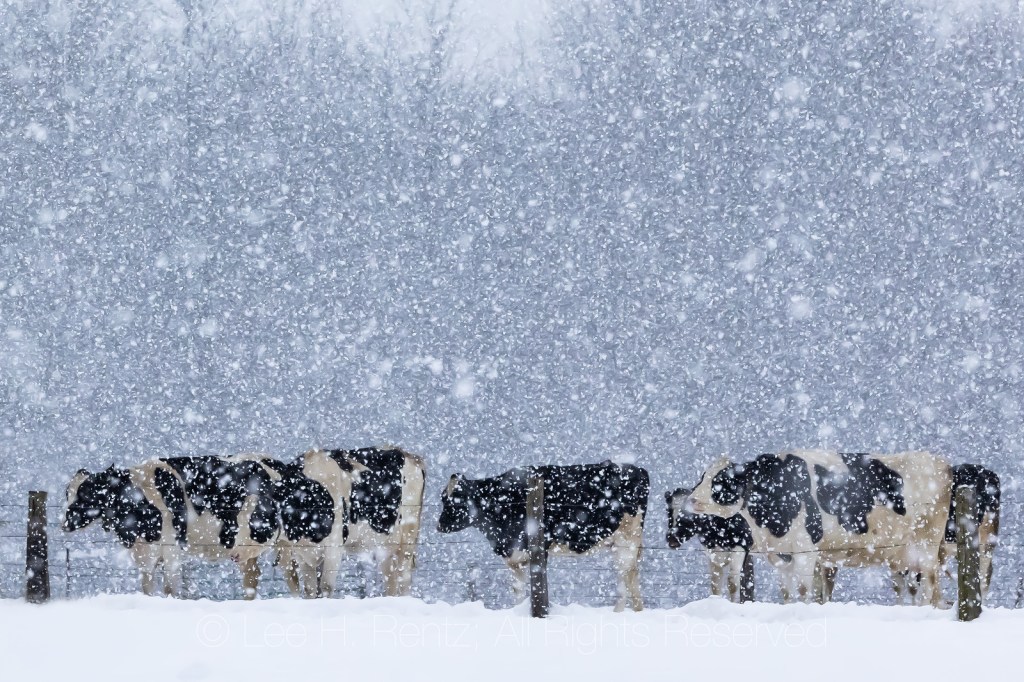
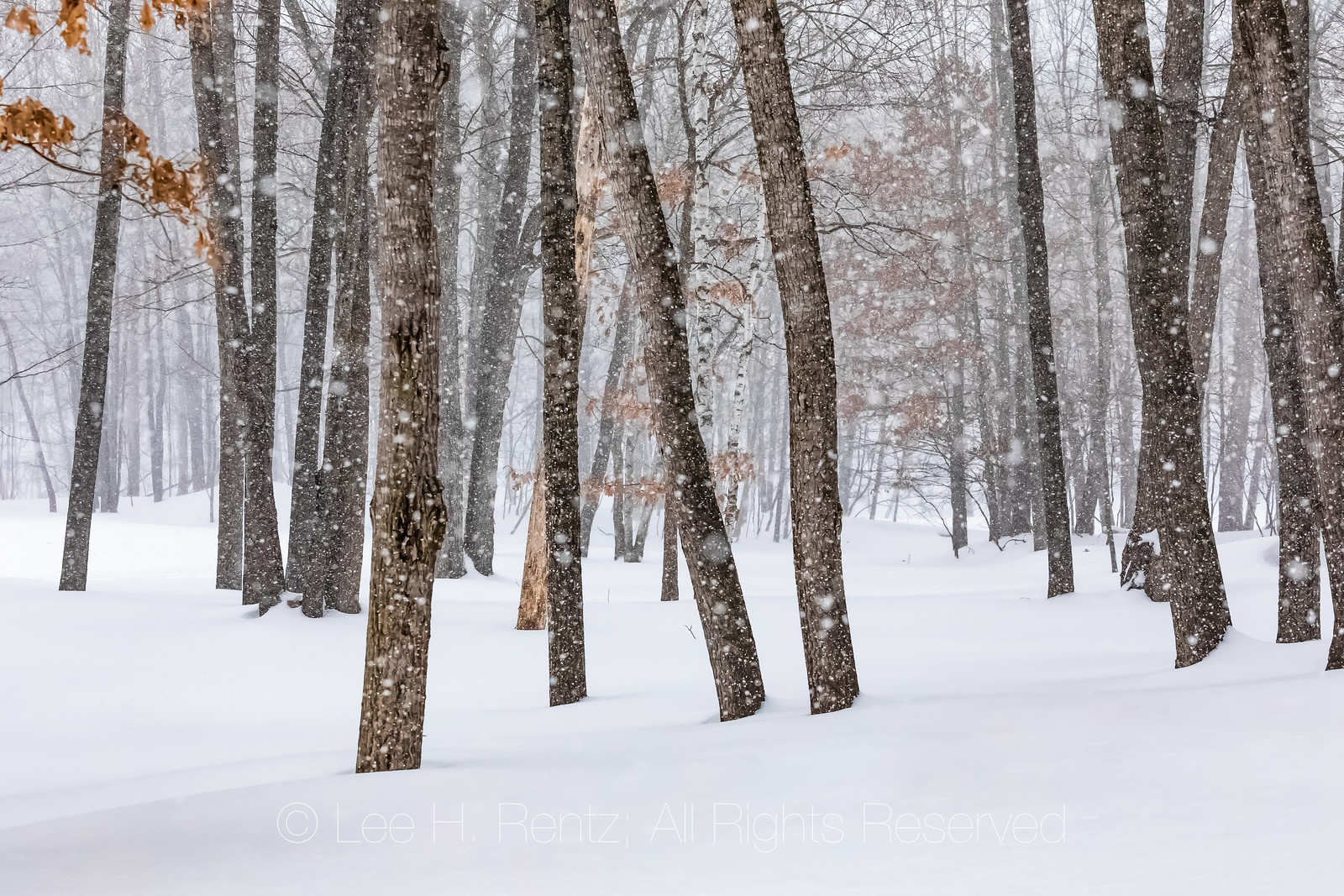
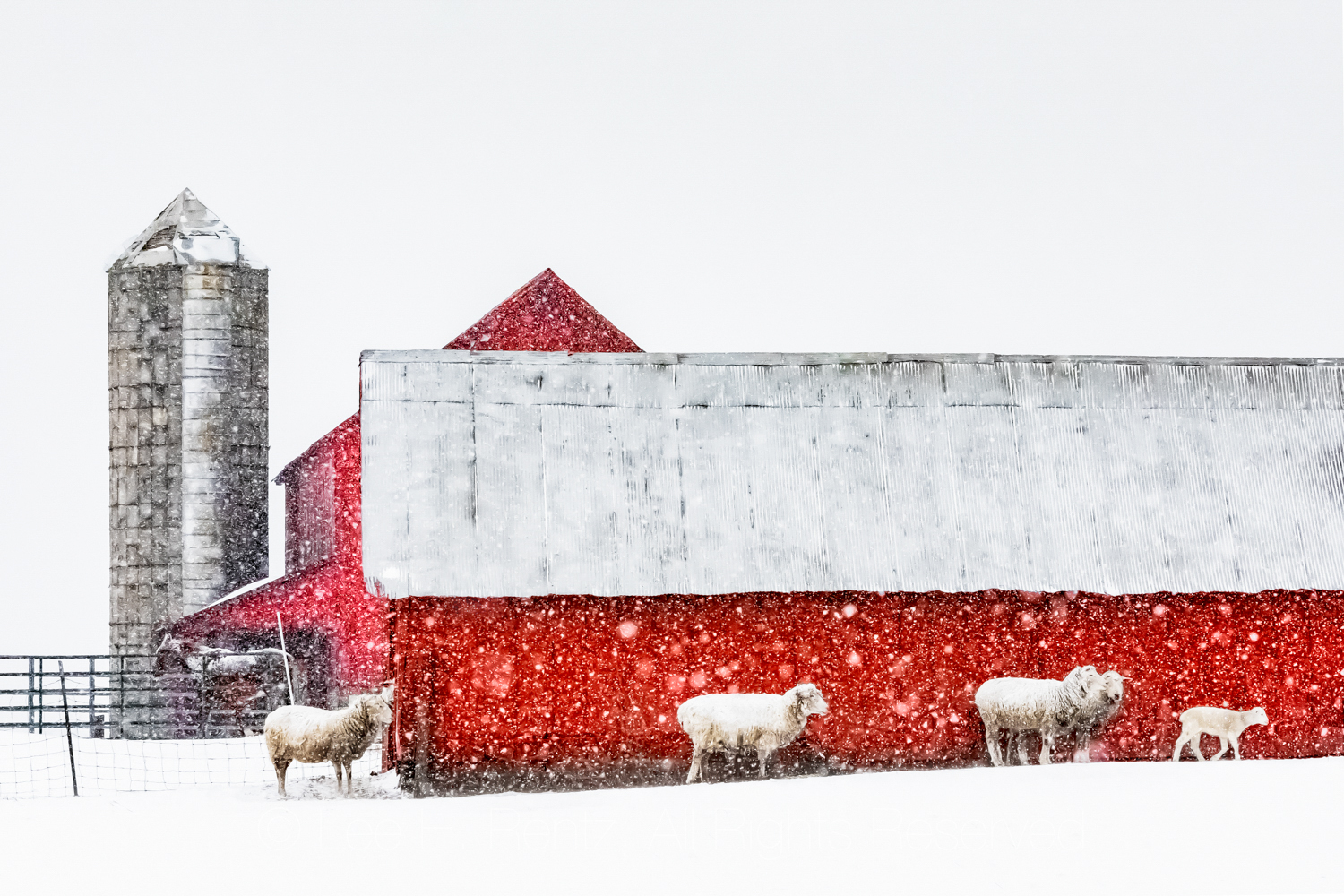
Lee shared this photo of Holstein cattle on an Amish farm riding out a winter snowstorm in Mecosta County to the Absolute Michigan group on Flickr last January. When I did a quick Google search because I had forgotten if Lee was a he or a she, I realized that he had a lot more photos in excellent essay entitled FALLING SNOW: A Landscape Transformed on his blog:
When I see snow falling, dissolving the landscape into a place entirely different, I am enthralled by the veiled look of the land. Every surface is softened and sounds are muffled and most people have retreated indoors. The familiar is transformed.
The pictures in this photographic essay were taken near my Michigan home, where I love to venture into the heaviest snow squalls, finding barns and forests transformed by the falling snow. I am fortunate to live near an Amish community, where their barns and buggies and homes are often featured in my winter photography. Enjoy the photographs, and find a new appreciation for winter.
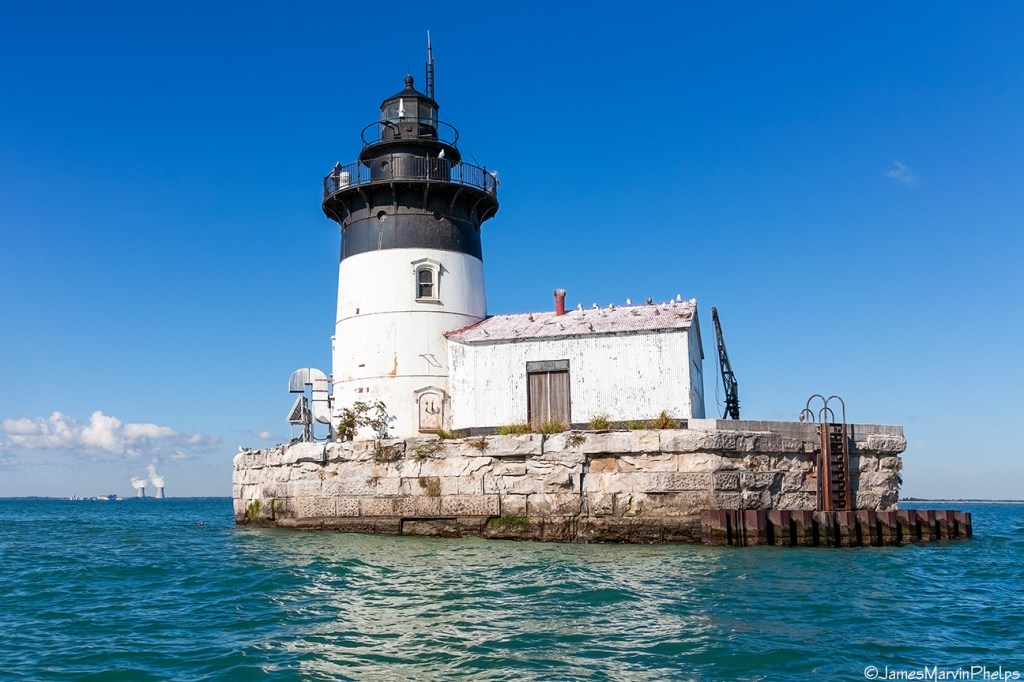
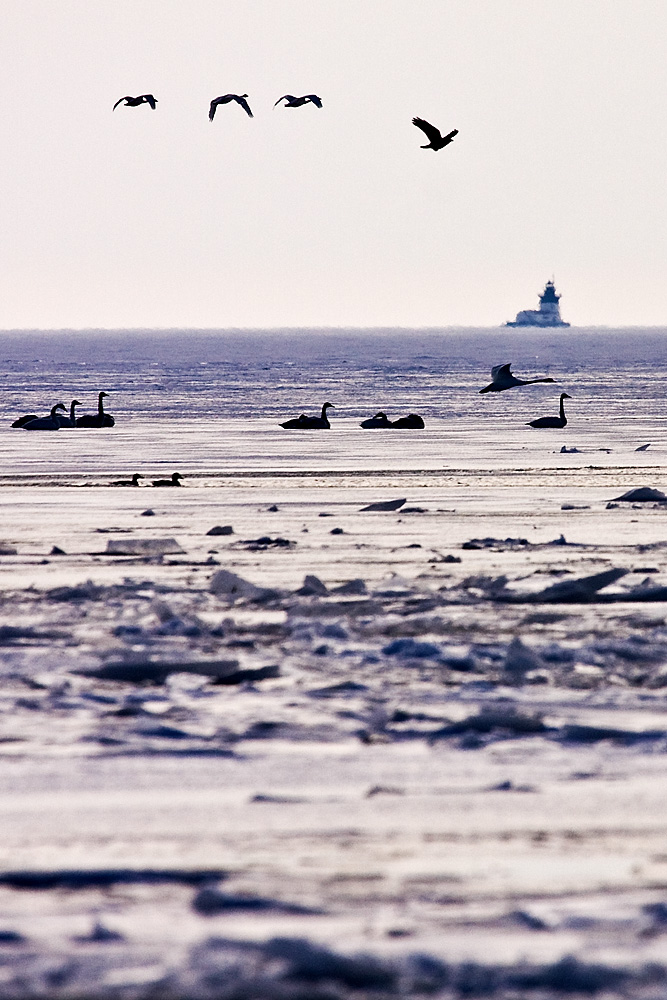
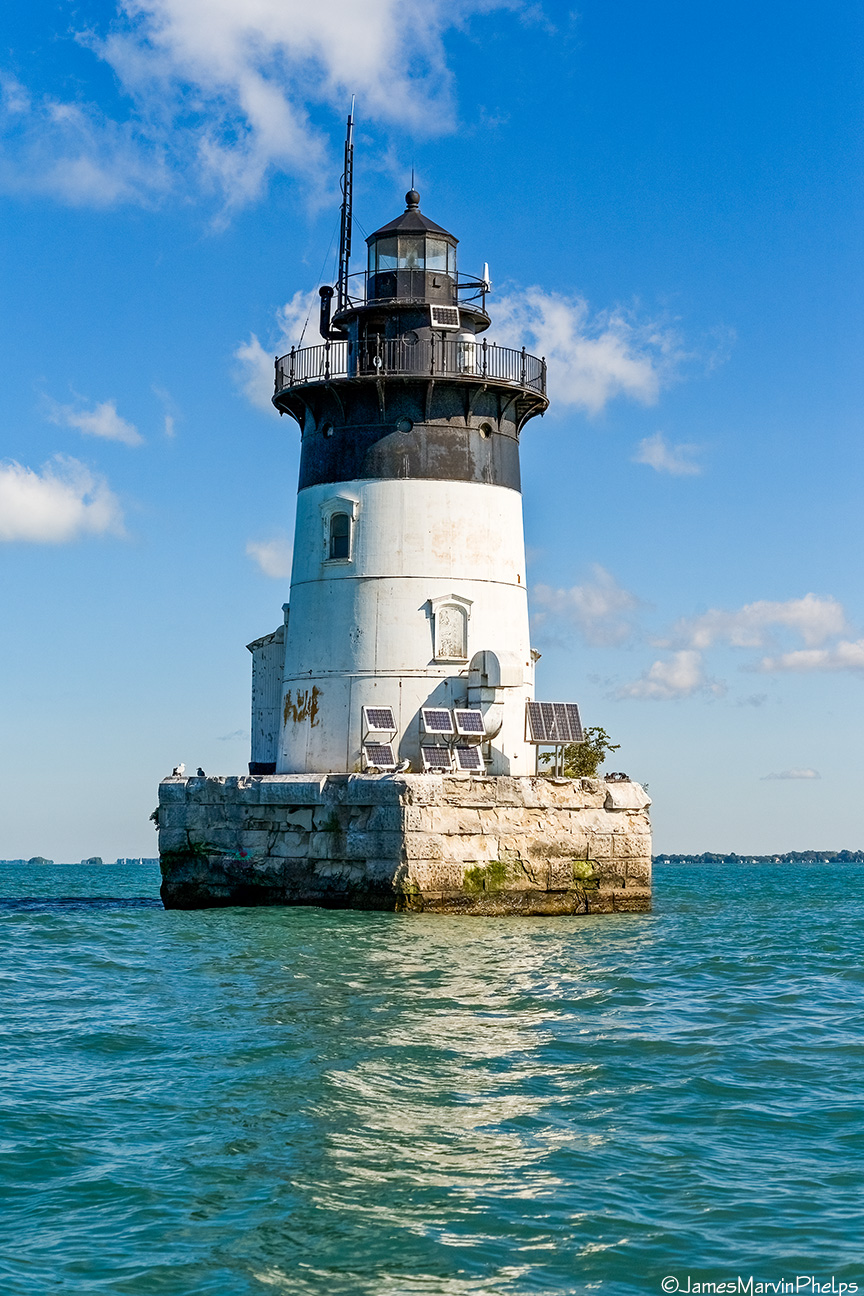
Yesterday on his excellent photography blog James shared some photos & information about the Detroit River Lighthouse:
…also known as the Bar Point Shoal Light, has guided vessels navigating the treacherous waters between Lake Erie and the Detroit River since its completion in 1885. Located about a mile offshore near the mouth of the river, the lighthouse replaced a series of ineffective lightships that had struggled to withstand the region’s harsh conditions. Constructed of steel and concrete, the tower was built to endure strong currents and ice floes, making it one of the most resilient navigational beacons in the Great Lakes. Over the years, the lighthouse transitioned from a manually operated station to an automated one in 1979, eliminating the need for resident keepers. Despite its automation, the Detroit River Light remains an important part of Great Lakes maritime history, symbolizing the rich heritage of shipping and navigation in the region.



 Michigan in Pictures