11th Anniversary of Michigan in Pictures!

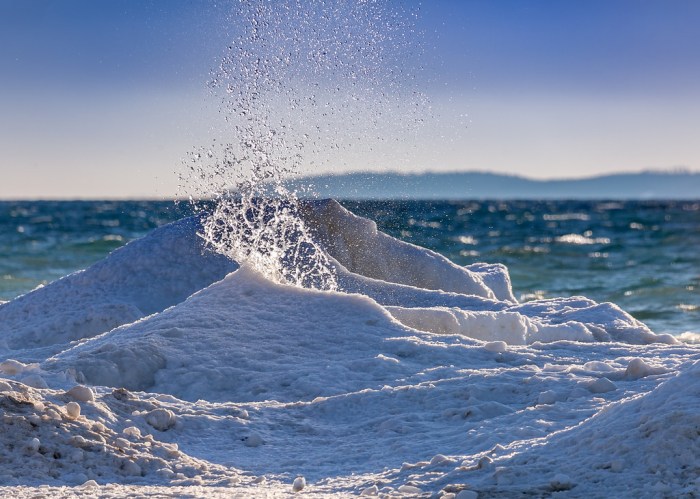
water-spray-by-sandy-hansen-photography

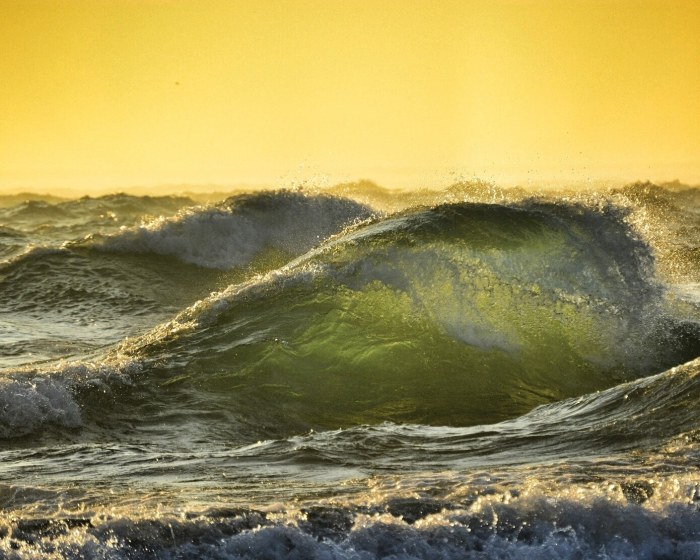
Water Spray, photo by Sandy Hansen Photography

On December 30, 2005 I posted the first photo to Michigan in Pictures. 11 years later, it’s still going so I guess I must be doing something right. Thanks to all you photographers and fans for being a part of Michigan in Pictures!!

I figured Lake Michigan popping its cork would be better than champagne.

View Sandy’s photo bigger and see more in her Northern Michigan slideshow.

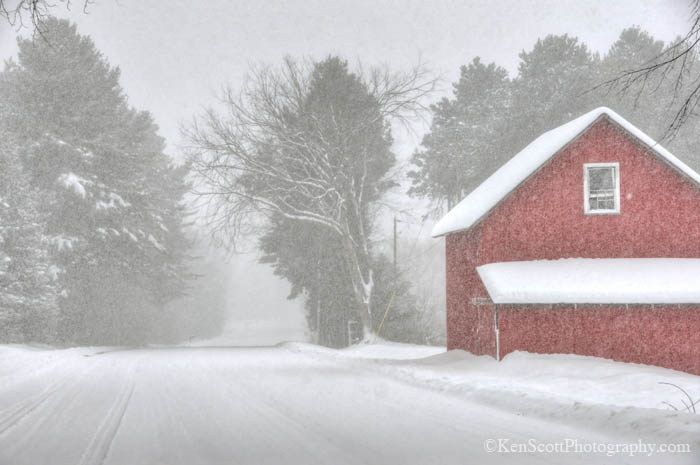
Snowy Barn

Red Barn … snowy’d, photo by Ken Scott

For all their possible danger when you’re driving too fast for the conditions, our winter roads can be lovely at the right speed!

View Ken’s photo bigger, see more in his Barns slideshow, and if you’re looking for a last-minute gift, how about his 2017 Best of the Back Pages calendar.

There’s more barns and more snow on Michigan in Pictures!

Michigan’s Lake Effect Snow and the Ice Beast of the Frozen Tundra

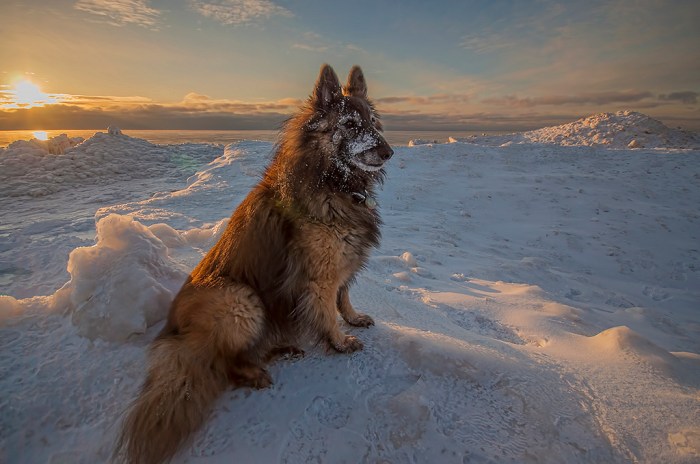
ice-beast-of-the-frozen-tundra

Ice Beast of the Frozen Tundra, photo by Mark Miller

As Michigan deals with the first winter storm of the season, it’s a good time to brush up on how Michigan’s lake effect snow machine works with a nice video (below) from mLive chief meteorologist Mark Torregrossa who writes:

The areas hit by lake effect are called snowbelts. Some parts of the snowbelts typically get much more snow than other parts. This is because some locations get lake effect from multiple wind directions. Good examples are in the heart of the northwest Lower Peninsula snowbelt. Mancelona and Gaylord get heavy lake effect with northwest, west and slightly southwest winds. Also, the Keweenaw Peninsula, sticking out into Lake Superior, can get lake effect snow from west winds to north winds to northeast winds. That’s why they often shovel over 200 inches of snow in Houghton, MI.

The opposite is true for Grand Rapids and to some extent, Traverse City. Grand Rapids needs a west to southwest wind for heavy lake effect. West winds are common in winter, but don’t tend to last for more than 12 hours. That’s why Grand Rapids often gets only 12 hours of heavy lake effect and a few inches of snow. The wind then veers to the northwest and areas around Holland and Allegan get buried. Downtown Traverse City has a hard time getting heavy lake effect also. Traverse City needs a north-northwest wind to straight north wind for the heaviest lake effect to move into downtown. That wind flow does happen, but it only lasts 24-48 hours a few times each winter.

Thanks to another Mark, Mark Miller, for today’s photo of the Ice Beast of the Frozen Tundra aka Major. View the photo bigger and see more in his “Major” slideshow.

Here’s Mark Torregrossa’s video:

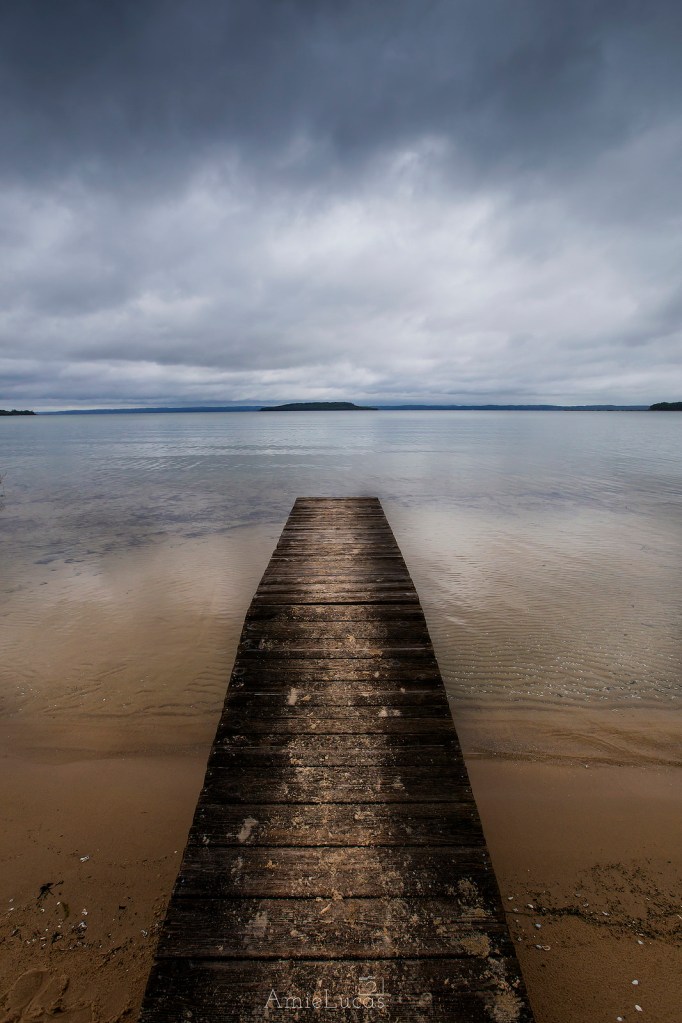
Gloom over West Grand Traverse Bay

gloom-over-grand-traverse-bay

Gloom over Grand Traverse Bay, photo by Amie Lucas

View Amie’s photo background bigilicious, see more in her Central Michigan slideshow, and be sure to follow Amie Lucas Photography on Facebook.

PS: You can get Amie’s 2017 Calendar on her website.

Happy Halloween … and the Indian Drum

pumpkin-on-the-shore-happy-halloween

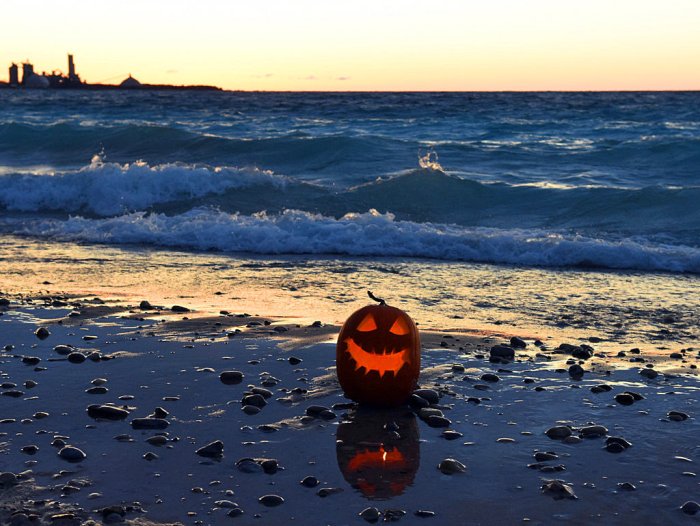
Happy Halloween, photo by Julie

Happy Halloween everyone! I shared this story a few years ago, but since we’re back up on northern Lake Michigan at a time when the witch of November is rousing, why not share it again? In 1915, William MacHarg & Edwin Balmer wrote a book called The Indian Drum. The whole book is available online along with 53,000+ more books at Project Gutenberg. Chapter I begins:

Near the northern end of Lake Michigan, where the bluff-bowed ore-carriers and the big, low-lying, wheat-laden steel freighters from Lake Superior push out from the Straits of Mackinac and dispute the right of way, in the island divided channel, with the white-and-gold, electric lighted, wireless equipped passenger steamers bound for Detroit and Buffalo, there is a copse of pine and hemlock back from the shingly beach. From this copse—dark, blue, primeval, silent at most times as when the Great Manitou ruled his inland waters—there comes at time of storm a sound like the booming of an old Indian drum. This drum beat, so the tradition says, whenever the lake took a life; and, as a sign perhaps that it is still the Manitou who rules the waters in spite of all the commerce of the cities, the drum still beats its roll for every ship lost on the lake, one beat for every life.

So—men say—they heard and counted the beatings of the drum to thirty-five upon the hour when, as afterward they learned, the great steel steamer Wenota sank with twenty-four of its crew and eleven passengers; so—men say—they heard the requiem of the five who went down with the schooner Grant; and of the seventeen lost with the Susan Hart; and so of a score of ships more. Once only, it is told, has the drum counted wrong.

At the height of the great storm of December, 1895, the drum beat the roll of a sinking ship. One, two, three—the hearers counted the drum beats, time and again, in their intermitted booming, to twenty-four. They waited, therefore, for report of a ship lost with twenty-four lives; no such news came. The new steel freighter Miwaka, on her maiden trip during the storm with twenty-five—not twenty-four—aboard never made her port; no news was ever heard from her; no wreckage ever was found. On this account, throughout the families whose fathers, brothers, and sons were the officers and crew of the Miwaka, there stirred for a time a desperate belief that one of the men on the Miwaka was saved; that somewhere, somehow, he was alive and might return. The day of the destruction of the Miwaka was fixed as December fifth by the time at which she passed the government lookout at the Straits; the hour was fixed as five o’clock in the morning only by the sounding of the drum.

The region, filled with Indian legend and with memories of wrecks, encourages such beliefs as this. To northward and to westward a half dozen warning lights—Ile-aux-Galets (“Skilligalee” the lake men call it), Waugaushance, Beaver, and Fox Islands—gleam spectrally where the bone-white shingle outcrops above the water, or blur ghostlike in the haze; on the dark knolls topping the glistening sand bluffs to northward, Chippewas and Ottawas, a century and a half ago, quarreled over the prisoners after the massacre at Fort Mackinac; to southward, where other hills frown down upon Little Traverse Bay, the black-robed priests in their chapel chant the same masses their predecessors chanted to the Indians of that time. So, whatever may be the origin of that drum, its meaning is not questioned by the forlorn descendants of those Indians, who now make beadwork and sweet-grass baskets for their summer trade, or by the more credulous of the white fishermen and farmers; men whose word on any other subject would receive unquestioning credence will tell you they have heard the drum.

Read on at Project Gutenberg.

View Julie’s photo bigger and see more in her Holidays slideshow.

See 700 more Halloween photos in the Absolute Michigan photo group  and more haunted, Halloween fun on Michigan in Pictures.

Lake Charlevoix Fall Colors

lake-charlevoix-fall-colors-by-frank-wulfers

Lake Charlevoix Fall Colors, photo by frank wulfers

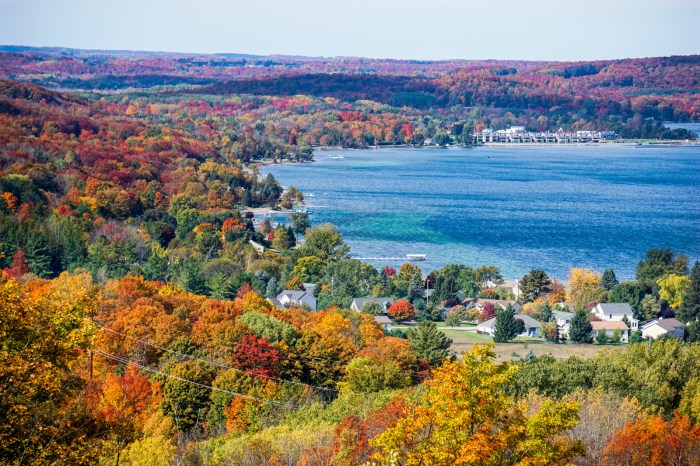
Frank took this shot on Wednesday from the Avalanche Mountain Scenic Overlook in Boyne City. As you can see, this will be the weekend for fall color across much of Michigan, so check out some great fall scenes on Michigan in Pictures and make your plans for a getaway!

View Frank’s photo bigger and see more in his Michigan – Northwest slideshow.

Find Your Wayve

find-your-wayve

Find Your Wayve, photo by Noah Sorensen

View Noah’s photo from Elberta Beach on Lake Michigan background bigtacular and see lots more from Noah on Flickr.

More fall wallpaper on Michigan in Pictures.

Michigan Fall Color Running Late in 2016?

autumn-tree-tunnel-on-m-22

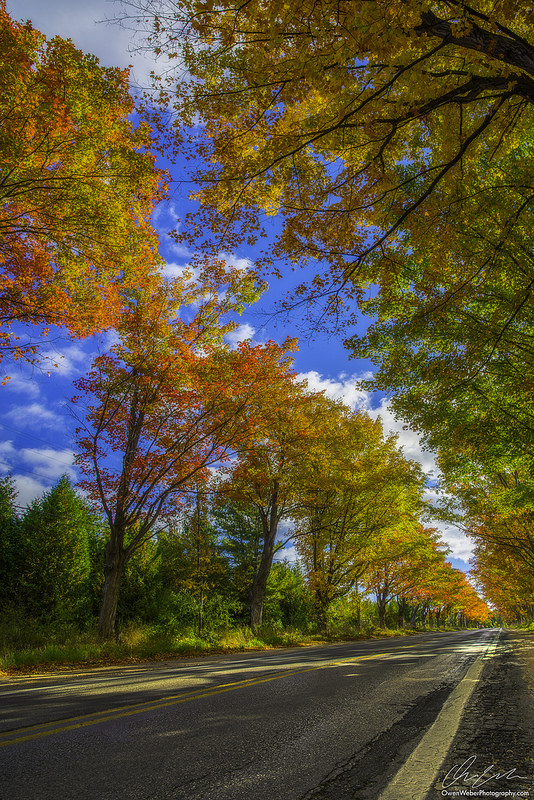
Autumn Tree Tunnel on M-22, photo by Owen Weber

The Detroit News is reporting that Michigan’s leaves are about a week late this year:

“The warm, dry summer has delayed things,” said meteorologist Jim Keysor of the Gaylord office of the National Weather Service. “ “People will just have to wait. Colder nights are coming and the color show will happen.”

“We’re a week to 10 days behind,” he estimated.

The National Weather Service recorded plenty of 90-degree days through August — five in June, nine in July and seven in August.

“We’re probably at 40 percent to 60 percent right now,” said accounting assistant Gina Penegor of the Porcupine Mountains Wilderness State Park in Ontonagon of the Upper Peninsula. “We’ve had a light frost and this weekend could be the best time to view color here. In the last five days it’s really changed a lot.”

…“By all accounts, the color is coming a little bit later with all the great weather we’ve been having,” said Michelle Grinnell, the public relations manager of Travel Michigan, in a statement. “That extends our fall travel season.”

Grinnell said that the fall tourism season is expected to have a $3.7 billion economic impact on Michigan in 2016. Michigan has 19 million acres of woodlands. The golds, yellows and reds of autumn usually begin in mid-September and work their way south from Lake Superior, peaking in late October in the lower counties along the Indiana and Ohio borders.

You can read on for more. While I will say that the eyeball test agrees the colors are running behind around Traverse City, consider this article that maintains the timing of fall color is due mainly to the length of days and as such, unchanged year to year.

As a further piece of evidence, Owen took this photo of peak color on M-22 last year on October 21st about a week to 10 days from now. View it bigger and see more in his Michigan slideshow, and learn more about Owen at owenweberlive.com.

PS: This was taken on M-22 right in front of the house I grew up in about 2 miles south of Leland on the way to Glen Arbor & Sleeping Bear Dunes! While those trees are definitely fading under the twin ravages of time and the power company/road commission, it’s still a pretty spectacular spot!

Pier Energy at Frankfort North Breakwater Lighthouse

pier-energy-by-aaron-springer

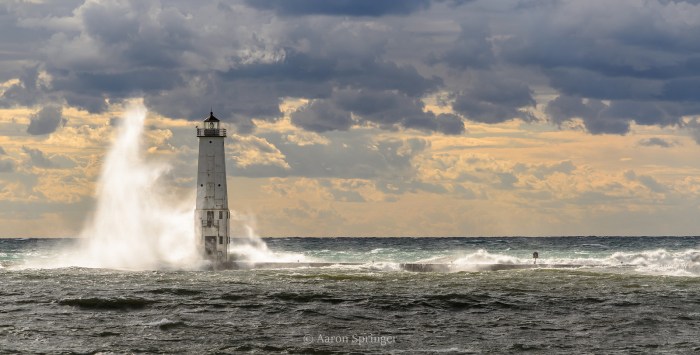
Pier Energy, photo by Aaron Springer

The Frankfort North Breakwater Lighthouse entry at Terry Pepper’s excellent Seeing the Light says the tip of the light is 72 feet off the water, making that spray over 80′ tall!! Click above for a ton more, but here’s something about the light tower:

1912 saw significant a significant change in the lighting of the Frankfort harbor entrance. A new square steel pyramidal tower was erected on the North Pier. Fully sheathed in steel plates, the white painted structure stood 44 feet from its base to the top of the ventilator ball. Outfitted with a fixed red Fourth Order Fresnel lens, the tower’s location on the north pier provided the new light with a focal plane of 46 feet, and a visible range of 12 miles in clear weather. The air siren from the South Pierhead light was relocated into this new structure, and set up to emit a characteristic isophase characteristic of alternating periods of 3 second blasts and 3 seconds of silence. An elevated walkway, similar to that installed on the south Pier, was erected from the new light to the shore.

…By 1924, the total car ferry tonnage through Frankfort Harbor was twenty five times greater than that prior to the establishment of the ferries. To better serve this vital commerce, the Army Corps of Engineers began construction of a pair of reinforced concrete arrowhead-type breakwaters at the harbor entrance in order to create a large stilling basin to protect the opening into the harbor. With the completion of these breakwaters in the early 1930’s, the twin piers at the entry into Lake Betsie no longer served any purpose. With plans in place to shorten them into short stub piers, the North Pierhead Light was lifted from the pier onto the deck of a barge and carried out to the end of the North Breakwater. A square steel base 25 feet in height had been erected on the end of the breakwater to receive it, and the tower was lifted onto the new base. After being bolted into position, the new tower stood 67 feet in height from the upper level of the pier to the top of the lantern ventilator ball. By virtue of its location on the concrete pier, the light stood at a focal plane of 72 feet, and the 17,000 candlepower incandescent electric light within the Fourth Order Fresnel was visible for a distance of 16 miles in clear weather.

Read on for lots more about the lighthouse including some great old photos.

View Aaron’s photo bigger and see more in his slideshow,.

Tons more lighthouses on Michigan in Pictures.

Last Dawn of Summer

last-dawn-of-the-summer

Last Dawn of Summer, photo by John Robert Williams Photography

Since I shared something from the first day of fall, it seems only fitting that I share something from the last day of summer! Here’s a stunning sunrise over West Grand Traverse Bay in Traverse City by my friend John!

Click the pic to view it background bigilicious and get more from John, including professional portraits at jrwpix.com!

More Traverse City and more summer wallpaper on Michigan in Pictures!