Last Friday, my Absolute Michigan photo group on Flickr crossed a major milestone when Mark Smith added the 300,000th photo to the group! I created the group 20 years ago to support my Absolute Michigan supersite which was regrettably demolished by the Pure Michigan campaign. Regrets aside, the group remains an incredible place for seeing images from every corner of the Great Lakes State taken by nearly 4000 members (3,930 to be exact). From Alanson to Midland to Zeeland you can find photos of parks, parties, & people enjoying everything Michigan has to offer.
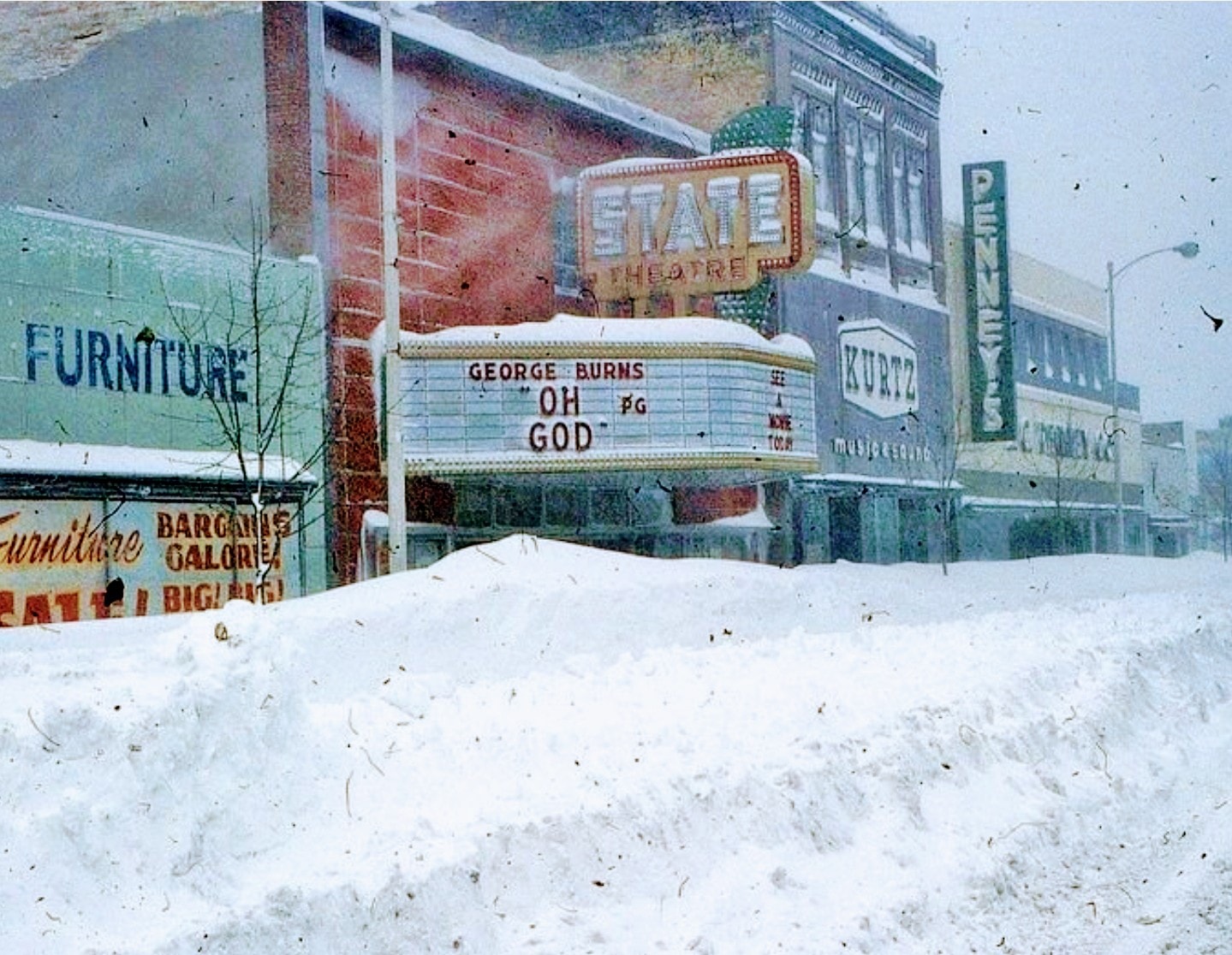
“The most extensive and very nearly the most severe blizzard in Michigan history raged throughout Thursday January 26, 1978 and into part of Friday January 27. About 20 people died as a direct or indirect result of the storm, most due to heart attacks or traffic accidents. At least one person died of exposure in a stranded automobile. Many were hospitalized for exposure, mostly from homes that lost power and heat. About 100,000 cars were abandoned on Michigan highways, most of them in the southeast part of the state.” -National Weather Service Ann Arbor Meteorologist in Charge, C.R. Snider on January 30th, 1978
48 years ago one of the most powerful blizzards in Michigan history brought the state to a standstill. In her feature on historical Michigan snow days in the now defunct Seeking Michigan, Jessica Miller of the Archives of Michigan related:
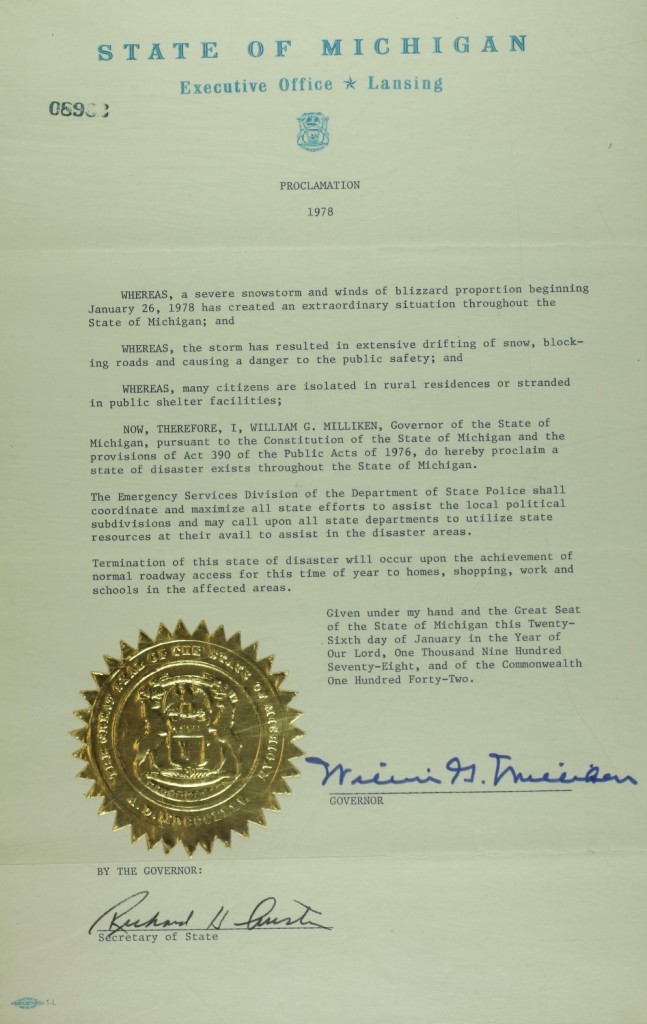
On January 26-27, 1978, snowstorms with fifty-to-seventy-mile per hour winds pummeled much of Michigan. Snowfall totals ranged from eighteen inches in Lansing to an incredible fifty-one inches in Traverse City. More than 100,000 cars were abandoned on roads and highways, and travel was impossible for days. Governor William G. Milliken declared a state of emergency on January 26 (See the image below.) and activated the National Guard to assist with the cleanup. The governor also requested financial assistance from the federal government and estimated damage totals to be more than $25 million, not including lost productivity from workers who were unable to get to their jobs.
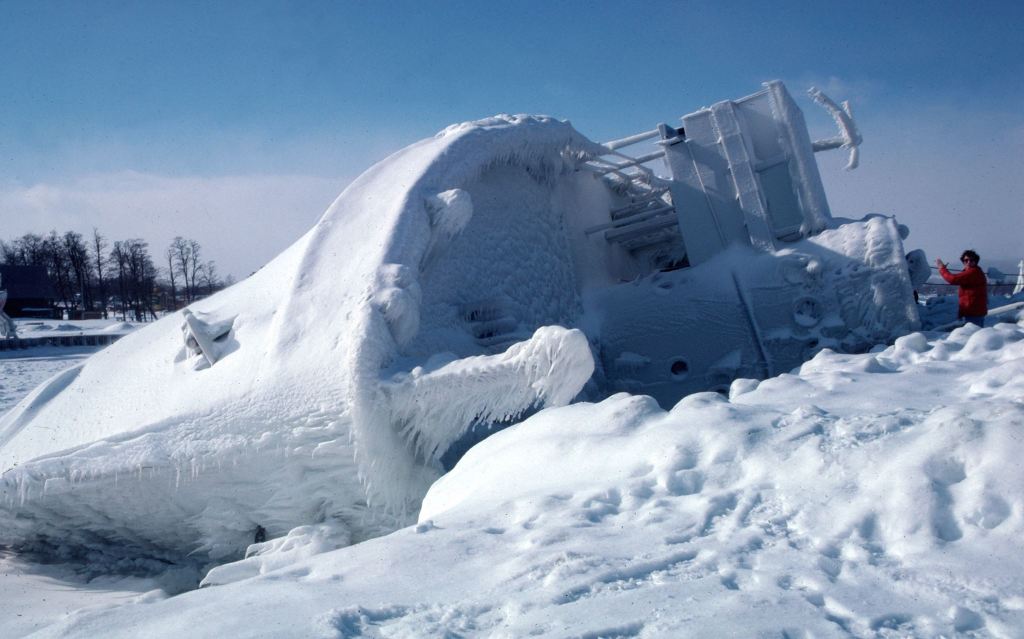
Regarding the photo, John wrote: Marty Lagina stands on the frozen pier at the Great Lakes Maritime Academy on January 29, 1978, viewing the capsized training vessel Allegheny, which capsized from ice buildup during the Blizzard of ’78. This image was on assignment for TIME magazine, who had seen my b&w image on the UPI wire and wanted a color image. Marty and I were lucky – the sky cleared and the wind stopped for about 20 minutes, then the storm began again. I wondered at the time who TIME knew to make that happen…
This holiday season I’m encouraging folks to consider Michigan photo calendars from many of the photographers I feature on Michigan in Pictures as the perfect gift to share your love of the Great Lakes State.
“In times like these, we have to look out to help one another. We have to have compassion for one another to see how can I help my brother.” – Reverend Aaron Hicks
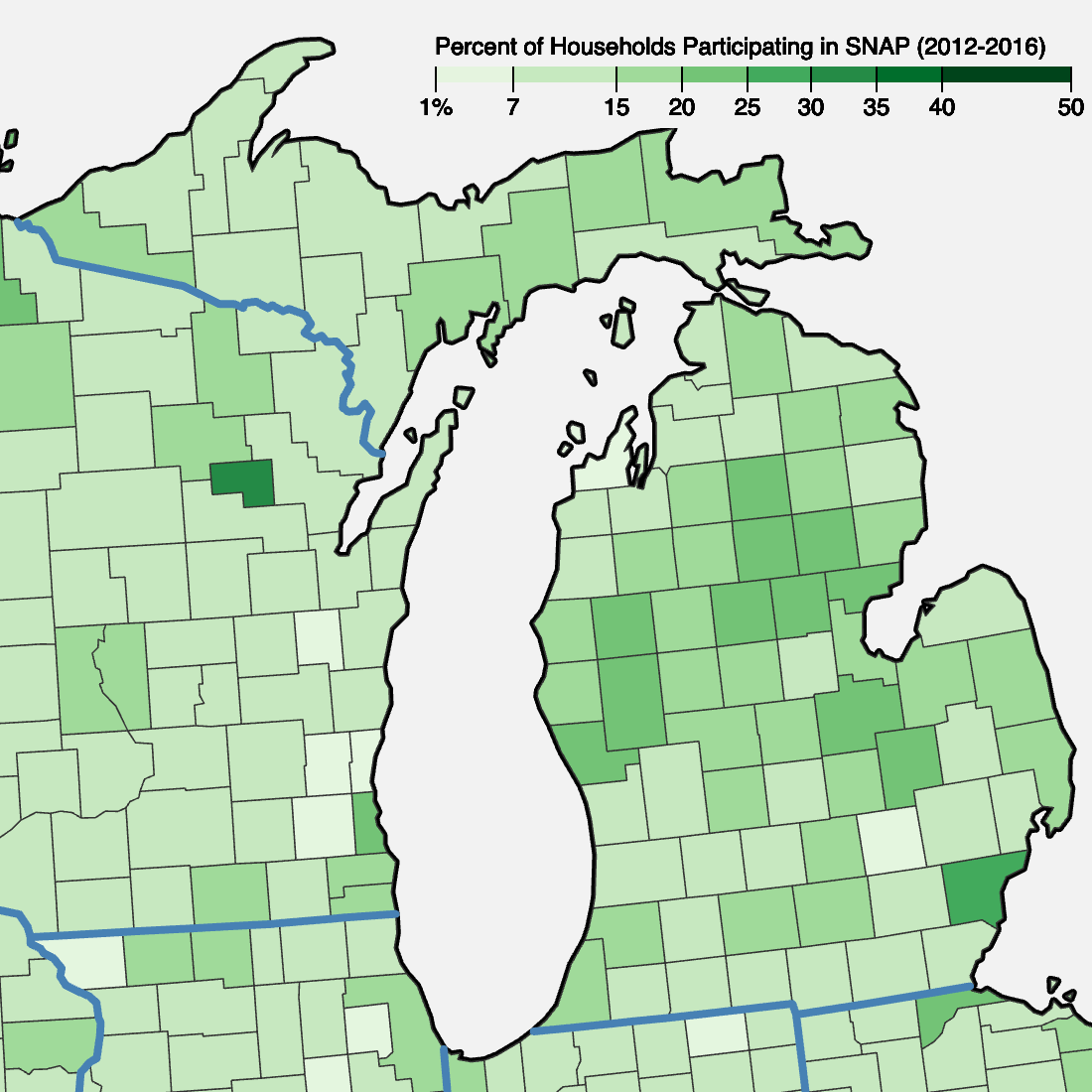
The National SNAP participation map breaks things down at the conty level. In Michigan average of 14.2% of small town households, 16.1% of urban households, and 16.8% of rural households receive SNAP benefits, and Michigan spends $3 billion a year on food assistance for our 1.4 million SNAP recipients.
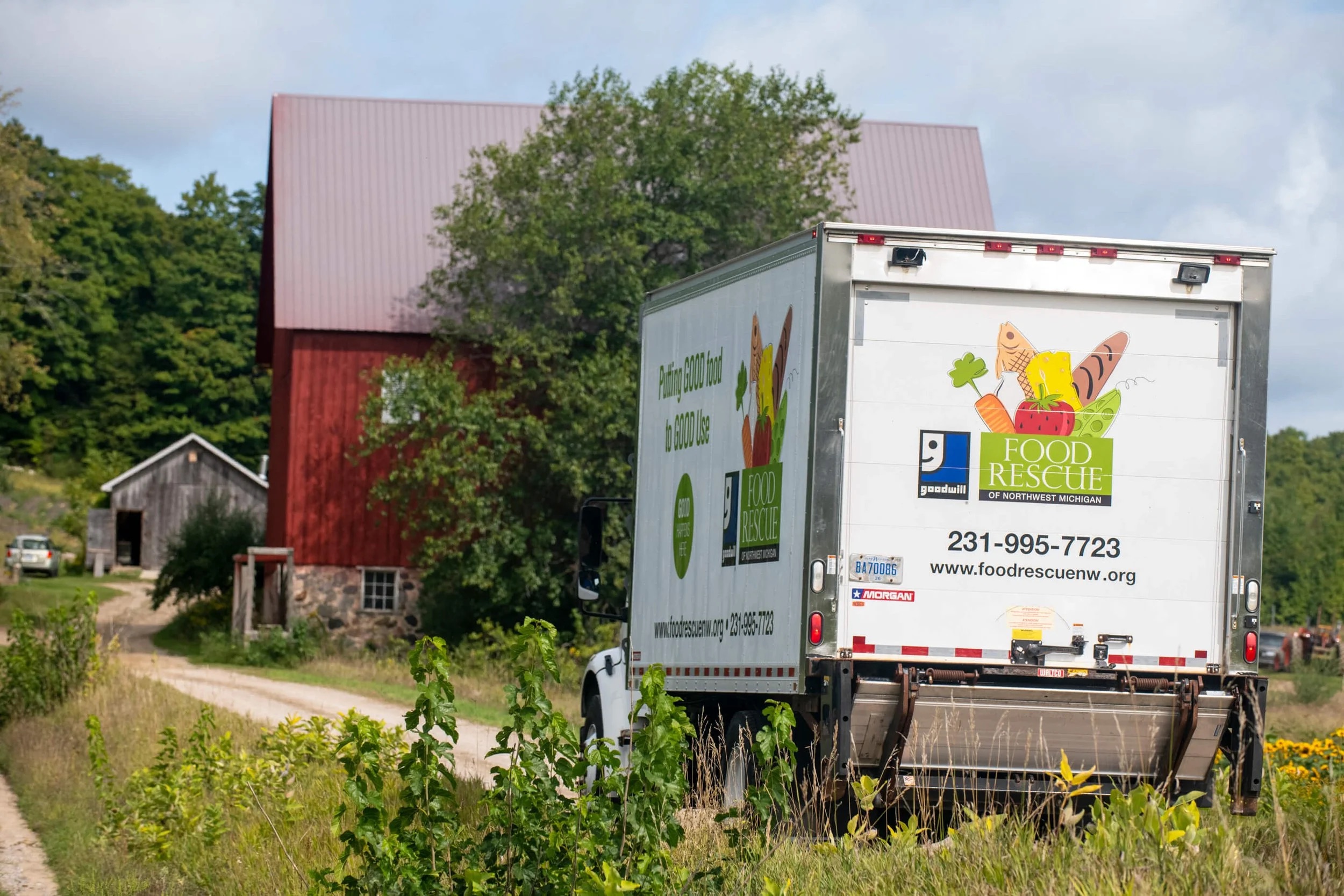
One of the many Michigan organizations working hard to keep food in the hands of hungry Michiganders is Food Rescue of Northwest Michigan who rescue, repack, and distribute over 2 million pounds of food every year to add to food pantry stores. Due to uncertainty with SNAP (food stamp) benefits, they are holding additional repacks – get all the details right here & feel welcome to share options you know of in the comments!!
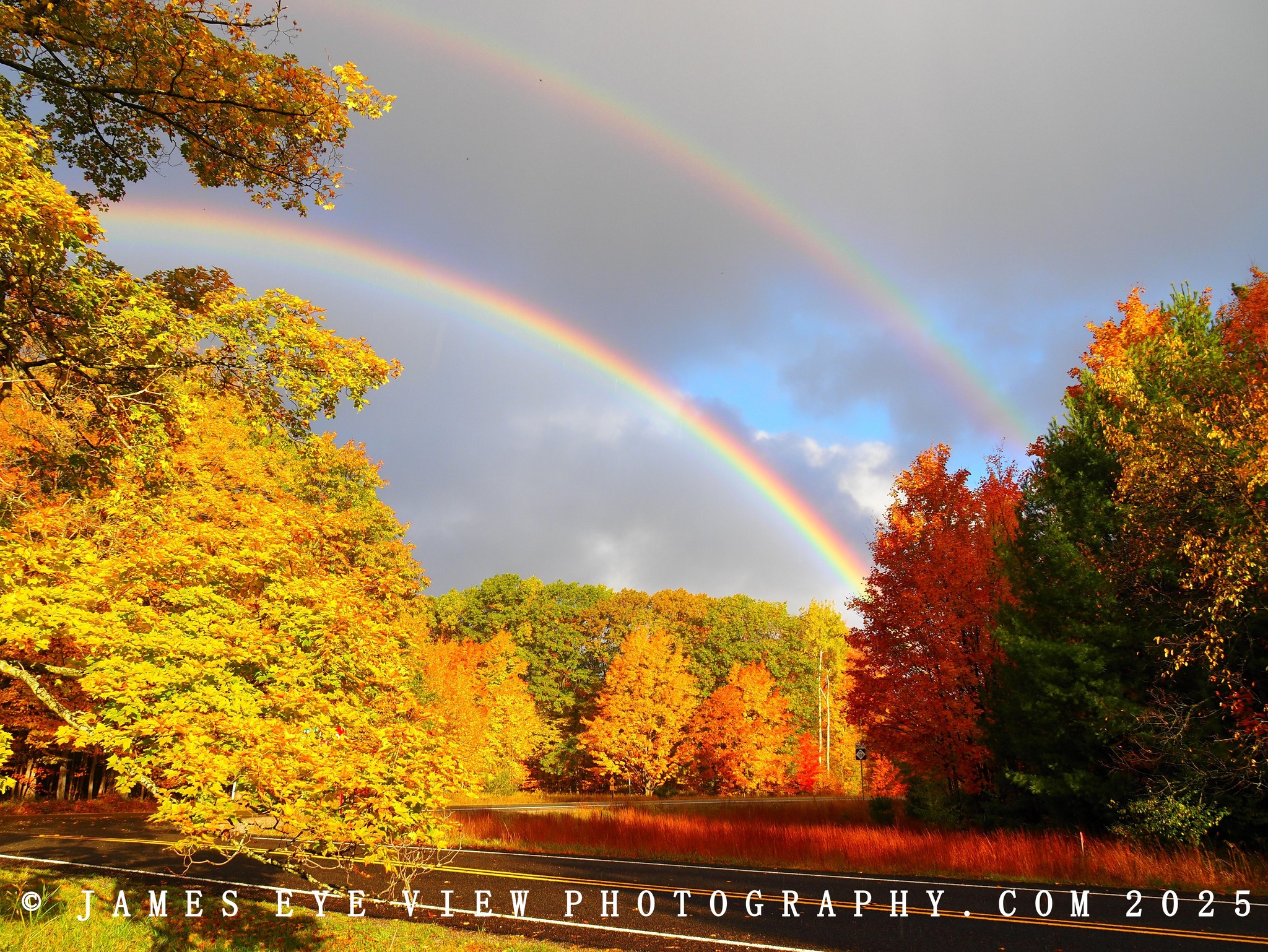
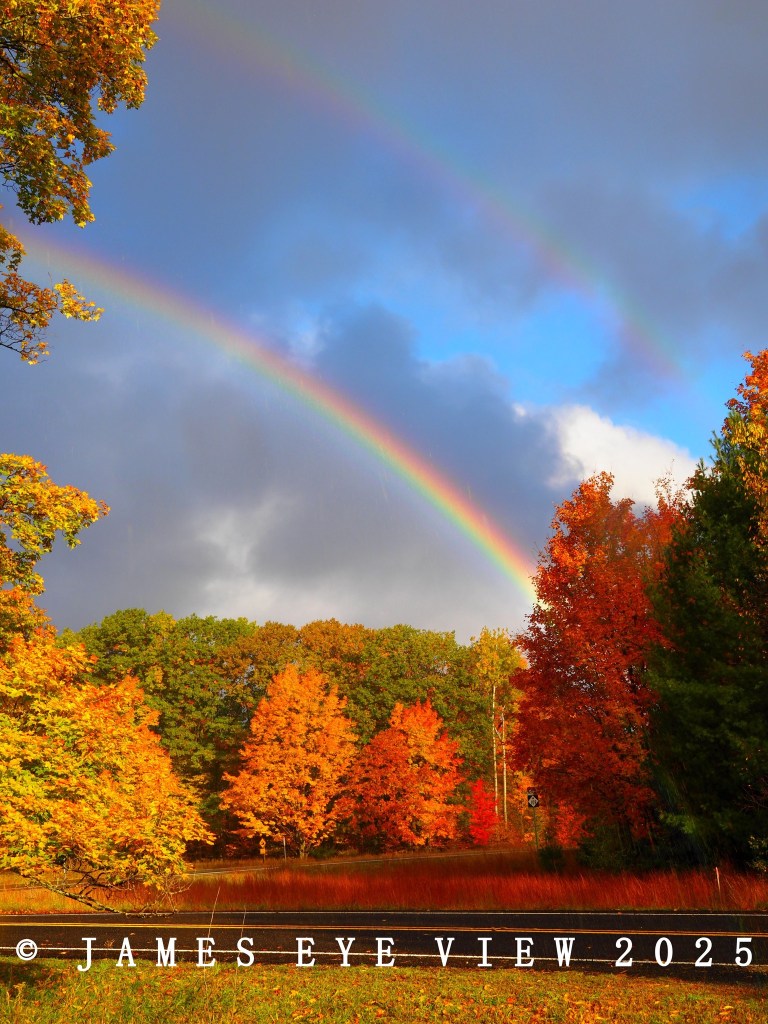
To have rainbows, we need rain and sun at the same time. What weather pattern is classic for rain and sun at the same time? The current lake-effect rain shower situation is perfect for rainbows. The rain showers are small, maybe only five miles wide. There is a lot of clear sky around the rain showers.
…So we know why we have had and currently have a lot of rainbows in Michigan in the past few days- the spotty lake-effect showers combined with sunshine. But why have there been numerous double rainbows? It has to do with the angle of the sun, combined with the daily weather pattern.
For a double rainbow, the sun has to be fairly low on the horizon, lower than 40 degrees above the horizon. It just so happens the lake-effect showers reach their peak intensity and coverage during the late afternoon heating of the day, when the sun is low on the horizon.
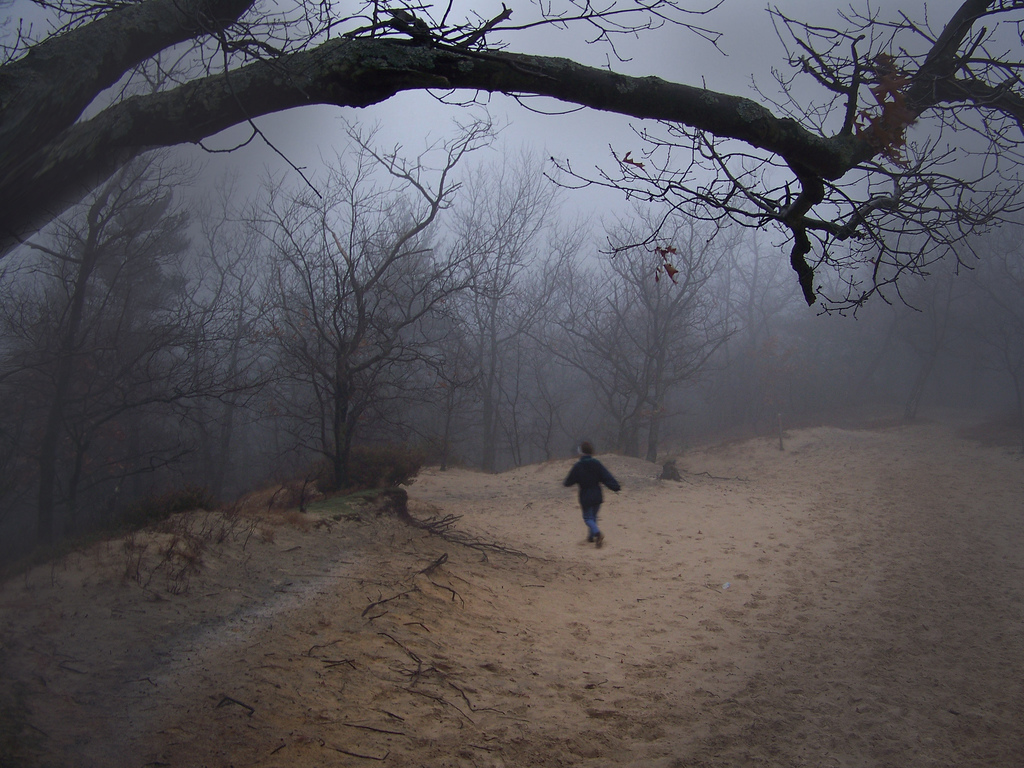
“Somewhere in the north woods darkness a creature walks upright, and the best advice you may ever get is don’t go out at night.” -Steve Cook in The Legend of the Michigan Dogman
The Pacific Northwest has its Sasquatch, West Virginia has their Mothman, Jersey has their Devil, and we in the Great Lakes State have our Dogman, a fearsome werewolf-like beastie that purportedly roams the wilds of Northern Michigan. Discovery UK shares some of the Legend of the Michigan Dogman:
The first of the alleged Dog Man sightings in Michigan was in 1887, during a boom in US lumber production known as the great logging era, which roughly ran from 1870 to 1890. During this time, Michigan was its biggest producer of white pine lumber. Perhaps it’s therefore of little surprise that the initial influx of stories emerged then, with so many workers living and working in the woodlands in the area. The first of these is said to have taken place in 1887 in Wexford County, when a group of lumberjacks stumbled upon a creature they described as having the body of a man and the head of a dog. Its piercing eyes were either blue or yellow and its howl a terrifying scream.
1917: Four horses found dead, all with their eyes wide open. It’s said the examining vet believed they appeared scared to death.
1937: A victim of an attack by a pack of wild dogs claimed one of them walked on two legs.
1957: A newspaper report stated that claw marks found on a church door could only have been made by a creature reaching a height of 7”4.
1997: A farmer was found deceased at his plough from a heart attack, surrounded by dog tracks.
Unknown year: An army veteran claimed he saw the Dog Man of Michigan in Manistee National Forest, describing “a wolf head the size of my window” as the animal kept up with his truck travelling at 25 miles per hour. He also recalled it having sharp white teeth, three-inch long fangs, human-like hands some 14 inches across, black pointed ears, and yellow eyes.
Overall, Michigan Dogman stories often share common themes: a sinister canine visage, towering stature, and an unnerving ability to walk upright. What’s more, they all seemingly occurred in years ending in the number seven. This latter point has become a part of the mythos, with enthusiasts suggesting a possible ten-year cycle in the creature’s appearances.
Otisourcat originally shared this photo way back in 2008. Head over to their Flickr for the latest including some awesome shots of a raccoon on a snowman.
Some other Dogman related content you might enjoy includes this post on Michigan filmmaker Rich Brauer’s latest Dogman movie (third in his trilogy), the comprehensive Michigan Dogman entry in Wikipedia that relates the dogman is said to have been stalking the area around the Manistee River since the days when the Odawa tribes lived there, and of course Steve Cook’s song that “started” (or restarted) it all. Enjoy the song, but know that although author Steve Cook loves to claim he started the legend, it has been around for generations.
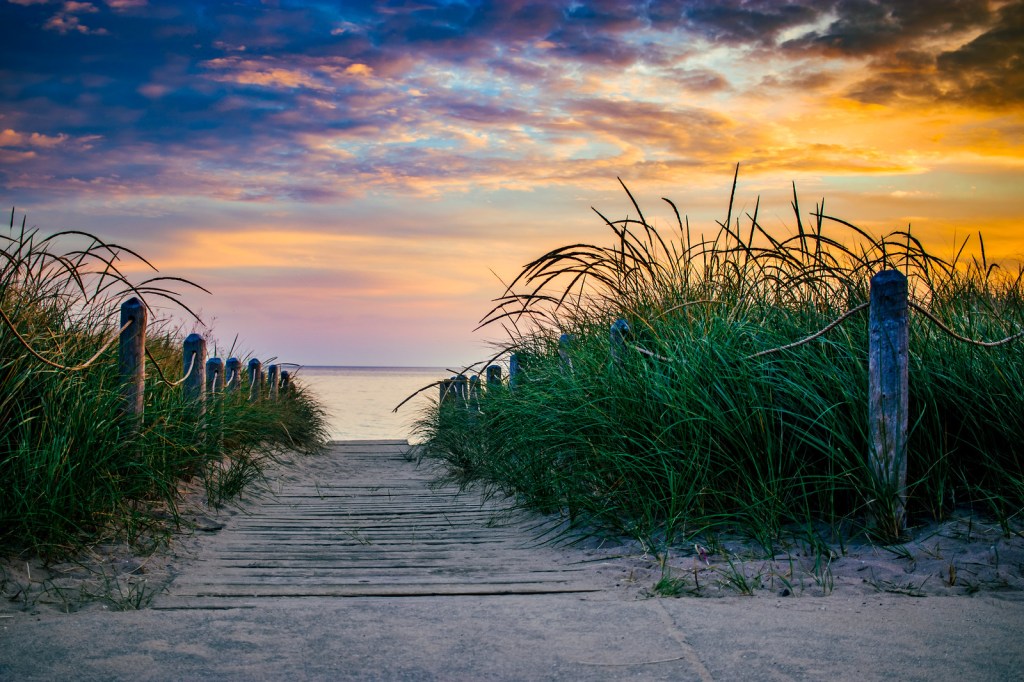
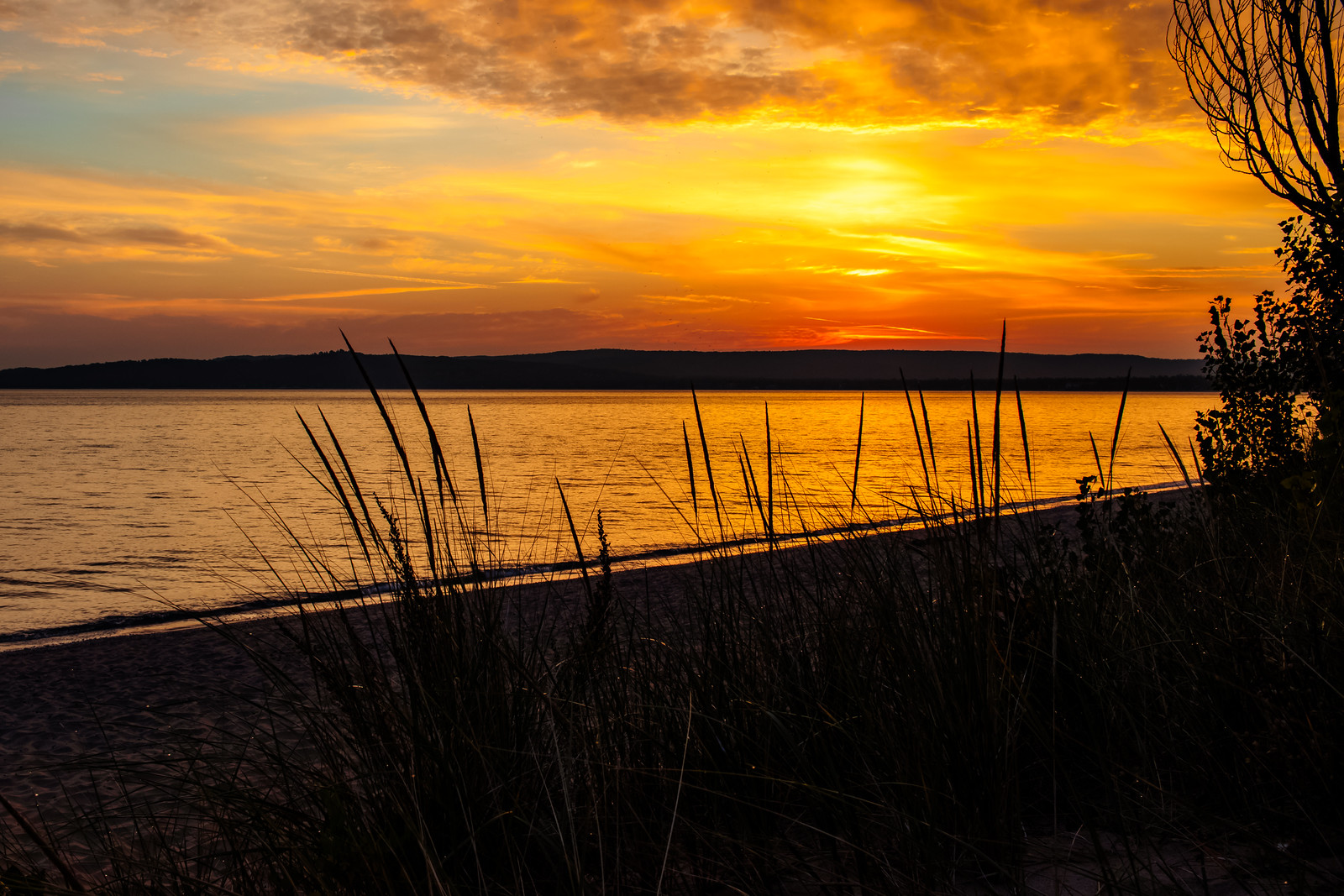
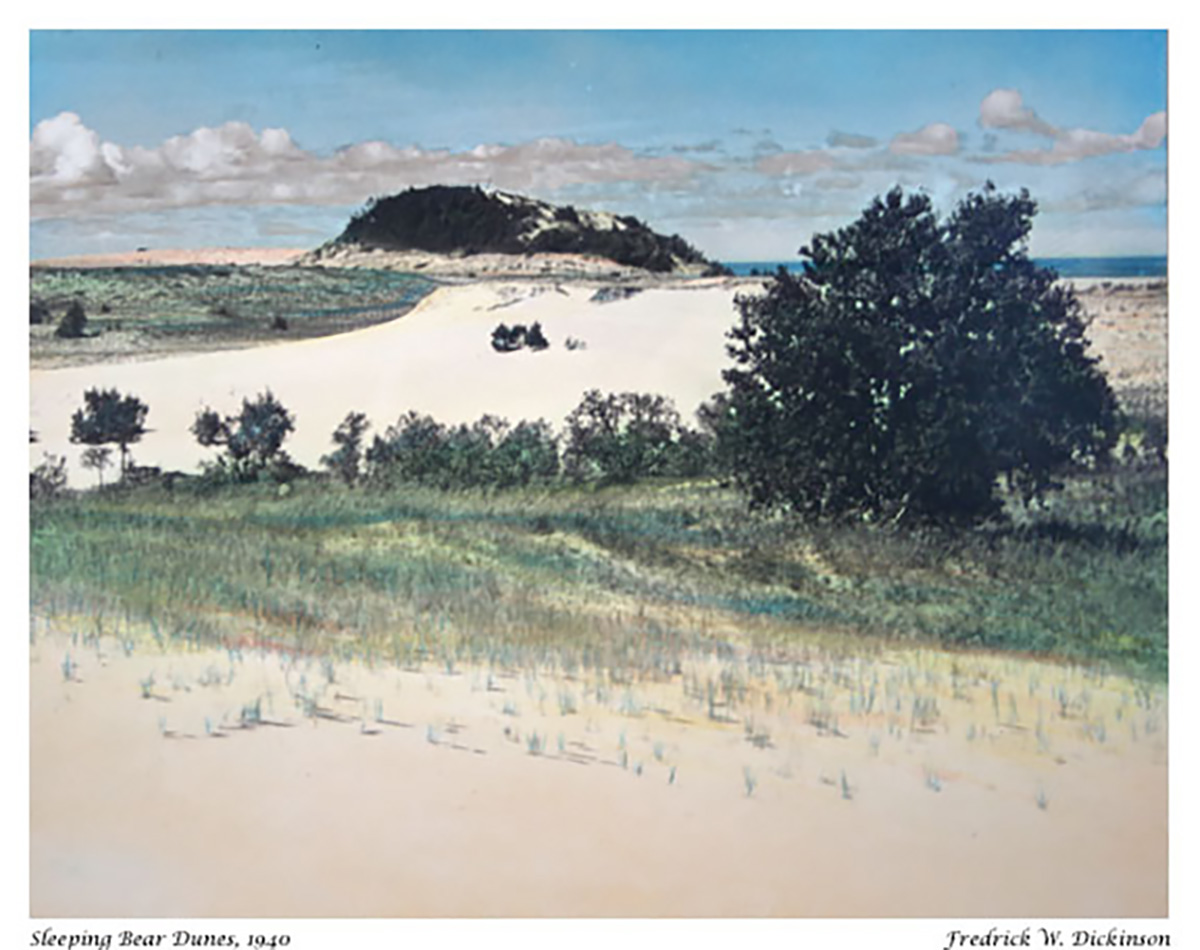
Today is the 55th birthday of the Sleeping Bear Dunes National Lakeshore. Normally, I would lead with a photo of the Dunes, but the creation of the National Lakeshore on October 21, 1970 preserved a whole lot more!!
Here is the tale of the tape on Michigan’s magnificent national lakeshore as of August 1, 2024!
Annual Visits – 1,589,248
Employees – 46 permanent, 83 seasonal
Volunteer Hours – 58,389 from 1,659 volunteers
Natural and Cultural Resources
Area – 71,318 acres
Lake Michigan Shoreline – 65 miles (35 miles on the mainland)
Inland Lakes – 26
Miles of rivers and streams – 12
Terrestrial plant species – 908
Bird species – 246
Federally threatened or endangered species – 6
Historic structures on List of Classified Structures – 369
Sites on National Register of Historic Places – 8
Cultural Landscapes – 9 (4,500 acres)
Prehistoric archeological sites – 150
Historic boats – 21
Lighthouse – 1
Historic artifacts – 70,158
Archived documents – 21,325
Infrastructure
Buildings – 370
Employee housing units – 38
Campgrounds – 9 (357 sites)
Picnic Areas – 5
Visitor Centers – 3
Outdoor ampitheaters – 2
Miles of roads – 23
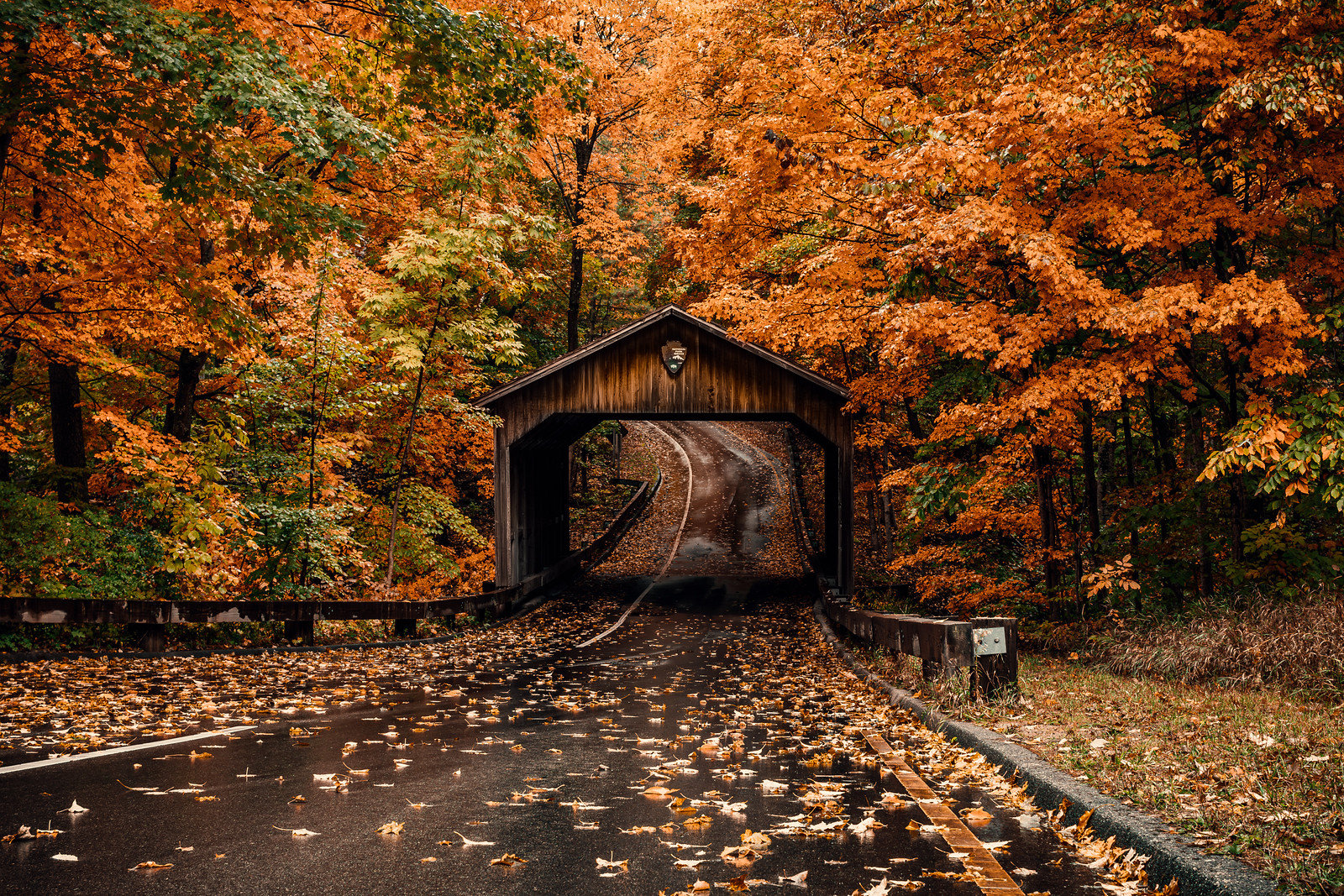
Covered bridge – 1 (Pierce Stocking Drive)
Miles of trails – 105
Lake access ramps – 9
Signs and wayside exhibits – 3572
Major photovoltaic power systems – 3
Motor vehicles in fleet – 54
Large boats – 8
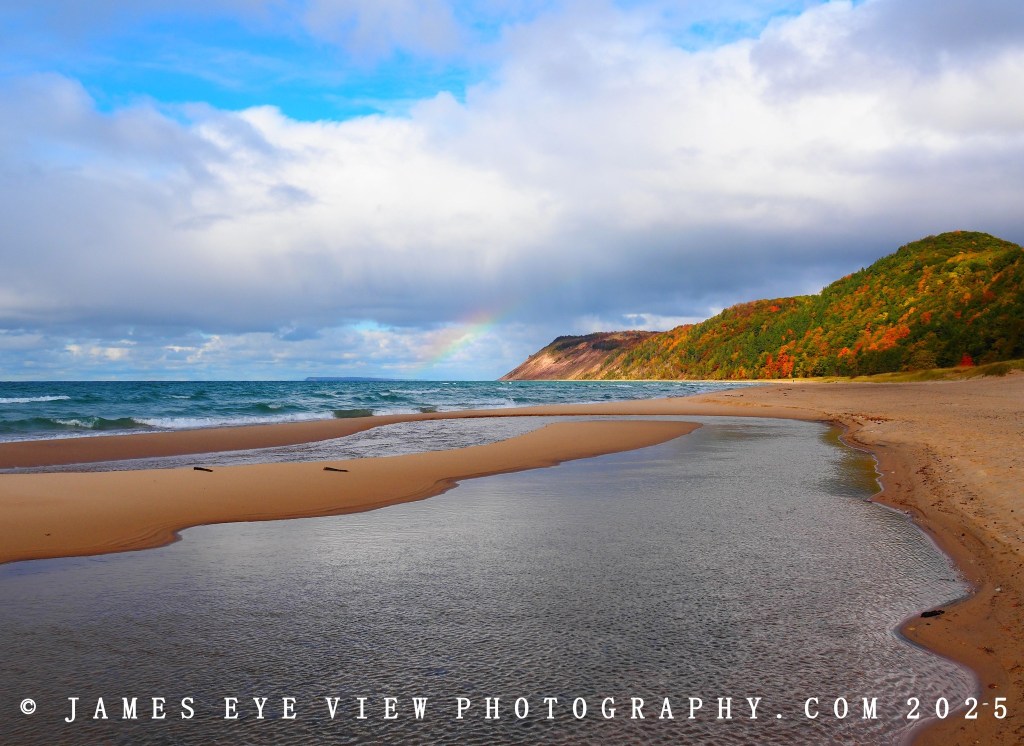
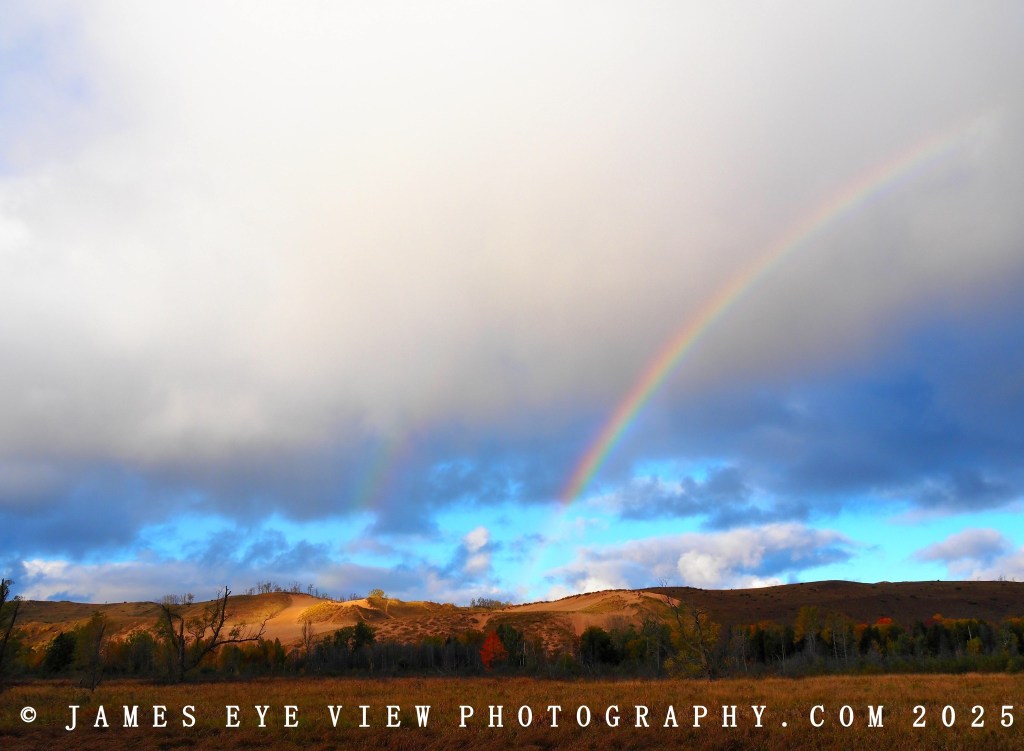
James took these in the Sleeping Bear Dunes National Lakeshore back in fall of 2023. See lots more great shots in his Top 100 gallery on Flickr!
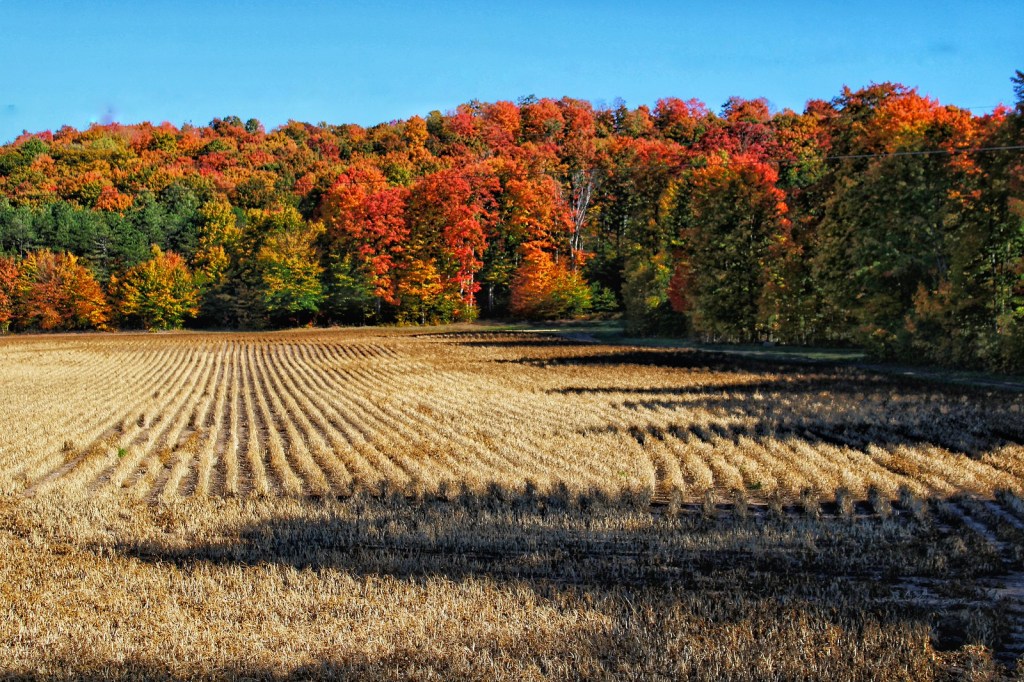
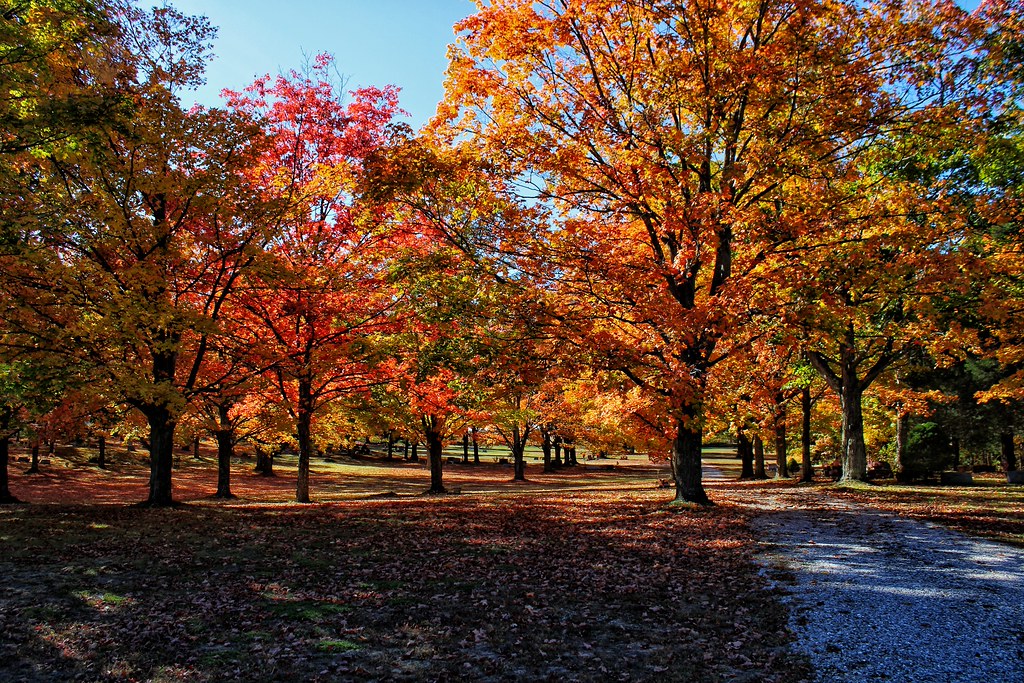
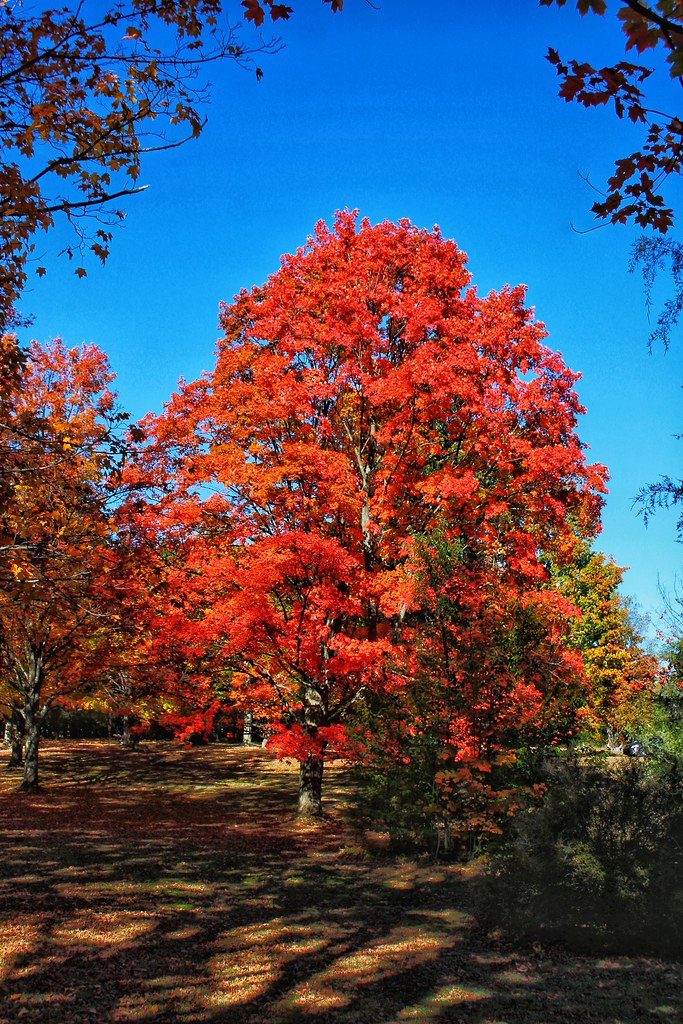
The Pure Michigan Fall Color Report for October 14-21, 2025 says that Michigan’s Upper Peninsula will be at or near peak color this weekend. As always, color moves slower along the water in the UP and the Lower Peninsula. In Northern Michigan they say color is at about 50%, but I am going to trust MyNorth & TV 9&10 who are saying inland areas in Northern Michigan are at peak & shoreline communities like Traverse City, Petoskey & Tawas are fast approaching optimal color (especially because the folks at Crystal Mountain who are very on the ball are reporting color at 80-100%. Southern Michigan is close to halfway in most areas, but as always, please share your observations & photos!!
Mike took these yesterday in Pleasanton, which is located slightly inland in Benzie County midway between Manistee & Frankfort so yo can see how the color is really close to peak! See more in his Fall Color MI 2025 gallery on Flickr & for sure get out there to see some of this beautiful color before it’s gone!!
We interrupt our mostly Michigan content to bring you important news about Alaska’s Fat Bear Week online competition! Some of the largest brown bears on the planet make their home at Brooks River in Katmai National Park, and in addition to being adorably chonky, the fattest bears are best prepared for winter hibernation.
While Michigan doesn’t have brown bears, our native black bear population is also out there in the woods right now, actively searching for the raw materials to pack on the pounds. The Michigan DNR says that about about 13,000 American black bears live in Michigan. Most of them (around 11,000) live in the Upper Peninsula with around 1,700 in the northern Lower Peninsula. Their Living with Black Bears guide says that the black bear is the only species of bear with an average lifespan of 10 years in the wild. Male black bears live in an area about 100 square miles or more in size, while females live in smaller areas about 10 to 20 square miles. They are solitary animals, a sow (female bear who has birthed at least one cub) and her cubs may be seen together.
Black bears can have various color phases including black (most common in Michigan), brown and cinnamon. In Michigan, adult female black bears range from 100 to 250 pounds while adult males can weigh up to 400 pounds. Adult black bears measure about three feet high on all fours & five feet tall when standing upright.
Black bears are omnivorous & will travel great distances to find food, opportunistically feeding on both plants and animal including tender vegetation, nuts, berries, and insects. Black bears are generally fearful of humans and will leave if they are aware of your presence, but human foods, garbage, pet foods, & birdseed can definitely draw them to your door! In the rare circumstance that a bear doesn’t turn and leave, try to scare it off by yelling while leaving a clear, unobstructed escape route for the bear. If the bear stands its ground, makes threatening sounds or bluff charges, you are too close. Take slow steps backward while continuing to talk to the bear in a stern tone. In the rare event of an attack, fight back with a backpack. DO NOT run or play dead.
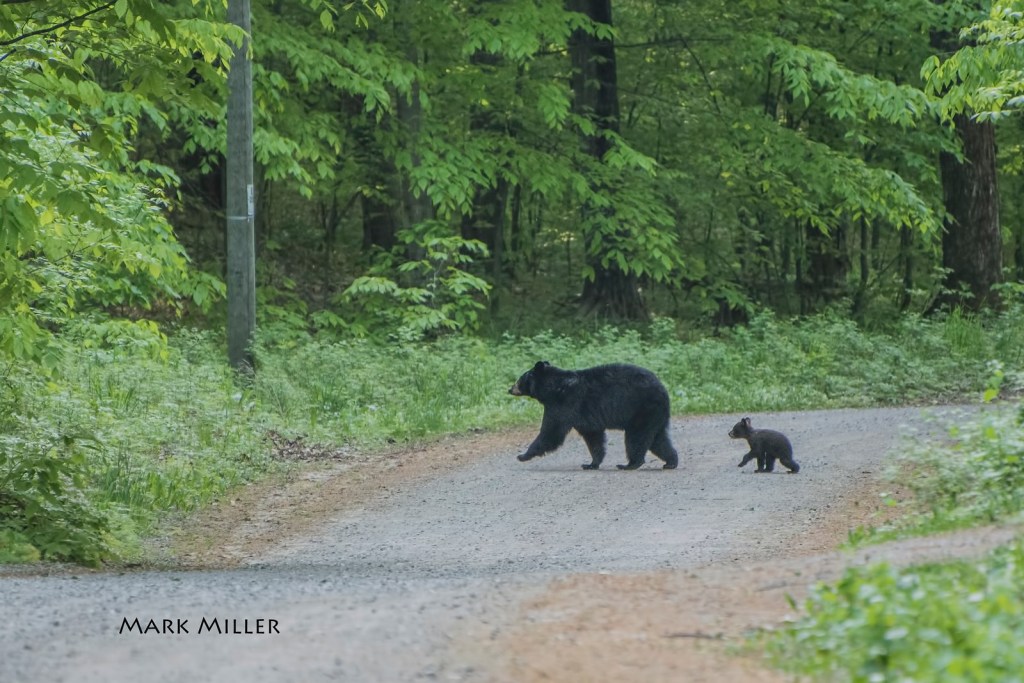
Mark captured these black bears out for a Saturday morning stroll near Empire back in June of 2015. You can see more in his In In My Backyard gallery on Flickr.
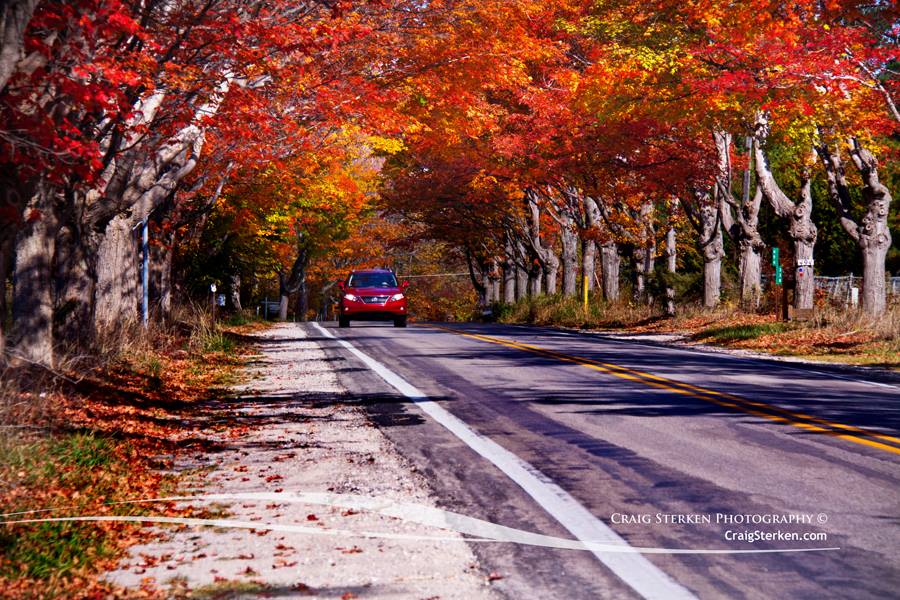
Ten years ago I featured this photo from Craig of M-22 on the Leelanau Peninsula on the Michigan in Pictures Facebook. In addition to being a signature location for Pure Michigan fall color, the car happens to be next to the exact spot where I waited for the bus as a kid in the 1970s!
You can purchase this photo & see the awesome vistas this car is bound for as it drives south on M-22 in Craig’s Sleeping Bear Dunes gallery on his website. For sure follow him on Facebook or Instagram for his latest!






 Michigan in Pictures