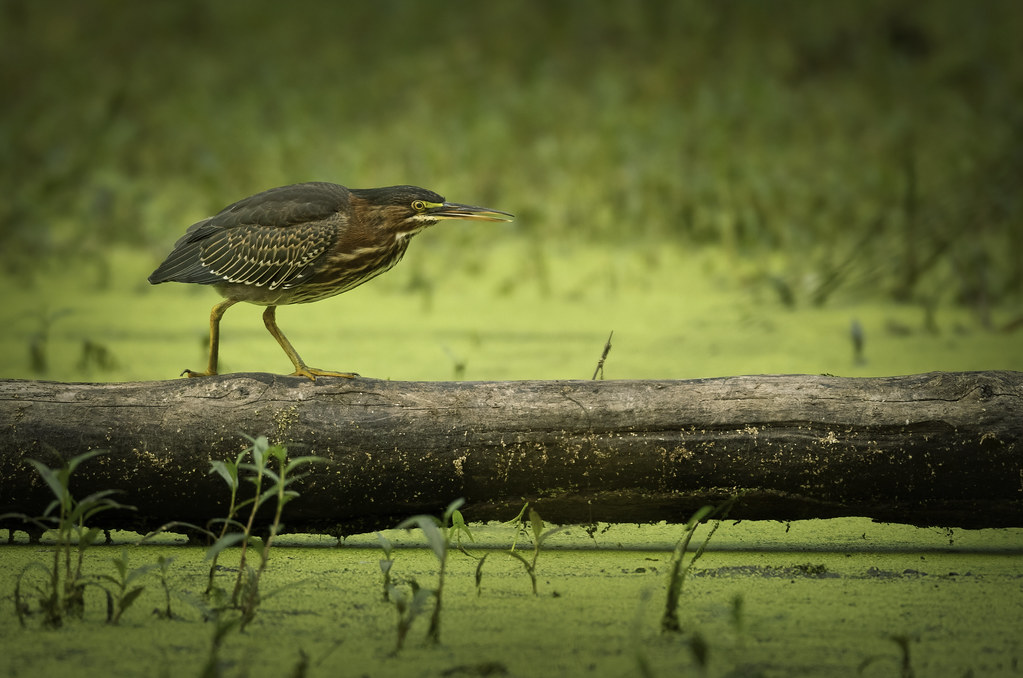
Green Heron, Brown Alert

Green Heron by Kevin Povenz

Green Heron by Kevin Povenz

Click on Detroit shares that State Representatives Alicia St. Germaine and Ron Robinson have introduced a bill to establish a “Brown Alert” system modeled after existing emergency notification systems like Amber Alerts:

“Right after a raw sewage discharge, we shouldn’t have people paddleboarding on the Clinton River or launching kayaks. They need timely notifications so they can make an informed decision whether they want to go on that waterway,” St. Germaine said.

The proposed system would require county drain or public works commissioners to notify local emergency managers within 12 hours of the water reaching dangerous contamination levels.

“If something like this were to happen, people should be notified in real-time, and in a lot of cases, it’s not reported for weeks or sometimes months afterwards, and by then, what are you going to do about it?” Robinson said.

Many Harrison Township residents have witnessed signs of water contamination firsthand. “The other day, when we had a big rain and you could see chunks of what I’m going to call ‘things’ floating down the river that appeared to be untreated sewage. It was awful,” said Jim Constantino.

That’s a big no from me on floaty things in our rivers & lakes!! The other day I saw a green heron fishing in a containment pond that had a posted “Don’t Eat These Fish” warning. It always makes me sad when I see animals oblivious to our pollution, but hopefully making more people aware of it will lead to generating less of it.

Kevin took this shot of a young green heron last month in a marshy area at the Grand Ravines. See lots more in his Birds gallery on Flickr.

You can read more about Green herons on Michigan in Pictures!

Support Michigan in Pictures with Patreon

Northern Black Widow in Michigan

Northern Black Widow Latrodectus variolus by Nick Scobel

Northern Black Widow Latrodectus variolus by Nick Scobel

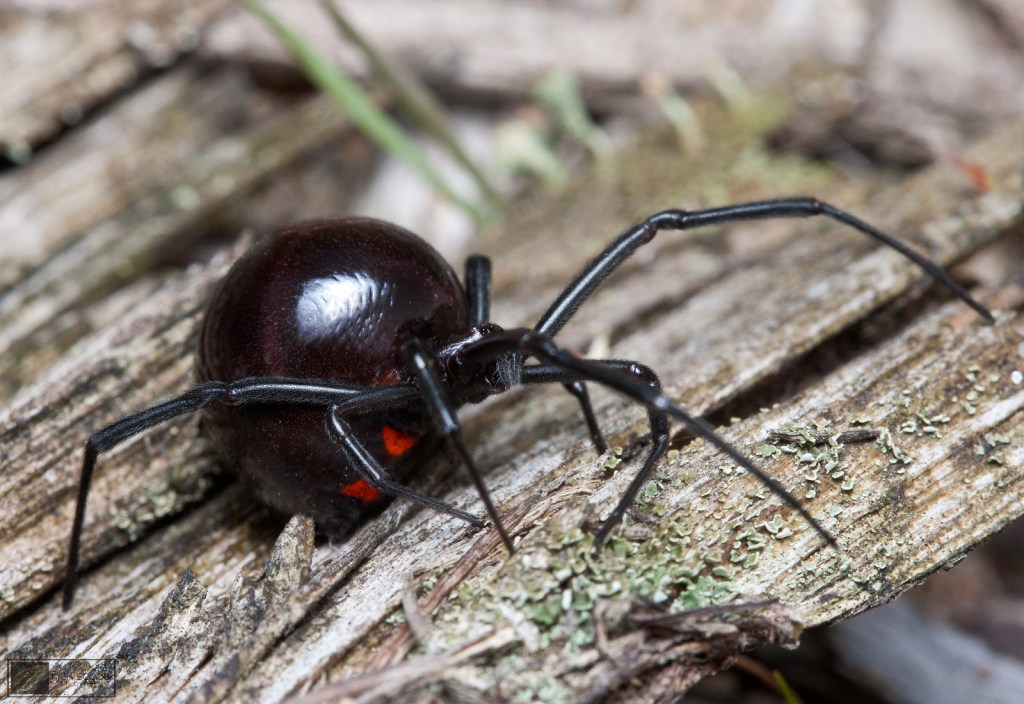
Last month I shared a pic of a non-poisonous spider, so I figured it was probably a good time to tell you about one of Michigan’s two venomous spiders. MSU Extension shares that the northern black widow spider (Latrodectus variolus) is found throughout the eastern US all the way to east Texas:

In Michigan, they appear to be more common in the western Lower Peninsula. Outdoors, they are found in old stumps, hollow logs, under fallen fence posts, in abandoned animal burrows or piles of brush, and in the corners of sheds and crawlspaces. In the northern black widow, the distinctive hour glass marking on the underside of the abdomen is incomplete or split in the middle. Northern widows also have a series of red spots along the dorsal midline of the abdomen, and many have a series of lateral white stripes on the abdomen. The web of the black widow is an irregular mesh of strands in which the spider hangs in an inverted position.

Surprisingly, as common as this spider is, black widow bites are infrequent because the spider is actually very timid and prefers fleeing when disturbed. That’s a good thing because the venom of a widow spider is 15 times more toxic than that of rattlesnakes. However, due to the small amount of the venom injected into the bite, widow bites are far less serious.

Nick is a longtime Michigan in Pictures contributor with detailed information & pics about Michigan reptiles & amphibians. He got this shot of a gravid female in Manistee County back in 2014. See his latest on Flickr or @swamprattler on Instagram!

Support Michigan in Pictures with Patreon

Seagulls probably live longer than you think

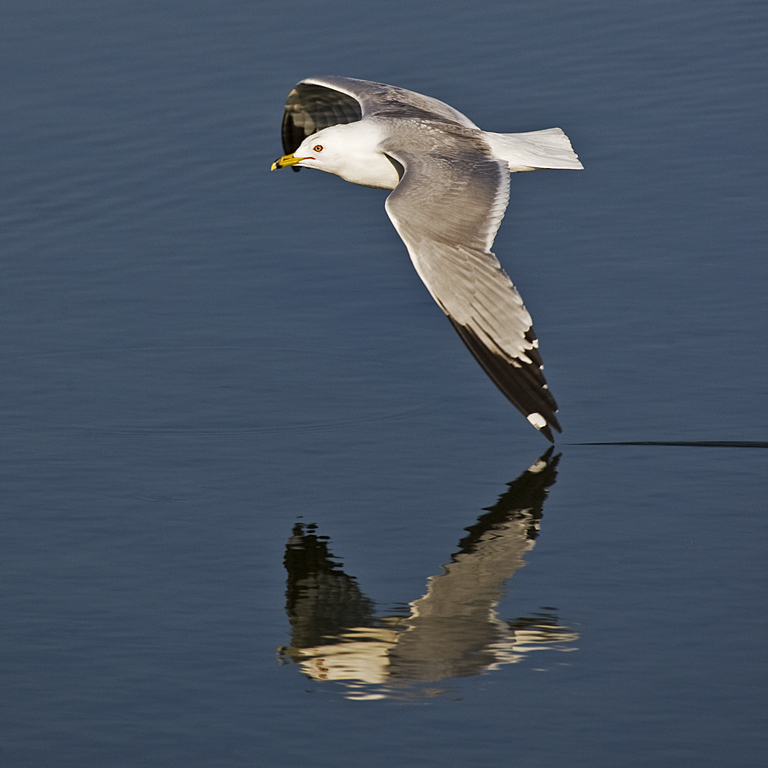
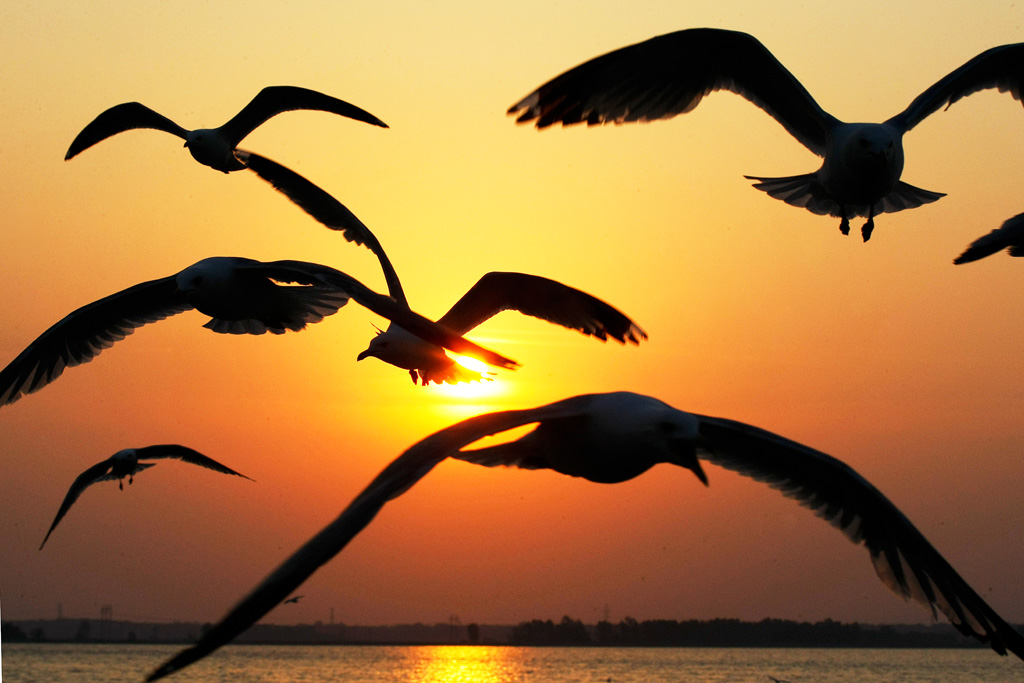
Herring and Ring-billed Gulls by John Dykstra

Herring and Ring-billed Gulls by John Dykstra

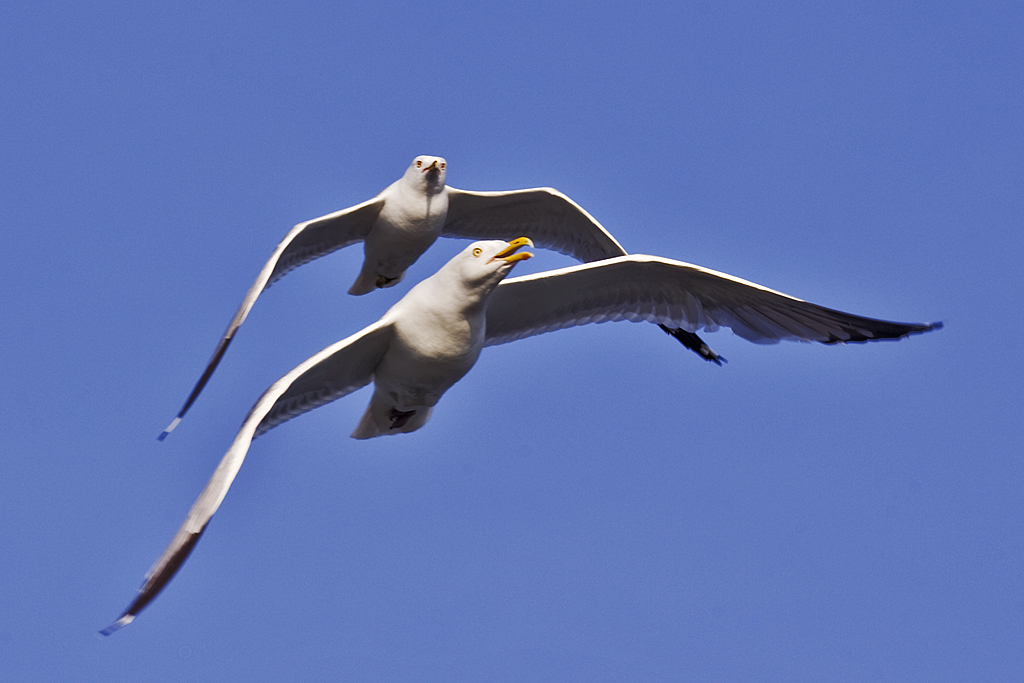
Recently, I was more than a little shaken to that seagulls can live for DECADES! All About Birds shares that the oldest recorded American Herring Gull was at least 29 years, 3 months old when it was seen in the wild in Michigan in 2015 and identified by its band, and they have reportedly lived as many as FIFTY YEARS in captivity. Also, while they prefer drinking freshwater, they can drink seawater thanks to special glands located over the eyes allow them to excrete the salt when they must.

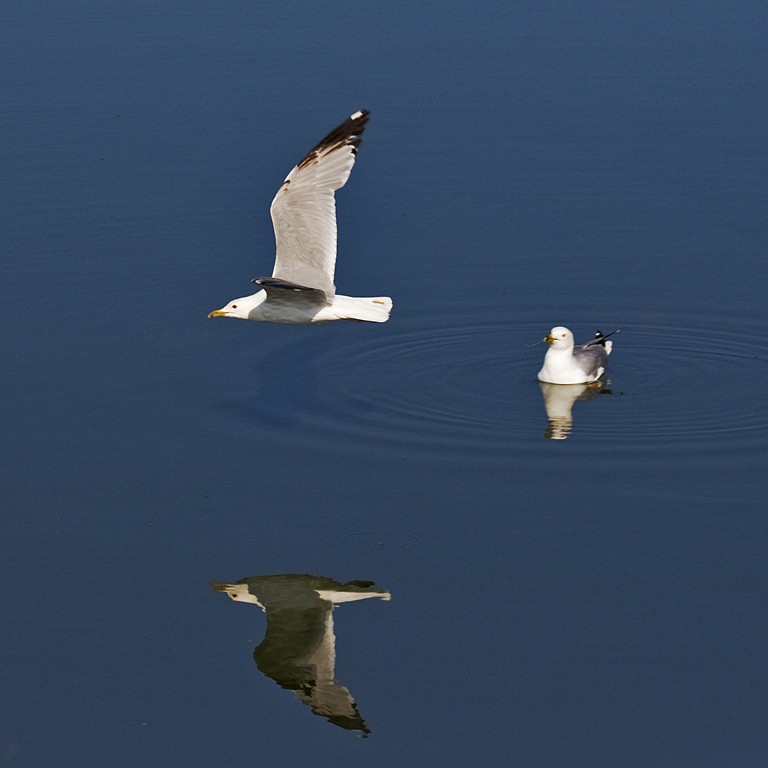
The Ring-billed gull is somewhat smaller & distinguished from the Herring gull by yellow legs (instead of pinkish) and of course the black ring around the bill. Many and possibly most Ring-billed Gulls return to breed at the colony where they hatched year after year, often nesting within a few meters of last year’s nest site. The oldest recorded Ring-billed Gull was at least 27 1/2 years old, so probably be nicer to them on the beach because they will be back there for years! ;)

John took these photos mostly near Manistee. See more in his Michigan gallery on Flickr!

PS: Even though the first photo was taken way back in 2010, there’s a fair chance that one or both of these birds is still flying today!! 😳

Support Michigan in Pictures with Patreon

The Goldenrod Spider didn’t bite Frank Carter

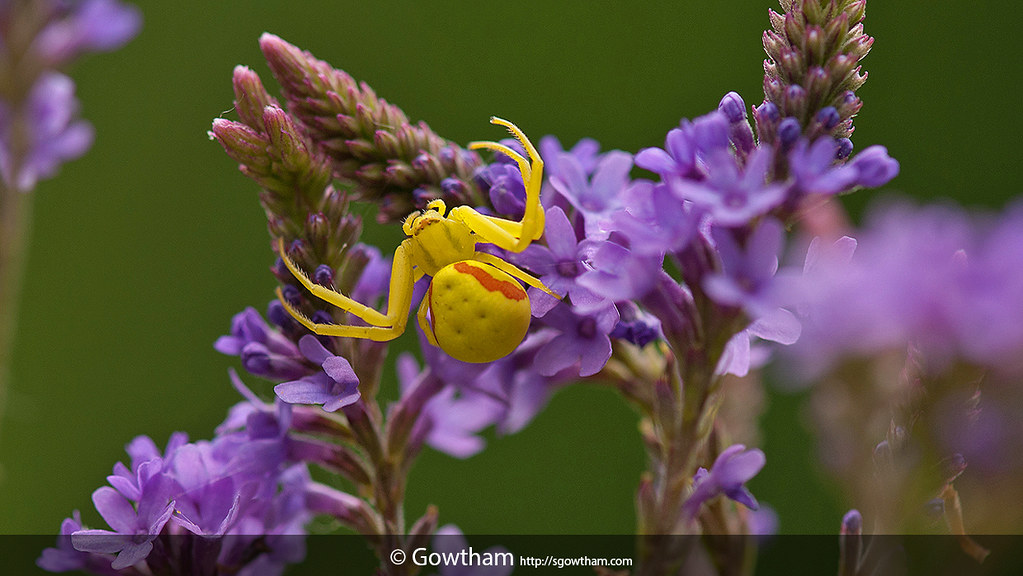
Golden Rod Spider by Gowtham

Goldenrod Spider by Gowtham

Cathy Griffin of the Traverse Area Historical Society shared a little news from 120 years ago in 1905:

FRANK CARTER, local resident who had been in Chicago and Grand Rapids during the summer, returned Monday night being ill from the poisonous effects of a spider which walked over his arm, leaving a poisonous track at every step. Last week, while lying on the ground at Grand Rapids, an immense yellow spider jumped on his arm near his elbow and ran down to his wrist. Mr. Carter smashed his poisonous body on his arm and it immediately began to swell from the poison. The arm was inflamed and swollen with white spots. Under the advice of a physician, Mr. Carter went home to care for his arm.

It’s been a minute since I’ve featured a photo from Gowtham. He shares that while driving through the back roads of Huron Mountains from Houghton to Marquette, “I took a few wrong forks in succession and one of those forks had a plethora of Blue Vervains (the flower in the picture). Taking one wrong fork after another, driving slow and paying attention paid off – as one of those blue vervains had an uncommon yellow tinge. I stopped to look carefully and much to my surprise was this tiny little Golden Rod Spider.”

…These spiders may be yellow or white, depending on the flower in which they are hunting. Especially younger females, which may hunt on a variety of flowers such as daisies and sunflowers, may change color “at will”. Older females require large amounts of relatively large prey to produce the best possible clutch of eggs. They are therefore, in North America, most commonly found in goldenrod (Solidago sp.), a bright yellow flower which attracts large numbers of insects, especially in autumn. It is often very hard even for a searching human to recognize one of these spiders on a yellow flower.”

See more in his Michigan Wild Flowers gallery on Flickr & be sure to keep an eye out for the little things!

I want to be very clear that this spider is not venomous (and no spider has “venomous tracks”). Only the Northern Black Widow and the Brown Recluse have bites that endanger humans. The rest are out there happily dispatching harmful pests. My guess is that it was a Brown Recluse as their bites have sort of a bullseye pattern with a white center.

Support Michigan in Pictures with Patreon

Animals with Cool Jobs: Maple the Beekeeping Dog

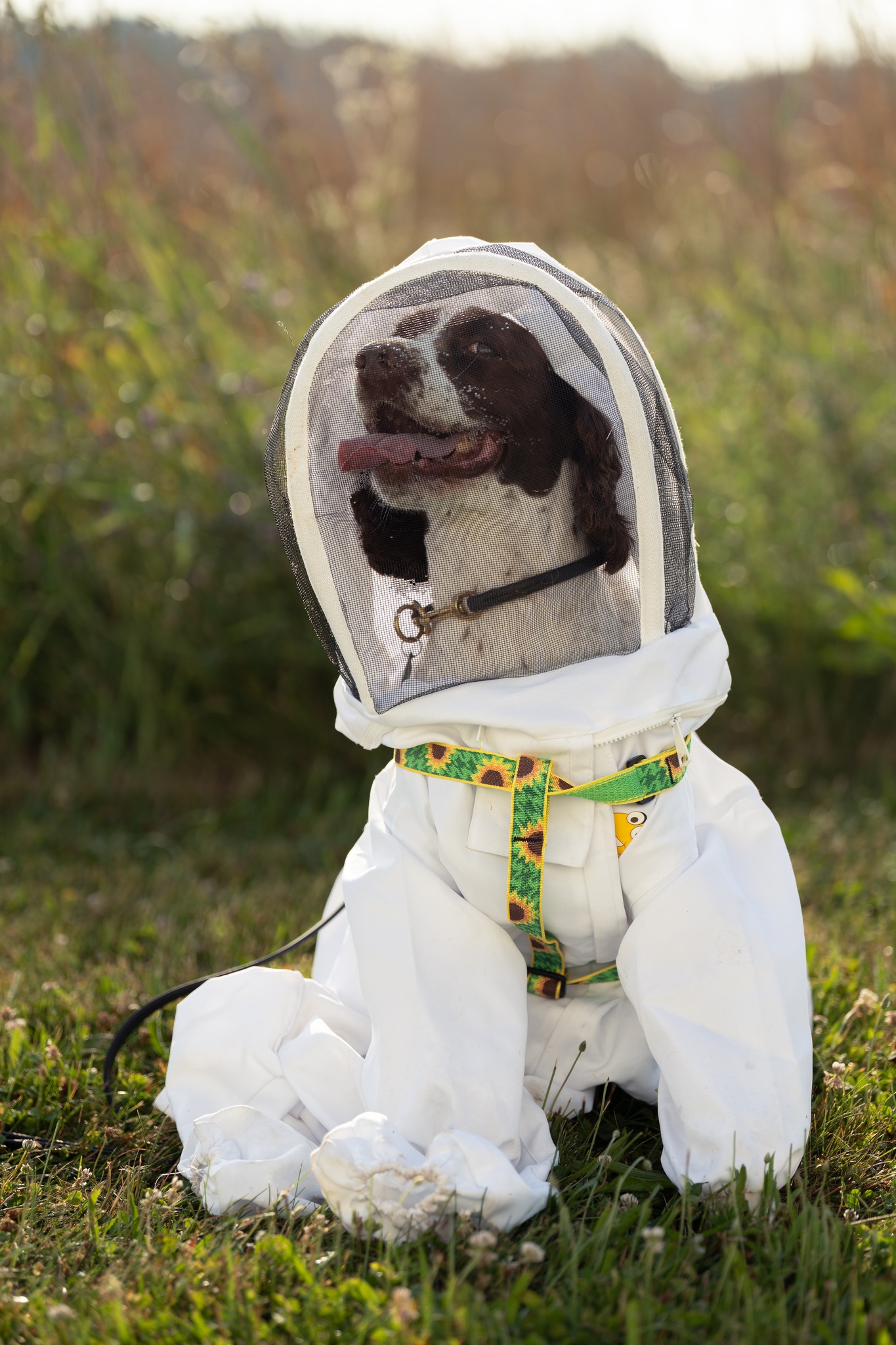
Maple the Beekeeping Dog by MSU Pollinator Center

I’m starting a new series about Michigan animals with cool jobs today! 😆

MSU shared this pic of English Springer Spaniel Maple posing for the press at the MSU Pollinator Performance Center saying:

Maple is part of the team at MSU’s Pollinator Performance Center doing critical pollinator research and education. A retired police K-9, she uses her super sense of smell to detect bacteria in bee colonies to help prevent disease from spreading. Currently, beekeepers must manually inspect colonies for disease, but dogs like Maple can identify disease much faster, which could make a big impact on the industry. This project is one of many occurring at the Pollinator Performance Center. Operating since 2021, the center allows MSU to be at the forefront of honeybee and other pollinator research.

You can learn more about Maple & the MSU Pollinator program from MSU Today.

Support Michigan in Pictures with Patreon

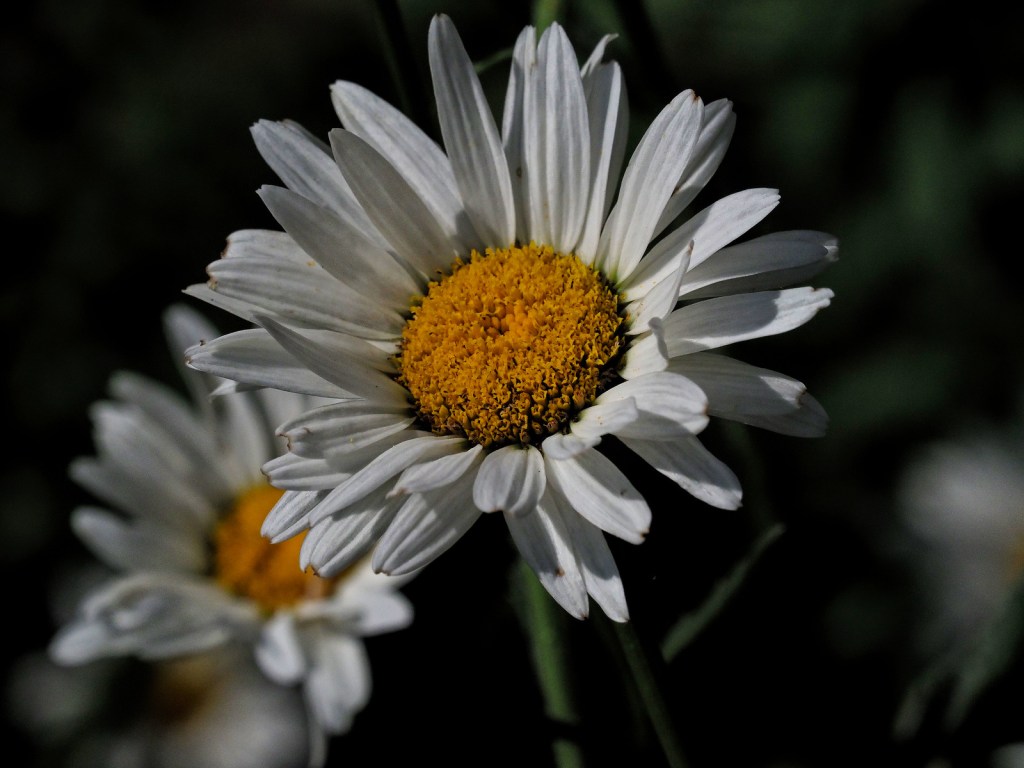
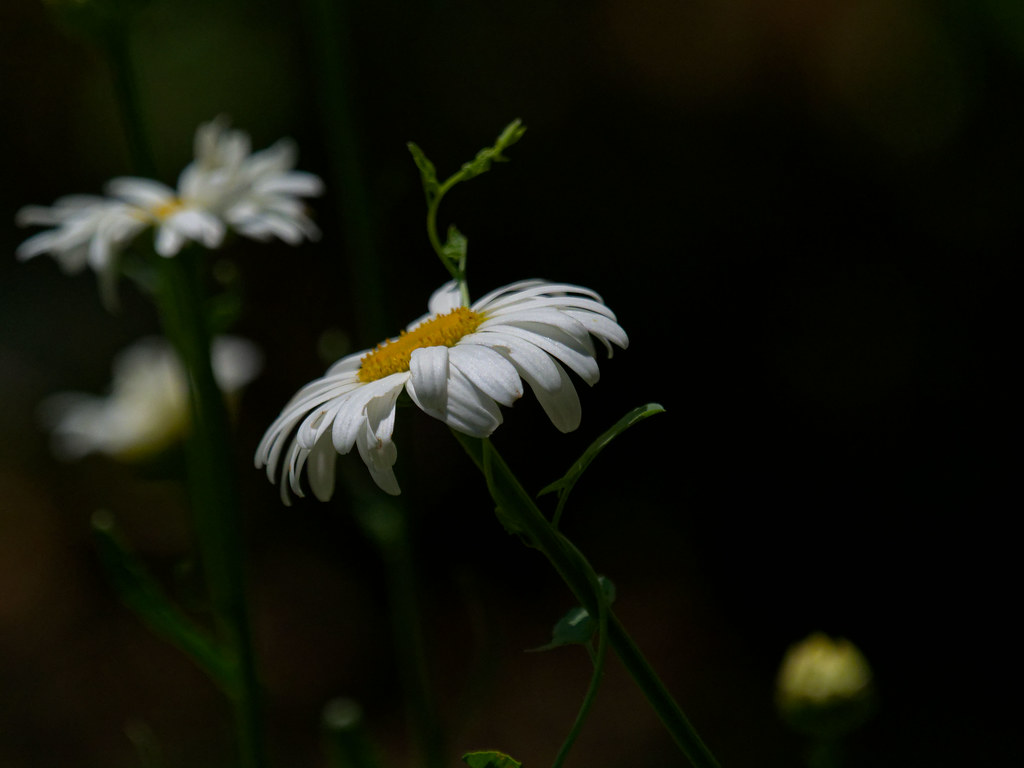
Shasta Daisy: Michigan’s most adorable invader?

Shasta Daisy by joeldinda

Shasta Daisy by joeldinda

The Midwest Invasive Species Network shares that Shasta daisy (Leucanthemum xsuperbum) is a hybrid cross between Portuguese daisy (Leucanthemum lacustre) and Max chrysanthemum (Leucanthemum maximum) that was created in 1890 by the famed American horticulturist Luther Burbank. While not officially an invasive plant, it is considered invasive in Michigan due to its ability to aggressively spread & outcompete native species.

Joel Dinda is one of Michigan in Pictures’s most enduring supporters. I shared the first photo from him way back in June of 2006, and he’s an active member of the Michigan in Pictures group on Facebook with a penchant for flower photography. See more in his The Showcase gallery on Flickr!

Support Michigan in Pictures with Patreon

Goofy Glory

Goofy Glory by Howell Nature Center

Goofy Glory by Howell Nature Center

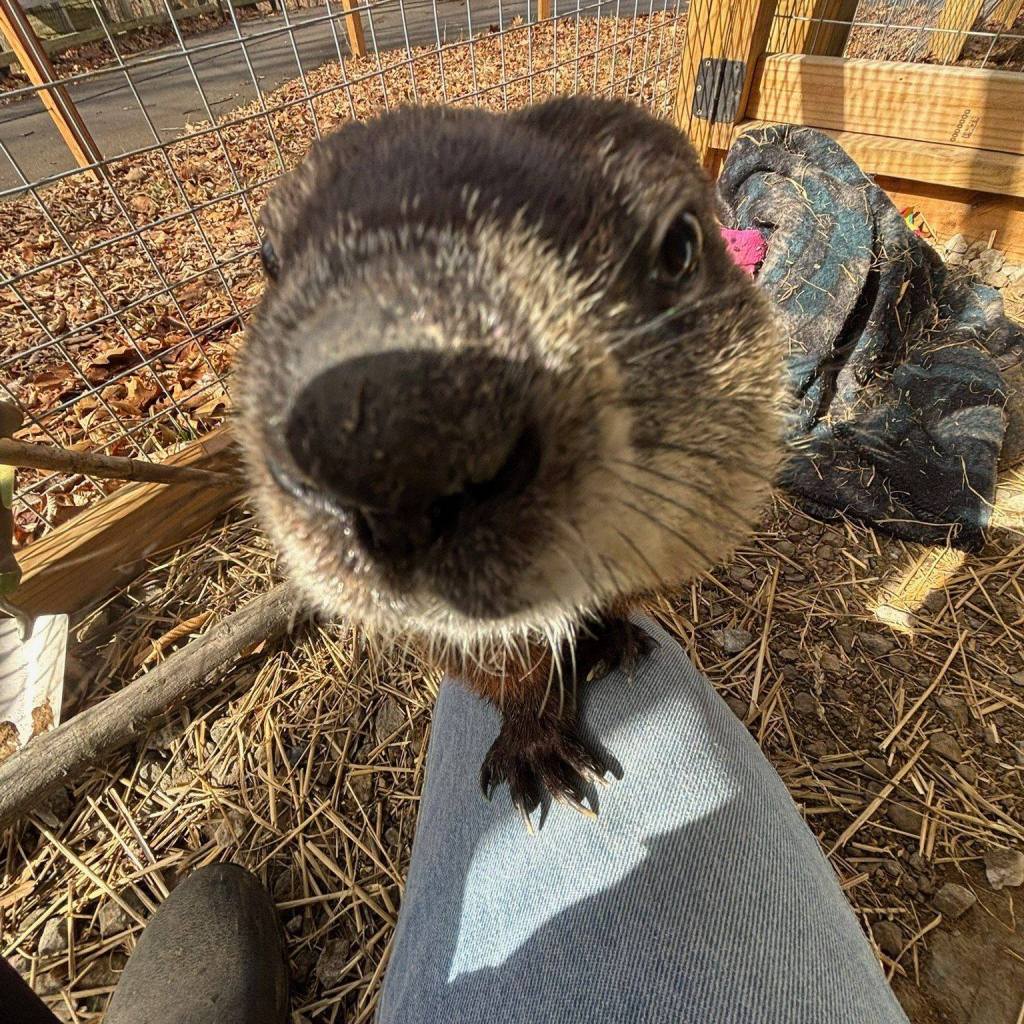
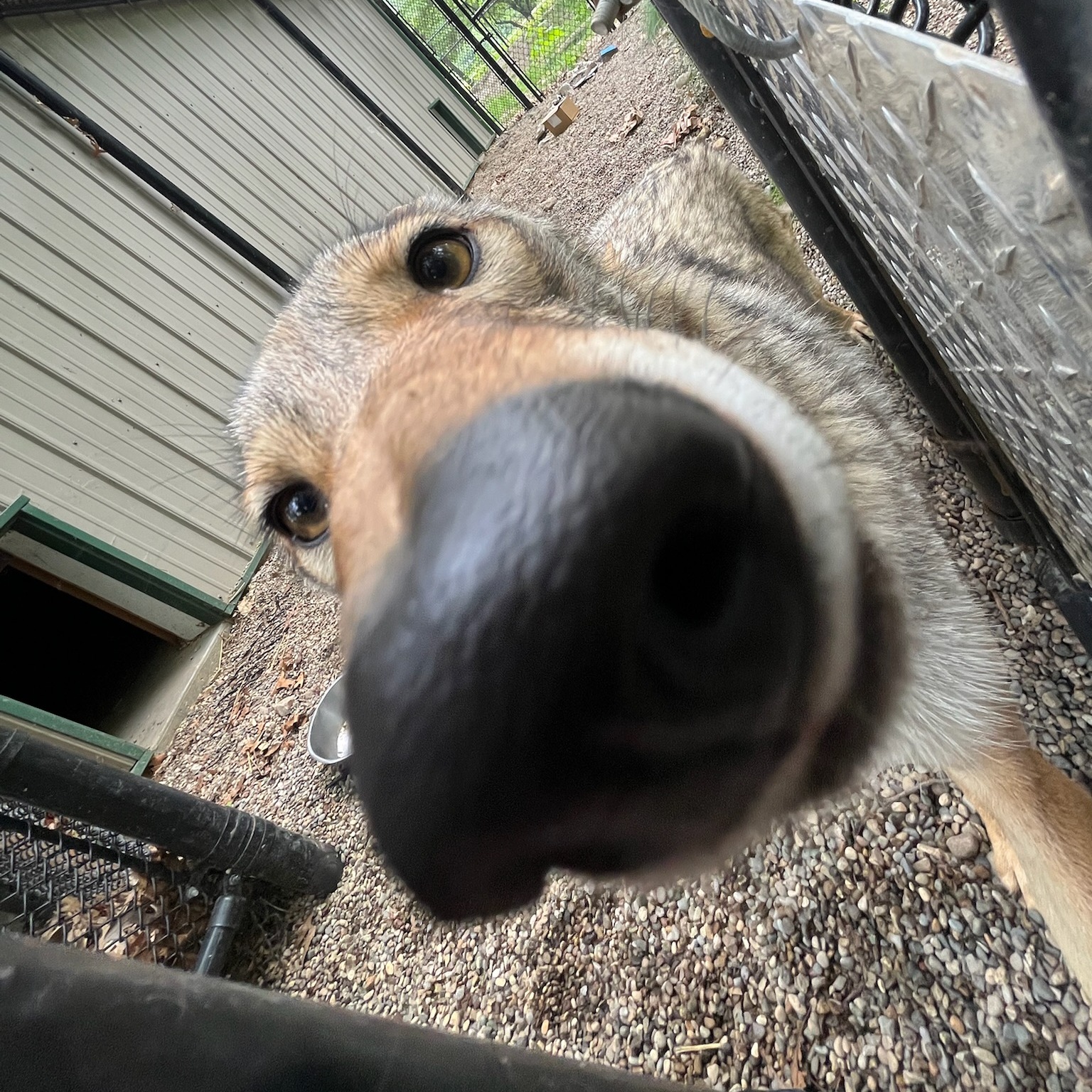
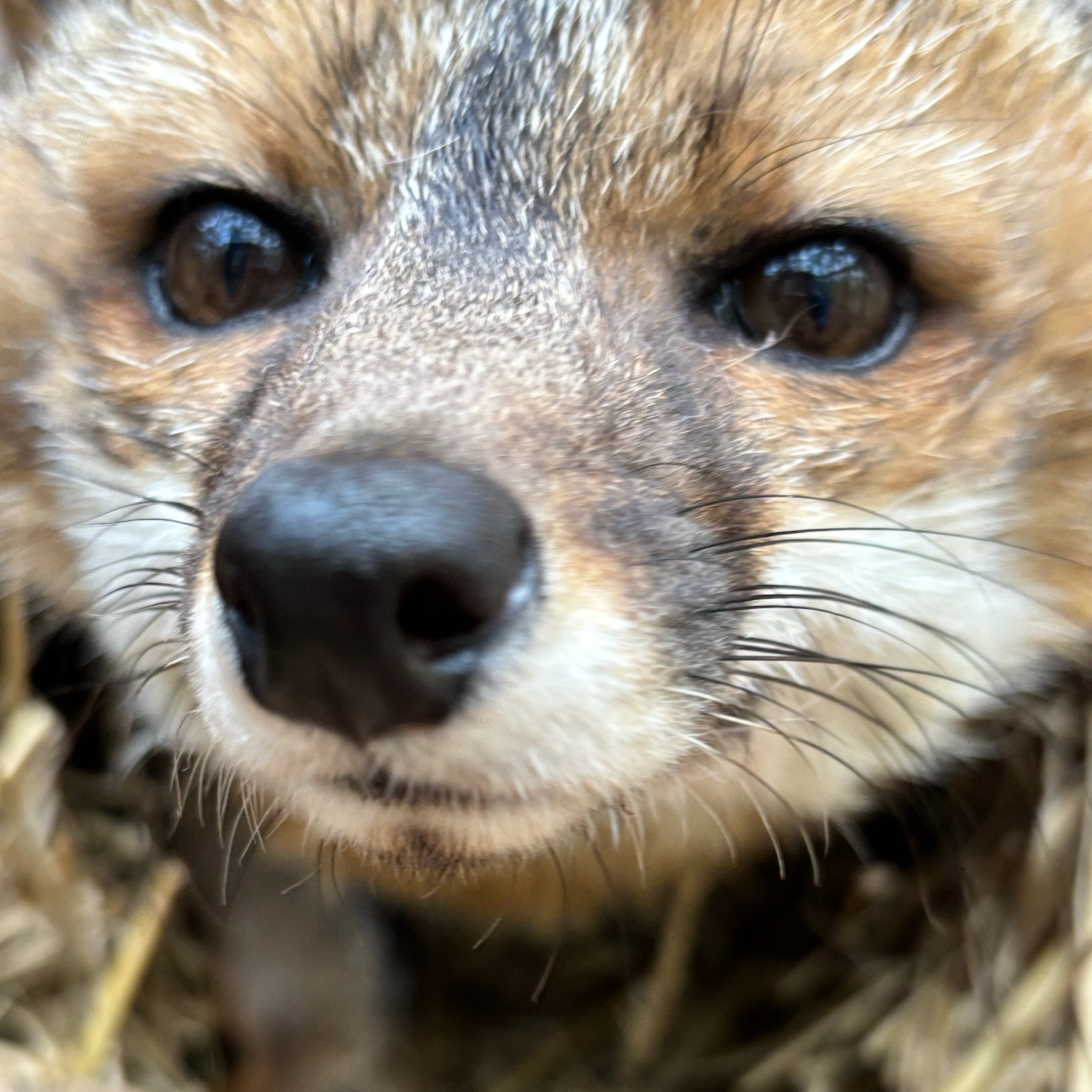
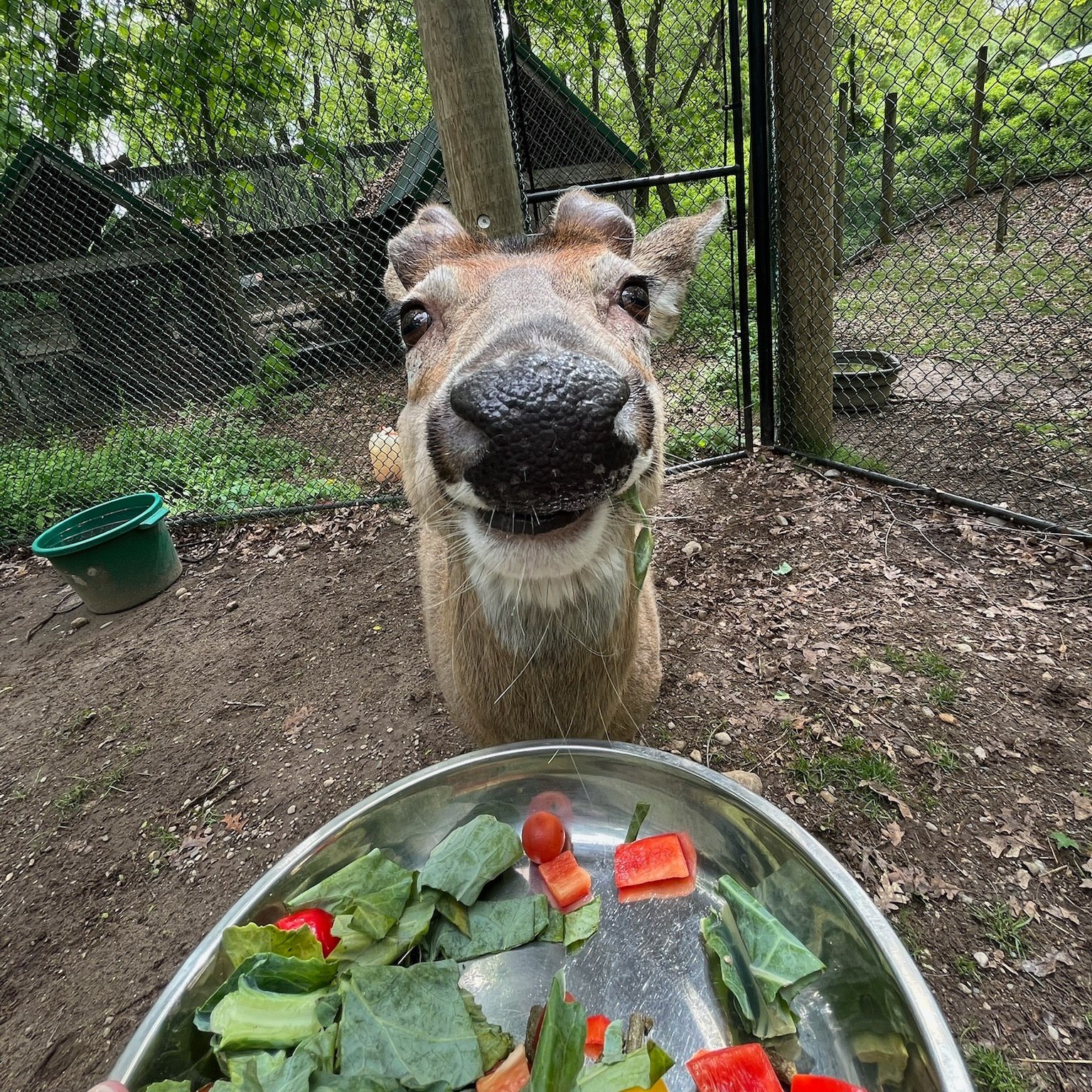
Adjectives commonly applied to nature are typically “grand” or “majestic” but Howell Nature Center reminds us to save a little room for fun. Enjoy these wildly unflattering yet totally adorable photos of our animal ambassadors caught in all their goofy glory 🤪🦊🦉🦝 Come learn their stories and see the real wildlife behind the camera!

Wild Wonders Wildlife Park is open 10am – 5pm every day, and if that first nose seems familiar, it’s because it belongs to Michigan’s Official Groundhog Woody!

More fun stuff on Michigan in Pictures!
Support Michigan in Pictures with Patreon

Talon Tuesday

Talons by Kevin Povenz

Talons by Kevin Povenz

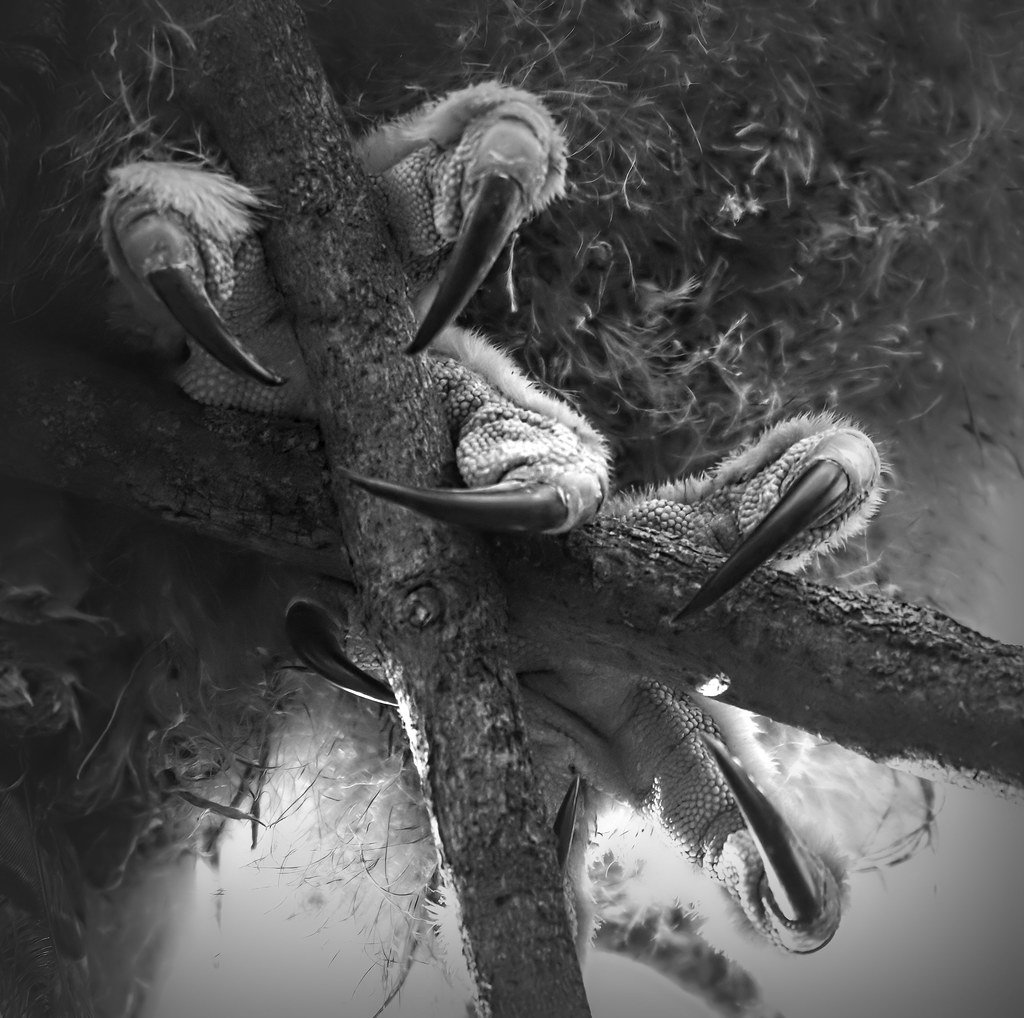
Kevin came across a Great Horned Owlet sitting on a tree branch right over the trail. He shares that Great horned owl talons are incredibly strong, with some individuals capable of exerting a gripping pressure of 200 to 500 pounds per square inch. This powerful grip, along with their size, allows them to capture and subdue prey, including those much larger than themselves.

See more in Kevin’s Birds of Prey gallery on Flickr and for sure follow him on Facebook!

More owls including a Great Horned owlet at the owl tag on Michigan in Pictures!
Support Michigan in Pictures with Patreon

The Chickadee and the Apple Tree

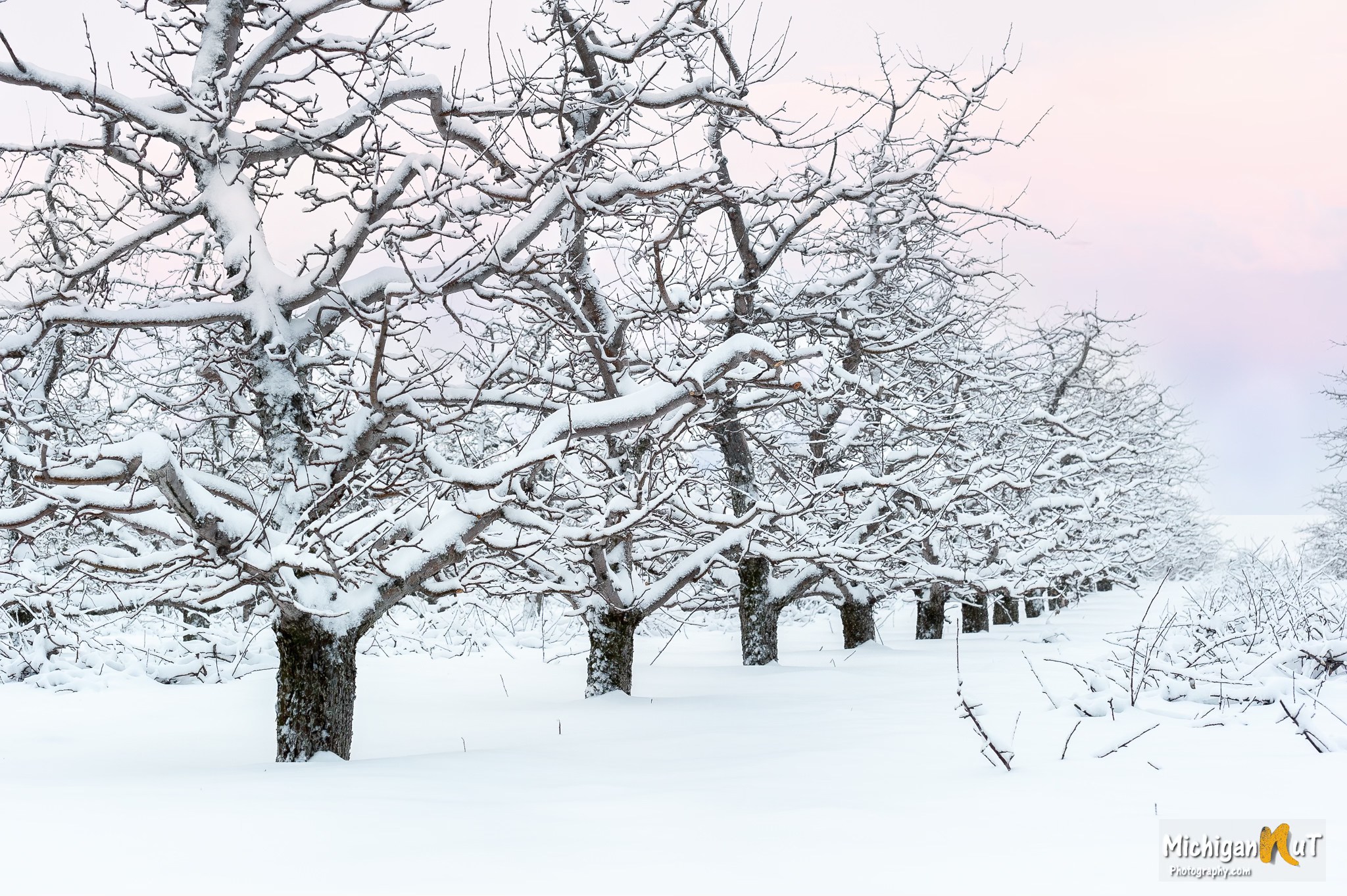
The Chickadee and the Apple Tree by Michigan Nut Photography

The Chickadee and the Apple Tree by Michigan Nut Photography

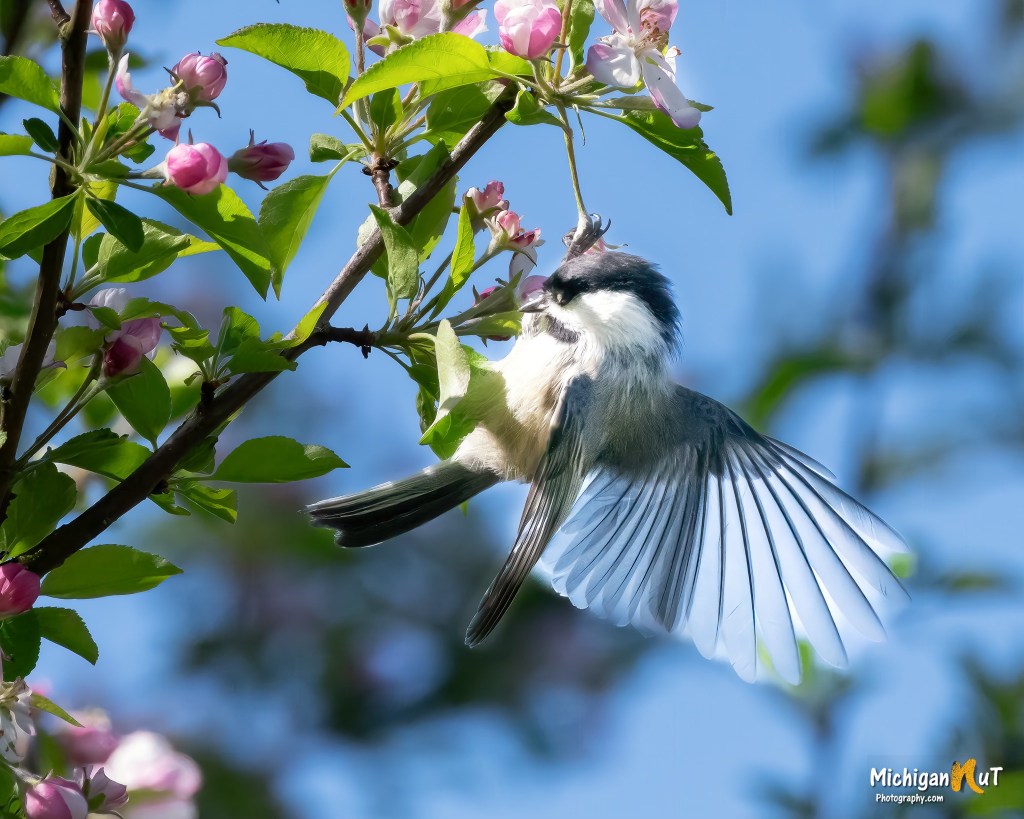
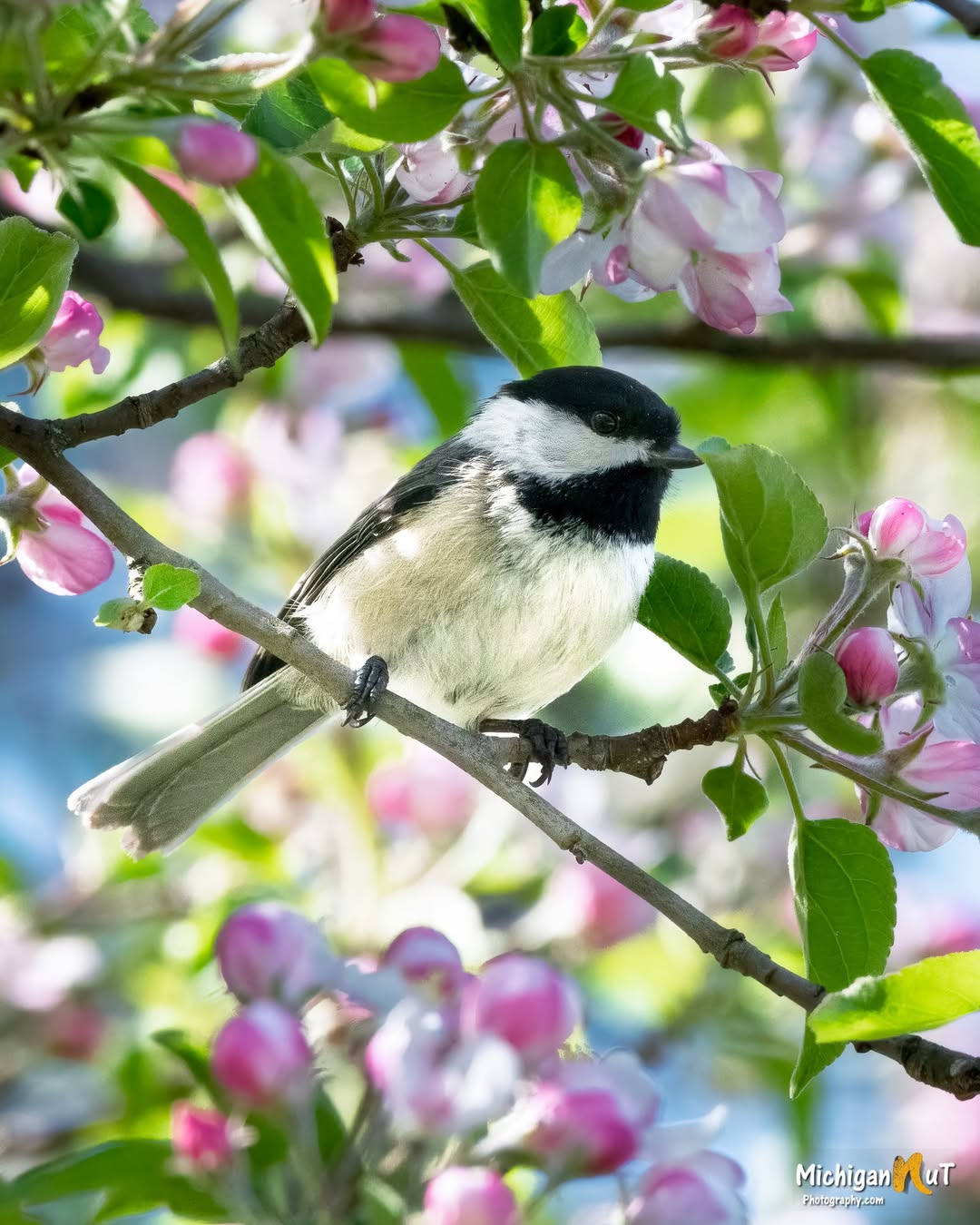
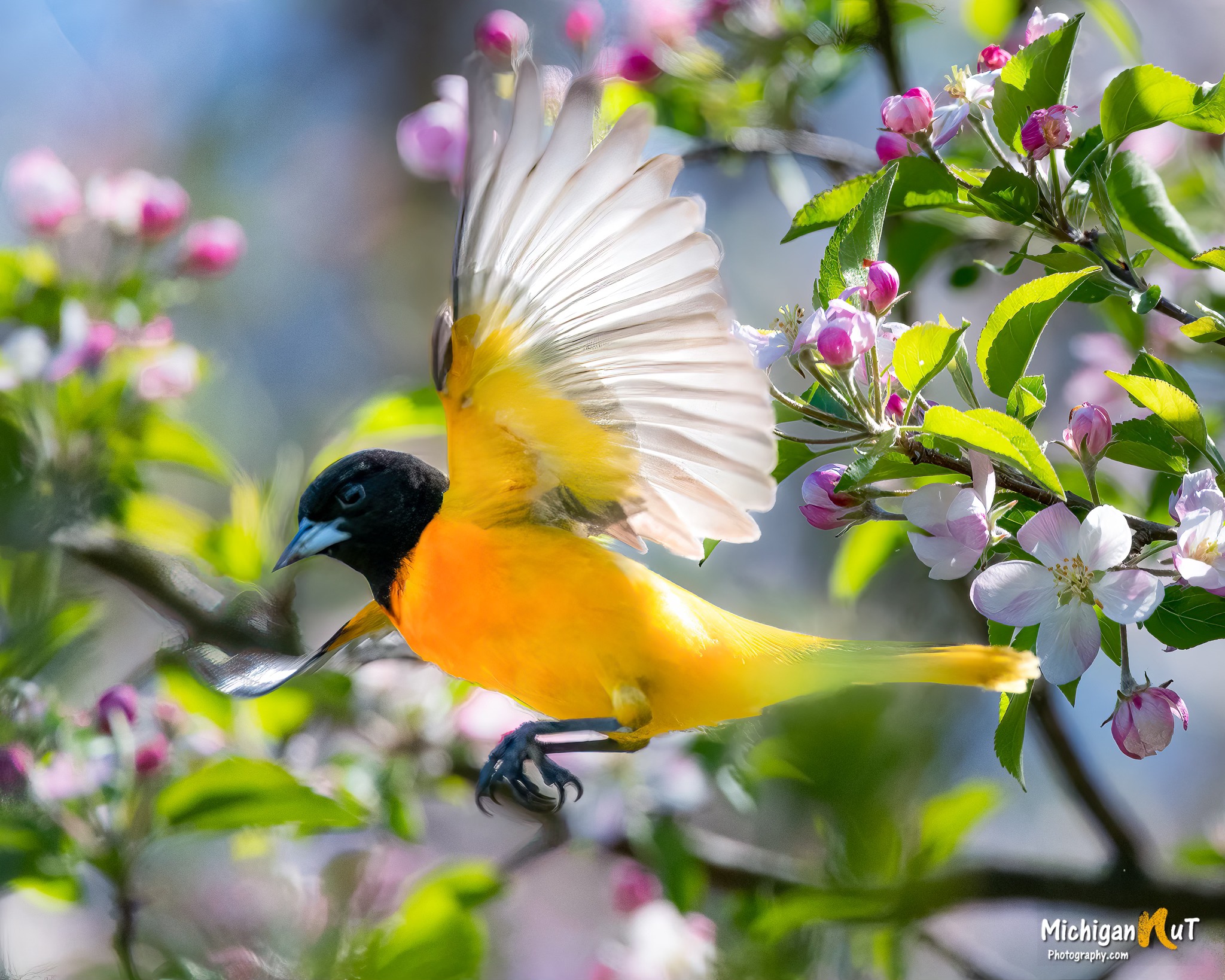
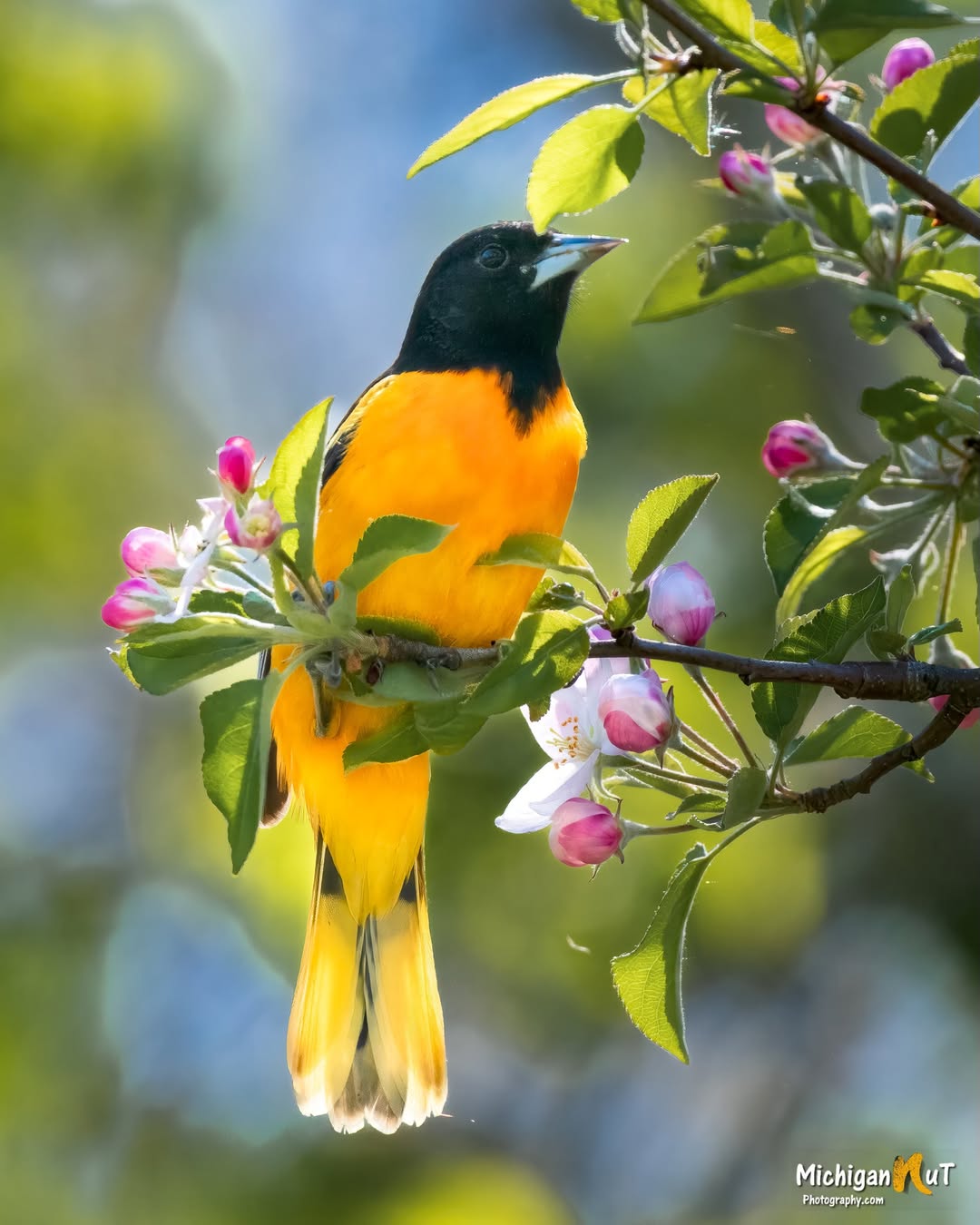
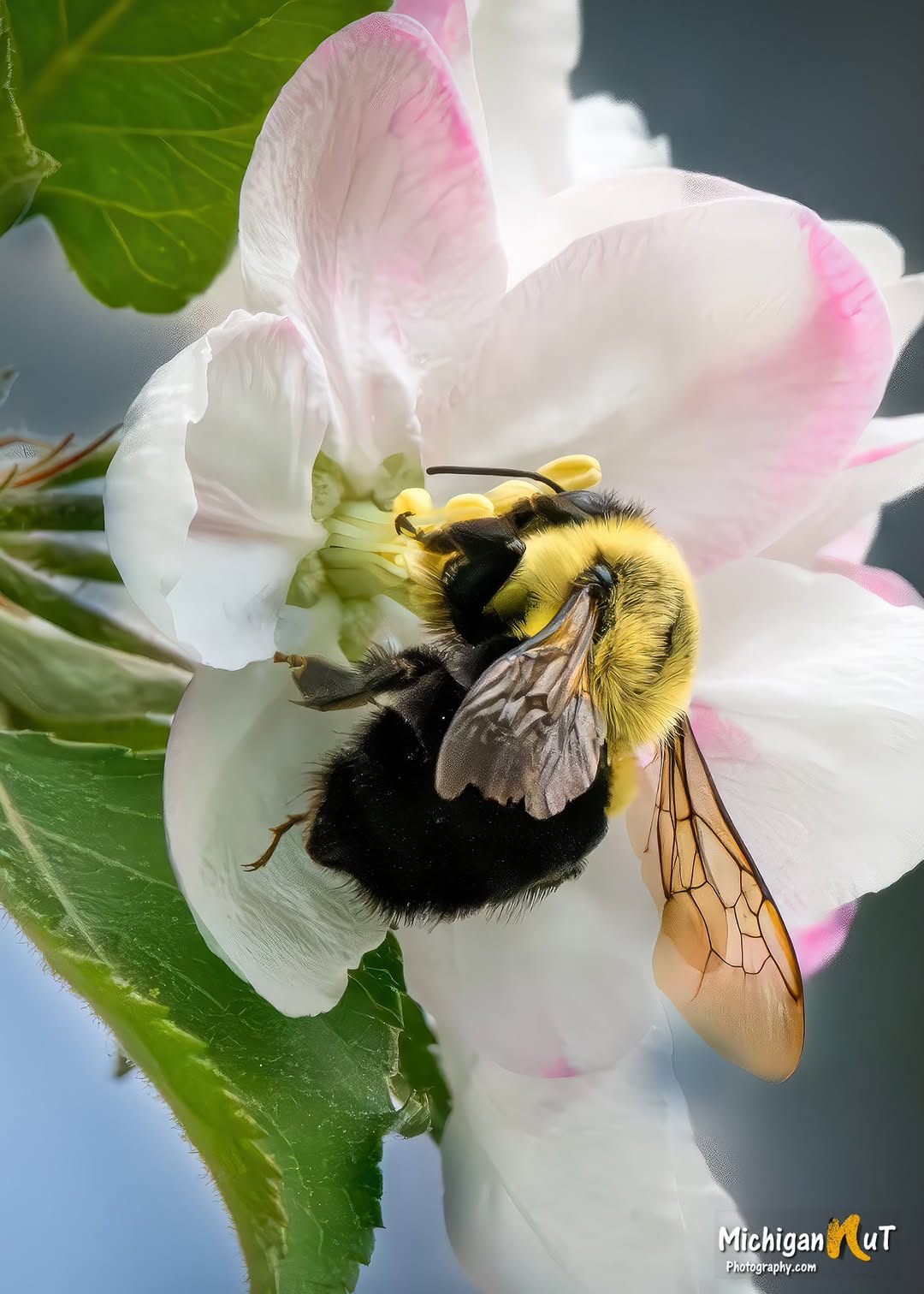
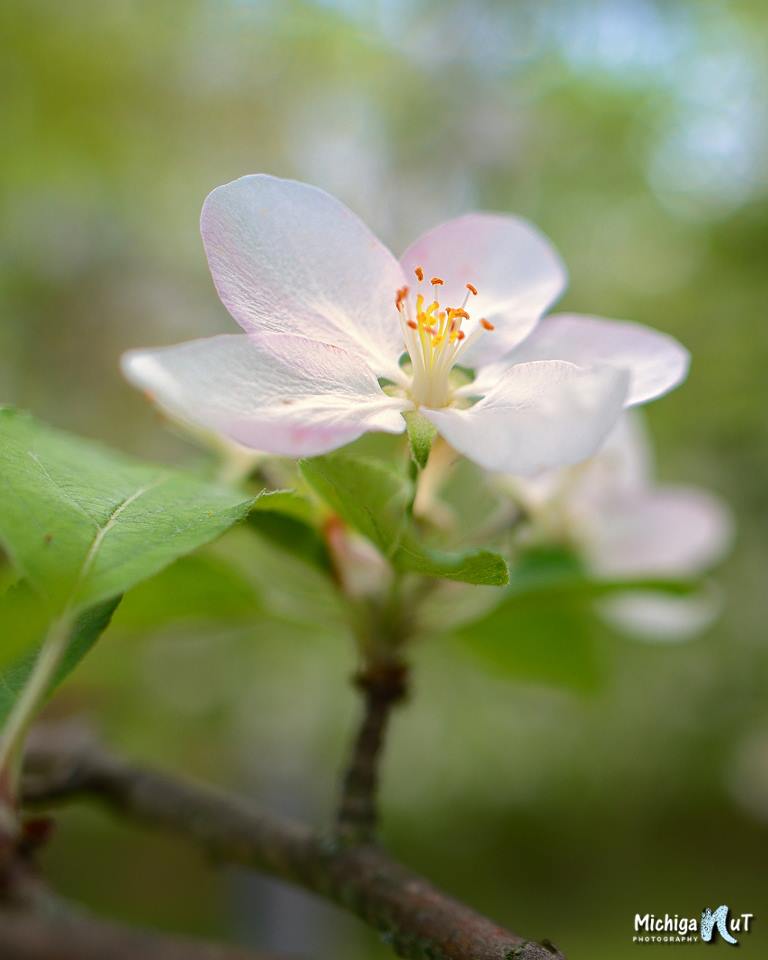
Some gorgeous springtime pics from John along with a reminder to enjoy it while it’s here! See his latest on Facebook or Instagram and for sure view & purchase his work on his website.

Support Michigan in Pictures with Patreon

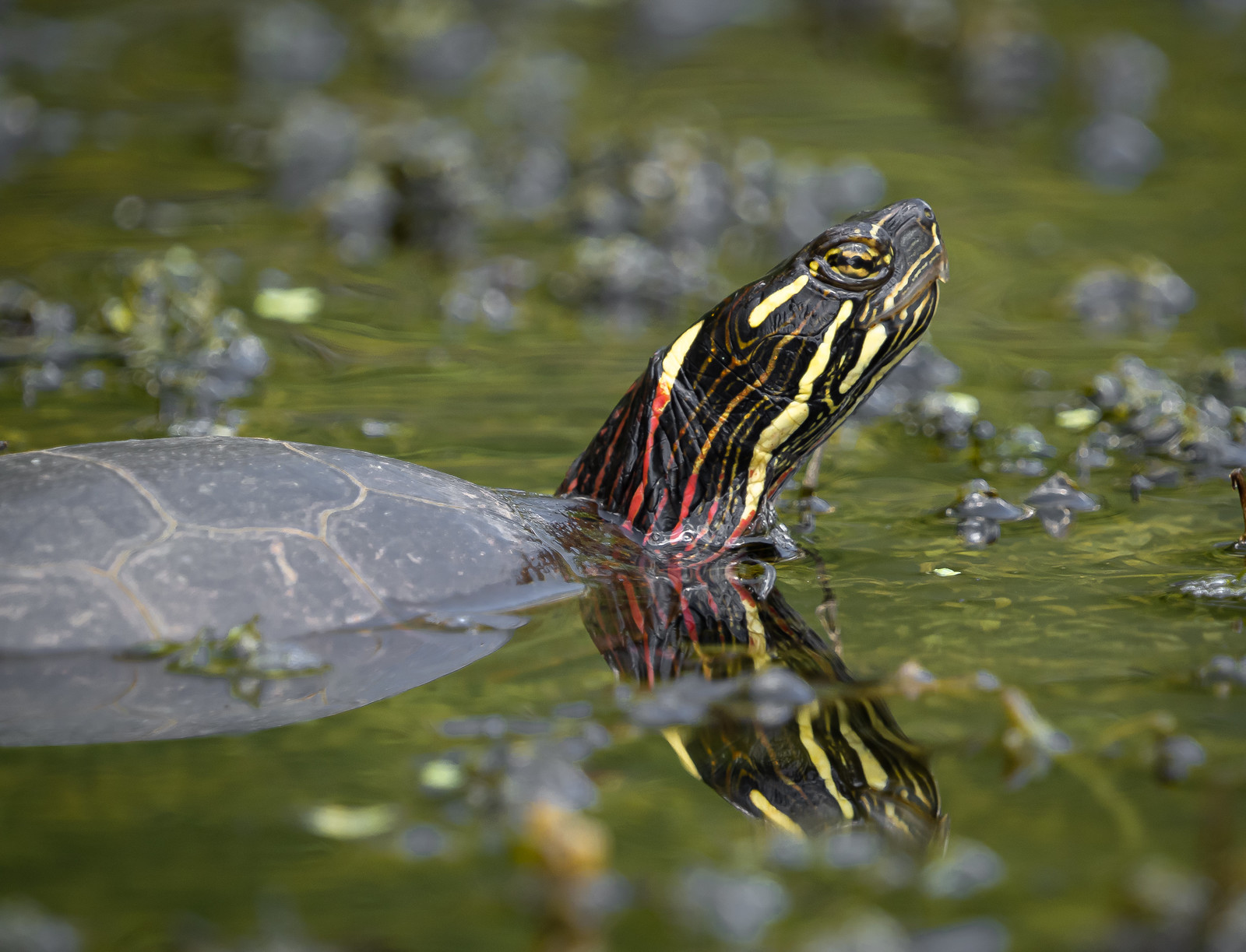
Happy World Turtle Day from the Midland Painted Turtle!

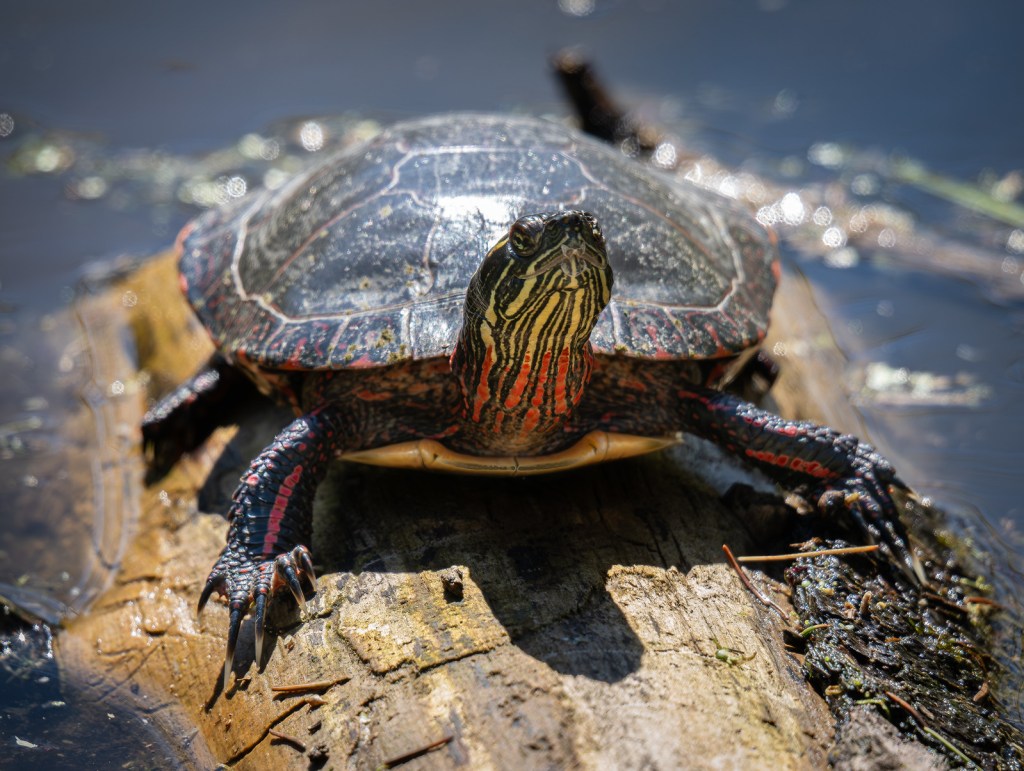
 Painted Turtle by David Marvin

Painted Turtle by David Marvin

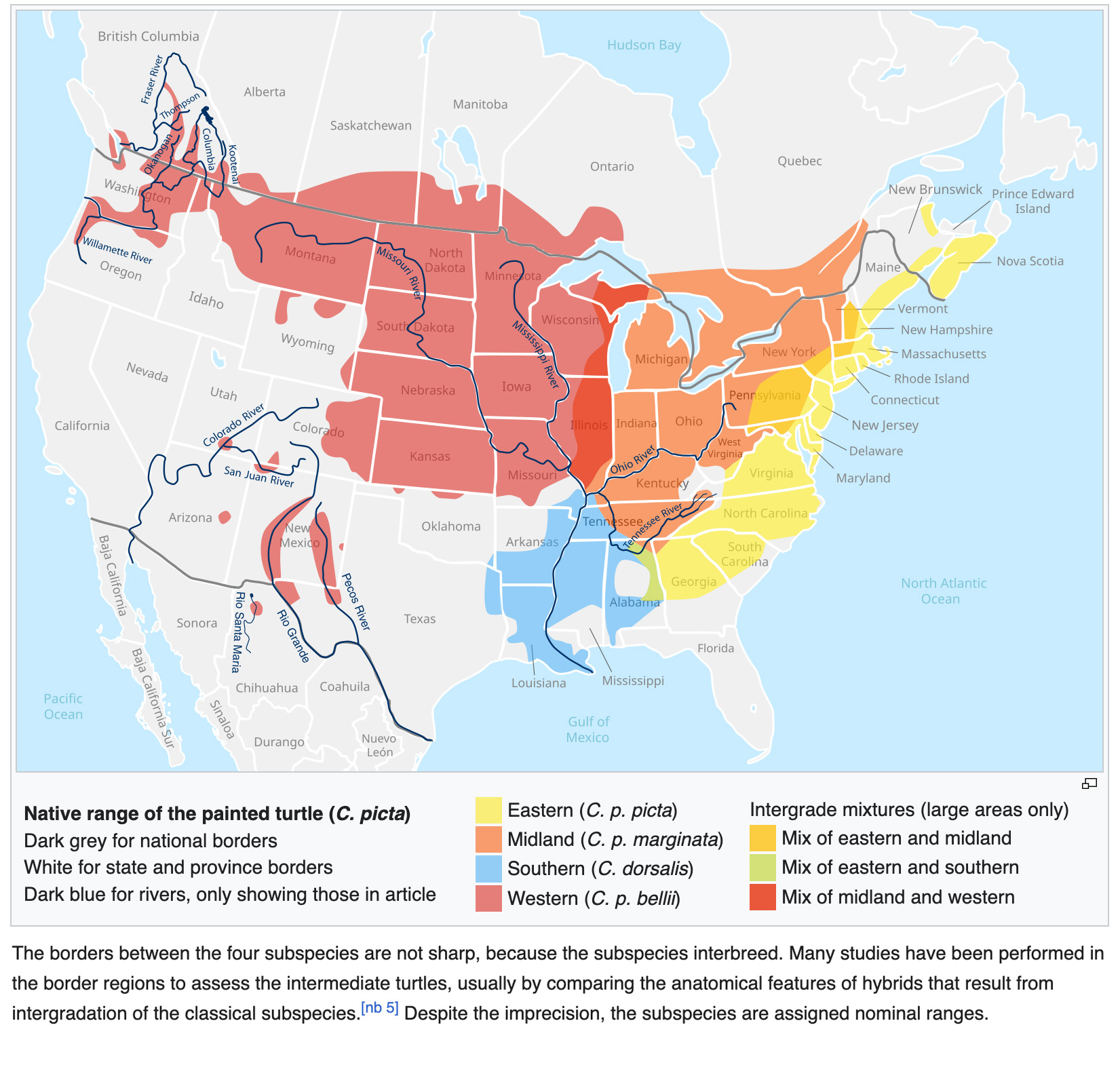
World Turtle Day was created by American Tortoise Rescue as an annual day of recognition to raise awareness about turtles & help preserve endangered turtles worldwide. Michigan has ten species of native turtles including Michigan’s state reptile, the Painted Turtle, but I was today years old when I learned there’s such a thing as the Midland Painted Turtle (pictured above)! Herpman explains in the Painted Turtle entry in his Michigan Herpetological Atlas that:

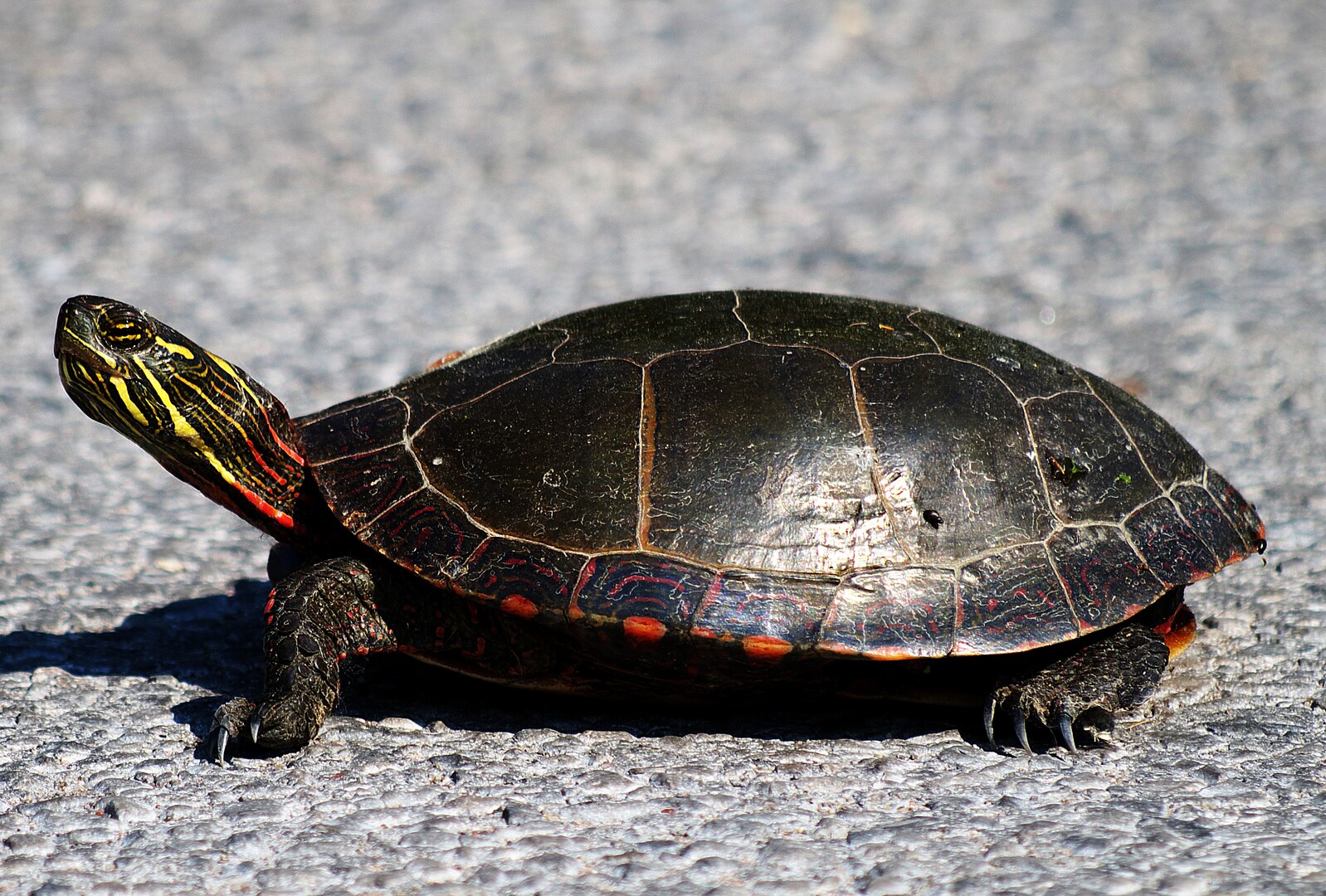
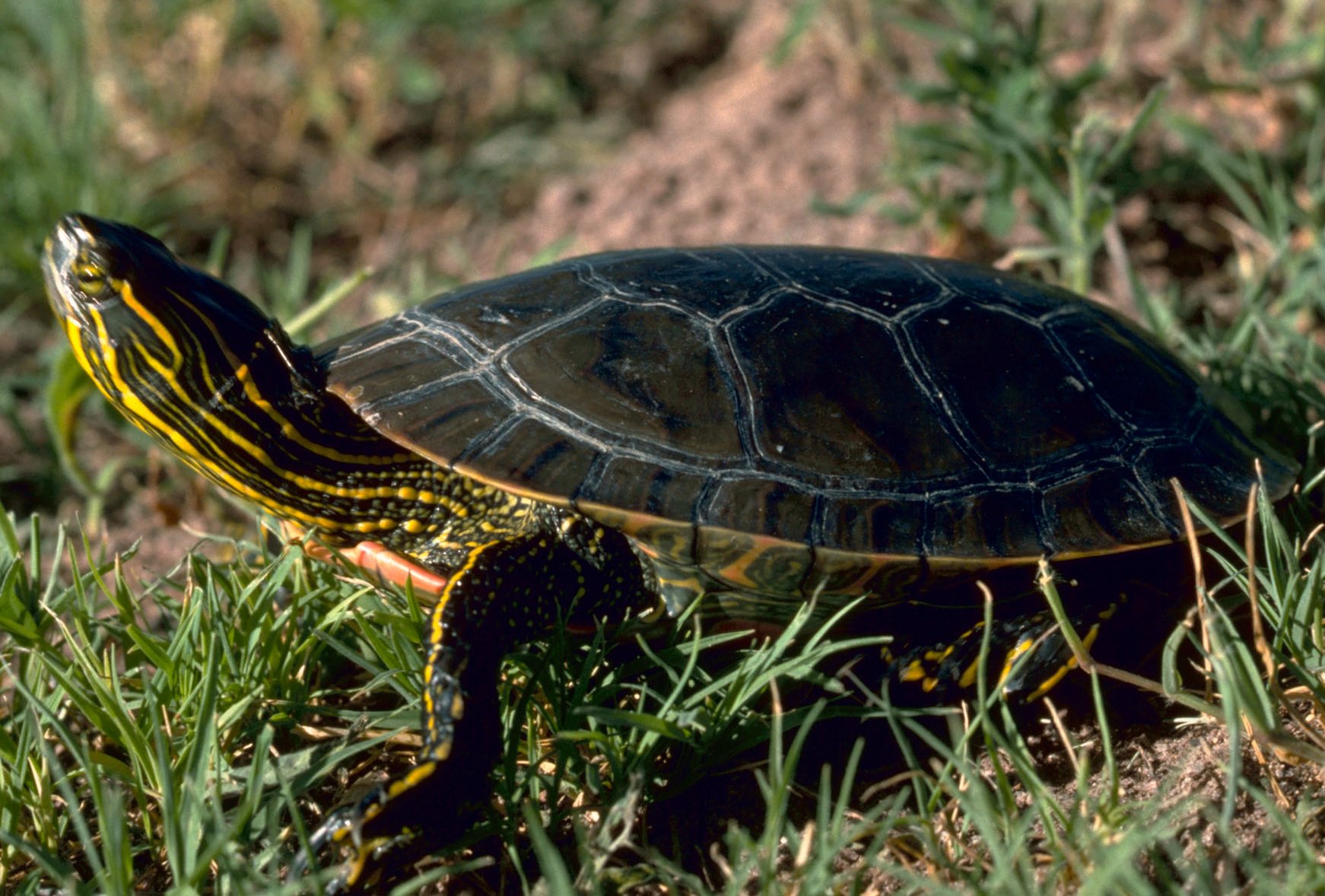
Four distinct subspecies are recognized, two of which are found in the Great Lakes basin. The Midland Painted Turtle (C. picta marginata) tends to have prominent red stripes on forelegs and neck, and plastron is usually yellow or orangish yellow with elongate dark central blotch that does not cover more than half the plastral width. The Western Painted Turtle (C. picta belli) usually has narrow yellow stripes on forelegs and neck, and a pattern of light lines on the carapace.

Plastron (shell) may be reddish or orangish, with complex central pattern of dark and light lines that extends out along the scute seams and often covers more than half of the plastral width. Intergrade individuals within the overlapping range display a variable blending of these characteristics.

You can see the difference pretty easily in the photos of the Midland Painted Turtle by Kobie Mercury-Clarke on the left and the Western Painted Turtle from the US Fish & Wildlife Service. However, as you can see on the map, Michigan’s Upper Peninsula has some intergrade turtling going on.

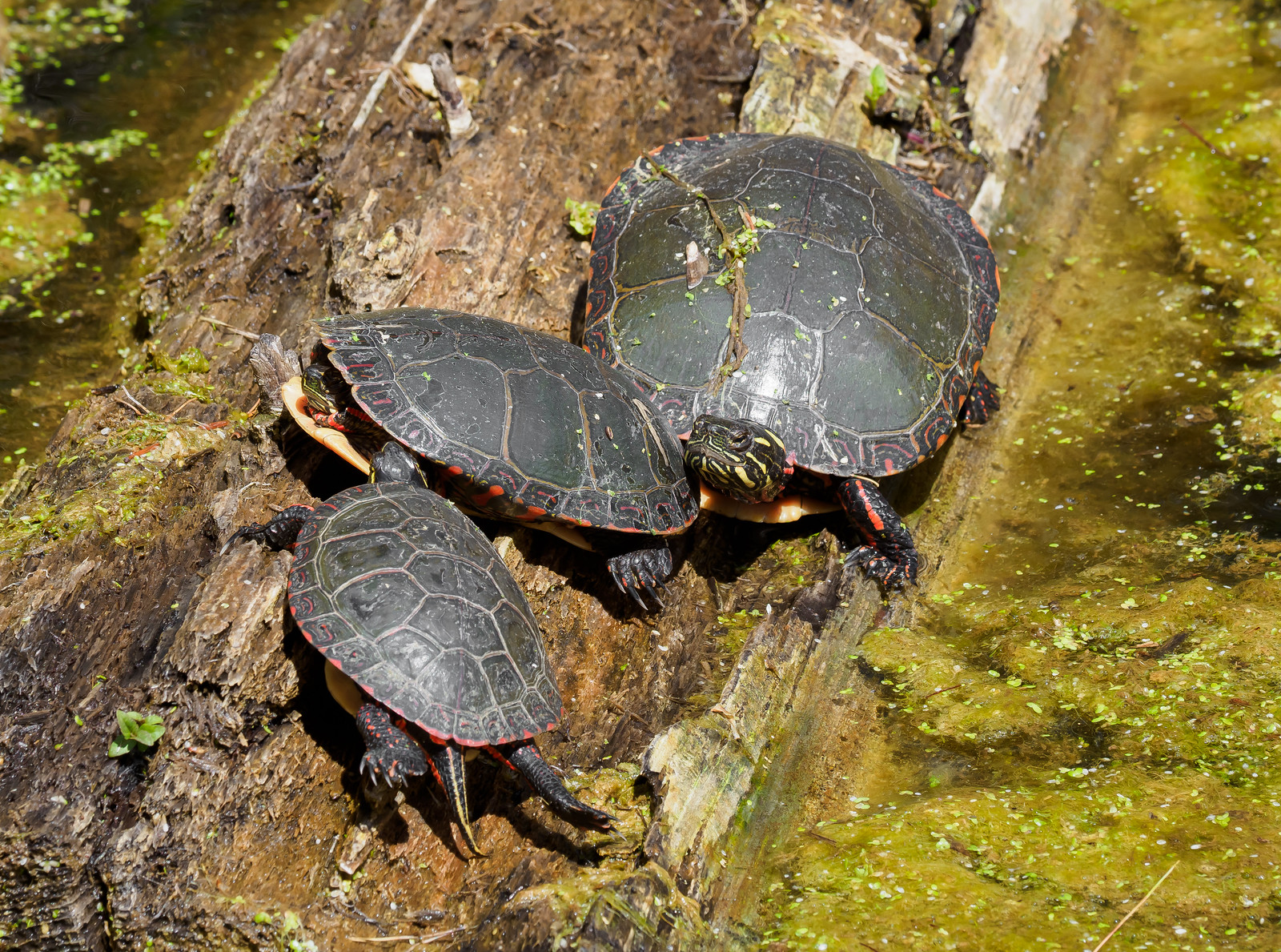
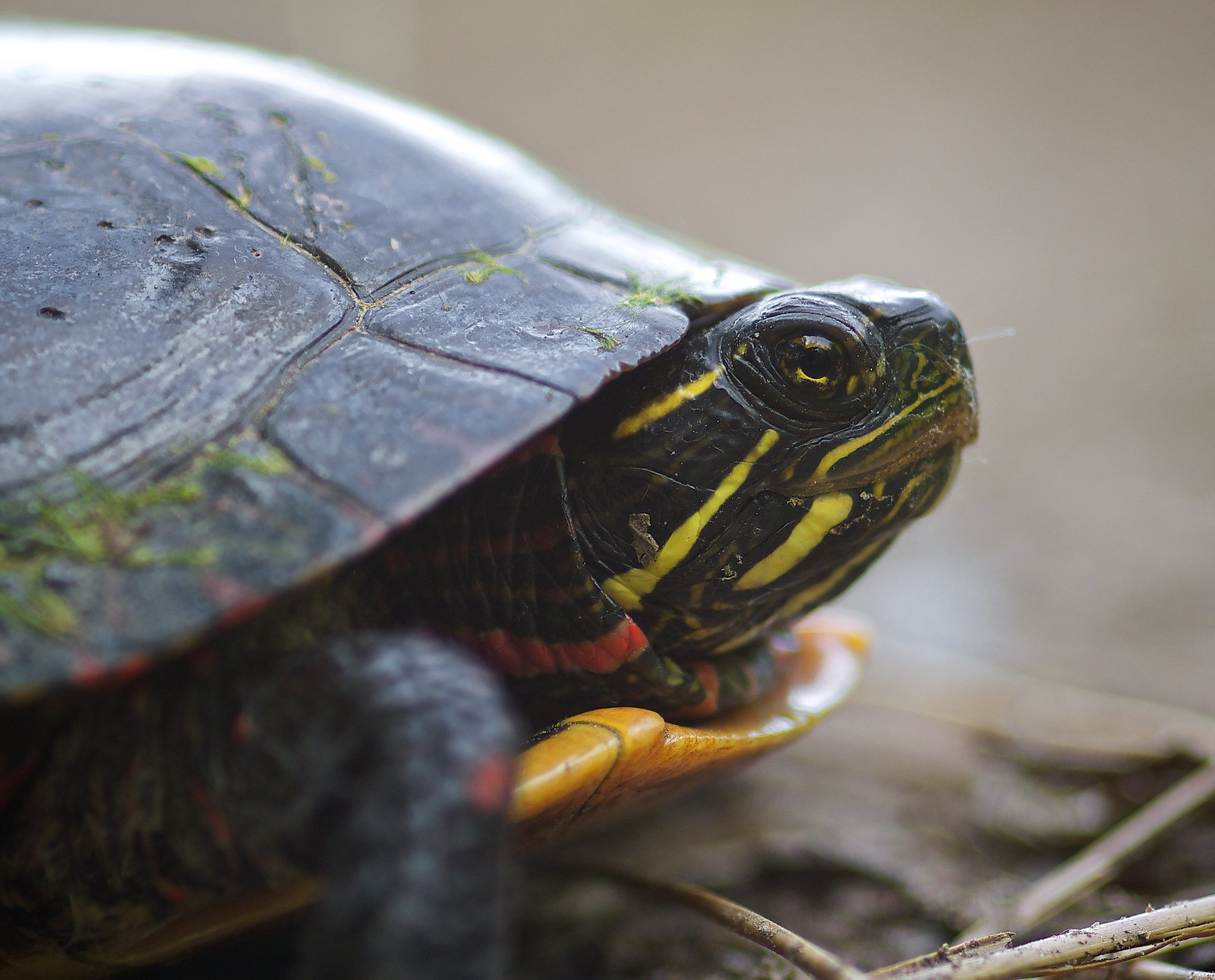
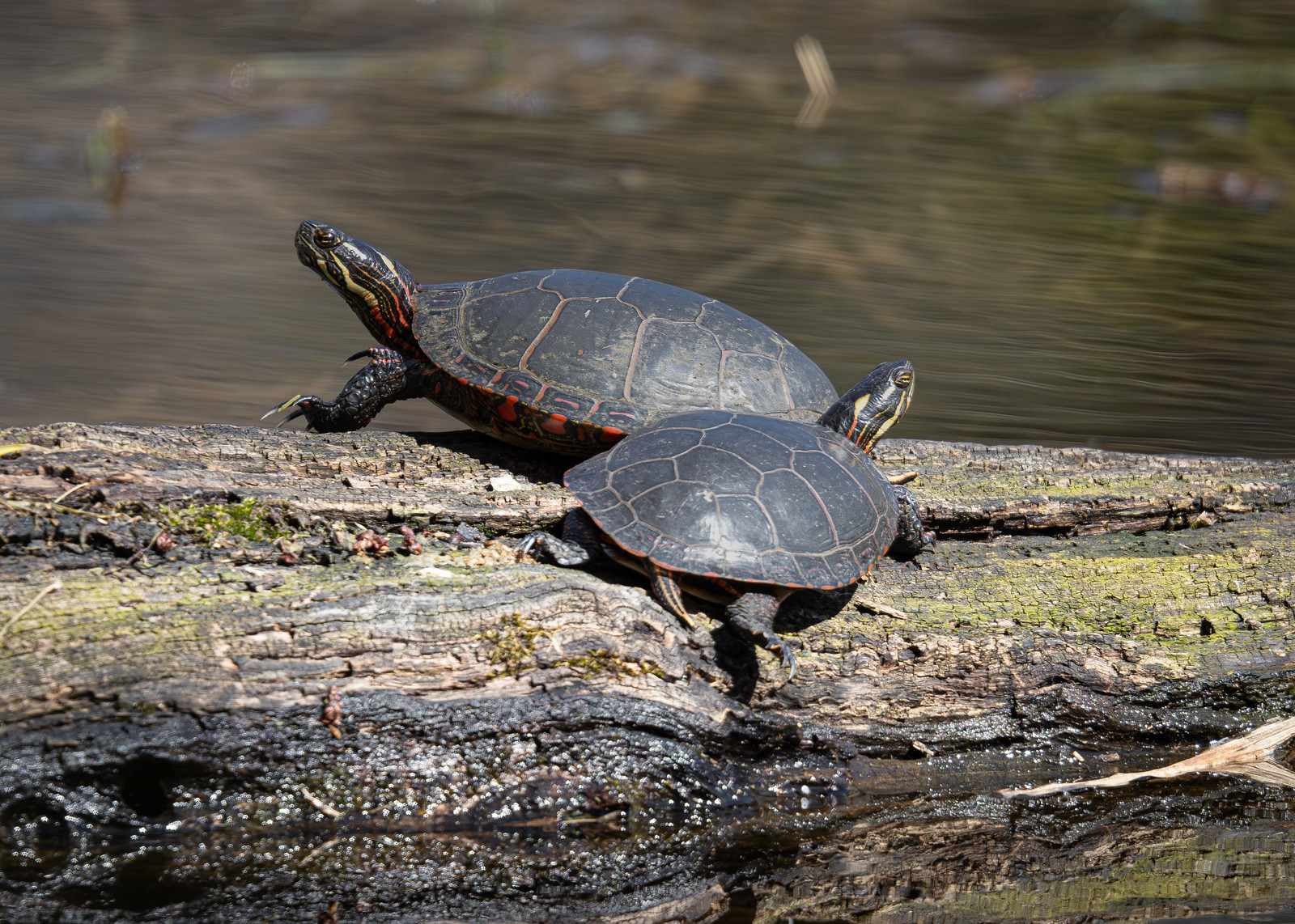
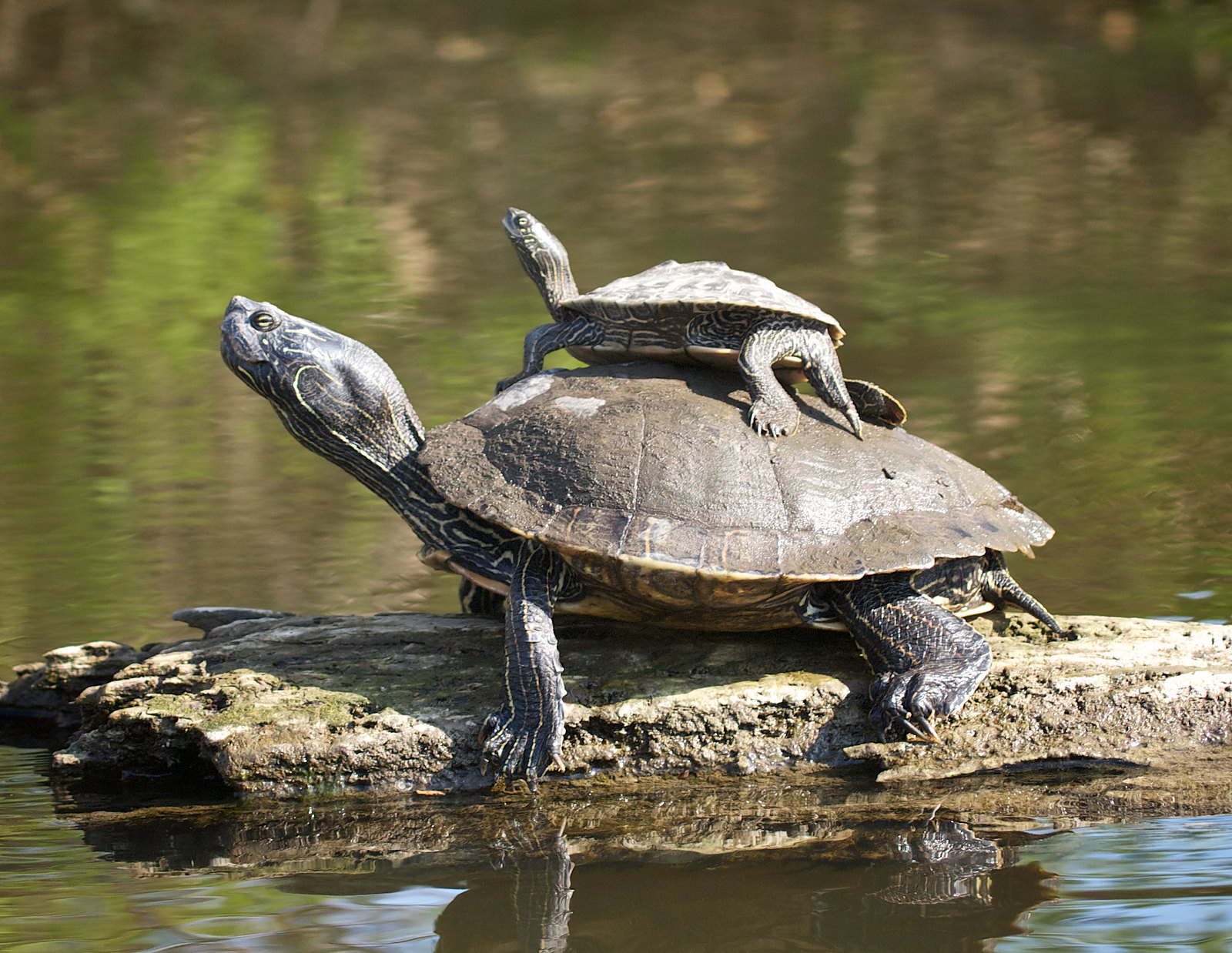
David took the top photo last April. Here are some more of his Painted turtle pics along with one of two Map turtles doing a “turtle stack”. See David’s latest pics including a Calico Pennant Dragonfly on Flickr & for sure visit his blog to read about Red Cedar River turtles & other important things.

Support Michigan in Pictures with Patreon