Detroit Photo Meetup: You Gotta Have Art

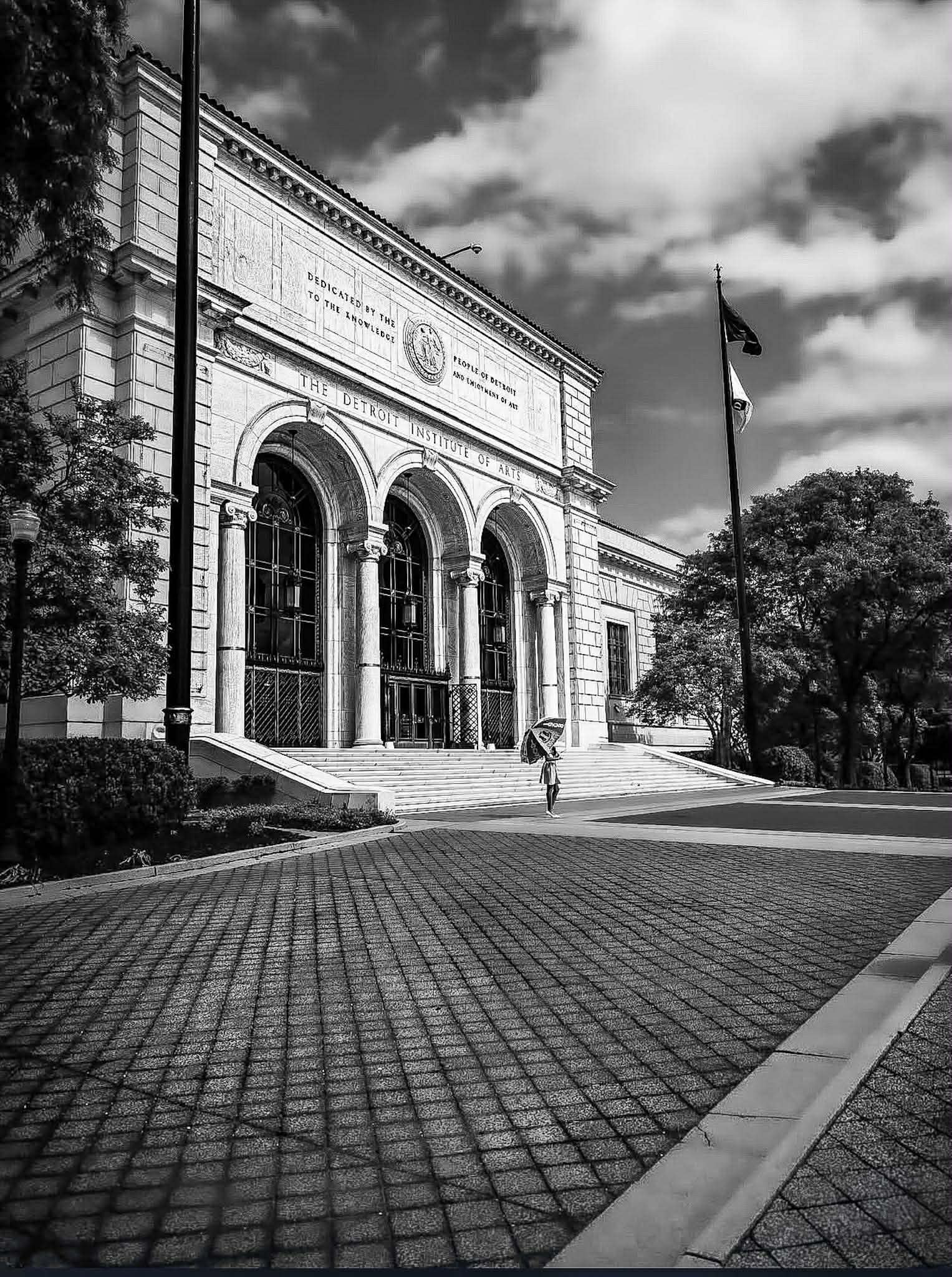
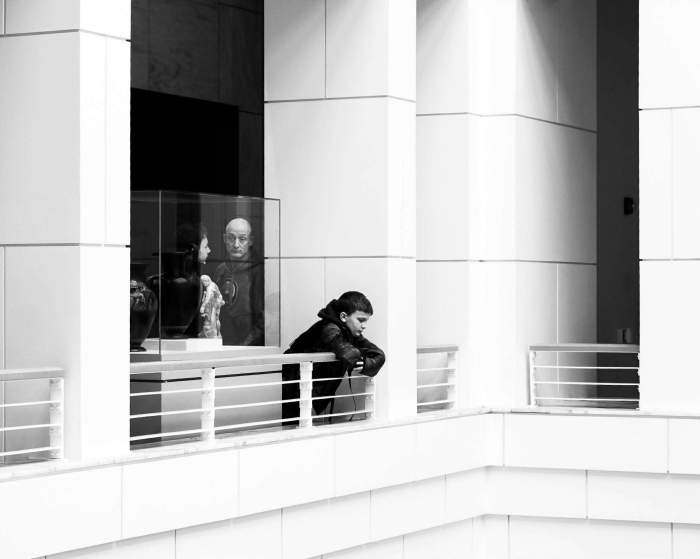
Detroit Institute of Arts by Coretta Billy

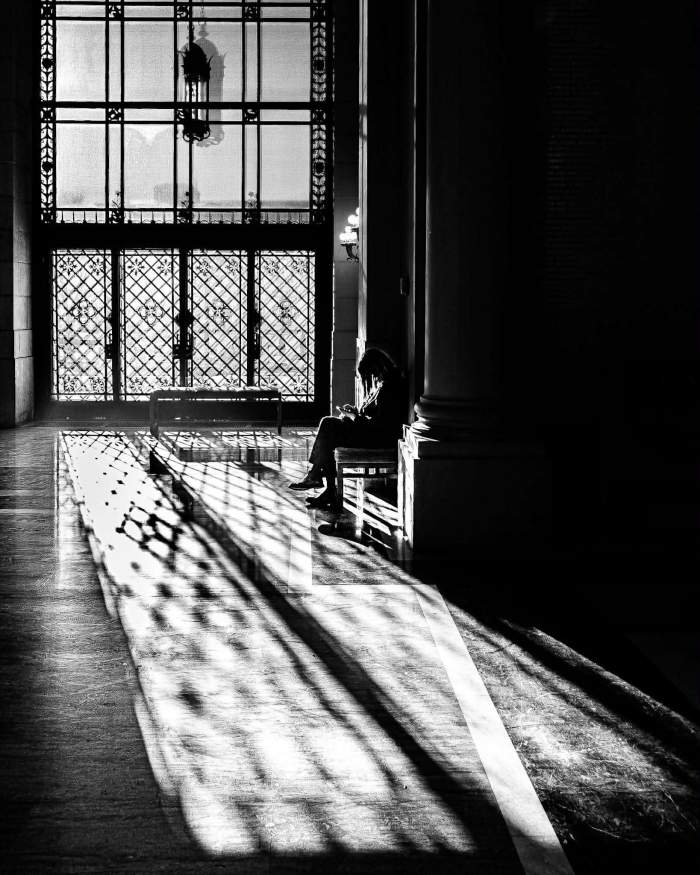
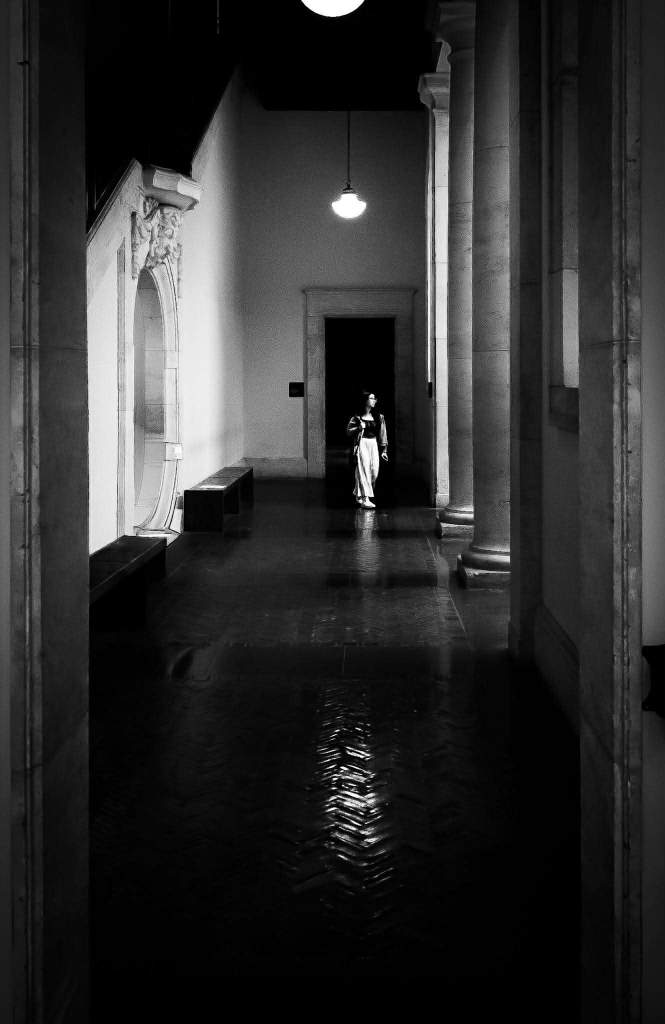
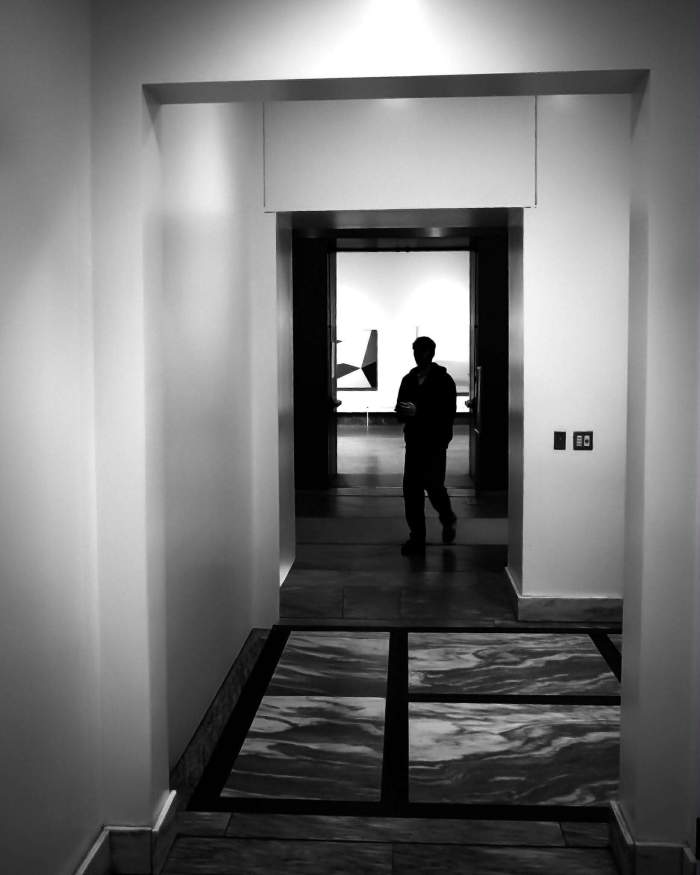
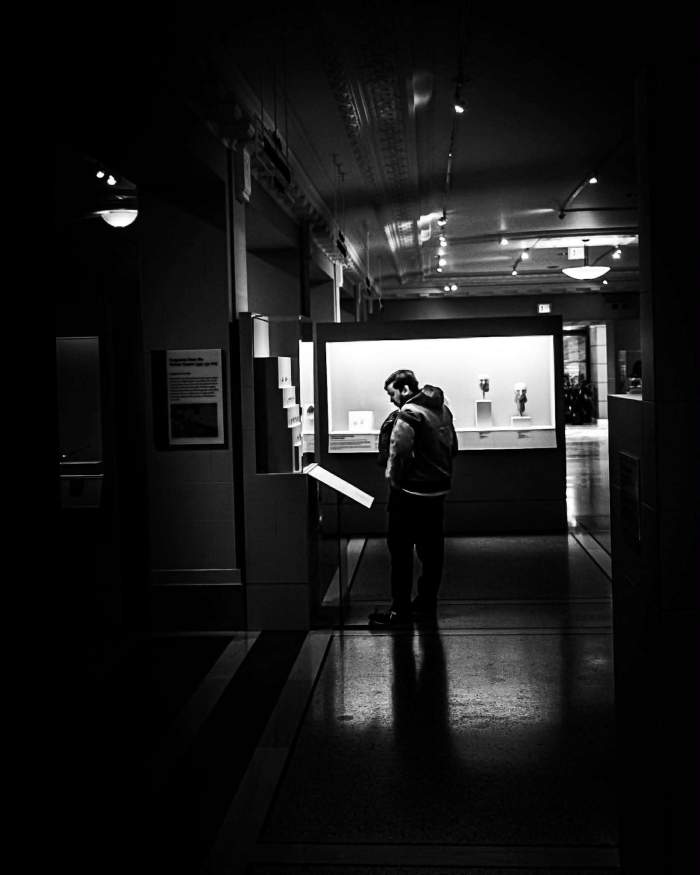
A lot of the photographers I feature on Michigan in Pictures as well as many readers are from the Detroit area. If you are and are interested in growing your skills and/or your network of photographers, I encourage you to check out the “Click & Create: Detroit Photography Meetup” this Saturday, Jan 24th 10:00 AM at the Detroit Institute of Arts.

They write: “Join us for a photography meet-up designed to spark creativity across all ages and skill levels. We’ll explore the space together, work from shared shot lists, compare styles, and trade inspiration as we capture fresh perspectives in the heart of the city …. Meet inside the Woodward Entrance. Bring your camera or phone. No flash photography. No tripods or extra equipment. Just your eye, your curiosity, and your creative energy.”

Coretta Billy shared the event with me. She specializes in portraits & events, and is of the photographers who will be in attendance. You can follow her on Facebook and view & purchase her work at corettabillyiecphotography.com.

Support Michigan in Pictures with Patreon

Rosa Parks was tired of giving in

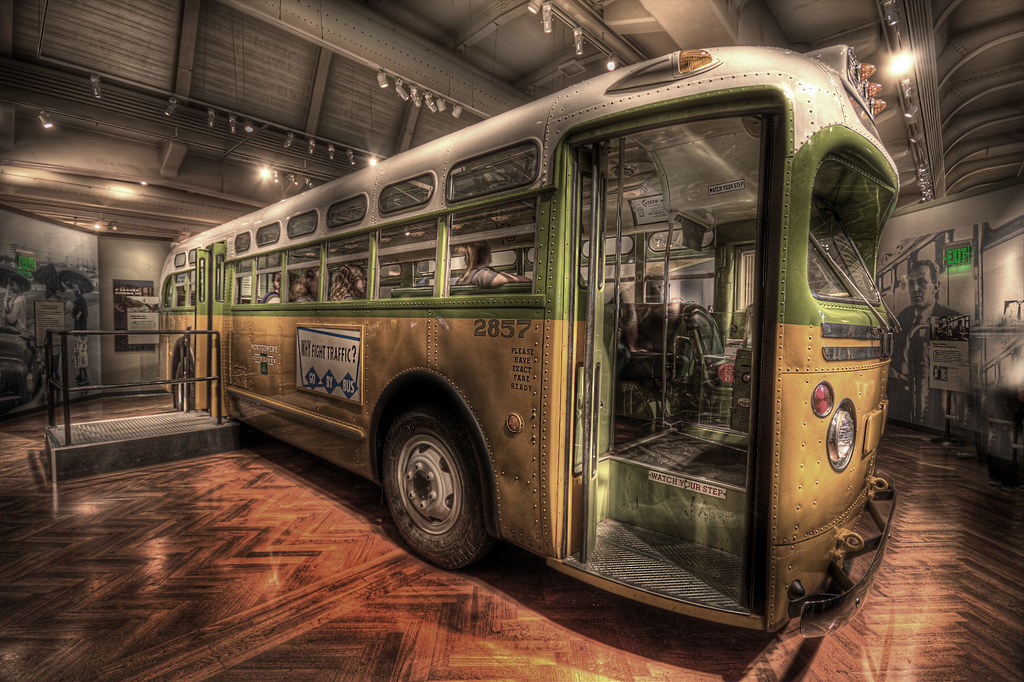
The Rosa Parks Bus by Rafael Peixoto Ferreira

The Rosa Parks Bus by Rafael Peixoto Ferreira

“The only tired I was, was tired of giving in.” -Rosa Parks

70 years ago today on December 1, 1955, African-American seamstress Rosa Parks was arrested for failing to give up her seat on a Montgomery city bus to a white man. This broke existing segregation laws, and many believe her courageous act sparked the Civil Rights movement. The Henry Ford has a detailed page on the Rosa Parks bus that the museum was able to purchase the bus at auction for $492,000:

After sitting unprotected in a field for 30 years, it is not surprising that The Rosa Parks bus needed a substantial amount of work. Its seats and engine had been removed, many windows were broken, metal had rusted through and the lime, white and gold paint job was a mere shadow of its former self. Our experienced conservation staff carefully examined the vehicle and consulted with various experts.

Three interested companies bid on the extensive restoration work, and finally, MSX International, an automotive engineering and technical services firm headquartered in Southfield, Michigan, was selected to perform the work at a cost of over $300,000. Museum and MSX employees researched every detail of the bus so that the restoration would be truly authentic. Original material was reused wherever possible and original parts from identical 1948 GM buses were used when necessary. Our goal was to restore the bus to its condition in 1955—a seven-year-old urban transit coach.

I couldn’t think of a more fitting image for this than the Rosa Parks bus, just one of many amazing relics of American history that are displayed at the Henry Ford (see their exhibits). See more in Rafael’s great Detroit gallery.

Here’s Rosa Parks relating the story of that day to the BBC.

Support Michigan in Pictures with Patreon

Law & Order: Back to School Edition

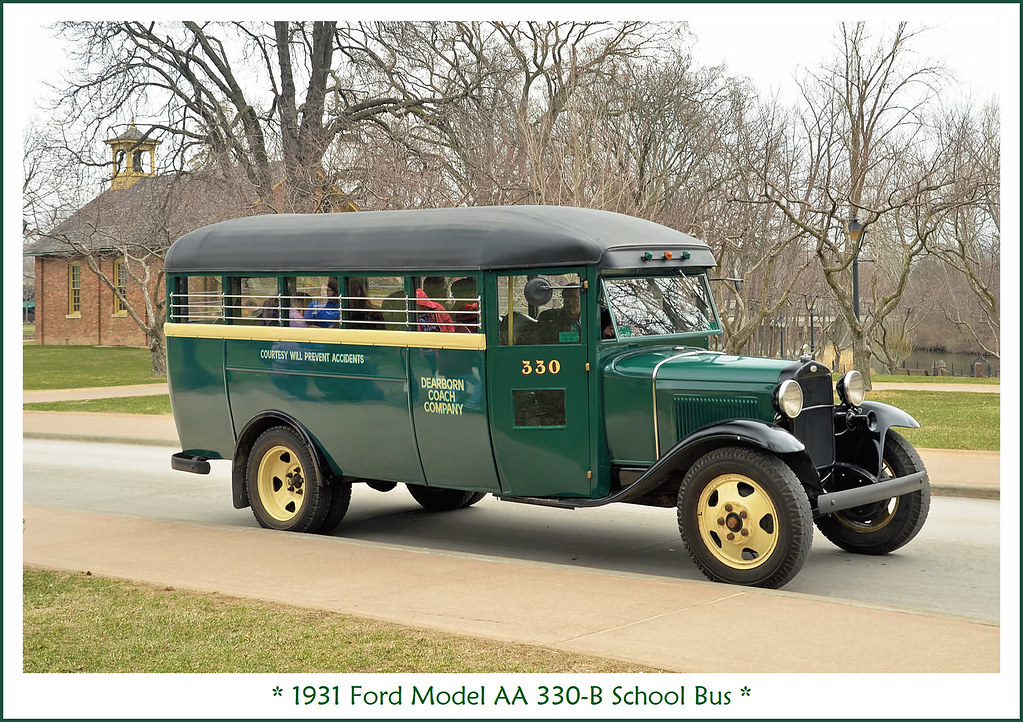
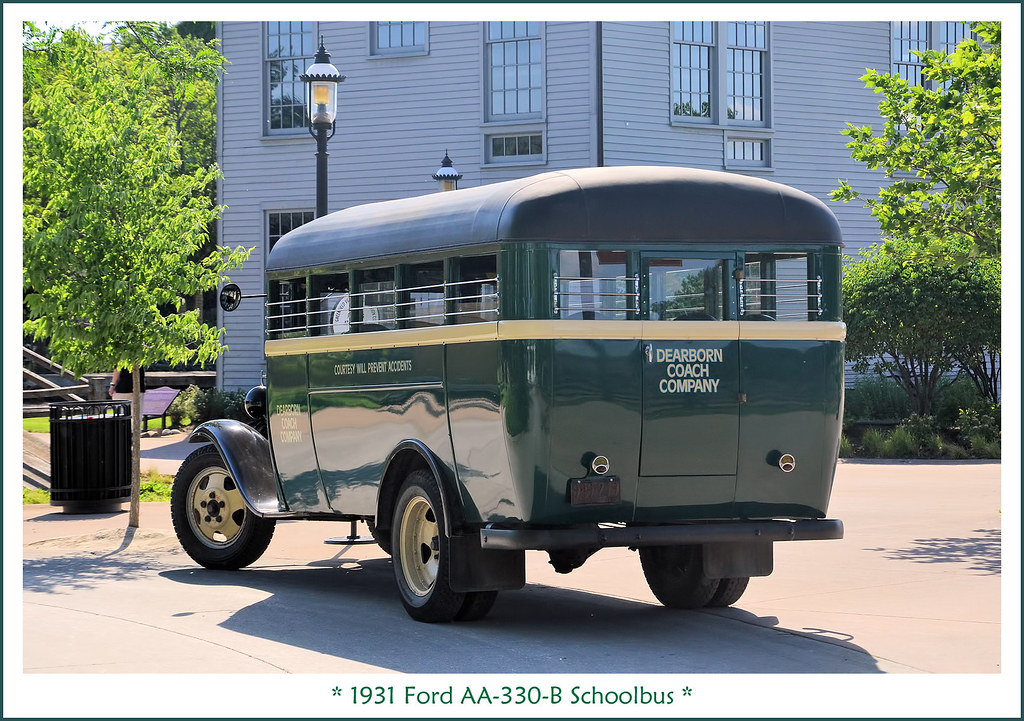
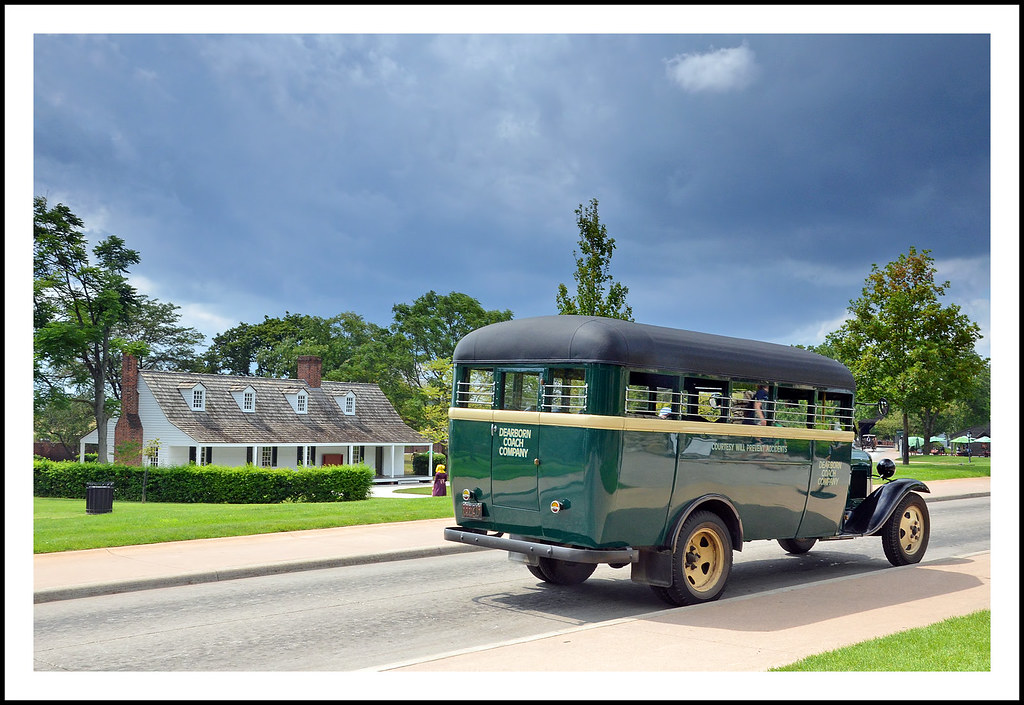
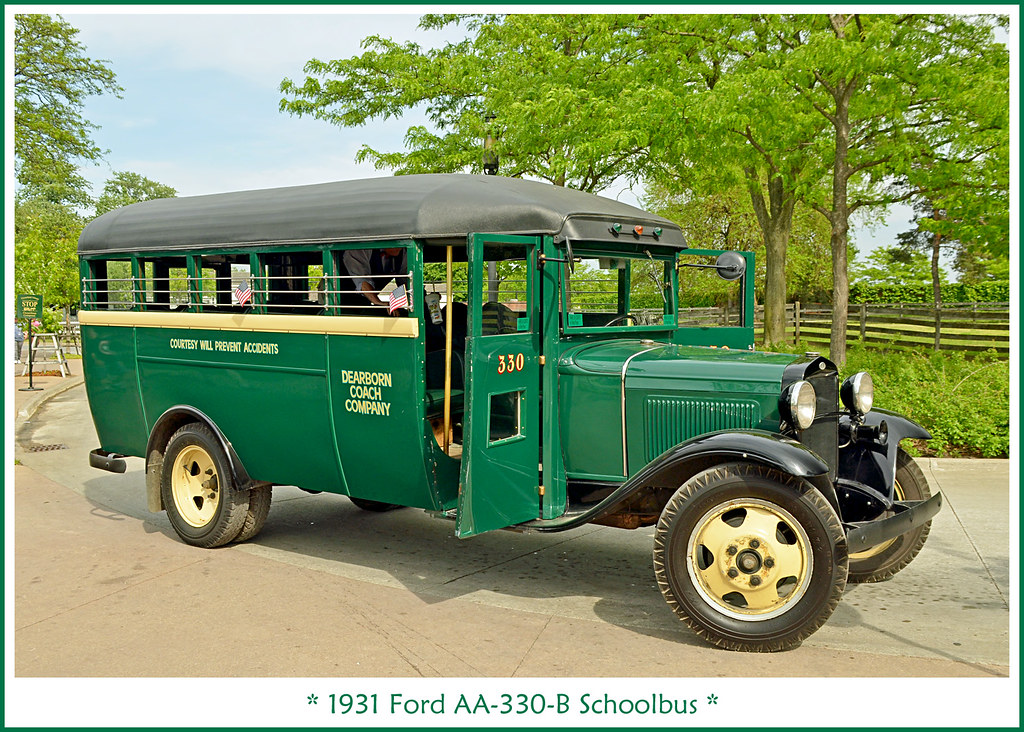
1931 Ford Model AA School Bus in Greenfield Village

1931 Ford Model AA School Bus in Greenfield Village by Steve Brown (in memorium)

mLive shares that the decision to start the school year before or after Labor Day has long been a point of debate in Michigan due to the need for student workers in the hospitality & agricultural sectors. Even though the law requiring schools to start post-Labor Day passed 20 years ago, most Michigan schools are still starting before summer’s end:

…The Michigan Department of Education only tracks districts that are granted Labor Day waivers, but not which districts use their waiver or their start dates, according to spokesman Ken Coleman. There are currently 185 waivers held in the state, covering more than 500 school districts and public academies.

Forty-eight of those are held by intermediate school districts (ISDs) or area educational agencies and their waivers almost entirely cover all districts within their regional boundaries. Additionally, 102 individual charter schools or public academies have their own waivers, as well as 30 school districts outside of ISDs. A few hundred more schools and districts, including several ISDs, are not waiver eligible that automatically start after Labor Day. Still, more Michigan schools than not are starting before Labor Day despite the mid-2000s law.

Steve passed on a couple years ago, but his photos and his love of history remain (click for his Michigan in Pictures features). He took these back in 2018 at Greenfield Village, Henry Ford’s outdoor living history museum in Dearborn. The Model AA school bus was acquired from Florida and visitors can use the historic bus for transportation around the Village (for a price). See lots more in his Classic Busses Old & New gallery on Flickr.

Support Michigan in Pictures with Patreon

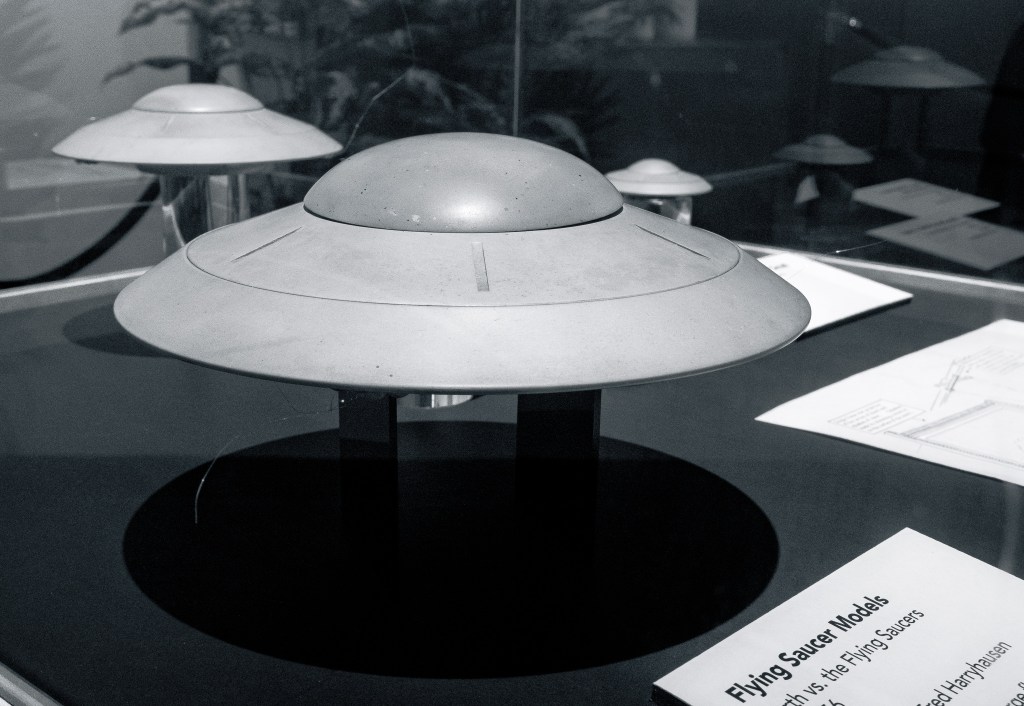
UFOs invade Kalamazoo (Valley Museum)

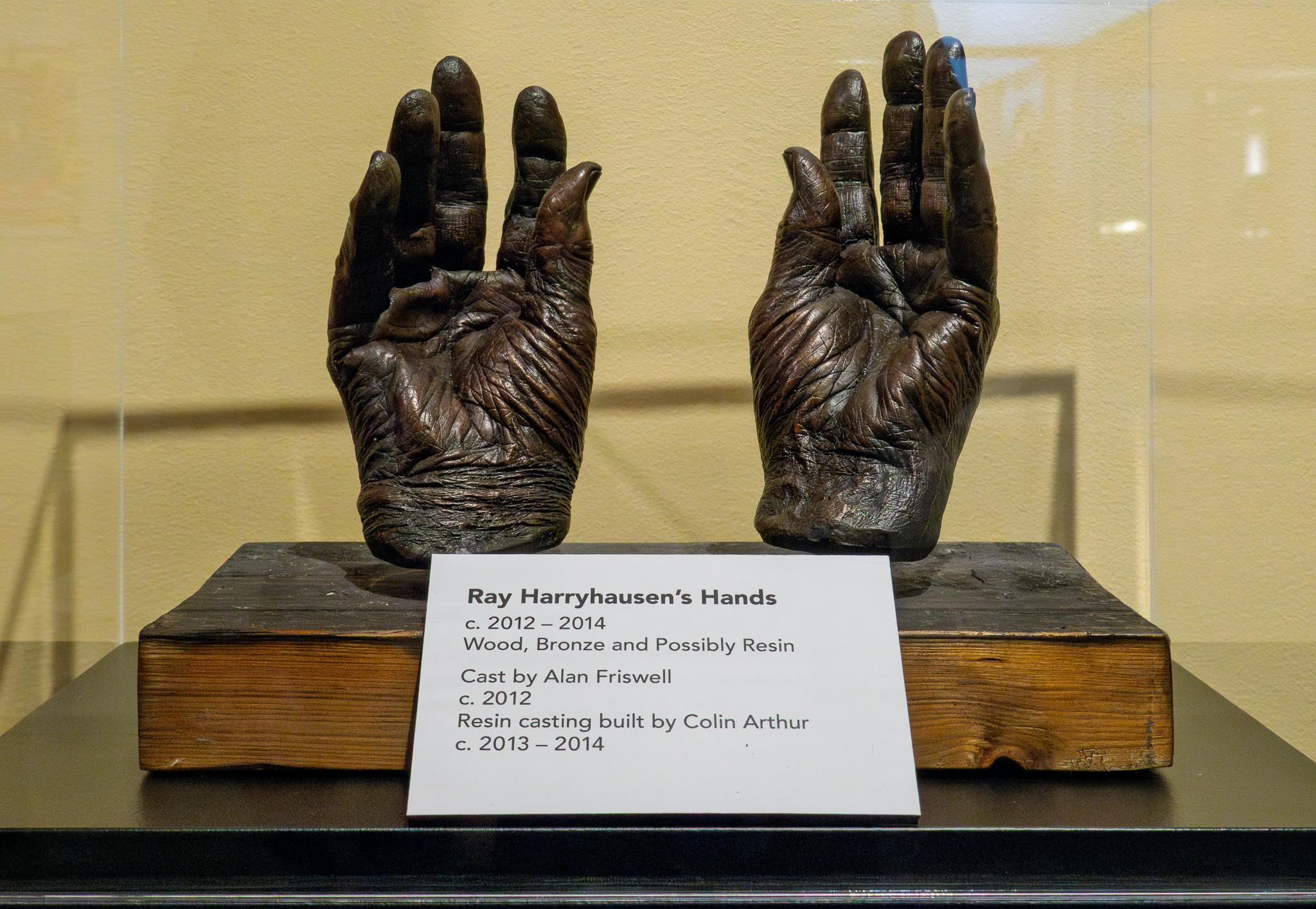
Ray Harryhausen flying saucer models by William Dolak

Ray Harryhausen flying saucer models by William Dolak

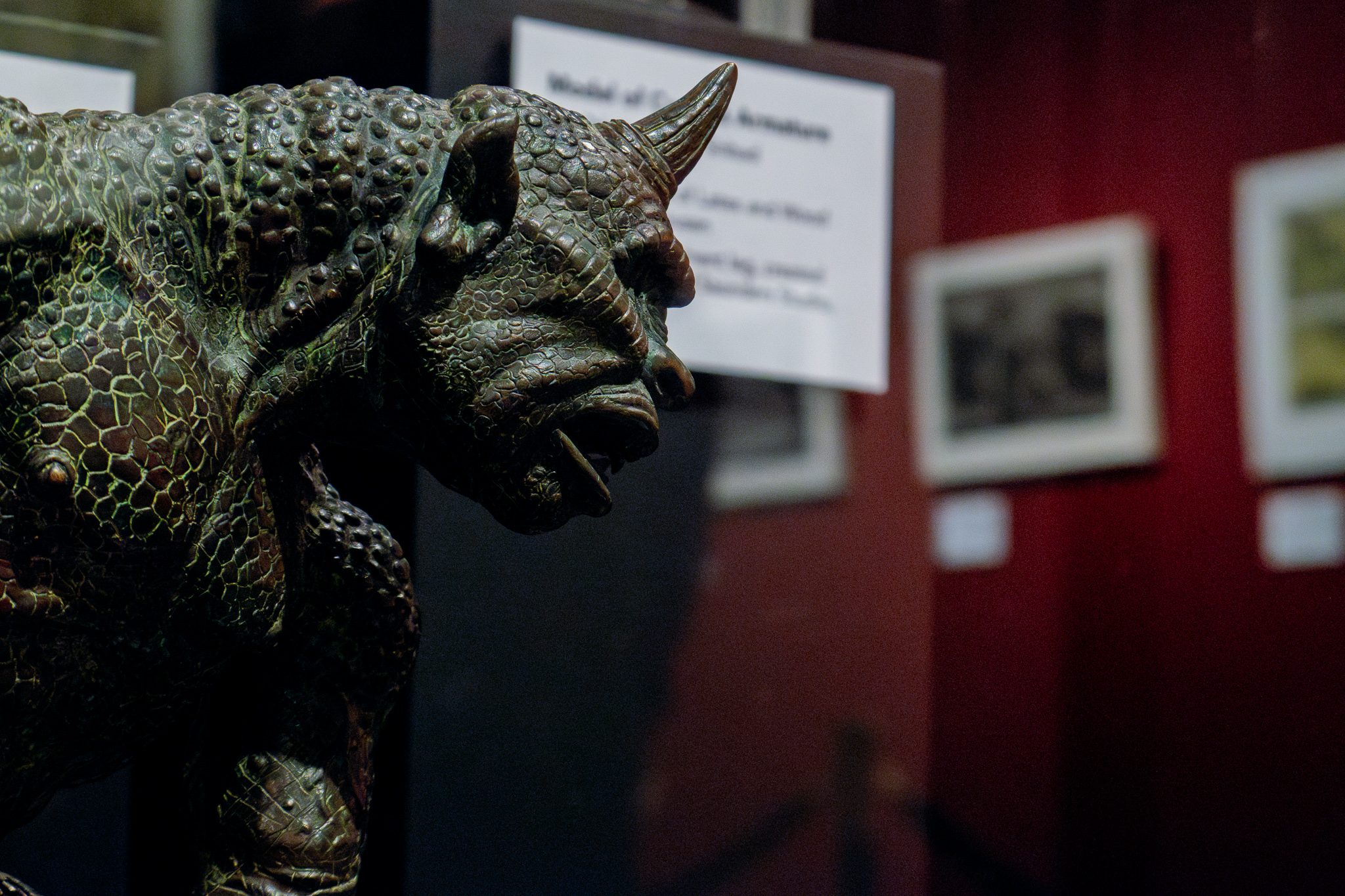
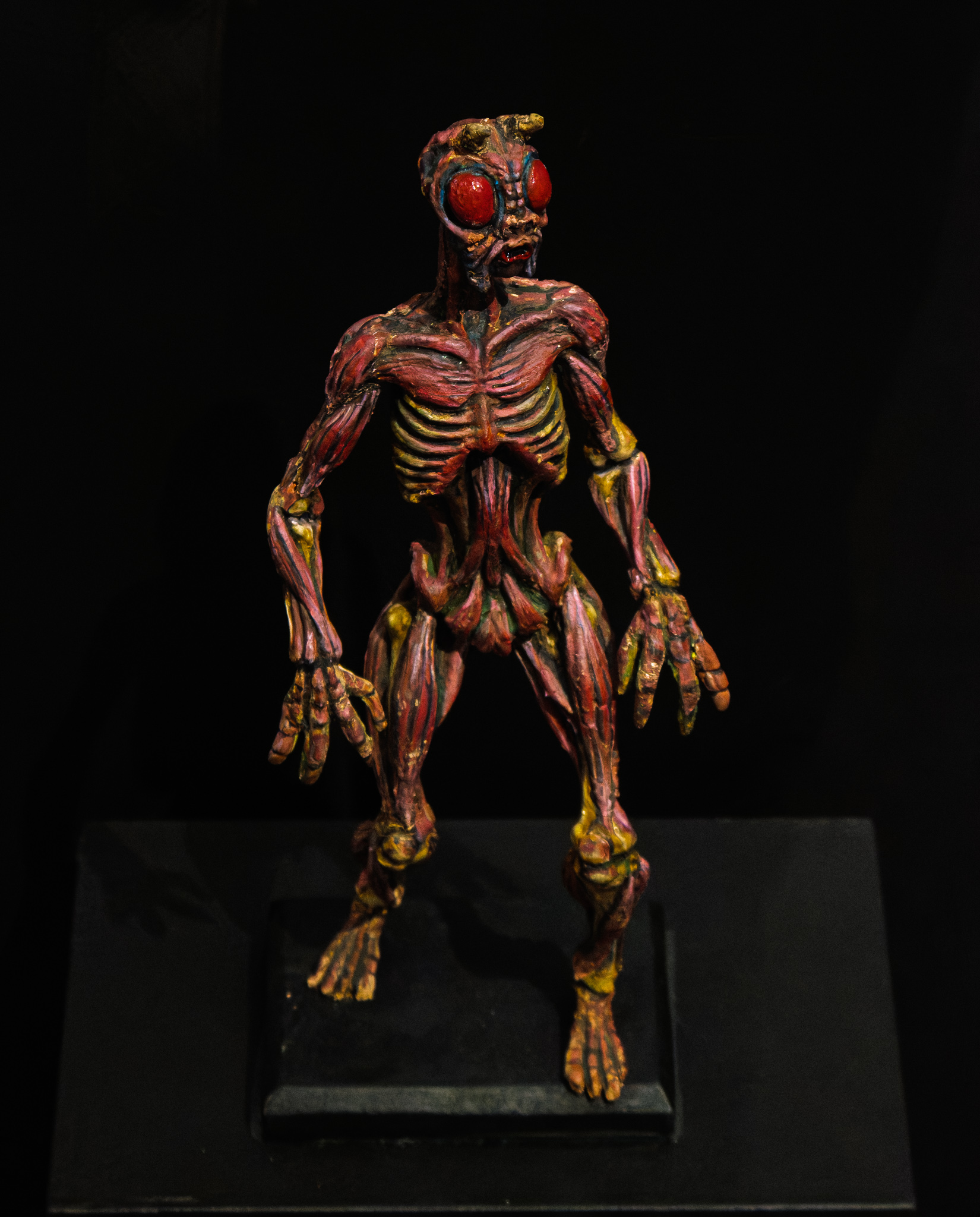
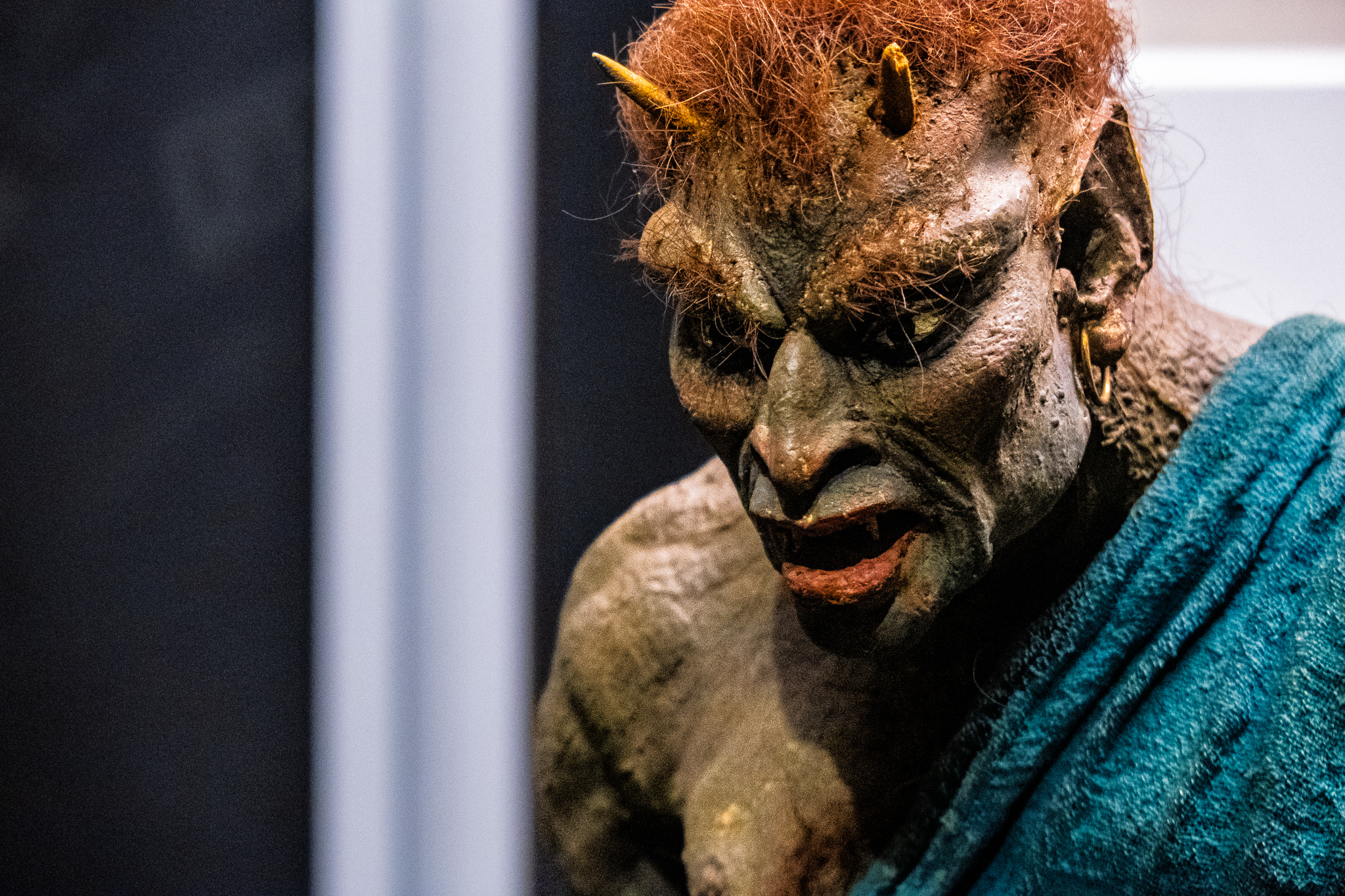
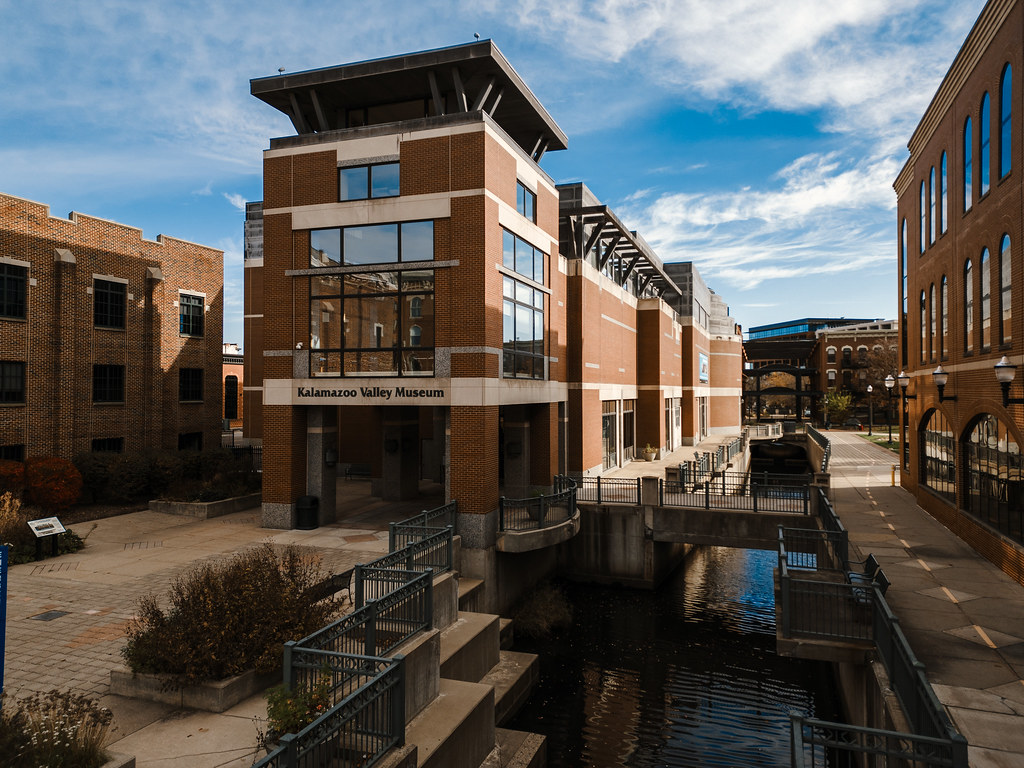
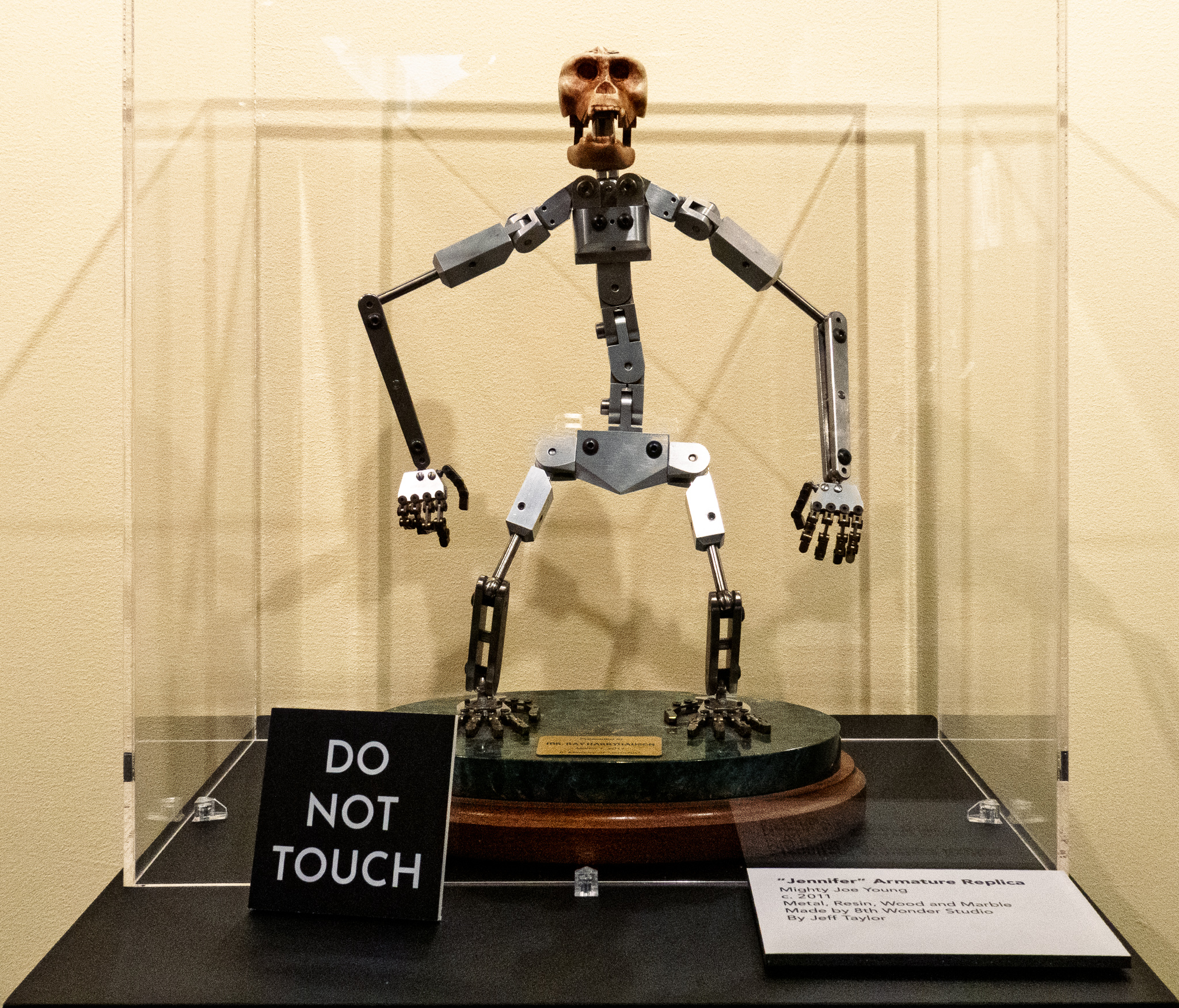
Bill got some great pics of the exhibit for stop-motion effects & sci-fi filmmaking pioneer Ray Harryhausen exhibit at the Kalamazoo Valley Museum. The Museum shares:

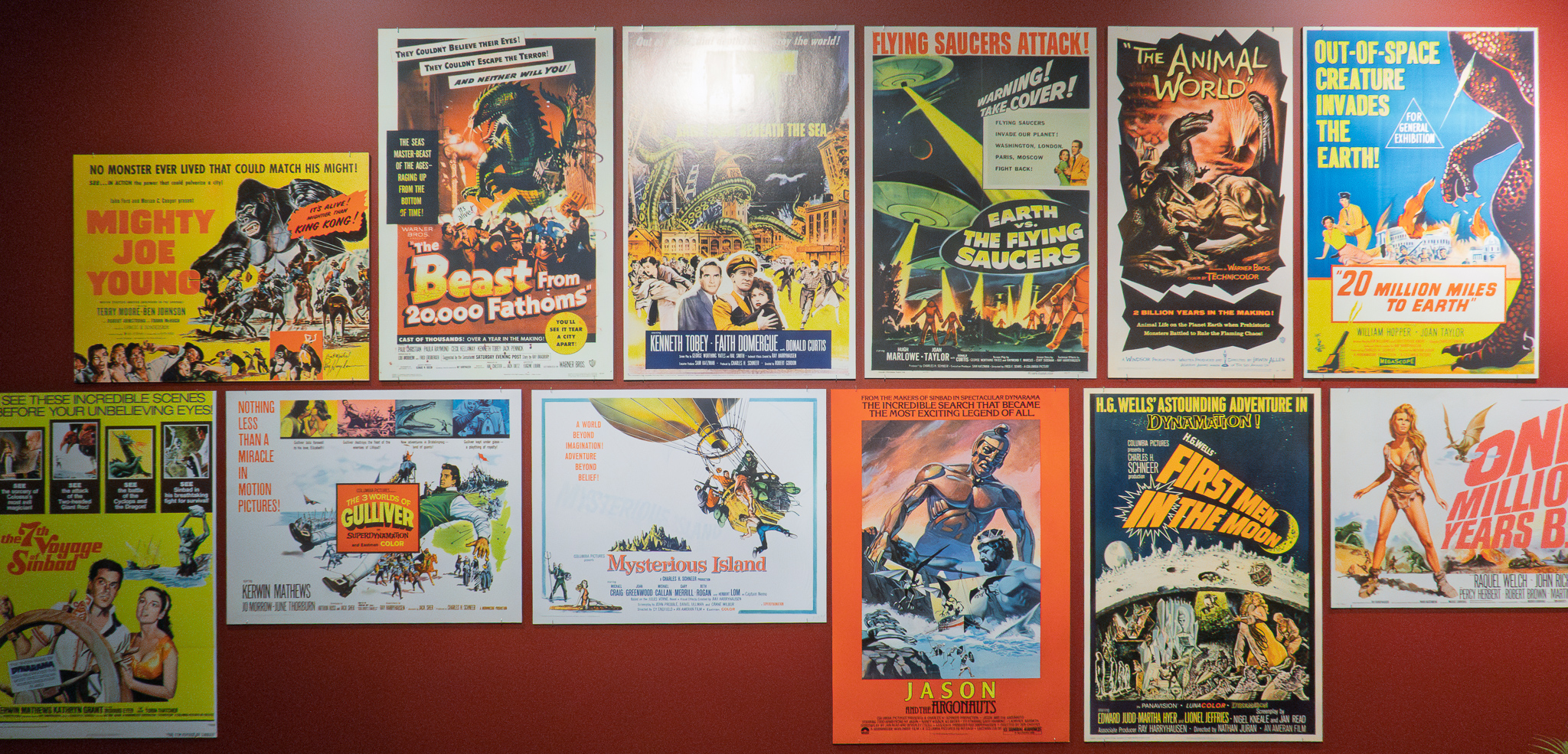
Ray Harryhausen is regarded as a pioneer and one of the great 20th century artists of stop-motion animation. His extensive career is showcased through over 100 original creations on display at the Kalamazoo Valley Museum. Through original armatured models, artwork, miniatures and props, the exhibit transports us back to the silver screen. Creatures and artwork from such films as 1949’s Mighty Joe Young, where Ray began as a technician, The Beast from 20,000 Fathoms, Earth vs the Flying Saucers, The 7th Voyage of Sinbad, Jason and the Argonauts, and the 1981 Clash of the Titans bring to life the imagination of Ray Harryhausen.

Follow Bill on Facebook and/or Flickr for more!

Support Michigan in Pictures with Patreon

The Ontonagon Boulder

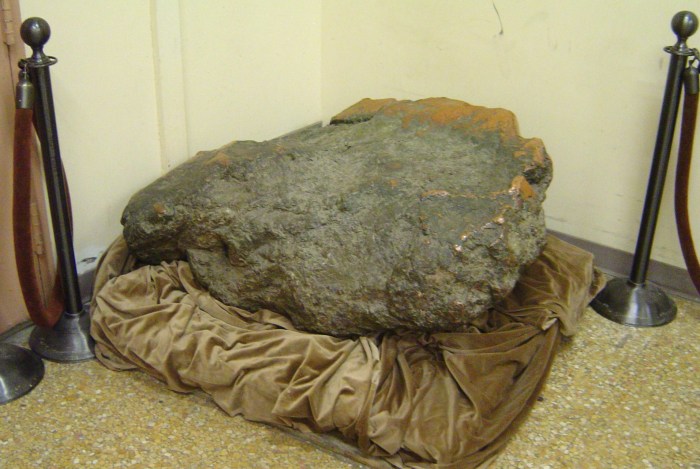
Ontonagon Copper Boulder at the Smithsonian

Ontonagon Copper Boulder at the Smithsonian by Ian Shackleford

Today’s post is what we call a foreshadowing in the photo blog game. It concerns the extremely messy saga of the Ontonagon Boulder which is now at the Smithsonian Museum of Natural History. You can (and should) read it all, but here’s some highlights:

In 1669 the French government sent Louis Joliet to search for copper deposits in the area. Joliet decided to discover the Mississippi River instead.

English adventurer and fur trader Alexander Henry trips up the Ontonagon River in 1765 and 1771. An underwhelmed (and astoundingly wrong) Henry was unimpressed writing, “The copper ores of Lake Superior can never be profitably sought for but for local consumption….” The 5 million plus tons of copper 5,400,000 disagree.

In 1819 Gen. Lewis Cass directed an expedition to the boulder & sought to move it by burning thirty cords of wood around the boulder & throwing water on the hot copper which didn’t succeed in fracturing the boulder.

In 1841, Detroit hardware merchant Julius Eldred and an interpreter set out to buy the boulder from the Chippewa on whose land it stood for $150. He failed that time & the next, but in 1843 with a portable railway & car managed to move it (after having to buy the rock AGAIN from some Wisconsin miners for $1,365).

From the U.S. National Museum report of 1895: For four miles and a half, over hills 600 feet high, through valleys and deep ravines; through thick forests where the path had to be cut; through tangled underbrush, the home of pestiferous mosquitoes, this railway was laid and the copper bowlder (sic) was transported; and when at last the rock was lowered to the main stream, nature smiled on the labors of the workmen by sending a freshet to carry their heavily laden boat over the lower rapids and down to the lake.

At this long-awaited, triumphant point, Eldred was confronted by an order from the Secretary of War to General Cunningham, directing that the copper boulder be seized for transportation to Washington.

“The persons [Eldred and his sons] claiming the rock have no right to it,” the Secretary decreed, “but justice and equity would require that they be amply compensated for the trouble and expense of its removal from its position on the Ontonagon to the lake; and for this purpose General C. will examine their accounts and allow them the costs, compensating them fully and fairly therefore, the sum, however, not to exceed $700….”

In the end & with the help of Congress, Eldred received $5,664.98 which is roughly $200,000 in today’s dollars.

Read lots more from the Smithsonian & also check out a more detailed look at the drama around Eldred from The Mining Journal.

The photo was taken by Ian Shackleford & appears in the Wikipedia entry for the Boulder

Support Michigan in Pictures with Patreon

Diego Rivera’s Industrial Symphony

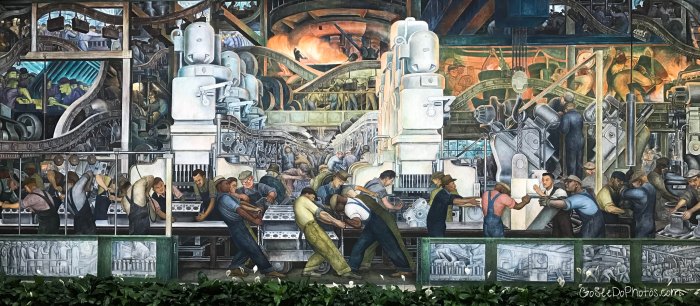
Diego Riviera Mural by Ashleigh Mowers

Diego Rivera Mural by Ashleigh Mowers

“As I rode back to Detroit, a vision of Henry Ford’s industrial empire kept passing before my eyes. In my ears, I heard the wonderful symphony which came from his factories where metals were shaped into tools for men’s service. It was a new music, waiting for the composer with genius enough to give it communicable form.

I thought of the millions of different men by whose combined labor and thought automobiles were produced, from the miners who dug the iron ore out of the earth to the railroad men and teamsters who brought the finished machines to the consumer, so that man, space, and time might be conquered, and ever-expanding victories be won against death.”
― Diego Rivera, My Art, My Life

There’s probably not a better monument to the massive role of labor in building Michigan & the United States than the Diego Rivera’s Detroit Industry murals. Commissioned for the Detroit Institute of Art, these 27 massive paintings that cover the four walls of the Rivera Court at the DIA:

In 1932, Mexican muralist Diego Rivera (1886-1957) began illustrating the walls of what was then the DIA’s Garden Court. Using the fresco technique common in ancient Egypt, Greece, Rome, and the Americas, Rivera created a grand and complex cycle of murals that portray the geological, technological, and human history of Detroit. He also developed an ancient context for modern industry rooted in the belief system of the Aztec people of central Mexico.

Ashley took this photo back in January of 2017. You can see more in her Detroit gallery & on her website!

Support Michigan in Pictures with Patreon

Remembering MSU philanthropist Eli Broad

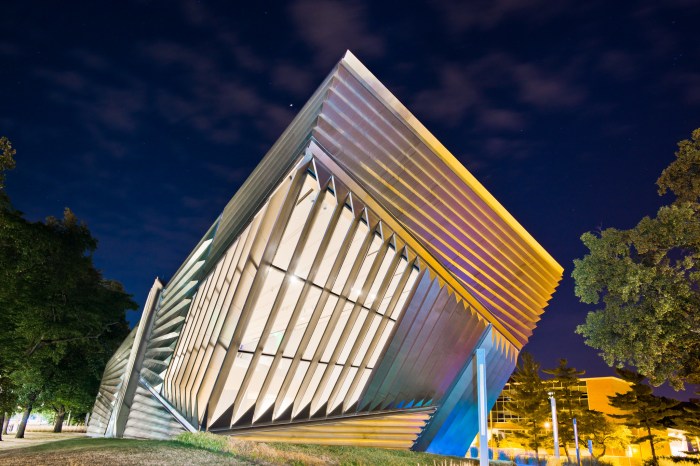
Another Night at the Museum by fotoman91

Another Night at the Museum by fotoman91

Michigan State University’s Broad College of Business dean Sanjay Gupta shares a tribute to billionaire alumnus Eli Broad who died last week at the age of 87, saying in part:

As a loyal Spartan, Mr. Broad has left an extraordinary and unparalleled legacy on the banks of the Red Cedar. In total, Eli and Edythe have given nearly $100 million to support MSU in a multitude of ways. From building the Eli and Edythe Broad Art Museum to supporting the College of Education, their impact has been significant across campus.

Nowhere has their giving been more evident than here in the Broad College of Business. Passionate about the MBA program, in 1991, Mr. Broad made what was at the time the largest gift ever made to a public business school. His $20 million commitment to the Eli Broad College of Business and the Eli Broad Graduate School of Management — both renamed in his honor — was designed to help the university’s new full-time MBA program emerge as one of the nation’s top graduate management programs. Today, that program is a top 25 U.S. public program that has launched the careers of countless Spartans.

The Broad Museum is a contemporary art museum and is open free of charge Friday – Sunday from noon to 6 PM.

fotoman91 took this pic last summer. See more in his awesome Night Time gallery on Flickr.

Support Michigan in Pictures with Patreon

Ring the Bell for the Fitz

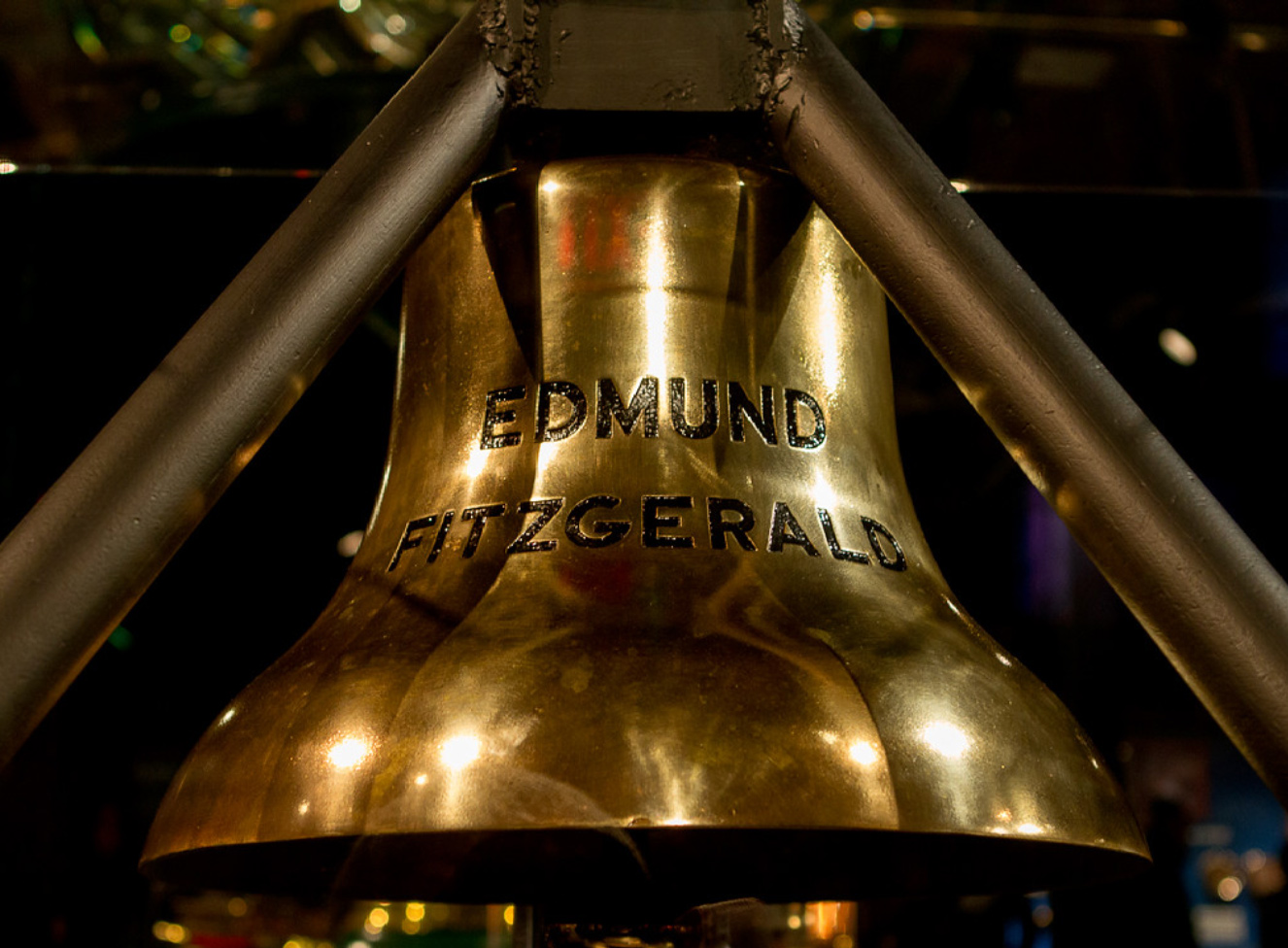
Ship's Bell by Bill

Ship’s Bell by Bill

Today is the 45th anniversary of the sinking of the S.S. Edmund Fitzgerald, and if you’re in Michigan, you’ll probably hear The Wreck of the Edmund Fitzgerald by Gordon Lightfoot today. I’m pretty sure, however, that you won’t enjoy it more than when you’re watching this video.

Joseph Fulton put together this amazing tribute to the 29 men who went down with the Edmund Fitzgerald in Lake Superior on November 10, 1975. This video is one of the best I’ve ever seen on YouTube and I hope you can watch it.

Bill took this photo of the bell from the Fitzgerald at the Great Lakes Shipwreck Museum at Whitefish Point. See more in his Whitefish Point album on Flickr!

Support Michigan in Pictures with Patreon

July 16, 1812: The Attack on Fort Mackinac

Fort Mackinac (circa 1897-1924) by Detroit Publishing Co

The Clarke Historical Library at Central Michigan University remembers that on July 16, 1812, British forces moved on Fort Mackinac:

British General Brock of the Michigan Command ordered Captain Roberts, on St. Joseph Island, to attack the American Fort on Mackinac Island. That morning Captain Roberts embarked for Michilimackinac on the Northwestern Fur Company’s ship, Caledonia, with two six-pound guns, ten batteaux (flat-bottom boats), and seventy canoes. Captain Roberts’ force was composed of 42 regulars and 4 officers, 260 Canadians, 572 Chippewas and Ottawas, 56 Sioux, 48 Winnebagoes, and 39 Menomonies. The British arrived at Mackinac Island at 3:00 a.m. on July 17.

Fort Mackinaw’s American commander, Lieutenant Hanks, immediately prepared for action. However, around 9:00 in the morning he discovered that the British were in possession of the higher ground above the fort and that British artillery was already directed at the Americans’ most defenseless position. At 11:30 in the morning, the British sent in a flag of truce and the fifty-seven United States officers and enlisted men at the Fort surrendered.

After this victory, the British constructed Fort George (now known as Fort Holmes) about a half-mile behind the main Fort in order to protect it during future invasions. Great Britain retained control of Fort Mackinaw until the United States won it back in the Treaty of Ghent in 1815.

This photo of Fort Mackinac was taken sometime between 1895-1924. Learn more about Fort Mackinac at Mackinac State Historic Parks.

Support Michigan in Pictures with Patreon

Window Cake

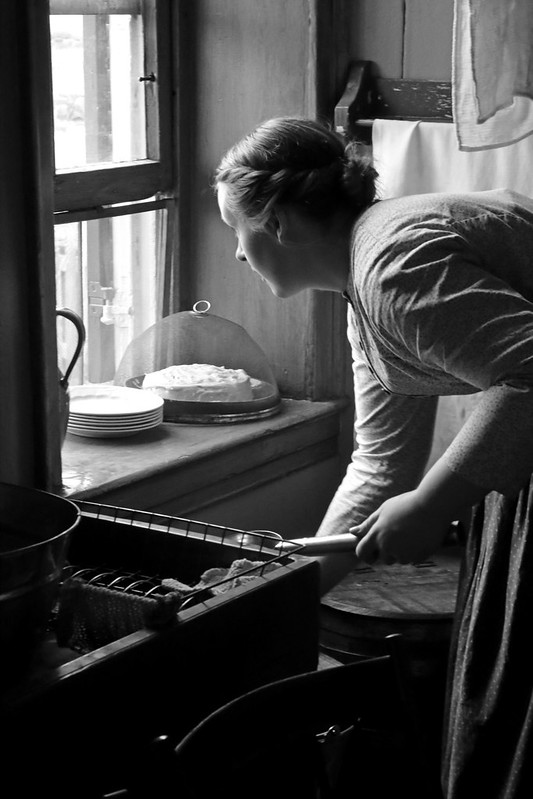
Window Cake by Peter Kelly

Window Cake by Peter Kelly

For some of us, social distancing has been a thing for weeks, but with Governor Whitmer’s executive order yesterday restricting non-essential travel, a lot more of us will be making window cake for the next three weeks. Stay safe everyone!

You can see more in Peter’s The Henry Ford set on Flickr & see lots more portraits on Michigan in Pictures.