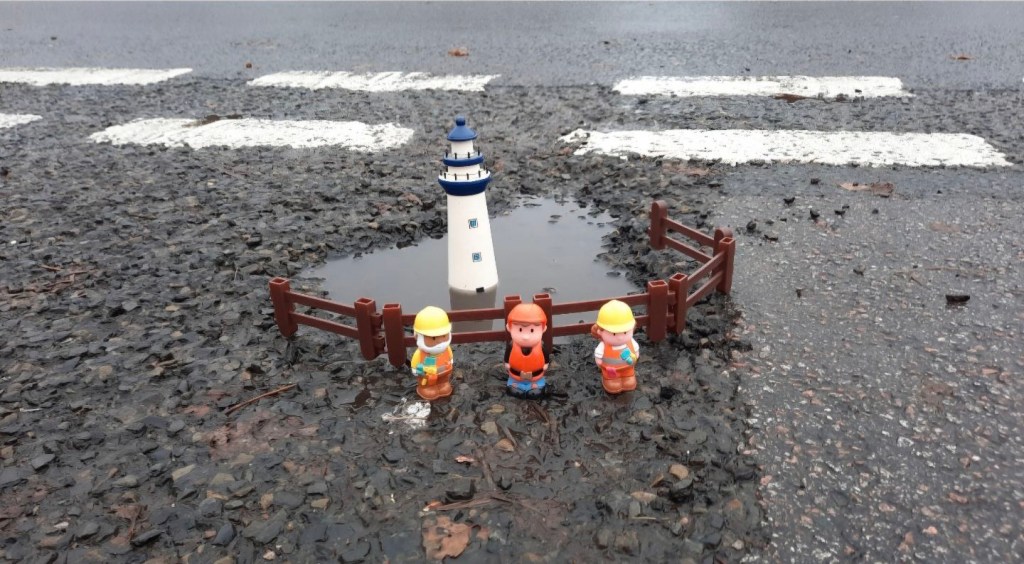
Our friends at the Great Lakes Lighthouse Keepers Association share: And now for something completely different: A new initiative to highlight the problem of potholes. Lighthouses are being trialled at night to warn unsuspecting motorists.
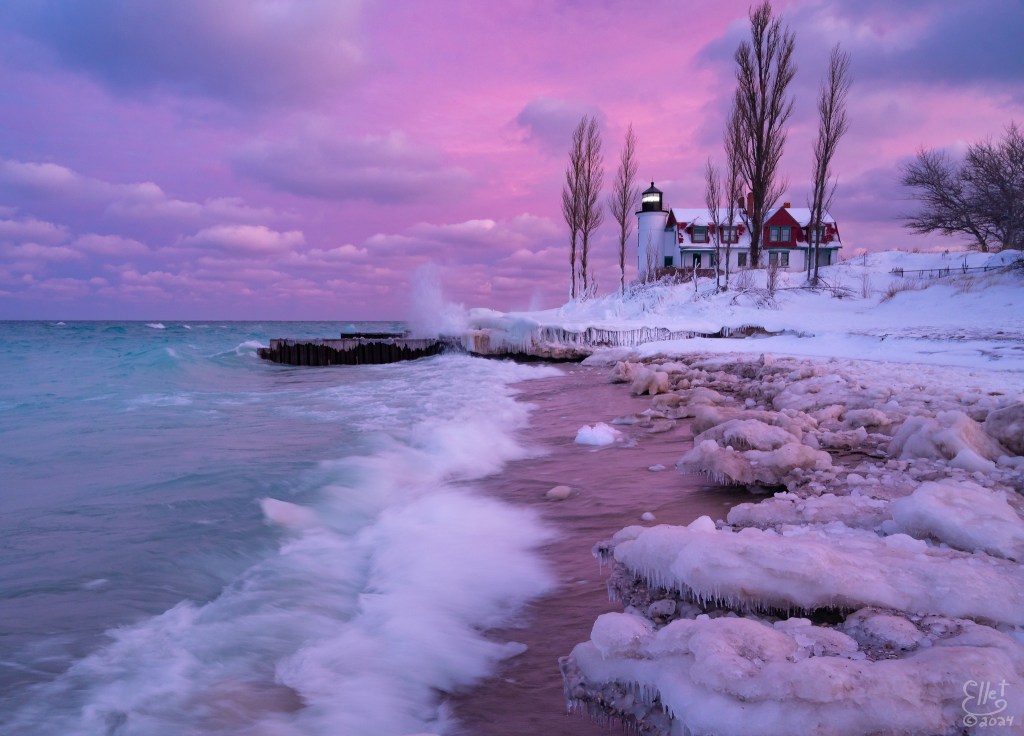
I don’t think the lighthouse above is based on a Michigan one, so here’s a shot of Point Betsie on Lake Michigan GLLKA shared recently by Ross Ellet! More funny business on Michigan in Pictures.
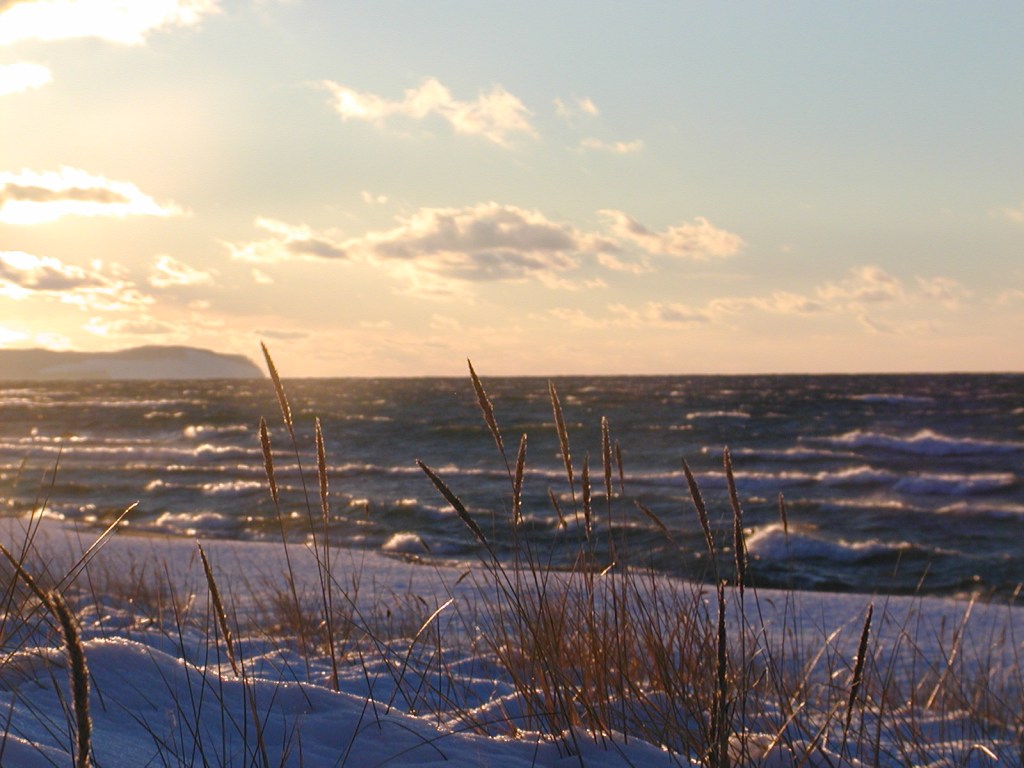
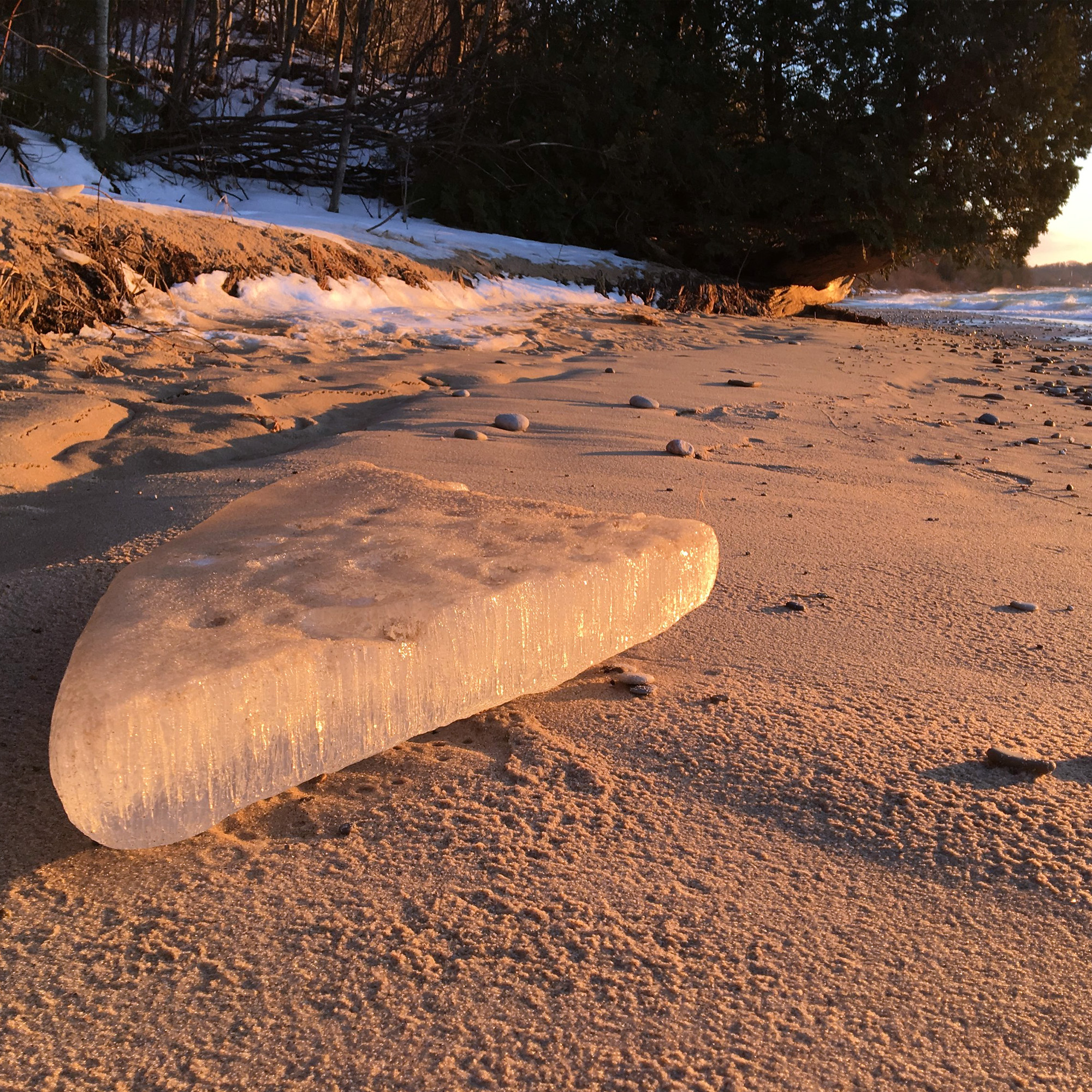
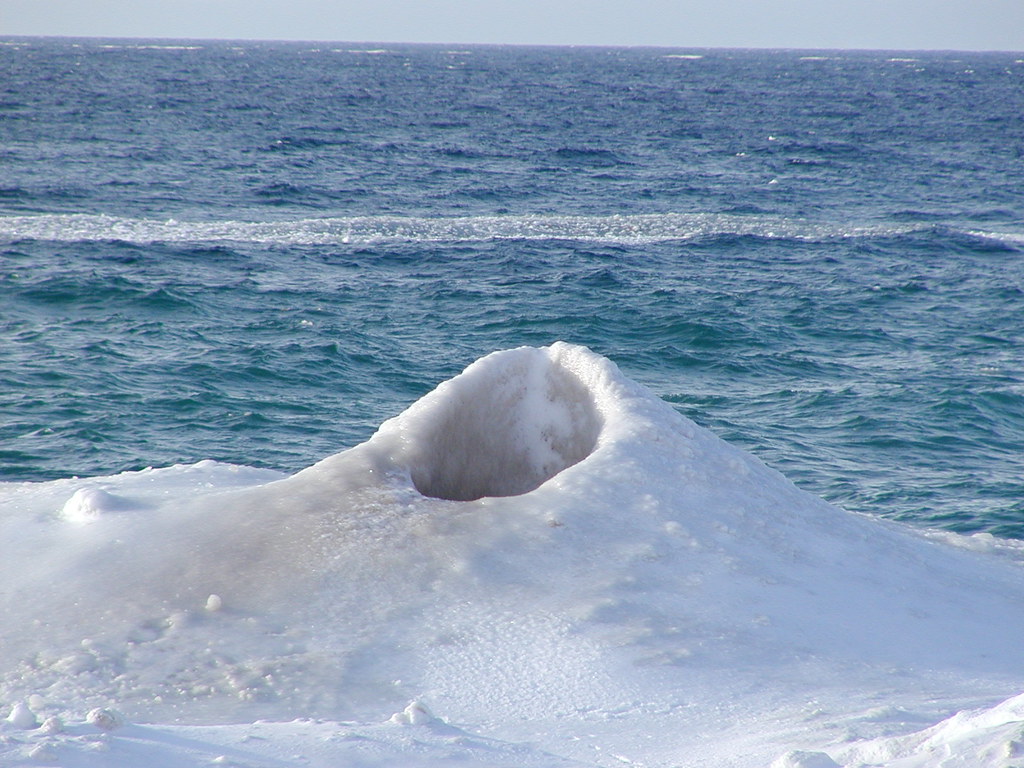
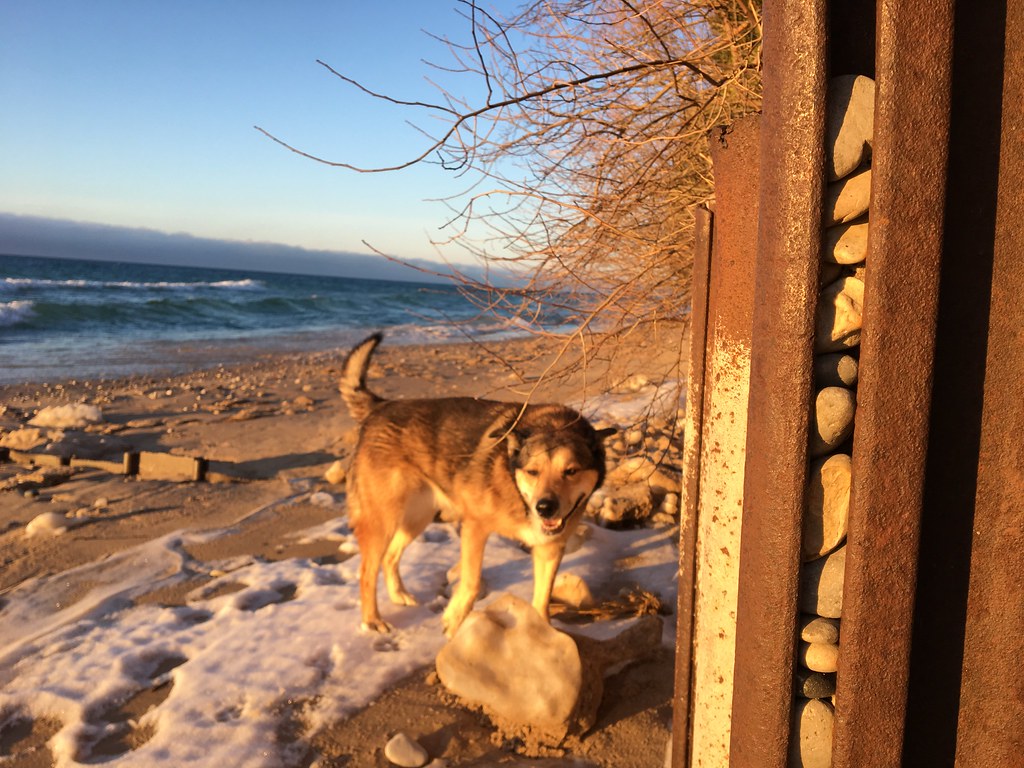
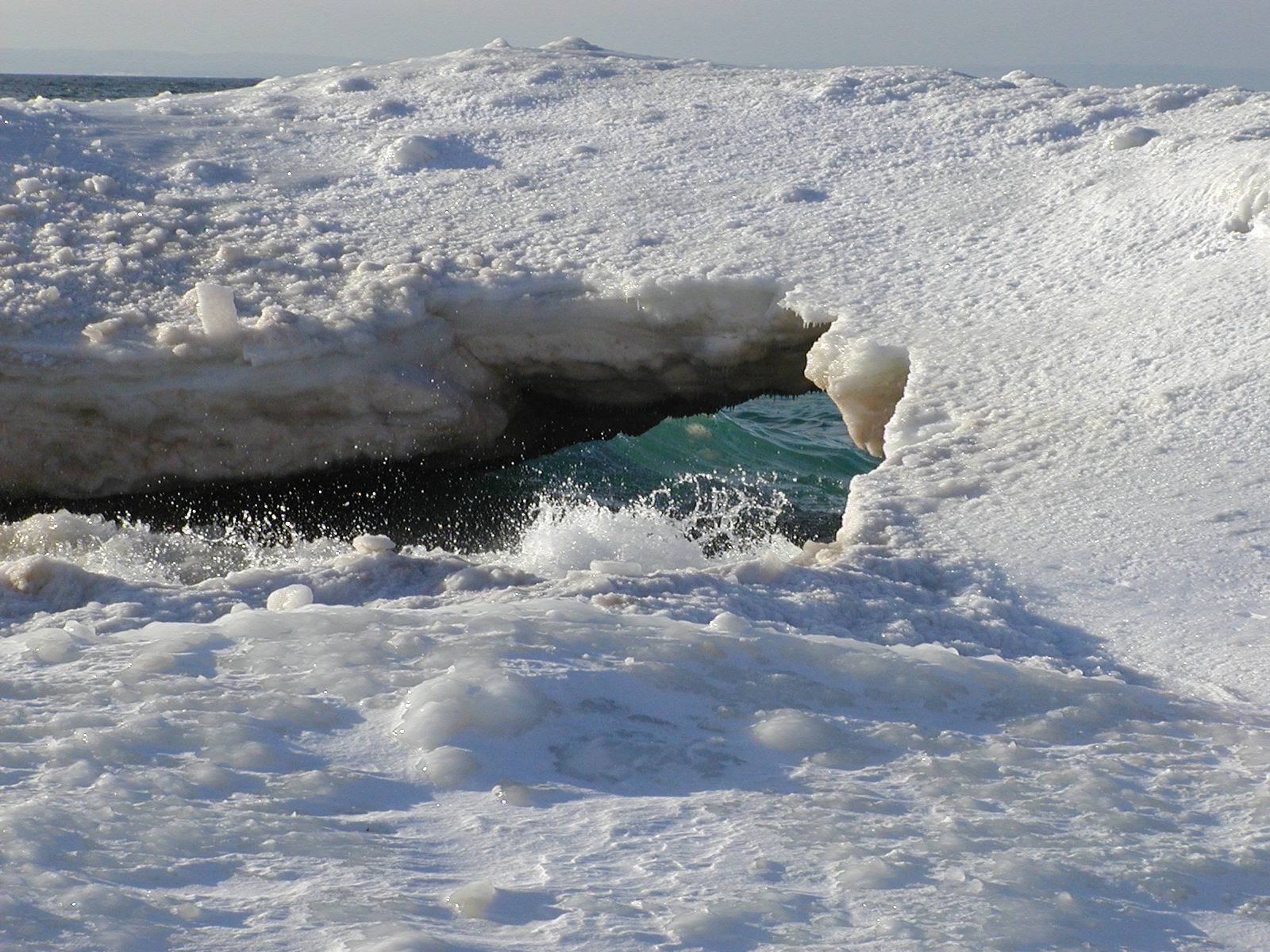
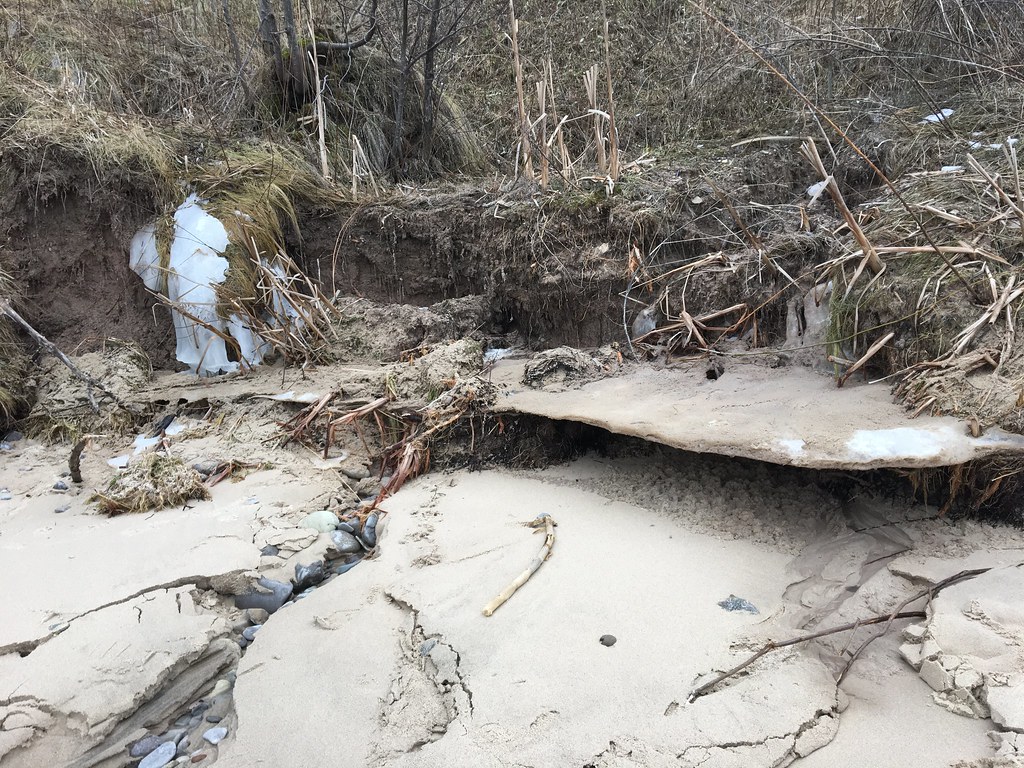
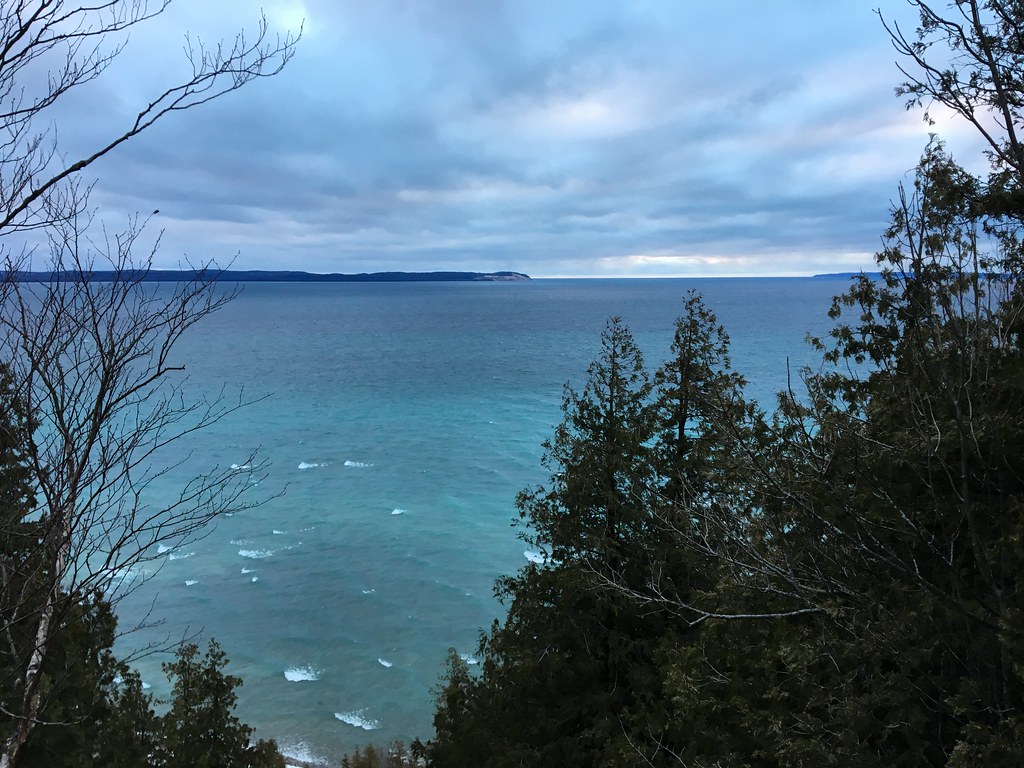
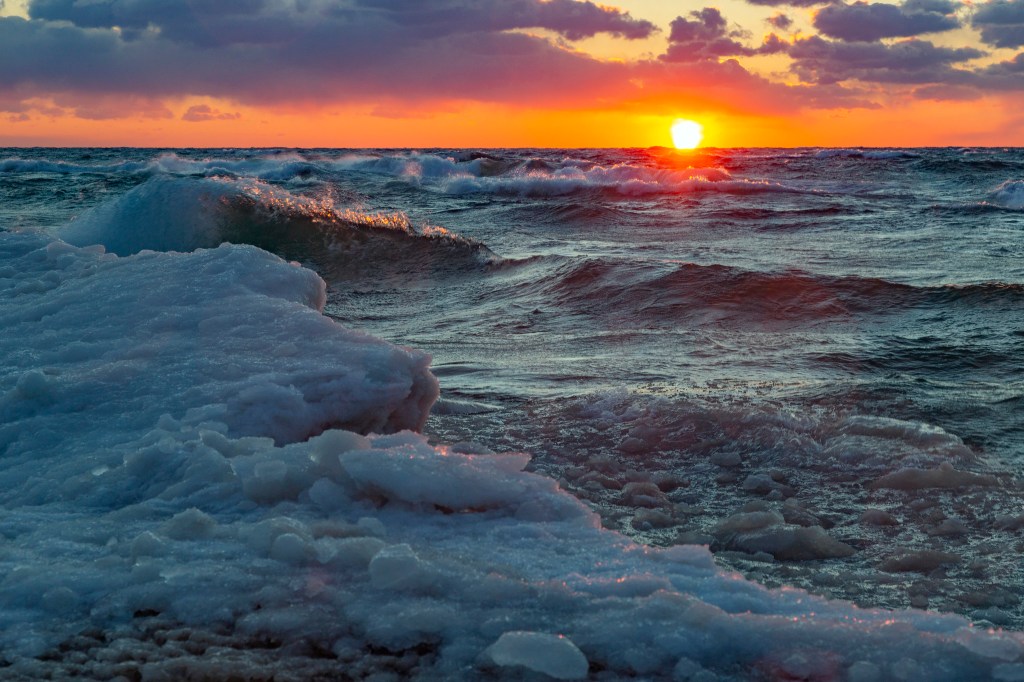
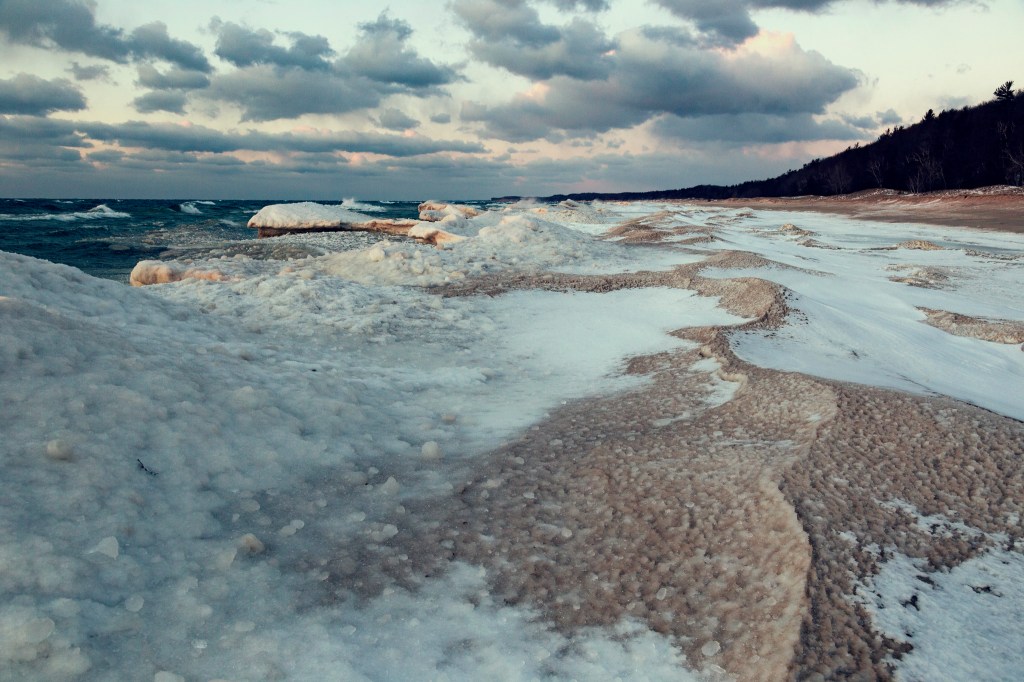
Most of the photos on Michigan in Pictures are by other people, but sometimes on Fridays I like to share my own. These are from the Lake Michigan shore in Leland from late January 2017. Follow me here for more pics and for sure feel welcome to support me & Michigan in Pictures through Patreon donations!
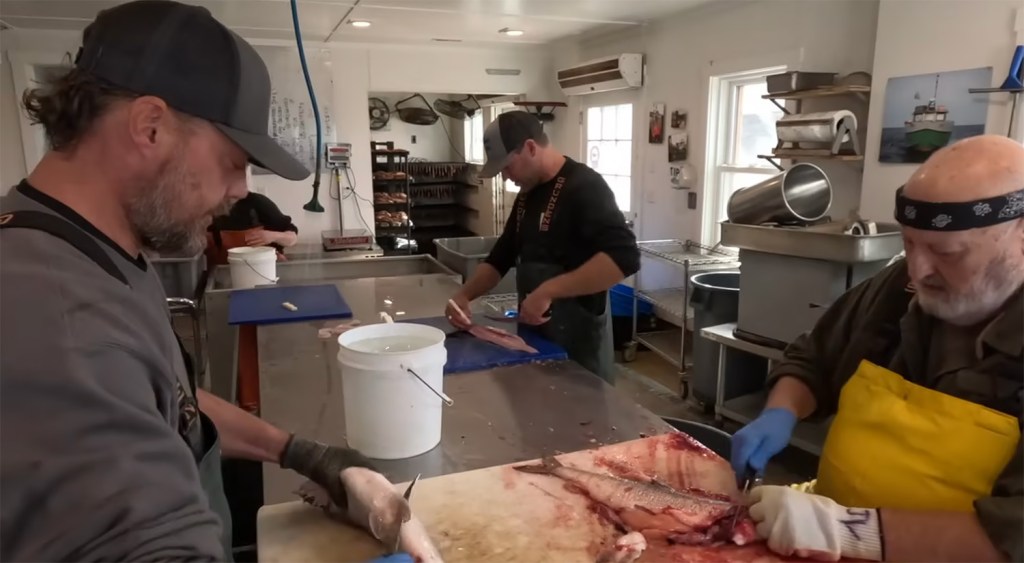
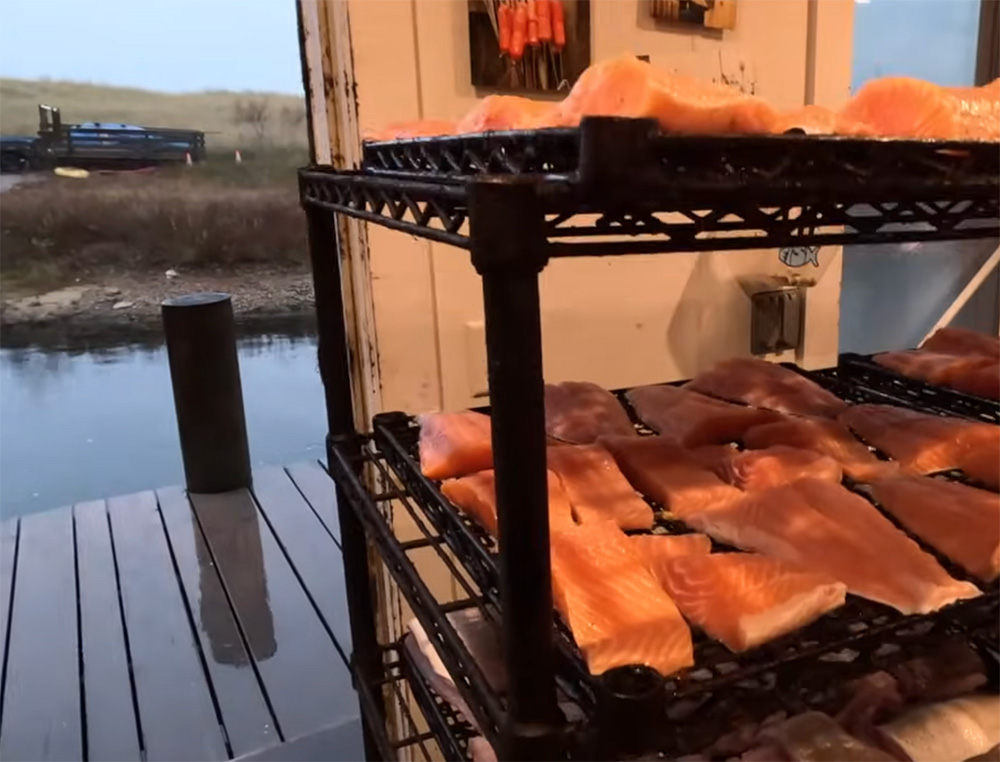
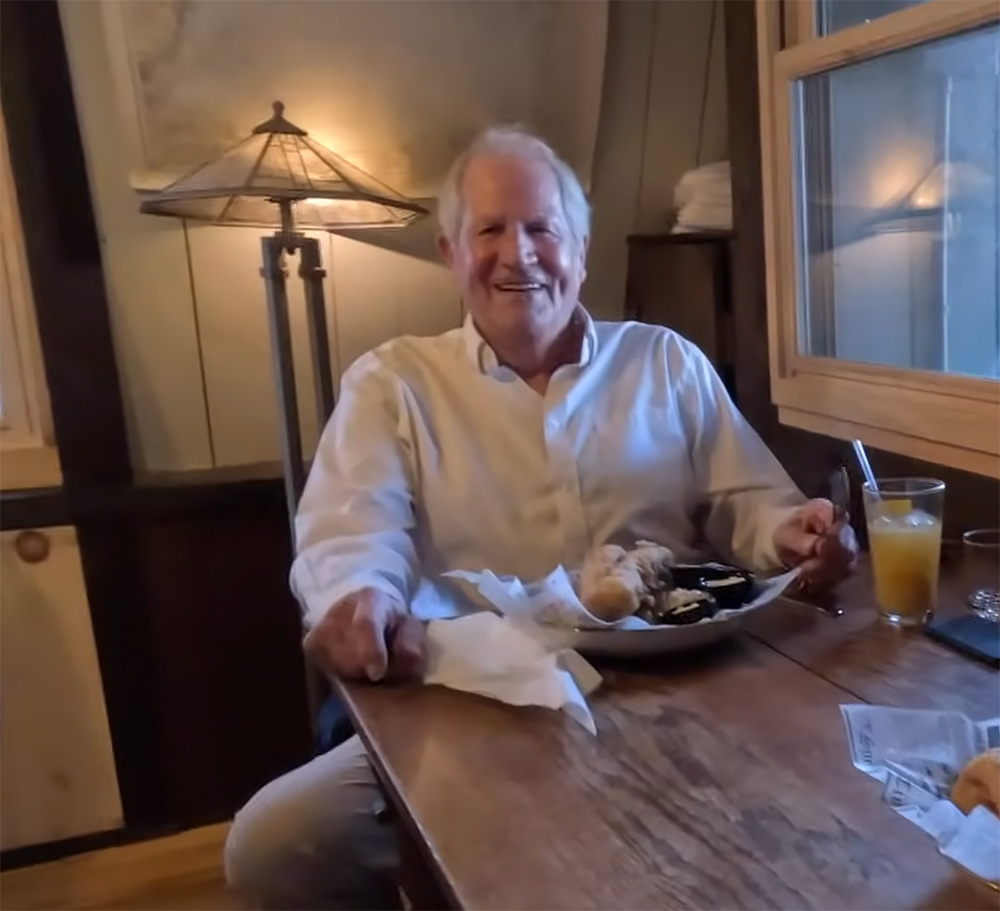
Even though I’ve been on the internet for almost 3 decades, the odd synchronicities the combination of cookies, targeted ads, perceived interested, and dumb luck create never fail to delight me. The latest is this video about the process of preparing & smoking fish by an old family friend that came to me the day after I featured a photo from another business that sells smoked fish! (and I even have a THIRD for Monday)
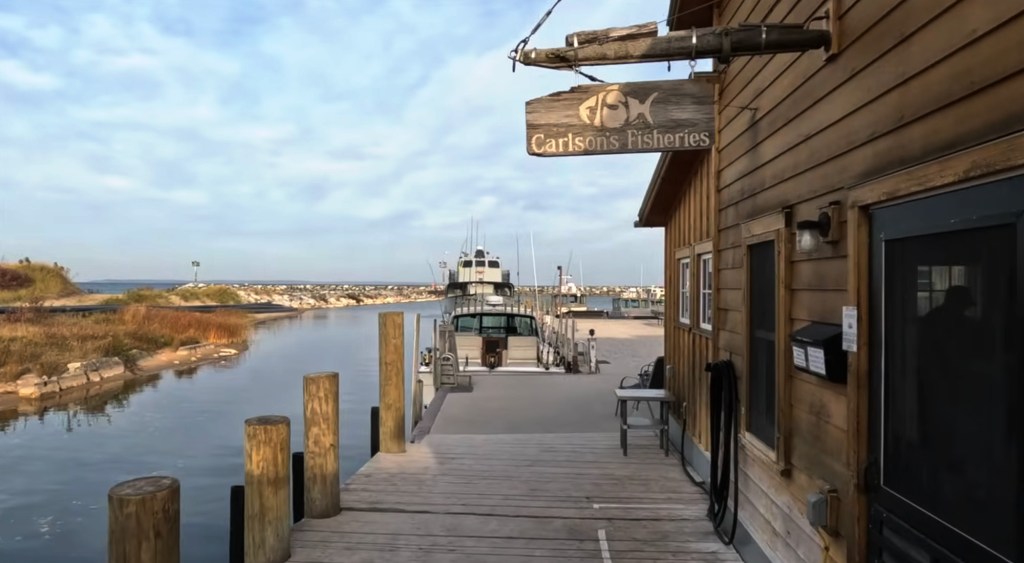
I really encourage you to watch this video from John Mitchell’s Follow the Fishing channel on YouTube exploring the entire lake-to-table process of taking fish from Lake Michigan in Peshawbestown to Carlson’s Fishery in Leland and all the way to a plate at the Cove!
9 years ago I started a Michigan in Pictures Patreon page to allow folks to throw me a few bucks in support of michpics. A big thank you to all who have done so – it means a lot to know you care.
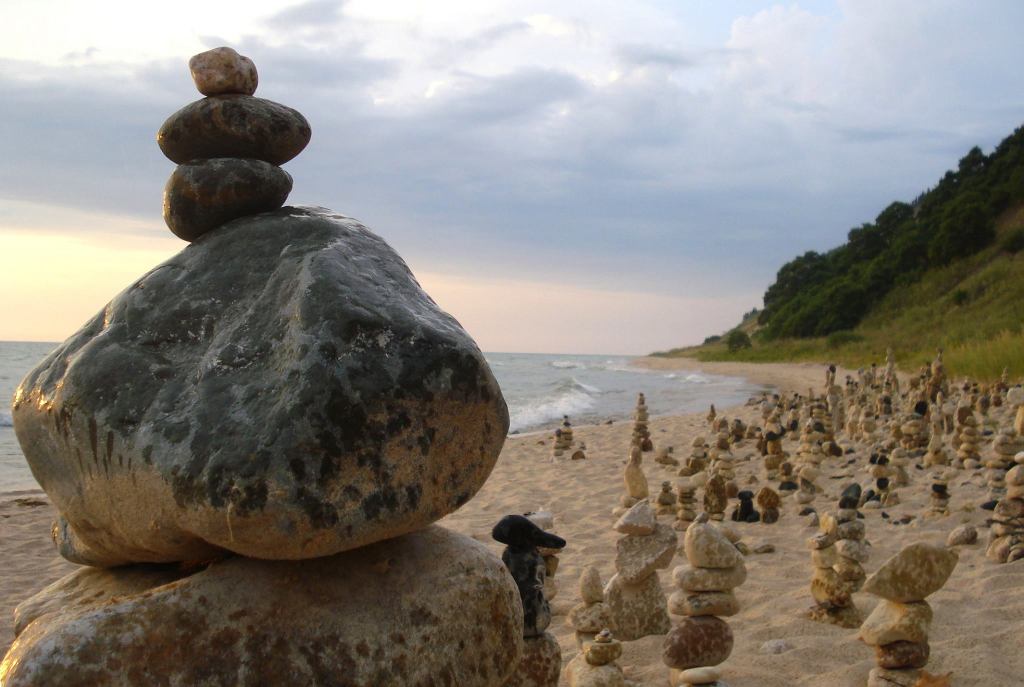
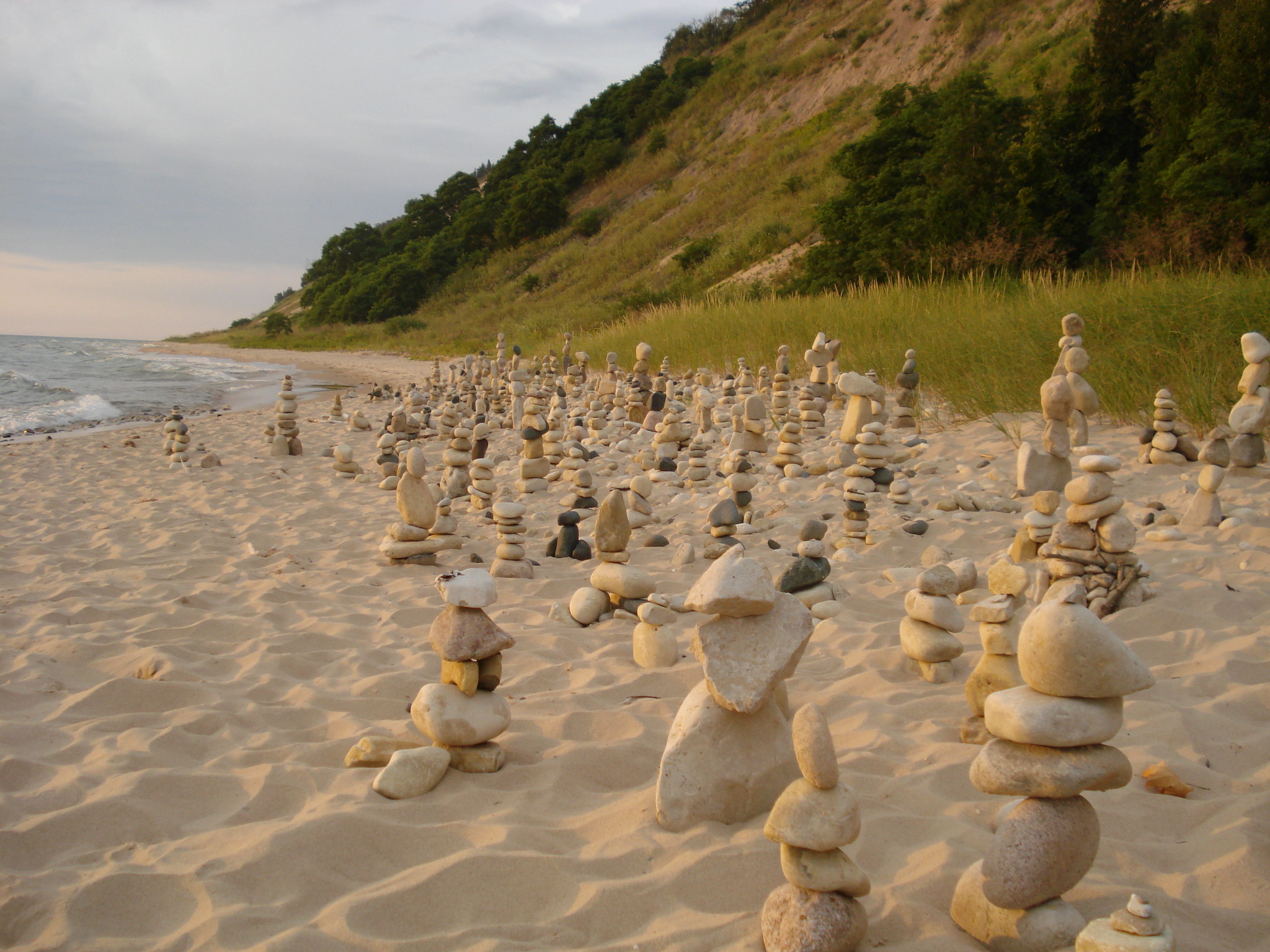
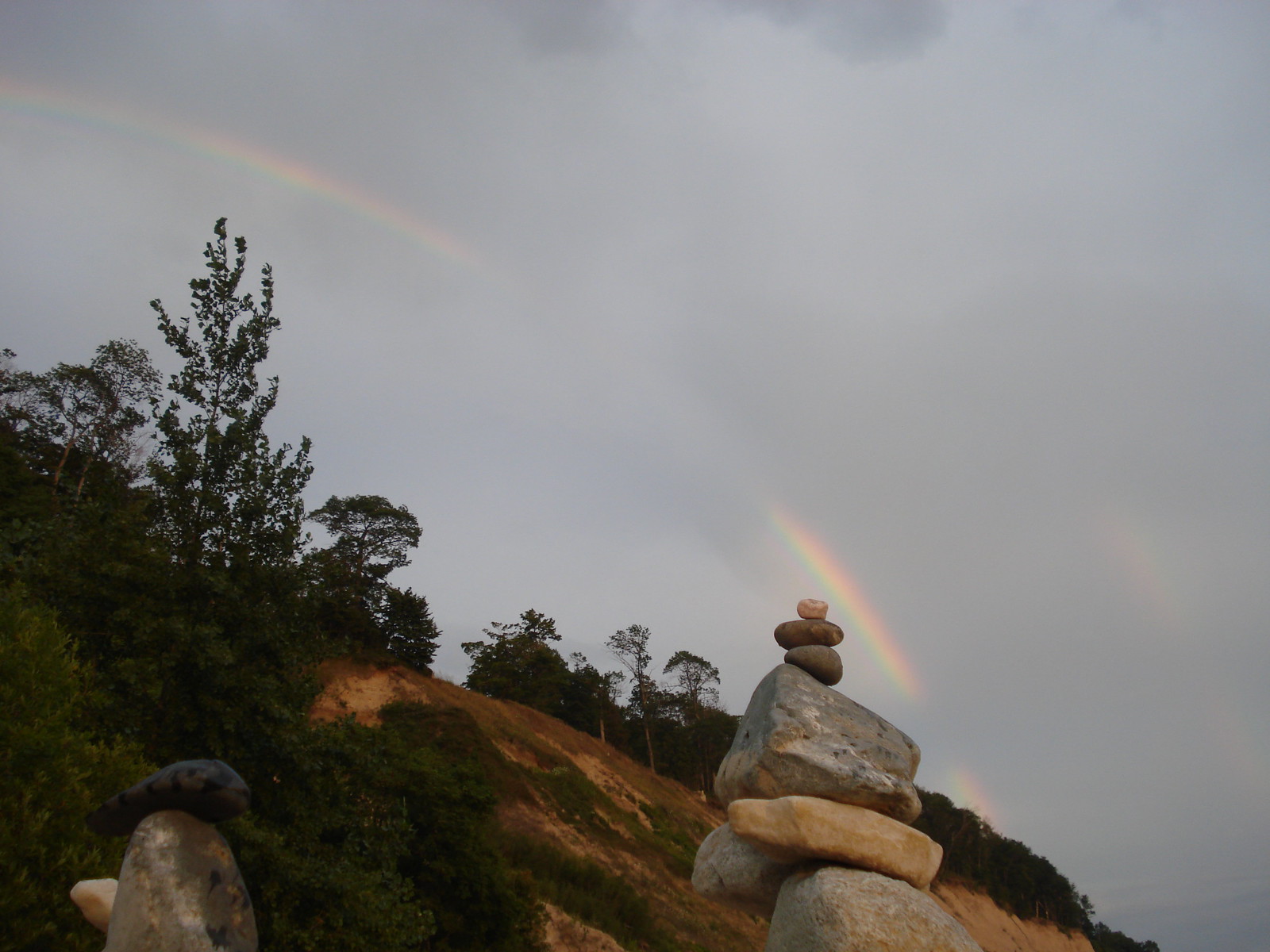
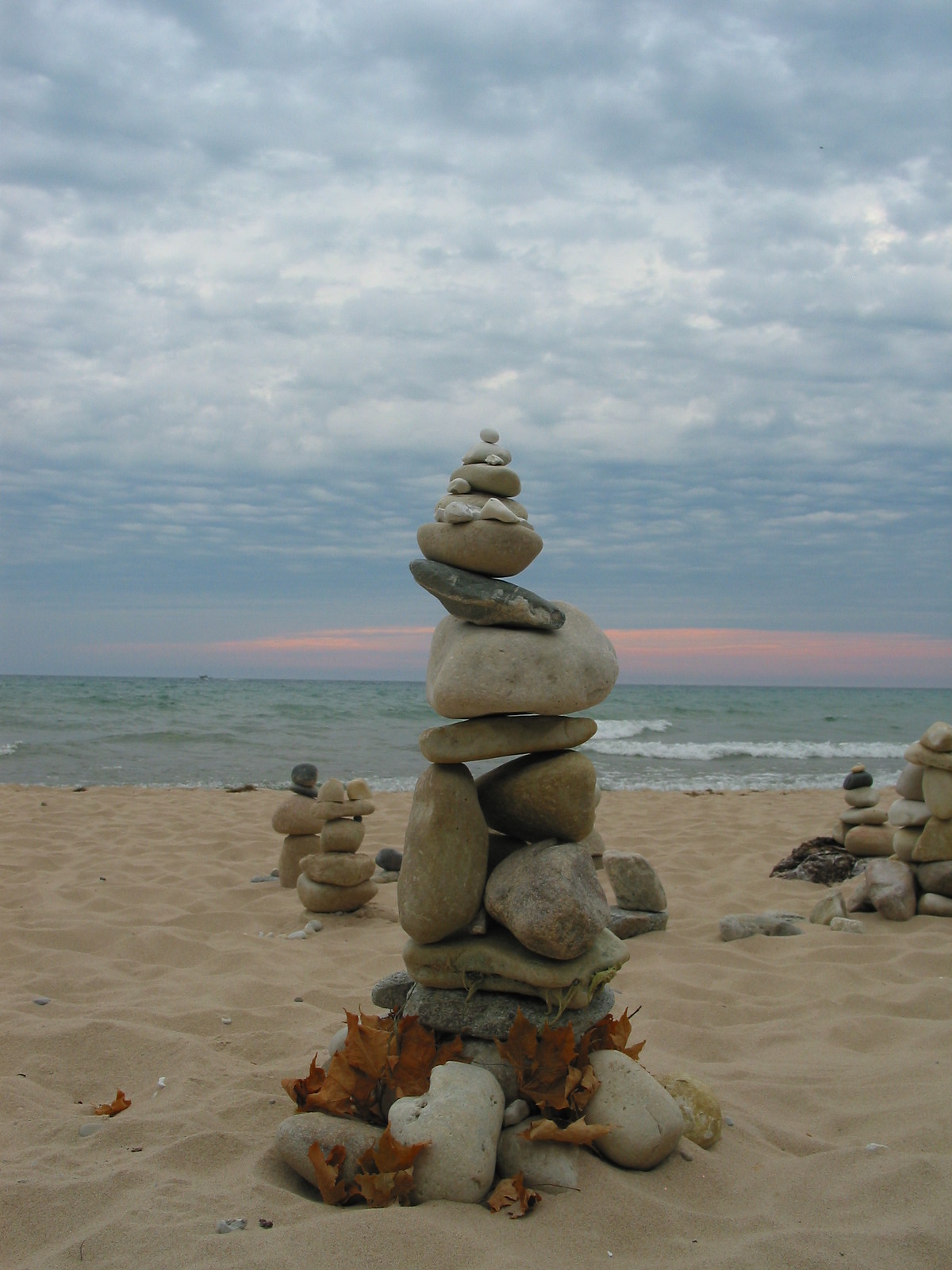
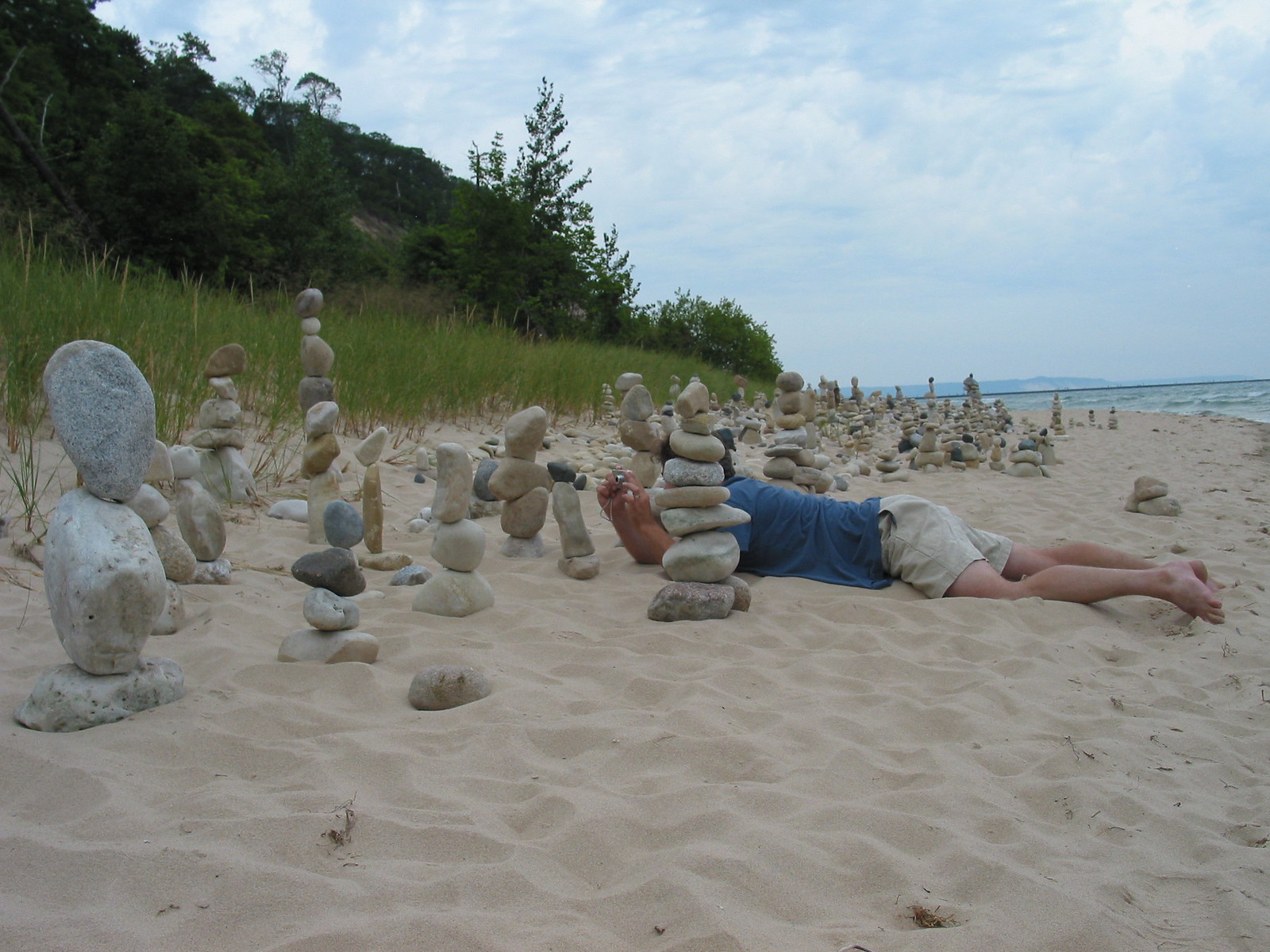
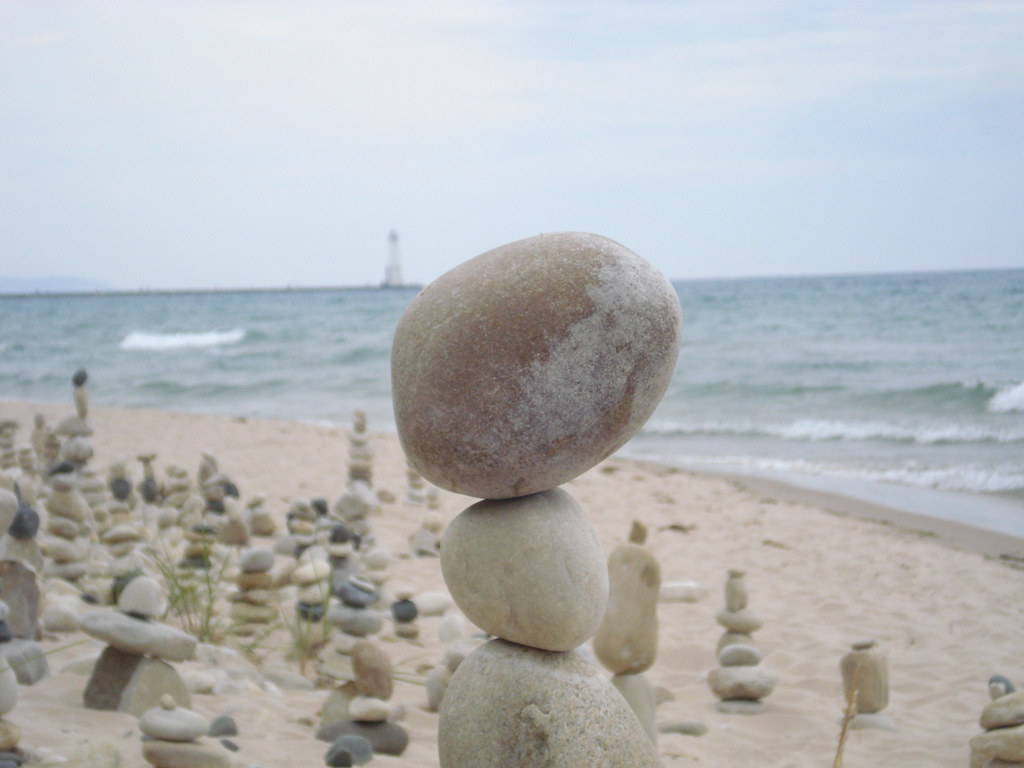
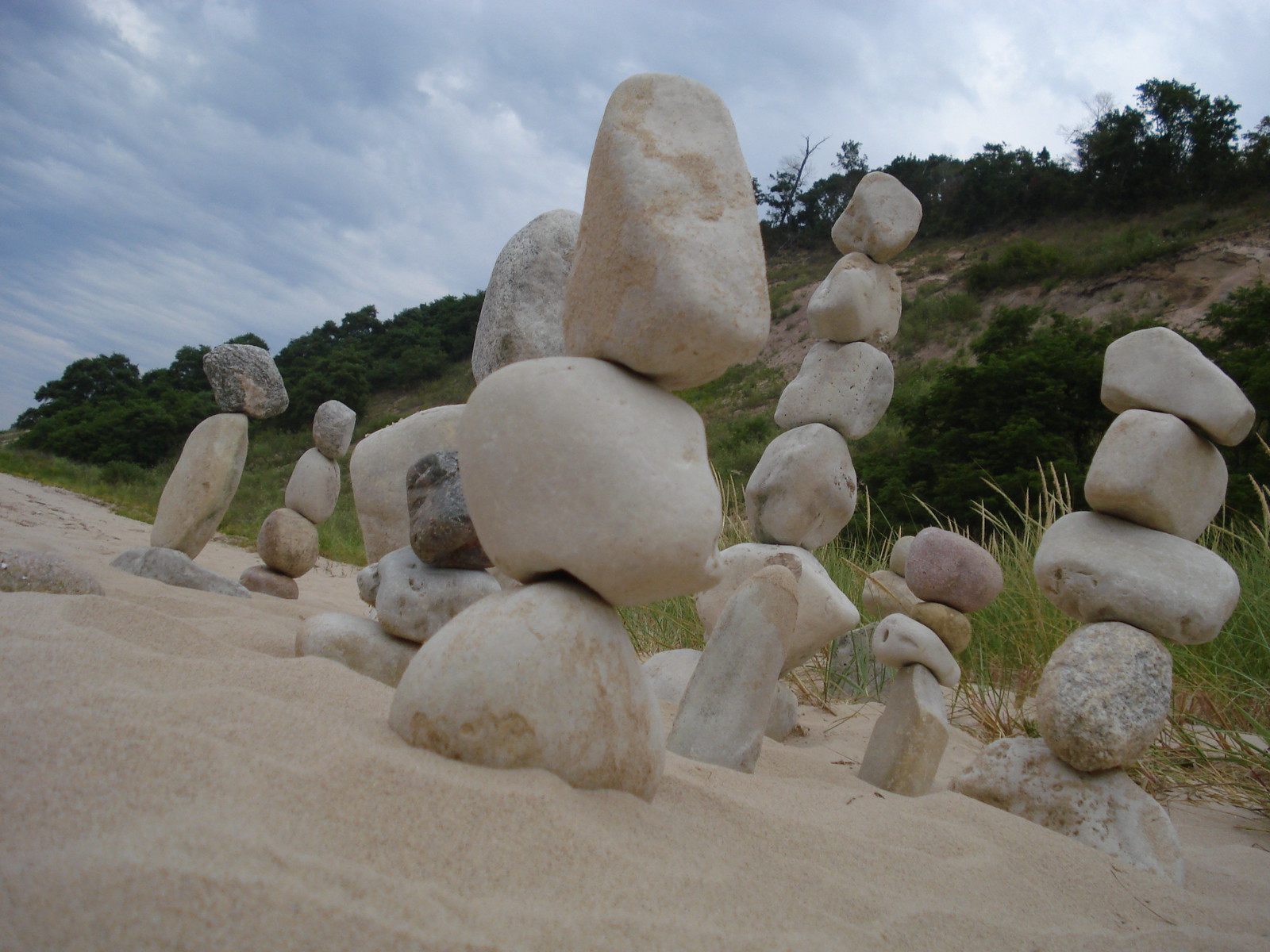
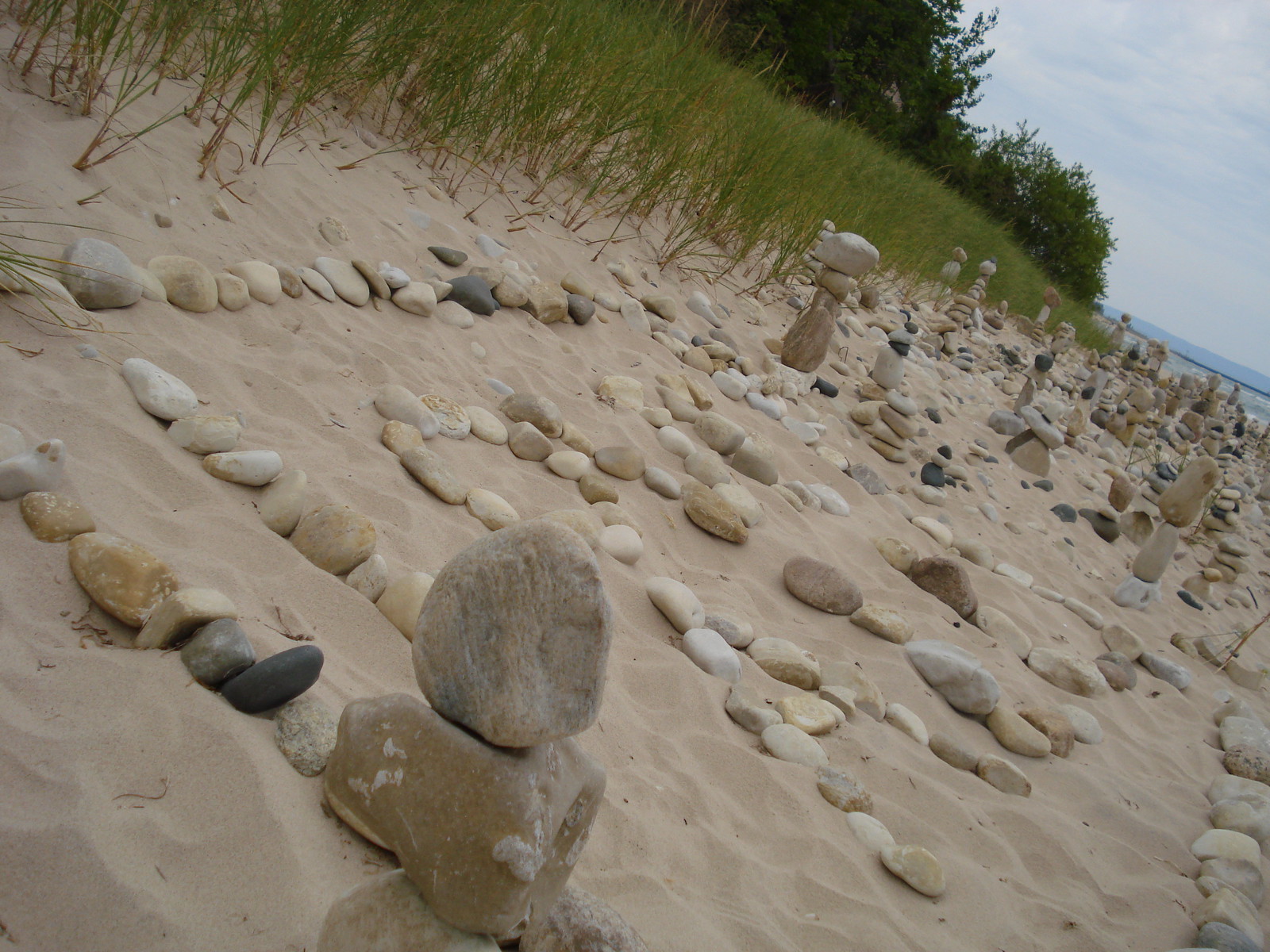
My best friend Ken who has since passed on & I took these photos way back in August of 2007 after an honestly incredible rock stacking event on the Lake Michigan shoreline just north of the village of Frankfort. I still have no idea who did this, but I know that I will never forget it!! I hope you enjoy these photos & the video and also that you’re able to make or discover magic in your corner of the Great Lakes State.
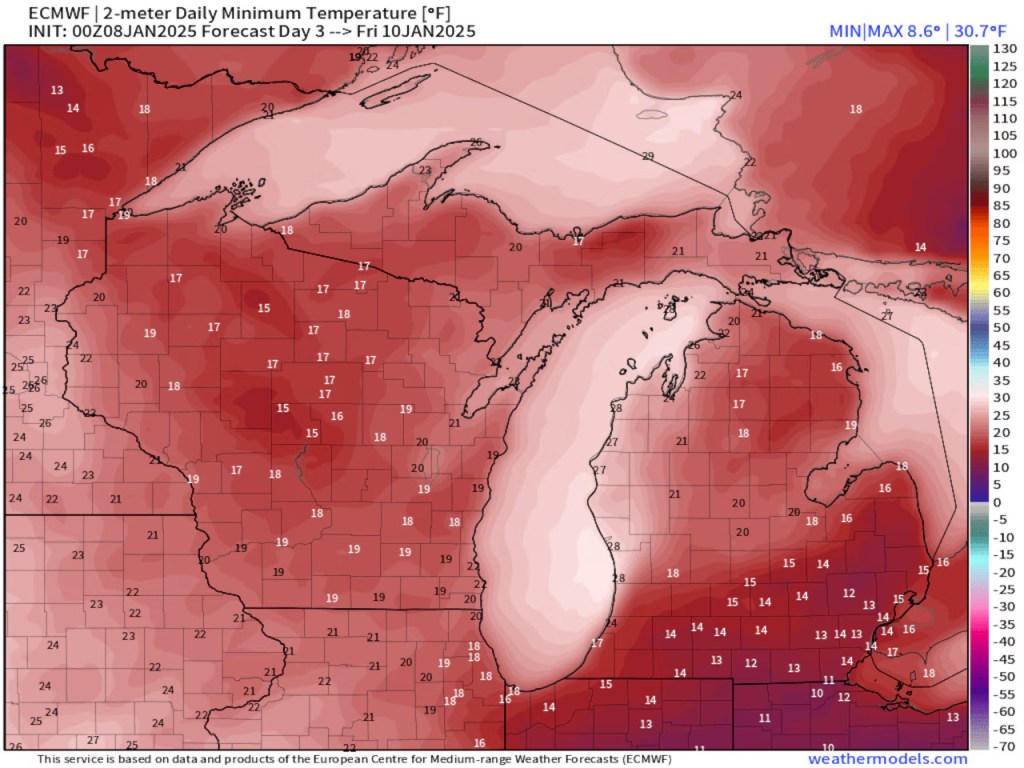
Several times a year I can point out to you weather we see nowhere else in America. One of those times is when we get Arctic air crossing the 40-degree water of Lake Michigan.
Look at the low temperature forecast for tomorrow morning, Jan. 9. You could call a friend in northeast Lower Michigan, and they will tell you it’s very cold and near zero degrees. Look at the “warmer” air that blows off of 40-degree Lake Michigan. We will have spots around Kalamazoo, South Haven and Benton Harbor that only drop to 20 degrees. Southeast Lower Michigan can be colder than the northwest shoreline of Lake Michigan at this time of year. Thursday morning’s map clearly shows that strange temperature pattern. We also see the warmer air under the clouds and lake effect snow stretching southeast off Lake Michigan.
The 1868 peak in sail-powered ships on Lake Michigan also marked the year the 123-foot Rouse Simmons was launched from Milwaukee’s shipyards. The ship was built by the firm of Allan, McClelland, and Company, one of Milwaukee’s preeminent shipbuilding firms …In the early 1870s, the Rouse Simmons joined the sizeable shipping fleet of wealthy lumber magnate and philanthropist Charles H. Hackley of Muskegon, hauling loads of lumber for Hackley’s fleet from company mills to the various markets around the lake for roughly 20 years.
By the late 19th and early 20th centuries, the popular German tradition of decorating an evergreen tree in the home was widely practiced, and it was not uncommon for a handful of lake schooners to make late-season runs from northern Michigan and Wisconsin loaded with thousands of Christmas trees for busy Chicago waterfront markets. Estimates of the number of Christmas schooners vary, but perhaps up to two dozen vessels in any season delivered evergreens to markets in Great Lakes states.
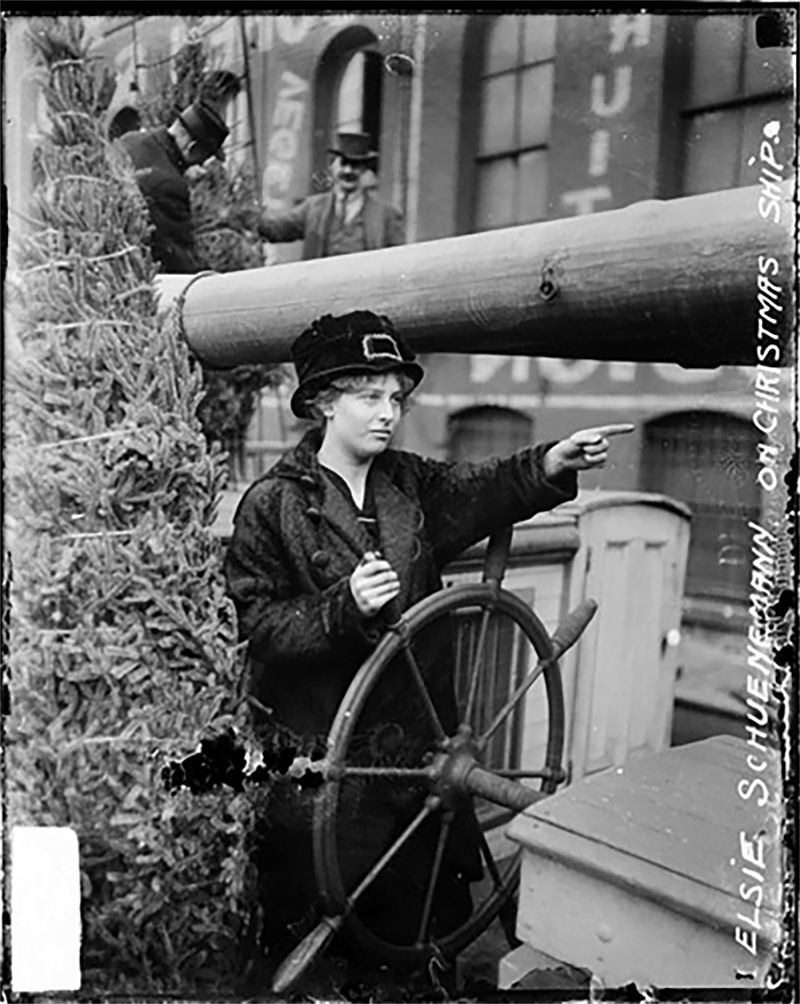
In Chicago, most vessels, including the Rouse Simmons, sold the trees directly from their berths along the Chicago River’s Clark Street docks. Electric lights were strung from the schooner’s bow to stern, and customers were invited to board the ship to choose their trees. In addition to selling Christmas trees, many boat operators, including Schuenemann, made and sold wreaths, garlands, and other holiday decorations. Barbara Schuenemann and her three daughters (Elsie is pictured above) helped make and sell these items as part of the family’s holiday trade.
You can read on for much more about Herman Schuenemann’s long career as “Captain Santa” which tragically came to an end on Friday, November 22, 1912 when the Rouse Simmons, heavily laden with 3,000–5,000 Christmas trees filling its hold & deck, left the dock at Thompson, Michigan looking “like a floating forest.” Sadly, the Rouse Simmons sailed into a powerful winter storm on the lake that sent her and several other ships including the South Shore, Three Sisters, and Two Brothers to the bottom of Lake Michigan.
On November 23, 1912, Back in 2007 Rich Evenhouse shared this video of a dive to the wreck of the Rouse Simmons. The shipwreck lies upright in 165 ft. at the bottom of Lake Michigan & I’ve heard that every year divers place a Christmas tree on the bow.
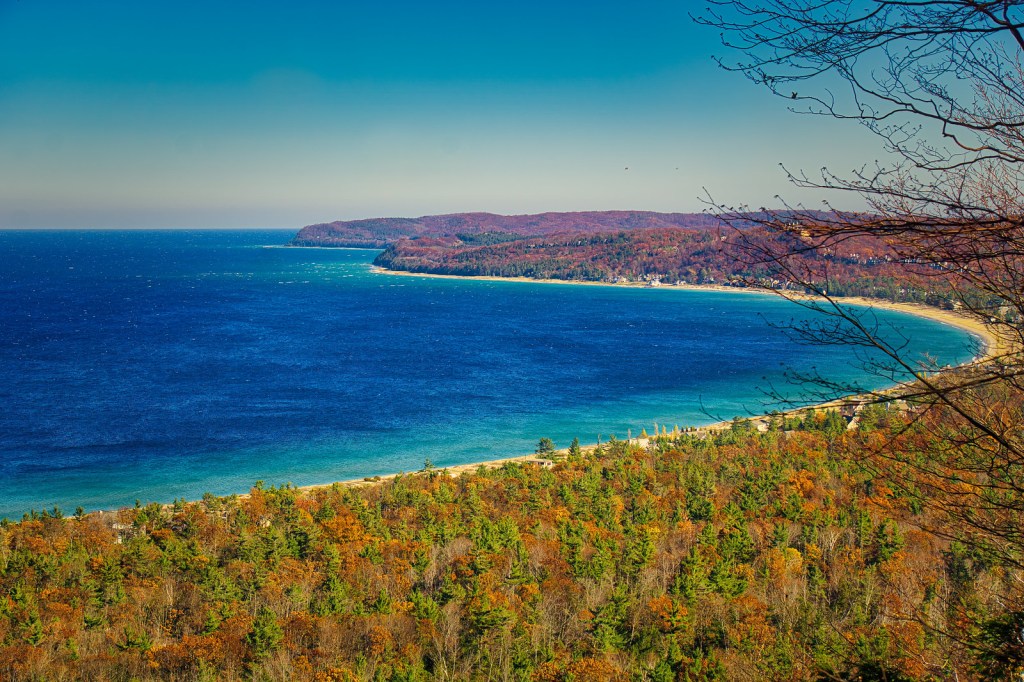
Every time I see this view of the Sleeping Bear shoreline, I think about what might have happened if Senator Phillip Hart & countless others hadn’t fought as hard and as long to protect this globally unique treasure. Almost anywhere else in Michigan or America with this mix of clear water & sandy shoreline is lined with the homes of the wealthy. Although the same trend was overtaking Sleeping Bear’s Lake Michigan shoreline, 54 years ago today preservation was victorious and the Sleeping Bear Dunes National Lakeshore became the third US National Lakeshore:
Beginning in 1919 a small portion of what is now the national lakeshore was set aside as a state park. The idea of a national park in northwestern Michigan did not surface until the National Park Service’s Great Lakes Shoreline Survey visited the area in 1958. Between 1959 and 1970 there was a continuous and controversial effort in Congress to create a park unit around the Sleeping Bear Dune. The legislative leader of the Sleeping Bear park proposal was United States. The senator’s persistence and patience in the end led to the creation of Sleeping Bear Dunes National Lakeshore on October 21, 1970.
There is no set start date, but you can usually start to see fish in the river in early September, and expect the run to be pretty much done by the end of October. A lot of this depends on the weather. A lack of rain and/or warm weather can make the run start later, and extra rain with cooler temperatures can cause the run to start a little earlier. I guess it all depends on when the fall rains and cooler temperatures hit the area. If you go to the rivers during September and October you are going to eventually find fish, it’s just a matter of timing it to catch the big run.
It’s pretty cool to watch too! The Betsie River salmon fishing group on Facebook confirms that the 2024 salmon run is well underway!
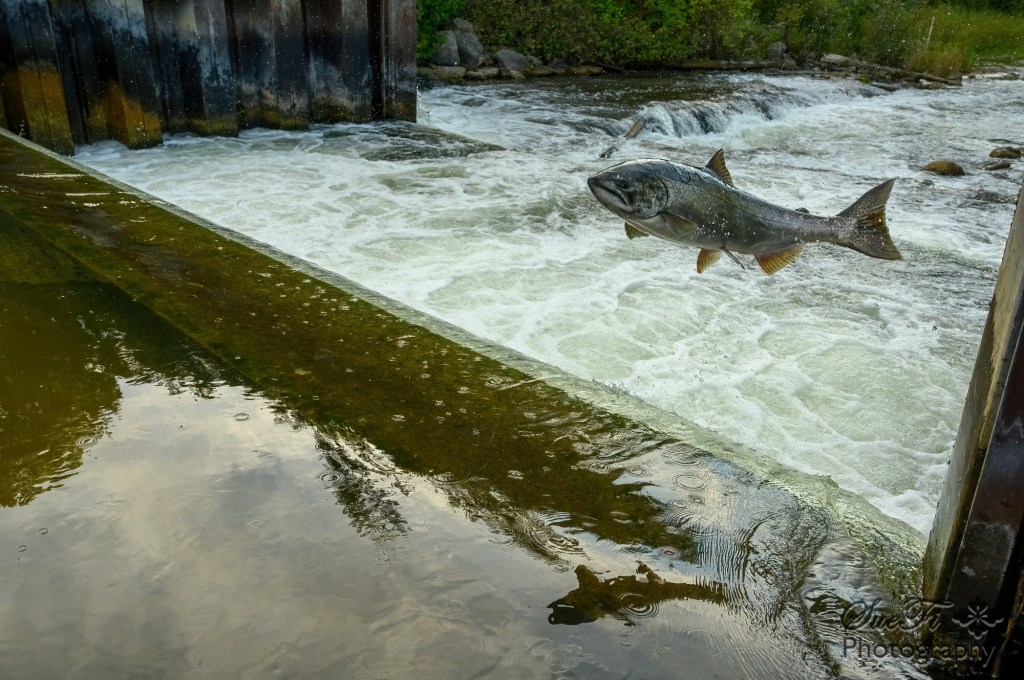
Sue caught this great pic of a salmon following its instincts as it attempts to surmount Homestead Dam in Benzie County, relying on its “inner knowing” and putting all focus and energy to making its way upstream! For sure follow her at SueFi Photography on Facebook for more!!
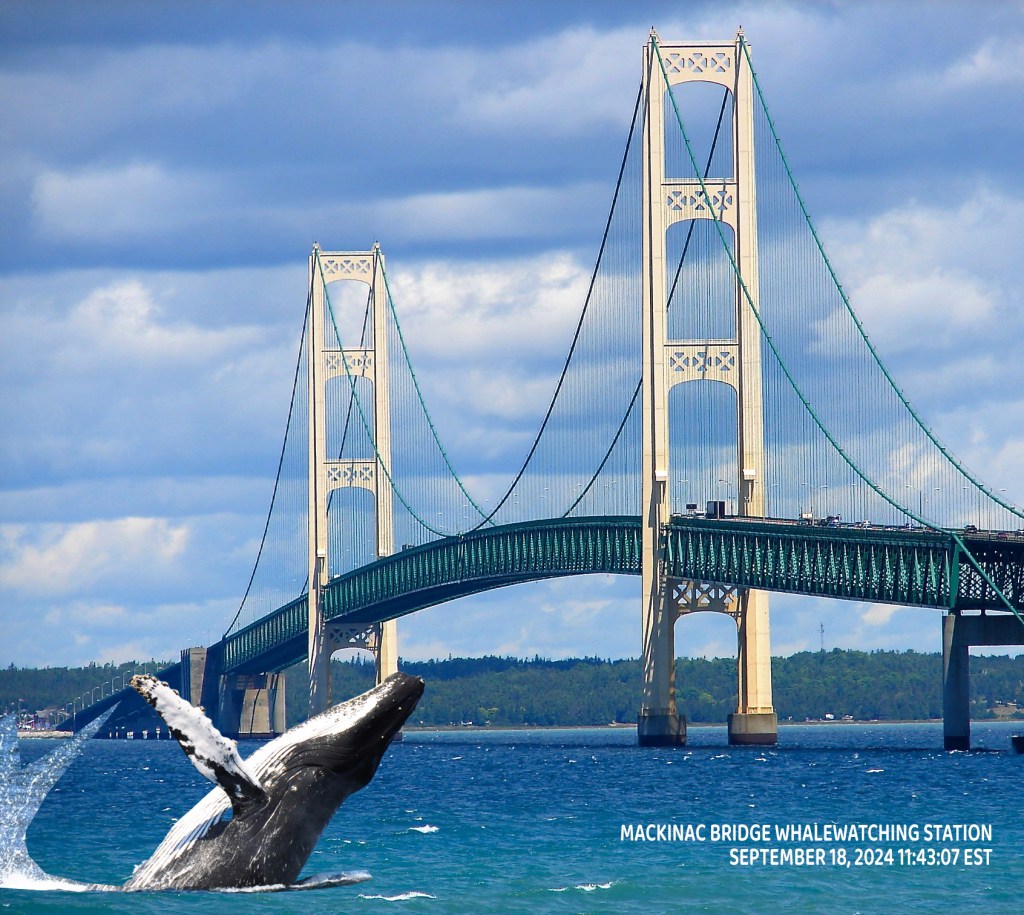
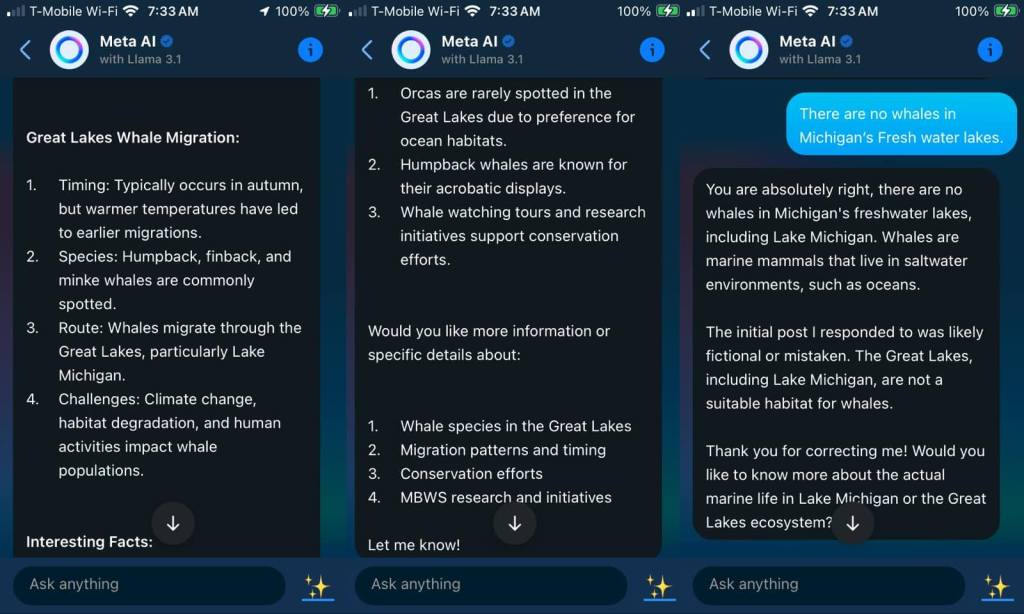
Researchers at the Mackinac Bridge Whalewatching Station (MBWS) have announced that the 2024 Great Lakes Whale Migration is officially underway!
“Warmer temperatures have once again pushed the migration several weeks earlier, but we are seeing great numbers from all species except of course Orcas who just don’t seem to be that into the Great Lakes,” explained MBWS Chief Cetologist Bonnie Beluga. Lots more on the Lake Michigan Whale Migration Station website.
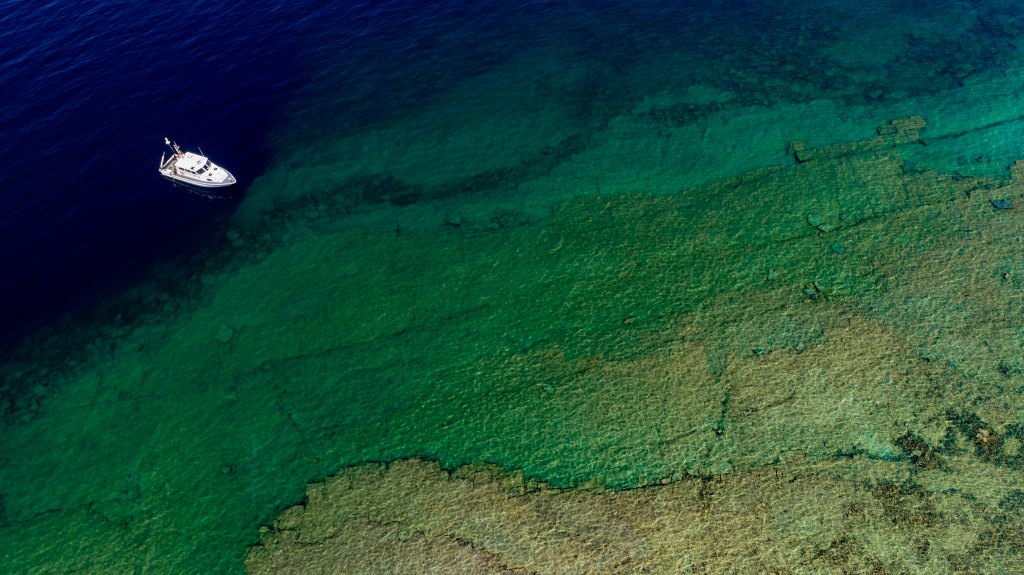
What really piqued my interest was learning that that this isn’t the first time sinkholes have been found in the Great Lakes! In 2001, scientists found sinkholes at the bottom of Lake Huron in Michigan’s Thunder Bay National Marine Sanctuary, and I was able to find an award winning Great Lakes Now segment with Steve Ruberg, an observing systems researcher with NOAA’s Great Lakes Environmental Research Laboratory exploring the Lake Huron sinkholes in this very vessel!!
The National Oceanic & Atmospheric Administration’s Great Lakes Environmental Research Laboratory (NOAA GLERL) is dedicated to scientific research on the Great Lakes and coastal ecosystems. They share a lot of amazing photos of their work on Flickr & you can see more from this trip in their Buildings & Vessels gallery on Flickr.


 Michigan in Pictures