Defending Frankfort Lighthouse

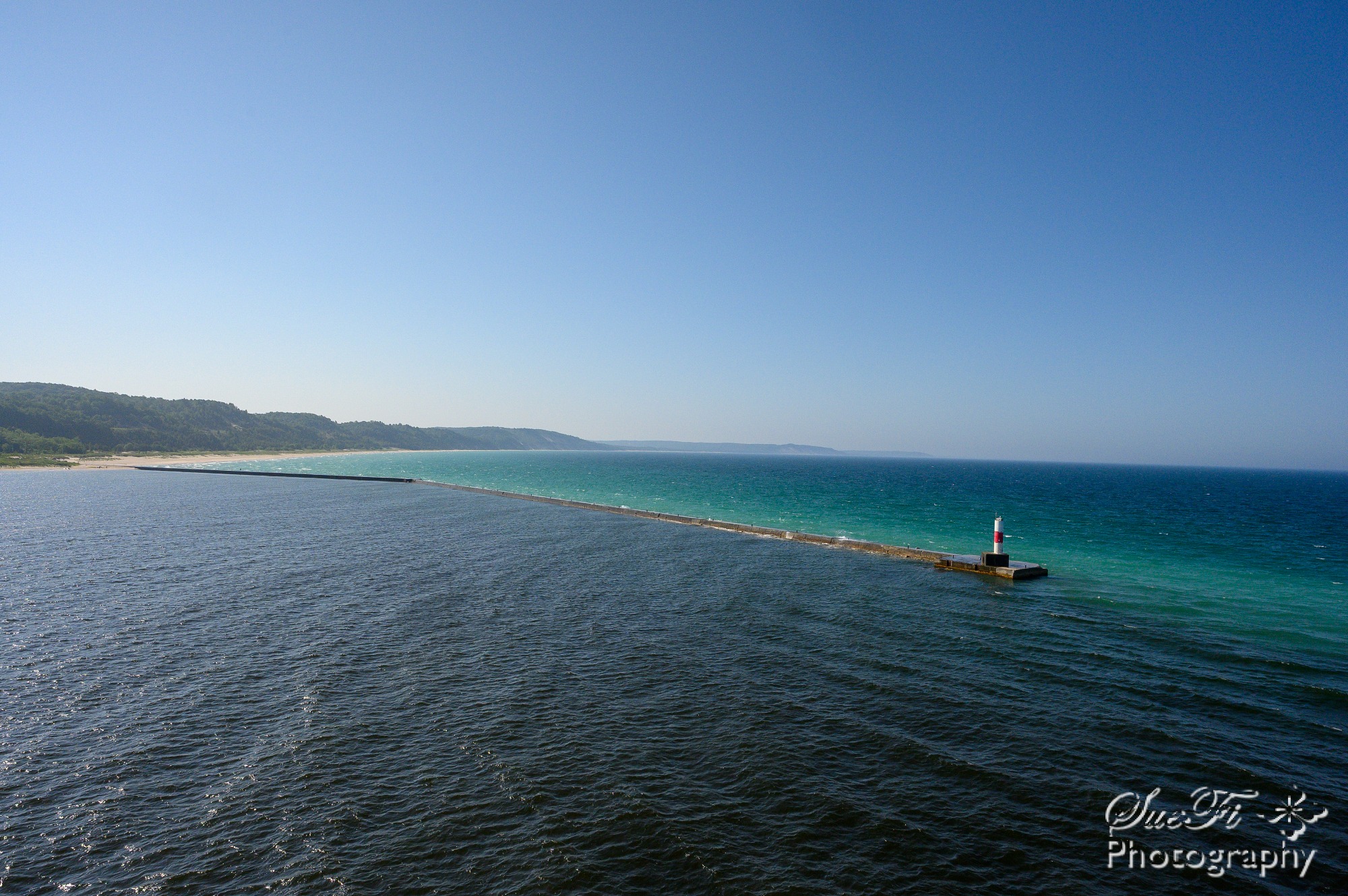
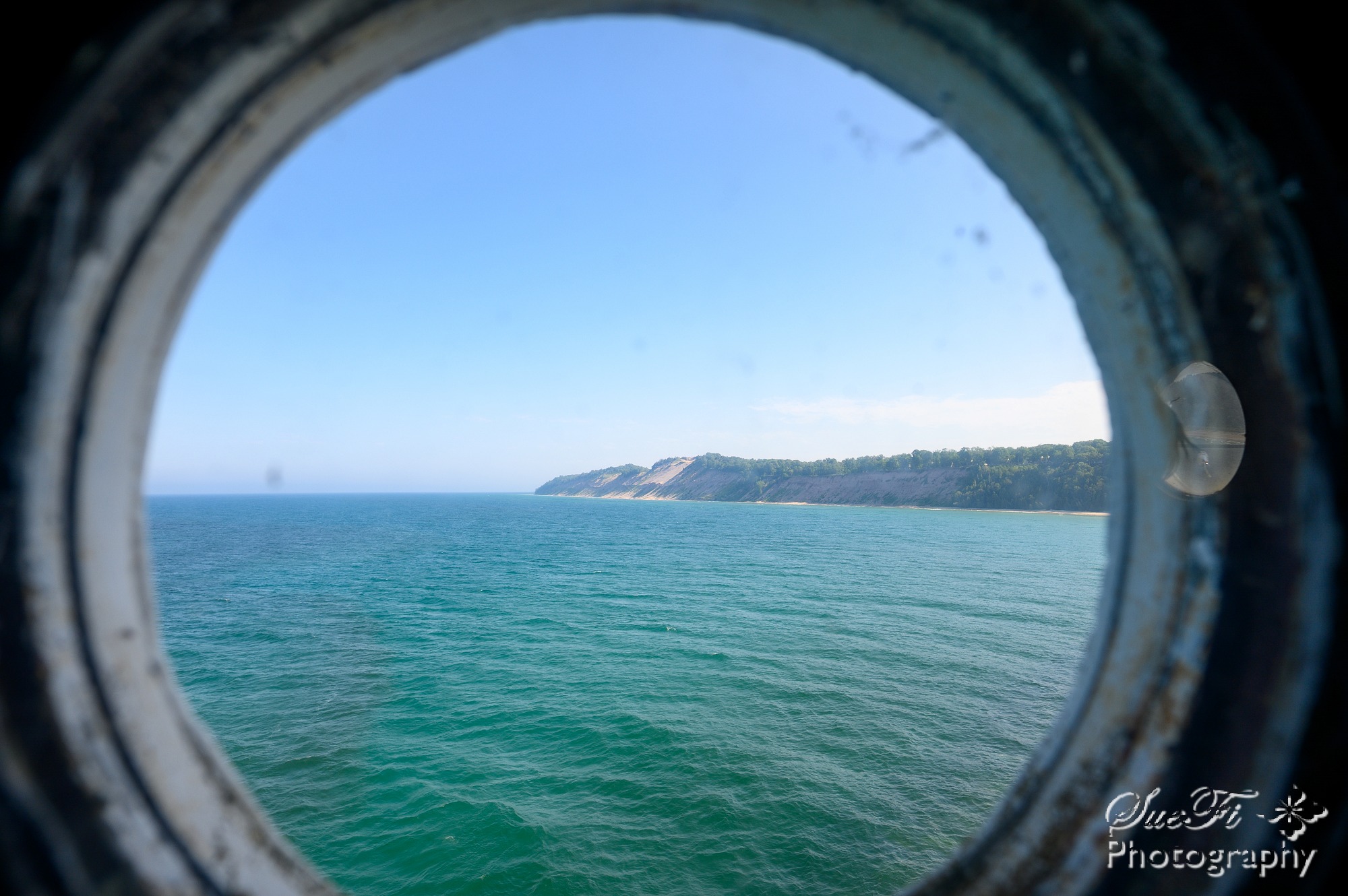
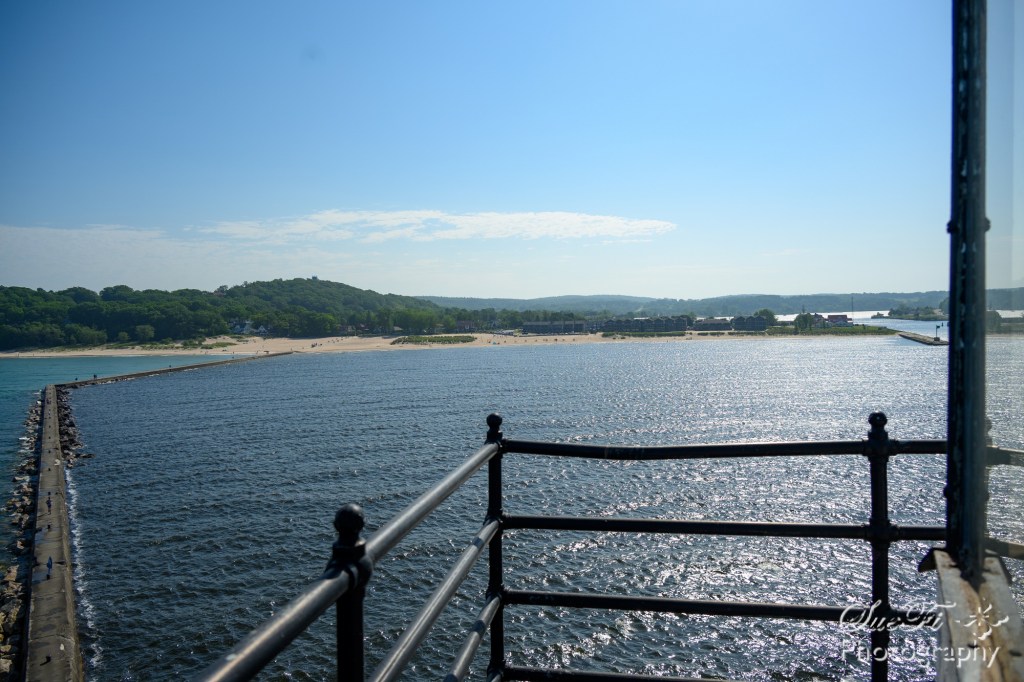
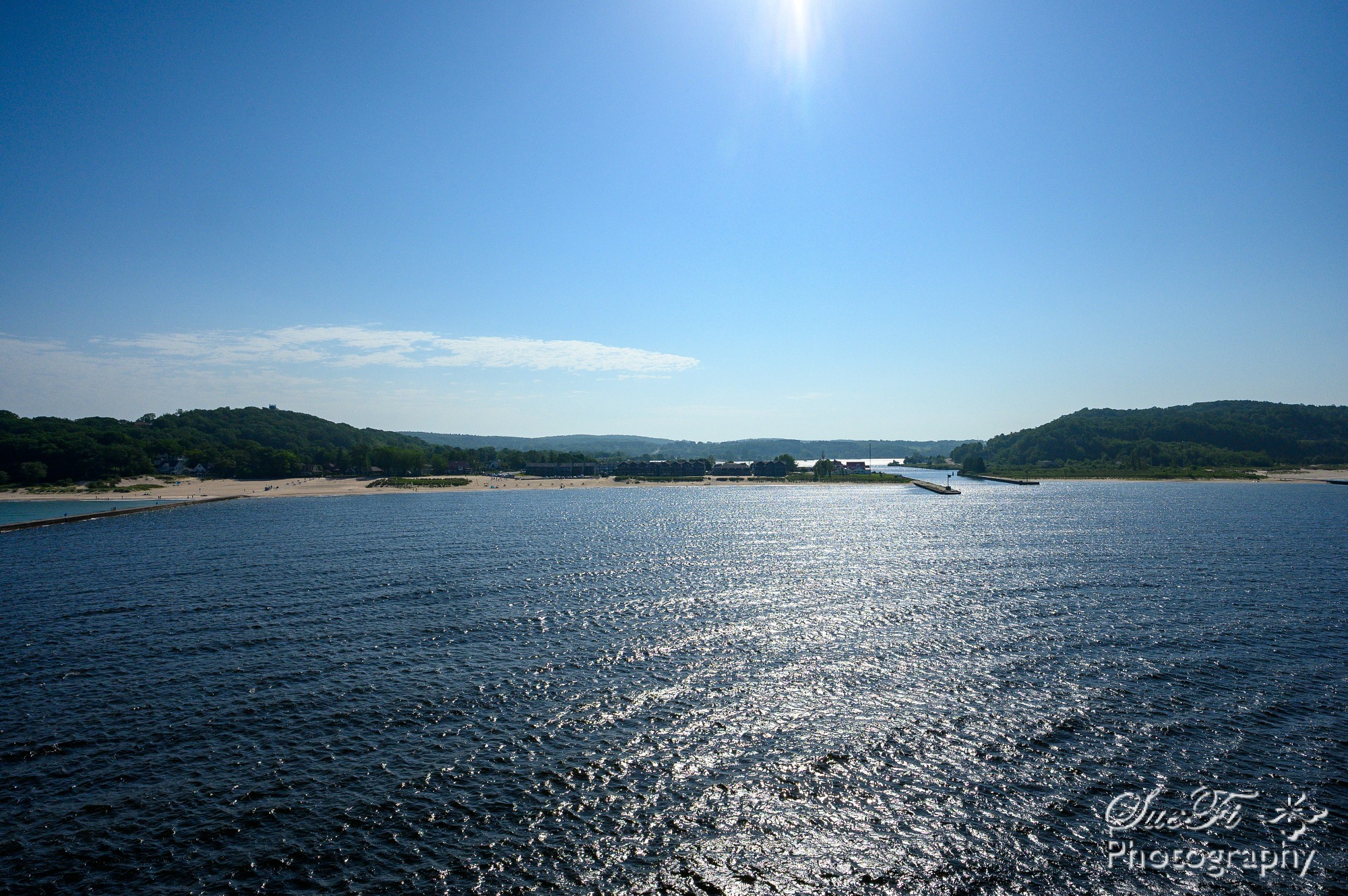
View from the top of Frankfort Lighthouse by SueFi Photography

View from the top of Frankfort Lighthouse by SueFi Photography

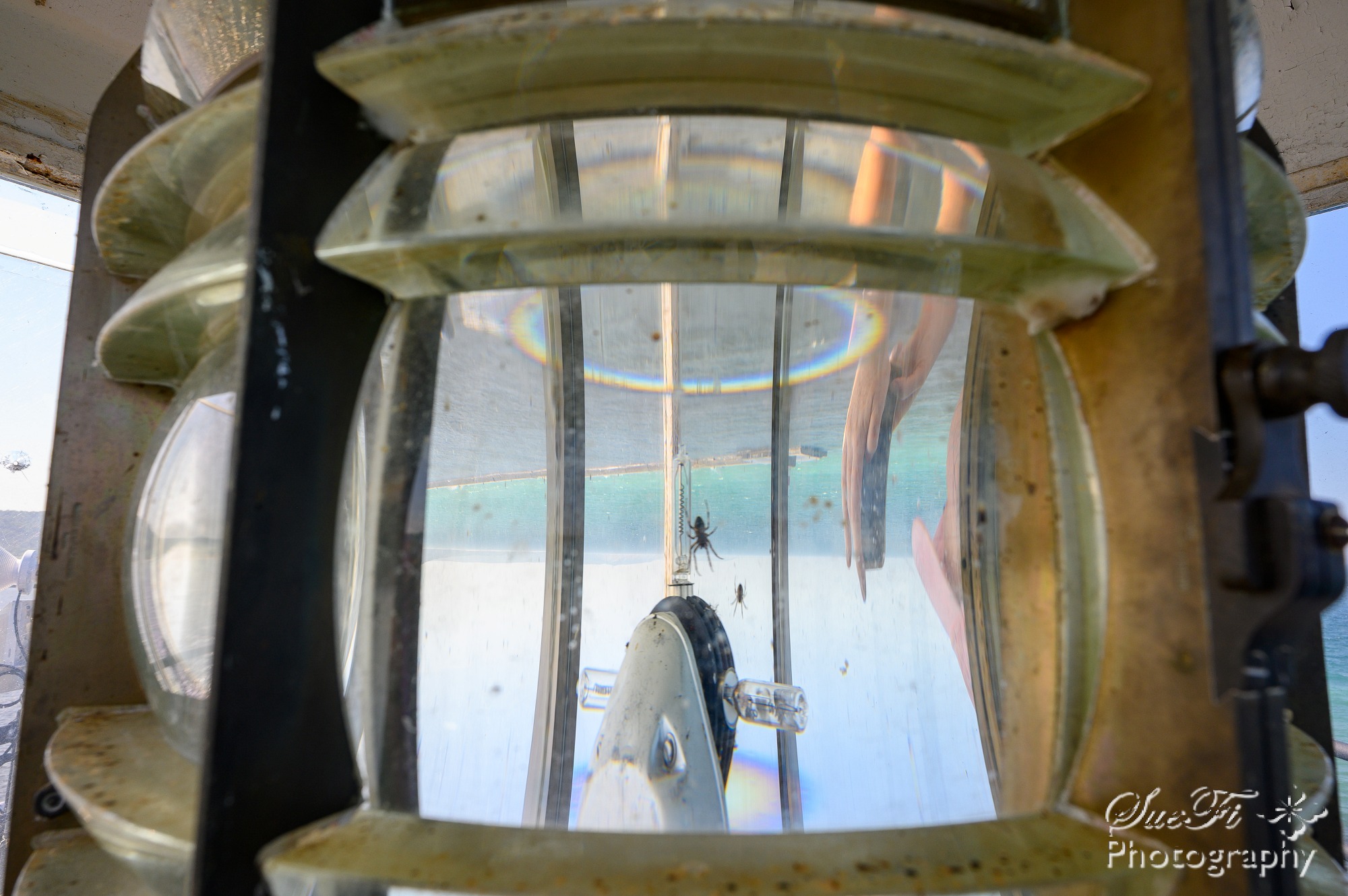
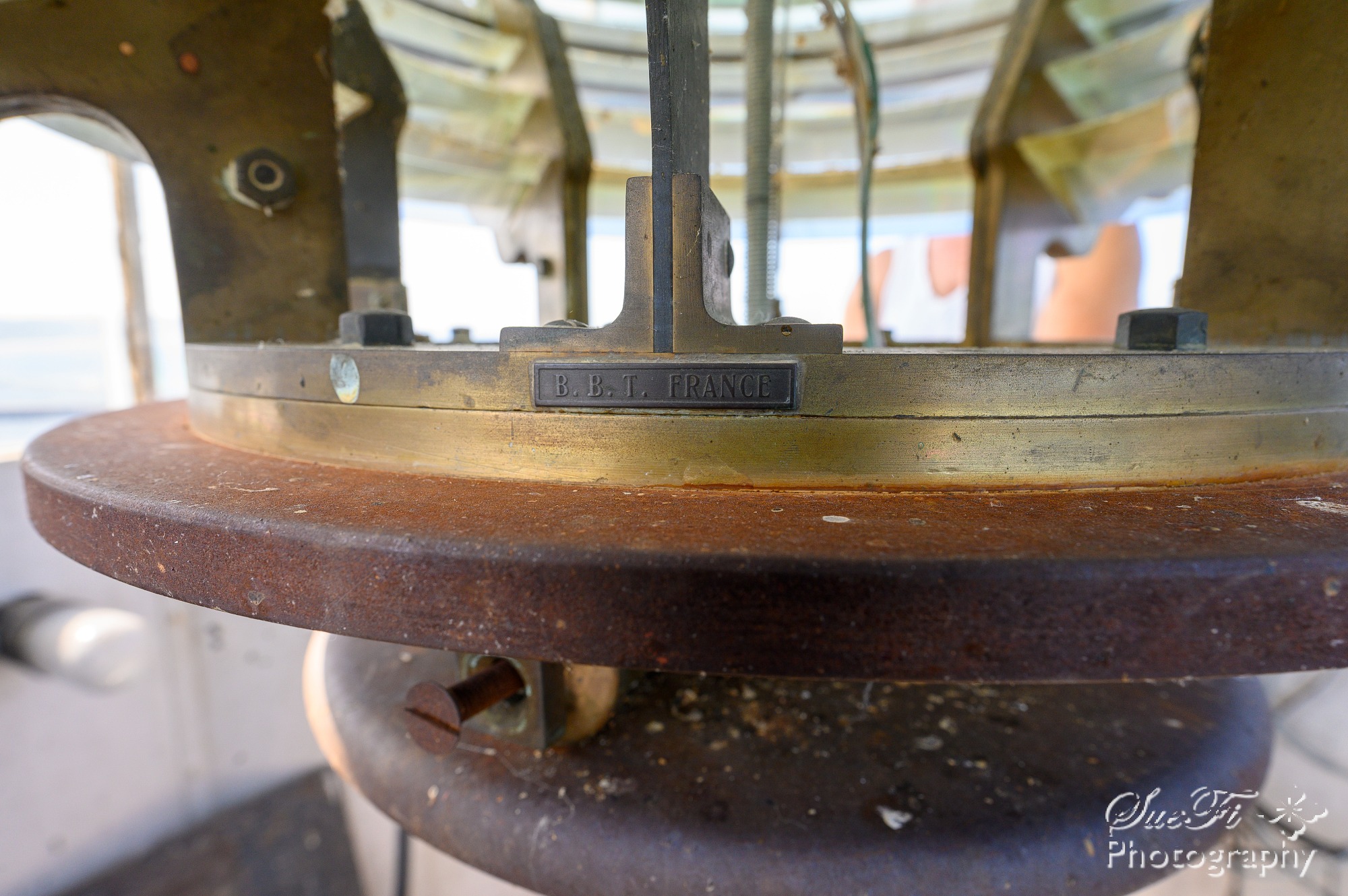
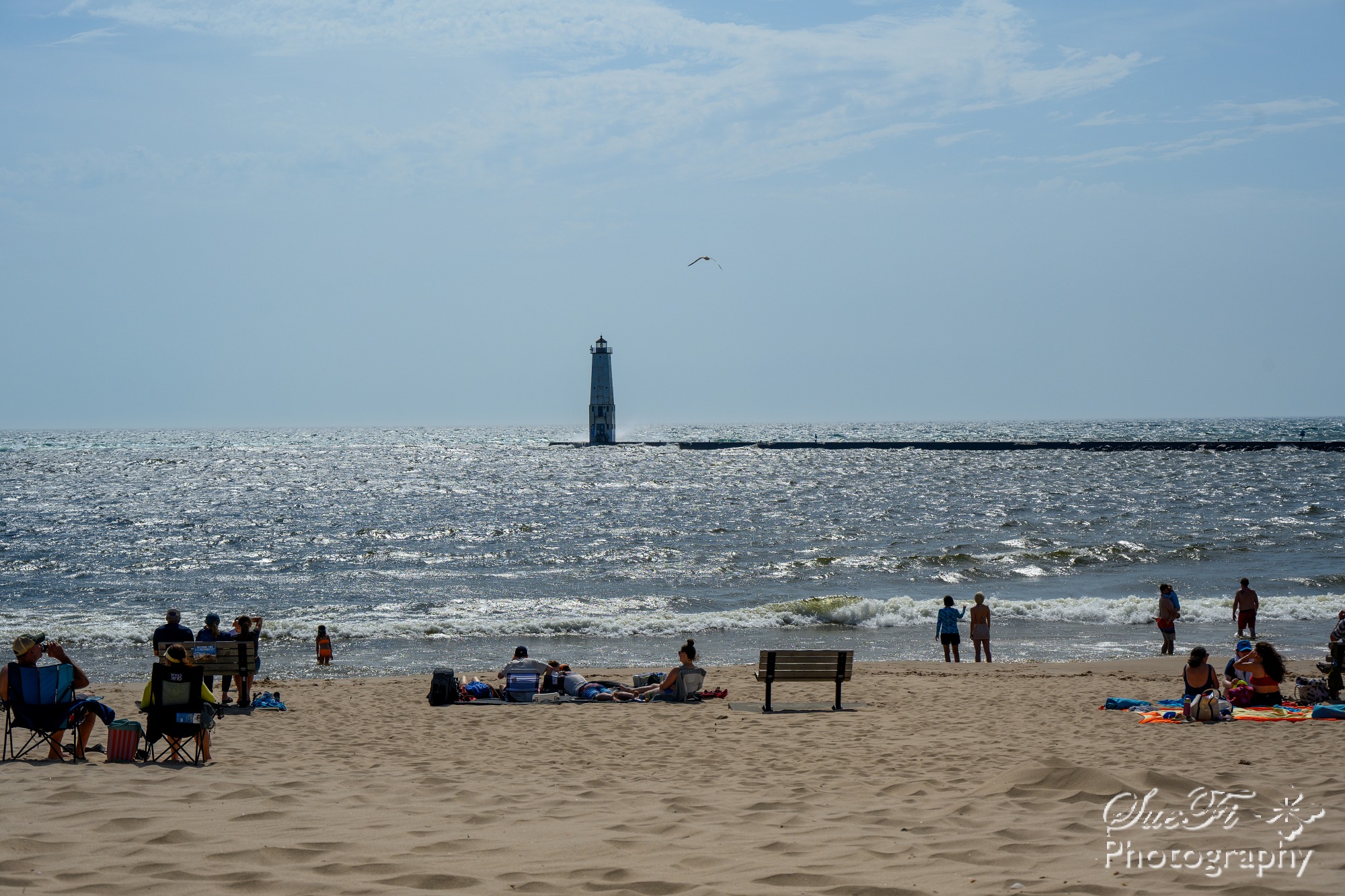
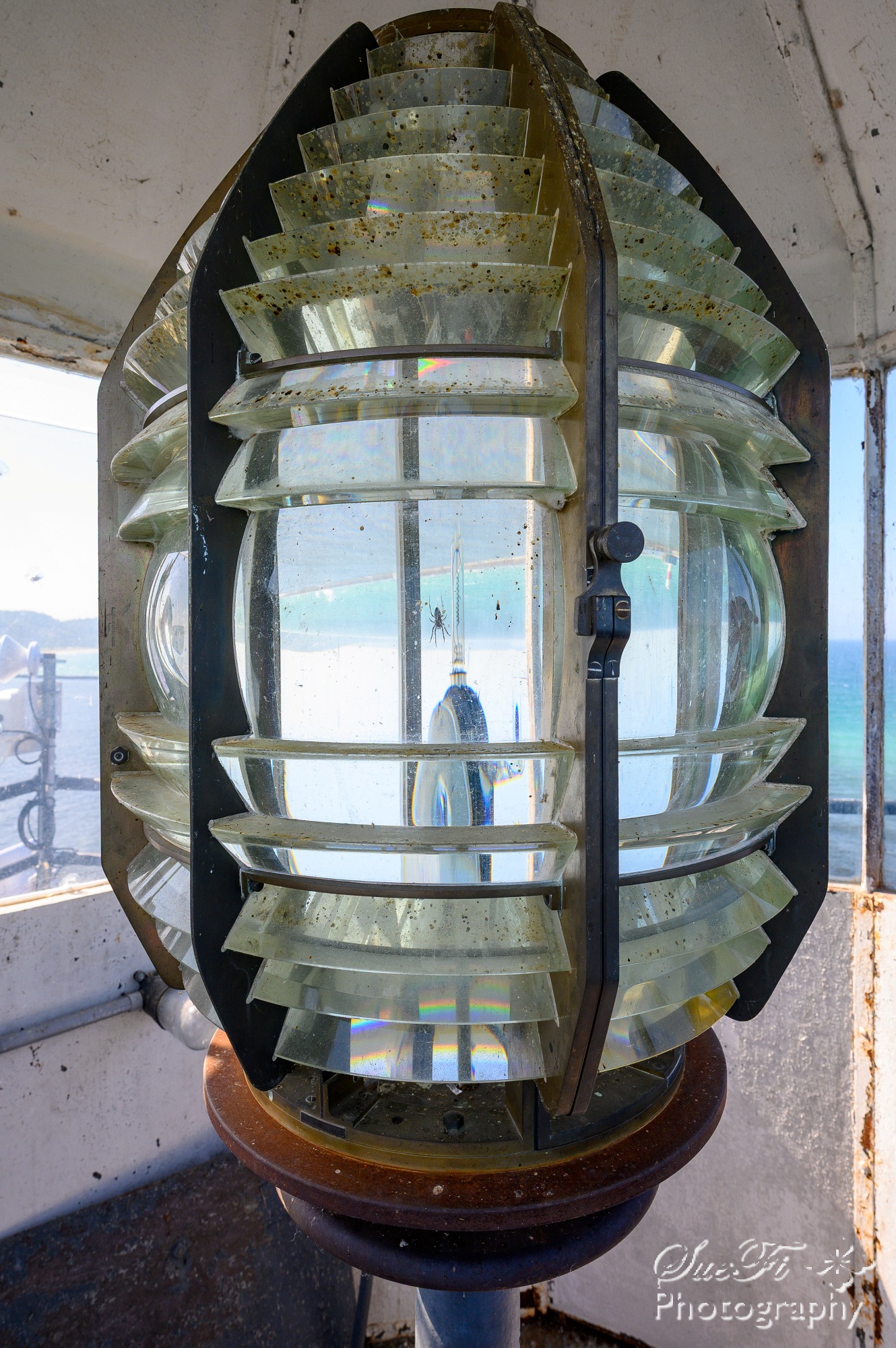
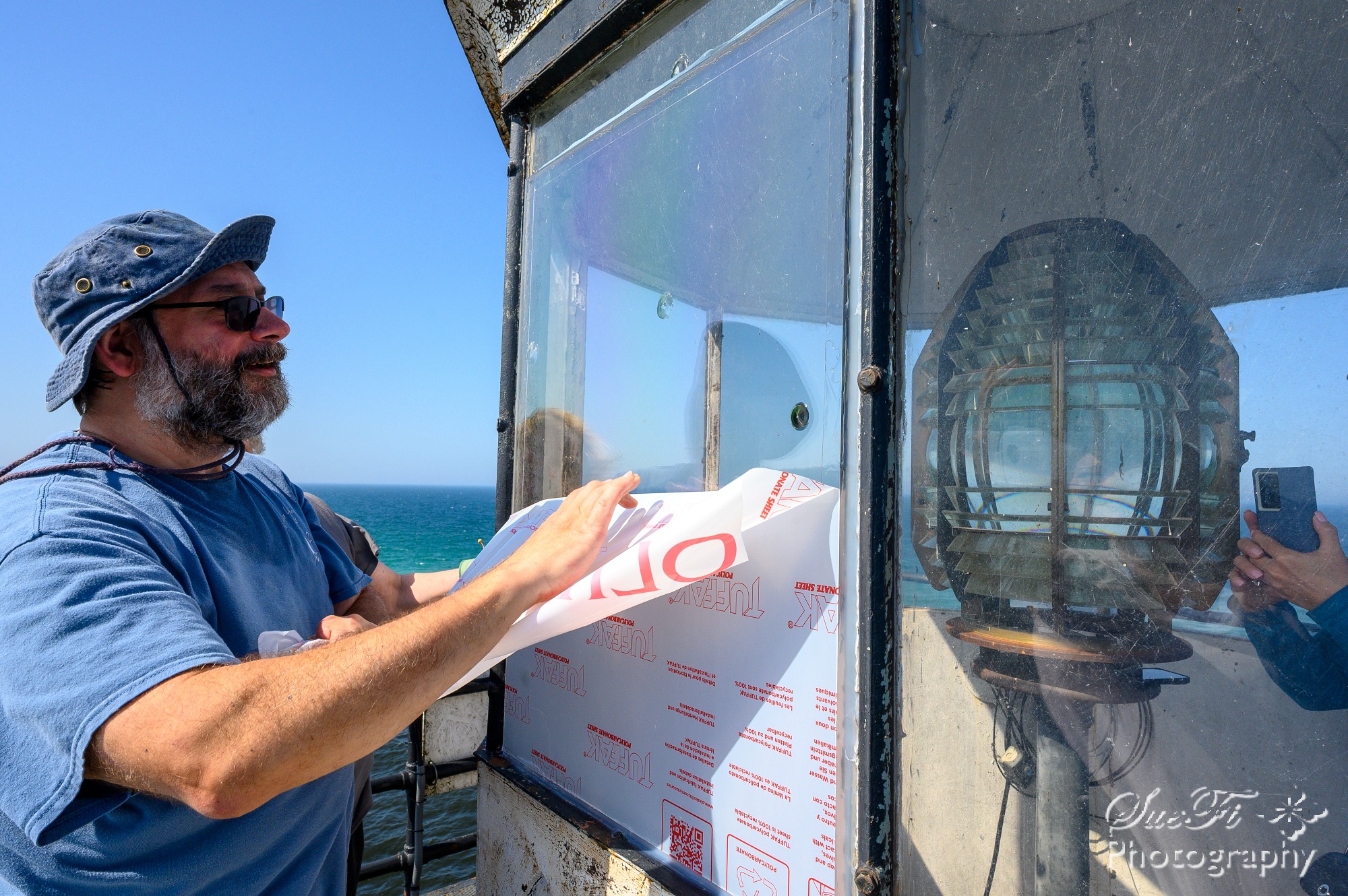
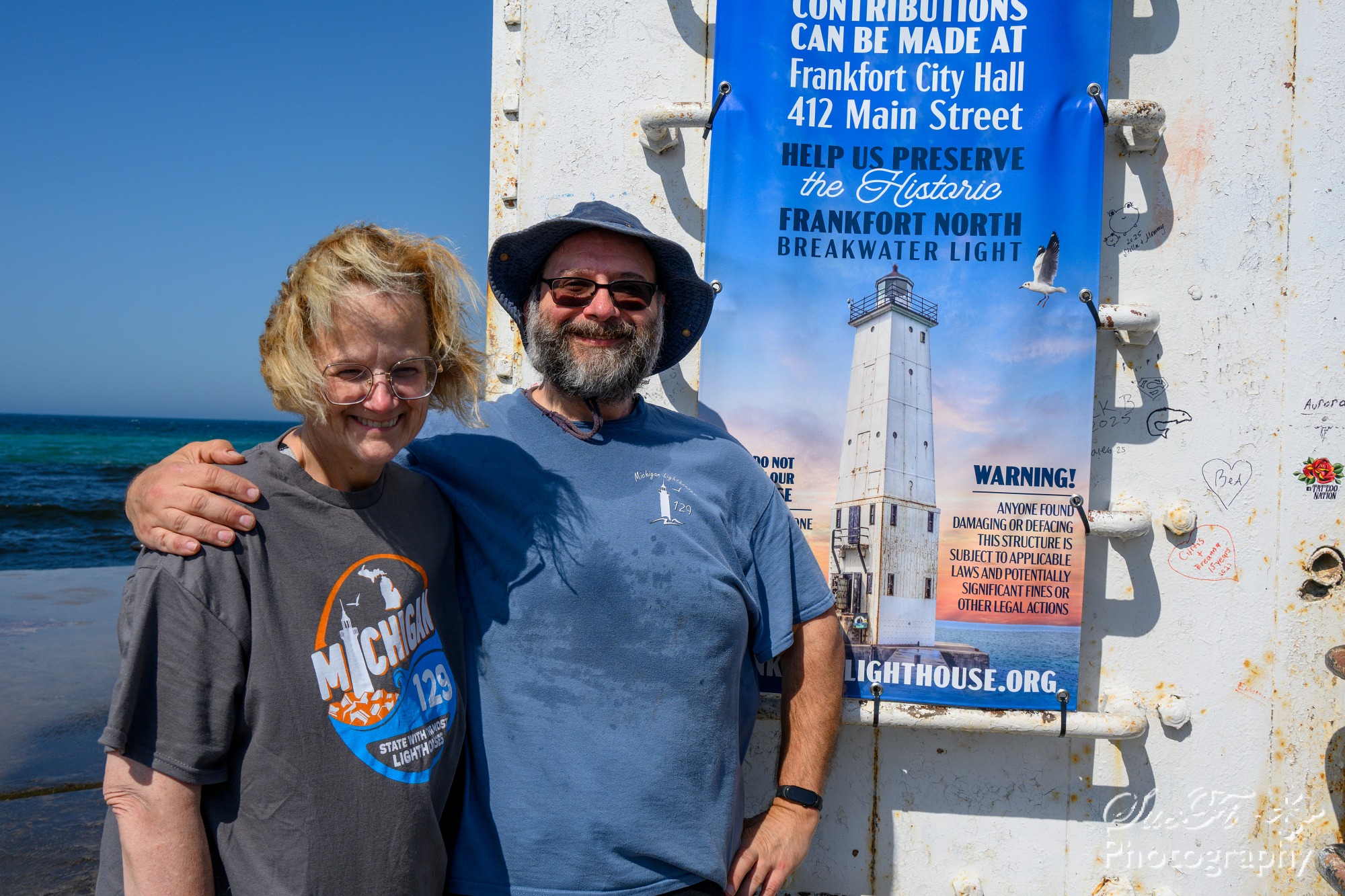
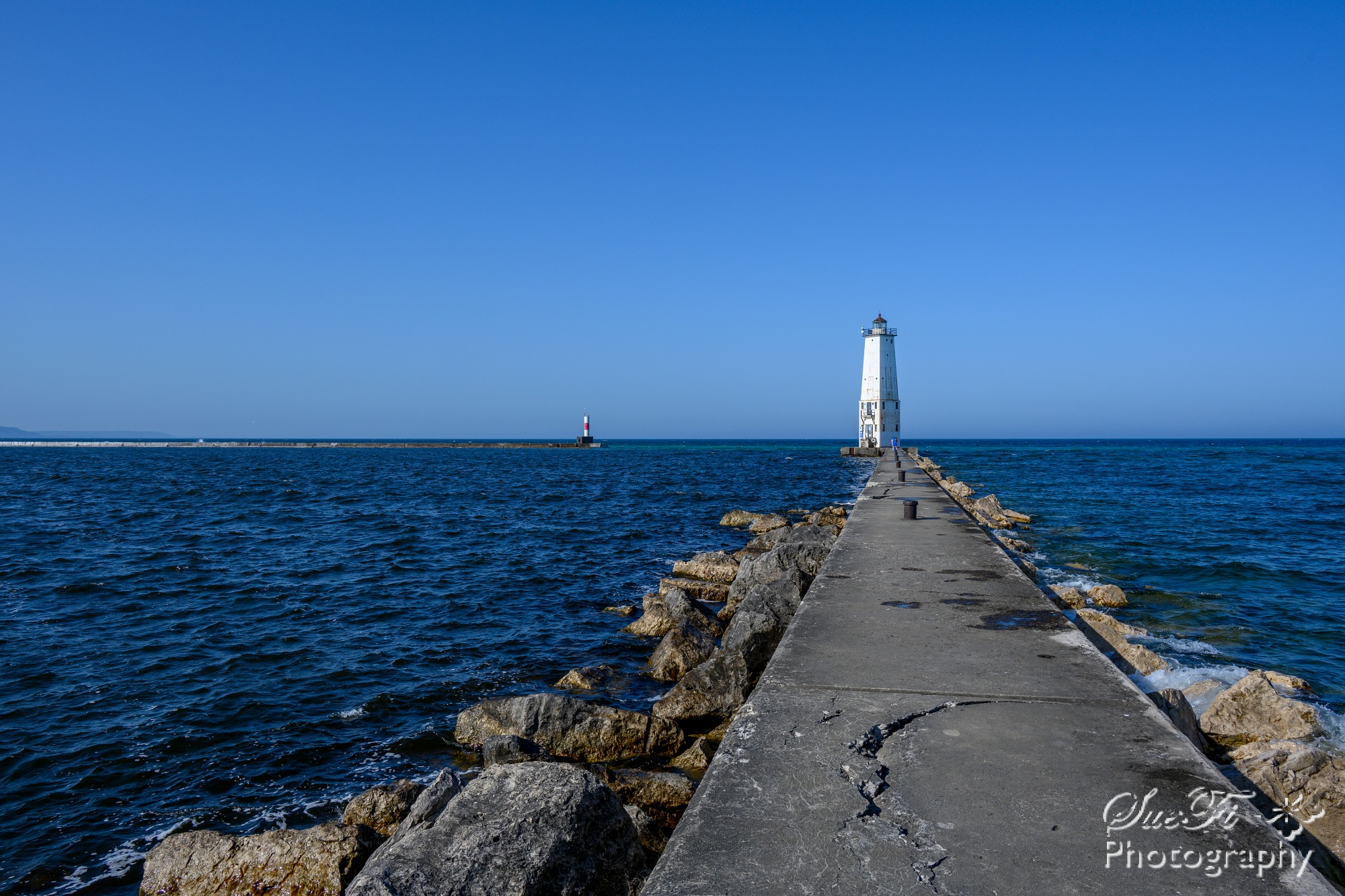
Longtime Michigan in Pictures contributor SueFi Photography shared a bunch of photos related to the recent restoration & preservation of the Frankfort Lighthouse after repeated vandalism incidents:

Erin Griebe, the chairperson of the Frankfort Lighthouse Restoration Project, says volunteers first noticed bullet holes in the lamp room last fall. “That’s very expensive glass to replace. It’s all custom because this is a very old historic building, and once the integrity of the glass is disrupted with bullet holes, you have to make those repairs,” Griebe told News 8 affiliate UpNorthLive.

“It’s just years and years of build up and paint and, you know, if we’re going to spend all this money, donated money to entirely clean this down to the bare metal and then restore it to pristine condition, is this just going to happen again?” Ketz said.

The restoration project was estimated to cost $1.1 million in 2022. Griebe already knows the costs will surpass that estimate and wants to avoid any other unnecessary work. “We are hopeful that by raising awareness, people will become less likely to tag the lighthouse, and for the individuals taking shots at it will also think twice now that the community at large is more aware,” she told News 8.

Get more information and donate to the Frankfort Lighthouse Restoration Project on their website!

Here’s a bunch more photos from Sue and you can see a whole lot more views of the lighthouse, Frankfort & everywhere at SueFi Photography on Facebook!
Support Michigan in Pictures with Patreon

June 23, 1963: Detroit’s Walk to Freedom with Dr Martin Luther King Jr

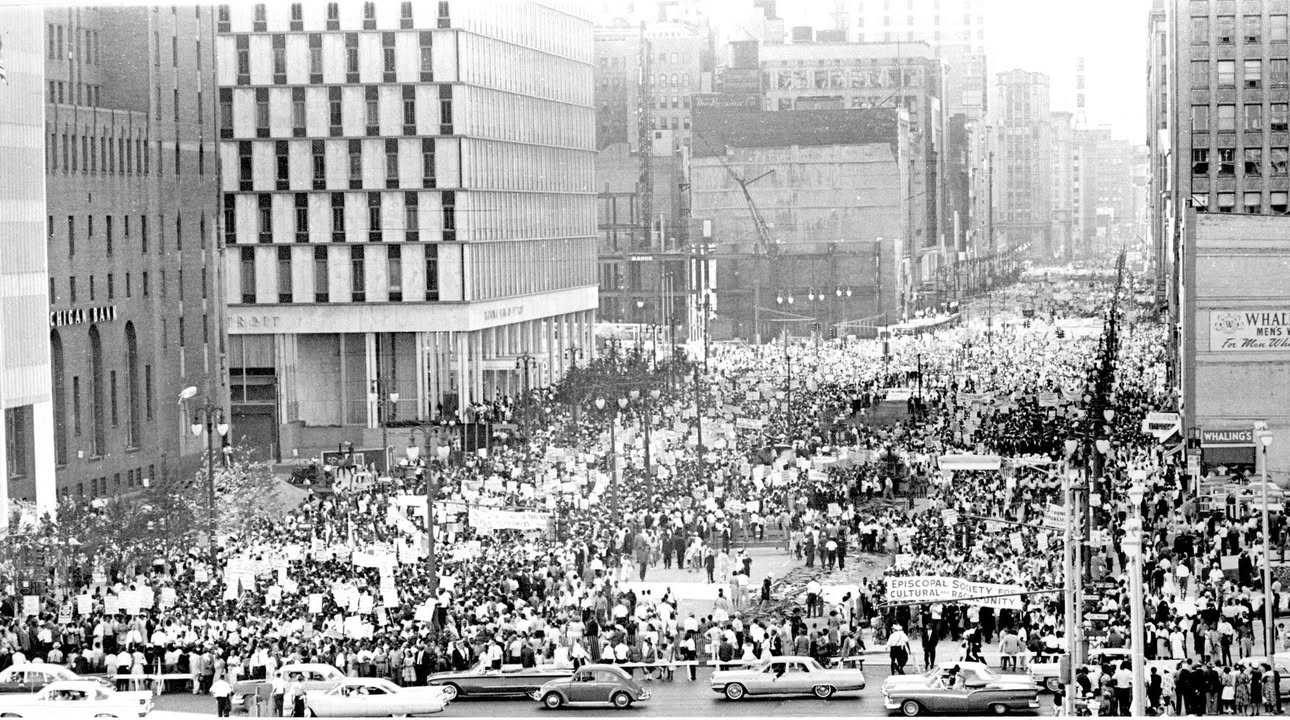
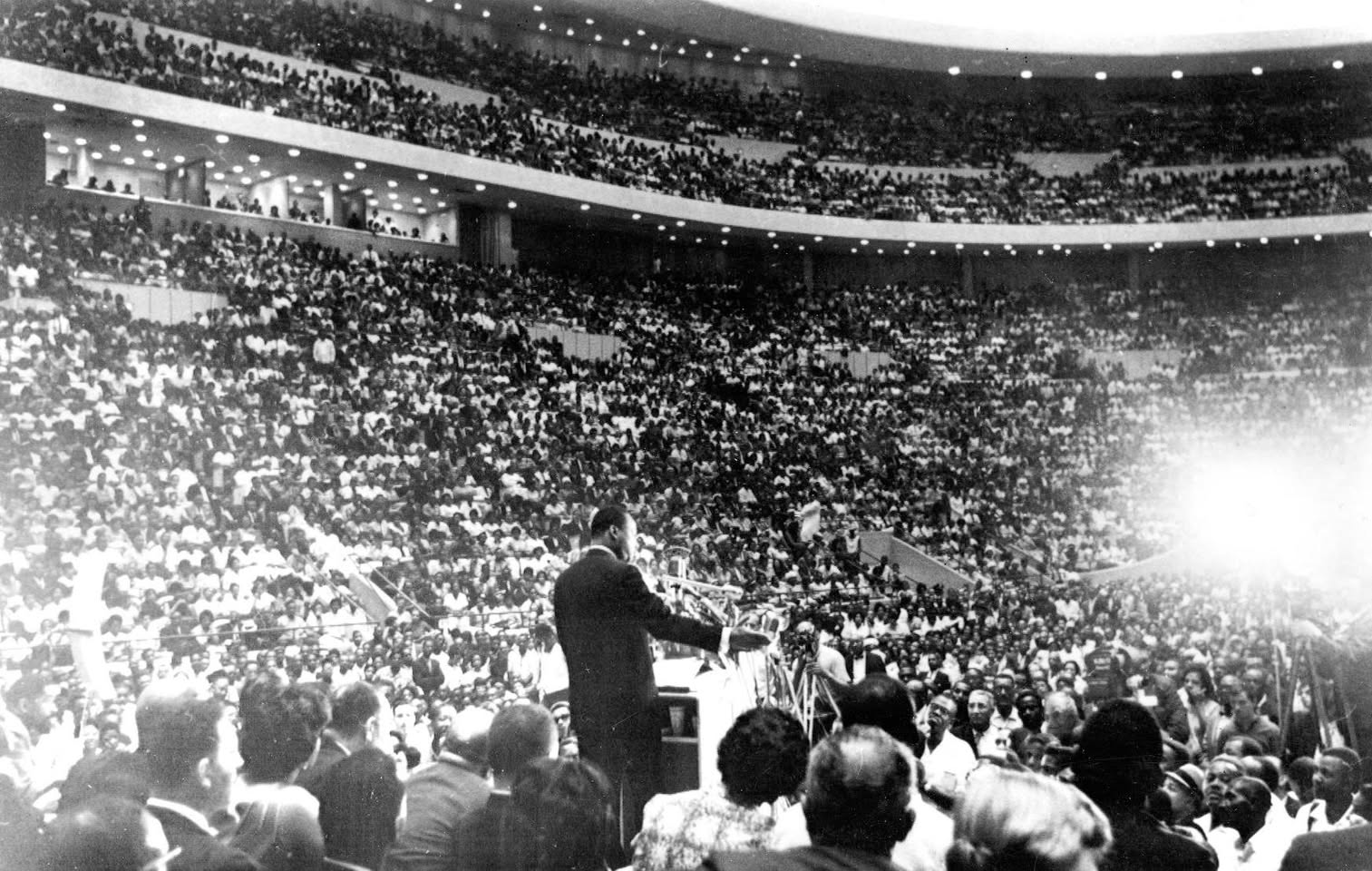
Dr Martin Luther King leads the Detroit March to Freedom by Walter P Reuther Library

Dr Martin Luther King leads the Detroit March to Freedom by Walter P Reuther Library

The Walter P Reuther Library shares that June 23rd is the 62nd anniversary of Detroit’s Walk to Freedom, described by Dr. King as “one of the most wonderful things that has happened in America”:

Dr. King led the march and shed light on the status of African Americans in northern industrial cities. Organized by the Detroit Council on Human Rights (DCHR), the Walk to Freedom was the largest civil rights demonstration in the nation’s history. Its purpose was to speak out against segregation and the brutality that met civil rights activists in the South while at the same time addressing concerns of African Americans in the urban North: inequality in hiring practices, wages, education, and housing. The date of the march, June 23, 1963, was chosen to commemorate the 20th anniversary of the 1943 Detroit Riots in which 34 people, the majority of them African American, were killed.

On the afternoon of the march, 125,000 people filled Woodward Avenue curb-to-curb, carried signs that demanded racial equity, and moved in relative silence as 15,000 spectators watched from sidewalks, windows, and the roofs of buildings. Community activists, representatives from organized labor, clergymen, and state and local government officials all participated in the march. Notable figures included Rev. C.L. Franklin, chairman of the DCHR; Walter Reuther, president of the UAW; Rev. Albert Cleage (Jaramogi Abebe Agyeman); Mayor Jerome Cavanagh; former governor John B. Swainson; and Benjamin McFall. In his absence, Governor George Romney proclaimed June 23 “Freedom March Day in Michigan.” The guest of honor, of course, was Dr. King, who was met with song by the crowd as he joined the march at Cadillac Square.

The route of the march started at a twenty-one-block staging area near Adelaide Street. It followed Woodward Avenue to Jefferson Avenue, then headed west through the Civic Center. An hour and a half after it began, it ended at Cobo Hall, where 25,000 people, an estimated 95% of them African American, filled the building to capacity. Thousands of demonstrators who could not find a seat spilled onto the lawns and malls outside, and listened to the programming through loudspeakers. Inside, public officials, African American business and civic leaders, and dignitaries including John B. Swainson, Congressman Charles Diggs, and Rev. Albert Cleage were among the speakers. Yet the rally is remembered primarily because it was here that Dr. King gave an early version of his “I Have a Dream” speech; two months later he delivered it at the historic March on Washington. In it, he proclaimed that the status quo was unacceptable. He advised that African Americans needed to stand up and fight for equality and freedom while standing firm to the principle of non-violence and to “make real the promises of democracy” by supporting the civil rights bill that President Kennedy had put before Congress.

More including photos from Wayne State University’s Walter P Reuther Library.

Support Michigan in Pictures with Patreon

No Kings in Michigan: James Jesse Strang edition

Sunrise at St James Harbor by Andy Farmer

Sunrise at St James Harbor by Andy Farmer

I confess that when I started today’s post I had no idea that June 16, 1856 was the date when assassins mortally wounded Michigan’s only king. To be clear, this is a post about kings being a deeply stupid & un-American thing, not a post about killing them.

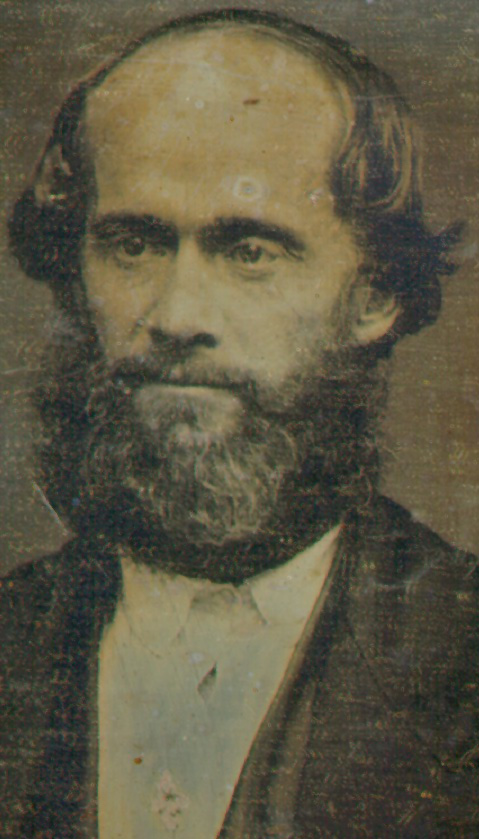
Michigan religious leader & politician James Jesse Strang was a major contender for leadership of the Church of Jesus Christ of Latter Day Saints after the death of founder Joseph Smith. Here are some excerpts of the wild ride of a Wikipedia that is the James Jesse Strang entry & chronicles his life as a lawyer, minister, prophet & politician who ultimately became something of a king. Please feel welcome to add your favorite tidbits in the comments!

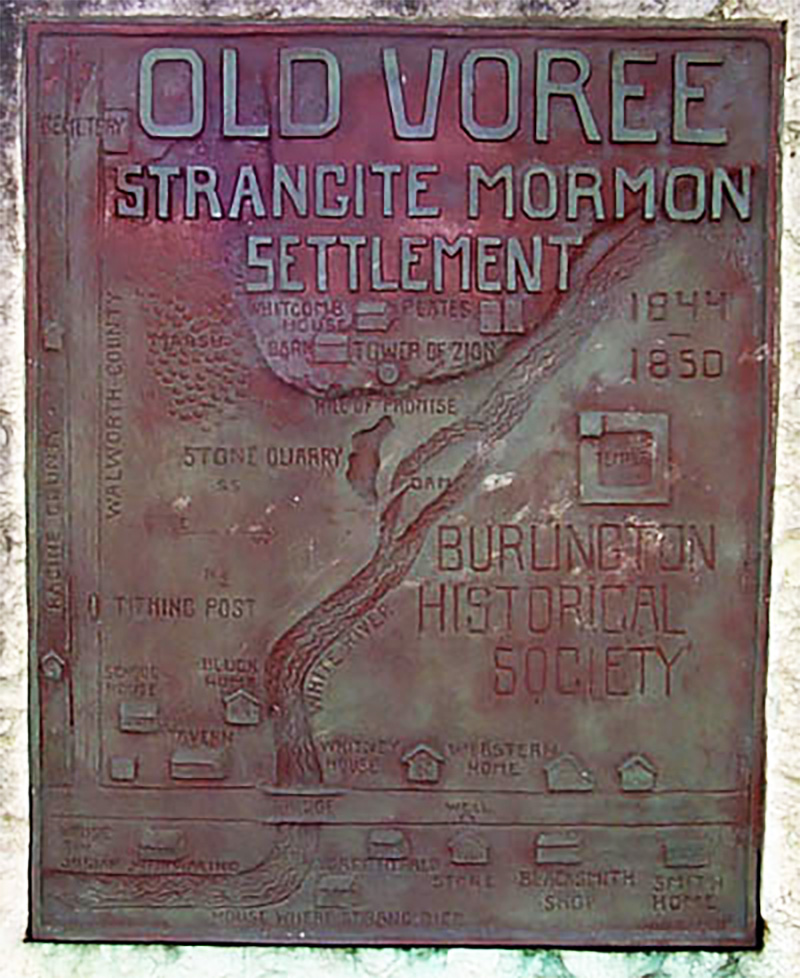
Strang rested his claim to leadership on an ordination by an angel at the very moment Joseph Smith died (similar to the ordination of Smith), requirements that he claimed were set forth in the Doctrine and Covenants that the President had to be appointed by revelation and ordained by angels, and a “Letter of Appointment” from Smith, carrying a legitimate Nauvoo postmark. This letter was dated June 18, 1844, just nine days before Smith’s death. (he also claimed to have divine plates a la Smith that he discovered in Voree, Wisconsin)

About 12,000 Latter Day Saints ultimately accepted Strang’s claims.[30] A second “Stake of Zion” was established on Beaver Island in Lake Michigan, where Strang moved his church headquarters in 1848. Strang’s church had a high turnover rateMany defections were due to Strang’s seemingly abrupt “about-face” on the turbulent subject of polygamy. Vehemently opposed to the practice at first, Strang reversed course in 1849 and became one of its strongest advocates, marrying five wives (including his original spouse, Mary) and fathering fourteen children. Strang defended his new tenet by claiming that, far from enslaving or demeaning women, polygamy would liberate and “elevate” them by allowing them to choose the best possible mate based upon any factors which were deemed important by them.

…Strang was crowned in 1850 by his counselor and Prime Minister, George J. Adams. About 300 people witnessed his coronation, for which he wore a bright red flannel robe which was topped by a white collar with black speckles. His crown was made of tin, rather than gold, and it is described in one account as being “a shiny metal ring with a cluster of glass stars in the front.

On Monday, June 16, 1856, Strang was waylaid on the dock at the harbor of St. James, the chief city on Beaver Island by former disciples who shot him in the back.

Read a lot more in Wikipedia!

Andy shared these pics back in August of 2016 in his Beaver Island, MI gallery on Flickr, and I’ve included a couple images from Wikipedia as well.

Support Michigan in Pictures with Patreon

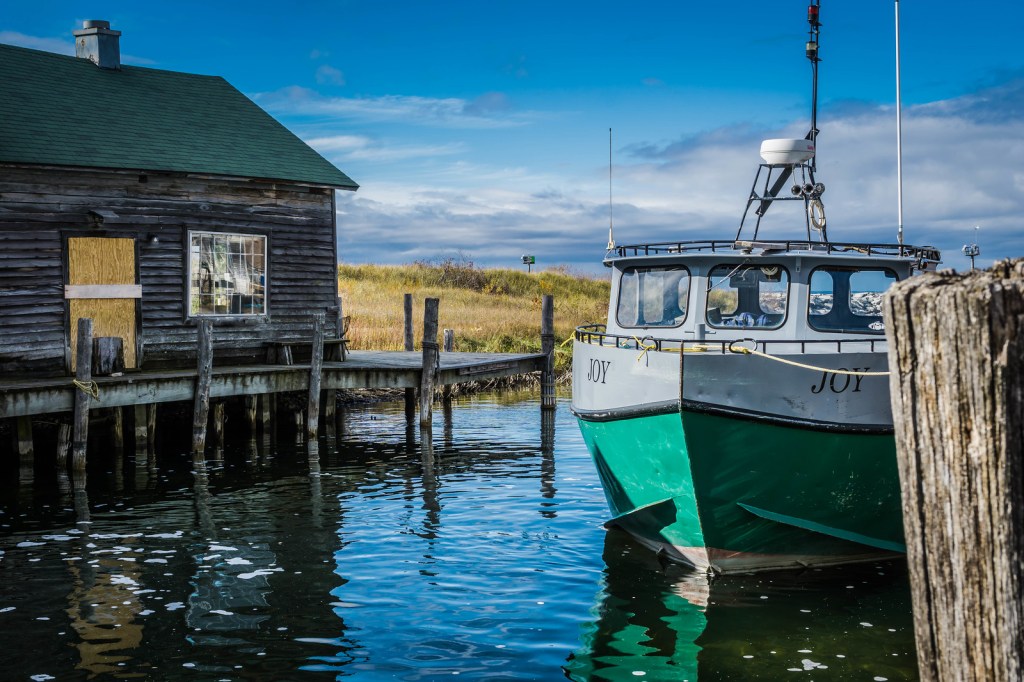
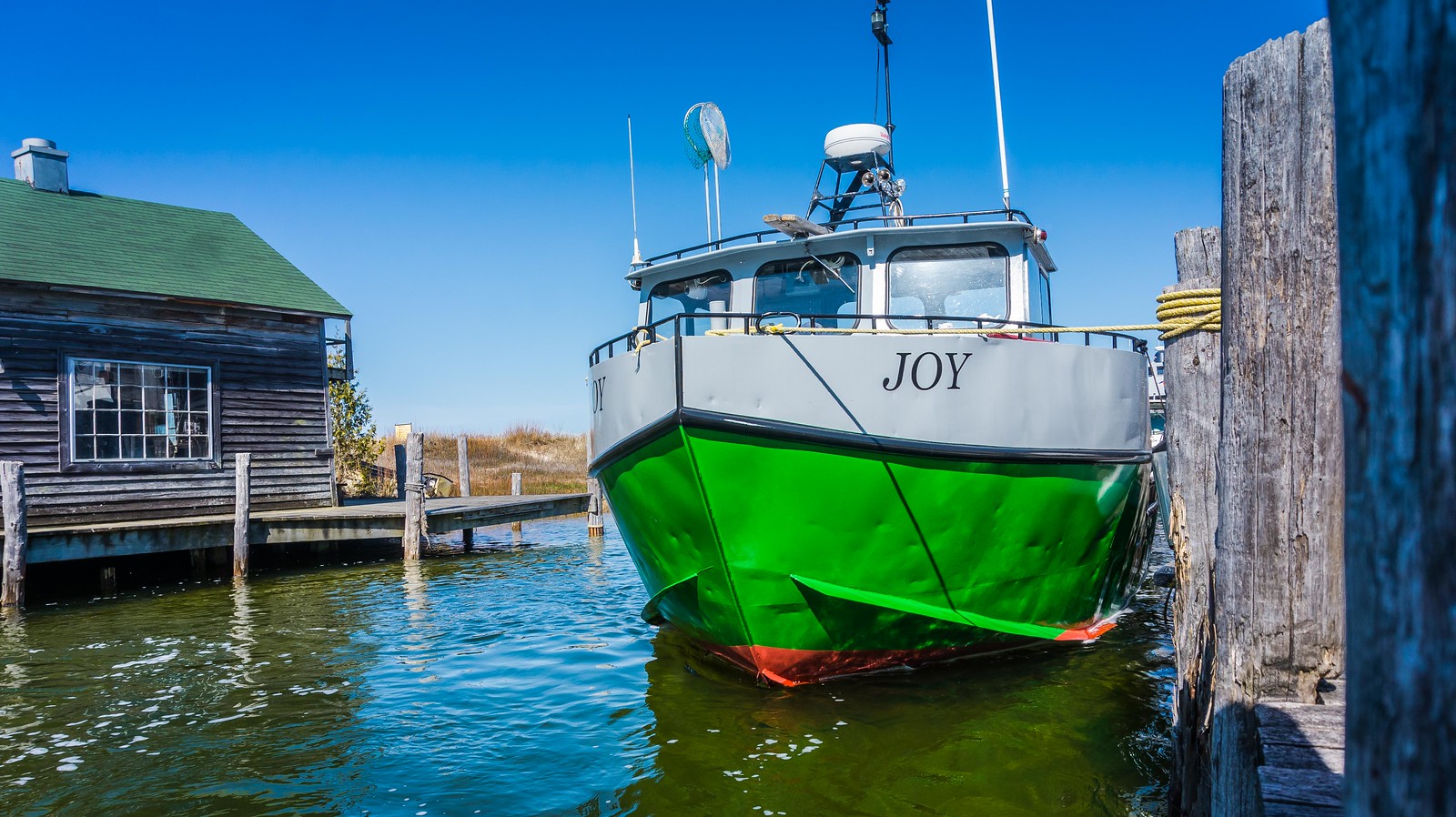
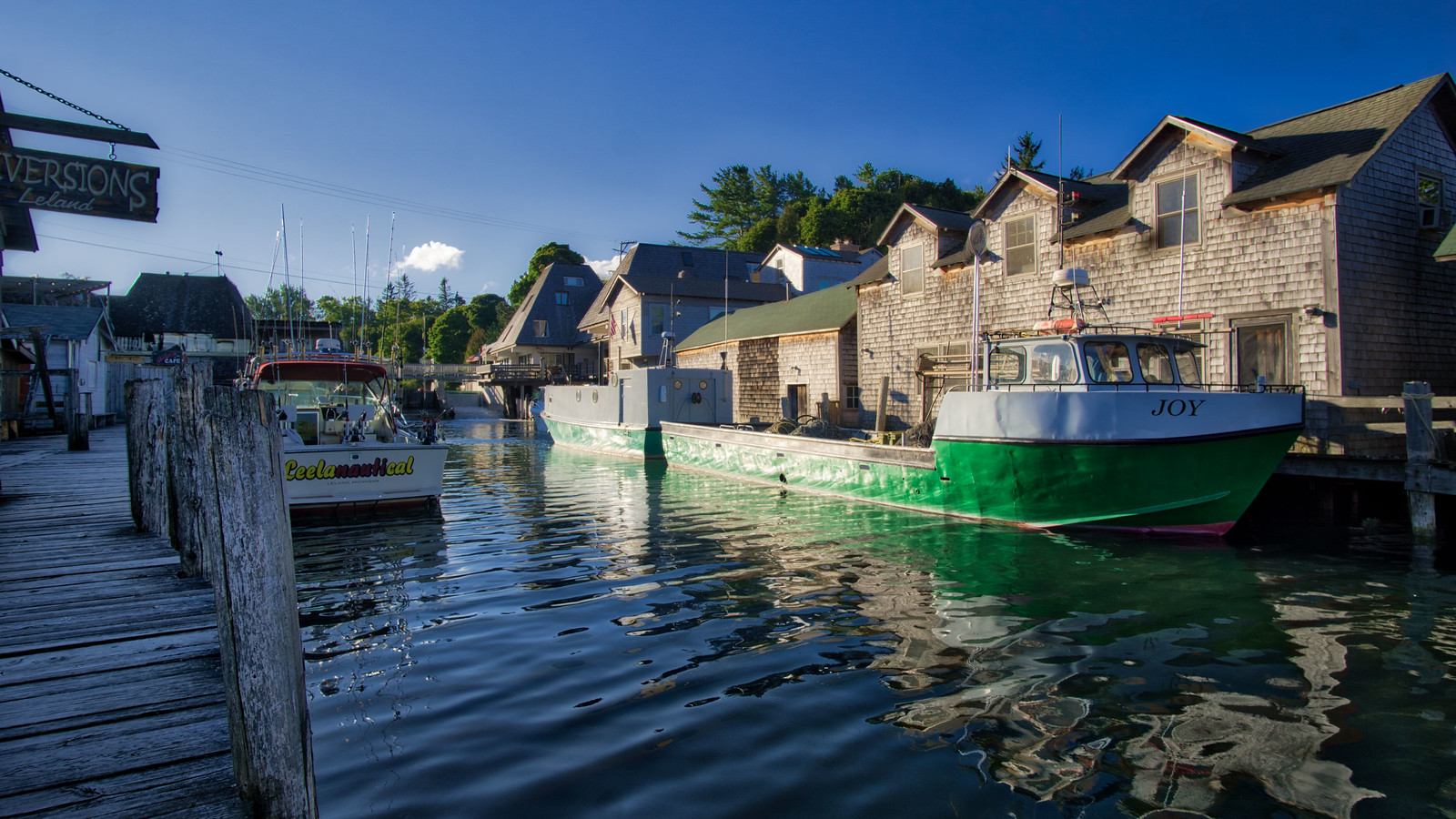
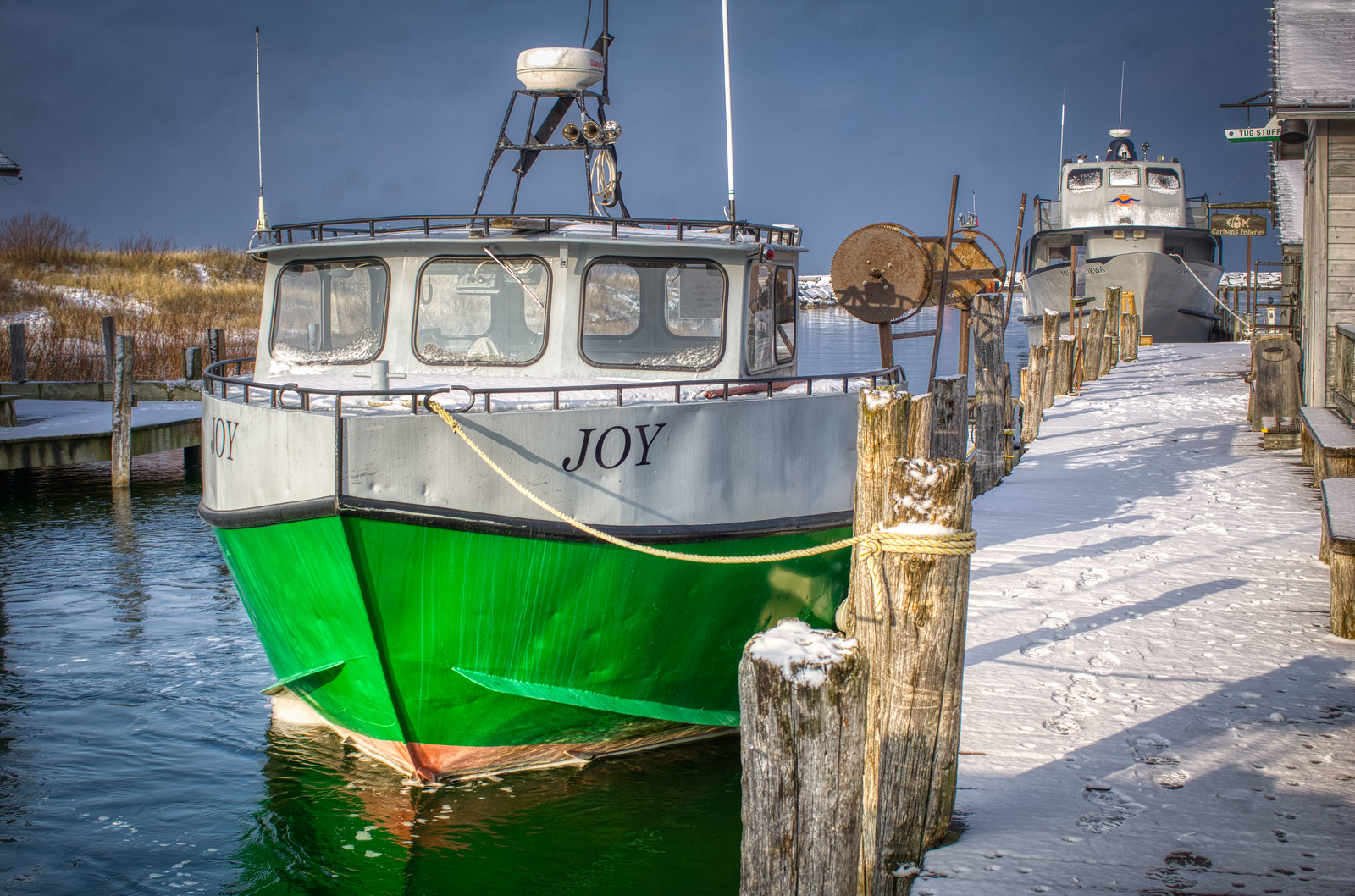
The Joy of Great Lakes Fishing

Surprised by Joy by Mark Smith

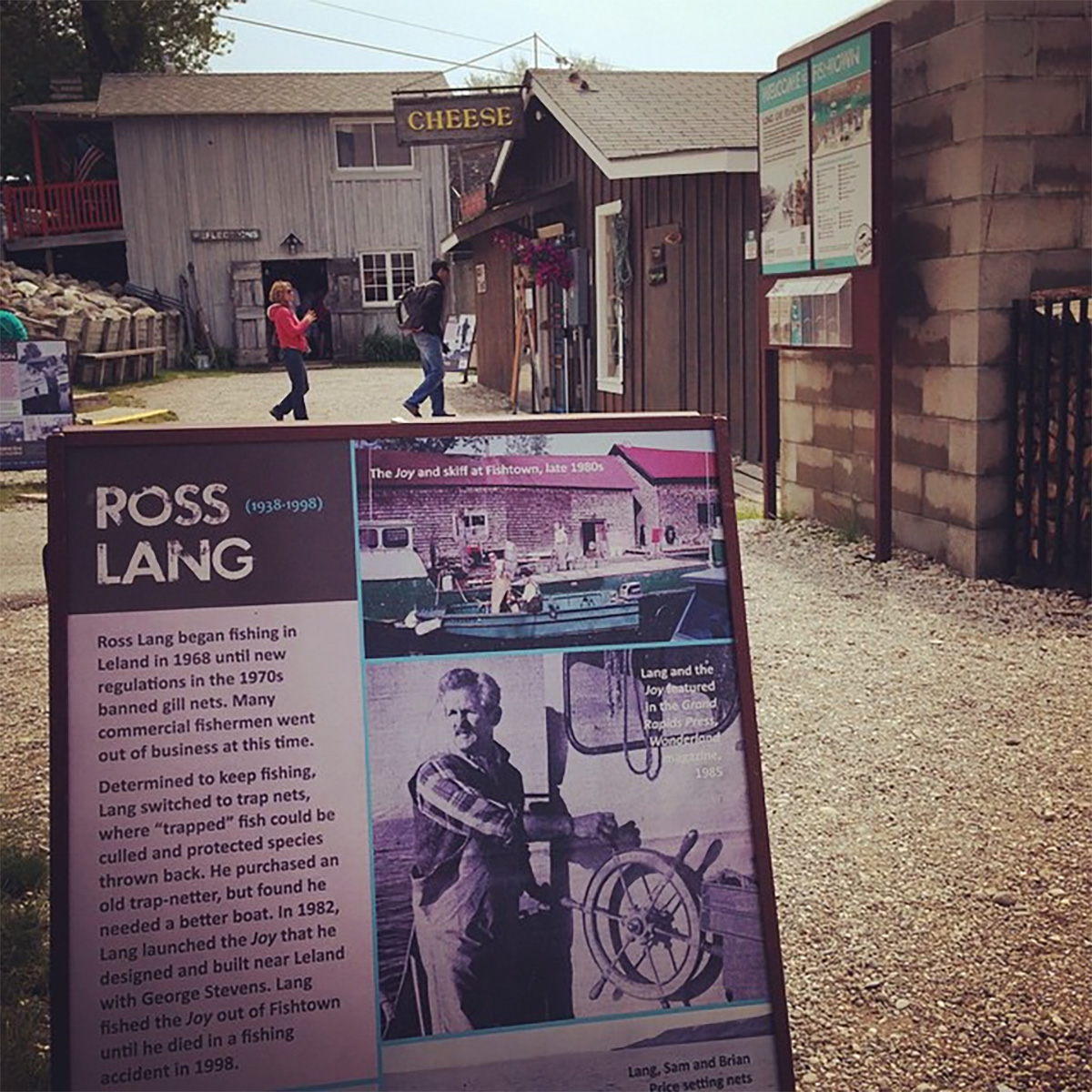
“Ross Lang was known by many as a fisherman’s fisherman, respected by everyone who knew him for his efficiency, determination, and ingenuity. The shock experienced by all when he died in a fishing accident on a beautiful calm April day in 1998 is still felt today.”Fishtown Preservation

Once upon a time, Joy Lang Anderson & her husband Ross were my across the street neighbors in the village of Leland. Back in 2017, I sat down with her in Leland’s Fishtown to talk about how she & Ross (both UP natives) ended up integral parts of the village of Leland and its fishing history. I hope you enjoy it!

The photos of the Joy were taken by Mark Smith (I took the pic of Ross’s marker). See more in Mark’s Leland album on Flickr and for sure view & purchase Mark’s work at Leelanau Landscapes.

Donate to support Fishtown’s preservation right here!

Support Michigan in Pictures with Patreon

Out to Pasture

1958 Chevrolet by Martin Hogan

1958 Chevrolet by Martin Hogan

It’s been a while since I’ve featured a photo from Martin, but these were such a perfect balance to yesterday’s Grand Prix pics that I knew it was time! Follow him on Flickr or Facebook for his latest!!

Support Michigan in Pictures with Patreon

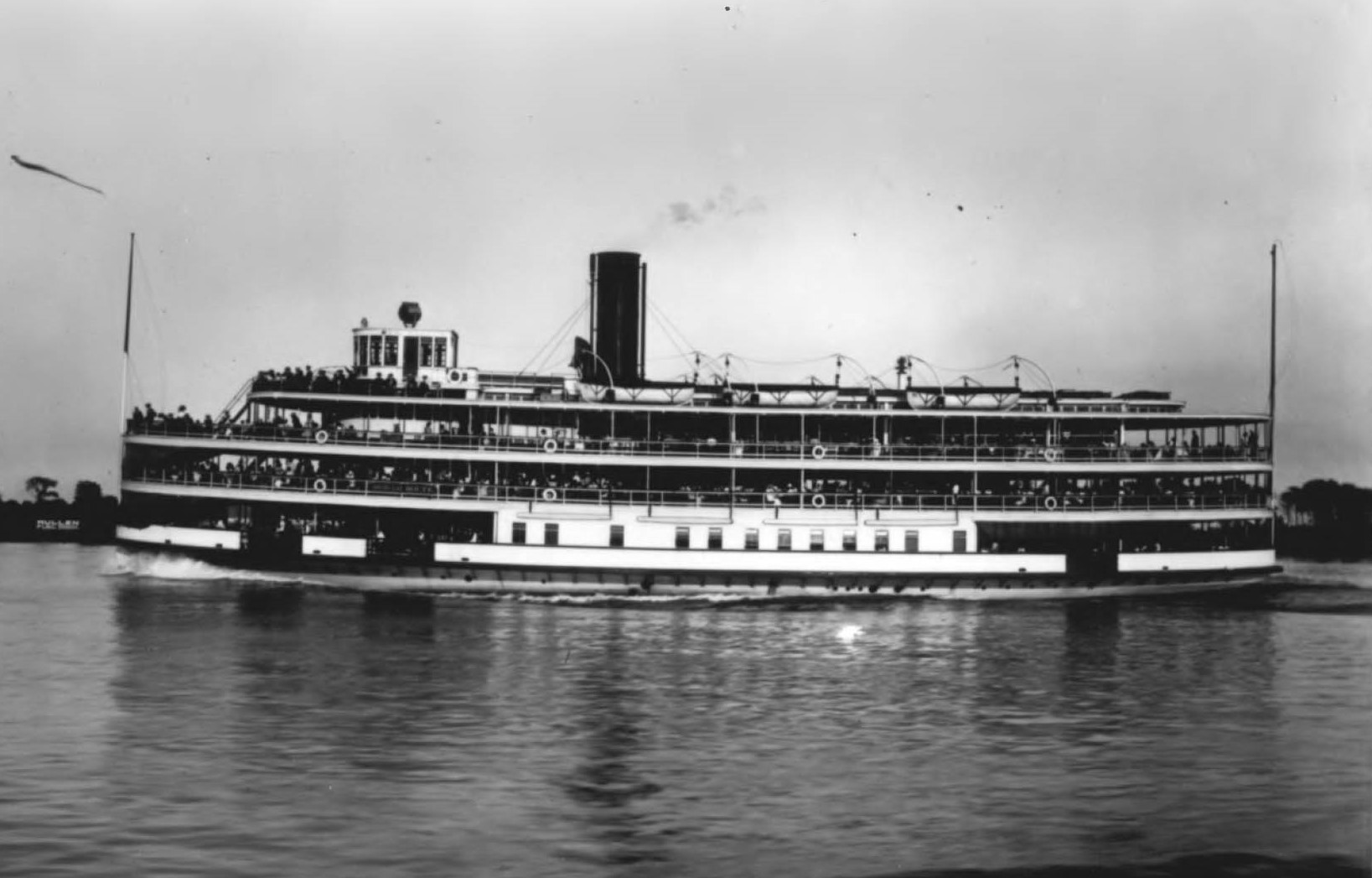
Happy Birthday to the Boblo Boat!

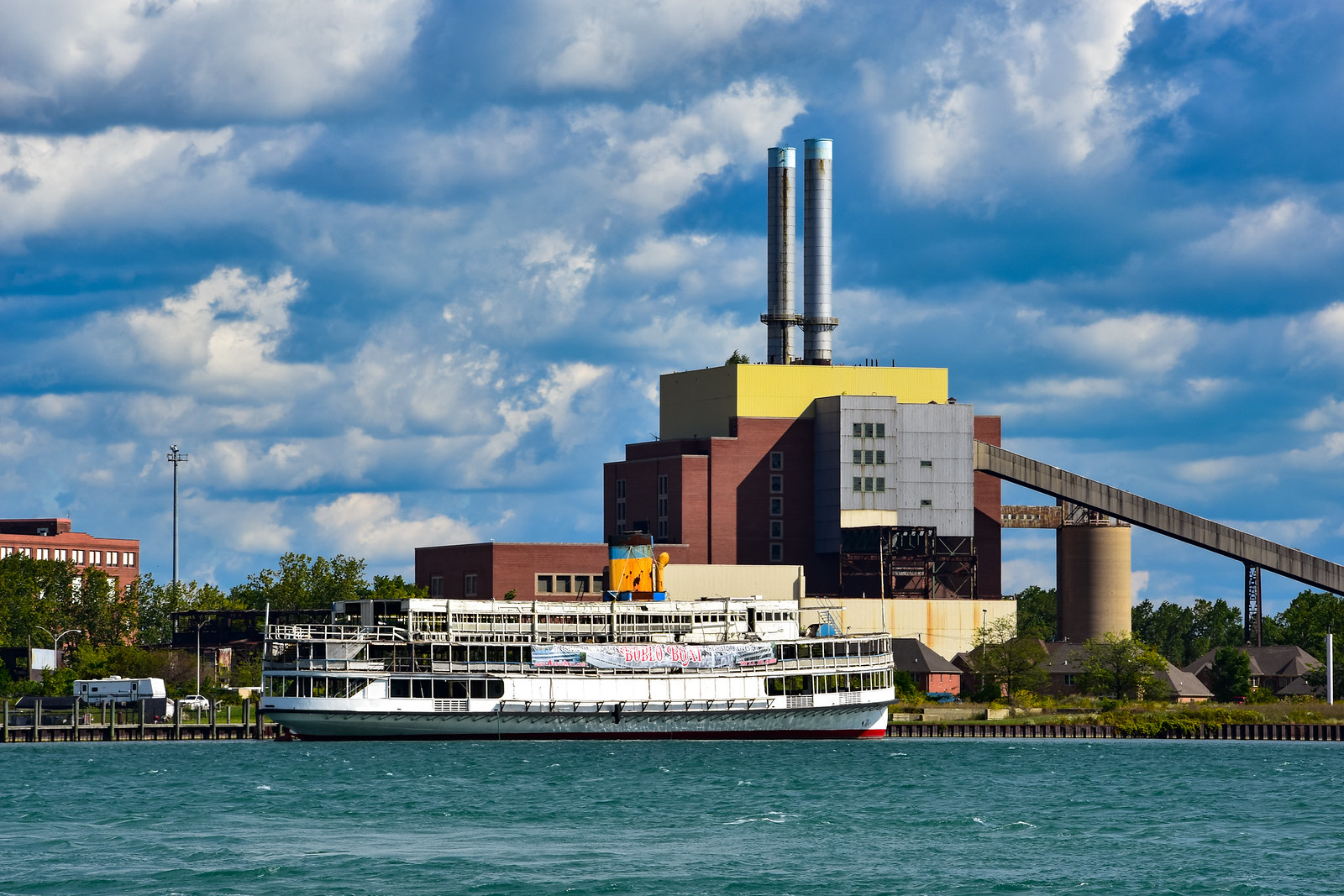
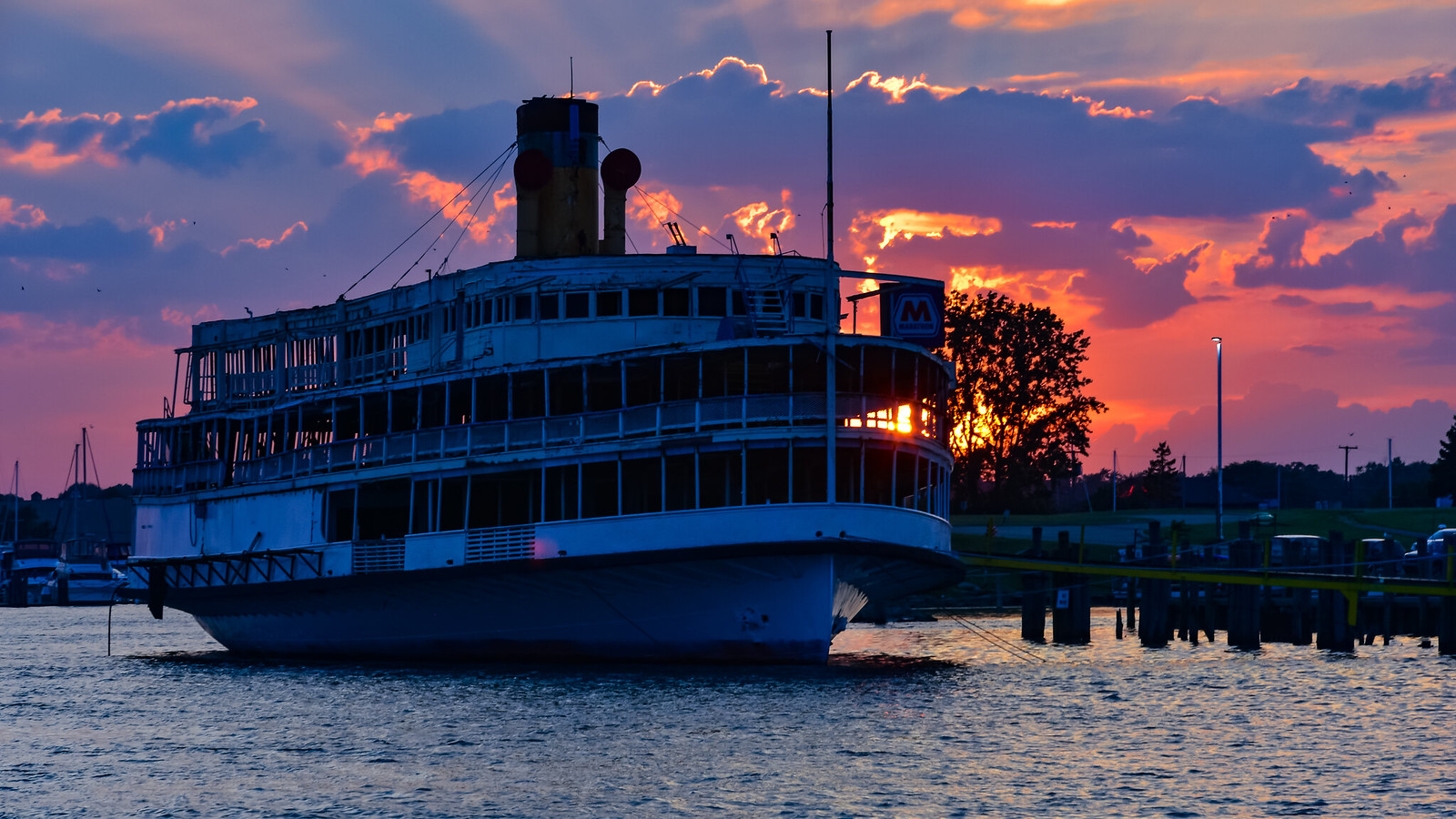
SS Ste Claire – Boblo Boat by Will Jensen

HistoricDetroit.org is one of my favorite follows on Facebook. They share that today is 115th anniversary of the launch of the the Boblo boat Ste. Claire from the Toledo Shipbuilding Co. at Toledo, Ohio, on May 7, 1910.

For generations, she and her older partner in fun times, the Columbia, would ferry Detroiters from downtown to the Boblo Island amusement park Downriver. The two Boblo boats made their final run to Boblo Island on Sept. 2, 1991, and smaller boats were used to transport families to the island until the park closed Sept. 30, 1993. In the meantime, the two steamers – among the last of their kind – were designated as National Historic Landmarks on July 6, 1992, signifying their rarity and importance to American history.

There have been many attempts to save both of the historic vessels over the ensuing decades, including one launched by Dr. Ron Kattoo when he bought the Ste. Claire in 2007. Sadly, on July 6, 2018, the Ste. Claire was completely destroyed by a fire that broke out on board during restoration efforts.

Here’s a shot of the Boblo Boat from back in the day along with another shot of the Ste Claire & the now vanished Joe Louis staircase by Will from his Detroit gallery on Flickr.

Much more about the Steamer Ste Claire and Boblo on Historic Detroit!

Support Michigan in Pictures with Patreon

Pope Frances Passes

Copper Top by Rudy Malmquist

Copper Top by Rudy Malmquist

I’d like to share my condolences to those mourning the passing of the Pope. The Associated Press shares that Pope Francis, the Catholic Church’s first Latin American pontiff, has died.

Jorge Mario Bergoglio was born Dec. 17, 1936, to Italian immigrants in Buenos Aires, Argentina, the eldest of five children. He was ordained a Jesuit priest in 1969 and led the religious order in Argentina during the country’s murderous dictatorship from 1976-83. He became archbishop of Buenos Aires in 1998 and elevated to cardinal in 2001 by St. John Paul II. He was elected the 266th pope on March 13, 2013, on the fifth ballot.

Francis’s first included:

  • The first pope from the Americas.
  • The first from the Jesuit order to be elected pope.
  • The first to take the name of Francis, after St. Francis of Assisi.
  • The first to visit Iraq, meeting its top Shiite Muslim cleric in 2021.

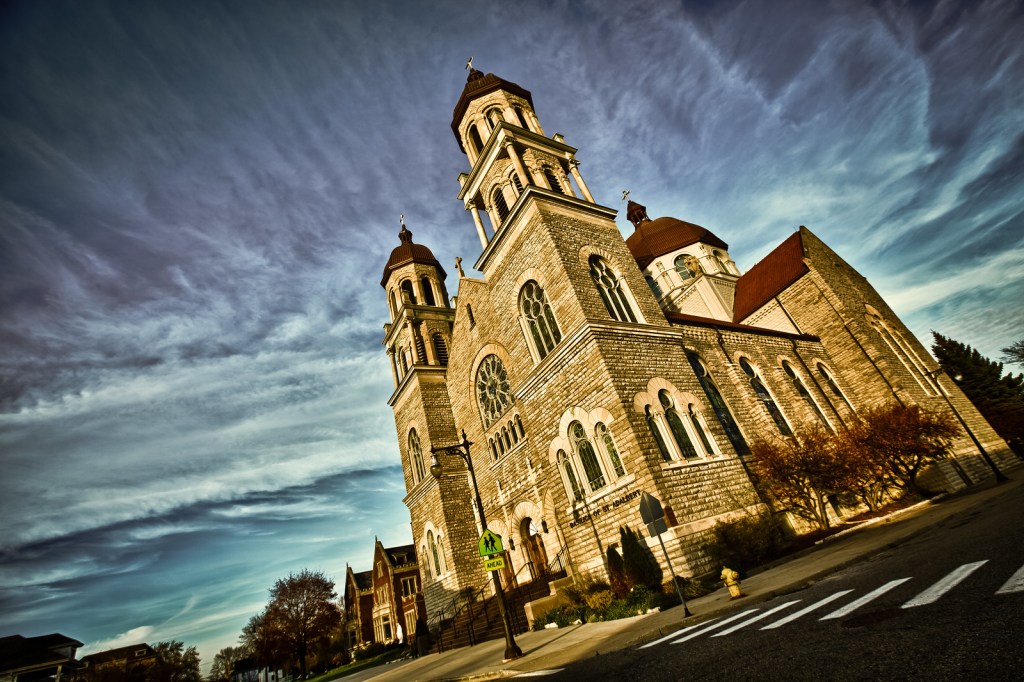
Rudy took this photo of the Basilica of St Adalbert in Grand Rapids back in 2010. Head over to Flickr to see his latest.

Support Michigan in Pictures with Patreon

From Dark Hollow Quarry to Michigan Central Station

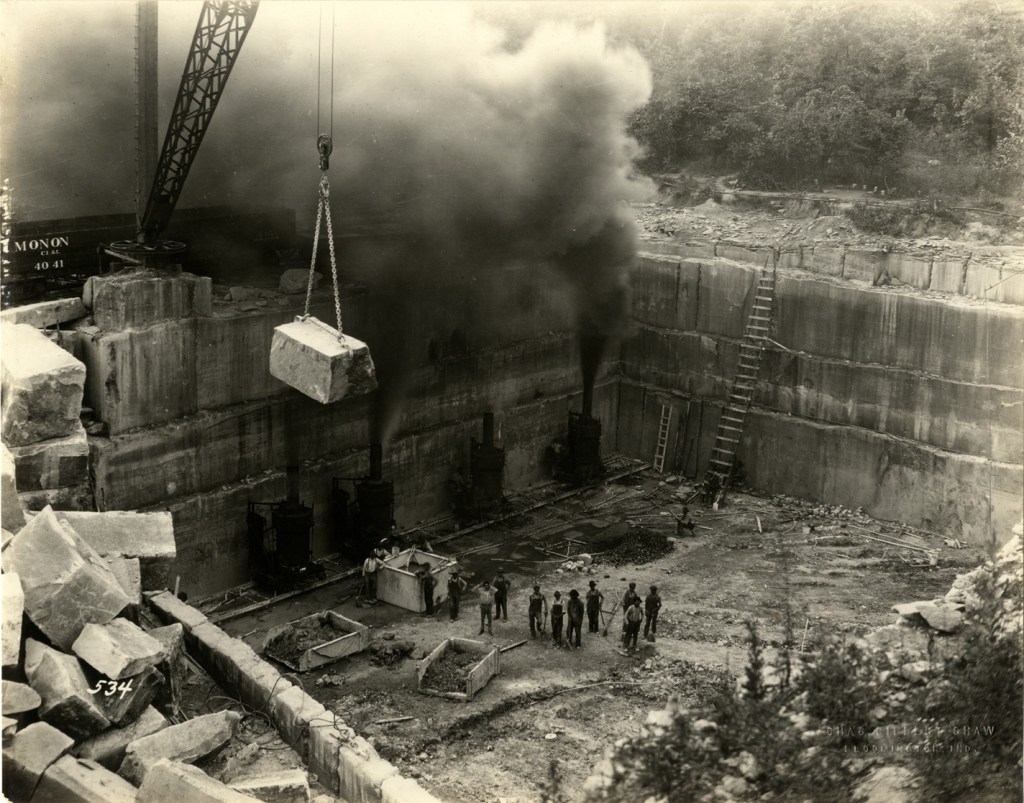
Removing a Limestone block from the quarry

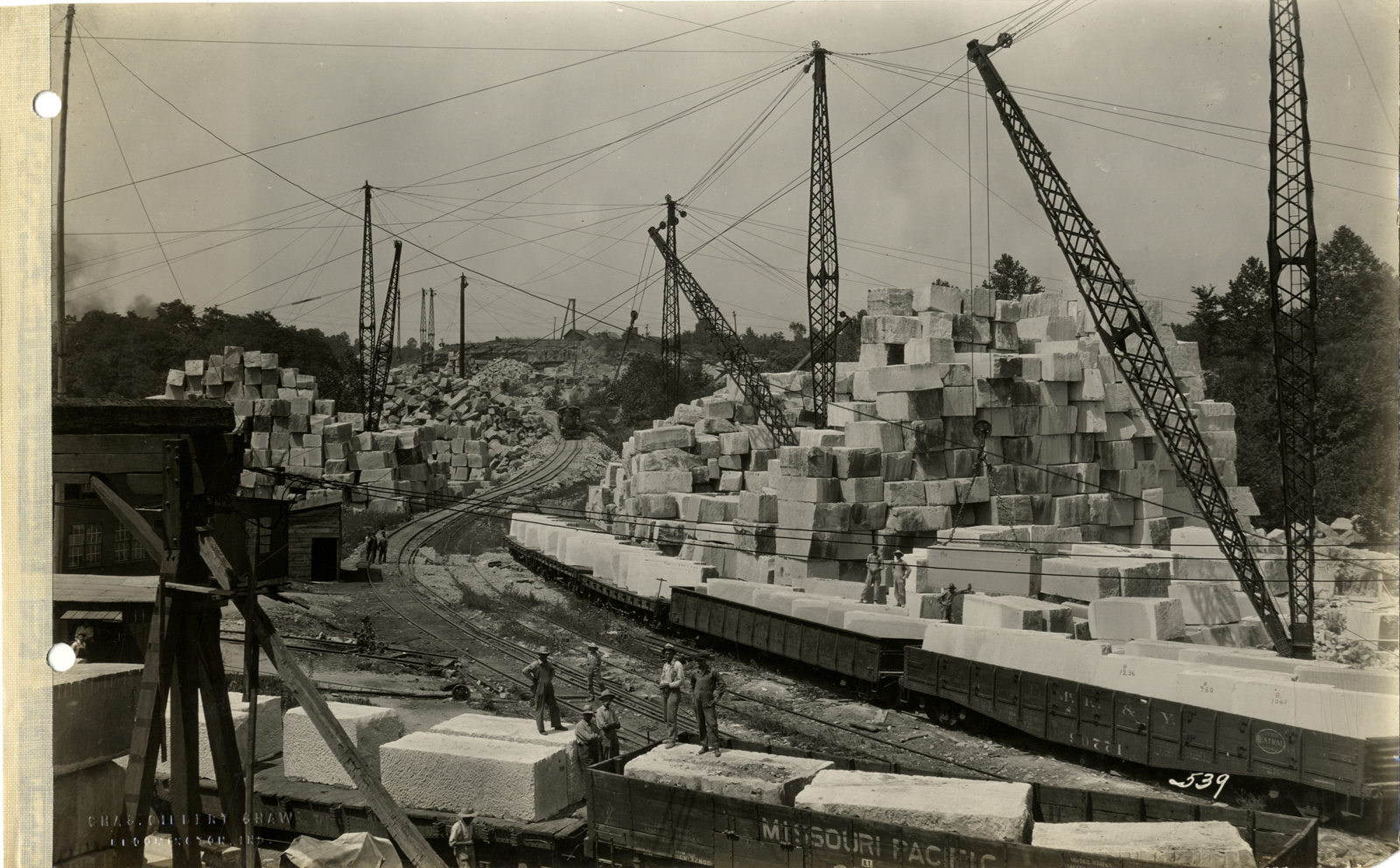
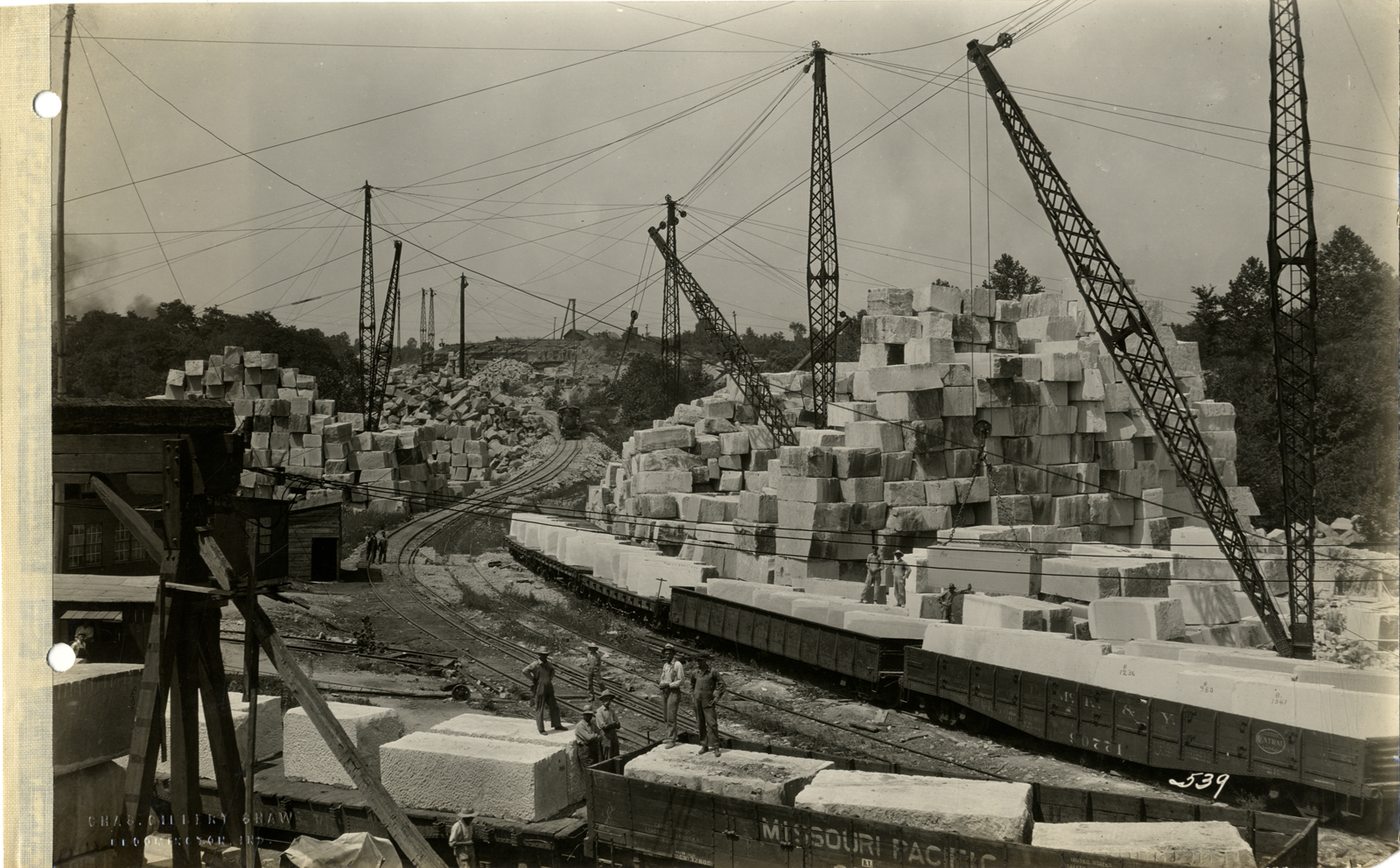
Quarrying limestone for Michigan Central Station

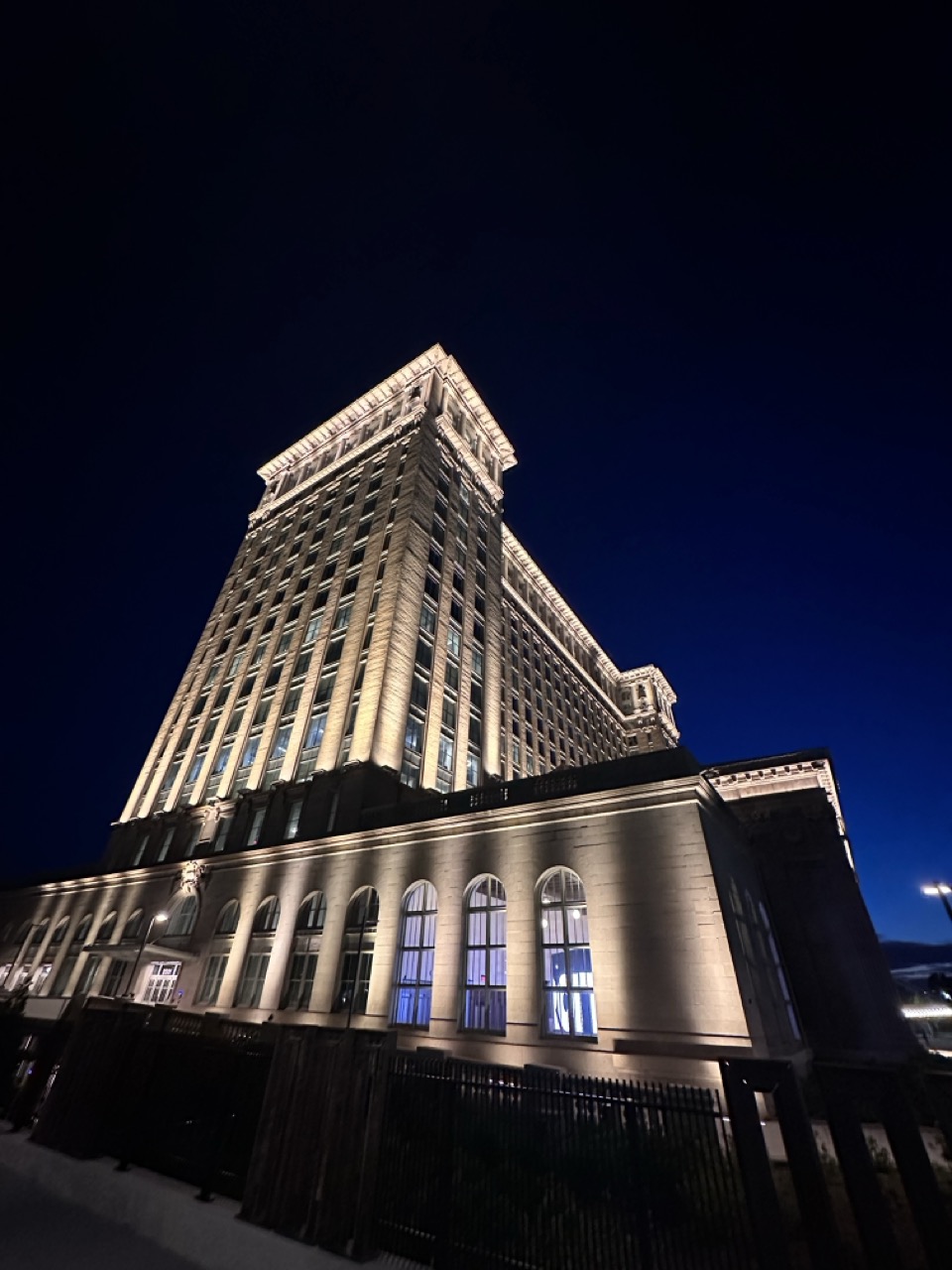
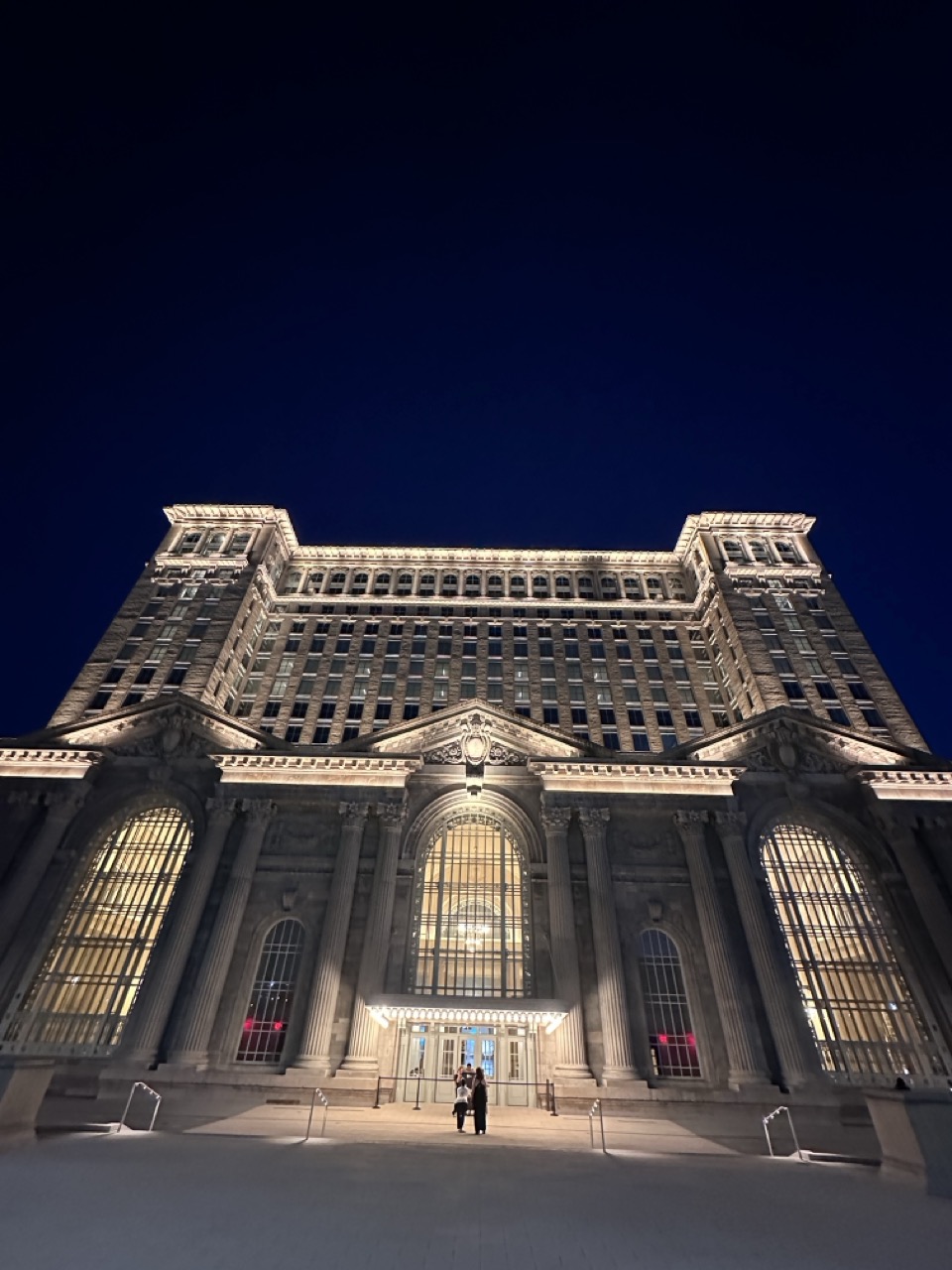
A post on the Historic Detroit Facebook reminded me of this great post the Christman Company shared last year about the care for detail in the renovation of Detroit’s Michigan Central Station that extended even to getting limestone from the original quarry:

At Michigan Central Station, much of the building’s limestone — 600 tons of it — had deteriorated from three decades of uncontrolled water into the building. Research and good teamwork led to finding the original, uniquely banded limestone source, the Dark Hollow Quarry in Bedford, Indiana. The only problem: it had closed in 1988, the same year as Michigan Central Station.

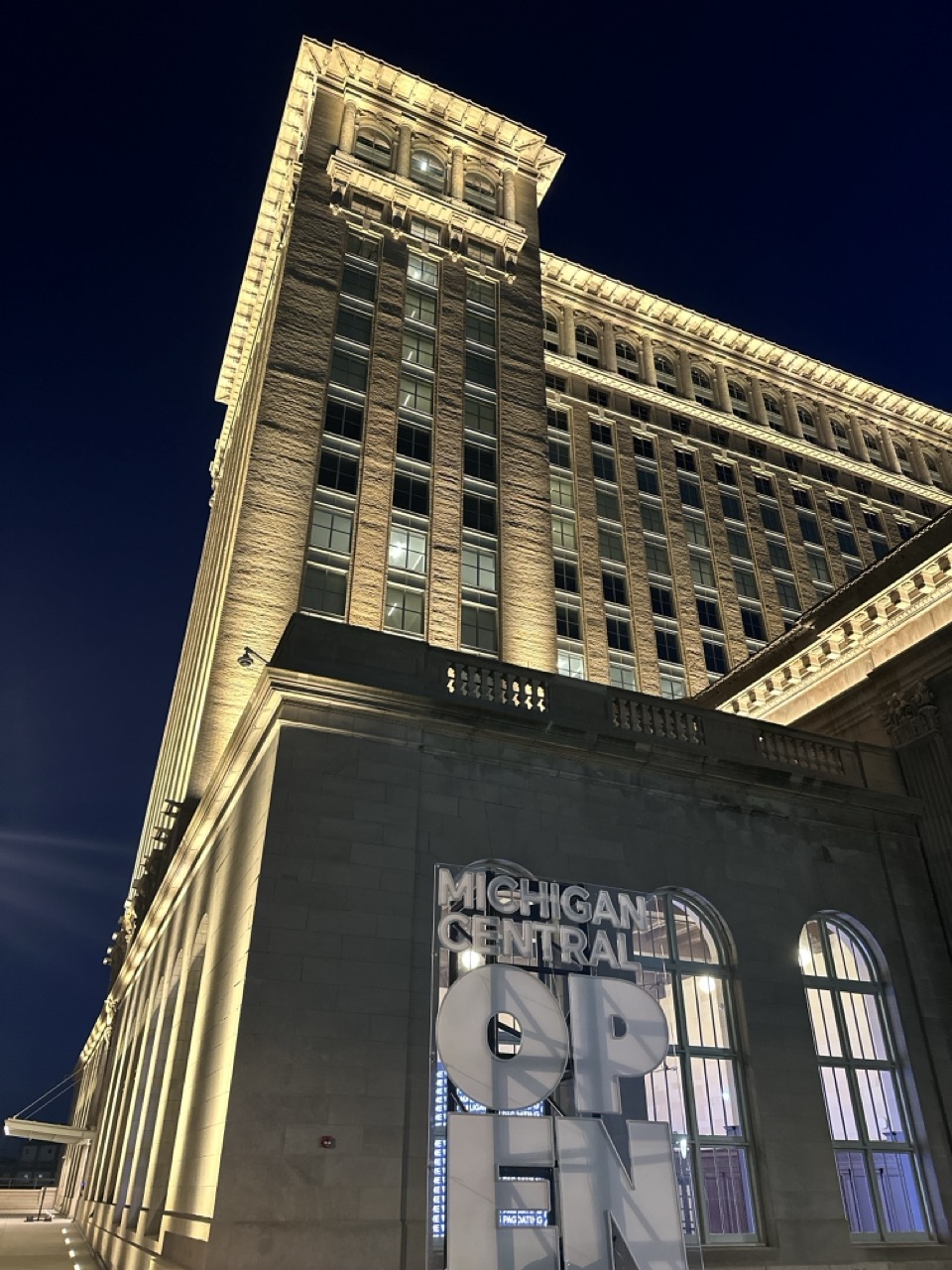
Luckily, quarried blocks had been left on site, but were now surrounded by 30-year-old trees! A new access road was installed, trees removed, and truckloads of raw blocks — the largest single piece over 20 tons — were sent to Bridgeport, Michigan for fabrication. Skillfully sequenced for reinstallation, the restored limestone facade, from the front to the back of Michigan Central Station, matches perfectly with the skill of marvelous teamwork.

Marvelous indeed. We’ll continue to share more about this iconic Detroit structure that officially reopened June 6, 2024. Head over to the Christman Company’s post on Facebook for more pics as well as info about the process and all the contractors involved. For sure check out much more Michigan Central on Michigan in Pictures & for sure follow Historic Detroit for all kinds of cool Detroit content!

Here’s a couple more shots along with a few of mine from last July soon after the station re-opened.

Support Michigan in Pictures with Patreon

2025 Marche du Nain Rouge: Nain of Normandie edition

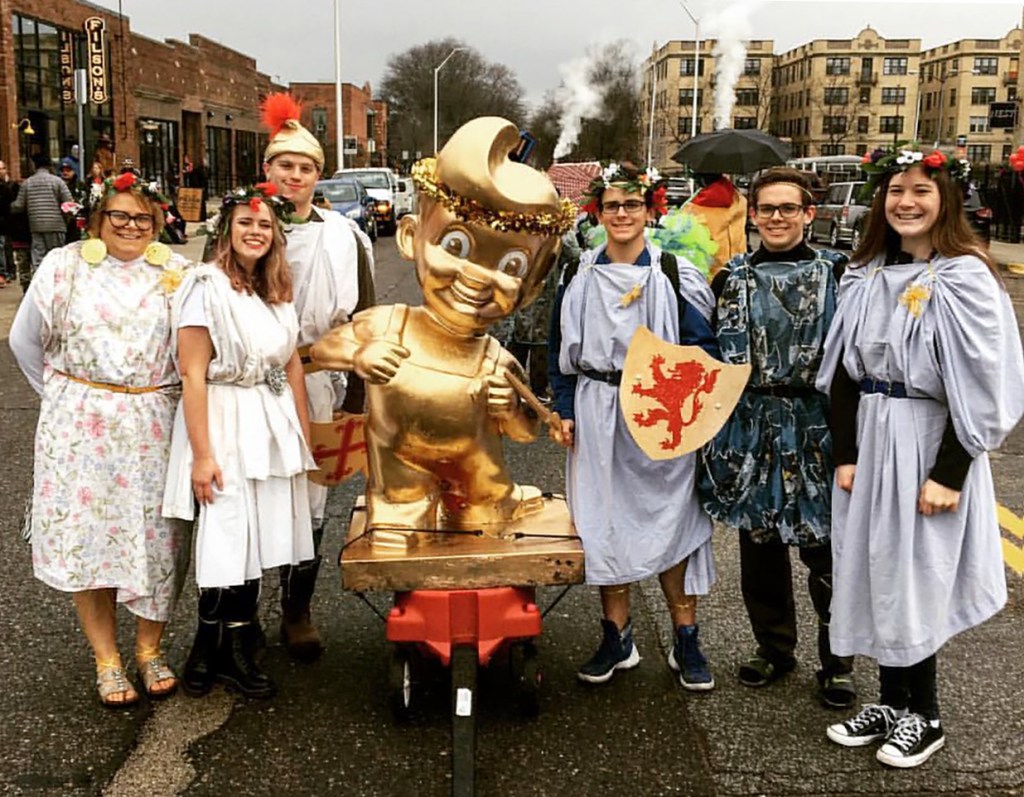
Join the Golden Boy at the Marche du Nain Rouge

Join the Golden Boy at the Marche du Nain Rouge by Andrew McFarlane

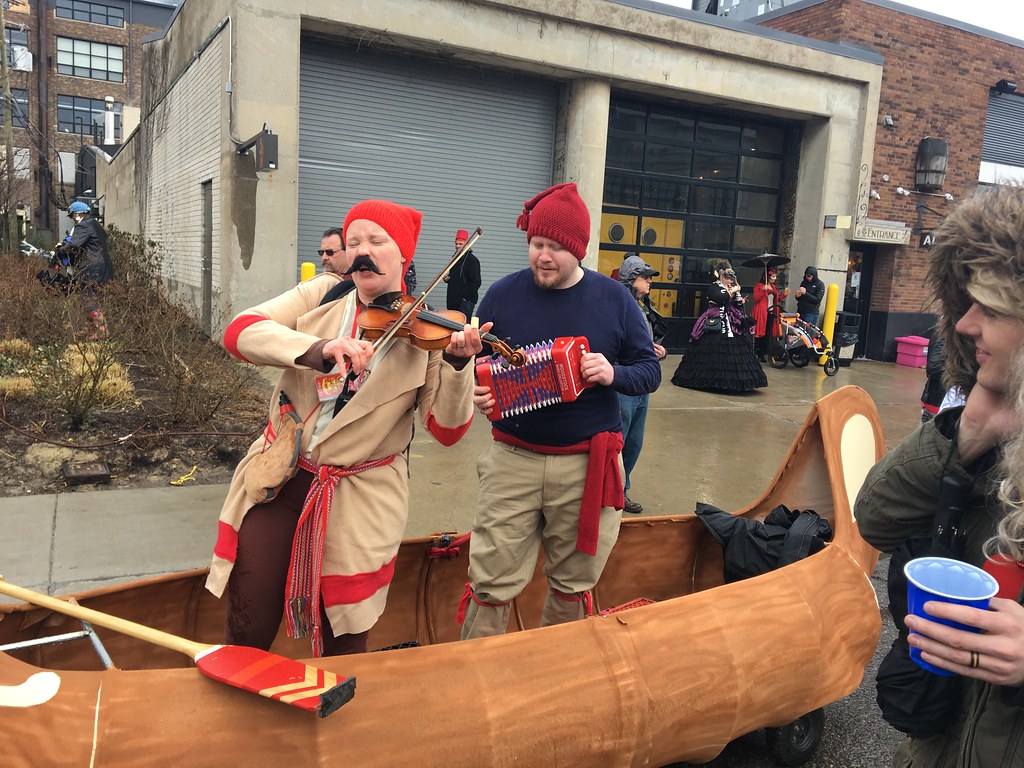
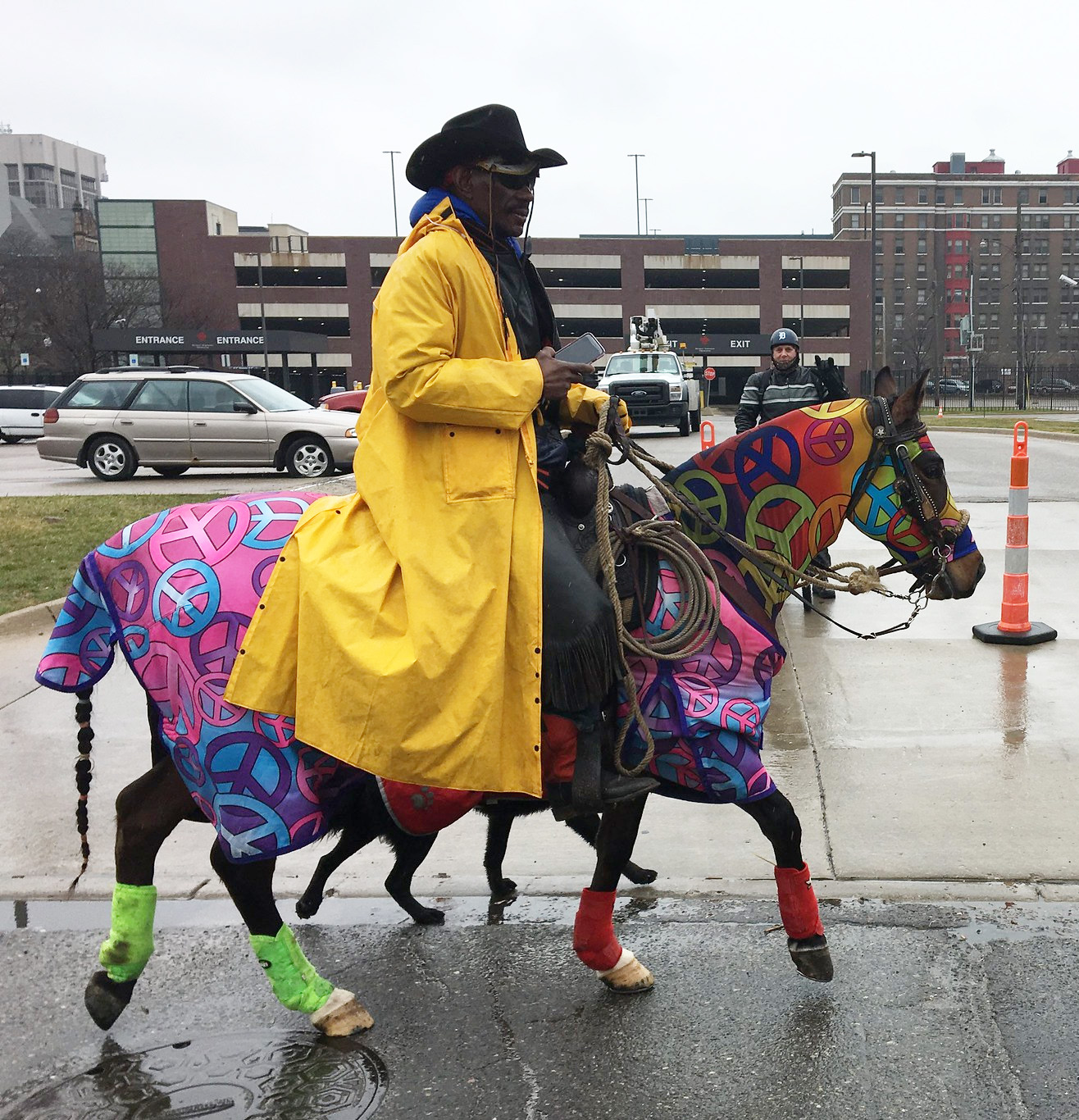
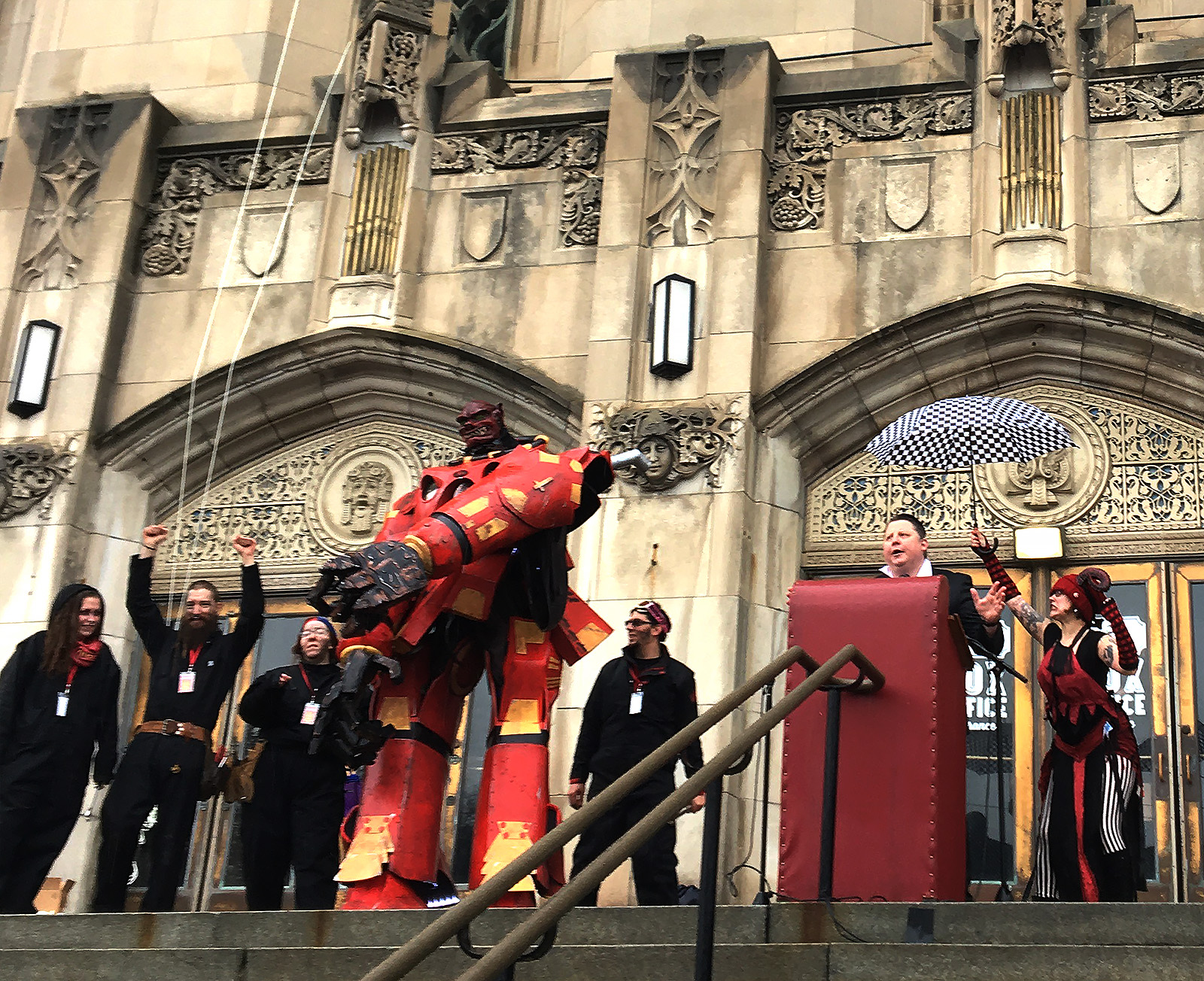
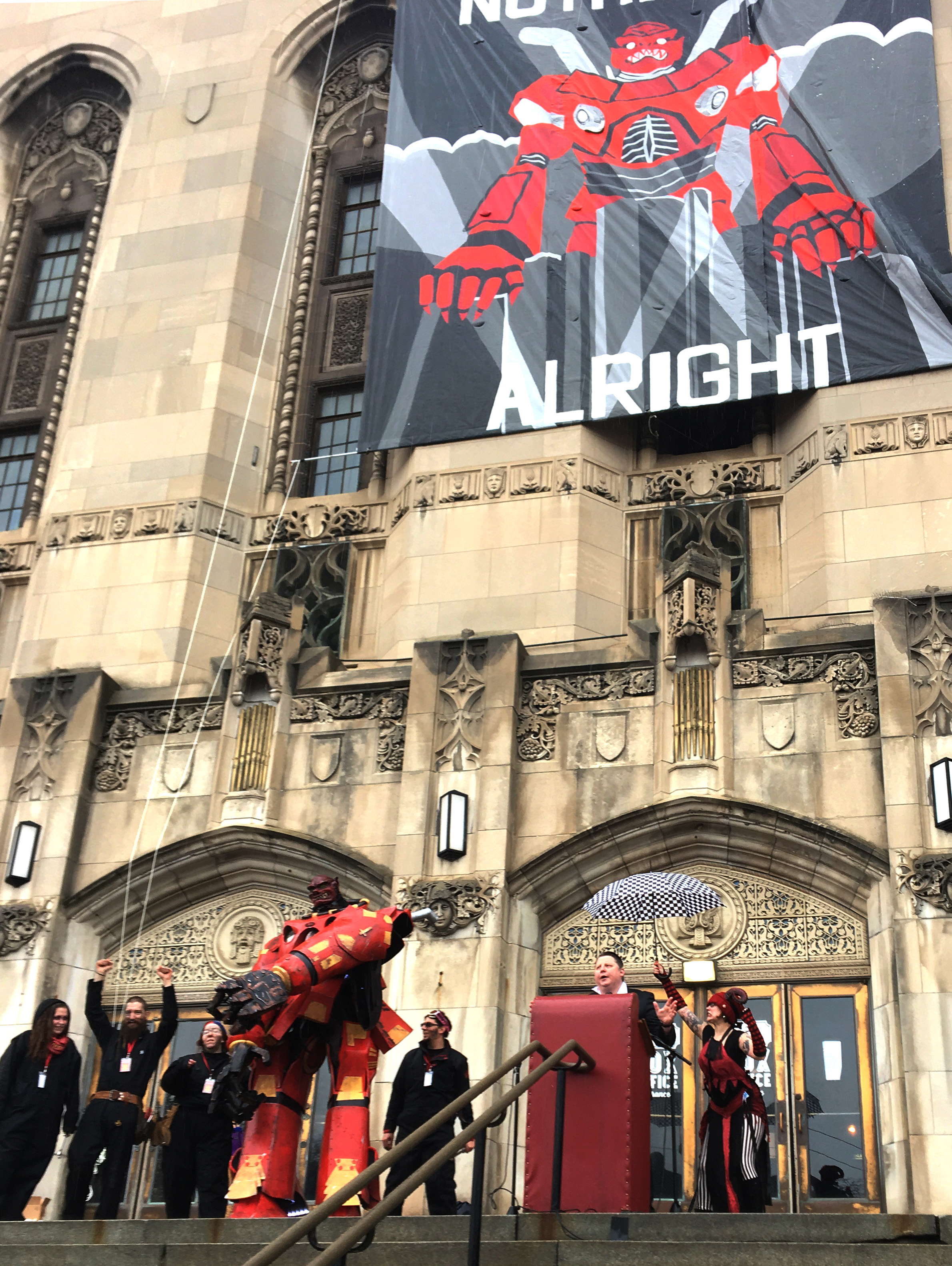
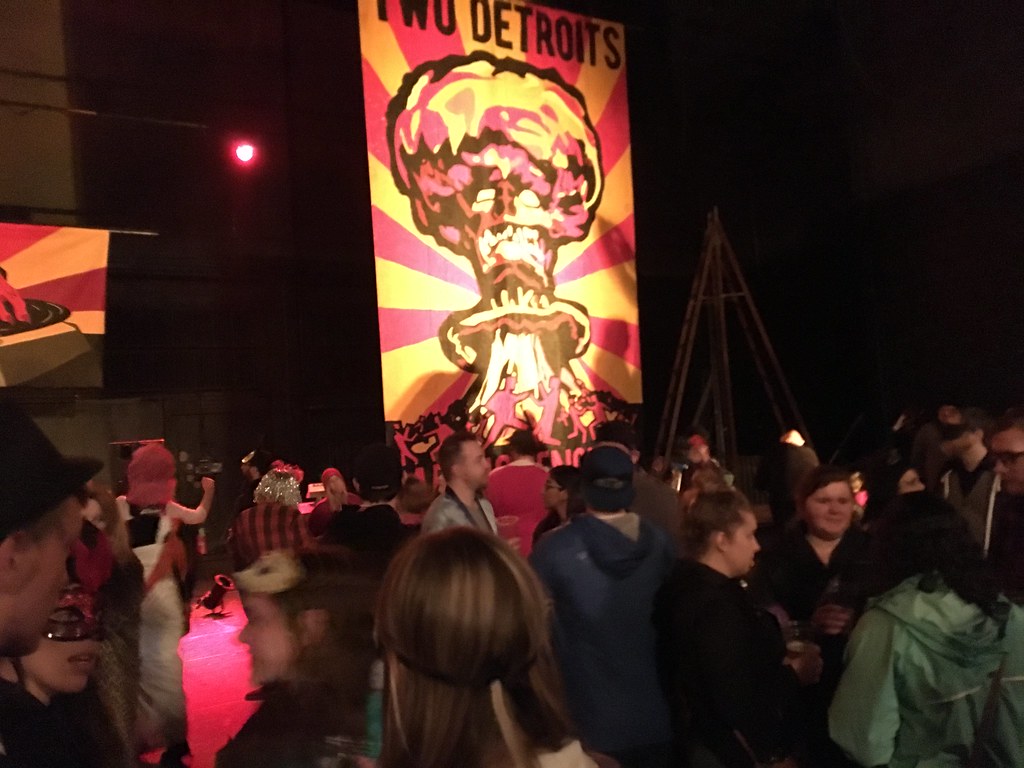
The annual Marche du Nain Rouge takes place this Sunday, March 23rd 2025 along the Cass Corridor in Detroit. The festivities begin at 11:30 on the Community Stage at the intersection of Canfield & 2nd with Detroit-centric sets & hilarious entertainment as excitement builds toward the Nain leading the celebratory procession down to the Masonic Temple and the FREE Official Afterparty with drinks, friends, vendor tables, and DJs spinning.

It’s totally free, one of my favorite celebrations in the world, and it takes place just blocks away from me! I have heard some talk that the Marche which was founded in 2010 is a form of “colonizer cosplay”, but I am pretty sure that the colonizers we are cosplaying are the French settlers who brought the “Nain of Normandie” along with them to le Détroit du Lac Érié:

In the mythology of Medieval Normandy, the Nain Rouge (or Lutin, or an earlier version called “Netun”) is a sort of house spirit that has many names, assumes many forms, and plays nefarious pranks. The Lutin of Normandy is very similar to domestic spirits of England, Scandinavia and Germany. They are fond of children, horses (often taking their form), and young maidens also, but are cruel to those who do not treat them with respect. In Archibald Maclaren’s The Fairy Family: A Series of Ballads and Metrical Tales Illustrating the Fairy Mythology of Europe, the Lutin is compared and contrasted with England’s trickster Robin Goodfellow, and found to be quite a bit more mean-spirited, remarking “Many a man laid his ruin at the Lutin’s door; although it must be confessed that in these cases neighbors were uncharitable enough to fay, that the Lutin had less to do with it than habits of Want-of-thrift and Self-indulgence” (Maclaren, 1857, p.67). The subclass of Lutin called the Nain Rouge is described in the folktales of Normandy as playing dastardly tricks on, but on occasion being particularly kind to fisherman.

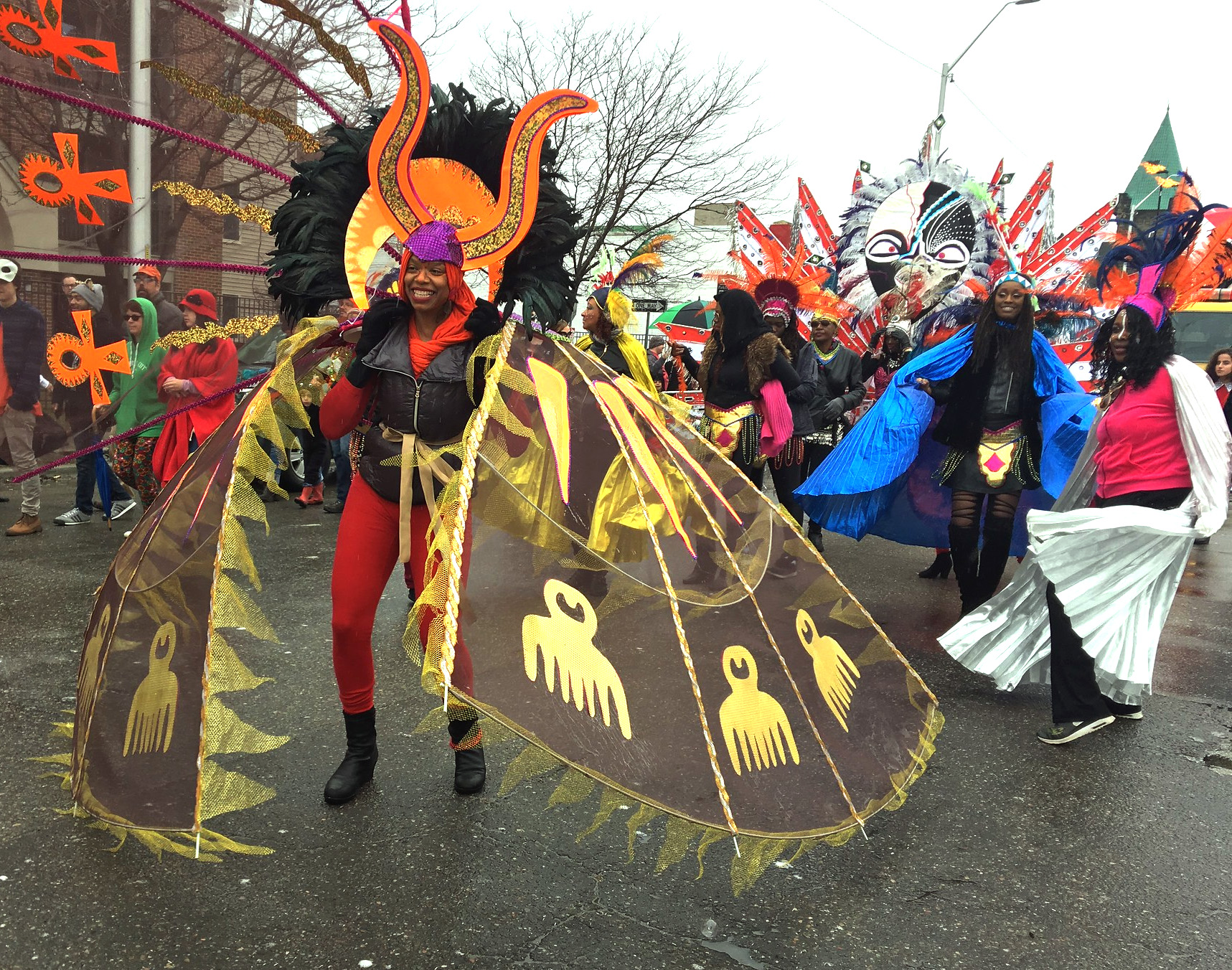
Read on for a cool Normandy folk tale, check out my pics from the 2017 Marche du Nain Rouge & also the video below.

PS: My friend Joel was there in 2017 as well and he took MUCH better pics that I have featured before.

PPS: I didn’t know the guy in the first pic when I talked to him about the paper mache head he made, but he’s now one of my best friends and we work together. Magic!!

PPPS: The Trinidadian dancers & steel drum band ROCK!!!

Support Michigan in Pictures with Patreon

Happy Birthday to America’s second National Park!
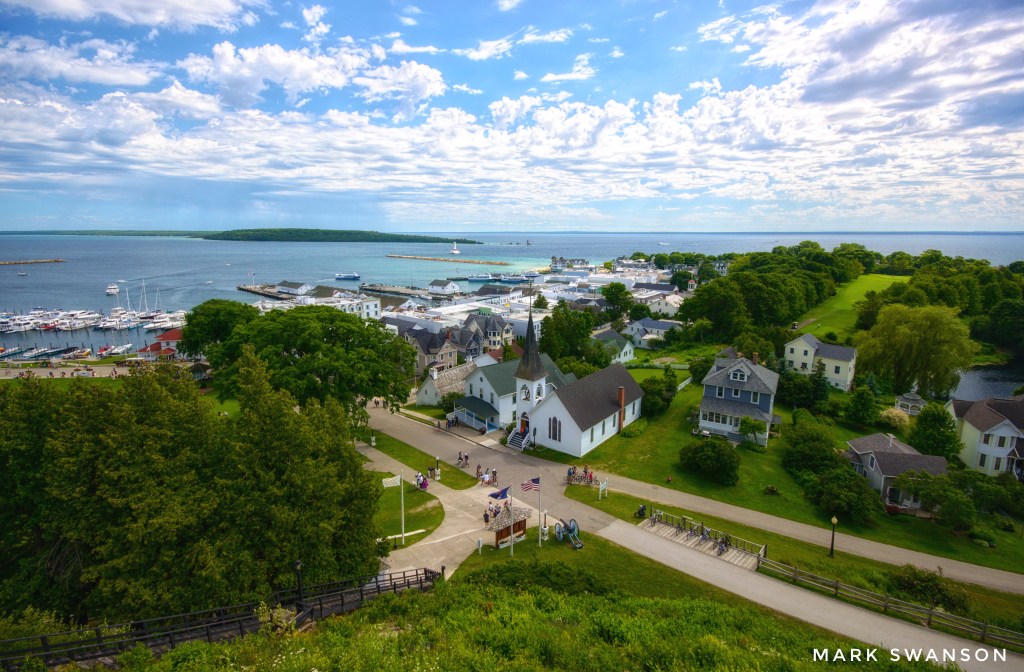
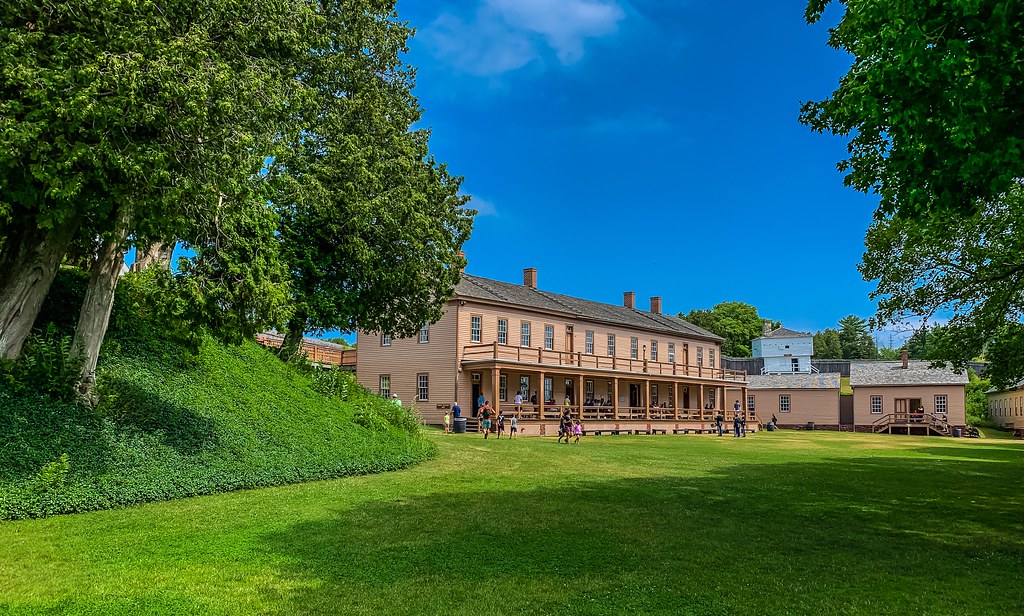
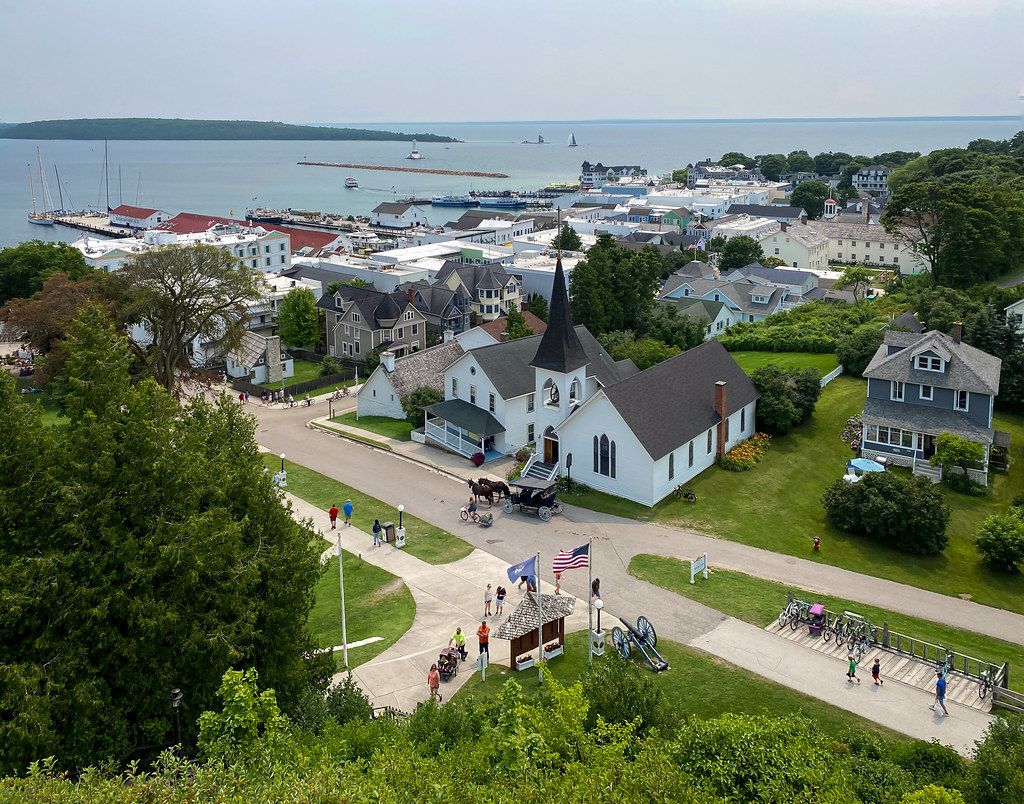
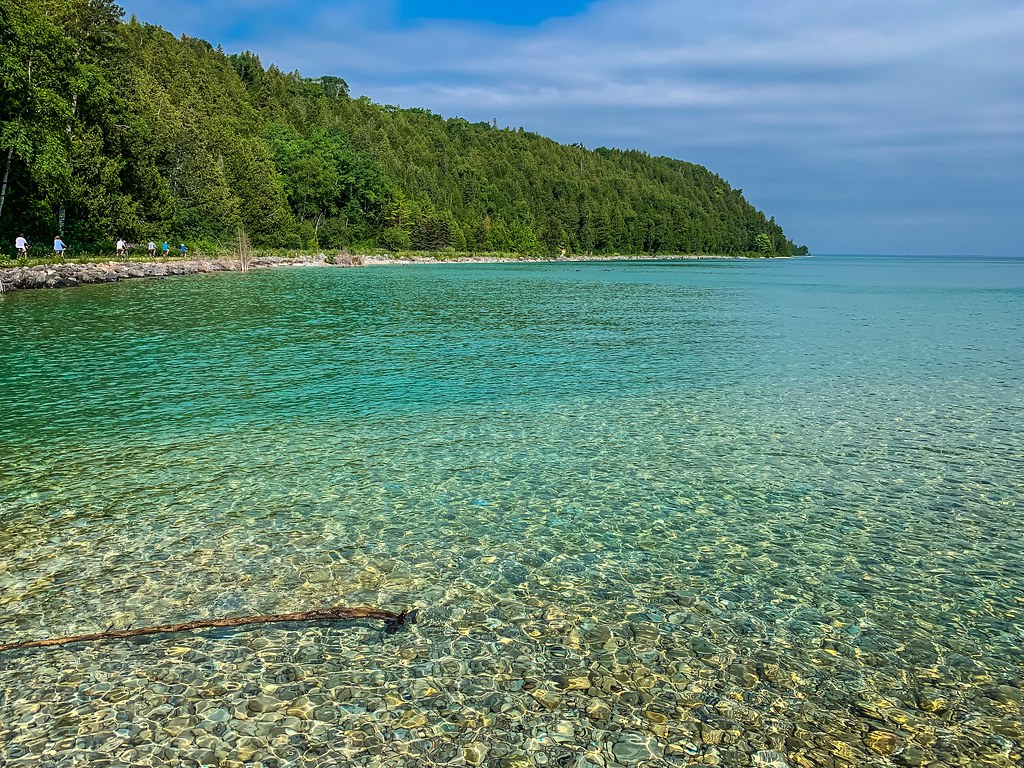
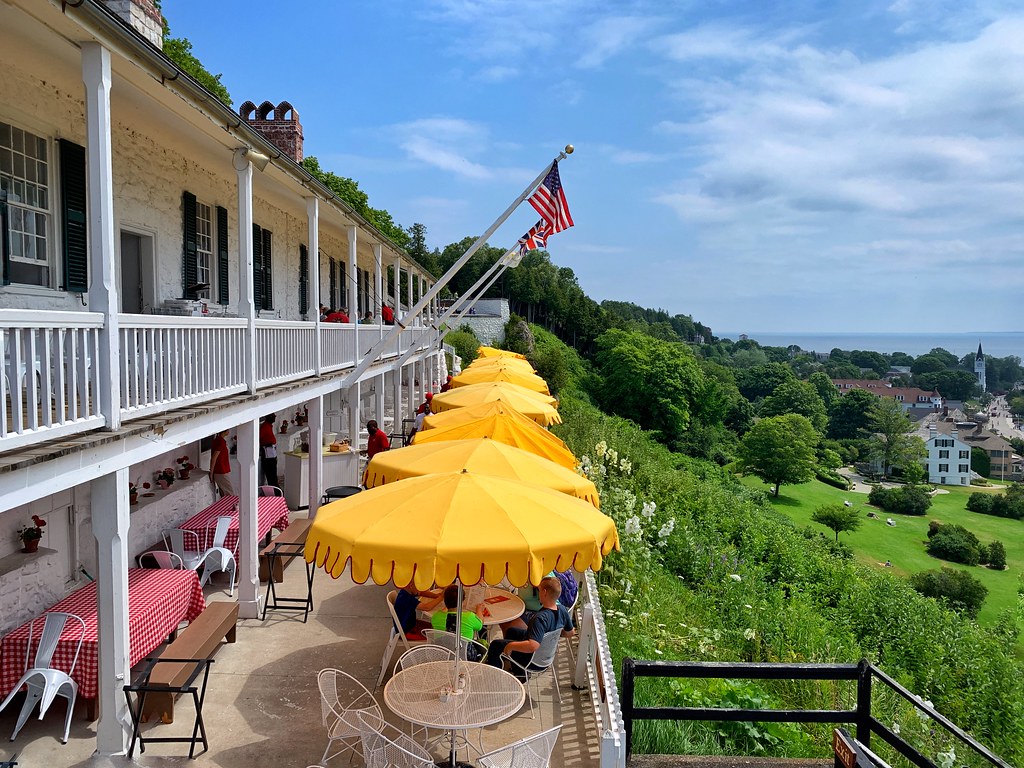
Mackinac Island by Mark Swanson

Mackinac Island by Mark Swanson

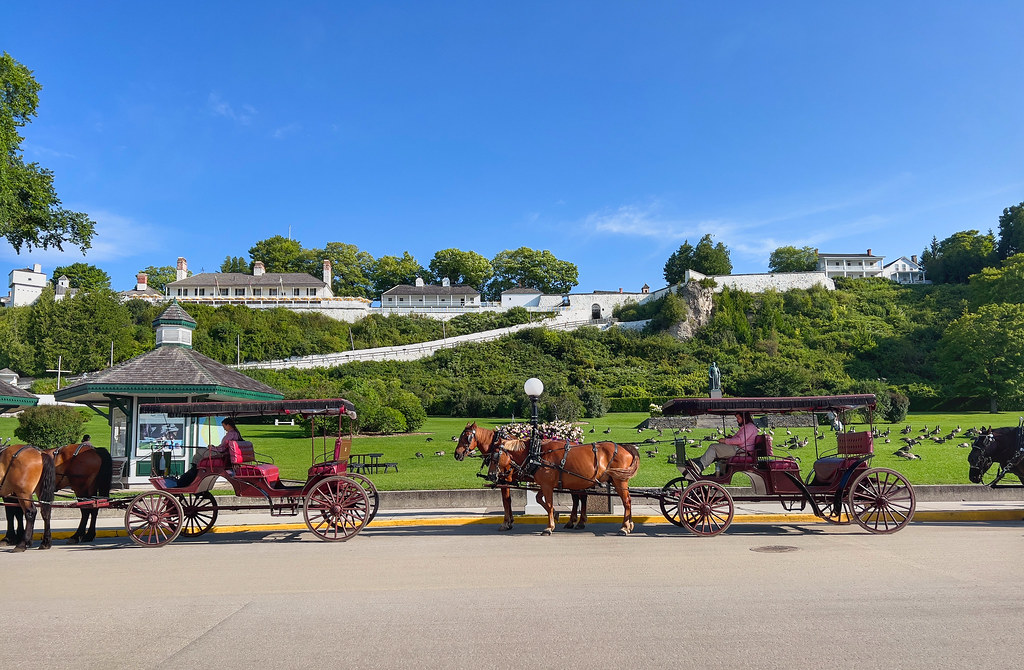
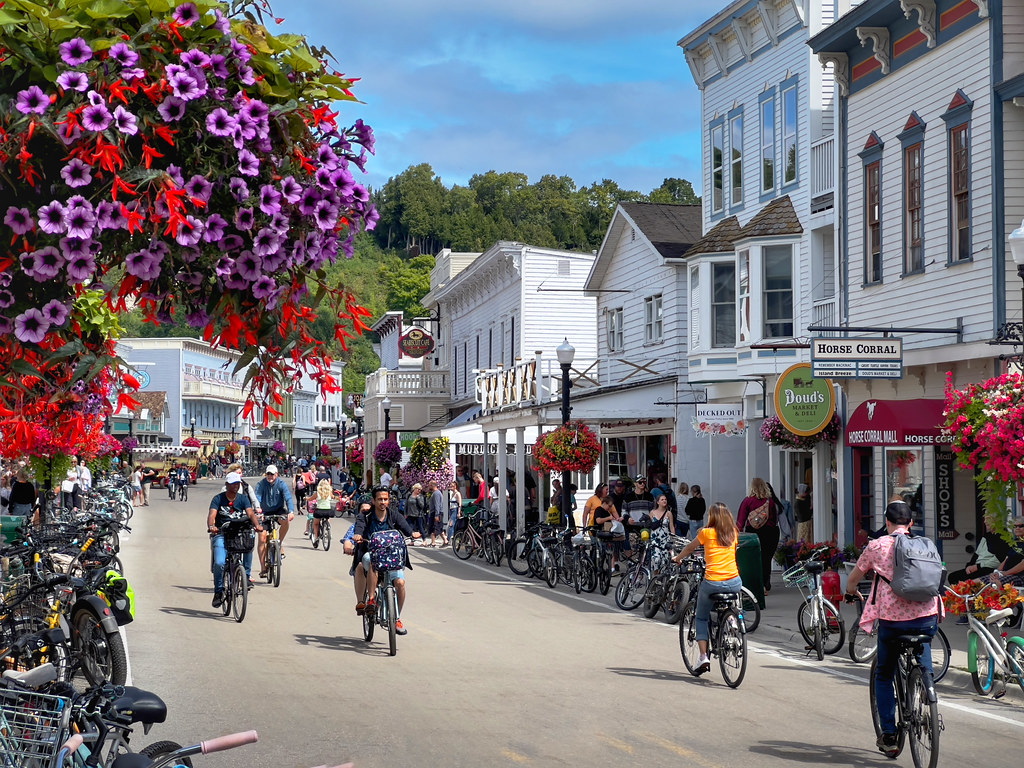
Most remember that President Ulysses S. Grant signed a law establishing that Yellowstone as America’s first national park on March 1, 1872, but not that many are aware of the 2nd national park that Congress created just three years later on March 3, 1875. The National Parks Traveler has a great feature on America’s “forgotten” national park which existed from 1875 to 1895 when it became Mackinac Island State Park, the nation’s first state park which is now Mackinac State Historic Parks.

Mark has shared a ton of Mackinac Island pics on Flickr and in our Absolute Michigan group. Here are some of my faves. See more in his Mackinac, Michigan gallery on Flickr!!

Support Michigan in Pictures with Patreon