Trout lilies flash their colors

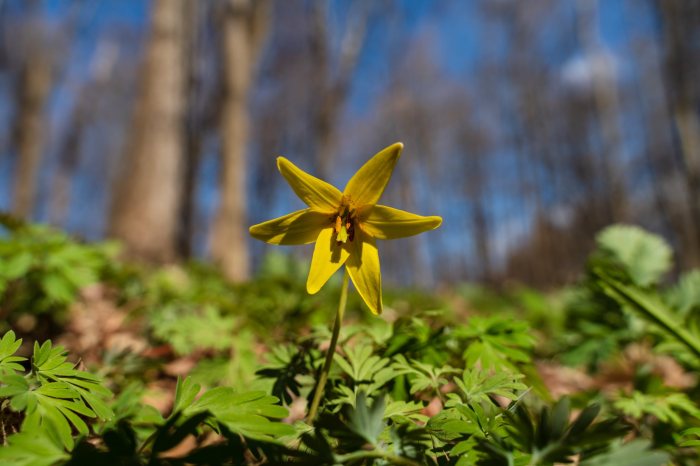
Trout Lily by William Dolak

Trout Lily by William Dolak

The trout lily derives its name due to the resemblance of its mottled leaves to the coloring on brook trout. This 4-10″ tall wildflower is one of the earliest to bloom in Michigan and is also known as Adder’s Tongue and Dogtooth Violet. Edible Wild Food’s entry for trout lily (Erythronium americanum) says:

Trout Lily grows in huge colonies that can completely cover a forest floor. The colonies can be hundreds of years old and takes a long time to grow to such a size. Its bulbs are sterile up to about the seventh year and then it produces only one leaf and no flowers. When they mature one plant will grow two leaves and one, beautiful yellow flower. The colony spreads mostly by runners and less importantly by seed. Trout lilies have a symbiotic relationship with ants known as myrmecochory. This means that they exchange a lipid-rich appendage on their seeds in return for an ant seed dispersal that spreads the colony and protects the seeds from predation. This plant is a beautiful spring ephemeral meaning it is short-lived in the spring only.

You can see this photo & more from Bill in our Michigan in Pictures group on Facebook.

Support Michigan in Pictures with Patreon

In Honor of the Vernal Equinox

In Honor of the Vernal Equinox by Cherie

In Honor of the Vernal Equinox, photo by Cherie

SORRY FOLKS – STILL GETTING BACK INTO THE SWING OF THINGS! THIS WAS SUPPOSED TO POST YESTERDAY, SO I GUESS WE HAVE A 2 FOR 1 SALE GOING ON!!

The vernal equinox heralding the start of Spring happened at 11:50 PM Thursday night.  EarthSky editor Deborah Byrd’s article on the vernal equinox has a ton of great information, video, and illustrations and explains:

…there’s nothing official about it, it’s traditional to say the upcoming March or vernal equinox signals the beginning of spring in the Northern Hemisphere and autumn in the Southern Hemisphere. This equinox does provide a hallmark for the sun’s motion in our sky, marking that special moment when the sun crosses the celestial equator going from south to north … At the equinox, Earth’s two hemispheres are receiving the sun’s rays equally. Night and day are approximately equal in length. The word equinox comes from the Latin aequus (equal) and nox (night).

Read on for more including how you can mark due east and west from any location on the equinox!

You can see lots more from Cherie in her Flora & Foliage set on Flickr & see tons & bunches more flowers on Michigan in Pictures! Happy Spring everyone!

Happy May Day from a Dutchman!

Happy May Day from a Dutchman, photo by Dale Devries

Happy May Day everyone!

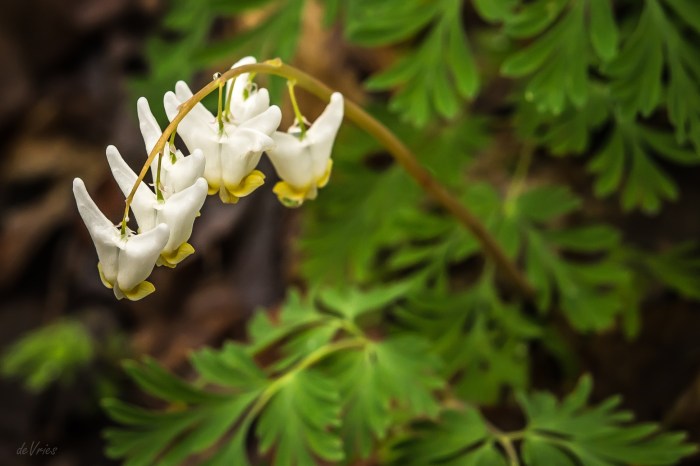
Dale took this on May 1, 2017 after a much warmer spring and writes: Took a walk to the Rosy Mound (sand dune) just south of Grand Haven this morning, and found many Dutchman’s Breeches along the trail! I was looking for red trillium, but found none of them. The anatomy of this flower is quite amazing, with the stamens and pistil hanging down.

View Dale’s photo background big and and see more in his massive The Best of West Lake album.

Get your desktop ready with lots more Spring wallpaper on Michigan in Pictures!

Sunflowers Galore!

Sunflowers Galore, photo by Shawn Jenks

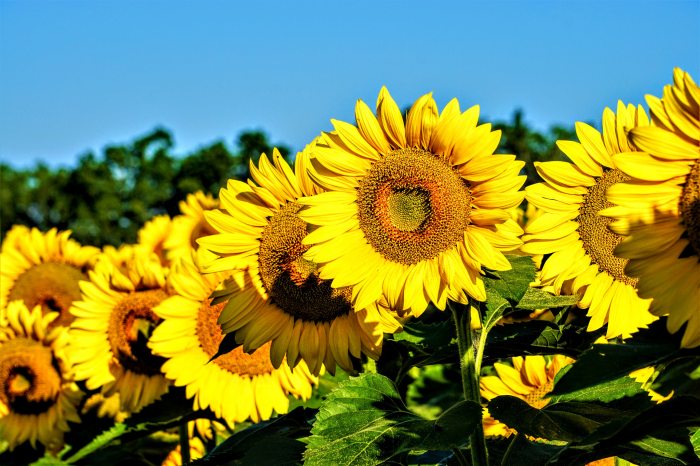
If you’re a fan of sunflowers, it’s your season! I love seeing fields bursting with sunflowers as I’m out and about this time of year.

View the photo background bigilicious and see more in Shawn’s slideshow.

More summer wallpaper on Michigan in Pictures.


Good News for Michigan Honeybees

Around the Bend, photo by Daniel E. Johnson

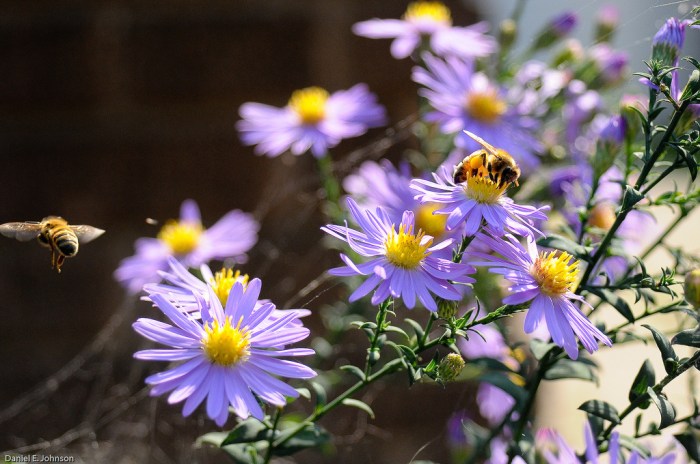
The Traverse City Record-Eagle reports that the number of Michigan honey bee colonies is on the rise:

The number of honey bee colonies in Michigan rose about 16 percent over the last year. About 25,000 colonies existed at the beginning of 2016 in a census of operations with five or more colonies, according to the National Statistics Service of the United States Department of Agriculture. The comparable number on Jan. 1, 2017, was 29,000 colonies.

Varroa mites were the primary stressor of Michigan colonies over the last five quarters. They affected only 5.9 percent of the state’s bee colonies in the first quarter of 2016, but 64.1 percent of colonies in the third quarter of 2016. The Varroa mite is an external parasite that attaches to bees and weakens them.

The total number of bee colonies in the U.S. sank slightly during 2016, but held relatively steady at about 2.62 million colonies.

Colony Collapse Disorder symptoms were observed in more than 84,000 bee colonies in the U.S. from January through March 2017, a 27% increase from the same quarter of 2016.

View Daniel’s photo bigger and see more in his slideshow.

Lazy Summer Day

Lazy Summer Day, photo by David Marvin

View the photo background bigilicious and see more in David’s slideshow.

More summer wallpaper on Michigan in Pictures.

Going Purple for June

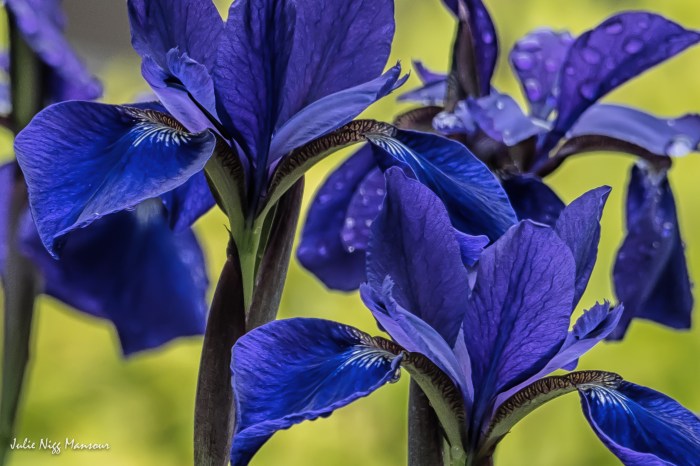
Siberian Iris, photo by Julie Mansour

Something that you may or may not know is that my mother has some form of Alzheimer’s spectrum brain disease that has progressed to the point where she no longer knows me, or herself. While there’s no really good terminal illnesses out there, Alzheimer’s and related dementias seem to me to be among the worst as they destroy much of the essence of the person you love long before taking their life.

June is Alzheimer’s & Brain Awareness Month and if you click that link, you can see some great photos shared on the hashtags #ENDALZ & #MyAlzStory along with information  about efforts to combat these diseases and a way to donate.

View the photo background bigilicious and see more in Julie’s slideshow.

Spoon Flower

Spoon flower, photo by Bailwick Studios

The photographer writes that this flower might also be called a spooned daisy, African daisy, or a caped daisy.

View the photo background bigtacular and see more in Bailwick Studious slideshow.

More flowers on Michigan in Pictures!

Forest Garden

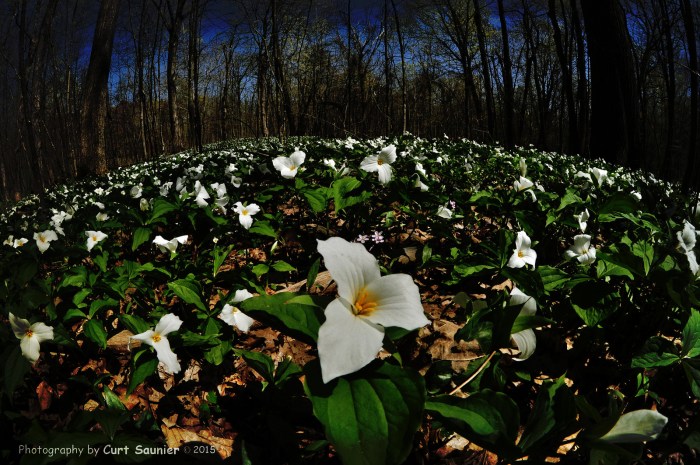
Forest Garden, photo by Curt Saunier

I hope you have a chance to spend some time in the forest, the garden, or both this weekend!

View the photo bigger and see more in Curt’s Flowers slideshow.

Flowermagheddeon: Flower Day May 21, 2017 at Eastern Market

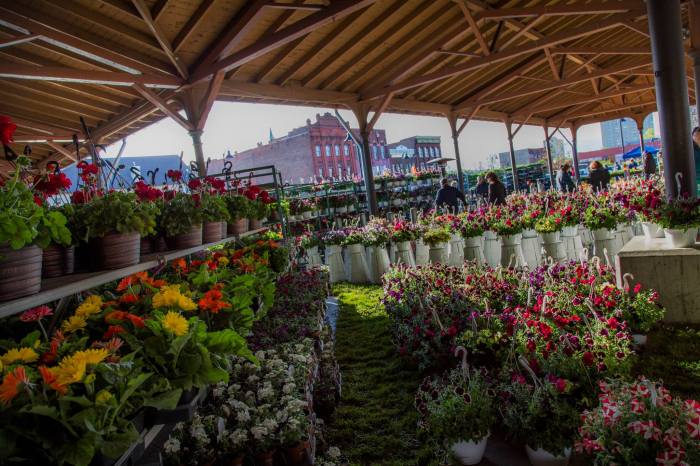
Flower Day at Eastern Market, photo by Eastern Market Corporation

Gardeners who would like to visit Detroit, please allow me to suggest one of the coolest places to go next weekend: Eastern Market’s annual Flower Day on Sunday, May 22 2017:

Flower Day takes place every year on the Sunday after Mother’s Day and has been a time-honored tradition of Eastern Market since 1967. Growers offer a wide variety of flowers at a great value so we recommend you come early for the best selection!

This special day is made possible through our partnership with the Metropolitan Detroit Flower Growers Association. MDFGA members arrive every year from Michigan, Ontario, and neighboring states. They share 15 acres of the heartiest varieties of flowers for this region and they’re ready to share the best strategies of how to help their flora thrive.

We also offer free convenient parcel pickups so you can explore the market throughout the day without being attached to your flats of flowers.

They direct you to their Facebook event for updates. View the photo bigger on Facebook and see lots more in Eastern Market’s 50th Annual Flower Day gallery.

PS: Thanks Brad Bennett for Flowermagheddeon – perfect word!!

PPS: As always, there will be all kinds of food & farm products there too!!