
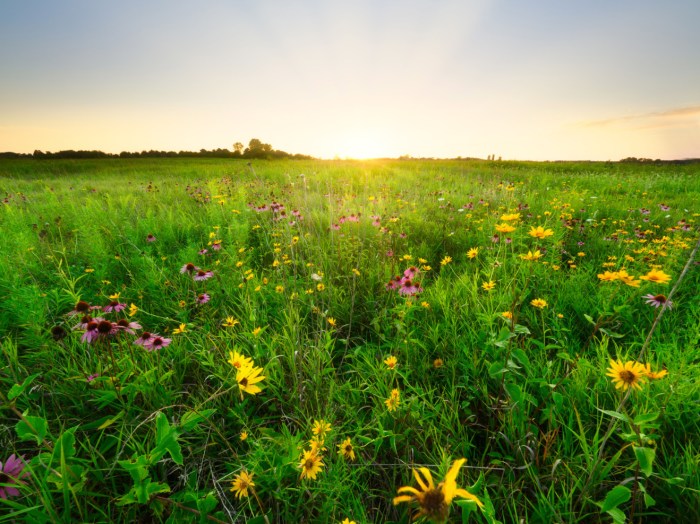
Wildflower Symphony by Jamie MacDonald
Jamie took this stunning shot in Eaton Township near Charlotte.See more in his Flora gallery on Flickr.
Here’s hoping you have a wonderful day!

Wildflower Symphony by Jamie MacDonald
Jamie took this stunning shot in Eaton Township near Charlotte.See more in his Flora gallery on Flickr.
Here’s hoping you have a wonderful day!
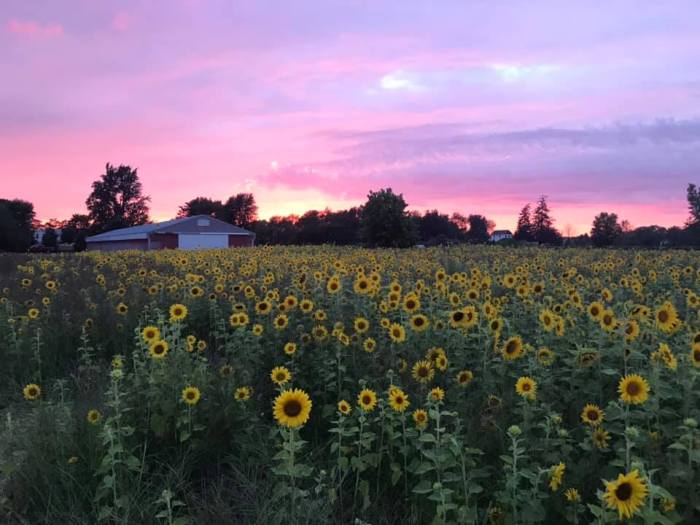
I guess it’s Sunflower Season on Michigan in Pictures! Rapid Growth Media shared the story of of the sunflowers that are drawing folks to Liefde Farm in West Michigan:
Tucked away on a quiet stretch of country road in Olive Township, amid barns and lush green crops flourishing in the midsummer heat, is a field of golden yellow that pops in the evening sun.
Lindsey Dykstra, owner of Liefde Farm, has planted hundreds of sunflowers on a stretch of land behind her home. It’s easy to miss this sight while traveling along 104th Avenue, just south of Fillmore Street, as the flowers are hidden behind her barn.
But word has spread, and Dykstra’s quiet property, at 9400 104th Ave., is alive with a steady stream of visitors these days. She, her husband, Kevin, and her two children enjoy sitting outside and watching the photographers and happy families gathering for pictures.
“It’s nice to see people enjoy it,” Dykstra says with a smile, noting the many places that are closed due to public health concerns. “This is kind of a safer option because you can be outside.”
You can read on for more & definitely head over to the Farm’s Facebook page for more pics & information on visiting.

Must Be Something in the Water by Diane Charvat
Here’s some sunny sunflowers to start your week that Diane captured near Montague. See more in her Flowers album & head over to her Flickr for more great shots!
If you’re in a sunflowery mood, there’s more great Michigan sunflower shots on Michigan in Pictures!
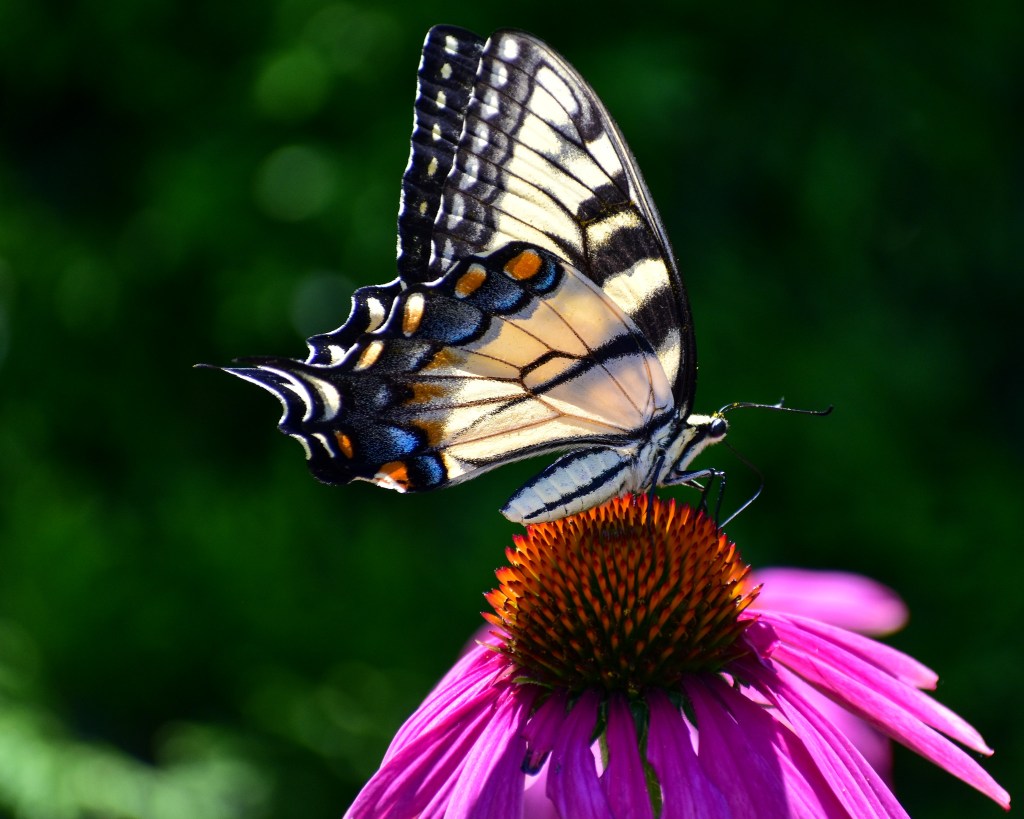
Canadian Tiger Swallowtail by David Clark
Butterflies & Moths of North America says that Canadian Tiger Swallowtails are typically smaller than Eastern or Western Tiger Swallowtails. They are found in Canada as well as Alaska and the northern Great Lakes states.
David captured this gorgeous butterfly feeding on his coneflowers. Head over to his Flickr for more and definitely check out his blog Cliffs & Ruins too!
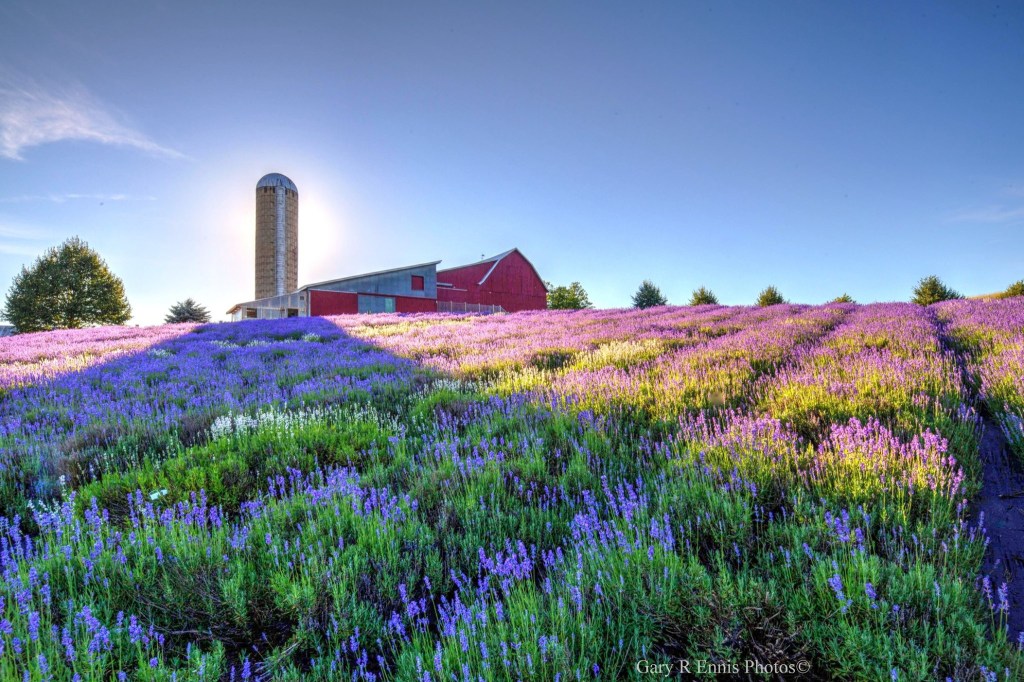
Sunday Night on Lavender Hill by Gary Ennis Photography
Gary says that the bees were busy at Lavender Hill Farm near Boyne City the other night. See it bigger on Facebook!
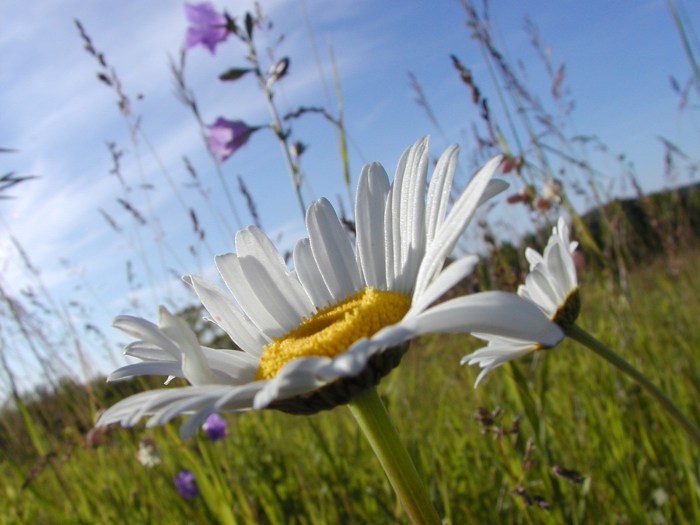
Daisy June by Andrew McFarlane
For a #ThrowbackThursday, how about this pic I took 14 years ago on the Leelanau Peninsula? More in my Leelanau photo gallery on Flickr!
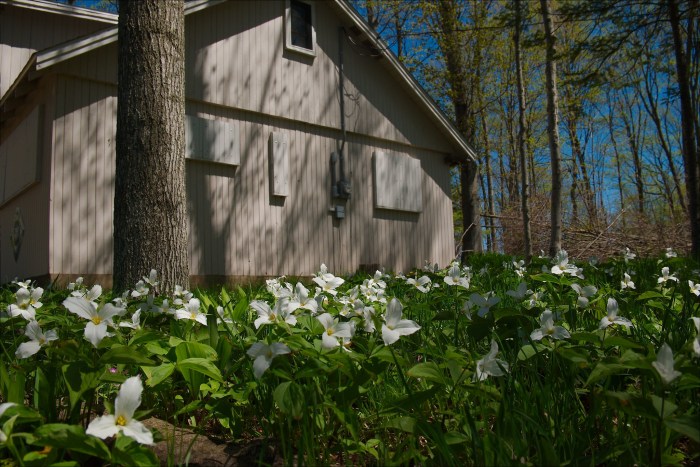
Trilliums Gone Wild by Kent Babb
Michigan in Pictures is going to take a break for Memorial Day Weekend. I hope you all have a safe & enjoyable weekend!
See more of Kent’s photos on his Flickr & learn more about trillium on Michigan in Pictures.
“The Wonderful Wizard of Oz was written solely to pleasure the children of to-day. It aspires to being a modernized fairy tale, in which the wonderment and joy are retained and heart-aches and nightmares are left out.”
The Wonderful Wizard of Oz
L. Frank Baum, 1900
L. Frank Baum was born 144 years ago today, and this Sunday marks the 110th anniversary of the publication of his classic fairy tale, the Wonderful Wizard of Oz. The Holland Sentinel’s excellent article L. Frank Baum and the Macatawa Goose Man: Celebrating the origins of “The Wizard of Oz” explores the author’s connection to West Michigan, saying in part:
He was named after his uncle, Lyman Spalding Baum, but never liked Lyman and always was known as Frank to family and friends. As an actor and playwright, he was Louis F. Baum. As a newspaper editor, L.F. Baum, and as the children’s book author most famously known for “The Wonderful Wizard of Oz,” he was known as L. Frank Baum. But to the folks in Macatawa, he was simply known as “The Goose Man.”
…In 1899, Baum published “Father Goose: His Book.” The collection of children’s poems exploded in popularity and provided Baum with wealth and prestige for the first time in his life, his great-grandson, Bob Baum, recalled.
The author used the profits from his book to rent a large, multi-story Victorian summer home nestled on the southern end of the Macatawa peninsula on Lake Michigan. The home, which he eventually purchased, came to be known as the Sign of the Goose, an ever-present reminder of the fame that came along with “Father Goose.”
“The Wonderful Wizard of Oz” supposedly was written in Chicago, but some of the forest scenes look just like the pathways that run through the dunes, the younger Baum said.
He assumes Macatawa was where part of the book had been worked on or written, as Baum might have found inspiration from the castle in Castle Park for the yellow brick road, some say, or even based some of the characters in the book on personalities he encountered in the small lakeshore community.
“Especially in the Oz stories, a lot of characters and situations that we may not recognize … he drew lots of inspiration from Macatawa for the book.”
According to an undated newspaper article detailing one reporter’s visit to the Sign of the Goose, Baum not only was popular and well-known among the adults in the area, but children were quite fond of him as he allowed them into his home to read fairy tales, which occupied one of the shelves of his large bookcase.
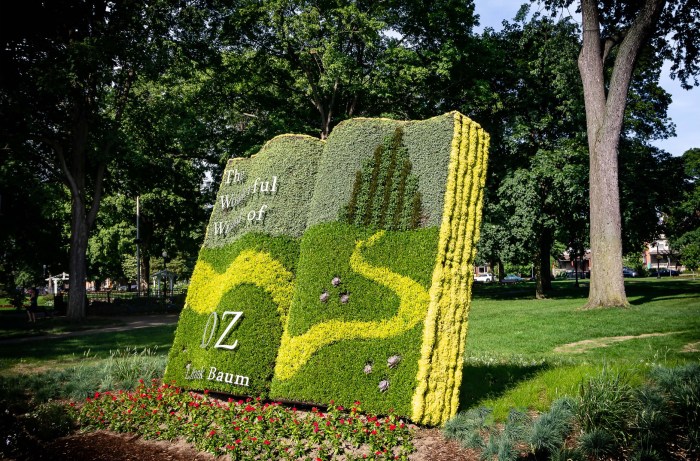
The Holland Oz Project launched last summer with the installation of this floral living mosaic book, a yellow brick road, and colorful landscaping in Centennial Park with bronze sculptures on the grounds of the Herrick Library across the street. A funding campaign to support the project uses personalized engraved yellow bricks for placement along the yellow brick road.
To learn more about the Oz Project, visit their website or call the Holland Area Visitors Bureau at 616.394.0000.
You can see more in Erik’s Holland 2019 gallery on Flickr.
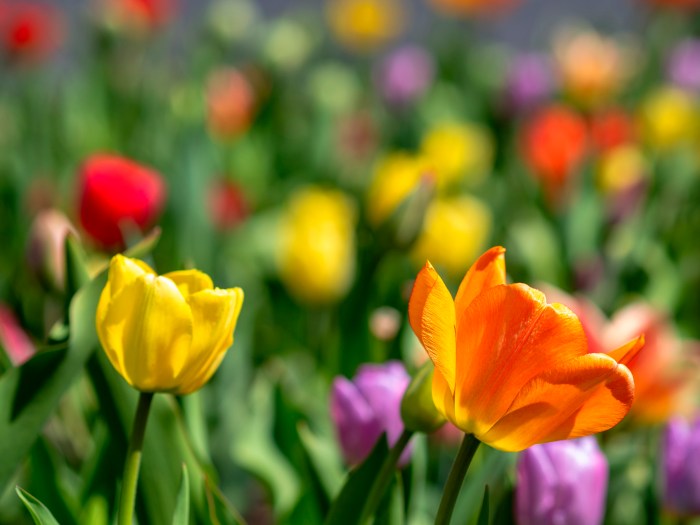
Rhonda caught these tulips in glorious bloom last weekend at the Dow Gardens in Midland:
Established in 1899 as a home for Herbert H. and Grace A. Dow and family, Dow Gardens now welcomes over 300,000 guests per year. Experience a dazzling 110-acre display of annuals and perennials punctuated by distinctive bridges, an award-winning children’s garden, towering pines, and delightful water features. Your admission includes access to Whiting Forest, home to the longest canopy walk in the United States.
Whiting Forest of Dow Gardens features 54 acres of woodlands, ponds, apple orchard, meadows, and stream. Guests of all ages and abilities are immersed in the forest on the nation’s longest canopy walk, 1,400 feet long, soaring up to 40 feet above the ground. The Alden B. Dow-designed Whiting home now welcomes guests as a Visitor Center. Other features include a playground, apple orchard, Whiting Forest Cafe, restoration of Snake Creek, and two pedestrian bridges.
You can see more in Rhonda’s Tulips gallery on Flickr.
 Michigan in Pictures