Summer to Fall

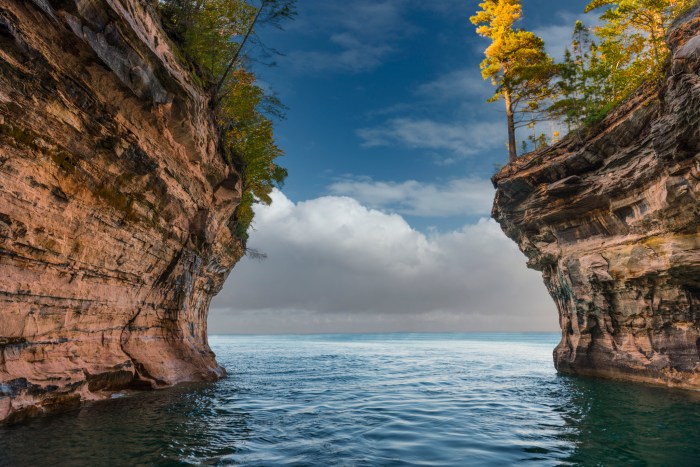
Looking Out at Pictured Rocks

Looking Out, photo by Peter Tinetti

What a perfect photo from the Pictured Rocks National Lakeshore for the last day of summer as we prepare to make the leap into autumn tomorrow.

View this photo background bigtacular and see more in Peter’s slideshow.

There’s more Pictured Rocks and more Fall wallpaper on Michigan in Pictures!

Behind every great photo…

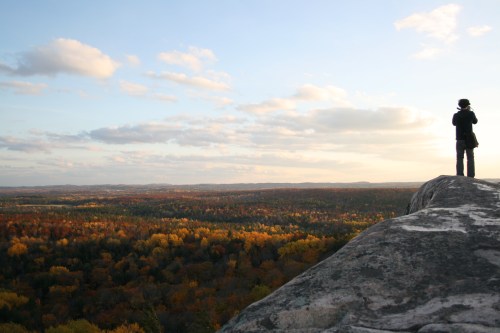
Hogback Mountain Photographer

Hogback Mountain, photo by Chelsea Graham

Shots like these help me remember that behind every great photo, there’s someone who went through all the time and effort to get out there and take it.

Thanks so much to all of you photographers who share your work with me – there’s no way I could do what I do without all of your time, effort and love of Michigan.

View Chelsea’s photo background big and see more in her Michigan slideshow.

More fall wallpaper on Michigan in Pictures.

Marquette Lower Harbor Ore Dock

Marquette Lower Harbor Ore Dock

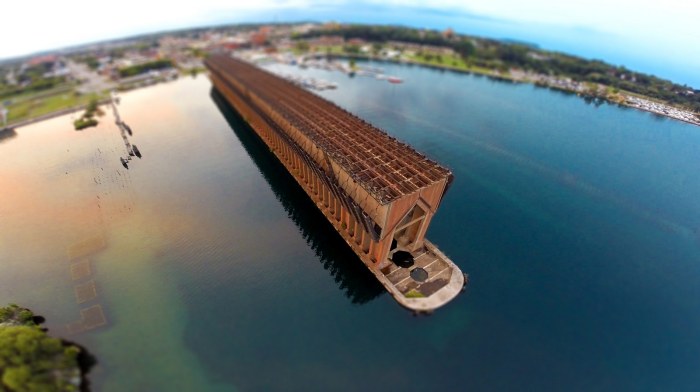
Lower Harbor Ore Dock, photo by Rudy Malmquist

Travel Marquette shares the story of the Iron Ore Dock in Marquette’s Upper Harbor is also known as the Presque Isle Dock.

The dock was built in 1911 and is still commercially active. Each year approximately 9.5 to 10 million tons of ore are shipped from this dock. The dock is owned and operated by the Cliffs Natural Resources. This steel-framed dock is 1,250 feet long and 60 feet wide, with the top deck sitting 75 feet above the water level. It contains 200 pockets, each of which has a capacity of 250 tons of ore, for a total storage capacity of 50,000 tons. Supporting the dock is a foundation of 10,000 wooden piles enclosed by a 12-inch thick timber sheet plank wall filled with sand.

After being mined the ore is crushed and the iron separated out with either a chemical or magnetic process. The iron is combined with a binding agent (a glorified cornstarch) and rolled into small balls roughly an inch in diameter. The balls are fed through a kiln and fired by temperatures exceeding 2,000 degrees F. The result is Taconite Pellets which are loaded on the ore boats and shipped. Most of the pellets shipped from the Presque Isle dock go to Algoma Steel in Sault Ste. Marie, Ontario the largest integrated steel mill. These pellets, which are roughly 70% iron, will be combined with coke and limestone at the mill to make steel.

The ore comes to the dock via railcars and is dumped into steel “pockets” or bins beneath the tracks. To load the boat, the chute is lowered to the open cargo hatch and a door at the bottom of the pocket opens, allowing the pellets to run into the boat shown in the picture. Loading time is variable, depending on the size of the boat and how prepared the dock is to load. Four hours is typical. Loading is the responsibility of the First Mate. It is important to load the ore in a proper sequence to avoid over-stressing the boat unevenly. Each chute (or drop of ore) is about 20 tons.

View Rudy’s photo big as the sky and see more in his slideshow.

More Marquette and more aerial photography on Michigan in Pictures.

There’s One in Every Crowd

Theres One in Every Crowd

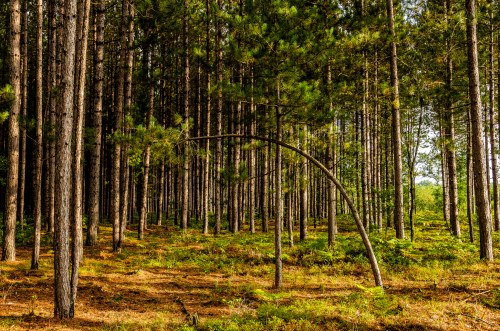
There’s one in every crowd!, photo by Tom Clark

Here’s hoping that you’re one of them in some way. Our differences are beautiful!

Tom got this shot of red pines set for harvesting in Alger. View it background bigtacular and see more in his Michigan Woodlands slideshow.

Winter is Coming … and it might not be all that bad

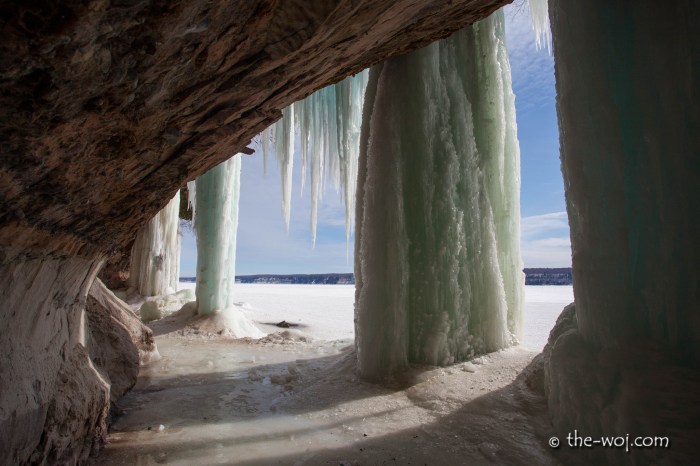
Munising Ice Caves

munising ice caves/curtains, photo by Paul Wojtkowski

The Freep reports that El Niño in Pacific could mean mild Michigan winter:

Less ice on the Great Lakes would ease the freighter shipping industry’s logistical nightmares of recent winters. Less snow-melt runoff in the spring could forestall flooding that sends nutrients off farms and into Lake Erie, fueling its summer algae blooms. And deer populations that have dropped dramatically in the Upper Peninsula over recent harsh winters could begin to rebound.

…Over a century, comparing Michigan’s normal winter precipitation versus 10 El Niño events between 1915 and 1992, rain and snowfall was about 72% of normal in the Metro Detroit area during the El Niños; 78% of normal in the Thumb area, and in the 80% to 85% range of normal throughout the rest of lower Michigan and the eastern Upper Peninsula, according to NOAA.

You can read on for more. While that means that we might not have as much ice cave fun in Michigan this winter, I think I’m OK with an El Niño intermission!

Check Paul’s photo of this winter’s incredible ice caves on Grand Island out background bigalicious, see more in his slideshow and follow Paul Wojtkowski Photography on Facebook!

More ice caves on Michigan in Pictures!


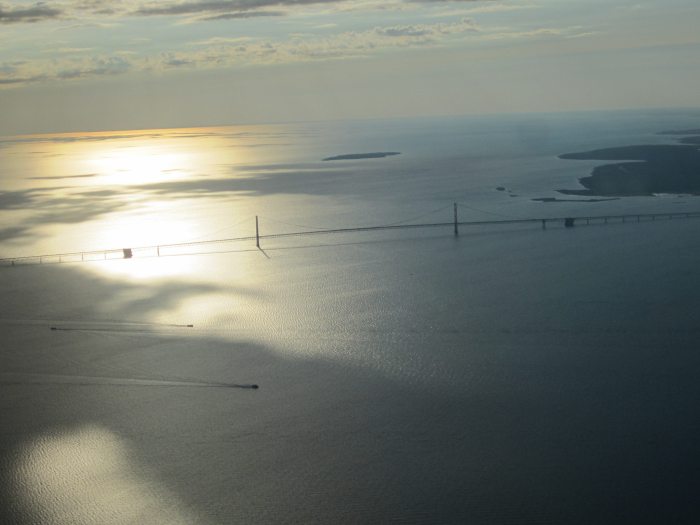
Way above the Mighty Mac

Mackinac Bridge from Above

The Mackinac Bridge, photo by FotoLense

Well while we’re up in the air (see yesterday) why not stay there?

View this photo background bigtacular and see more including some more aerials from the area in FotoLense’s Mackinac Island July 2013 slideshow.

There’s some great facts about the Mackinac Bridge if you click the photo and a ton more on the Mighty Mac from Michigan in Pictures!

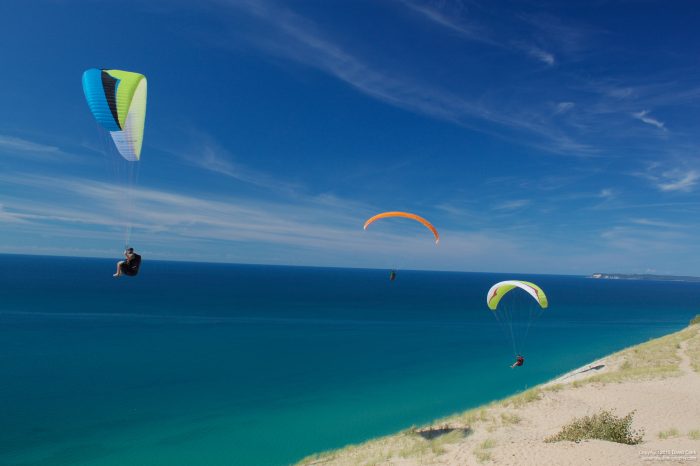
Free Birds

free Birds

Free Birds, photo by David Clark

Here’s a pretty cool shot taken last weekend from high above the Sleeping Bear Dunes National Lakeshore and Lake Michigan. For reference, if he took this from where I think he did, those people are above a dune bluff that’s several hundred feet high.

View David’s photo big as the sky and see more in his Sleeping Bear 2015 slideshow.

Peace, Love & Michigan

Peace Love & Michigan

Peace, love, Michigan, photo by Ann Fisher

I’m in favor of all of them!

View Ann’s photo background big and see more in her 2015 U.P. slideshow.

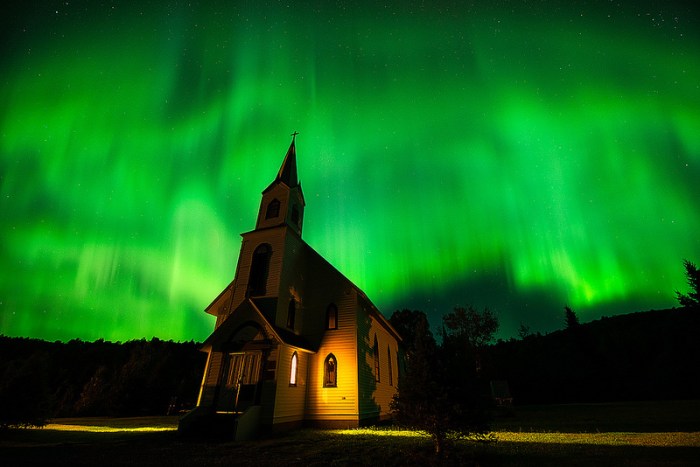
Heavenly curtain at the Phoenix Church

A special Sunday “I changed the cover of the Michigan in Pictures Facebook” edition of Michigan in Pictures.

God is Light

God is light, photo by Jiqing Fan

The Keweenaw County Historical Society page about their Phoenix Church in Houghton explains:

St. Mary’s Church was built in 1858 to serve the Catholic residents in the nearby mining community of Cliff, scene of the area’s first major copper discovery in 1844. Services continued until 1899 when the church was dismantled and reassembled in Phoenix, where it was renamed The Church of the Assumption. Masses were held until 1957, when the last service marked a century of providing spiritual guidance to mining families and their descendants.

In 1985 the Keweenaw County Historical Society took over the property and began extensive repair and restoration work. The church now appears much as it did when folks from another century knelt in prayer, a fitting memorial to one chapter of Keweenaw’s proud heritage. Although now deconsecrated, the church is still used for weddings and memorial services.

More on Pheonix Church from the Keweenaw County Historical Society.

View his photo bigger on Flickr and see more in his Houghton & UP Mich slideshow.

More northern lights and more churches on Michigan in Pictures.

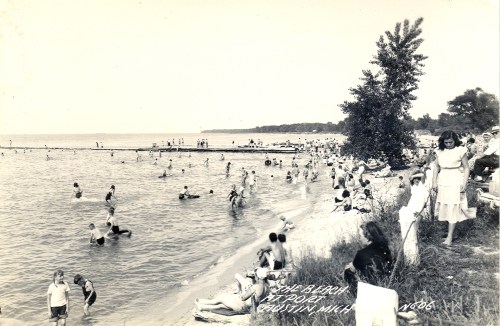
#TBT: Beach Day at Port Austin

Beach Day at Port Austin Lake Huron

Beach Day at Port Austin, photo courtesy Don Harrison/UpNorth Memories

I believe this spot is now the Port Austin Harbor, but if you’re looking for a swim, the Port Crescent State Park on Lake Huron looks pretty great!

Check the photo out background big and see TONS more pics mainly from Michigan in Don’s massive UpNorth Memories Photo Tribute to Michigan Historian Dave Tinder slideshow.

More beaches, more Lake Huron and more Throwback Thursdays on Michigan in Pictures!