Gone fishin’ with a Green Heron

Green Heron and Frog by John Heintz

GREEN HERON by John Heintz, Jr.

The entry for Green Heron (Butorides virescens) at All About Birds says (in part):

From a distance, the Green Heron is a dark, stocky bird hunched on slender yellow legs at the water’s edge, often hidden behind a tangle of leaves. Seen up close, it is a striking bird with a velvet-green back, rich chestnut body, and a dark cap often raised into a short crest. These small herons crouch patiently to surprise fish with a snatch of their daggerlike bill. They sometimes lure in fish using small items such as twigs or insects as bait.

Some Fun Facts…

  • The Green Heron is one of the world’s few tool-using bird species. It creates fishing lures with bread crusts, insects, earthworms, twigs, feathers, and other objects, dropping them on the surface of the water to entice small fish.
  • Like many herons, the Green Heron tends to wander outside of its breeding range after the nesting season is over. Most of the wanderers stay nearby as they search for good feeding habitat, but some travel long distances. Individuals have turned up as far away as England and France.
  • Green Herons usually hunt by wading in shallow water, but occasionally they dive for deep-water prey and need to swim back to shore—probably with help from the webs between their middle and outer toes. One juvenile heron was seen swimming gracefully for more than 60 feet, sitting upright “like a little swan,” according to one observer.
  • The oldest Green Heron on record was 7 years, 11 months old.

Read on for more, with various Green Heron calls including the attack call. The Michigan Bird Atlas shows Green Heron distribution in the state.

FYI John is no longer on Flickr, but he has some awesome pics on Michigan in Pictures!

Many more Michigan birds on Michigan in Pictures.
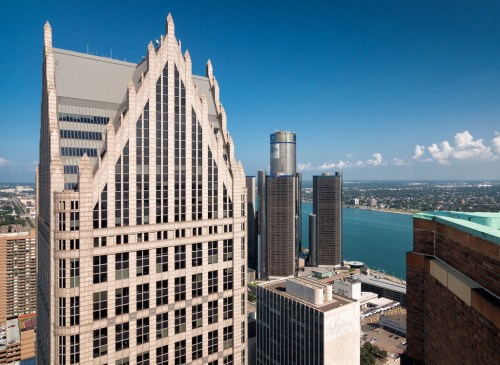
One Detroit Center (Comerica Tower) & architect Philip Cortelyou Johnson

One Detroit

One Detroit, photo by Michael G Smith

The 619 ft tall, 43-story One Detroit Center is the tallest office building in Michigan and second tallest building in the city behind the central hotel tower of the Renaissance Center. Completed in 1993, it started out as the Comerica Tower. The Detroit 1701 page on Comerica Tower says (in part):

This skyscraper is distinguished from all other tall buildings in Detroit by its neo-gothic spires. As Eric Hill and John Gallagher describe them in their book AIA Detroit, these are Flemish inspired spires.

…Philip Cortelyou Johnson was among the nation’s most influential architects and architectural critics of the Twentieth Century in the post-World War II era. Born in Cleveland in 1906, he studied philosophy at Harvard. However, he had the opportunity to take several trips to Europe while an undergraduate and became fascinated with the architecture there. In 1928, he met the innovative Ludwig Mies Van der Rohe whose work is commemorated in an historic district that bears his name located less than a mile from Comerica Tower.

In the early 1930s, Johnson affiliated himself with the Museum of Modern Art in New York and sought to support himself by promoting modern architecture and commenting about it. Apparently, that was not a financially rewarding career so he became a journalist, went to Germany and covered the rise to power of the National Socialists. Apparently, that was not completely rewarding either, so he returned to the United States and enlisted in the Army. After serving for some time, he appreciated his real calling and enrolled at the Harvard Graduate School of Design to become an architect. By the late 1940s, he began his very distinguished career.

Along with collaborators, especially Mies Van der Rhoe in the early years and John Burgee in the later years, he designed a large number of modern skyscrapers. He broke away from the classical tradition that is illustrated in Albert Kahn’s nearby First National Bank Building completed in 1922. His structures also differ from the stark modernist style illustrated by Minoru Yamasaki’s Michigan Consolidated Gas building, completed in 1965, that is almost directly across Woodward from Comerica Tower. Note the rounded corners that Philip Johnson designed for Comerica Tower conveying a sense of gentleness. All other downtown skyscrapers have right angles for their corners.

Read on for more and get One Detroit details from Emporis.

View Michael’s photo big as a building and see more in his awesome Detroit Tour slideshow.

More architecture on Michigan in Pictures.

What Noah should have done…

Regrets

Regrets, photo by Ann Fisher

‘Tis the season when Michiganders wonder what Noah was thinking…

View Ann’s photo background big and see more in her U.P. 2014 slideshow.

More funny business on Michigan in Pictures.

Chasing the Sun on the Summer Solstice

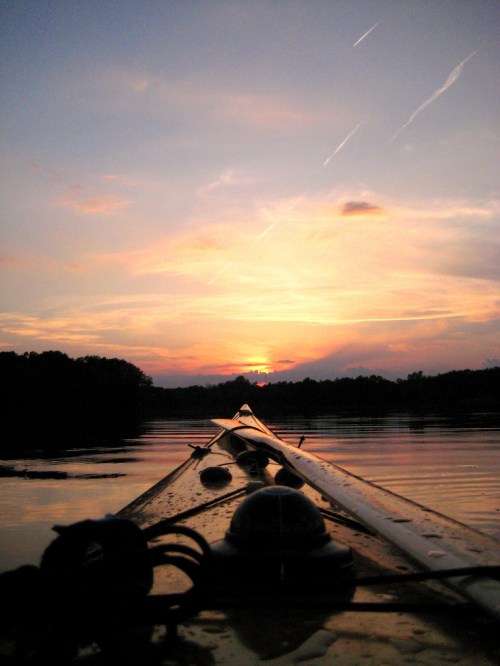
I chased the sun tonight

I chased the sun tonight, photo by Todd

If you were up at 4:51 AM this morning marking summer solstice, you have a long day ahead of you. The longest of the year in fact! More about the summer solstice at EarthSky and I hope you enjoy today and your summer!

View Todd’s photo bigger and see more in his Photo Paddling slideshow.

More about solstices on Michigan in Pictures.

Along the West Michigan Pike

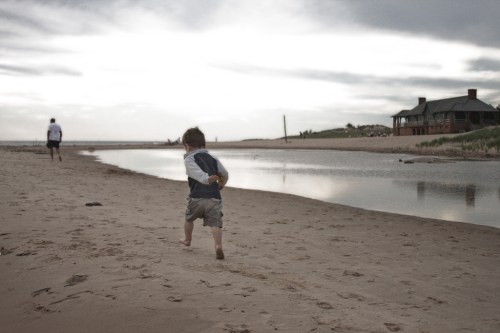
Beach House 2

Beach House 2, photo by Lori Hernandez

Amy Arnold has a cool feature on the West Michigan Pike called Highway to History at Seeking Michigan that says (in part):

You may know it as old M-11, old US 31, the Red Arrow Highway or the Blue Star Highway – all names for a road that was originally called the West Michigan Pike, the first continuous concrete highway in West Michigan. Begun in 1911 as part of a strategy to bring auto tourists from Chicago to Michigan, the road was completed in 1922 and ran from New Buffalo to Mackinaw City.

…In the 1920s, an effort to create a series of connected, safe places for auto travelers to stay resulted in the development of a series of parks along the route, including seven state parks between New Buffalo and Ludington. During the Depression, Ludington State Park was the first state park in Michigan to be constructed by the Civilian Conservation Corps (CCC) and was a showplace for the National Park Service program. The West Michigan Pike was also important in Michigan’s early conservation history. Much of Michigan’s land had been clear cut and abandoned by the lumber industry. The state incorporated highway beautification and reforestation as part of its work to create good roads in Michigan.

Read more at Seeking Michigan, and you can also check out Amy’s historical study of architectural resources along the West Michigan Pike at Michigan Beach Towns. If you’d like to retrace the route, here’s an old flyer with the West Michigan Pike route.

Also, they note that there’s an exhibit titled Yesterday on the West Michigan Pike: Photographs by Vincent J. Musi, that shows the noted National Geographic photographers photos taken along the Pike in 2008. View some right here.

View Lori’s photo background bigtacular and see more in her Ludington State Park slideshow.

More beach wallpaper on Michigan in Pictures!

Three Little Birds

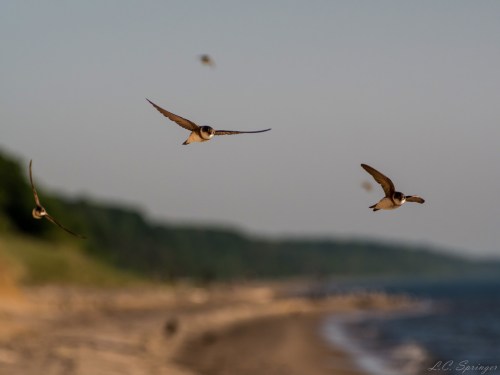
Little Birds

Little Birds, photo by Lance Springer

Want to have a good day? Consider starting it with one of the most upbeat songs I know: Three Little Birds by Bob Marley.

View Lance’s photo bigger and see more in his Great Lakes slideshow.

More Michigan birds on Michigan in Pictures.

Slice of Wonder

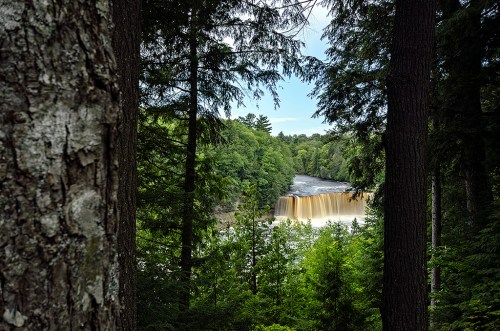
Upper Tahquamenon

Upper Tahquamenon, photo by Jasondoubleuel

Jason shared this shot of one of my favorite views in Michigan, the Upper Tahquamenon Falls, in the Michigan Cover Photos Group. It’s the new cover photo for the Michigan in Pictures Facebook page and (in my opinion) looks just about perfect.

View his photo bigger and see more in his Summer slideshow!

Much more about the Tahquamenon Falls on Michigan in Pictures.

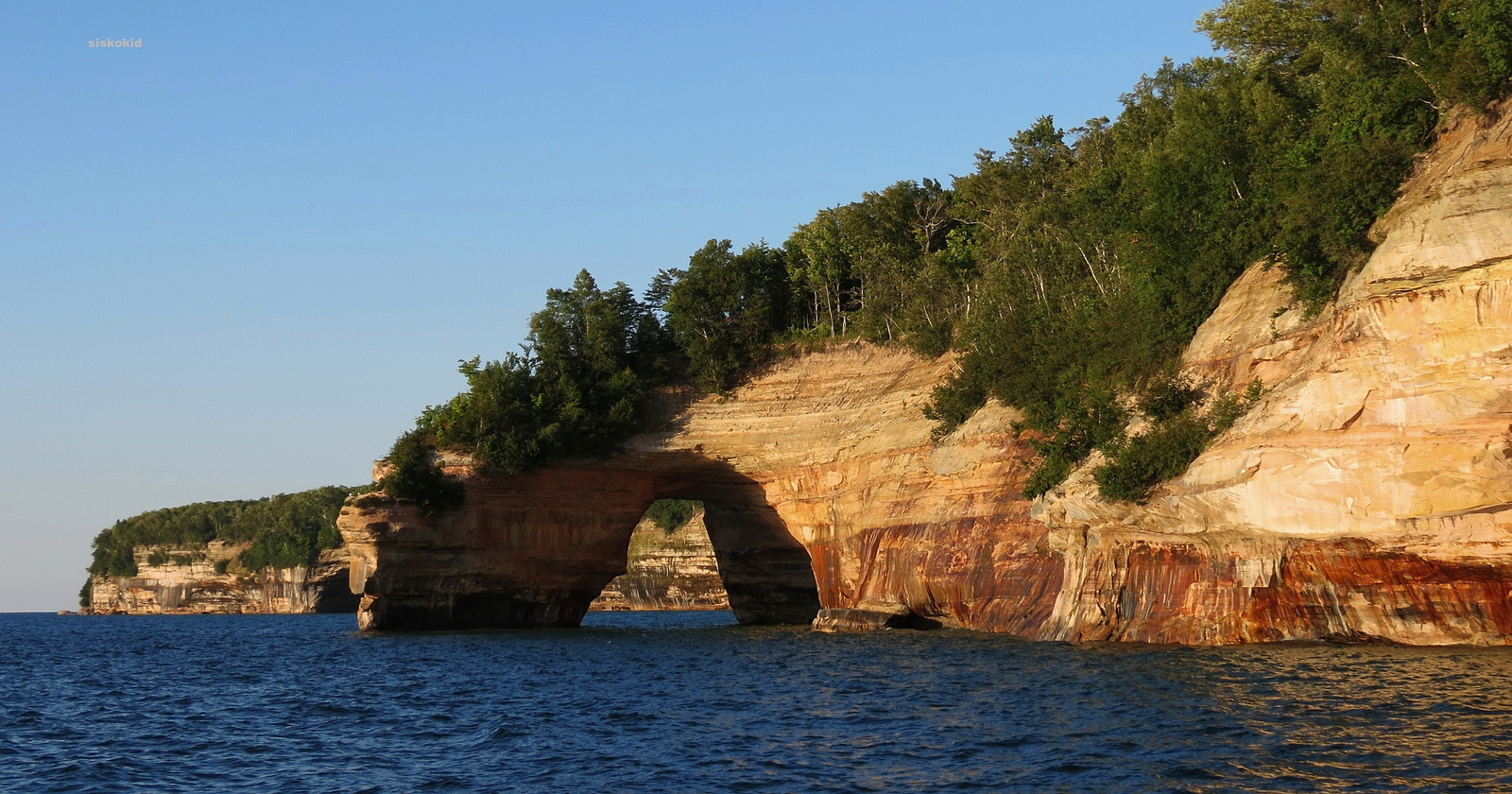
Lovers Leap in the Pictured Rocks

Lovers Leap in the Pictured Rocks

Lover’s Leap, photo by siskokid

Pictured Rocks Tours say legend has it that an Indian couple displayed their love for one another by jumping off the top of this rock arch together. They stress that the water at the base is only a few feet deep, so don’t try it!

While Myths and Legends of our Own Land  by Charles M. Skinner (online e-book from Project Gutenberg here) doesn’t have a story about this Lovers’ Leap, Skinner does detail three tales from Mackinac Island in his chapter on Lovers Leaps that says (in part):

So few States in this country—and so few countries, if it comes to that—are without a lover’s leap that the very name has come to be a by-word. In most of these places the disappointed ones seem to have gone to elaborate and unusual pains to commit suicide, neglecting many easy and equally appropriate methods. But while in some cases the legend has been made to fit the place, there is no doubt that in many instances the story antedated the arrival of the white men…

When we say that the real name of Lover’s Leap in Mackinac is Mechenemockenungoqua, we trust that it will not be repeated. It has its legend, however, as well as its name, for an Ojibway girl stood on this spire of rock, watching for her lover after a battle had been fought and her people were returning. Eagerly she scanned the faces of the braves as their war-canoes swept by, but the face she looked for was not among them. Her lover was at that moment tied to a tree, with an arrow in his heart. As she looked at the boats a vision of his fate revealed itself, and the dead man, floating toward her, beckoned. Her death-song sounded in the ears of the men, but before they could reach her she had gone swiftly to the verge, her hands extended, her eyes on vacancy, and her spirit had met her lover’s.

From this very rock, in olden time, leaped the red Eve when the red Adam had been driven away by a devil who had fallen in love with her. Adam, who was paddling by the shore, saw she was about to fall, rushed forward, caught her, and saved her life. The law of gravitation in those days did not act with such distressing promptitude as now. Manitou, hearing of these doings, restored them to the island and banished the devil, who fell to a world of evil spirits underground, where he became the father of the white race, and has ever since persecuted the Indians by proxy.

Read on for more. It’s a great book – I highly recommend it!

Jim shot this last summer. Check his photo out bigger and see more in his Pictured Rocks slideshow.

Much (much) more from the Pictured Rocks National Lakeshore on Michigan in Pictures. I also want to stress that while the price tag on the boat tour might give you pause, this is hands-down the best boat tour I’ve ever done and gives you a view of the Michigan natural wonder that is the Pictured Rocks National Lakeshore that will stay with you forever.

It Calls To Me…

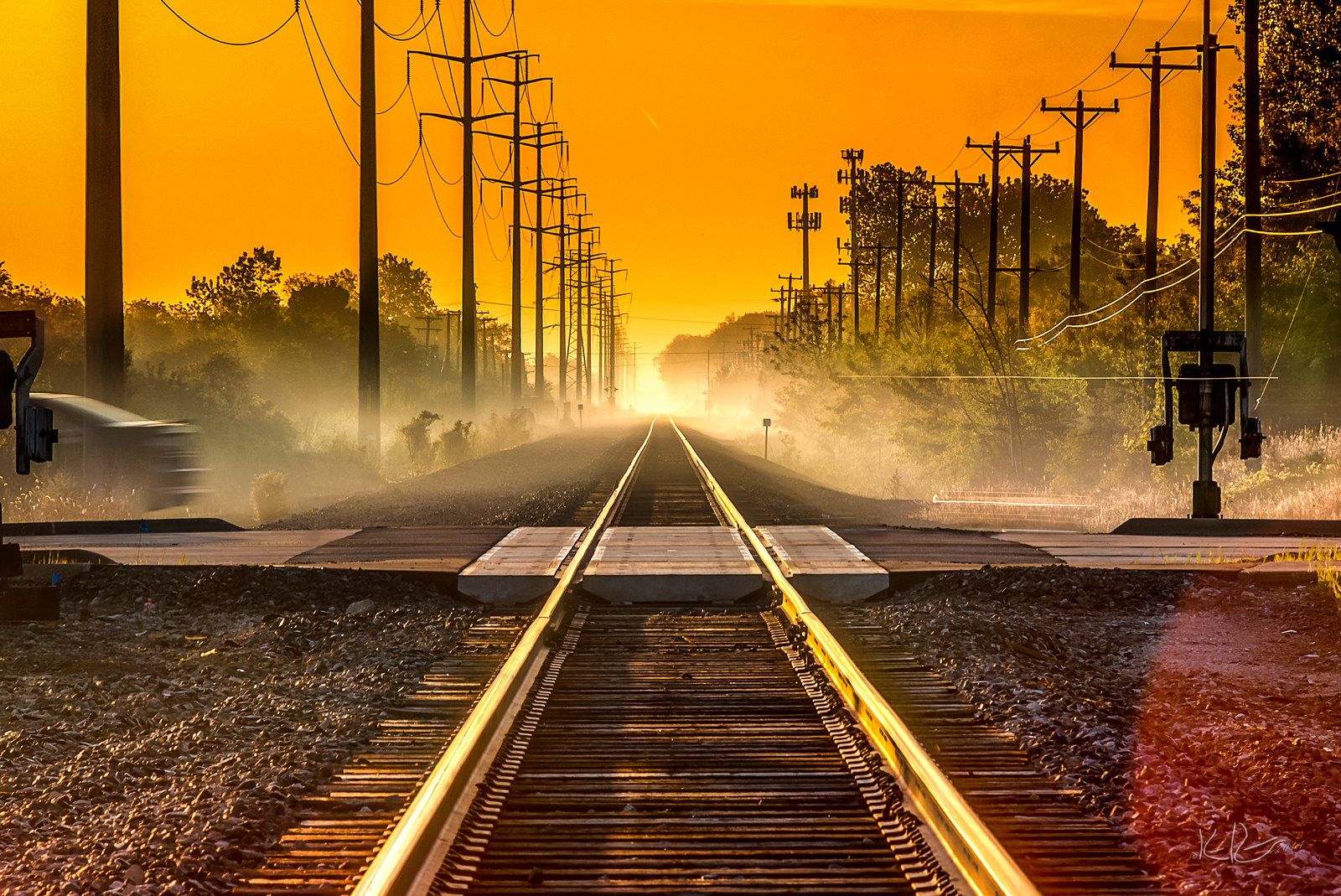
Sunrise on the Rails

It Calls To Me…, photo by Kenneth Raymond

The Sunrise, Like Flight To The Bird, It Calls To Me…

View Kenneth’s photo bigger and see more in his Sunrises & Sunsets slideshow.

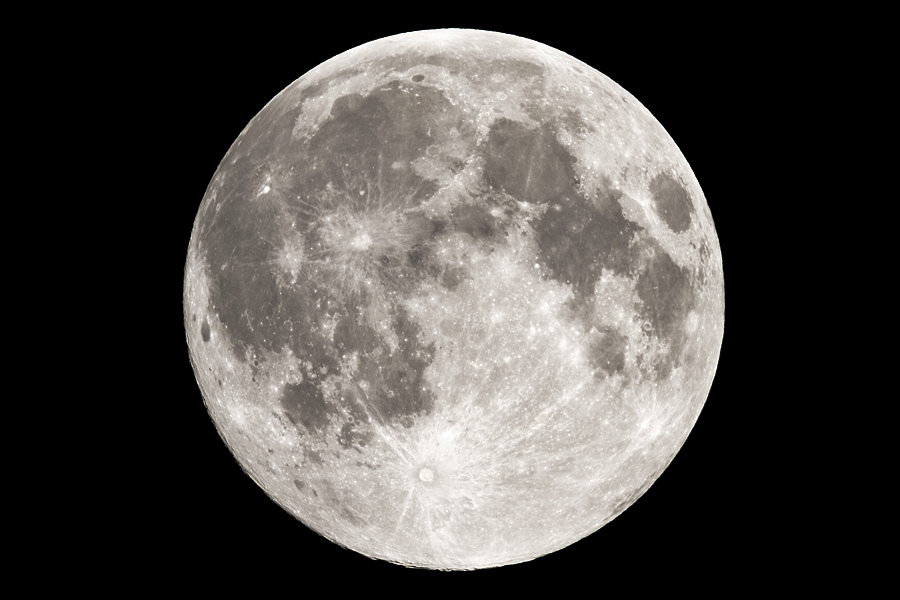
The Strawberry Moon is full in June

Strawberry Moon by kevins stuff

The Clark Kent Moon of June, photo by Kevin

June’s full moon takes place this Friday, the 13th. That convergence last happened in 2000, and you superstitious folks can breathe easy as it won’t happen again until 2049.

Regarding the June moon’s delicious name, the Farmer’s Almanac says:

The month of June’s full Moon’s name is the Full Strawberry Moon. June’s Full Strawberry Moon got its name because the Algonquin tribes knew it as a signal to gather ripening fruit.

It was often known as the Full Rose Moon in Europe (where strawberries aren’t native).

I checked and the Ann Arbor Farmer’s Market is reporting they have strawberries, so I assume the rest of the state will soon follow suit.

View Kevin’s photo bigger and view lots more in his The Moon slideshow.