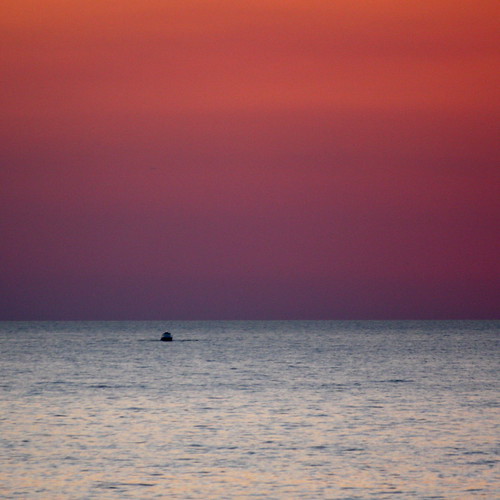
Edge of the night

Edge of the night

Edge of the night, photo by kevindooley.

Here’s a “beauty shot” from Michigan’s Creative Commons King, Kevin Dooley. You can learn a lot about how Flickr works from Kevin right here.

View it bigger and in his Water slideshow.

Here’s more messing about in boats on Michigan in Pictures, and have a wonderful weekend!

Michigan gets its own oil spill on the Kalamazoo River

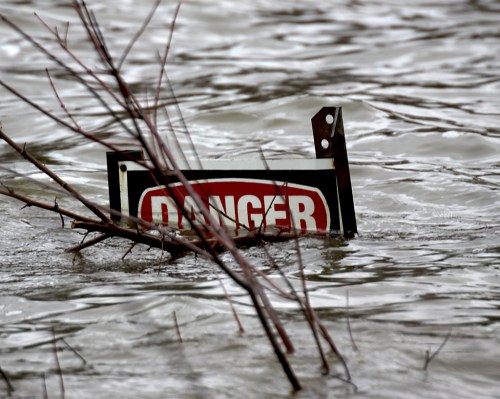
Danger

Danger, photo by raddad!.

On Monday about 850,000 gallons of crude oil spilled into the Kalamazoo River near Marshall. Over on Facebook, the Kalamazoo River Oil Spill group has been formed to provide a hub to volunteer, offer goods or services for donation, provide expertise, provide information and anything else that will help clean this mess up post-haste.

In addition to the photos from the oil spill group on Facebook, the Freep has photos of the spill – the worst in Michigan history – and you can get the latest updates on the Kalamazoo River from mLive.

Check this out bigger in Randy’s Kalamazoo River slideshow and here’s the Kalamazoo River Slideshow from the Absolute Michigan pool on Flickr.

2010 Traverse City Film Festival

2009-7-31 TCFF 0065 copy

2009-7-31 TCFF 0065 copy, photo by tcfilmfest.

All week long I’m going to be on location with Absolute Michigan, working for the Traverse City Film Festival.

Tune in to Absolute Michigan’s Traverse City Film Festival coverage where we’ll try and take you up close and personal with one of Michigan’s most dynamic festivals!

Many more photos are posted daily during the festival to the Traverse City Film Festival Flickr. You can see some of the best in the Traverse City Film Festival Flickriver and the Traverse City Film Festival group on Flickr.

Planet Poison Ivy

Thanks to the good folks at WordPress.com for featuring this post (and for hosting Michigan in Pictures)!

Vacant Factory

Vacant Factory, photo by Voxphoto.

I was driving the other day and noticing that the ivy seems especially profuse this summer. I was ready to chalk it up solely to the warm, wet summer of 2010 when my daughter Kenyon told me about this interview of Dr. Lewis Ziska, plant physiologist for the U.S. Department of Agriculture’s Agricultural Research Service by Michele Norris on NPR:

NORRIS: We’ve long known that poison ivy is nasty stuff. Even if you barely brush up against it, you can get an angry, weeping, contagious, red rash that takes weeks to heal. Well, it turns out that poison ivy, along with its voracious cousins poison oak and poison sumac, is even more of a nuisance this summer. The plants are spreading faster, growing larger, showing up in new places and becoming more toxic. It’s the kind of thing that’s so scary, it almost deserves its own soundtrack.

…NORRIS: Why is the plant spreading more and becoming more voracious? Why is it growing larger?

Dr. ZISKA: One of the things that we think is occurring is that as carbon dioxide is increasing in the atmosphere – carbon dioxide, as everyone knows, is a basic greenhouse gas, but it’s also plant food. And plants take that carbon, and they convert it into sugars and carbohydrates and so forth.

But not all plants respond the same way to that resource, and we think that vines, particularly vines like poison ivy or kudzu or other noxious weeds, seem to show a much stronger response to the change in CO2 than other plant species. So on average, the poison ivy plant of, say, 1901, can grow up to 50 to 60 percent larger as of 2010 just from the change in CO2 alone, all other things being equal.

And as a result of that change, we see not only more growth but also a more virulent form of the oil within poison ivy. The oil is called urushiol, and it’s that oil that causes that causes that rash to occur on your skin when you come into contact with it. Read on >

Check this out bigger and in in Ross’s A Few in Color slideshow and know your poison ivy!

Why are most barns red?

Why are most barns red?

Why are most barns red?, photo by whitepuffycloud.

Shannon dug up the answer to the question: Why are barns usually painted red?:

Centuries ago, European farmers would seal the wood on their barns with a linseed oil mixture, often consisting of additions such as milk and lime. The combination produced a long-lasting paint that dried and hardened quickly. Now, where does the red come from?

Wealthy farmers added blood from a recent slaughter to the oil mixture. As the paint dried, it turned from a bright red to a darker, burnt red.

Farmers added ferrous oxide, otherwise known as rust, to the oil mixture. Rust was plentiful on farms and is a poison to many fungi, including mold and moss, which were known to grown on barns. These fungi would trap moisture in the wood, increasing decay.

Regardless of how the farmer tinted his paint, having a red barn became a fashionable thing. They were a sharp contrast to the traditional white farmhouse. As European settlers crossed over to America, they brought with them the tradition of red barns. In the mid to late 1800s, as paints began to be produced with chemical pigments, red paint was the most inexpensive to buy. Red was the color of favor until whitewash became cheaper, at which point white barns began to spring up.”

You may also wonder why barns have lightning rods – we’ve got that covered too!

Check this out bigger in Shannon’s Lansing, MI slideshow!

The Ruffed Grouse and how to manage land for it in Michigan

n21_107-9216

n21_107-9216, photo by sgowtham.

Managing Michigan Wildlife: A Landowners Guide is produced by the Michigan DNR and is designed to tell landowners how they can improve wildlife habitat on their property and ease the consequences of our changed ecosystems. They have this to say about the Ruffed Grouse:

Ruffed grouse live in 34 of the 49 continental states and in all Canadian provinces. Michigan is an important portion of the grouse range. Often thought of as a bird of the deep forest, grouse actually thrive best in young, aspen forests and brushlands. When aspen is not available, oak, lowland brush, and dense stands of trees are optional habitats. Grouse are a welcome sight at bird feeders in neighborhoods where natural habitat is available. Despite human encroachment, grouse are able to survive.

You can manage for grouse in Michigan if you own 20-40 acres of woodlands, and birds have access to other nearby woodlots. When habitat needs are met, ruffed grouse usually spend their entire lives in an area of 40 acres or less. If critical habitat is not available, grouse will disperse up to several miles in search of a new home. Birds are basically solitary and do not collect in coveys like bobwhite quail, although several grouse may feed or roost together. Be aware that populations fluctuate even when habitat needs are met.

Learn much more about this popular game bird from Wikipedia and Ruffed Grouse (Bonasa umbellus) from All About Birds where you can hear the grouse’s unique thrumming call.

Gowtham took this photo in Pelkie. Check it out bigger and in his Nature slideshow.

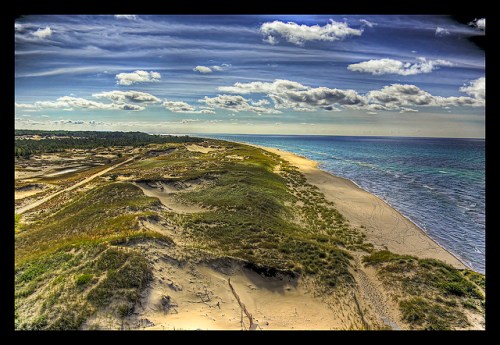
Big Sable Point – View From The Top

Big Sable Point - View From The Top
Big Sable Point – View From The Top, photo by pentax hammer (gary syrba)

This is the view from Big Sable Point Lighthouse near Ludington.

View it bigger in Gary’s awesome Summertime slideshow.

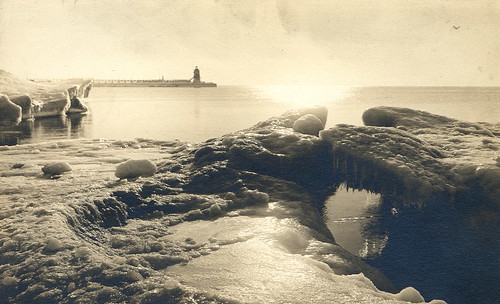
Frankfort Beach & North Breakwater Light in Winter

Benzie Vintage Winter Frankfort Beach Card looking South to the pod Pier and Lighthouse

Benzie Vintage Winter Frankfort Beach Card looking South to the pod Pier and Lighthouse, photo by UpNorth Memories – Donald (Don) Harrison.

The Frankfort North Breakwater Light in the picture is one of three Michigan lighthouses that the Coast Guard is offloading.

Be sure to check this out background bigtacular Don’s Benzie vintage winter slideshow has more wintertime views from Northern Michigan.

Everyone OK with a little more summer?

Holga from Marianne Priest


Untitled, photo by Marianne Priest

Marianne Priest is a self taught photographer living in northern lower Michigan who got her first camera in the late 90s, She’s developed her style through reading, trial and error, and the great talent and wisdom of friends who have helped and inspired her. One of those friends, Mark O’Brien, turned me on to her photos and I have to say that I’m grateful!

Check out her Holga slideshow and view lots more of her work at mariannepriest.com!

A little beach-keh on Throw in a Petoskey Stone Day

beach-keh

beach-keh, photo by *ojoyous1*.

July 17th is Throw in a Petoskey Stone Day. If you’re unfamiliar with it, that’s because it was invented on Michigan in Pictures last July 17th. The basic goal is to preserve Petoskey stones for future generations by throwing them out into the water., but nobody can fault you if you decide to take one or more home with you.

Click that link above for more about Michigan’s State Stone. Here’s what Rose Petoskey has to say:

Many people would associate the word Petoskey with the souvenir stone found on the northern Lake Michigan shorelines. However, to my family, the word Petoskey represents much more than a souvenir.

In the Odawa language, the word Petoskey (Bii-daa-si-ga) means the rising sun, the day’s first light, or the sun’s first rays moving across the water. The Petoskey stone is a fossilized coral created by impressions made in limestone during the last Michigan ice age. These stones were named “Petoskey” because the impressions resembled the rising sun coming up over the water. Just as the image of the rising sun is implanted within the Petoskey stone, the archaeology of a person’s names is implanted within. All names within our Anishinaabek culture reflect an individual’s personal history. Rocks go deep, but names go much deeper to reveal the stories of the past.

Read on for some interesting thoughts about language.

Joy found this on the beach near Frankfort. Take a stroll along Frankfort beach with Joy and I hope you have a great weekend!